
Some sports records feel less like numbers and more like strange little monuments. They come from different eras, different rules, different training habits, and sometimes a version of the sport that no longer really exists. That is what makes them so hard to chase.
A modern athlete can be better prepared, better paid, and better supported, yet still run straight into a record that belongs to another world.
1. Wilt Chamberlain’s 100-Point NBA Game
OLDSCHOOLCOOL / REDDIT
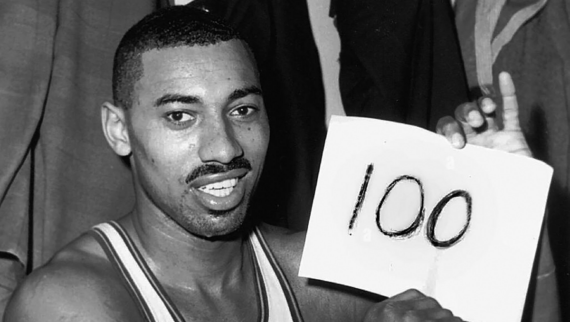
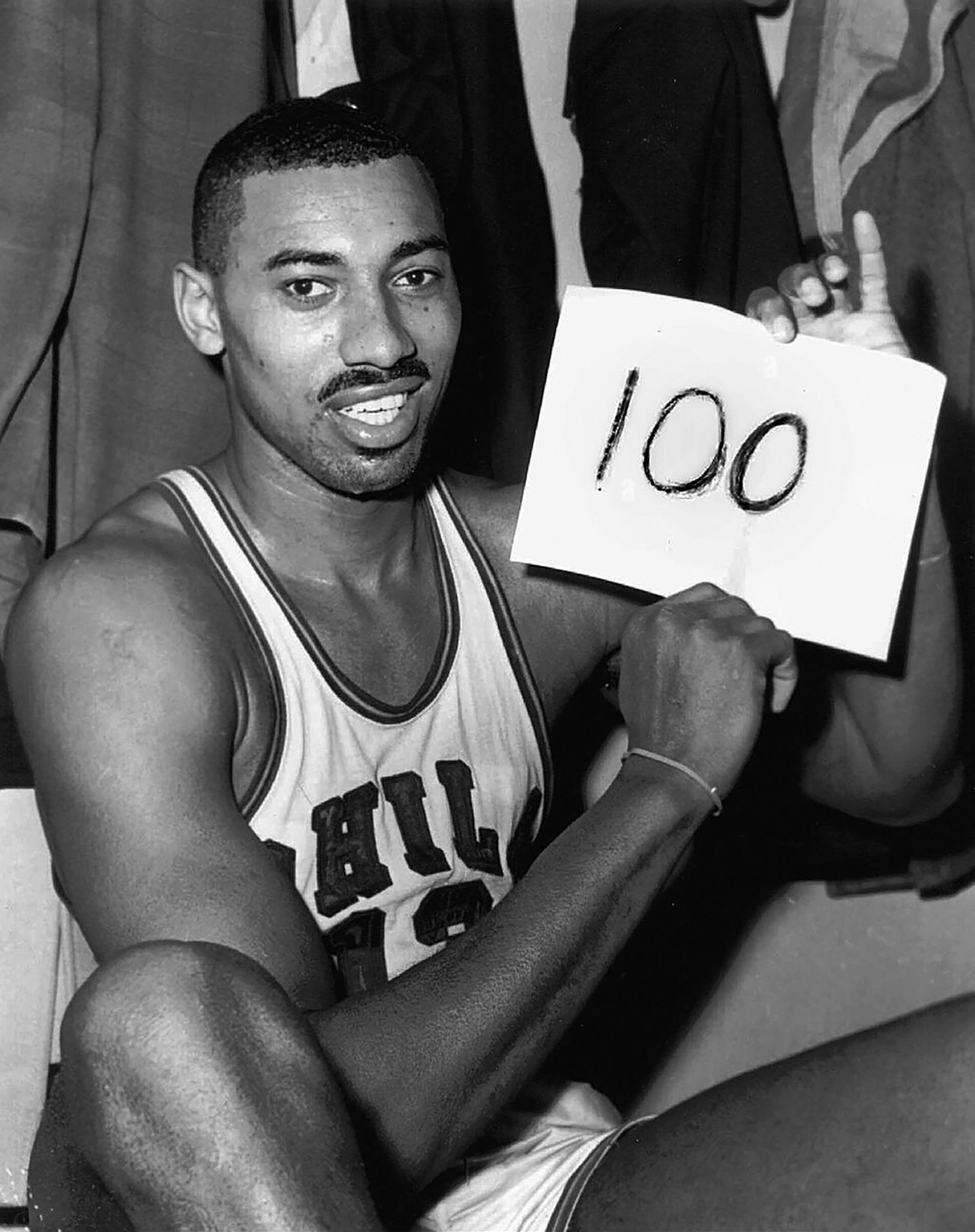
Wilt Chamberlain’s 100-point game still has a slightly unreal quality, partly because there was no live national TV broadcast and the most famous image from the night is just Wilt in a locker room holding a handwritten “100” sign. The game happened on March 2, 1962, in Hershey, Pennsylvania, with Chamberlain’s Philadelphia Warriors beating the New York Knicks 169-147. Plenty of great scorers have come along since, and Kobe Bryant’s 81-point night in 2006 briefly made the number feel less impossible, but 100 is still sitting there by itself. Modern defenses, load management, three-point math, and late-game substitutions all make it hard to imagine a team feeding one player long enough to get there again.
2. Wayne Gretzky’s 2,857 NHL Points
HOCKEY / REDDIT
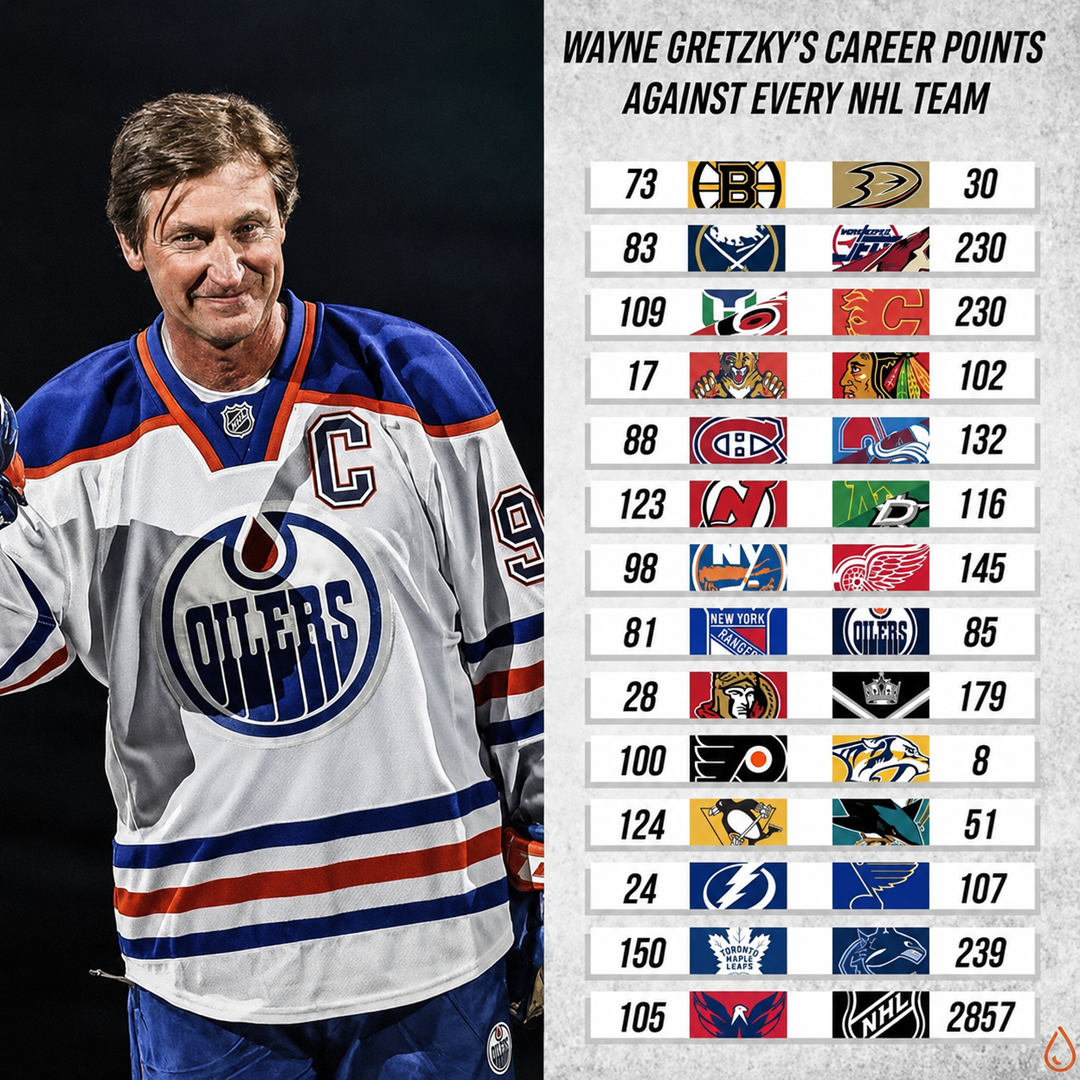
Wayne Gretzky did not just lead the NHL in career points; he turned the leaderboard into something that looks misprinted. His 2,857 regular-season points sit far ahead of everyone else, built from 894 goals and a ridiculous 1,963 assists. Hockey has changed in ways that make this record feel even safer now: tighter defensive systems, better goaltending, shorter offensive peaks, and fewer players piling up 200-point seasons, because those barely happen at all. The funny part is that Gretzky’s assist total alone would still put him ahead of every other player’s total points mark.
3. Cy Young’s 511 Major League Wins
BASEBALL / REDDIT
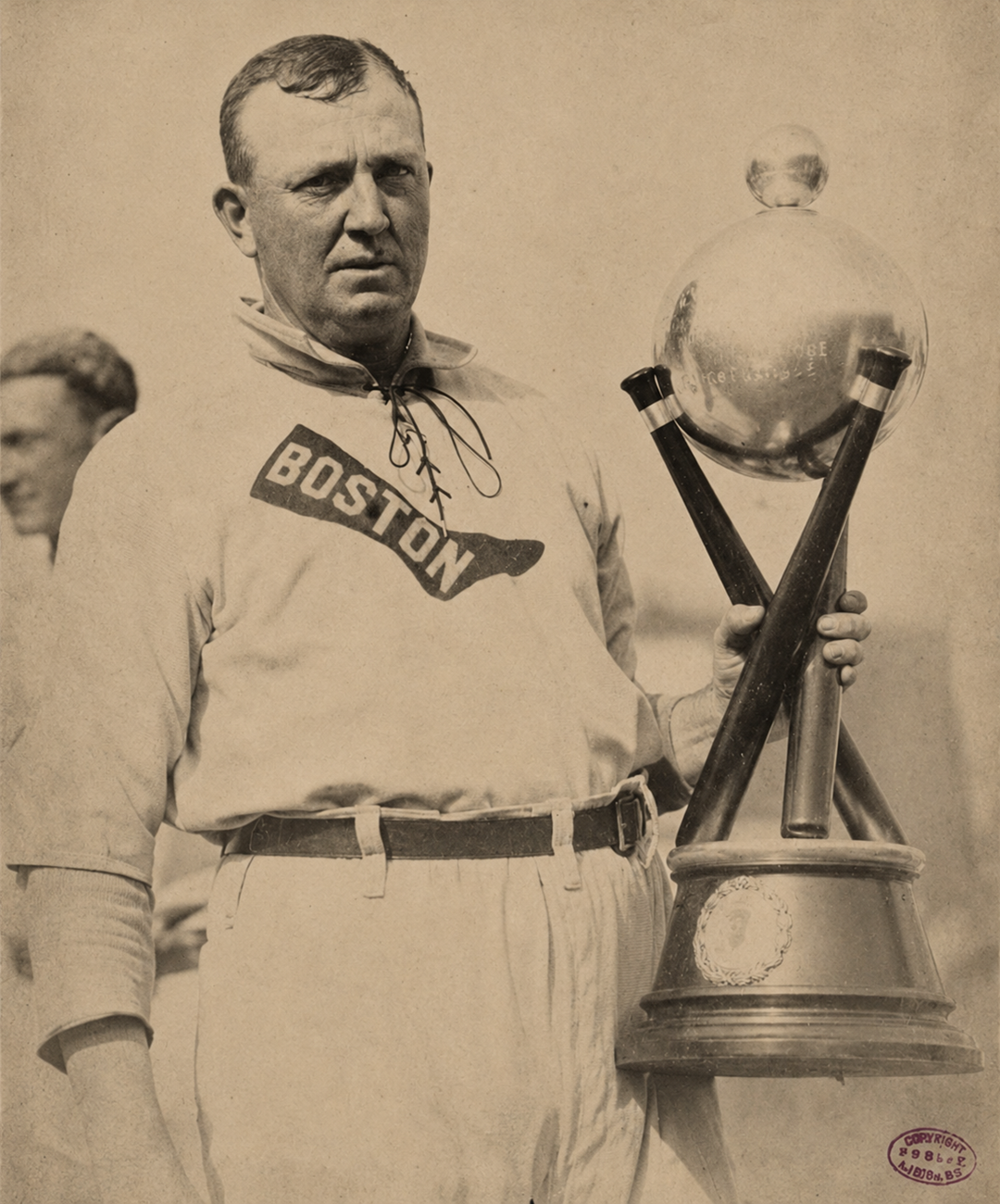
Cy Young’s name is on the award given to baseball’s best pitchers, but his own record feels like it comes from a different sport entirely. He won 511 games between the 1890s and early 1900s, when starting pitchers worked constantly, finished what they started, and were not managed by modern pitch counts. Today, even elite starters might get 30 starts in a full season, leave after six innings, and watch the bullpen decide whether they get a win. For anyone to reach 511 now, they would need greatness, durability, old-school usage, and a baseball universe that no longer exists.
4. Joe DiMaggio’s 56-Game Hitting Streak

BASEBALL / REDDIT
There is something wonderfully cruel about Joe DiMaggio’s 56-game hitting streak because a hitter can do almost everything right and still lose the chase on one sharp line drive at a fielder. DiMaggio’s run came in 1941, and the number has survived expansion, artificial turf, smaller ballparks, advanced scouting, video rooms, and every wave of baseball evolution since. A player needs skill, patience, health, luck, and daily opportunity for nearly two straight months. The closer someone gets, the more every at-bat becomes an event, which only makes the final steps harder.
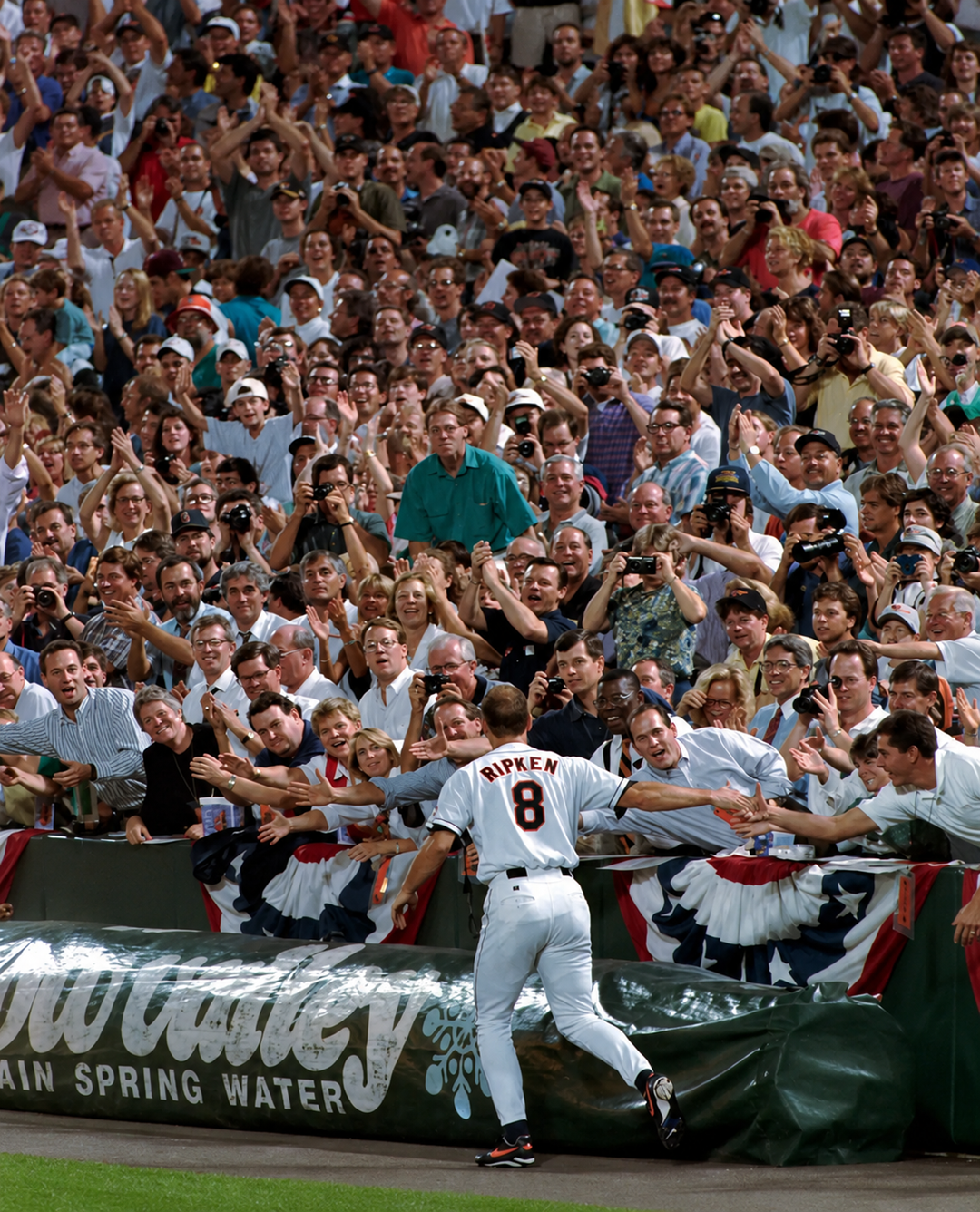
5. Cal Ripken Jr.’s 2,632 Consecutive Games
BASEBALL / REDDIT
Cal Ripken Jr. did not break Lou Gehrig’s consecutive-games record by a little. He pushed it all the way to 2,632, playing every day from 1982 to 1998. That streak is almost impossible to translate into today’s sports culture, where scheduled rest is seen as smart, injuries are tracked more carefully, and teams are much less romantic about letting one player grind forever. Ripken’s record is not just about toughness, either. It required an organization willing to keep writing his name into the lineup, season after season, even when any normal player would have been told to take a night.
Trending on The Scroller


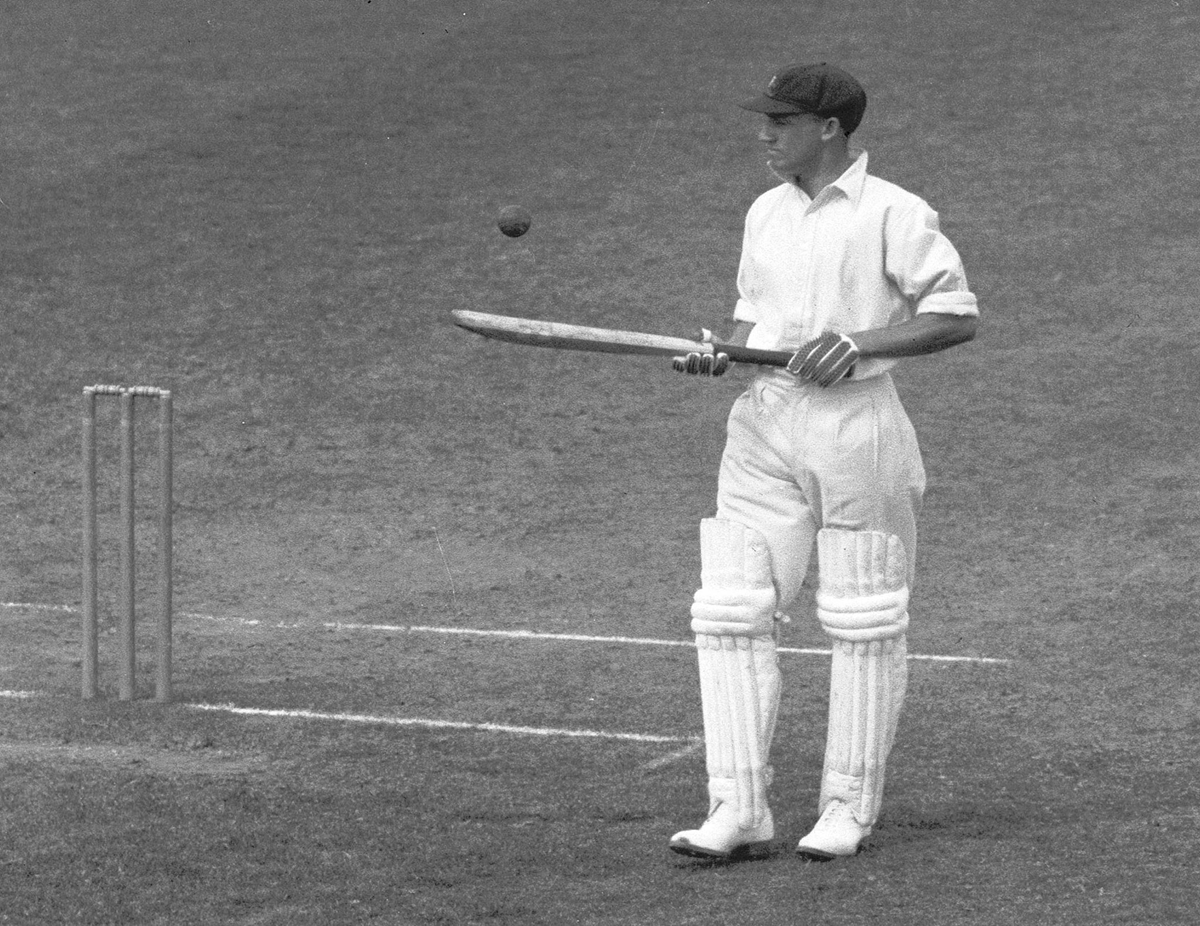
6. Don Bradman’s 99.94 Test Batting Average
CRICKET / REDDIT
Cricket has plenty of numbers that confuse casual fans at first glance, but Don Bradman’s Test batting average does not need much explaining. He finished at 99.94, a figure so far above the rest of the sport that it reads more like a typo than a statistic. Test cricket is long, technical, mentally draining, and full of conditions that can turn even the best batters into temporary guesses. Bradman’s final average has survived generations of great players, and the longer cricket becomes more crowded with formats and schedules, the stranger his number looks.
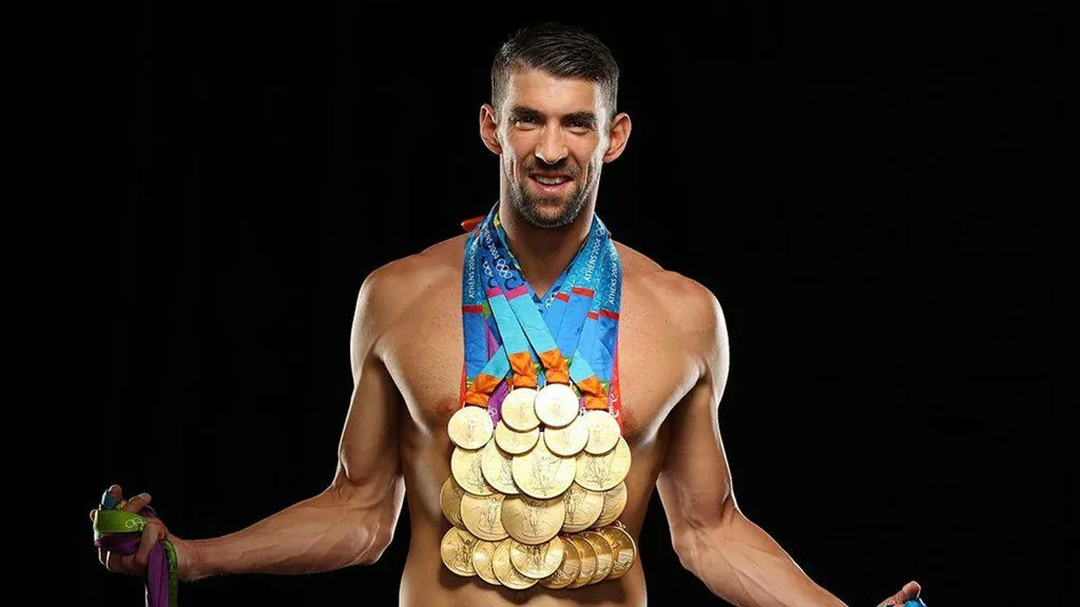
7. Michael Phelps’ 23 Olympic Gold Medals
PICS / REDDIT
Michael Phelps had the perfect combination of body, timing, discipline, event range, and Olympic scheduling. That last part matters more than people sometimes admit. Swimming offers more medal chances than many sports, but turning those chances into 23 golds still required five Olympic appearances and a level of repeat performance that barely left room for ordinary human off days. Someone may become the next great swimmer, but to pass Phelps, they would need to dominate across strokes, distances, relays, and eras, while staying healthy and hungry for more than a decade.
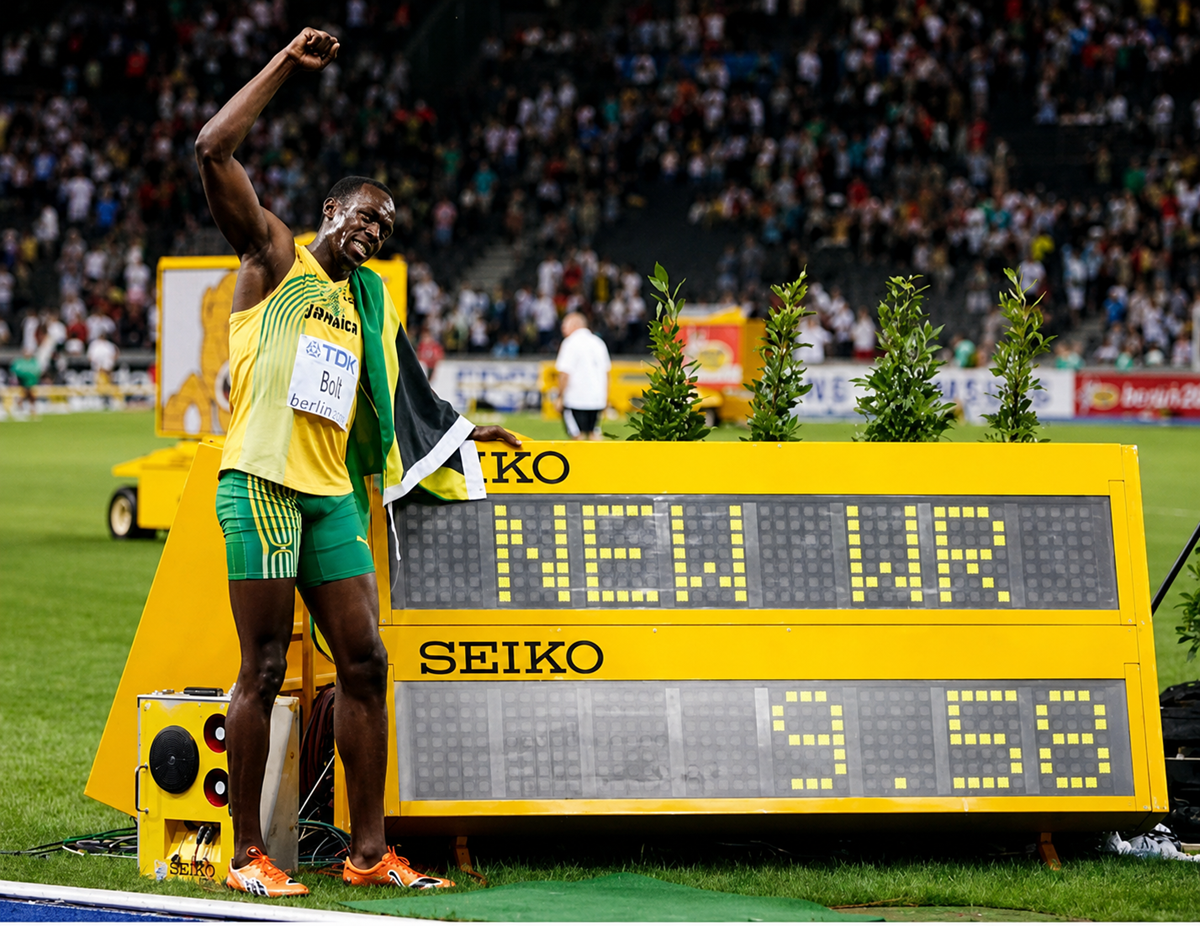
8. Usain Bolt’s 9.58 in the 100 Meters
TRACKANDFIELD / REDDIT
The 100 meters is designed to be simple, which is part of why Usain Bolt’s 9.58 feels so clean and stubborn. He ran it at the 2009 World Championships in Berlin, and the race still looks oddly loose for something that pushed the event into another place. Sprinters have chased tiny fragments of time ever since, but those fragments are the whole problem. In a race that lasts less than ten seconds, taking even a few hundredths off the record requires a near-perfect start, drive phase, top speed, weather, track, and body on the same night.
Sign up for our newsletter
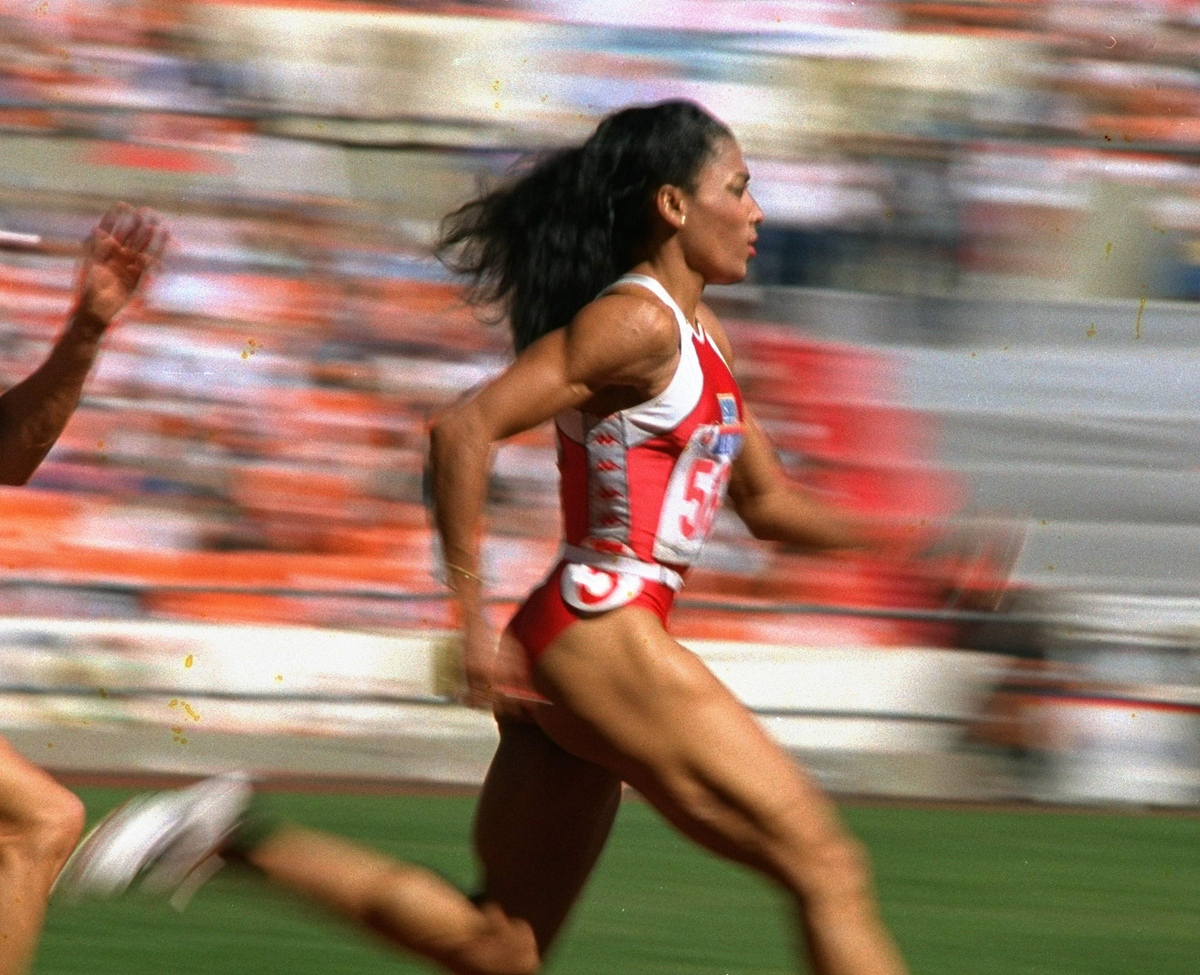
9. Florence Griffith-Joyner’s 10.49 in the Women’s 100 Meters
TRACKANDFIELD / REDDIT
Florence Griffith-Joyner’s 10.49 from 1988 has lived for decades at the edge of track and field conversation. The time is so far ahead of most women’s sprinting history that every fast generation ends up being measured against it, even when no one is especially close. It came during a year when Flo-Jo looked almost untouchable, with speed, style, and star power arriving all at once. Records in sprinting usually move in tiny bites, but this one still asks the rest of the world to swallow a huge chunk.
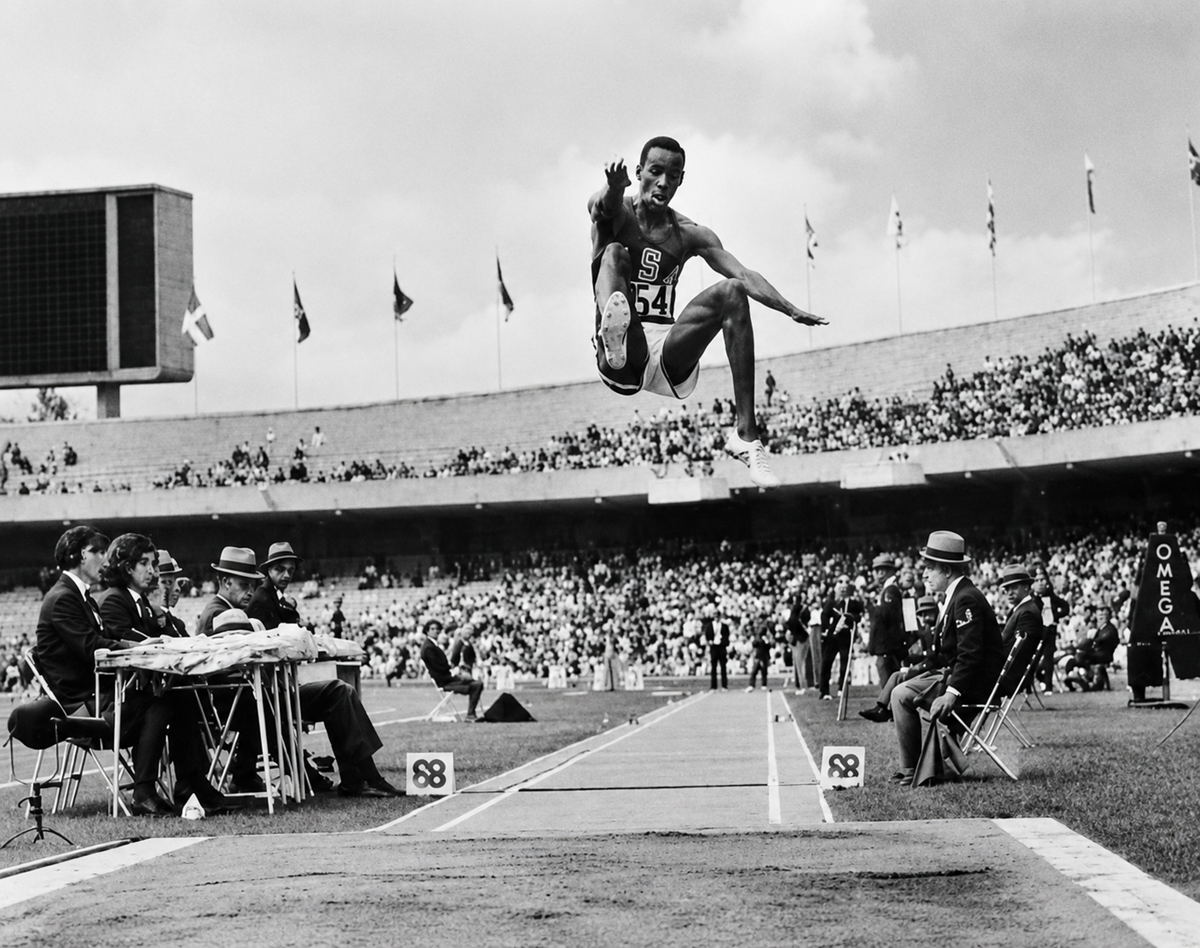
10. Bob Beamon’s 8.90-Meter Olympic Long Jump
TODAYILEARNED / REDDIT
Bob Beamon landed so far into the pit at the 1968 Mexico City Olympics that the measuring equipment was not ready for it. His 8.90-meter jump was a world record for 23 years, and it remains the Olympic record. The altitude helped, yes, but that only explains part of why the moment became so strange. Long jump is a rhythm event as much as a power event, and Beamon caught the board, the runway, the air, and the day itself in a way that has resisted every Olympic field since.
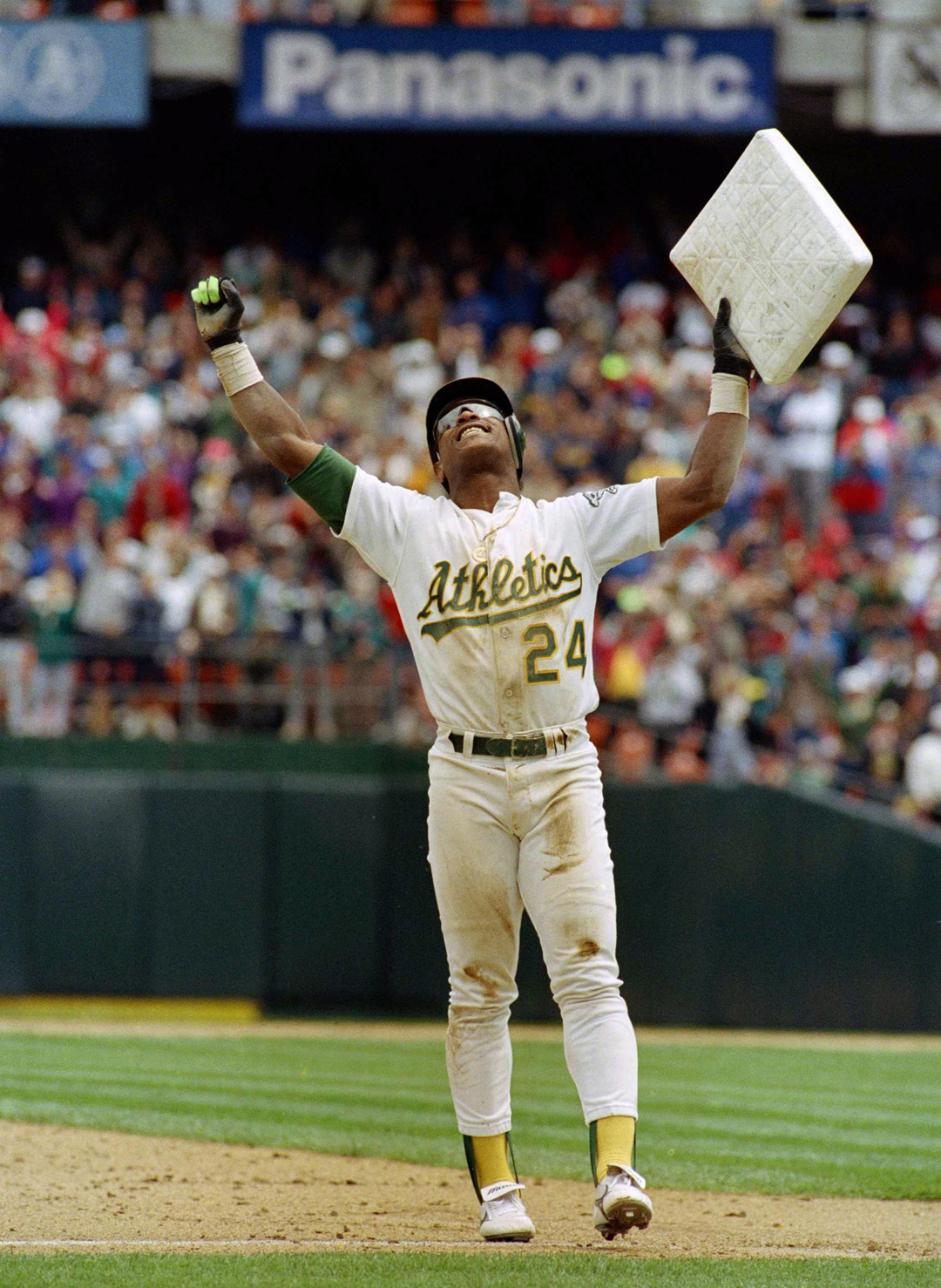
11. Rickey Henderson’s 1,406 Stolen Bases
BASEBALL / REDDIT
Rickey Henderson played baseball as if first base was just a starting line. He finished with 1,406 stolen bases, a total that towers over the modern game because teams no longer give runners that kind of freedom across a full career. Analytics did not kill the stolen base, but they did make every attempt more carefully judged. Henderson had speed, nerve, longevity, and a deep understanding of pitchers’ habits. To catch him now, a player would need to run constantly for years while somehow convincing every manager that the risk was worth it.
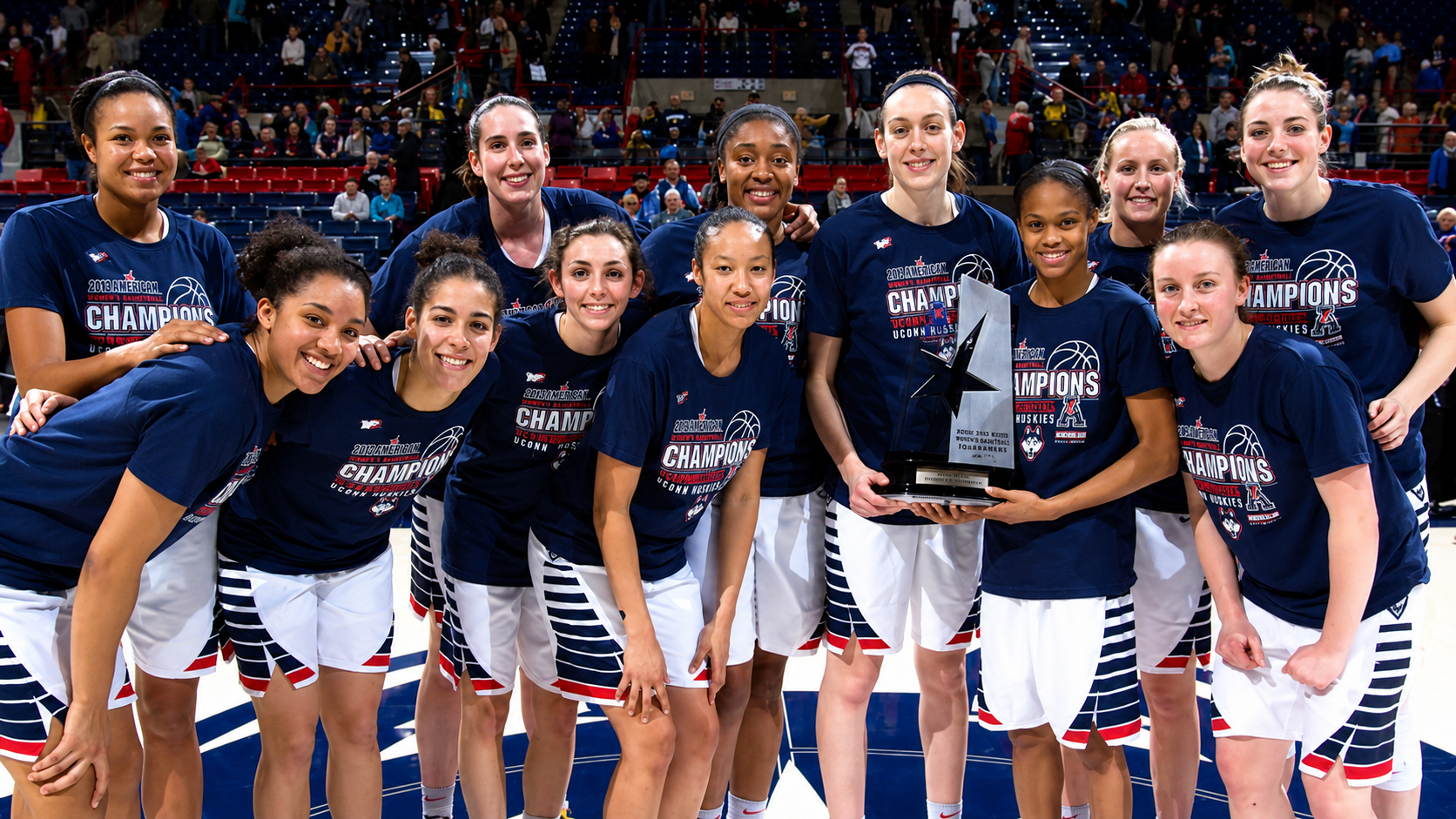
12. UConn Women’s Basketball’s 111-Game Winning Streak
WNBA / REDDIT
Winning 111 straight games sounds less like a streak than a long administrative error. UConn women’s basketball did it from 2014 to 2017, rolling through regular seasons, conference games, and NCAA Tournament pressure without the one bad night that eventually comes for almost everyone. The record is not just about talent, because plenty of talented teams lose focus, lose a shooter, or run into one opponent playing out of its mind. UConn had depth, coaching, standards, and the strange calm of a program that expected every game to bend its way.
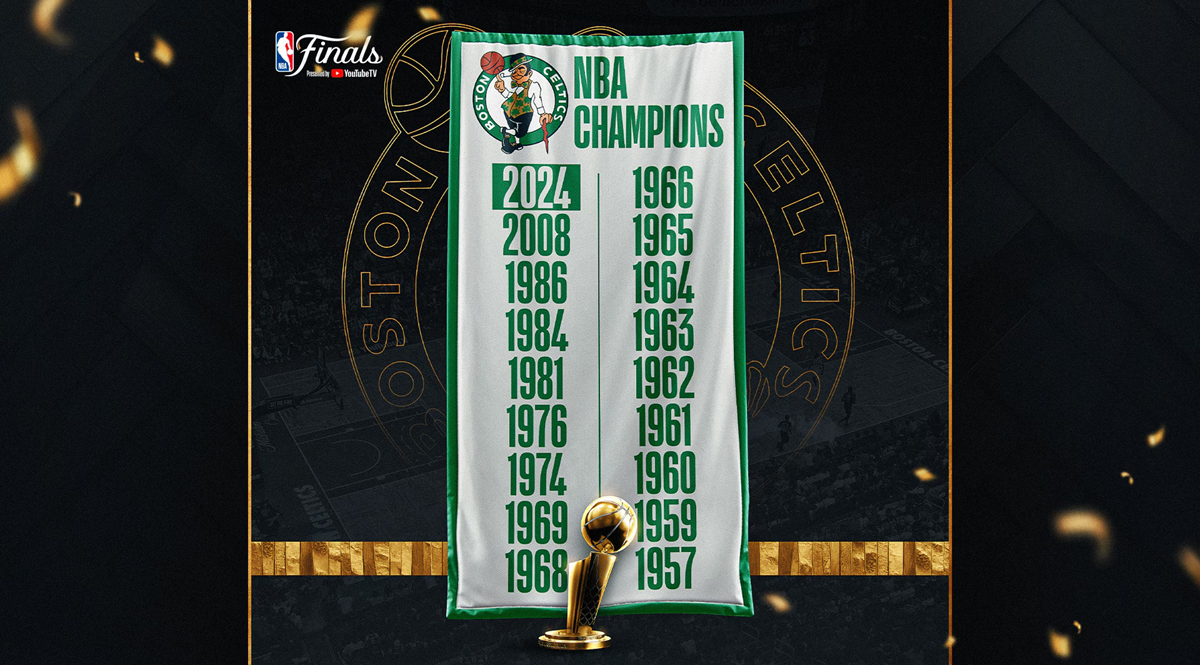
13. Boston Celtics’ Eight Straight NBA Championships
NBA / REDDIT
The Boston Celtics won eight straight NBA titles from 1959 through 1966, a run that feels almost incompatible with the modern league. Free agency, salary caps, luxury taxes, player movement, injuries, media pressure, and sheer fatigue all work against dynasties now. Even the greatest modern teams tend to wobble after a few years, because keeping a roster together is its own competition. Boston’s streak came from another NBA, but that does not make it less impressive. It just makes the idea of repeating it feel more distant.
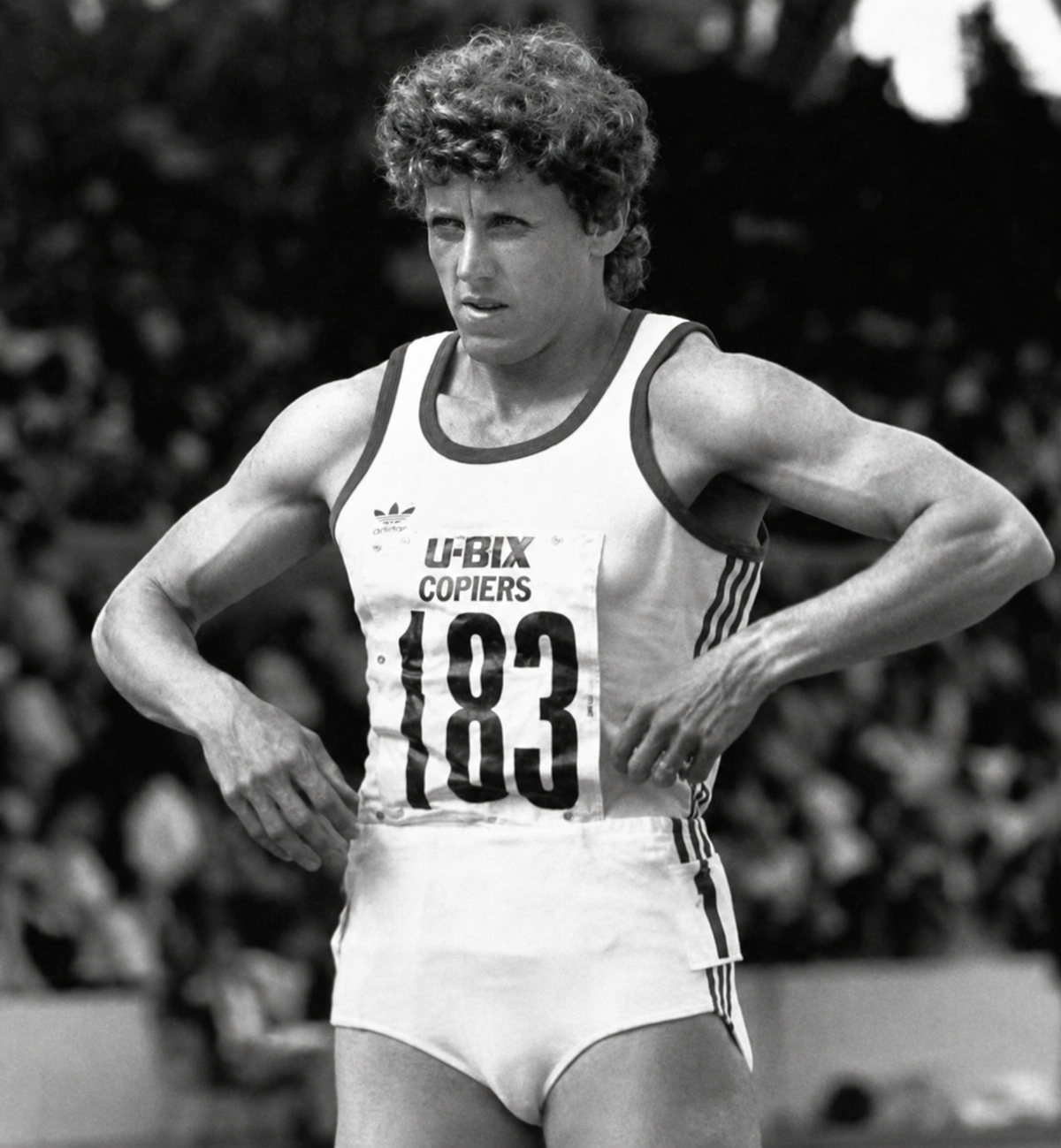
14. Jarmila Kratochvilova’s 1:53.28 in the Women’s 800 Meters
THABISO SITHOLE / VIA X.COM
The women’s 800-meter world record is one of track’s oldest surviving marks. Jarmila Kratochvilova ran 1:53.28 in 1983, and generation after generation has tried to drag the event closer to it. The race is awkwardly brutal, too long to sprint and too fast to settle, which makes every record attempt feel like a dare with lactic acid attached. Great runners have come close enough to make the chase interesting, but not close enough to make the record feel ready to fall.
In the mood for more?
Check out 15 Sports Icons Who Made History With Record-Breaking Performances, or take a look at 20 Dual Sport Athletes Who Exceeded At Both Sports. If you want to see more, you can check out 18 Ridiculous Sports Rules You Won’t Believe Actually Exist.