
We think of professional sports as a display of peak human performance, governed by logic and fair play. However, as sports evolve over decades, the governing bodies often feel the need to implement highly specific rules to address situations so bizarre they rarely happen twice. These regulations are frequently tucked away in the back of massive rulebooks, only coming to light when a player accidentally triggers a technicality that leaves the announcers and the fans in a state of total confusion. It turns out that the difference between a legendary play and a bizarre penalty often comes down to a single, nonsensical sentence in a manual.
From the high-stakes world of the Olympics to the dusty diamonds of Major League Baseball, these rules prove that the “spirit of the game” is often buried under mountain of fine print. Some were created to preserve tradition, while others are the result of one-off incidents that forced officials to say, “We need to make sure that never happens again.” Whether it’s a ban on certain types of celebrations or a requirement for a very specific type of headgear, these anomalies remind us that sports are just as much about bureaucracy as they are about talent. Let’s explore eighteen of the most head-scratching regulations in the history of athletics.
1. The Baseball cap catch penalty
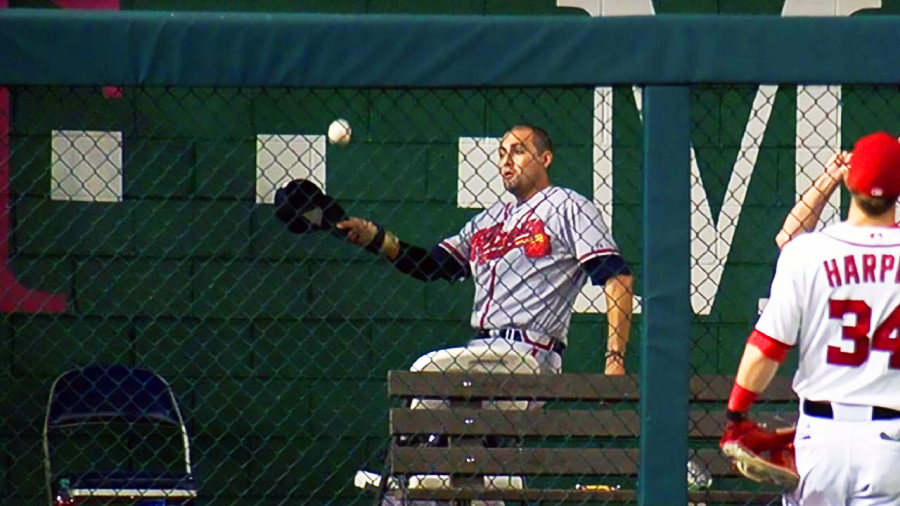
In Major League Baseball, a fielder is strictly forbidden from using their hat or mask to catch a ball in play. If a player gets creative and uses their cap to scoop up a fly ball or a rolling grounder, the rules dictate that the batter is automatically awarded three bases. This prevents players from using equipment as an extension of their glove, though it leads to a hilarious visual penalty that looks like something out of a cartoon.
2. No underwear allowed in Sumo
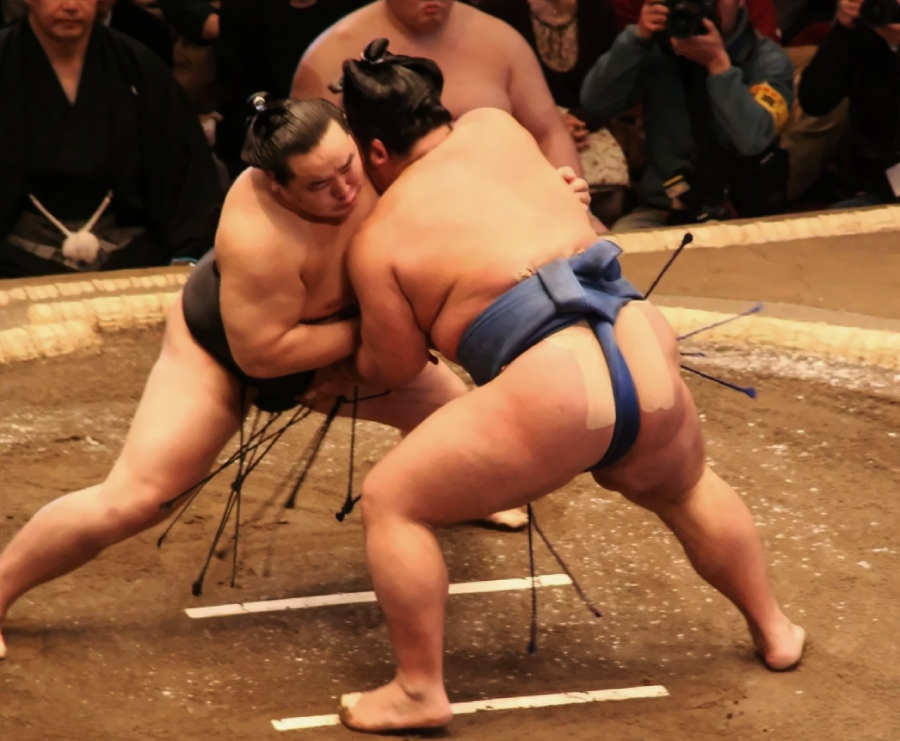
Sumo wrestling is a sport steeped in ancient tradition, and that extends to the strict dress code of the mawashi (the heavy loincloth). According to the official rules, a wrestler is disqualified if their mawashi falls off during a match, but more interestingly, they are strictly forbidden from wearing any underwear beneath it. The “exposure” resulting from a wardrobe malfunction is considered so dishonorable that it results in an immediate loss by fusho-make.
3. Quidditch Snitch boundaries
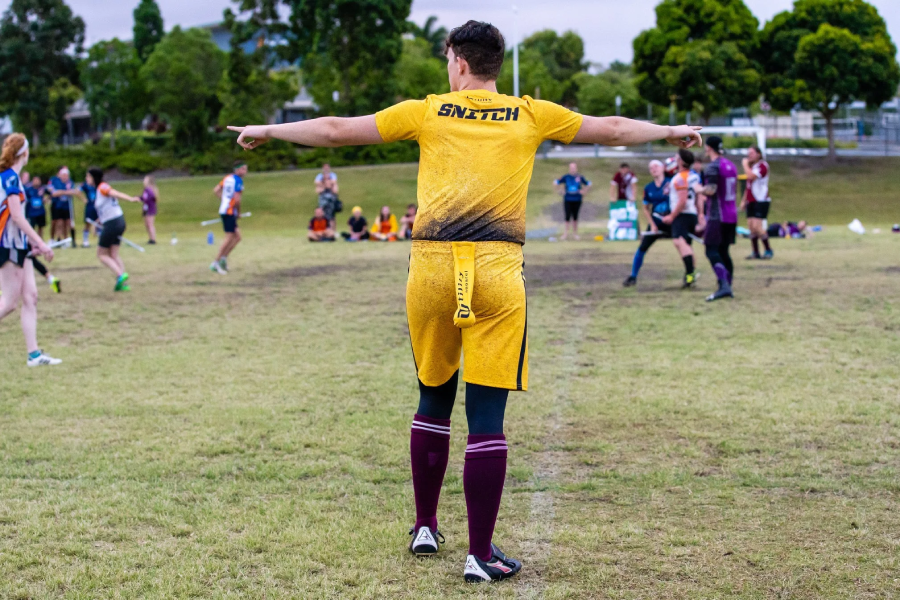
In the real-world version of Quidditch (now known as Quadball), the “Snitch” is a person with a ball attached to their shorts. In the early days of the sport, the rules allowed the Snitch to leave the field entirely, leading to seekers chasing them through libraries, dorm rooms, and even onto public city buses. Modern regulations have since added “boundaries” to keep the game from turning into a city-wide manhunt.
4. The Chess-Boxing checkmate or knockout

Chess-boxing is a real hybrid sport where competitors alternate between rounds of speed chess and rounds of boxing. The rules are incredibly rigid: a win can be achieved either by a knockout in the ring or a checkmate on the board. This creates a bizarre strategic dilemma where a player who is losing the physical fight might try to stall the chess game, or vice versa. It is the ultimate test of “brains and brawn” where the referee has to manage both a stopwatch and a pair of boxing gloves.
5. Water Polo “no grabbing” rule, but underwater
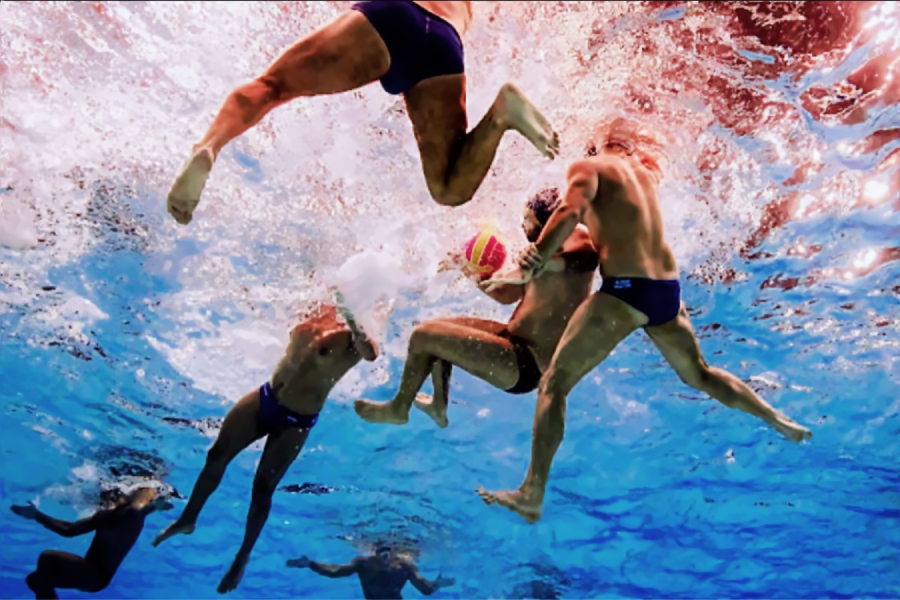
While Water Polo looks like a swimming race on the surface, the rules regarding what happens underwater are legendary. Officially, you cannot “strike” an opponent, but the rulebook actually permits a significant amount of wrestling as long as the referee can’t see it below the water line. This has led to a “hidden” culture of tactical tugging and underwater wrestling that is technically illegal but practically part of the game’s DNA.
Trending on The Scroller

6. The silent treatment in Tennis
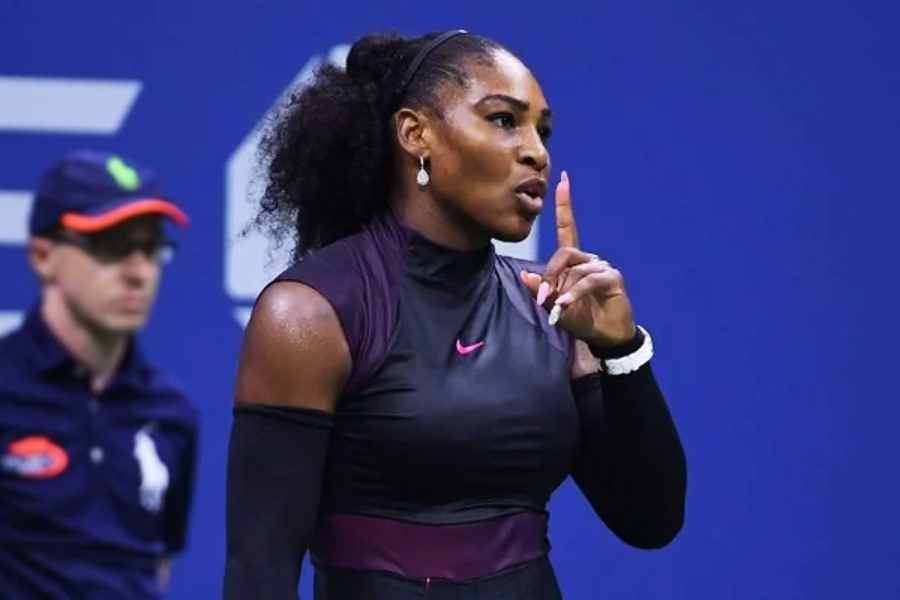
While fans are expected to be quiet, the rules for the players themselves are even stricter regarding “hindrance.” If a player shouts “out!” or “wait!” while the ball is still in play -even if they think the point is over- they can be penalized for distracting their opponent. It is a bizarre psychological battle where a split-second emotional outburst can cost you a championship point.
7. Golf’s moving ball wind penalty

In one of the most frustrating rules in any sport, a golfer can be penalized if their ball moves after they have addressed it, even if it’s entirely the fault of a gust of wind. If the ball rolls even an inch due to gravity or nature, the player must replace it and take a one-stroke penalty. It feels like the universe itself is giving you a yellow card for something completely out of your control.
8. The NFL’s leaping ban on field goals
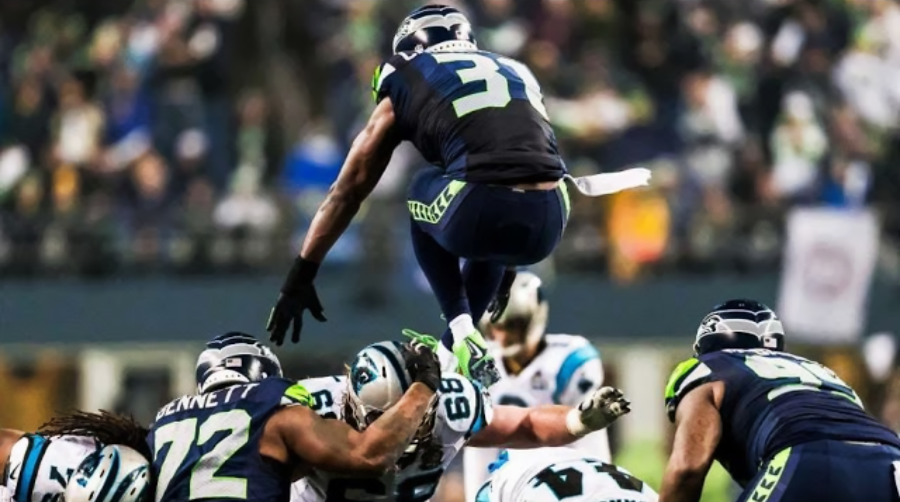
The NFL actually has a specific “Leaping” rule that prevents defensive players from running and jumping over the offensive line to block a field goal. To be legal, the player must be stationary before they jump, as the league decided that “human hurdles” were too dangerous for both the jumper and the players below. It’s a rule that effectively banned one of the most athletic and exciting plays in football history.
Sign up for our newsletter
9. Cricket’s time out rule

In professional Cricket, when a wicket falls, the next batter has exactly three minutes (or two in some formats) to be ready to face the ball. If they take too long to get their helmet on or struggle with their shoelaces, the opposing captain can appeal for them to be “Timed Out.” It is the ultimate “don’t be late” policy that can end a player’s game before they’ve even swung their bat.
10. No pouting in Figure Skating
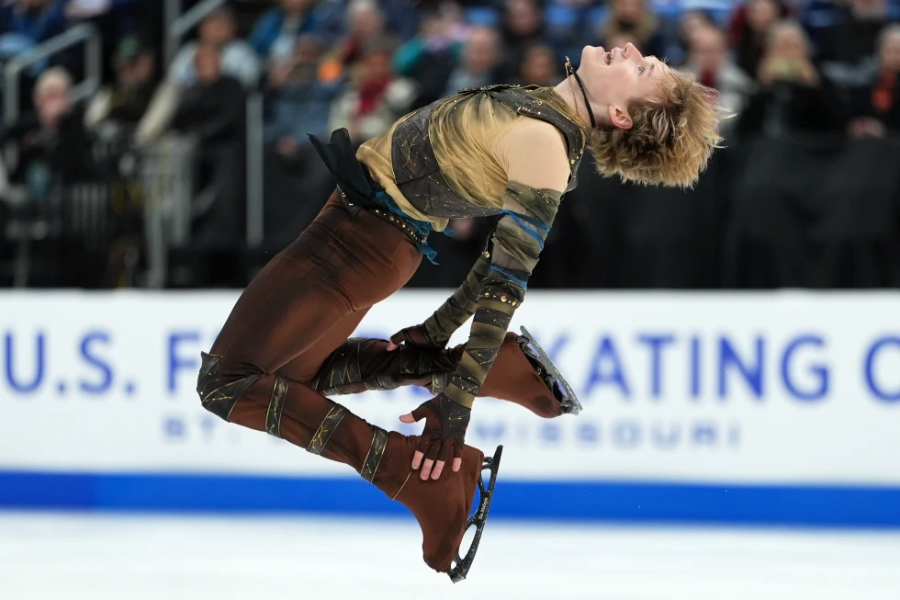
While not explicitly labeled “No Pouting,” the rules regarding “Performance and Execution” heavily penalize skaters who don’t maintain a pleasant or appropriate facial expression. If a skater falls and looks visibly angry or starts to cry, they can lose significant points for “breaking character.” It forces athletes to perform incredible physical feats while essentially wearing a permanent, porcelain mask of joy.
11. The clean shaven requirement in Boxing
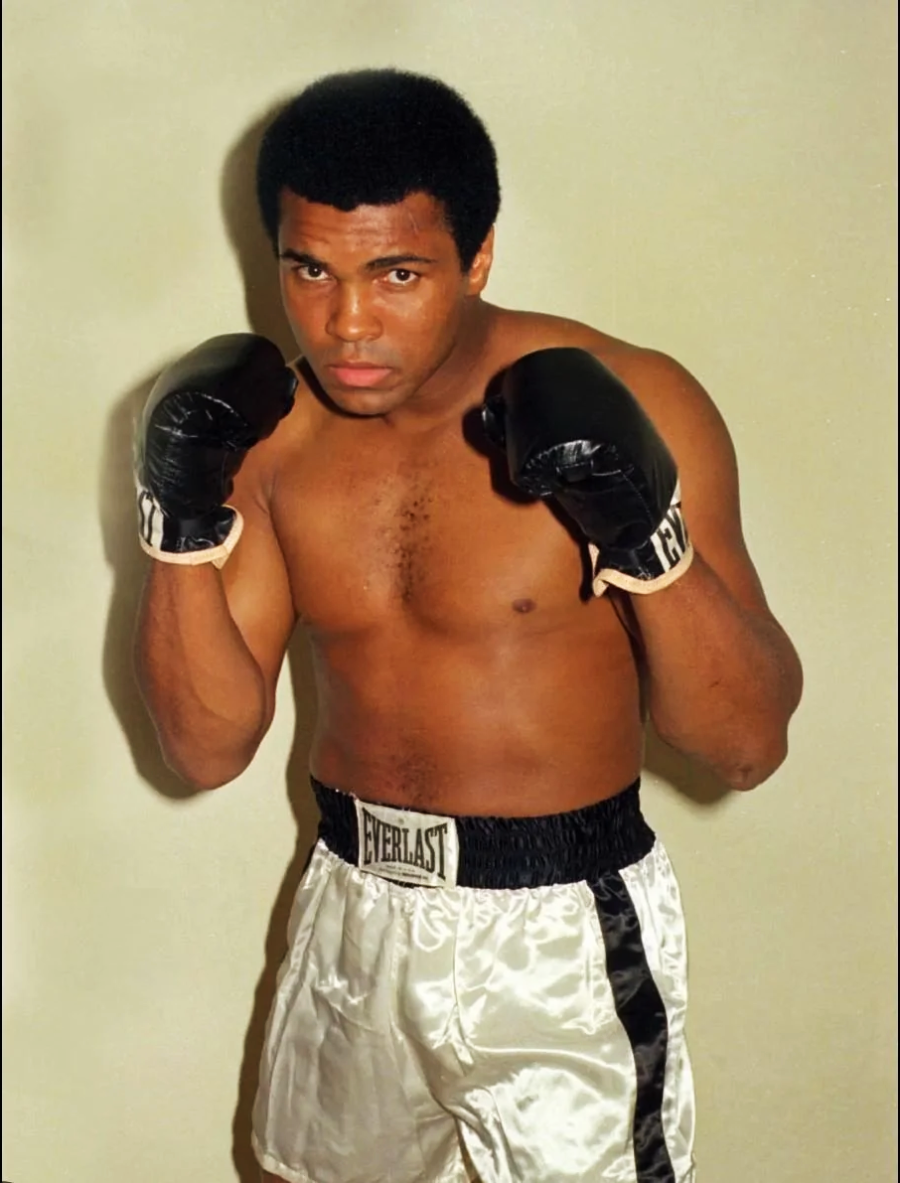
The International Boxing Association (IBA) has long enforced a rule that amateur boxers must be clean-shaven before entering the ring. The official reasoning is that a beard could hide a cut or skin infection, but many believe it’s a holdover from old-school military standards of discipline. This means a boxer’s physical readiness is judged not just by their punch, but by the quality of their morning shave.
12. Horse Racing’s weight-in or lose

In horse racing, the jockey is weighed both before and after the race to ensure they haven’t “lost” any weight during the run. If a jockey is even a fraction of a pound lighter than their starting weight -perhaps because they dropped a piece of lead or their saddle shifted- they are immediately disqualified. It is a heartbreaking rule that can strip a horse of a victory because the rider sweated a bit too much under the sun.
13. F1’s strict jewelry ban

Formula 1 drivers are subject to a strict ban on wearing any jewelry, including nose studs and rings, while inside the cockpit. The rules were implemented for safety to prevent interference with fire-resistant clothing and to avoid complications during medical imaging like an MRI. It led to a famous standoff with superstar Lewis Hamilton, proving that even a tiny diamond can cause a massive multi-million dollar legal headache.
14. Basketball’s shattered backboard technical

While fans love seeing a powerful dunk shatter the glass, the official rules of the NBA state that any player who breaks the backboard is assessed a non-unsportsmanlike technical foul. While it doesn’t count toward an ejection, it does give the opposing team a free throw. Essentially, the league punishes you for being “too strong” and causing a two-hour delay in the broadcast.
15. The no crying clause in youth leagues
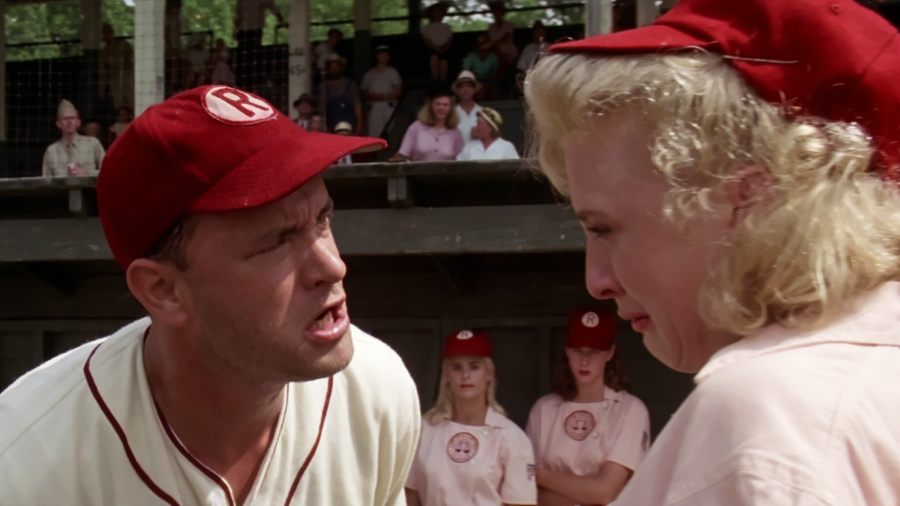
While Tom Hanks famously yelled it in a movie, some competitive youth baseball leagues actually have “codes of conduct” that discourage visible emotional breakdowns. Coaches can be warned or penalized if their players engage in “excessive weeping” that delays the game or affects the morale of the other team. It’s a harsh lesson in the “stiff upper lip” mentality of competitive sports from a very young age.
16. Artistic Swimming’s “no goggles” rule

Despite spending almost the entire competition underwater, artistic (syncronized) swimmers are strictly forbidden from wearing goggles during their routines. The rules state that “eye contact” with the judges and the audience is a key part of the artistic score. This means these athletes are performing blind and holding their breath in chlorinated water while trying to maintain a perfect, wide-eyed smile.
17. The NHL “jersey tucked in” penalty
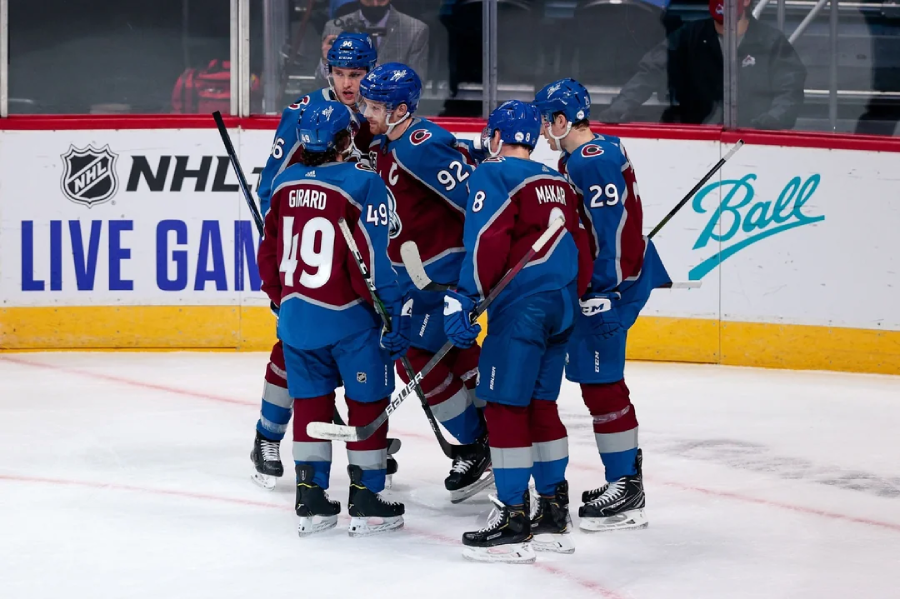
The NHL has a rule known as the “Jersey Tuck” rule, which prohibits players from tucking the back of their jersey into their pants. This was implemented to ensure that the protective padding is always covered and to keep the uniform’s appearance consistent for marketing. It is a minor stylistic choice that can result in a two-minute minor penalty for “illegal equipment,” much to the annoyance of players like Alex Ovechkin.
18. Curling’s gentleman’s agreement on mistakes
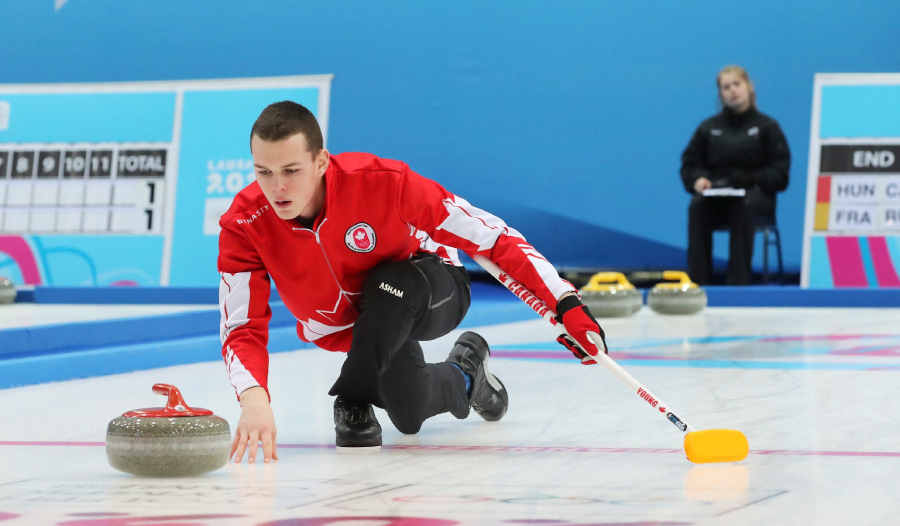
Curling is unique because the rules rely heavily on “The Spirit of Curling,” which expects players to call their own fouls. If a player’s foot accidentally touches a moving stone (a “burned” stone), the player is expected to admit it immediately, as the referees often can’t see the infraction. It is a rare “honor system” in professional sports that proves honesty is still part of the official playbook.
Want more fun facts?
It is clear that the world of competitive play is often just as strange as it is intense, with rules that reflect the messy, unpredictable nature of human behavior. These regulations serve as a hilarious reminder that for every epic moment of glory, there is a bureaucrat with a whistle ready to enforce a technicality. If you love uncovering the interesting ways in which sports work, don’t miss these 20 Dual Sport Athletes Who Excelled at Both Sports, or these 15 Highest-Paid Athletes from the NFL. You might also be interested in these 15 Yearbook Photos That Show NFL Stars Before Fame.