It is often said that the best directors are the ones who stay invisible, pulling the strings from behind the camera to let the story speak for itself. However, many filmmakers can’t resist the siren call of the spotlight, stepping into their own frames for a cameo or a supporting role that they aren’t always qualified to play. While a brief appearance by Alfred Hitchcock is a delightful Easter egg, a lengthy or poorly acted performance by the person in charge can shatter the suspension of disbelief and pull the audience right out of the cinematic experience.
When directors decide to give themselves a starring moment, they risk overwhelming the actual actors and turning a professional production into a vanity project. These on-screen appearances often feel jarring, especially when the filmmaker lacks the polish and screen presence of the A-list stars they are supposed to be leading. From distractingly bad accents to characters that stop the plot cold, these cameos remind us that having a vision for a movie is a very different skill set than actually being in one. Here are 15 times directors almost derailed their own masterpieces by stepping in front of the lens.
1. Quentin Tarantino in Pulp Fiction, 1994
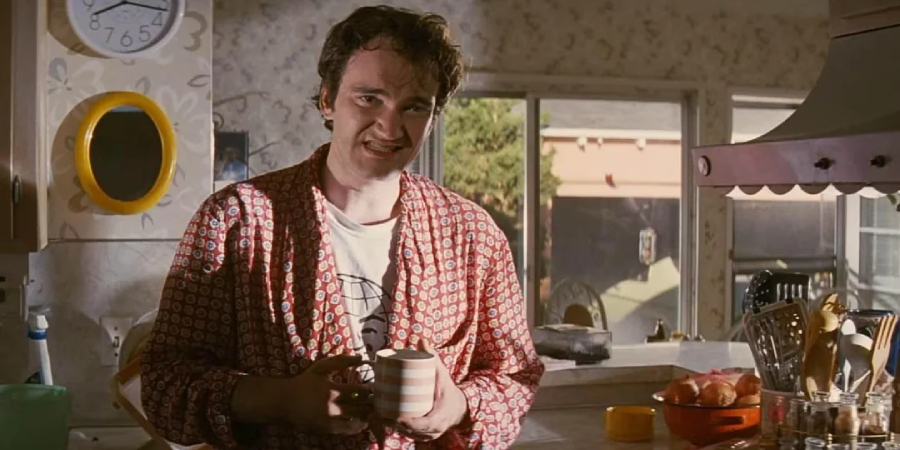
While Tarantino is a genius behind the camera, his role as Jimmie in Pulp Fiction is often cited as a major distraction in an otherwise perfect film. His delivery of a certain high-tension monologue about gourmet coffee feels much more like a writer reading his own lines than a natural character interaction. Many fans feel that his presence breaks the cool, gritty atmosphere established by Samuel L. Jackson and John Travolta in the preceding scenes. Interestingly, Tarantino originally considered playing the role of Lance, but decided to play Jimmie so he could be behind the camera during the high-stakes adrenaline shot sequence.
2. M. Night Shyamalan in Lady in the Water, 2006
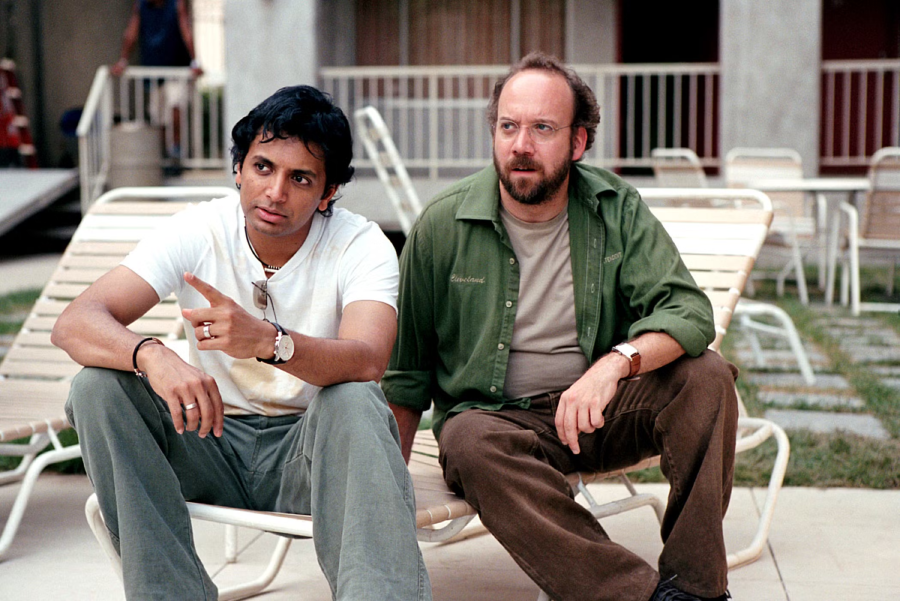
Shyamalan is famous for his cameos, but he took it a step too far in this fantasy film by casting himself as a visionary writer whose work is destined to save the world. Critics and audiences found the move incredibly self-indulgent, as the plot literally revolved around his character’s importance to the future of mankind. The role was far larger than a simple cameo, and his limited acting range made the heavy dialogue feel stiff and forced. This specific choice is often pointed to as the moment the director’s vanity began to overshadow his storytelling in the eyes of the public.
3. Francis Ford Coppola in Apocalypse Now, 1979
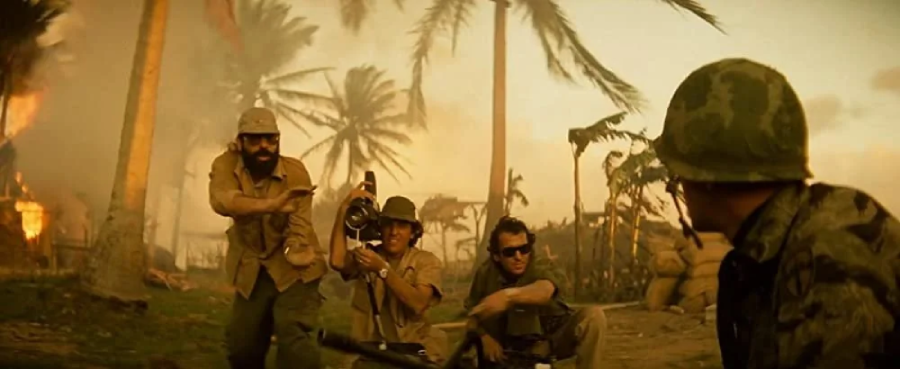
In one of the most meta moments in cinema history, Coppola appears as a television news director shouting at soldiers not to look at the camera. While the cameo is brief, it is notoriously jarring because Coppola is essentially playing himself, breaking the fourth wall in a movie that is otherwise a hallucinatory, immersive journey into madness. His frantic energy stands in stark contrast to the weary, haunting performance of Martin Sheen. It serves as a reminder of the chaotic, real-life production struggles that nearly destroyed Coppola’s health and sanity during the filming in the Philippines.
4. Peter Jackson in The Lord of the Rings: The Fellowship of the Ring, 2001
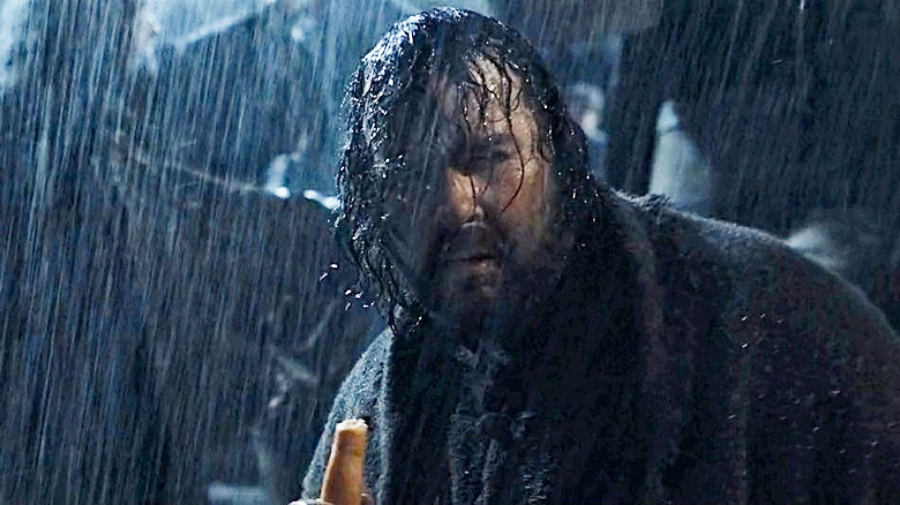
Jackson makes a quick appearance as Albert Dreary, a messy man eating a carrot in the rainy town of Bree. While it is meant to be a fun nod for fans, his exaggerated chewing and disheveled look are so prominent in the frame that they can be quite distracting during a tense moment of the plot. He originally wanted to be smoking a pipe, but the carrot was a last-minute substitution because the smoke machines were causing him to feel ill. For many viewers, the sight of the director looking directly toward the hobbits pulls the focus away from the atmospheric dread of the Nazgul’s arrival.
5. George Lucas in Star Wars: Episode III – Revenge of the Sith, 2005
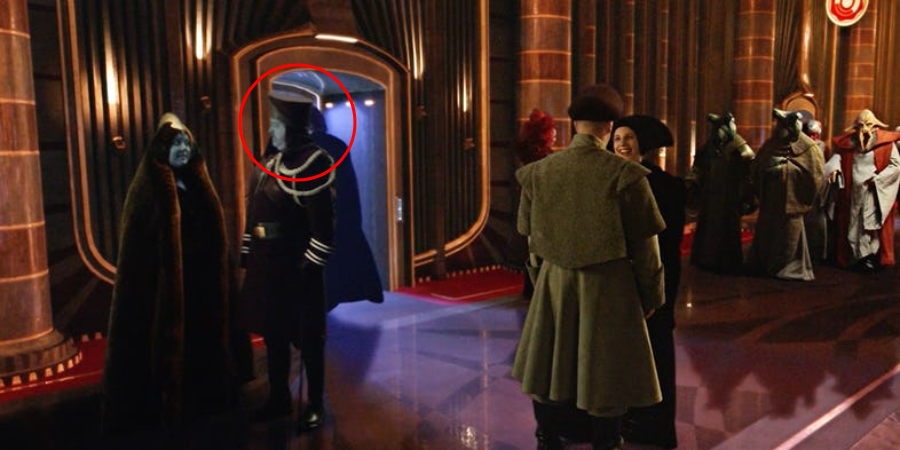
Lucas made his first and only on-screen appearance in the Star Wars saga as Baron Papanoida, a blue-skinned alien standing outside the opera house. While he is heavily disguised in makeup, his stiff posture and the celebrity nature of the cameo can be a bit of a speed bump for die-hard fans. He is accompanied by his daughter, Katie Lucas, making the scene feel more like a family home movie than a galactic epic. It’s a harmless moment, but in a film already crowded with CGI and lore, the director’s physical presence feels like an unnecessary addition to an already packed frame.
Trending on The Scroller
6. Martin Scorsese in Taxi Driver, 1976
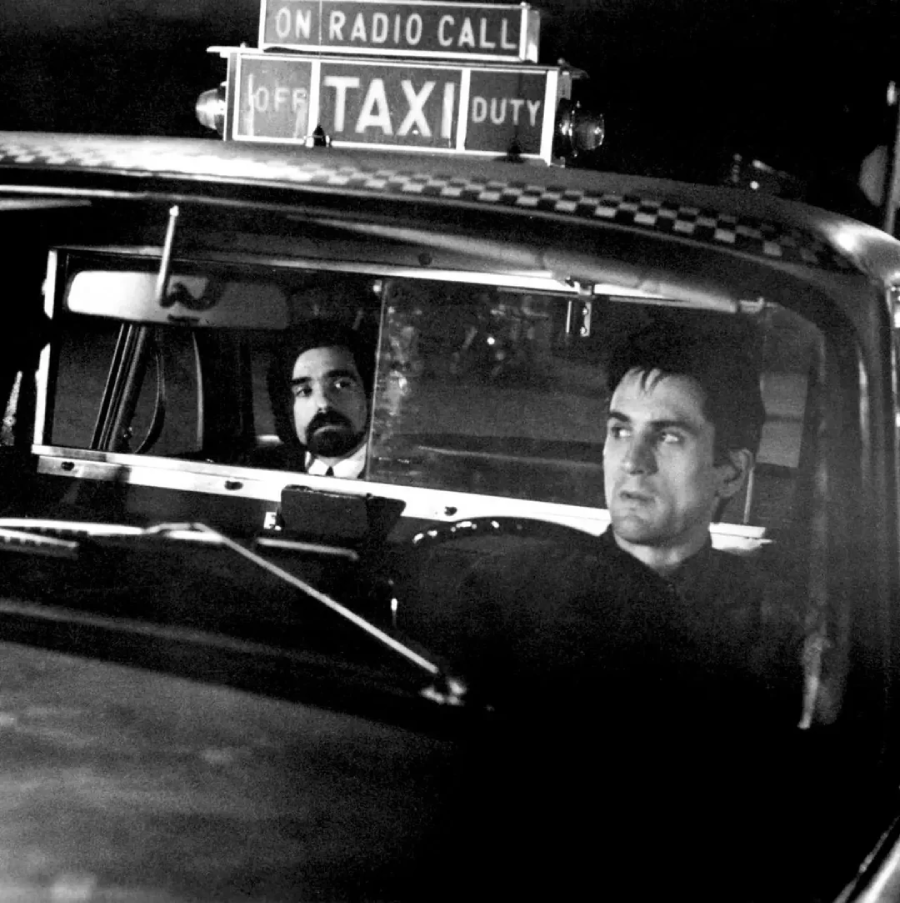
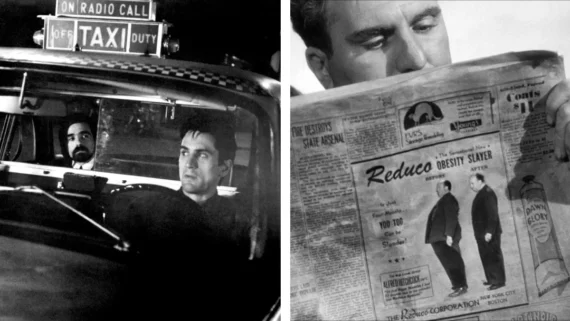
Scorsese’s appearance as a disturbed passenger in Travis Bickle’s taxi is undeniably powerful, but it’s also incredibly unsettling for all the wrong reasons. He plays a man watching his unfaithful wife through a window, delivering a hateful, violent monologue that is much darker than a typical director cameo. The intensity of his performance is so high that it briefly threatens to turn the movie into “The Scorsese Show” rather than a character study of Travis. He actually took the role at the last minute because the actor originally cast for the part was injured and couldn’t make it to the set.
7. Stephen King in Maximum Overdrive, 1986
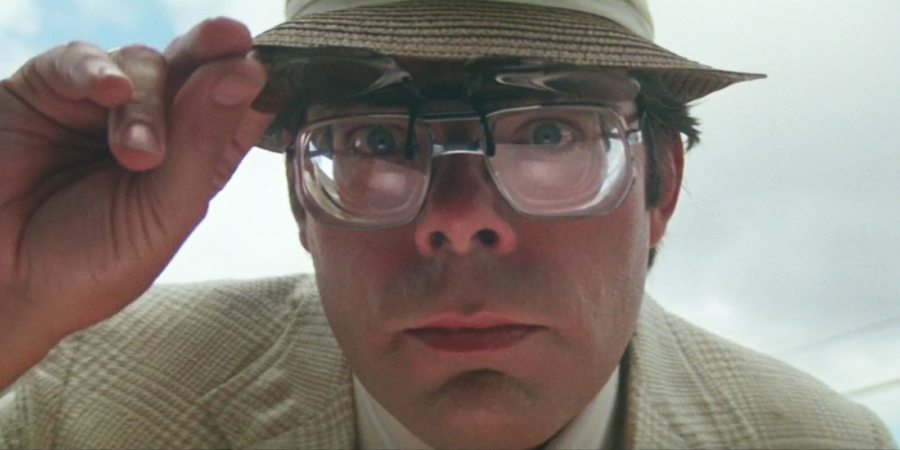
In his only directorial effort, King appears in the opening scene as a man at an ATM being insulted by a sentient machine. The cameo is broad, campy, and features King’s very distinct, nasal delivery, which sets a goofy tone that the rest of the horror film struggles to shake. It immediately alerts the audience that the movie isn’t taking itself seriously, which saps the tension from the subsequent scenes of killer trucks. King has since admitted that he was “out of his mind” during the production, which explains the erratic and bizarre energy of his on-screen performance.
8. Alfred Hitchcock in Lifeboat, 1944
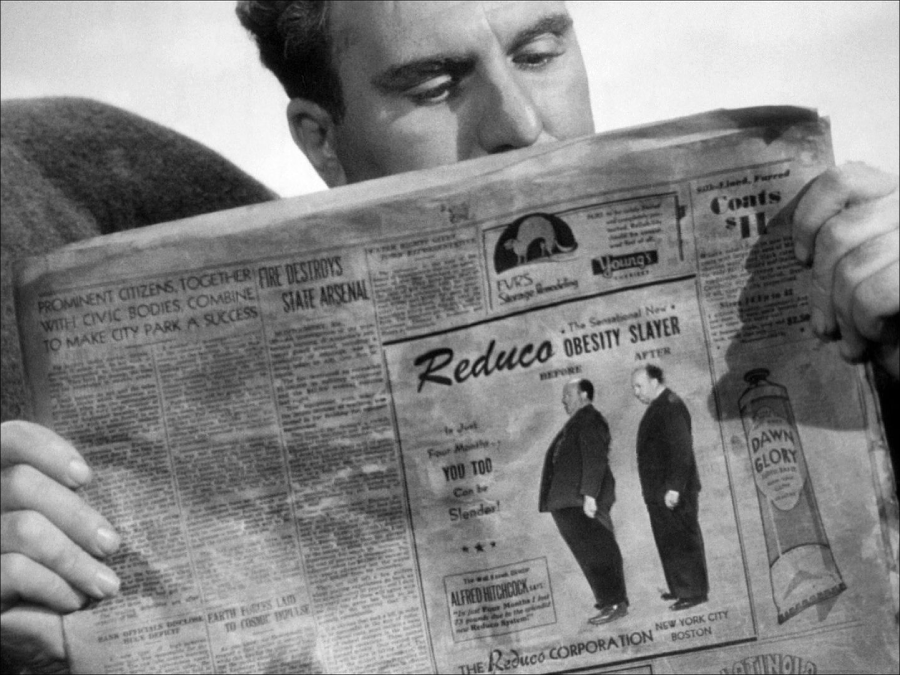
Hitchcock’s challenge in this film was how to make his signature cameo in a movie set entirely on a small boat in the middle of the ocean. He solved this by appearing in a before-and-after newspaper advertisement for a weight-loss product held by one of the characters. While clever, the sight of the director’s famous silhouette in a newspaper is so meta that it completely pauses the survival drama for a joke. Fans at the time reportedly scanned every frame of the movie looking for him, which took their attention away from the high-stakes psychological tension between the survivors.
Sign up for our newsletter
9. Wes Craven in Scream, 1996
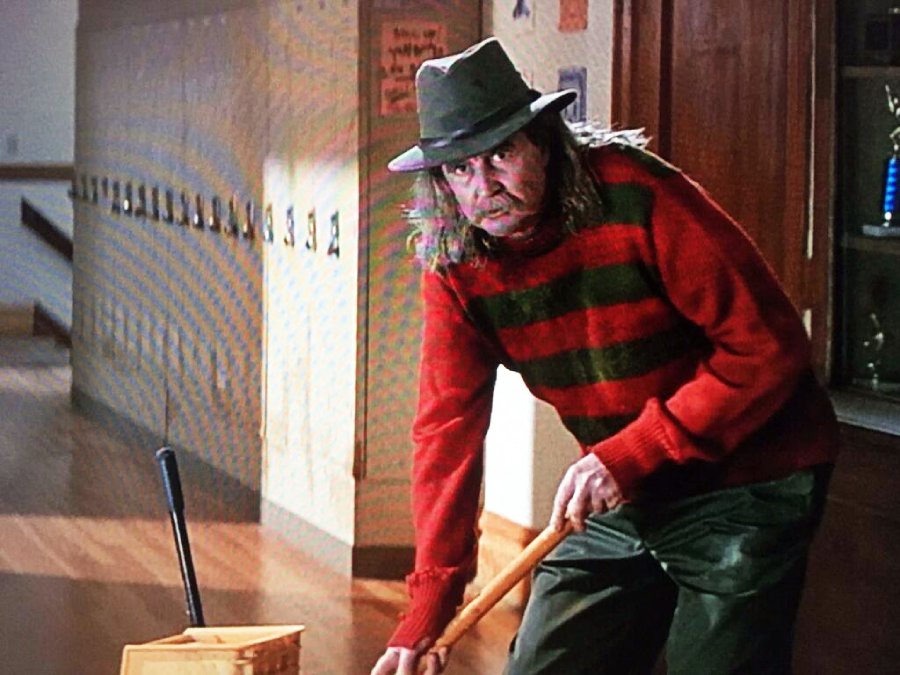
Wes Craven took his meta-horror masterpiece to the next level by appearing as a high school janitor named Fred, who is seen cleaning the hallway while wearing the iconic red and green striped sweater of Freddy Krueger. While the cameo was intended as a self-aware nod to his previous creation in A Nightmare on Elm Street, many critics argued that the reference was almost too effective. Seeing the director himself dressed as one of cinema’s most terrifying villains in a scene set during a high-stakes moment in the school shattered the tension for many viewers. It serves as a classic example of how a clever inside joke can backfire by momentarily pulling the audience out of the suspenseful world of Woodsboro and back into the reality of film history.
10. Michael Bay in Transformers, 2007
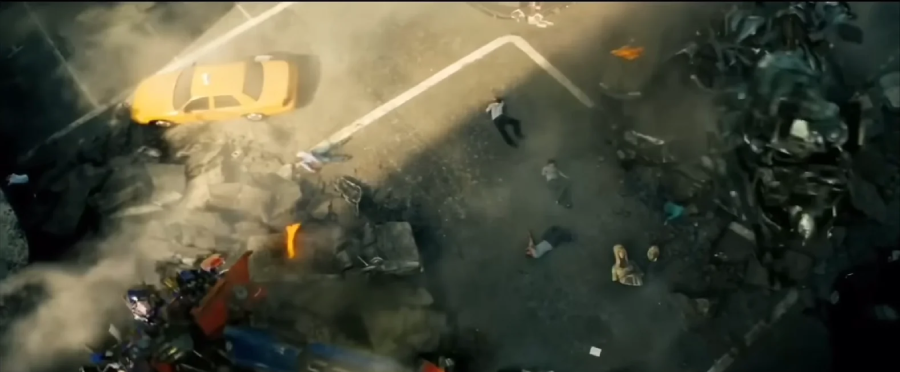
Michael Bay appears briefly as a pedestrian who gets flicked away by the giant robot Megatron. The cameo is classic Bay (loud, fast, and slightly mean-spirited), but it is also incredibly distracting because of how the shot is framed. Megatron even utters a line about disgusting insects right as the director is on screen, making the whole moment feel like a self-deprecating inside joke that doesn’t fit the scale of the scene. It’s a split-second appearance, but for anyone who recognizes Bay’s face, it’s a jarring reminder of the man behind the explosions.
11. Spike Lee in Do the Right Thing, 1989
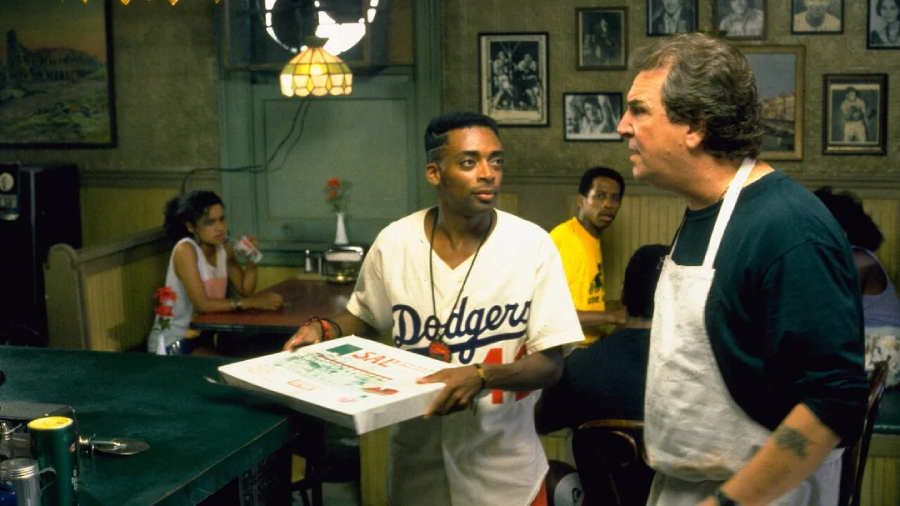
Spike Lee cast himself as the lead character, Mookie, which was a bold move that drew both praise and criticism. While he is a capable performer, some viewers felt that having the director as the focal point made the film’s heavy political themes feel too much like a personal lecture. His acting style is very stylized and rhythmic, which works for the movie’s vibe but can sometimes feel theatrical compared to the raw realism of Danny Aiello. By being both the creative voice and the literal face of the film, Lee leaves very little room for the audience to form an independent perspective on Mookie’s final, controversial actions.
12. Woody Allen in Anything Else, 2003
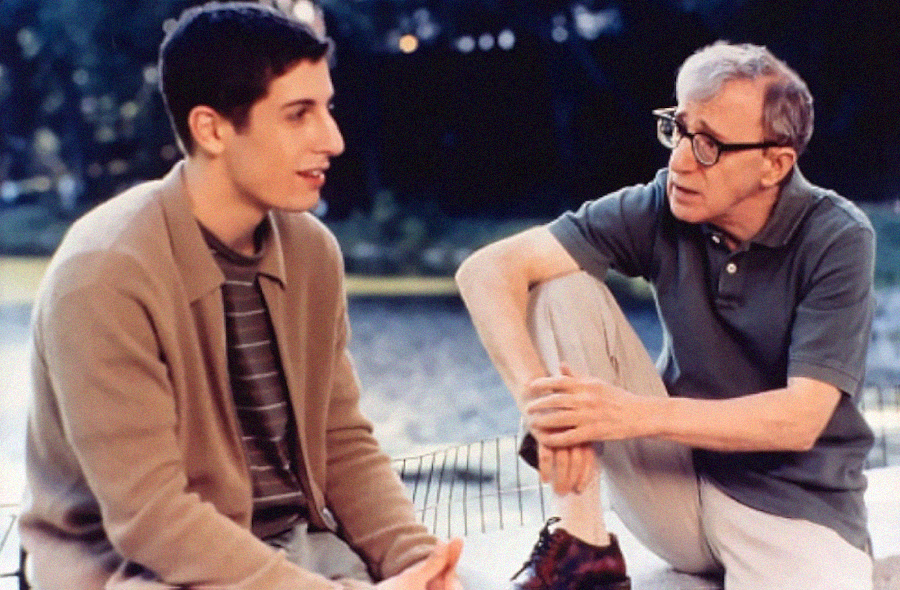
By the early 2000s, Woody Allen’s neurotic intellectual persona was starting to feel out of place in modern settings, especially when he cast himself as a mentor to Jason Biggs. His performance is essentially a repeat of every character he has played since the 70s, which makes the movie feel like a dated retread rather than a fresh comedy. The age gap and the familiar mannerisms make it hard to see a character instead of just seeing “Woody Allen doing his thing.” It pulls the audience out of the specific story and into a repetitive loop of the director’s own tropes.
13. M. Night Shyamalan in Signs, 2002
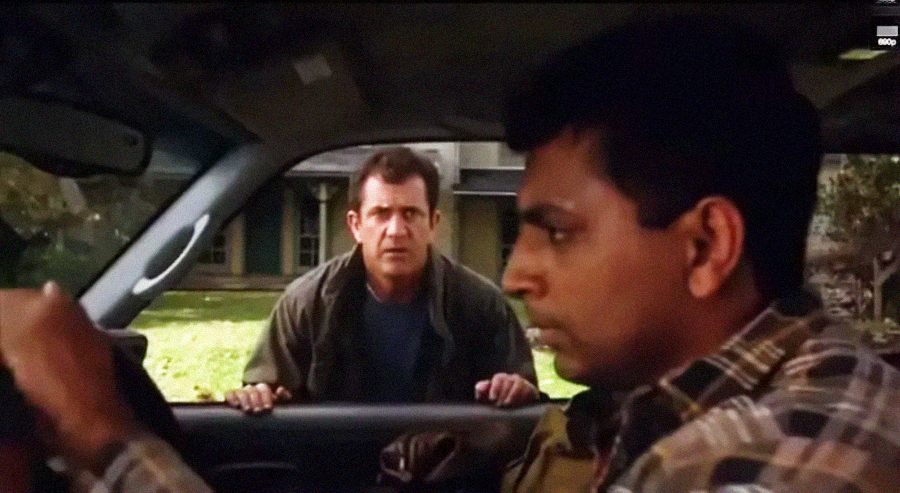
Shyamalan is notorious for his cameos, but in this alien thriller, he decided to cast himself as Ray Reddy, the man responsible for the accidental death of the protagonist’s wife. Many critics and fans argued that this was a major misstep, as his flat and monotonous acting style drains the emotional weight from one of the most tragic backstories in the film. By being such a central figure in the plot’s primary trauma, his presence feels like an unnecessary distraction that takes the spotlight away from Mel Gibson’s character arc. It is a prime example of how a filmmaker can undermine his own emotional payoff by not letting a professional actor handle a key scene.
14. Quentin Tarantino in Django Unchained, 2012
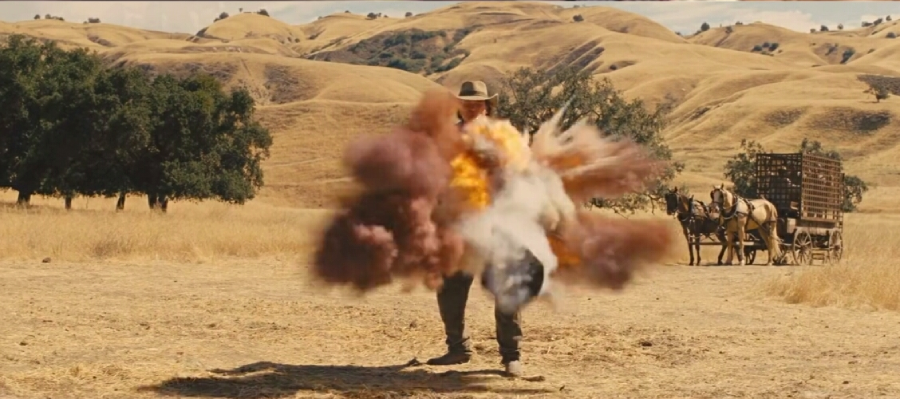
Tarantino tried his luck in front of the camera again by playing an Australian employee of the LeQuint Dickey Mining Company, but the result was almost universally panned. His attempt at an Australian accent was so exaggerated and inconsistent that it became a massive distraction, with some media outlets even claiming it was offensive to the country due to its poor quality. Originally, the script included a much longer and out-of-tone subplot that depicted him as a white slave, an idea so strange that the production crew reportedly asked for it to be cut. In the end, his character’s explosive exit from the movie was seen by many critics as a necessary relief to get the story back on track.
15. Roman Polanski in Chinatown, 1974
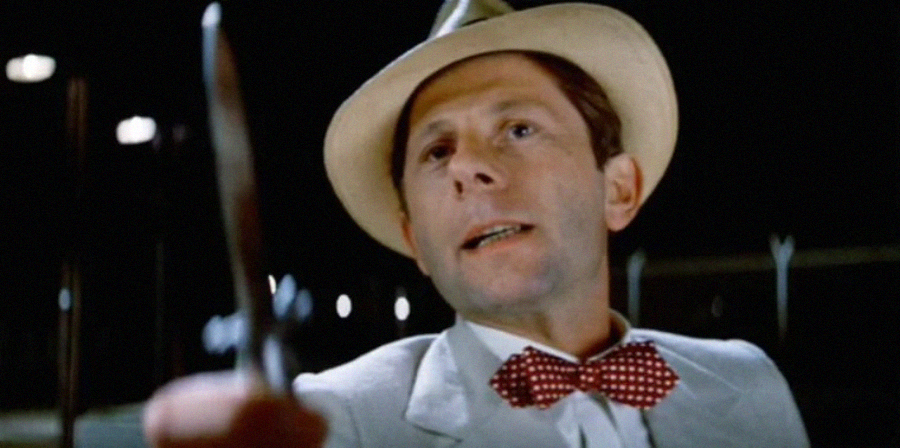
Polanski appears as the Man with the Knife who infamously slits Jack Nicholson’s nose. The scene is iconic, but Polanski’s high-pitched voice and small stature make him a very strange choice for a threatening mob enforcer. Because the director himself is the one inflicting the movie’s most famous injury on his lead star, the scene takes on a dark, behind-the-scenes energy that is hard to ignore. It feels like a power move between director and actor being played out on screen, which can be quite distracting for those aware of the tense relationship between the two during filming.
Want more movie curiosities?
Stepping from the director’s chair to the center of the frame is a risky move that few filmmakers manage to pull off without causing a distraction. While these cameos and roles are often born from a place of passion, they serve as a reminder that the magic of movies usually works best when the creator stays in the shadows. If you enjoyed this look at the egos behind the camera, make sure to check out these 15 Huge Celebrities Who Started as Background Extras, or 15 Former Child Stars Now Running Hollywood. You can also enjoy these 18 Blockbuster Movies That Expected to Fail But Became Hits.