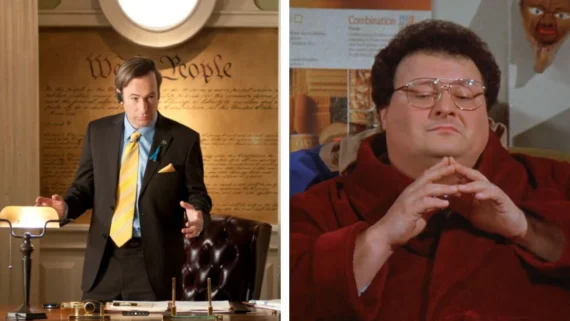
In the high-stakes world of television production, the difference between a flop and a cultural phenomenon often comes down to a frantic executive meeting. Many of the most iconic characters in TV history weren’t actually part of the original pilot or long-term vision; instead, they were safety nets thrown in because the network feared the show was too dark, too boring, or lacked a relatable emotional core. These additions were meant to balance the scales, often acting as a bridge between a creator’s niche idea and the broad appeal needed to stay on the air.
What is truly remarkable is how these panic-driven characters frequently ended up stealing the spotlight, eventually becoming more popular than the leads they were meant to support. From wisecracking sidekicks to seasoned actors brought in to save a struggling second season, these figures proved that lightning can strike during a storm of production stress. Looking back at the origins of these fan favorites reveals a chaotic side of Hollywood where desperation and a gut feeling transformed a potential disaster into a legendary television legacy.
1. The Fonz – Happy Days
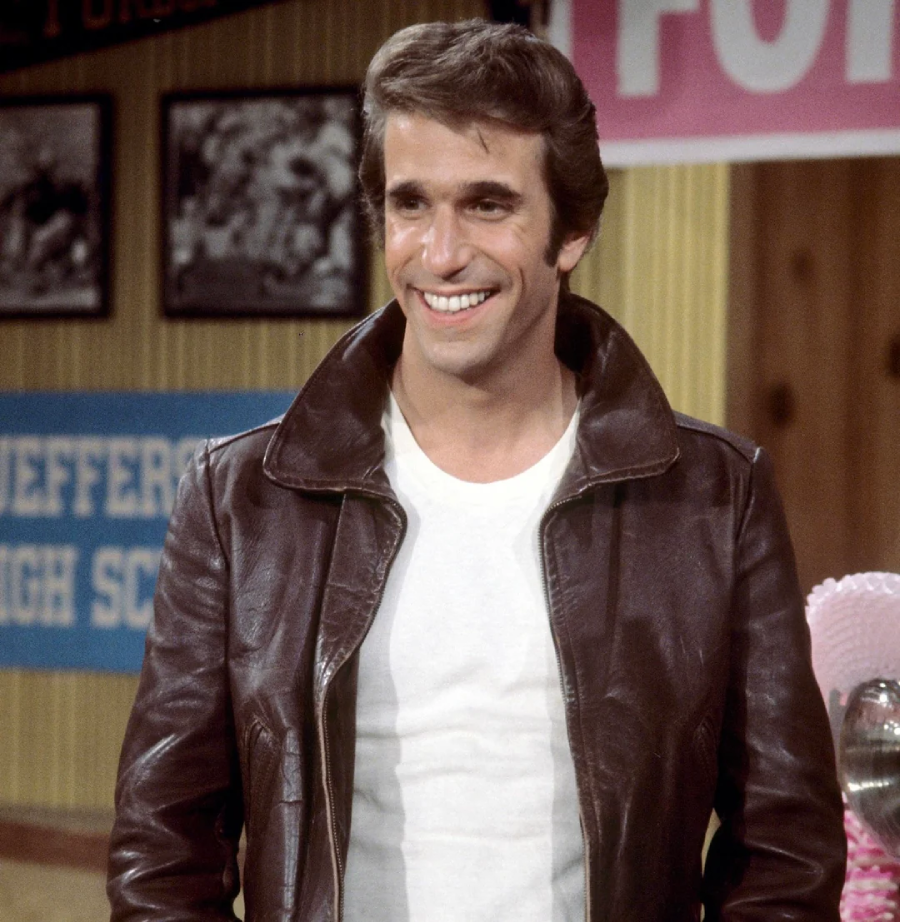
Arthur Fonzarelli was originally a minor background character, as the network wanted the show to be a clean-cut, wholesome look at 1950s life. However, after the first few episodes, executives panicked that the show was “too soft” and needed a cool factor to attract a younger, edgier audience. Henry Winkler’s “The Fonz” was given more screen time and his signature leather jacket to inject some rebel energy into the Cunningham home. He became so popular that the network even considered renaming the show “Fonzie’s Happy Days.”
2. Steve Urkel – Family Matters
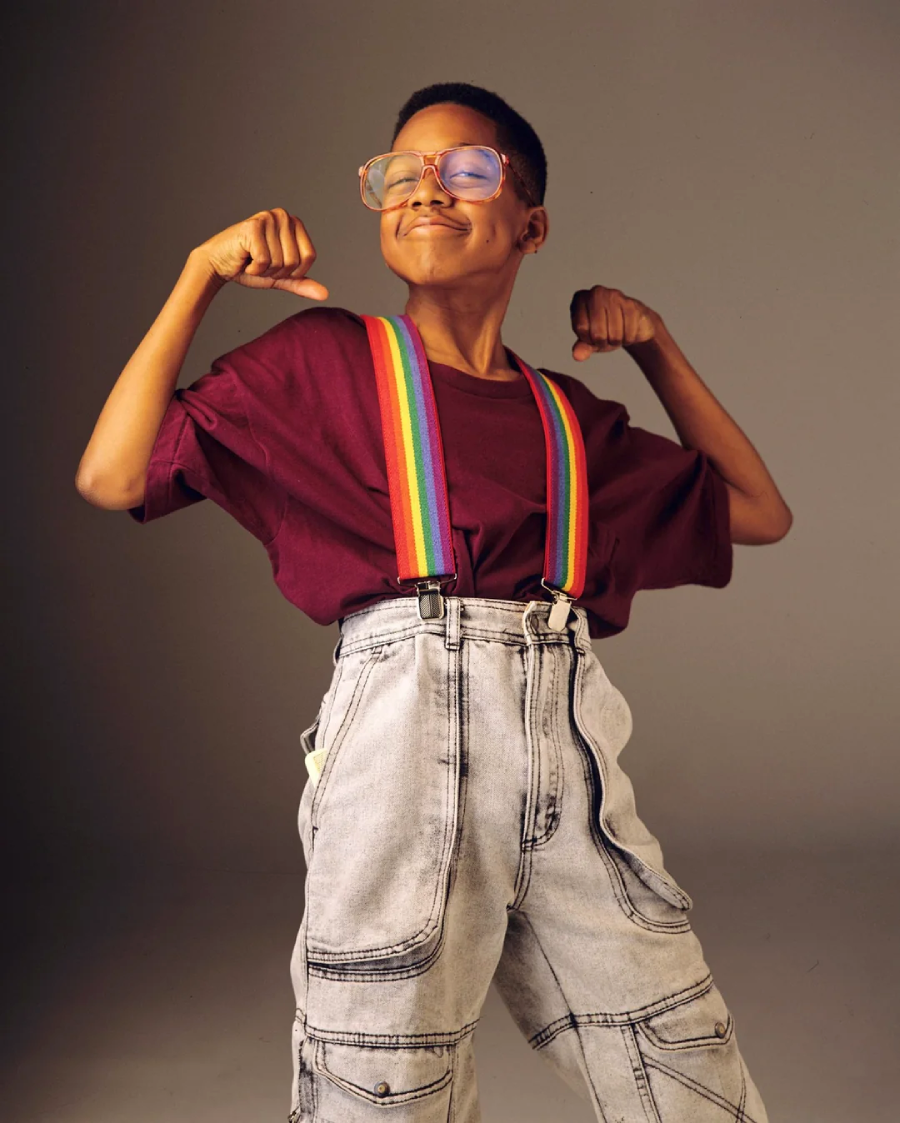
It is hard to believe that this show was originally a grounded family drama centered on the Winslows. After a handful of episodes, ABC felt the series lacked a breakout element to compete with other sitcoms, so they brought in Jaleel White for a one-time guest spot. His portrayal of the annoying neighbor Steve Urkel was so electric that the network demanded he be made the lead character. This last-minute pivot turned a quiet spin-off into a global slapstick phenomenon.
3. Frasier Crane – Cheers
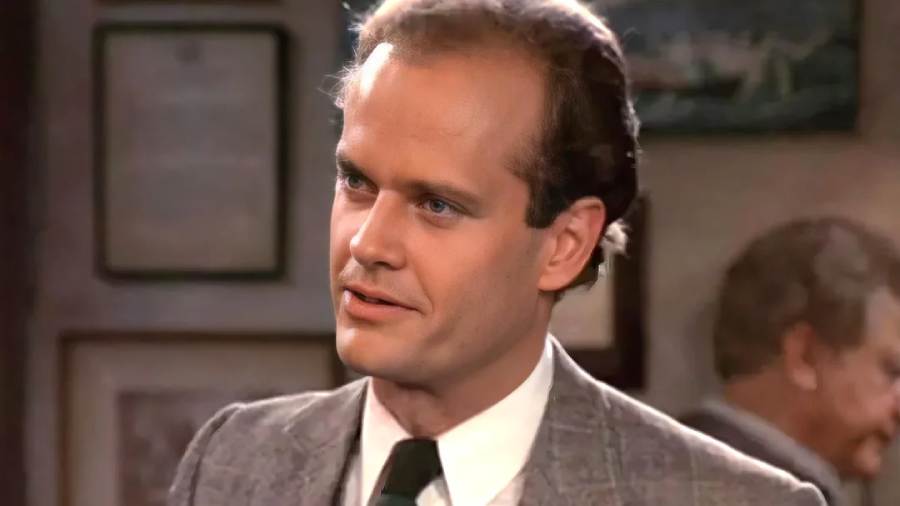
In the early seasons of Cheers, the network was concerned that the romance between Sam and Diane was becoming too stagnant and needed an intellectual obstacle. They wanted a character who could challenge Sam’s blue-collar charm with high-brow sophistication, leading to the creation of Dr. Frasier Crane. Kelsey Grammer was only supposed to appear for a short arc, but his chemistry with the cast was undeniable. He was kept on as a permanent fixture, eventually leading to one of the most successful spin-offs in TV history.
4. Frank Reynolds – It’s Always Sunny in Philadelphia
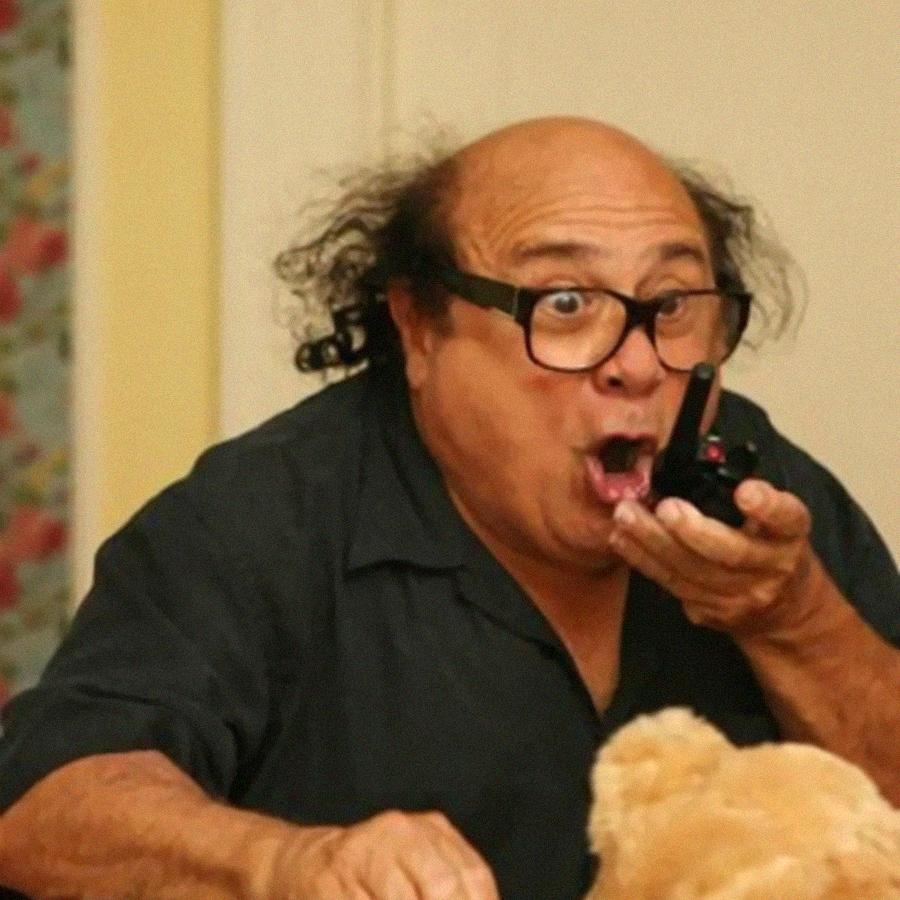
After the first season, FX told the creators that the show would be canceled unless they added a big-name actor to the cast to boost ratings. The network was in a panic over the show’s niche appeal and insisted on a recognizable star to anchor the chaos. Danny DeVito was brought in as Frank Reynolds, a move that saved the series from oblivion. DeVito’s willingness to get “weird” allowed the show to lean even further into its dark humor, securing its place as the longest-running live-action sitcom.
5. Castiel – Supernatural
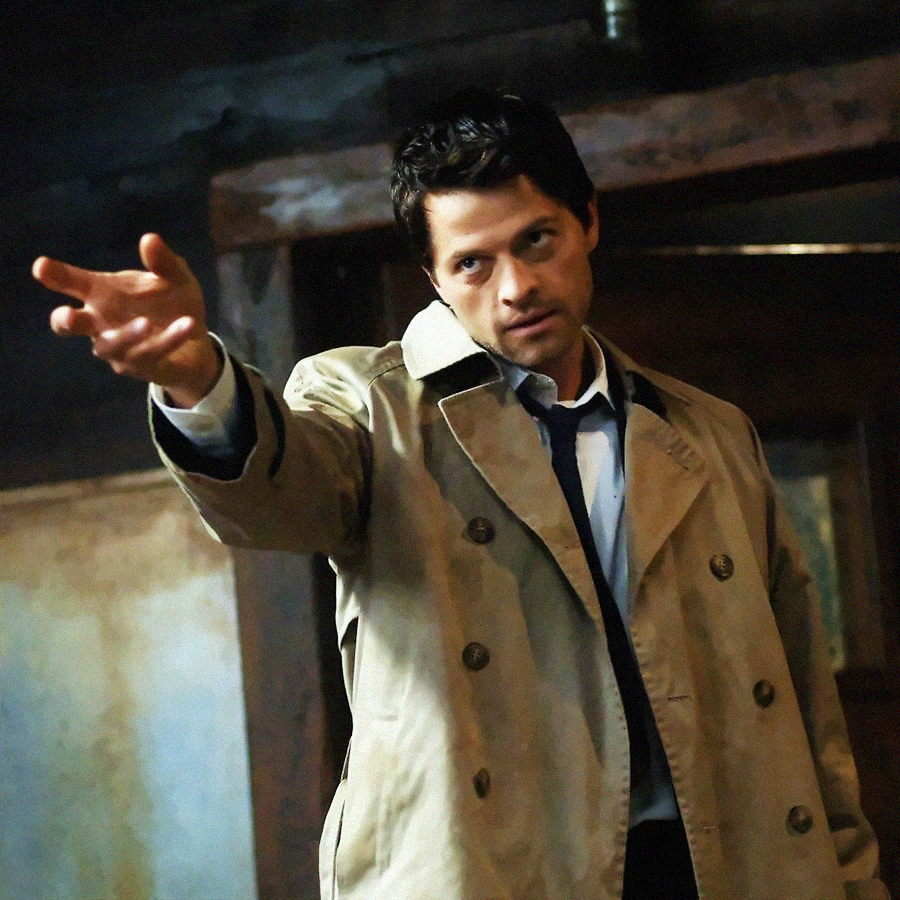
Creator Eric Kripke famously wanted to keep the show focused strictly on two brothers on the road, but the network worried the “monster of the week” formula was reaching its limit. They pushed for a massive shift in mythology, leading to the last-minute introduction of angels in Season 4. Misha Collins appeared as Castiel, intended for a brief six-episode guest stint to expand the world. The fan reaction was so intense that the network made him a series regular, fundamentally changing the show’s DNA for the next decade.
Trending on The Scroller
6. Mike Ehrmantraut – Breaking Bad
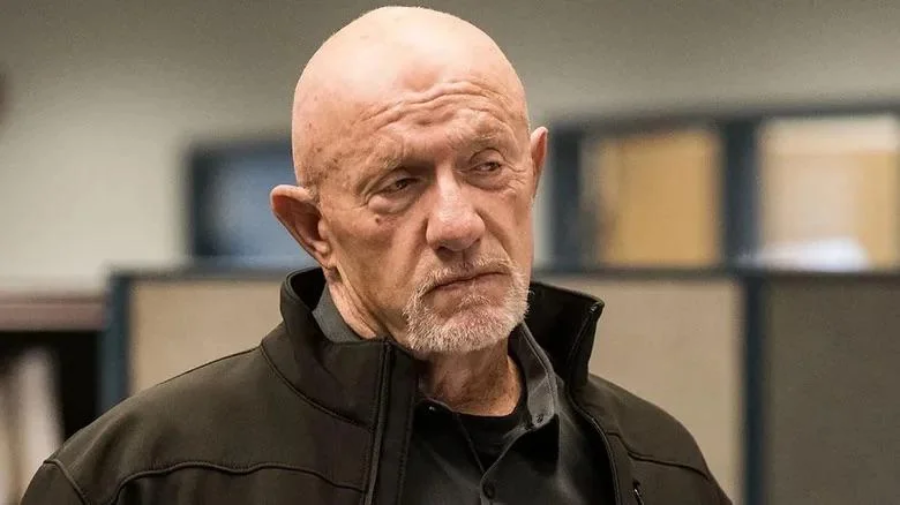
Mike was actually created because of a scheduling conflict; Bob Odenkirk (Saul Goodman) was unavailable to film a crucial scene where a “cleaner” was needed to deal with Jane’s death. The producers scrambled to create a new character who could handle the dirty work for Walt and Jesse. Jonathan Banks was cast as the stoic Mike Ehrmantraut at the eleventh hour to fill the gap. He was so effective that he became a series pillar and a lead in the subsequent prequel series, Better Call Saul.
7. Spike – Buffy the Vampire Slayer
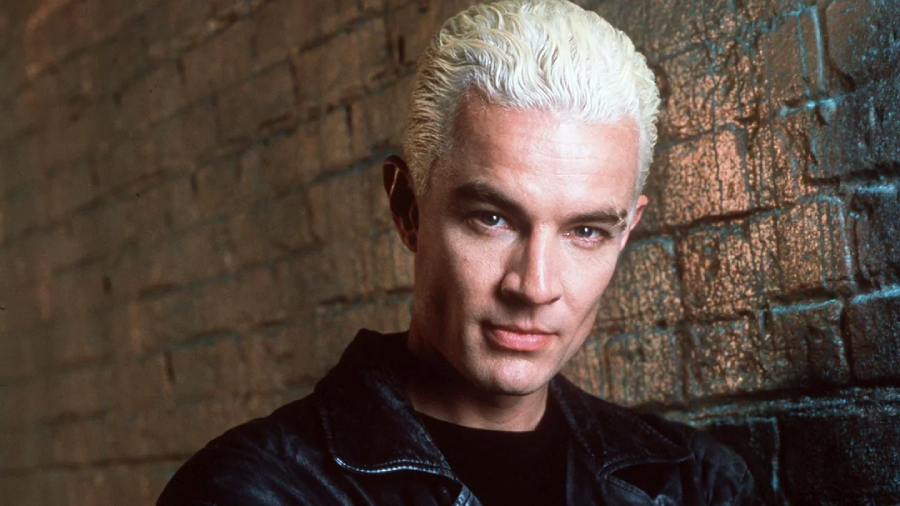
Spike was originally written as a disposable villain who was supposed to be killed off after just a few episodes to heighten the stakes. However, the network noticed that the show’s energy reached a new peak whenever James Marsters was on screen. Fearing they were throwing away a potential fan favorite, the network pressured Joss Whedon to keep the character alive. Spike eventually transitioned from a villain to a romantic lead, proving that a last-minute decision to spare a character can redefine a franchise.
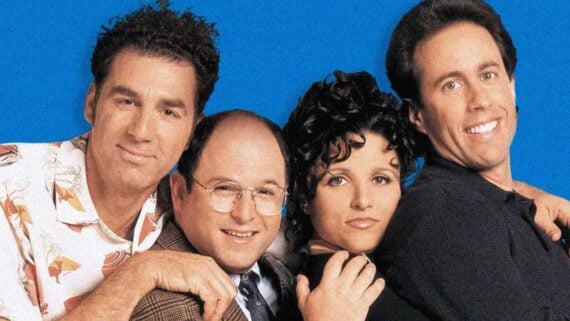
8. Newman – Seinfeld
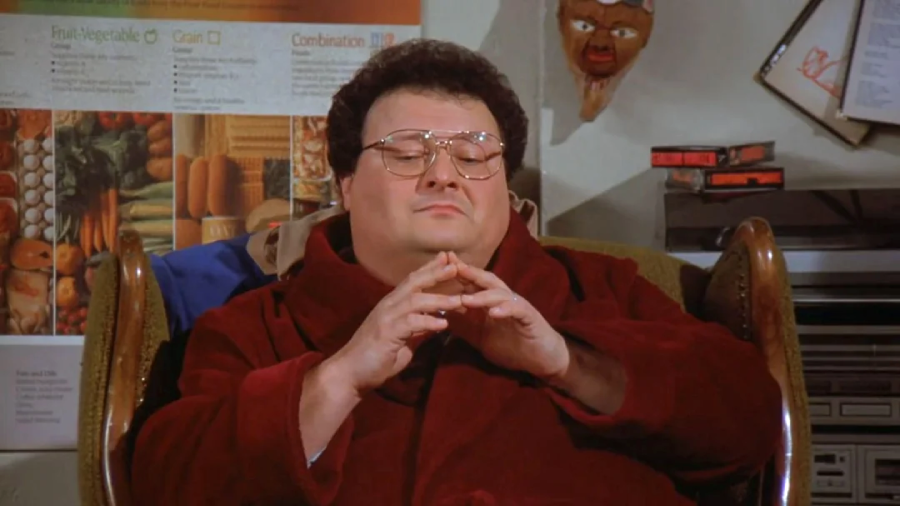
For the first few years, Newman was merely a disembodied voice or a nameless threat mentioned by Kramer. The network eventually felt that Jerry needed a more consistent arch-nemesis to drive certain subplots in the apartment building. Wayne Knight was brought in to give a face to the character, and his over-the-top performance perfectly balanced Jerry’s observational style. His “Hello, Newman” catchphrase became a staple of the show, filling a comedic void the creators didn’t even know they had.
Sign up for our newsletter
9. Andy Dwyer – Parks and Recreation
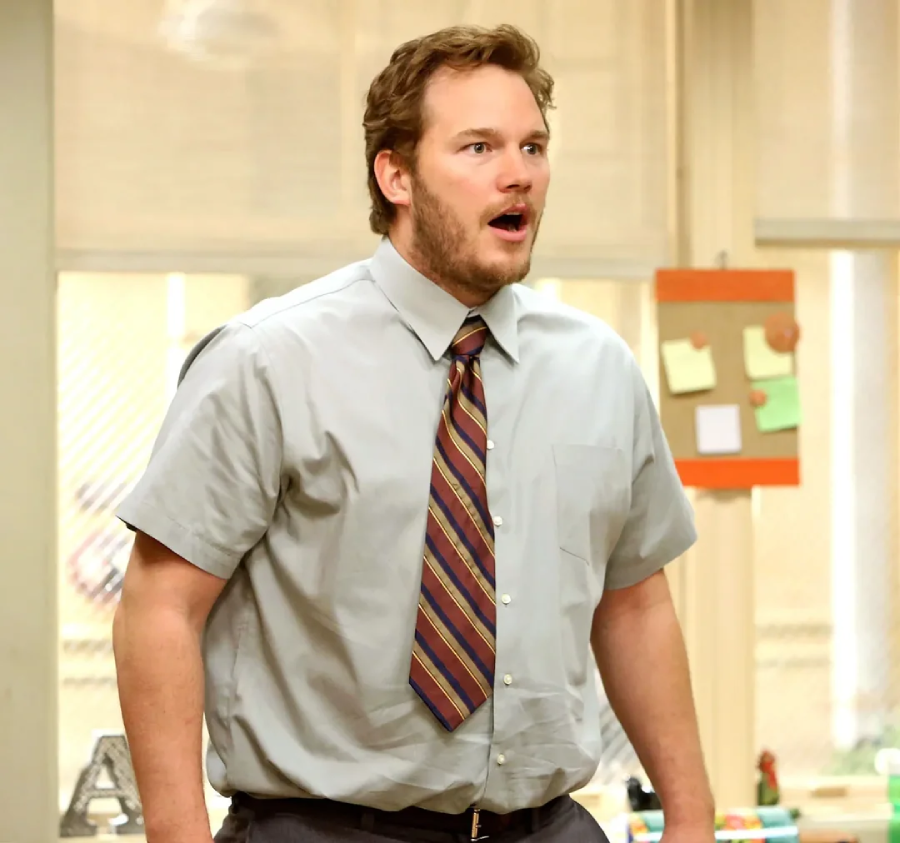
Chris Pratt’s Andy was originally intended to be a temporary character, the boyfriend whom Leslie eventually helps Ann leave. However, the network and producers realized that Pratt was far too likable to be the villain of the story. They panicked at the thought of losing his comedic energy and quickly retooled the character to be a lovable, dim-witted goofball. This last-minute character rehabilitation saved Andy from being a footnote and turned him into the heart of the ensemble.
10. Saul Goodman – Breaking Bad
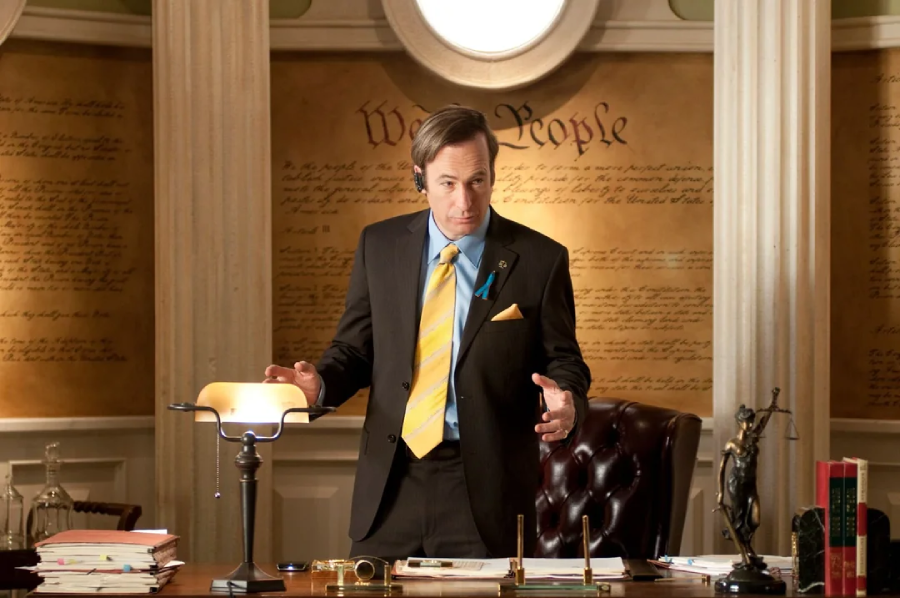
The character of Saul was added because the writers realized Walt and Jesse were becoming too isolated and needed a legal bridge into the criminal underworld. The network wanted a character who could provide dark comic relief to break up the increasingly grim tone of the second season. Bob Odenkirk was brought in to play the flamboyant lawyer, a role that was originally quite small. He was so successful at humanizing the world of crime that he became the face of his own award-winning spin-off.
11. Amy Farrah Fowler – The Big Bang Theory
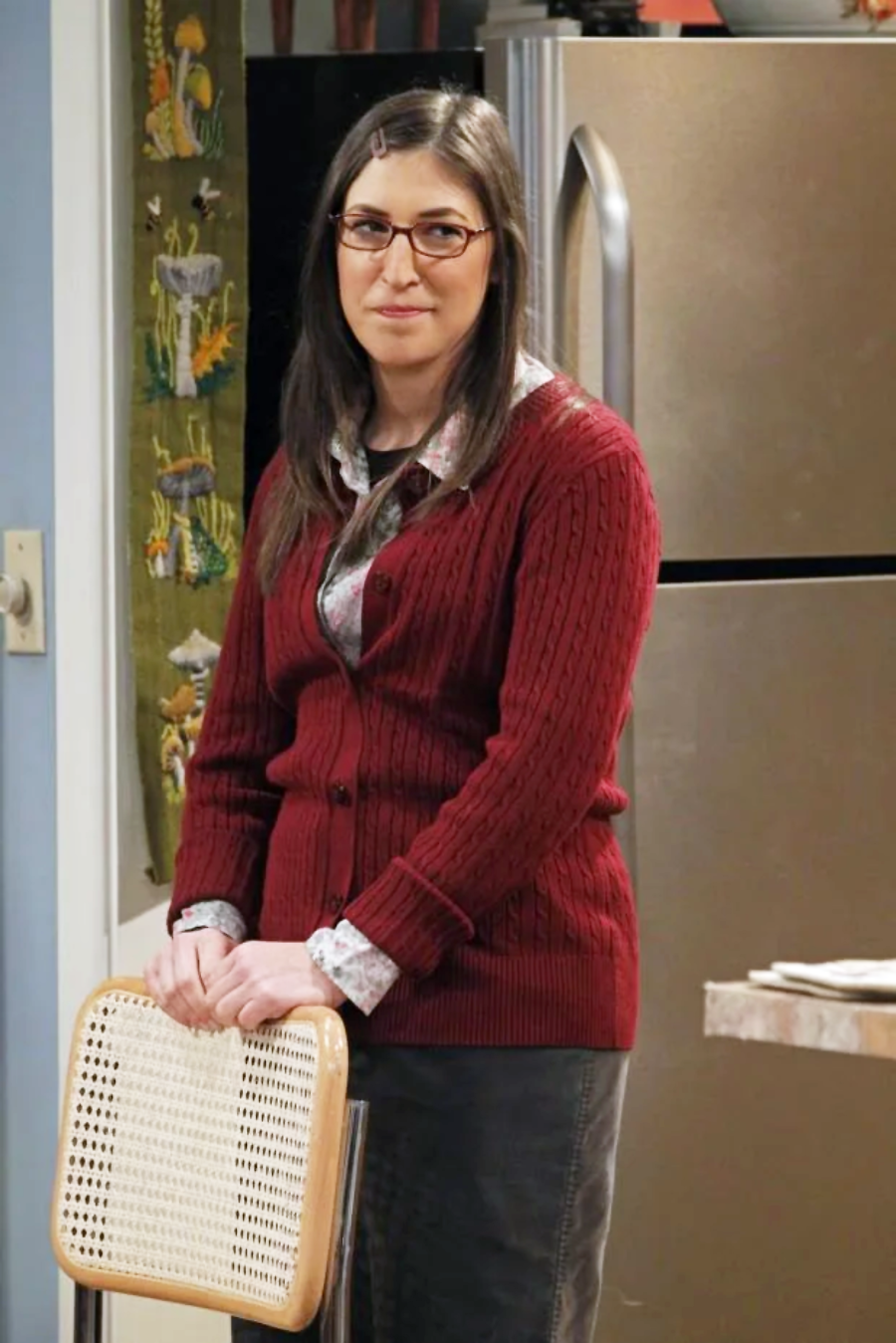
By the end of the third season, the network felt that the boys’ club dynamic of the show was becoming repetitive and needed a new female perspective to challenge Sheldon. They held a frantic search for a “female version of Sheldon” to expand the romantic and social possibilities of the show. Mayim Bialik was cast as Amy, and her arrival immediately revitalized the series’ ratings and plotlines. She provided a much-needed emotional arc for Sheldon, helping the show transition into its most successful years.
12. Ben Linus – Lost
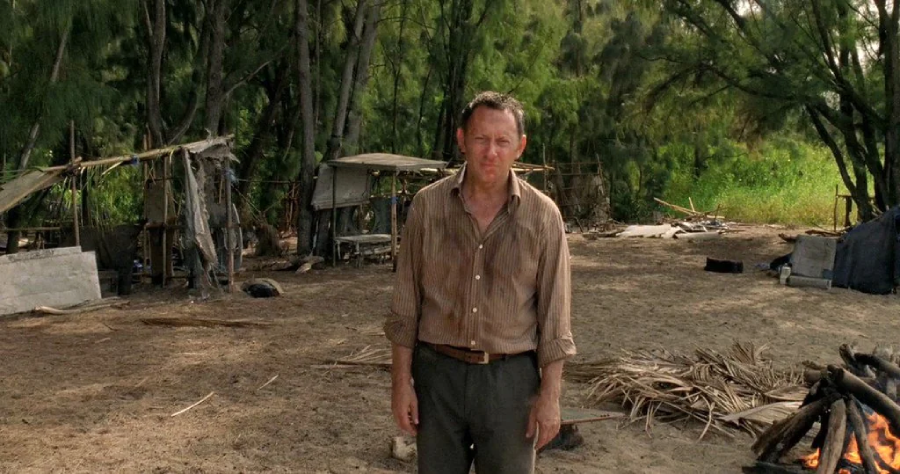
Michael Emerson was originally hired for a tiny three-episode guest role as Henry Gale, a man caught in a trap. However, the show’s writers were struggling with the direction of The Others and needed a compelling leader to act as the primary antagonist. They were so impressed by Emerson’s eerie performance that they decided to make him the mastermind of the entire island. This last-minute promotion changed the trajectory of the show, turning a minor guest into one of TV’s greatest villains.
13. Woody Boyd – Cheers
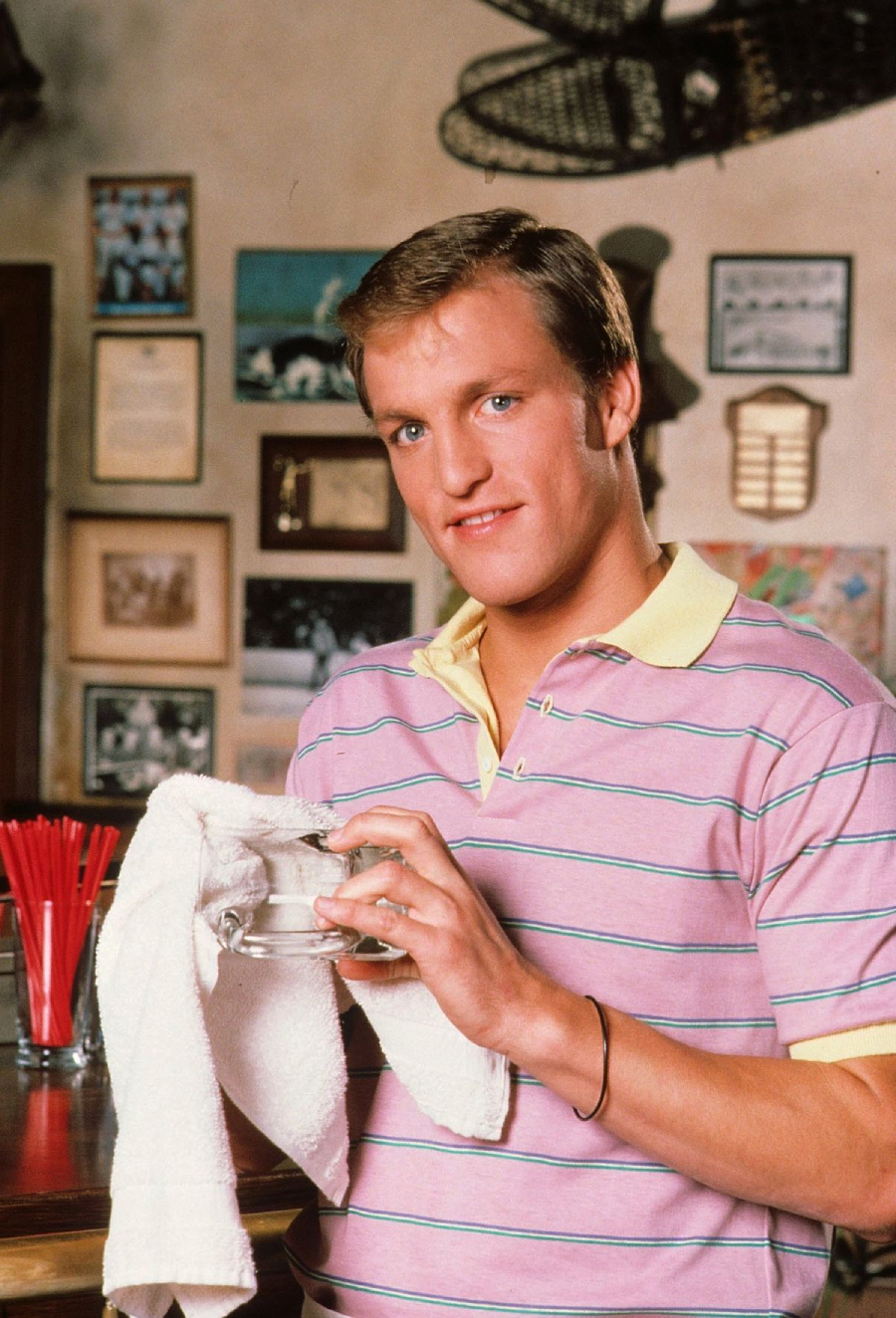
When the beloved Nicholas Colasanto (Coach) passed away, the producers were in a total panic about how to fill the void of the dim-witted but lovable bartender. The network feared the show’s chemistry would fall apart without that specific archetype. They conducted a massive search and eventually found Woody Harrelson to play the naive farm boy Woody Boyd. He was added at the last second before filming began on the new season, and his youthful energy helped the show survive for another eight years.
14. Daryl Dixon – The Walking Dead
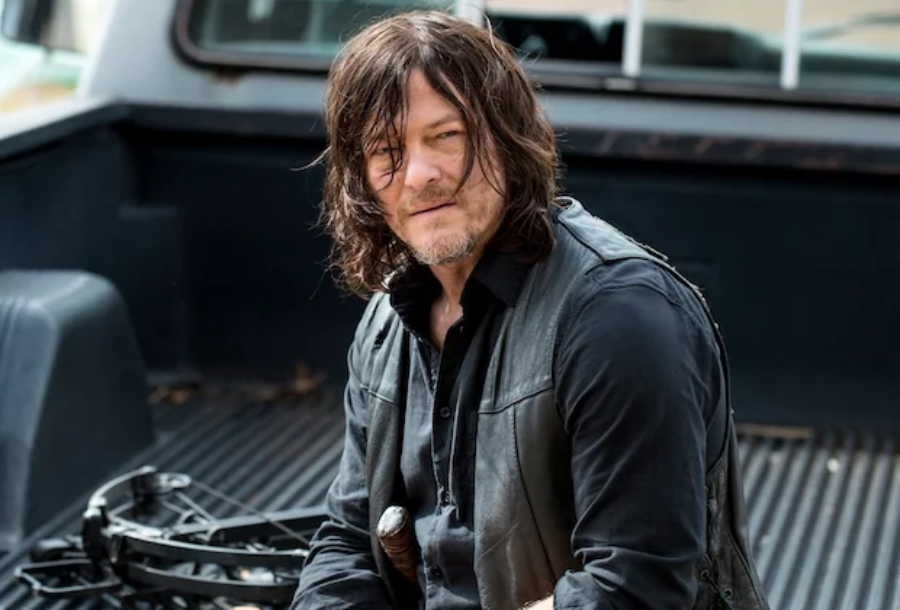
Daryl Dixon doesn’t exist in the original comic books; Norman Reedus actually auditioned for the role of Merle but was rejected. However, the producers were so impressed by his audition that they created the role of Daryl specifically for him at the last minute. The network was worried that the show lacked a wild card character who could bridge the gap between the various groups of survivors. Daryl became the show’s most popular character, proving that sometimes the best additions are the ones that weren’t even in the source material.
15. Cousin Oliver – The Brady Bunch
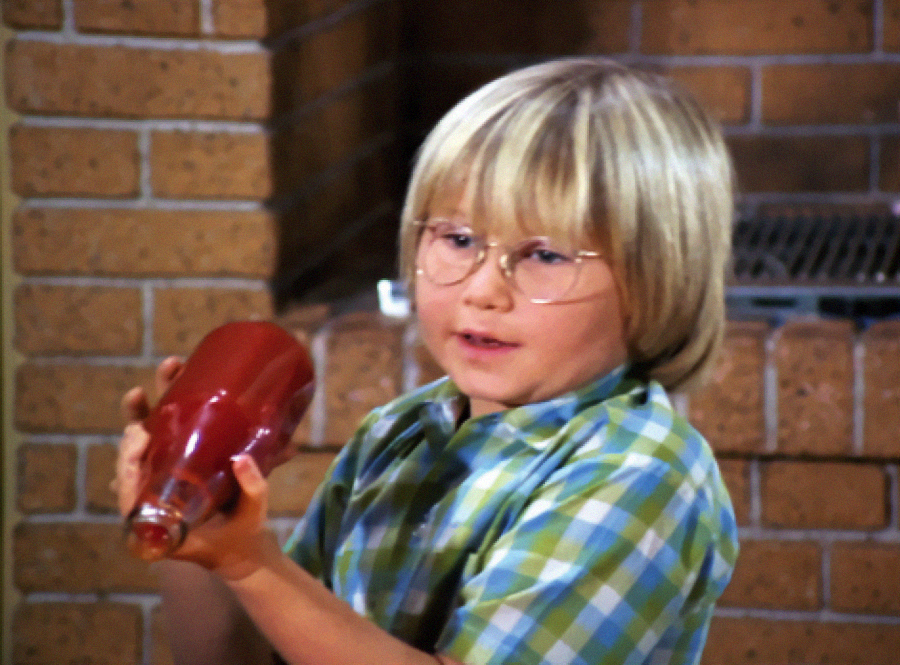
In a classic move of network desperation, Robbie Rist was added as Cousin Oliver in the final season to inject some youthful cuteness into a show where the main kids were getting too old. The network feared they were losing their younger demographic and insisted on a new, younger face to drive the plots. While the move is often cited as a sign of a show jumping the shark, it remains a legendary example of how networks use last-minute characters to try to save a fading brand.
In the mood for more TV secrets?
It is fascinating to realize that some of our most cherished TV memories were born out of a frantic need to fix a show before it hit the airwaves. These characters prove that sometimes the best creative decisions happen under pressure, filling a gap that even the creators didn’t know existed. If you enjoyed learning about these accidental icons, you won’t want to miss Beyond the Screen: 15 Dark Secrets from Classic TV Shows, or 15 Cancelled TV Shows That Deserved So Much More. You can also check these 15 TV Characters Who Left Shows Due to Real-Life Drama.