The classic era of television is often remembered as a simpler time, filled with wholesome families and predictable happy endings that comforted millions of viewers. However, the reality of producing these beloved TV shows was frequently much more complicated and, in some cases, downright dangerous for the people involved. Behind the white picket fences and the laughter of the live studio audiences, many actors were struggling with grueling contracts, severe health risks from primitive special effects, and intense interpersonal conflicts that were strictly “hush-hush” during the show’s original run. These stories remind us that the polished finished product we see in syndication was often the result of a very messy and sometimes dark creative process.
As fans, we tend to romanticize the stars of these legendary TV shows, but the industry standards of the 50s, 60s, and 70s were vastly different from the safety-first protocols of today. From the physical toll of filming on isolated, sweltering sets to the emotional strain on animal performers and child stars, the secrets that have emerged in recent years provide a fascinating (if somewhat unsettling) new perspective on our favorite classics. Understanding the grit behind the glamour doesn’t necessarily ruin the show, but it does add a layer of human complexity to the legends who brought these characters to life. We’ve unmasked fifteen of the most surprising and shadowed secrets from the history of television that were never meant to see the light of day.
1. Little House on the Prairie
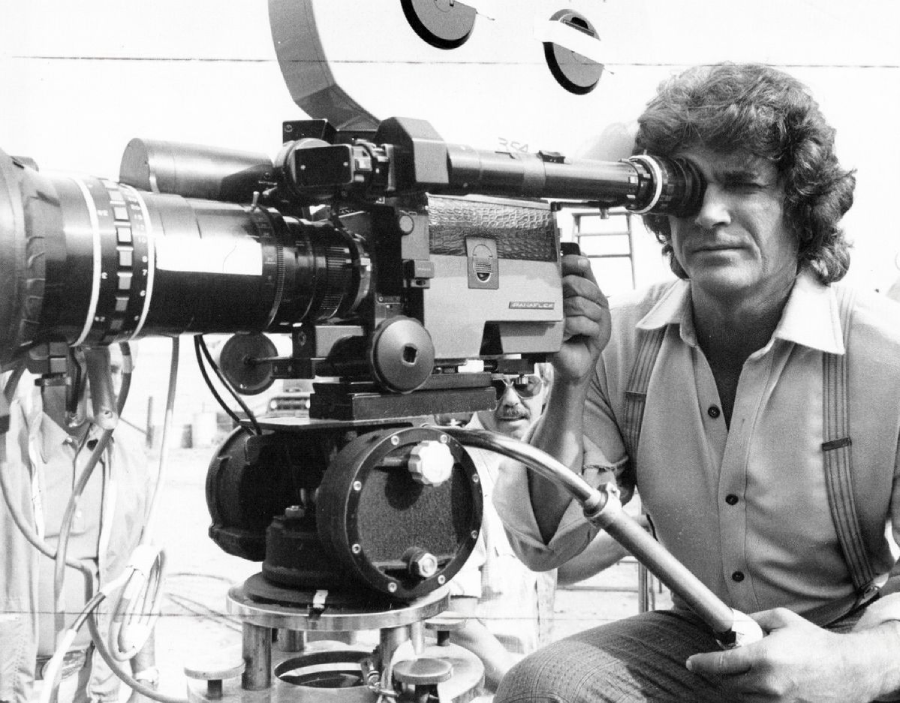
While the show portrayed a peaceful life on the frontier, the reality of filming in Simi Valley, California, was a grueling battle against triple-digit heat and rattlesnakes. Michael Landon was the undisputed king of the set, serving as the lead actor, executive producer, and frequent director, which led to a rigid and often intimidating atmosphere for the cast and crew. To keep the child actors focused, Landon reportedly used a “fear-based” leadership style and was known for his explosive temper if things didn’t go exactly as planned. Behind the cozy cabin scenes, the actors were often sweltering in heavy wool costumes, and Landon’s heavy consumption of cigarettes and alcohol during production was a closely guarded secret that stood in stark contrast to his character’s saintly image.
2. Star Trek: The Original Series
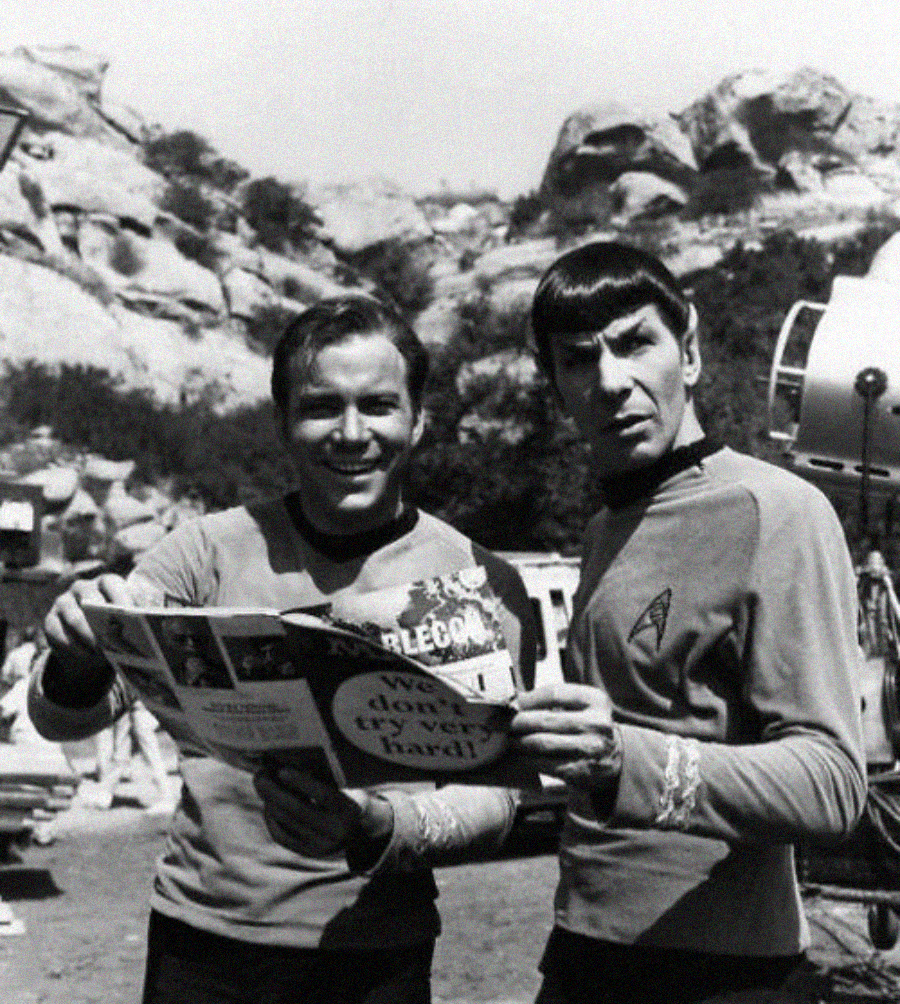
Behind the futuristic message of peace and unity, the set was often a battlefield of egos between William Shatner and the rest of the crew. Leonard Nimoy and Nichelle Nichols had to fight tooth and nail for equal pay, with Nichols nearly quitting before Dr. Martin Luther King Jr. personally convinced her to stay. Shatner was notorious for “line stealing,” allegedly taking dialogue from other characters to ensure he had the most screen time. The tension was so thick that many cast members didn’t speak to Shatner for decades after the show was cancelled.
3. I Love Lucy
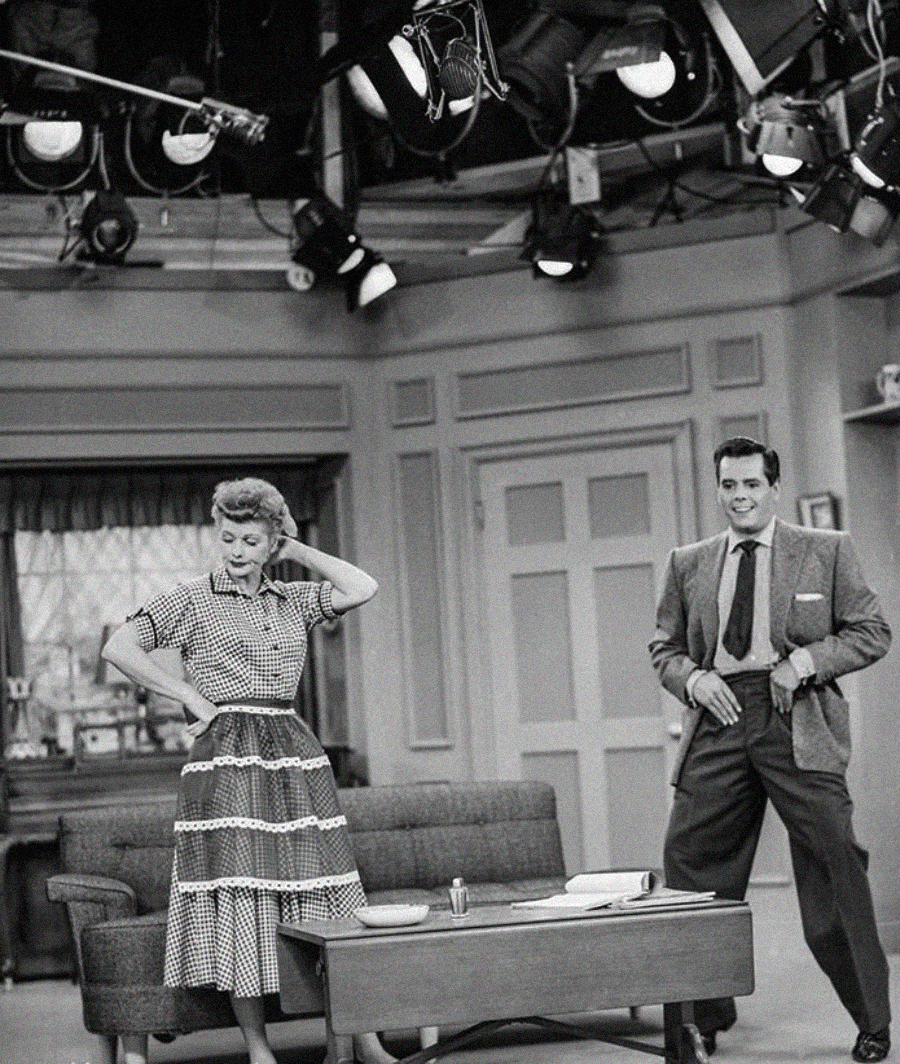
Lucille Ball and Desi Arnaz were the first power couple of television, but their real-life marriage was far from the domestic bliss shown on screen. Desi’s frequent infidelities and struggles with alcohol created a volatile environment that often spilled over into rehearsals. Lucy was a known perfectionist who could be incredibly harsh with writers and guest stars if a joke didn’t land exactly as she envisioned. Despite their onscreen chemistry, they divorced shortly after the show ended, proving that even the best comedy can hide a tragic reality.
4. The Brady Bunch
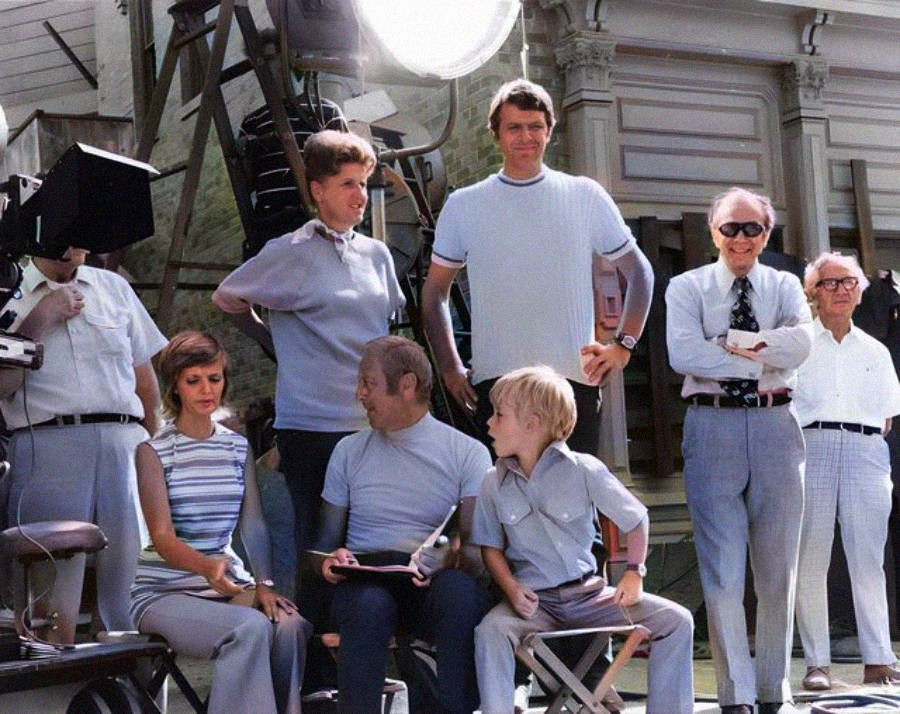
Robert Reed, the actor who played the quintessential father, Mike Brady, actually detested the show’s “silly” writing and frequently fought with creator Sherwood Schwartz. Reed was a classically trained Shakespearean actor who felt the scripts were beneath his talent, often sending long memos demanding more realism. He lived a deeply private life that stood in stark contrast to his onscreen persona, convinced that revealing his true self would shatter his career and the public’s perception of the Brady family. Despite his frustration, he stayed on the show out of a deep, genuine love for the child actors who played his kids.
5. Gilligan’s Island
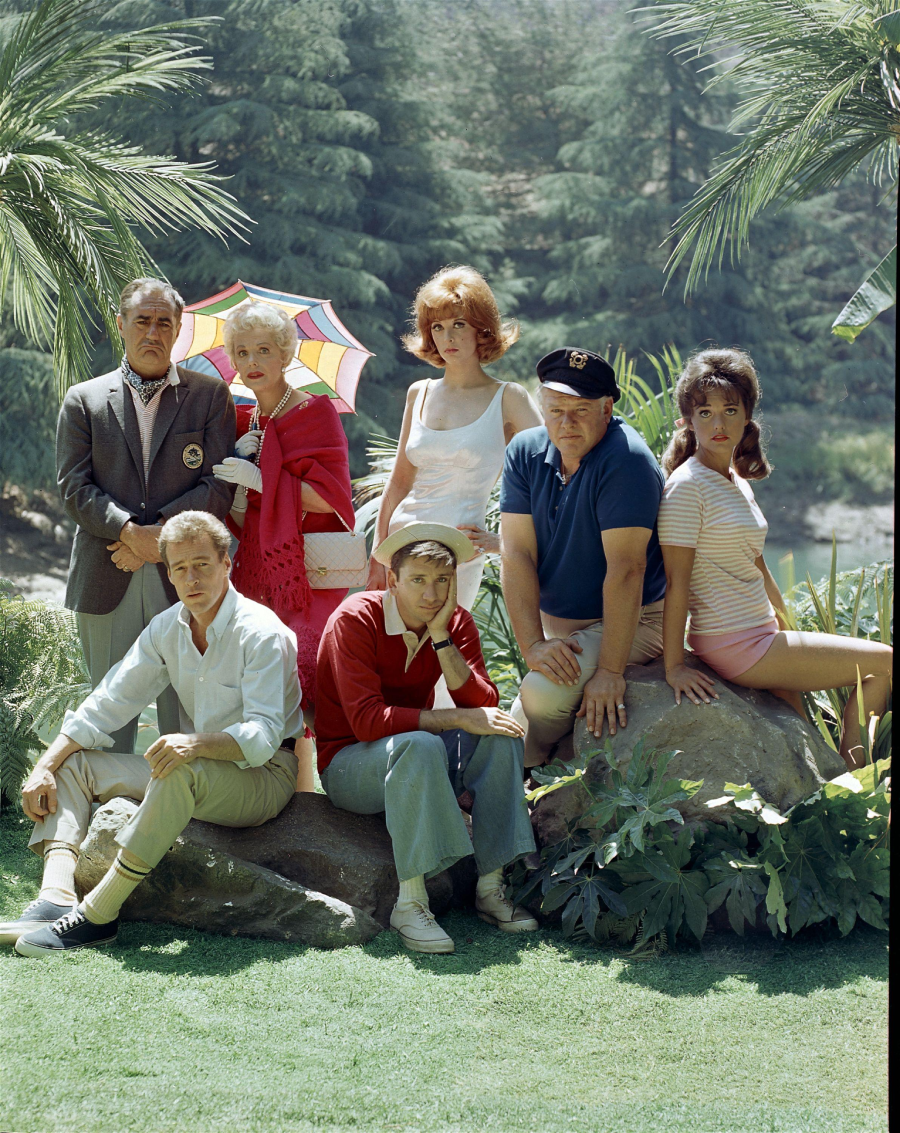
The cast was trapped in a cycle of “typecasting” that effectively ended their careers the moment the show stopped airing. While the show was a massive hit in syndication, the actors received almost zero residuals, meaning the studio made millions while the cast struggled to find work. Tina Louise, who played Ginger, felt the role ruined her chances of being a serious actress and refused to participate in many of the later reunions. The tropical set was actually built in a cold parking lot in Hollywood, leaving the actors shivering in their summer clothes between takes.
Trending on The Scroller


6. Land of the Lost
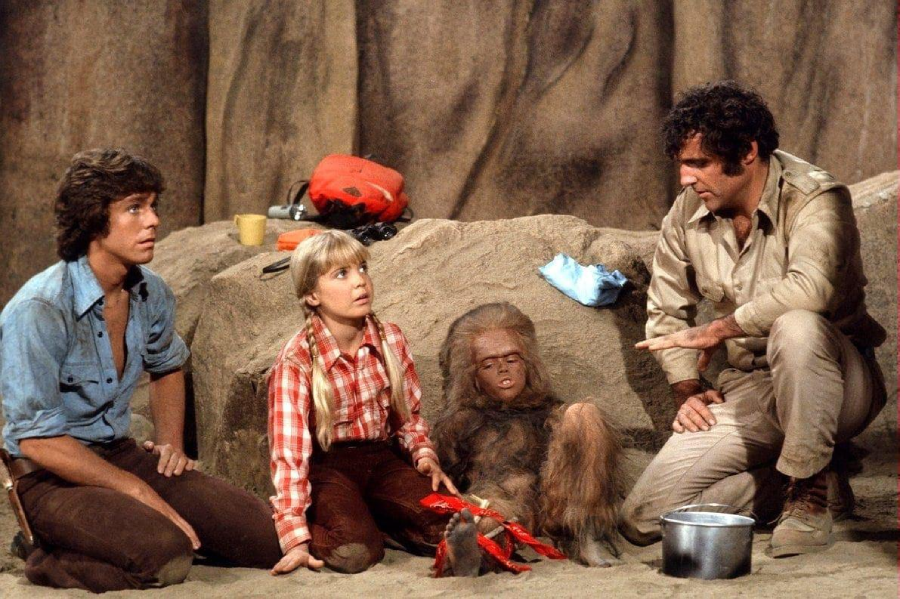
The young stars of this sci-fi classic were working on sets that were surprisingly hazardous due to the primitive blue-screen technology of the time. The bright lights required to make the effects work were often blinding, and the jungle floor was made of materials that triggered severe allergies in the cast. There were also rumors of an environment on set that wasn’t exactly appropriate for a children’s production. It remains a bizarre example of how low-budget practical effects could take a physical toll on performers.
7. Diff’rent Strokes
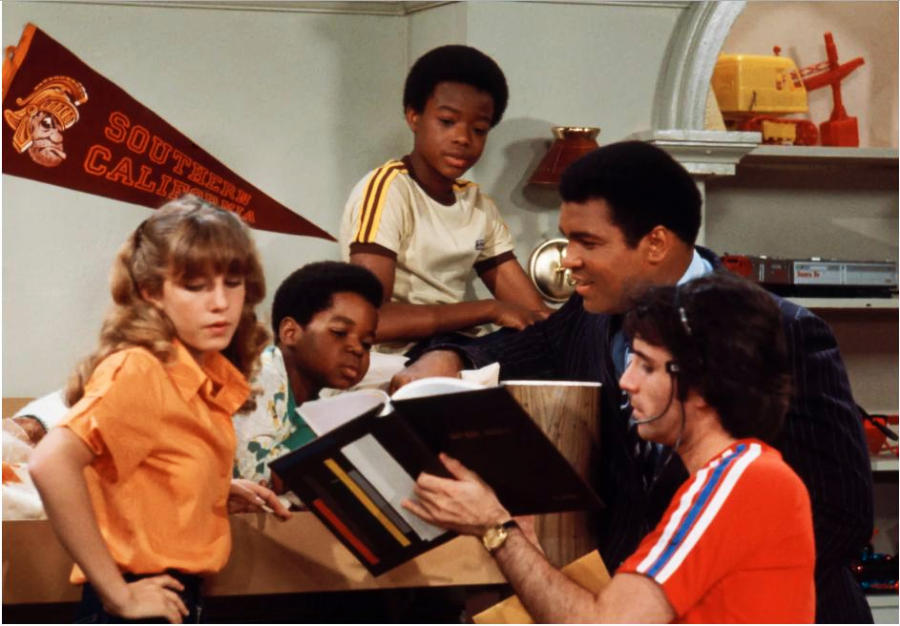
This show is often cited as the ultimate example of the “child star curse,” as all three young leads faced immense tragedy after the cameras stopped. Gary Coleman, Todd Bridges, and Dana Plato were catapulted into fame without any psychological support or financial protection from the industry. Coleman ended up suing his parents for misappropriating his earnings, while Plato tragically lost her life to an overdose years later. The contrast between the show’s lighthearted catchphrases and the cast’s real-world suffering remains one of TV’s darkest legacies.
8. Bewitched
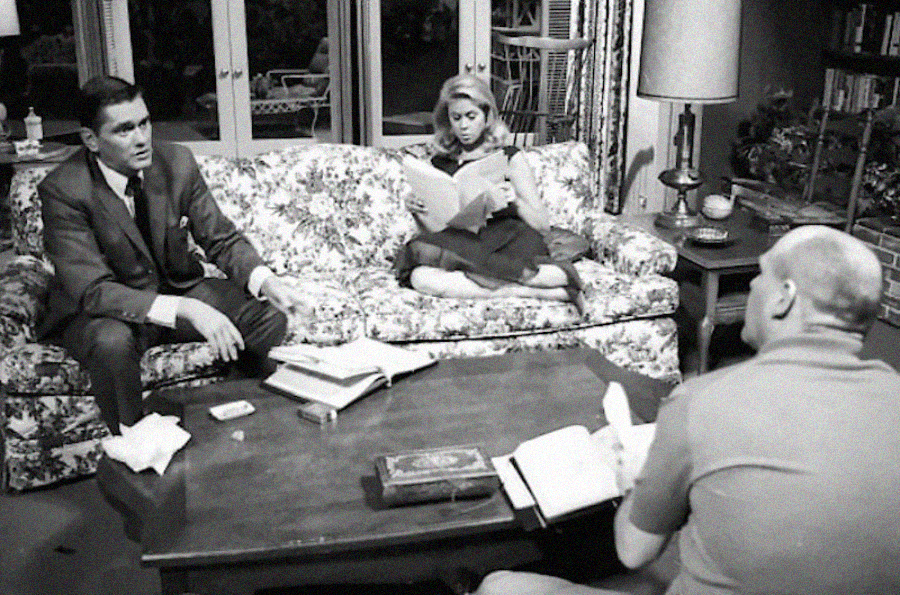
The production of this magical sitcom was plagued by the declining health of Dick York, the original Darrin Stephens. York suffered from a debilitating back injury sustained during a movie shoot, and his reliance on painkillers led to him collapsing on set during the fifth season. He was eventually replaced by Dick Sargent, a move that confused fans but was necessary to save York’s life. The transition was handled with almost no public explanation at the time, masking a very painful and personal struggle for the actor.
Sign up for our newsletter
9. Batman (1966)
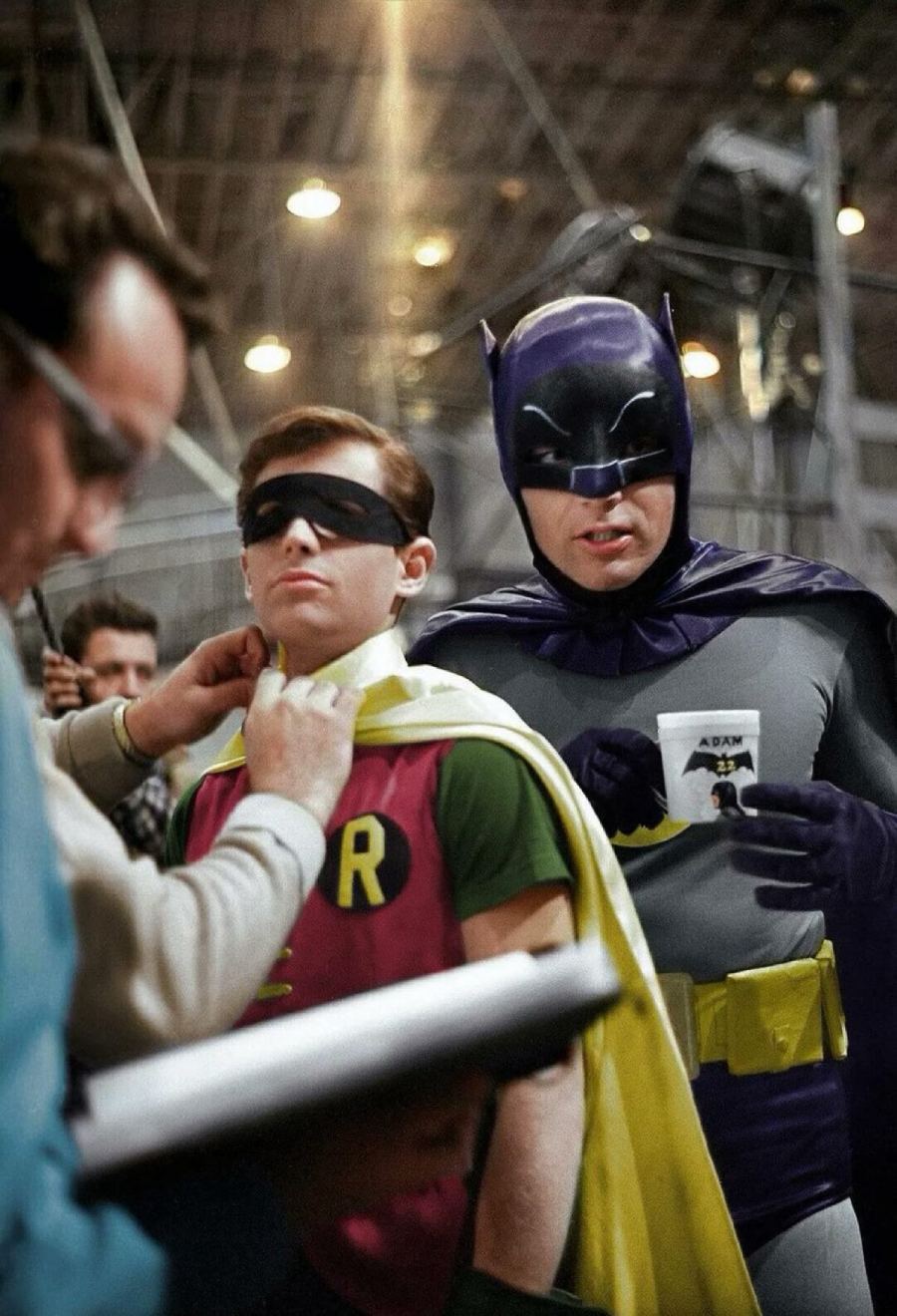
Burt Ward’s experience playing the Boy Wonder was far from a comic book adventure, as he was frequently treated more like a stuntman than a lead actor. He suffered numerous injuries, including second-degree burns, from the pyrotechnics used for the iconic “POW” and “BAM” fight sequences. The studio was also deeply obsessed with his physical appearance in the tight costume, reportedly forcing him to take questionable medication to ensure his silhouette met their strict aesthetic standards. While Adam West’s Caped Crusader led the show, Ward endured a grueling physical regimen and constant safety risks that were hidden behind the bright, campy colors of the screen.
10. Lassie
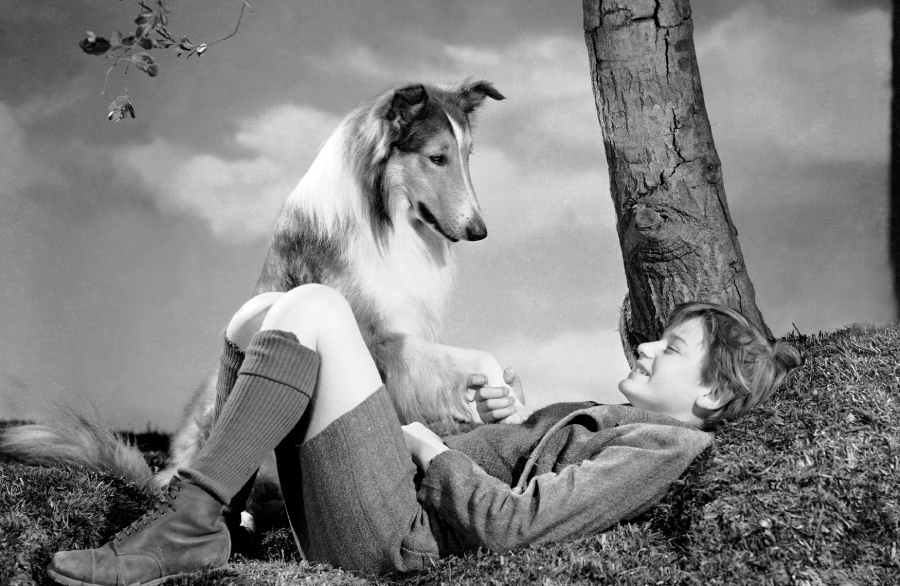
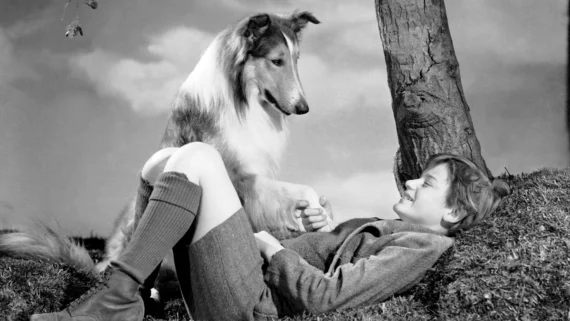
While the show portrayed a perfect bond between a boy and his dog, the reality involved a revolving door of animals and very strict training methods. There were actually several different “Lassies” used over the years, all of whom were male because male collies have thicker, more photogenic coats. The child actors were often told not to bond too closely with the dogs to ensure the trainers maintained total control during filming. This professional distance was kept secret to maintain the illusion of a one-of-a-kind, magical pet.
11. The Adventures of Superman
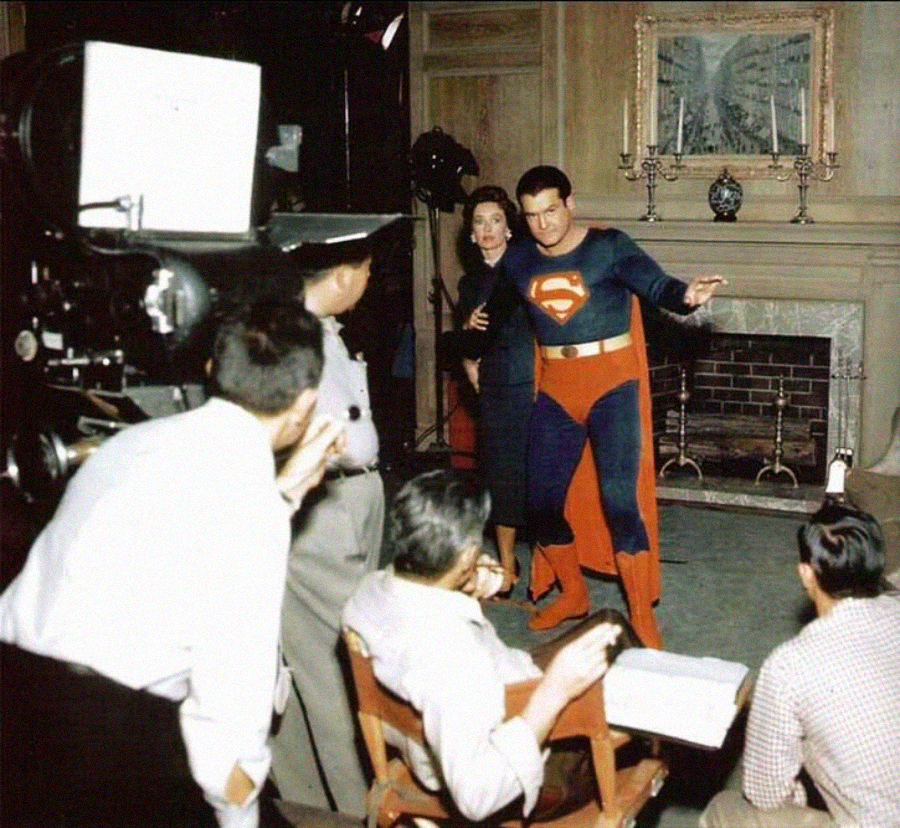
George Reeves became an icon as the Man of Steel, but he felt trapped by the cape and struggled to find serious roles as he aged. In 1959, Reeves was found dead from a gunshot wound in his home, a tragedy officially ruled a suicide, but surrounded by conspiracy theories for decades. Many believed his death was linked to a messy affair with the wife of a high-ranking MGM executive. The “Superman Curse” began here, casting a dark shadow over the show’s heroic and optimistic message.
12. Bonanza
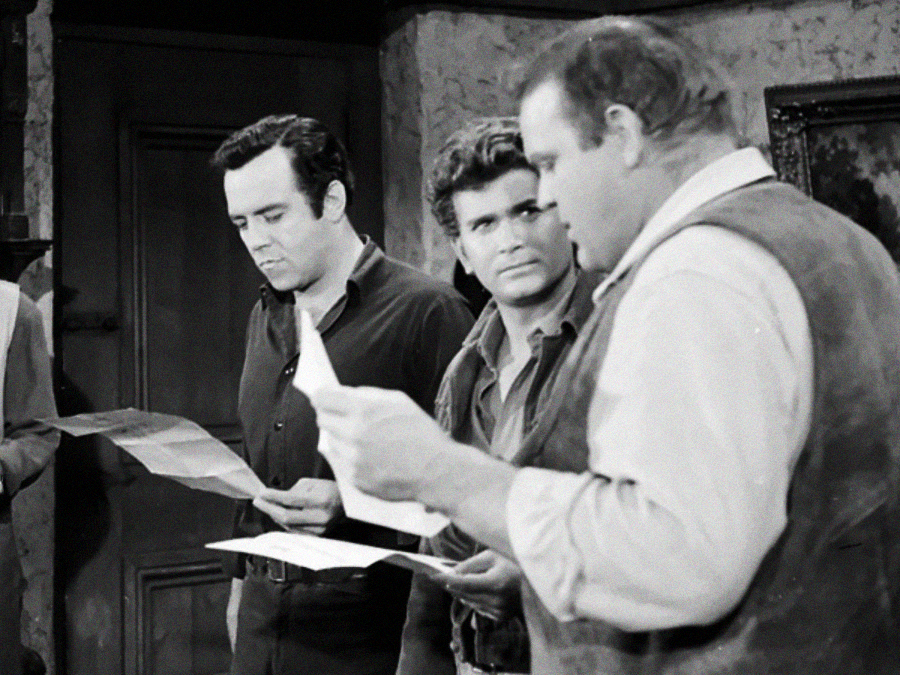
Behind the scenes of the Ponderosa, Michael Landon was already showing the controlling tendencies that would define his later career. He was known for being incredibly demanding and would often clash with directors to ensure his vision was the one that made it to air. There were also significant issues with the cast’s lifestyle choices off-camera, which the studio worked tirelessly to keep out of the newspapers. Despite the “family values” of the Cartwrights, the atmosphere on set was often described as tense and competitive.
13. MAS*H
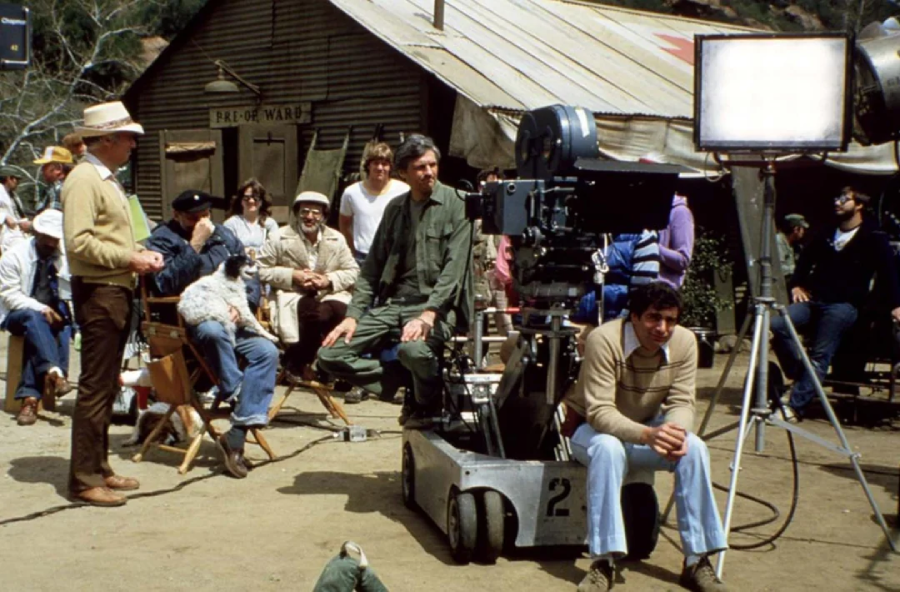
The show’s creator and the actors frequently clashed with the network over the show’s anti-war tone and the use of a laugh track. The actors felt a laugh track was disrespectful to the serious medical themes, leading to a compromise where it was removed during scenes in the operating room. Wayne Rogers, who played Trapper John, was so frustrated by the lack of character development compared to Alan Alda that he abruptly quit. The show’s “frat house” atmosphere in the early seasons was also criticized by some as being a difficult environment for the female cast members.
14. Flipper
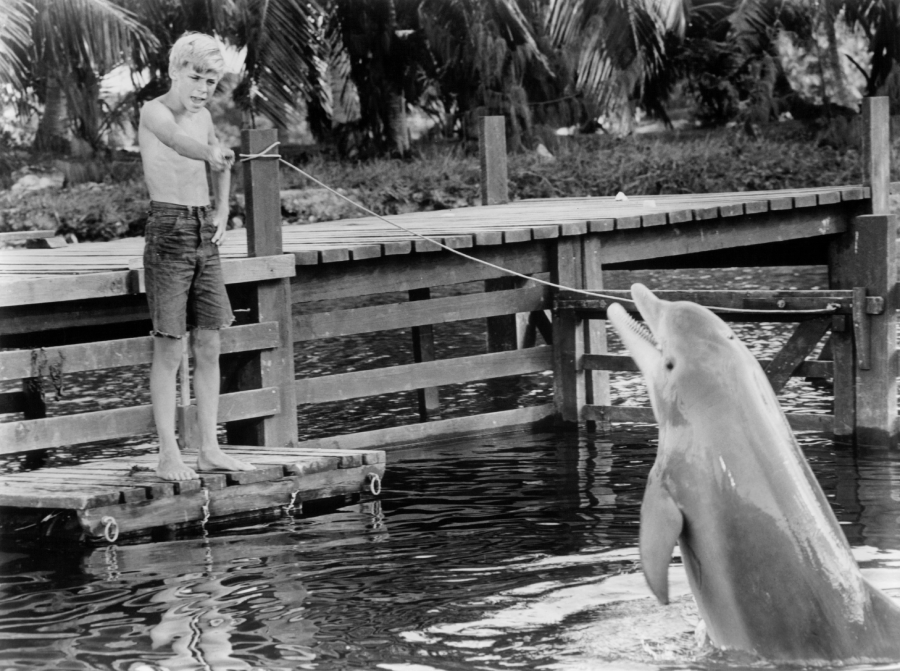
While the show convinced a generation that dolphins were cheerful, smiling companions, the reality for the animals involved was deeply tragic. Ric O’Barry, the head trainer for the five dolphins that played Flipper, famously turned into an anti-captivity activist after the show ended. He witnessed the emotional and physical toll the stressful filming environment took on the highly intelligent creatures, who were often kept in small, chlorinated tanks. O’Barry even claimed that one of the main dolphins, Kathy, became so depressed by the conditions that she essentially chose to stop breathing in his arms. This heartbreaking reality behind the scenes eventually sparked a global conversation about the ethics of using marine mammals for television and theme parks.
15. The Flintstones
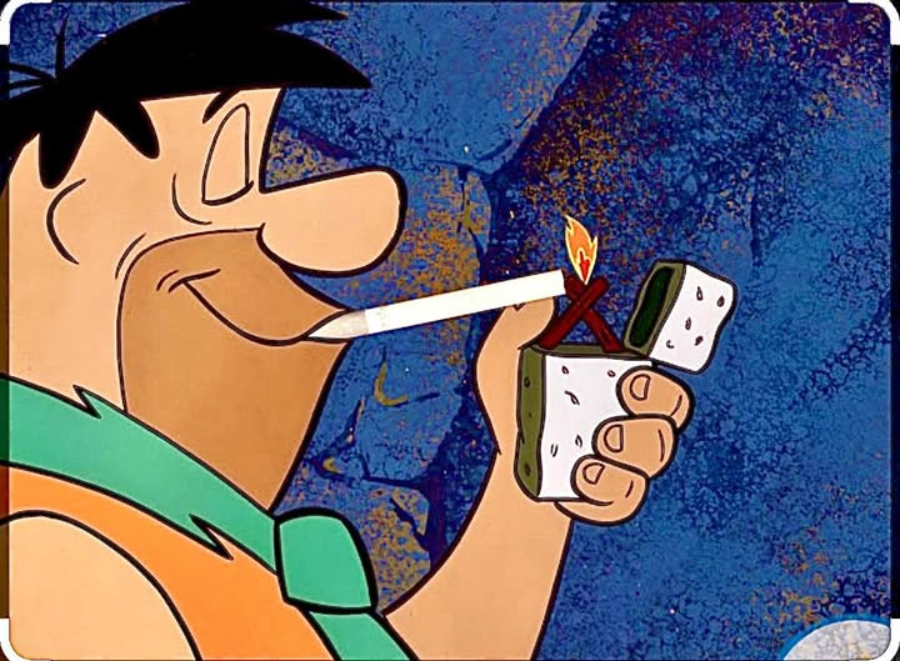
It’s hard to believe now, but the first two seasons of this “family” cartoon were actually sponsored by Winston Cigarettes. The closing credits featured Fred and Barney taking a smoke break and praising the flavor of the cigarettes, a marketing tactic aimed at the adult audience the show originally targeted. It was one of the first animated shows to be aired in primetime, and the adult themes were much more prevalent in the early scripts. Eventually, the show moved to a child-friendly format, and the cigarette ads were scrubbed from television history.
Want more TV shows’ curiosities?
Peeking behind the curtain of these legendary TV shows reveals that the road to entertainment is often paved with challenges we never see on screen. It doesn’t change the impact these stories had on our lives, but it does make the performances feel even more impressive, given what was happening backstage. If you enjoyed this dive into the hidden history of Hollywood, don’t miss these 20 Candid Backstage Photos of Famous Sitcom Casts, or 15 Classic TV Moms from the 70s and What Happened to Them. You may also like these 17 TV Characters Who Became the Face of Their Decade.