

You can spend half your life in a kitchen without wondering where any of it came from. A fork is a fork, foil is foil, the microwave hums, the toaster does its thing. But once you start pulling on the thread, a lot of these everyday tools turn out to have strange, uneven histories, full of bad early designs, social baggage, wartime detours, and lucky accidents. The kitchen, as it turns out, is full of survivors.
The Fork
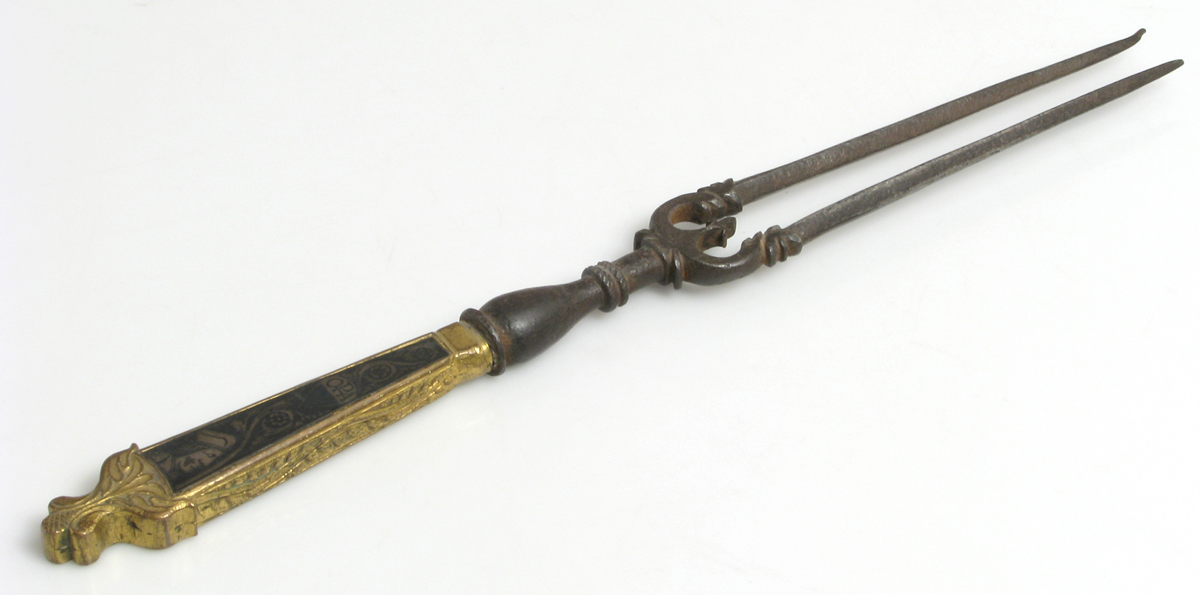
For something so ordinary now, the fork had a surprisingly awkward rise. Personal table forks reached parts of medieval Western Europe with a reputation for being fussy, foreign, and slightly suspect, not just unnecessary but morally questionable to some critics. One often-cited 11th-century story tells of a Byzantine princess in Venice using golden forks at the table and scandalizing local clergy, who saw the habit as indulgent rather than refined. It took centuries for the fork to stop feeling strange and start feeling inevitable.
The Corkscrew
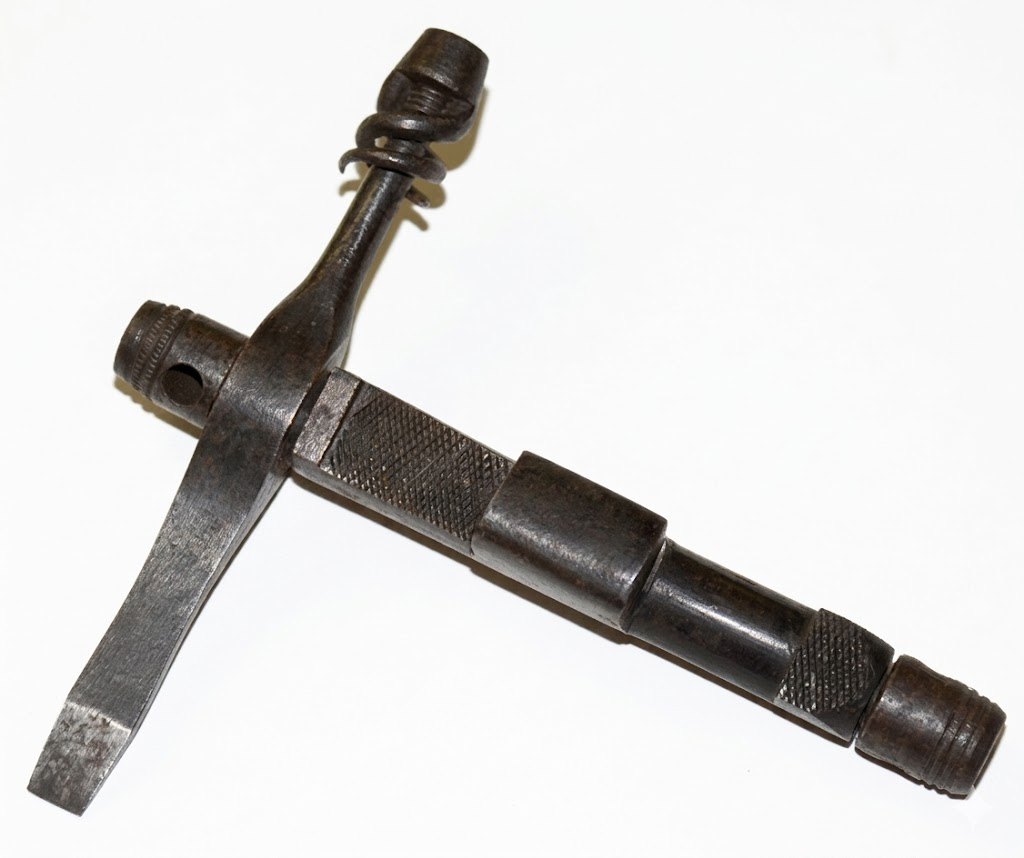
The corkscrew has the kind of backstory that feels oddly mismatched with the object itself. The most widely repeated theory is that it developed from the “worm,” a metal spiral used to pull stuck charges out of muskets, which means a tool now linked to wine may have roots in firearm maintenance. That is a pretty strange lineage for something now tossed in a kitchen drawer next to spare batteries and rubber bands.
The Can Opener
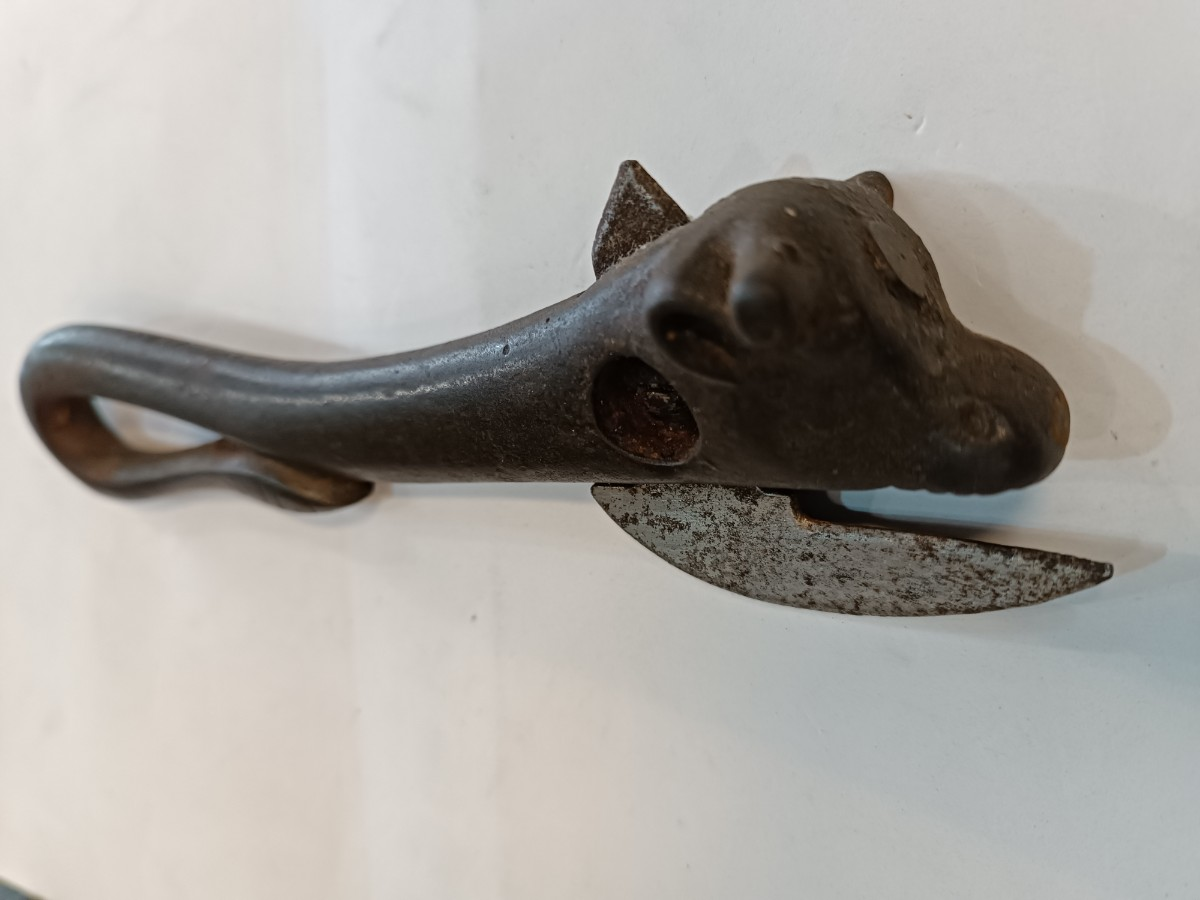
The weird part is not that someone invented the can opener. The weird part is how late it arrived. Canned food had already been around for decades before a proper opener showed up in the mid-19th century, which meant people were out there buying preserved food and then hacking their way into it with chisels, knives, and whatever else got the job done. Early cans were thicker than modern ones, so this was not just an inconvenience; it was built into the whole experience. The can was clever. The opening part took a little longer.
The Microwave
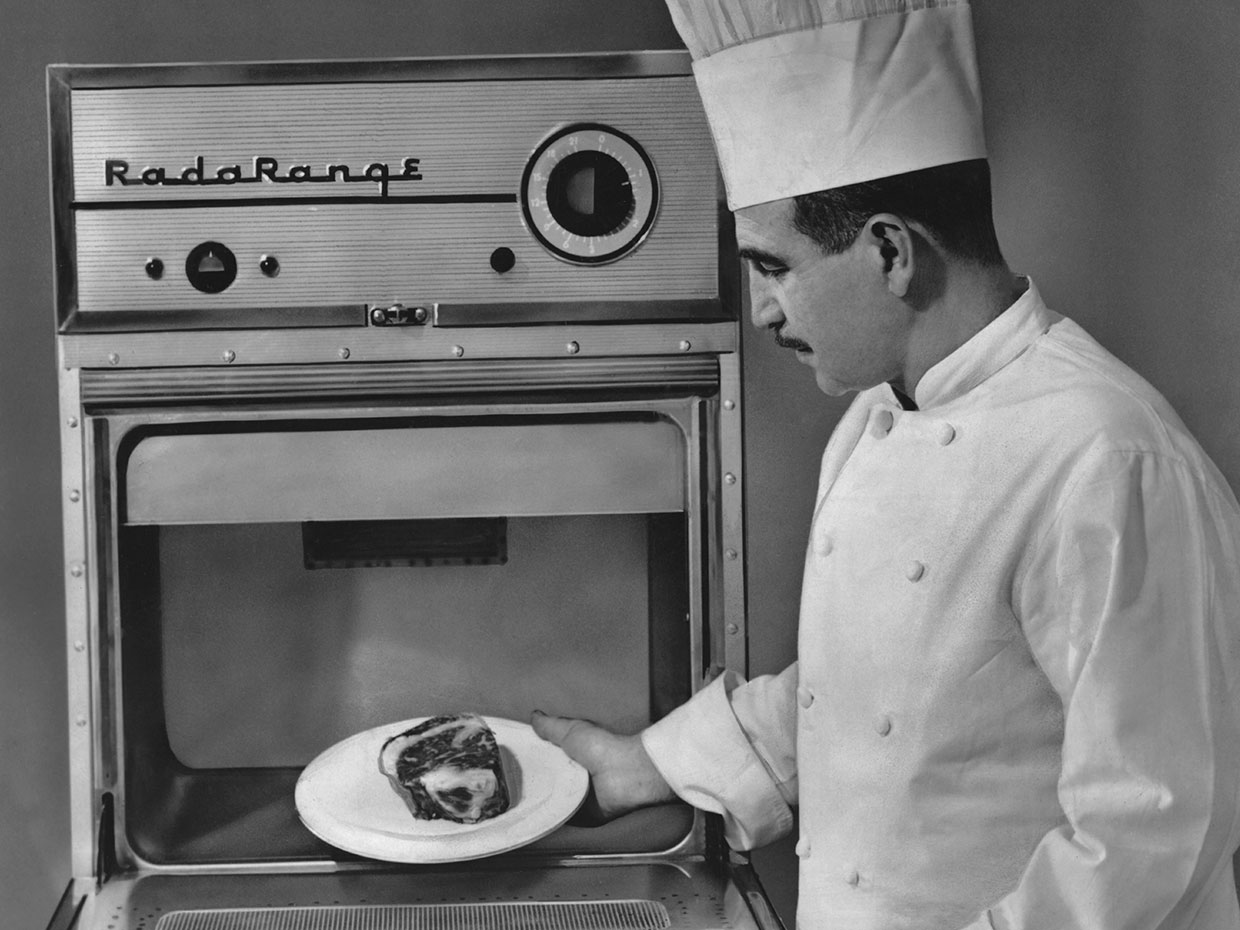
The microwave still feels faintly suspicious to some people, which might be why its origin story has held on so well. In 1945, engineer Percy Spencer was working with radar technology at Raytheon when he noticed that a candy bar in his pocket had melted. From there came experiments, then commercial machines, and those first machines were not subtle. They were huge, expensive, and looked more at home in an institutional kitchen than next to a fruit bowl. It took time for the microwave to lose that industrial aura and become the weeknight appliance of leftovers, reheated coffee, and defrosted chicken you forgot to take out.
The Pressure Cooker
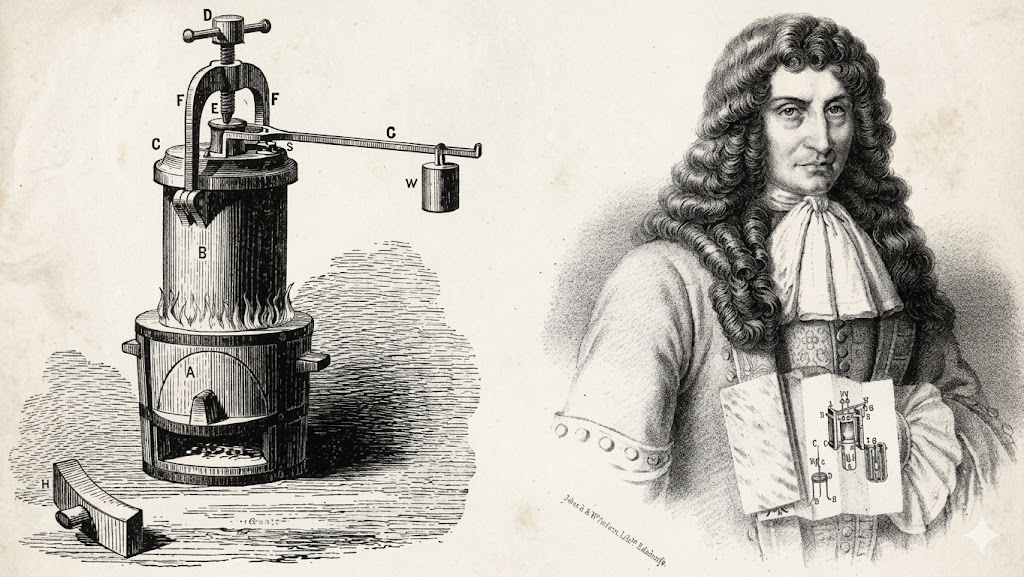
The pressure cooker comes from a much stranger place than its weeknight reputation suggests. Its ancestor was the steam digester, created by Denis Papin in 1679, a high-pressure device built to cook food faster and even soften bones. From the beginning, it needed safety controls because trapped pressure was useful right up to the point where it became dangerous. That gives the modern pressure cooker a lineage that feels closer to an experiment than a cozy kitchen staple.
.
Trending on The Scroller


The Tea Bag
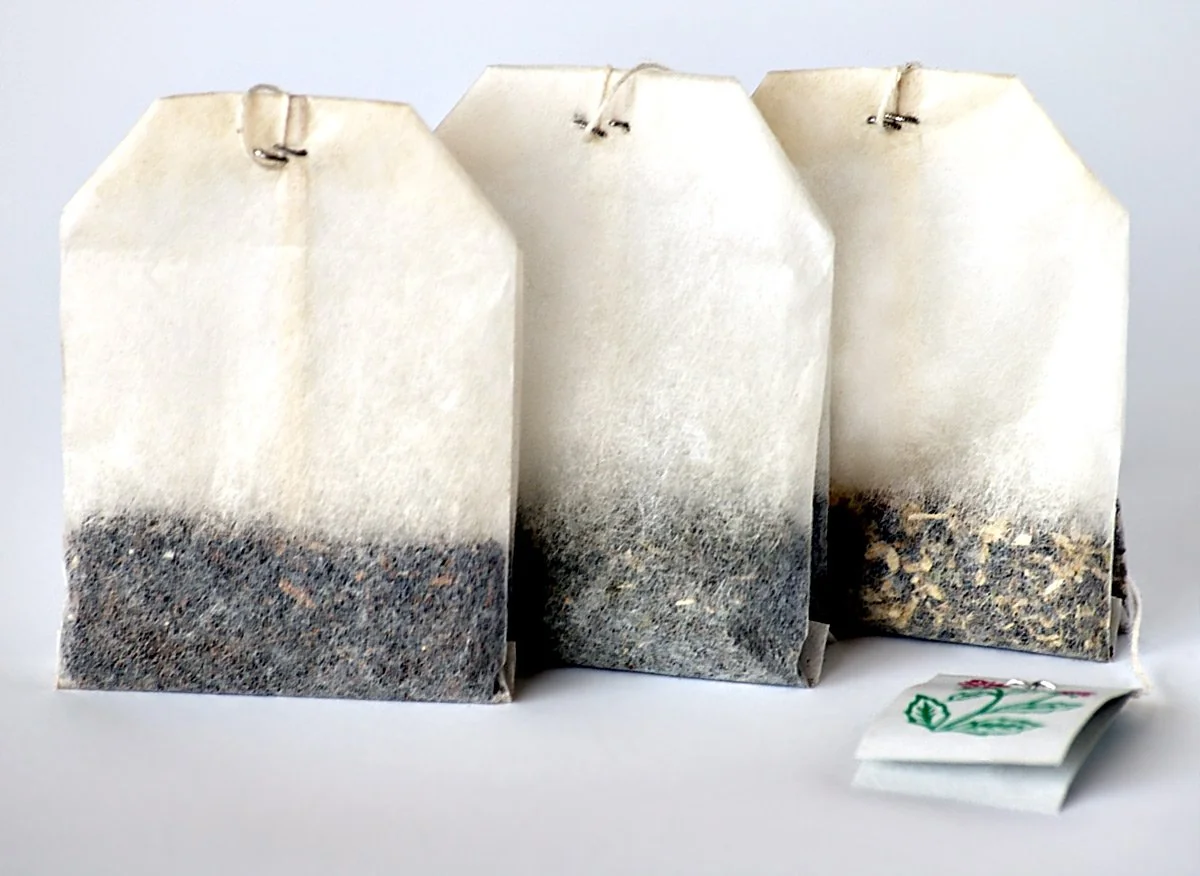
The tea bag has the kind of origin story that sounds too neat to be real, which is probably why people still argue over the details. The best-known version goes back to 1908, when New York tea merchant Thomas Sullivan reportedly sent out tea samples in small silk pouches, and customers, not realizing the leaves were meant to be removed, dunked the whole thing in hot water. Whether it was a true invention or a misunderstanding that stuck, the weird part is the same: one of the most ordinary things in the kitchen may have caught on because people used it the wrong way first.
The Nonstick Pan
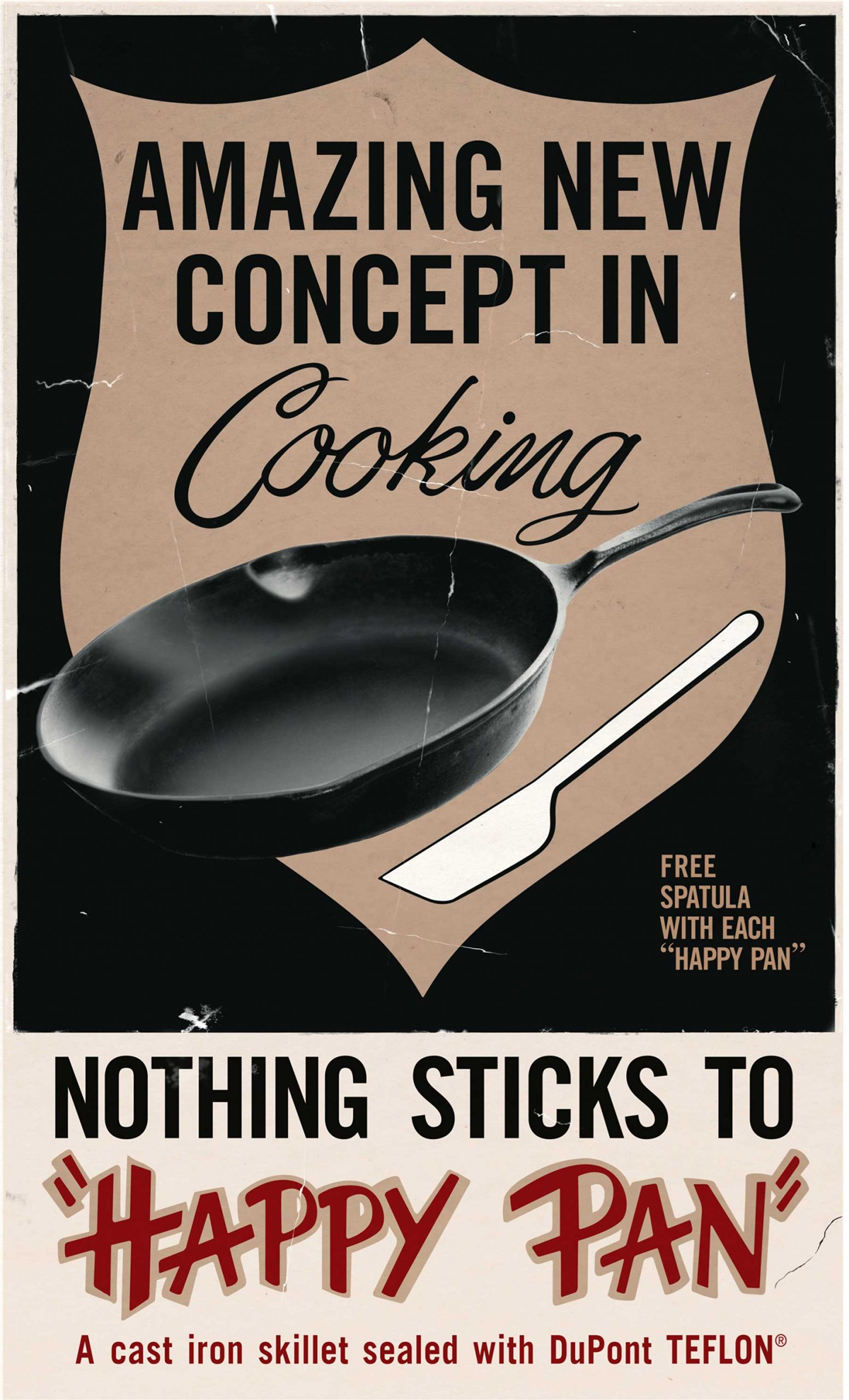
There is something a little miraculous about the first time you cook an egg in a decent nonstick pan. That feeling has a history. PTFE, later marketed as Teflon, was discovered in 1938, and cookware followed in the 1950s after French engineer Marc Grégoire worked out how to apply the material to aluminum pans. Suddenly, cleanup looked different, cooking looked easier, and an annoying part of dinner lost some of its power. That promise, more than any chemistry lesson, is what sold nonstick to home cooks.
The Refrigerator
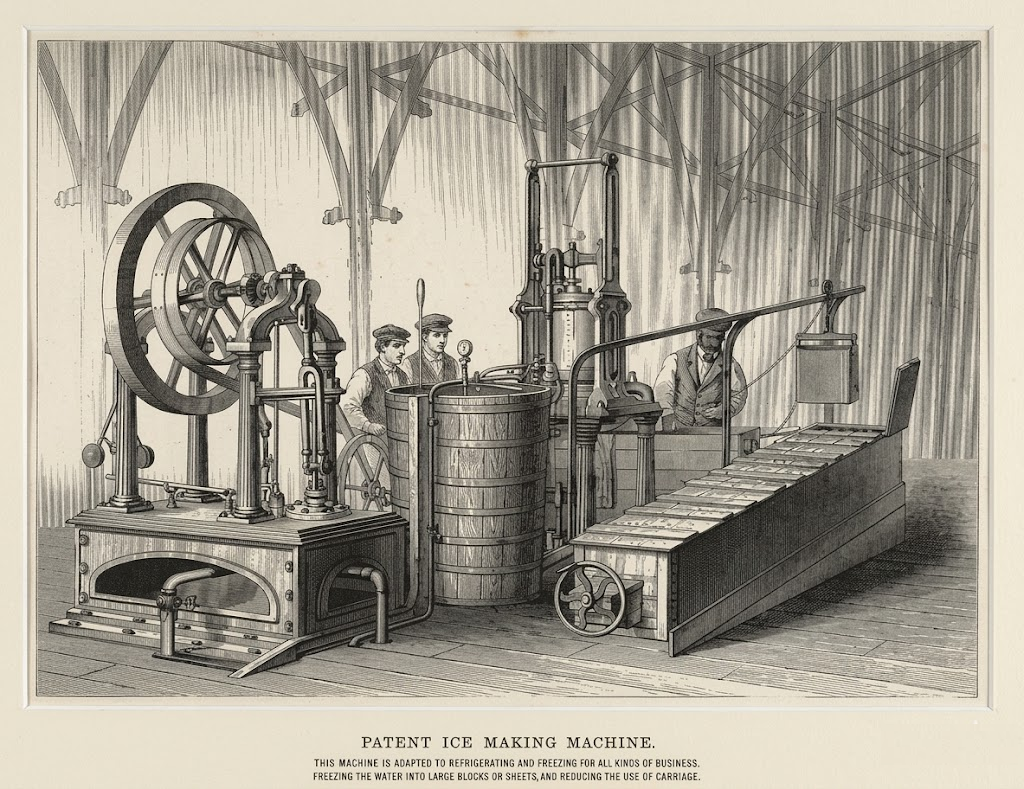
The refrigerator feels steady and harmless now, but early refrigeration had a darker edge. Older systems used gases like ammonia, sulfur dioxide, and methyl chloride, and leaks could be serious, even deadly. The problem was significant enough that Albert Einstein and Leó Szilárd worked on a safer refrigerator design in the 1920s. It is not every day that a kitchen appliance comes with a side story involving one of the world’s most famous physicists.
Sign up for our newsletter
The Ice Cube Tray
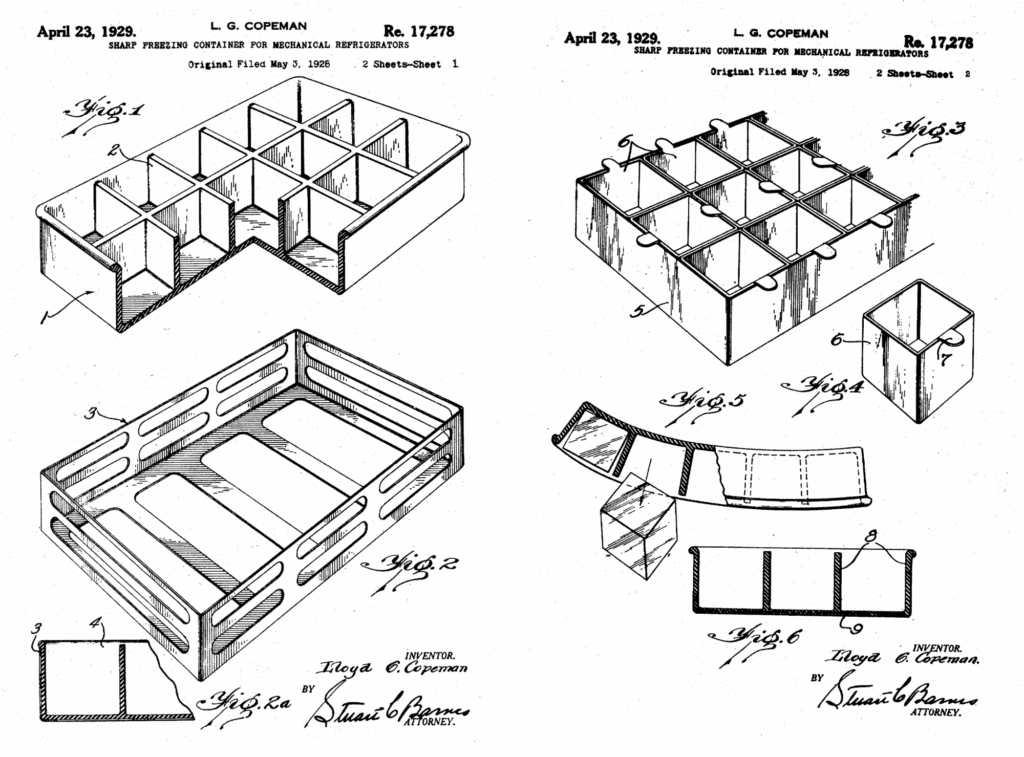
The old story is that inventor Lloyd Groff Copeman got the idea for a flexible ice tray in 1928 after noticing how frozen slush peeled away from his rubber boots. It sounds made up, but it is exactly the sort of oddly specific observation that a lot of practical inventions come from. Before flexible trays, getting ice out was more annoying than it needed to be. Afterward, it was just one quick twist and done.
The Egg Carton
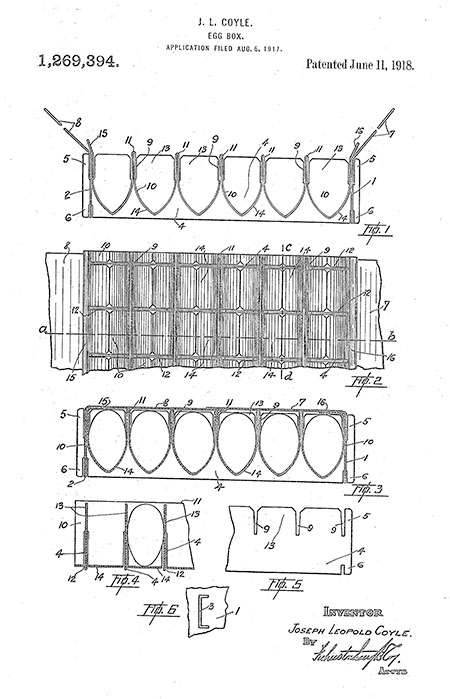
The egg carton has a strangely petty origin for something so useful. In 1911, newspaper editor Joseph Coyle is said to have come up with an early version after hearing an argument between a farmer and a hotel owner in British Columbia over eggs arriving broken in a basket. That means one of the quiet heroes of the modern kitchen may have started as the solution to a local delivery dispute, not a grand packaging breakthrough.
A lot of kitchen objects only look inevitable in hindsight. Up close, their histories are full of delays, workarounds, lucky guesses, and products that were clunky before they were useful. That feels about right. Most things we call ordinary had to earn it.
In the mood for more?
If you want to see more facts about everyday items, you can check out Everyday Products with Surprising Hidden Features or 16 Foods That Were Invented During Times of War and Became Everyday Staples. For more kitchen curiosities, you can check 14 Things That Were Invented Specifically for Space and Are Now in Your Kitchen.