Mid-century hotel lobbies were much more than stylish, filled with sculptural chairs and polished counters. In the 1950s and early 1960s, the lobby was often the operational heart of a hotel, where guests checked in, luggage changed hands, messages arrived, taxis were summoned, and travel plans were made face-to-face.
Look closely at photographs from the period, and the room starts to resemble an analog command center. Much of what now happens through phones, apps, digital key cards, and automated systems once required a person, a counter, a rack, or a piece of paper.
1. A Front Desk With an Actual Check-In Line
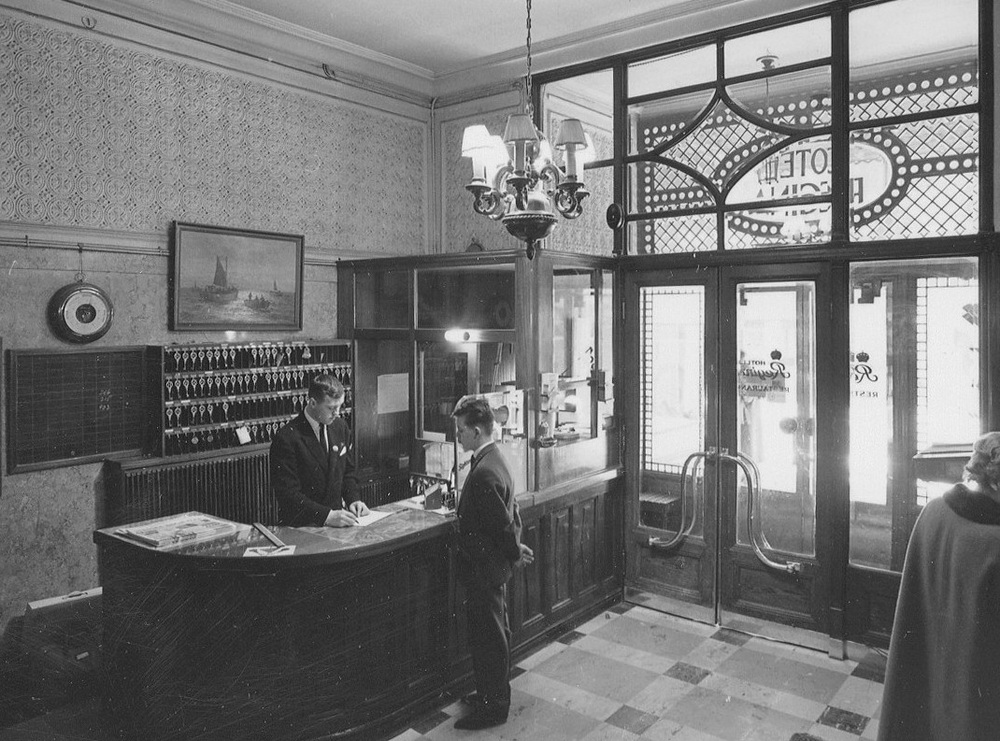
Checking into a hotel meant stopping at the desk and dealing with a clerk, often while other travelers waited nearby. Registration, room assignments, questions, and instructions all passed across that counter. A documented 1952 photograph of the Driskill Hotel even shows a guest checking in with three people working behind the desk and bellboys close at hand. The front desk wasn’t simply reception. It was where the machinery of an arrival became visible.
2. Bellhops Moving Suitcases Across the Lobby
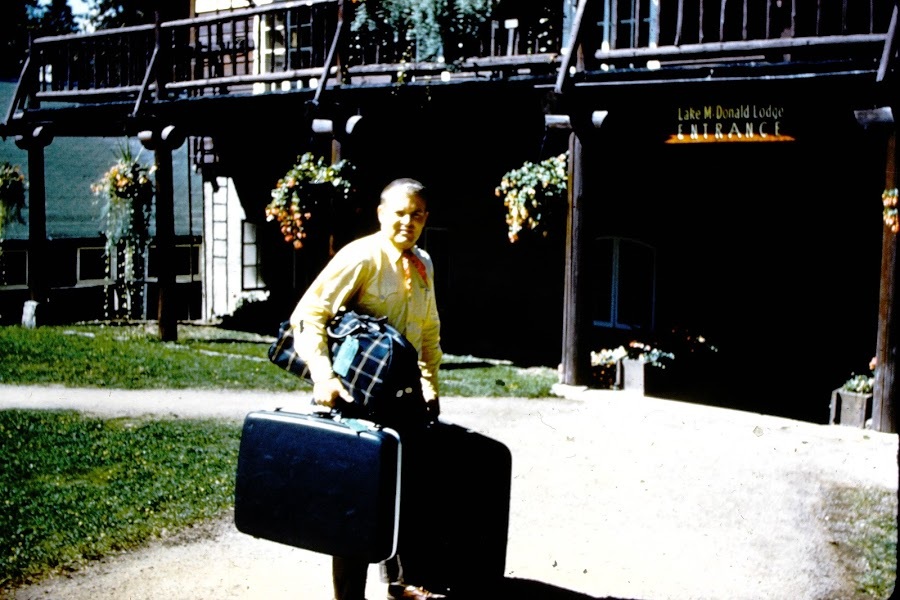
Before wheeled luggage became the travel default, suitcases could turn arrival into a surprisingly physical operation. Bell staff met guests, carried bags, escorted them toward their rooms, and responded to instructions from the bell captain. A busy lobby could therefore have luggage moving in several directions while newly arrived travelers were still figuring out where to go.
3. Guests Sinking Into Lobby Chairs to Wait
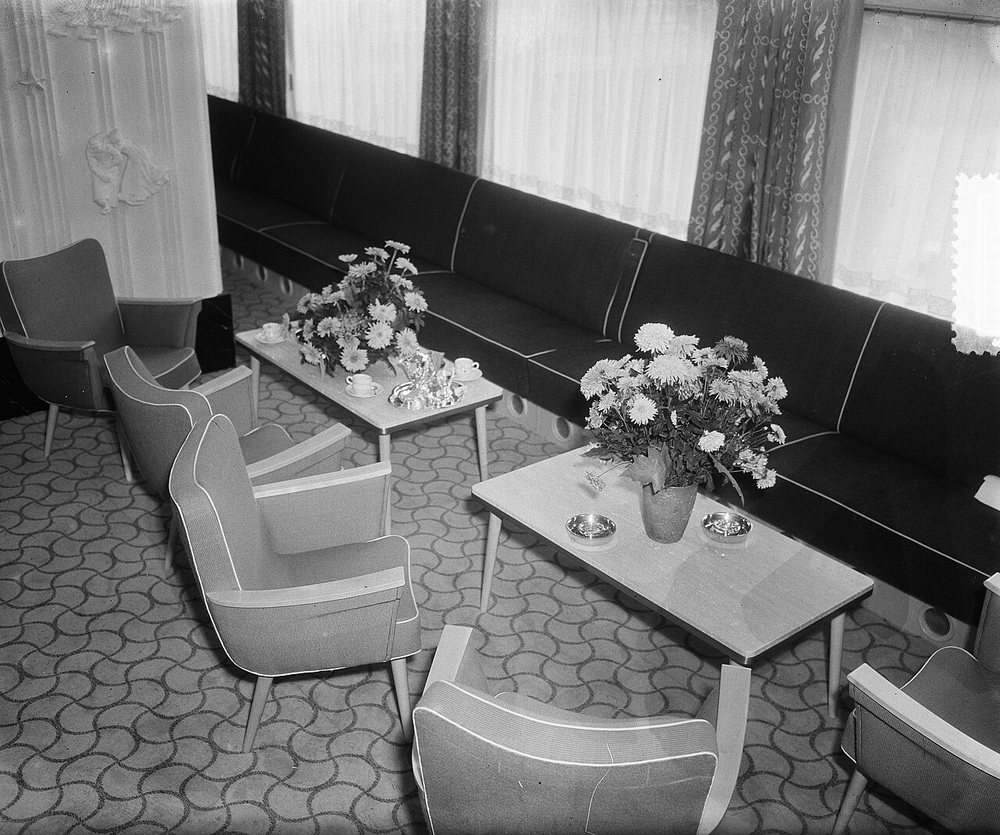
Those sleek mid-century chairs weren’t there only to complete the decor. Hotel lobbies doubled as waiting rooms for guests whose rooms weren’t ready, companions who hadn’t arrived, appointments running late, or transportation that was still on its way. Period photographs show substantial seating built into these public spaces. For all the surrounding activity, part of lobby life consisted simply of sitting down and watching it happen.
4. A Wall of Room Keys and Mail Behind the Desk
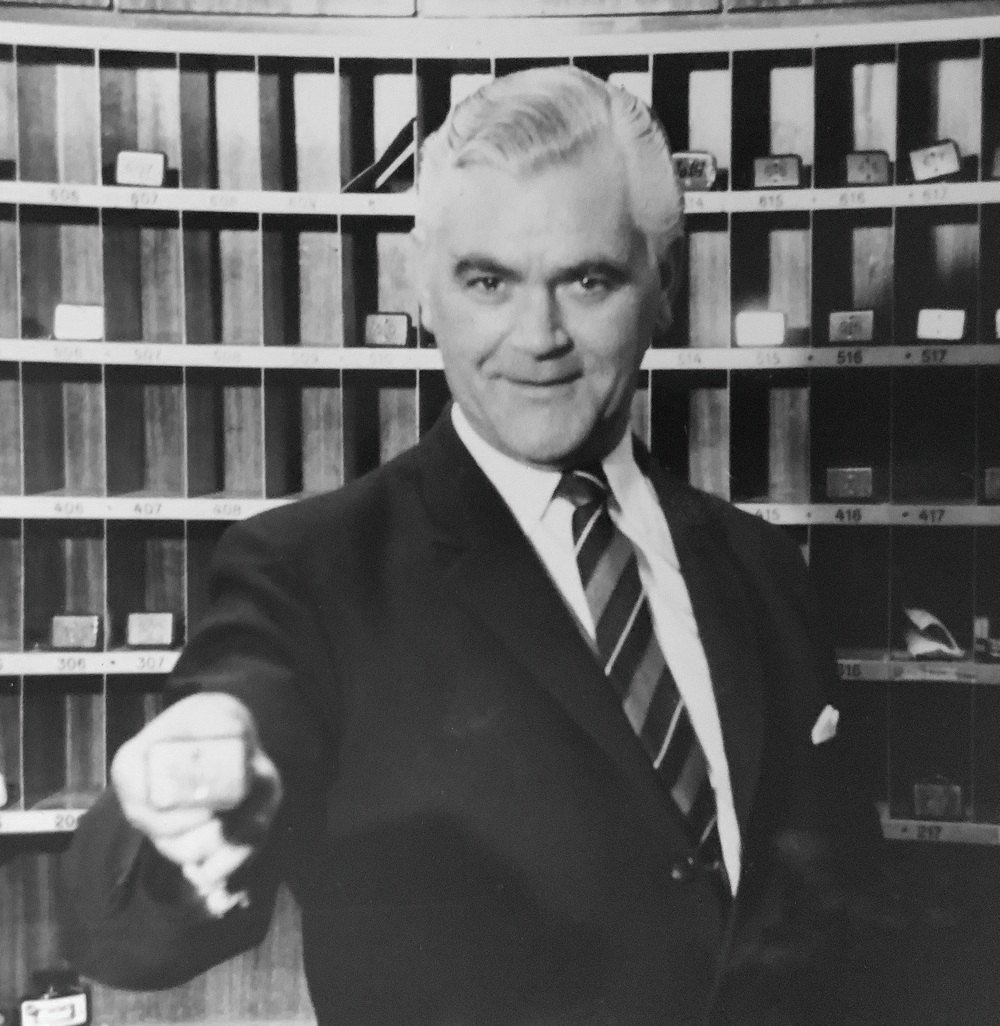
What looks like a wall of tiny compartments in old hotel photographs was essentially an information system. Letter-and-key racks organized room keys and guest correspondence by room number, keeping dozens or hundreds of small transactions physically sorted behind the desk. Where a modern traveler might tap a key card and check a phone, a mid-century guest often depended on those pigeonholes. How many vacations, business trips, and personal messages passed through a wall like this?
5. A Doorman Flagging Down the Next Taxi
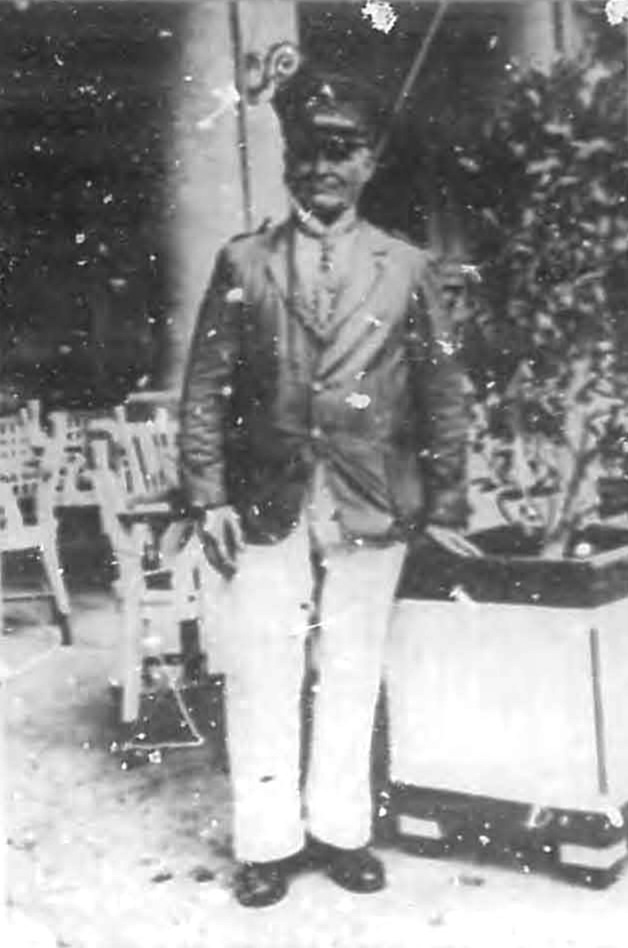
Step through the lobby doors and another part of the operation began. Hotel entrances connected guests with taxis, private cars, porters, and the flow of new arrivals coming in from the street. Doormen and bell staff helped manage that threshold, turning the curb into an extension of the lobby itself. Getting transportation
Trending on The Scroller
6. Desk Clerks Sorting Messages for Guests
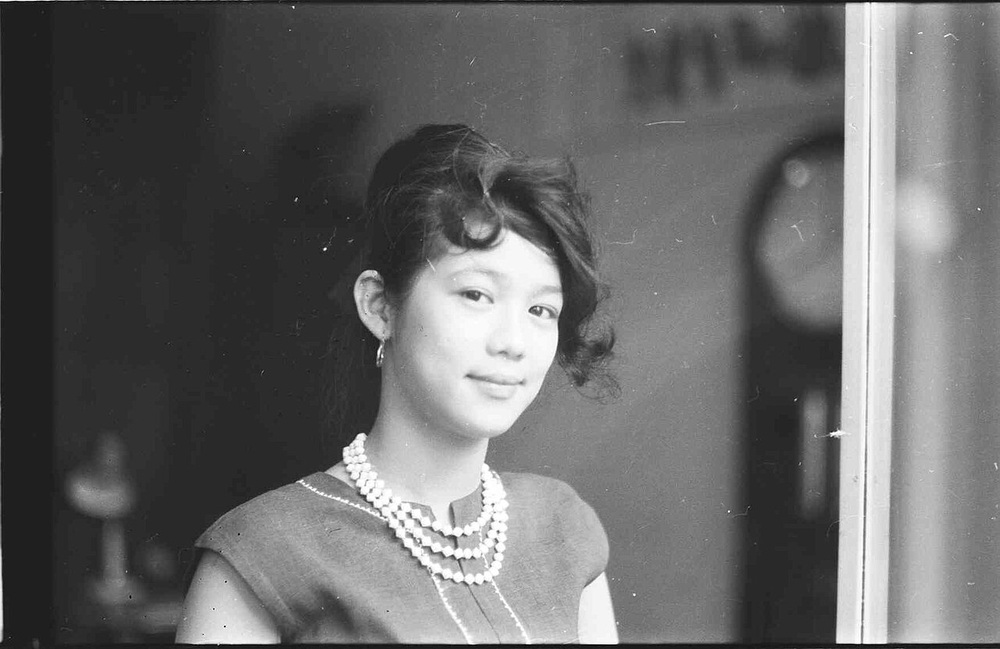
Long before a notification could reach someone anywhere, messages had to know where to find them. Hotel reception helped coordinate letters, telegrams, written notes, and other communications for guests, with clerks and physical racks keeping everything organized. It meant the front desk wasn’t only tracking rooms. It was also quietly managing a stream of information for people temporarily living under the same roof.
7. Stairs Behind the Front Desk Led Guests Upstairs
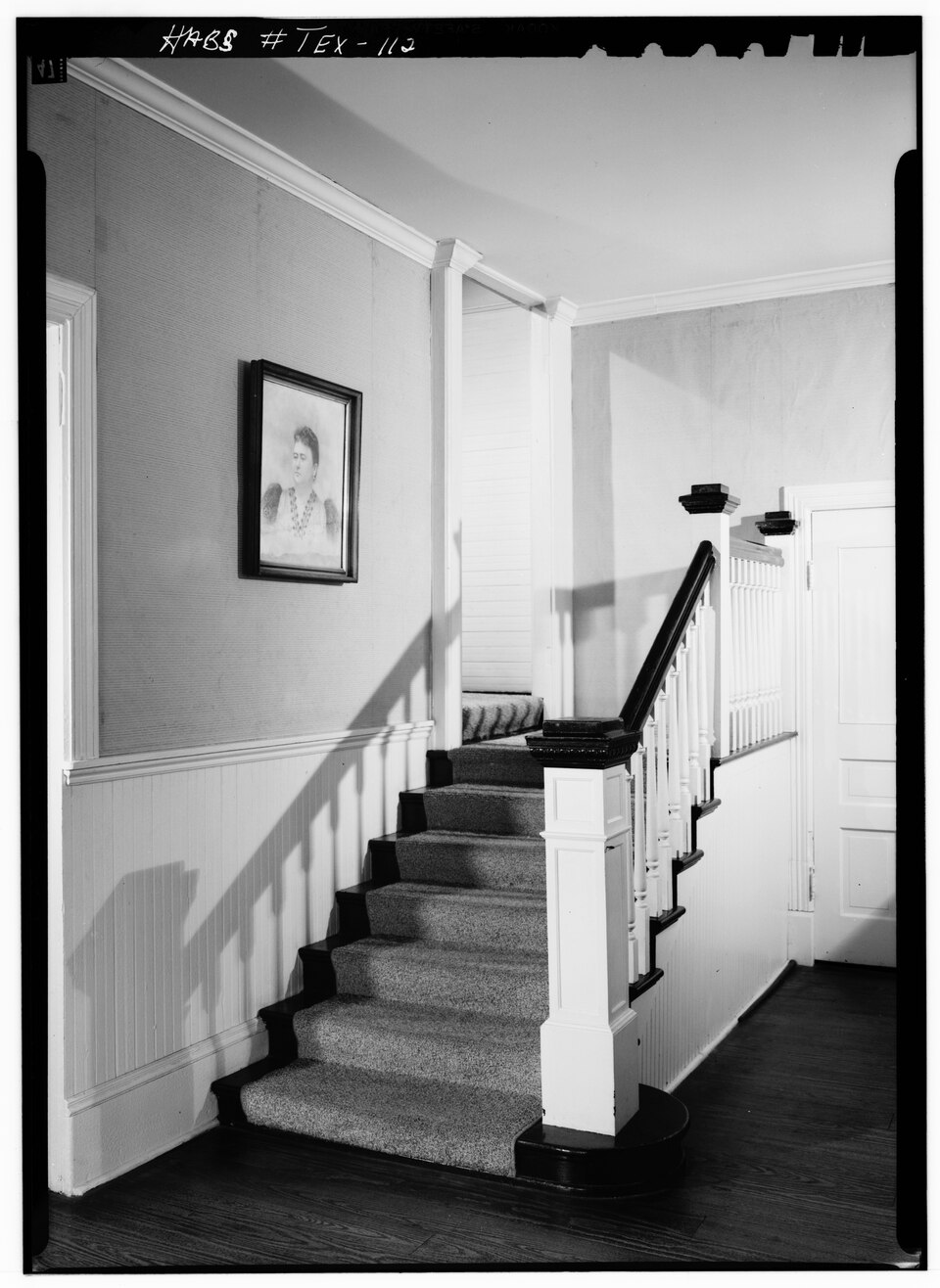
Not every hotel needed an elevator to move guests out of the lobby. In smaller and older properties, a staircase could sit directly behind the registration desk, creating an immediate route from check-in to the guest rooms above. This 1966 photograph of the Excelsior Hotel in Jefferson, Texas, documents exactly that arrangement. Once a room was assigned and the key handed over, the next stage of the journey could begin just a few steps behind the clerk.
8. A Newsstand Selling Papers, Magazines, and Small Necessities
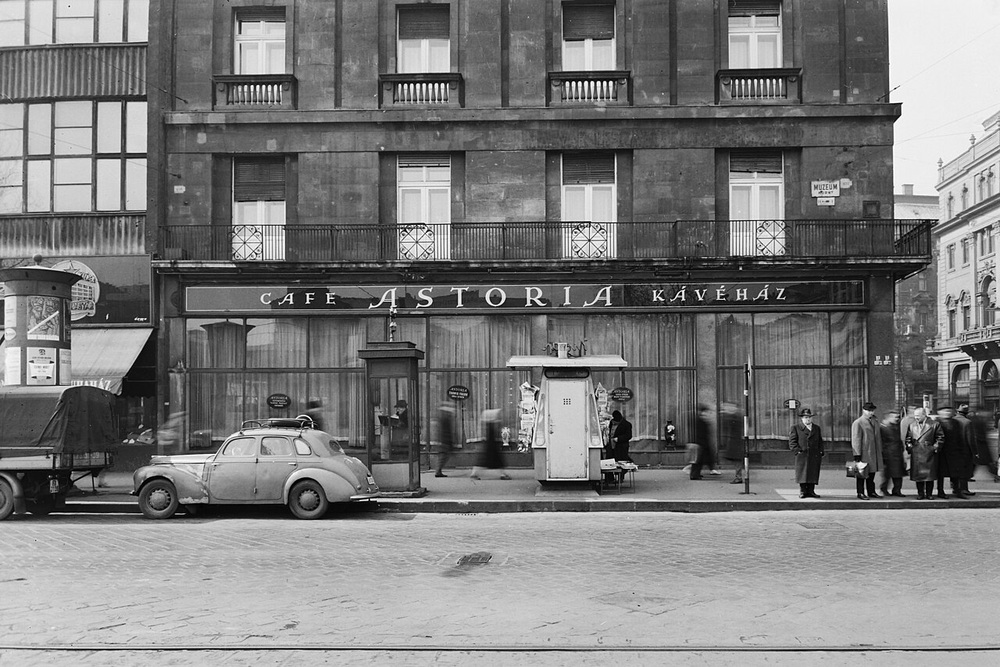
Some larger hotels contained enough services to resemble miniature commercial districts. A lobby newsstand or concession might supply newspapers, magazines, postcards, cigarettes, toiletries, and other small purchases travelers needed away from home. Forget something upstairs or need something to read? Depending on the property, the solution might have been waiting just a few steps from the front desk.
Sign up for our newsletter
9. Guests Waiting by the Hotel Fireplace
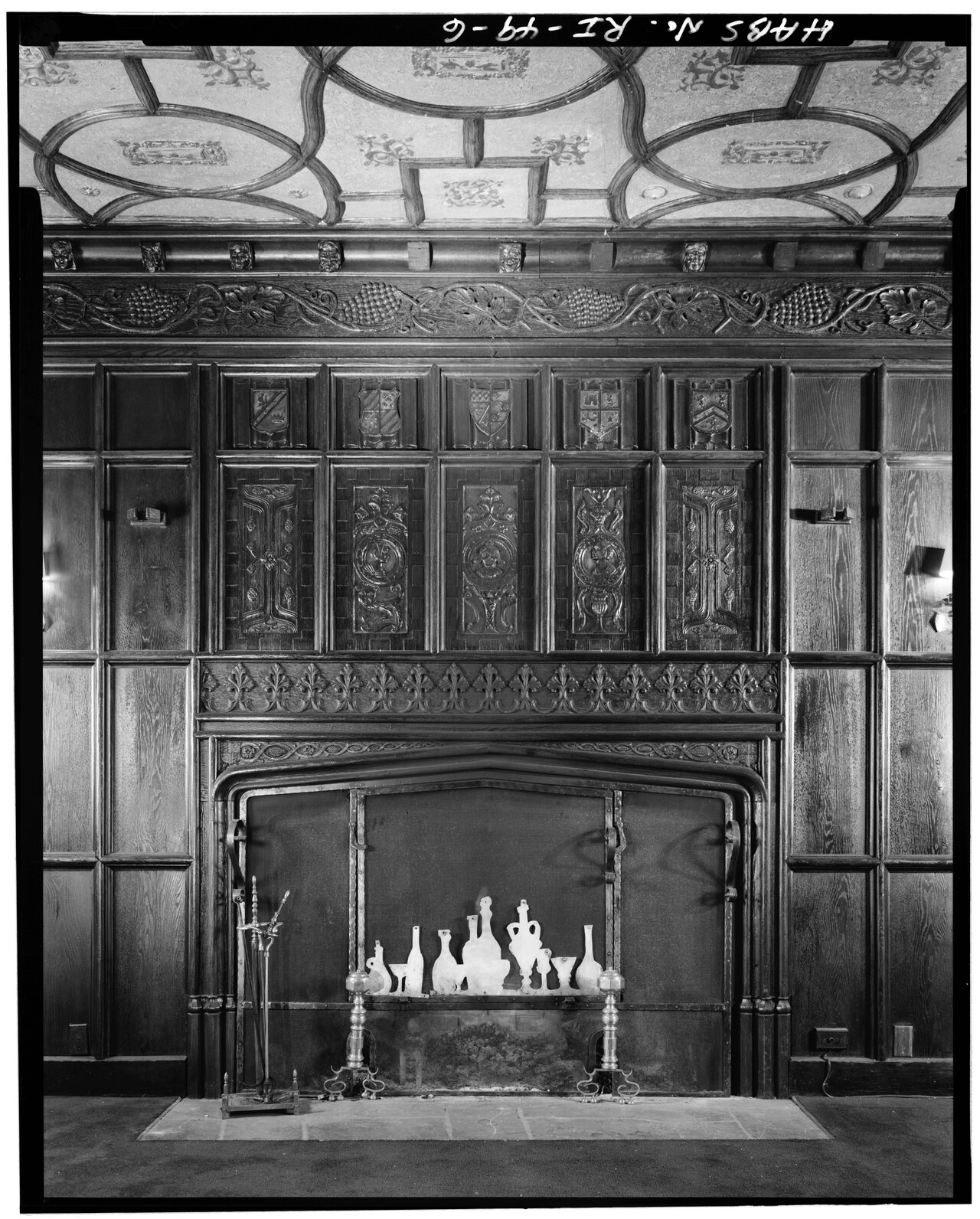
Waiting around a hotel did not always mean sitting beside the front desk. Lounges and other public rooms gave guests places to settle in between arrivals, appointments, meals, or departures, and fireplaces could make those spaces feel considerably more inviting. This ornate fireplace at the Providence Biltmore shows how elaborate those gathering areas could be. In an era when waiting was simply part of travel, even the fireplace had a role to play.
10. Friends and Business Contacts Meeting in the Lobby
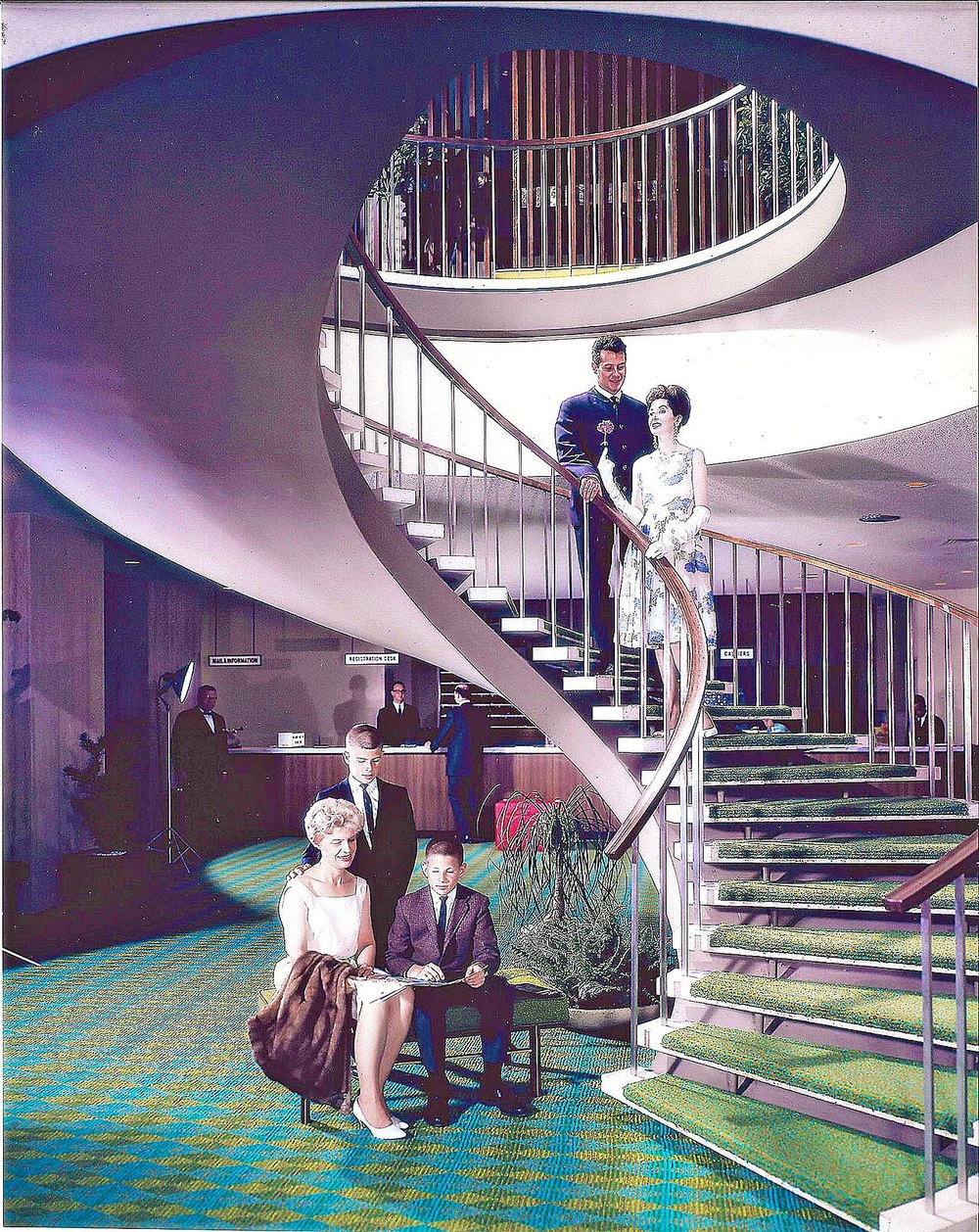
Mid-century hotel lobbies also worked as convenient public rendezvous points. Friends, colleagues, clients, and travelers could arrange to meet downstairs without anyone going directly to a guest room. A recognizable lobby provided a shared destination in an era before someone could simply text, “I´m here.” That made the seating areas and open spaces part of the waiting room, part meeting place, and part social stage.
11. A Travel Desk Handling the Next Leg of the Trip
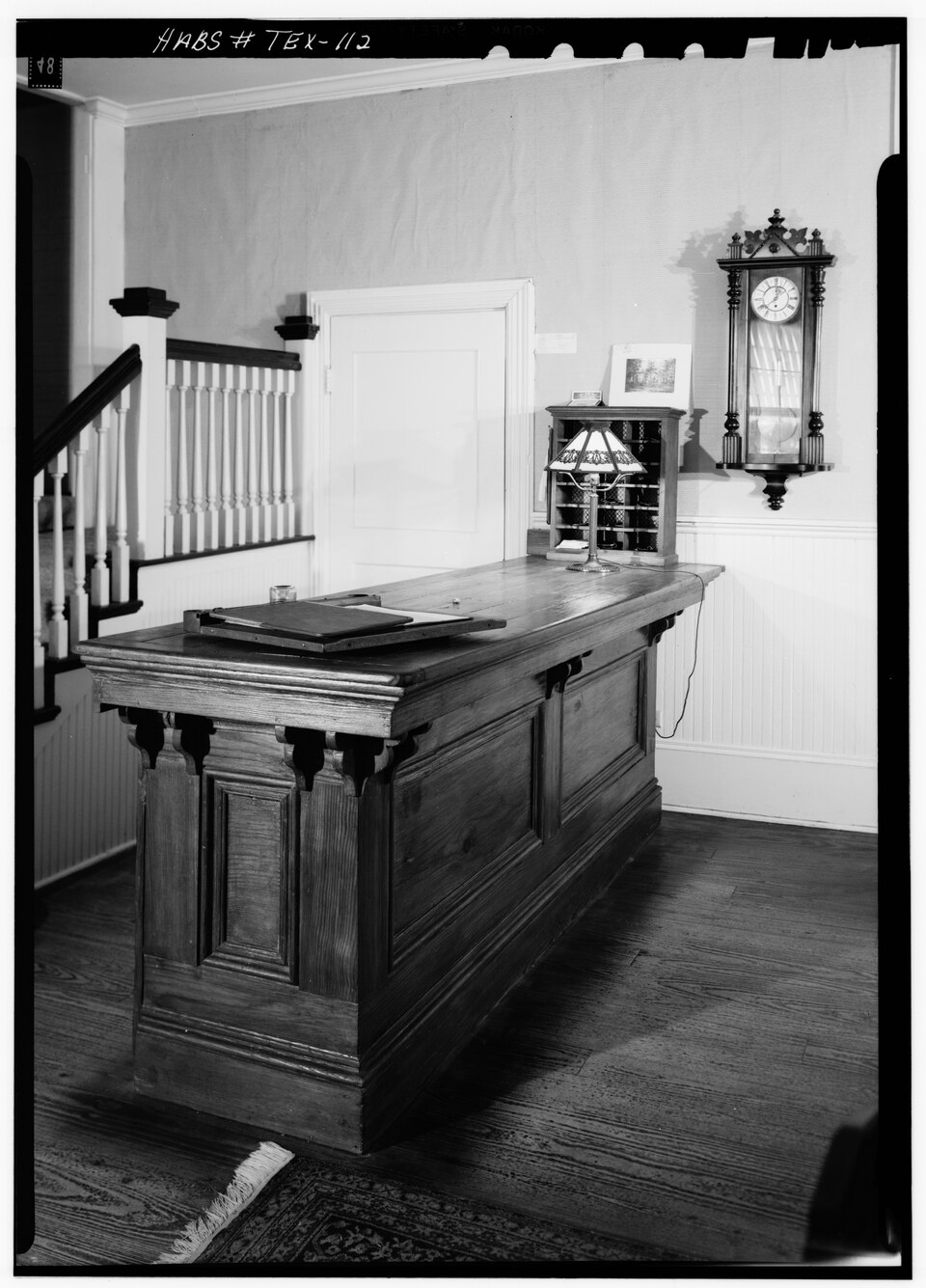
At some larger properties, planning a trip could continue without leaving the hotel. Travel desks helped guests arrange services such as sightseeing, tickets, transportation, or onward travel. The Disneyland Hotel of the 1950s, for example, documented travel agents near registration. What takes a few taps on a phone today could once mean walking across the lobby and discussing the next part of the journey with another person.
12. Hotel Bars That Felt Like Rooms of Their Own
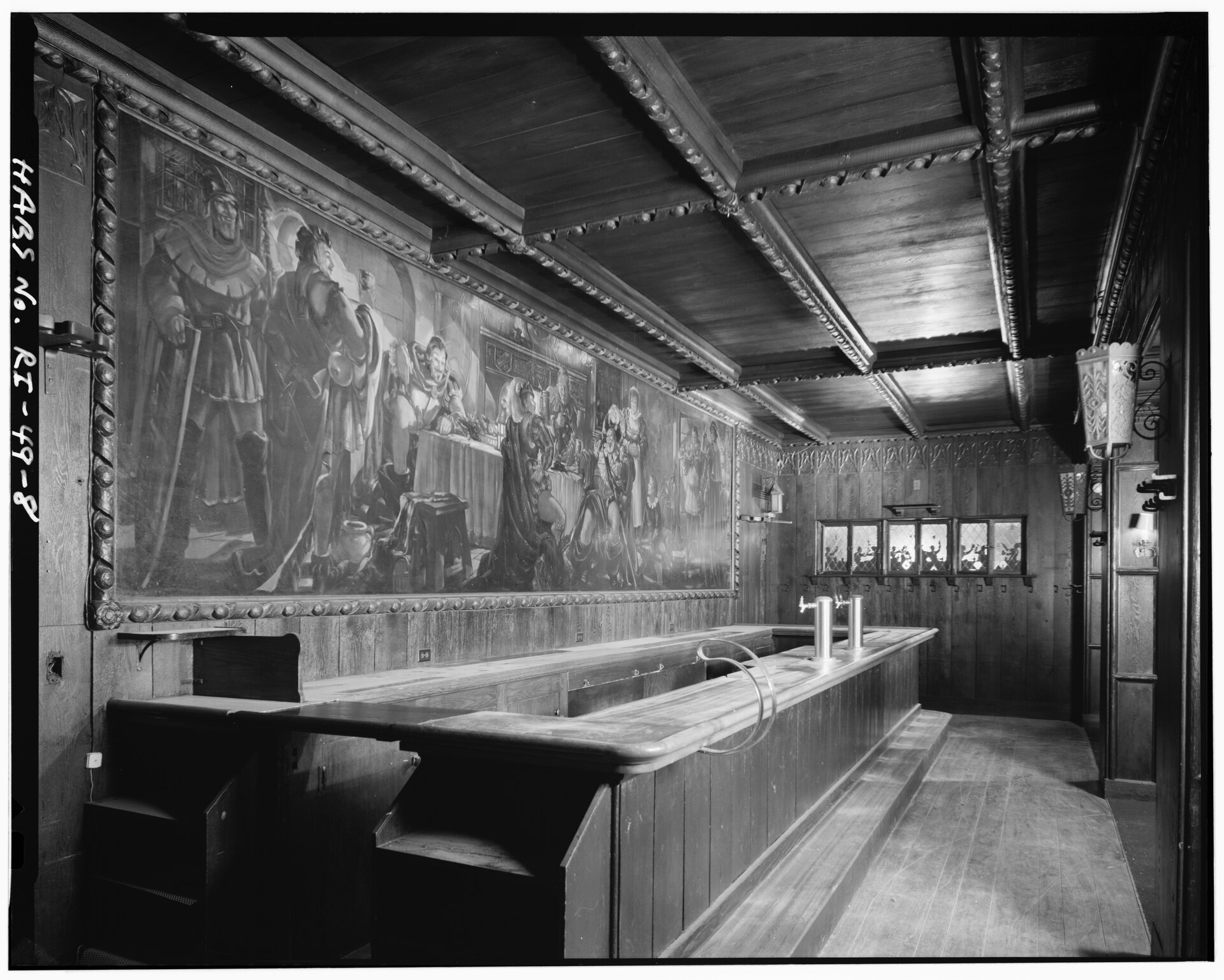
A hotel bar could be far more than a convenient place to order a drink. Some were designed as distinctive social rooms, with wood paneling, elaborate lighting, and artwork that gave them an identity separate from the lobby. The Falstaff Room at the Providence Biltmore went especially theatrical, with a large mural dominating the bar. Spaces like this made staying at the hotel feel like having an entire evening’s entertainment just a few steps from the guest rooms.
13. A Bell Captain Directing the Staff
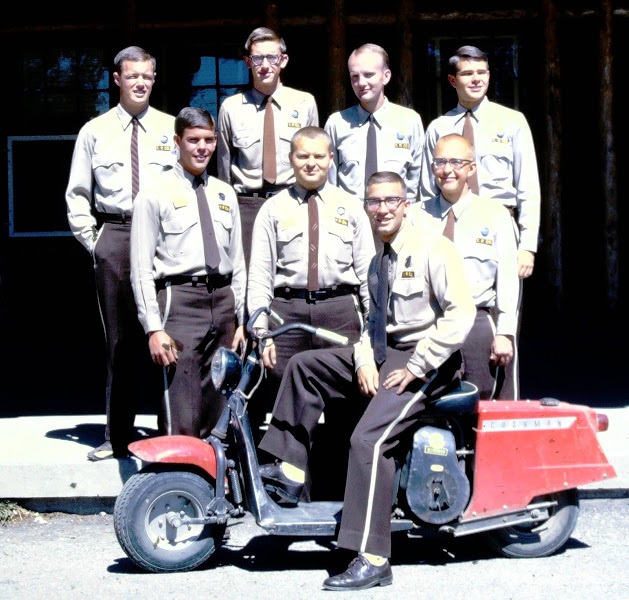
All those bellhops needed coordination, and that responsibility could fall to a bell captain. Rather than simply carrying luggage himself, he helped organize staff and distribute assignments as guests came and went. Archival documentation from the Hotel Loraine in 1955 shows a bell captain receiving the day’s rundown and directing bellboys. The lobby may have looked spontaneous from the guest’s perspective, but much of its motion was being managed.
14. Rotundas That Made the Lobby Feel Monumental

Some hotel lobbies were designed to impress before a guest ever reached the front desk. The St. Louis Hotel in New Orleans featured a soaring rotunda surrounded by columns, decorative details, and open interior space that gave arrivals a distinctly grand atmosphere. In an era when hotels often served as important public gathering places, architecture like this helped turn the lobby itself into part of the destination.
15. Cocktail Lounges Just Steps From the Lobby
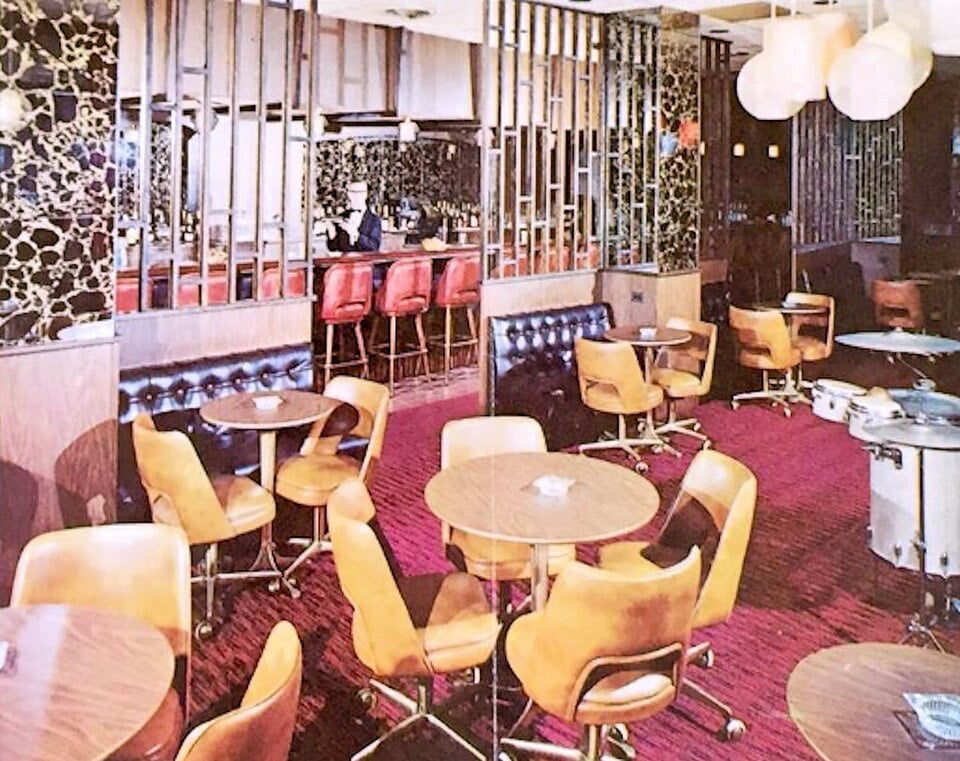
By the mid-century, checking into a hotel could put guests surprisingly close to the evening’s first cocktail. Spaces like the Venetian Room at Allentown’s Americus Hotel combined a bar with low tables, upholstered seating, bold lighting, and distinctly modern décor. Rather than feeling like a separate nightlife destination, the lounge was woven into the hotel experience, giving travelers a place to drink, talk, and linger without ever leaving the building.
16. A Lobby Full of Convention or Tour-Group Luggage
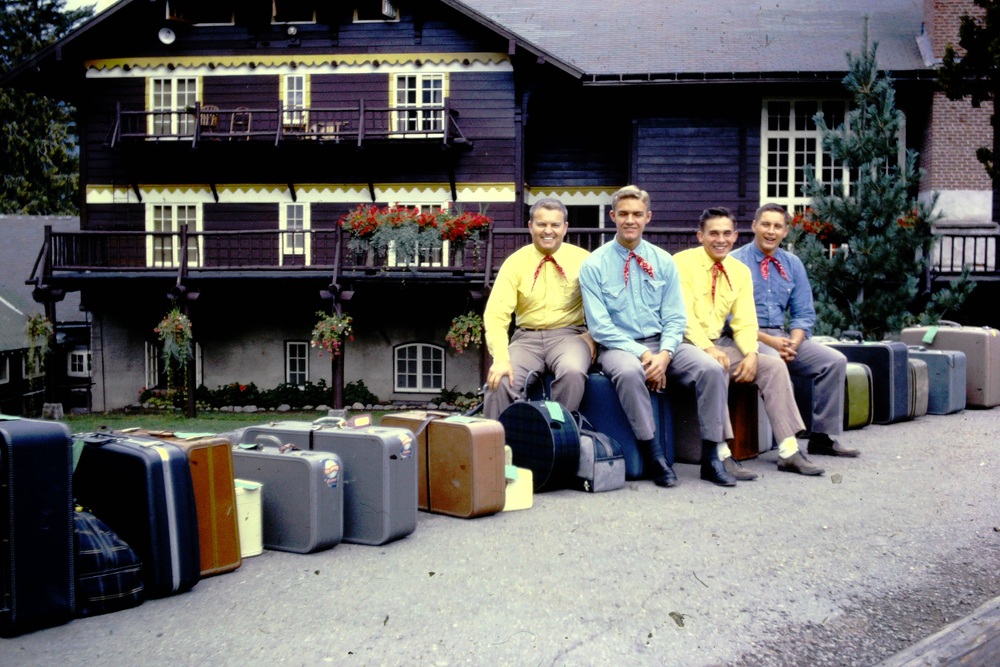
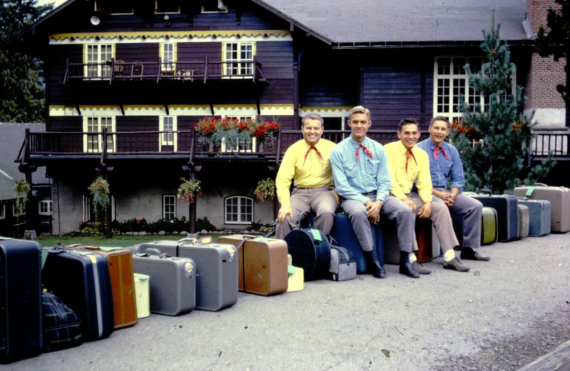
A group arrival could temporarily redraw the entire lobby. Rows and clusters of suitcases accumulated while travelers checked in and staff worked out where everything belonged. The visual result was unmistakable: luggage became part of the architecture until it could be sorted and moved upstairs. In photographs like these, the scale of pre-wheeled, pre-digital travel logistics becomes hard to miss.
17. Long Corridors Led Guests to Their Rooms
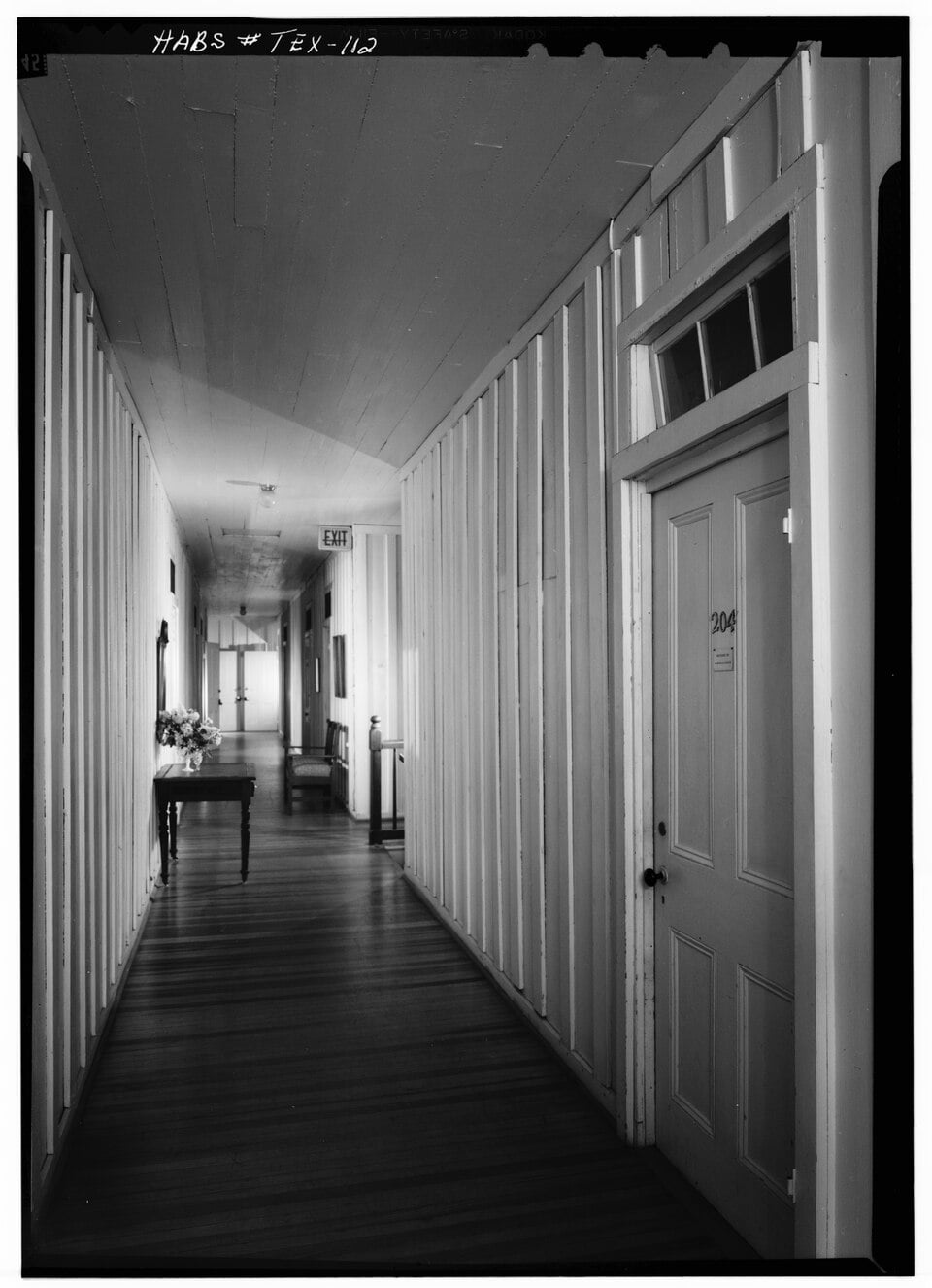
Beyond the lively lobby, the hotel experience quickly became quieter. Long corridors like this one at the historic Excelsior Hotel connected rows of guest rooms with little more than numbered doors, polished floors, occasional furniture, and simple lighting. There were no electronic key readers or glowing directional screens to guide the way. After the activity downstairs, walking down a hallway like this marked the transition from the hotel’s public world to the privacy of a guest room.
18. People Studying Brochure Racks for Something to Do
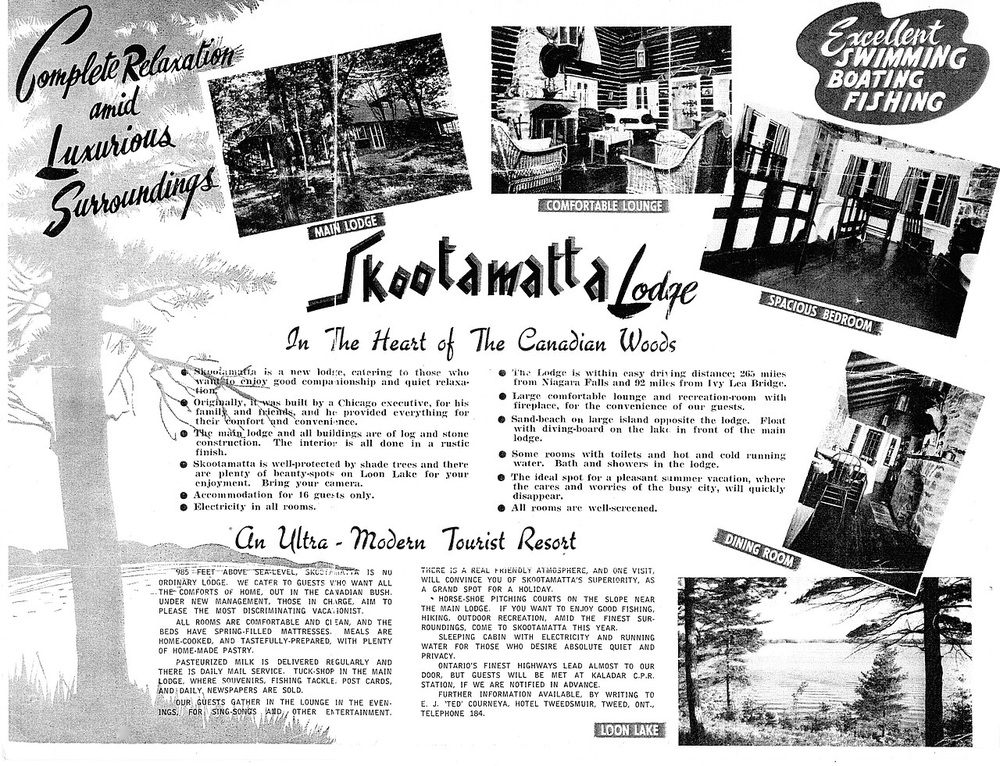
Choosing what to do in an unfamiliar city once involved a lot more paper. Brochure racks collected advertisements and information for attractions, restaurants, tours, and local services, effectively turning part of the lobby into a miniature trip-planning center. A circa-1955 hotel photograph even documents a “Master Host” brochure rack. Before review apps and interactive maps, travelers browsed their options one folded pamphlet at a time.
19. Chandeliers Made Ballrooms Feel Like an Occasion

Hotel ballrooms were designed to make an entrance feel important, and some of their most dramatic details were overhead. At the Excelsior Hotel, an elaborate chandelier installed around 1956 hangs beneath a richly patterned pressed-metal ceiling, turning the room itself into part of the event. Before minimalist fixtures became common, lighting could function almost like jewelry for a public space, signaling that dinners, dances, and gatherings here were meant to feel special.
20. The Grand Lobby Itself Acting Like a Public Stage
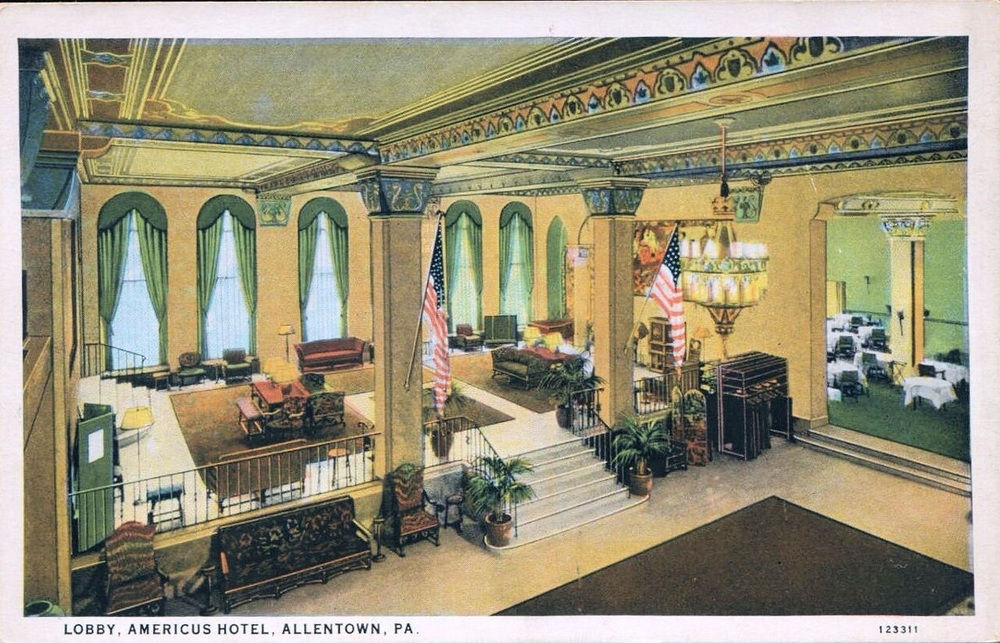
Finally, pull back from the counters, keys, luggage, and employees. Grand mid-century hotel lobbies were designed to absorb all that movement while still making an impression. Seating areas, staircases, circulation paths, desks, and dramatic architectural features shared one large public room. Images such as the 1955 photographs of Miami Beach’s Fontainebleau capture that dual purpose beautifully: the lobby had to function as infrastructure while looking spectacular enough to announce that guests had arrived somewhere special.
A mid-century hotel lobby could contain an astonishing amount of everyday infrastructure in plain sight. Communication, transportation, payments, luggage, waiting, planning, and socializing all left a visible footprint. Modern hotels haven’t eliminated those needs, but technology has made many of them quieter and less noticeable. In these old photographs, the fascinating part isn’t simply how the lobby looked. It’s how much of the hotel could be seen working.
Keep Exploring The Scroller
Curious how much everyday life has changed without us noticing? Keep exploring The Scroller for more vintage photos, forgotten routines, and fascinating glimpses into the way people used to travel, work, and live:
17 Photos That Show an Average Day at the Beach in the Mid-Century
18 Photos of Barbershops in the Mid-Century and the Look of the Era