Machines that changed history didn’t transform the world overnight, but they made it impossible to go back. From printing books to building railways, certain inventions rewrote the rules of everyday life. Some made work faster, others changed travel or health, and a few reshaped how people understood the world. Their consequences weren’t always positive, but these 16 machines helped shape modern civilization in ways their inventors could not have imagined.
1. Gutenberg’s Printing Press Made Books Accessible
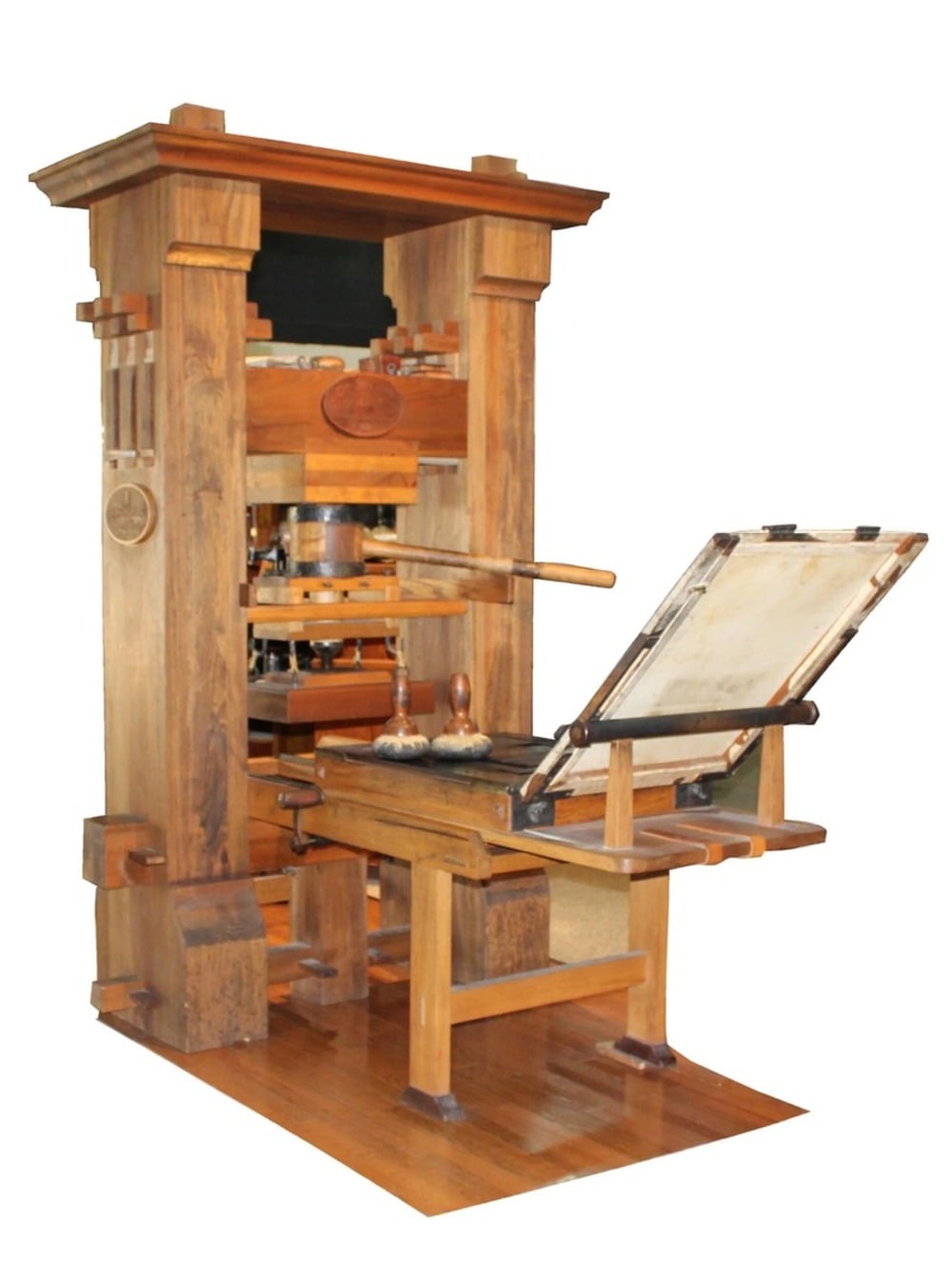
Before movable-type printing spread through Europe, producing books required enormous time and labor. In the mid-15th century, Gutenberg´s press combined reusable metal letters with a mechanical printing system, allowing pages to be reproduced far more efficiently. Earlier printing technologies already existed in East Asia, but this European development helped accelerate the circulation of books, ideas, and knowledge.
2. The Newcomen Steam Engine Put Steam to Work
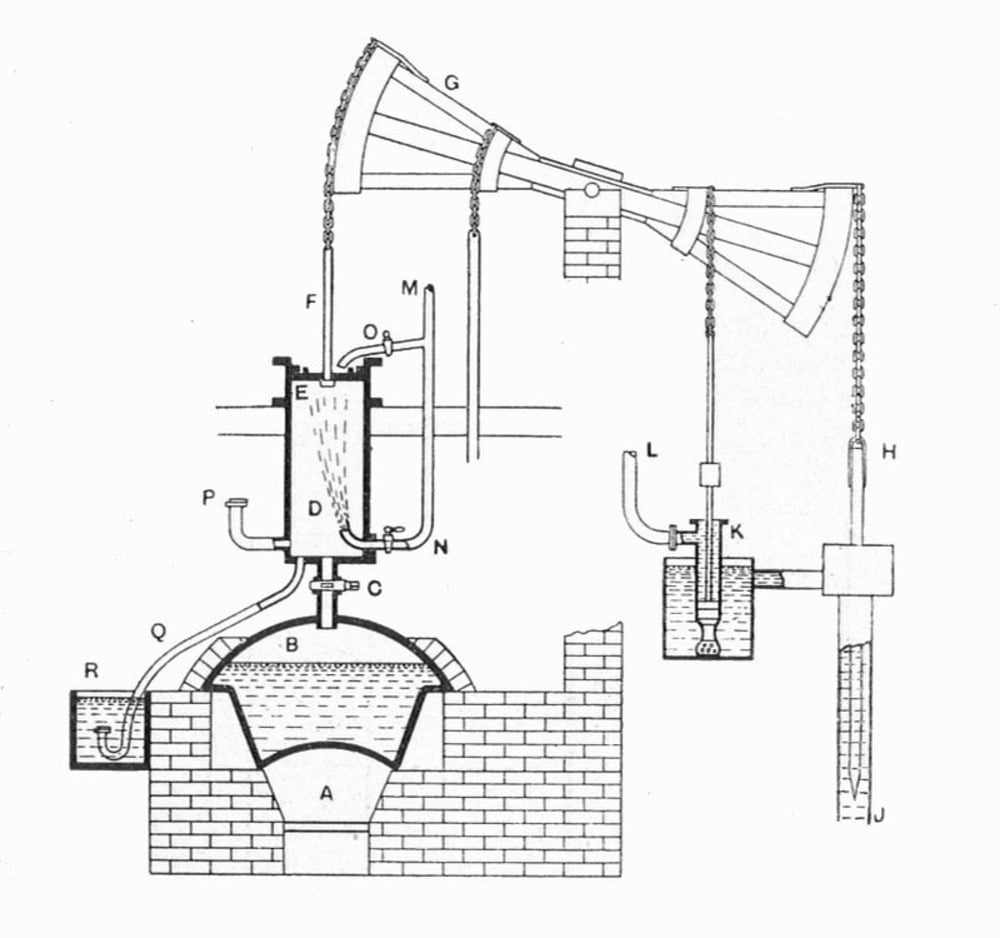
Flooded mines were a serious problem until Thomas Newcomen introduced his atmospheric steam engine in Britain in 1712. Using steam and atmospheric pressure to move a piston, the machine pumped water out of mines, allowing workers to reach deeper deposits. It wasn’t yet the powerful factory engine associated with the Industrial Revolution, but it helped demonstrate what steam-powered machinery could accomplish.
3. The Spinning Jenny Multiplied a Worker’s Output
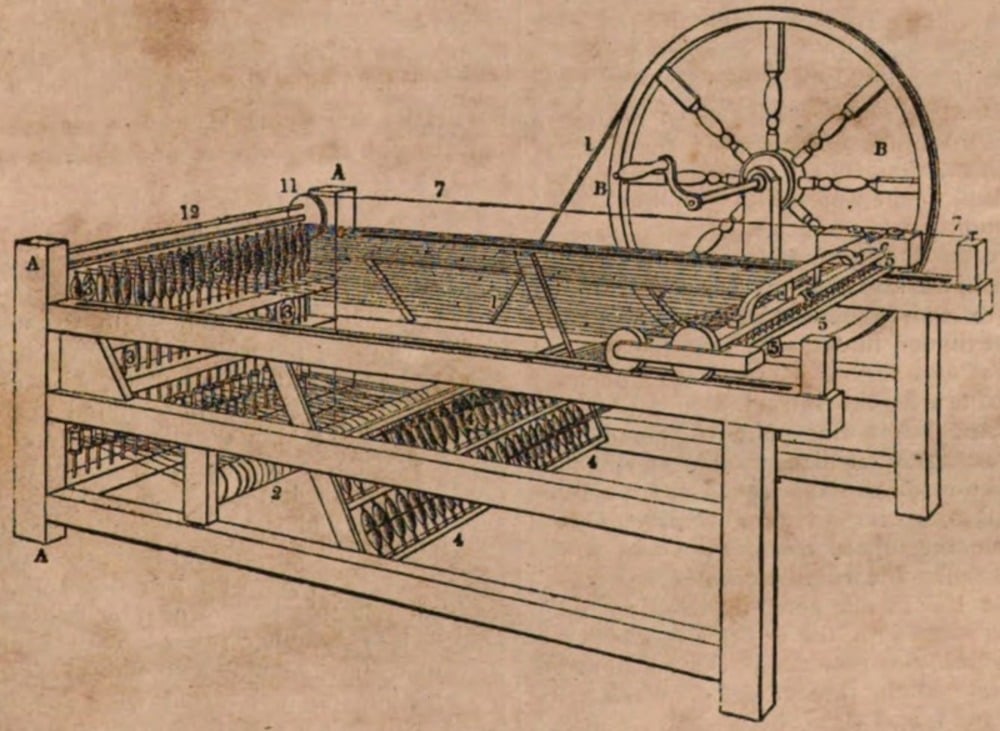
Imagine spinning several threads at once instead of just one. Developed in Britain during the 1760s, the spinning jenny allowed a single worker to operate multiple spindles using a hand-powered mechanism. This dramatically increased yarn production and helped push the textile industry toward mechanization, although the transition also disrupted traditional spinning work.
4. Arkwright’s Water Frame Helped Create the Factory System
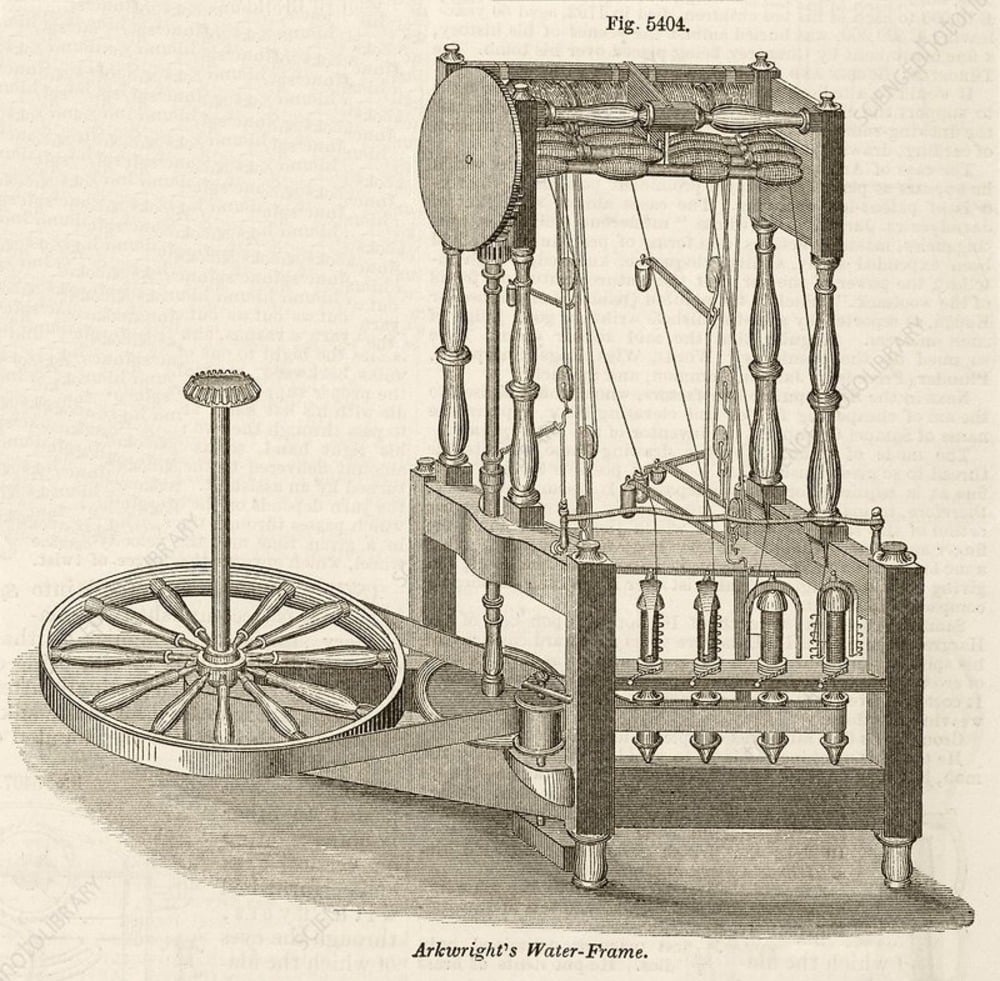
The spinning jenny still depended on human muscle, but Richard Arkwirght´s water frame took a different approach. Patented in 1769, it used water power to drive spinning machinery, producing strong cotton yarn and encouraging manufacturers to concentrate equipment and workers inside mills. Textile production was beginning to move away from individual homes and into large industrial workplaces.
5. The Power Loom Transformed Fabric Production
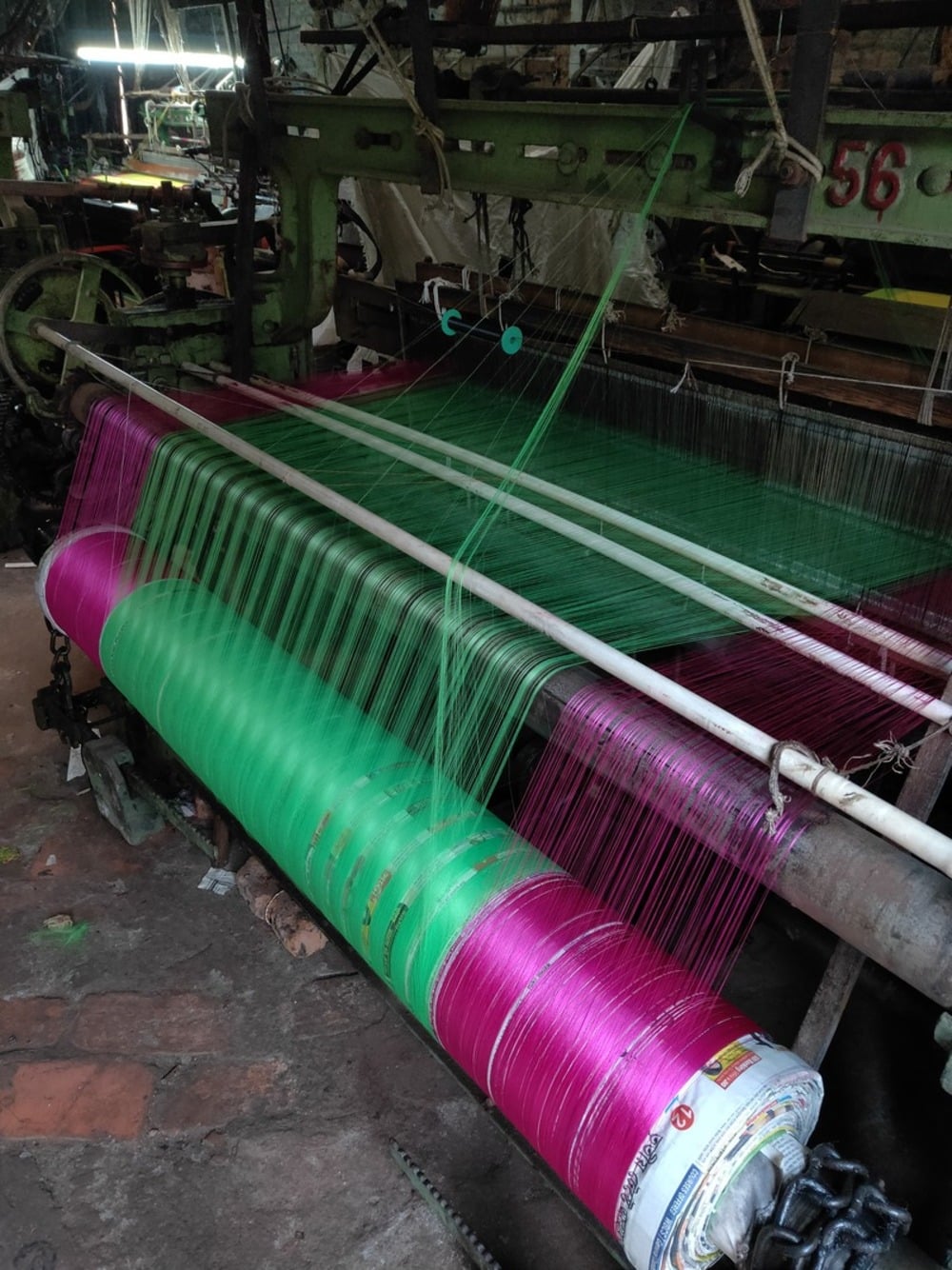
Spinning yarn was only half the challenge. Someone still had to weave it into fabric, a task traditionally performed on handlooms. Developed from the late 18th century onward, power looms mechanized the weaving process and gradually became more practical for commercial production. Their spread increased manufacturing capacity while placing growing pressure on traditional handloom weavers.
Trending on The Scroller

6. The Cotton Gin Changed Agriculture With Terrible Consequences
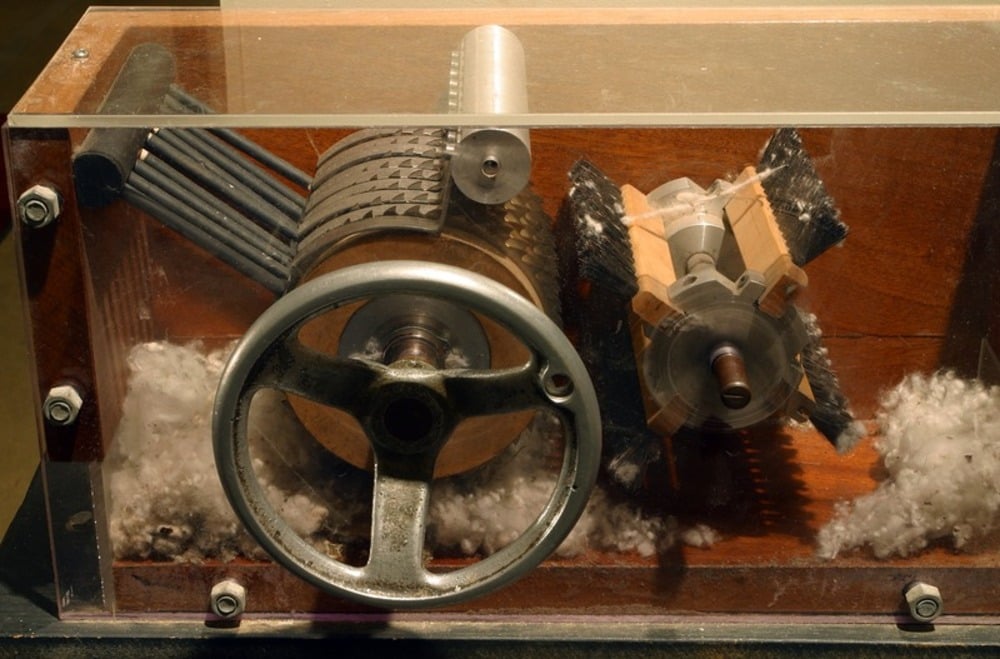
Separating cotton fibers from their seeds was slow, exhausting work. The cotton gin patented by Eli Whitney in 1794 helped speed up the processing of short-staple cotton, building on earlier cotton-cleaning technologies. But greater efficiency came with a devastating consequence: expanding cotton production increased demand for enslaved labor across the American South. Not every technological breakthrough represented progress for everyone.
7. The Jacquard Loom Used Punch Cards to Control Patterns
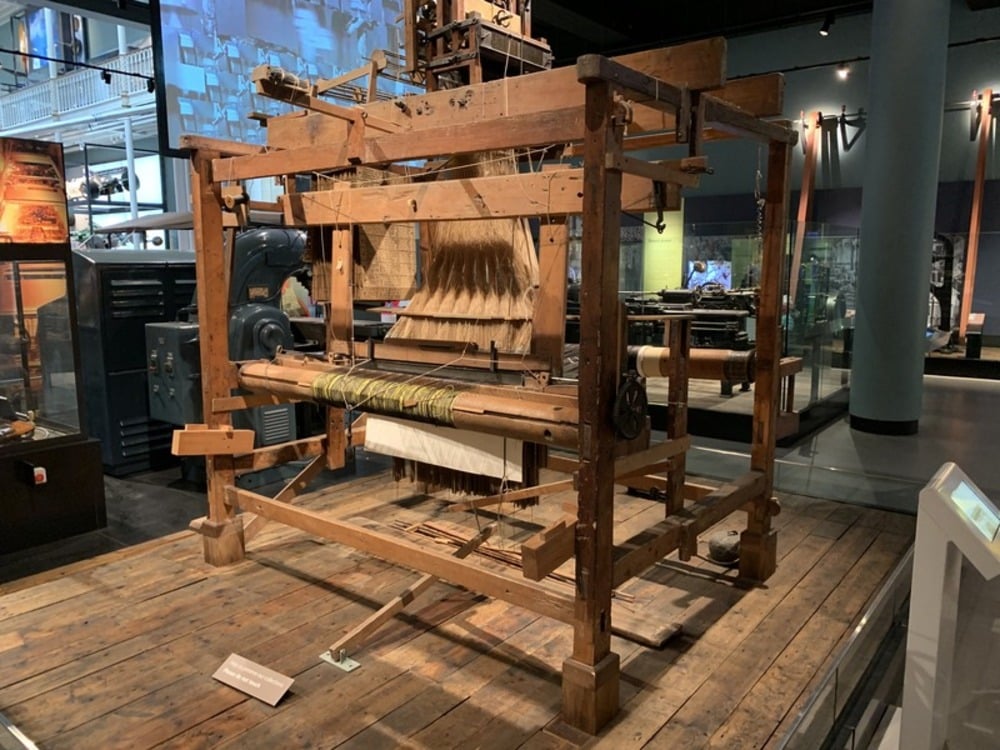
Long before computers became part of everyday life, punched cards were controlling complex machinery. Introduced in France during the early 1800s, the Jacquard loom used cards with carefully positioned holes to guide the weaving of intricate textile patterns. Changing the cards changed the design, reducing the need to control every pattern movement manually. It wasn’t a computer, but its method of encoding instructions became an important chapter in the history of automation.
8. Steam Locomotives Made Distance Feel Smaller
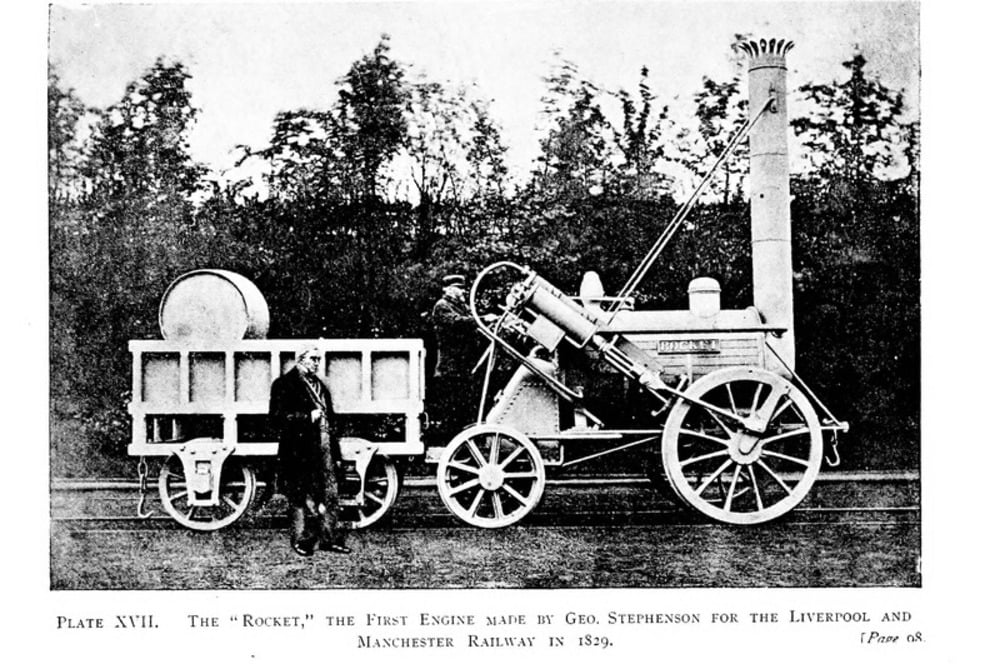
Traveling overland once depended heavily on horses, while transporting heavy freight often meant relying on canals. Early 19th-century steam locomotives introduced another possibility: powerful engines pulling passengers and goods along rails. As railway networks expanded, journeys became faster and large-scale transportation more practical. Suddenly, distant markets and communities were connected in ways earlier generations could scarcely imagine.
Sign up for our newsletter
9. Sewing Machines Changed How Clothes Were Made
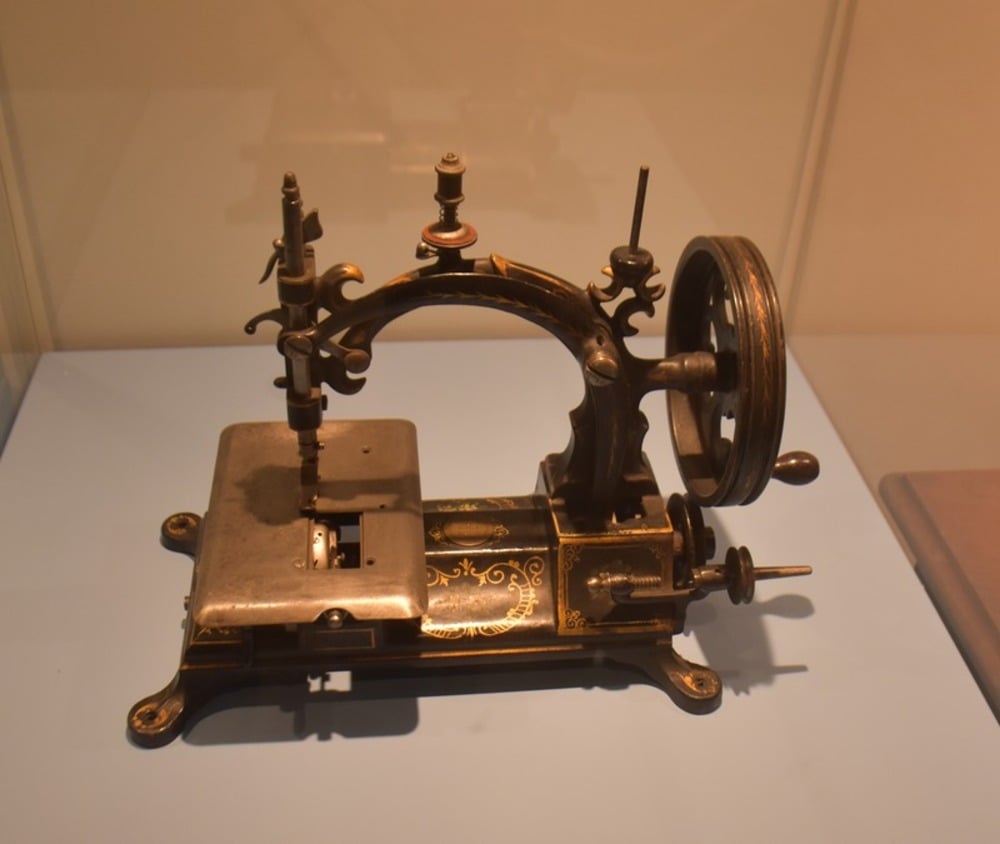
Before mechanized sewing became widespread, stitching garments demanded countless hours of handwork. During the mid-19th century, sewing machines using mechanisms such as the lockstitch made it possible to join fabric much faster. Developed through contributions from multiple inventors, these machines transformed commercial garment production and eventually household sewing. They saved time, although factory workers didn’t necessarily enjoy easier working conditions.
10. The Bessemer Converter Made Steel Production More Scalable
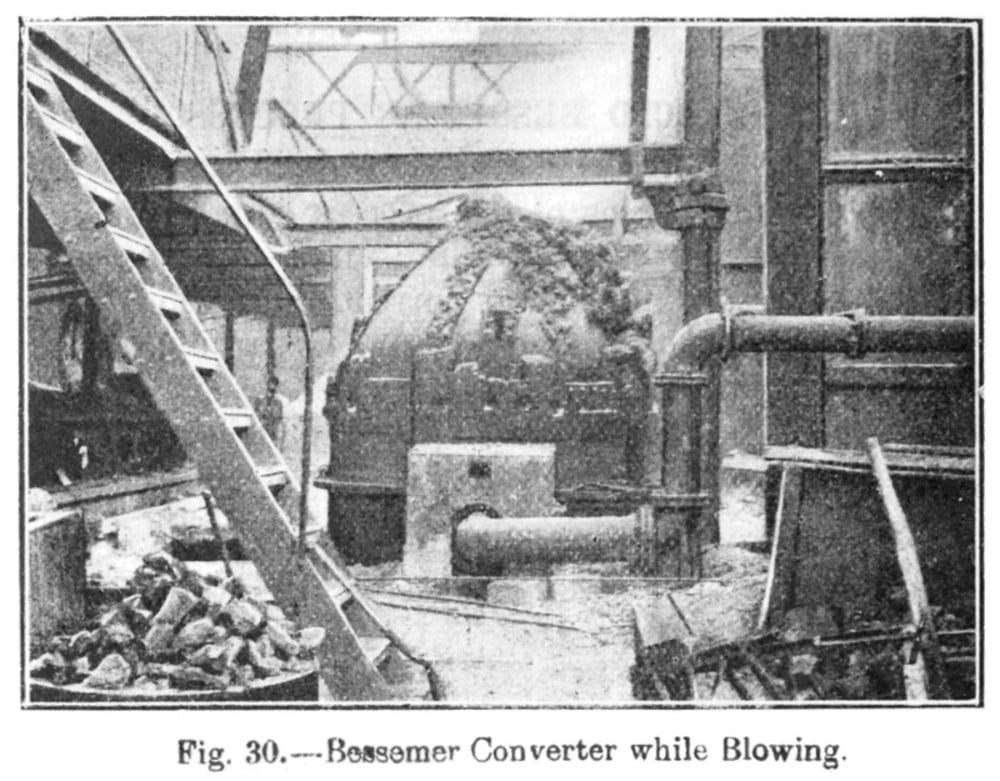
Machines that changed history sometimes look less like clever gadgets and more like enormous industrial vessels. Patented in Britain in 1856, the Bessemer process converted forced air through molten pig iron to remove impurities and produce steel more efficiently. Although the process had limitations and was later supplemented by other methods, it helped make large-scale steel production more practical, supporting the expansion of railways, machinery, and industrial construction.
11. Rotary Printing Presses Put Newspapers Into Overdrive
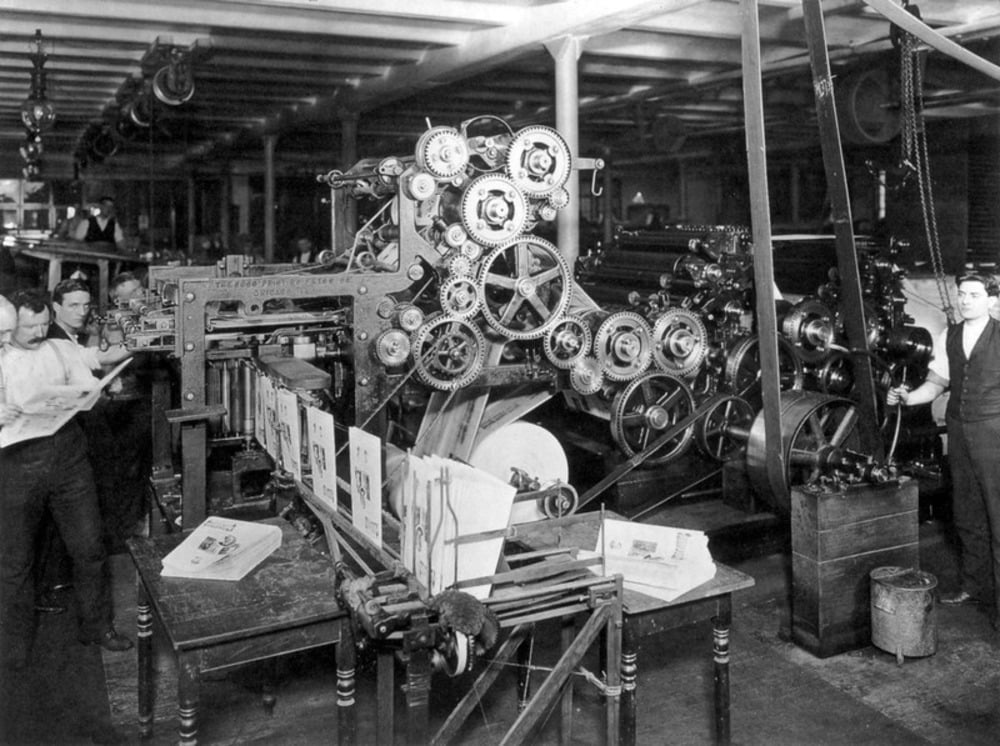
Gutenberg´s press transformed printing, but the growing newspaper industry needed something even faster. During the 19th century, rotary presses used rotating cylinders to print at much higher speeds than traditional flatbed systems. Some designs eventually worked with continuous rolls of paper, making large print runs increasingly practical. News could reach bigger audiences, and the daily newspaper became an even more powerful part of public life.
12. The Mechanical Reaper Changed the Harvest
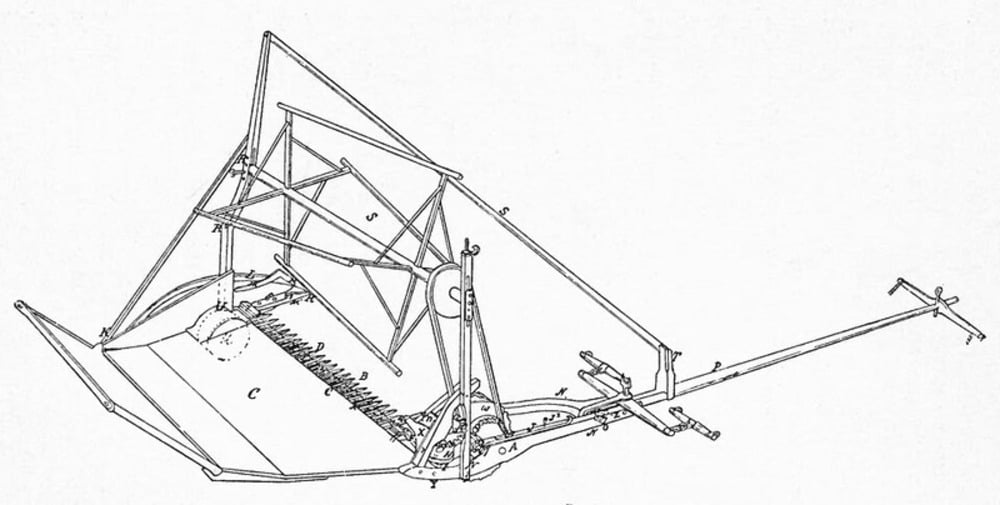
Harvesting grain by hand required considerable labor and time, especially when crops needed to be gathered quickly. Mechanical reapers developed during the 19th century used cutting mechanisms to harvest grain more efficiently, allowing farmers to manage larger areas with fewer workers. Their adoption depended on cost, terrain, and farming conditions, but these machines helped transform agricultural productivity and rural labor.
13. Refrigeration Compressors Changed How Food Traveled
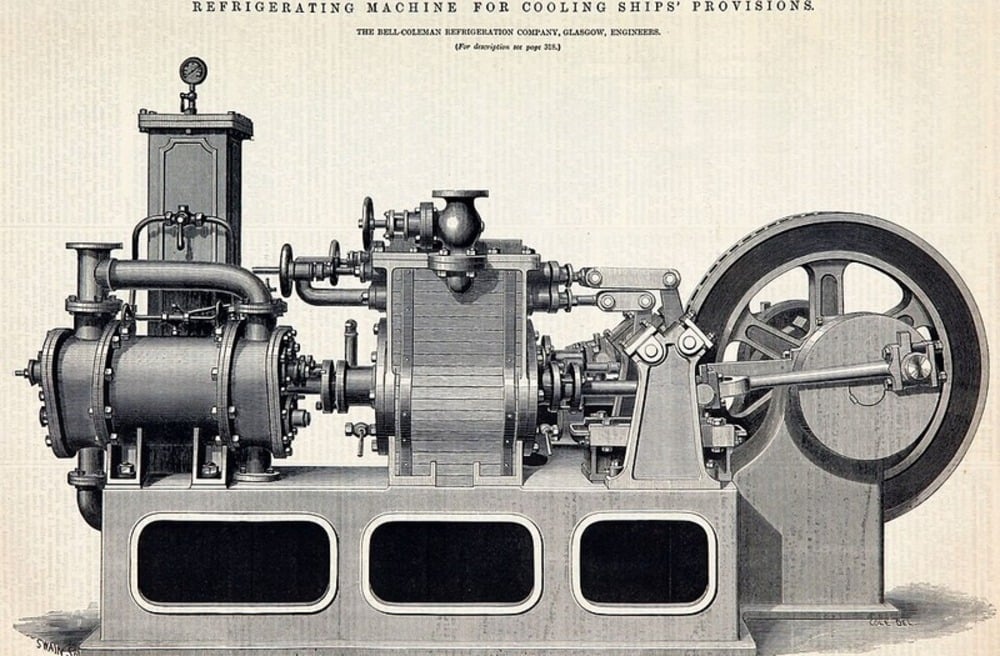
What happens when food no longer has to be consumed close to where it was produced? Vapor-compression refrigeration made that increasingly possible. By circulating refrigerant through a system of compression, condensation, and evaporation, these machines could remove heat from enclosed spaces. Commercial refrigeration expanded food storage and long-distance shipping before household refrigerators became commonplace, gradually reshaping how cities were supplied with perishable goods.
14. Haber–Bosch Equipment Changed Global Agriculture
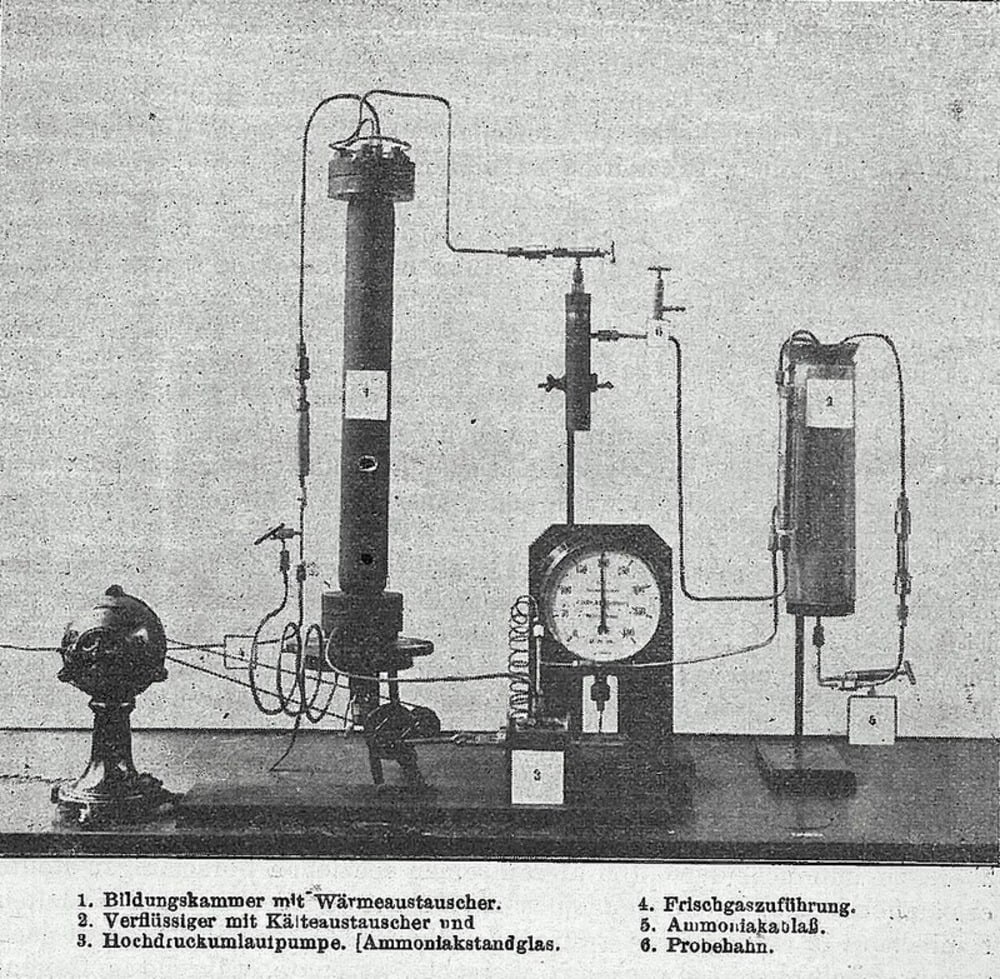
In 1913, industrial production using the Haber-Bosch process began turning nitrogen and hydrogen into ammonia under high pressure. This required substantial industrial equipment, including specialized reactors, and made large-scale synthetic fertilizer production possible. The resulting ammonia helped support agricultural yields and growing populations, but it also became important in explosives manufacturing. Few industrial processes have had consequences quite so far-reaching.
15. X-Ray Machines Let Doctors See Inside the Human Body
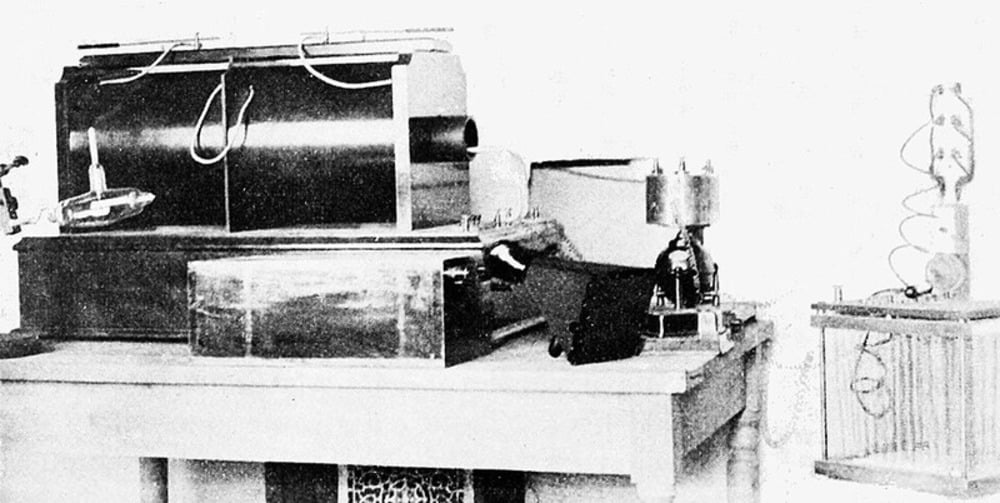
For centuries, examining the inside of a living body without surgery was largely impossible. After WiWilhelmöntgen discovered X-rays in 1895, imaging apparatus began giving physicians a remarkable new way to observe bones and other internal structures. Early equipment was far less sophisticated than modern radiology machines, and radiation hazards weren’t initially well understood. Still, medical diagnosis had entered an entirely new era.
16. ENIAC Helped Launch Electronic Computing
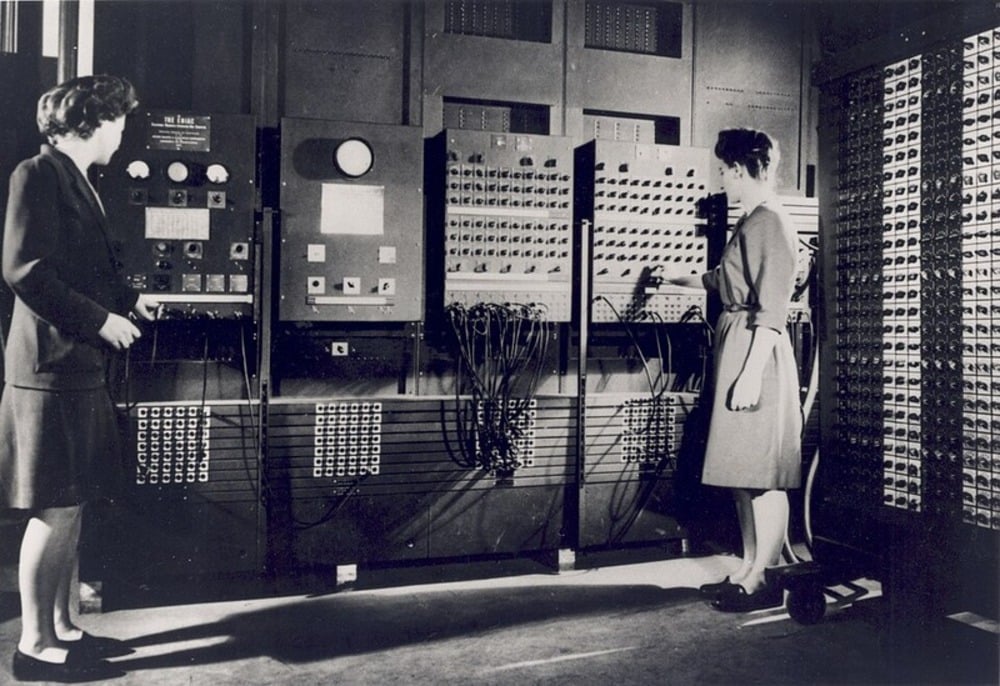
Imagine a computer that occupied an entire room and required cables and switches to change its programming. Unveiled in 1946, ENIAC used thousands of vacuum tubes to perform electronic calculations at remarkable speeds for its time. It wasn´t the first computer of its kind, a nd later stored-program designs would make computing more flexible. But ENIAC demonstrated the extraordinary potential of large-scale electronic computation, helping pave the way for the digital age.
From the printing press to electronic computers, these machines changed how people worked, traveled, communicated, and produced essential goods. Their influence rarely arrived overnight, and their benefits were often accompanied by serious social and economic consequences. What made them revolutionary wasn’t simply their engineering, but how profoundly they changed the world around them.
Keep Exploring The Scroller
Think these machines were impressive? There’s plenty more ingenuity hiding in history. Keep exploring The Scroller for forgotten inventions, extraordinary engineering achievements, and the surprising stories behind the technology that built our modern world:
17 Machines That Changed Civilization Faster Than Anyone Expected
14 Forgotten Office Machines That Once Made Businesses Run
18 Vintage Photos of Laundromats and the Machines That Filled Them