Ancient tools still used today are recognizable because their core mechanical ideas proved durable, even as materials, precision, and ergonomics changed. From Egyptian workshops to Roman households, these 15 familiar objects show how practical designs can endure for centuries.
Their shapes are not frozen in time. Modern manufacturing has made many tools stronger, safer, and more specialized, but the basic solutions behind them remain surprisingly familiar.
1. Hammers: A Heavy Head That Still Does the Same Job
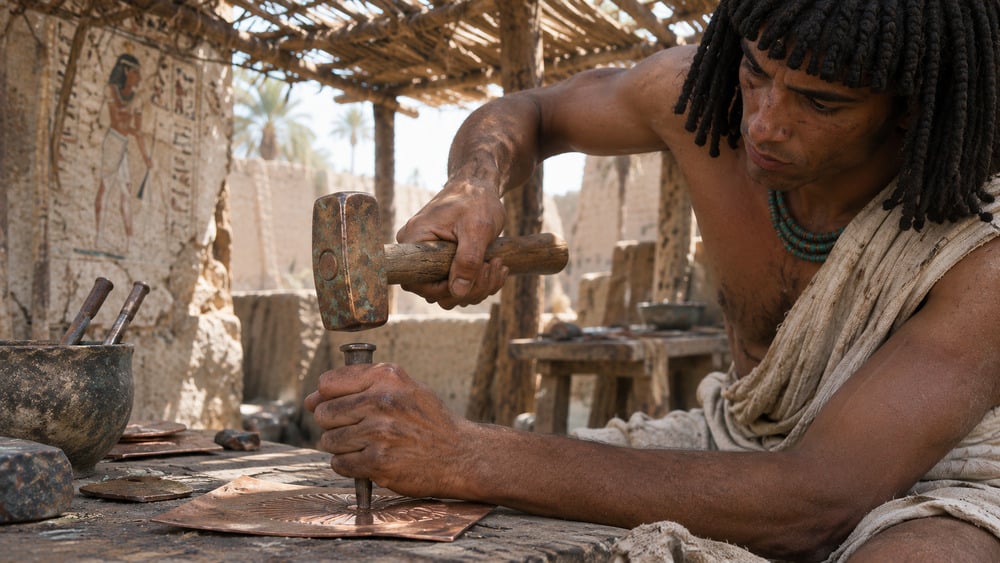
Few tools have remained as straightforward as the hammer. Ancient Egyptian craftspeople used stone and metal hammers for construction and metalworking, and a bronze or copper-alloy hammerhead dating to approximately 1550-1300 BCE survives in the Metropolitan Museum of Art. Modern versions feature stronger materials and more comfortable handles, but the principle remains identical: concentrate force in one controlled strike. Thousands of years later, we’re still getting the job done by hitting things.
2. Axes: A Sharp Blade Attached to a Handle
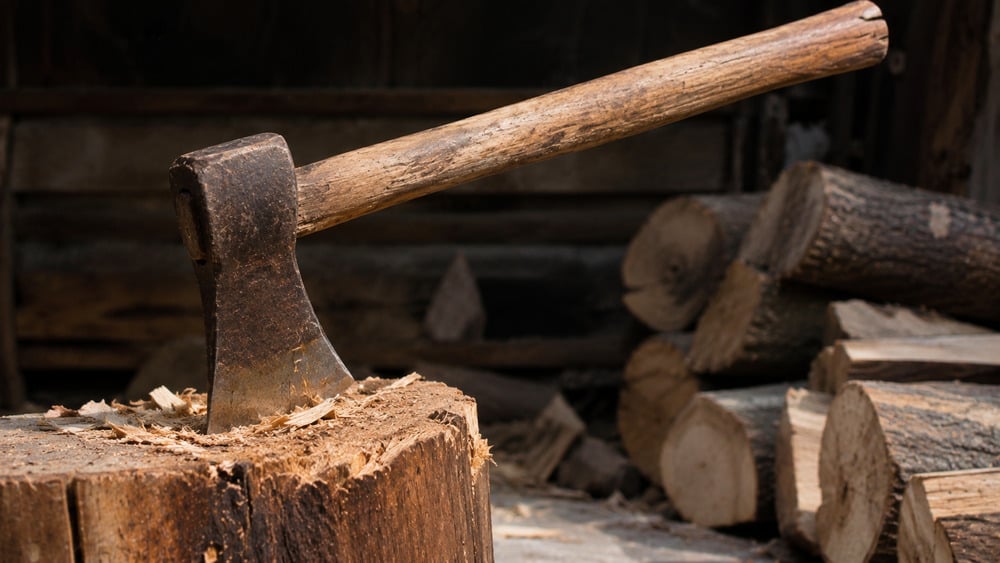
Long before modern hardware stores existed, ancient Egyptians were already using axes with recognizable designs. A surviving example from approximately 1981-1550 BCE combines a copper blade with a wooden handle. Its construction allowed the user to concentrate the force of a swing along a narrow cutting edge. Today’s axes use improved steel and specialized handles, but the fundamental arrangement has survived remarkably well. Apparently, attaching a sharp blade to a sturdy handle was a difficult idea to improve.
3. Hand Saws: Cutting Wood With a Row of Teeth
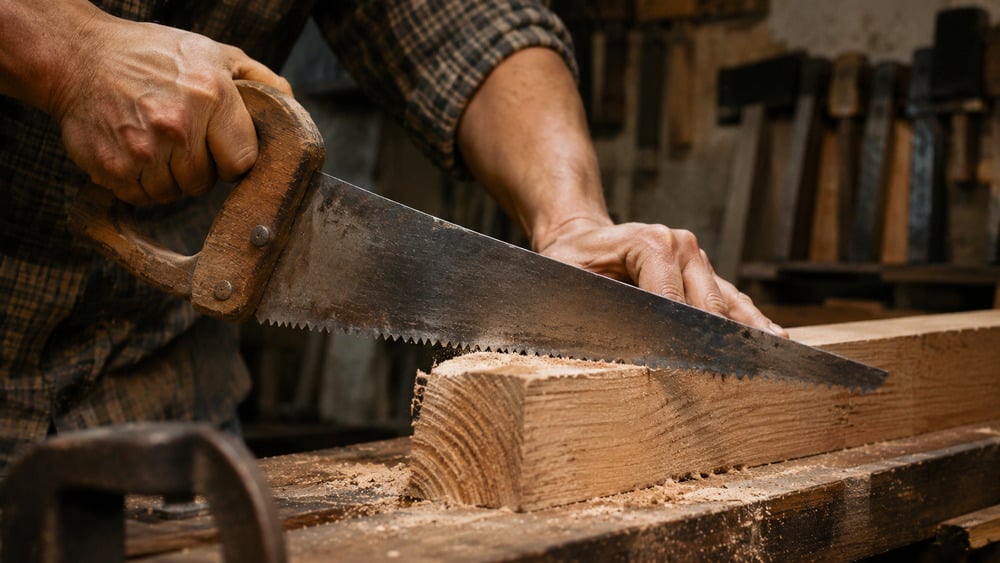
The familiar back-and-forth motion of a hand saw has roots stretching back thousands of years. Ancient Egyptian craftspeople used saws, and a small wooden and metal saw dating to approximately 1473-1458 BCE preserves their recognizable form. Although that particular object was placed in a foundation deposit rather than used for woodworking, it illustrates a design that remains familiar. Modern saws offer sharper teeth and stronger blades, but the cutting principle is essentially unchanged.
4. Chisels: A Cutting Edge Made for Precise Work
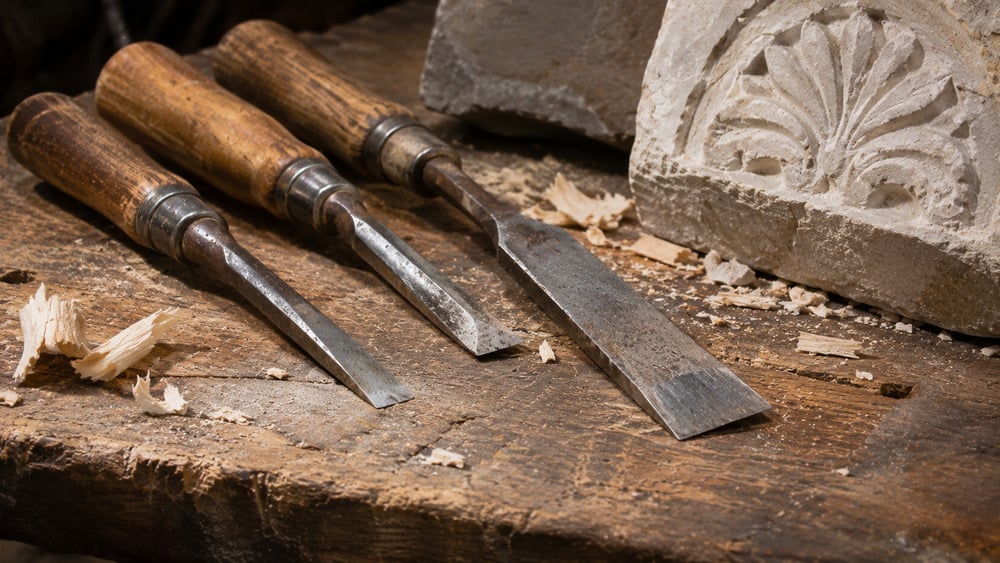
Whether shaping furniture or carving stone, a chisel still depends on a narrow cutting edge that can be pushed or struck. Egyptian examples preserved at the Metropolitan Museum of Art date as far back as the Middle Kingdom, while another bronze chisel dates broadly to approximately 1200-30 BCE. Today’s craftspeople generally use hardened steel tools, but the basic design remains recognizable. Precision, it turns out, doesn’t always require complicated machinery.
5. Knives: One of the Simplest Designs for Cutting
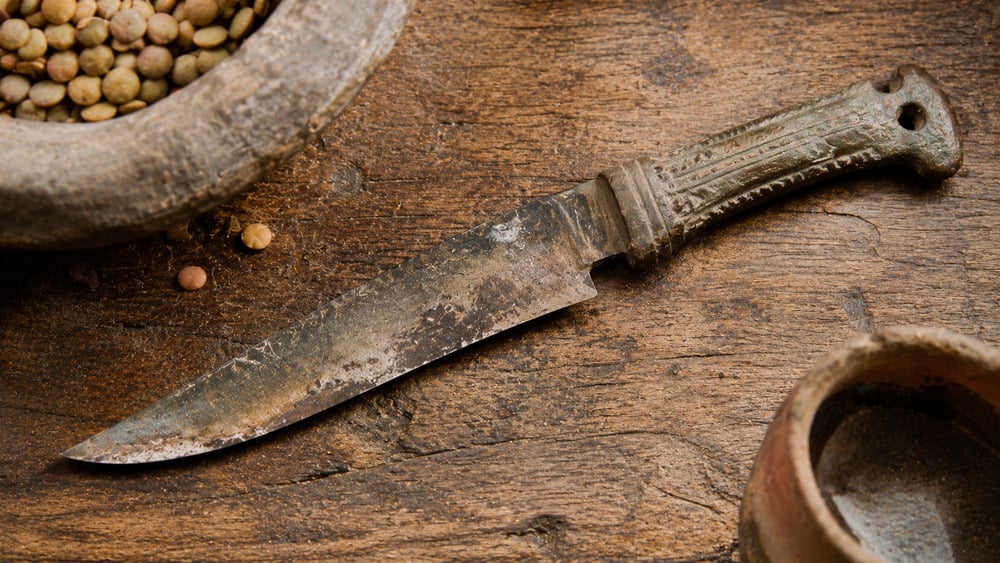
How much can you really improve on a sharp edge attached to something comfortable to hold? The Romans were already using knives that would look familiar in a modern kitchen or workshop. One bronze example from the first through third centuries CE or later features a curved, single-edged blade and molded handle. Modern knives benefit from advanced steel and manufacturing techniques, but their fundamental construction remains remarkably consistent.
Trending on The Scroller


6. Scissors: Two Blades Working Against Each Other
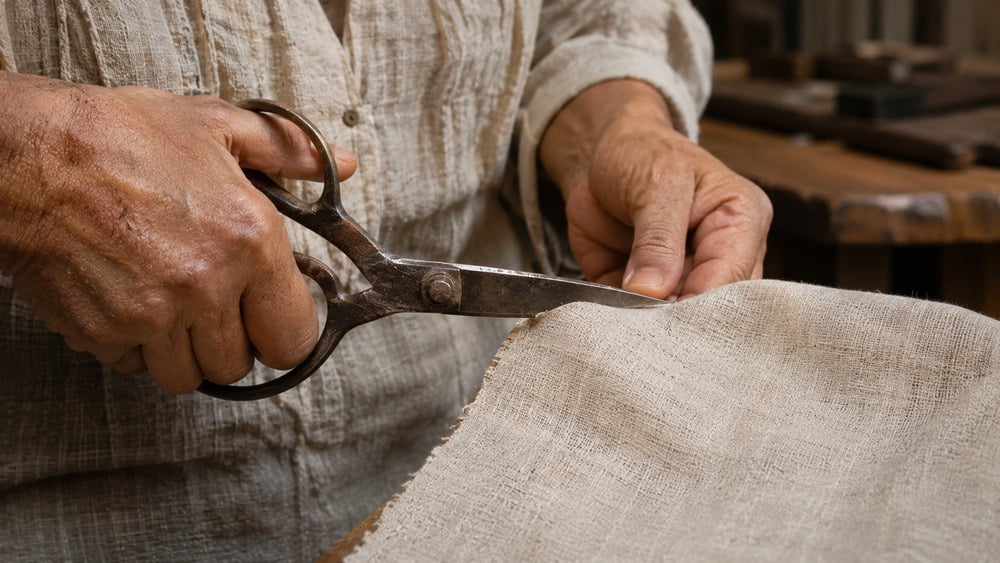
Scissors have evolved in appearance, but their defining action has endured. Earlier spring-operated shears used opposing cutting edges, while later pivoting designs introduced the joint and finger loops familiar today. The Metropolitan Museum of Art preserves elaborately decorated Roman-period shears, possibly dating to the second century CE. Although their mechanism differs from modern household scissors, the essential idea of cutting material between two blades remains the same.
7. Sewing Needles: A Pointed Shaft With an Eye for Thread
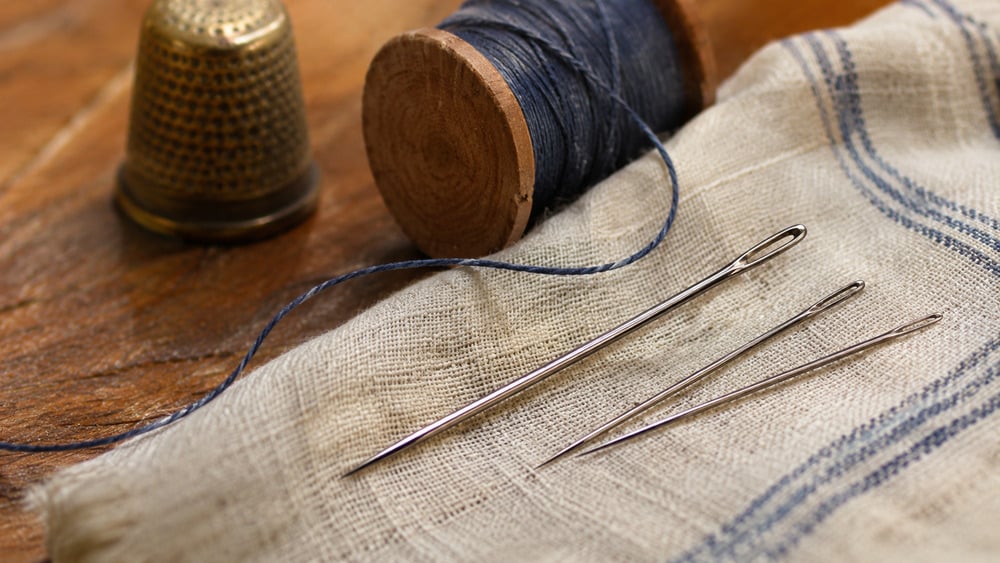
Sewing machines revolutionized clothing production, yet the humble handheld needle has retained its recognizable shape. A pointed shaft pierces fabric while a small opening carries the thread through. A copper-alloy needle from Roman-period Egypt, dating between 30 BCE and 364 CE, demonstrates how established this design already was. Modern needles come in countless specialized sizes, but their essential construction would be familiar to ancient craftspeople.
8. Combs: Rows of Teeth for Untangling Hair

An ancient Egyptian wooden comb dating to approximately 1550-1458 BCE could easily be mistaken for a decorative version of something sold today. It features a row of teeth, shallow gripping indentations, and carved details. Interestingly, the surviving example shows little or no wear, suggesting it may have had limited practical use before burial. Modern combs are commonly made from plastic, but the basic design has needed remarkably little adjustment.
Sign up for our newsletter
9. Tweezers: Two Flexible Arms for Grasping Tiny Objects
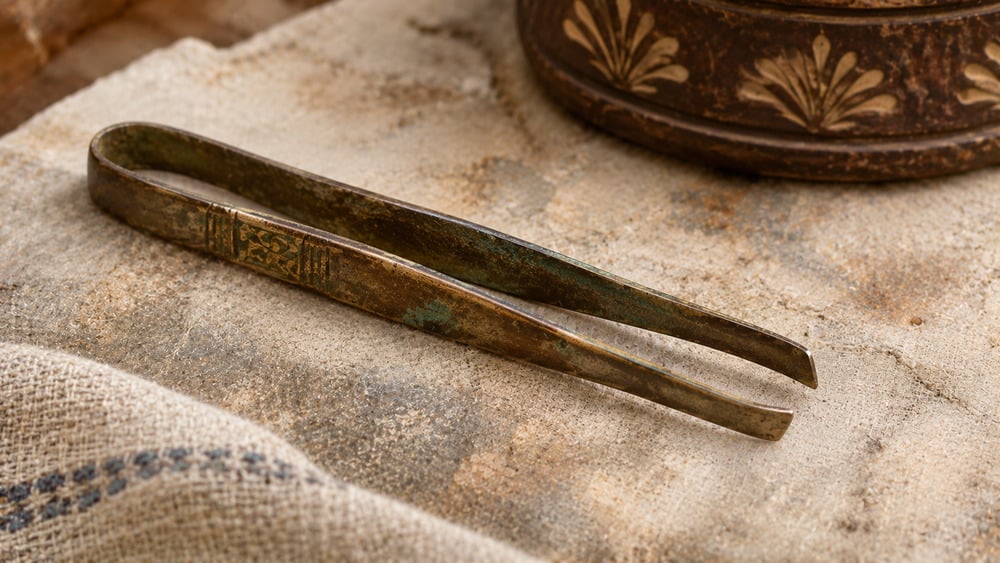
Ever wondered why tweezers still look almost exactly like something an ancient Roman might have owned? A bronze pair dating to the first or second century CE measures approximately 11.3 centimeters long and uses the familiar principle of squeezing two flexible arms together. Modern versions offer precision tips for grooming, electronics, and medical work, but the spring-action mechanism remains fundamentally the same. Nearly two thousand years of technological progress, and we’re still pinching things between two pieces of metal.
10. Spoons: A Small Bowl Attached to a Handle

Everyday tools that have barely changed in centuries include something found in nearly every kitchen drawer: the spoon. Roman examples already combined a small bowl with a handle, making it easy to collect and transfer food or other substances. The Metropolitan Museum of Art preserves a silver spoon dating to the second through fourth centuries CE. Materials, decorations, and proportions have changed across cultures, but the basic design remains instantly recognizable.
11. Mortars and Pestles: Crushing Ingredients With Simple Pressure

Before electric grinders and food processors, people crushed ingredients using a sturdy container and a handheld grinding tool. An Egyptian limestone mortar and pestle dating to approximately 1300-1080 BCE demonstrates just how old this arrangement is. Modern versions may be made from granite, marble, ceramic, or metal, but the grinding action remains virtually identical. Some kitchen techniques have survived because simplicity works.
12. Sieves: Separating Materials Through Small Openings
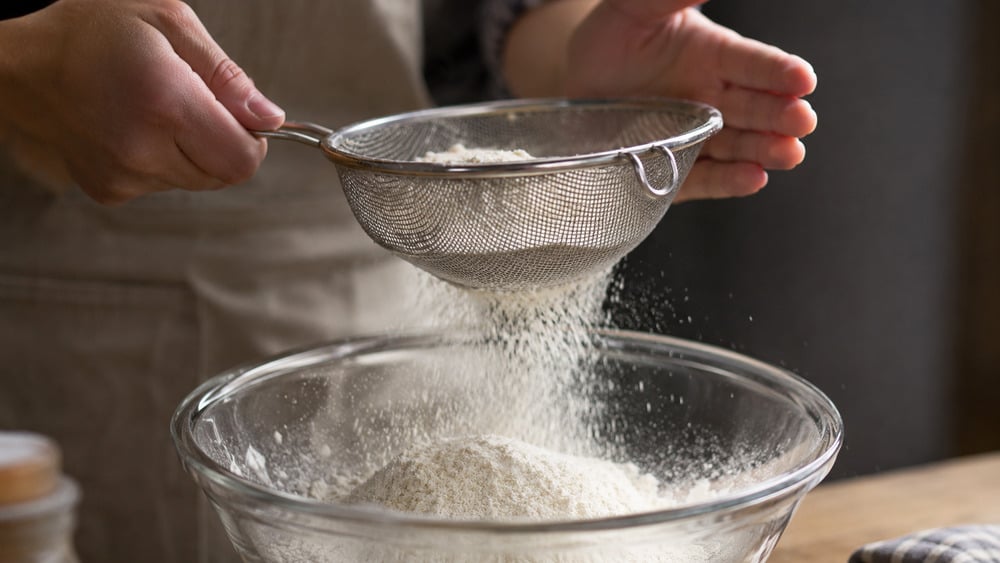
Separating fine particles from larger ones sounds technical, but the solution is wonderfully uncomplicated. Ancient Egyptian craftspeople used sieves made from woven plant fibers, including reeds and rushes. One surviving example dates ot approximately 1300-1080 BCE. Today’s kitchen strainers and flour sieves generally use metal or synthetic mesh, but the underlying method hasn’t changed. Small openings let smaller particles through while holding larger material back.
13. Plumb Bobs: Letting Gravity Find a Vertical Line

Could anything be more dependable than letting gravity do the measuring? Ancient builders used weights suspended from strings to establish vertical alignment, a technique that remains useful today. The Metropolitan Museum of Art preserves an Egyptian hematite plumb bob dating to approximately 1550-1080 BCE. Modern versions often feature carefully shaped metal weights, but the principle is identical. Unlike electronic measuring equipment, gravity doesn’t need batteries or software updates.
14. Keys: Small Metal Objects Designed to Operate Locks
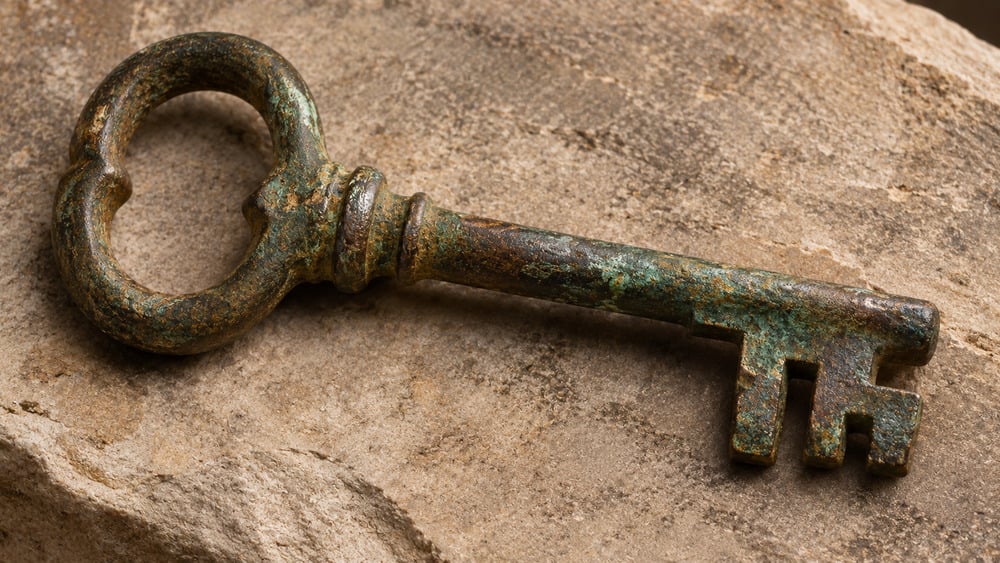
Keys have changed considerably in shape and precision, but their essential purpose remains familiar. A Roman example dating to the first through third centuries CE combines copper alloy and iron, with projecting sections designed to operate a matching lock. Modern keys interact with more sophisticated internal mechanisms, yet the basic concept of inserting a specially shaped object to unlock something has endured for centuries.
15. Hand Spindles: Turning Loose Fibers Into Thread
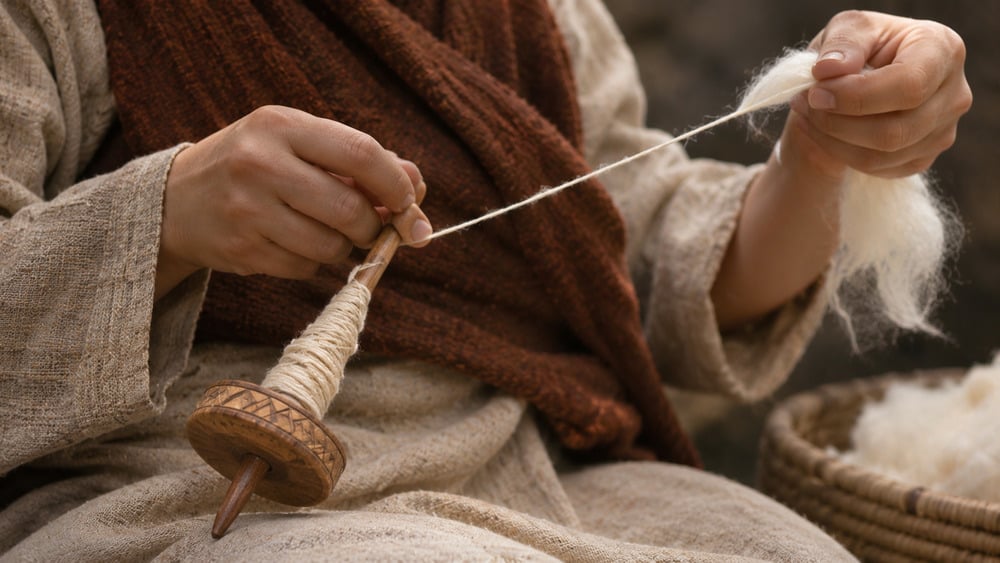
Long before industrial spinning machines, people used hand spindles to twist loose fibers into thread. Traditional versions feature a shaft, often combined with a weighted whorl that helps maintain rotation. A ninth-or tenth-century spindle whorl excavated at Nishapur, Iran, offers evidence of this longstanding technology. Although textile production has become increasingly mechanized, hand spinning continues today using a remarkably familiar principle.
The endurance of these tools reveals something fascinating about human ingenuity. Not every successful invention needs constant improvement, and sometimes the simplest solutions outlast entire generations of technological change. From hammers to sewing needles, these everyday objects remind us that good design can be surprisingly timeless.
Keep Exploring The Scroller
Some inventions changed the world overnight. Others barely changed at all. Curious about the overlooked objects, forgotten innovations, and surprising stories hiding in plain sight? Keep exploring The Scroller, where even the most ordinary things have extraordinary histories:
14 Jobs That Used Tools Most People Would Not Recognize Today
16 Old-Fashioned Tools That Were Built to Last for Generations