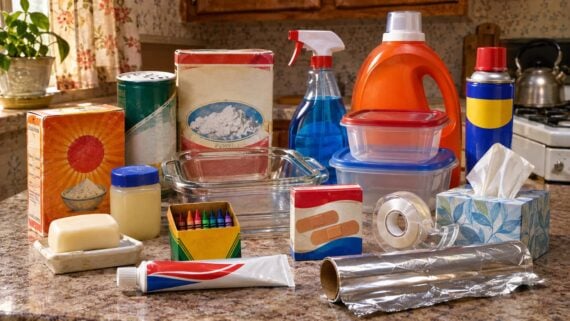
Some household products have been around for so long that grandparents, parents, and grandchildren have all used versions of the same brands. From cleaning powders introduced in the 1800s to kitchen essentials that became popular after World War II, these familiar items have survived changing technology, tastes, and household routines.
Their histories are often more surprising than their packaging suggests. Some began as industrial supplies, others emerged from aerospace research, and a few became popular for purposes their inventors never originally intended. Here are 18 household products with histories spanning generations.
Arm & Hammer Baking Soda
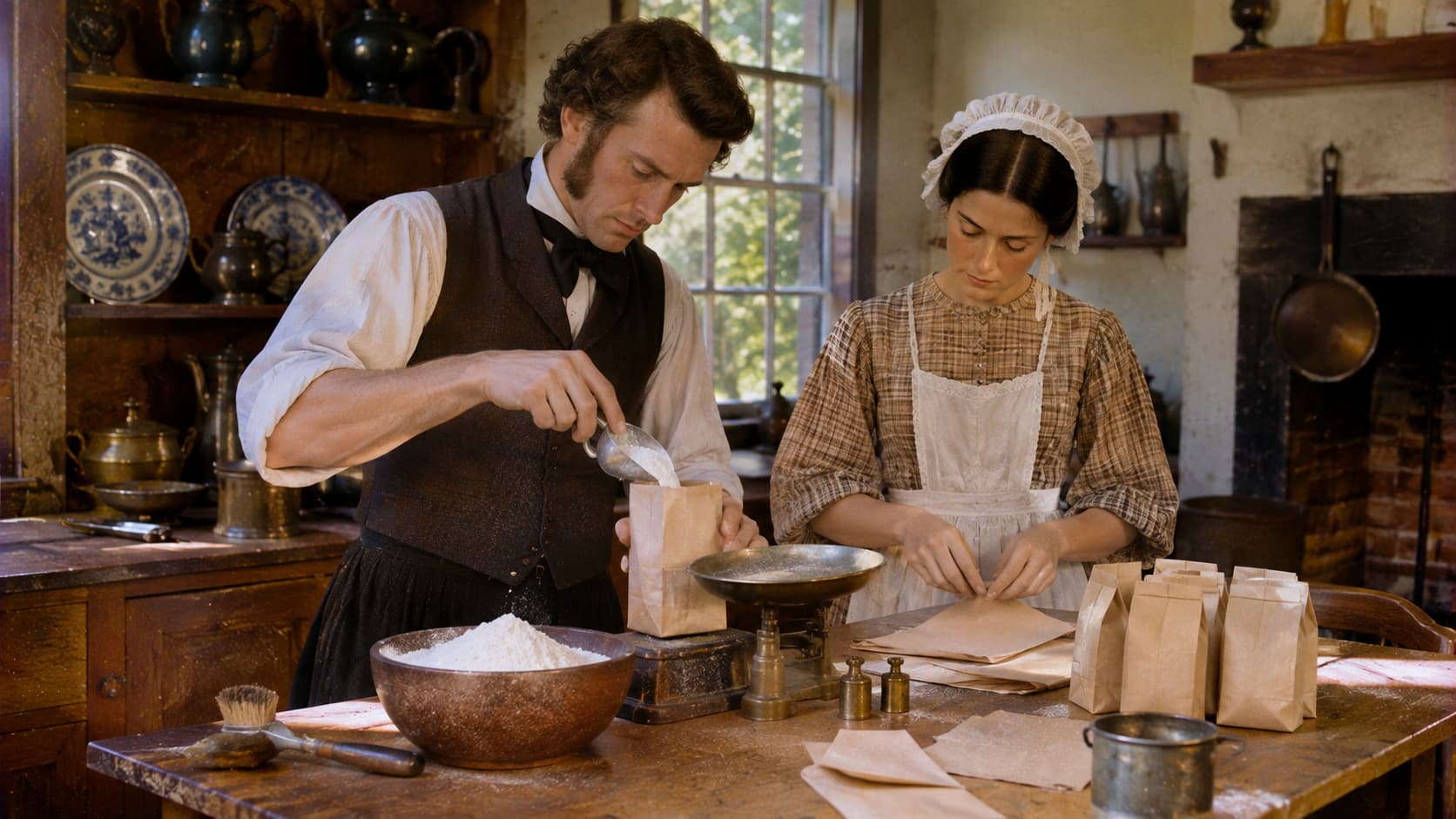
In 1846, Austin Church and John Dwight began packaging bicarbonate of soda by hand in Dwight’s kitchen. Their business eventually became Arm & Hammer, whose baking soda found uses in cooking, cleaning, and deodorizing. The company was already mailing recipe booklets to households by 1860, according to its official history. Long before refrigerator odor absorbers, this little box was building its household reputation.
Ivory Soap
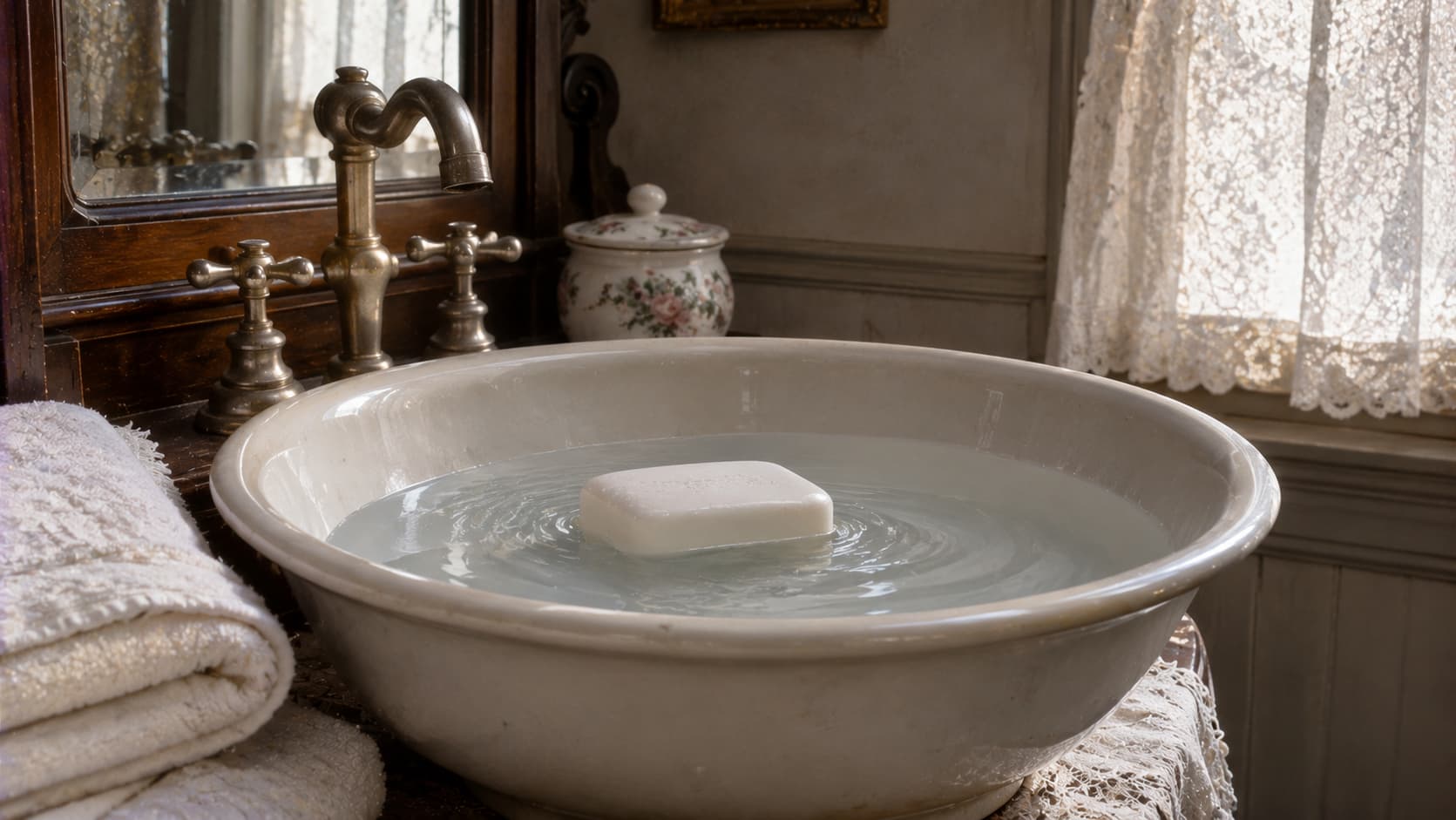
Ivory Soap entered American homes in 1879 as an affordable bar for both bathing and laundry, eliminating the need for separate soaps. Its ability to float became a memorable selling point, alongside the famous claim that it was 99 44/100% pure. The Smithsonian’s collection of advertisements shows how recognizable the brand became. Even soap had a marketing slogan worth remembering.
Vaseline Petroleum Jelly
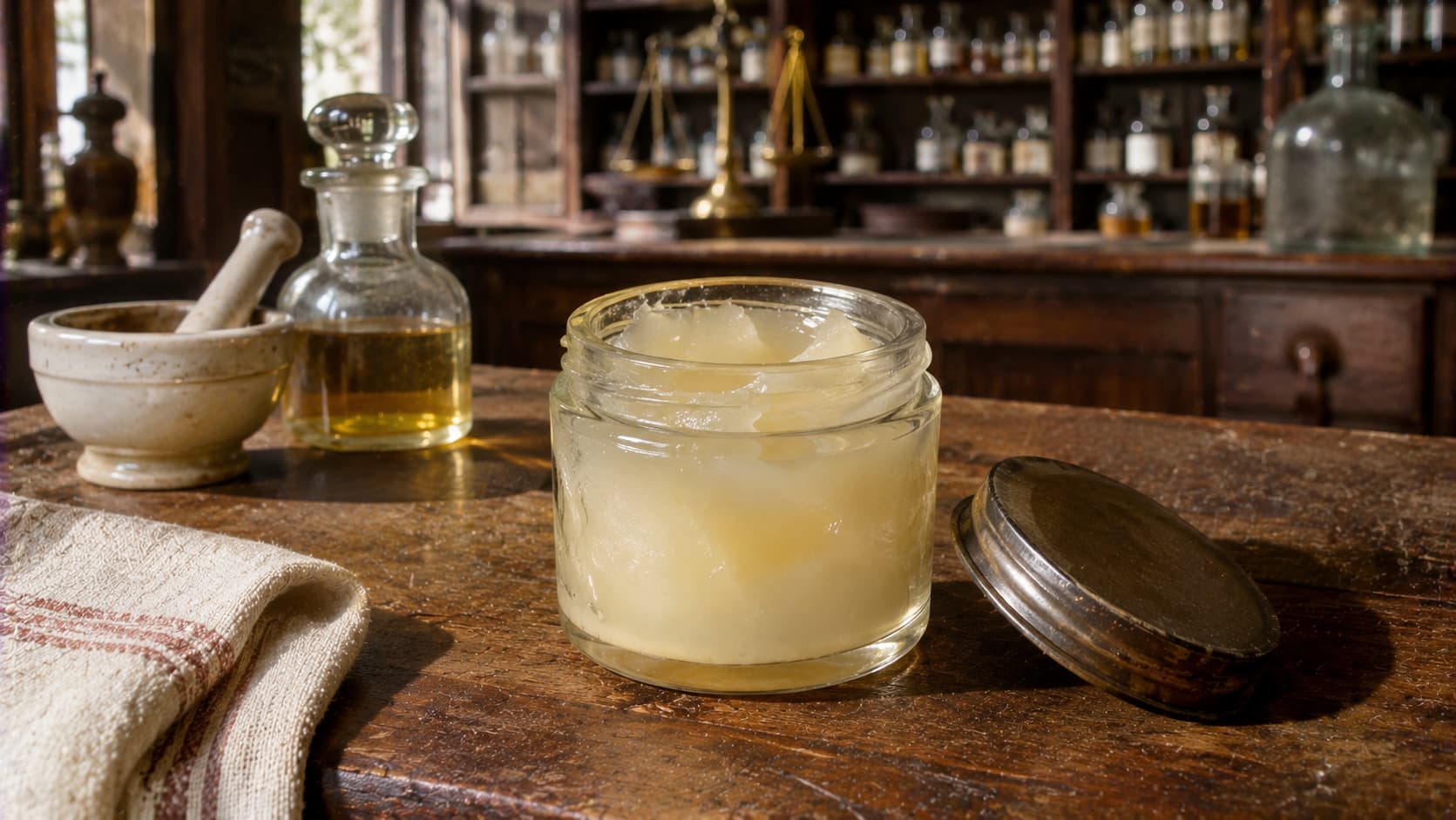
Chemist Robert Chesebrough discovered a waxy petroleum substance in Pennsylvania oil fields during the 1850s and developed a purification process. He began distributing Vaseline in 1870, promoting it personally from a horse-drawn carriage. According to the brand’s history, soldiers even requested supplies from their families during WWI. A product that started in oil fields eventually earned a permanent place in bathroom cabinets.
Bon Ami Cleaning Powder
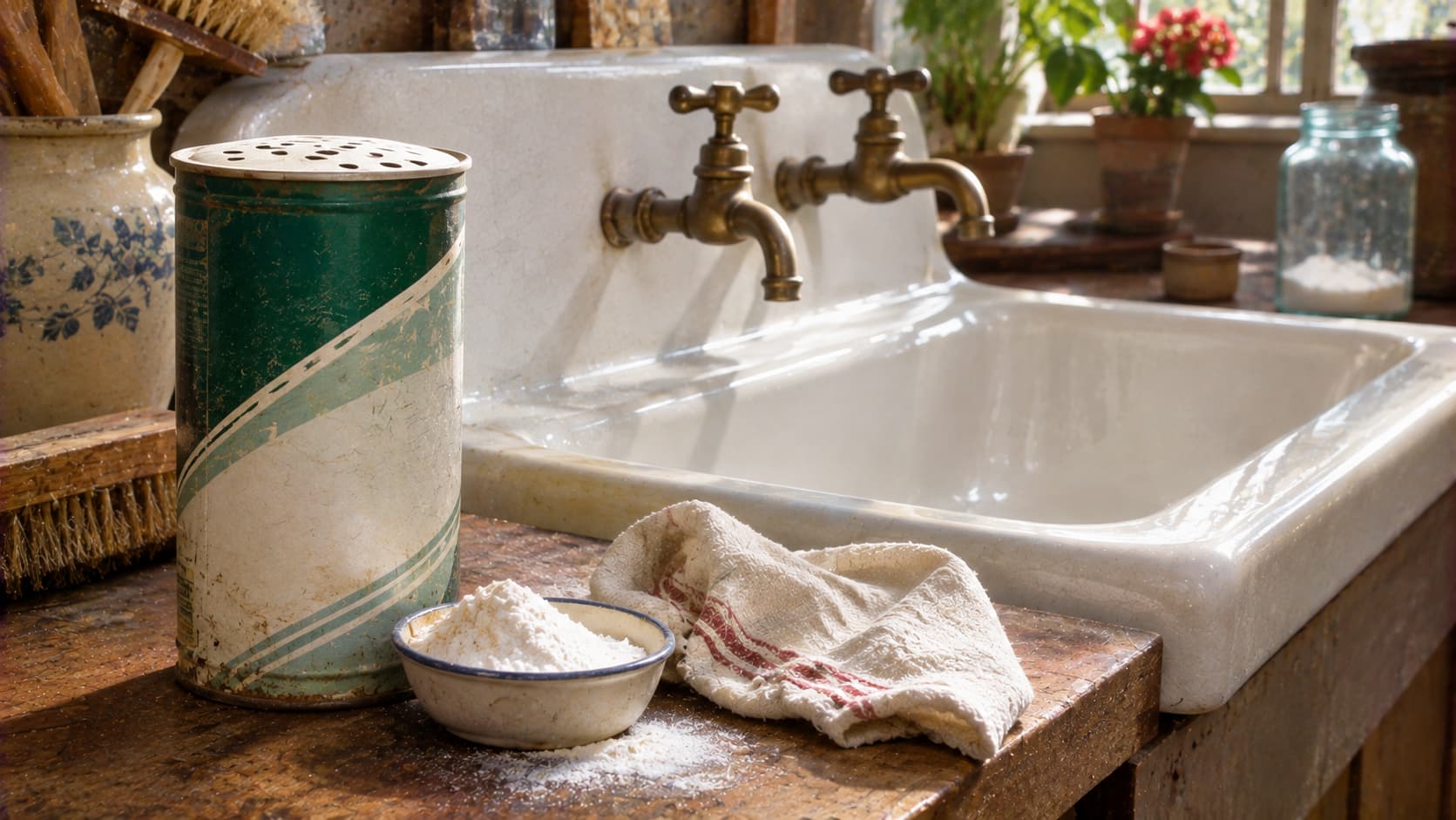
Introduced in 1886, Bon Ami originally relied on feldspar, a relatively soft mineral that could polish surfaces without harsh scratching. The company says the idea came from quarry workers who noticed the mineral’s cleaning properties. In the 1970s, customers even wrote letters thanking Bon Ami for resisting bleach, artificial fragrances, and dyes. Apparently, sometimes the best cleaning formula is the one that doesn’t try to do everything.
20 Mule Team Borax

The name 20 Mule Team Borax comes from the wagon teams that transported borax across California’s Mojave Desert beginning in 1883. According to U.S. Borax, the teams hauled approximately 36.5 tons along a 165-mile route, including a massive water wagon. Railroads eventually replaced the animals, but their image survived as the product’s identity. That’s some
Trending on The Scroller


Colgate Toothpaste
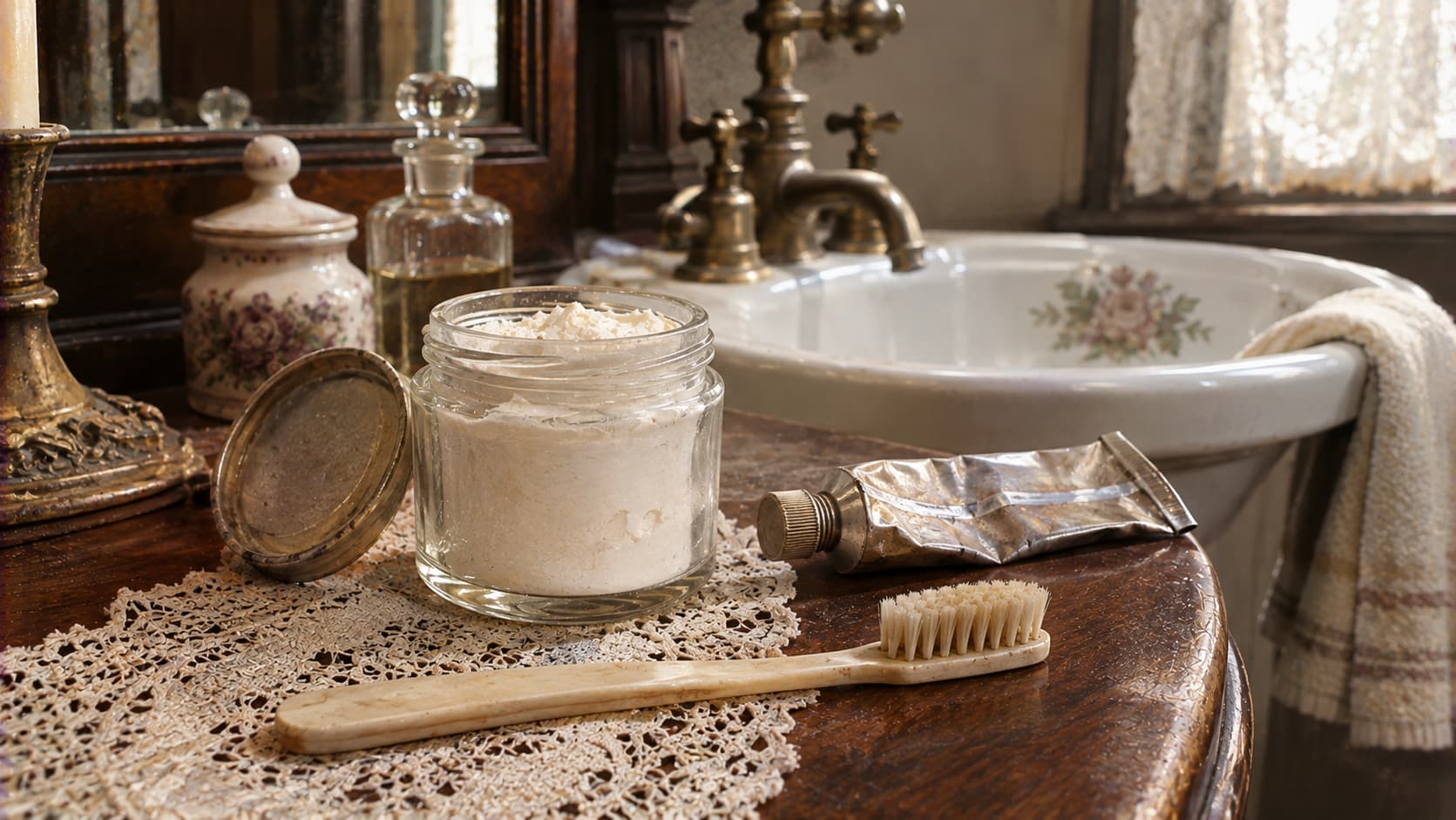
Colgate began selling toothpaste in jars in 1873, making dental care a rather different experience than squeezing paste from a tube. The company introduced collapsible toothpaste tubes in 1896, a packaging format still familiar today. By 1911, it was distributing two million tubes and toothbrushes to schools and dental hygienists. Colgate’s history shows how a simple packaging change helped transform an everyday routine.
Palmolive Soap
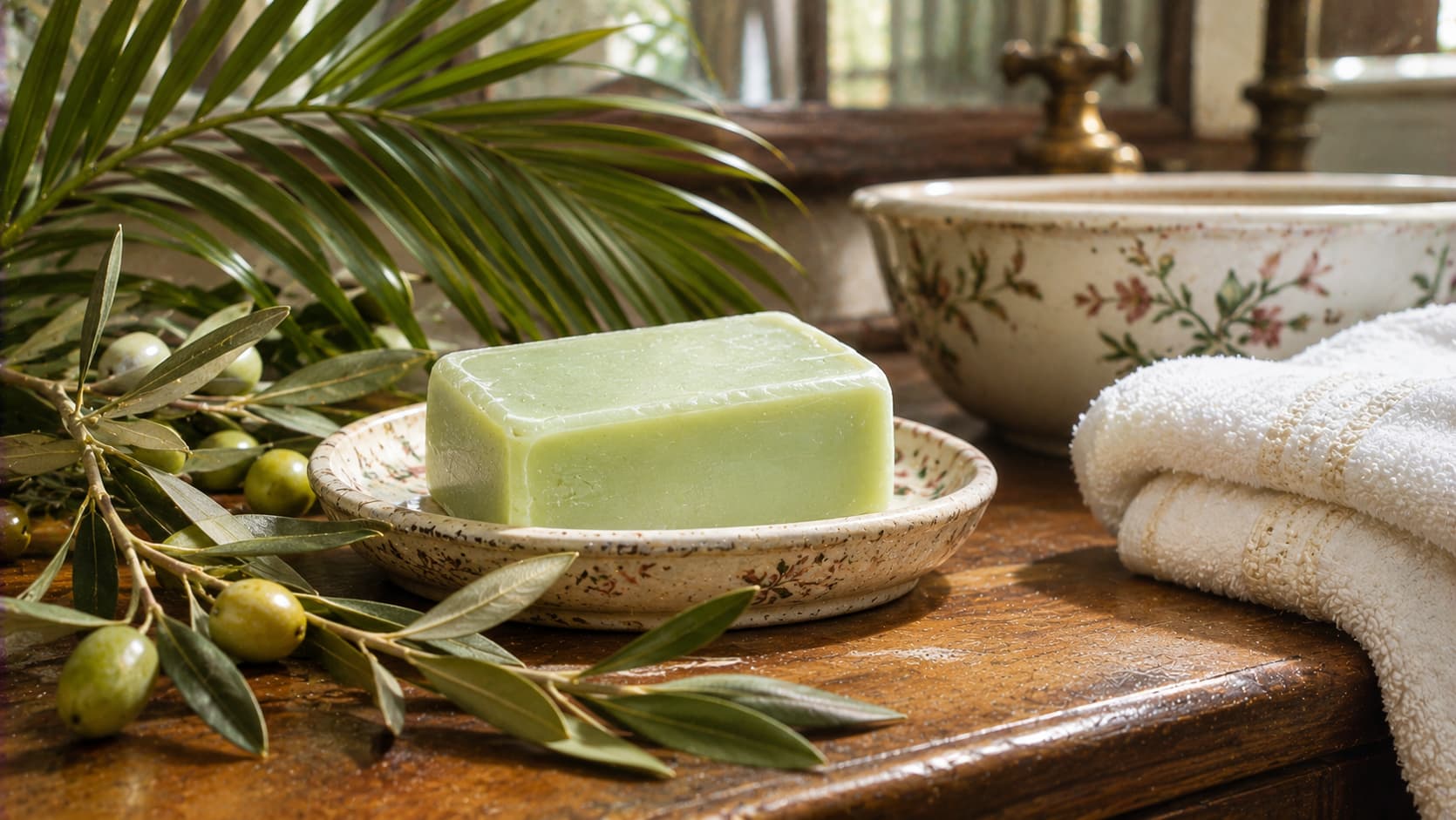
Palmolive first appeared in 1898, produced by the B.J. Johnson Soap Company in Milwaukee, Wisconsin. Its name reflected the palm and olive oils associated with its original formulation, while early advertisements emphasized purity and skin-care benefits. Colgate-Palmolive’s company history traces the brand’s expansion into household cleaning and personal care. What began as a bar of soap eventually became a much bigger aisle presence.
Crayola Crayons

The first Crayola box appeared in 1903 with just eight colors and a price of five cents. Before entering the children’s art market, manufacturer Binney & Smith produced industrial pigments, including red coloring for barn paint and carbon black for tires. Crayola’s official history credits Alice Binney, a former teacher, with suggesting the name. A company making tire ingredients eventually helped color countless childhood drawings.
Sign up for our newsletter
Clorox Bleach
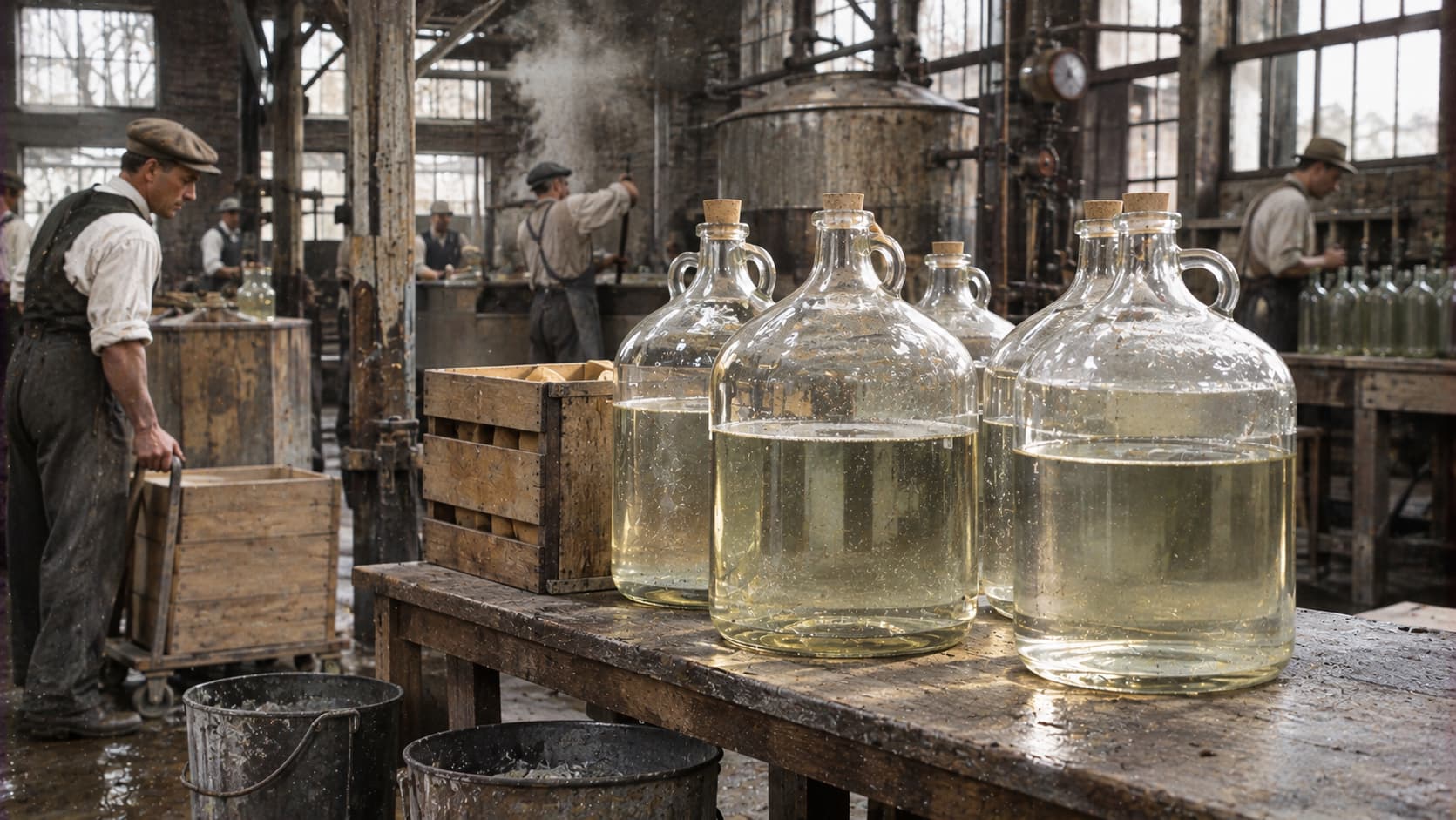
When Clorox began operating in Oakland, California, in 1913, bleach was primarily a commercial product supplied to breweries, walnut bleachers, and municipal water systems. The company’s historical timeline credits Annie Murray with recognizing its potential for household use and helping turn the struggling business around. A product originally aimed at industrial customers eventually became a familiar laundry-room staple.
Pyrex Glass Bakeware
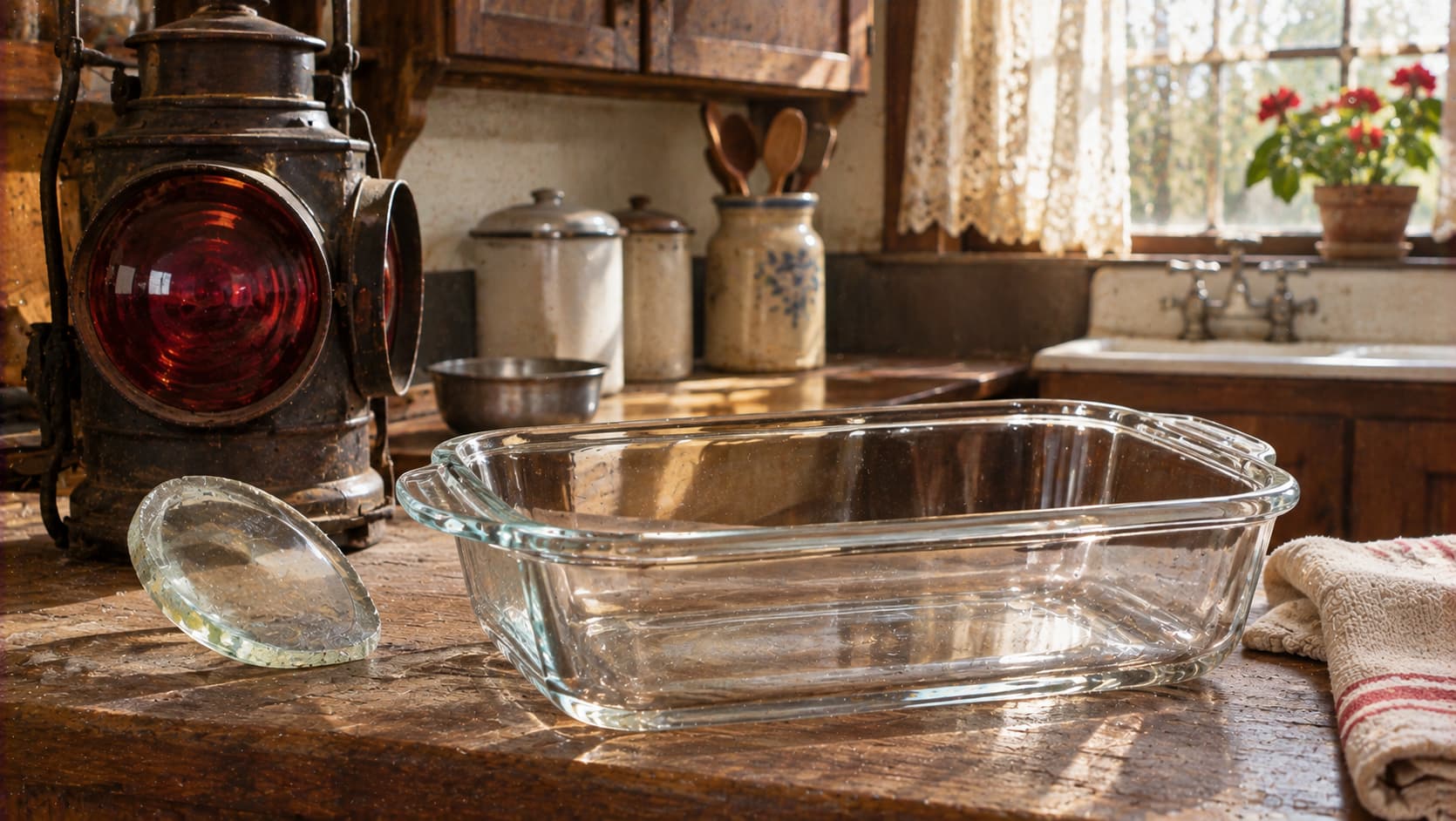
Pyrex began with glass developed for railroad signal lanterns, designed to withstand demanding conditions. Corning’s heat-resistant material caught the attention of Bessie Littleton, who saw its potential after ordinary baking dishes repeatedly cracked. Introduced in 1915, Pyrex brought industrial glass technology into American kitchens. Few baking dishes have such an unexpected railway connection.
Band-Aid Adhesive Bandages
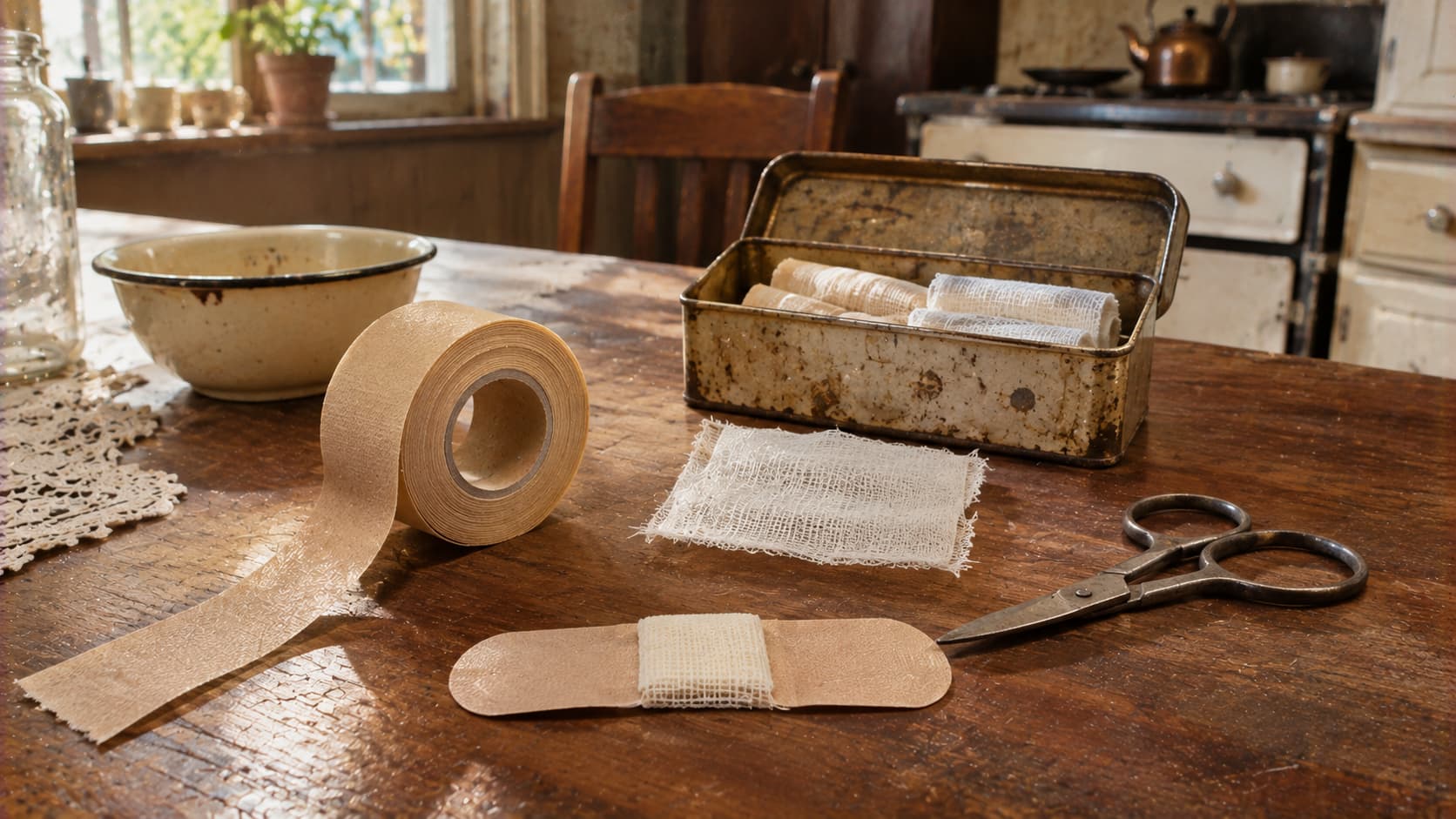
Johnson & Johnson employee Earle Dickson invented Band-Aid bandages to help his wife deal with frequent minor kitchen injuries. By combining adhesive tape and gauze, he created something she could apply herself. Introduced commercially in 1921, the earliest strips measured 18 inches long. The metal tins introduced in 1926 often found a second life storing buttons, nails, and marbles; bandages weren’t their only job.
Kleenex Facial Tissues
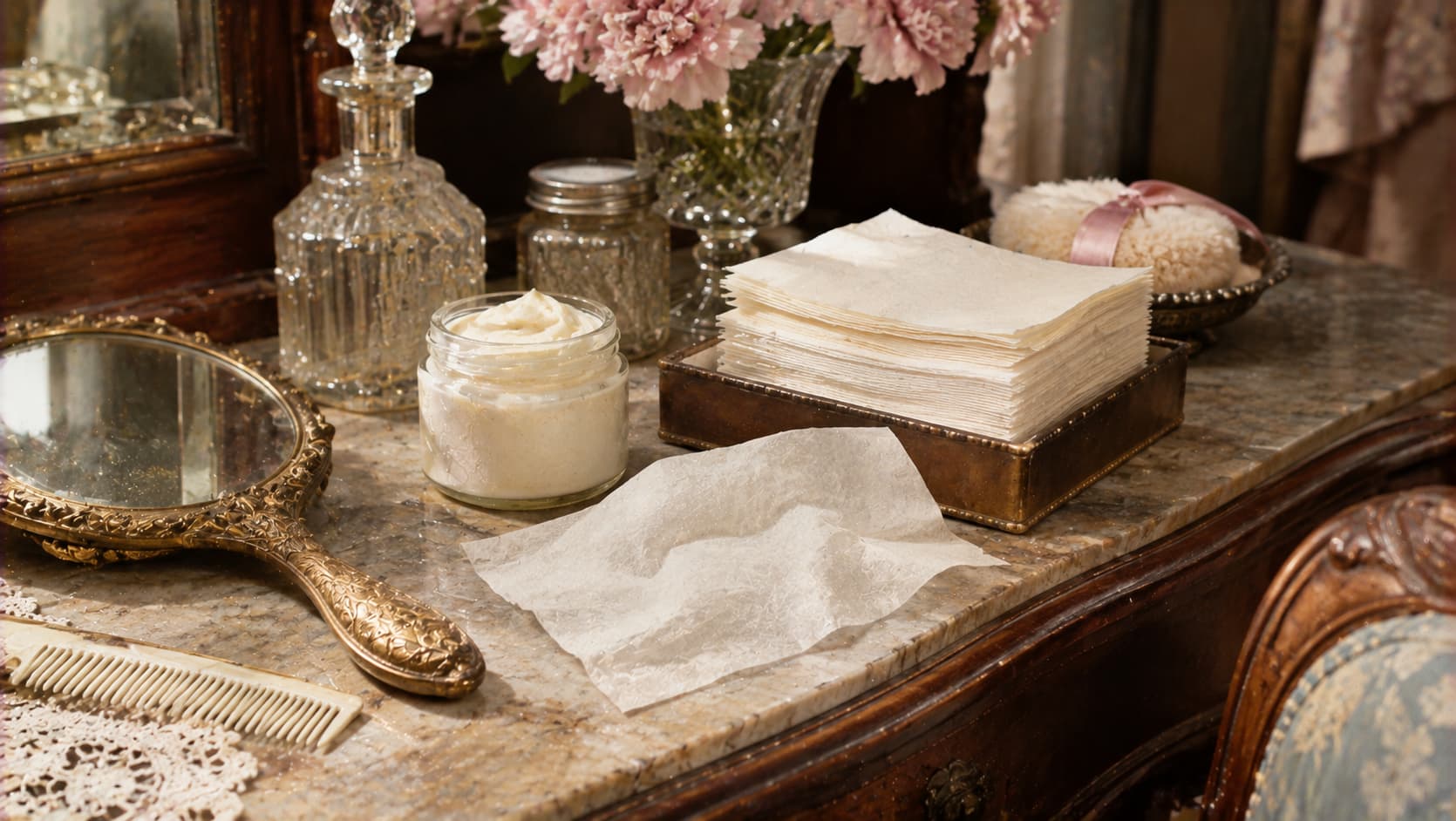
When Kleenex launched in 1924, it was marketed as a convenient way to remove cold cream, not as a disposable handkerchief. A package of 100 tissues cost 65 cents. Kimberly-Clark’s brand history explains that customers began using them for colds and runny noses, prompting a change in advertising by 1930. Sometimes consumers are better at finding a product’s purpose than its creators.
Scotch Transparent Tape
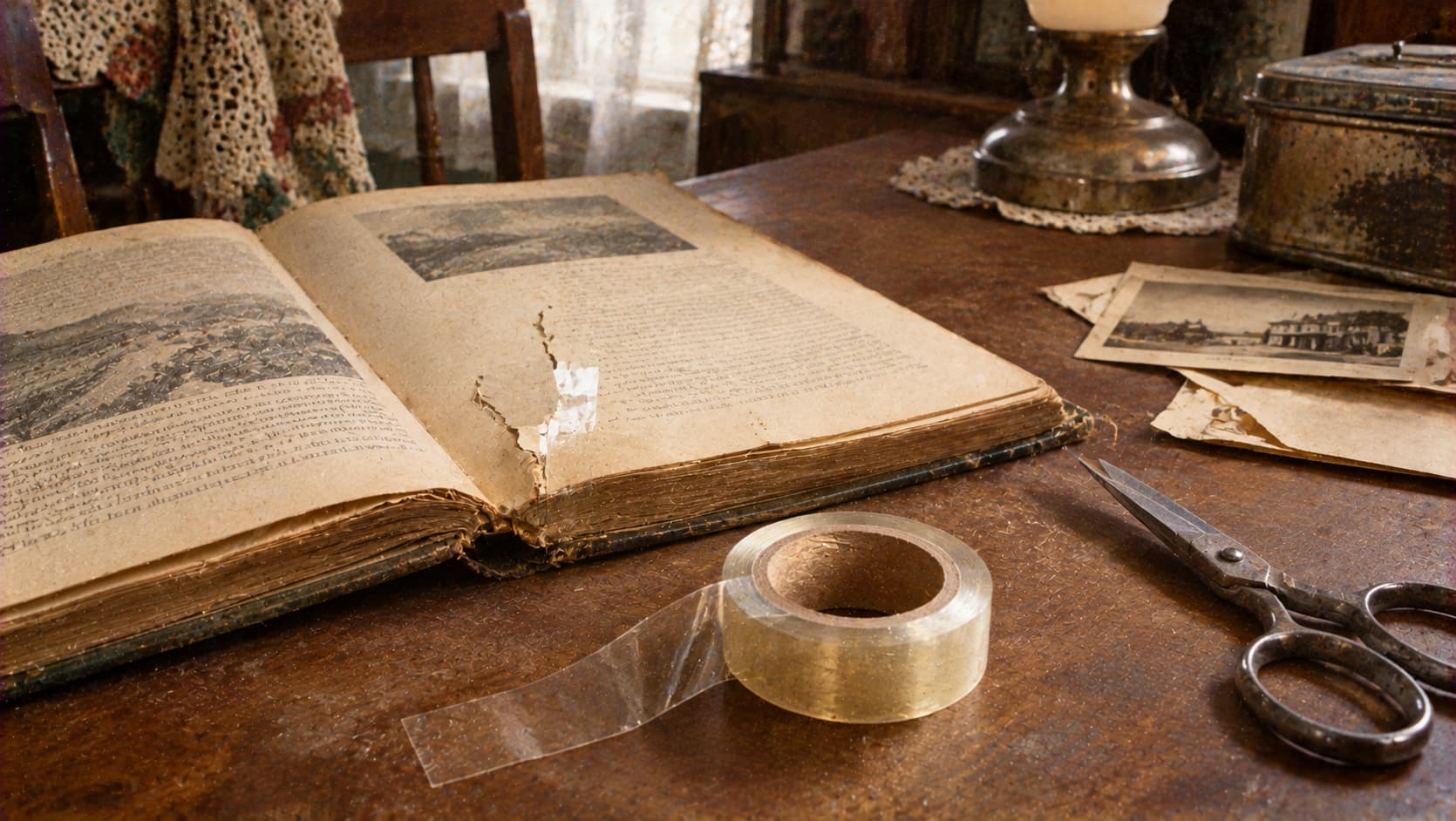
3M employee Richard Drew first developed masking tape in 1925 after noticing problems at automobile paint shops. Five years later, he introduced transparent cellophane tape. According to 3M’s history of innovation, it became especially useful during the Great Depression, when families repaired torn books, documents, and belongings rather than replacing them. A solution for car painters turned into a household drawer essential.
Windex Glass Cleaner

Windex was originally developed for automobile windshields during the Great Depression, before becoming a familiar window and mirror cleaner. Its blue formula helped establish a recognizable look for commercial glass cleaners. Interestingly, Windex’s official regional histories disagree on the introduction year: the U.S. site lists 1936, while the Canadian site gives 1933. Even the origin story comes with a little uncertainty.
Tide Laundry Detergent
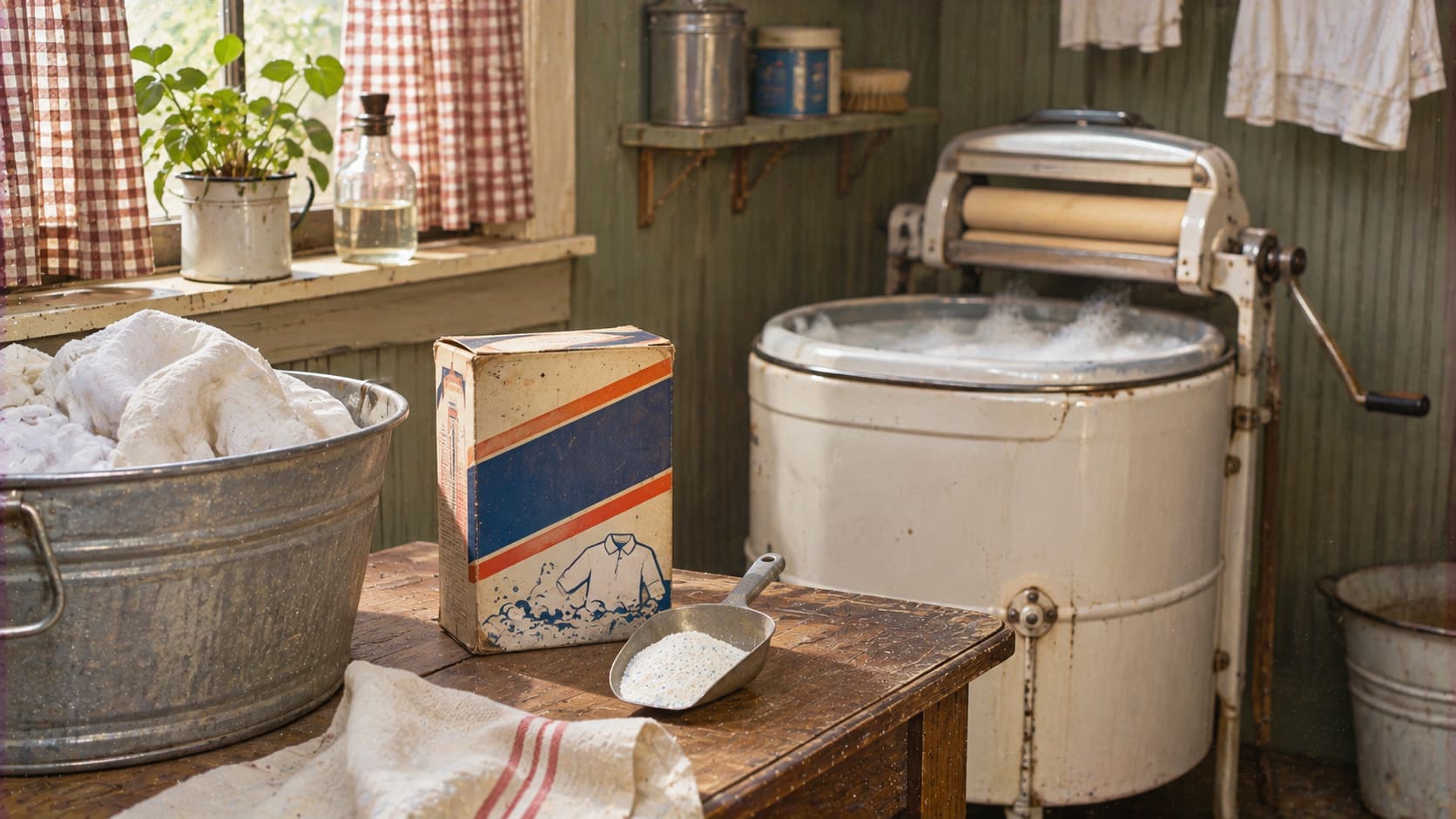
Tide emerged from years of research at Procter & Gamble after the company introduced Dreft, an early synthetic household detergent, in 1933. The company’s history recounts that the Tide project was once ordered to stop, but a lead researcher continued experimenting in his spare time. The detergent finally launched in 1946. Apparently, even a laundry breakthrough needed someone willing to ignore the clock.
Reynolds Wrap Aluminum Foil
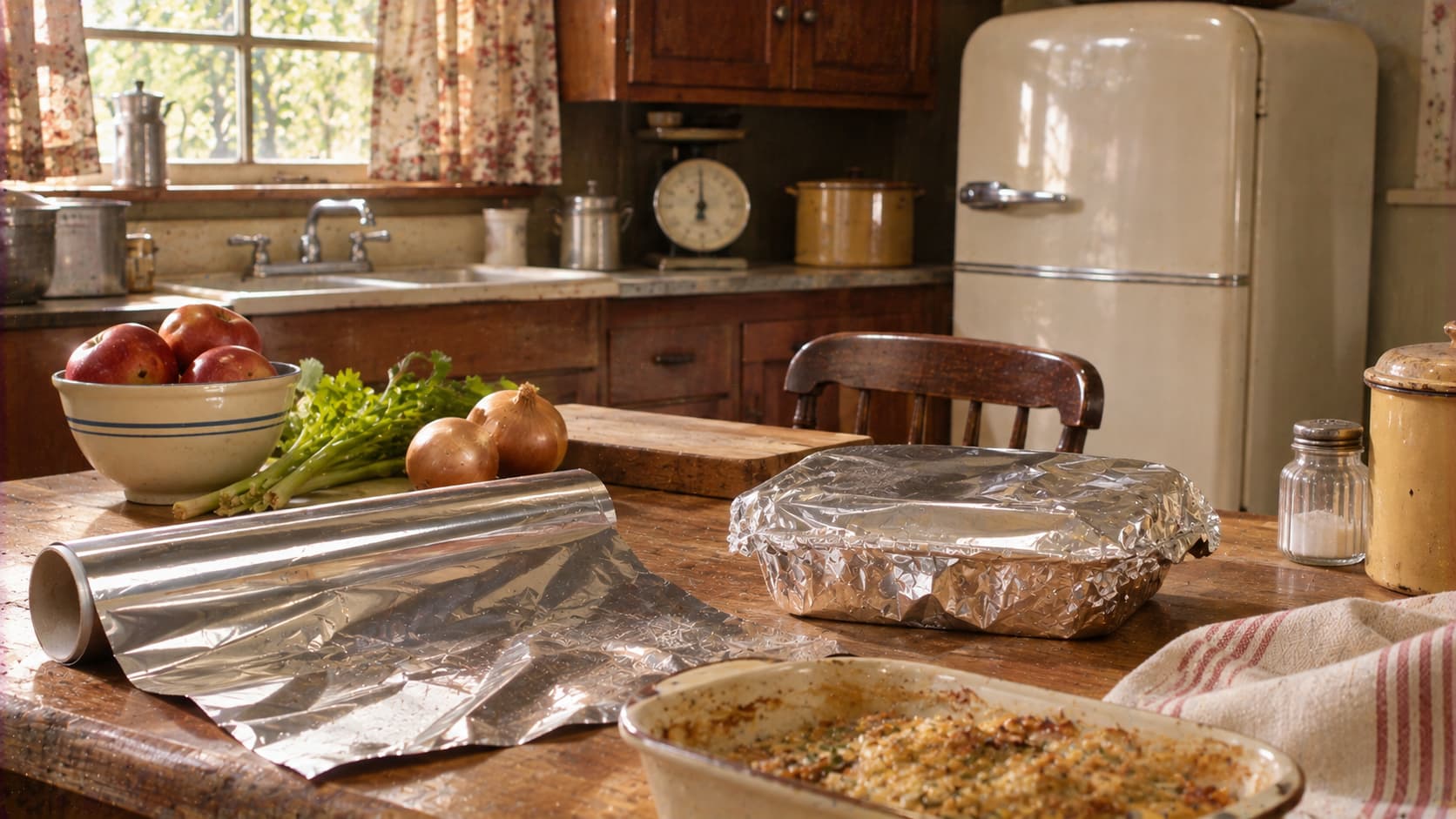
Reynolds Wrap appeared in American stores in 1946, offering households a convenient way to wrap, store, and prepare food. Its popularity grew during the postwar years as home cooking routines changed, and convenience products gained ground. By the late 1960s, Reynolds had expanded into oven bags, baking cups, and wax paper. The company was clearly interested in wrapping up more than leftovers.
Tupperware Food Containers
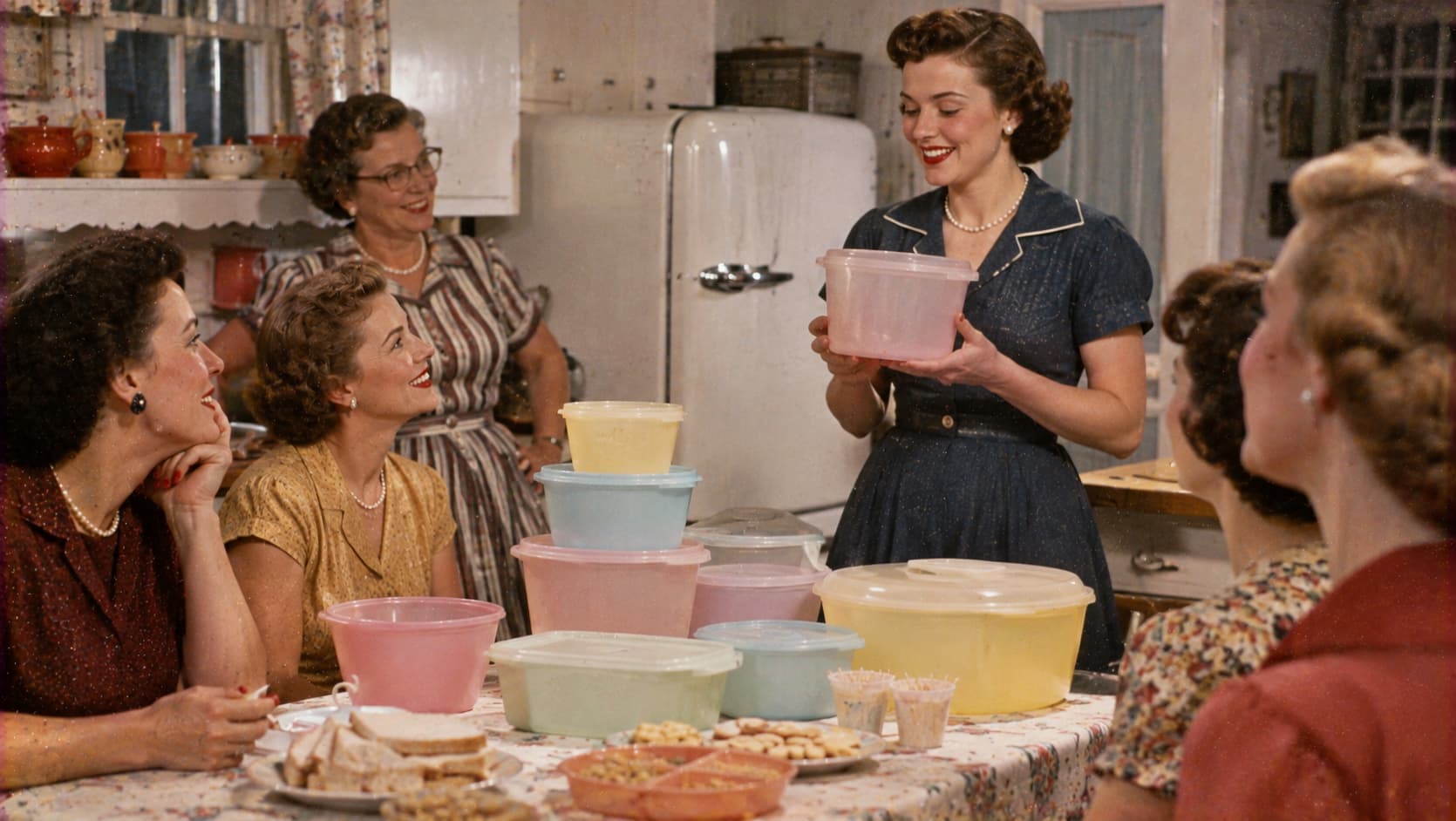
Earl Tupper introduced his plastic food containers in 1946, with an airtight seal inspired by a paint can lid. Consumers initially struggled with the unusual closures, so the company began demonstrating them at home gatherings in 1948. Tupperware’s historical materials trace how those events became a social and sales tradition. The classic Wonderlier bowls also remain connected to the original designs.
WD-40 Multi-Use Product

WD-40 was developed in San Diego in 1953 to prevent corrosion on aerospace equipment. Its name reportedly refers to Water Displacement, 40th Formula, after 40 attempts to get the formula right. According to the company’s history, workers at aerospace contractor Convair began taking it home, and it reached retail stores in 1958. A product designed for aerospace eventually became a garage favorite.