Ancient timekeeping once relied on water clocks, burning candles, and other wonderfully unusual inventions. Imagine watching water slowly leak from a bowl, waiting for a candle to burn down, or hearing a cannon blast that meant it was exactly one o’clock.
And while some of these methods sound delightfully strange today, others were surprisingly sophisticated. From ancient Egyptian star charts to mechanical elephants and giant falling balls, these 15 inventions reveal just how creative humans became when they needed to organize their days. Who knew telling time could be such an adventure?
1. Ancient Egyptians Measured Time by Watching Water Leak From a Bowl
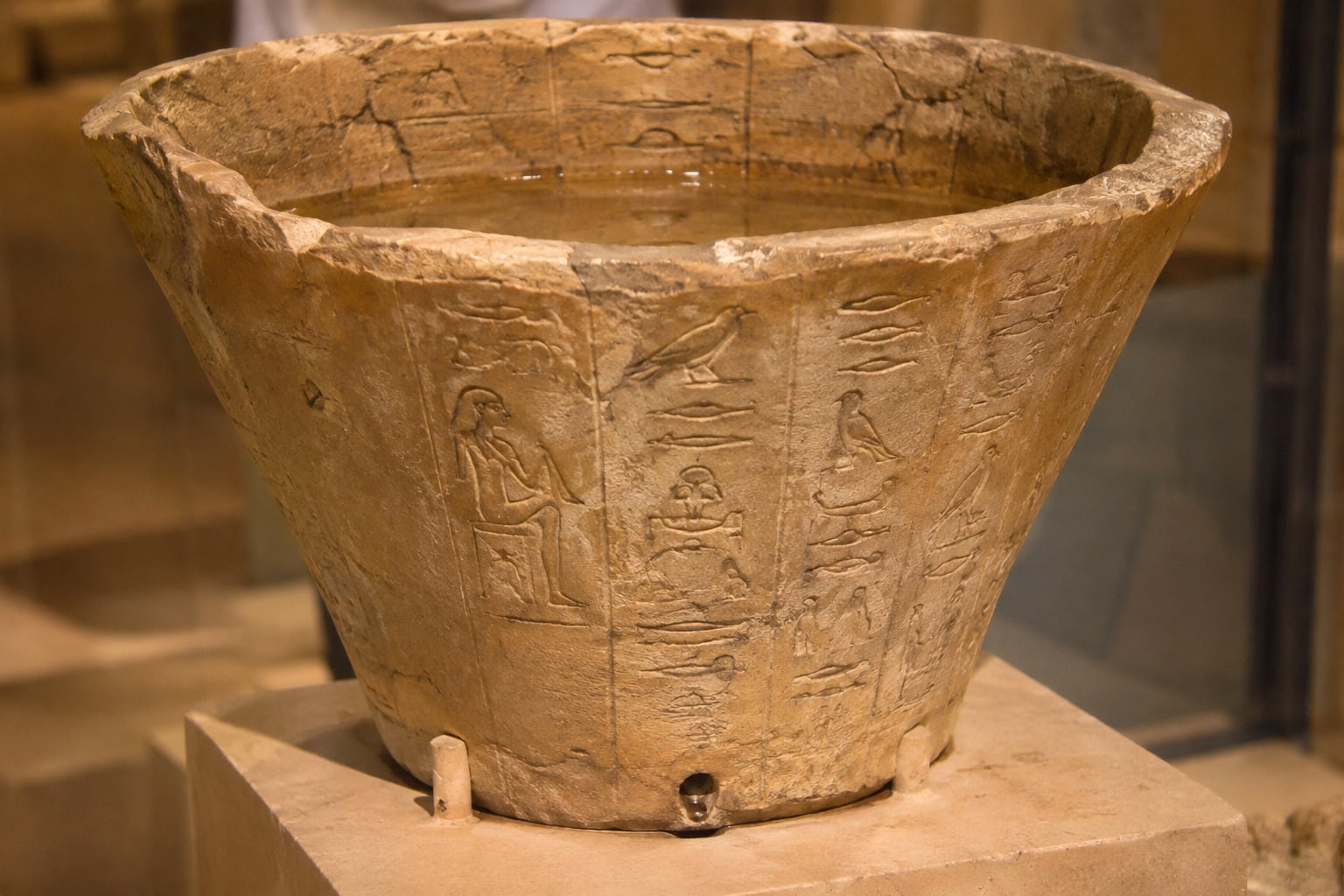
Imagine having to watch a bowl slowly empty just to figure out what time it was. Ancient Egyptians developed water clocks that did exactly that, allowing water to escape through a small opening while markings inside the vessel indicated the passing hours. One of the oldest known examples was discovered in the tomb of Pharaoh Amenhotep I, who was buried around 1500 BCE. The National Institute of Standards and Technology notes that these devices could even work at night, something sundials couldn´t manage. Of course, getting the water to flow at a perfectly steady rate was another challenge entirely.
2. Some Ancient Water Clocks Worked by Sinking
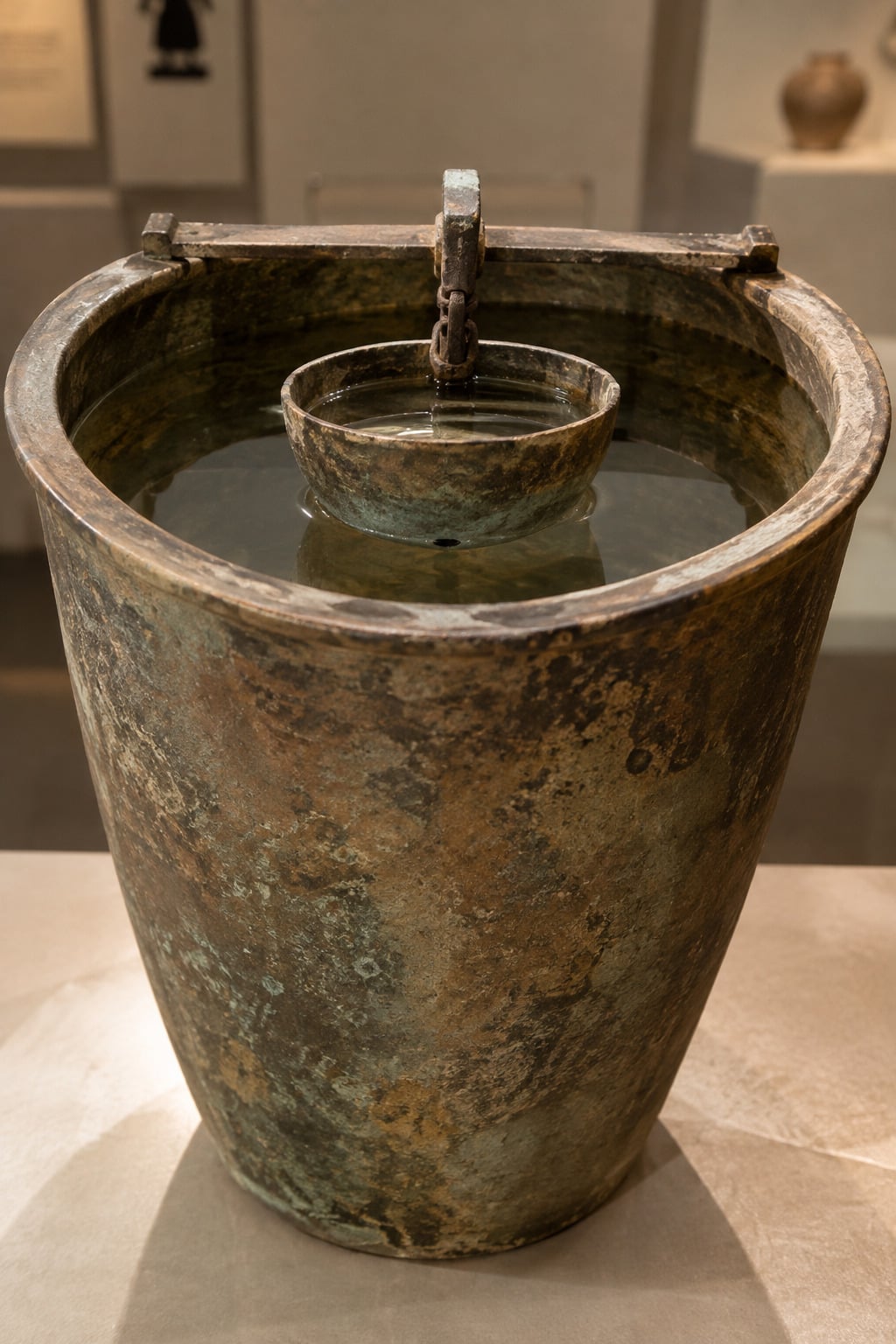
Not every ancient water clock involved watching the water level drop. Some used a small metal bowl with a tiny hole in the bottom, floating inside a larger container of water. As the bowl gradually filled, it eventually sank, marking the end of a measured interval. Simple enough, right? The idea was so practical that variations of these sinking-bowl clocks remained in use in North Africa into the 2nd century. Sometimes the most enduring inventions are the ones with almost nothing to break.
3. People Turned Burning Candles Into Clocks
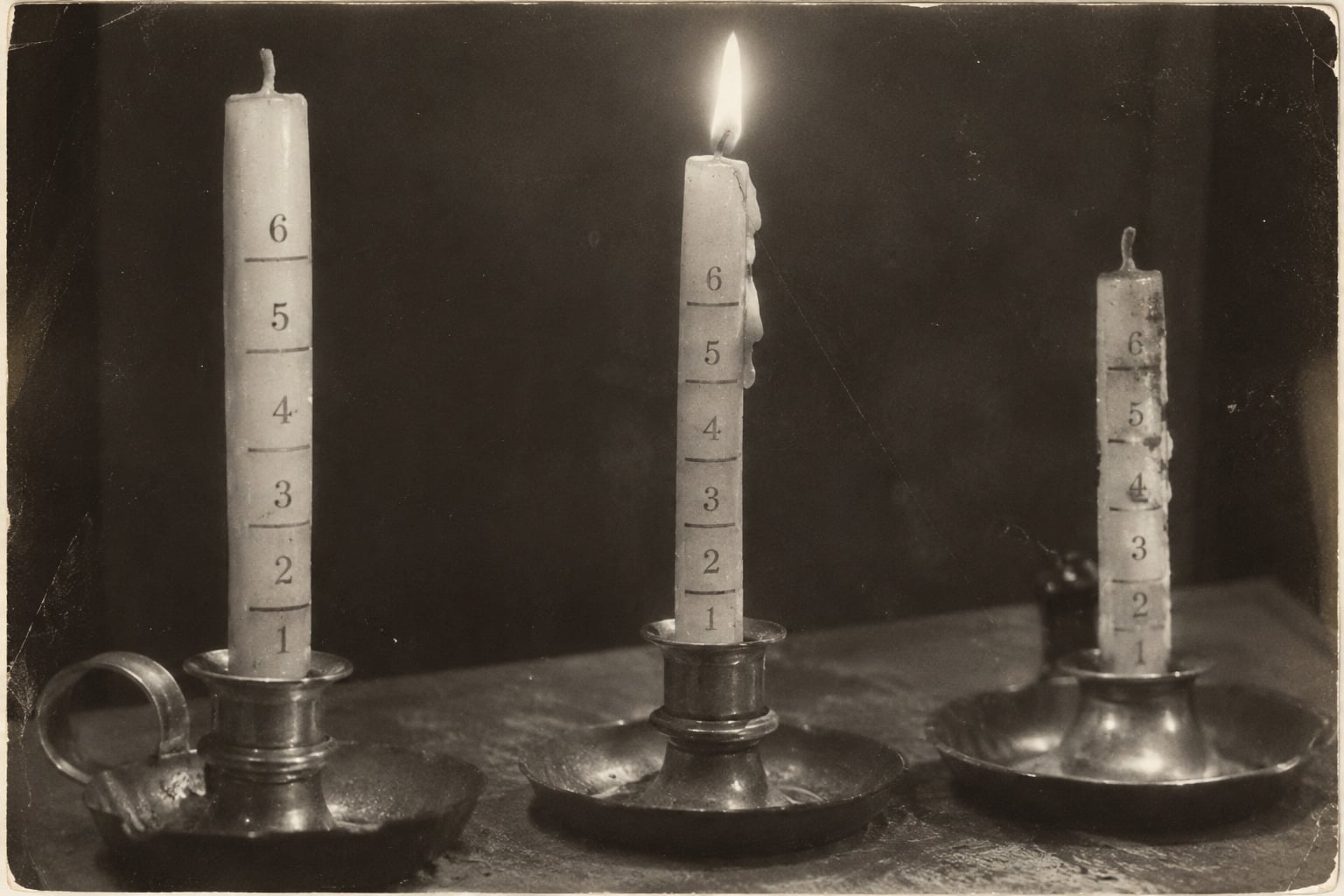
A candle that could tell time sounds like something from an old fairy tale, but it was once a perfectly practical invention. Historical candle clocks featured markings along their sides, allowing people to estimate how much time had passed as the wax burned away. Some clever designs even included small nails that dropped onto metal plates when the surrounding wax melted, creating an audible signal. They weren´t especially precise, but having a candle that could announce the passing hours was certainly better than guessing in the dark.
4. Chinese Timekeepers Used Burning Incense to Measure Hours
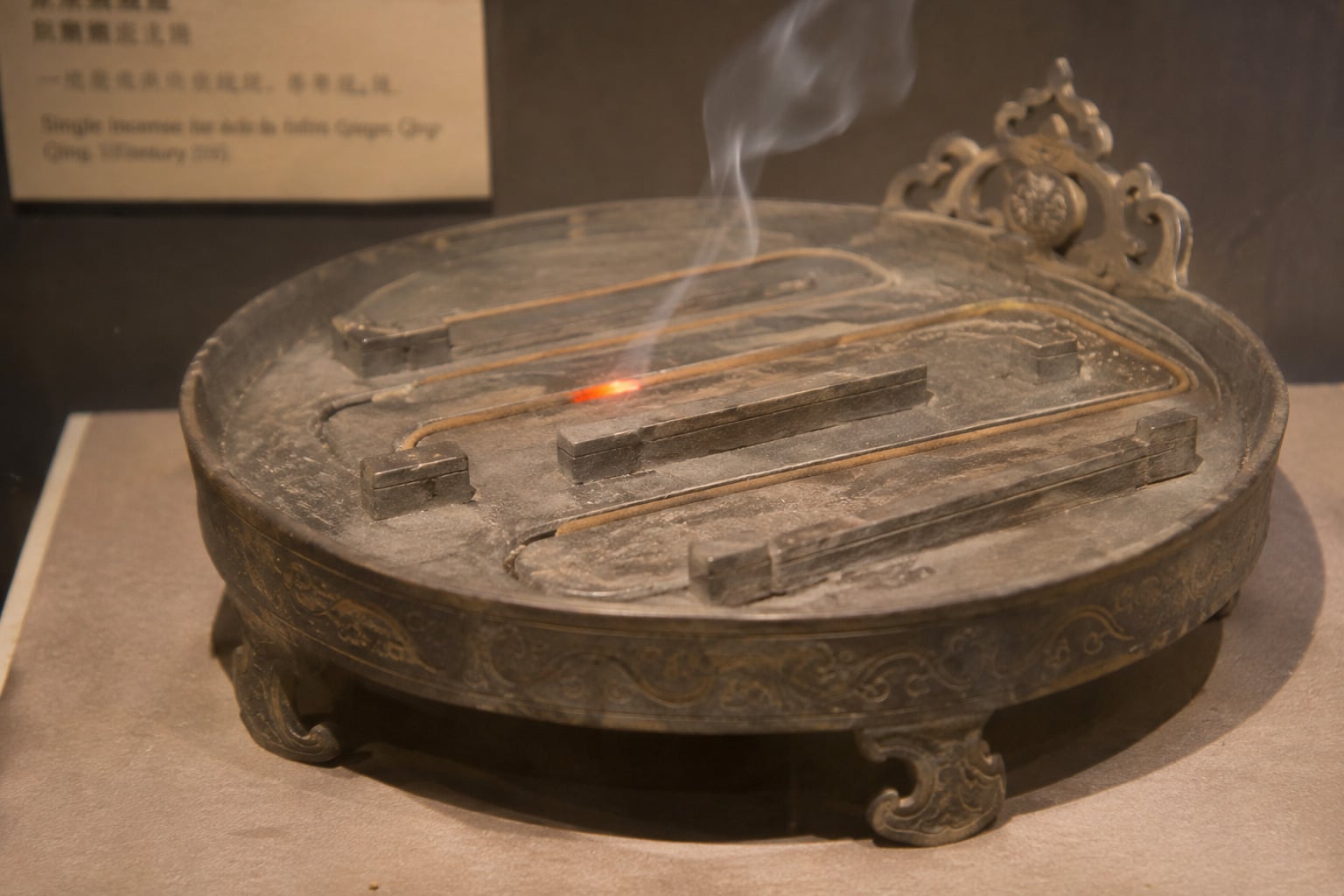
Who needs ticking hands when a glowing ember can do the job? In historical China, specially designed incense clocks measured time through carefully arranged burning paths. As the incense slowly burned, its progress helped indicate how much time had passed. Some designs featured shaped channels that controlled the burning route, creating an elegant alternative to mechanical clocks. The Smithsonian National Museum of American History even preserves an example of one of these fascinating devices. It´s hard to imagine a more peaceful way to watch the hours disappear.
5. Ancient Egyptians Tracked Nighttime Hours Using Stars
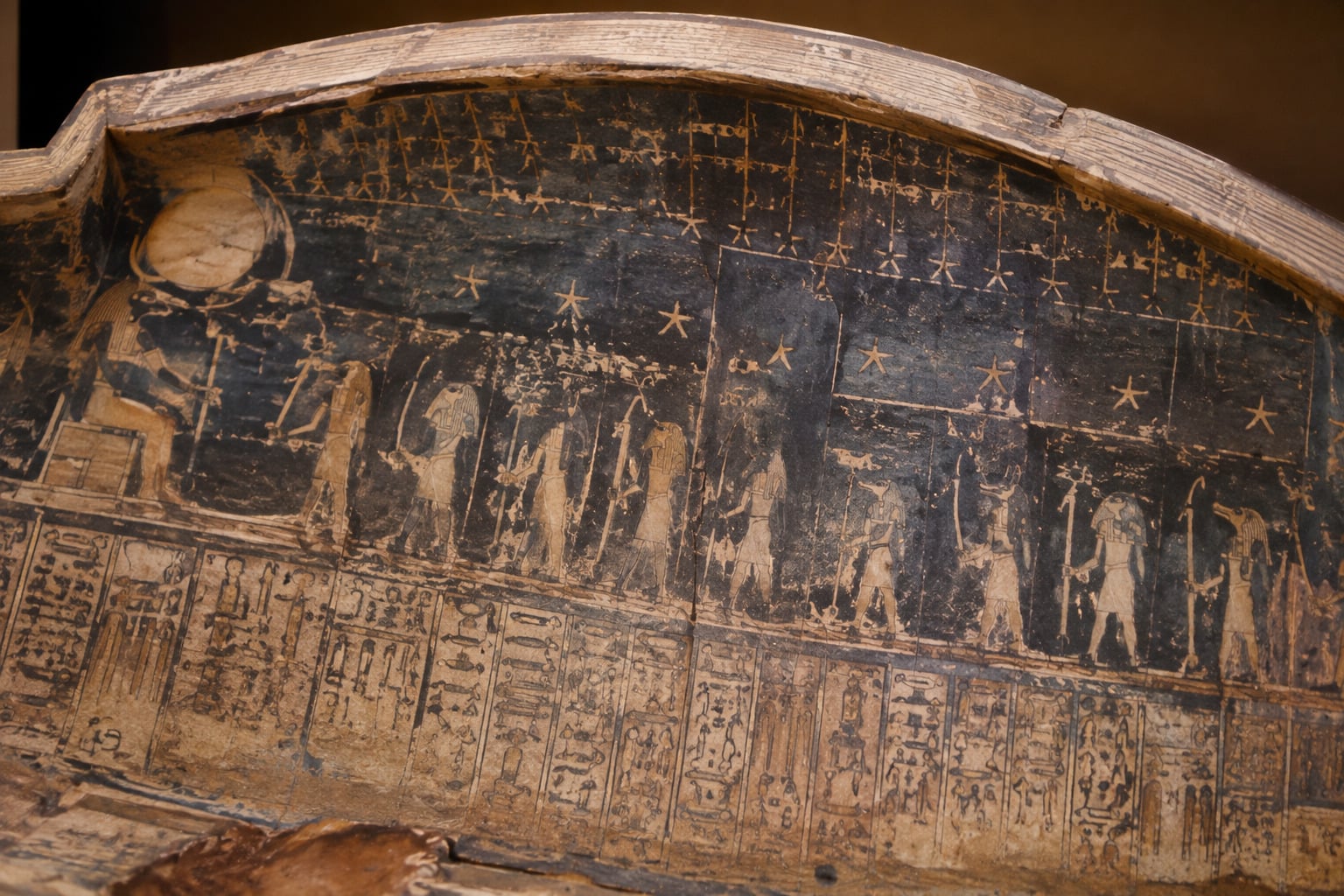
Long before anyone could glance at a bedside clock, ancient Egyptian astronomers looked to the night sky for answers. They observed groups of stars known as decans, whose appearances helped mark the passing hours after sunset. Some of the earliest surviving representations of these star clocks date to around 2100 BCE and were painted inside coffin lids. The British Museum holds an example featuring these astronomical markings, showing how timekeeping could even become part of funerary art. Imagine having the entire night sky as your clock.
Trending on The Scroller


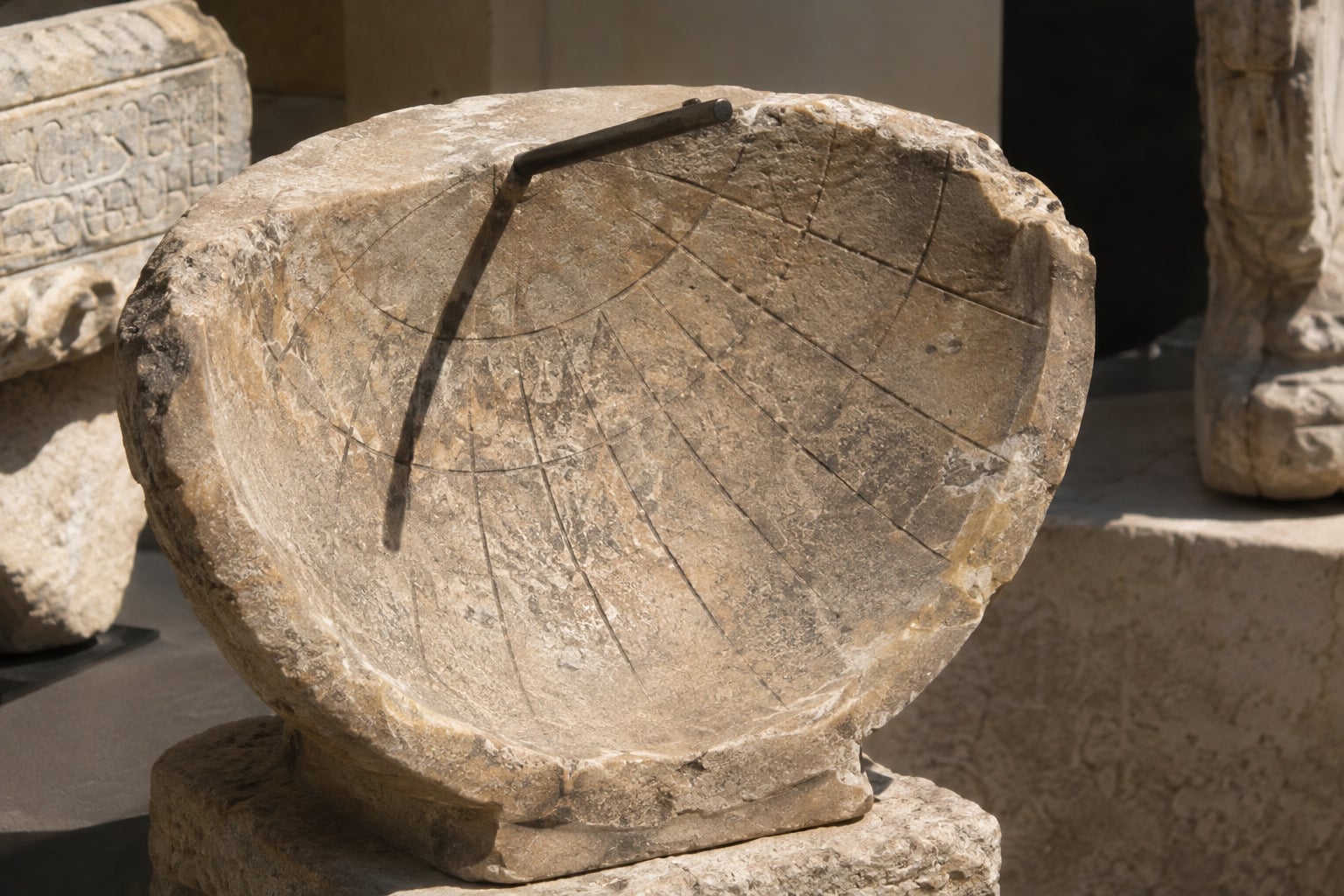
6. Sundials Were Sometimes Shaped Like Stone Bowls
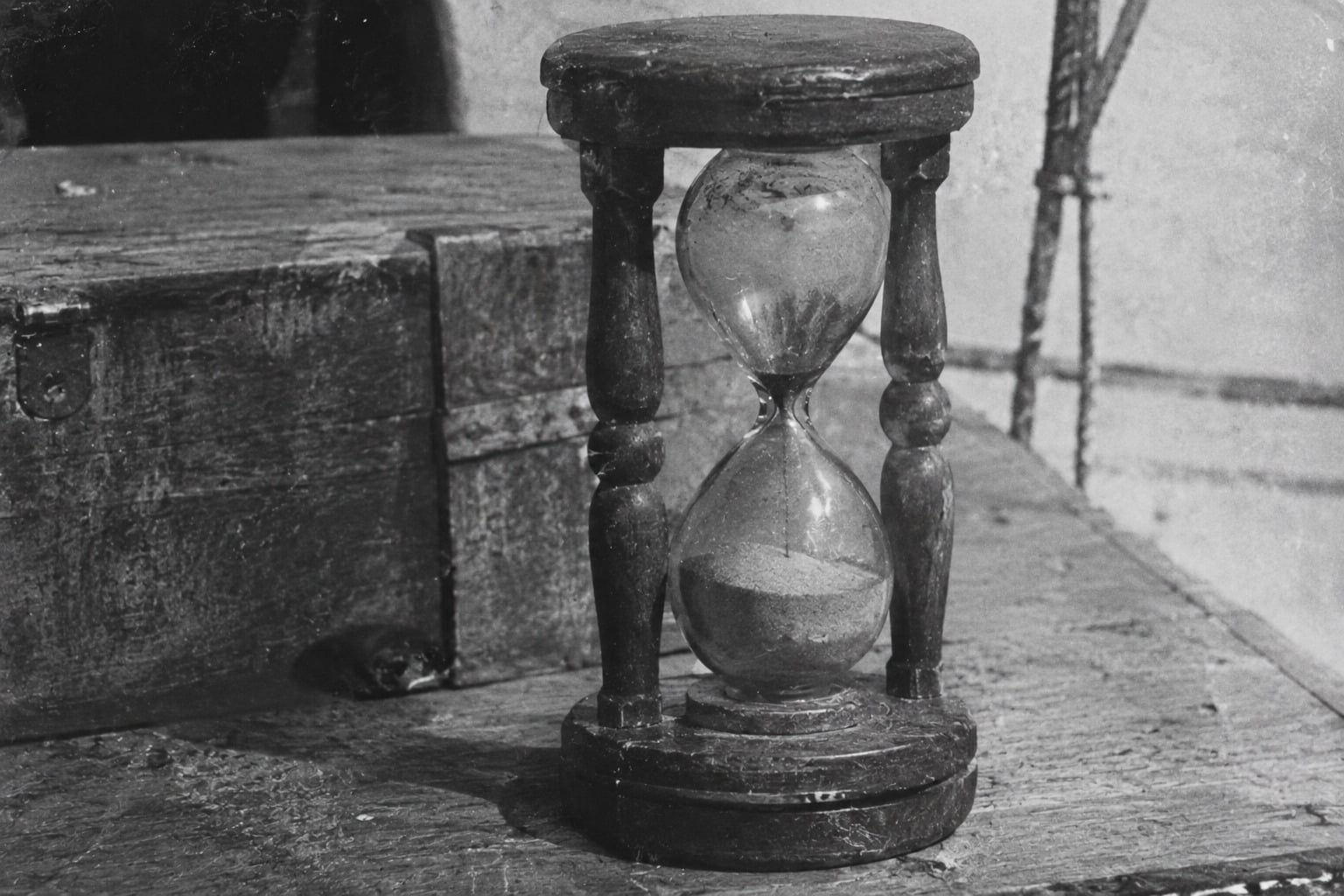
Forget the familiar flat sundial sitting in a garden. Ancient Greek and Roman timekeepers developed versions shaped like hollow stone bowls, with curved markings that followed the movement of shadows. One variation, called the hemicycle, removed part of the bowl while preserving its ability to indicate the hour. By around 30BCE, Roman architect Vitruvius could describe 13 different sundial designs. Apparently, even thousands of years ago, people enjoyed having options when it came to checking the time.
7. Sailors Measured Time With Tiny Hourglasses
A tiny hourglass might not look like essential navigation equipment, but sailors once depended on them. Small sandglasses helped measure short intervals during shipboard routines, including the process of calculating a vessel’s speed. Sailors would let a rope marked with knots run through their hands while a sandglass measured the time. By counting the knots. they could estimate how fast the ship was moving. Royal Museums Greenwich describes traditional log glasses that measured approximately 30 seconds. Suddenly, the nautical term knots makes a lot more sense.
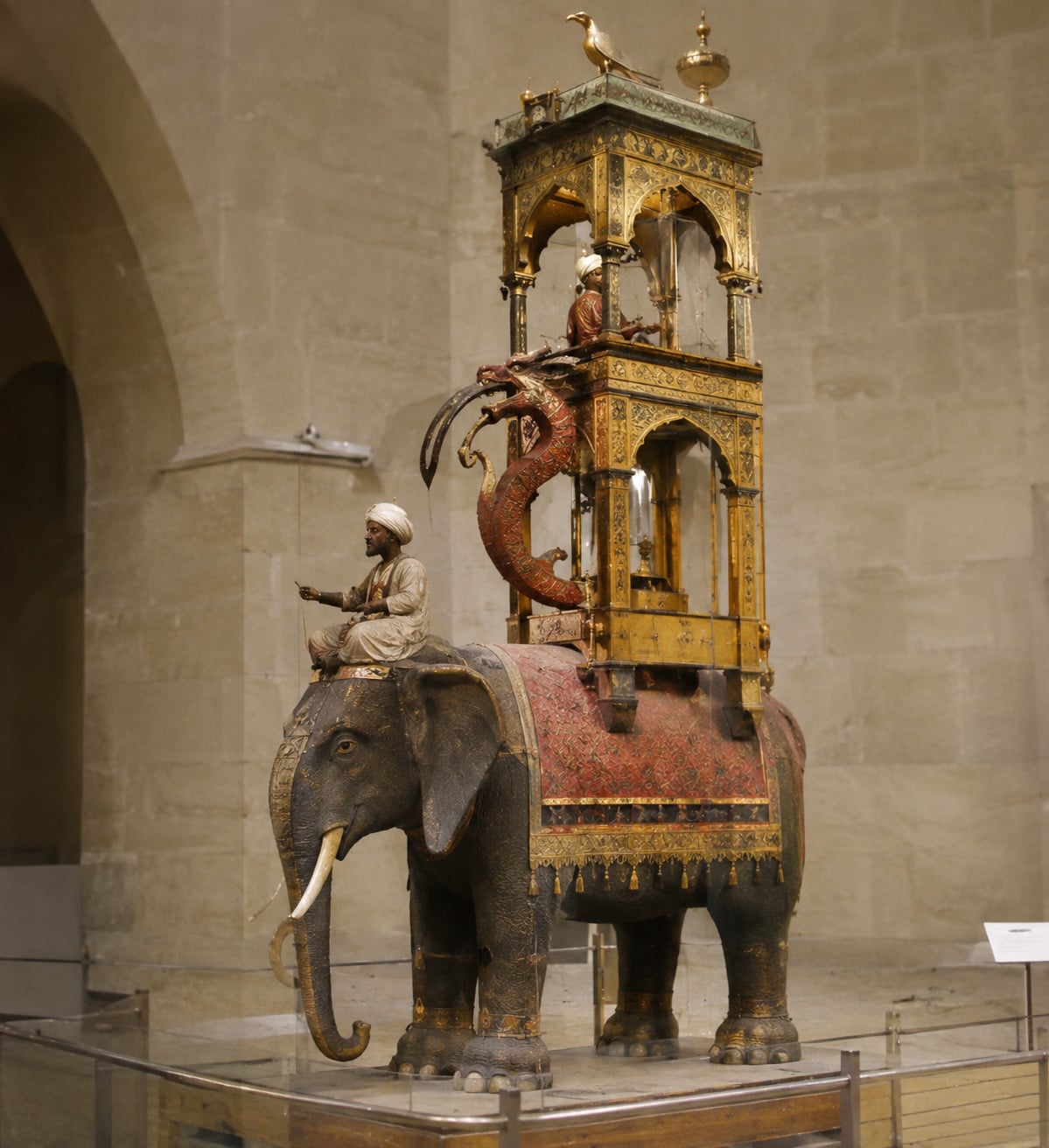
8. Medieval Engineers Built a Giant Clock Shaped Like an Elephant
Of all the unusual ways to tell time, a mechanical elephant might be the most entertaining. In the early 13th century, engineer Ismail al-Jazari described an elaborate water-powered clock featuring an elephant, moving figures, birds, and a clever system of balls that triggered different movements. Approximately every half hour, the mechanism performed a sequence of actions to announce the passing time. It was part clock, part mechanical spectacle, and an extraordinary demonstration of medieval engineering. Why settle for a simple ticking sound when an entire miniature performance could announce the hour?
Sign up for our newsletter
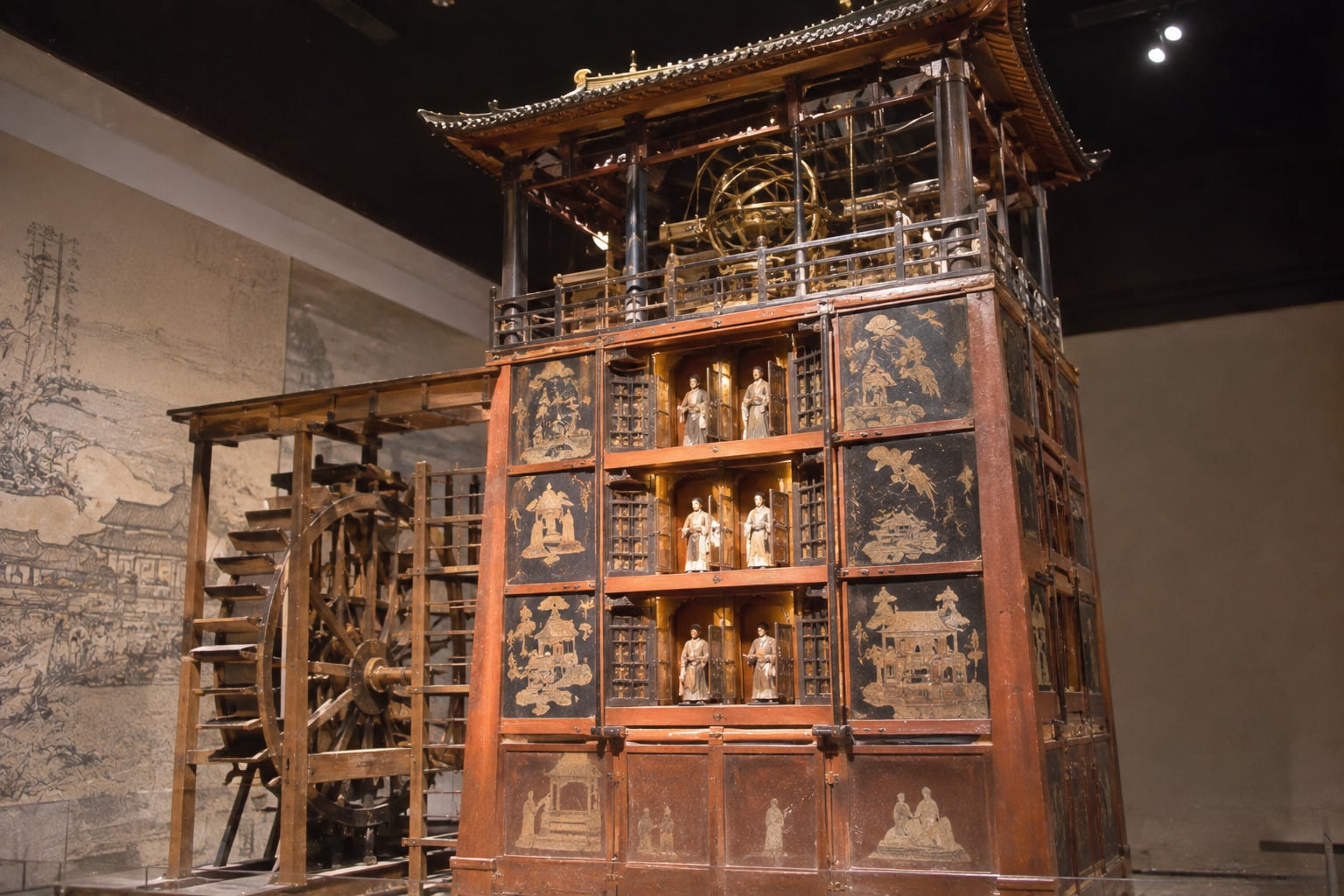
9. An 11th-Century Clock Tower Used Moving Figures to Announce the Hour
Picture a clock tower more than 30 feet tall, complete with moving figures, ringing bells, and an astronomical display. Around 1088 CE, Chinese engineer and astronomer Su Song and his collaborators constructed exactly that. Their water-powered tower featured a rotating celestial globe and automated figures that appeared through doors to announce different times. Some rang bells or gongs, while others displayed tablets identifying the hour. It was an astonishingly elaborate system built centuries before similar mechanical technologies became widespread in Europe.
10. Early Clocks Used Long Swinging Pendulums to Keep Time
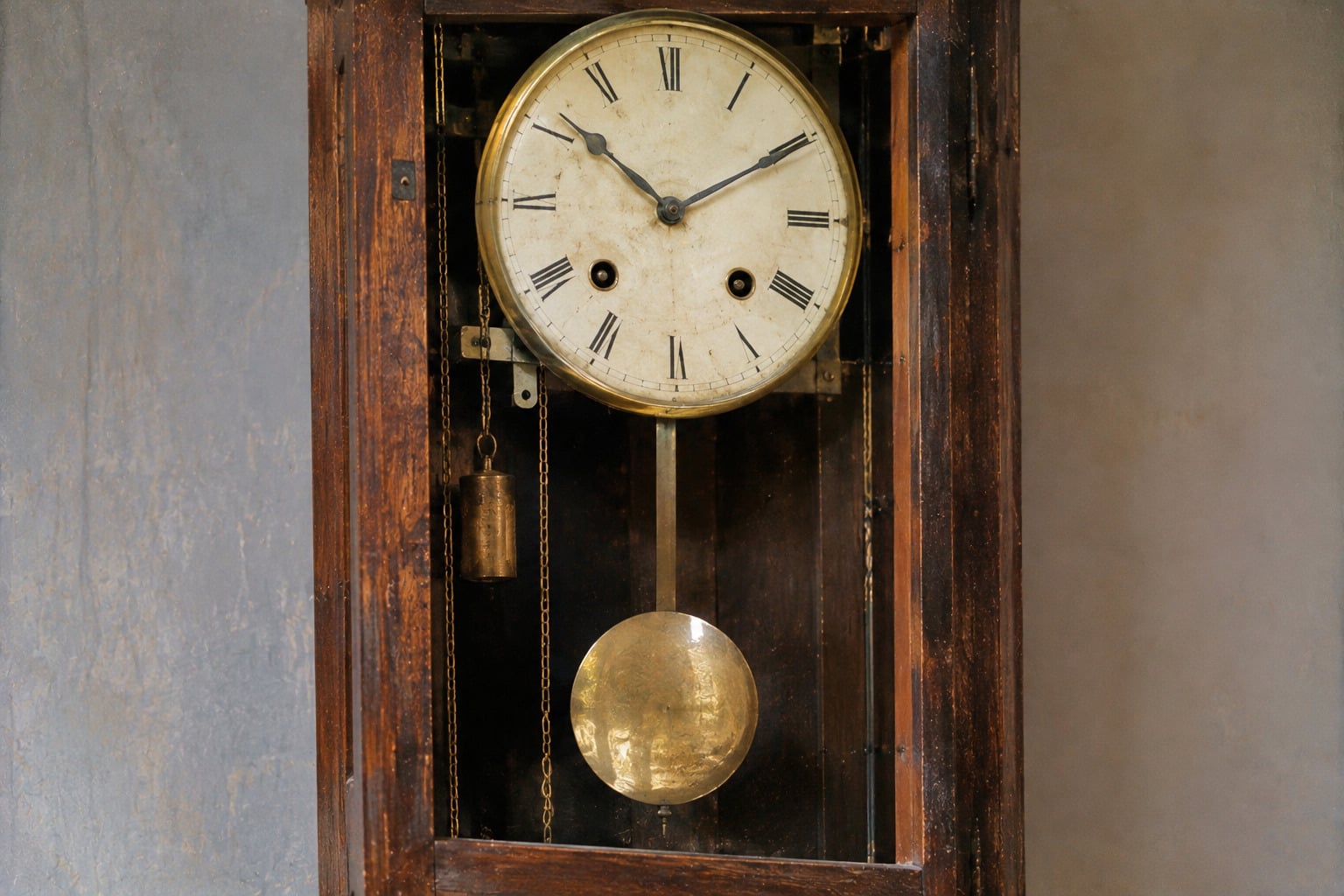
Ancient timekeeping took a major leap forward when a swinging weight made clocks dramatically more accurate. In 1656, Dutch scientist Christiaan Huygens developed the first practical pendulum clock, using the regular back-and-forth motion of a pendulum to regulate the mechanism. Earlier clocks could lose accuracy because of changes in friction and driving force. As the National Institute of Standards and Technology explains, pendulum technology represented a major advance in reliable timekeeping. Sometimes a revolutionary invention really does come down to finding the right rhythm
11. Sailors Carried Special Clocks to Figure Out Where They Were
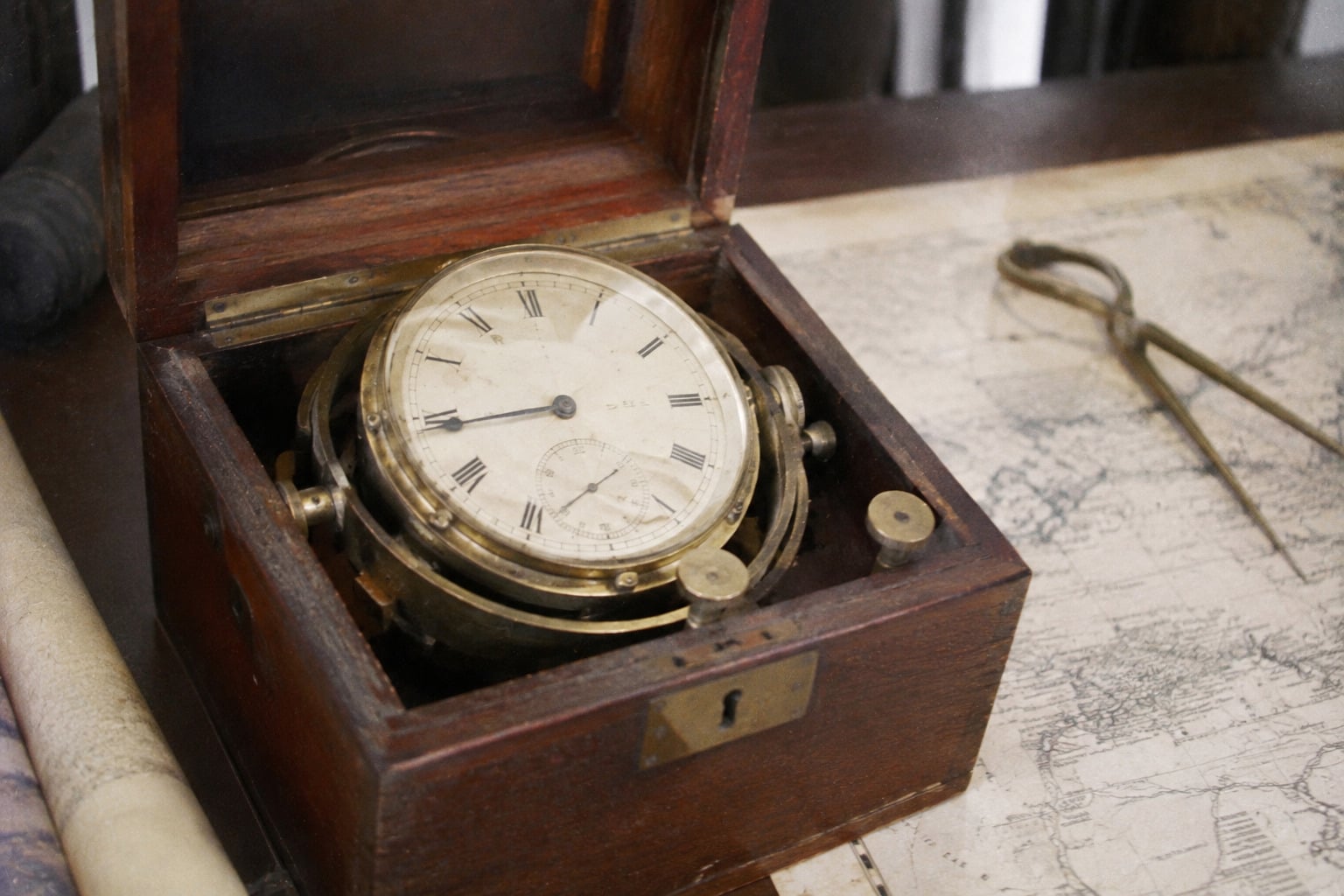
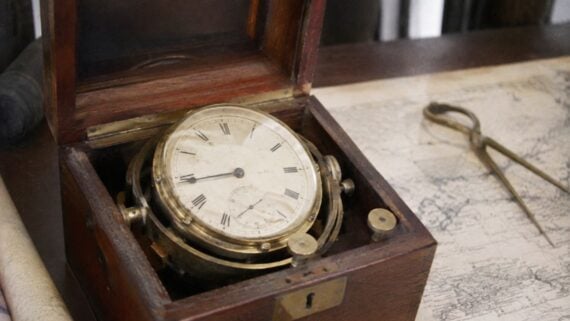
Imagine being surrounded by nothing but ocean and needing a clock to figure out where you were. For centuries, determining longitude was one of navigation’s greatest challenges. Accurate marine chronometers finally gave sailors a practical way to compare local time with the time at a known reference location. Since Earth rotates 15 degrees of longitude every hour, the difference helped reveal a ship´s east-west position. Captain James Cook´s second voyage helped demonstrate the value of these remarkable instruments. A reliable clock could make all the difference between knowing your location and being hopelessly uncertain.
12. A Giant Red Ball Told Ships Exactly When It Was One O’Clock
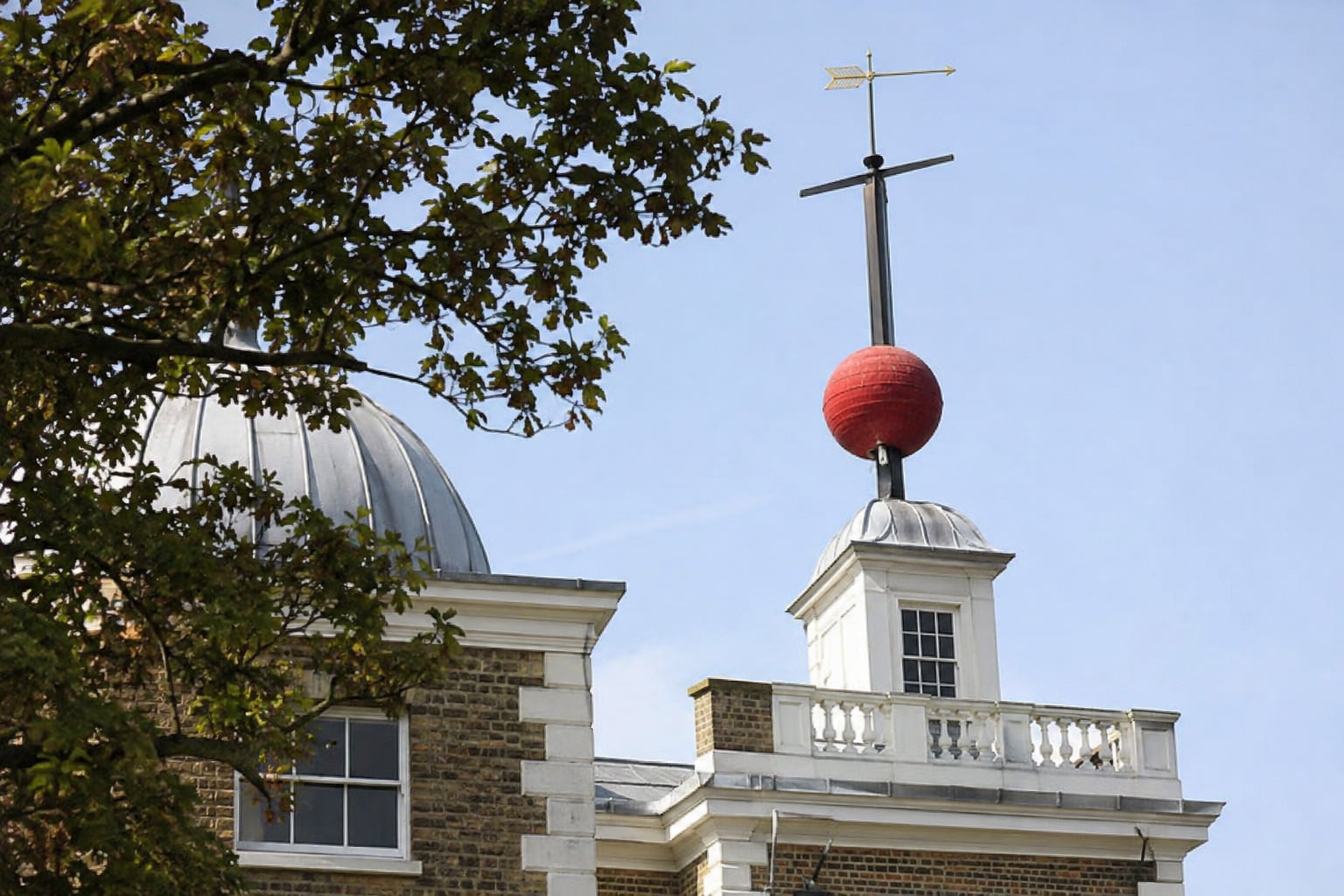
Sometimes the best clock is simply something enormous that everyone can see. In 1833, the Royal Observatory in Greenwich introduced a giant red ball mounted above its roof. Every day, the ball was raised shortly before 1 p.m. and dropped at the exact hour, allowing sailors on the Thames to check their marine chronometers from a distance. No complicated instructions, just a very visible falling ball. Remarkably, Royal Museums Greenwich still maintains this tradition today, although strong winds can occasionally interrupt the daily drop.
13. Edinburgh Fired a Cannon Every Day to Announce the Time
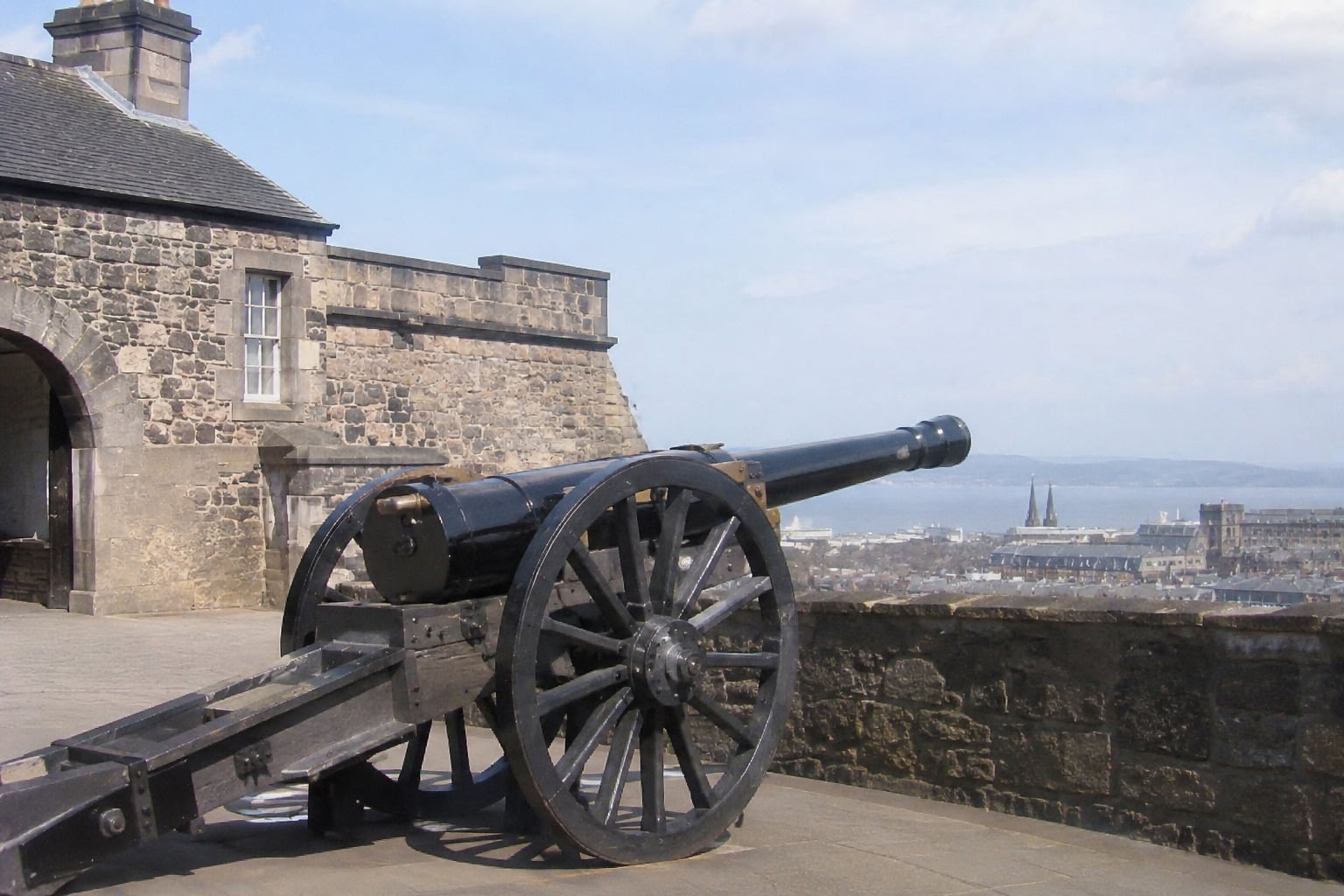
Need to know when it’s 1 p.m.? In Edinburgh, the answer once came with a rather dramatic bang. Beginning in 1861, a cannon fired from Edinburgh Castle provided a time signal that sailors could hear from the nearby Firth of Forth. It complemented an existing visual time ball, especially useful when fog or poor visibility made the ball difficult to see. The tradition continues today with a modern field gun. Some cities have charming clock towers, but Edinburgh clearly preferred something that could be heard across the waterfront.
14. Scientists Began Using Vibrating Crystals Instead of Moving Gears
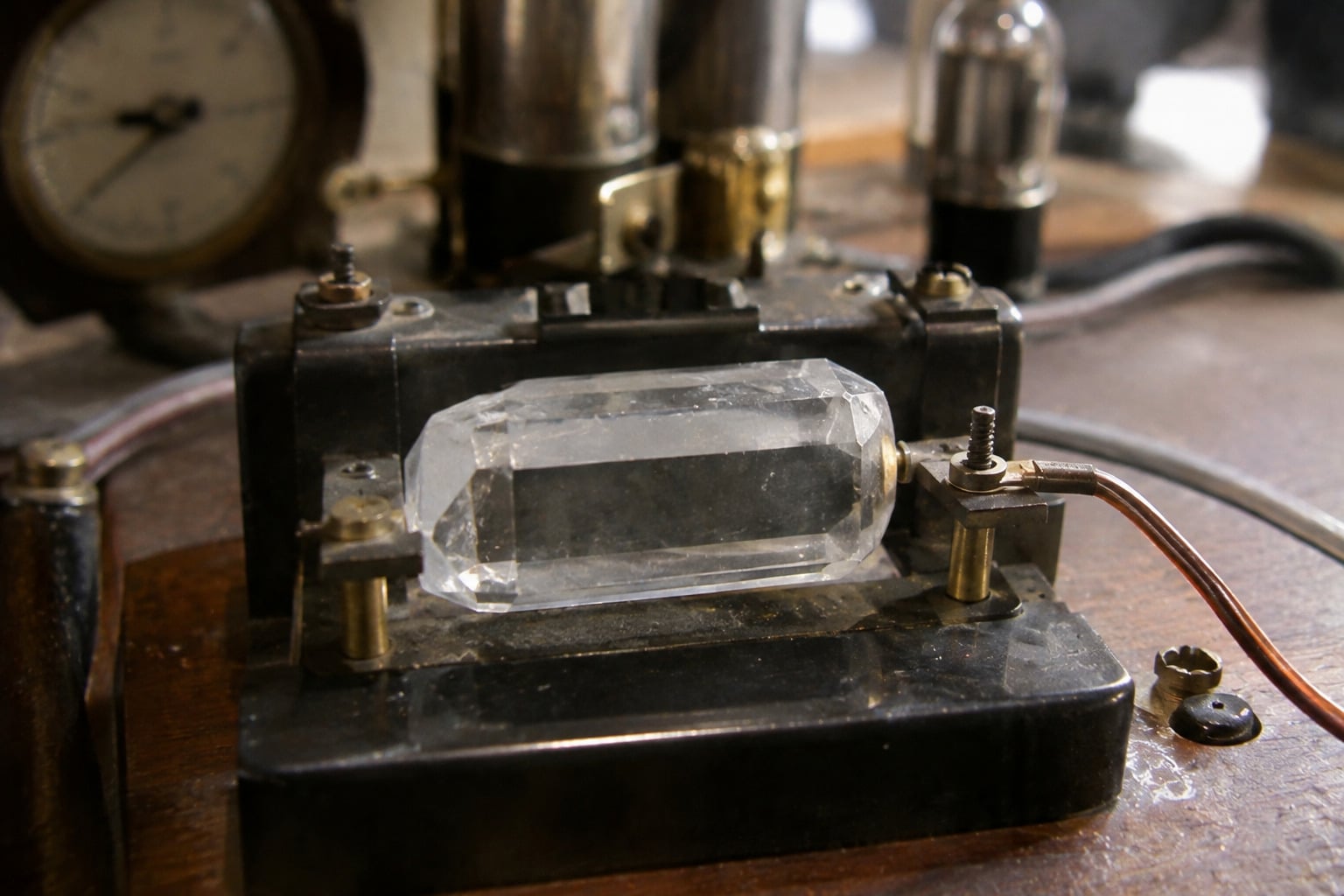
Who would have guessed that a tiny crystal could keep time more reliably than an elaborate collection of gears? In 1927, researchers Warren Marrison and Joseph Horton at Bell Telephone Laboratories developed an early quartz-controlled clock. When electrically stimulated, a properly cut quartz crystal vibrates at a highly predictable frequency, providing a remarkably steady reference for measuring time. The technology eventually helped make accurate electronic clocks and affordable quartz wristwatches part of everyday life. That ordinary watch on someone´s wrist has a ssurprisingly fascinatingscientific history.
15. Modern Clocks Count More Than Nine Billion Atomic Oscillations Per Second

We’ve come a very long way from watching water drip out of a bowl. Modern atomic clocks measure time using the extraordinarily consistent behavior of atoms rather than shadows, sand, or swinging weights. Since 1967, the international definition of a second has been based on exactly 9,192,631,770 cycles associated with a particular transition in cesium-133 atoms. According to the National Institute of Standards and Technology, atomic timekeeping underpins modern time standards and technologies such as satellite navigation. Not bad for a species that once relied on burning candles to figure out when an hour had passed.
From dripping bowls and scented incense to mechanical elephants and cannon fire, humans have tried some truly extraordinary ways to measure something they can’t actually see. Modern clocks may be far more accurate, but those earlier inventions reveal a level of creativity that’s hard not to admire. After all, our obsession with knowing the time hasn’t changed much. We’ve just gotten considerably better at answering the question.
Keep Exploring The Scroller
Think telling time has a surprisingly strange history? Just wait until you discover the stories behind other everyday inventions. Keep exploring The Scroller for forgotten technologies, curious historical traditions, and brilliant ideas that made ordinary life a little less ordinary:
15 Natural Events Ancient Cultures Used to Track Time