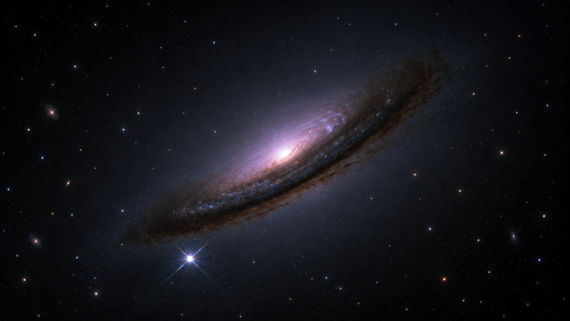
Science has a long history of ideas that seemed perfectly reasonable until new evidence came along. Some were taught for generations, while others were defended by respected researchers even as doubts began to grow. Better microscopes, unexpected fossils, and carefully designed experiments have occasionally forced scientists to reconsider things they thought they understood. These 15 cases show how established scientific thinking changed when the evidence started telling a different story.
1. Continents Were Once Thought to Be Permanently Fixed
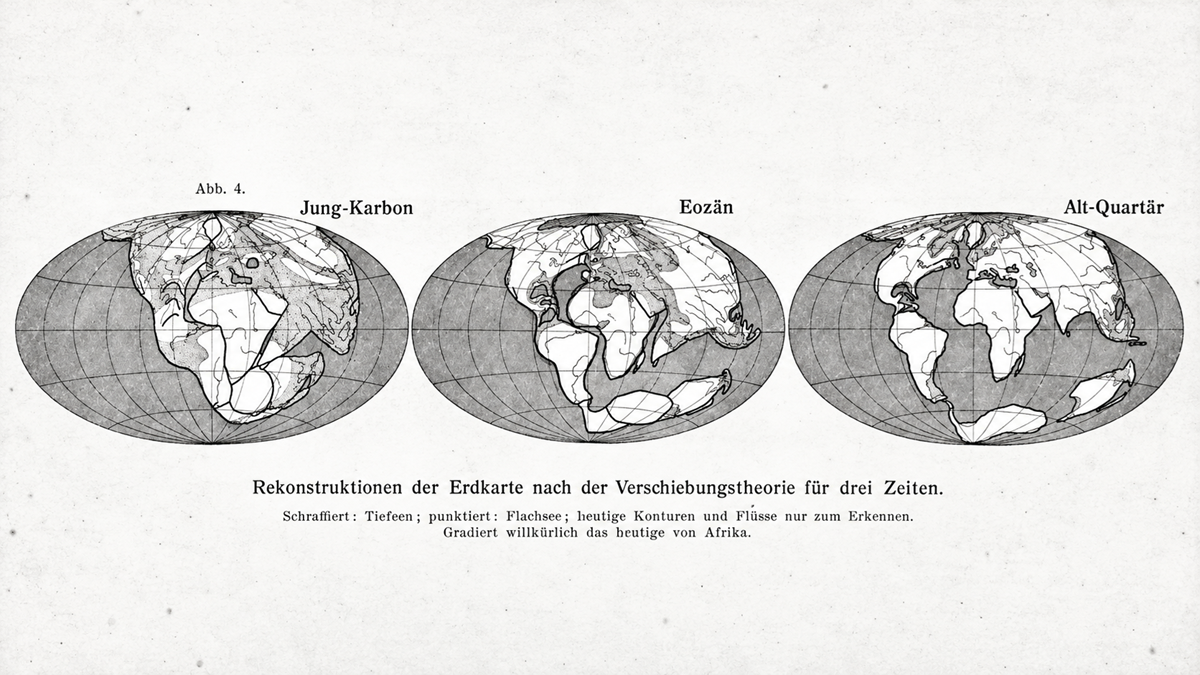
For much of the early 20th century, many geologists believed that continents occupied essentially fixed positions on Earth’s surface. That assumption came under serious scrutiny in 1912, when German scientist Alfred Wegener proposed that the continents had once been joined and had gradually drifted apart. He pointed to matching fossils, similar rock formations, and the shapes of coastlines, but couldn’t explain what force could move such enormous landmasses. Without a convincing mechanism, his theory struggled to gain acceptance. During the 1950s and 1960s, discoveries about the ocean floor, including magnetic patterns that revealed seafloor spreading, provided the missing evidence. The development of plate tectonics finally explained how continents move, overturning a major assumption about Earth’s geology.
2. Stomach Ulcers Were Blamed on Stress and Acid
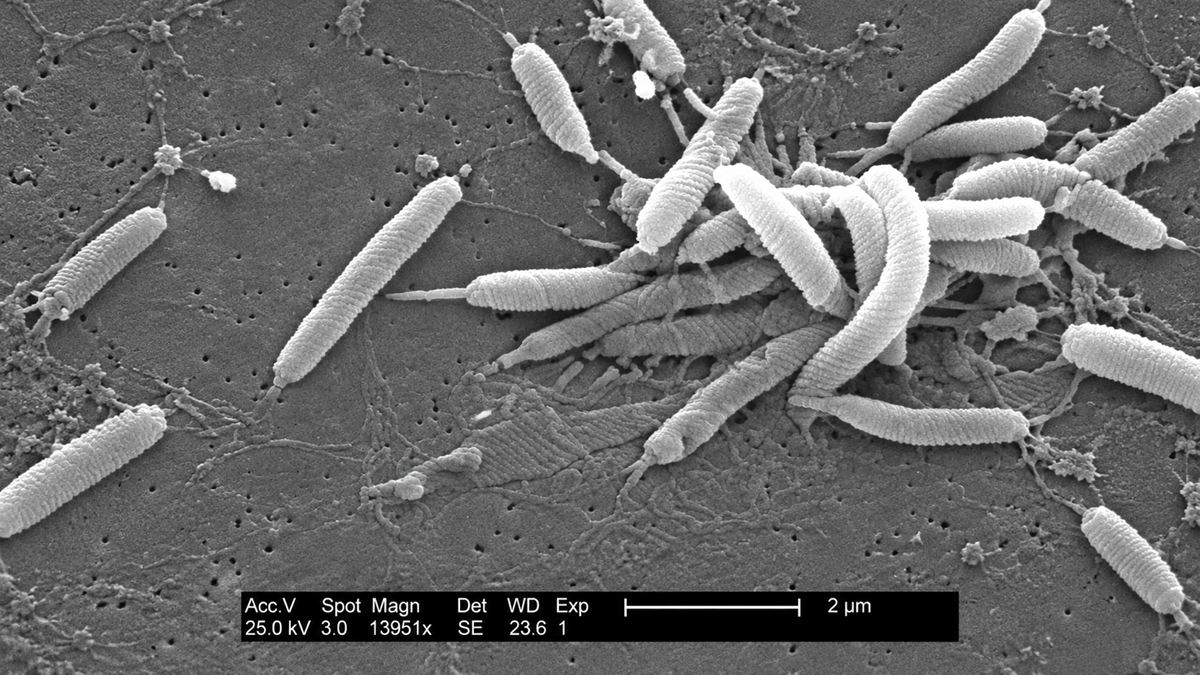
For much of the 20th century, stomach ulcers were associated primarily with excess acid, stress, and lifestyle habits. Patients were often treated with acid-reducing medications, yet many ulcers returned. In the early 1980s, Australian researchers Barry Marshall and Robin Warren found that a bacterium, later named Helicobacter pylori, was involved in many cases. Marshall became so determined to investigate the connection that he swallowed a culture of the bacteria in 1984 and developed gastritis. Further studies showed that treating the infection with antibiotics could prevent many ulcers from recurring. The discovery didn’t mean stress and acid were irrelevant to stomach problems, or that all ulcers were bacterial. But it fundamentally changed how doctors understood and treated peptic ulcer disease.
3. The Deep Ocean Was Supposed to Be Almost Lifeless
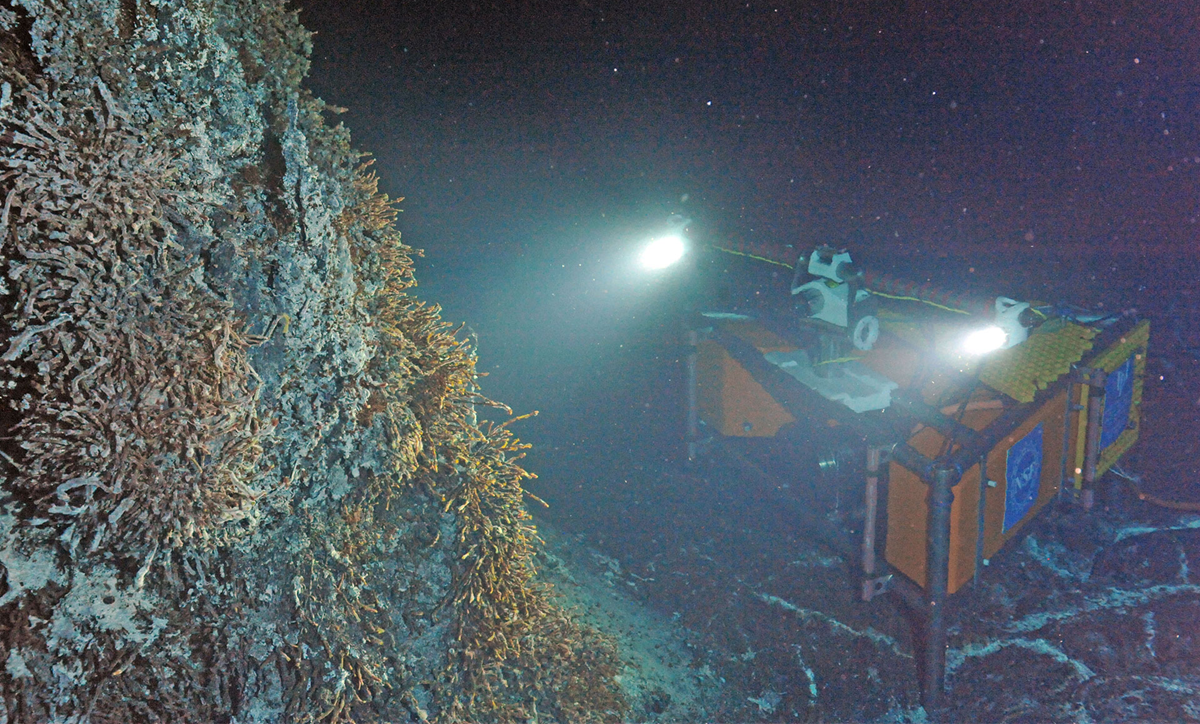
Imagine trying to understand the deep ocean using only what could be collected with 19th-century equipment. British naturalist Edward Forbes concluded in the 1840s that animal life disappeared below roughly 550 meters, an idea that became known as the azoic hypothesis. Later dredging expeditions recovered living organisms from considerably greater depths, undermining his conclusion. Scientists eventually discovered entire deep-sea communities, including animals surviving near hydrothermal vents without depending directly on sunlight.
4. Scientists Believed Fire Released an Invisible Substance
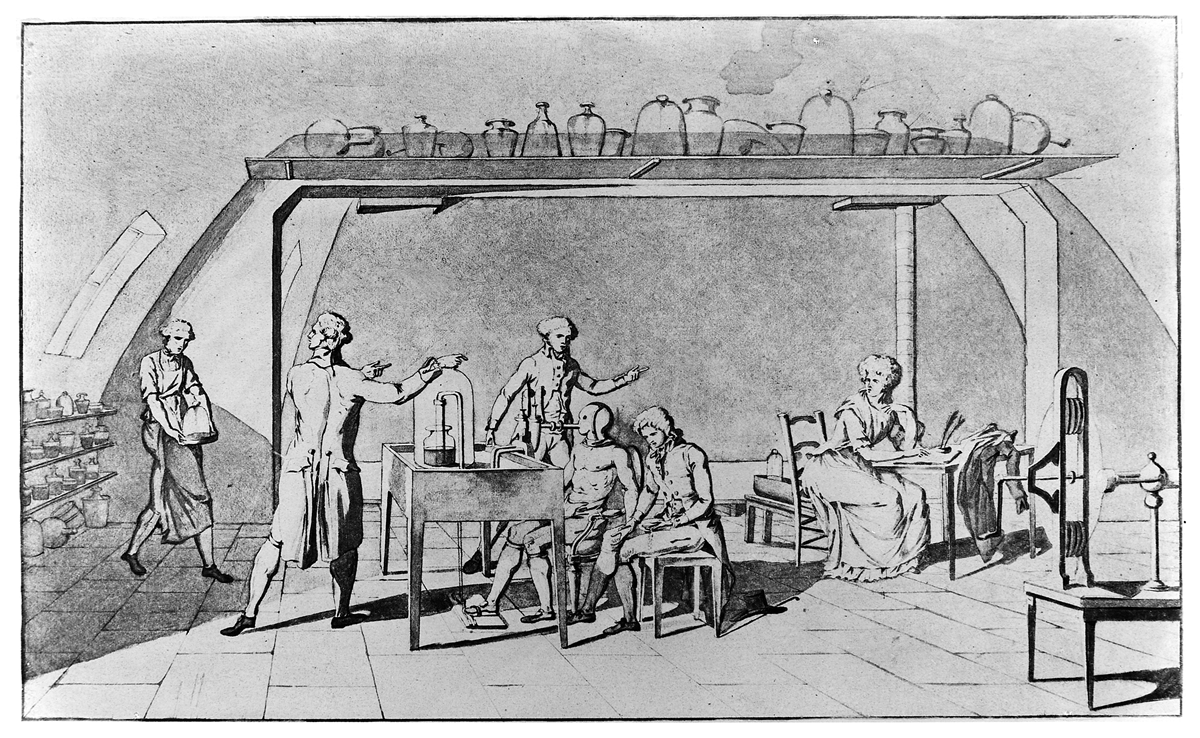
Before oxygen became central to explanations of combustion, many European chemists accepted the phlogiston theory. According to this idea, combustible materials contained an invisible substance called phlogiston that escaped when they burned. The explanation had serious problems, especially when metals gained weight after being heated rather than losing it. During the late 18th century, Antoine Lavoisier conducted experiments showing that combustion involved a substance from the air, which he identified as oxygen. His careful measurements helped replace phlogiston theory with a different understanding of chemical reactions. The shift also made weighing materials before and after experiments an increasingly important part of chemistry.
5. The Universe Was Expected to Remain Static
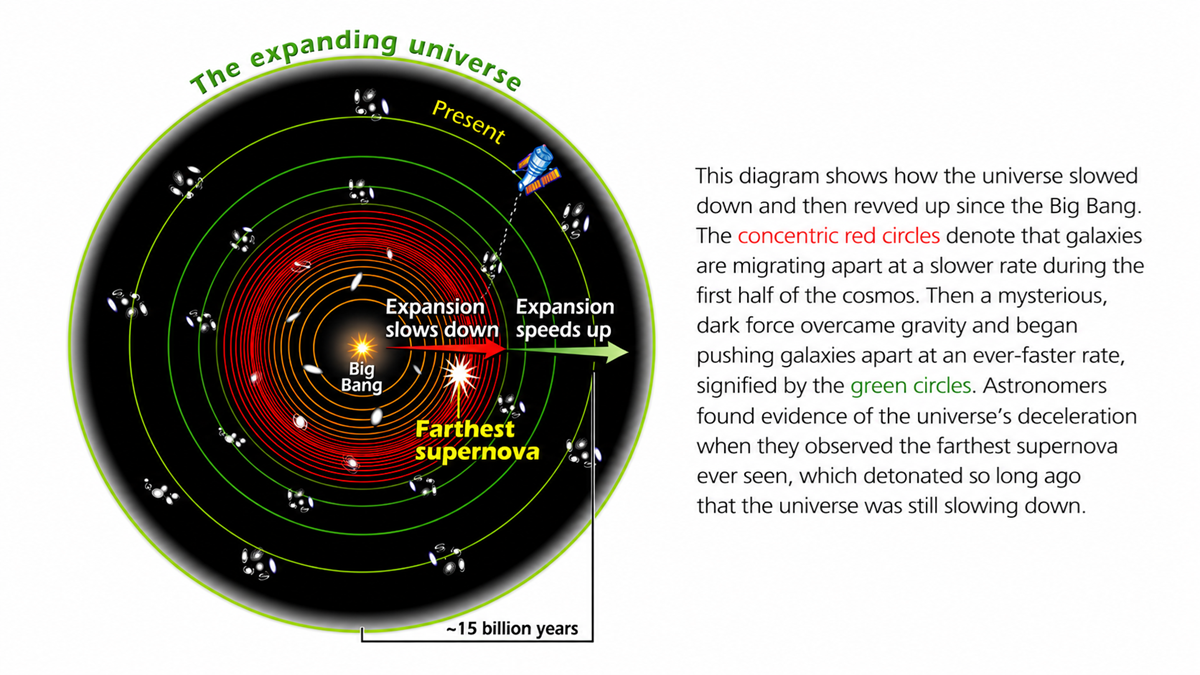
Albert Einstein’s equations allowed for a universe that could expand or contract, but he initially favored one that remained static on the largest scales. In 1917, he introduced a cosmological constant to make that possibility work mathematically. Astronomical evidence eventually pointed in another direction. Georges Lemaître proposed an expanding universe and described a relationship between galaxy distances and recession speeds in 1927. Edwin Hubble’s observations, published in 1929, provided further evidence that distant galaxies were generally moving away from us. The universe wasn’t the stationary place many scientists had imagined. Its expansion became one of the foundations of modern cosmology.
Trending on The Scroller

6. Bad Air Was Believed to Cause Major Epidemics
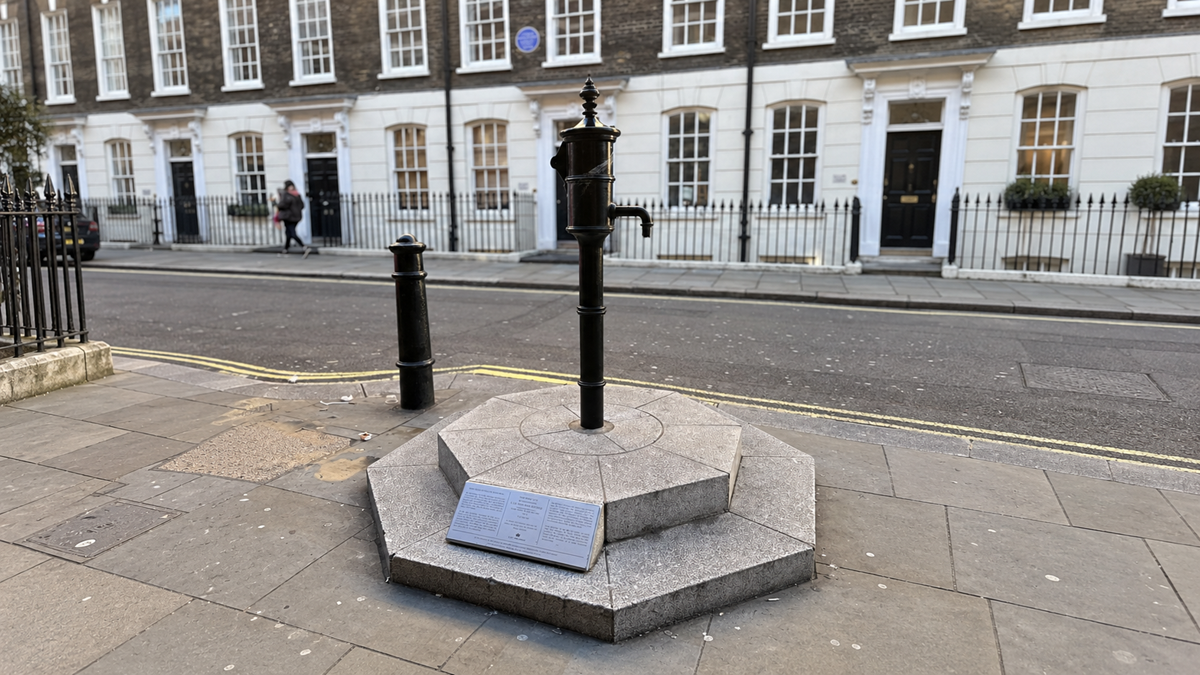
For centuries, unpleasant smells were considered dangerous for reasons that went beyond making people uncomfortable. Miasma theory held that diseases such as cholera spread through contaminated or foul-smelling air, an explanation that influenced public health policy well into the 1800s. During London’s 1854 cholera outbreak, physician John Snow examined where victims obtained their drinking water and linked many cases to a pump on Broad Street. His investigation provided evidence for waterborne transmission, although the medical establishment didn’t immediately abandon miasma theory. Later research into microorganisms established how particular infectious diseases spread. Clean water and sewage management became essential weapons against cholera, regardless of whether the surrounding air smelled pleasant.
7. Certain Crystal Patterns Were Considered Impossible
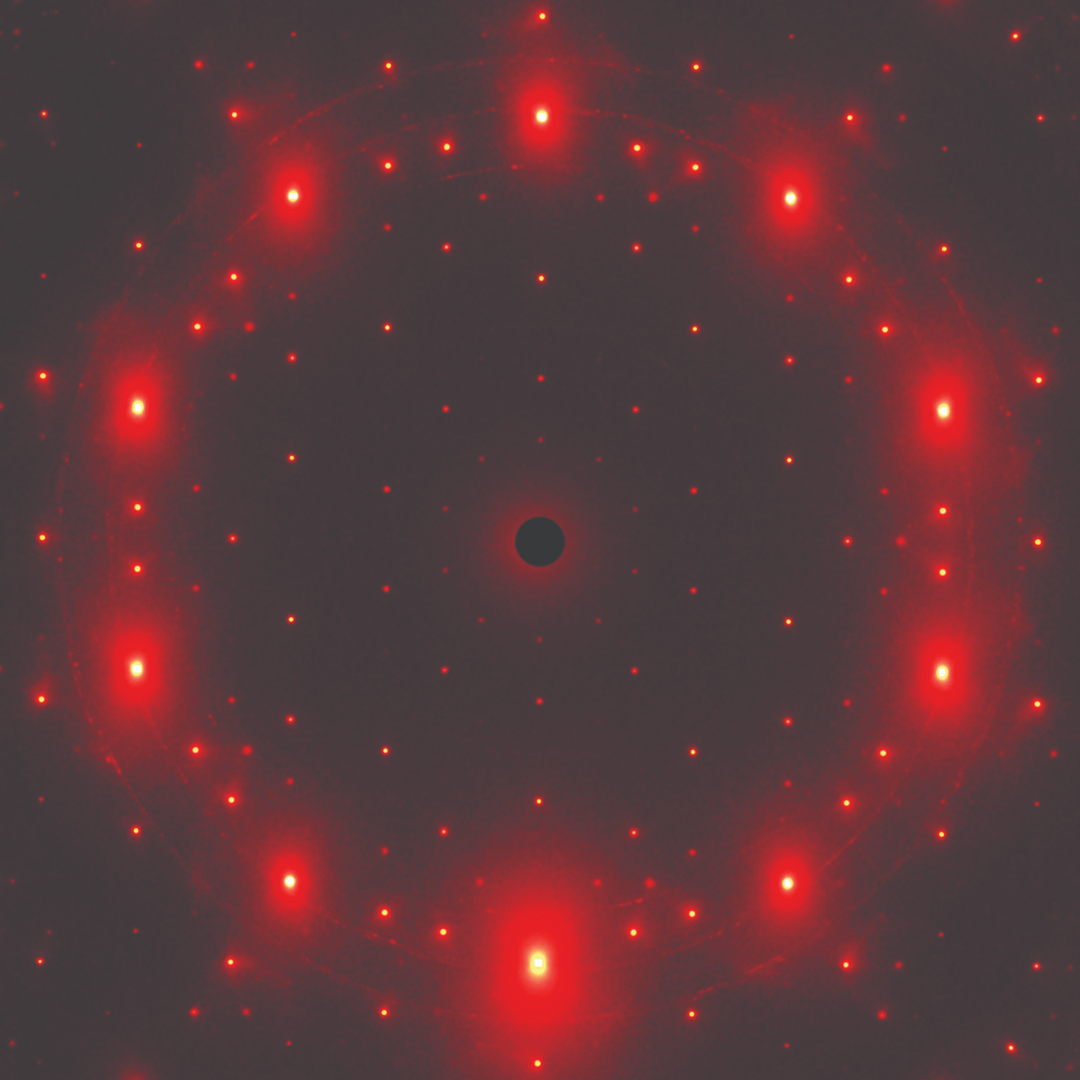
In 1982, materials scientist Dan Shechtman noticed something strange while examining an aluminum-manganese alloy under an electron microscope. Its diffraction pattern showed tenfold rotational symmetry, something that conventional crystallographic rules didn’t allow in periodic crystals. His observations met considerable resistance, including criticism from prominent scientists. Further experiments confirmed that ordered atomic structures could exist without repeating periodically. These materials became known as quasicrystals, and Shechtman received the 2011 Nobel Prize in Chemistry for their discovery.
8. Infectious Agents Were Expected to Contain Genetic Material
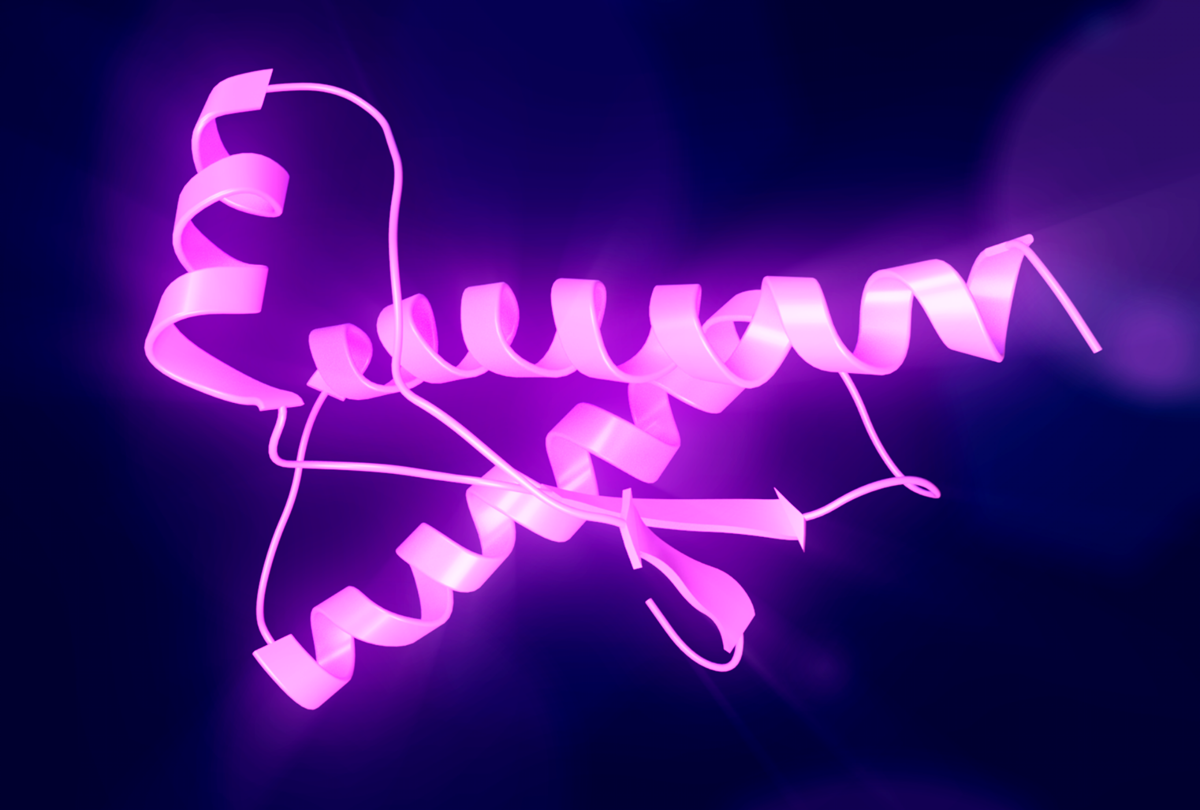
Most familiar infectious agents carry DNA or RNA, so the suggestion that a protein could transmit disease seemed highly questionable. In the early 1980s, American researcher Stanley Prusiner proposed that certain neurological diseases involved infectious proteins, which he named prions. These abnormally folded proteins could cause other copies of the same protein to adopt harmful shapes, creating a chain reaction inside affected tissue. Research gradually established the importance of this process in conditions such as Creutzfeldt-Jakob disease. Prions represented an unusual kind of infectious agent, quite different from viruses or bacteria. Prusiner received the 1997 Nobel Prize in Medicine for his work.
Sign up for our newsletter
9. The Connection Between Birds and Dinosaurs Was Long Disputed
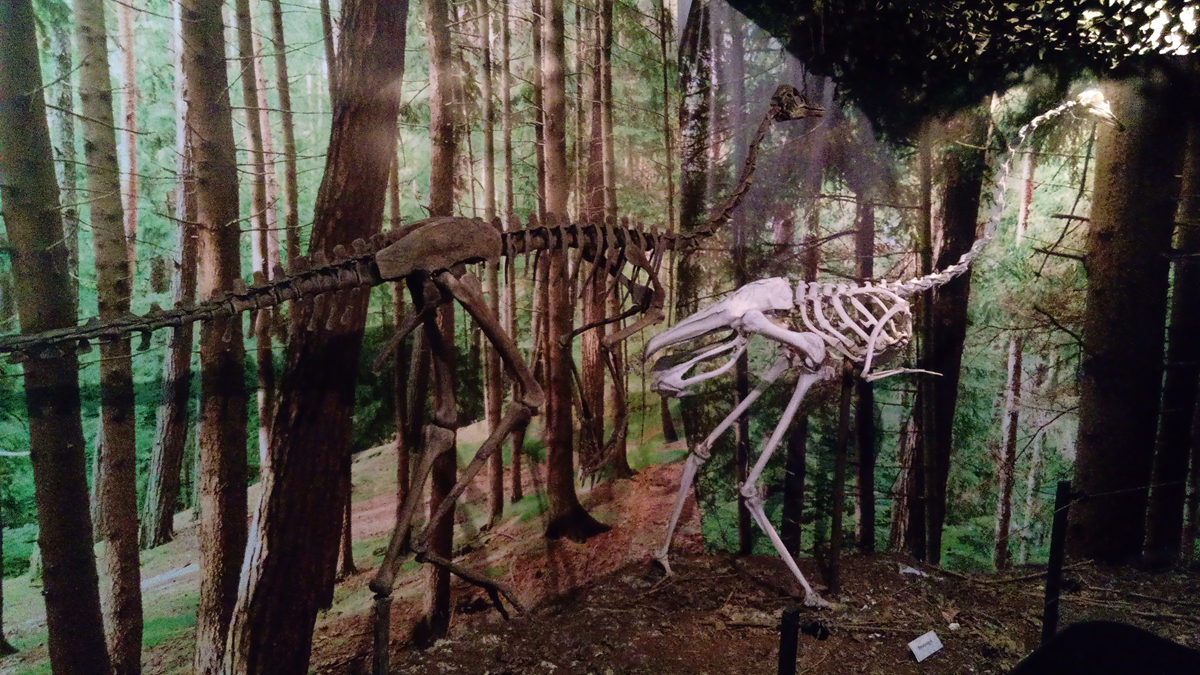
A chicken probably isn’t the first animal that comes to mind when thinking about dinosaurs. Yet scientists had noticed similarities between birds and certain dinosaurs as far back as the 19th century. Thomas Henry Huxley was among the researchers who explored those anatomical connections, but the evolutionary relationship remained controversial for much of the following century. Interest grew again during the 1970s, particularly through the work of paleontologist John Ostrom. Then came remarkable fossil discoveries in China during the 1990s, including Sinosauropteryx, which had filament-like body coverings interpreted as primitive feathers. These fossils strengthened an already developing scientific case. Birds are now classified as living dinosaurs, the surviving members of a much larger evolutionary group.
10. Gravity Was Expected to Slow the Universe’s Expansion
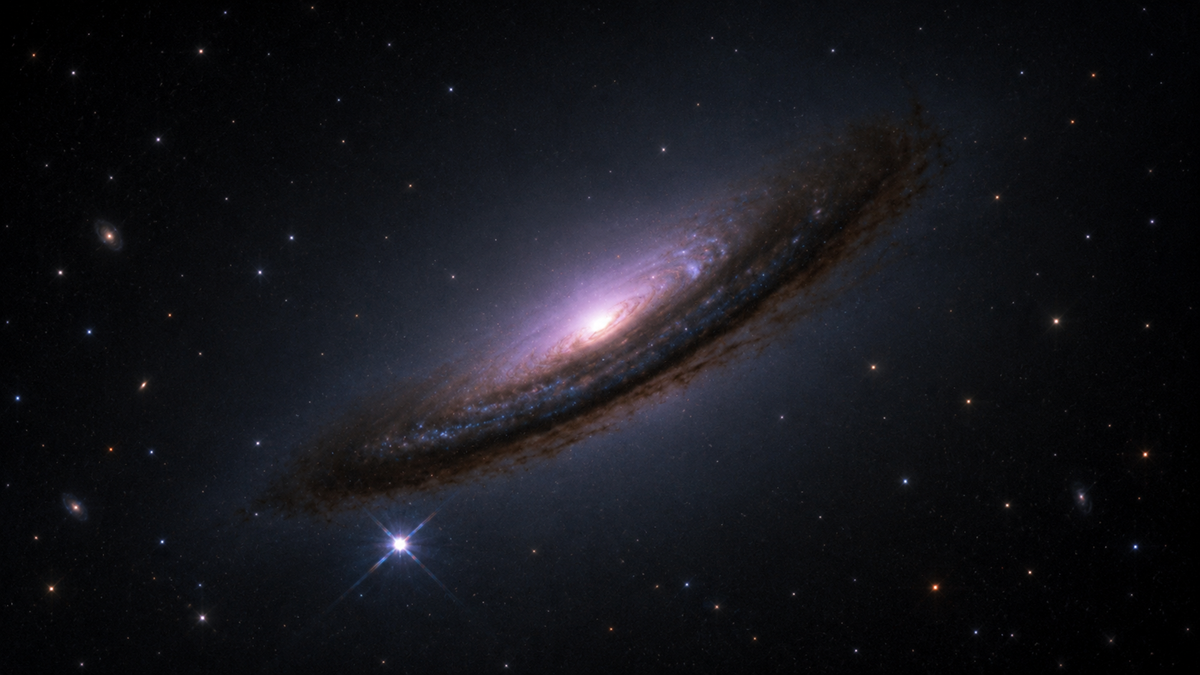
Once scientists established that the universe was expanding, many expected gravity to gradually slow that expansion. The big question was how much it would slow, and whether the universe might eventually collapse. In 1998, two independent teams studying distant Type Ia supernovae reported a surprising result: cosmic expansion appeared to be accelerating instead. Additional observations strengthened the discovery. The mysterious cause of this acceleration became known as dark energy, although scientists still don’t fully understand what it is. Saul Perlmutter, Brian Schmidt, and Adam Riess shared the 2011 Nobel Prize in Physics for the supernova findings.
11. Life Was Thought to Appear Spontaneously From Decaying Matter
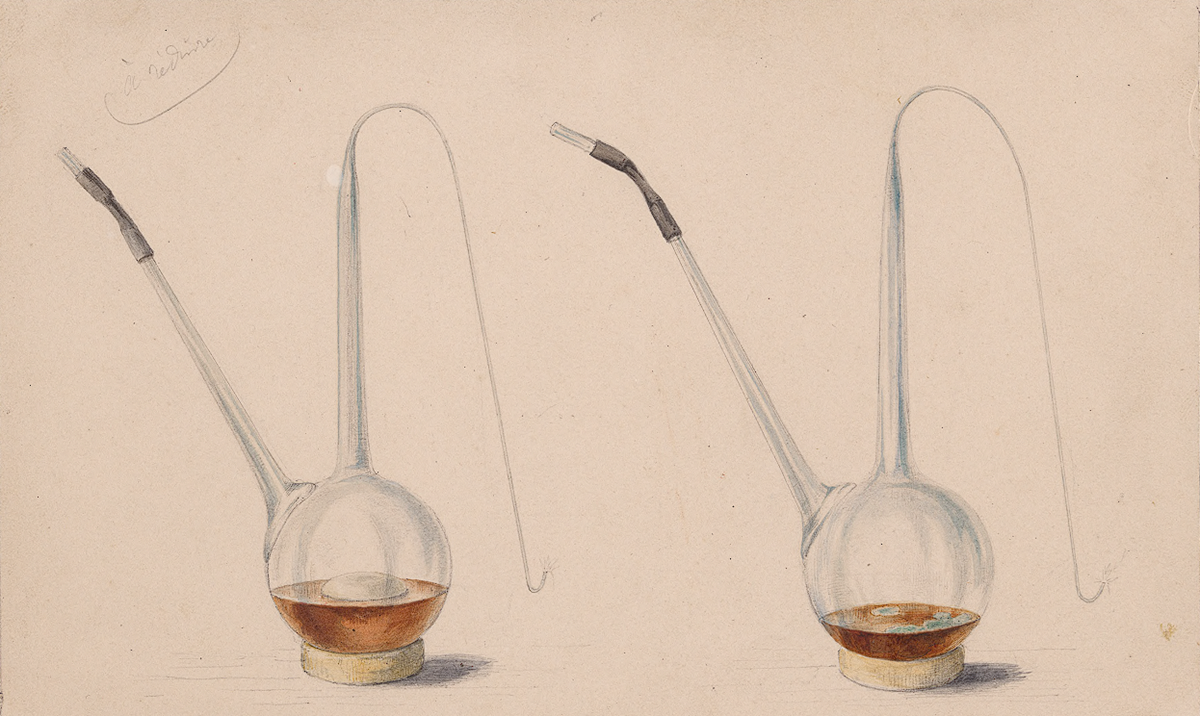
Maggots appearing on rotting meat once seemed like convincing evidence that living things could emerge directly from dead material. The belief, called spontaneous generation, survived for centuries despite experiments that raised doubts about it. Francesco Redi demonstrated in the 1600s that maggots came from flies rather than meat itself. Later researchers continued testing whether microorganisms could arise spontaneously. In the 1860s, Louis Pasteur used swan-neck flasks to show that sterilized broth could remain free of microbial growth when contamination was prevented. His experiments helped settle the debate over spontaneous generation in ordinary conditions. They didn’t explain how life originally arose on Earth, which remains a separate scientific question.
12. Adult Brains Were Believed to Be Unable to Make New Neurons
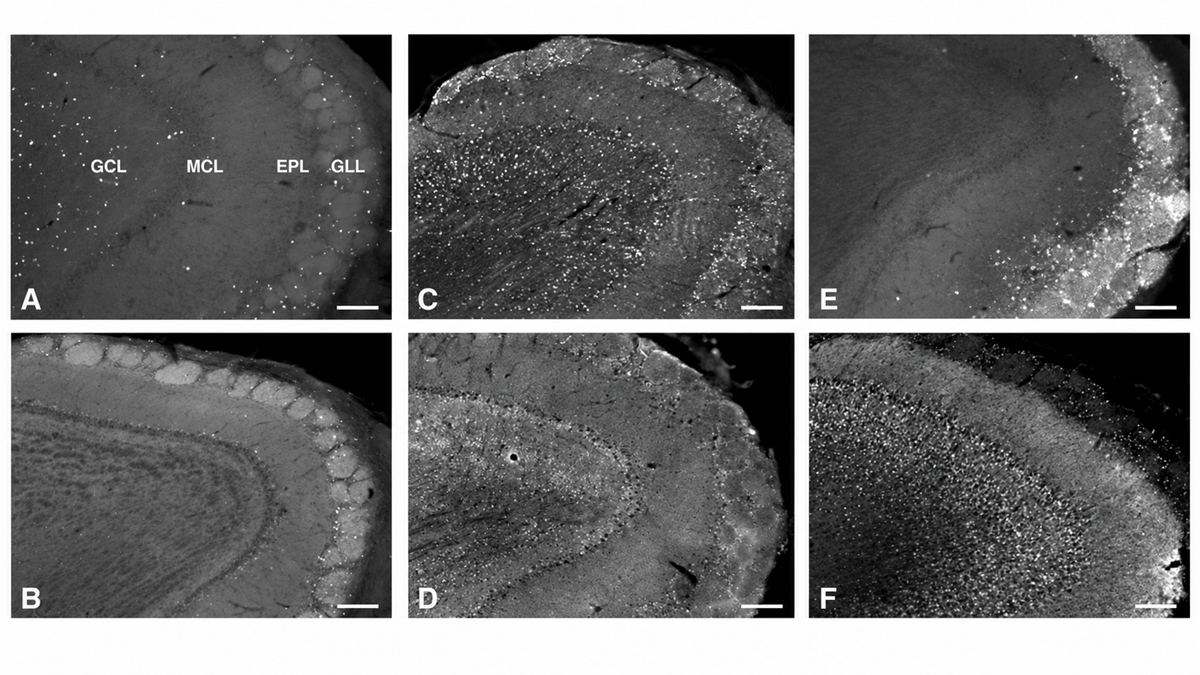
A longstanding idea in neuroscience held that the adult brain had a fixed supply of neurons. Although Joseph Altman reported evidence of new neuron formation in adult mammals during the 1960s, his findings initially attracted limited acceptance. Later work with songbirds and mammals demonstrated that new neurons could develop after maturity. Researchers also found evidence of neurogenesis in the adult human hippocampus, an area associated with learning and memory. Studies published in 2025 and 2026 added further evidence, although questions remain about how frequently the process occurs and what it contributes to human cognition. The old claim that adult brains are completely incapable of producing neurons has become increasingly difficult to defend.
13. Proteins Were Once Considered More Likely Than DNA to Carry Genes
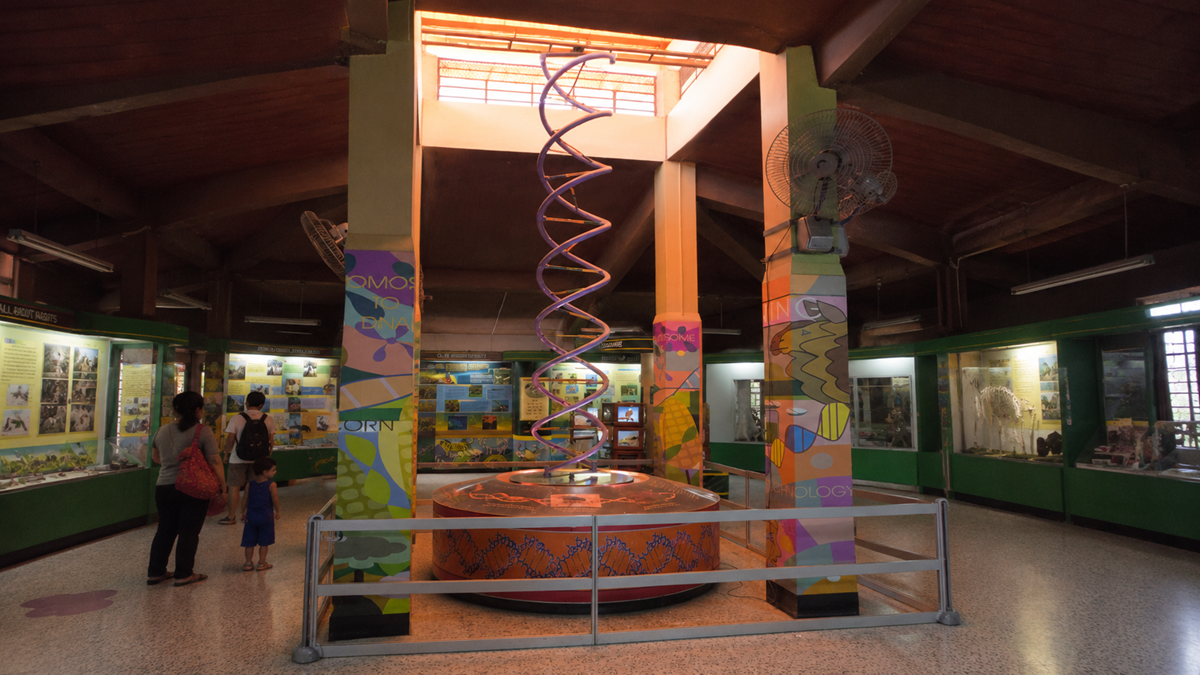
DNA wasn’t always the obvious candidate for storing hereditary information. During the early 20th century, many researchers considered proteins more promising because their chemical structures appeared much more varied and complex. In 1944, Oswald Avery, Colin MacLeod, and Maclyn McCarty published experiments showing that DNA could transfer inherited characteristics between bacteria. Their findings challenged assumptions about which molecules carried genetic information. The Hershey-Chase experiment in 1952 provided further support, and the discovery of DNA’s double-helical structure in 1953 helped explain how hereditary information could be copied. The evidence eventually established DNA as the principal genetic material of cellular organisms.
14. Earth Was Calculated to Be Only Millions of Years Old
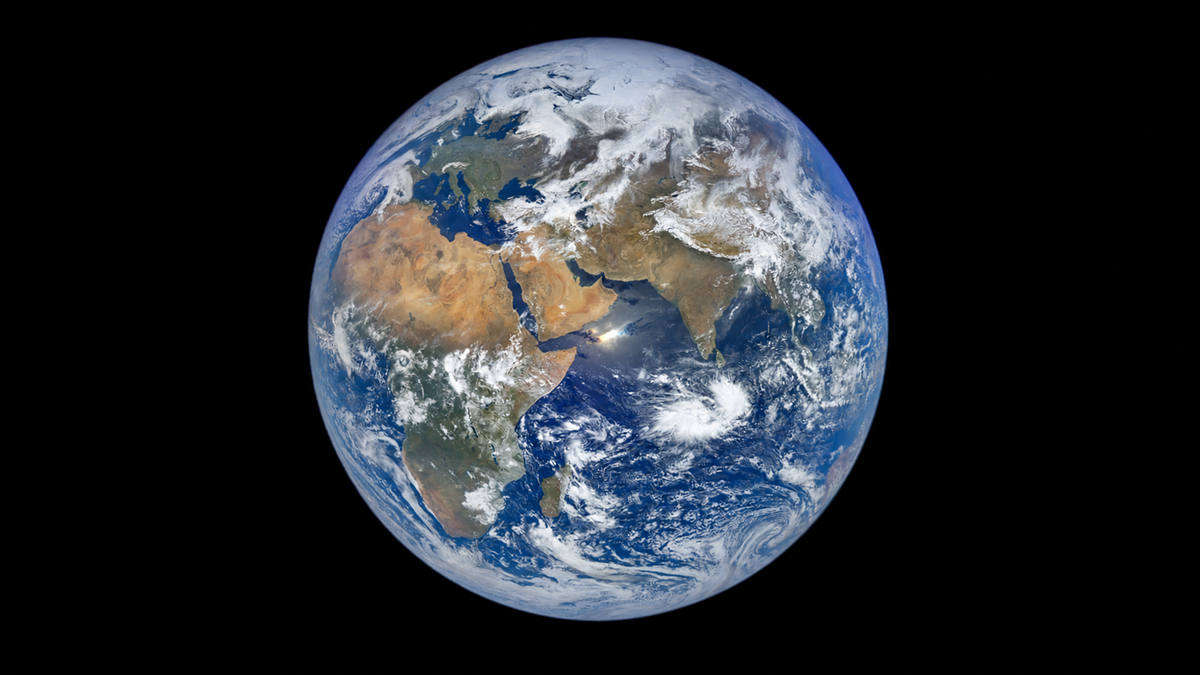
In the 19th century, physicist William Thomson, better known as Lord Kelvin, attempted to calculate Earth’s age using the rate at which a once-molten planet would cool. His estimates changed over time, but he eventually favored an age of roughly 20 million to 40 million years. The calculations carried considerable authority because they relied on physics rather than speculation. Unfortunately, his model didn’t adequately account for heat transport through convection inside Earth, and radioactive heat production was not yet understood. The discovery of radioactivity and the development of radiometric dating eventually produced a radically different timeline. Earth is now estimated to be approximately 4.54 billion years old, giving geological and biological processes far more time than Kelvin’s calculations allowed.
15. Scientists Once Doubted That Rocks Could Fall From Space
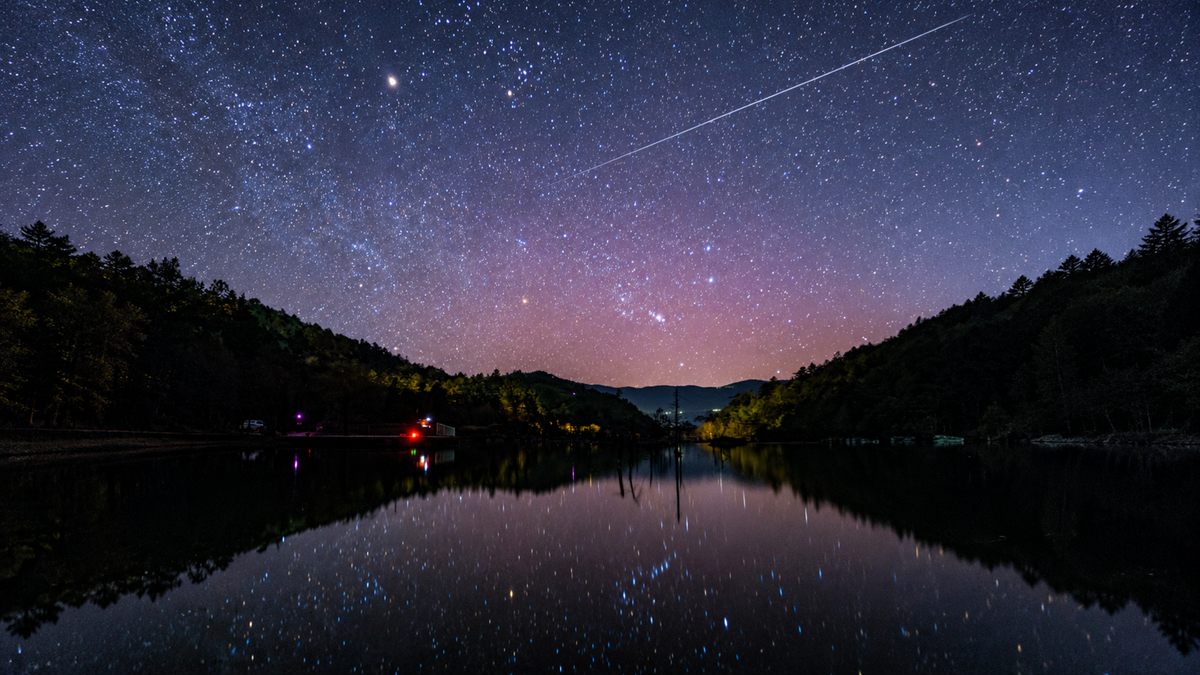
Stories about stones falling from the sky were often treated skeptically by European scholars during the 18th century. The idea that solid objects could arrive from beyond Earth seemed difficult to reconcile with prevailing explanations of the atmosphere and the heavens. Then, in 1803, a shower of stones fell near L’Aigle, France. Physicist Jean-Baptiste Biot investigated the event, collecting testimony and examining where the stones had landed. His report helped convince the scientific community that meteorites genuinely came from space. These objects eventually became valuable sources of evidence about the early solar system, rather than strange reports to be explained away.
In the mood for more?
Check out 15 Answers Science Has Been Chasing for More Than 100 Years, or take a look at 20 Real Science Facts That Sound Like Internet Lies. If you want to see more surprising stories from science history, you can check out 15 Space Facts That Sound Impossible but Are Scientifically Proven.