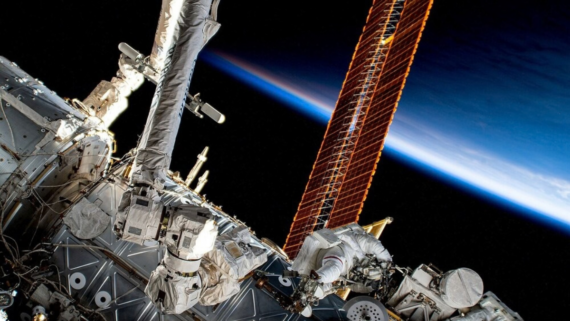
Space exploration involves highly controlled environments and meticulous planning, but crews frequently encounter things that entirely defy expectations. Instead of just capturing photographs of distant planets and orbital views, astronauts have stumbled upon phenomena that behave nothing like they do on Earth. They have documented glowing lunar soil, mysterious flashes of light, unusual microorganisms, and electrical anomalies that left scientists scratching their heads.
Many of these encounters were purely accidental, while others emerged from specific scientific experiments that yielded bizarre results. From brightly colored dirt on the Moon to physical changes in their own bodies, astronauts have brought back discoveries that continue to challenge what researchers thought they knew about the environment beyond our atmosphere.
1. Apollo 17 astronauts discovered bright orange soil on the Moon
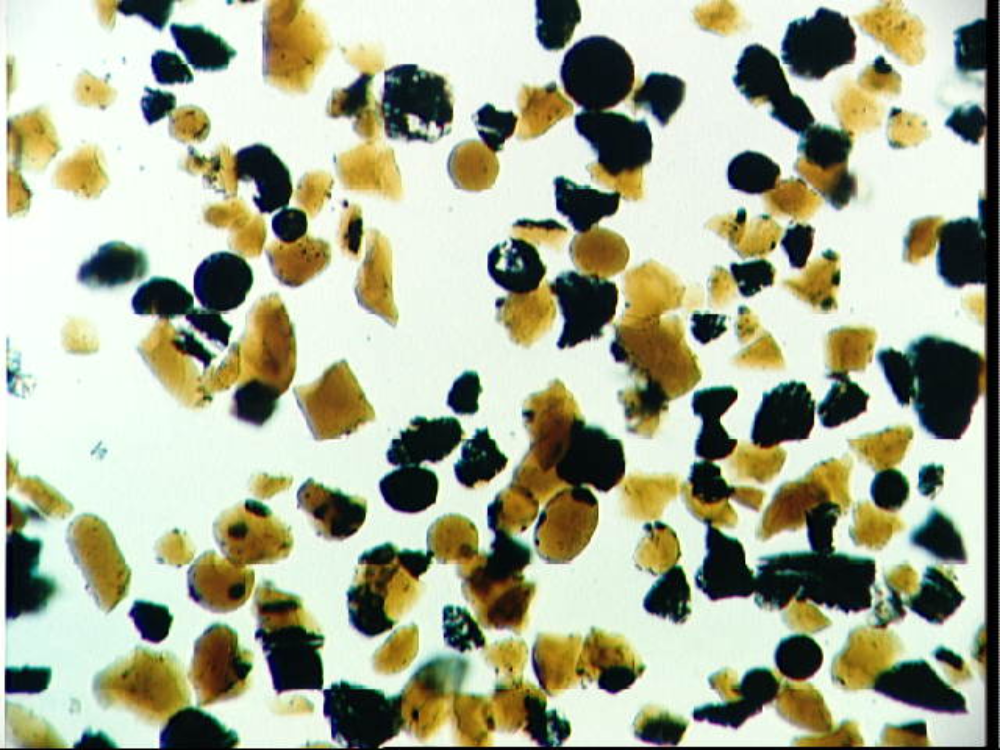
During the Apollo 17 mission in December 1972, astronaut Harrison Schmitt spotted something completely unexpected near Shorty Crater. Bright orange soil stood out sharply against the Moon’s otherwise gray and desolate landscape. Samples brought back to Earth revealed tiny beads of volcanic glass, formed when molten material erupted and cooled roughly 3.6 billion years ago, providing remarkable evidence of the Moon’s ancient explosive volcanic activity.
2. Astronauts discovered they could see flashes of light with their eyes closed
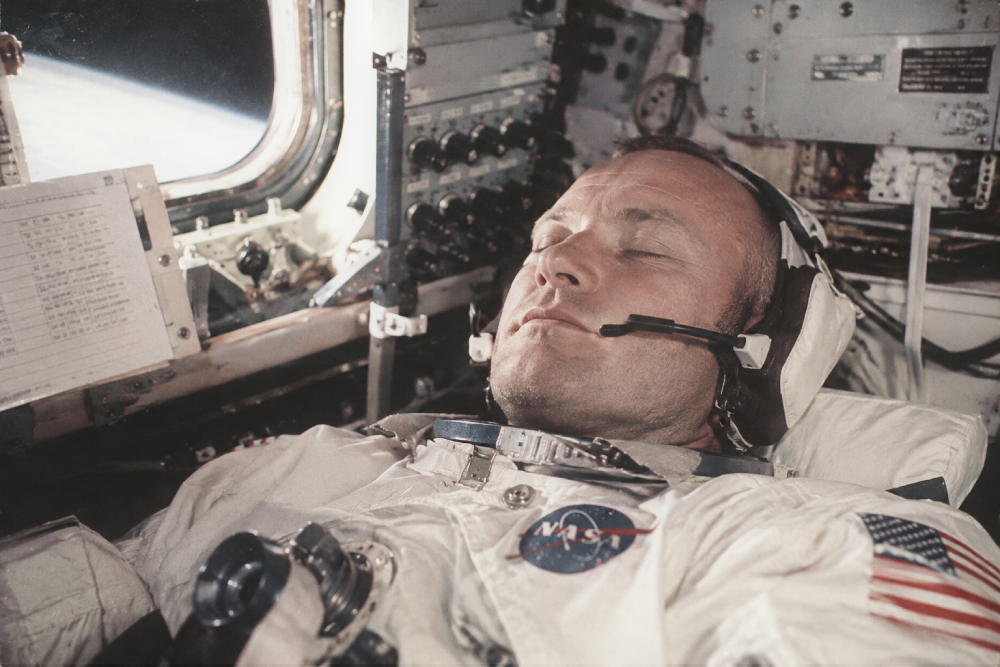
While flying on Apollo 11 in 1969, Buzz Aldrin reported seeing mysterious flashes of light even with his eyes shut tight inside the spacecraft. Astronauts on subsequent missions described similar streaks, dots, and flashes, sometimes experiencing them while attempting to sleep. Scientists eventually linked the phenomenon to high-energy cosmic particles passing directly through the astronauts’ eyes, revealing an unexpected way space radiation interacts with human vision.
3. Apollo astronauts observed a mysterious glow above the Moon’s horizon
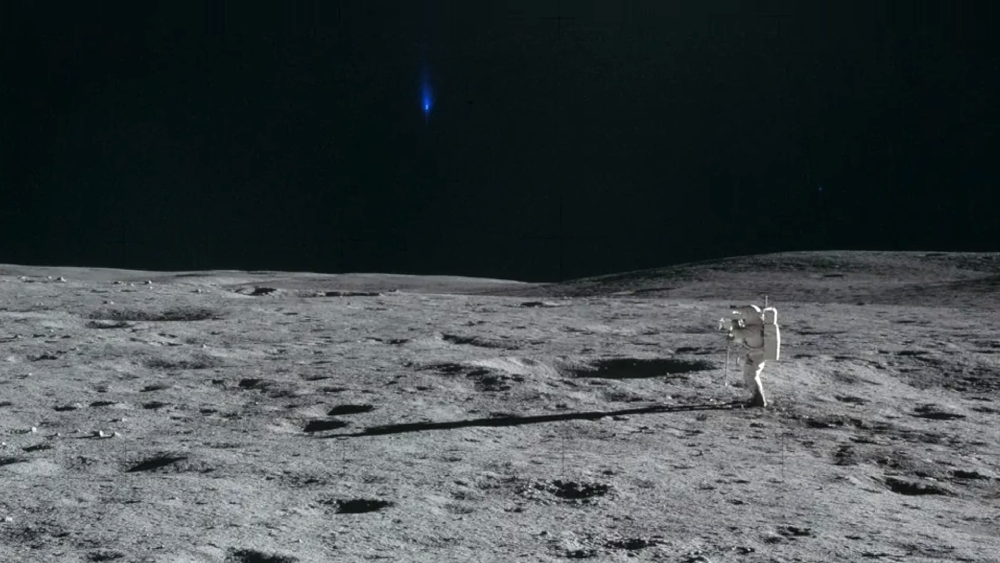
Apollo crews reported an unexpected glow near the lunar horizon around sunrise, which was baffling because the Moon has virtually no atmosphere to scatter sunlight the way Earth does. One proposed explanation suggested that electrically charged dust particles were rising above the surface and reflecting the sun’s rays. However, NASA’s later LADEE spacecraft investigation found no evidence of a dust effect bright enough to account for what the astronauts reported, leaving aspects of the observation completely unresolved.
4. Astronauts brought back a moon rock that appeared to be rusty
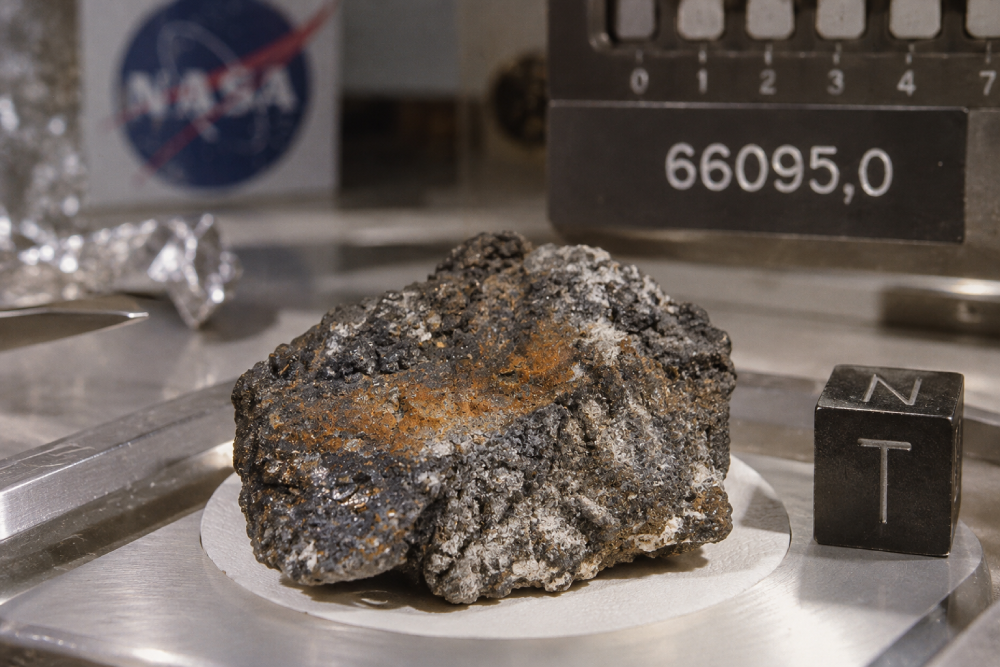
One of the strangest specimens returned by Apollo 16 in 1972 was lunar rock 66095, which researchers quickly nicknamed the “Rusty Rock.” Scientists found unusual iron-bearing compounds and volatile elements in the sample, surprising everyone because the Moon is generally considered an extremely dry environment. Later isotope studies proved that at least some of the volatile materials in this rock originated deep inside the Moon rather than arriving from outside sources like meteorites.
5. Astronauts photographed red lightning that appears above thunderstorms
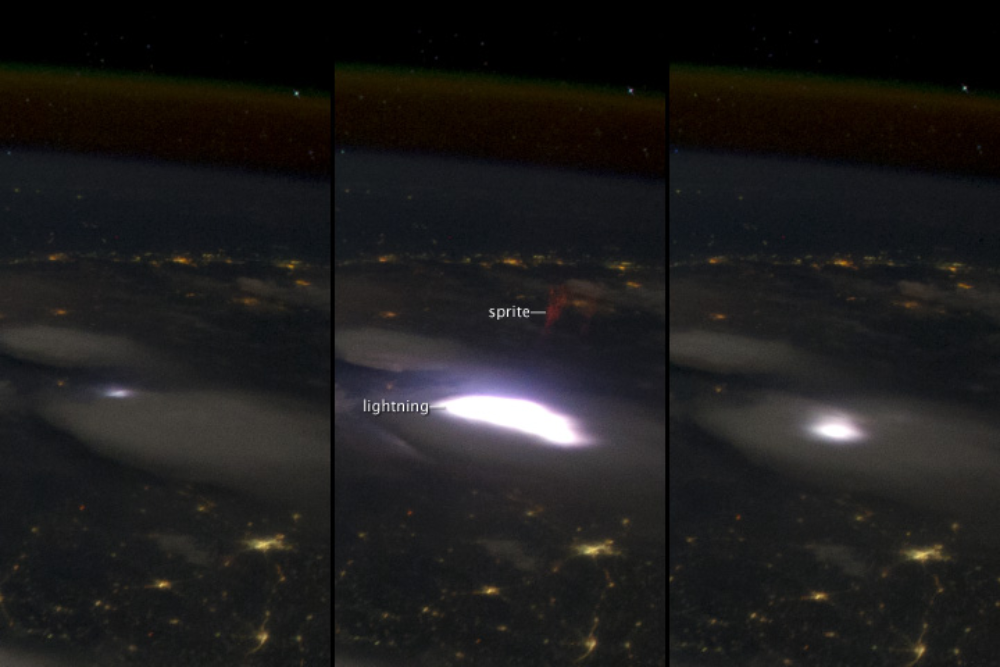
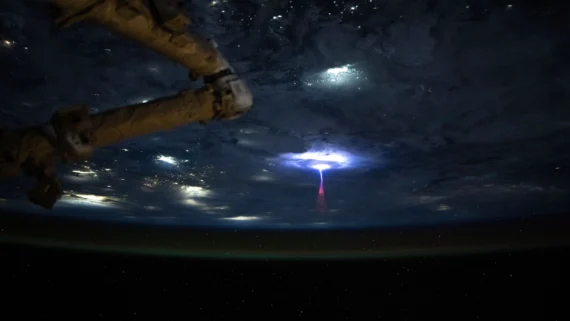
In April 2012, astronauts aboard the International Space Station accidentally photographed enormous red electrical flashes rising above distant thunderstorms. Known to scientists as red sprites, these fleeting events can occur roughly 50 miles above Earth, far higher than ordinary lightning. Some of the formations resemble glowing jellyfish with long red tendrils, and their incredibly brief appearance makes them extraordinarily difficult to photograph from the ground.
Trending on The Scroller
6. An astronaut captured a giant electrical jet shooting toward space
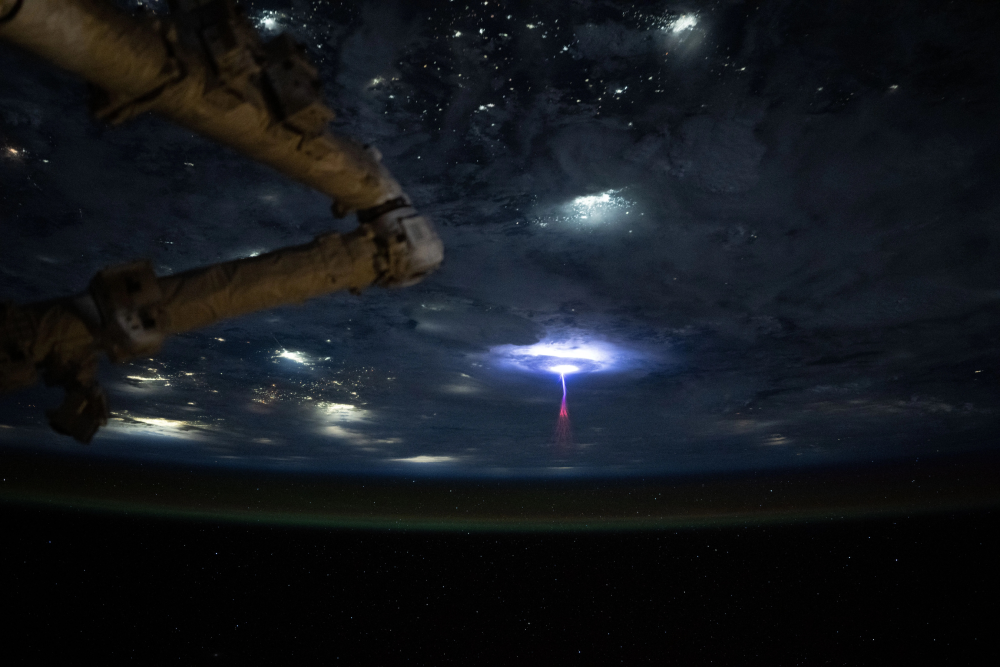
On July 3, 2025, NASA astronaut Nichole Ayers photographed an extraordinary electrical discharge from the International Space Station. Initially believed to be a red sprite, researchers identified the event as an even rarer phenomenon called a gigantic jet. Unlike familiar lightning that travels between clouds and the ground, these powerful discharges extend upward from a thunderstorm into the upper atmosphere, stretching directly toward the edge of space.
7. Astronauts witnessed clouds that continue glowing after sunset
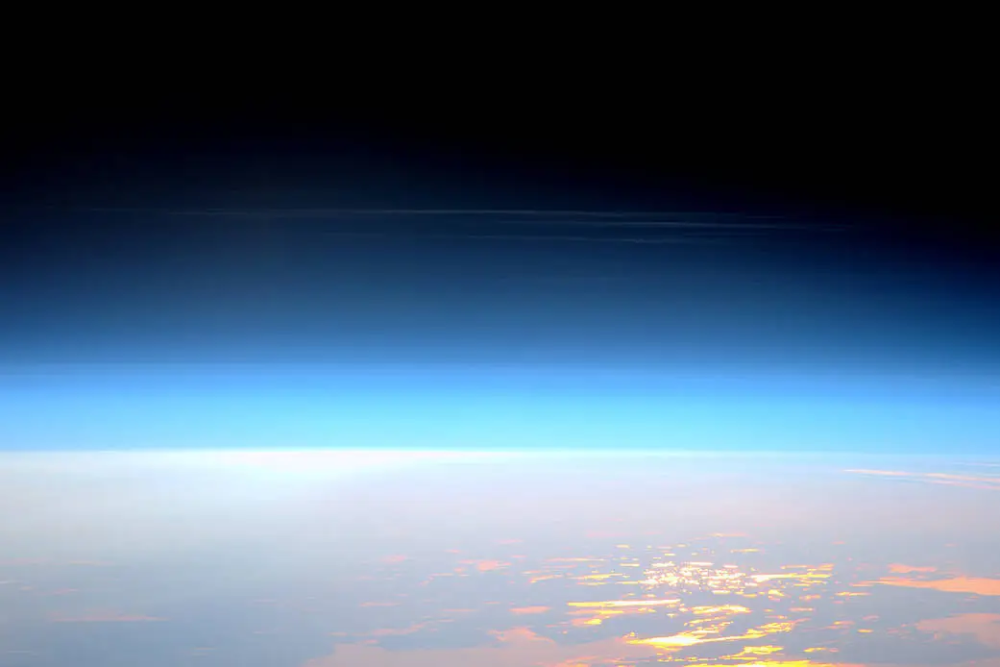
European Space Agency astronaut Tim Peake photographed highly unusual electric-blue clouds while aboard the International Space Station in May 2016. Called noctilucent clouds, they form roughly 47 to 53 miles above Earth, where temperatures drop low enough for ice crystals to develop on tiny atmospheric particles. Because these unique clouds sit so high up, sunlight can illuminate them long after the ground below has fallen into total darkness.
8. Astronauts identified unknown bacteria without bringing them back to Earth
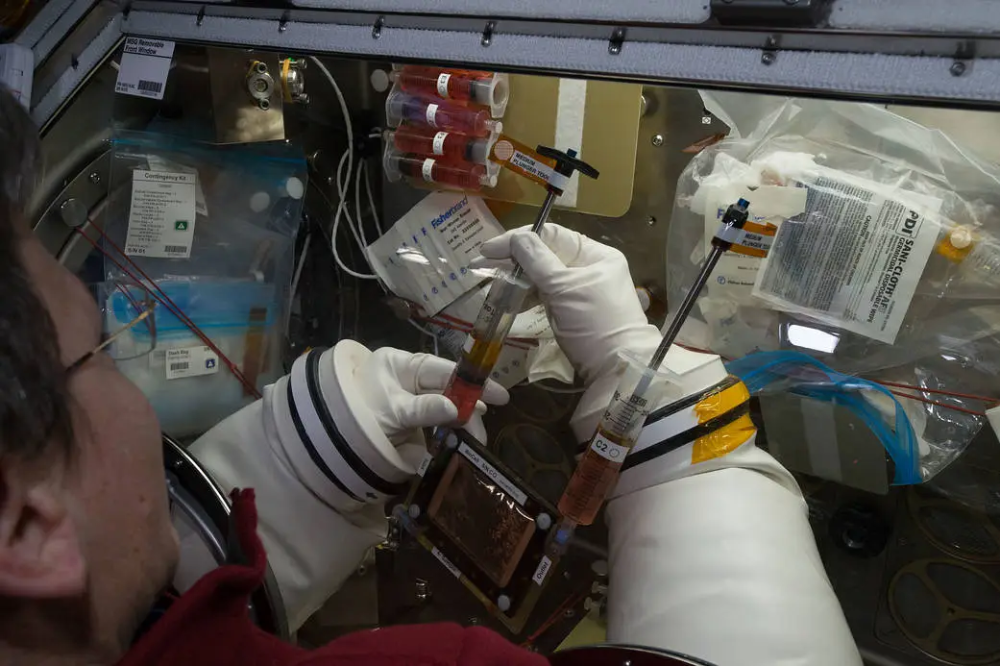
In August 2017, NASA astronaut Peggy Whitson helped achieve a massive scientific first by identifying previously unknown bacteria collected right aboard the International Space Station. Using miniature DNA-processing and sequencing equipment, the crew analyzed the microorganisms while still in orbit instead of waiting to return the samples to Earth. The achievement demonstrated that future crews could investigate microbial contamination during long missions without depending entirely on Earth-based laboratories.
Sign up for our newsletter
9. Scientists discovered flames could keep burning after they seemed to go out
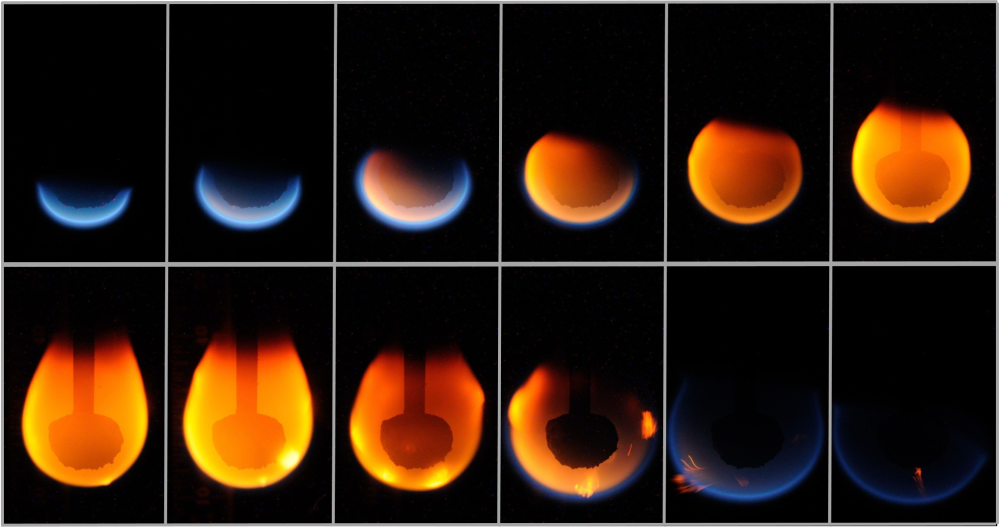
Experiments conducted aboard the International Space Station in 2012 revealed a form of combustion that scientists had not expected to observe so readily. During fuel-droplet experiments, researchers noticed that combustion continued in a different chemical regime even after the familiar visible flame vanished. These invisible, low-temperature “cool flames” are difficult to produce under Earth’s gravity, making the station an incredibly valuable laboratory for understanding fire behavior.
10. Astronauts discovered that spending months in space could change the shape of their eyes
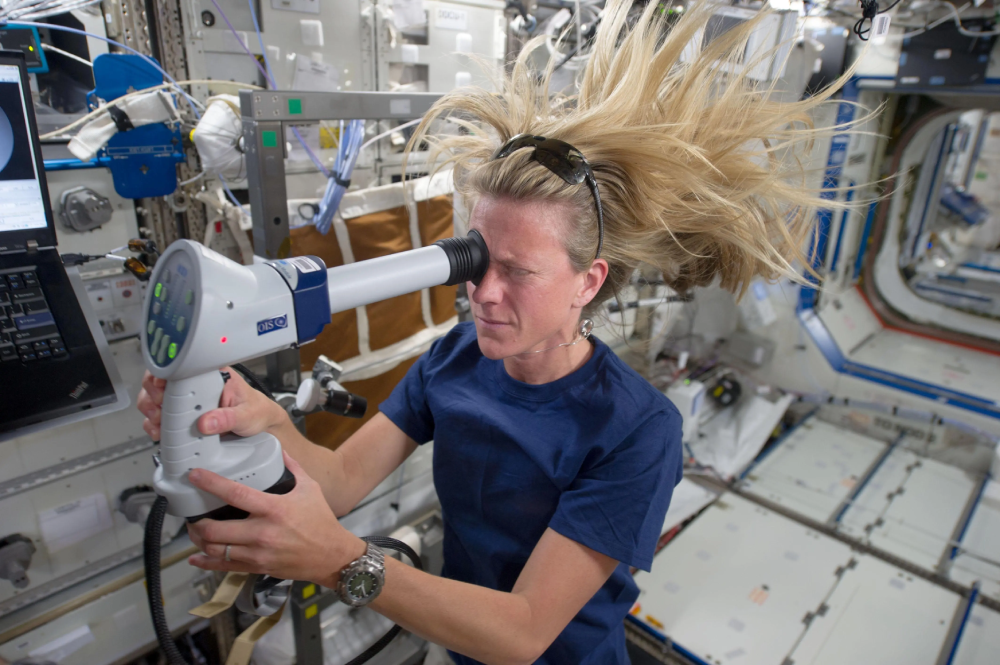
During a six-month mission in 2009, NASA astronaut Michael Barratt and Canadian astronaut Robert Thirsk both began having trouble reading standard instructions aboard the International Space Station. Because both men were physicians, their meticulous observations helped identify a condition now called Spaceflight-Associated Neuro-Ocular Syndrome. Researchers determined that prolonged spaceflight causes physical changes, including a flattening of the eyeball and swelling around the optic nerve.
11. Astronauts found a hole just two millimeters wide causing an air leak in space

In August 2018, crews aboard the International Space Station had to investigate a mysterious loss of cabin pressure. They eventually traced the leak to a tiny hole measuring approximately two millimeters across, located in the orbital compartment of a docked Russian Soyuz MS-09 spacecraft. The astronauts successfully patched the leak, but the strange circumstances surrounding the hole’s origin prompted an immediate investigation and considerable speculation.
12. Astronauts spotted flashes from meteoroids hitting the Moon
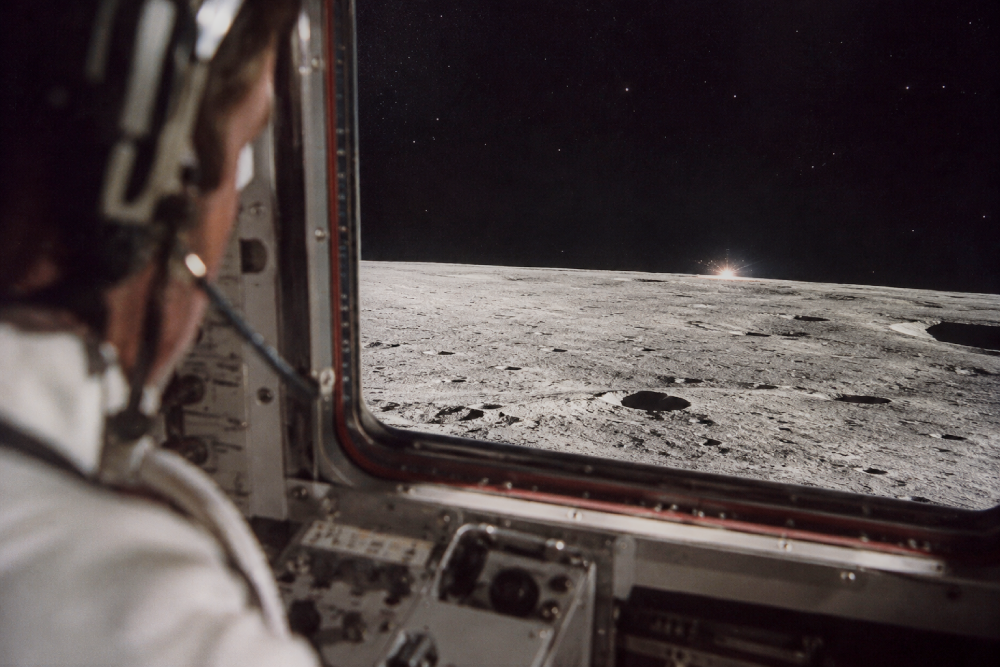
During the Apollo 17 mission in December 1972, astronaut Harrison Schmitt reported seeing a brief flash on the lunar surface near Grimaldi, likely caused by a meteoroid impact. More than five decades later, astronauts aboard Artemis II observed similar flashes associated with meteoroids striking the Moon during their April 2026 flight. These sightings remain fascinating because lunar impacts produce visible bursts of light even though the Moon lacks the dense atmosphere responsible for Earth’s familiar shooting stars.
Explore more interesting stories and facts:
From ancient volcanic glass to lightning reaching toward the upper atmosphere, astronaut discoveries reveal that even familiar places can behave in astonishing ways beyond our planet. Some observations have completely transformed scientific understanding, while others continue to raise brand new questions. If you want to learn more fascinating facts, be sure to check out these 15 Space Facts That Make the Universe Feel Unreal or these 16 Mind-Blowing Facts About Our Solar System. You can also explore these Bermuda Triangle Myths: 17 Stories Bigger Than the Facts.