

Things scientists thought were impossible can now be found in our pockets, hospitals, airports, and even the weather app we check before leaving home. But history is more complicated than a pair of experts getting things wrong. Some ideas collided with the scientific knowledge of their era, others faced engineering barriers that seemed insurmountable, and a few were dismissed by prominent individuals rather than science as a whole. What makes these breakthroughs remarkable is how completely they transformed the boundary between impossible and ordinary. Today, we barely notice technologies that once sounded closer to fantasy than a realistic description of the future.
1. Rocks Falling From Space

For centuries, reports of stones falling from the sky sounded almost absurd. If there were no rocks floating around above Earth, where could they possibly come from? Meteorite claims faced serious skepticism until accumulating evidence forced scientists to reconsider what was happening overhead. Now we identify meteorites, study their composition, and use them to investigate the early solar system. Imagine witnessing one centuries ago and trying to convince everyone that the rock had literally fallen from space.
2. Human Flight

Long before airports became mundane, powered human flight presented a brutal engineering puzzle: how do you build something heavy enough to carry a person yet capable of generating enough lift to stay airborne? The dream existed for centuries, but the practical obstacles were enormous. Once those problems were solved, the extraordinary became transportation. Today, millions of travelers casually complain about legroom while moving through the sky at speeds earlier generations could barely imagine.
3. Talking Across Long Distances
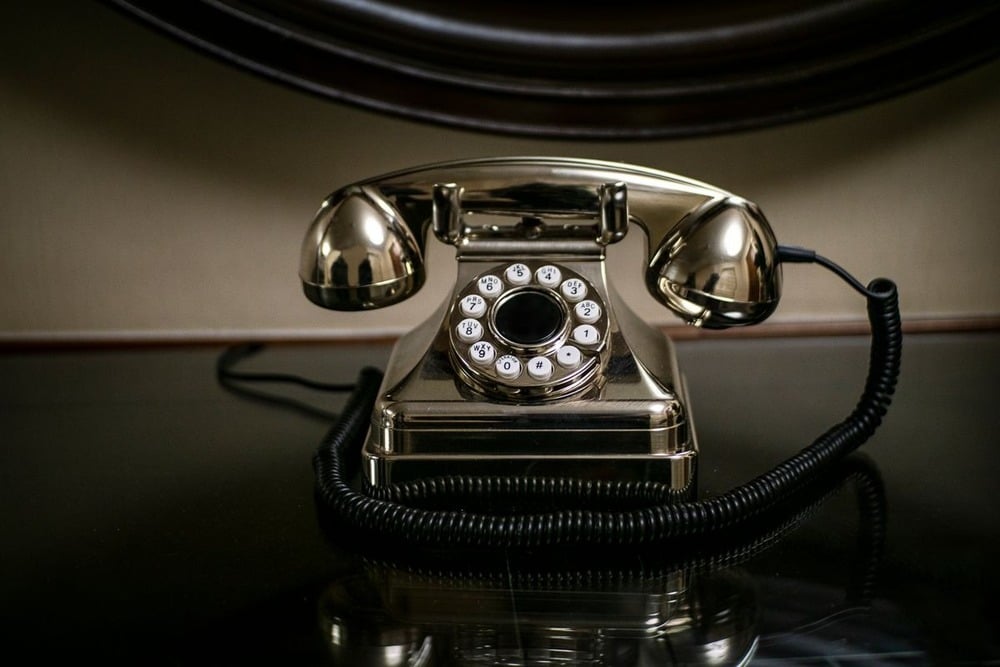
A voice disappears almost immediately after it leaves your mouth, unless technology catches it. That simple fact made long-distance speech a remarkable challenge. The telephone transformed sound into electrical signals that could travel far beyond the reach of a human voice, effectively collapsing distance in real time. Now calling someone on another continent barely feels technologically impressive. The strange part is remembering that instant conversation across cities once sounded like an astonishing possibility.
4. Recording and Replaying Sound
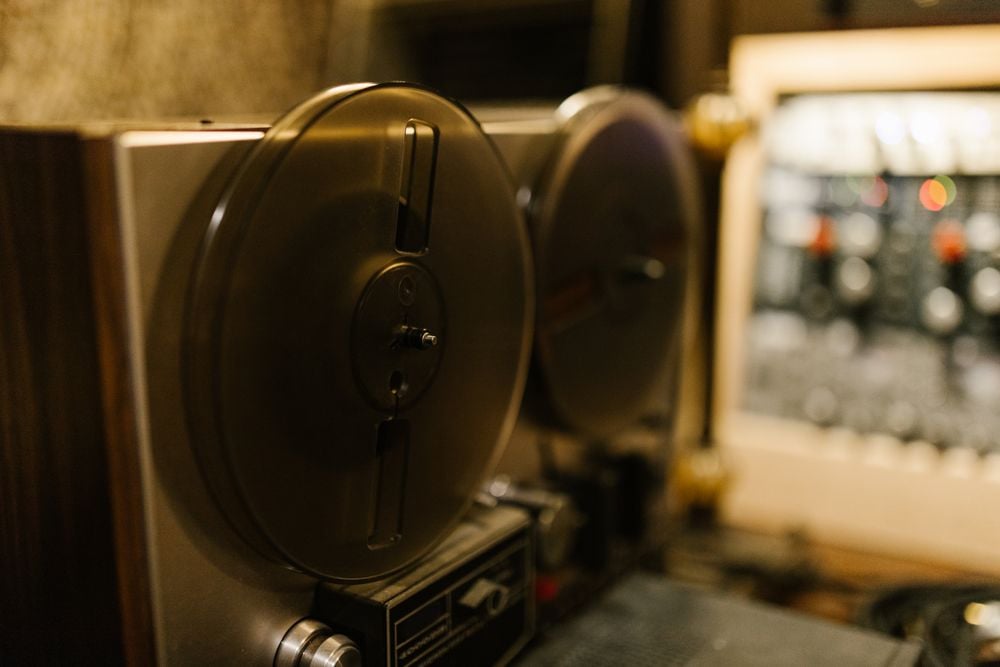
Before sound recording, music and speech existed only while someone was producing them. A performance ended, a voice went silent, and the moment was gone. Capturing those vibrations and reproducing them later changed that relationship with time. Do you ever think about how strange recorded sound actually is? We routinely press a button and hear voices from decades ago, something that would have seemed almost supernatural before recording technology made the impossible repeatable.
5. Sending Radio Signals Across the Atlantic
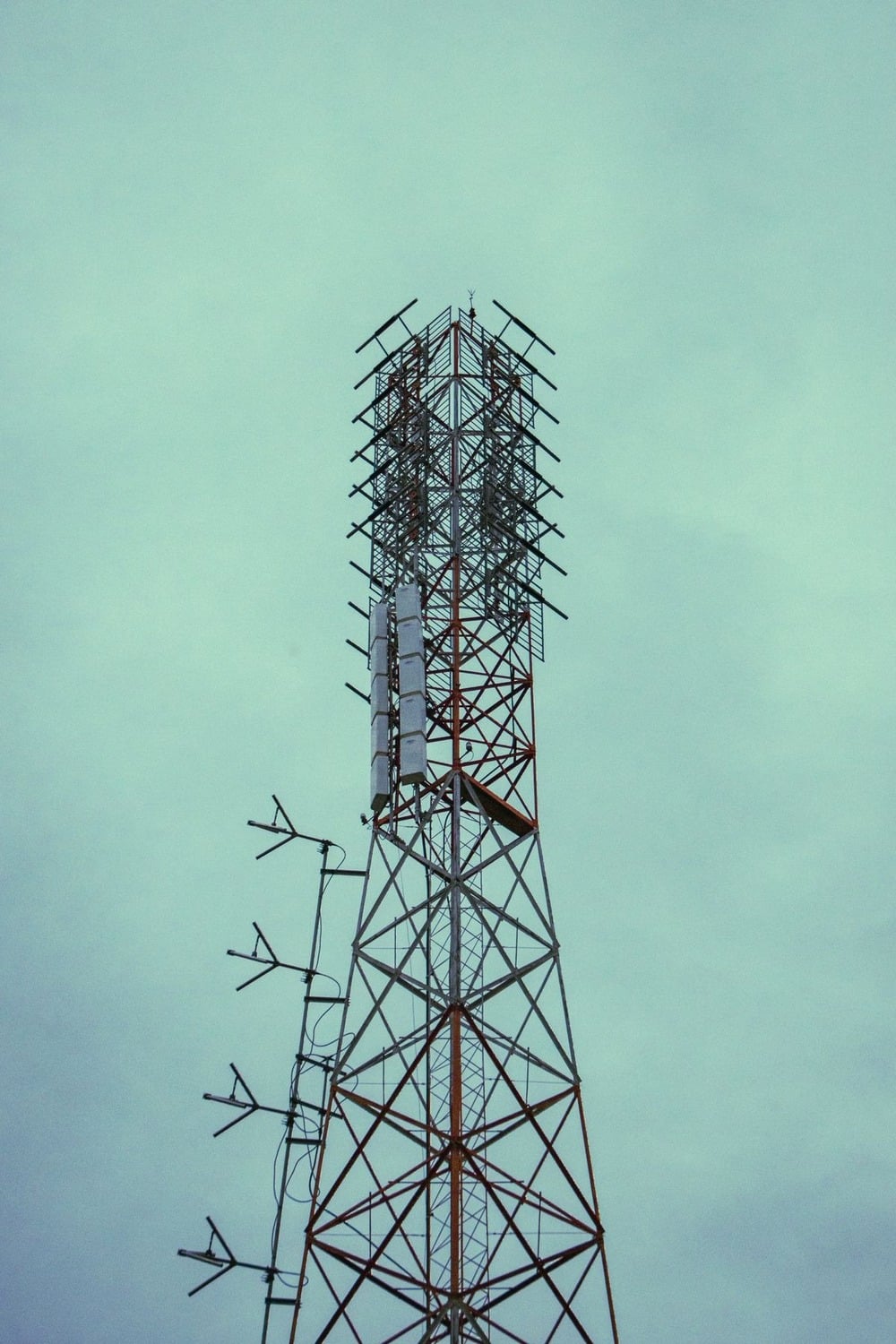
The Atlantic once represented an enormous communications barrier, especially for wireless signals. Early radio experiments raised difficult questions about how signals could travel beyond the horizon and across such vast distances. Successful transatlantic transmission helped reveal that radio waves could behave in ways early models had not fully anticipated. Today, wireless communication surrounds us so completely that invisible signals crossing enormous distances rarely earn a second thought.
Trending on The Scroller


6. A Telephone That Belonged to a Person, Not a Place

For most of telephone history, calling someone really meant calling a location and hoping they were there. Personal cellular telephony required a completely different idea: the number could follow the person. Motorola engineer Martin Cooper recalled being told that a personal cellular phone was impossible before demonstrating a handheld cellular telephone in 1973. Now the strange idea isn’t carrying a phone everywhere. It’s leaving home without one.
7. Rockets Working in Empty Space
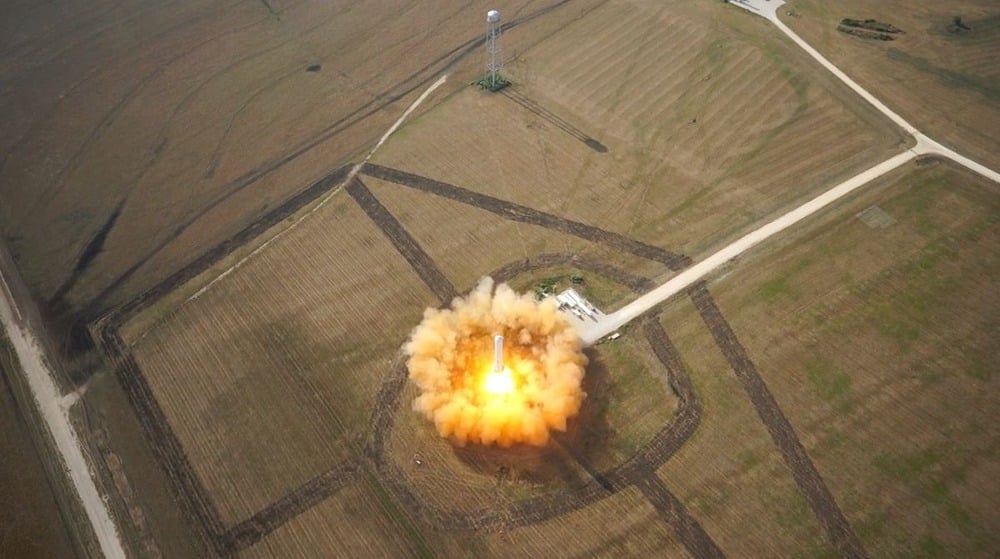
A rocket in space once inspired a seemingly reasonable objection: with no air around it, what could it possibly push against? Robert Goddard’s ideas about space rocketry were famously mocked in 1920 over exactly that misunderstanding. The answer is fundamental rocket physics. Rockets accelerate by expelling mass, so they don’t need surrounding air. Spaceflight eventually turned a public criticism into one of science history’s most memorable physics lessons.
8. Artificial Objects Orbiting Earth
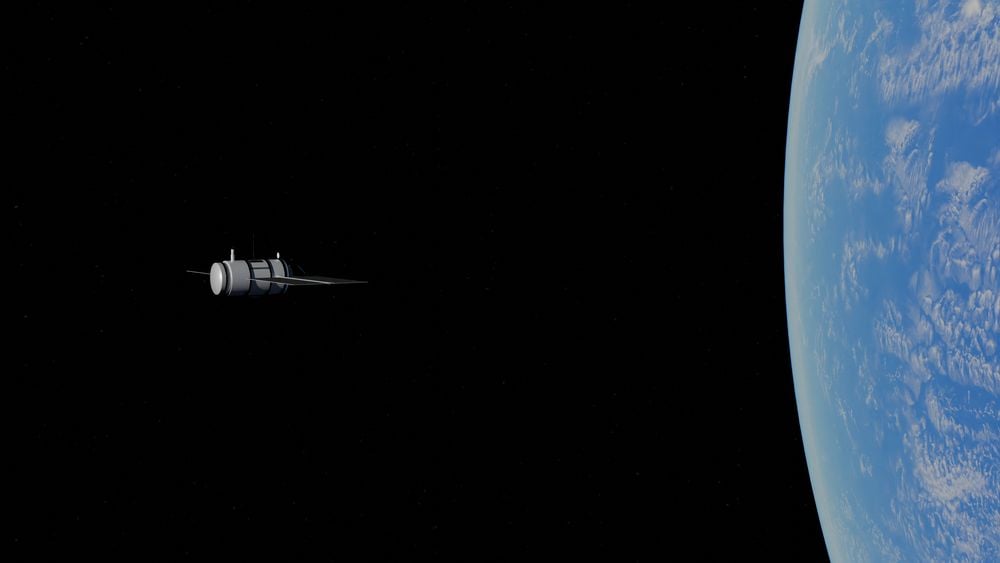
Before satellites became infrastructure, placing an artificial object into orbit belonged largely to speculative astronautics. Then Sputnik 1 reached orbit in 1957 and permanently changed the conversation. Today, satellites quietly support navigation, communications, television, weather forecasting, internet services, and Earth observation. How often do you use GPS without thinking about the fact that part of the system making it possible is traveling around the planet?
Sign up for our newsletter
9. Flying Faster Than Sound

The phrase “sound barrier” made Mach 1 sound almost like an invisible wall waiting in the sky. The real obstacles included shock waves, instability, structural concerns, and serious control problems as aircraft approached the speed of sound. In 1947, Chuck Yeager’s flight in the Bell X-1 demonstrated controlled supersonic flight. The “barrier” wasn’t an unbreakable law of nature. It was an extraordinarily difficult aerodynamic and engineering problem.
10. Splitting the Atom
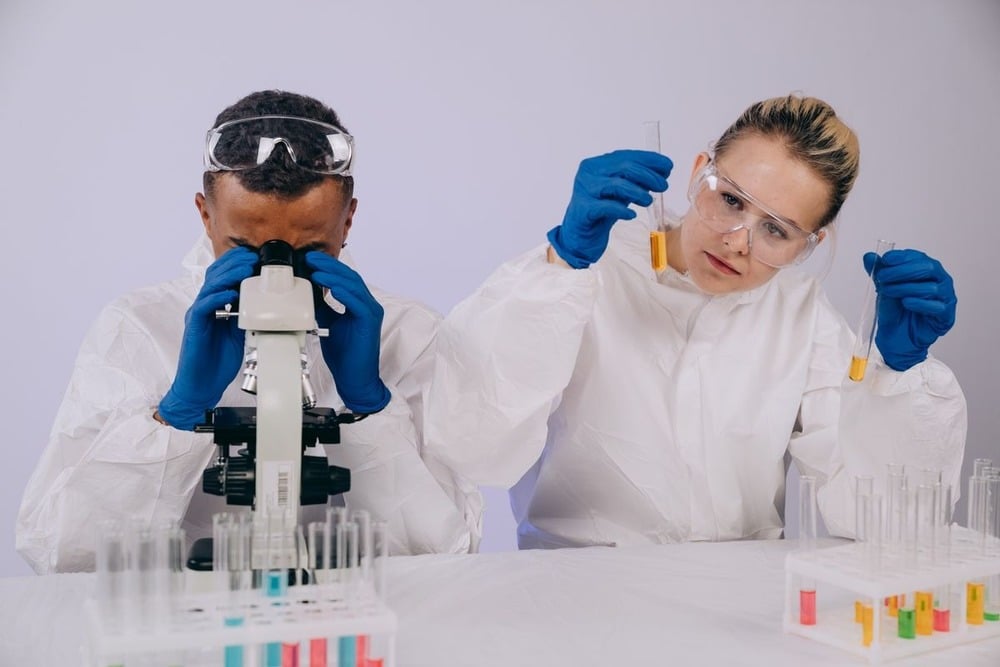
This breakthrough arrived as a genuine scientific surprise. Experiments involving uranium in the late 1930s produced results that didn´t fit prevailing expectations. Lise Meitner and Otto Frisch interpreted what had happened as nuclear fission: the uranium nucleus had split. Under the assumptions scientists had been working with, the result had previously seemed impossible. Suddenly, matter itself had revealed a possibility that existing expectations hadn´t prepared researchers for.
11. Nuclear Energy Becoming a Practical Power Source

Even after scientists began probing the atom, extracting useful amounts of energy from atomic nuclei seemed remote. In 1933, physicist Ernest Rutherford famously dismissed practical atomic energy as “moonshine.” Then nuclear fission, controlled chain reactions, and reactor engineering rapidly changed what was technically possible. Within a surprisingly short historical window, an idea regarded by an influential physicist as impractical had become an entirely new method of producing energy.
12. Transferring Blood From One Person to Another

The basic idea sounds straightforward: one person loses blood, so replace it with blood from someone else. Early attempts revealed how dangerously complicated that could be. Medicine still lacked crucial knowledge about blood groups, immune incompatibility, sterility, and storage. Once those problems were understood and addressed, transfusion became routine across surgery, trauma care, childbirth, cancer treatment, and emergency medicine. The impossible part wasn’t moving the blood. It was making the recipient survive it.
13. Surgery Without Agonizing Pain

For most of human history, major surgery came with a terrifying limitation: reliable, controllable general anesthesia didn’t exist. Earlier sedatives and intoxicants could dull pain, but their effects were unpredictable. Nineteenth-century anesthetics, including ether, transformed the operating room by making controlled unconsciousness and major painless procedures practical. Imagine trying to explain modern surgery to someone from an era when remaining conscious during an operation was often simply part of the ordeal.
14. Operating Inside a Living Heart

The beating heart once seemed effectively off-limits to surgeons, and historical accounts preserve strong expert skepticism toward attempting cardiac operations. The problem wasn’t merely reaching the organ. Surgeons needed ways to keep the body functioning while working inside it. Techniques including cardiopulmonary bypass eventually made open-heart procedures possible, allowing doctors to repair defects in an organ that had once appeared almost untouchable.
15. Restarting a Failing Heart With Electricity
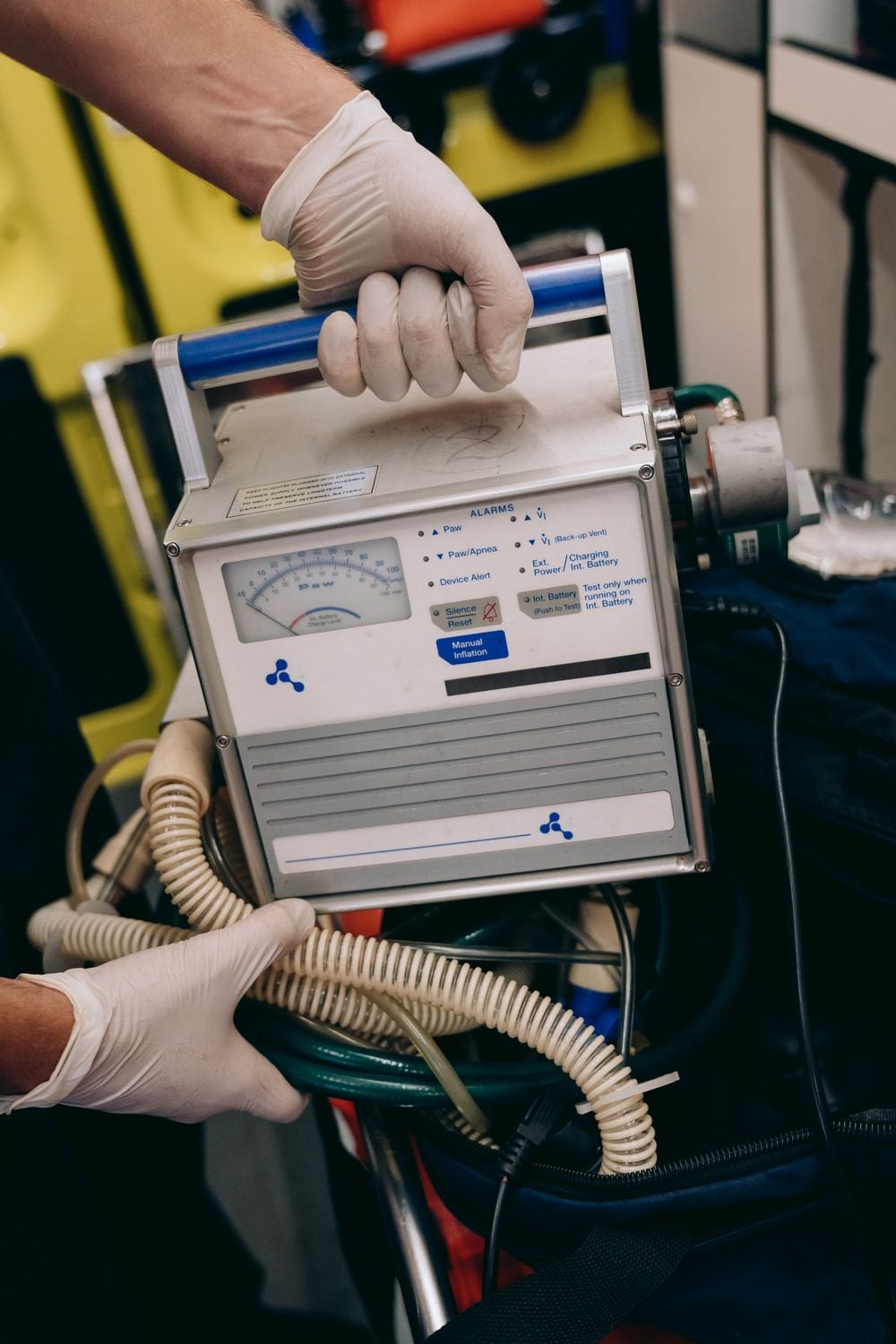
Electricity and a failing heart might sound like a dangerous combination, yet decades of experimentation turned electrical defibrillation into a lifesaving medical intervention. Its development encountered scientific and public resistance during parts of its history. Today, automated external defibrillators can be found in airports, schools, gyms, and other public buildings. Among the things scientists thought were impossible or impractical, this one now sits on walls waiting for an emergency.
16. One Human Living With Another Person’s Organ

Transplantation faced a formidable biological obstacle: the immune system recognizes foreign tissue and can attack it. A landmark breakthrough came in 1954 with a successful kidney transplant between identical twins, which avoided much of the rejection problem. Later advances in immunology and immunosuppressive treatment expanded transplantation between genetically different people. An organ that once could survive only in one body could now continue functioning in another.
17. Fertilizing a Human Egg Outside the Body
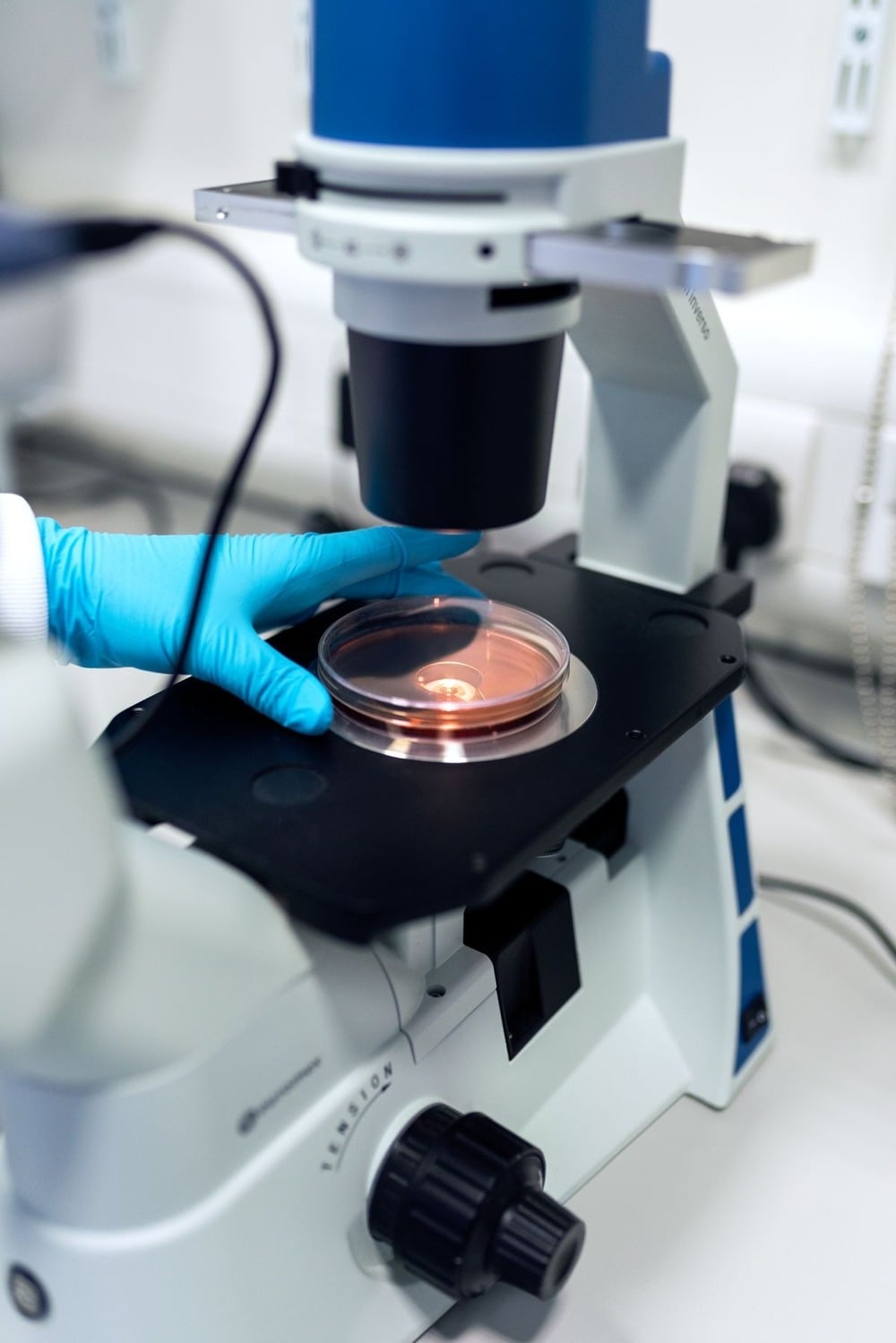
Human IVF required researchers to solve a chain of difficult problems involving egg maturation, sperm function, fertilization, embryo culture, and implantation. Years of uncertainty and failed attempts came before the birth of Louise Brown in 1978. It wasn’t a simple case of everyone declaring the idea impossible. The challenge was proving that all those delicate biological steps could successfully lead to a human birth.
18. Bacteria Living in the Stomach

The stomach seemed like a remarkably hostile home for bacteria. Its highly acidic environment helped support the conventional medical view that bacteria were unlikely to persist there. Research by Robin Warren and Barry Marshall helped overturn that assumption by establishing Helicobacter pylori as a major bacterial cause of gastritis and peptic ulcer disease. Their work eventually earned the 2005 Nobel Prize in Physiology or Medicine. How many medical assumptions have changed simply because someone kept investigating an explanation that initially seemed unlikely?
19. Reading the Entire Human Genome
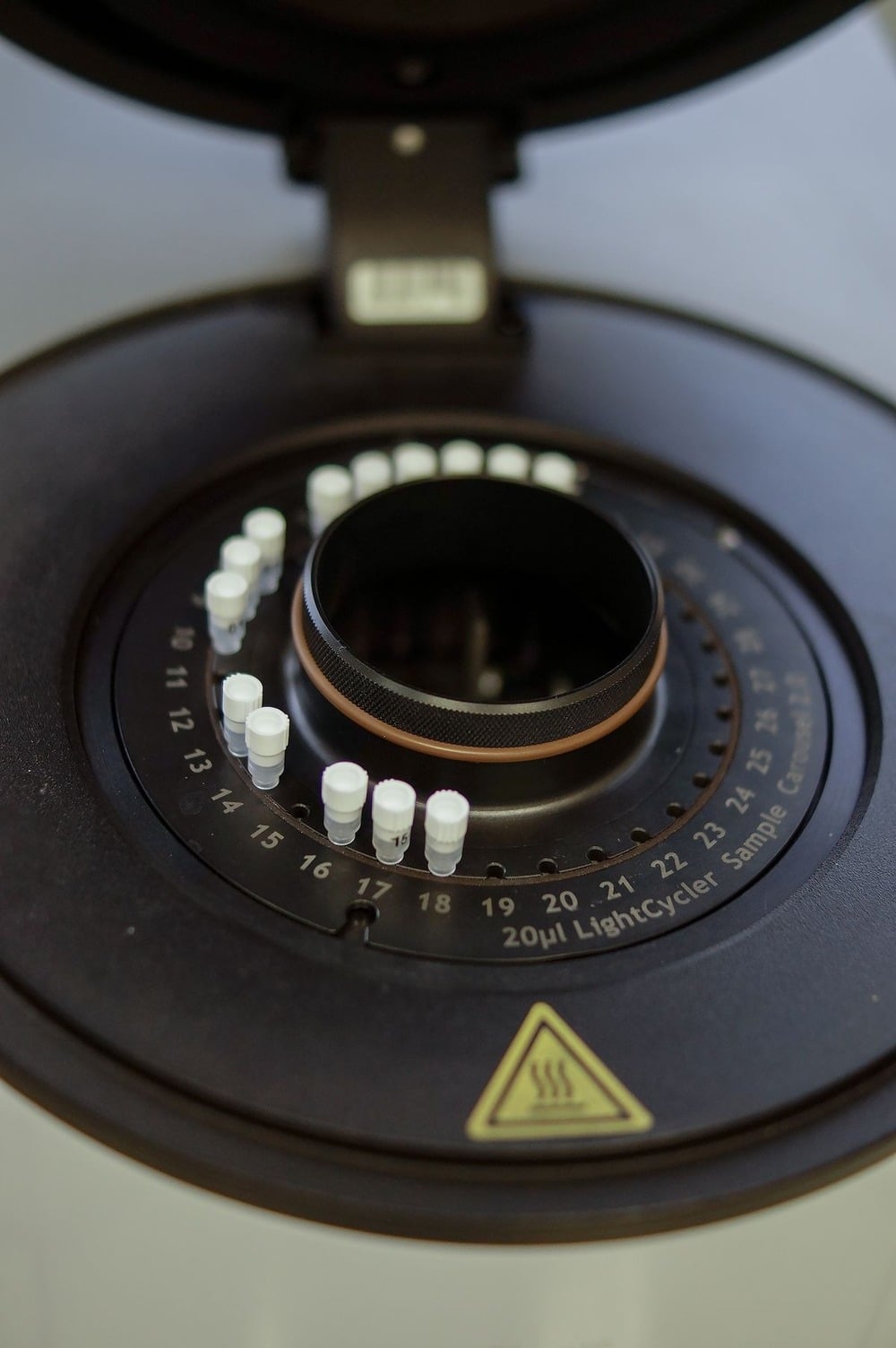
Billions of DNA bases stood between scientists and a complete reference sequence of the human genome. When the Human Genome Project was proposed, critics questioned whether sequencing information on that scale was technically achievable. The international project launched in 1990 and announced completion of a high-quality reference sequence in 2003. What once looked like an overwhelming information problem became achievable, and sequencing later grew dramatically faster and cheaper.
20. Predicting Tomorrow’s Weather Before Tomorrow Arrived

Lewis Fry Richardson developed a mathematical approach to numerical weather prediction, but there was an absurd practical problem: doing the calculations manually could take longer than the weather being predicted took to arrive. Electronic computers changed the equation. By 1950, ENIAC was being used for numerical weather prediction, helping transform an impossibly slow calculation into the foundation of modern forecasting.
The most interesting lesson behind these breakthroughs isn’t that earlier scientists were foolish. They were working within the evidence, theories, and technology available to them. Again and again, discoveries changed those limits. Yesterday’s impossibility became an engineering problem, then a breakthrough, and eventually something ordinary enough that we barely stop to think about it.
Keep Exploring The Scroller
Keep exploring the discoveries that turned “impossible” into another ordinary part of everyday life:
20 Science Facts That Sound Fake but Are 100% True
20 “Impossible” Structures Found Deep in the Ocean That Science Can’t Explain

