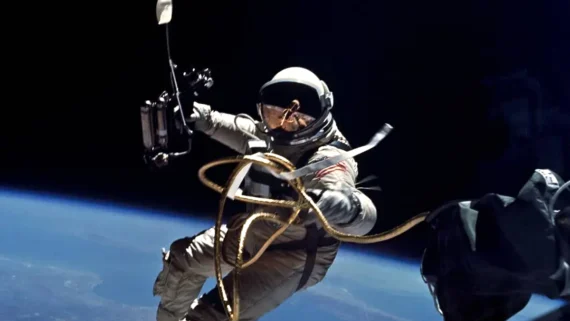
Exploring the cosmos is the ultimate human adventure, but surviving the hostile vacuum of space requires absolute mechanical perfection. When millions of complex mechanical parts are subjected to extreme temperatures, violent vibrations, and intense radiation, the margin for fatal error becomes terrifyingly thin. Even with decades of rigorous planning and testing, astronauts constantly face the grim reality that a single loose screw or a microscopic computer glitch can instantly trigger a massive orbital catastrophe.
While engineering triumphs often dominate the history books, the true testament to human resilience lies in the terrifying moments when everything completely fails. From frozen valves and toxic chemical leaks to completely unexpected biological emergencies, astronauts must rely on their intense training and sheer ingenuity to survive impossible odds. Uncovering these harrowing historical close calls reveals exactly how incredibly fragile a multi-billion-dollar mission can truly be. Here are twelve terrifying things that can rapidly go wrong while floating thousands of miles above the Earth.
1. Spacesuit flooding
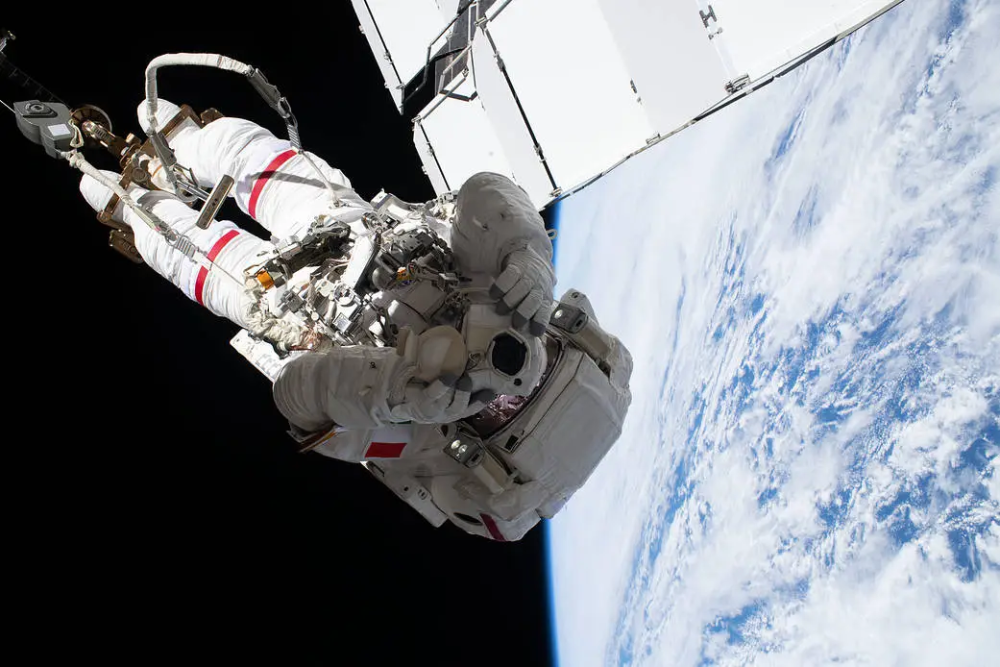
During a routine 2013 spacewalk outside the International Space Station, Italian astronaut Luca Parmitano experienced a terrifying malfunction when his cooling system leaked directly into his helmet. In zero gravity, the rogue water aggressively clung to his face, covering his eyes, ears, and nose, forcing him to blindly navigate back to the airlock while actively drowning in a complete vacuum.
2. Uncontrollable gyroscopic spinning
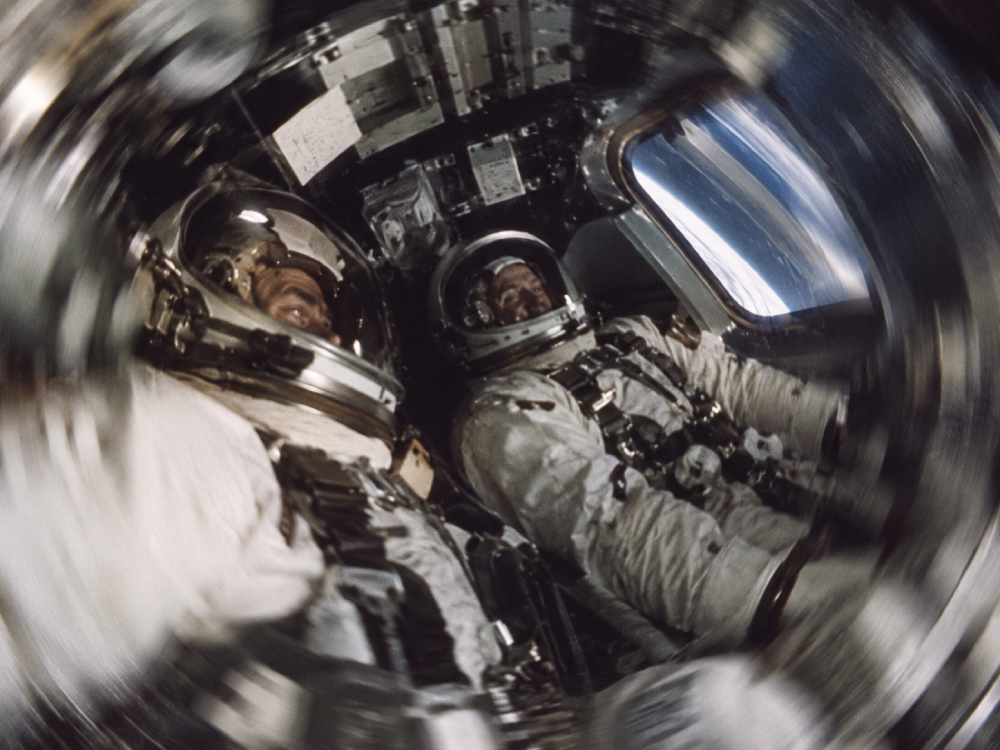
Shortly after completing the first successful orbital docking in 1966, a short-circuited thruster on the Gemini 8 capsule began firing continuously, throwing commanders Neil Armstrong and David Scott into a violent spin. Reaching a dizzying rate of one full revolution per second, the astronauts nearly lost consciousness before Armstrong brilliantly deactivated the primary system and engaged the reentry thrusters to manually stabilize the craft.
3. Ballooning spacesuits
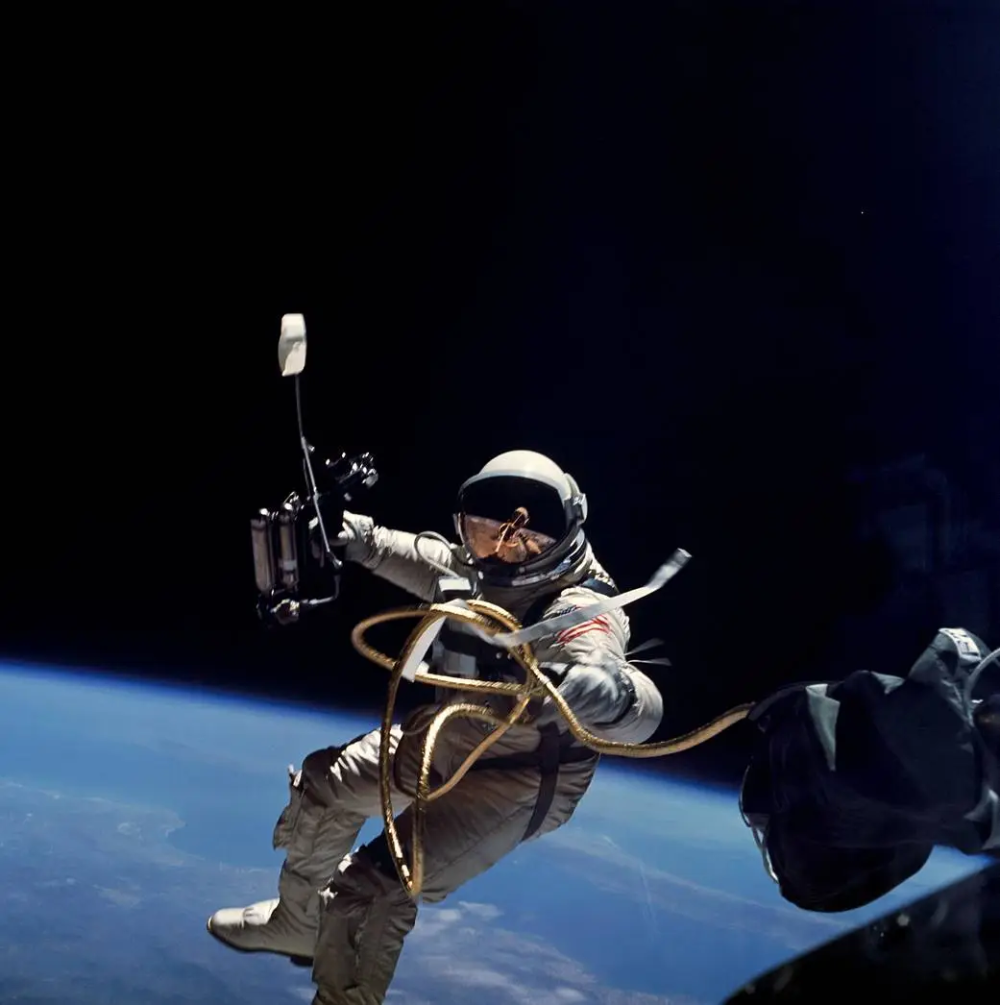
Soviet cosmonaut Alexei Leonov made history in March 1965 by conducting the first human spacewalk, but the absolute vacuum caused his pressurized suit to aggressively inflate like a massive balloon. Unable to bend his rigid joints or fit back through the tiny Voskhod 2 airlock, he had to take the massive risk of bleeding off his own oxygen supply to physically squeeze himself back inside.
4. Chemical eye blindness
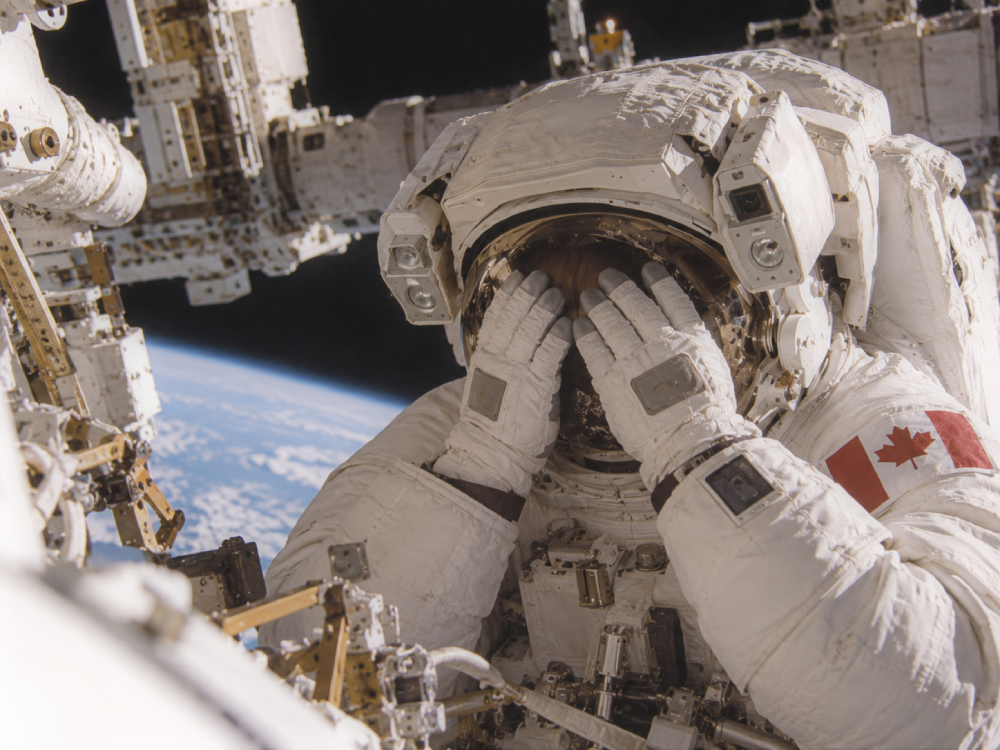
While installing the massive robotic Canadarm2 on the orbital station in 2001, Canadian astronaut Chris Hadfield suddenly went completely blind when a mixture of anti-fog solution and weightless tears severely burned his left eye. Because zero gravity prevents tears from falling down his cheeks, the stinging liquid bridged directly across his nose to infect his right eye, leaving him completely sightless while clinging to the exterior hull.
5. Toxic gas flooding the cabin
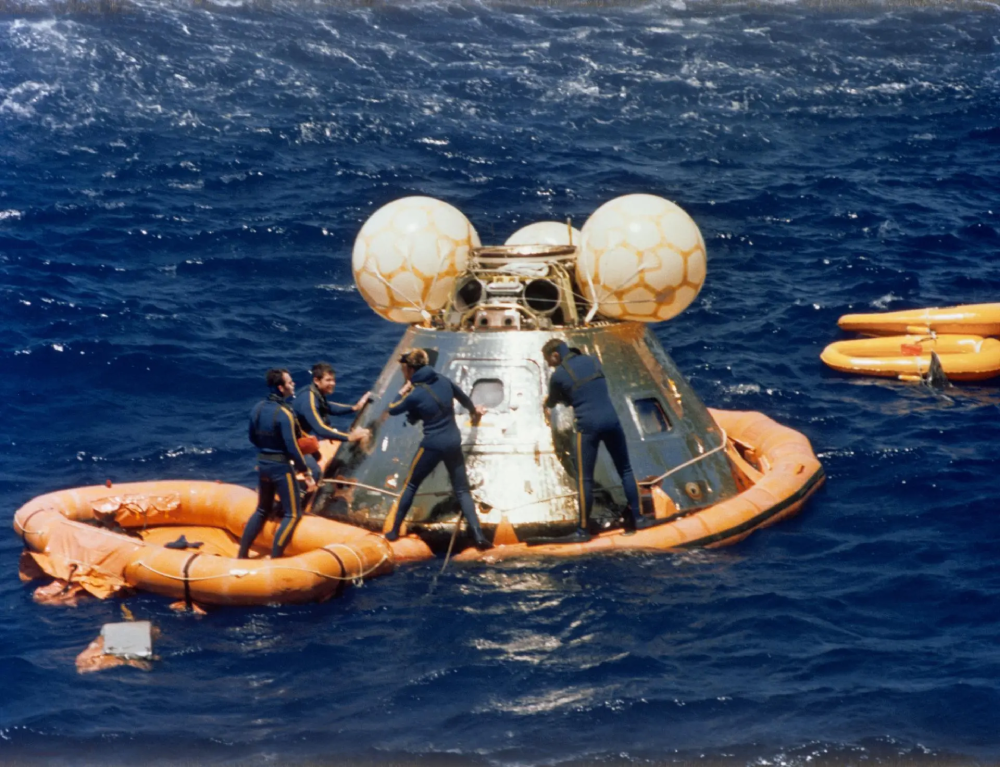
During the historic 1975 Apollo-Soyuz atmospheric reentry, a critical crew error left a pressure relief valve open, violently sucking highly toxic nitrogen tetroxide rocket propellant directly into the American command module. Astronauts Thomas Stafford, Vance Brand, and Deke Slayton were immediately rendered unconscious by the burning yellow gas upon splashing down, spending two weeks in a Honolulu hospital recovering from chemical pneumonia.
Trending on The Scroller

6. Catastrophic launch lightning strikes
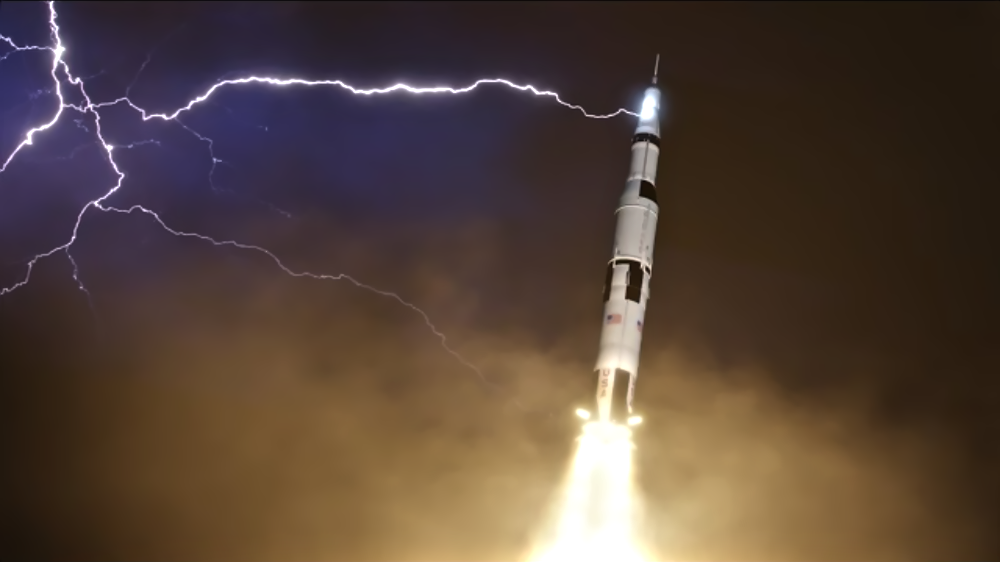
Just thirty-six seconds after lifting off from the Florida launchpad in November 1969, the massive Saturn V rocket carrying Apollo 12 was struck twice by powerful atmospheric lightning. The massive electrical surge completely knocked out the command module’s navigation computers, forcing astronaut Alan Bean to locate and flip an obscure backup switch just in time to save the lunar mission from an emergency abort.
7. Severe carbon dioxide poisoning
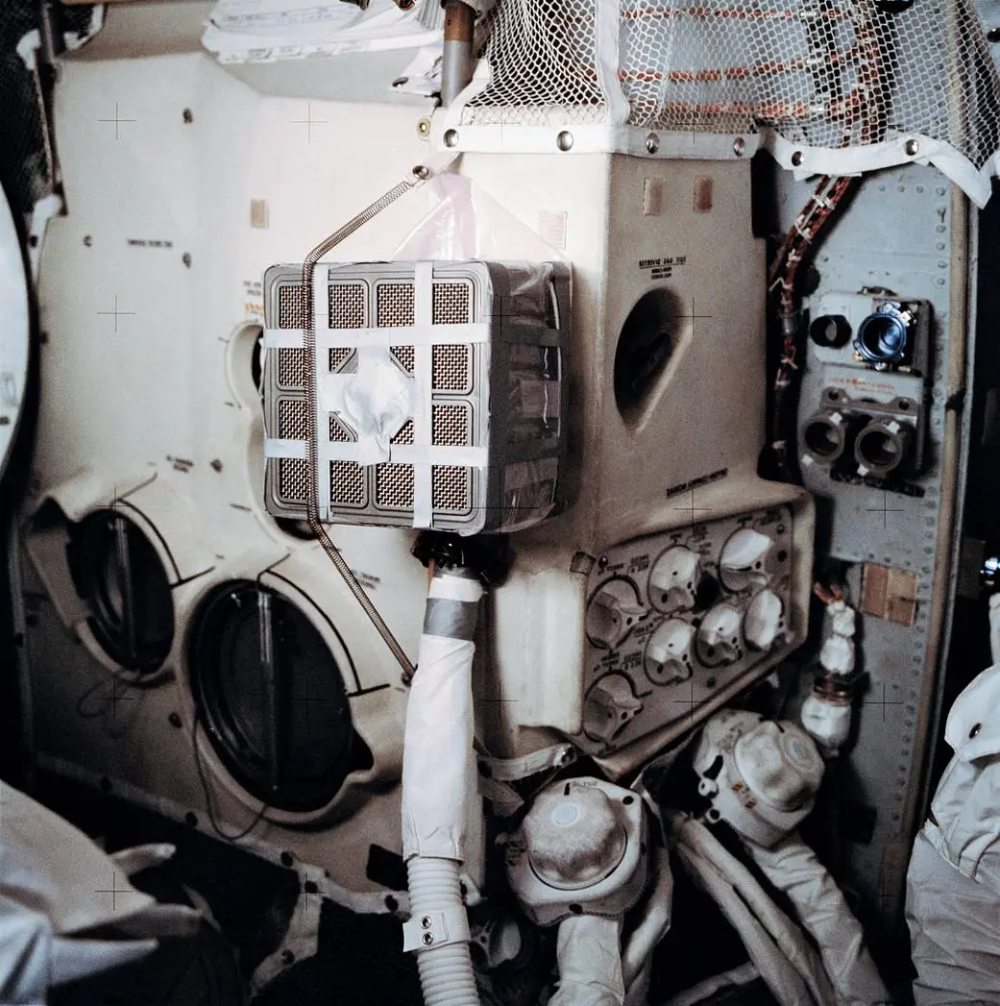
Following an oxygen tank explosion en route to the moon in April 1970, the three surviving Apollo 13 astronauts crowded into the tiny Aquarius lunar module, quickly overwhelming the environmental scrubbers. Houston engineers frantically had to invent a crude physical adapter using cardboard, plastic bags, and duct tape so the crew could utilize the square command module lithium hydroxide canisters in the round lunar module sockets.
8. Mid-orbit collisions
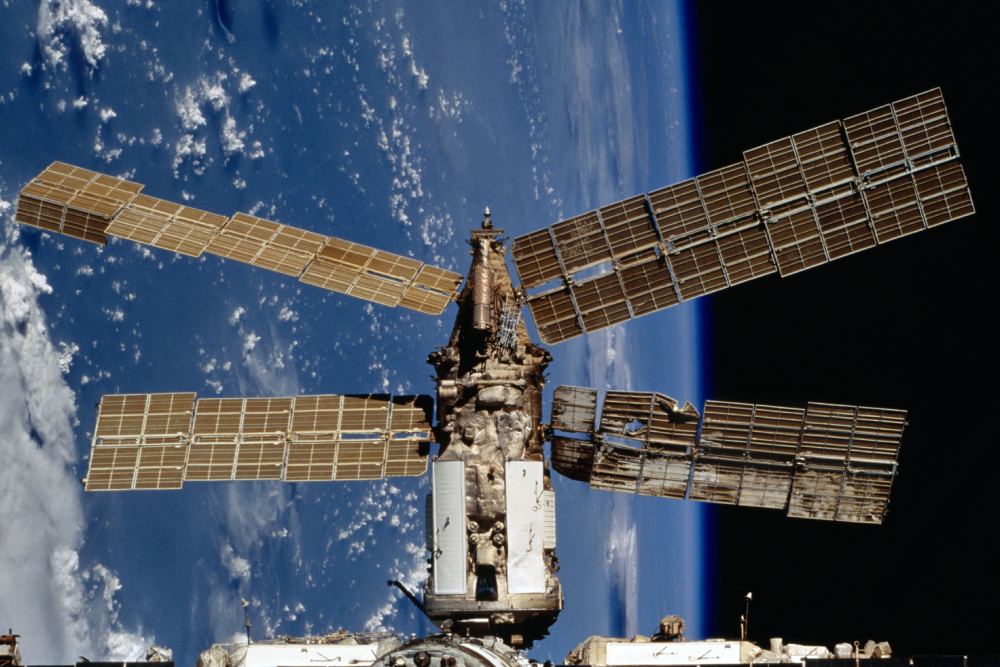
While manually testing a brand-new remote docking system in June 1997, Russian cosmonaut Vasily Tsibliyev completely lost control of an unmanned Progress supply ship traveling toward the Mir station. The massive cargo vessel crashed directly into the Spektr research module, punching a hole in the hull and forcing the terrified crew to frantically sever the connecting cables to seal the leaking hatch.
Sign up for our newsletter
9. Open flames in zero gravity
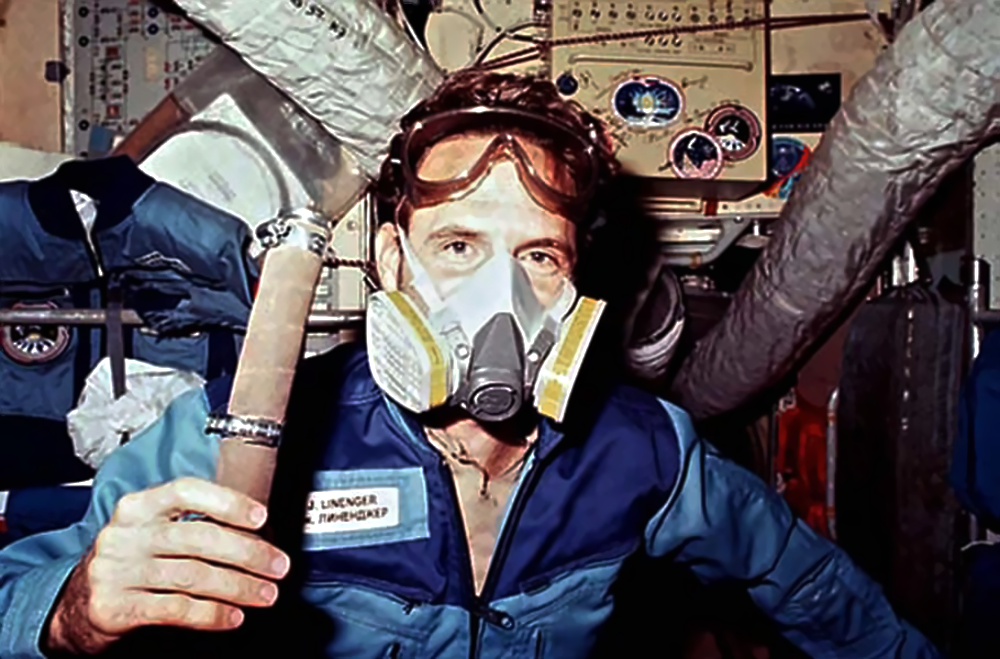
Just months before their terrifying collision, the exhausted crew aboard the Mir station faced a massive emergency in February 1997 when a solid-fuel oxygen-generating canister suddenly burst into a roaring blowtorch flame. Because hot air does not naturally rise in microgravity, the suffocating toxic smoke expanded outward in a perfect sphere, completely trapping the six astronauts and blocking their direct path to the Soyuz escape pods.
10. Tearing a solar panel array
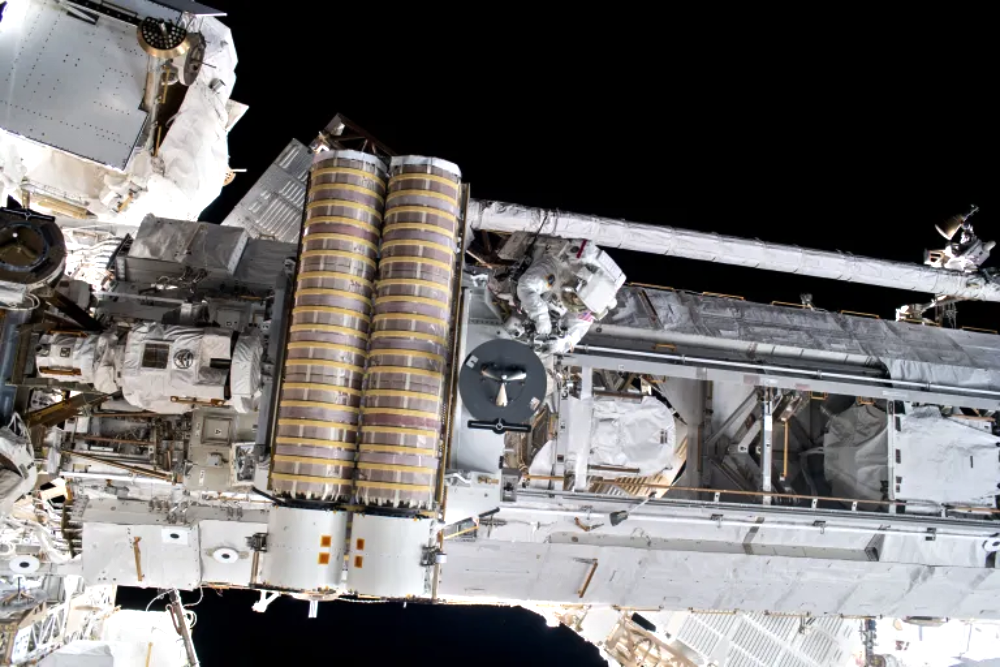
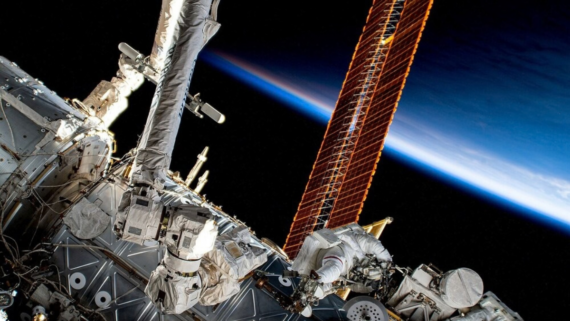
While deploying a massive solar wing on the International Space Station in 2007, the delicate array snagged on a guide wire and violently tore, threatening the entire power grid of the orbiting laboratory. NASA urgently dispatched astronaut Scott Parazynski on a highly dangerous, seven-hour spacewalk, perched on the absolute edge of a robotic boom, to manually stitch the electrified panel back together using makeshift wire cufflinks.
11. Computer overloads during landing
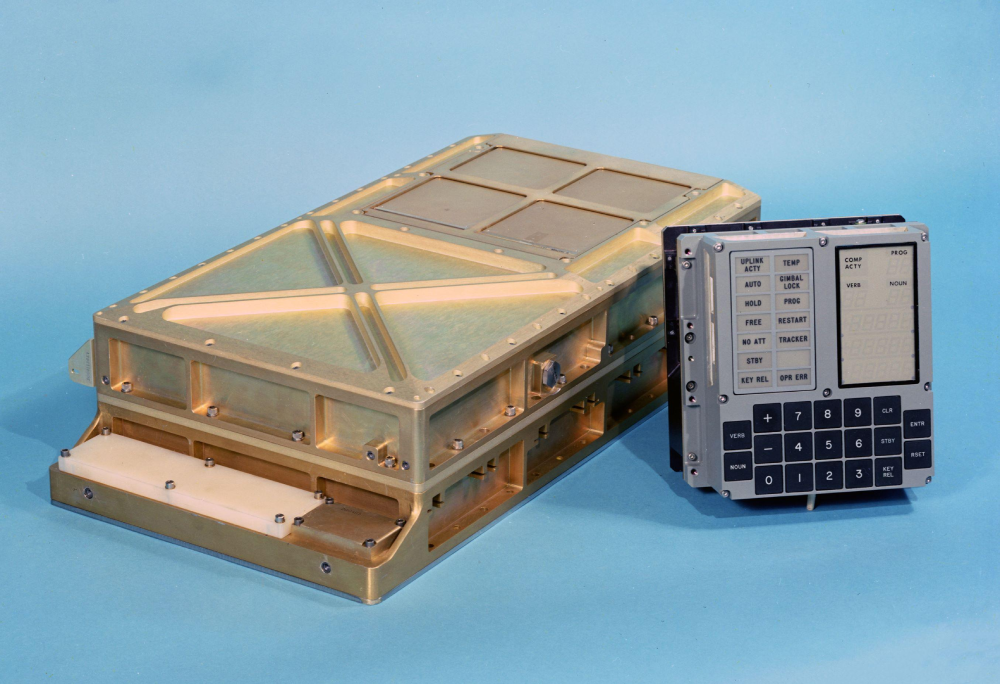
Merely three minutes before the historic lunar touchdown in July 1969, the primitive Apollo guidance computer began flashing terrifying 1201 and 1202 program alarms inside the Eagle module. The primitive processing unit was being heavily overwhelmed by unnecessary radar data, but brilliant NASA software engineer Steve Bales quickly recognized the warning and confidently ordered Neil Armstrong to continue the historic descent.
12. Premature hatch detonations
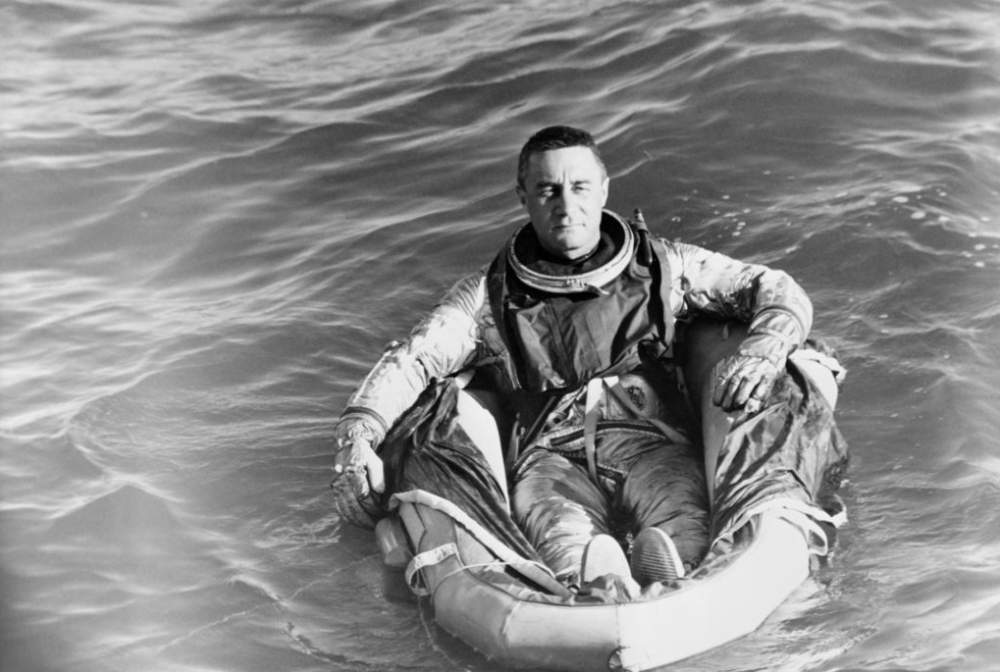
After completing a flawless suborbital flight in July 1961, astronaut Gus Grissom was waiting for a recovery helicopter in the Atlantic Ocean when his capsule’s explosive hatch mysteriously detonated on its own. Freezing seawater immediately rushed into the cramped Liberty Bell 7, forcing Grissom to frantically swim for his life in a rapidly sinking spacesuit while the heavy spacecraft plummeted thousands of feet to the ocean floor.
Explore more fascinating science stories:
Looking back at these harrowing orbital emergencies proves that the brave men and women who strap themselves into rockets possess an unimaginable level of grace under intense pressure. While we love marveling at the gorgeous photographs of distant galaxies, we rarely appreciate the sheer terror of handling a mechanical disaster while floating in an endless void. If you love exploring the fascinating history of science and incredible human survival stories, make sure to check out these Bizarre Things Astronauts Discovered While Exploring Space or these Astronaut Myths: 17 Things They Can and Can’t Do in Space. You may also like these 20 Fascinating Space Race Photos From a Bold New Era.