Throughout history, observant researchers studying wild animals have unlocked some of the greatest scientific mysteries in human understanding, from decoding the complex mechanics of genetic inheritance to unraveling how deep ocean ecosystems function; nature has consistently provided the missing clues to perplexing academic questions.
Long before high-tech laboratories and advanced computer algorithms existed, naturalists relied on the unique adaptations of living creatures to test revolutionary theories. These extraordinary breakthroughs transformed modern medicine, biology, and environmental science, proving that the natural world holds answers to questions we are only beginning to ask. Exploring these legendary biological discoveries reveals how keen observation led to major scientific triumphs. Here are twelve remarkable times creatures helped researchers crack historic cases.
1. Galápagos finches and Charles Darwin – 1835
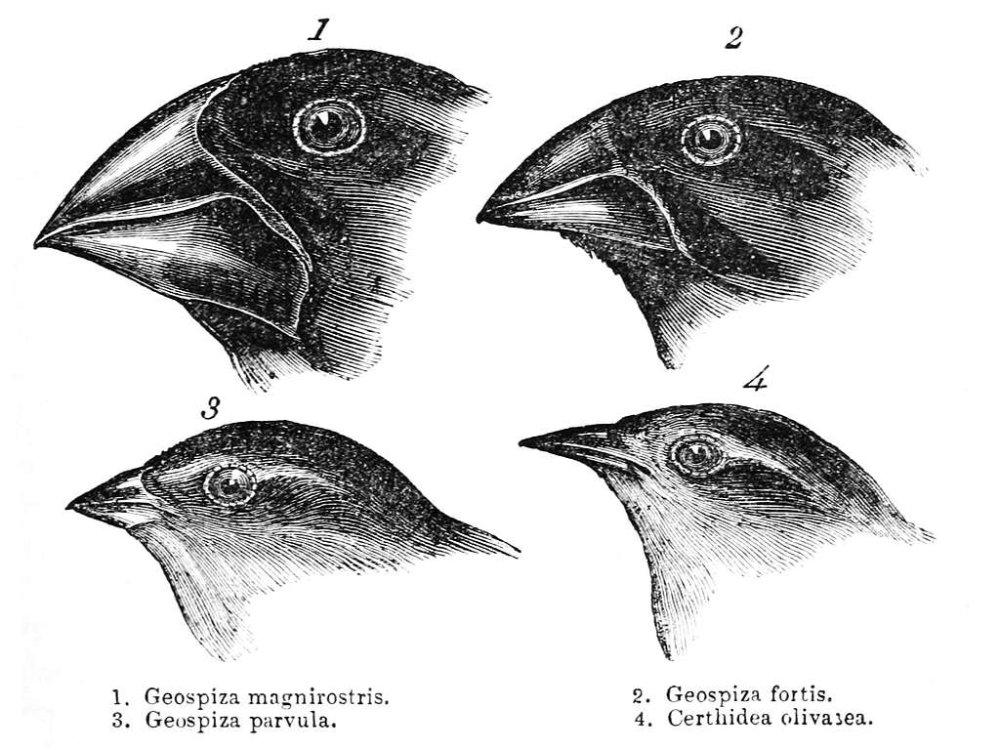
During his voyage aboard the HMS Beagle in 1835, naturalist Charles Darwin collected several distinct species of finches across the Galápagos Islands. Observing how their beak shapes varied precisely based on local food sources helped him formulate the theory of natural selection and solve the mystery of how species evolve over time.
2. Crystal jellyfish and Osamu Shimomura – 1962
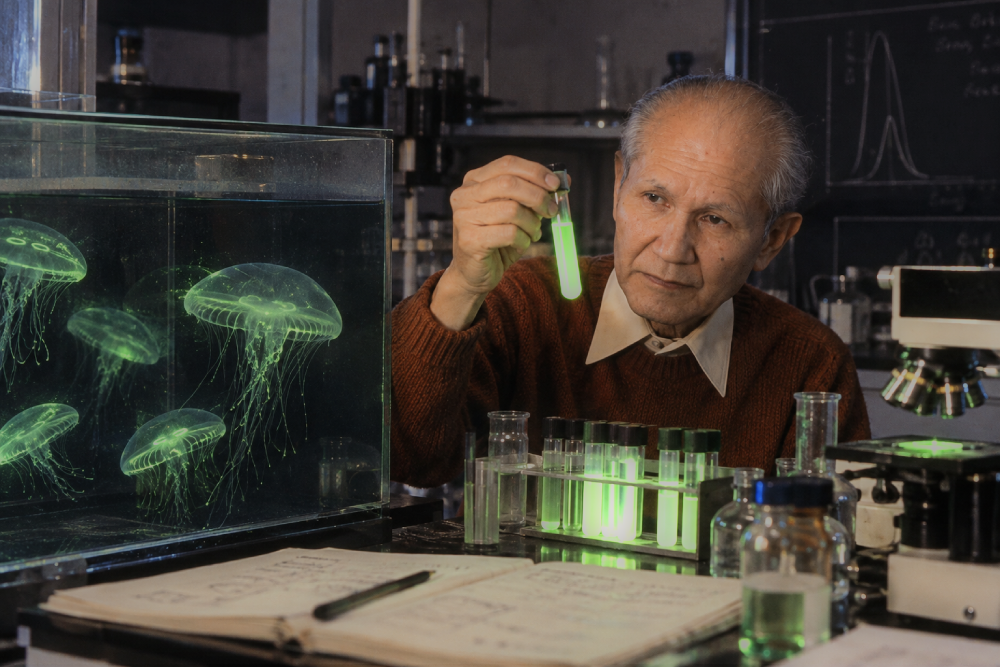
While studying the glowing green luminescence of Aequorea victoria jellyfish off the coast of Washington in 1962, Japanese chemist Osamu Shimomura isolated Green Fluorescent Protein. This revolutionary discovery solved the challenge of tracking cellular movements in real time, earning him a Nobel Prize and transforming modern medical imaging.
3. Fruit flies and Thomas Hunt Morgan – 1910
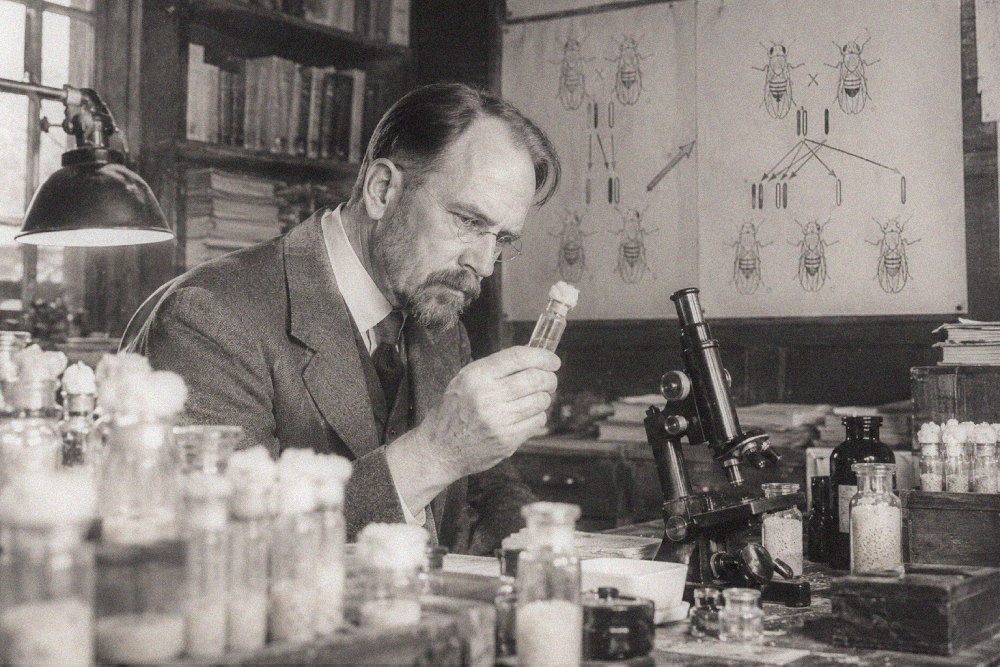
Inside his famous Fly Room at Columbia University in 1910, geneticist Thomas Hunt Morgan bred thousands of Drosophila melanogaster to track physical traits. Spotting a single white-eyed male allowed him to prove that genes are physically located on chromosomes, solving the fundamental mystery of hereditary transmission.
4. Monarch butterflies and Fred Urquhart – 1975
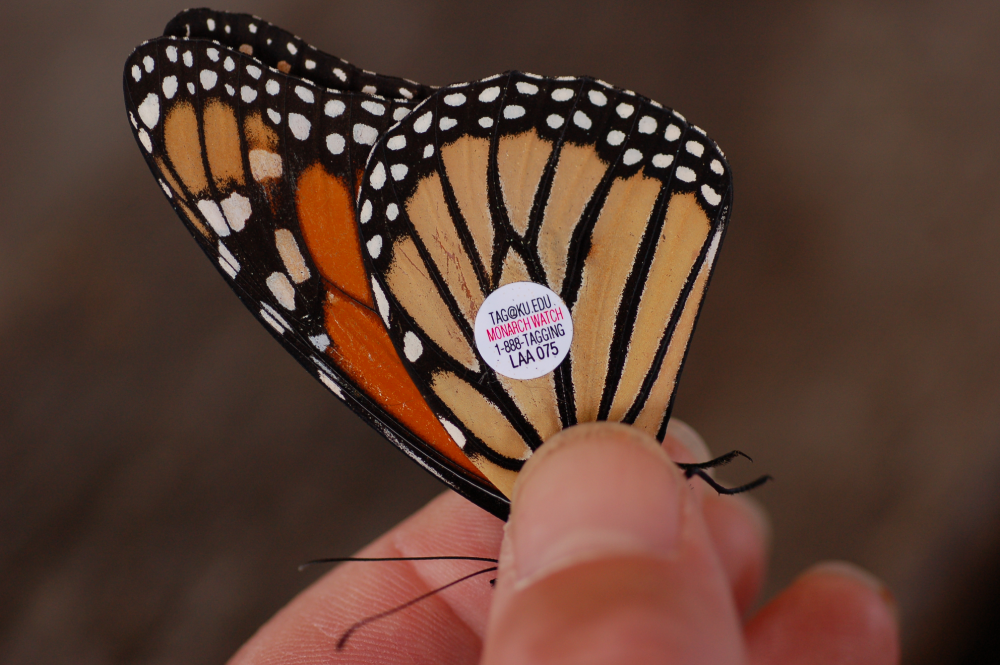
Canadian zoologist Fred Urquhart spent nearly forty years tagging thousands of monarch butterflies alongside a massive network of citizen volunteers to map their annual flight paths. In 1975, his tagged butterflies finally led researchers to the remote fir forests of Michoacán, Mexico, solving the ancient mystery of where North American monarchs spend the winter.
5. Horseshoe crabs and Frederik Bang – 1956
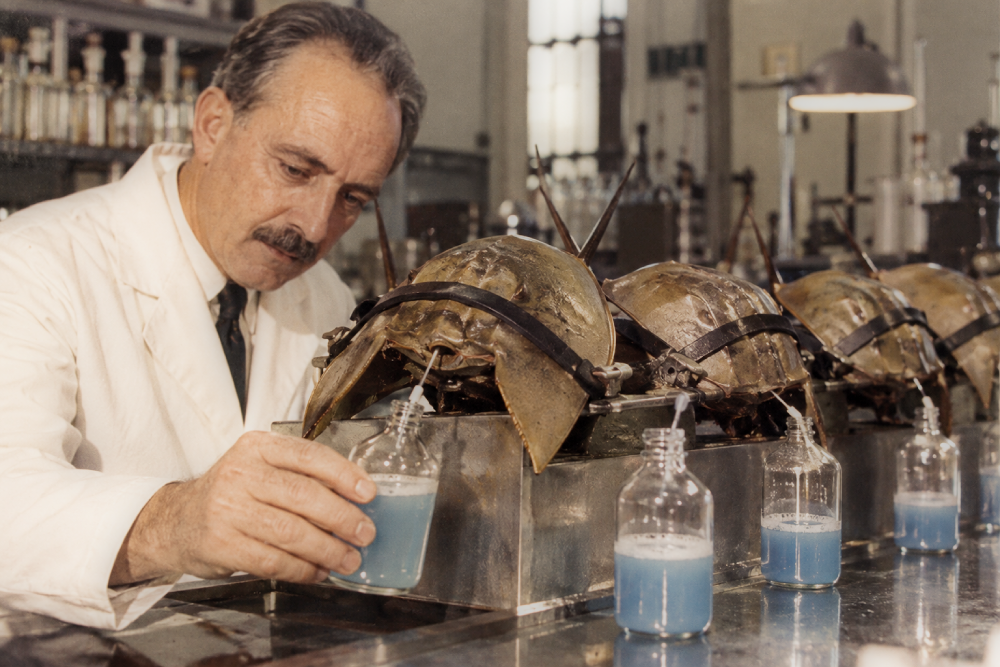
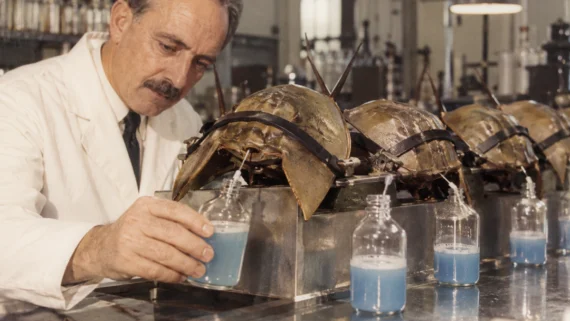
At the Marine Biological Laboratory in Woods Hole in 1956, pathologist Frederik Bang discovered that blue horseshoe crab blood rapidly clots when exposed to dangerous bacterial endotoxins. This biological reaction solved the critical medical problem of testing vaccines and surgical tools for contamination, establishing a global safety protocol that is still used today.
Trending on The Scroller

6. Honeybees and Karl von Frisch – 1940s
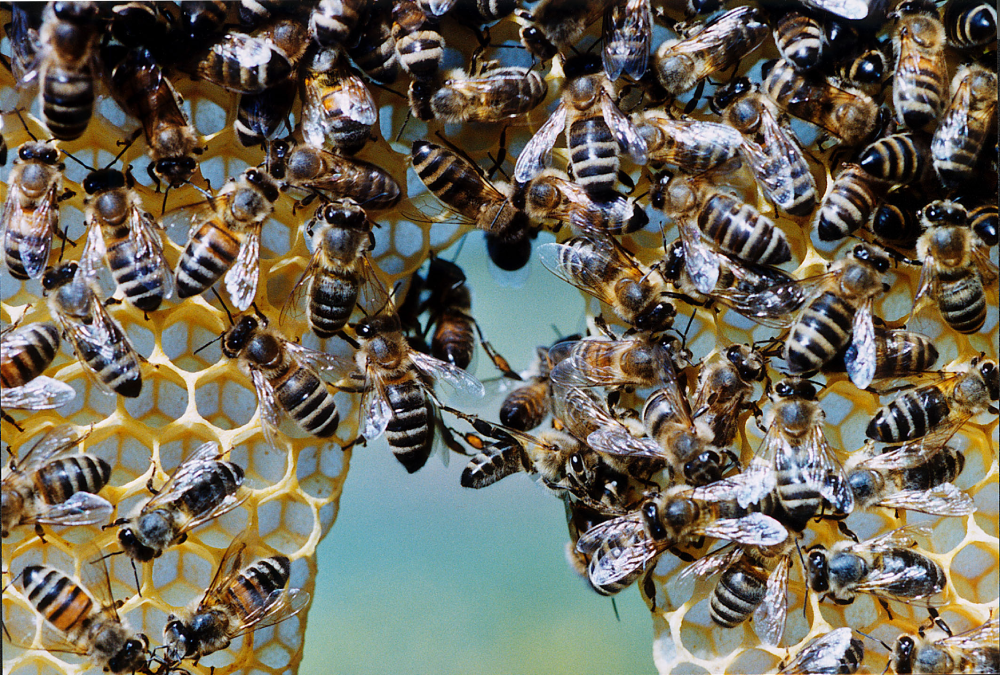
Austrian ethologist Karl von Frisch spent decades studying hive behavior before decoding the complex figure-eight waggle dance performed by honeybees in the 1940s. His groundbreaking research proved that insects use symbolic movements to communicate exact angles and distances to distant flower fields, solving a long-standing debate about non-human communication.
7. Naked mole rats and Vera Gorbunova – 2013
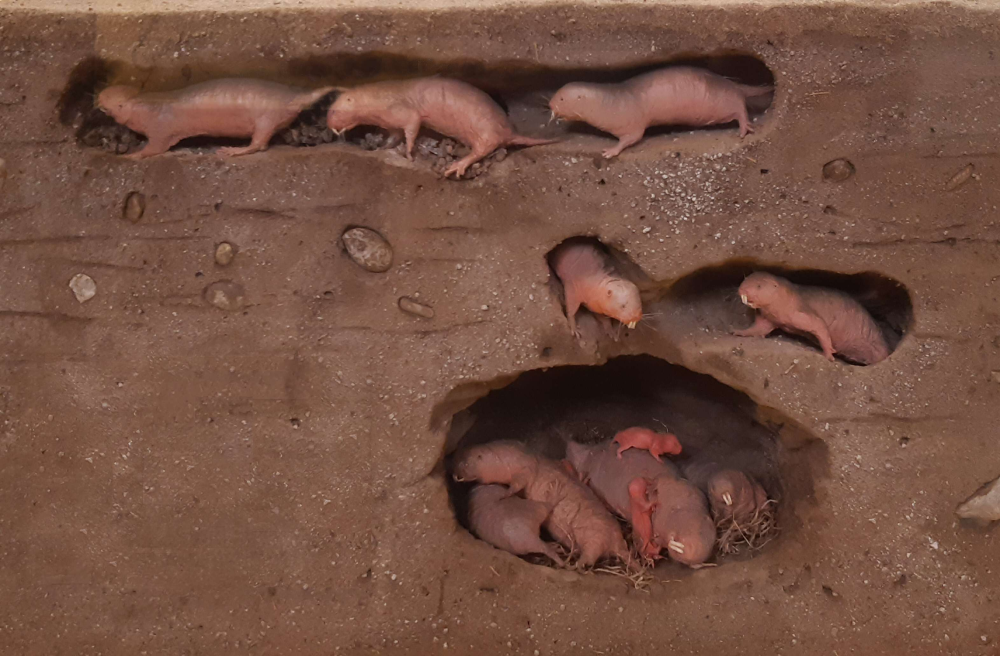
Biologist Vera Gorbunova led a research team at the University of Rochester in 2013 to investigate why subterranean naked mole rats almost never develop cancerous tumors. They discovered that the rodents produce extremely high molecular mass hyaluronan, solving a major oncology mystery and opening brand new avenues for human cancer prevention.
8. Electric eels and Alessandro Volta – 1800
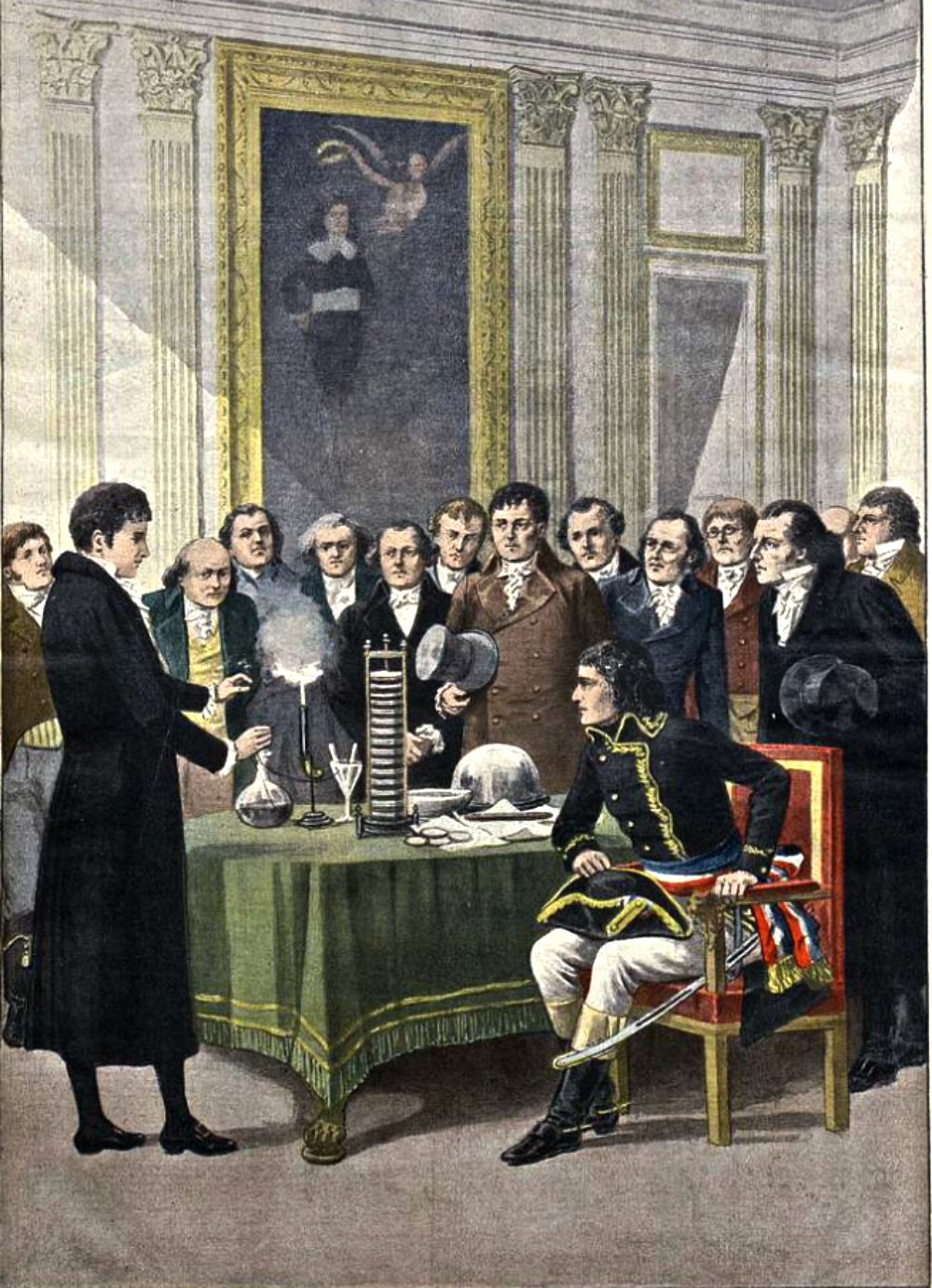
Physicist Alessandro Volta studied the intense shock-generating tissues of electric eels and torpedo rays in the late eighteenth century to understand biological energy. Replicating the stacked electrical cells found inside the eel’s body inspired him to construct the world’s first chemical battery in 1800, solving the mystery of how to generate and store continuous electricity.
Sign up for our newsletter
9. Wood frogs and Kenneth Storey – 1980s
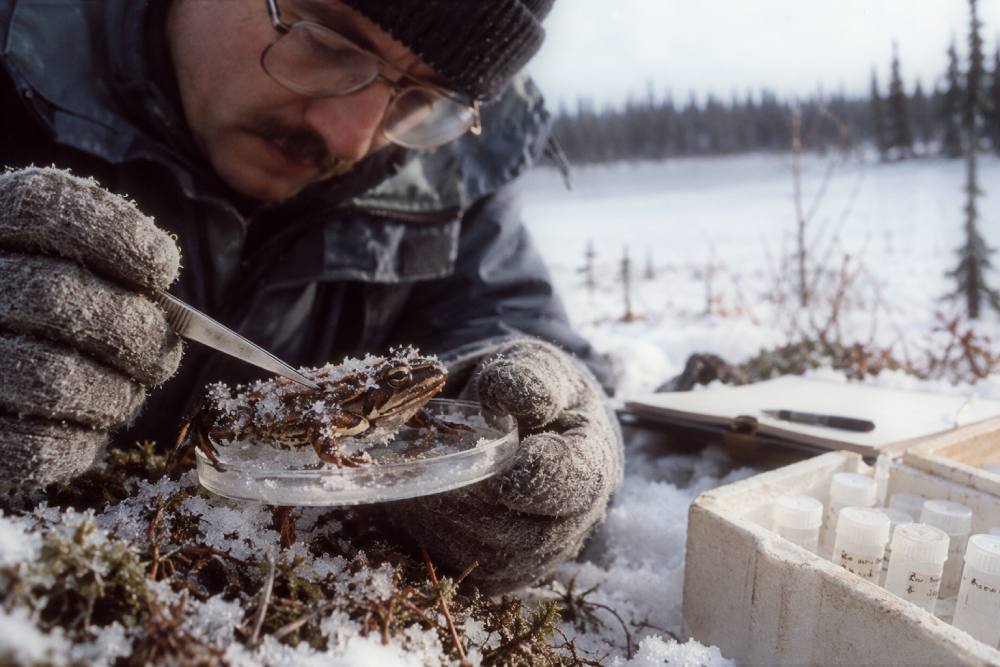
Biochemistry professor Kenneth Storey began examining Alaskan wood frogs in the late 1980s to understand how they survive freezing solid during harsh subzero winters. He discovered that their livers flood their bloodstreams with concentrated glucose to act as a natural cryoprotectant, solving key cellular preservation mysteries that now aid human organ transplant preservation.
10. Homing pigeons and Charles Walcott – 1970s
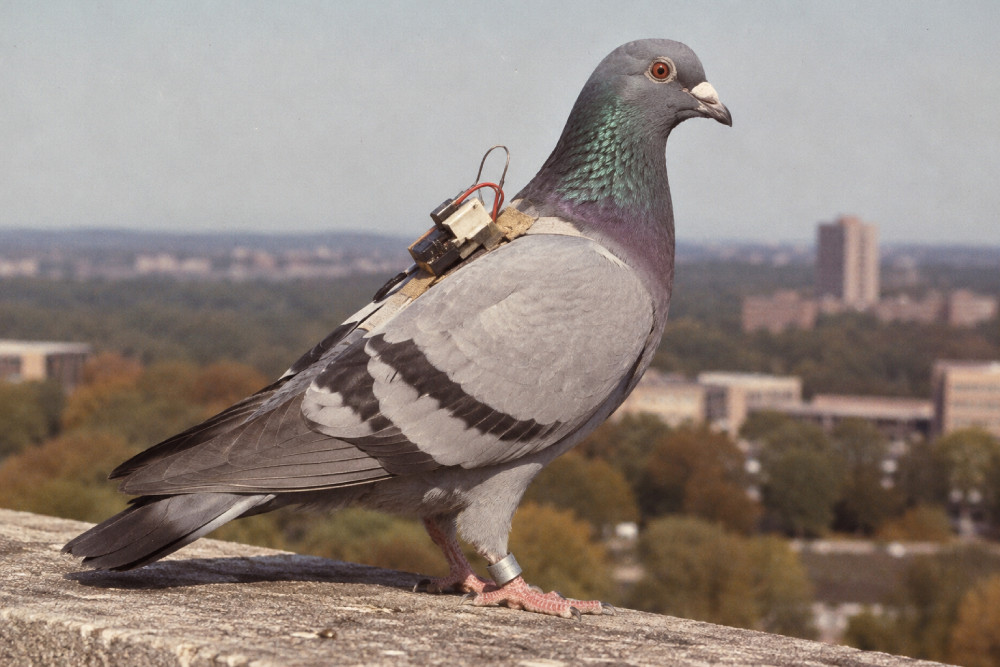
Biologist Charles Walcott conducted pioneering experiments at Stony Brook University during the 1970s to figure out how homing pigeons navigate back to their roosts across vast unfamiliar distances. By attaching tiny magnetic backpacks to the birds, he proved that avian species utilize microscopic iron oxide deposits near their beaks to read Earth’s magnetic field lines.
11. Sea urchins and Theodor Boveri – 1902
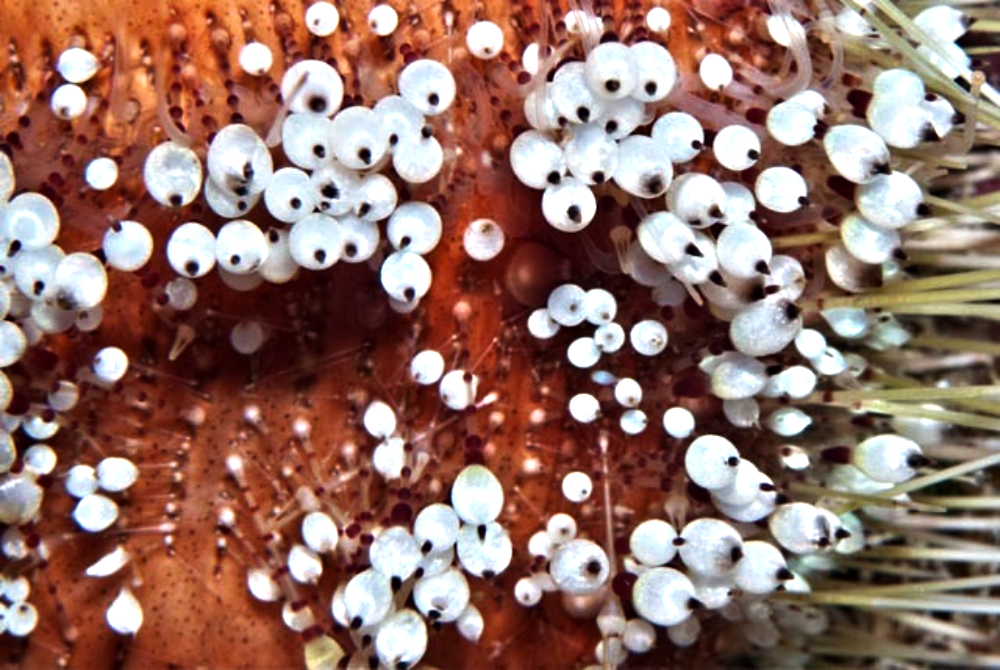
German biologist Theodor Boveri meticulously fertilized sea urchin eggs with multiple sperm in 1902 to observe their cellular development under a microscope. Disrupting their cell division revealed that abnormal chromosome counts cause malignant growth, solving a major medical puzzle by establishing the fundamental link between genetic mutations and cancer.
12. Sperm Whales and Tsunemi Kubodera – 2004
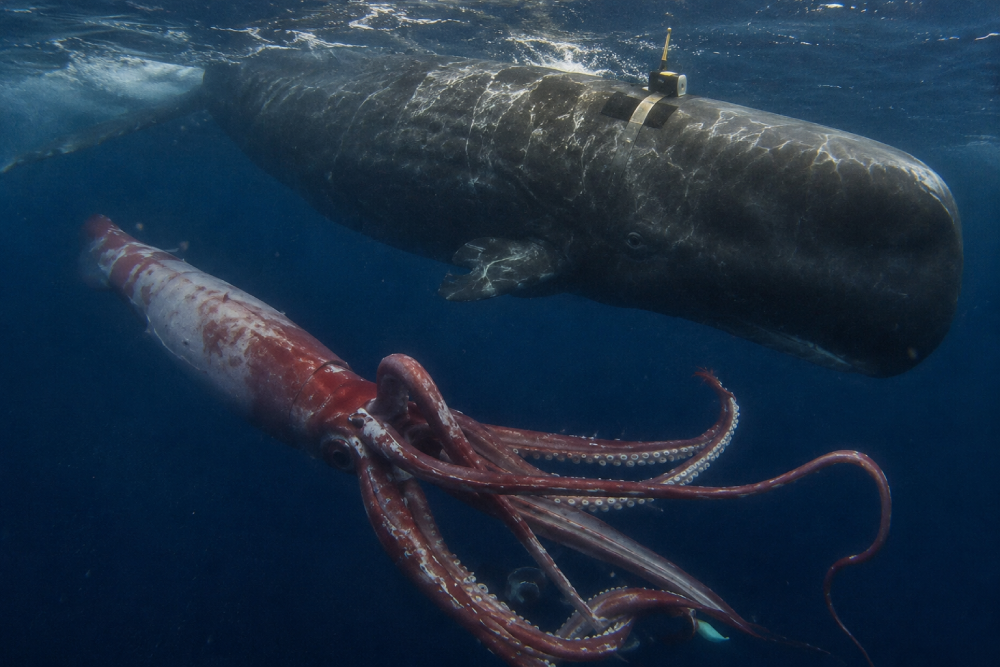
Japanese marine biologist Tsunemi Kubodera attached depth recorders to diving sperm whales in 2004 to figure out where giant squids hunted in the deep ocean. Tracking the whales’ hunting patterns off the Ogasawara Islands allowed his team to capture the world’s very first photographs and video of a living giant squid in its natural habitat.
Explore more interesting facts about animals:
Natural history is packed with incredible instances where observing wildlife led to groundbreaking technological and medical revolutions. These fascinating breakthroughs prove that paying close attention to the natural world often provides the exact answers scientists need to solve humanity’s greatest puzzles. If you love exploring curious scientific discoveries and animal stories, make sure to check out these Masters of Disguise: 15 Animals That Change Their Appearance or these 16 Mind-Blowing Facts About Desert Animals. You may also like to take a look at these 14 Historic Vintage Photos of Brave Military Animals.