Nature is full of masters of disguise that rely on visual trickery to survive in unforgiving environments. While some animals develop a permanent camouflage over millions of years, others possess the incredible ability to physically alter their bodies in the blink of an eye. Whether they are shifting their skin tone to match a coral reef, puffing up to intimidate a hungry predator, or growing an entirely new coat of fur to blend into winter snow, these transformations are nothing short of magical.
Witnessing these incredible shape-shifters in action proves that survival in the wild is a constant game of visual deception. Some species utilize complex optical illusions to ambush their next meal, while others morph into terrifying shapes just to avoid becoming someone else’s dinner. Exploring how these fascinating animals adapt to their surroundings reveals a world of biological engineering that goes far beyond simple hiding. Here are fifteen remarkable creatures that can change their appearance in completely surprising ways.
1. Mimic octopus
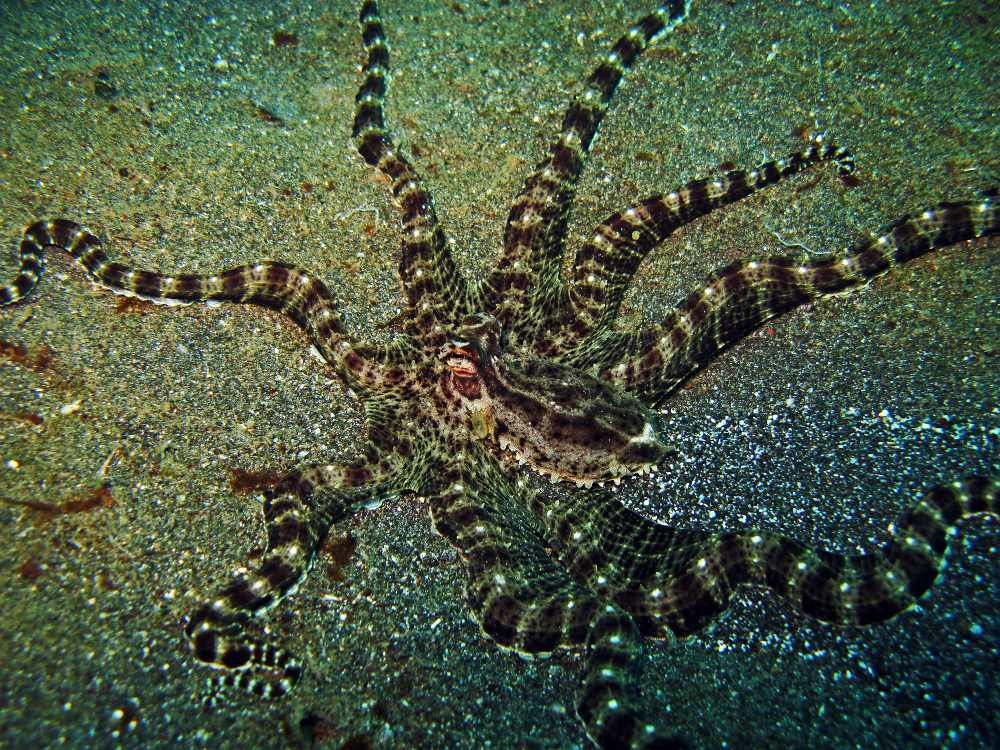
This incredibly smart cephalopod does not just change color to blend into the sandy ocean floor. It physically contorts its eight arms to perfectly mimic the shape and swimming movements of highly venomous sea creatures like lionfish and sea snakes to scare off predators.
2. Golden tortoise beetle
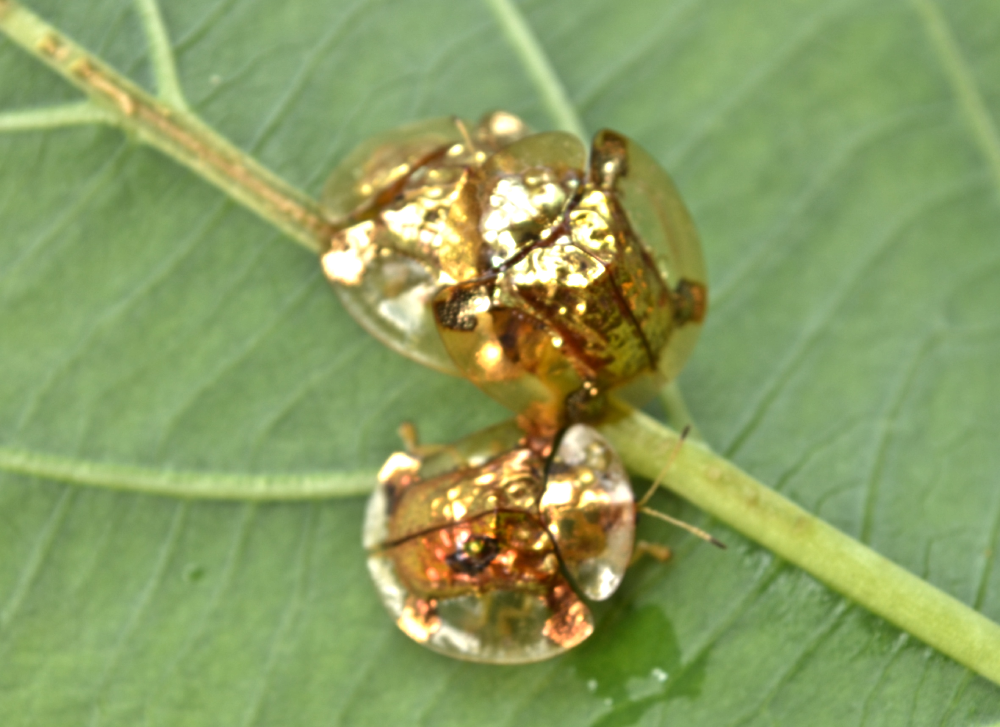
Often called the “goldbug,” this tiny insect features a metallic, mirror-like shell that shines brilliantly in the sunlight. Whenever it feels threatened or stressed by a human touch, it alters the microscopic fluid beneath its exoskeleton to instantly turn a dull, lifeless red.
3. Hemeroplanes caterpillar
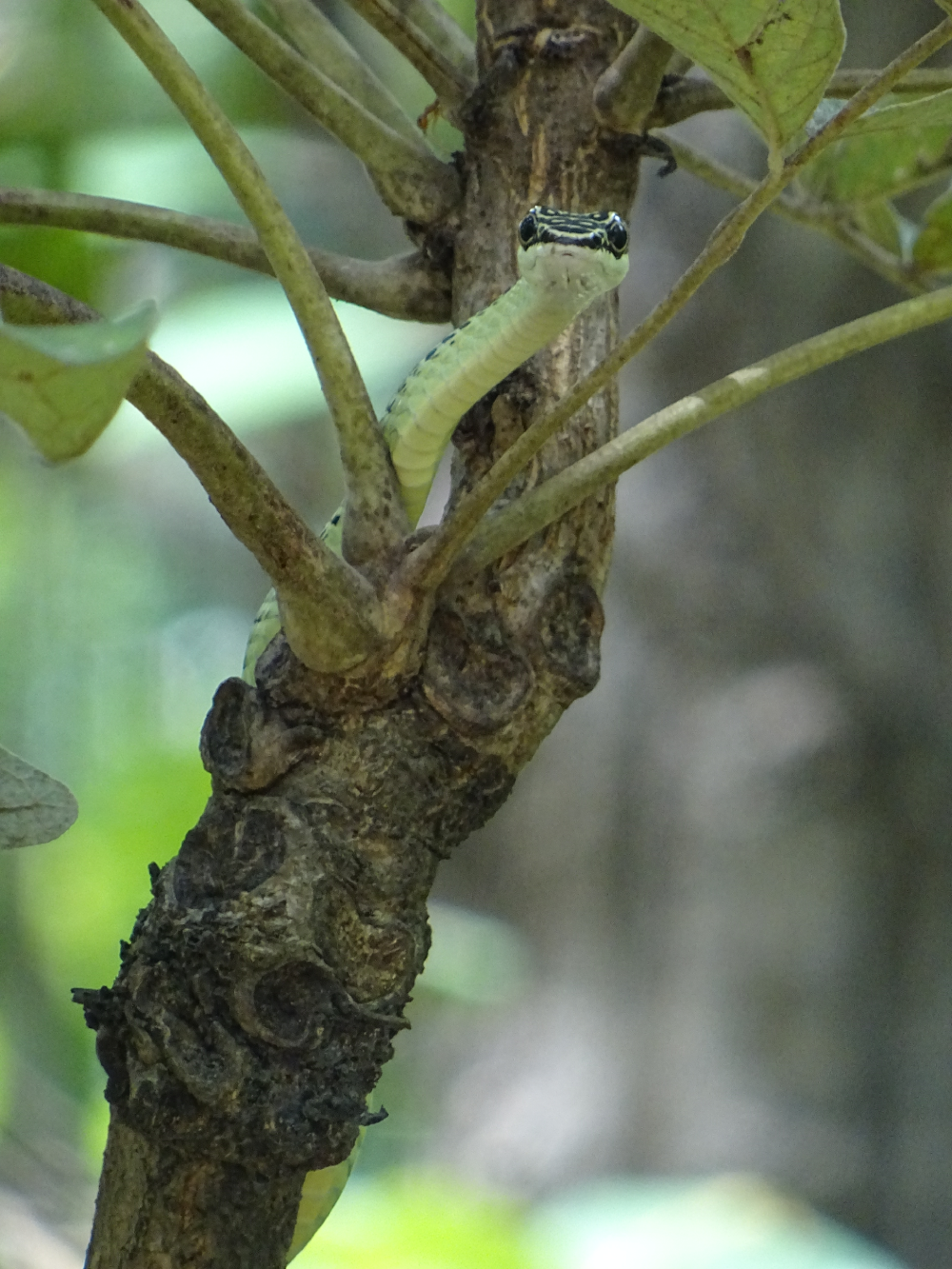
To avoid being eaten by hungry birds, this vulnerable insect performs one of the most terrifying bluffs in the rainforest. It inflates the front segment of its body to perfectly resemble the diamond-shaped head of a deadly pit viper, complete with fake reflective eyes that track movement.
4. Broadclub cuttlefish
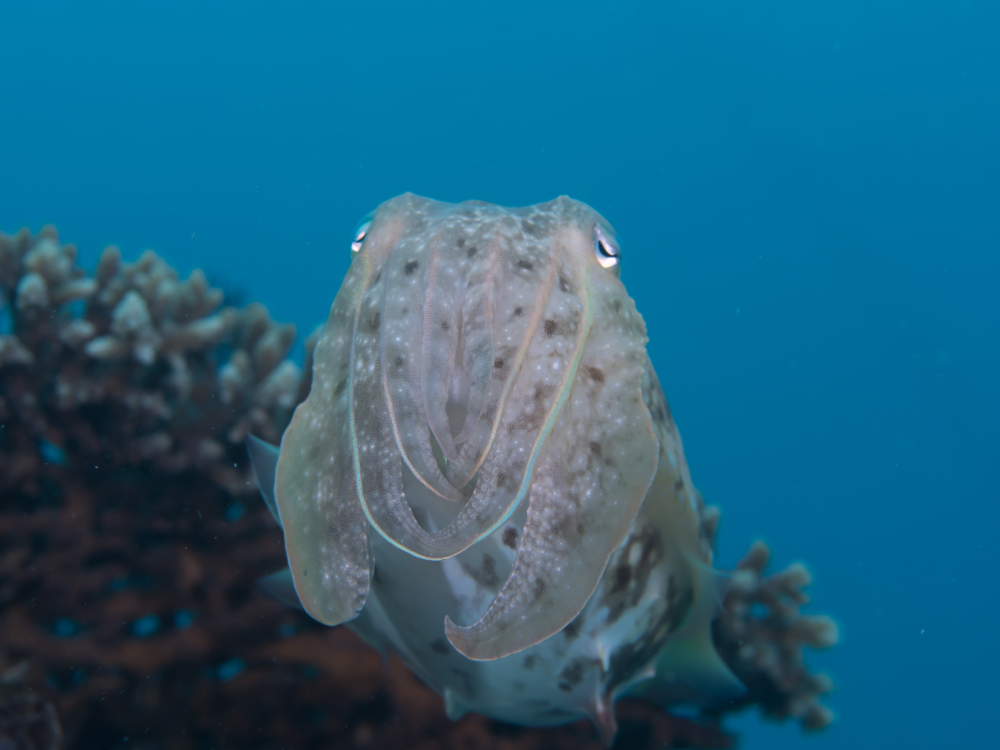
Instead of simply blending in, this marine predator uses specialized skin cells called chromatophores to project rippling, strobe-light patterns across its entire body. This mesmerizing visual display effectively hypnotizes passing crabs, freezing them in place just long enough for the cuttlefish to strike.
5. Vampire squid
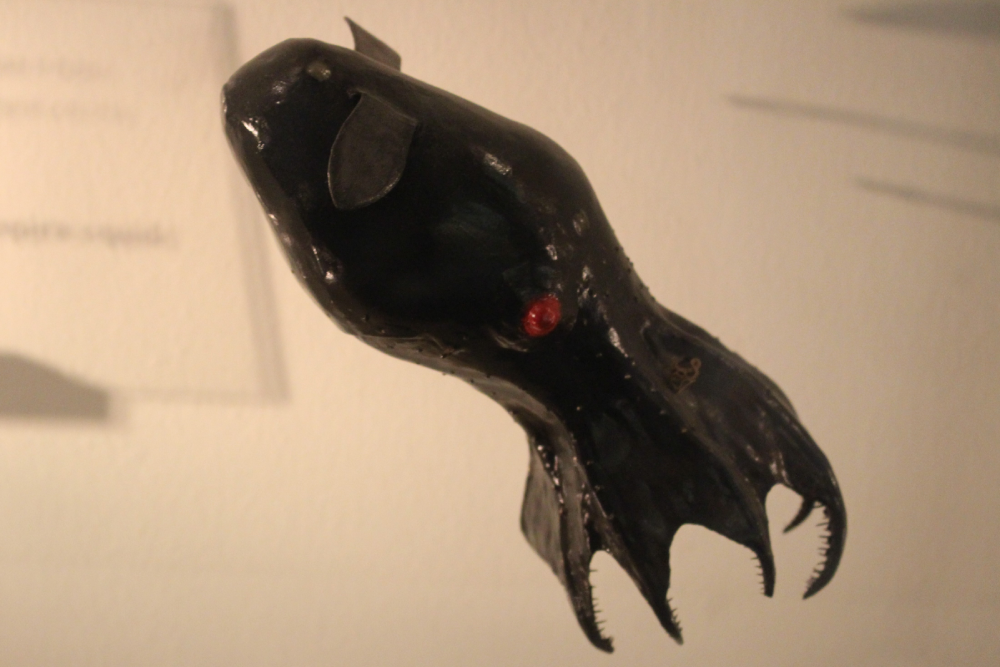
Living in the pitch-black depths of the ocean, this deep-sea dweller has a completely unique defense mechanism when threatened by a larger predator. It pulls its webbed tentacles entirely over its own head like a dark cloak, exposing rows of fleshy spines that make it look completely inedible.
Trending on The Scroller
6. Stoat
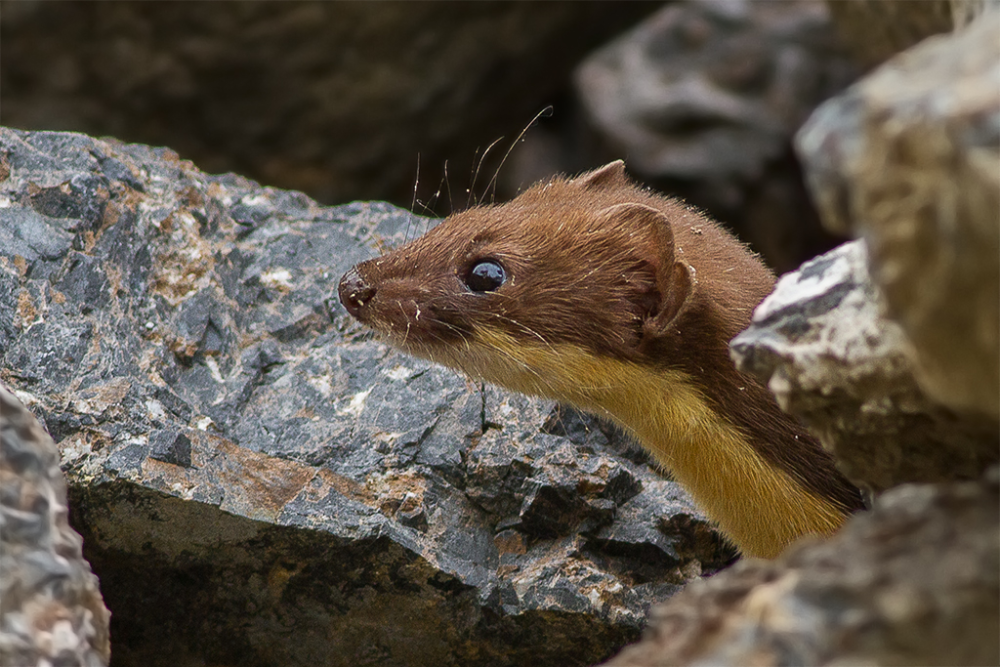
During warm summer months, this small member of the weasel family sports a reddish-brown coat that blends perfectly into forest dirt and dead leaves. As winter approaches, it sheds that fur completely, turning snow white everywhere except for a distinct black tip on its tail designed to confuse chasing hawks.
7. Frilled lizard
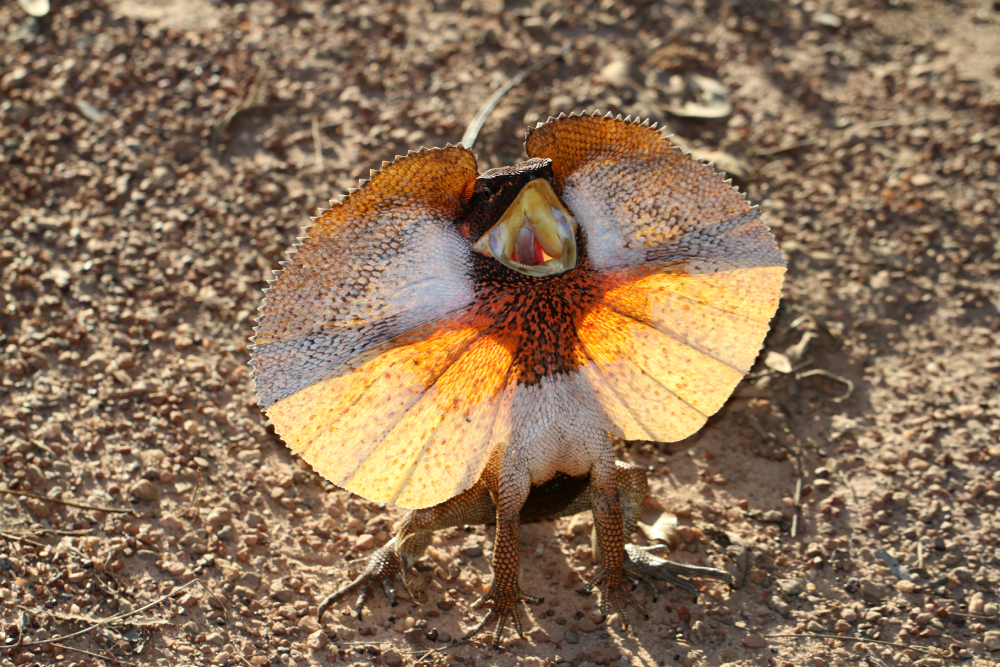
Native to northern Australia, this reptile spends most of its time looking like a standard, slender lizard resting peacefully on tree branches. When cornered, it suddenly flares out a massive, brightly colored skin flap around its neck while opening its mouth wide, instantly doubling its perceived size.
8. Peacock flounder
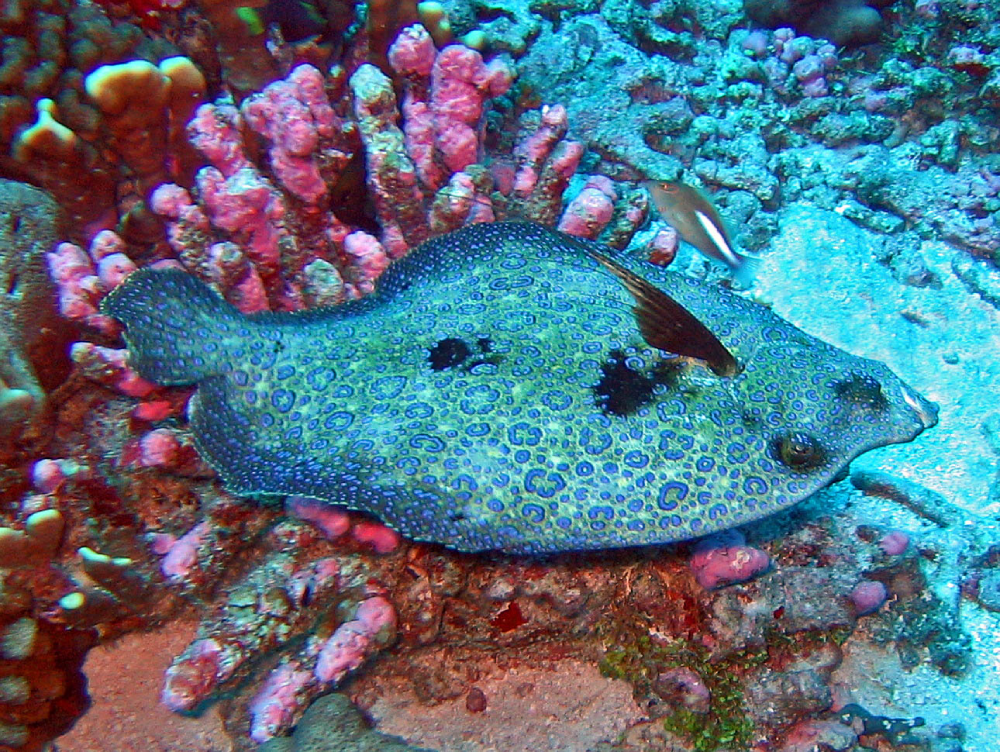
This flatfish takes ocean floor camouflage to an extreme level by changing its skin pattern in less than eight seconds to match surrounding sand or crushed coral. Laboratory tests have even shown that if you place them on a customized checkerboard pattern, their skin will attempt to precisely replicate the geometric squares.
Sign up for our newsletter
9. Wolverine frog
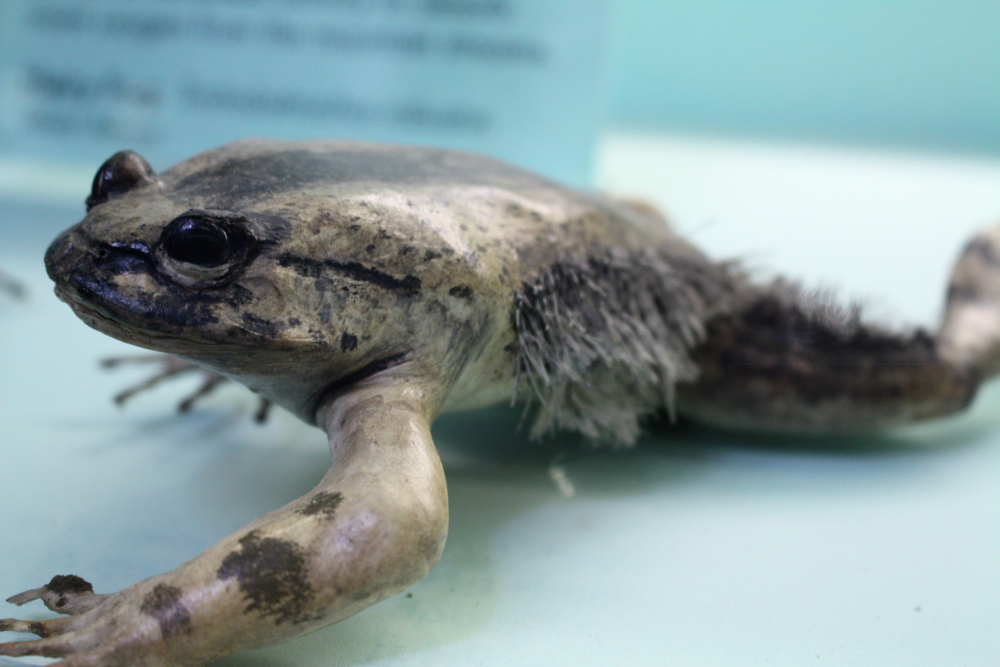
When this Central African amphibian is grabbed by a predator, it aggressively breaks the bones inside its own hind toes. These sharp, fractured bones then pierce directly through the frog’s skin to act like retractable cat claws, offering a brutal and highly surprising defense mechanism.
10. Thorny devil
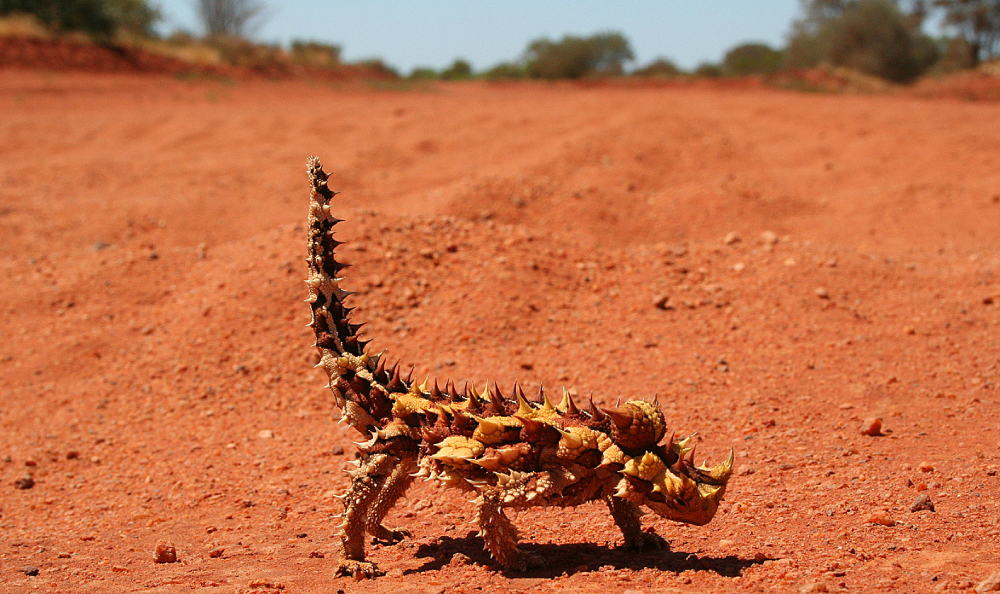
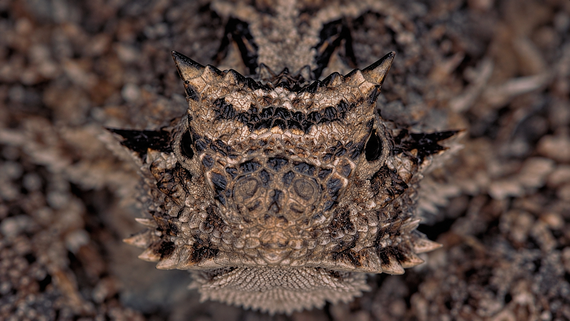
Covered entirely in sharp conical spikes, this Australian desert lizard changes its skin tone based entirely on the surrounding temperature rather than background colors. During hot afternoons, it remains a pale yellowish-red to reflect the harsh sun, but it quickly shifts to a dark olive brown to absorb heat when morning temperatures drop.
11. Goblin shark
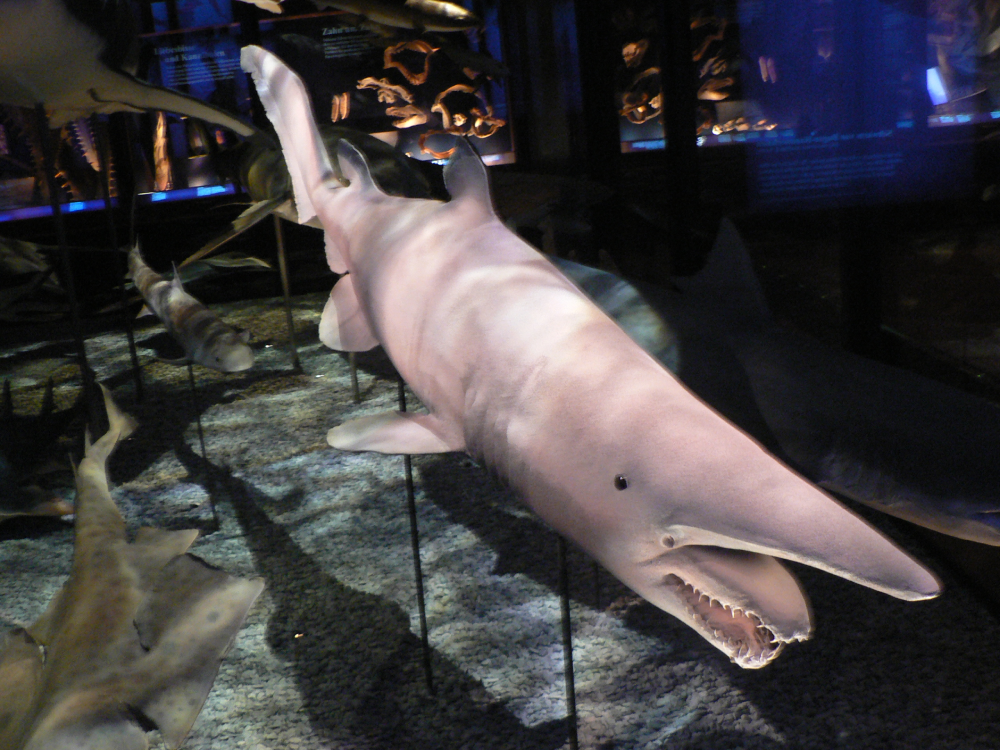
Cruising the dark depths of the sea, this rare and ancient shark looks relatively normal until it spots a passing fish or squid. Its entire jaw physically detaches and shoots forward out of its face to snap up the meal, completely warping its head shape before slowly retracting back into place.
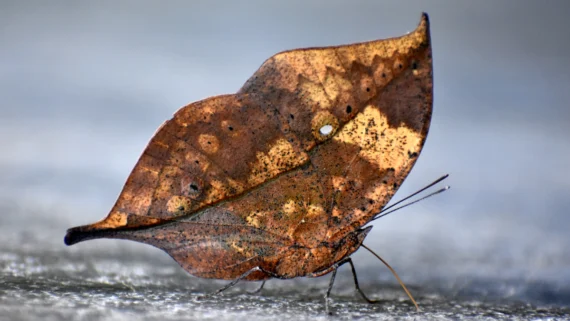
12. Dead leaf butterfly
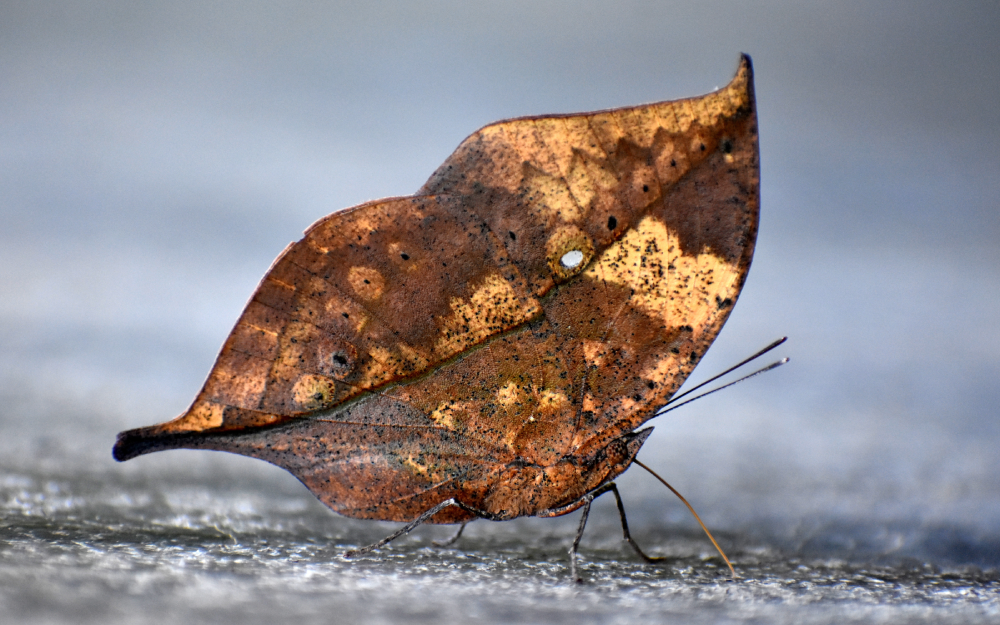
Flying through the tropical forests of Asia, this beautiful insect features brilliant flashes of bright blue and orange on its open wings. The moment it lands and snaps those wings shut, it perfectly mimics a dry, decaying autumn leaf right down to the tiny dark veins and imitation mold spots.
13. Arctic fox
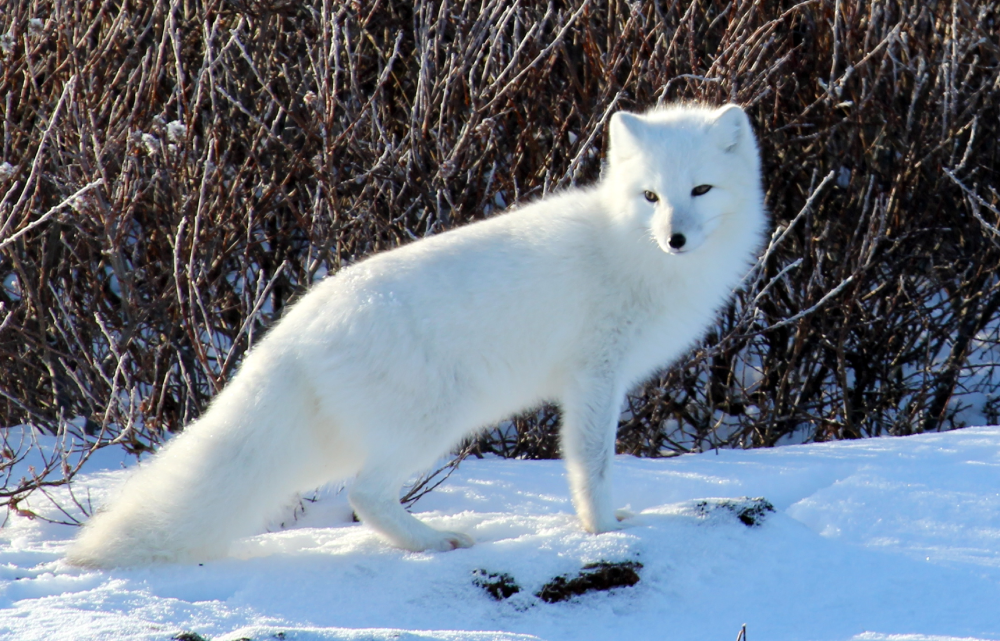
Surviving in subzero tundra environments requires a wardrobe change, prompting this resilient predator to trade its thin brown summer coat for a heavily insulated white one. The winter fur grows in so thick that it even covers the bottom of the fox’s footpads, muffling its footsteps while stalking prey across the ice.
14. Pufferfish
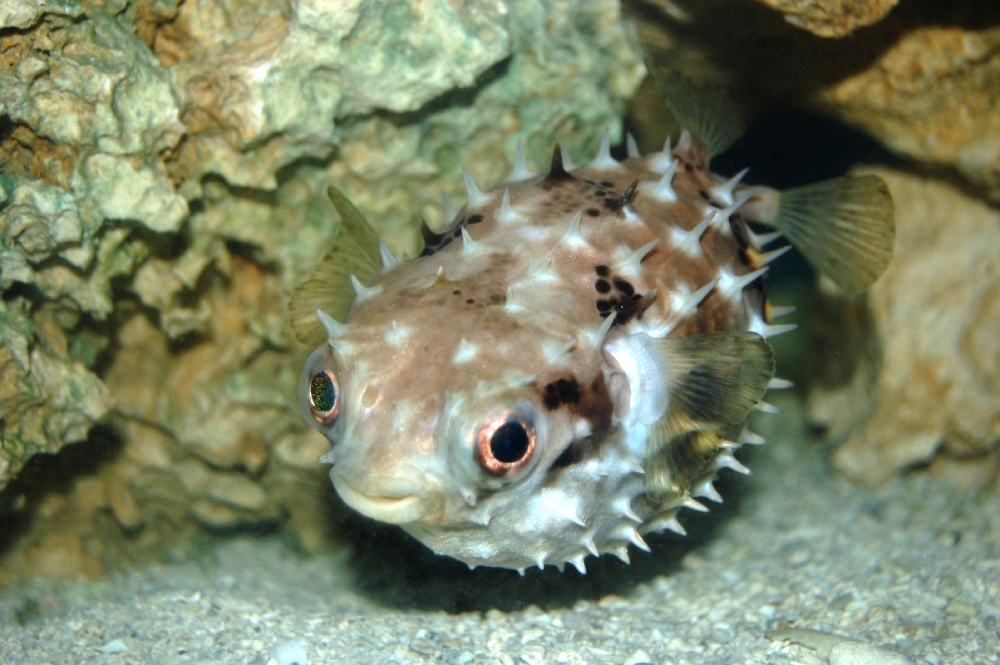
Lacking the speed to outswim fast ocean predators, this slow-moving fish rapidly swallows gallons of water or air to turn into a massive, buoyant balloon. The sudden inflation causes sharp, hidden spines to stand straight up across its expanded body, making it physically impossible for a predator to swallow.
15. White-tailed ptarmigan
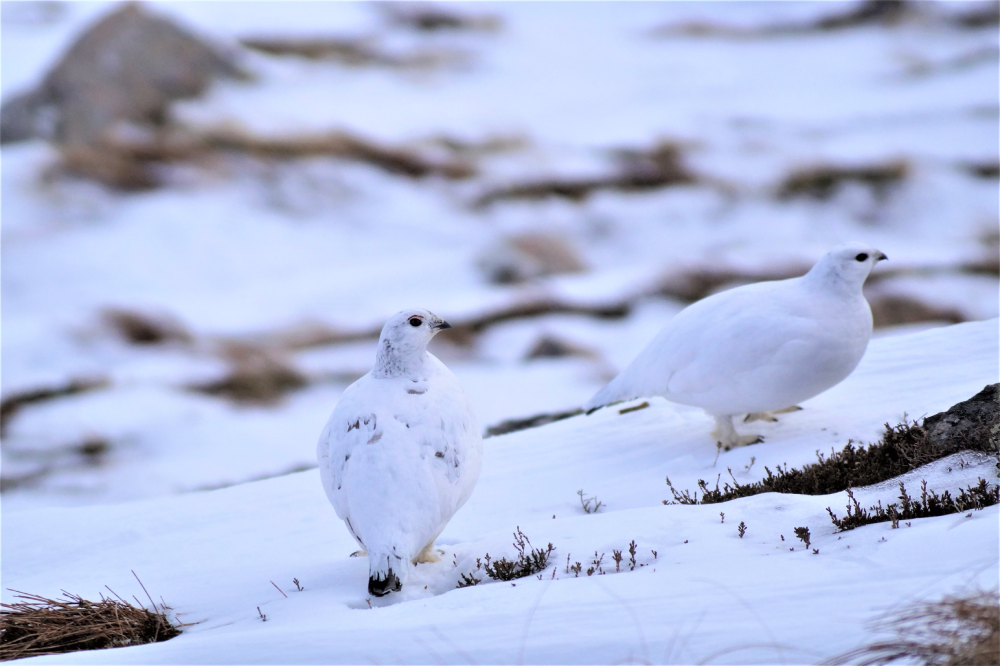
This resilient alpine bird relies entirely on seasonal molting to stay completely invisible from hungry eagles flying overhead. It perfectly matches the speckled granite rocks during the summer months, then completely replaces its feathers with a pure white coat to vanish against the winter snowpack.
Explore more fascinating facts about nature:
Nature is packed with brilliant visual tricks that prove appearances can be wildly deceiving. These master illusionists show us that sometimes the best way to survive a tough situation is to simply become something else entirely. If you love exploring the fascinating secrets of the natural world, vintage lifestyle history, and fun pop culture retrospectives, be sure to check out these 15 Plants and Animals in Fascinating Natural Partnerships or these 15 Extreme Animals Built to Survive the Impossible. You can also explore these 14 Look-Alike Animals That Are Entirely Separate Species.