Every year, animals cross entire oceans, fly between continents, and return to places they may have visited only once before. Some travel thousands of miles without stopping, while others find their way to particular beaches, rivers, or mountain caves. Scientists have discovered that magnetic fields, sunlight, stars, and even smells help guide these journeys, although the picture is far from complete. These 15 migrations reveal some of the stranger ways animals move around the planet, including a few that researchers are still struggling to explain.
1. Arctic Terns Travel Between the Earth’s Polar Regions
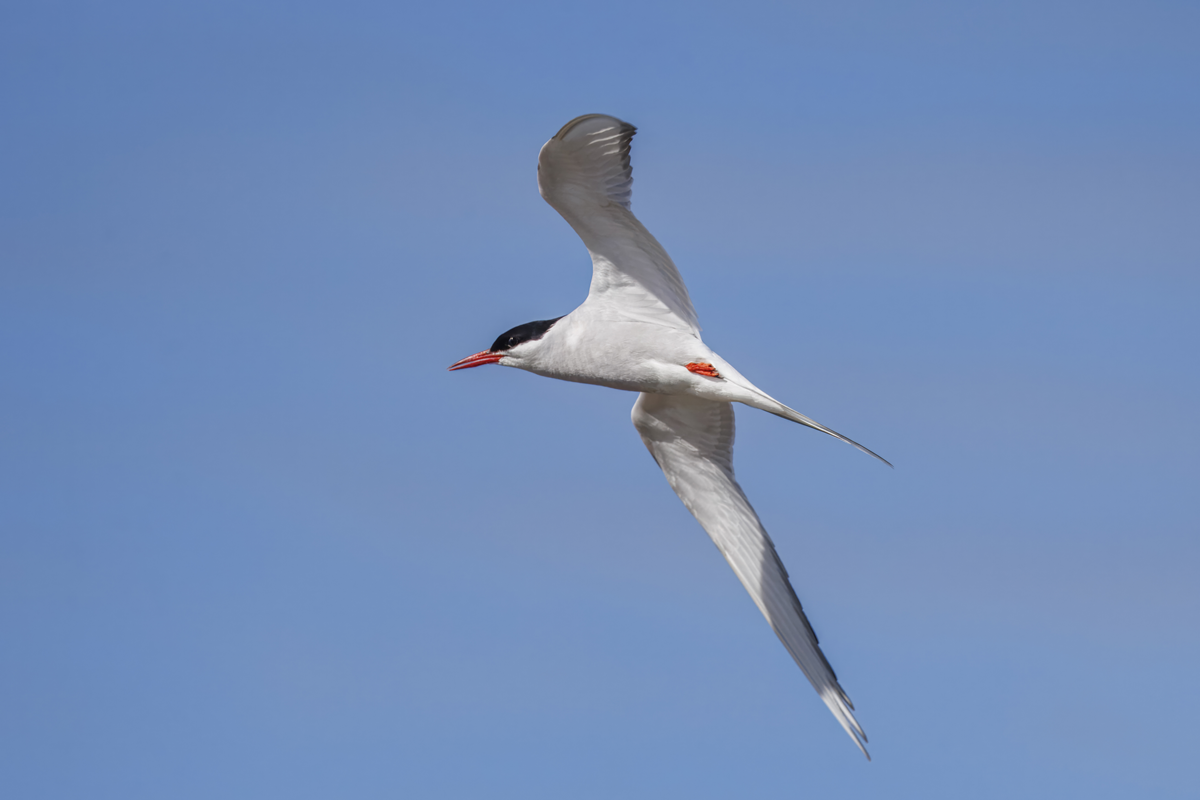
An Arctic tern can experience two summers in a single year. After breeding in northern regions such as Greenland and Iceland, it heads south toward Antarctic waters, where daylight and feeding opportunities await. Tracking studies have recorded annual journeys exceeding 70,000 kilometers, or roughly 43,500 miles. The birds don’t simply fly straight between the poles, either. They follow winding routes that take advantage of winds and productive feeding areas, sometimes crossing enormous stretches of open ocean. How they combine different environmental cues to stay on course over such distances is still being investigated.
2. Bar-Tailed Godwits Cross the Pacific Without Landing
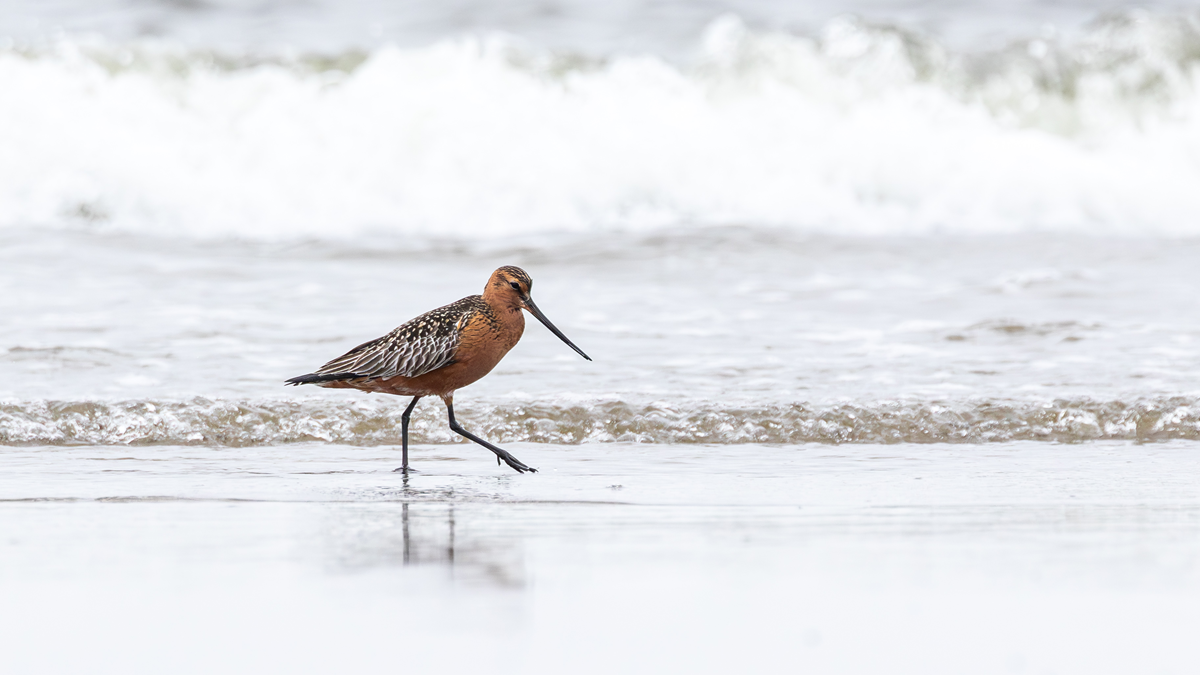
In October 2022, a young bar-tailed godwit left Alaska and arrived in Tasmania after flying approximately 13,560 kilometers without stopping. The journey lasted 11 days and one hour, with no opportunity to land, feed, or rest. Even more surprising, the bird was only about five months old. Godwits prepare for these crossings by accumulating large fat reserves and undergoing changes in their internal organs, but how a young bird maintains its direction across the Pacific is another matter. Researchers are still investigating the navigational abilities involved in such flights.
3. Sooty Shearwaters Follow a Giant Figure-Eight Route
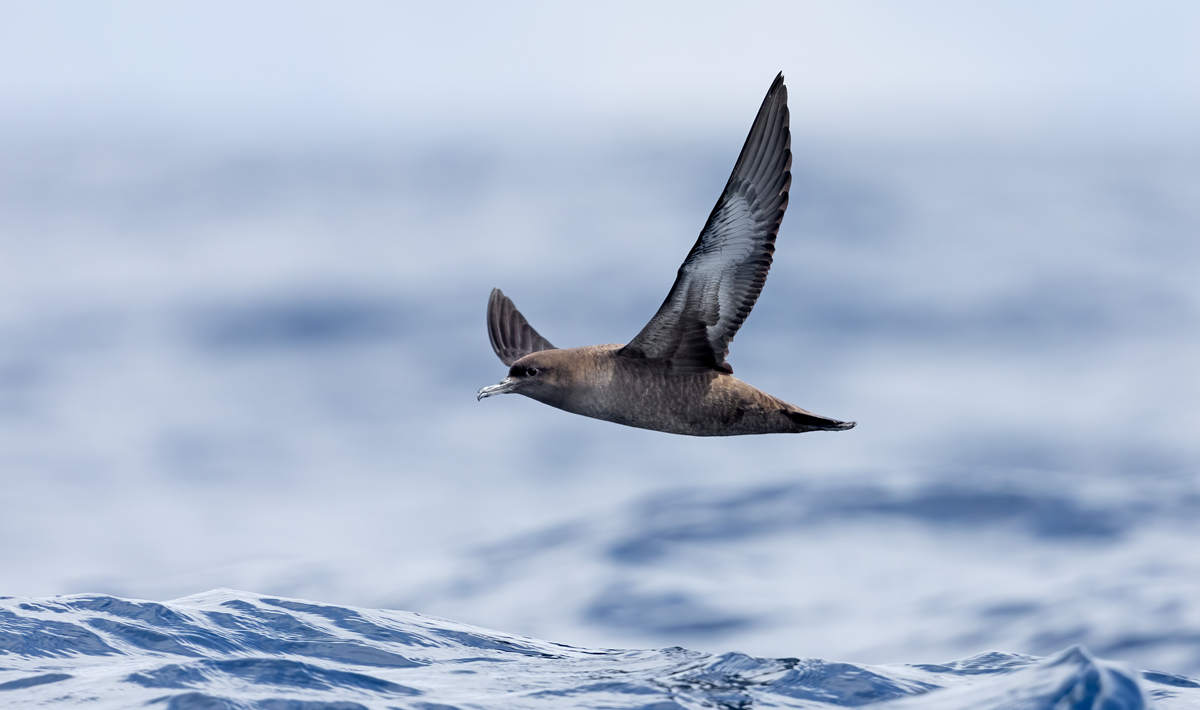
A 2006 tracking study revealed an unusual pattern in the travels of sooty shearwaters breeding in New Zealand. Rather than simply heading north and returning south, the birds followed enormous figure-eight routes across the Pacific Ocean. Their journeys averaged around 64,000 kilometers during the migration cycle, taking some individuals toward waters near Japan, Alaska, or California. The routes brought them into productive feeding areas at different times of the year. What looks like a complicated detour on a map makes considerably more sense when food availability and ocean conditions are taken into account.
4. European Eels Return to a Mysterious Atlantic Breeding Ground
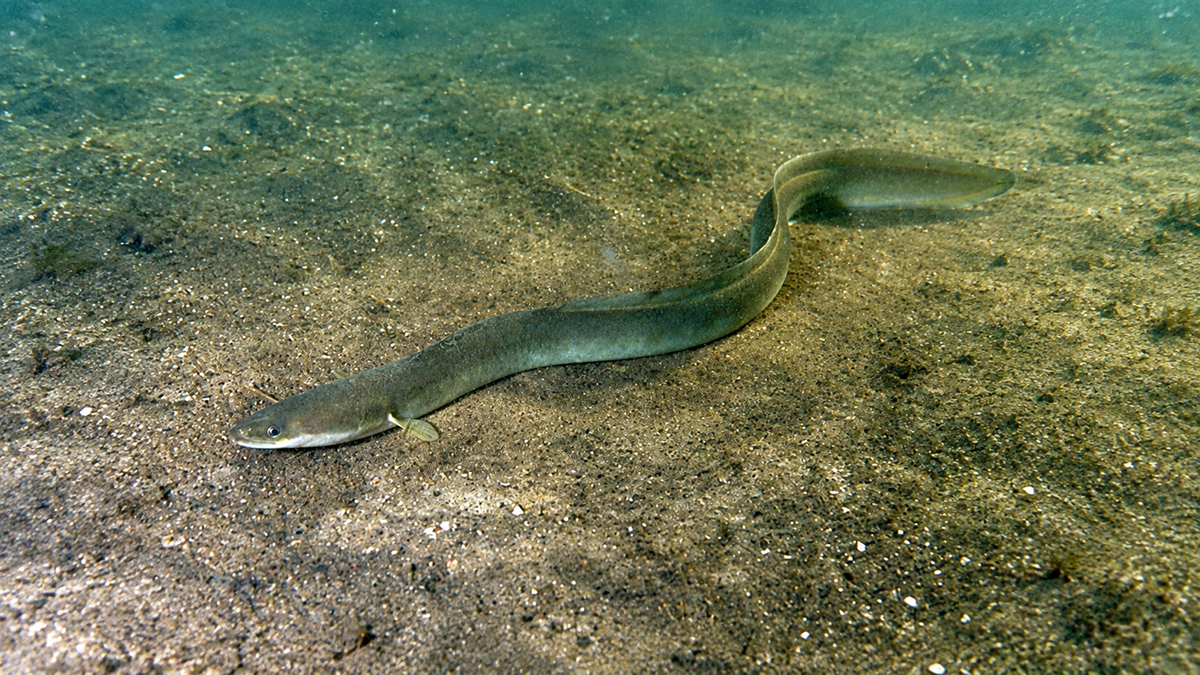
The European eel has puzzled biologists for more than a century. After spending years in European rivers and coastal waters, mature eels head into the Atlantic toward the Sargasso Sea, where the species is believed to reproduce. Depending on their starting point, the migration can cover between 5,000 and 10,000 kilometers. In 2022, researchers published the first direct tracking evidence of adult European eels reaching the Sargasso Sea, but an important mystery remains. Scientists have still not directly documented their spawning there, and the exact locations and mechanisms involved remain uncertain.
5. Leatherback Sea Turtles Cross Entire Oceans
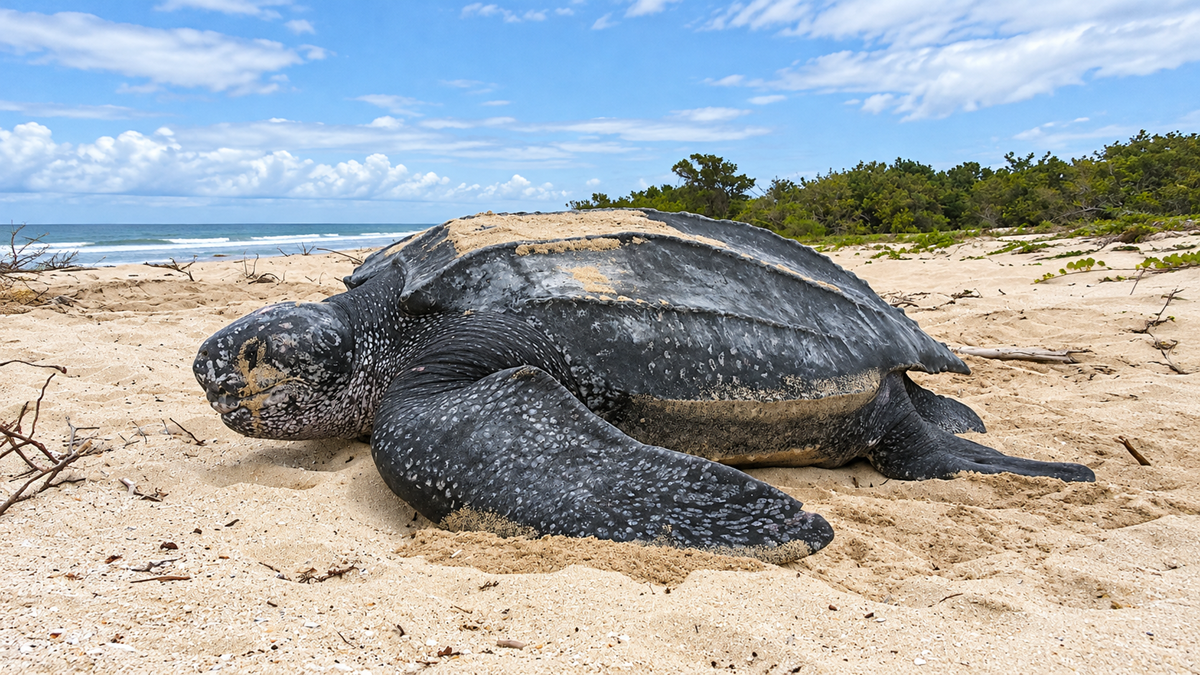
Leatherback turtles spend much of their lives in open water, far from the beaches where they hatched. Some Pacific populations travel from nesting areas around Indonesia and nearby islands to feeding grounds off North America, covering thousands of miles along the way. Their annual movements can exceed 10,000 miles, depending on the individual and population. Scientists know that sea turtles can detect Earth’s magnetic field, which may provide useful information during ocean travel. Still, the precise combination of signals leatherbacks use to navigate between distant habitats has not been fully established.
Trending on The Scroller
6. Monarch Butterflies Reach Forests Their Ancestors Visited
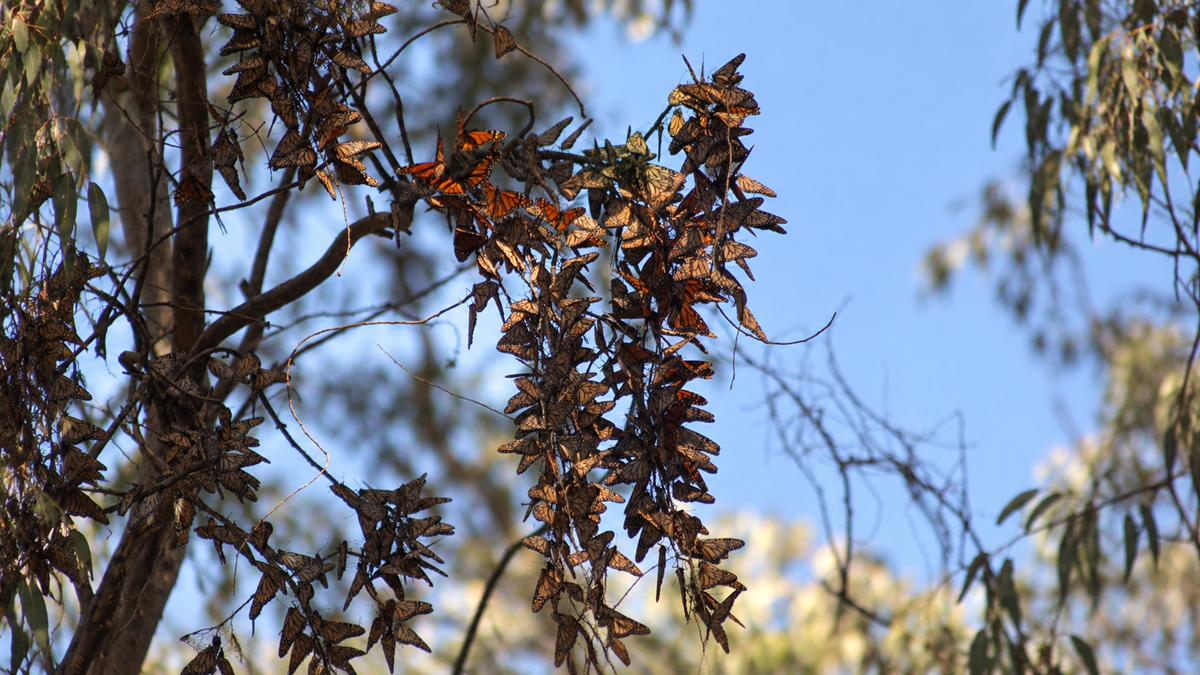
Every autumn, monarch butterflies from eastern North America begin moving toward the mountains of central Mexico. Some travel approximately 4,000 kilometers to reach forests they have never seen before. The curious part is that several generations separate these butterflies from the monarchs that left Mexico earlier in the year. Experiments have demonstrated that monarchs use a sun compass and can also respond to magnetic information. Yet researchers are still examining how these abilities help them reach such a restricted overwintering area.
7. Globe Skimmer Dragonflies May Cross the Indian Ocean Over Several Generations
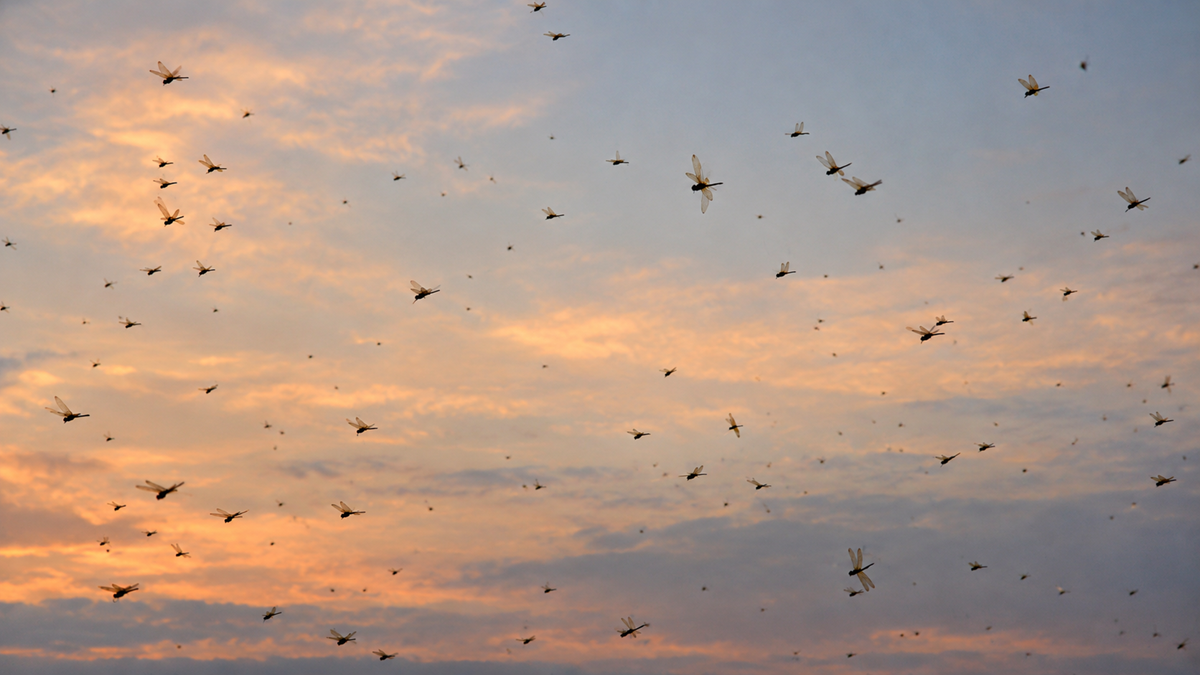
The globe skimmer is a dragonfly small enough to sit comfortably in someone’s hand, but its movements may cover a remarkable portion of the planet. Researchers have proposed a migration circuit linking parts of Asia and Africa, with a total distance of approximately 14,000 to 18,000 kilometers spread across several generations. Evidence from dragonflies collected in the Maldives supports the idea that some originate in the northern Indian subcontinent. Seasonal winds appear to make long ocean crossings possible. However, the complete circuit has not been directly tracked, and several parts of the proposed route remain uncertain.
8. Bogong Moths Navigate Using the Stars
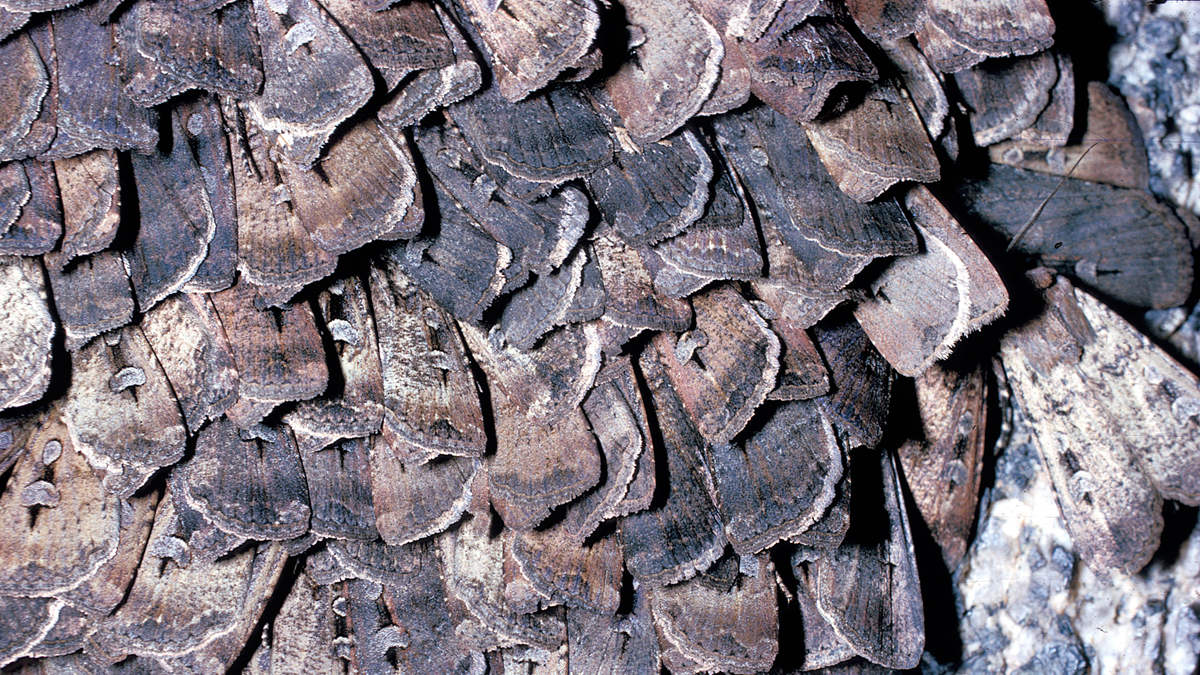
Each spring, bogong moths travel up to 1,000 kilometers across southeastern Australia toward cool caves in the Australian Alps. The insects have never visited these mountain shelters before, yet they arrive in the same general region used by previous generations. In June 2025, a study published in Nature demonstrated that bogong moths can use the starry night sky as a compass, even when magnetic cues are experimentally removed. Their magnetic sense provides another source of directional information. The discovery explained part of their navigation, although how they pinpoint suitable mountain caves remains unresolved.
Sign up for our newsletter
9. Gray Whales Follow the North American Coast for Thousands of Miles
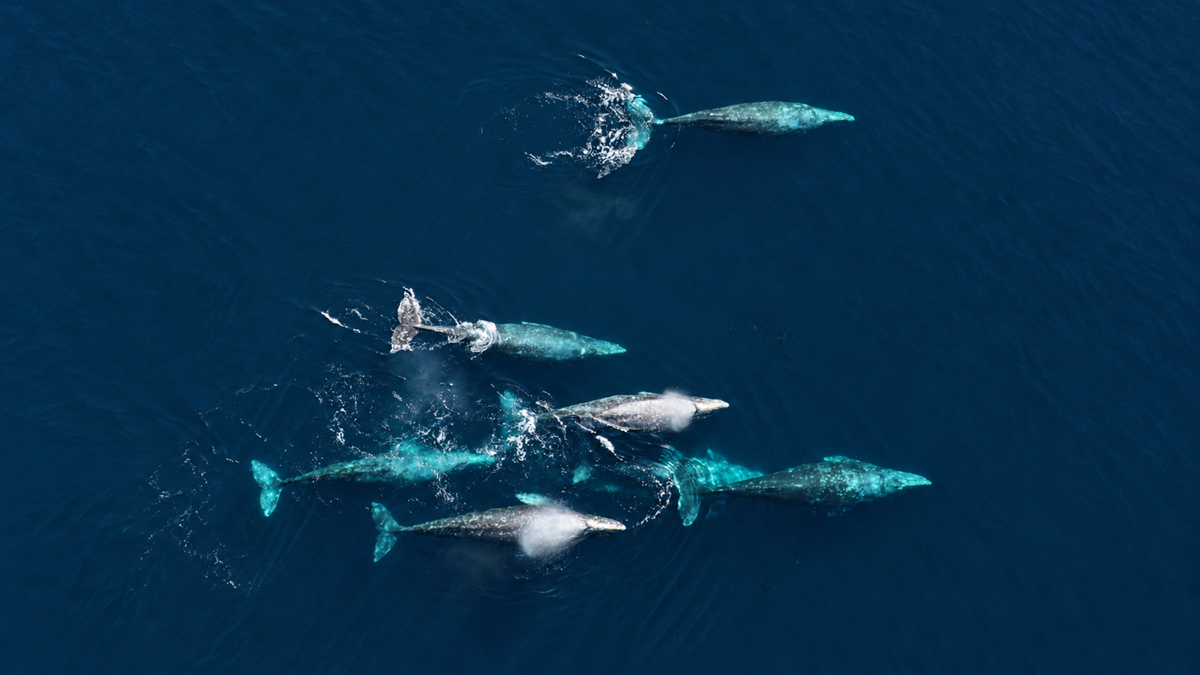
People watching the Pacific coast during migration season sometimes catch sight of gray whales traveling past beaches and rocky headlands. The eastern North Pacific population moves between feeding grounds in northern waters and breeding and calving areas around Baja California, Mexico. A typical round trip can cover roughly 12,000 miles. Unlike animals that cross open oceans along relatively direct paths, gray whales frequently travel near coastlines. Whether they use coastal features, magnetic information, or a combination of environmental signals to maintain their routes is still being studied.
10. Humpback Whales Cross Thousands of Miles Between Seasonal Habitats
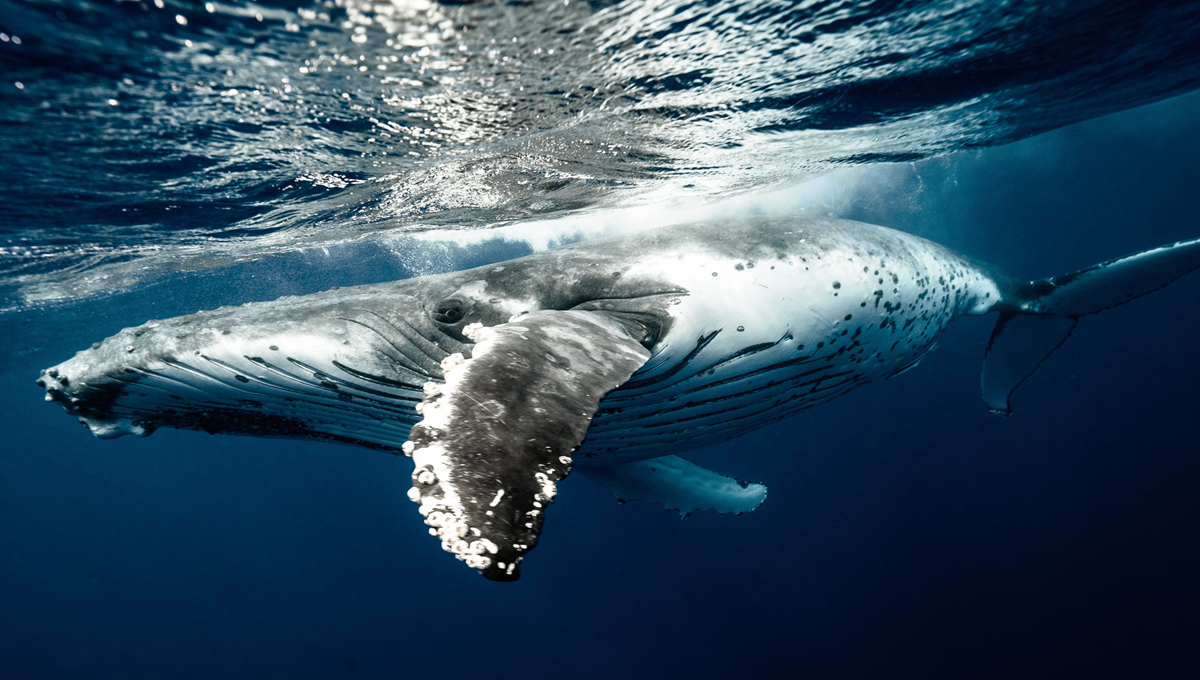
A humpback whale feeding in cold Antarctic waters may later appear near a tropical breeding area thousands of miles away. Researchers have documented journeys exceeding 8,000 kilometers between feeding and breeding grounds, including movements connecting Antarctic waters with the eastern Pacific. Satellite tracking has revealed that some humpbacks maintain surprisingly direct courses through open ocean, even when their destinations are far beyond sight. Exactly which navigational signals allow them to maintain those routes remains uncertain.
11. Red Knots Fly From the Arctic to the Tip of South America
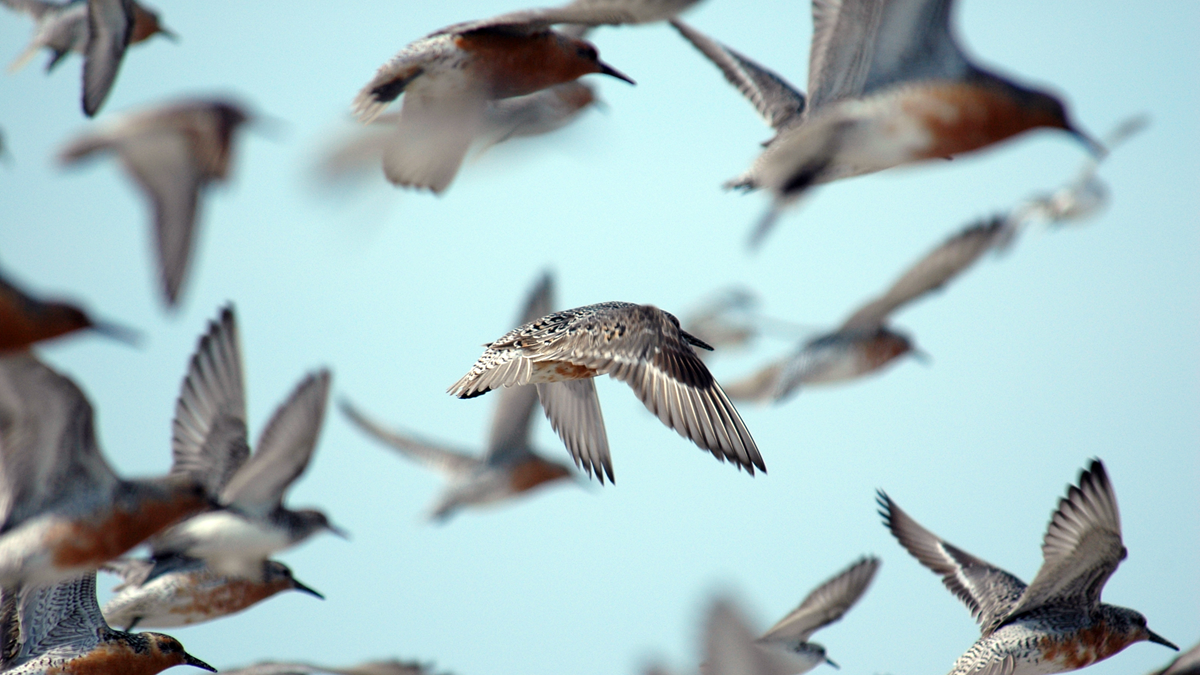
Red knots are small shorebirds, but some populations travel more than 9,000 miles between Arctic breeding grounds and wintering areas near Tierra del Fuego. Their migration depends on a series of feeding stops, including Delaware Bay on the Atlantic coast of the United States. There, large numbers of birds gather to feed on horseshoe crab eggs before continuing north. Those stops are more than convenient resting places. They provide the energy needed for the next long stretch of the journey, making the availability of food along the route especially important.
12. Salmon Find Their Way Back to Their Birthplace
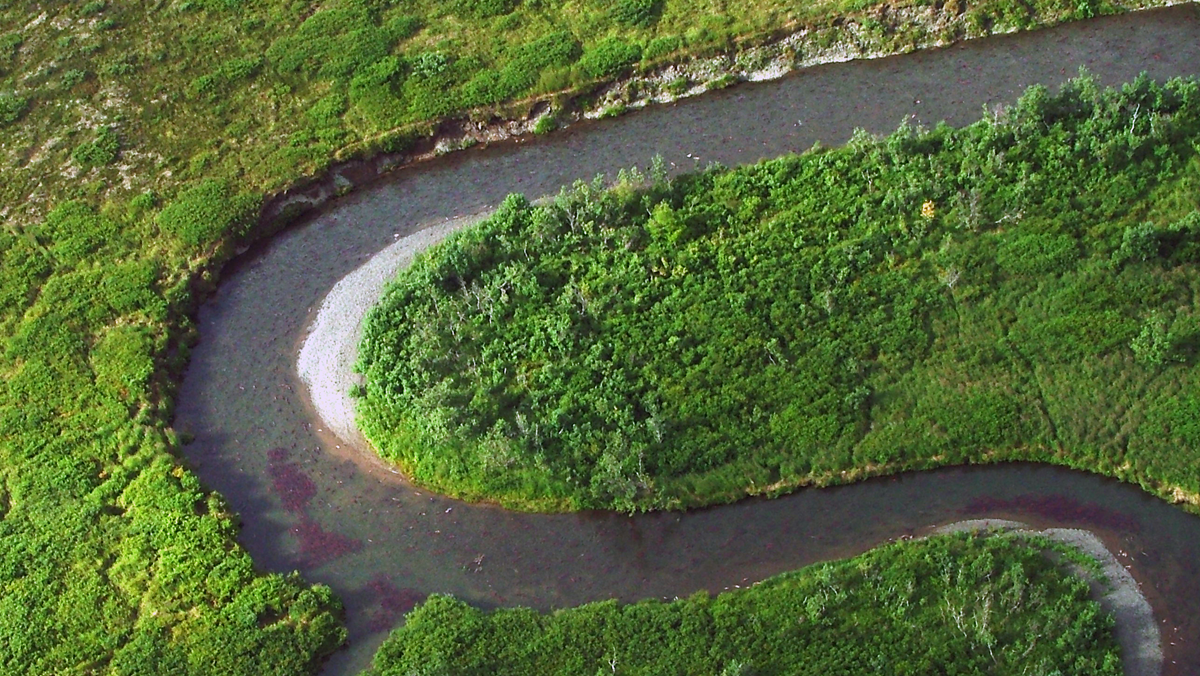
After spending years in the ocean, many salmon return to the same rivers where they began life. Some travel thousands of kilometers before reaching freshwater, then swim upstream toward their spawning areas. Research suggests that salmon use information from Earth’s magnetic field during the ocean phase of their migration and rely heavily on familiar chemical odors as they approach their home rivers. This combination helps explain how they locate places that may be surprisingly small compared with the ocean they have crossed. The precise way these navigational systems work together is still being explored.
13. Caribou Travel Thousands of Miles Across the Arctic
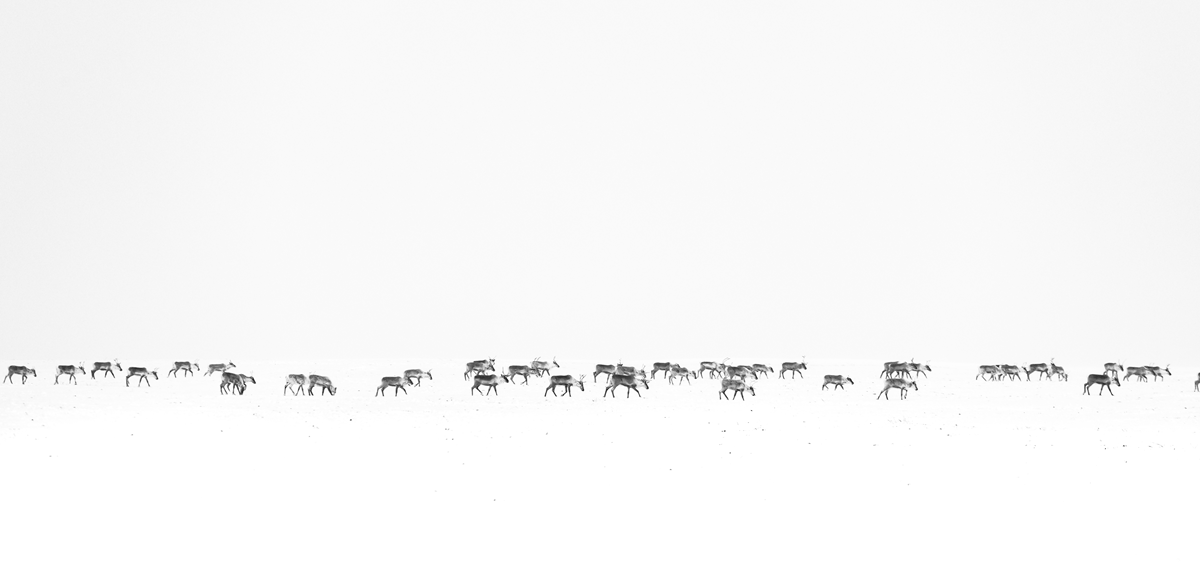
Few land mammals travel as far as caribou. In Alaska, the Western Arctic Herd moves between northern calving grounds and wintering areas farther south, crossing tundra, rivers, and mountain landscapes along the way. GPS tracking has recorded individual caribou covering more than 4,000 kilometers in a single year. The animals often return to familiar seasonal areas, although their routes can change with snow conditions, vegetation, and other environmental factors. Scientists are still studying how these herds coordinate their movements across such enormous territories.
14. Wildebeest Make a Giant Circuit Around the Serengeti
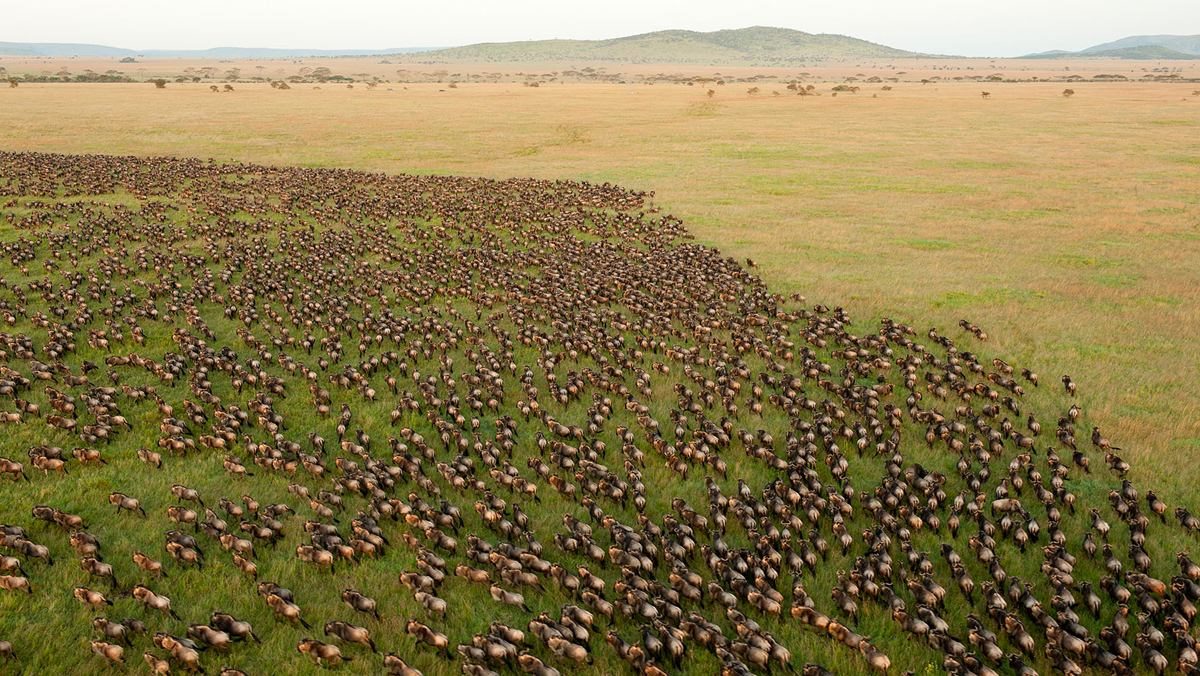
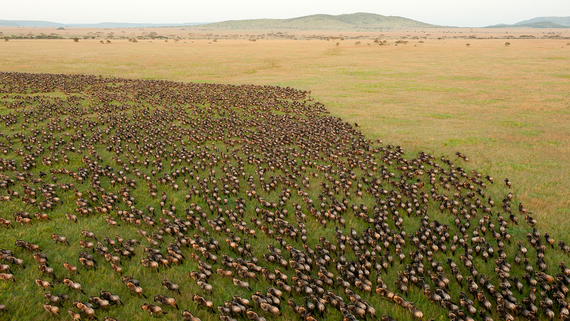
Every year, enormous herds of wildebeest move between Tanzania’s Serengeti and Kenya’s Maasai Mara, following seasonal changes in rainfall and fresh grass. The circular migration covers roughly 1,000 kilometers, although individual routes vary considerably. River crossings attract plenty of attention, particularly when crocodiles gather in the water, but most of the journey takes place across open grasslands. Researchers understand the importance of rainfall and vegetation in shaping the migration, yet predicting exactly when and where the herds will move remains difficult.
15. Mongolian Gazelles Wander Across Vast, Unfamiliar Grasslands
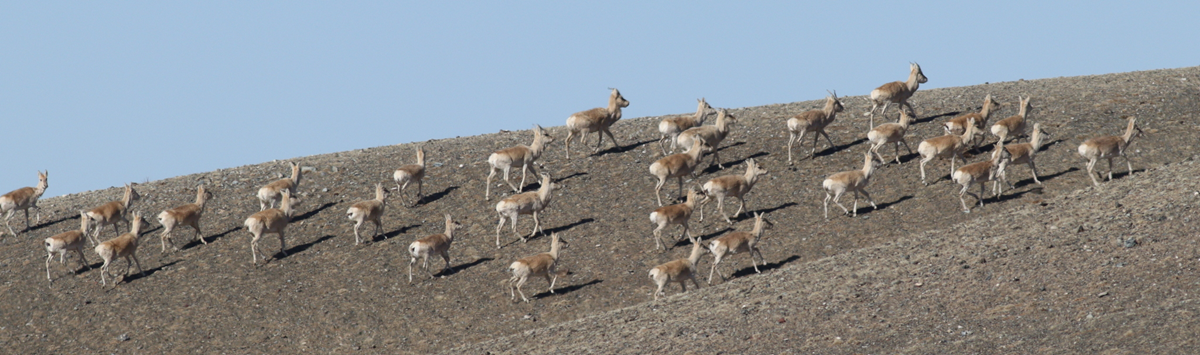
Mongolian gazelles don’t always follow the predictable seasonal routes associated with other migrating animals. Their movements across the country’s eastern grasslands can be surprisingly irregular, depending on where suitable grazing conditions develop. In a study published in 2022, researchers documented a female gazelle traveling more than 18,000 kilometers over nearly five years. She repeatedly entered areas she had apparently never visited during the tracking period, sometimes traveling hundreds of kilometers before changing direction. Unlike animals that return to the same seasonal destinations, these gazelles appear to rely on a much more flexible movement strategy, one that scientists are still trying to understand.
In the mood for more?
Check out 15 Extreme Animals That Survive Where Life Should Struggle, or take a look at 15 Animals With Social Lives More Complicated Than Most Humans. If you want to see more animal stories, you can check out 15 Animals That Could Soon Disappear Forever.