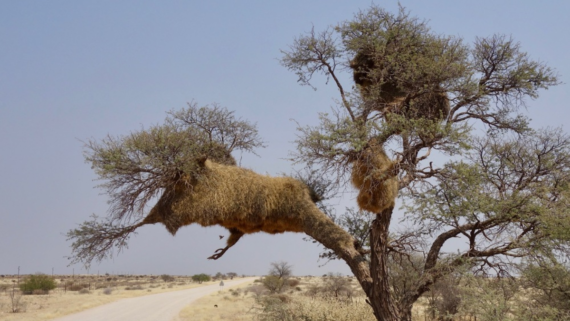
Animal architects rarely have blueprints, measuring tape, or a construction crew, yet some produce structures so elaborate that they can alter waterways, regulate temperature, shelter entire communities, or become part of the landscape itself. Their materials are simple: mud, branches, wax, silk, leaves, and whatever else happens to be nearby.
What makes these structures remarkable is not how closely they resemble human buildings. It is how precisely they solve the problems each species faces. From dams that reshape streams to nests large enough for generations of birds, nature has been running its own construction business for a very long time.
1. Beavers Build Dams That Reshape Entire Waterways
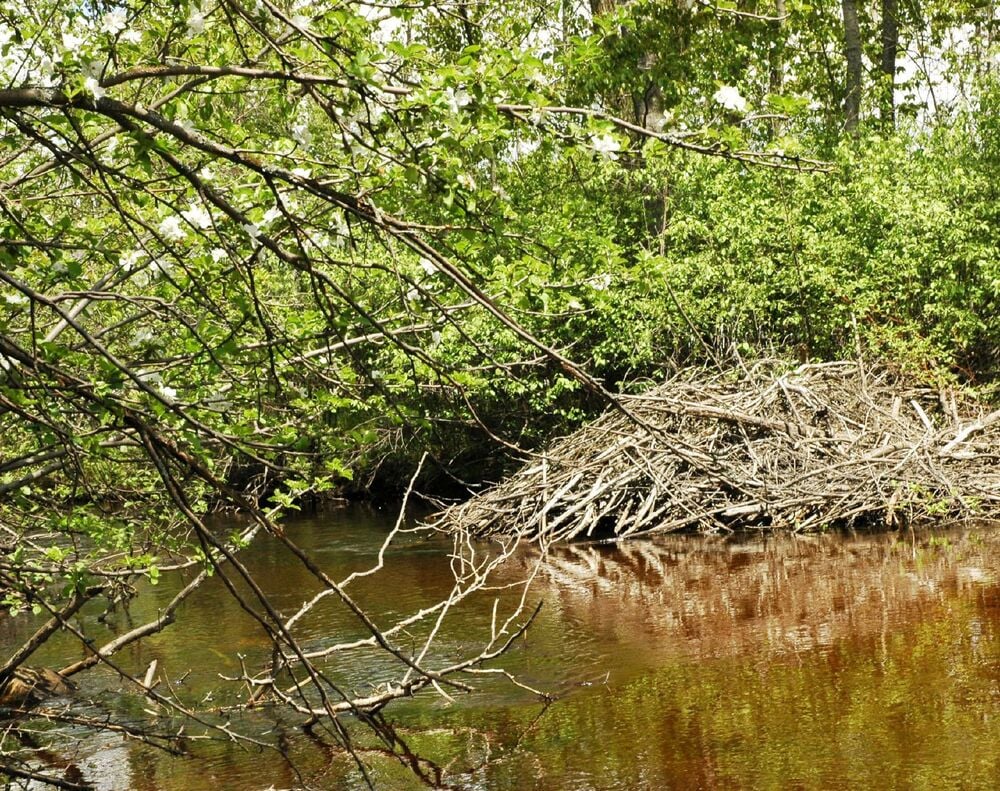
A pile of branches across a stream can become something much bigger once beavers get to work. By combining wood, vegetation, stones, and mud, they construct dams that slow moving water and create the deeper ponds that provide safer access to food and shelter. The result can transform the surrounding habitat, creating wetlands used by many other species. Few builders change the neighborhood quite so thoroughly.
2. Sociable Weavers Build Giant Communal Nests
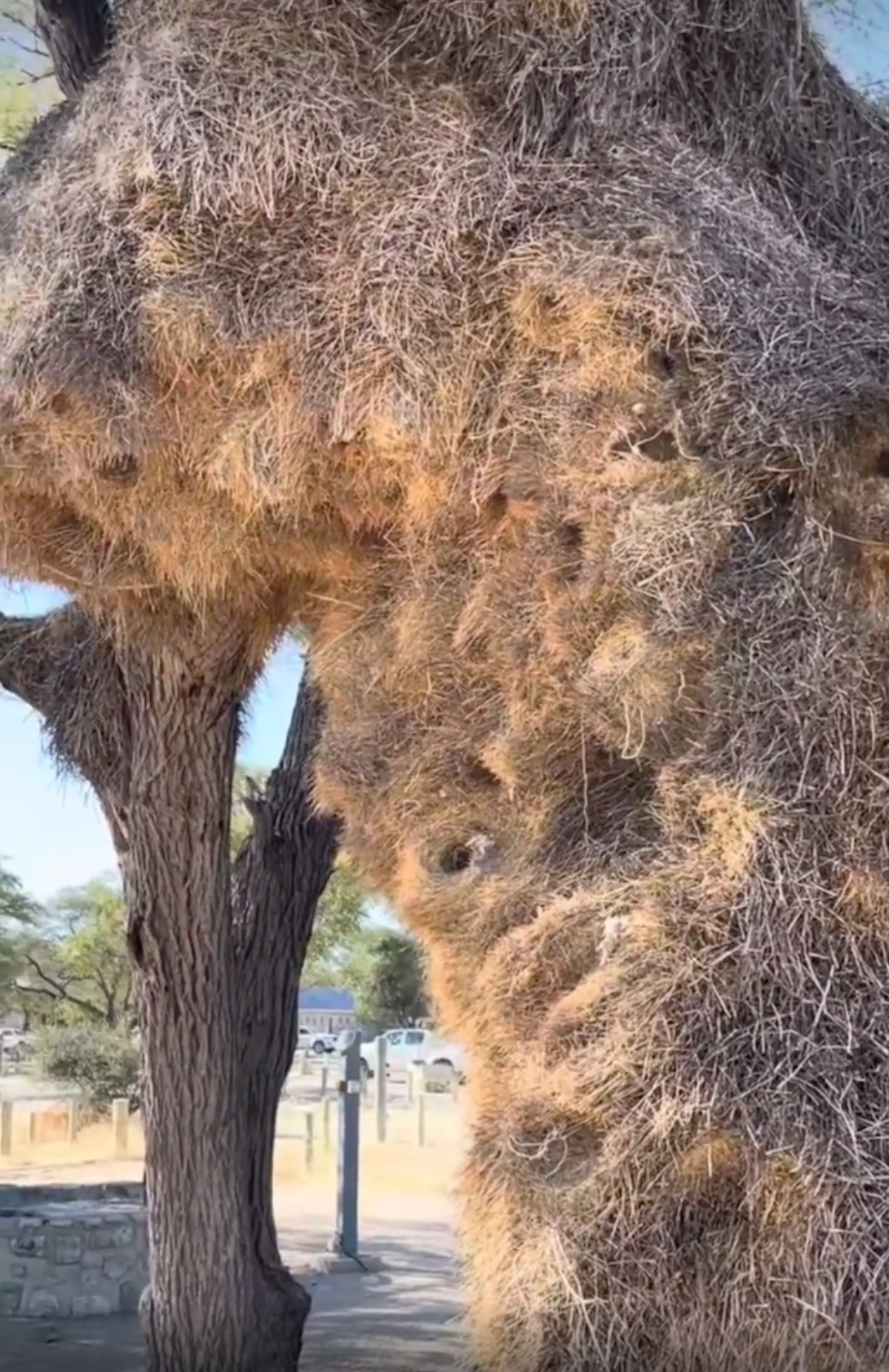
From a distance, a sociable weaver nest can look less like a bird’s home and more like a haystack that somehow landed in a tree. These southern African birds cooperate to construct enormous communal nests divided into individual chambers, with generations adding to the structure over time. The thick mass also helps buffer temperature extremes. Why build one tiny nest when the whole colony can essentially build an apartment complex?
3. Termites Create Mounds With Remarkable Climate Control
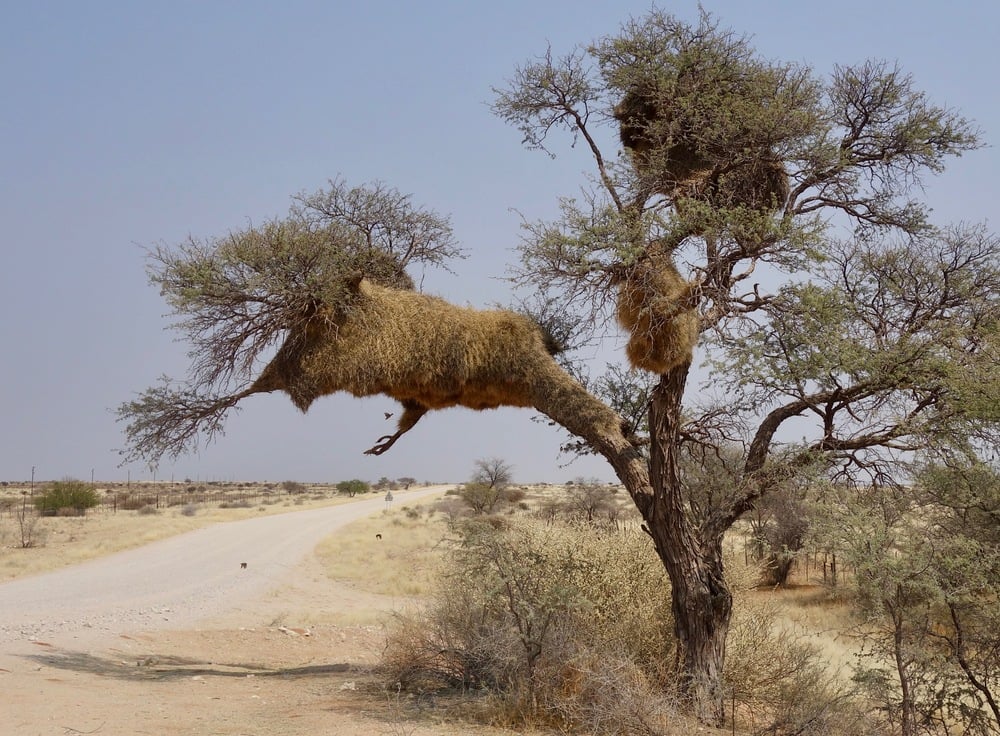
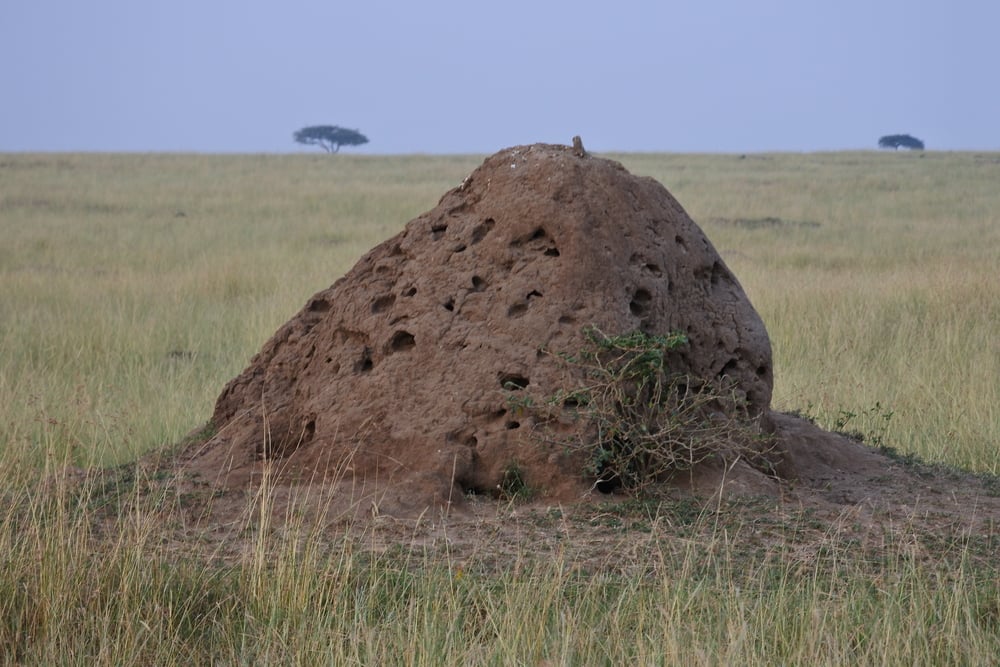
The towering mound is only the visible part of a termite colony’s much larger living system. Depending on the species, networks of tunnels and chambers help manage airflow, moisture, and the conditions needed inside the colony. The architecture emerges from countless small actions rather than a single termite directing construction. No foreman, no thermostat, and somehow the building still works.
4. Bowerbirds Build Elaborate Displays to Attract a Mate
Here is the important distinction: a bower is not a nest. Male bowerbirds construct and decorate these structures as courtship displays, arranging objects that may include leaves, shells, stones, flowers, or other visually striking finds. Some species create remarkably organized displays around their bowers. Would anyone expect romantic architecture to become this competitive without a single dinner reservation involved?
5. Paper Wasps Build Their Own Lightweight Construction Material
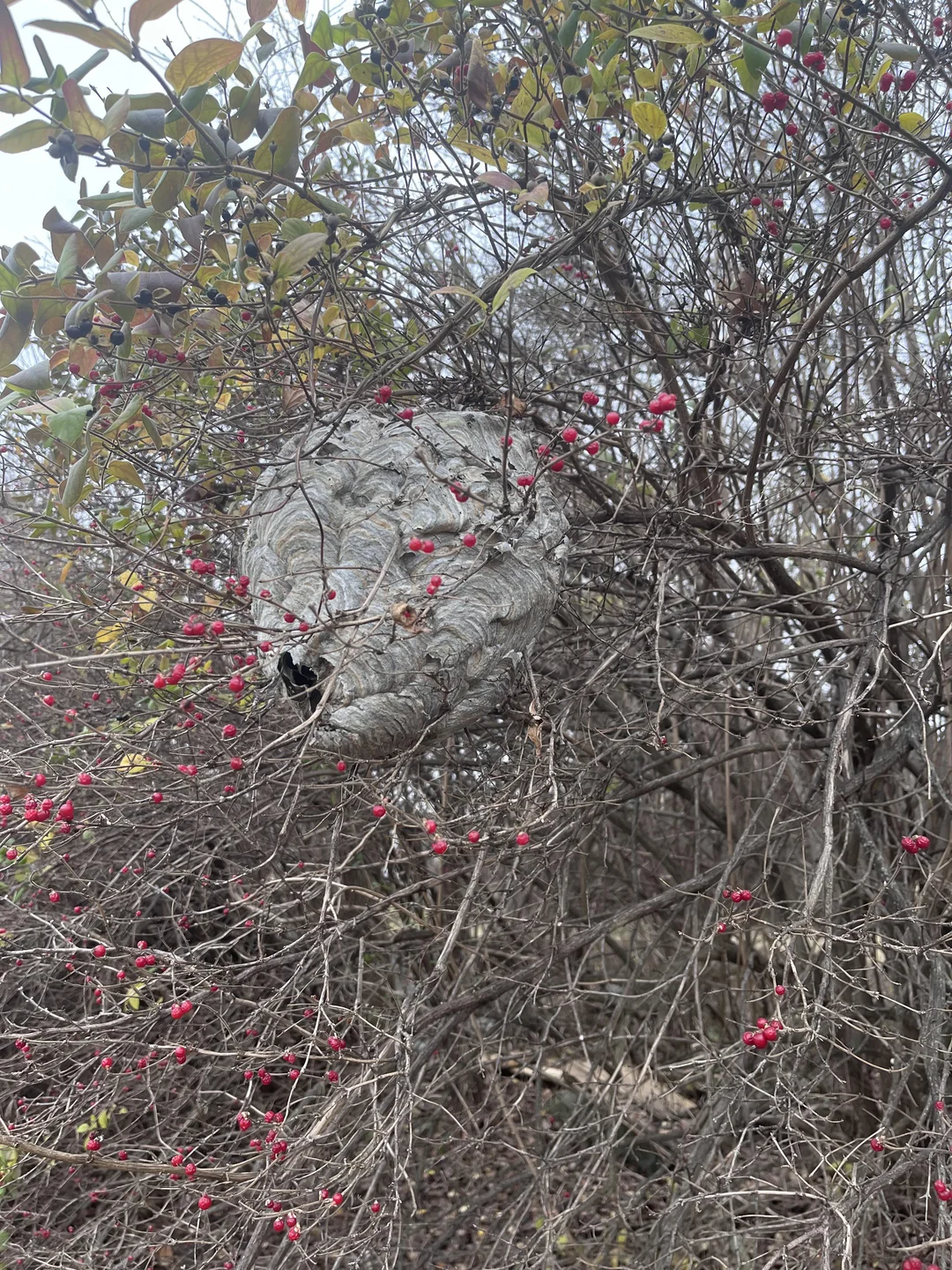
Paper wasps do not find paper. They manufacture something remarkably similar. By chewing plant fibers and mixing them with saliva, they create a pulp that dries into the familiar papery material of their nests. That material is shaped into open hexagonal cells where the colony raises its young. The finished structure looks delicate, but its efficient use of a lightweight homemade material is precisely what makes it so effective.
Trending on The Scroller
6. Weaver Ants Stitch Living Leaves Together
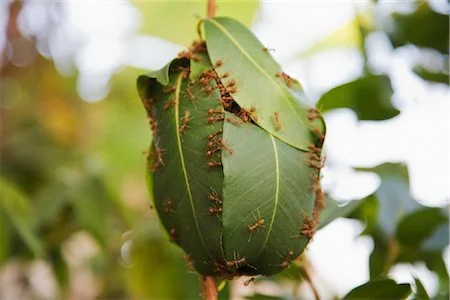
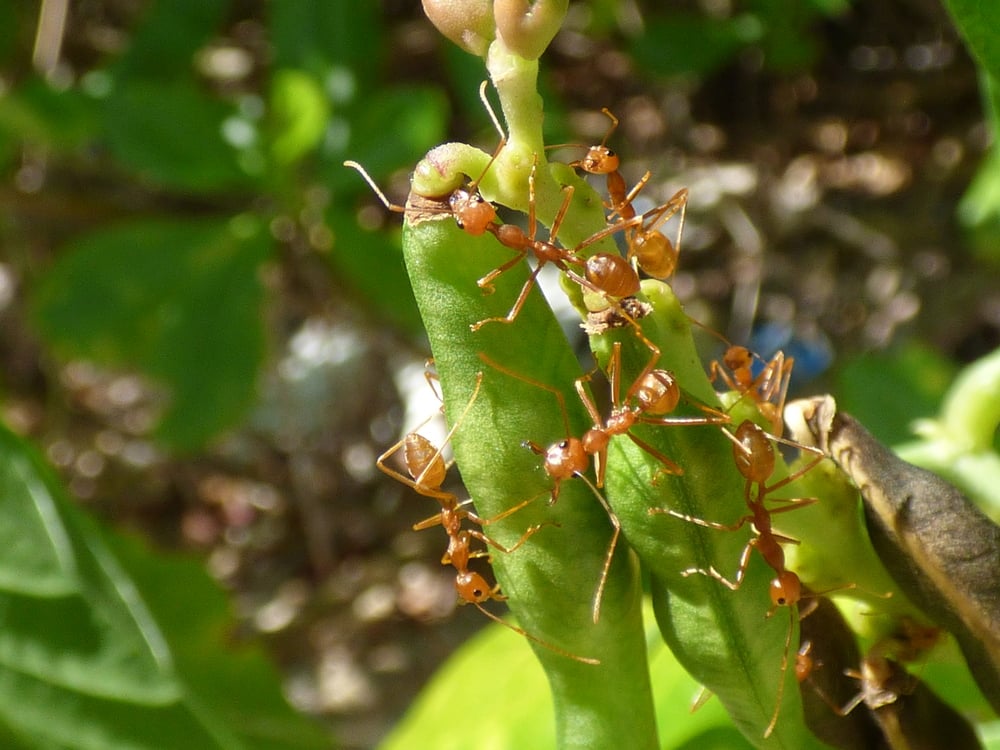
Forget carrying construction materials to the job site. Weaver ants turn the plant itself into the building. Workers pull living leaves together while others use silk produced by their larvae to bind the edges, creating enclosed nests among the branches. The process requires coordinated work from many ants, and the result is a shelter assembled without cutting the leaves away from the tree.
7. Caddisfly Larvae Build Portable Armor From Whatever They Find
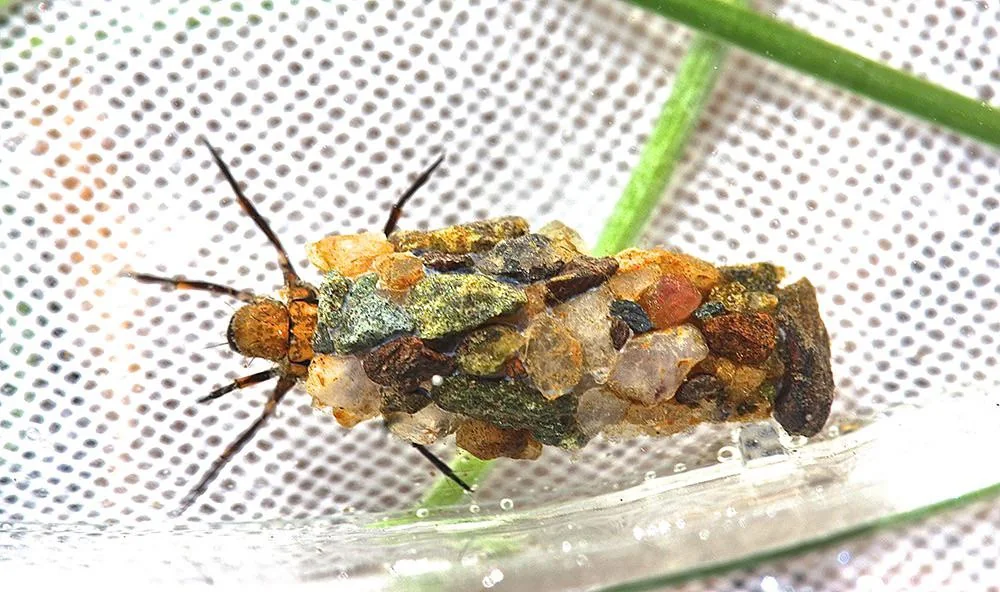
For some caddisfly larvae, construction is something they carry everywhere. They produce silk and use it to attach tiny pieces of gravel, sand, leaves, twigs, or other available material around their bodies, creating protective cases. The exact appearance depends partly on what the surrounding habitat provides. It is less a permanent house than wearable architecture, built one microscopic piece at a time.
8. Potter Wasps Shape Mud Into Tiny Chambers
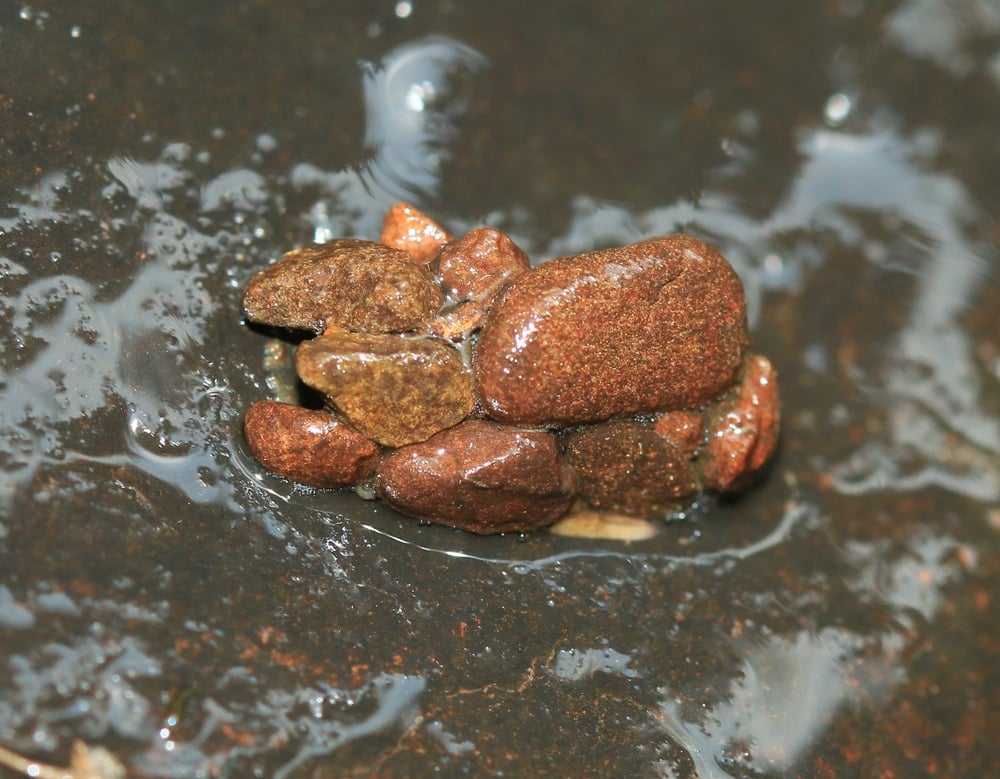
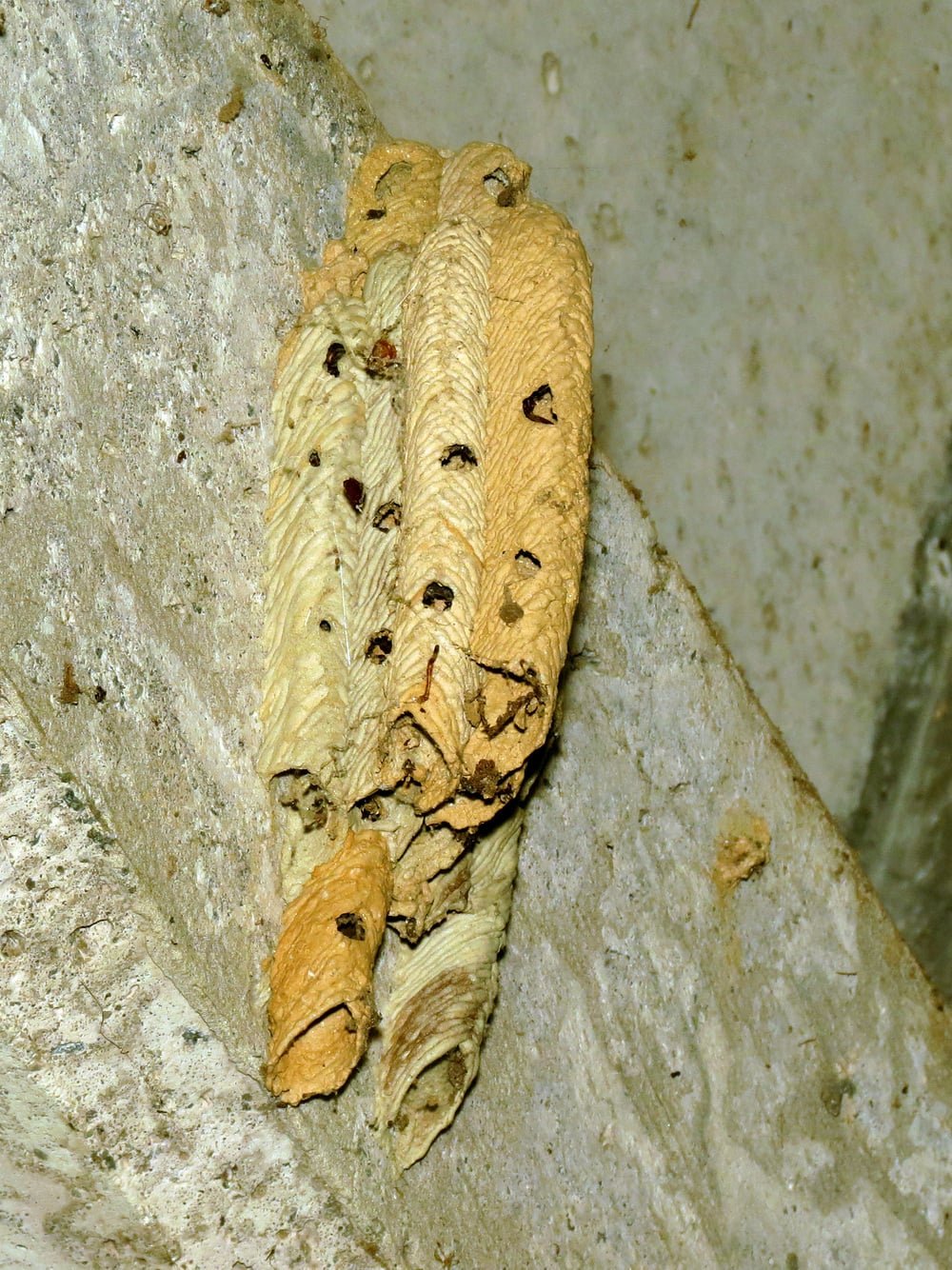
A potter wasp’s handiwork can look surprisingly ceramic. Females collect mud and shape it into small brood cells, often with rounded forms that explain their name. Inside, they provision the chamber for developing offspring before sealing it. The finished structure may be tiny, but watching mud become a carefully enclosed nursery makes the scale almost irrelevant.
Sign up for our newsletter
9. Trapdoor Spiders Build Burrows With Camouflaged Doors
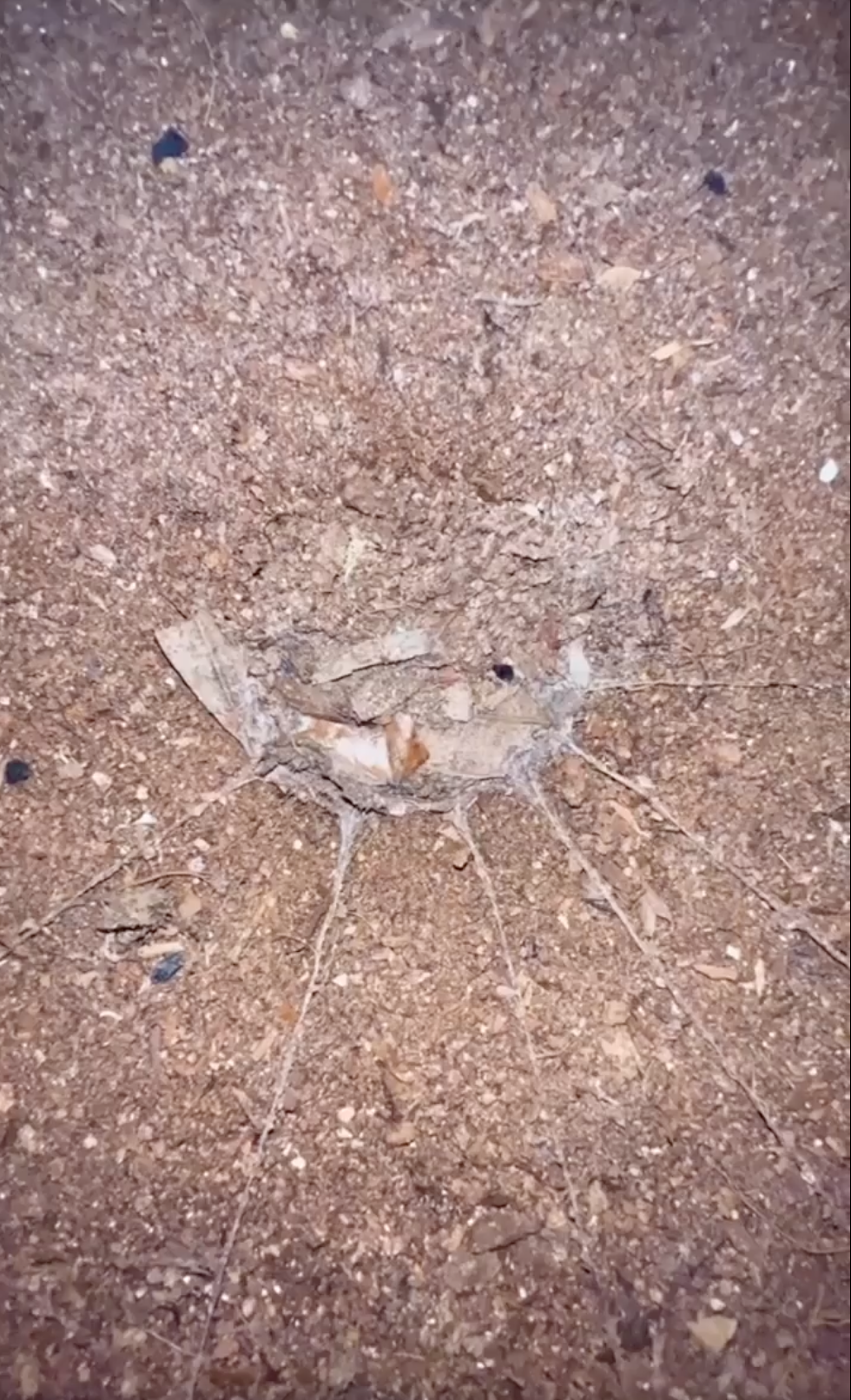
The cleverest part of a trapdoor spider’s burrow is the entrance. These spiders excavate underground retreats and create hinged doors from materials such as soil and silk, often camouflaging the surface so well that the opening blends into its surroundings. From below, the spider can wait close to the entrance for passing prey. How many human doors are designed to disappear completely into the floor?
10. Honeybees Build Comb From Repeating Hexagons
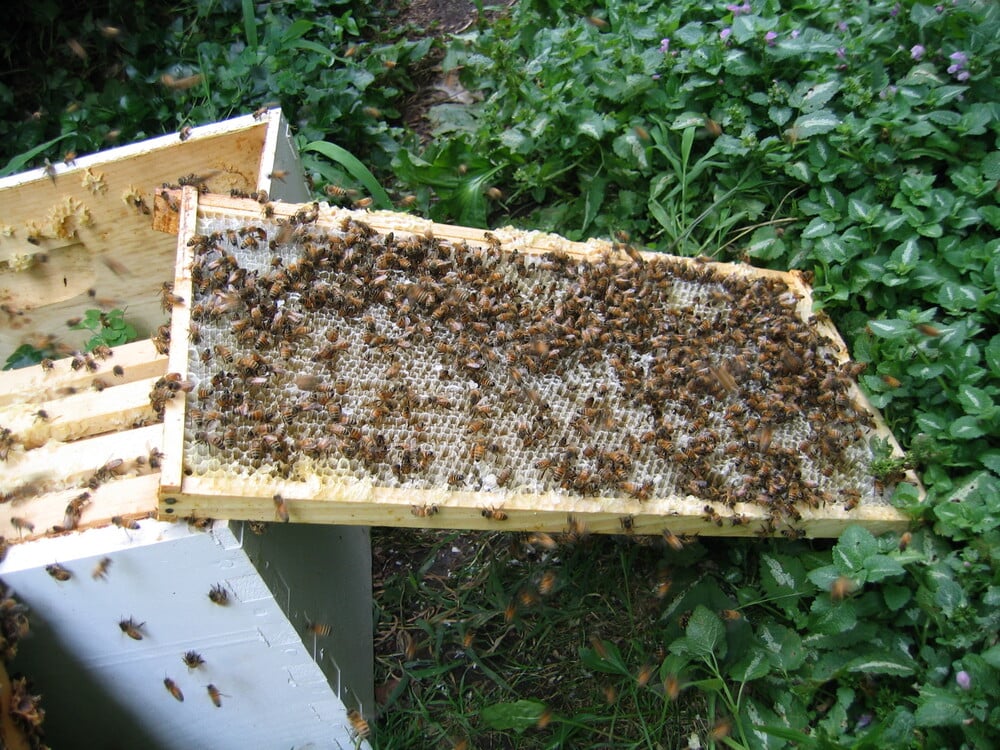
Animal architects do not get much more recognizable than honeybees and their comb. Worker bees produce wax and form it into adjoining cells used for raising brood and storing honey and pollen. The repeating hexagonal pattern allows cells to fit together without the gaps that circles would leave behind, creating the unmistakable internal landscape of a bee colony.
11. Rufous Horneros Build Oven-Shaped Mud Nests
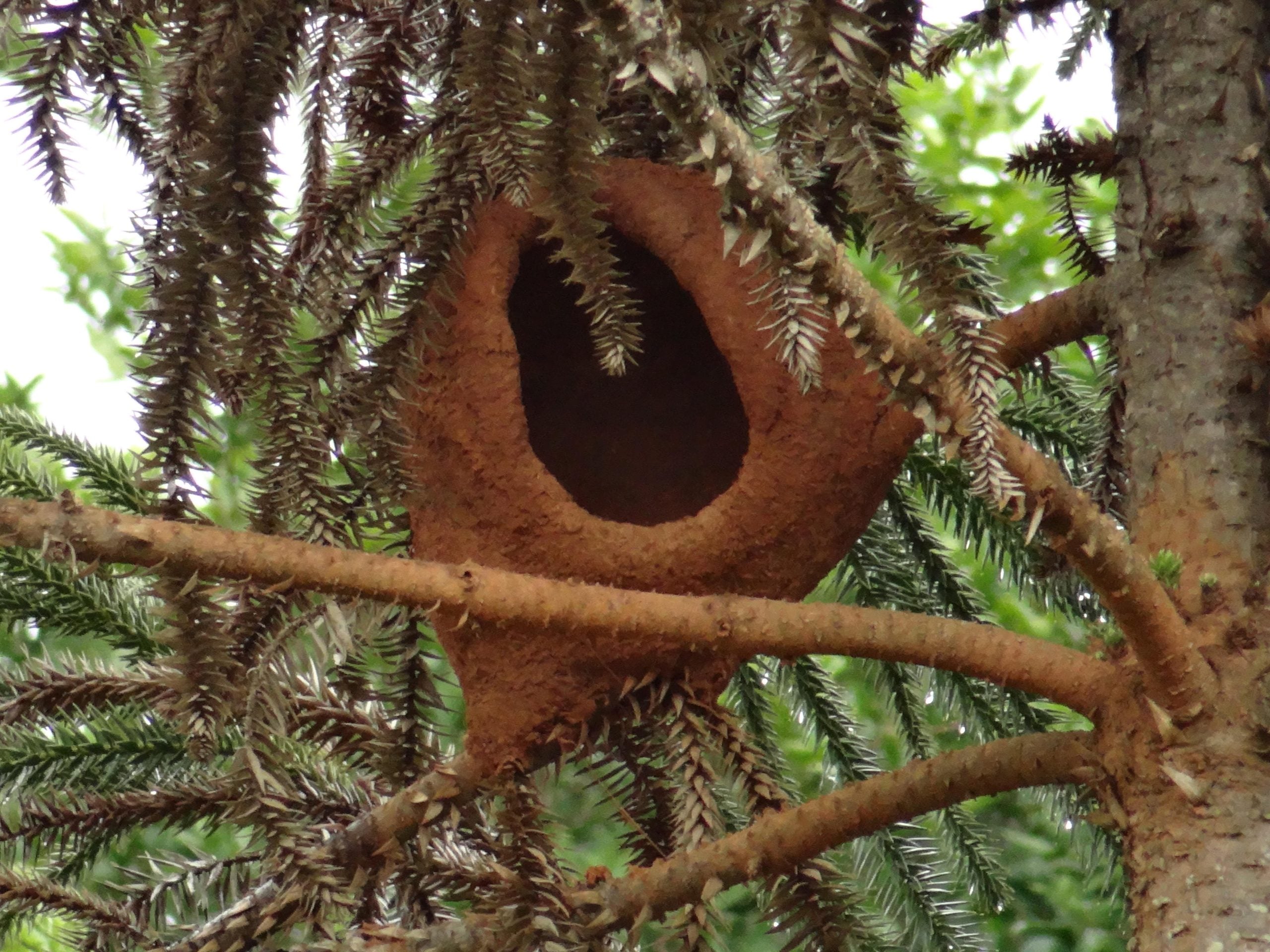
The rufous hornero turns wet earth into one of the most distinctive bird nests in South America. A pair constructs a sturdy domed nest using mud and plant material, with an entrance leading into a protected interior chamber. Once hardened, the structure has the chunky appearance of a small clay oven, which helped give the bird its name. It is architecture made from little more than soil, water, and persistent work.
12. Leafcutter Ants Build Underground Cities for Farming
Above ground, leafcutter ants are famous for carrying pieces of vegetation in long moving lines. Underground is where the larger operation becomes apparent. Their colonies contain extensive networks of tunnels and chambers, including spaces used to cultivate the fungus that serves as their food source. Those clipped leaves are not dinner themselves. They are raw material supporting an agricultural system hidden beneath the soil.
13. Edible-Nest Swiftlets Build With Saliva
Some birds gather twigs. Edible-nest swiftlets take a very different approach, constructing nests largely from hardened strands of their own saliva. Attached to cave walls and other vertical surfaces, the small cup-shaped structures become firm as the material dries. It sounds improbable until the finished nest comes into view: an entire nursery assembled from a material the bird produces itself.
14. Glowworms Build Sticky Fishing Lines
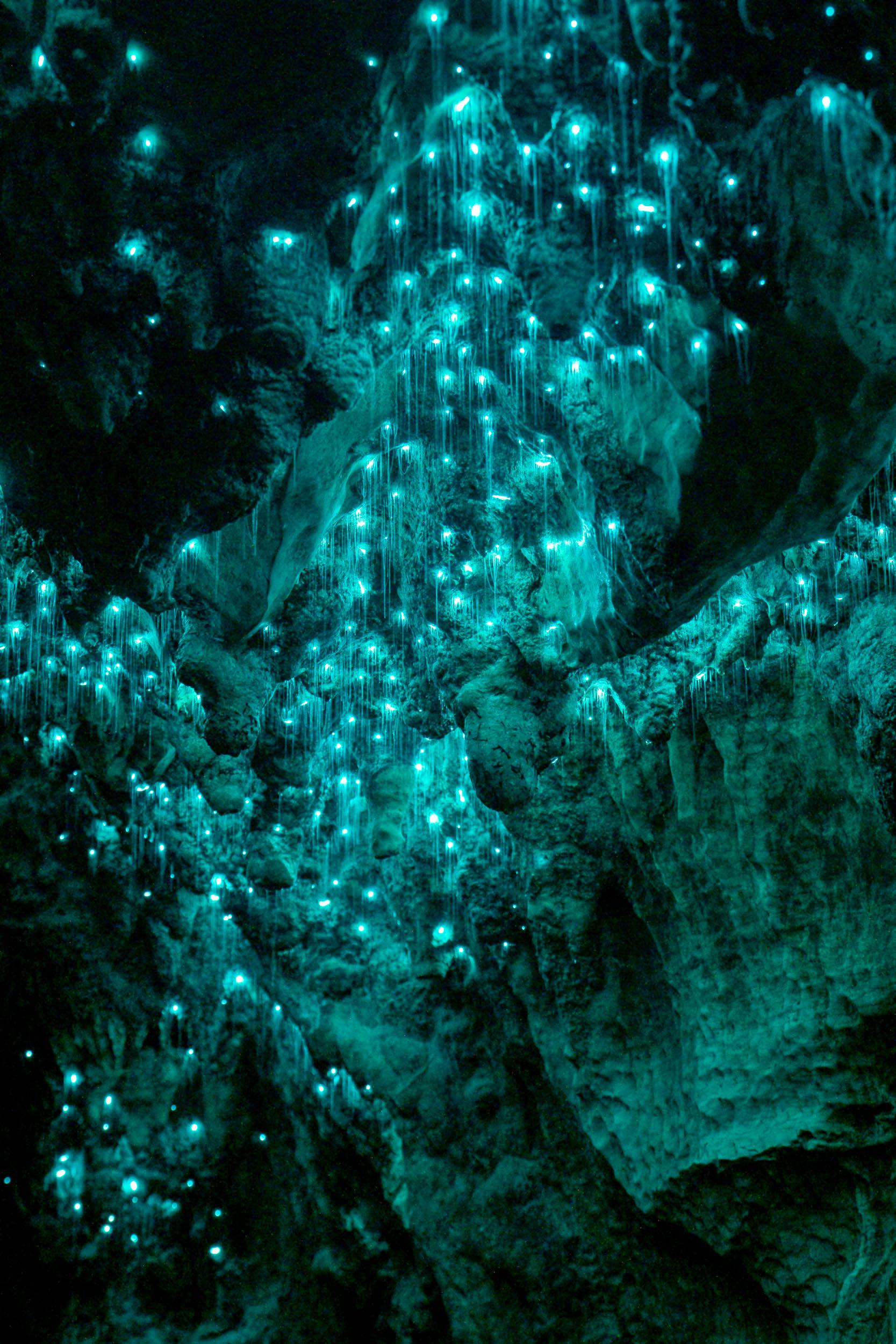
In the darkness of caves, certain glowworm larvae turn their surroundings into a hunting installation. They produce silk threads fitted with sticky droplets and suspend them below their retreats, creating hanging lines capable of trapping small flying insects attracted toward their light. The luminous display may be beautiful to human visitors, but for the glowworm it is part of an extraordinarily specialized feeding system.
15. Cathedral Termites Build Towers Far Larger Than Themselves
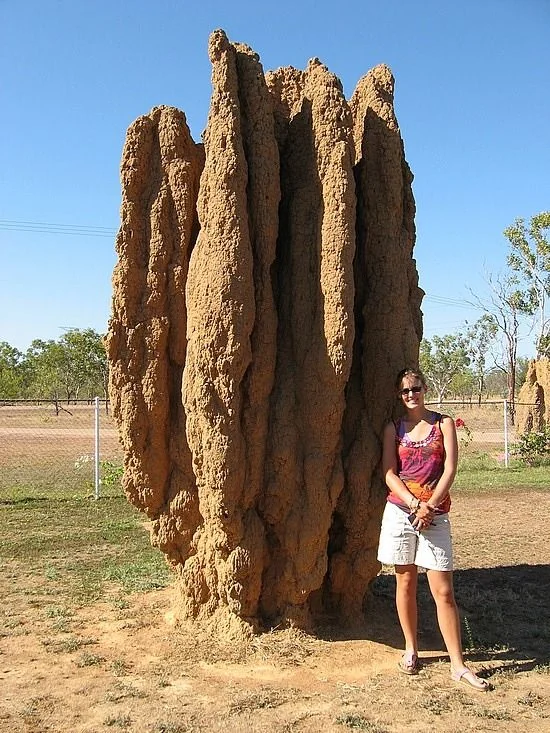
Scale changes everything with cathedral termites. Individual insects are tiny, yet their colonies can create towering earthen mounds containing an intricate internal system of passages and chambers. These structures are collective products built gradually by huge numbers of workers responding to local conditions. Standing beside one raises an obvious question: how does something so small collectively produce something so monumental?
16. Great Bowerbirds Turn Decoration Into Architecture
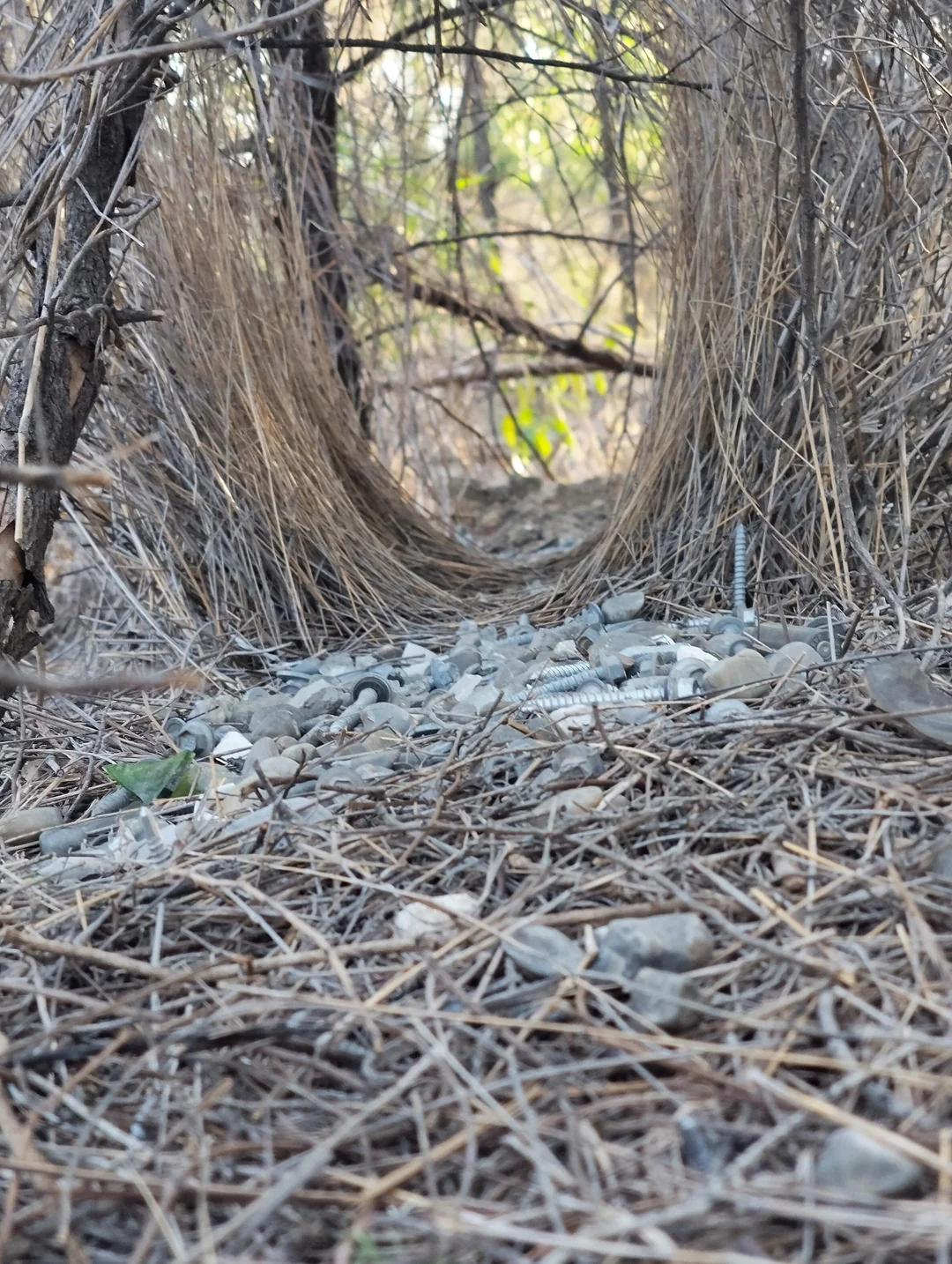
Great bowerbirds show just how far construction can extend beyond basic shelter. Males build avenue-style bowers and arrange collections of objects around them as part of courtship, often creating visually organized displays rather than random piles. The structure is not where chicks are raised. Its purpose is presentation, making it a fitting final reminder that in nature, architecture can be about survival, climate, food, protection, or simply making an impression.
Animals do not need to imitate human construction to produce extraordinary architecture. Their structures make sense within their own worlds, shaped by available materials and very specific biological needs. A dam, a silk-lined burrow, a mud chamber, and a decorated bower may have almost nothing in common visually, yet each answers the same basic challenge: how can an animal reshape its surroundings to make life work?
Keep Exploring The Scroller
Nature still has plenty of blueprints left to uncover. Keep exploring The Scroller for more strange behaviors, remarkable animals, and wild solutions hiding in plain sight:
15 Fascinating Partnerships Between Plants and Animals That Actually Work