Plants can look like passive members of an ecosystem, but some of them have surprisingly complicated arrangements with animals. They offer food, shelter, perfume, or even a place to use as a toilet, and get pollination, protection, or transportation in return. A few of these partnerships are so specialized that one side struggles to reproduce without the other. Others simply show how creative evolution can get when two very different species have something the other needs.
1. Fig Trees and Fig Wasps
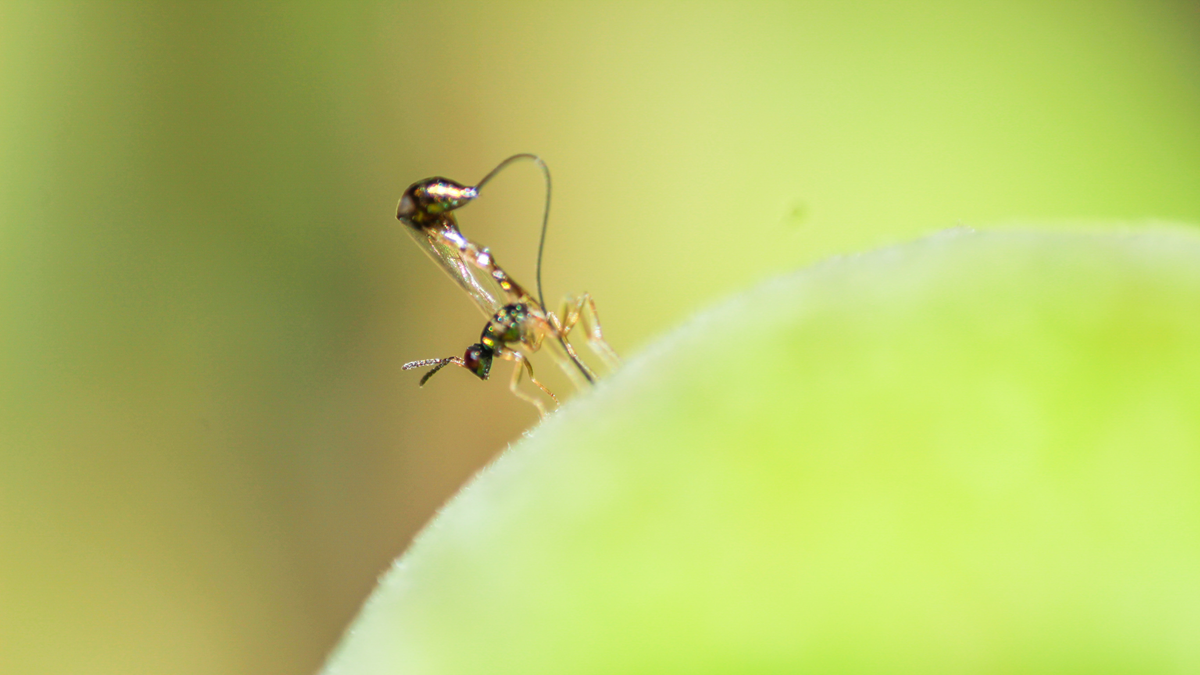
What looks like a single fig is actually a structure filled with tiny flowers, and many fig species depend on equally tiny wasps to reach them. A female fig wasp squeezes through a narrow opening, often damaging her wings and antennae along the way, then pollinates flowers while laying eggs inside some of them. Her offspring develop within the fig, and the next generation of females eventually leaves carrying pollen to another tree. The fig sacrifices some potential seeds, while the wasps get an unusually secure nursery.
2. Yuccas and Yucca Moths
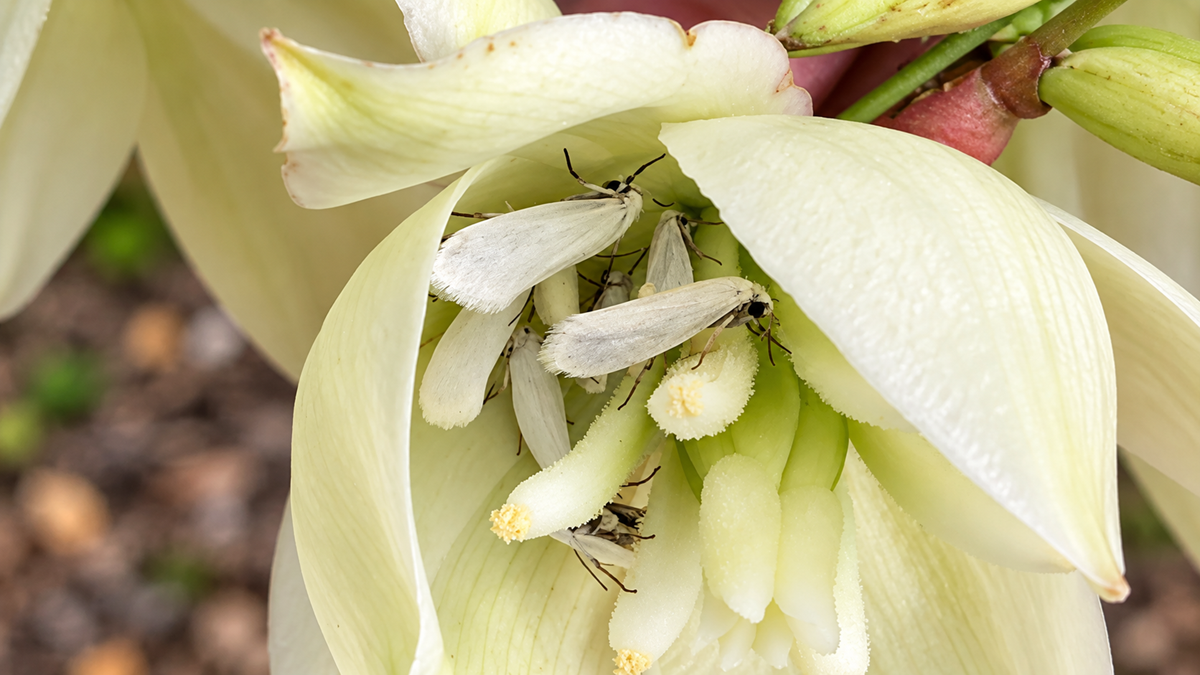
Most pollinators visit flowers while looking for food, but female yucca moths deliberately collect pollen and push it onto the flower’s stigma. They also lay their eggs inside the flower, and the larvae later eat some of the developing seeds. Enough seeds survive for the yucca to reproduce, giving both species something from the arrangement. In several yucca-moth relationships, the connection is so close that neither partner can complete its normal reproductive cycle without the other.
3. Pitcher Plants and Tree Shrews
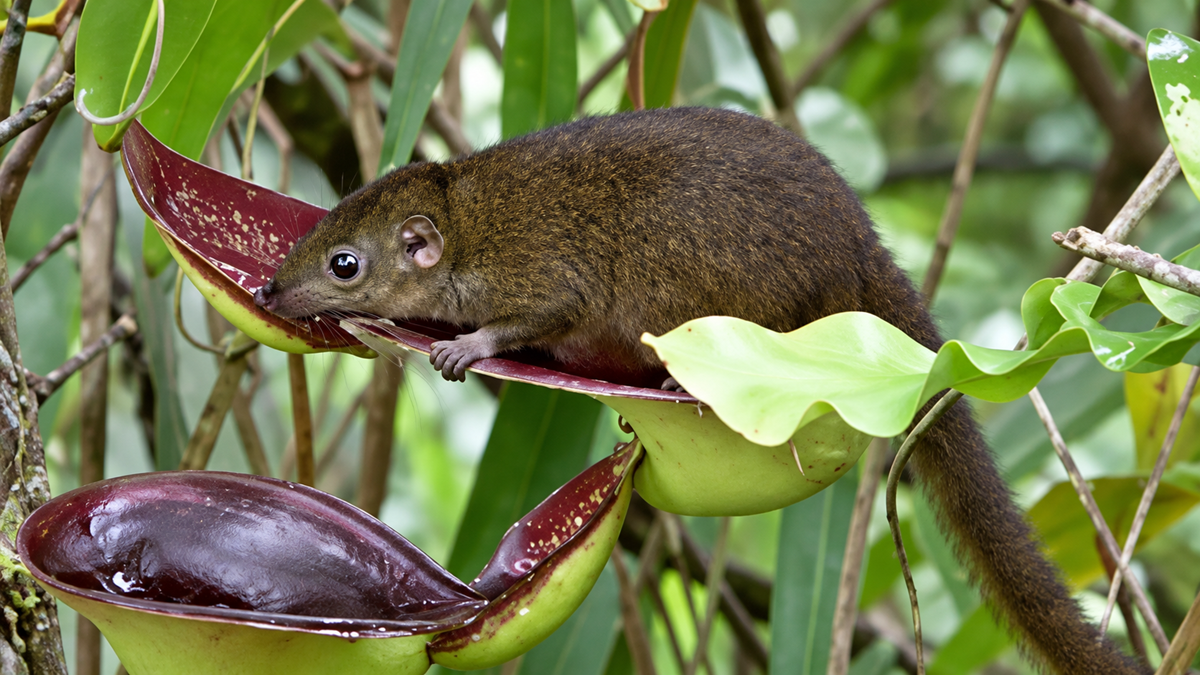
Some pitcher plants in Borneo have found a source of nitrogen that is stranger than trapping insects. Their pitchers produce nectar that attracts mountain tree shrews, with the feeding surface positioned so the animal naturally sits above the pitcher while eating. Tree shrews often defecate into the plant below them. The animal gets a meal, and the plant gets fertilizer delivered directly into its trap.
4. Pitcher Plants and Woolly Bats
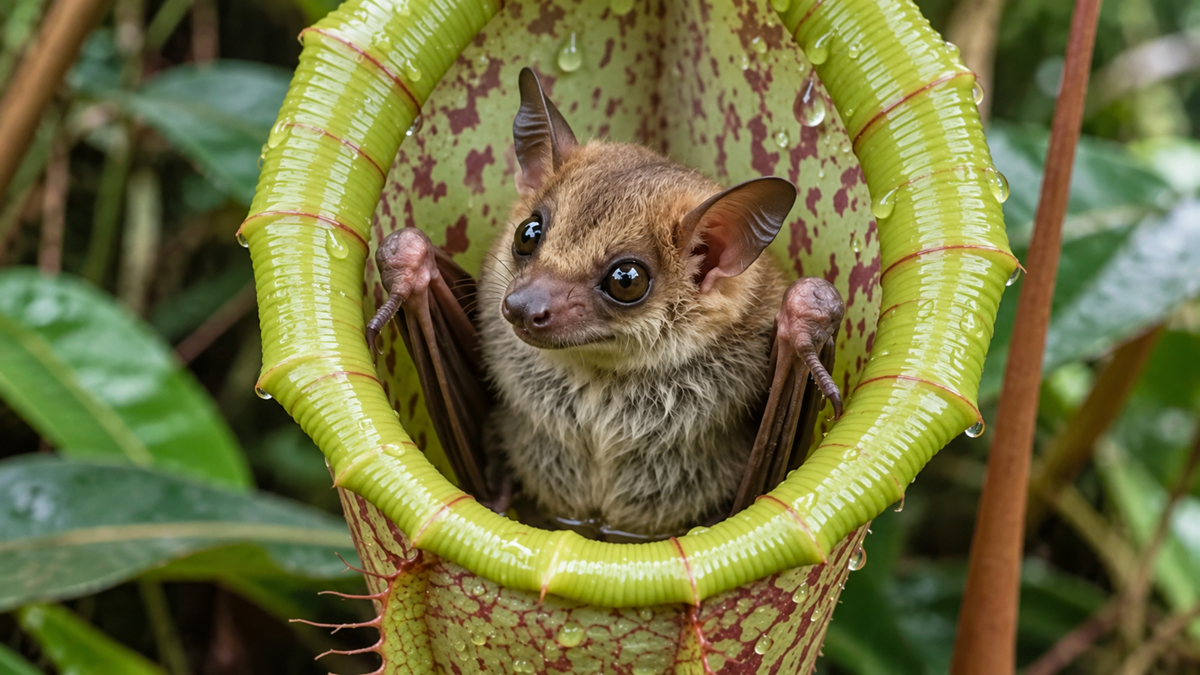
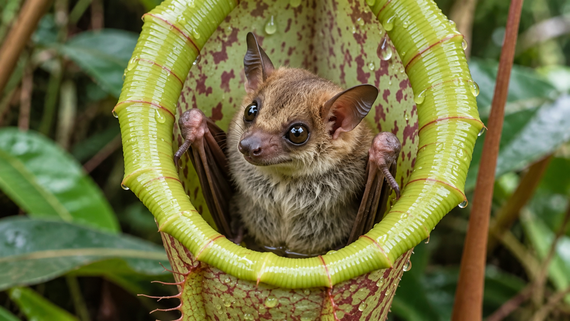
Another Bornean pitcher plant, Nepenthes hemsleyana, offers something more like a hotel room. Hardwicke’s woolly bats roost inside its pitchers, which provide a sheltered place to sleep without dropping the bats into the digestive fluid below. While resting there, the bats leave droppings that supply the plant with valuable nitrogen. A carnivorous plant has effectively turned part of itself into a bat bedroom.
5. Swollen-Thorn Acacias and Ants
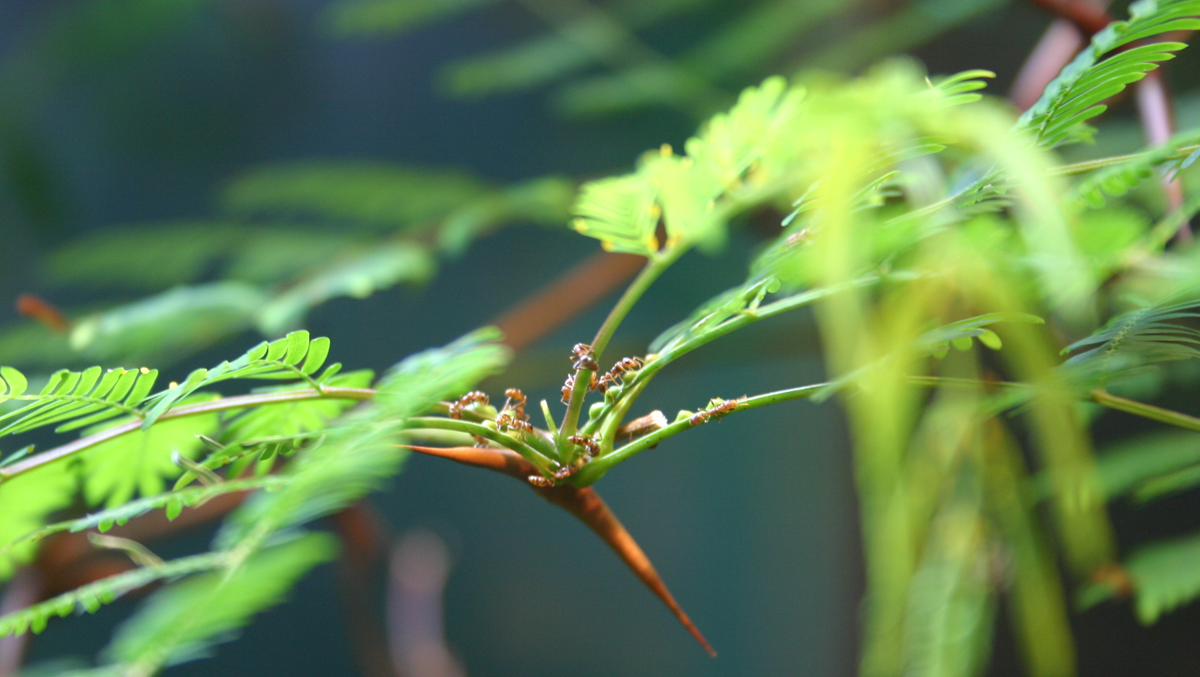
A swollen-thorn acacia comes with ready-made ant housing. Colonies of Pseudomyrmex ants occupy its hollow thorns and feed on nectar and nutrient-rich structures produced by the plant. In return, the ants patrol the branches, attack herbivores, and can even cut back competing vegetation around their host. It is less like a casual visit than a permanent security contract.
Trending on The Scroller
6. Cecropia Trees and Azteca Ants
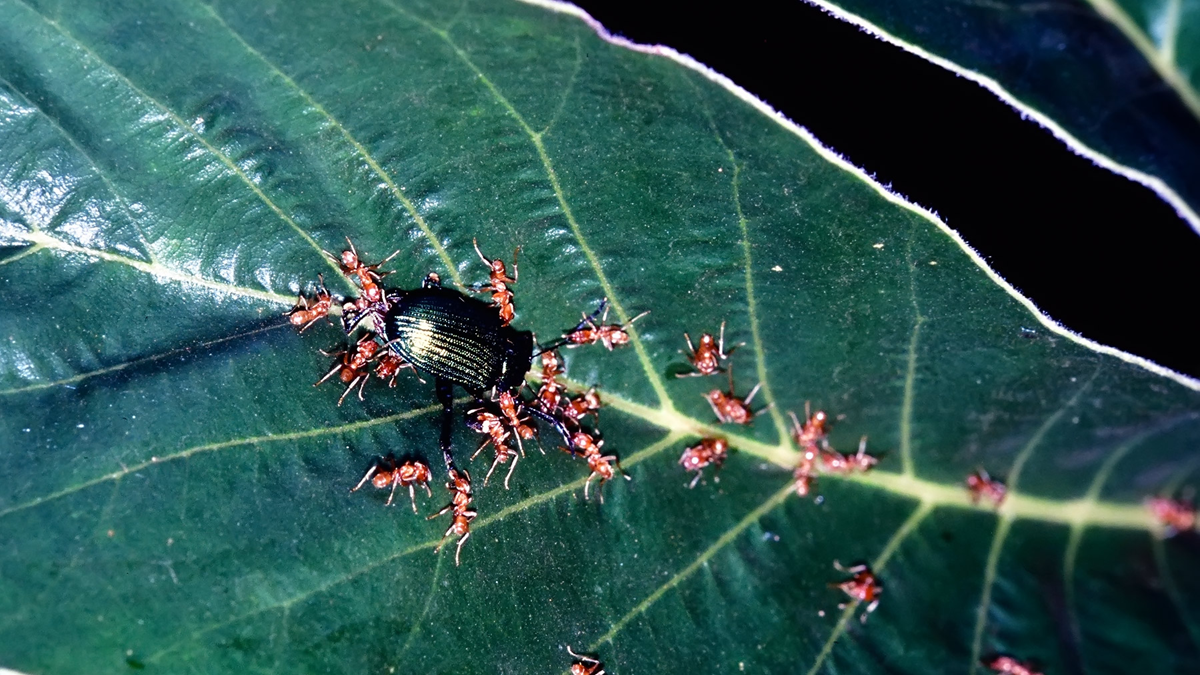
Cecropia trees in the American tropics have hollow stems that make convenient homes for Azteca ants. The trees also provide food, while the ant colonies defend the leaves against animals that might eat them. Researchers have even observed Azteca ants repairing holes made in their host trees. For a plant that cannot run from trouble, having thousands of small defenders living inside the trunk is a useful alternative.
7. Orchids and Perfume-Collecting Bees
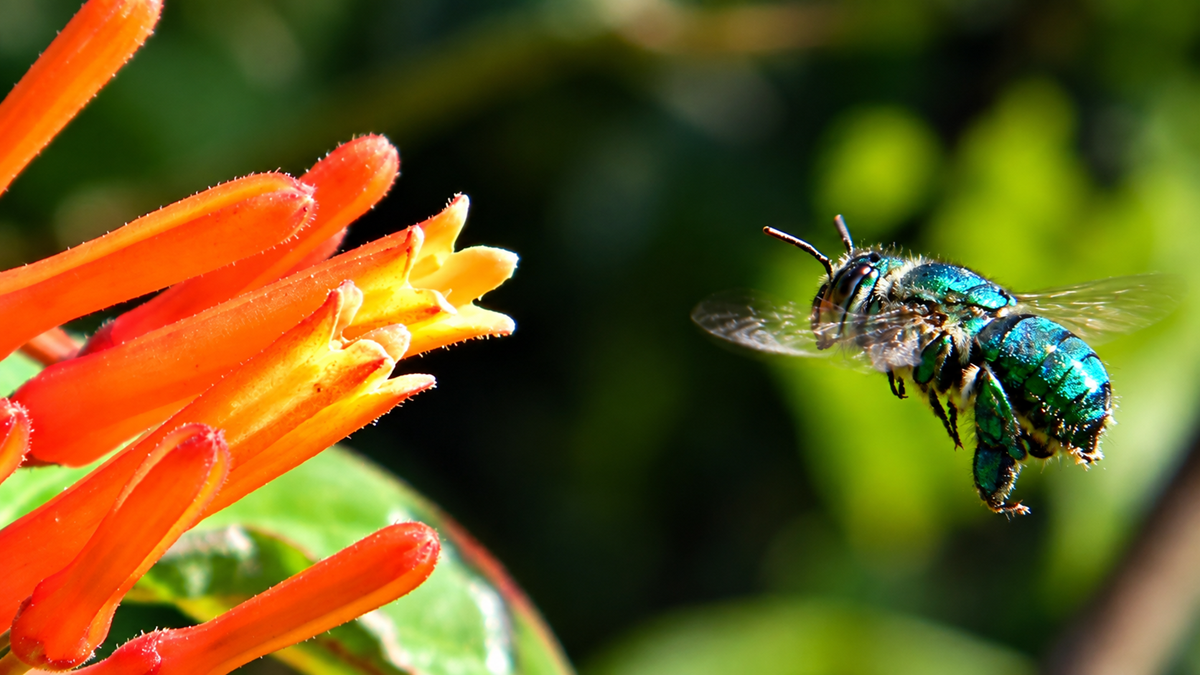
Male orchid bees do not visit certain tropical orchids simply for nectar. They collect aromatic chemicals from flowers such as Stanhopea, Catasetum, and Coryanthes, storing mixtures of scents that are involved in courtship. While scrambling around the orchid to collect perfume, a bee can pick up the plant’s pollen package and carry it to another flower. The orchid gets transportation for its pollen, while the bee leaves with ingredients for a very elaborate cologne.
8. Whitebark Pines and Clark’s Nutcrackers
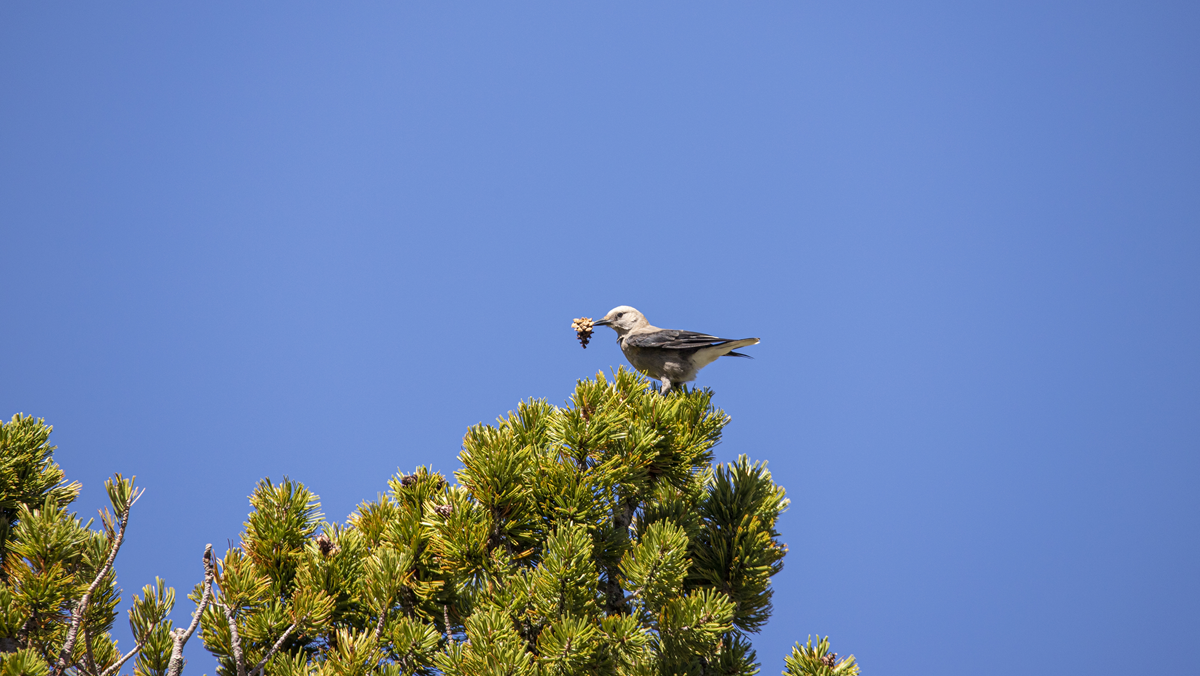
Whitebark pine seeds are large, nutritious, and poorly designed for traveling on their own. Clark’s nutcrackers collect them by the thousands and bury them in small caches to eat later. Inevitably, some caches are forgotten, leaving seeds conveniently planted beneath the soil. The birds get a stored food supply, and the trees get their heavy seeds moved across mountain landscapes.
Sign up for our newsletter
9. Agaves and Nectar-Feeding Bats
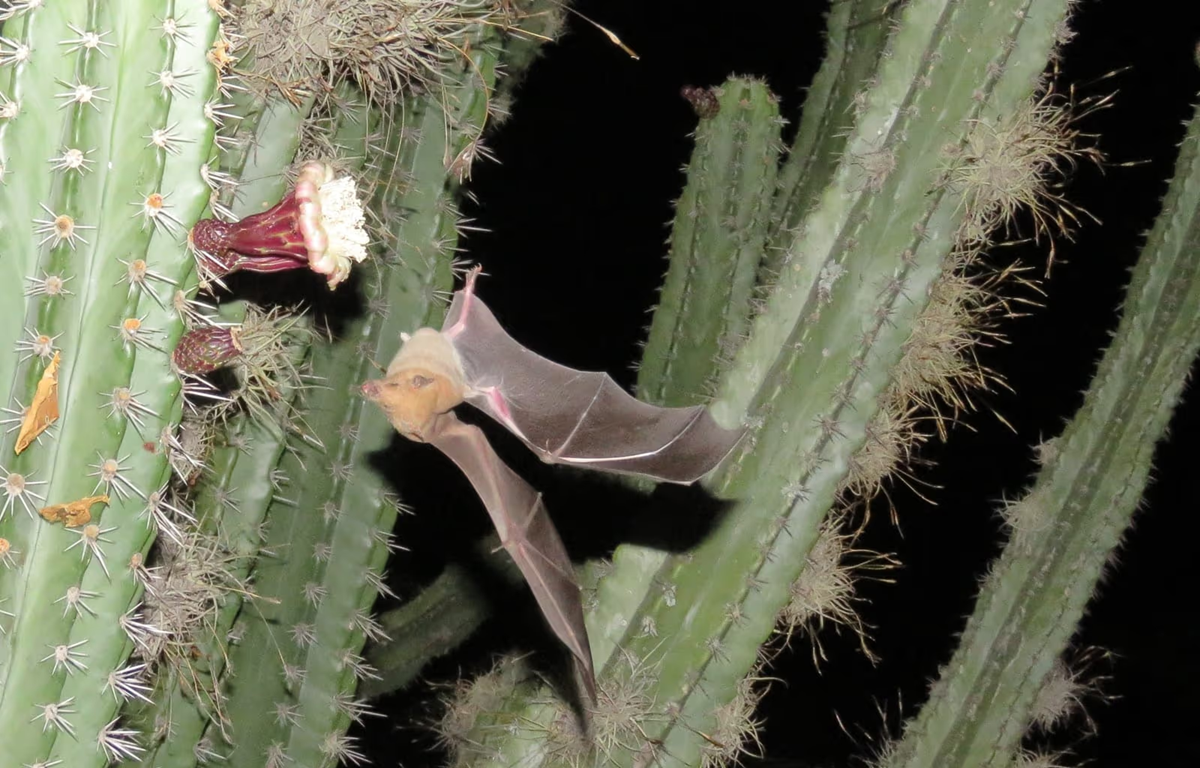
When agaves send up towering flower stalks, nighttime visitors become especially important. Nectar-feeding bats move between flowers, pushing their long faces and tongues into the blossoms and emerging dusted with pollen. That pollen travels with them to the next plant. The bats receive an energy-rich meal during their travels, while the agaves gain highly mobile pollinators capable of covering considerable distances.
10. Durian Trees and Fruit Bats
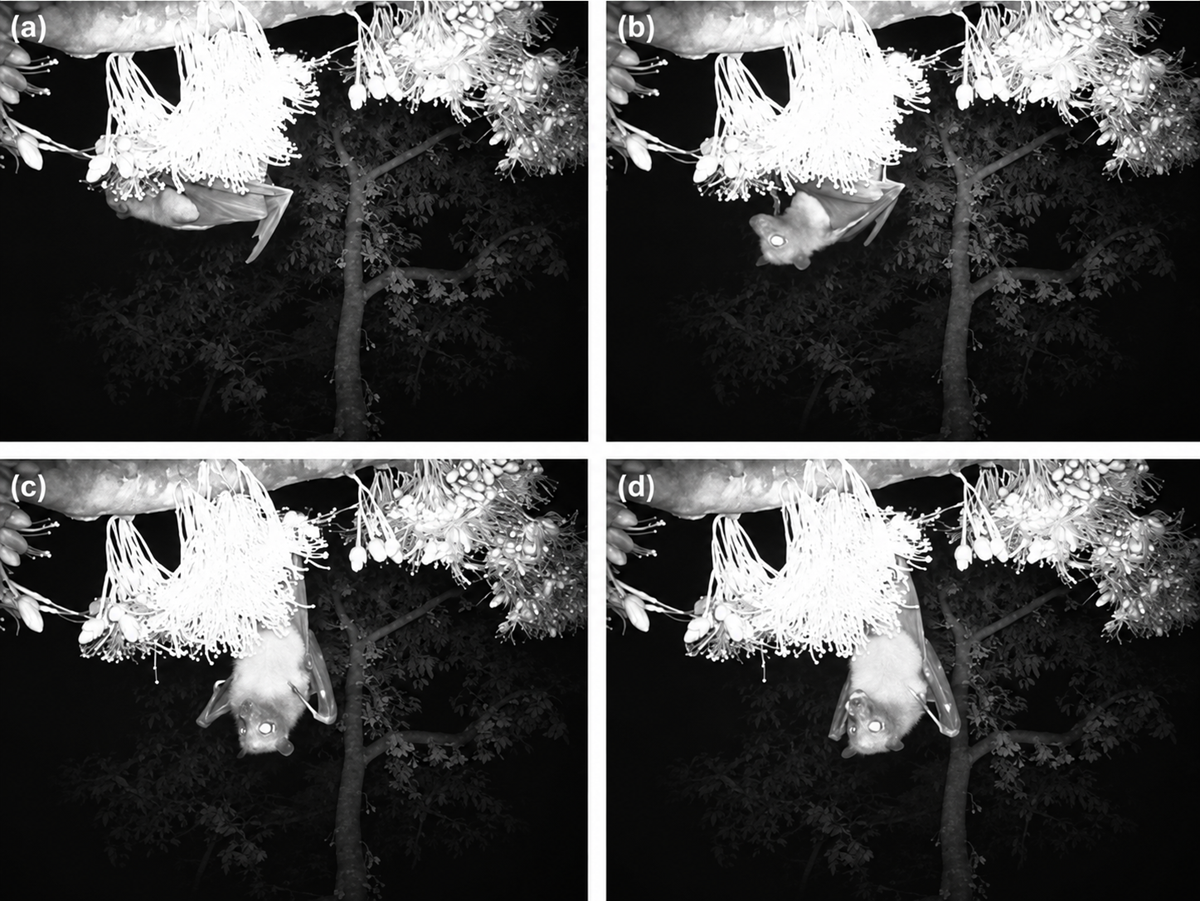
The enormous, famously pungent durian begins with flowers that open at night. Several fruit bat species visit those flowers for nectar and carry pollen between trees as they feed. Studies of durian pollination have found bats to be particularly effective pollinators, making them much more than visitors stealing a free meal. One of Southeast Asia’s most recognizable fruits owes part of its reproductive success to animals that often spend the daytime hanging upside down.
11. Traveler’s Trees and Ruffed Lemurs
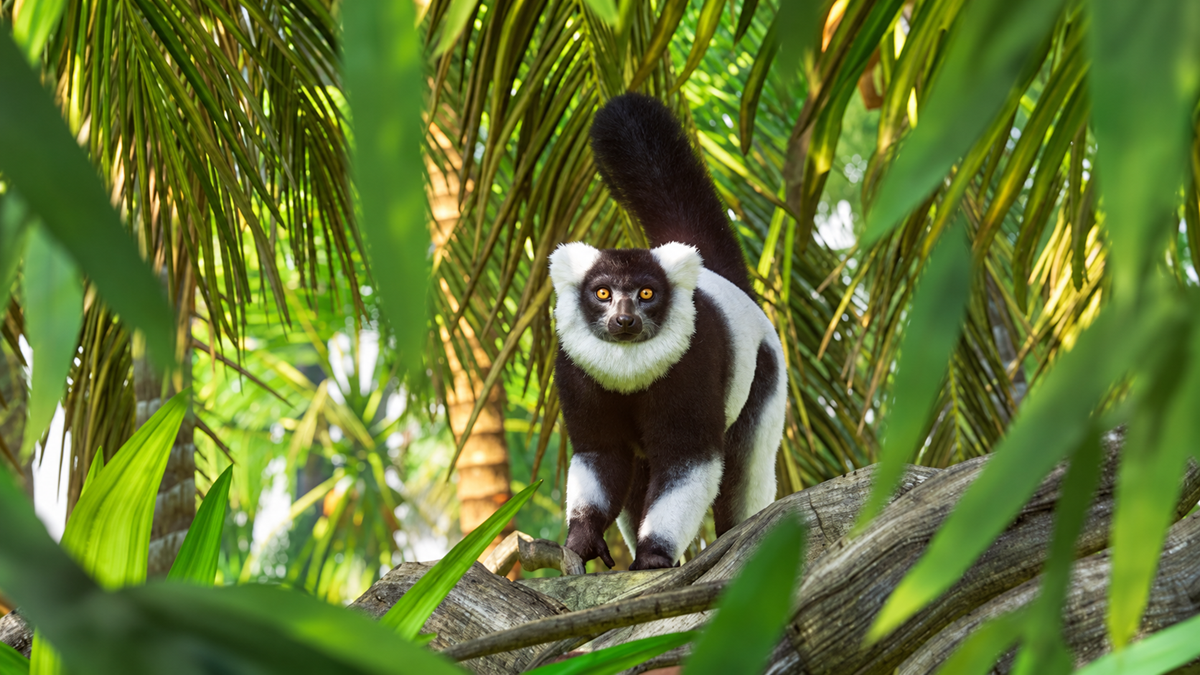
Madagascar’s black-and-white ruffed lemurs are among the more unexpected pollinators around. They can open the tough flowers of the traveler’s tree and reach the nectar inside, getting pollen on their faces in the process. When they visit another flower, some of that pollen comes with them. Pollination is usually associated with insects or small birds, not a large primate burying its face in a flower.
12. Hummingbirds and Tubular Flowers
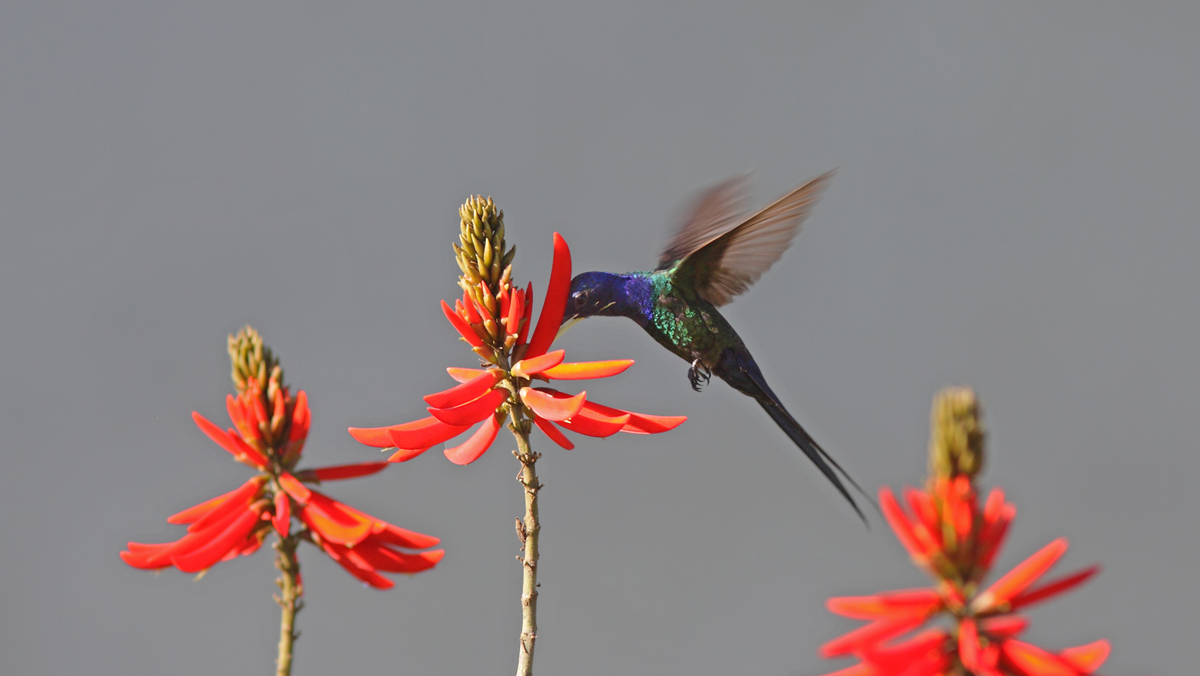
A hummingbird hovering beside a flower is doing more than drinking. Many tubular flowers hold nectar deep enough that a hummingbird must push its head close to the plant’s reproductive structures, picking up pollen that can be transferred during the next feeding stop. The bird gets the sugar needed to sustain an extremely demanding metabolism. The plant gets a fast-moving delivery service that visits flower after flower.
13. Cassowaries and Rainforest Trees
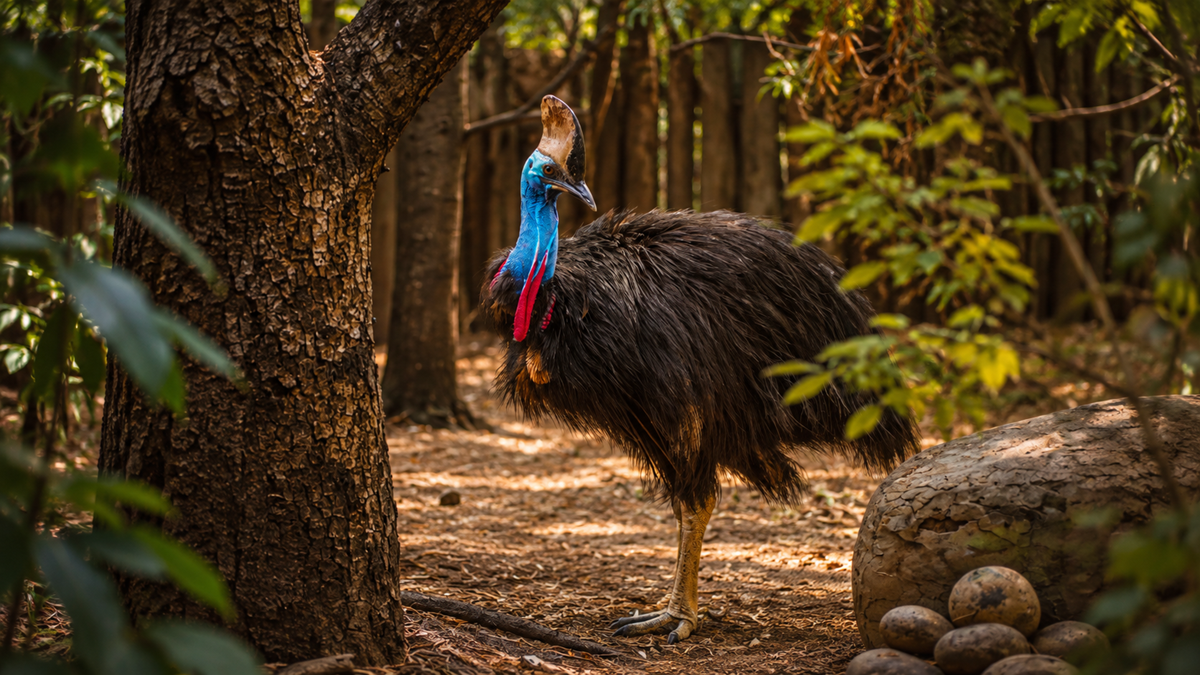
A cassowary can swallow fruits that would be difficult for many smaller animals to handle. The seeds pass through the bird and may be deposited far from the parent tree, sometimes with a helpful package of fertilizer around them. This makes cassowaries important seed dispersers for numerous rainforest plants in northern Australia and New Guinea. The bird eats the fruit, and the forest gets some of its largest seeds moved around.
14. Ants and Wildflower Seeds
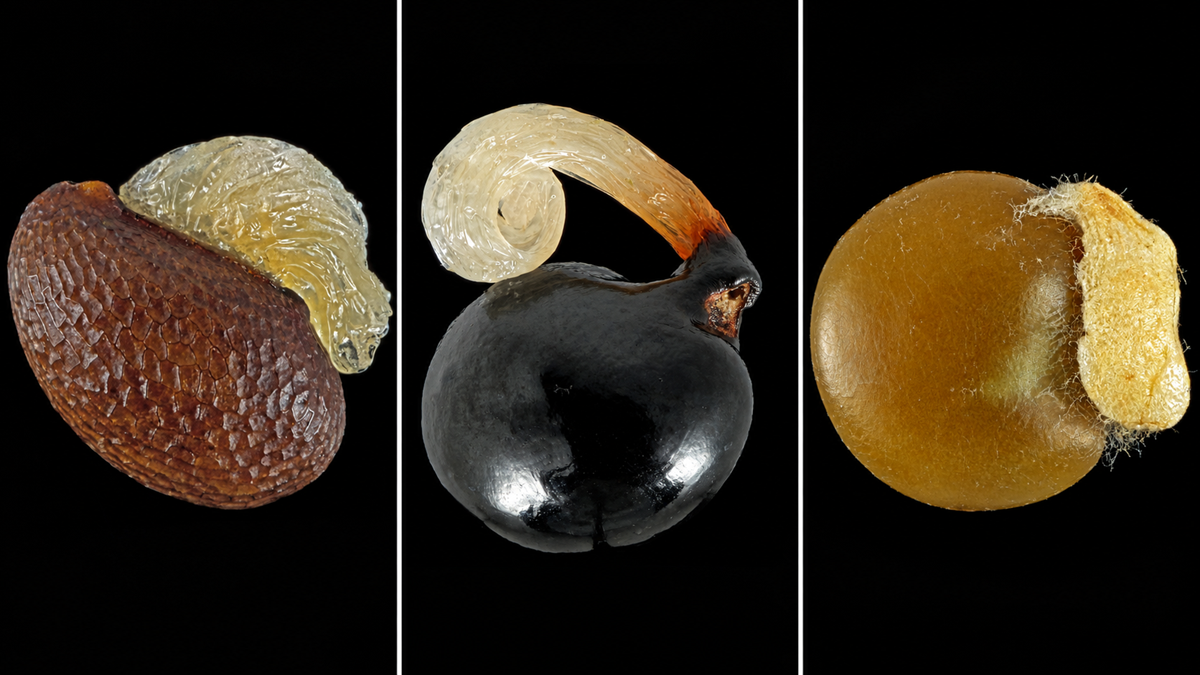
Some wildflowers package their seeds with a tiny edible attachment called an elaiosome. Ants carry the entire seed back to their nest, eat the nutritious attachment, and discard the seed somewhere nearby. The plant has essentially persuaded an ant colony to handle its seed dispersal by adding a snack to the package. This strategy, called myrmecochory, occurs in thousands of plant species.
15. Saguaros and Lesser Long-Nosed Bats
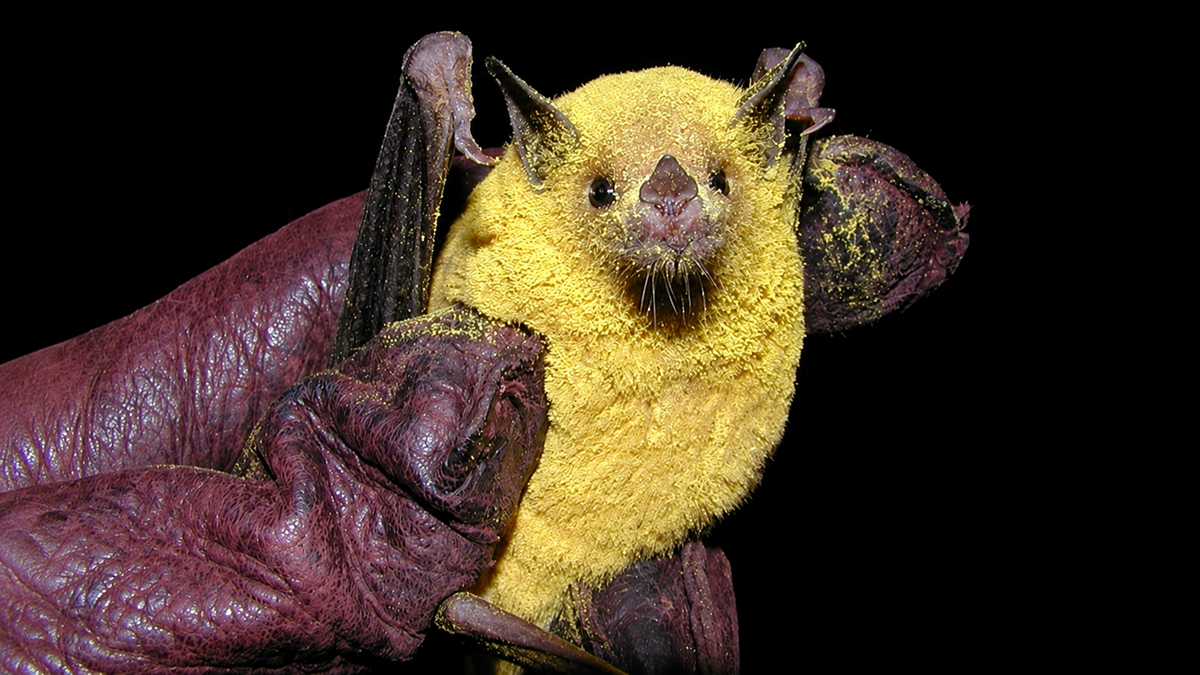
Saguaro flowers open at night with exactly the sort of features nectar-feeding bats can exploit: pale petals, strong scents and abundant nectar. Lesser long-nosed bats push their heads into the blossoms, collecting pollen on their fur while feeding. They then carry it between cacti as they move through the desert. The same bats may follow a seasonal trail of flowering cacti and agaves across Mexico and the American Southwest.
In the mood for more?
Check out 16 Interesting Facts About Mushrooms and the Strange Ways They Grow, or take a look at 15 Animals That Could Soon Disappear Forever. If you want to see more unexpected relationships in nature, you can check out 15 Animals With Social Lives More Complicated Than Most Humans.