
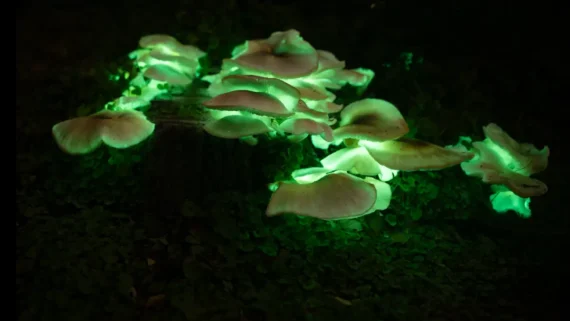
The subterranean world of fungi is one of the most fascinating and bizarre realms in natural history, operating far outside the rules that govern the plant and animal kingdoms. Long regarded as simple forest organisms, mushrooms are actually the spore-producing fruiting bodies of vast subterranean networks that stretch beneath the forest floor. These biological wonders play a vital ecological role, breaking down organic matter, sharing nutrients with surrounding trees, and thriving in environments ranging from lush woodlands to extreme, desolate landscapes.
Beyond their culinary uses, fungal species possess incredible adaptations that continue to shock scientists and nature enthusiasts alike. From species that glow brightly in total darkness to predatory fungi that control insect minds and subterranean networks spanning thousands of acres, mushrooms grow in ways that seem straight out of science fiction. Uncovering the secrets behind how these unique organisms feed, communicate, and reproduce reveals a complex living system right under our feet. Here are sixteen mind-blowing facts about fungal growth and survival.
1. The largest living organism on Earth is a fungus
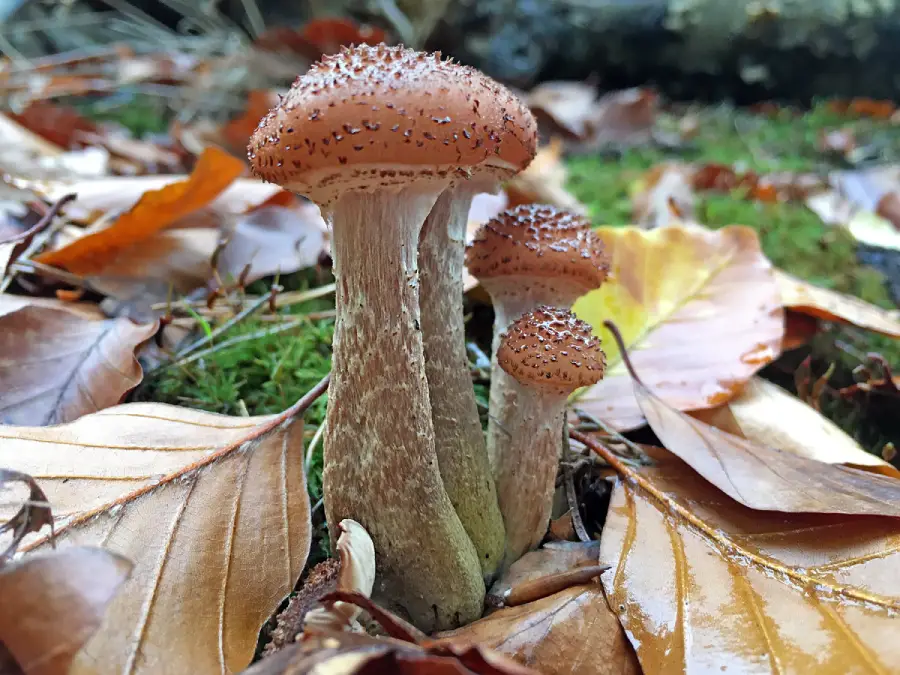
A single specimen of Armillaria ostoyae, commonly known as the honey mushroom, covers over twenty-two hundred acres in Oregon’s Malheur National Forest. Estimated to be between twenty-four hundred and eighty-six hundred years old, this massive subterranean fungal network grows almost entirely underground while occasionally sprouting small yellow caps above the soil.
2. Lightning strikes can double crop yields
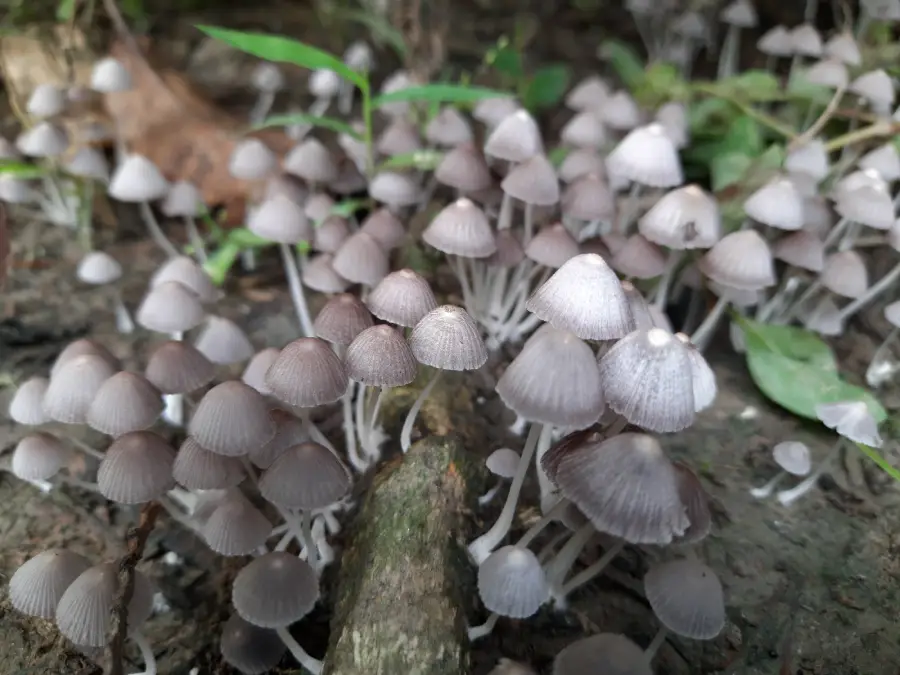
Japanese farmers have known for generations that agricultural logs struck by lightning produce vastly greater quantities of edible caps. Modern scientific experiments confirm that exposing logs to high-voltage electrical pulses causes a sudden burst of fungal activity, prompting the organism to rapidly produce fruiting bodies as a protective survival response.
3. Fungi share DNA structures closer to animals than plants
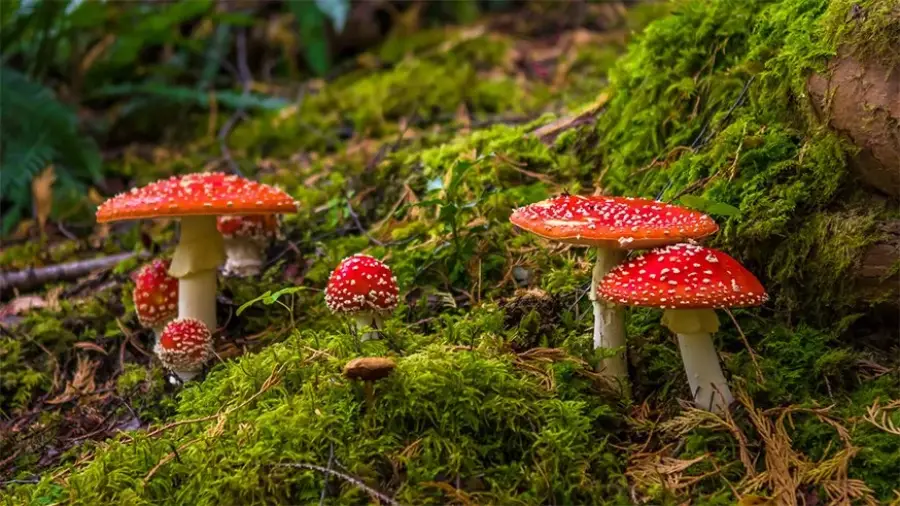
Despite historically being classified alongside flora, fungal species belong to their own distinct kingdom and share a surprisingly close evolutionary relationship with animals. Fungi absorb nutrients through digestion rather than photosynthesis, and their cell walls are constructed from chitin, the exact same tough structural compound found in the exoskeletons of crabs and insects.
4. Zombie ants are controlled by predatory parasitic fungi
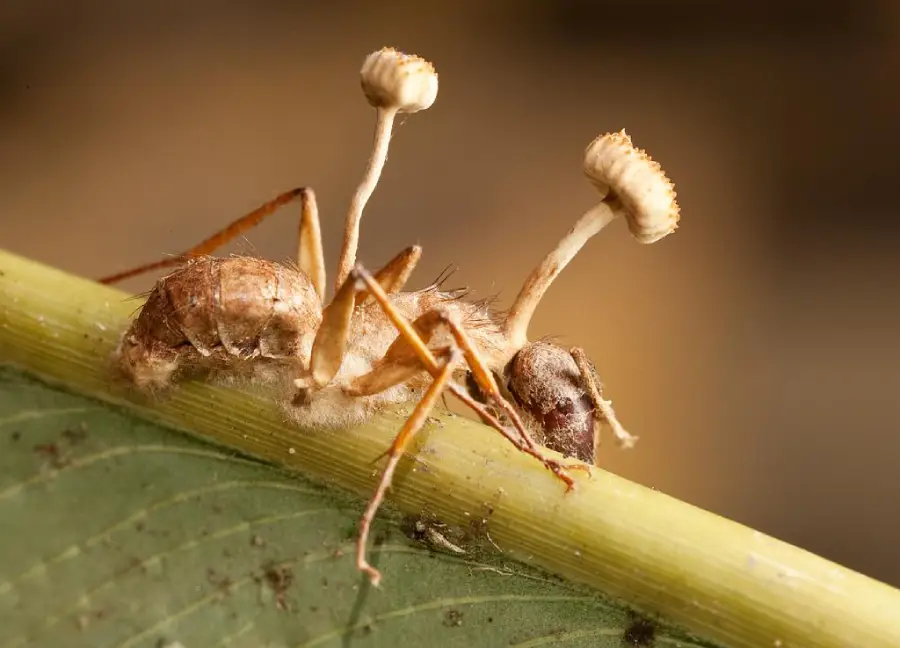
The parasitic fungus Ophiocordyceps unilateralis targets carpenter ants, hijacking their central nervous systems and forcing the insects to climb up forest foliage. Once the infected host reaches an optimal height and temperature for fungal growth, the parasite securely clamps the insect’s jaws onto a leaf vein before killing it and sprouting a spore-releasing stalk directly out of its head.
5. Underground mycelium networks function like an ecological internet
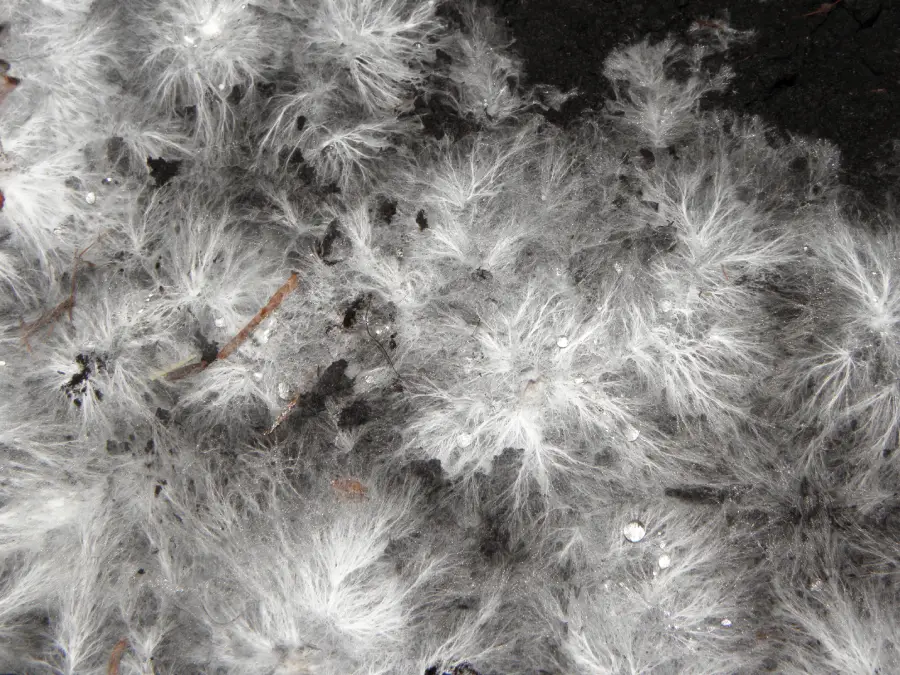
Beneath the soil, fine branching filaments called mycelium form vast mycorrhizal networks that connect the root systems of different trees and forest plants. This subterranean web allows trees to share vital nutrients, trade sugars, and send chemical warnings to neighboring plant species when insect pests attack.
Trending on The Scroller

6. Certain fungi can consume and break down synthetic plastics
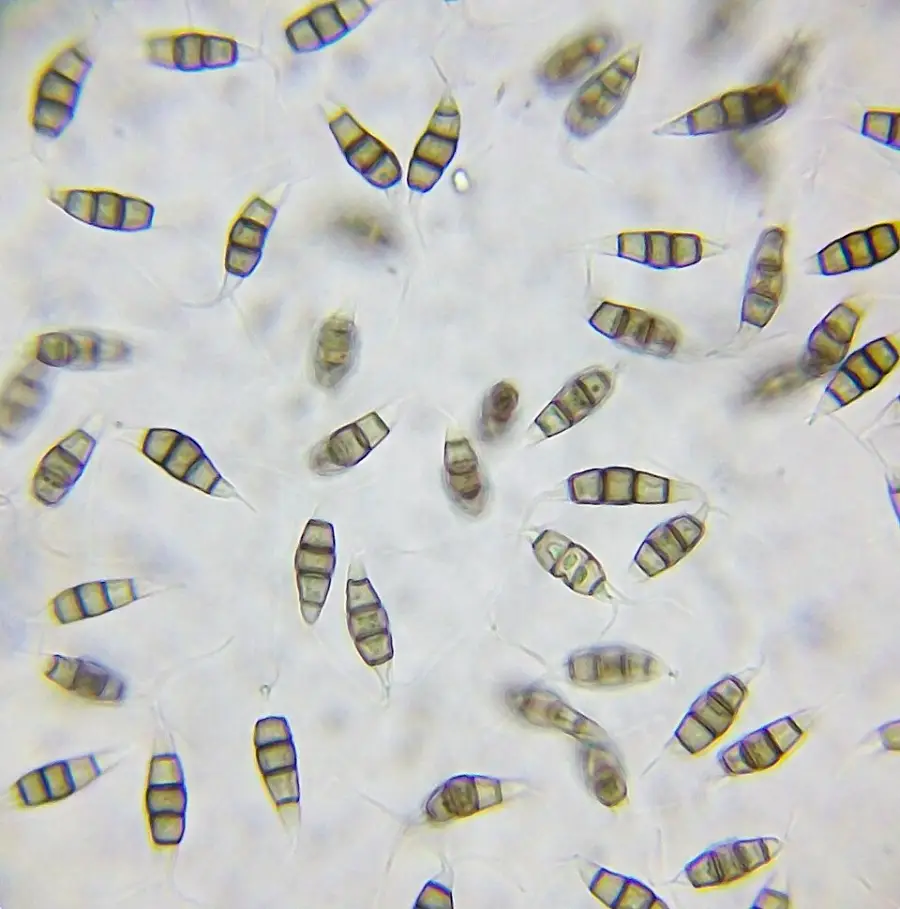
In 2011, researchers discovered Pestalotiopsis microspora, an Amazonian rainforest fungus capable of surviving entirely on a diet of polyurethane plastic. Remarkably, this organism can digest synthetic polymers in both oxygen-rich environments and anaerobic conditions deep inside landfills.
7. Spores can survive in the outer vacuum of space
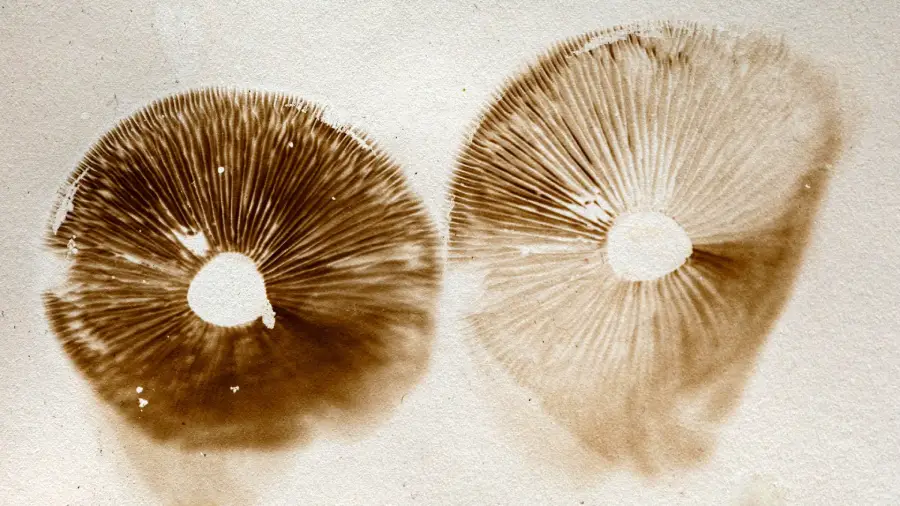
Fungal spores are among the most resilient biological structures on the planet, featuring dense protective walls that resist extreme temperatures and radiation. Experiments conducted on the exterior of the International Space Station proved that certain fungal spores can survive the harsh vacuum and ultraviolet exposure of open space for extended periods.
8. The Death Cap is responsible for most fatal poisonings
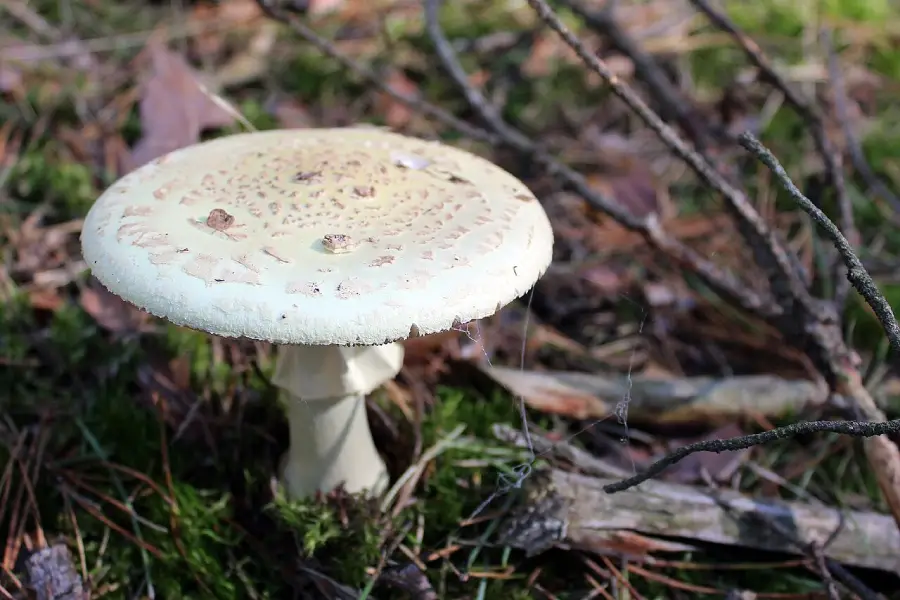
Amanita phalloides, commonly known as the death cap mushroom, contains potent amatoxins that survive high cooking heat and destroy human liver and kidney cells. What makes this toxic species particularly treacherous is that it tastes pleasant and causes no immediate discomfort, with severe organ damage occurring days after ingestion.
Sign up for our newsletter
9. Fairy rings grow in ever-expanding perfect circles
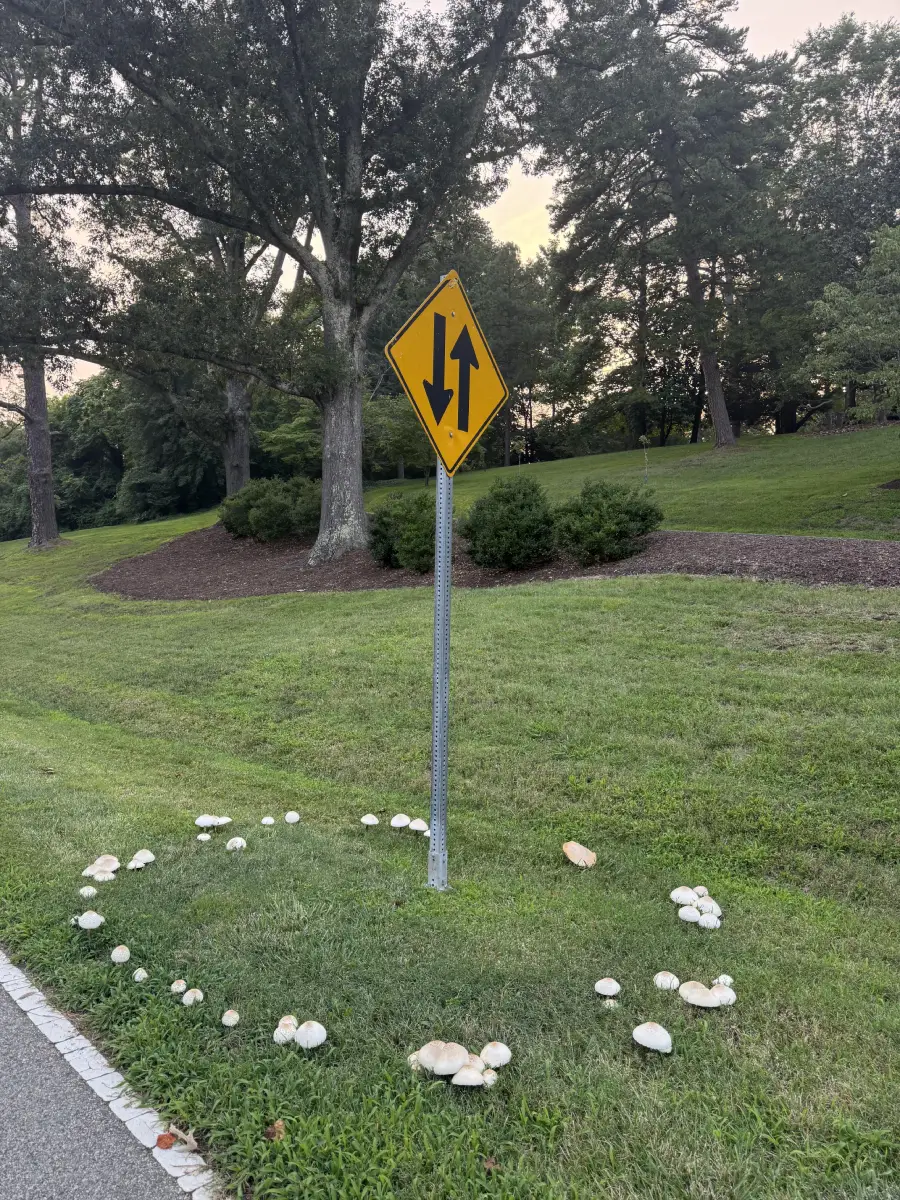
When a fungal spore lands in uniform soil, the underground mycelium expands outward equally in all directions, consuming nutrients in an expanding ring. As the central core dies off, the active outer edge sprouts a circular pattern of fruiting caps each season, with some historic European fairy rings growing over thousands of feet in diameter.
10. Some species create their own wind to spread spores
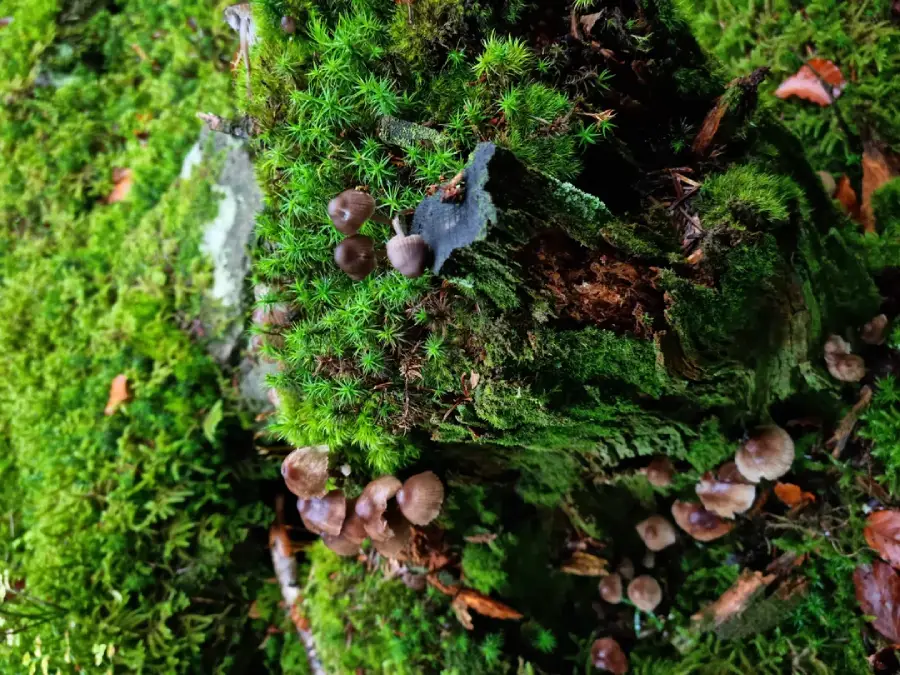
Because many forest caps grow close to the ground where natural breezes are weak, certain species actively alter their microclimate to generate air currents. By evaporating moisture from their gills, these mushrooms cool the surrounding air, creating localized convective breezes that lift lightweight spores up and away into the forest air.
11. Bleeding Tooth fungi ooze red liquid through guttation
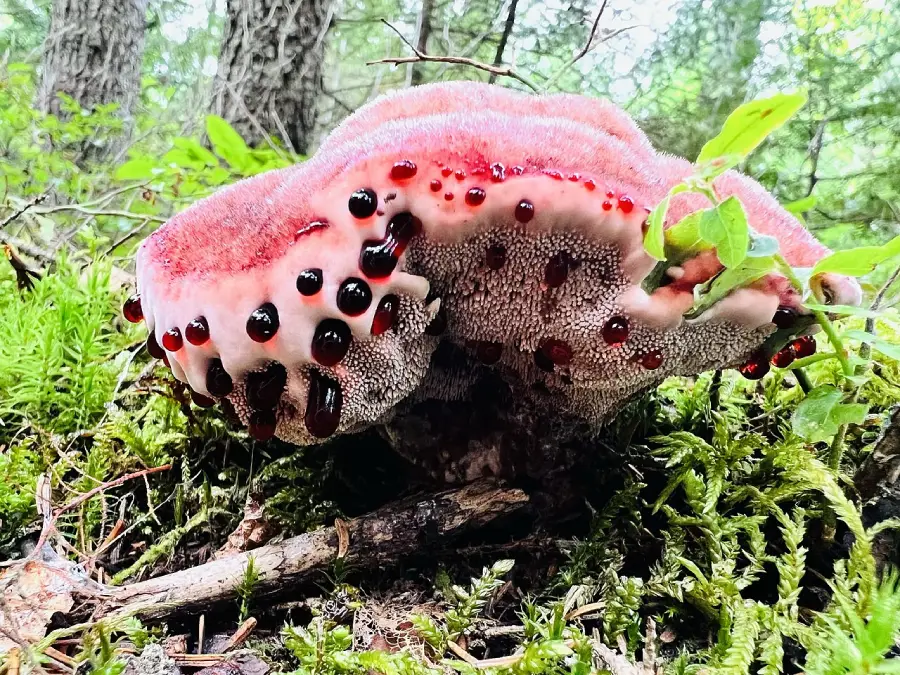
Hydnellum pecki, a striking woodland species, frequently exudes a thick, ruby-red liquid through tiny pores on its pale cap when moisture levels are high. This dramatic process, known as guttation, occurs when intense root pressure forces excess fluid out of the organism, giving it the eerie appearance of oozing fresh blood.
12. Some species glow in the dark through bioluminescence
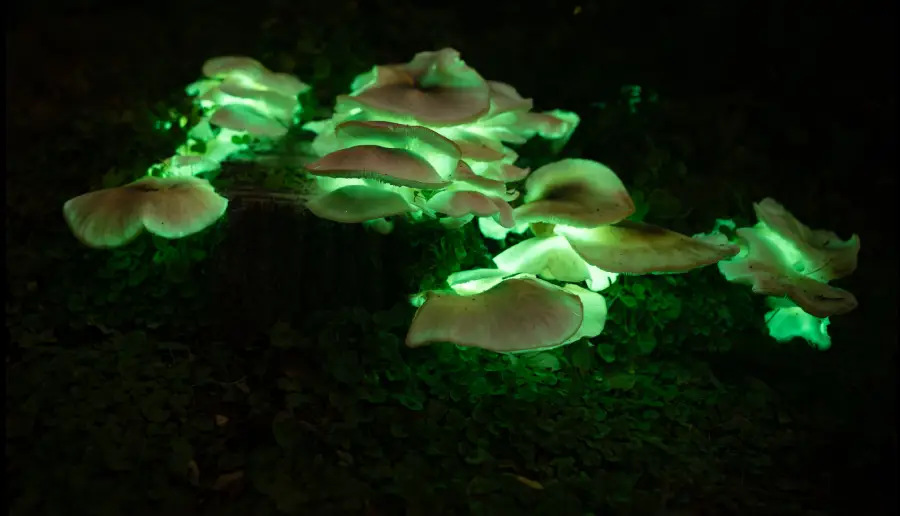
More than eighty known species of fungal organisms generate their own green light through a chemical reaction involving the pigment luciferin. Species like the jack-o’-lantern mushroom produce an eerie nocturnal glow that attracts nocturnal insects, which then help disperse the organism’s spores across the forest floor.
13. Ink Cap species melt into black liquid to release spores
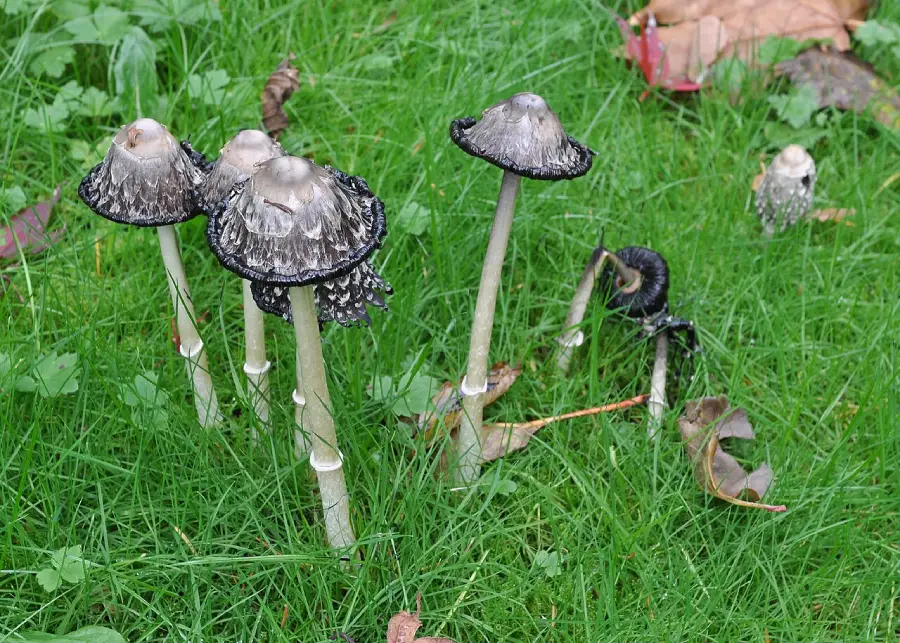
Members of the Coprinellus family undergo a rapid process of self-digestion known as deliquescence shortly after reaching maturity. Within hours of opening, the cap’s gills dissolve into a thick, sticky black ink containing millions of mature spores, which easily clings to passing insects or drips onto the ground.
14. Giant puffballs can release trillions of spores
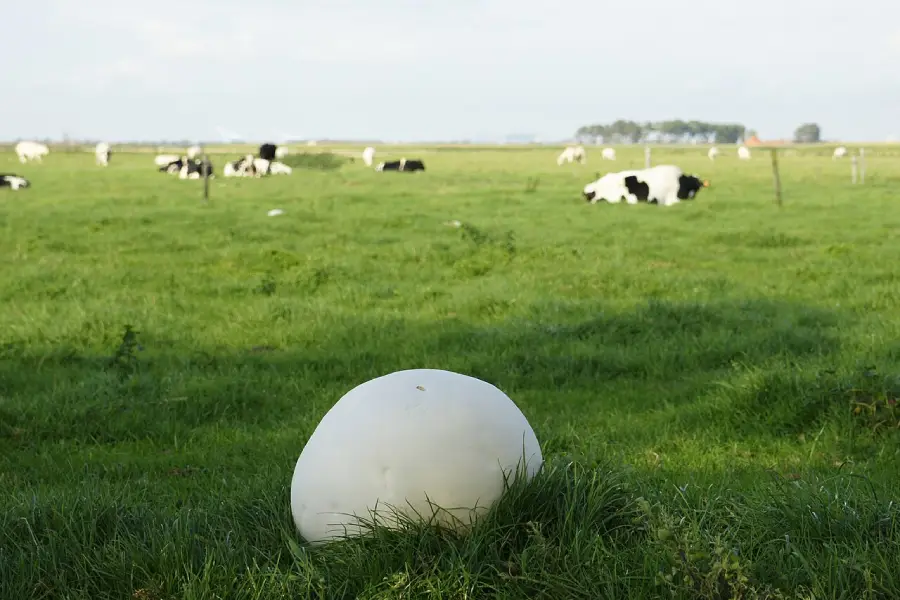
A single mature giant puffball (Calvatia gigantea) can expand to over two feet in diameter and contain up to seven trillion microscopic reproductive spores. When the outer skin dries and breaks open, raindrops or animal footsteps compress the spongy interior, releasing massive dust-like clouds of spores into the air.
15. Some fungi can absorb and harness nuclear radiation
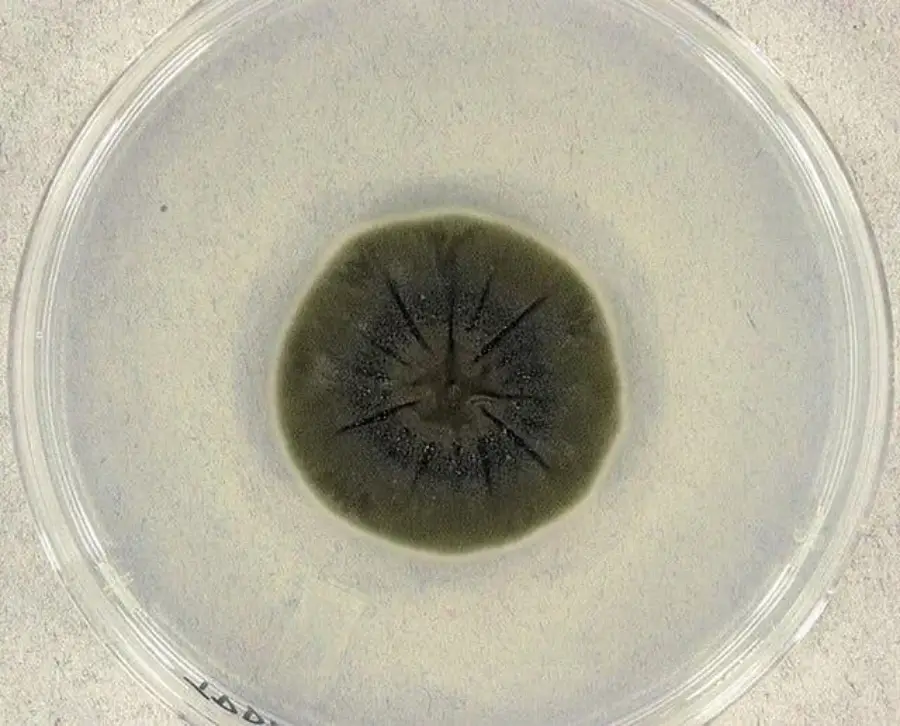
Following the 1986 disaster at Chernobyl, scientists discovered melanized fungal species growing inside the damaged nuclear reactor walls. These radiotrophic organisms utilize melanin pigments to convert gamma radiation into chemical energy, allowing them to thrive in extreme radioactive environments that would prove fatal to most life.
16. Truffles produce chemicals similar to mammalian pheromones
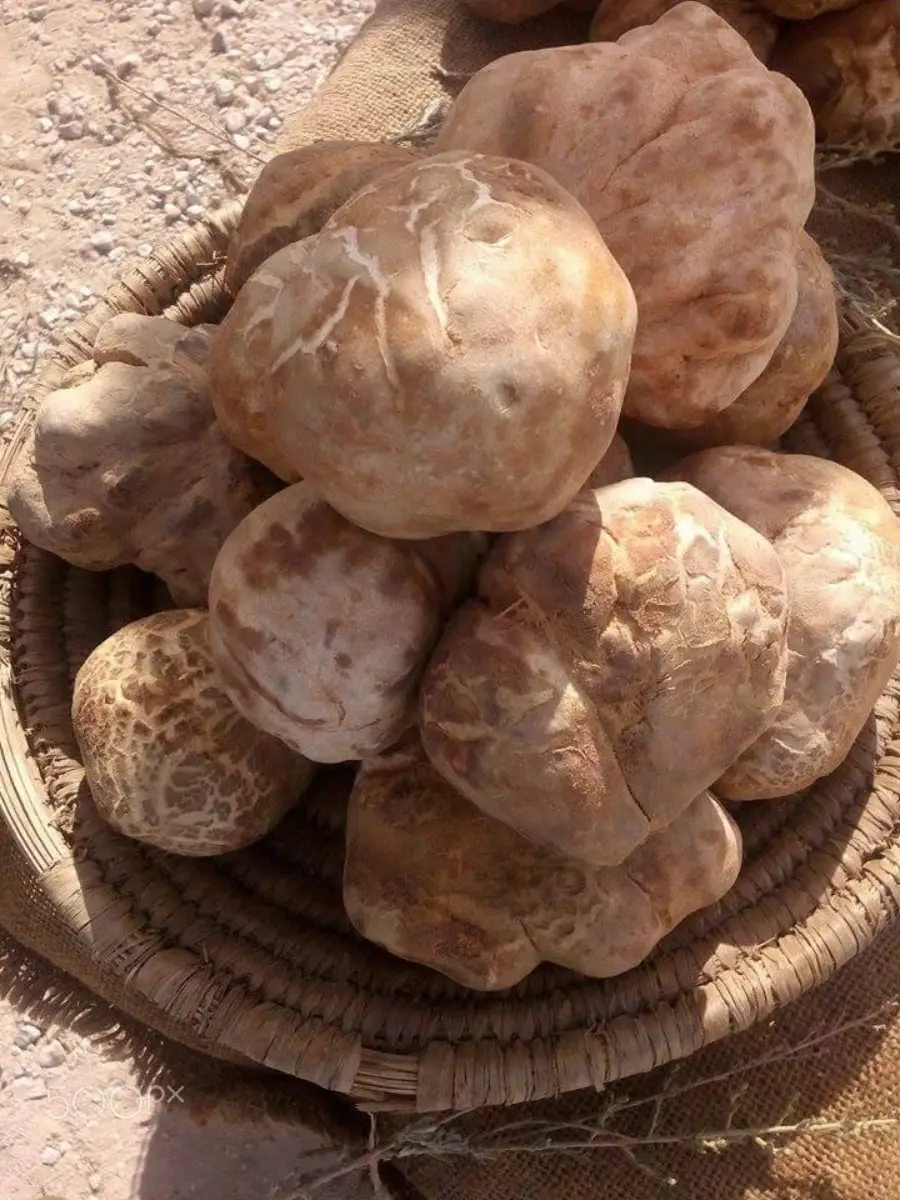
Underground truffles release complex aromatic compounds that can easily penetrate several inches of soil to attract wild animals like pigs and dogs. These irresistible scents closely mimic mammalian mating pheromones, ensuring that animals dig up the subterranean delicacies and spread the digestive-resistant spores across new territories.
Check out more fascinating facts about nature:
Exploring the bizarre growth patterns, ecological intelligence, and survival mechanisms of the fungal kingdom highlights just how much mystery remains hidden in the natural world. The astonishing combination of subterranean communication networks, mind-controlling parasites, and extreme environmental resilience proves that nature is endlessly inventive. If you love discovering science archives, fascinating nature deep dives, and extraordinary real-world facts, be sure to check out these 16 Amazing Facts About Big Cats or these 20 Animal Facts That Sound Made Up (But Aren’t). You may also like these 15 Human Body Facts That Sound Impossible But Are Real.