Apex predators of the animal kingdom have long captivated human imagination with their incredible power, stealth, and breathtaking beauty. While many people think of lions, tigers, and leopards simply as larger versions of domestic cats, the evolutionary adaptations that separate these majestic carnivores are truly astonishing. From specialized vocal cords that allow deep roars to unique hunting strategies suited for extreme environments, each species possesses distinct traits designed for survival.
Understanding what sets these wild cats apart reveals the surprising diversity within the Panthera lineage and beyond. Secret physical adaptations, camouflage techniques, and specialized hunting behaviors allow these formidable felines to dominate habitats ranging from frozen mountain ranges to dense tropical rainforests. Here are sixteen fascinating facts about big felines and the extraordinary characteristics that make each one unique.
1. Tiger
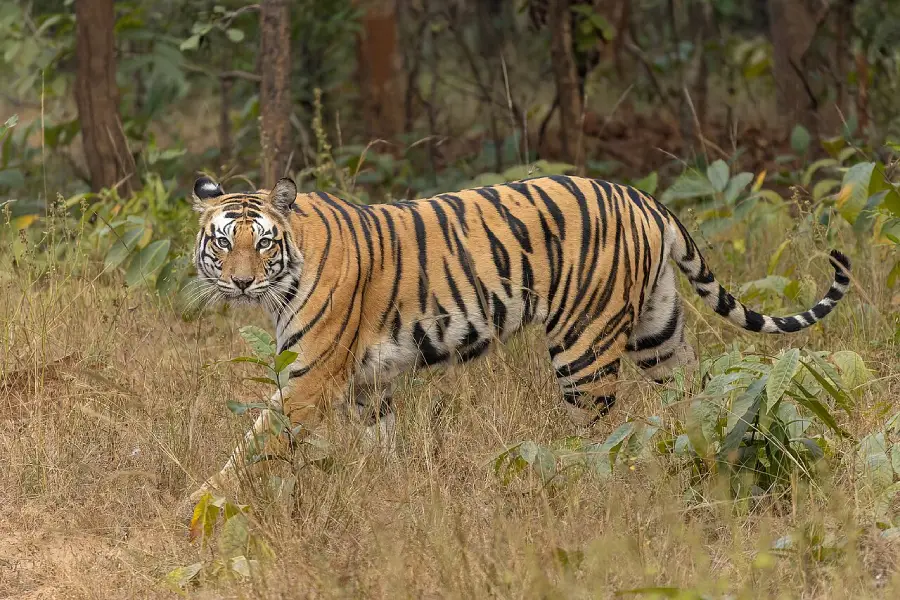
Tigers are the largest of all wild felines and are easily recognized by their bold black stripes. Astonishingly, these distinct stripes are not just on their fur, but are actually pigmented directly into their skin, meaning even a shaved tiger retains its full pattern.
2. Lion
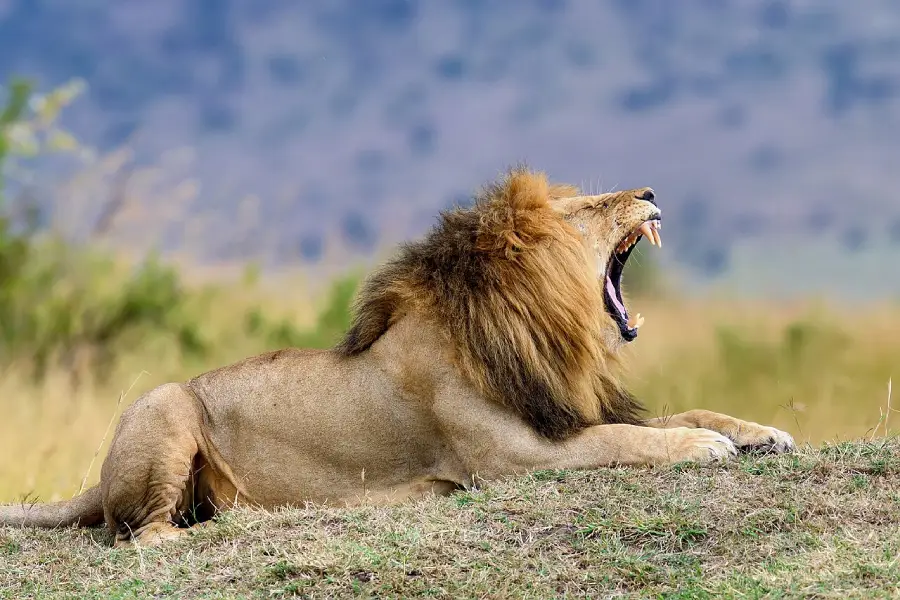
Lions are the only feline species that exhibit true social behavior by living in complex family groups known as prides. They also possess a uniquely powerful roar enabled by a flexible hyoid bone, creating a sound that can travel up to five miles across the open Savannah.
3. Jaguar
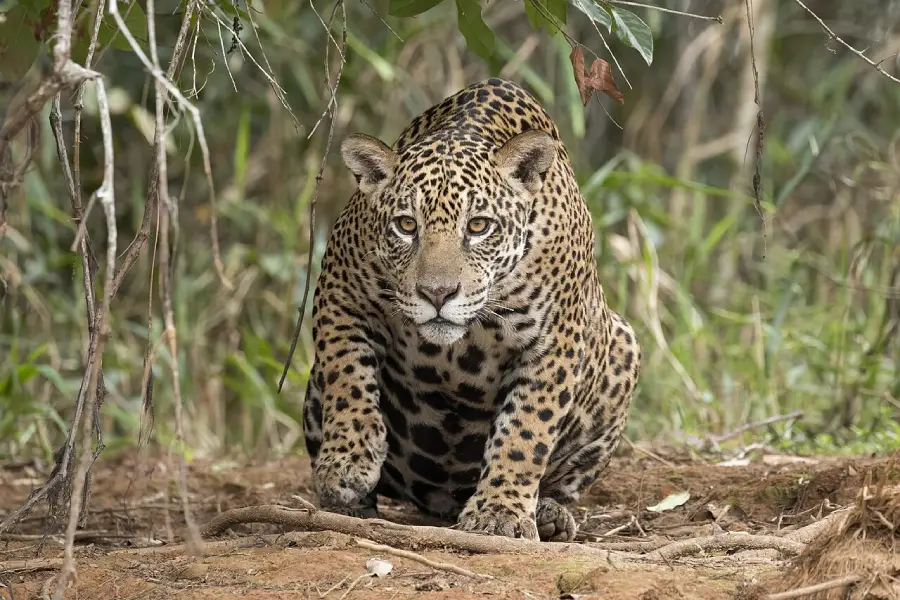
The jaguar boasts the strongest bite force relative to its size among all big felines, easily crushing the thick shells of turtles and tortoises. Unlike most other felines, jaguars kill their prey by biting directly through the temporal bones of the skull between the ears.
4. Leopard
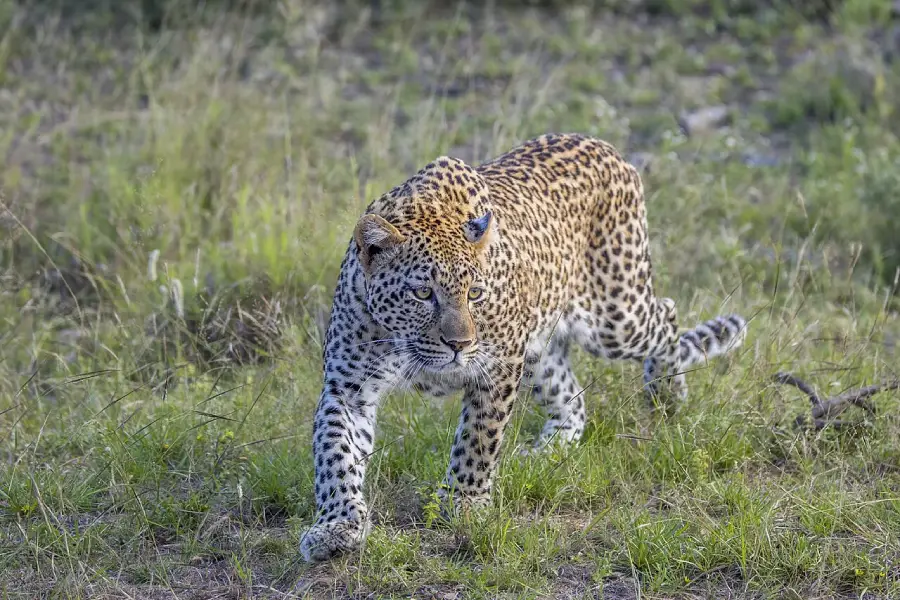
Leopards are renowned for their incredible physical strength, regularly hauling heavy prey carcasses weighing more than themselves high up into tree branches. This impressive climbing behavior protects their hard-earned meals from scavengers like hyenas and lions on the ground below.
5. Snow leopard
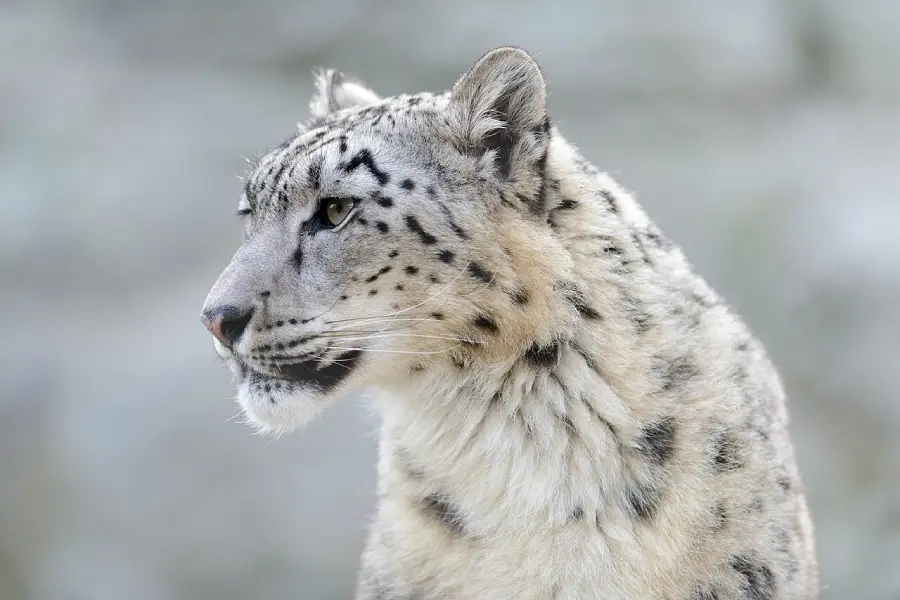
Inhabiting the harsh, freezing mountains of Central Asia, the snow leopard uses its extremely thick, long tail almost like a cozy blanket. They wrap their fluffy tails around their faces while sleeping to protect their nostrils and lungs from biting Arctic winds.
Trending on The Scroller

6. Cheetah
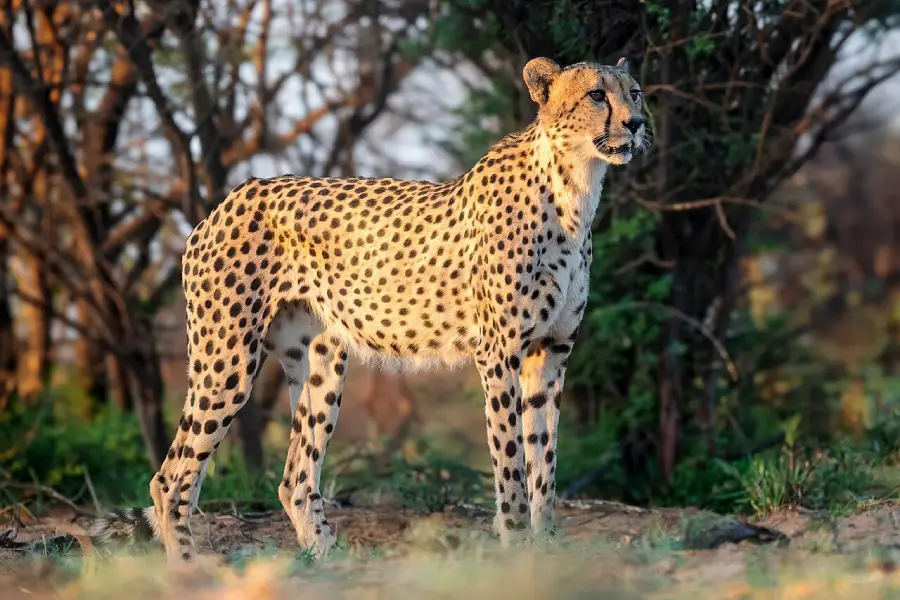
While technically classified as a small big cat because it cannot roar, the cheetah is the fastest land animal on the planet, reaching sixty miles per hour in just three seconds. Its non-retractable claws act like athletic cleats, providing incredible traction during high-speed chases.
7. Cougar
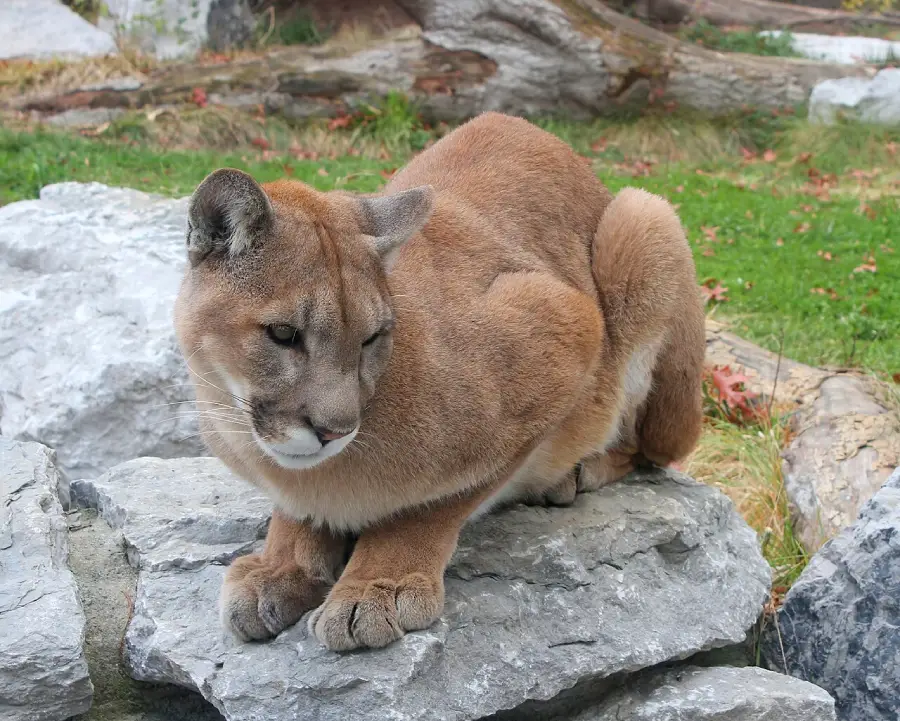
Also known as the mountain lion or puma, this versatile predator holds the Guinness World Record for the animal with the highest number of common names, exceeding forty in English alone. Possessing massive hind legs, Cougars can jump vertically up to eighteen feet in a single bound.
8. Clouded leopard
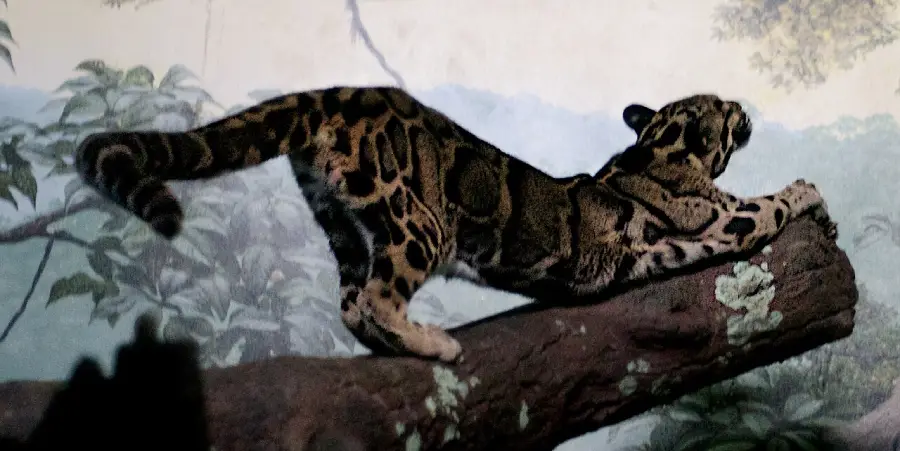
Featuring the longest canine teeth relative to body size of any living feline, the clouded leopard is often called a modern mini saber-tooth. Their flexible ankle joints can rotate completely backward, allowing them to climb down tree trunks headfirst like a squirrel.
Sign up for our newsletter
9. Liger
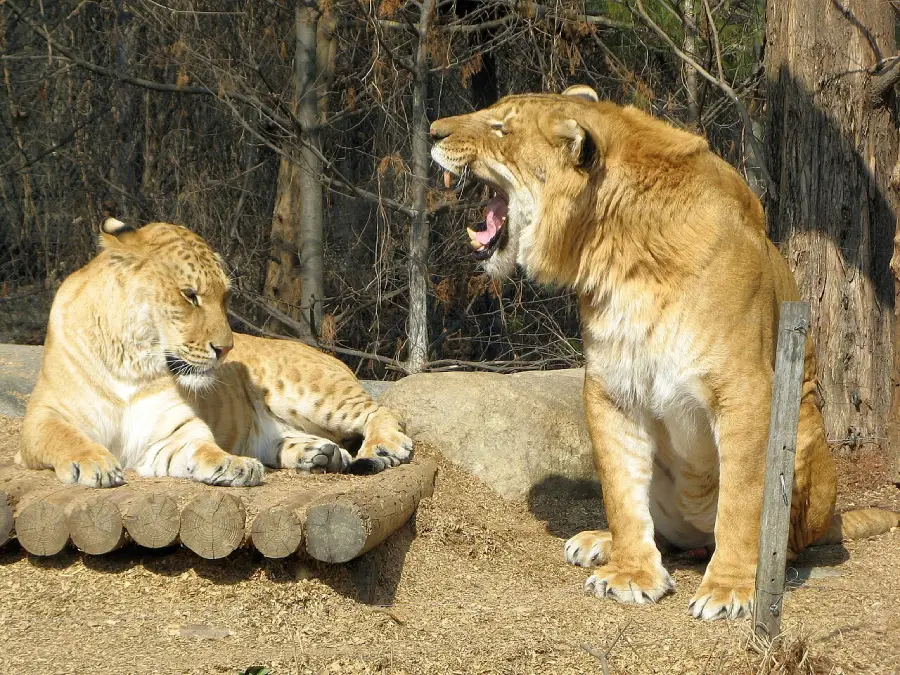
A hybrid cross between a male lion and a female tiger, ligers grow significantly larger than both of their parent species due to a lack of growth-inhibiting genes. They represent the largest living felines on Earth and genuinely enjoy swimming, a trait inherited from their tiger mothers.
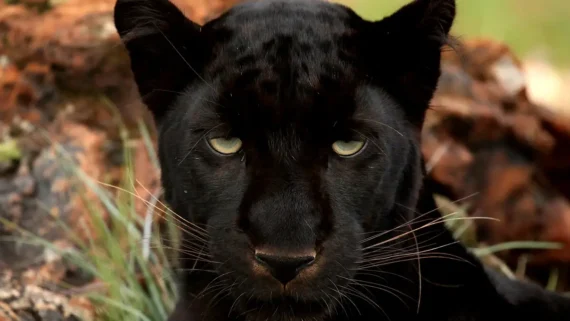
10. Black panther
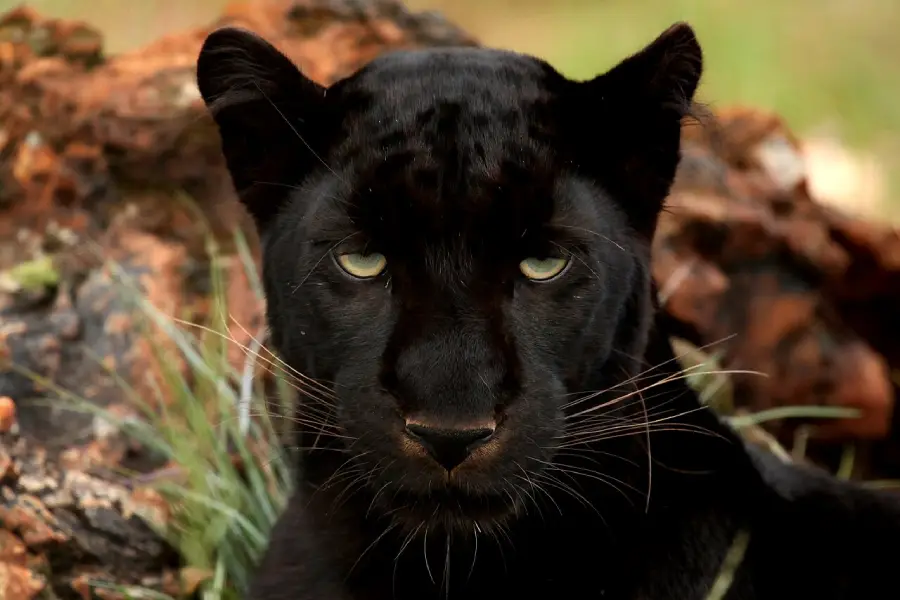
A black panther is not a distinct species, but rather a melanistic color variant of either a leopard or a jaguar. Up close, their iconic spots and rosette patterns are still fully visible underneath their dark, jet-black coats under direct sunlight.
11. Eurasian lynx
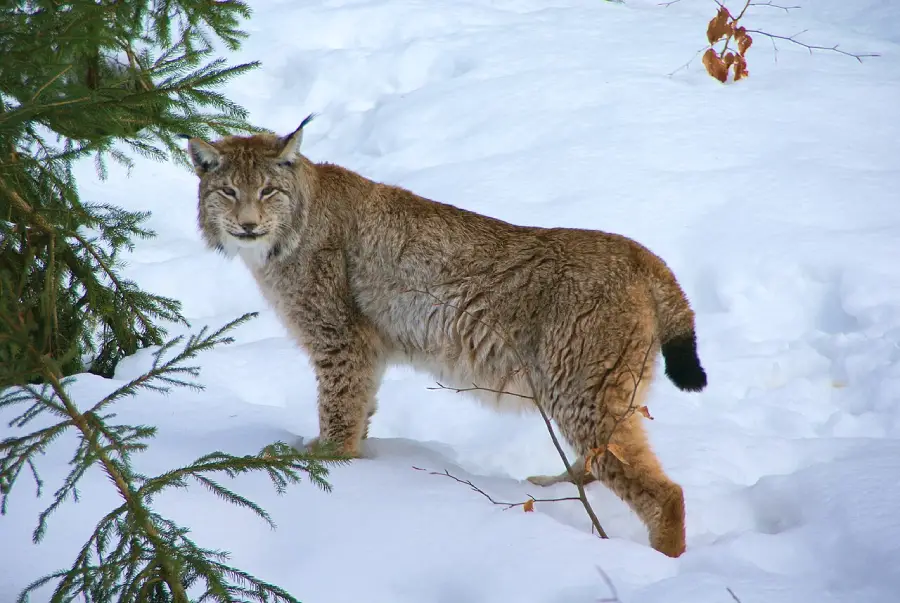
Recognizable by the distinctive black tufts of hair on their ear tips, these cold-climate predators possess massive, furry paws that function like natural snowshoes. Their wide paws distribute their body weight evenly, allowing them to stalk deer over deep snowdrifts effortlessly.
12. Ocelot
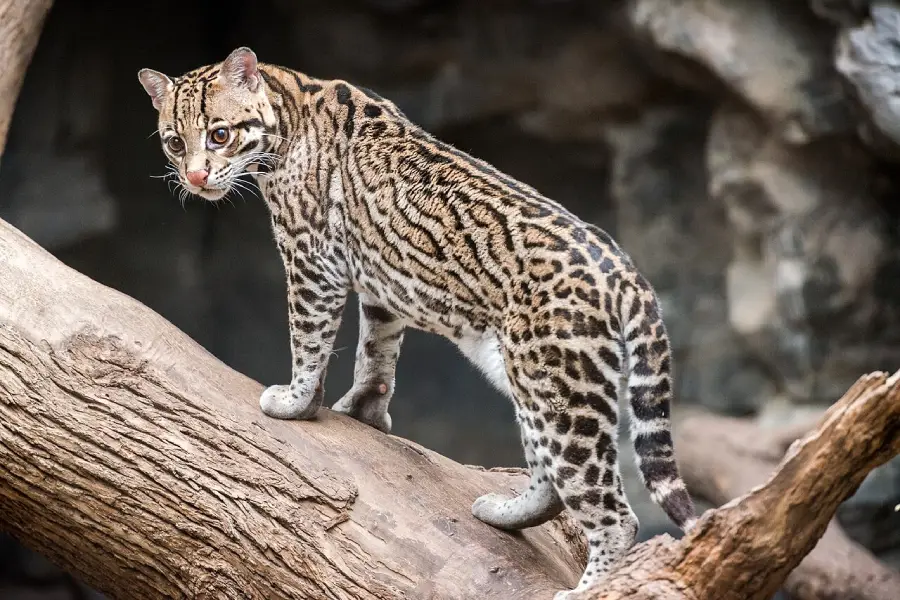
This medium-sized South American predator features a coat so unique that no two ocelots ever share the exact same pattern of spots and stripes. They possess exceptionally sharp night vision, utilizing a reflective layer behind their retinas that amplifies ambient light by six times.
13. Caracal
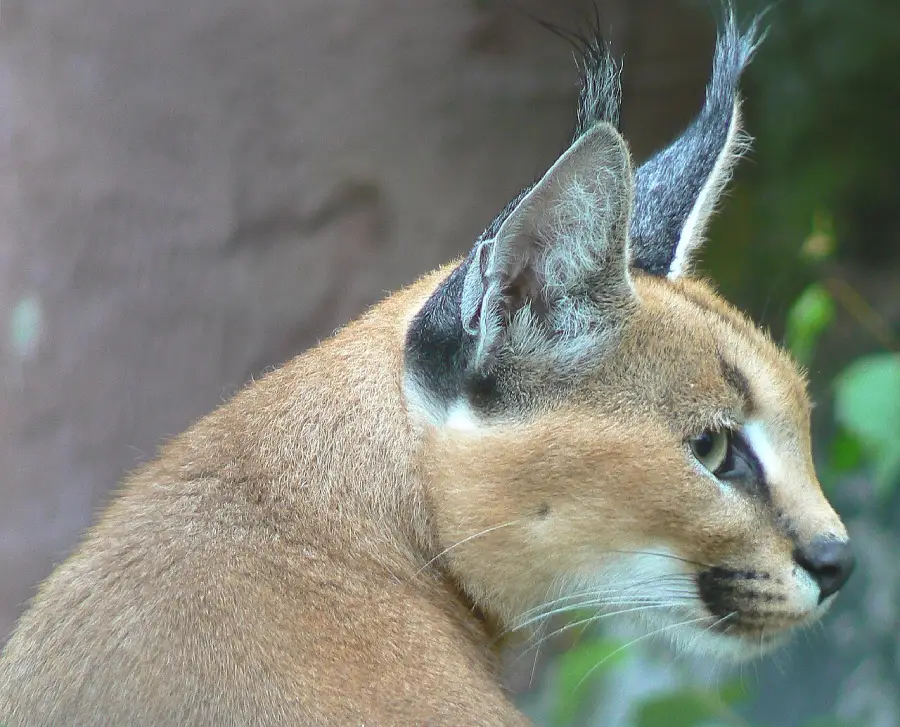
Famous for its long, black-tufted ears controlled by twenty individual muscles, the caracal is an exceptionally agile hunter capable of leaping ten feet into the air. They frequently snatch birds straight out of flight mid-air using their sharp, lightning-fast front claws.
14. Serval
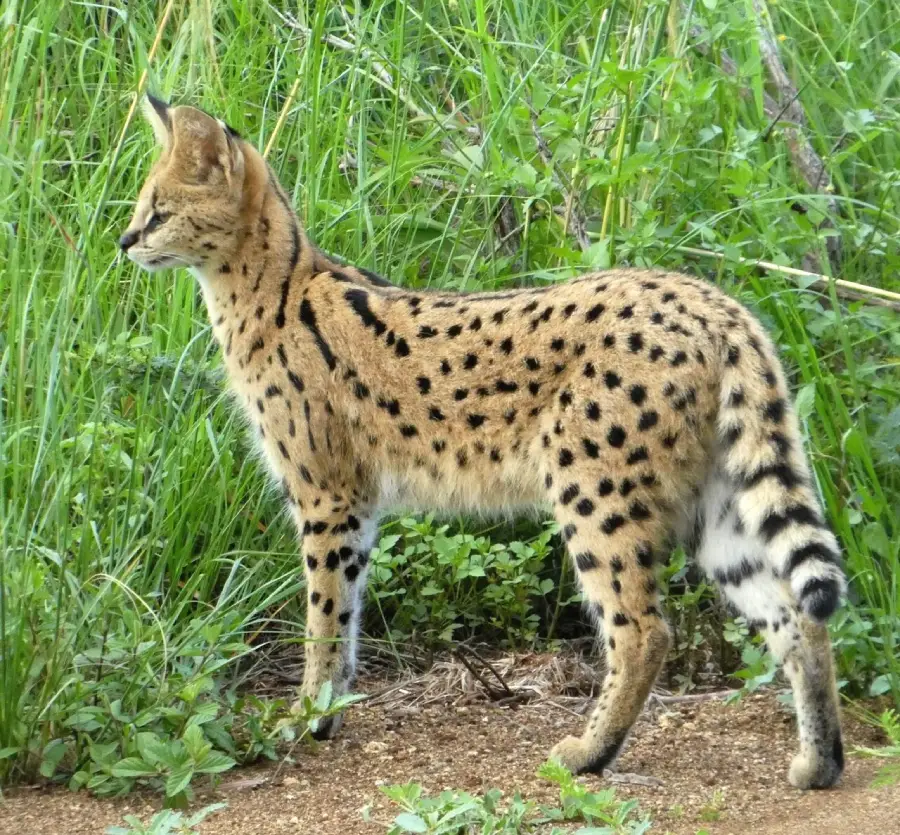
The serval possesses the longest legs relative to body size of any feline, giving them an extraordinary viewpoint above tall savannah grasses. Their oversized, dish-like ears function like radar detectors, allowing them to detect underground rodents moving beneath the soil.
15. Margay
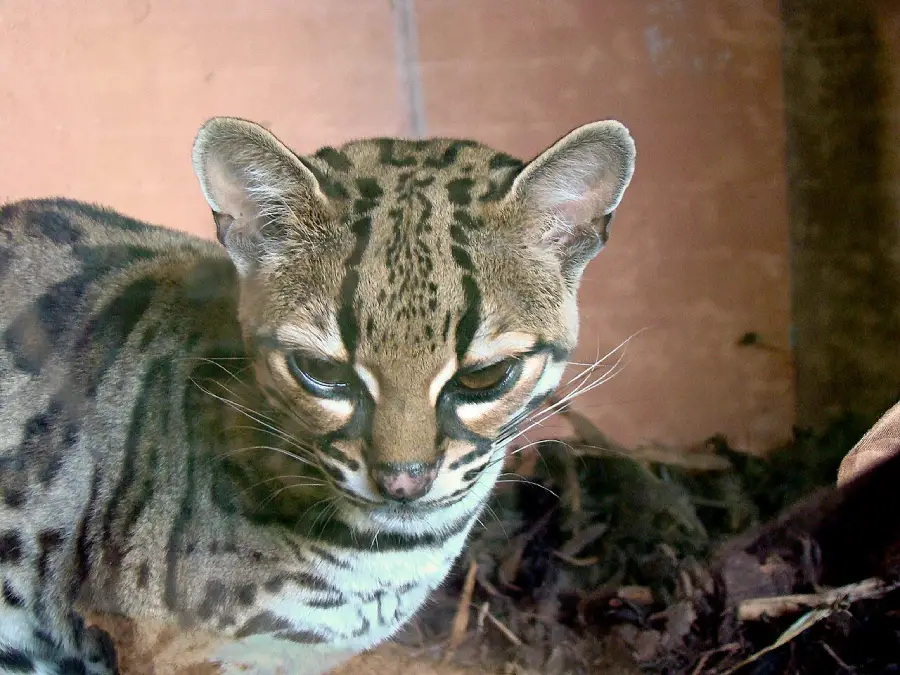
Native to the dense forests of Central and South America, this nocturnal climber spends almost its entire life in trees and can hang from branches using only one hind foot. It is also one of the few predators documented mimicking the cries of baby monkeys to lure unsuspecting prey into an ambush.
16. Sunda clouded leopard
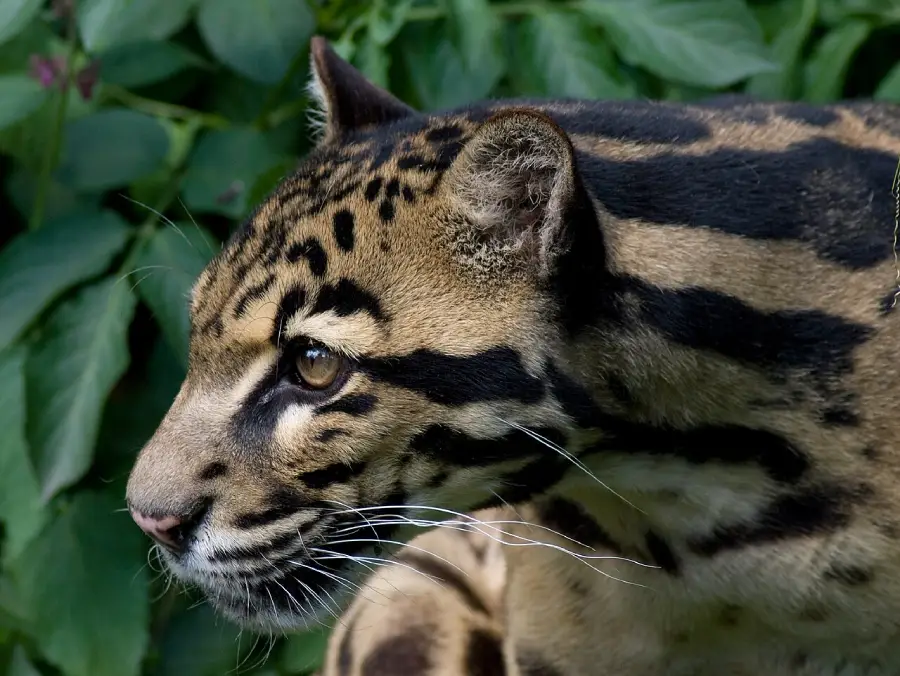
Genetically distinct from mainland clouded leopards, this rare island species inhabits the rainforests of Borneo and Sumatra. Its darker coat features smaller rosette markings, providing perfect camouflage in the dense, dimly lit jungle canopy.
Want more interesting animal facts?
Exploring the unique physical traits and remarkable hunting abilities of these majestic wild felines offers a captivating look into the wonders of natural evolution. The combination of unmatched strength, agility, and specialized survival adaptations cements their status as nature’s ultimate apex predators. If you enjoy discovering surprising wildlife facts and engaging deep dives into the natural world, be sure to check out these 14 Look-Alike Animals That Are Entirely Separate Species, or these 18 Animals That Easily Outlive Most Humans. You may also like these 20 Animal Facts That Sound Made Up (But Aren’t).