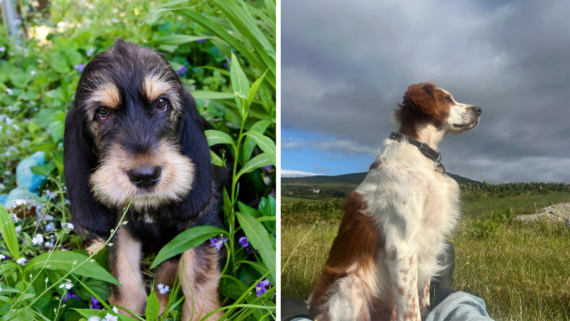
Some breeds became rare because their original jobs disappeared. Others were devastated by war, changing fashions, or populations so tiny that only a handful of dogs remained. These dog breeds that almost went extinct came frighteningly close to vanishing altogether. Their survival stories involve dedicated breeders, carefully planned comebacks, and occasionally one very important dog.
1. The Otterhound Lost the Job It Was Born to Do
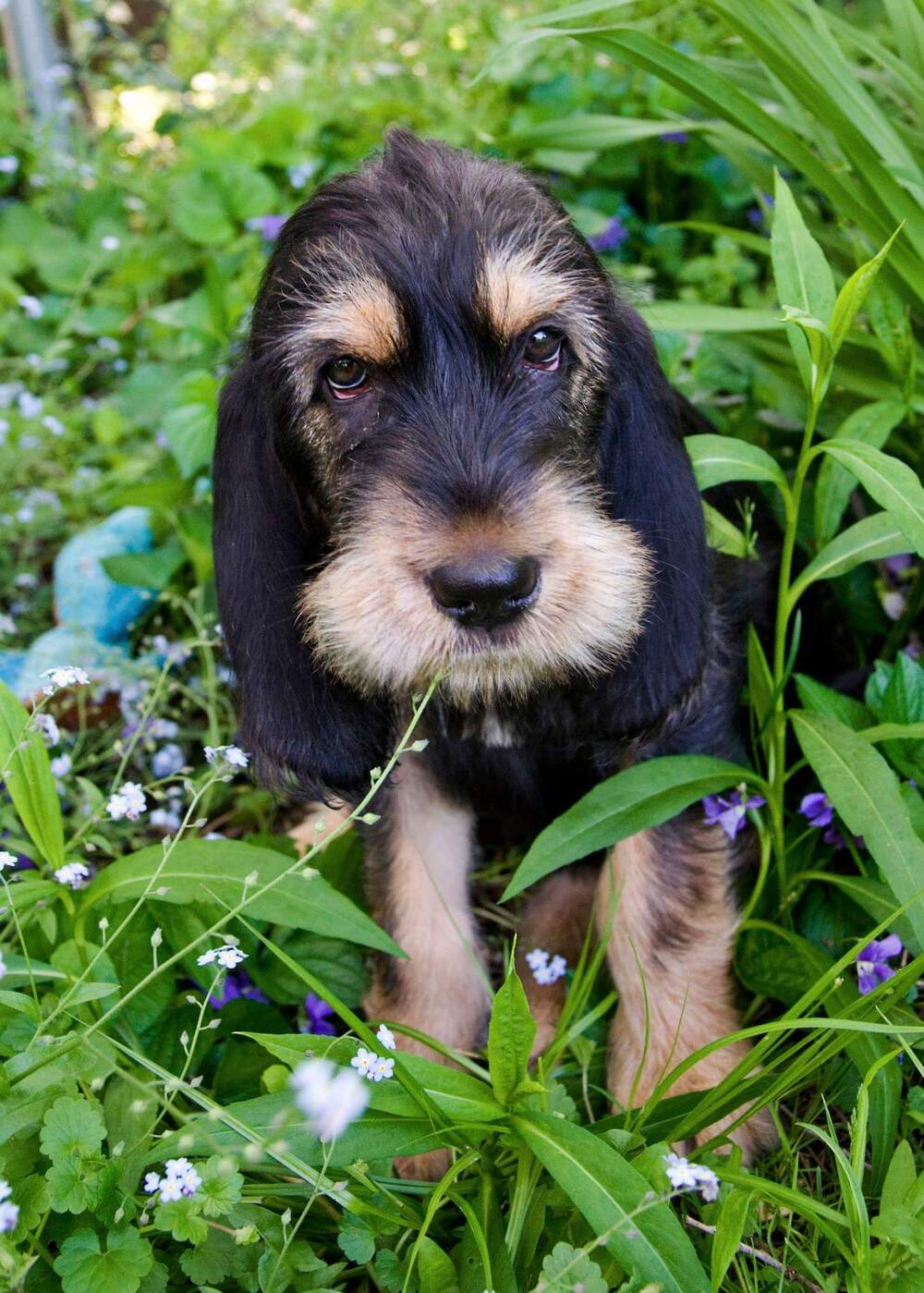
For centuries, Otterhounds were specialists: powerful swimmers bred specifically to hunt otters in Britain. Then otter hunting was banned, and suddenly the breed’s entire reason for existing disappeared. Today, the Otterhound remains exceptionally rare. Imagine being so good at your job that retirement nearly takes your entire family tree with it.
2. The Dandie Dinmont Terrier Survived Two World Wars
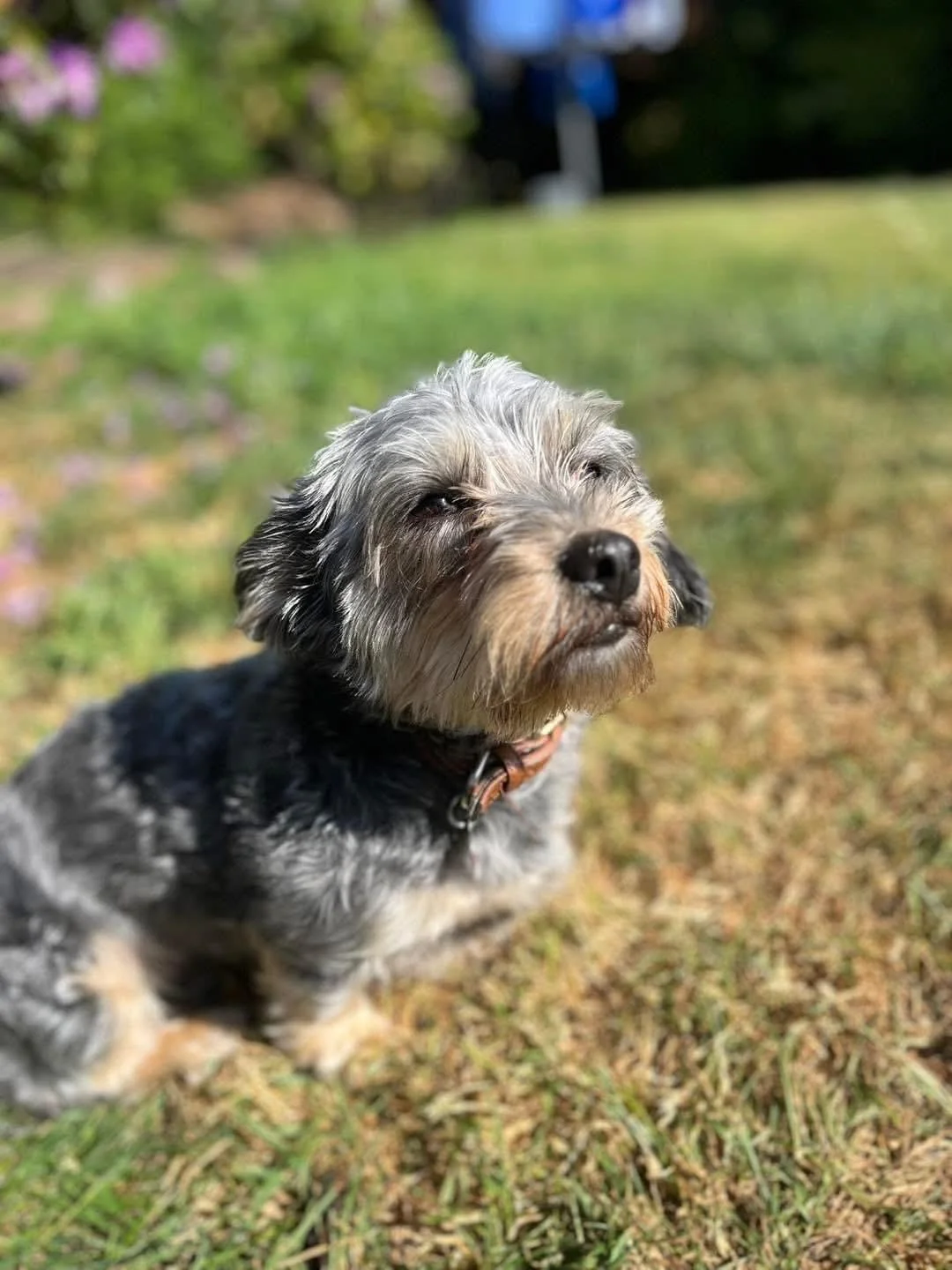
Small dog, alarmingly small population. Dandie Dinmont Terriers were already uncommon when the World Wars disrupted breeding programs and pushed their numbers even lower. Dedicated breeders kept the distinctive little terrier alive, but it remains vulnerable today. Those enormous eyes and unmistakable fluffy head nearly became something you’d only see in old photographs.
3. The Skye Terrier Went From Royal Favorite to Rarity
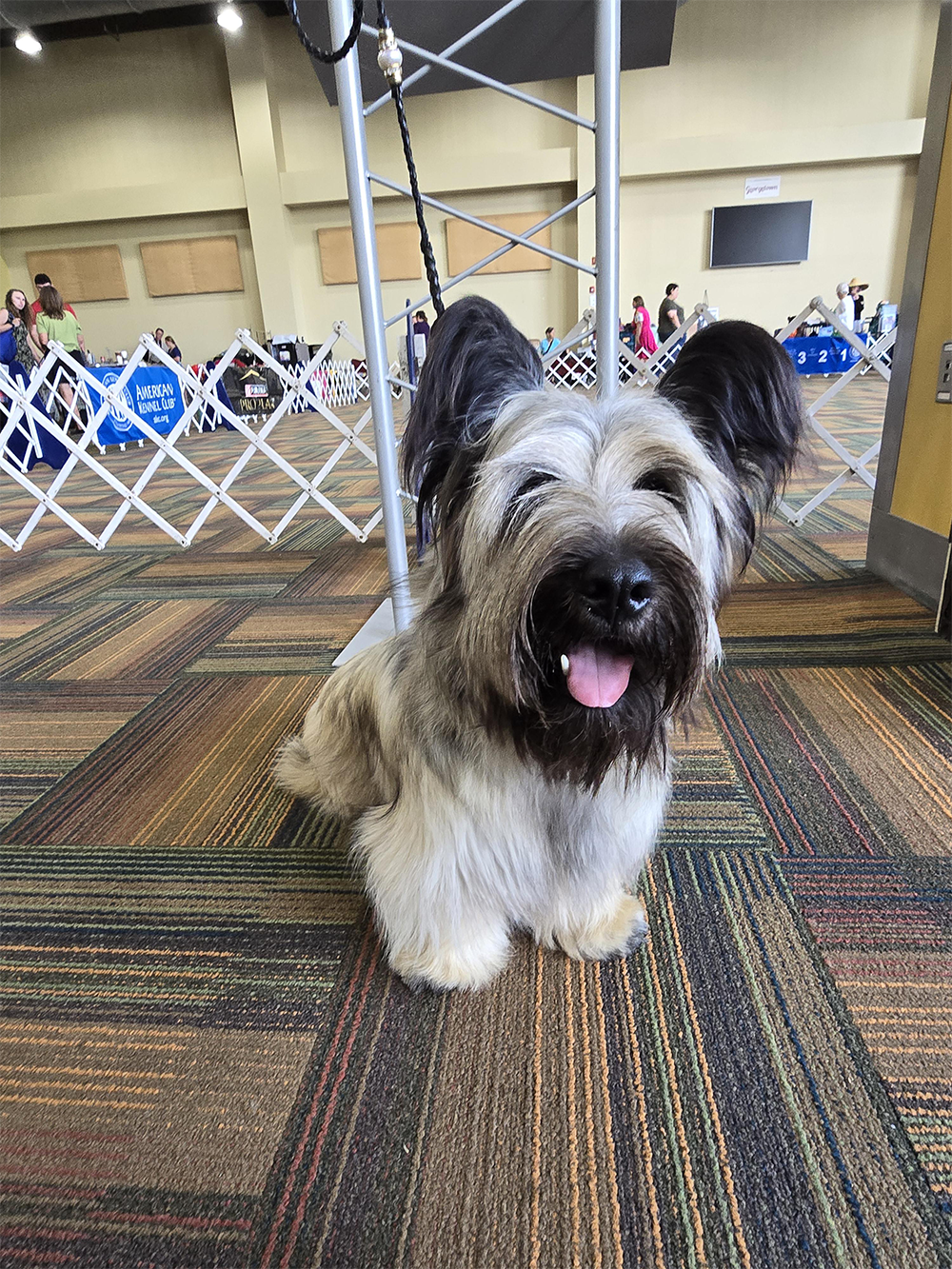
Queen Victoria helped make Skye Terriers fashionable in the 19th century, but popularity can be surprisingly temporary. As tastes changed, registrations eventually fell dramatically, leaving this elegant, low-slung Scottish breed facing an uncertain future. One generation’s must-have companion can apparently become another generation’s “Wait, what kind of dog is that?”
4. The Sussex Spaniel Nearly Disappeared During World War II
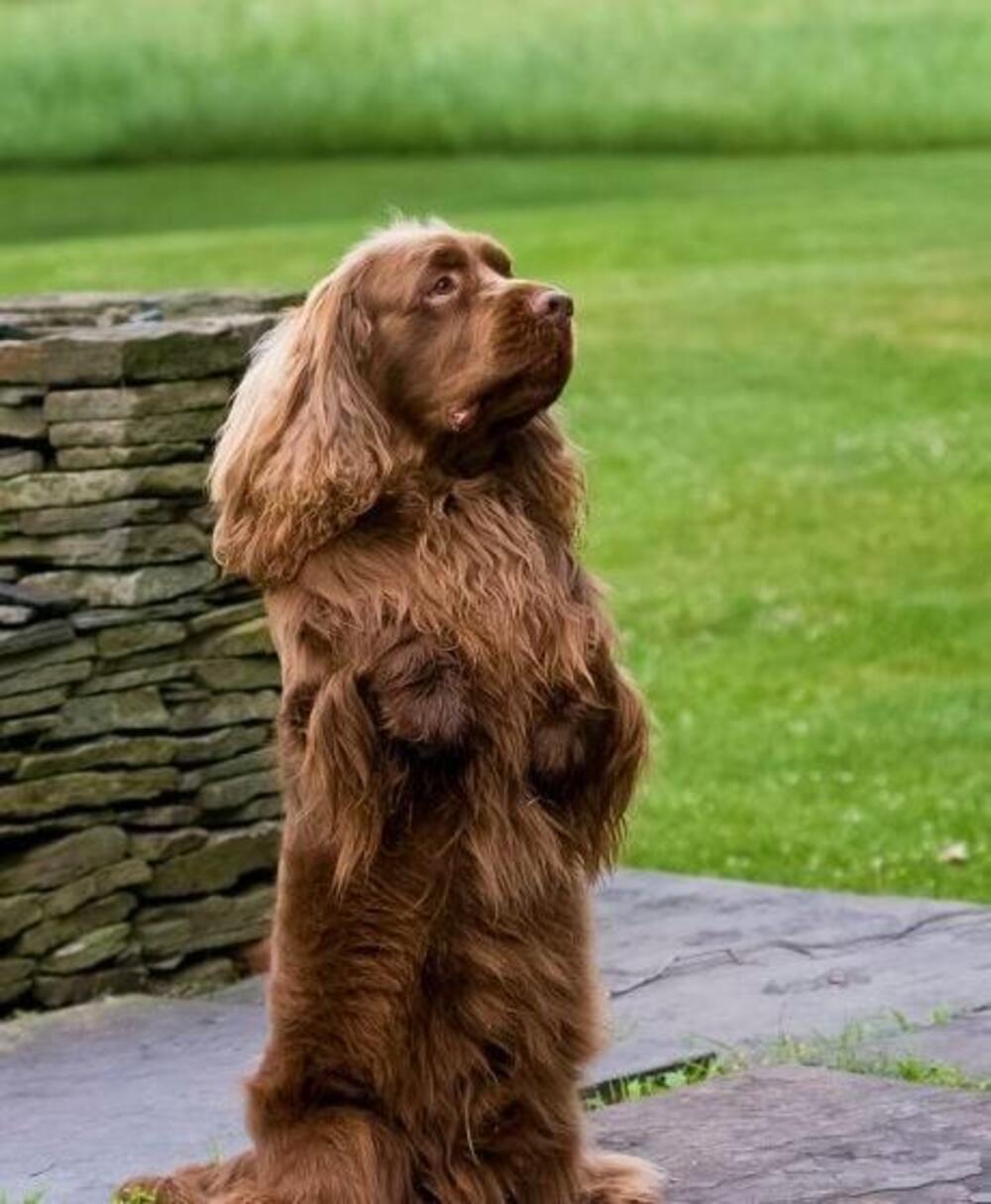
World War II was brutal for British dog breeding, and the Sussex Spaniel came dangerously close to disappearing. Breeder Joy Freer kept a tiny surviving group going through the war, helping preserve the breed for future generations. How much can an entire breed owe one determined person? In this case, quite a lot.
5. The Irish Red and White Setter Was Almost Replaced by Its Cousin
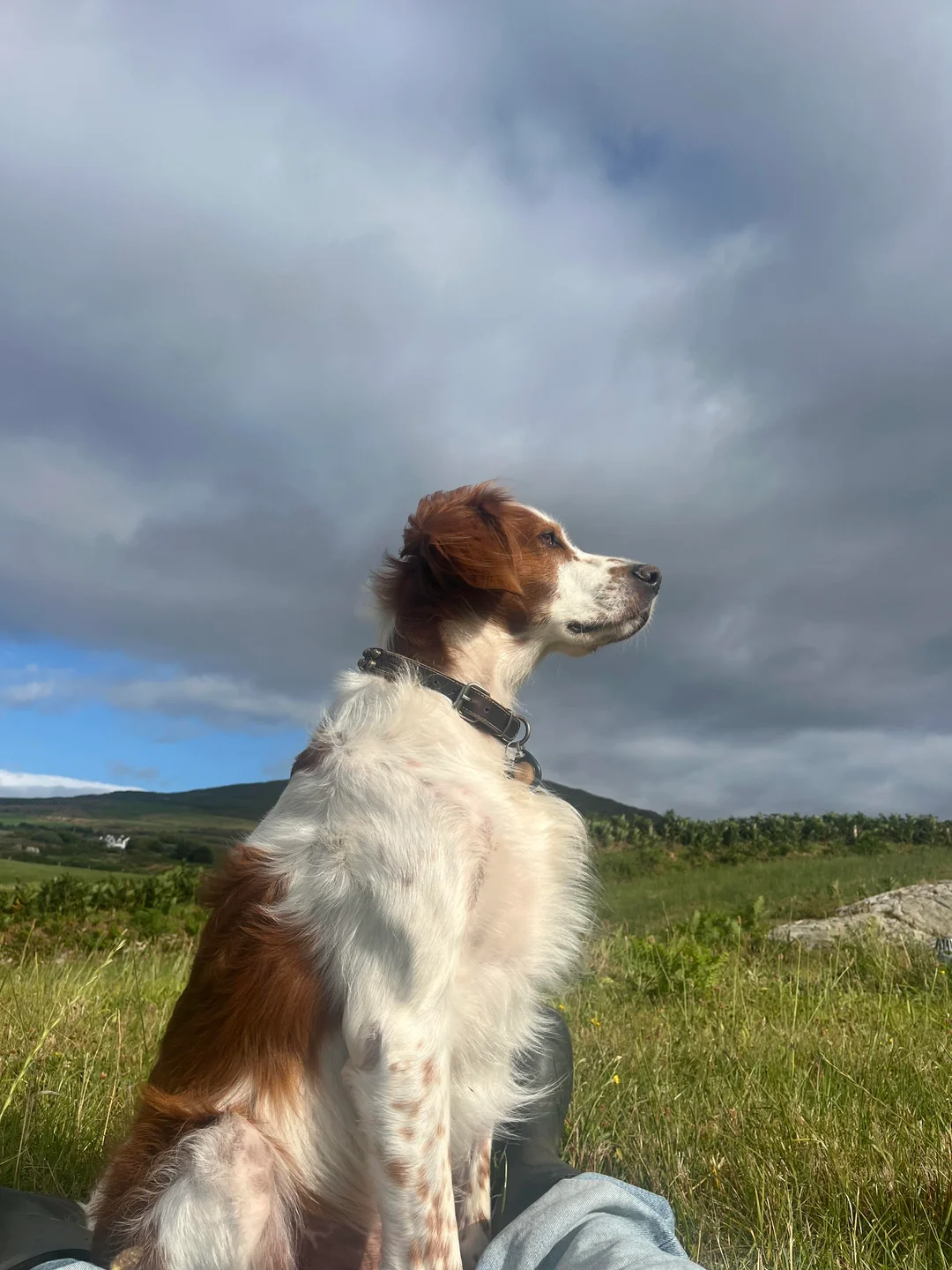
Before the solid-red Irish Setter dominated attention, red-and-white setters had a long history of their own. But preference increasingly shifted toward the all-red dog, and the older variety became dangerously scarce. A small group of enthusiasts eventually helped revive it, rescuing a breed that had nearly been bred right out of the spotlight.
Trending on The Scroller
6. The Field Spaniel Almost Became Too Extreme to Survive
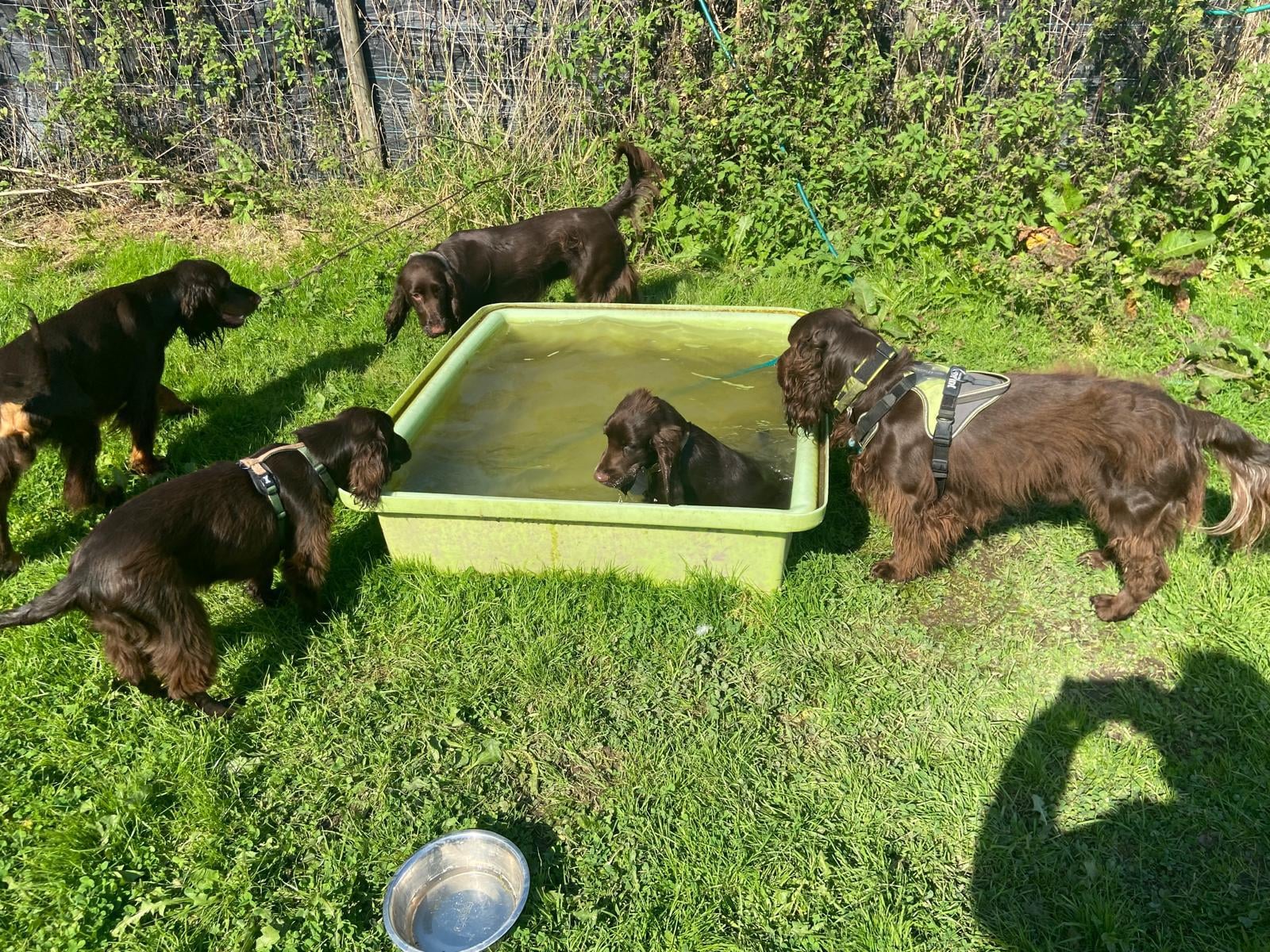
Victorian breeders dramatically changed the Field Spaniel’s appearance, favoring dogs that were longer, lower, and heavier than the original working type. The result wasn’t exactly an upgrade. Popularity collapsed, and the breed nearly vanished before enthusiasts worked to restore a healthier, more practical dog. Selective breeding had nearly selected it out of existence.
7. The English Toy Terrier Kept Getting Rarer
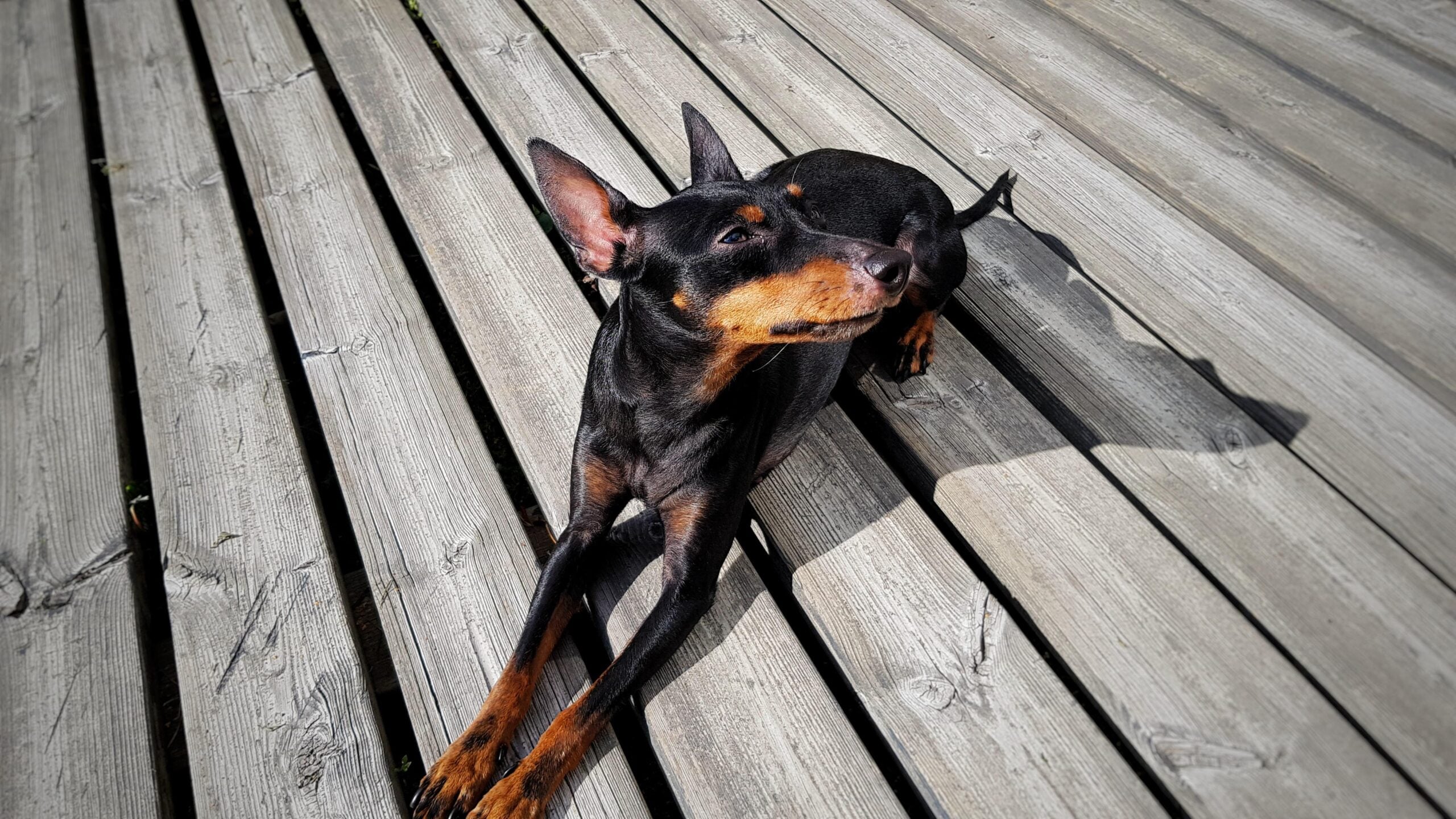
Sleek, tiny, and unmistakably elegant, the English Toy Terrier descended from Britain’s old ratting dogs. But as its original purpose faded and other companion breeds became more fashionable, registrations dwindled. Today, dedicated breeding programs continue trying to protect its limited population. Who knew weighing six pounds could come with this much historical drama?
8. The Lancashire Heeler Survived in the Shadows
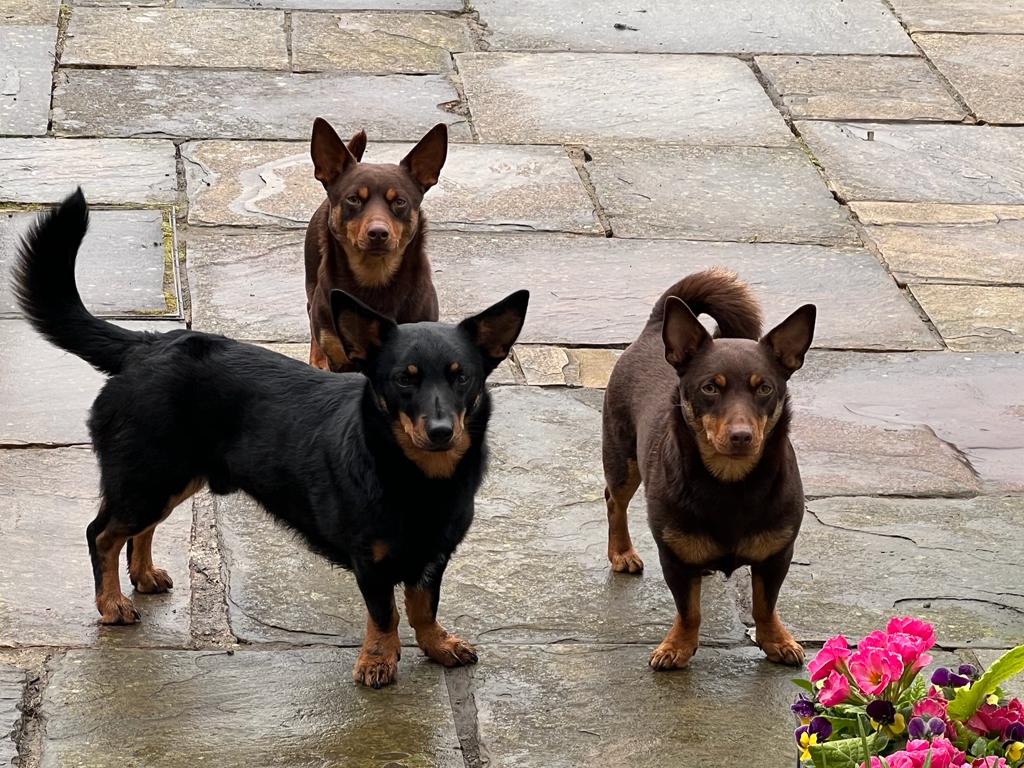
The Lancashire Heeler spent generations doing farm work without attracting much attention outside its home region. That obscurity eventually became dangerous as numbers declined and the breed’s gene pool narrowed. Organized preservation efforts helped secure its future, turning this compact cattle-driving dog from a local secret into a breed people were actively trying to save.
Sign up for our newsletter
9. The Glen of Imaal Terrier Nearly Faded Away With Rural Ireland

The Glen of Imaal Terrier developed in an isolated part of Ireland, where it worked as a tough little farm dog despite its rather adorable proportions. Changes in rural life eventually reduced demand for dogs performing those traditional jobs. Its numbers dropped dramatically, but committed breeders preserved the Glen before modernization could quietly erase it.
10. The Norwegian Lundehund Came Down to a Tiny Population
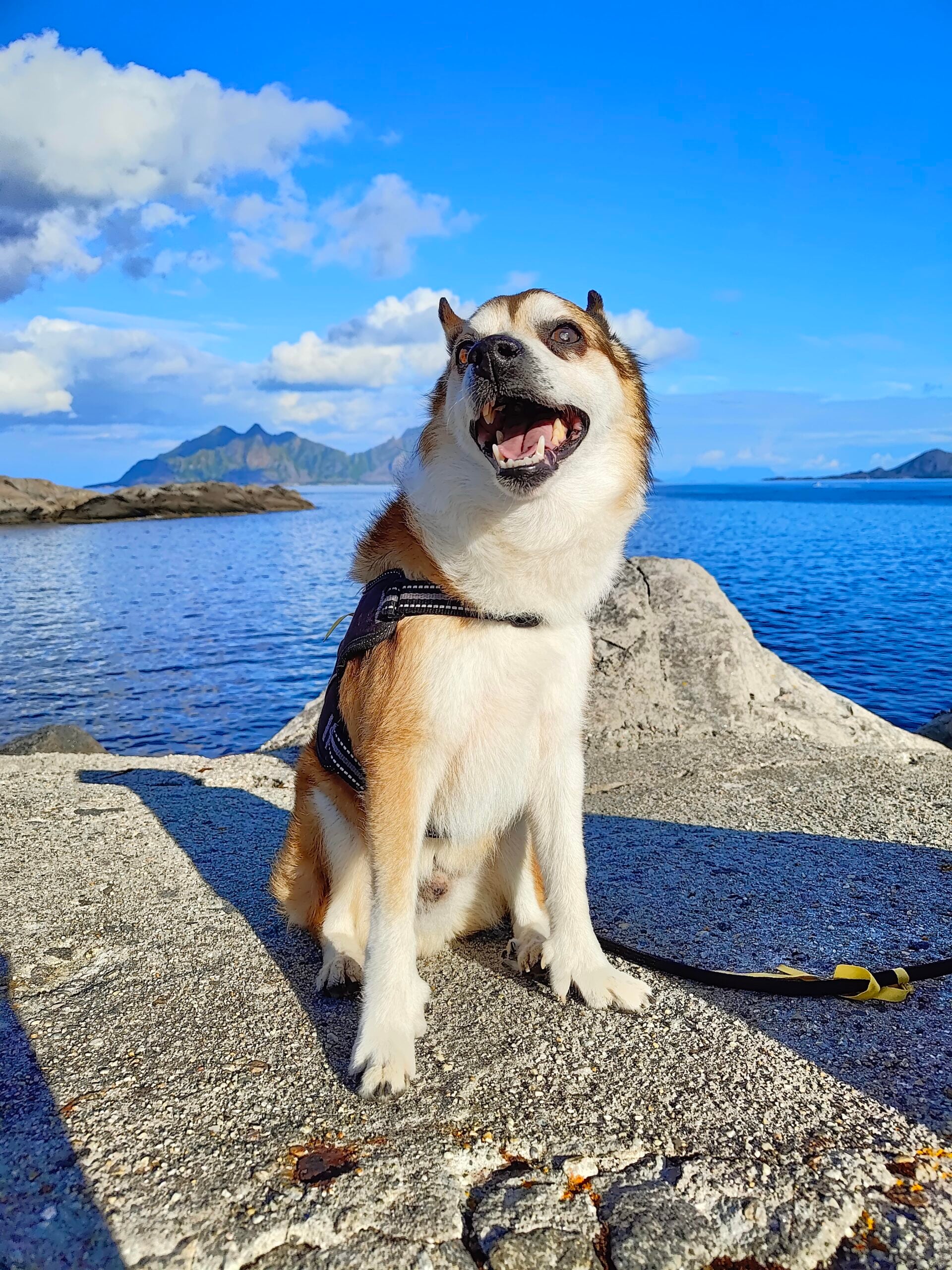
This unusual Norwegian dog was built for puffin hunting, complete with extra toes and remarkable flexibility. Then hunting practices changed and disease devastated the remaining population. At one point, only a tiny number survived. The modern Lundehund descends from that narrow genetic base, making those six-toed paws part of a remarkably close escape from extinction.
11. The Swedish Vallhund Almost Vanished in Its Own Homeland
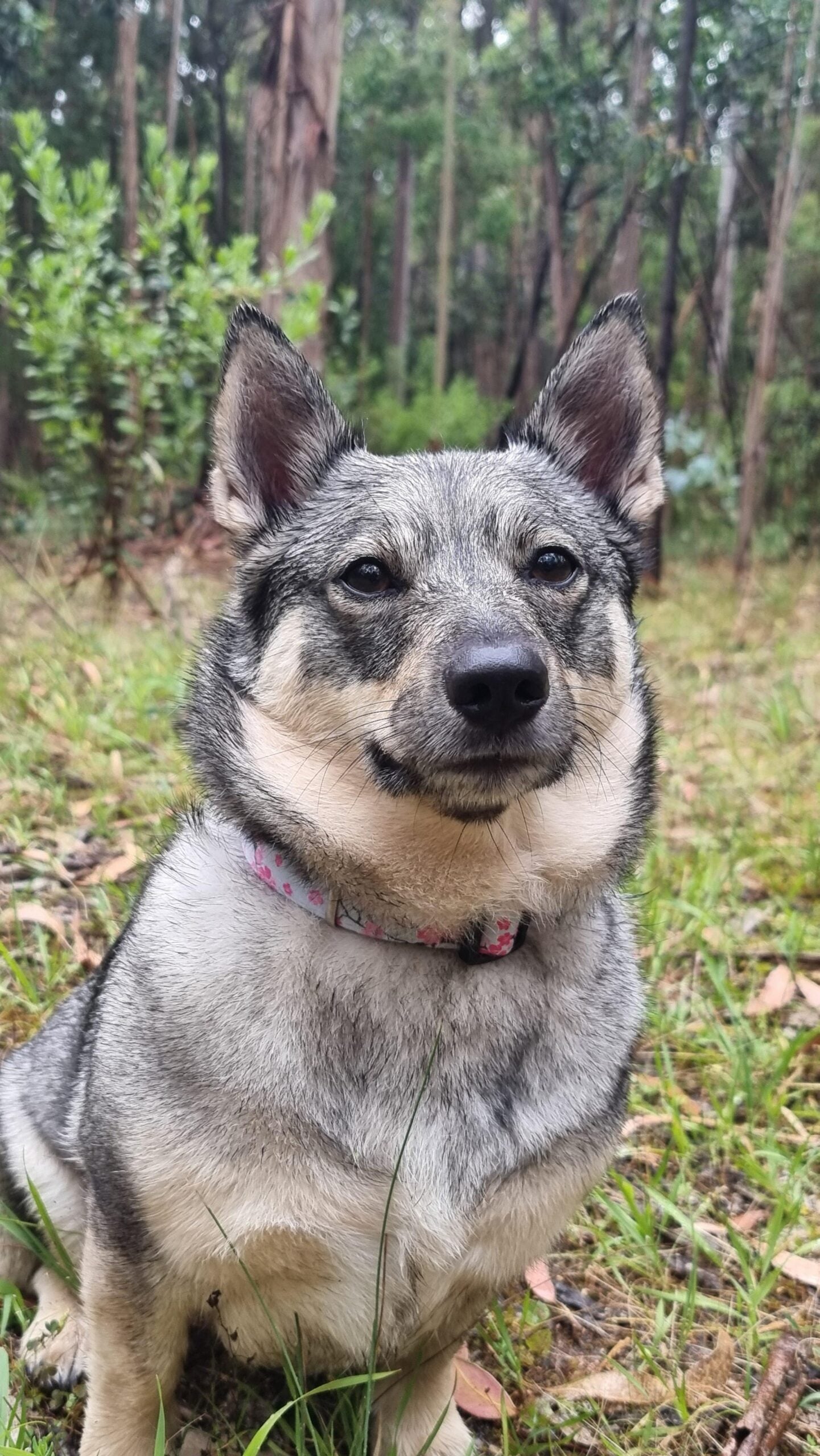
By the early 1940s, Sweden’s little cattle dog had become so scarce that its future looked bleak. Then Count Björn von Rosen and K. G. Zettersten began searching rural areas for surviving examples. Their breeding efforts helped rebuild the population. Not bad for a dog that looks suspiciously like someone put a wolf on Corgi legs.
12. The Chinook Was Reduced to Just 11 Breedable Dogs
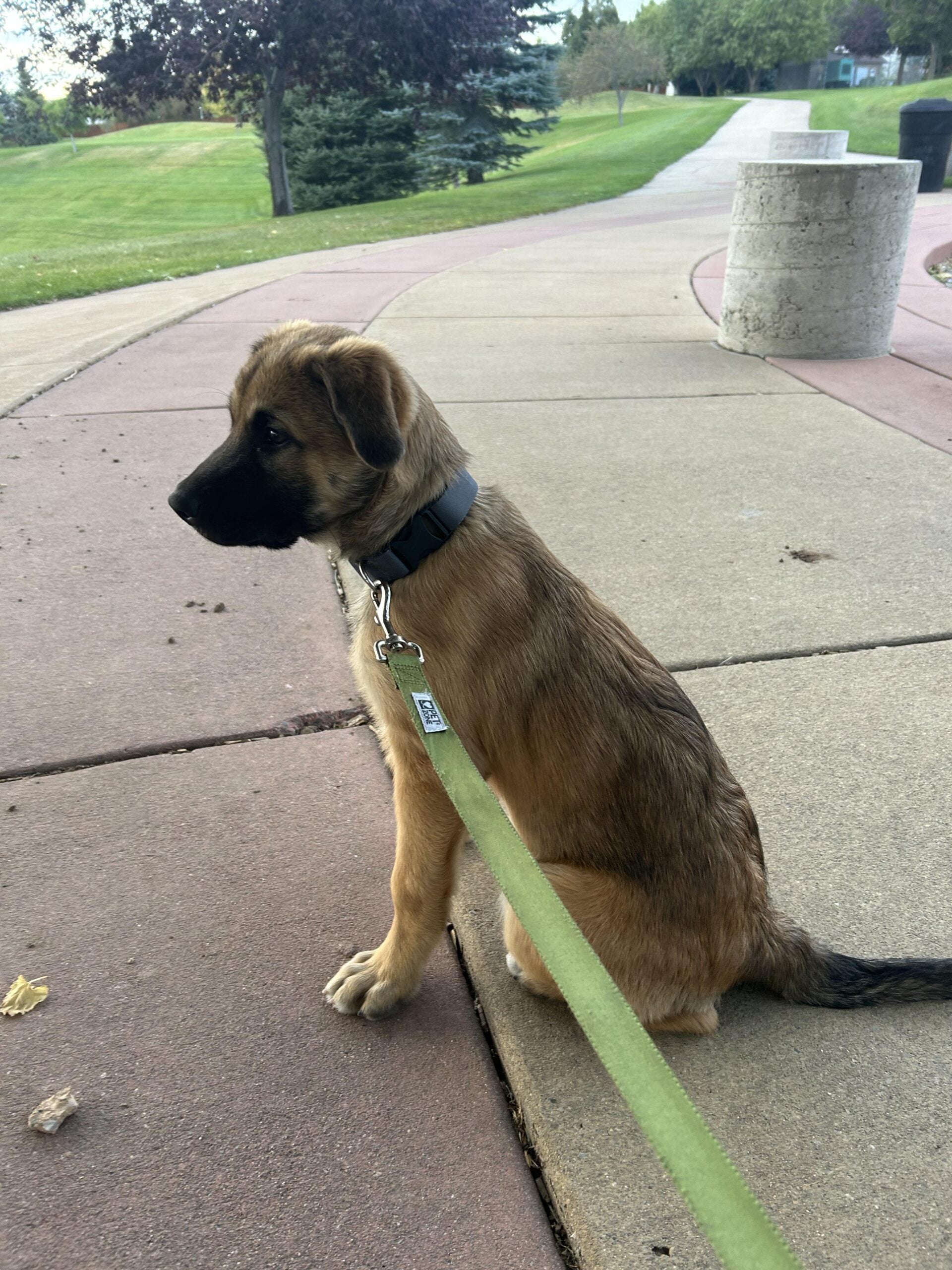
The Chinook’s comeback sounds almost mathematically impossible. By 1981, only 11 breedable dogs remained, putting the American sled breed frighteningly close to extinction. Breeders carefully expanded the population from that tiny foundation. How do you rebuild an entire breed from eleven dogs? Very cautiously, and with absolutely no room for sloppy matchmaking.
13. The Stabyhoun Survived Thanks to Careful Breeding
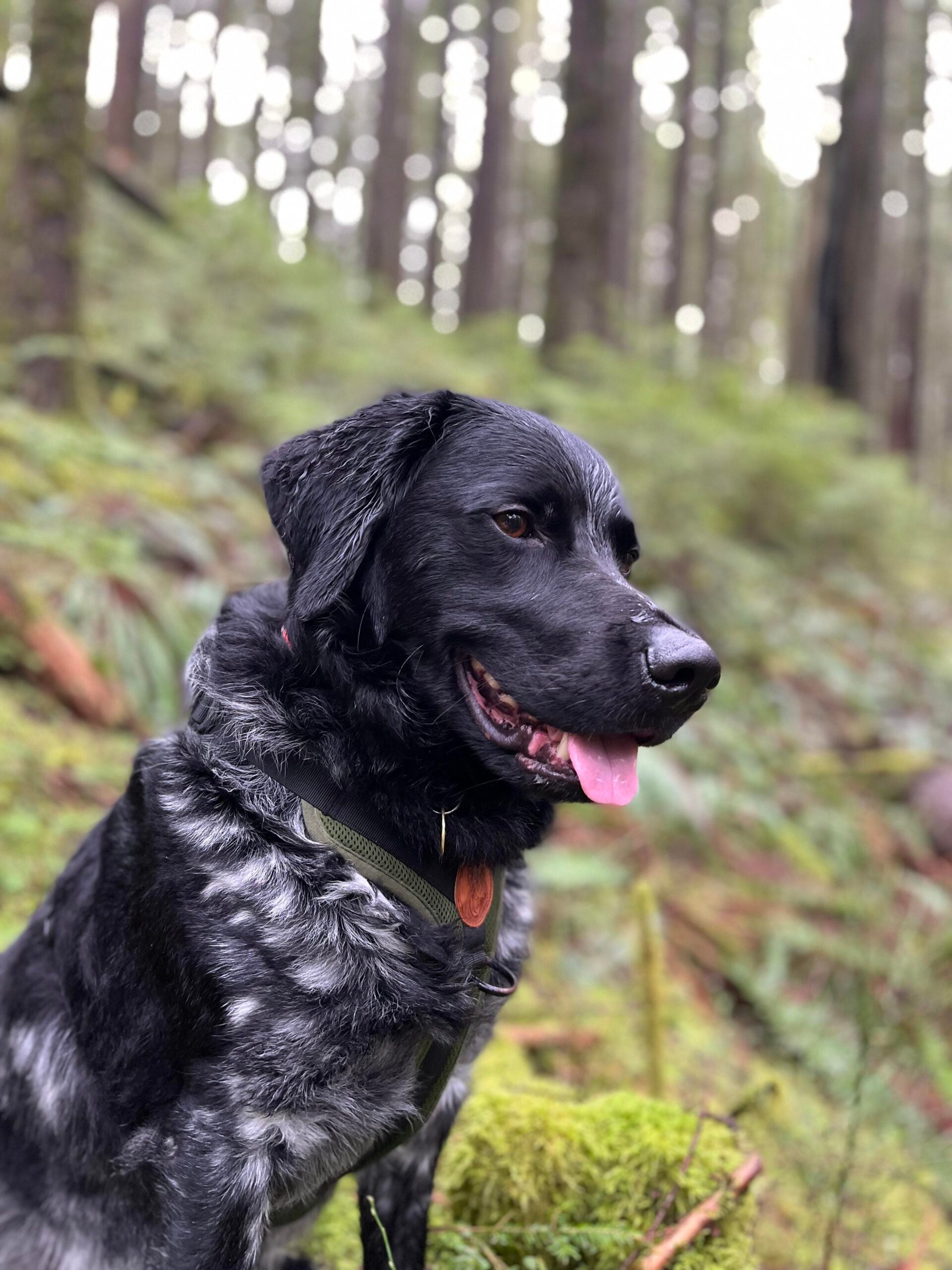
The Netherlands nearly lost one of its most distinctive working dogs simply because there weren’t many left to breed. The Stabyhoun’s limited population created serious concerns about genetic diversity, so breeders began carefully managing pairings to protect it. The result is a breed that remains rare today, but rare is considerably better than gone.
14. The Azawakh Nearly Lost Its Traditional World
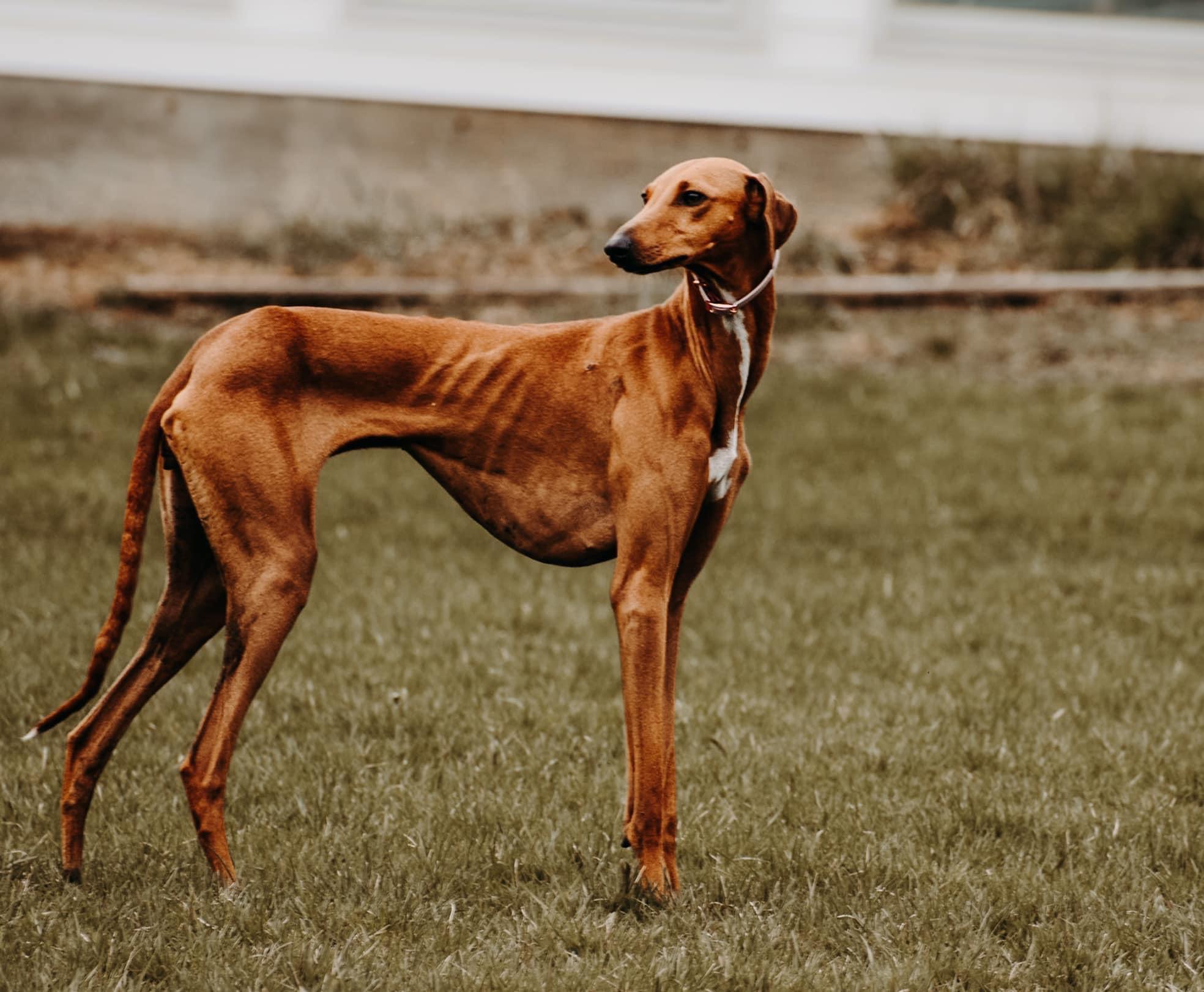
For centuries, the Azawakh lived alongside communities of the Sahel, serving as hunter, guardian, and companion. Changes across its traditional homeland threatened the population that had sustained the breed for generations. Fortunately, dogs exported to Europe and elsewhere helped establish breeding populations abroad. Sometimes saving a breed means giving part of it a second home.
15. The Mudi Had to Survive War Before Getting Recognition
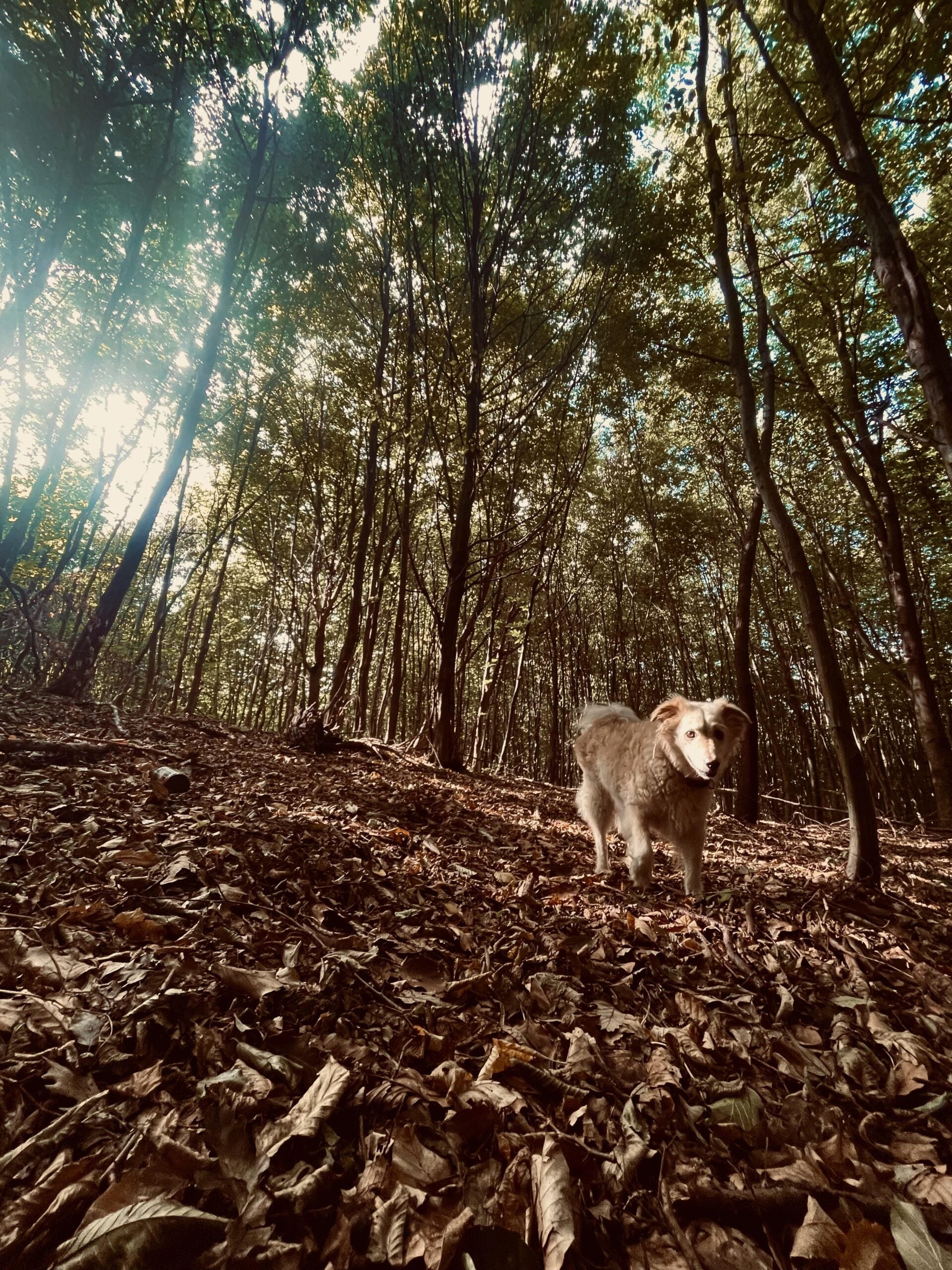
The Mudi was formally identified as a distinct Hungarian herding breed only in the 20th century, and then World War II devastated dog populations across the region. Surviving Mudis became the foundation for rebuilding. The breed eventually gained international recognition, turning what could have been a very short chapter in canine history into an ongoing one.
War, technology, changing jobs, and simple shifts in human taste nearly erased dogs that once seemed firmly woven into everyday life. These dog breeds that almost went extinct are more than unusual survivors. They’re pieces of living history, reminding us that when our world changes, the animals we created for an older one can disappear with it.
Keep Exploring The Scroller
Dogs have followed humans through farms, fishing boats, royal courts, wars, and everything in between, picking up some remarkable stories along the way. Keep exploring The Scroller for more forgotten histories, unlikely survivors, and fascinating corners of the past hiding behind things we think we already know:
15 Of The Most Expensive Dogs You Can Own
20 Heartwarming Photos Of Dogs Who Don’t Realize How Big They Are