When we explore the vast diversity of the natural world, we naturally rely on our visual senses to categorize and understand the creatures around us. We tend to assume that if two creatures share the same physical contours, color pattern dynamics, and behavioral habits, they must belong to the same biological family. Over the generations, casual observation and traditional nature guides have conditioned the general public to group creatures based entirely on immediate outer aesthetics. This familiar way of looking at nature simplifies our understanding of the wilderness, leaving audiences to believe that a shared appearance always signals a direct genetic relationship or a shared evolutionary history.
However, a closer look at advanced genetic sequencing, distinct skeletal structures, and unique geographic isolation patterns reveals an incredibly complex phenomenon known as convergent evolution. The fascinating reality of evolutionary biology proves that completely unrelated animals can independently develop identical physical designs to solve the same survival challenges within their respective environments. Instead of being close cousins, these look-alikes occupy entirely separate branches of the biological tree, separated by millions of years of distinct evolutionary history. Let’s head into the dense field journals of wildlife history as we explore fourteen incredible pairs of animals that look absolutely identical but are completely different species.
1. Dolphin vs. Porpoise
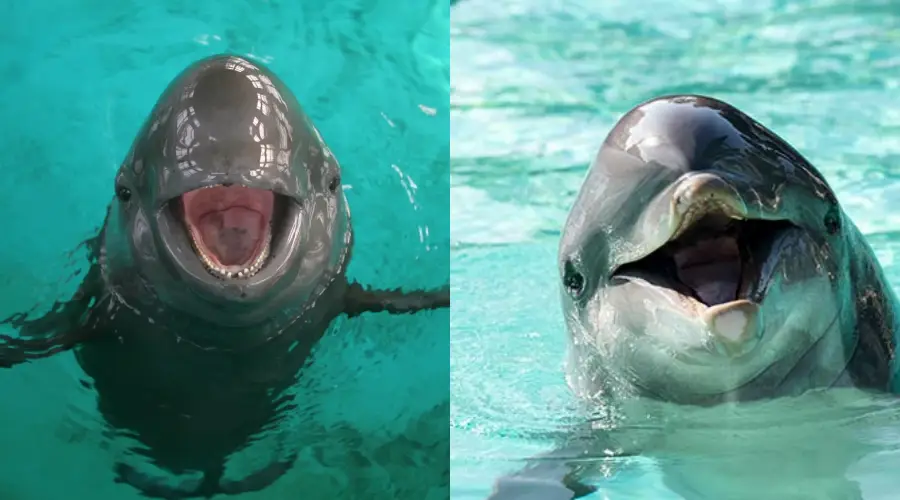
Most casual ocean tourists throw any small marine cetacean into the same category due to their gray skin, dorsal fins, and shared aquatic jumping habits. Marine biologists have mapped out intense anatomical differences that completely separate these intelligent ocean creatures into distinct families. Porpoises are actually more closely related to narwhals and belugas than they are to true dolphins. They possess completely different chromosome counts, opposite social behaviors, and distinct spade-shaped teeth optimized for crushing food compared to the conical teeth of dolphins. While dolphins are gregarious and highly curious about human encounters, porpoises are elusive operators that actively avoid people.
2. African elephant vs. Asian elephant
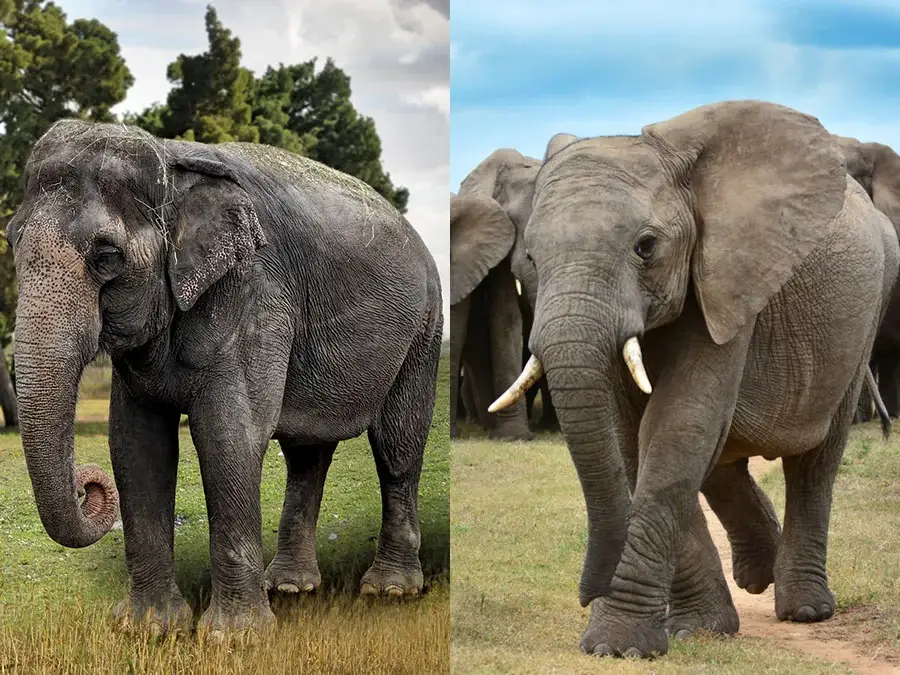
The visual confusion between these prehistoric land giants is nearly universal outside their native home continents because both are enormous, grey, and sport iconic trunks and tusks. These magnificent giants actually belong to two completely distinct genera, Loxodonta in Africa and Elephas in Asia, meaning they never meet in nature. Their physical builds reveal unique evolutionary paths, as African elephants are significantly larger, possess massive ears shaped like the African continent, and feature two finger-like extensions at the tip of their trunks. Asian elephants sport much smaller, rounded ears, a twin-domed head profile, and only a single muscular finger on their trunk tip. This structural separation is so profound that these two lineages cannot interbreed under any circumstances.
3. Llama vs. alpaca
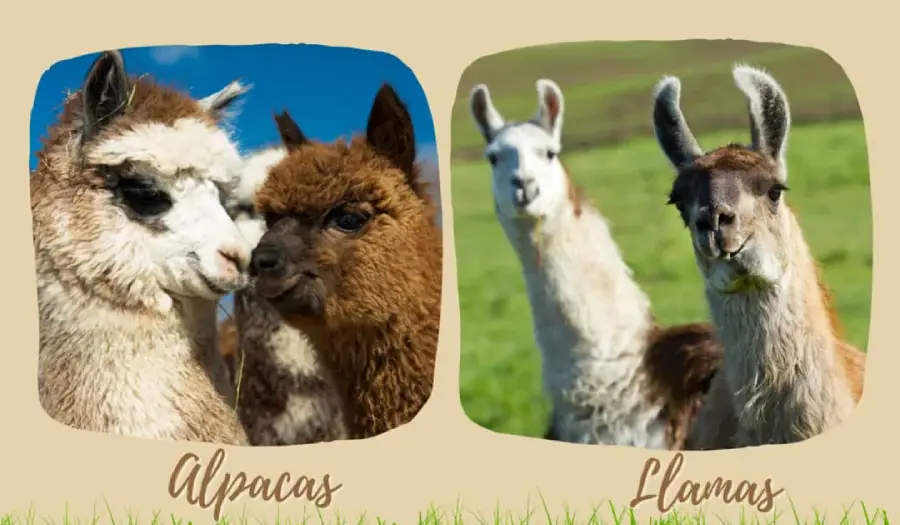
These two domesticated South American camelids routinely confuse high-altitude mountain tourists because they share very similar woolly coats and herd mentalities. They were originally domesticated from two completely different wild ancestors, with the llama descending from the guanaco and the alpaca coming from the vicuña. Llamas are significantly larger, heavier, and were bred primarily as rugged pack animals to transport heavy cargo across dangerous mountain trails. Alpacas possess shorter, blunt faces, distinctive spear-shaped ears, and were bred exclusively for their ultra-luxurious, fine fleece. Alpacas are incredibly gentle herd animals, whereas llamas are highly independent guardians that will aggressively spit or kick to protect a territory.
4. Crocodile vs. alligator
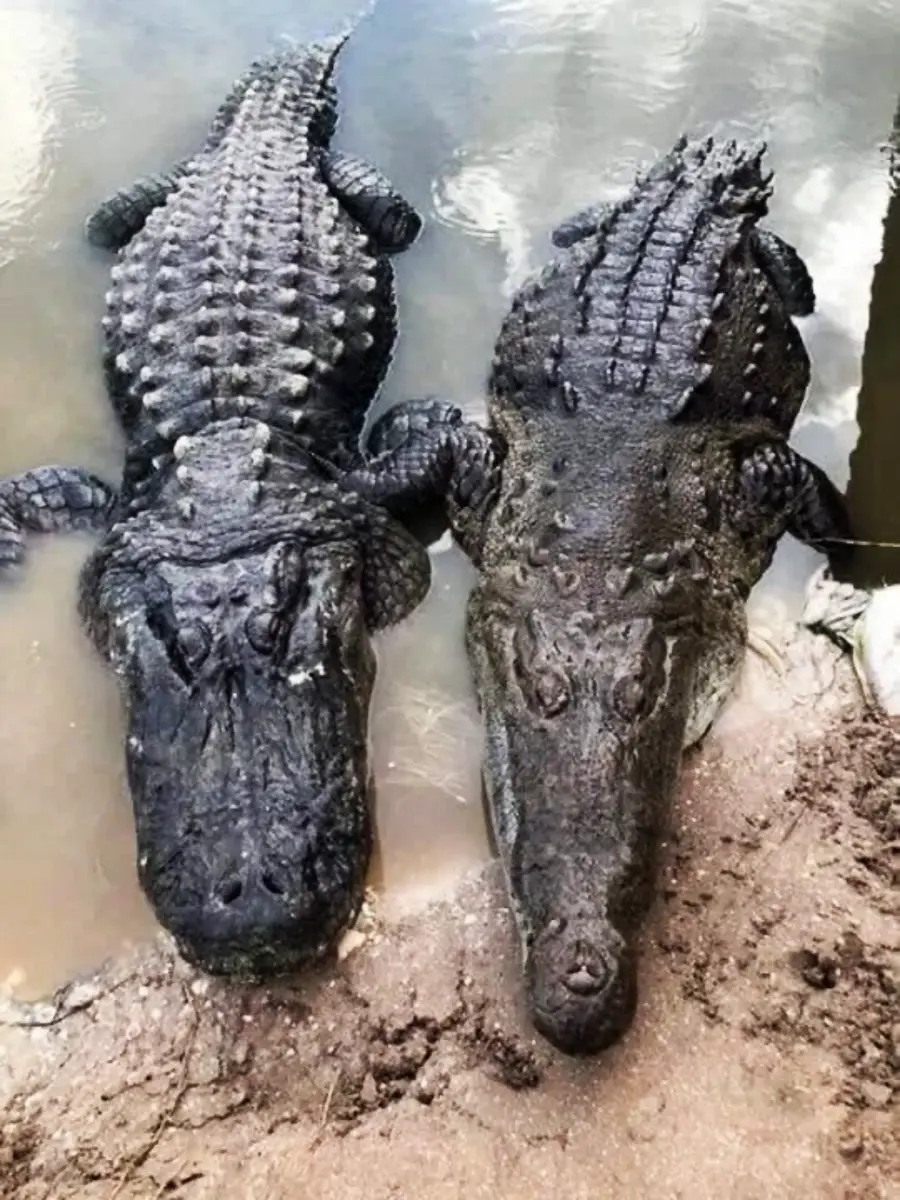
These formidable semi-aquatic apex predators are regularly mixed up by general tourists because both are heavily armored, ancient reptiles dominating murky swamp environments. They belong to entirely separate taxonomic families and possess unique physiological adaptations to survive in their respective water systems. Alligators feature wide, U-shaped snouts and live almost exclusively in freshwater environments due to lacking active salt-secreting glands. Crocodiles possess narrow, V-shaped snouts and functional salt glands that allow them to tolerate marine ecosystems. A fascinating structural detail confirms that when a crocodile closes its mouth, the large fourth tooth on the lower jaw remains completely visible from the outside.
5. Seal vs. sea lion
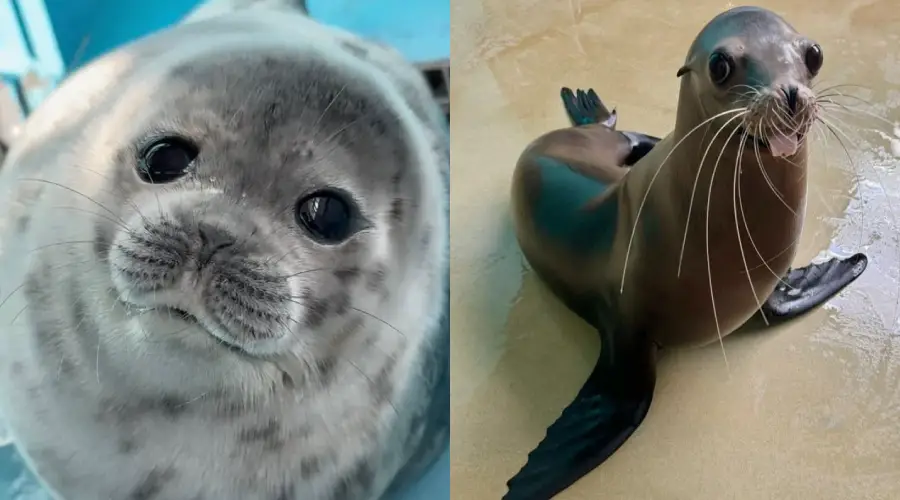
Millions of beachgoers mistakenly group these playful marine mammals because they share sleek, blubber-filled bodies and navigate the exact same coastal rock formations. Sea lions belong to the eared seal family, featuring visible external ear flaps and powerful, elongated foreflippers that allow them to walk upright on land. True seals possess tiny internal ear holes and short, weak front flippers that force them to crawl clumsily on their bellies when moving across the sand. Their social dynamics are also completely opposite, as sea lions are incredibly noisy, vocal creatures that gather in massive roaring colonies. True seals are quiet, solitary operators that spend their time communicating through subtle grunts and underwater acoustic signals.
Trending on The Scroller
6. Wasp vs. hornet
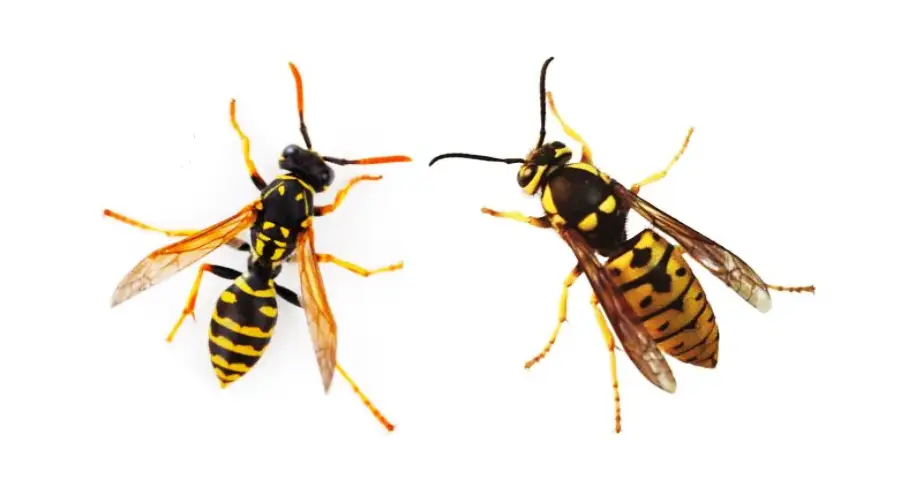
The sudden presence of these striped, high-energy insects triggers immediate panic during summer outdoor gatherings because both possess bright warning colors and painful venomous stings. Hornets are actually a highly specific, specialized subcategory of wasps belonging to the distinct genus Vespa. Hornets are significantly larger, stockier, and feature much wider heads with rounded abdominal sections compared to the slender, narrow-waisted bodies of ordinary wasps. Ordinary wasps are highly opportunistic feeders attracted to sugary picnic sodas and domestic trash bins, while hornets hunt down other large insects. Hornets possess a much higher concentration of specialized acetylcholine in their venom, making their defensive stings exceptionally painful to humans.
7. Frog vs. toad
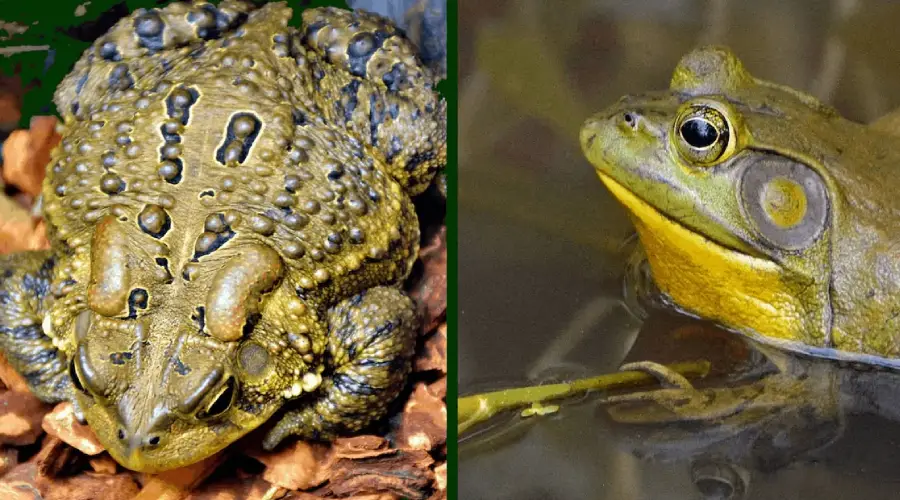
Peering down into local freshwater ponds reveals two amphibious look-alikes that share a very similar leaping silhouette during the rainy seasons. Frogs belong to a wide variety of semi-aquatic families, featuring smooth, slimy skin that must remain continuously moist and long, powerful hind legs engineered for spectacular swimming leaps. Toads are a specific terrestrial family boasting thick, dry, bumpy skin covered in specialized warts that actively protect them from drying out in arid environments. Frogs are hardwired to lay their soft eggs in large, jelly-like clusters floating on the water surface, whereas toads deposit their eggs in long, organized string matrices attached to underwater plants. Toads also possess large parotoid glands behind their eyes that secrete foul-tasting toxins to deter potential predators.
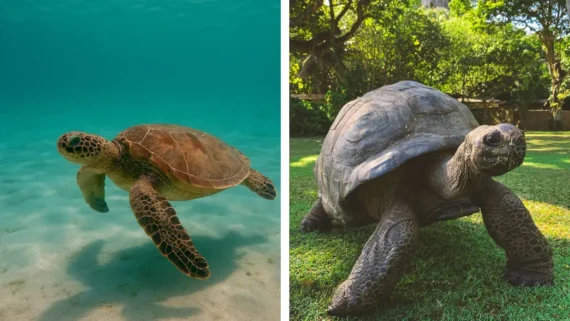
8. Turtle vs. tortoise
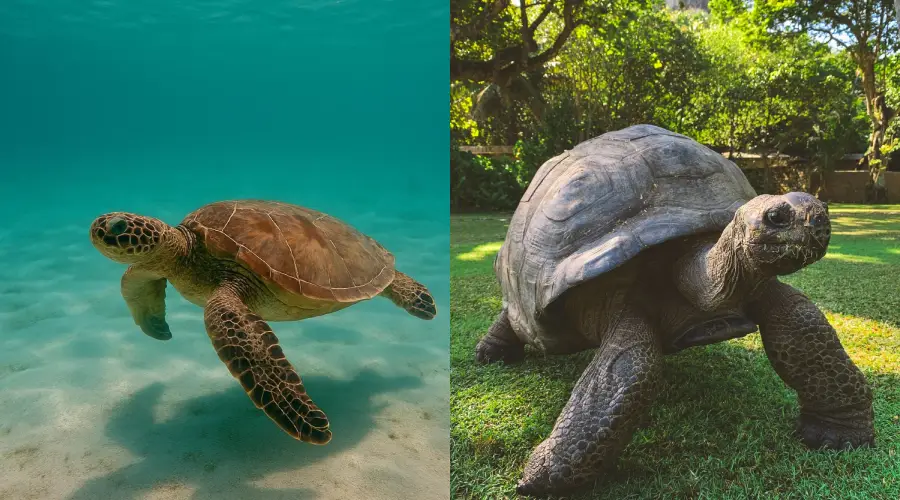
These slow-moving, armored-shelled reptiles are continuously confused by casual observers because they share a very similar ancient, protective dome architecture. The crucial separation between them comes down to their primary environmental adaptations and physical limb structures. Turtles are highly adapted aquatic or semi-aquatic specialists, featuring lightweight, flattened shells and webbed feet or streamlined flippers designed for high-speed swimming maneuvers. Tortoises are strictly terrestrial land-dwellers possessing heavy, high-domed protective shells and thick, elephantine feet engineered for walking across hot, arid soils. While turtles are mostly opportunistic omnivores, tortoises are dedicated vegetarians that can survive for months without encountering a single drop of fresh water.
Sign up for our newsletter
9. Raven vs. crow
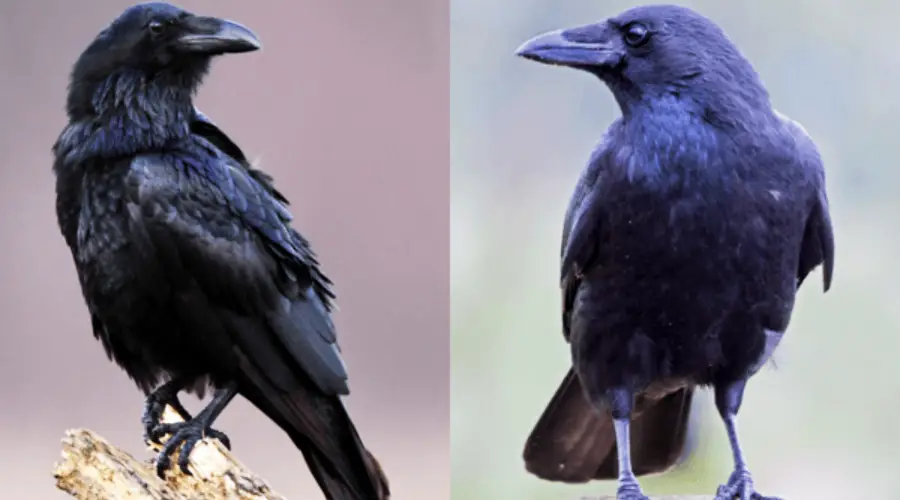
The haunting, pitch-black silhouettes of these highly intelligent birds often confuse urban onlookers who assume any large black corvid is a standard crow. Ravens are massive, solitary wilderness birds that match the physical size of a red-tailed hawk and feature heavy, chisel-like beaks covered in shaggy throat feathers. Crows are much smaller, highly social urban operators that travel in massive, vocal family flocks known as murders. Their aerodynamic flight patterns reveal a distinct separation, as ravens are master gliders capable of executing complex aerial acrobatics, while crows rely on a continuous, rhythmic flapping movement. Their vocalizations are unique, with the crow deploying a familiar high-pitched caw compared to the deep, metallic croak of the raven.
10. Mule vs. donkey
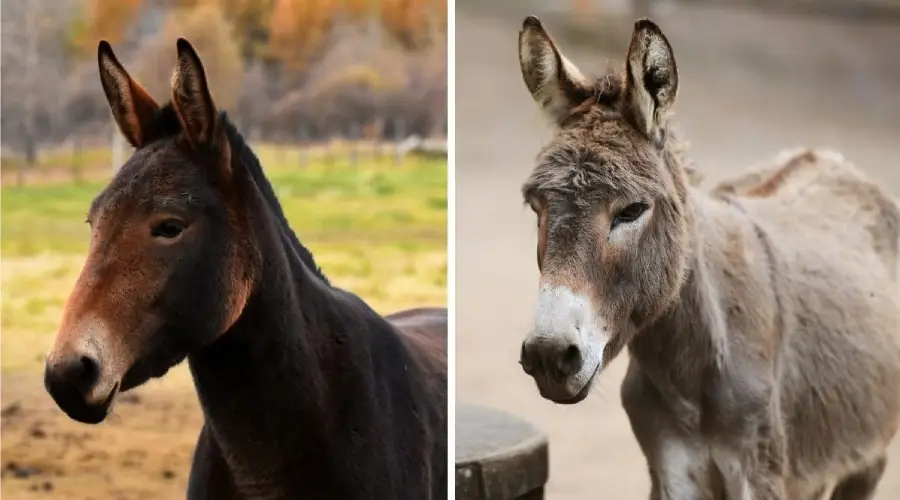
The linguistic and physical confusion surrounding these hard-working pack equines is a common trope across rural agricultural communities worldwide. A donkey is a completely distinct, natural biological species known scientifically as Equus asinus, featuring exceptionally long ears and a straight, cow-like tail. A mule is a sterile, human-engineered hybrid animal created by crossing a male donkey with a female horse to combine the finest traits of both lineages. Mules grow significantly larger than standard donkeys, inheriting the robust muscular frame, rounded coat contours, and full tail hair of a traditional horse. Mules possess an incredible level of physical stamina and a highly unique cognitive resistance to panic that makes them superior for navigating dangerous mountain trails.
11. Raven vs. blackbird
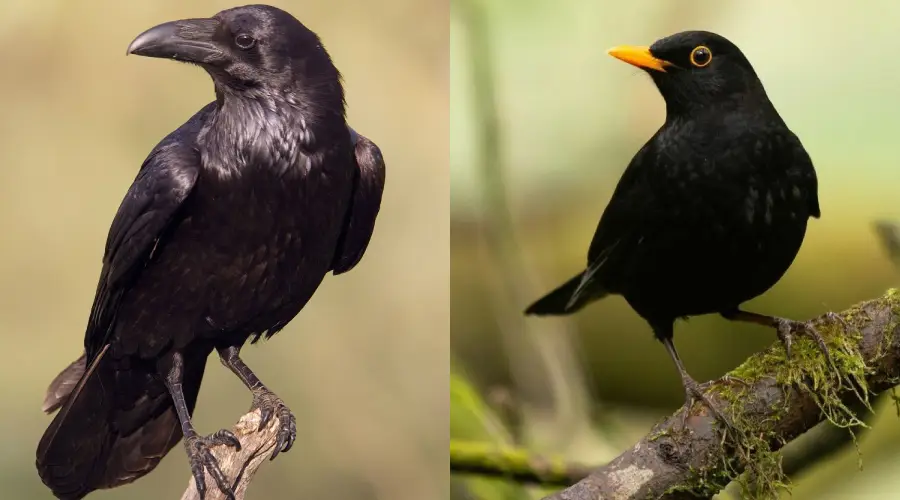
This specific look-alike pairing completely catches casual suburban birdwatchers off guard because both birds display a solid, jet-black feather coat across their entire bodies. They are completely separated by massive taxonomic distances, with the blackbird belonging to an entirely different family that has zero connection to the highly intelligent corvid lineage. Crows and ravens are large, heavy-billed apex songbirds possessing complex cognitive problem-solving abilities and complex social structures. True blackbirds are significantly smaller, slender thrush-like birds featuring bright yellow eyes and long, thin orange beaks optimized for pulling worms out of suburban lawns. Blackbirds are famous for delivering beautiful, melodic flute-like songs at dawn, whereas ravens communicate through harsh, guttural croaks.
12. Rabbit vs. hare
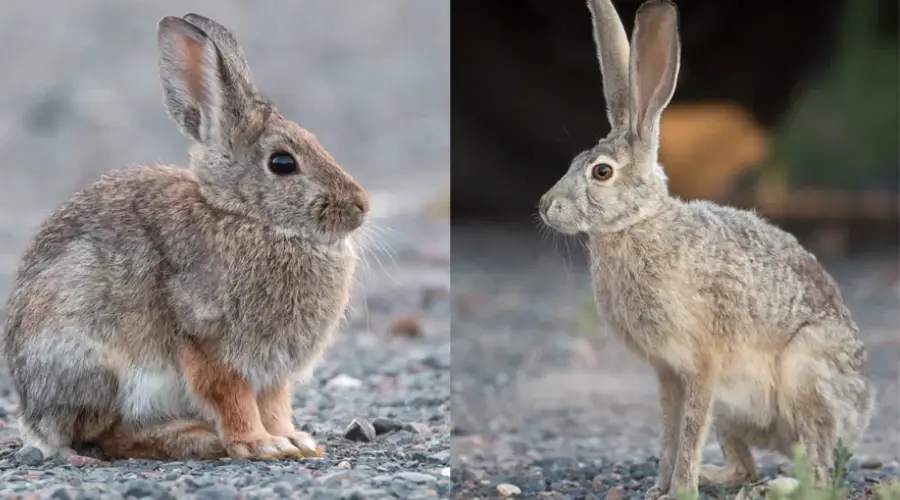
These two long-eared, fast-running mammals look entirely interchangeable as they hop across rural agricultural fields, leading many regional languages to use the terms as simple synonyms. They are scientifically classified into distinct genera with radically different internal biologies and behavioral habits. Rabbits are highly social creatures that give birth to completely blind, deaf, and hairless young inside deep, protective underground burrow networks. Hares are solitary surface-dwellers that give birth above ground to fully developed leverets possessing open eyes, full fur coats, and the immediate ability to run within hours. Because their chromosome counts are completely incompatible, rabbits and hares cannot interbreed under any circumstances.
13. Shark vs. dolphin
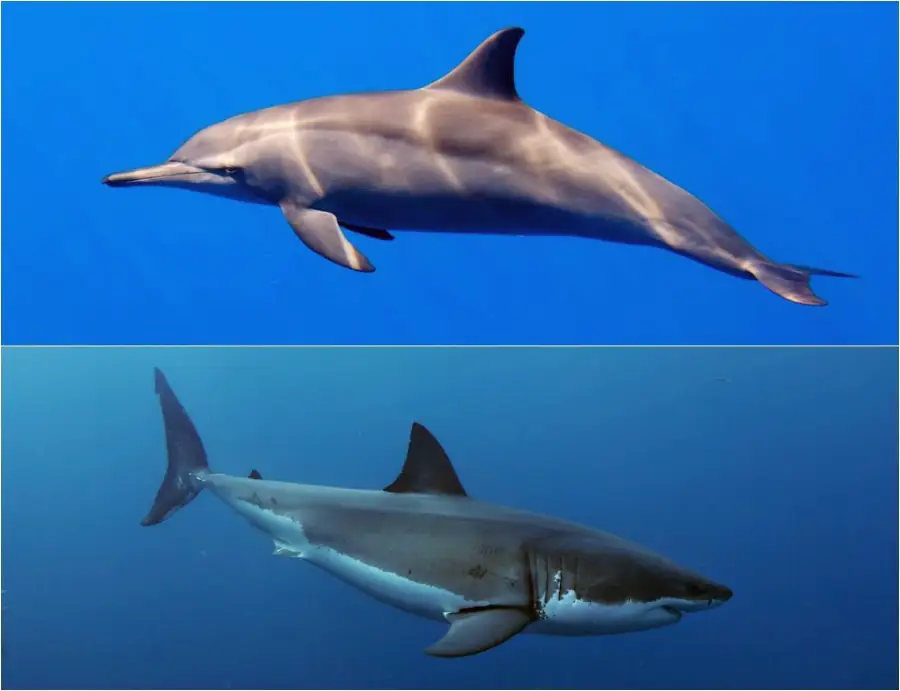
This hydrodynamic pairing represents a textbook example of convergent evolution, as two completely unrelated animal classes independently arrived at the same physical shape to conquer the open ocean. This nearly identical silhouette, featuring a prominent vertical dorsal fin and similar swimming sizes, triggers countless false alarms across popular holiday beaches worldwide. The internal biology reveals a total separation, as the shark is a cold-blooded fish that breathes through gills and possesses a rigid, vertical-moving tail. The dolphin is a warm-blooded mammal that breathes atmospheric air through lungs, nurses its young with milk, and propels itself by moving its tail flukes horizontally. While a shark’s dorsal fin remains completely rigid during tight turns, a dolphin’s fin displays organic flexibility.
14. Leopard vs. cheetah
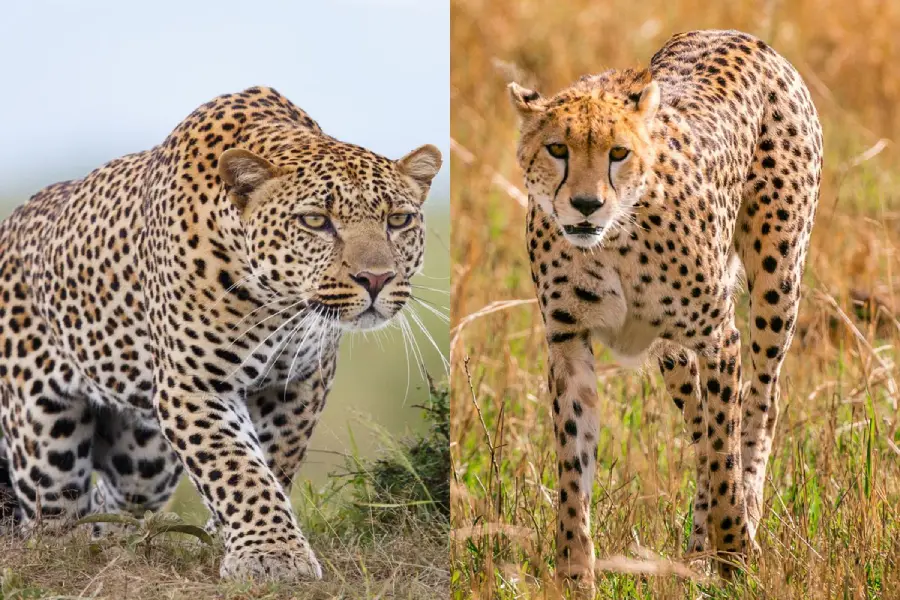
These two large, spotted African felids are regularly confused by the general public because both display a majestic golden coat decorated with dark camouflaging marks. Their hunting mechanics and physical designs reveal a complete separation, as the cheetah is a lean, aerodynamic sprinting specialist featuring solid black spots and distinctive tear streaks on its face. The leopard is a stocky, heavily muscled stalker decorated with hollow, rose-shaped spot clusters known as rosettes. The cheetah is the fastest land animal on Earth, relying on non-retractable claws that function like running cleats to hit speeds of seventy-five miles per hour. Leopards are powerful nocturnal climbers that utilize fully retractable claws to drag heavy animal prey straight up into mature tree branches to eat in peace.
Explore more interesting facts about the animal kingdom:
Delving into the spectacular, parallel designs that govern the animal kingdom serves as a powerful reminder that the true architecture of life is built on environmental efficiency rather than simple visual patterns. Watching these completely unrelated animals successfully independently engineer identical fur patterns, aerodynamic gliding membranes, and complex tracking silhouettes proves that the free market of evolution demands specific physical solutions to conquer the wilderness. When we choose to look past superficial outer traits to study the sophisticated genetic sequences that separate these look-alike creatures, we gain a profound appreciation for the immense diversity of our planet. If you enjoyed this eye-opening, deeply analytical journey looking back at the hidden doppelgangers of the natural world, make sure to explore these 15 Animals With the Strangest Survival Defenses, or 18 Animals That Easily Outlive Most Humans. You may also enjoy these 20 Photos of Baby Animals That Will Melt Your Heart.