
Animals have evolved into some of the most extraordinary survivors on the planet. From freezing polar regions to boiling underwater volcanoes, nature has produced species with abilities that continue to amaze scientists. Every year, researchers discover more about the incredible ways animals adapt to environments once thought impossible for life. Even today, there are countless animals whose unique survival strategies continue to surprise us and completely change what we think life is capable of.
One of the most fascinating things about the animal kingdom is that some animals thrive in places where almost no other creatures can survive. Whether facing extreme heat, crushing pressure, toxic chemicals, or freezing temperatures, these remarkable species have evolved specialized bodies and behaviors that allow them to flourish. Here are some of the most incredible examples found around the world.
1. Camel: The Desert Survivor That Can Go Days Without Water

Native to the deserts of North Africa, the Middle East, and Central Asia, camels are perfectly adapted for some of the hottest environments on Earth. Their humps store fat, not water, which provides energy when food is scarce. They can lose large amounts of body water without becoming dehydrated, withstand body temperatures that would be dangerous for most mammals, and close their nostrils during sandstorms. Thick eyelashes and broad feet help them navigate endless dunes where few large animals can survive.
2. Emperor Penguin: Antarctica’s Bird That Raises Chicks on Solid Ice

The emperor penguin is found exclusively in Antarctica, where winter temperatures regularly fall below -40°C (-40°F). Unlike most birds, it breeds during the harshest months of the year. Adults huddle together in massive groups to conserve heat while males balance eggs on top of their feet beneath a warm brood pouch.
3. Tardigrade: The Tiny Animal That Survives Almost Anything
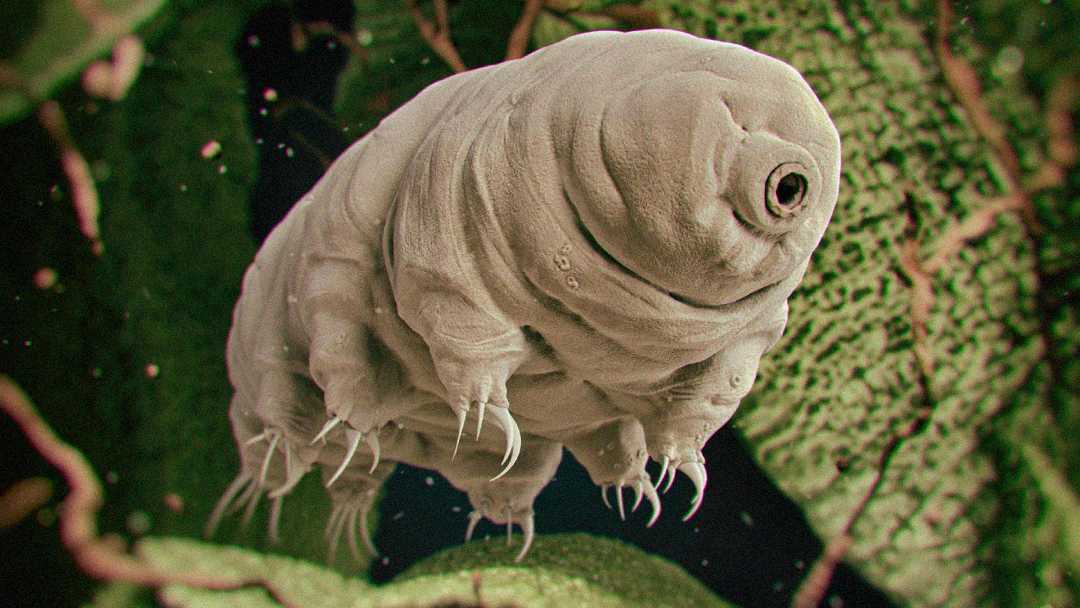
Commonly called the water bear, the tardigrade lives in mosses, freshwater habitats, oceans, and even mountain ecosystems around the world. Despite measuring less than a millimeter long, it is one of the toughest animals ever discovered. When conditions become unbearable, it enters a dormant state called cryptobiosis, allowing it to survive extreme cold, intense heat, radiation, dehydration, and even the vacuum of space until conditions improve.
4. Pompeii Worm: Living Beside Underwater Volcanoes
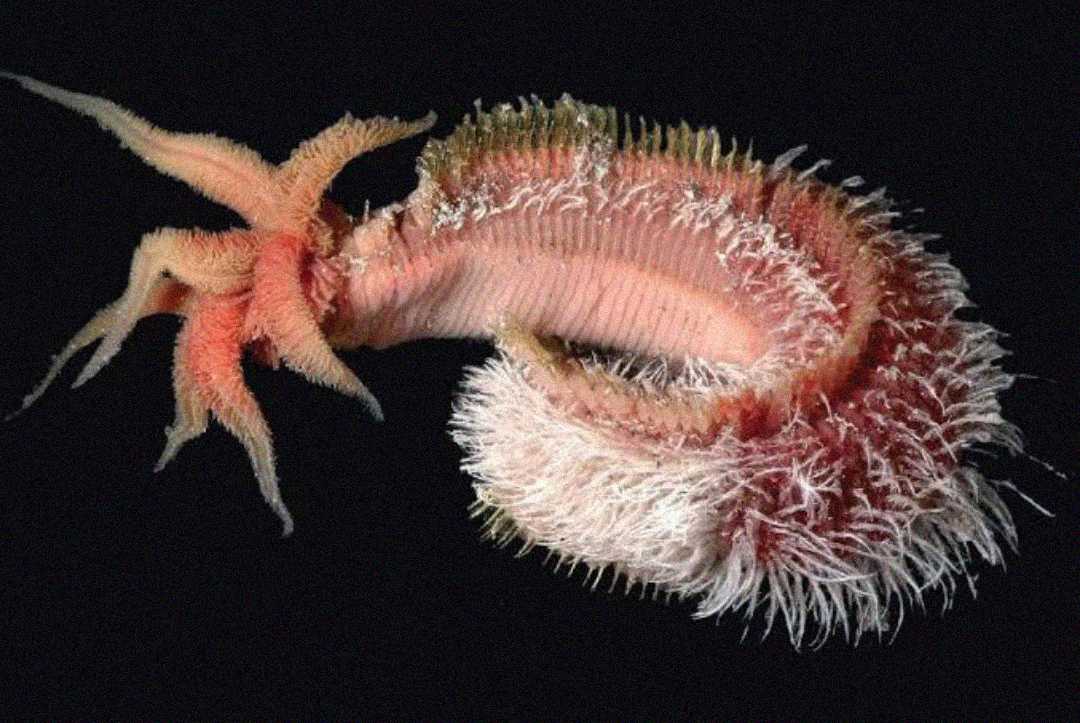
Discovered near hydrothermal vents in the Pacific Ocean, the Pompeii worm survives in one of Earth’s hottest known habitats for animals. Temperatures around these vents can exceed 350°C (662°F), although the worm occupies cooler microhabitats nearby. Its back is covered with beneficial bacteria that scientists believe help provide insulation and may assist in processing chemicals released by the vents, allowing this unusual species to flourish deep beneath the ocean.
5. Arctic Fox: The Mammal That Changes Color With the Seasons

The Arctic fox inhabits the Arctic regions of North America, Europe, and Asia. It survives brutal winters thanks to one of the warmest coats of any mammal, compact ears that minimize heat loss, and furry footpads that provide insulation while walking across snow and ice. Its coat changes from white in winter to brown or gray in summer, offering camouflage throughout the year.
Trending on The Scroller
6. Sahara Silver Ant: The World’s Heat-Loving Insect
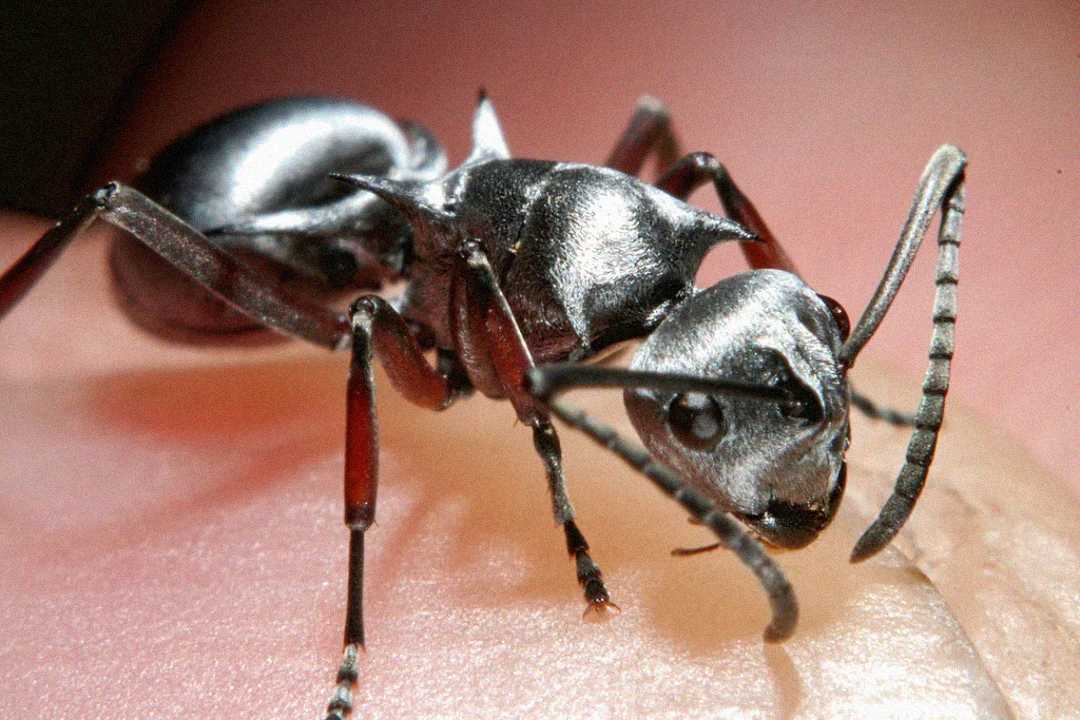
Found in the Sahara Desert, this remarkable ant becomes active during the hottest part of the day when many predators retreat from the heat. Tiny reflective hairs covering its body bounce sunlight away, helping reduce overheating. It can sprint across scorching sand reaching temperatures above 60°C (140°F), collecting dead insects before quickly returning underground.
7. Yak: Built for Life High in the Himalayas
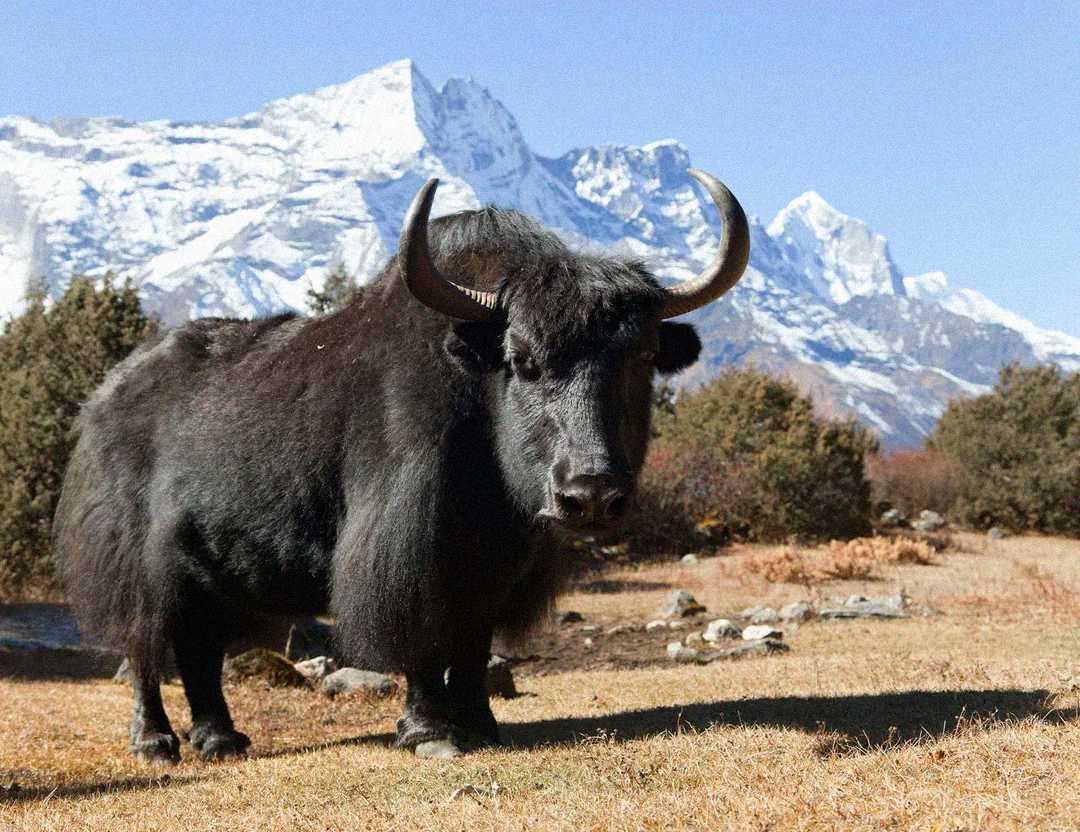
Yaks live across the Himalayan Plateau and the Tibetan Plateau, often at elevations above 4,000 meters (13,000 feet). Their massive lungs and enlarged hearts help them cope with low oxygen levels, while their long shaggy coats protect them from freezing mountain winds. These sturdy animals graze on sparse alpine vegetation where few large mammals can survive year-round.
8. Wood Frog: The Frog That Freezes Every Winter
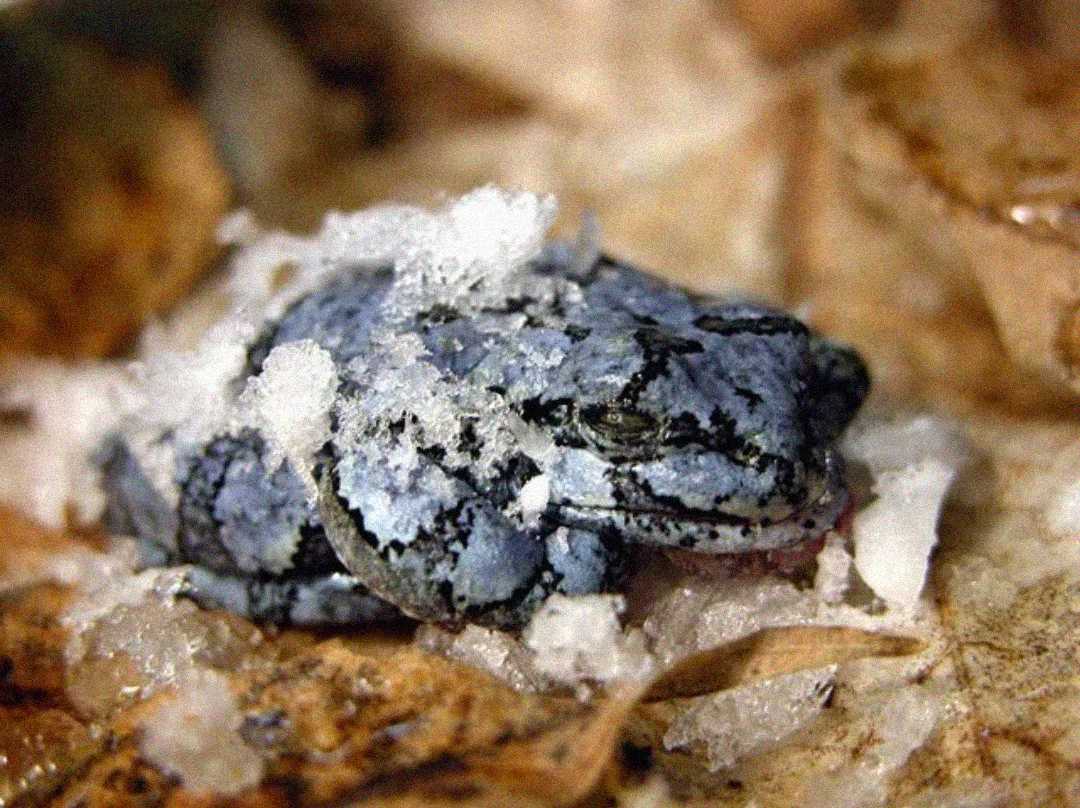
Native to northern North America, the wood frog has one of the most unusual survival strategies in the animal kingdom. During winter, much of its body freezes solid, including its heartbeat and breathing. High concentrations of glucose act as a natural antifreeze, protecting its cells from damage. When spring arrives, the frog thaws and resumes normal activity as if nothing happened.
Sign up for our newsletter
9. Deep-Sea Anglerfish: Master of the Ocean’s Eternal Darkness
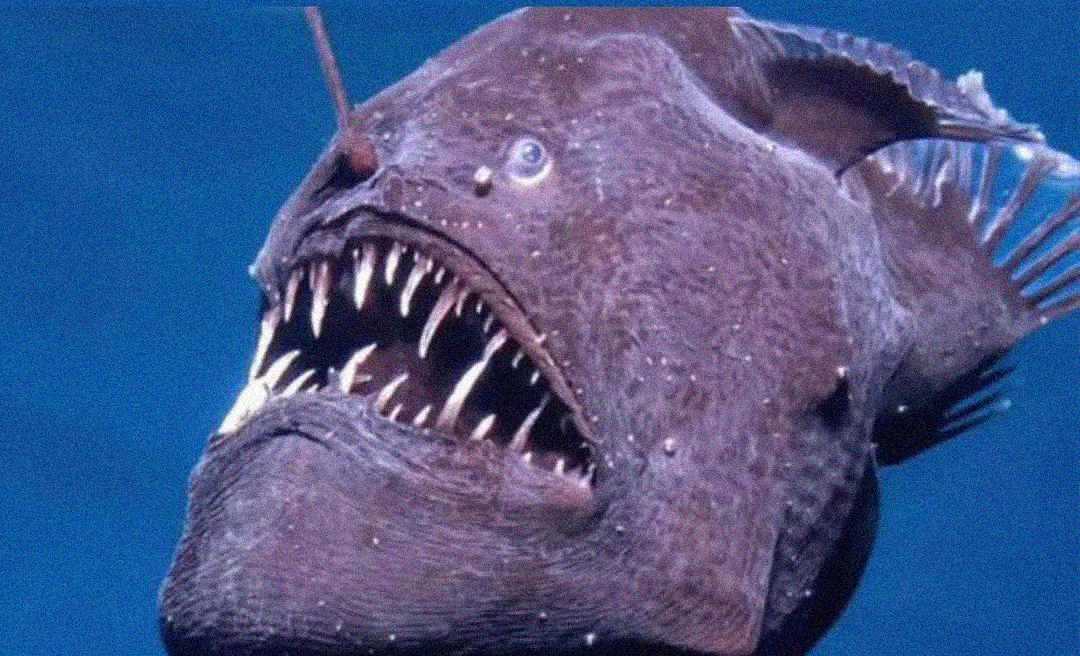
Living thousands of meters below the ocean’s surface, deep-sea anglerfish inhabit a world without sunlight and under immense water pressure. Their famous glowing lure contains bioluminescent bacteria that attract unsuspecting prey in complete darkness. Slow metabolisms and expandable stomachs allow these fish to survive long periods between meals in one of Earth’s least forgiving ecosystems.
10. Mountain Goat: Climbing Cliffs That Seem Impossible
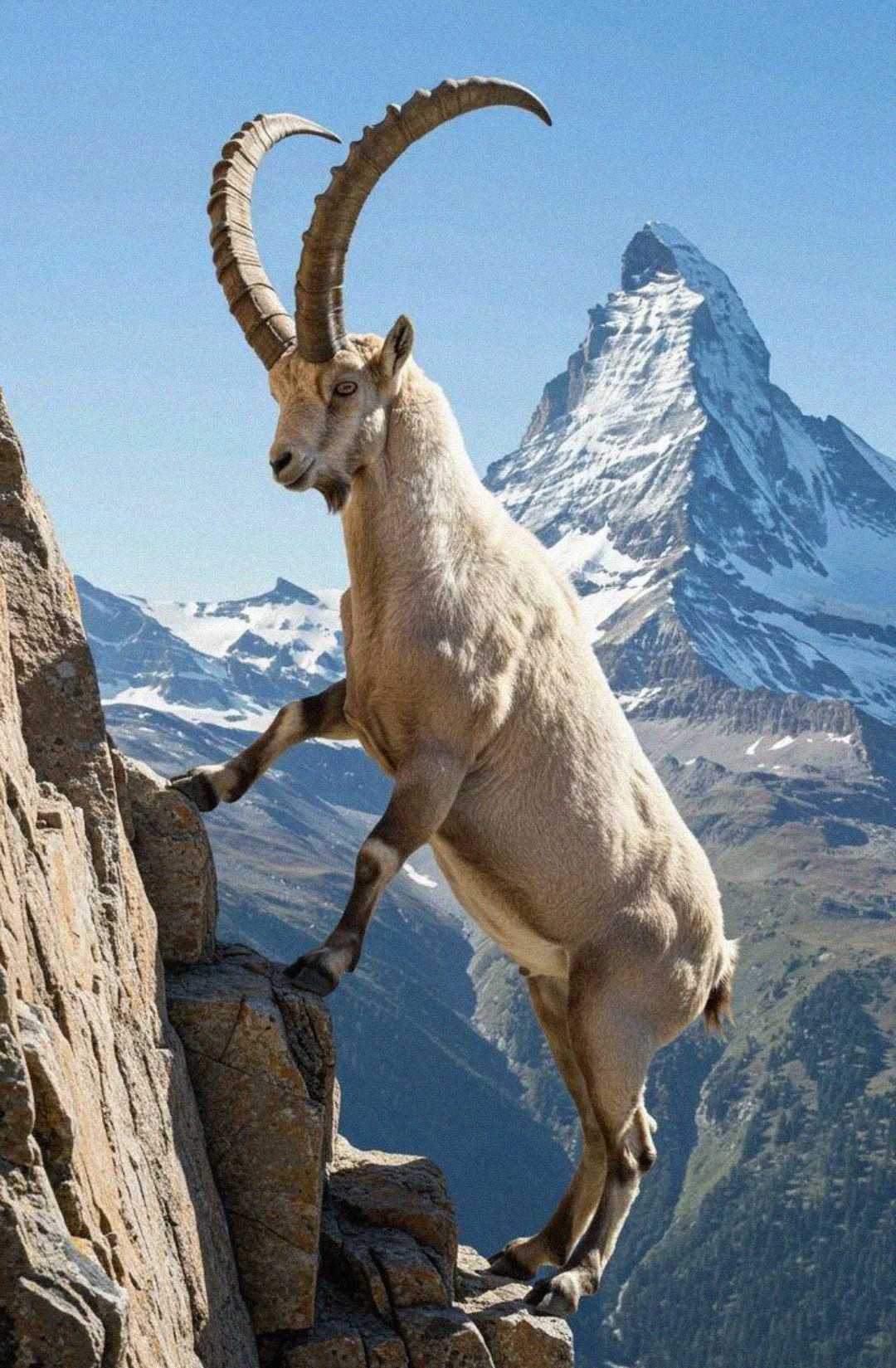
Mountain goats live in the Rocky Mountains and other rugged ranges across North America. They spend much of their lives navigating nearly vertical cliffs that protect them from predators. Specialized split hooves with rough pads provide exceptional grip on narrow ledges, allowing these agile animals to access food and shelter that would be unreachable for most mammals.
11. Kangaroo Rat: The Rodent That Rarely Drinks Water
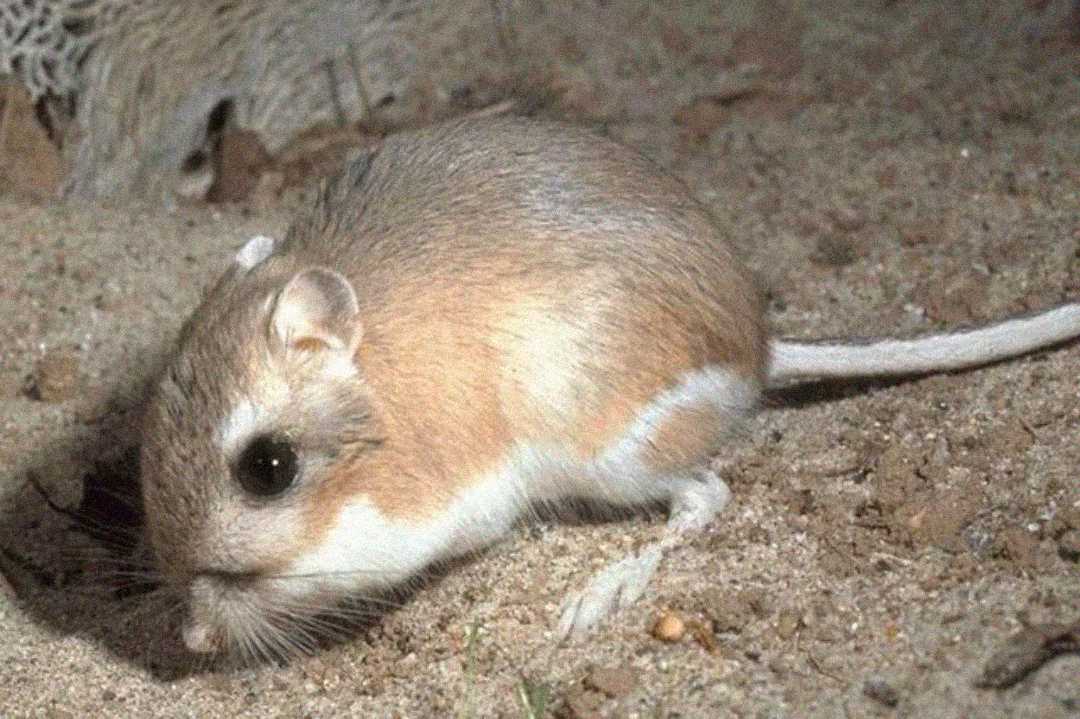
Native to the deserts of the southwestern United States and northern Mexico, kangaroo rats can survive without ever drinking liquid water. They obtain nearly all the moisture they need by breaking down dry seeds through metabolism. Highly efficient kidneys produce extremely concentrated urine, minimizing water loss while allowing these small animals to thrive in arid landscapes.
12. Icefish: The Fish With Natural Antifreeze
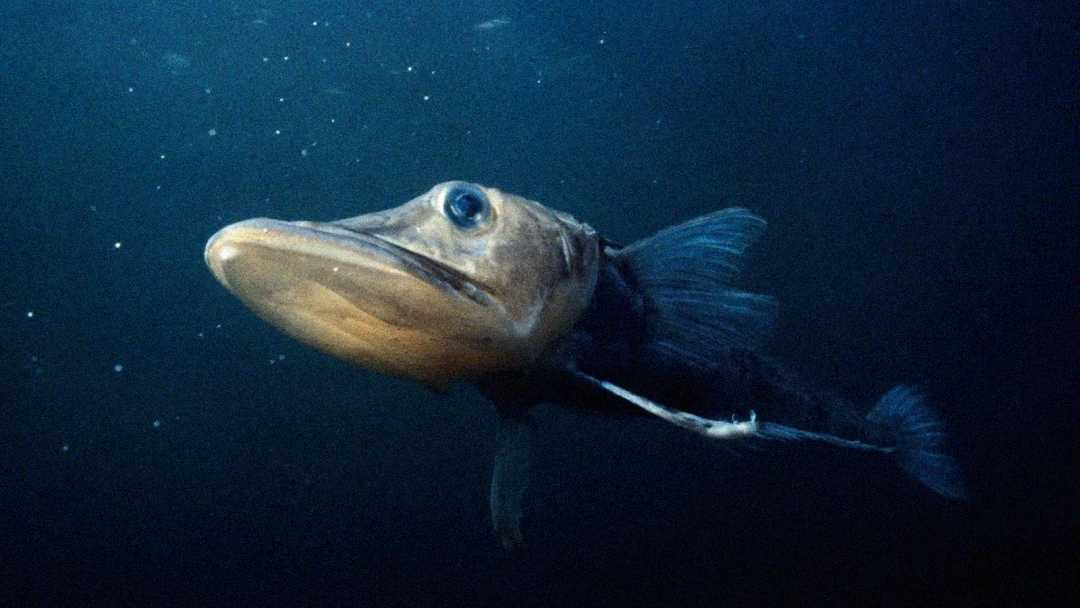
Icefish inhabit the frigid Southern Ocean surrounding Antarctica. Some species produce specialized antifreeze glycoproteins that prevent ice crystals from forming in their blood. Several species even lack red blood cells entirely, an unusual adaptation made possible by the cold water’s ability to hold large amounts of dissolved oxygen.
13. Tibetan Sand Fox: A Predator of the High Plateau
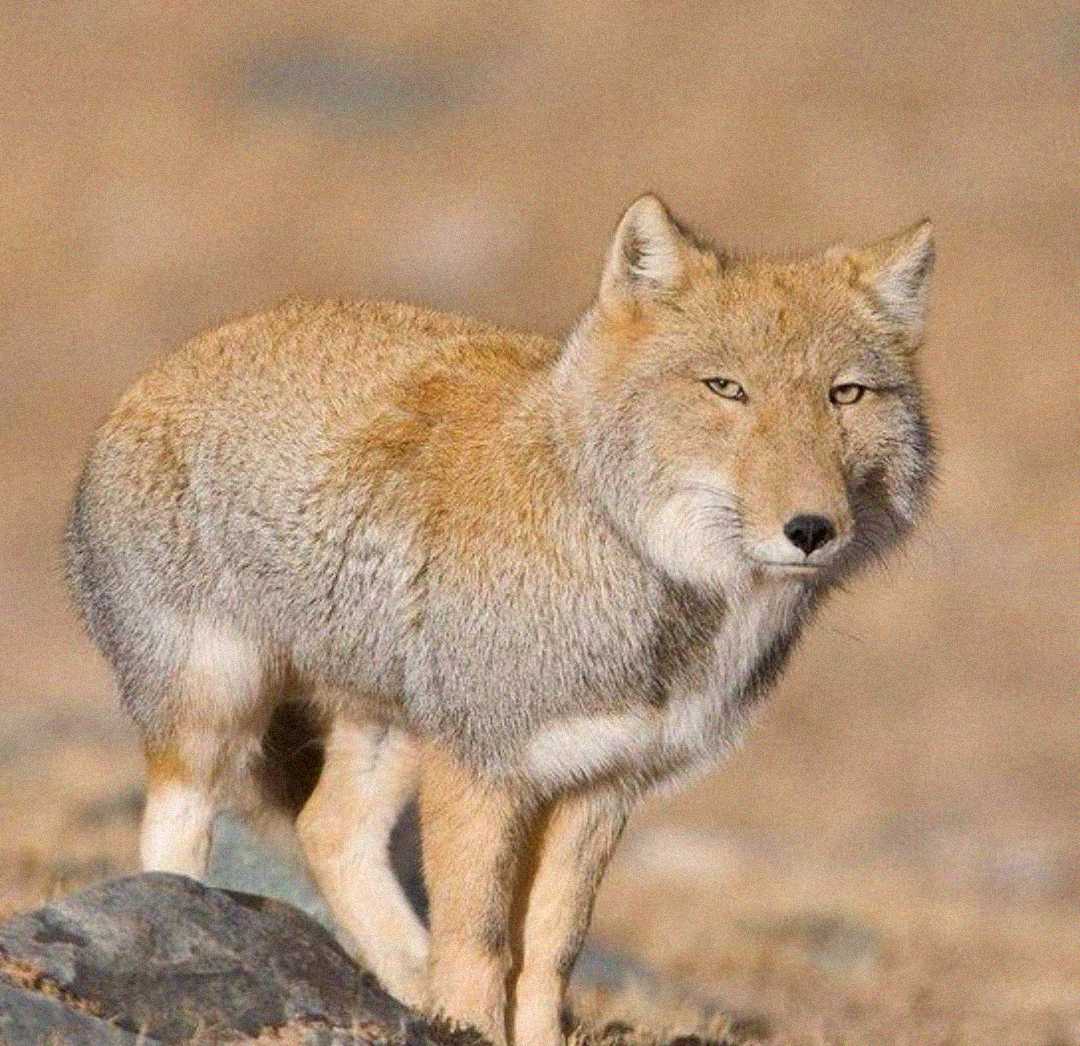
The Tibetan sand fox lives across the high grasslands of Tibet, Nepal, India, and western China. Its thick fur protects it from cold temperatures, while its compact body helps conserve heat. It is especially well known for hunting plateau pikas, playing an important role in maintaining the balance of these unique alpine ecosystems.
14. Desert Pupfish: Flourishing in Hot Desert Springs
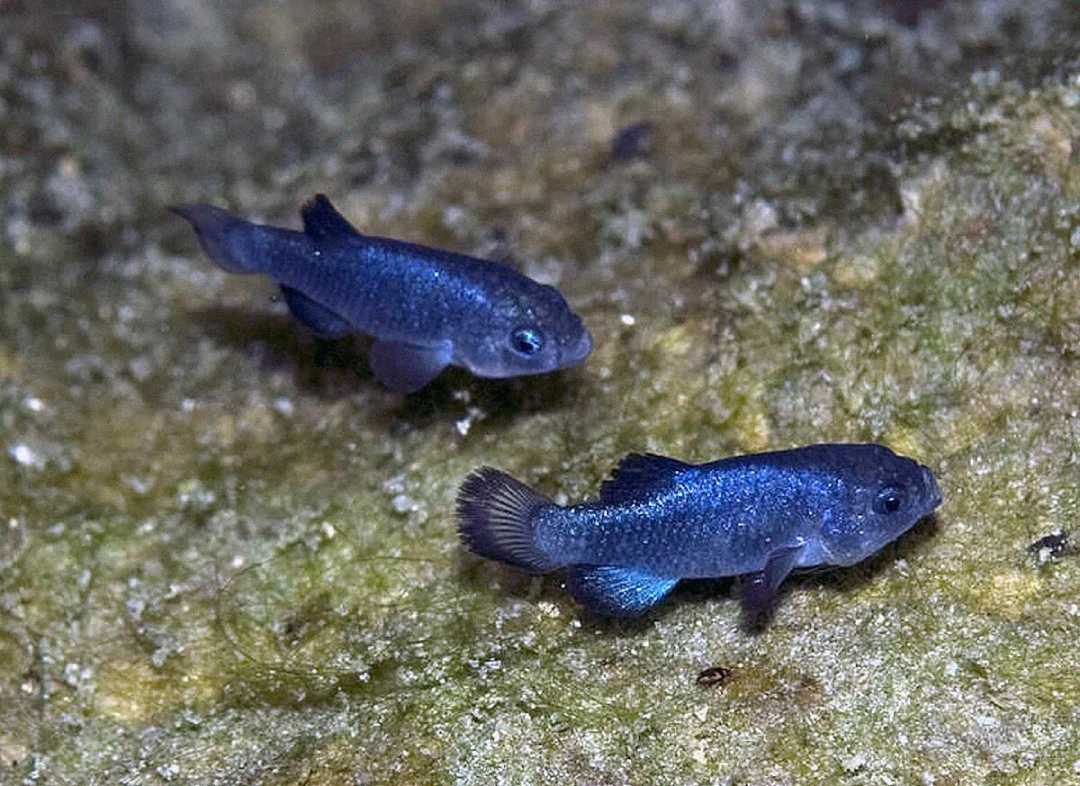
Several species of desert pupfish inhabit isolated springs and streams in the deserts of the southwestern United States and northern Mexico. These remarkable fish tolerate water temperatures above 40°C (104°F), extremely high salinity, and oxygen levels that would be fatal to most freshwater fish. Their resilience has allowed them to survive in habitats left behind by ancient lakes.
Animals never stop reminding us how extraordinary life on Earth can be. Keep exploring and learning about amazing animals, you’ll always discover something new that challenges what you thought was possible.
These incredible animals prove that evolution can solve some of nature’s toughest challenges. Their remarkable adaptations allow them to thrive in places filled with freezing temperatures, crushing pressure, toxic chemicals, or relentless heat. Every one of these species is a reminder that life is far more diverse and fascinating than we often imagine.
We love discovering more about amazing animals and the extraordinary places where they thrive, and we’re always excited to share those discoveries with fellow nature lovers. We publish new wildlife and nature stories every day, so don’t miss out! Keep reading our latest recommendations to explore even more incredible animals, fascinating habitats, and the wonders of the natural world: 16 Animals Remembered for Their Impact on History, 14 Animals That Look Identical but Are Completely Different Species, and 17 of the Most Dangerous Animals on Earth.