The animal kingdom is filled with incredible diversity, from gentle giants to tiny creatures capable of delivering deadly toxins. While many people associate dangerous animals with massive predators that hunt large prey, some of the world’s most dangerous species are surprisingly small. In fact, size often has little to do with how lethal an animal can be. Venom, disease transmission, territorial behavior, and sheer physical strength all play major roles in determining how dangerous a species truly is.
What makes these creatures especially fascinating is that they come in many forms. Some look every bit as intimidating as their reputations suggest, while others appear harmless at first glance. From insects responsible for hundreds of thousands of human deaths each year to apex predators that dominate entire ecosystems, these dangerous animals demonstrate nature’s remarkable ability to evolve powerful survival tools. Whether through venom, powerful jaws, stealth, or disease-carrying capabilities, each species on this list has earned its place among the most dangerous animals on Earth.
1. Cone Snail
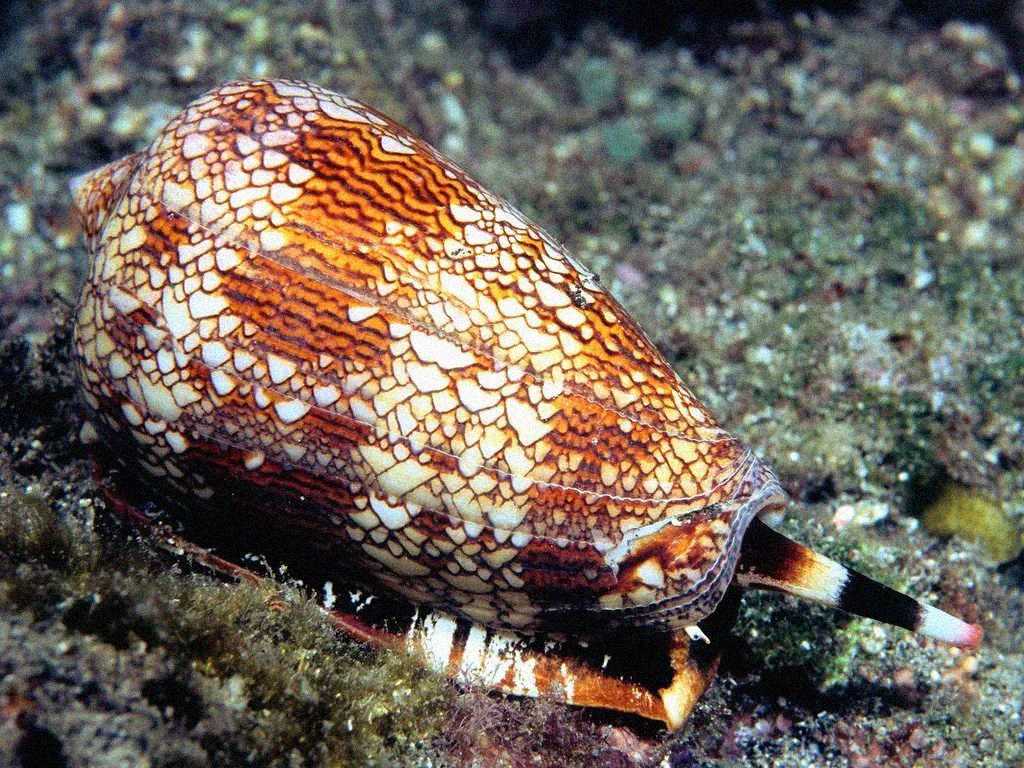
The Cone Snail may look harmless, but it possesses one of the most potent venoms found in nature. Using a harpoon-like tooth, it injects a complex cocktail of toxins capable of paralyzing fish almost instantly. Certain species, particularly the geography cone snail, have caused human fatalities. There is currently no specific antivenom for cone snail stings, making encounters particularly dangerous. Divers and shell collectors are most at risk because many people mistake these snails for harmless souvenirs.
2. Blue-Ringed Octopus
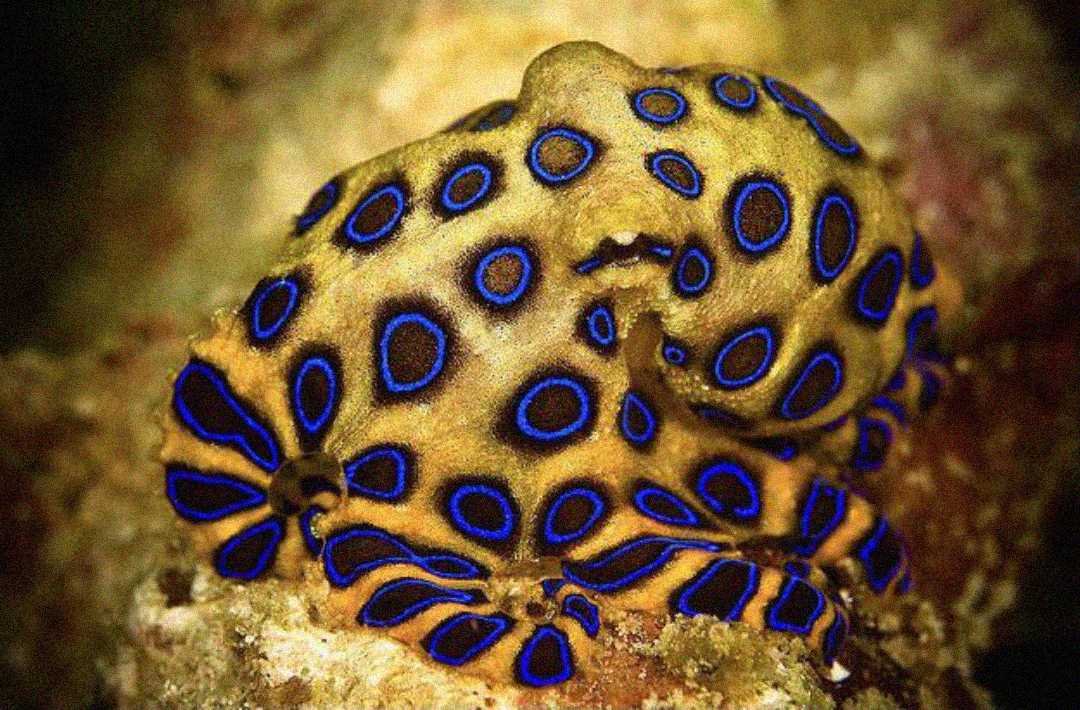
The Blue-Ringed Octopus measures only a few inches across, yet it carries enough venom to kill multiple adults. Its toxin, tetrodotoxin, attacks the nervous system and can cause paralysis within minutes. Despite its small size, this octopus is considered extremely dangerous because there is no antidote.
3. Inland Taipan
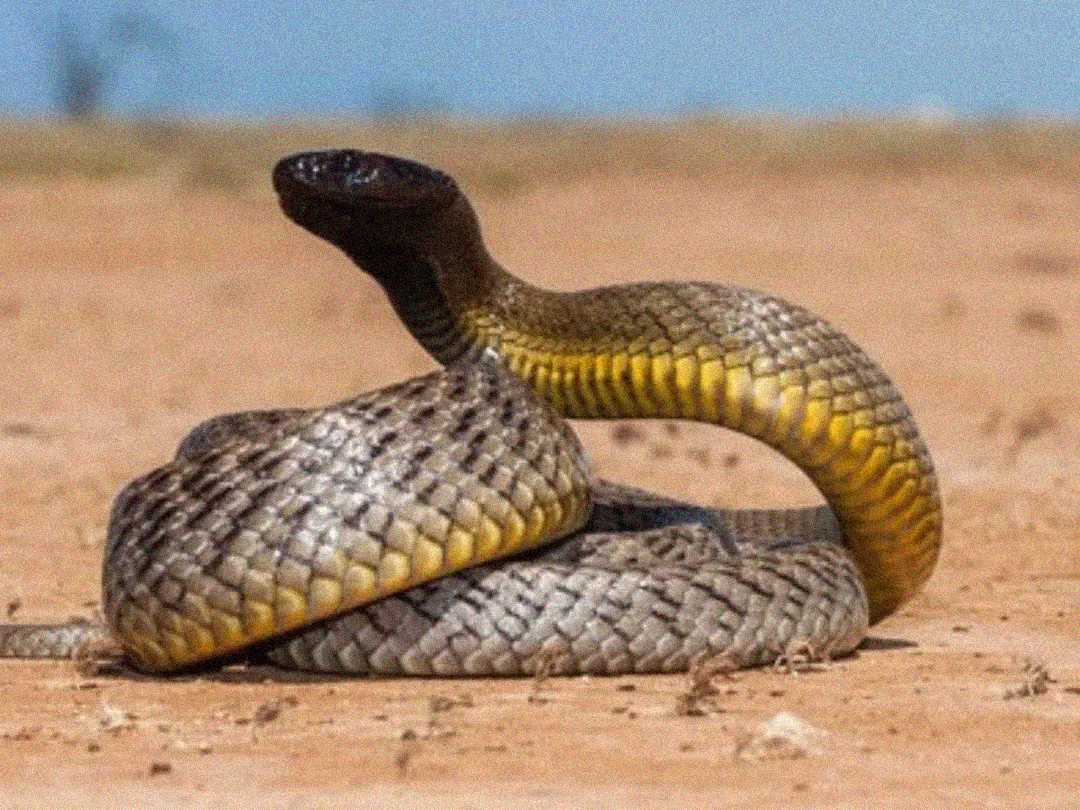
The Inland Taipan possesses the most toxic venom of any snake according to laboratory studies. A single bite contains enough venom to kill dozens of humans. Fortunately, it inhabits remote regions of Australia and rarely encounters people. As a result, documented attacks are exceptionally uncommon. Its ranking comes from venom potency rather than attack frequency.
4. Box Jellyfish
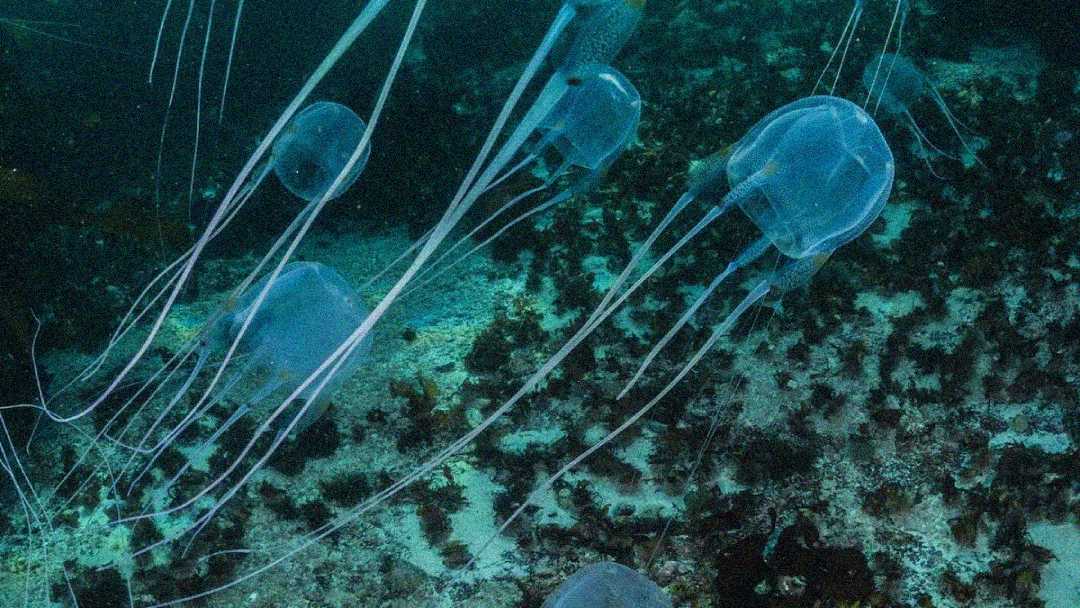
Box Jellyfish are responsible for numerous fatalities in tropical waters throughout the Indo-Pacific region. Their tentacles contain venom that attacks the heart, nervous system, and skin cells simultaneously. Victims can suffer cardiac arrest within minutes. In some cases, swimmers have drowned after being incapacitated by the intense pain caused by the sting.
5. Stonefish
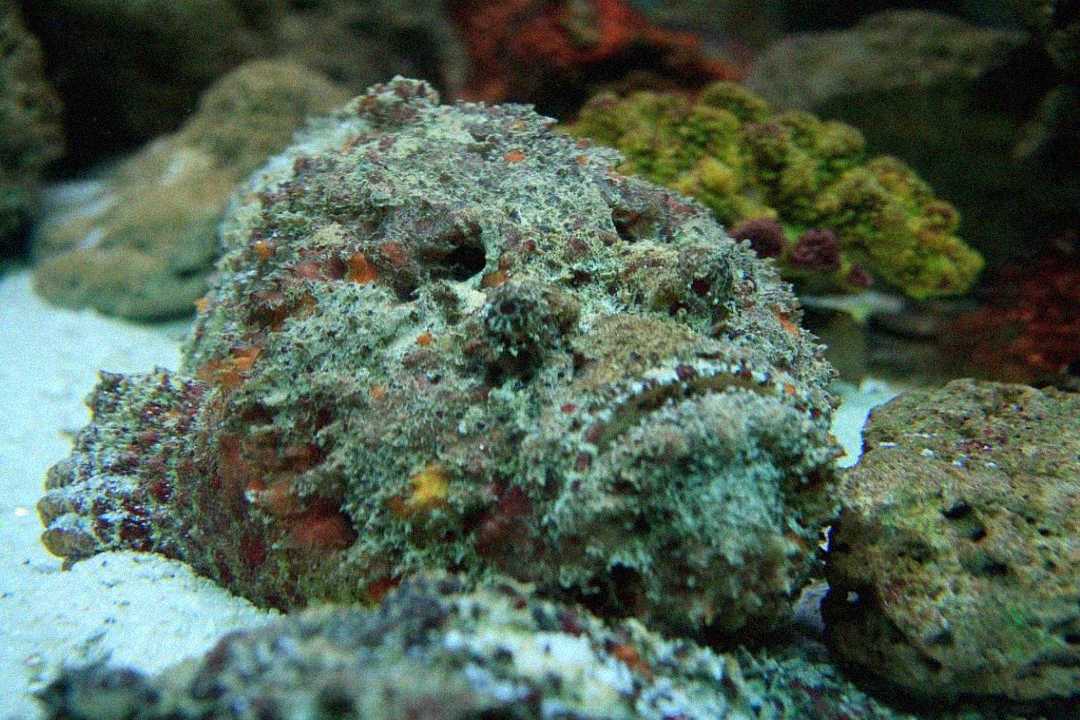
The Stonefish is widely considered the most venomous fish in the world. It blends perfectly into coral reefs and rocky seabeds, making accidental contact common. People are usually stung when they step on one. The venom causes excruciating pain, tissue damage, and, in severe cases, death if medical treatment is delayed.
Trending on The Scroller


6. Saltwater Crocodile
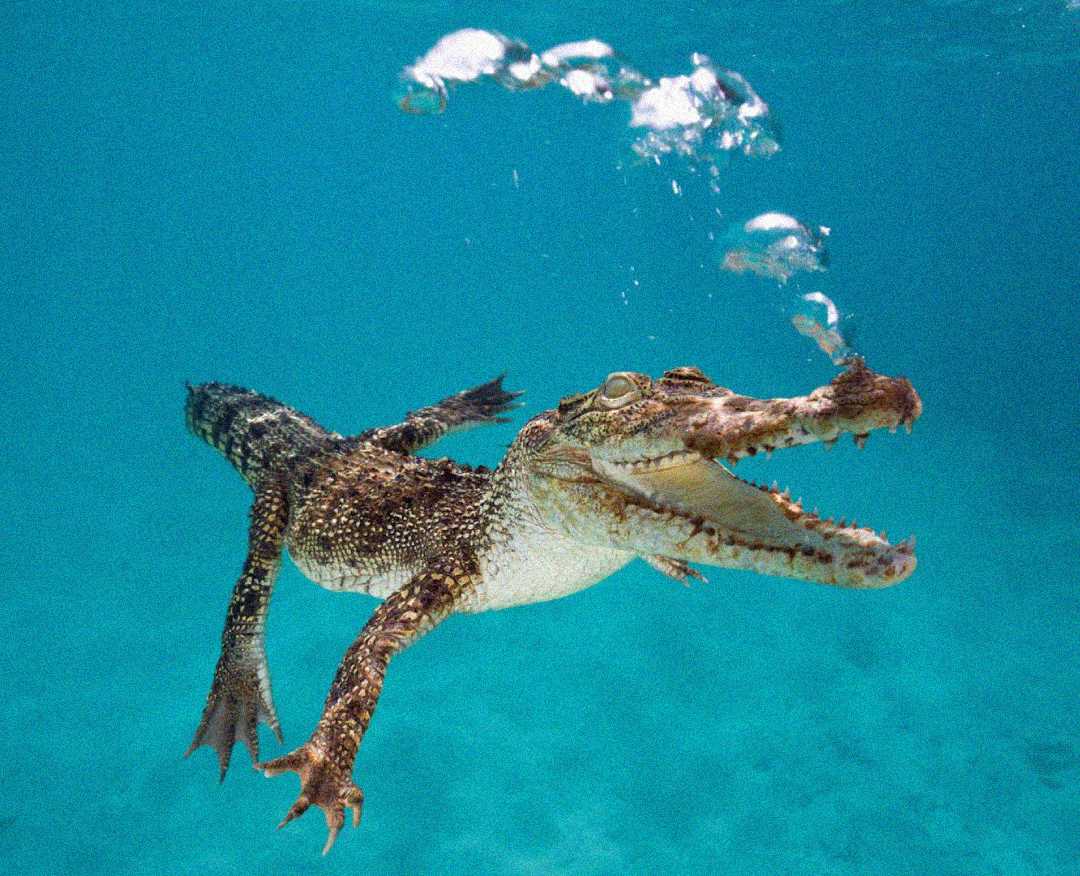
The Saltwater Crocodile can exceed 20 feet in length and weigh over a ton. These apex predators possess one of the strongest bite forces ever recorded in the animal kingdom. Saltwater crocodiles are responsible for numerous attacks each year across Southeast Asia and northern Australia. Their ambush hunting style and immense strength make them among the most dangerous predators alive.
7. African Buffalo
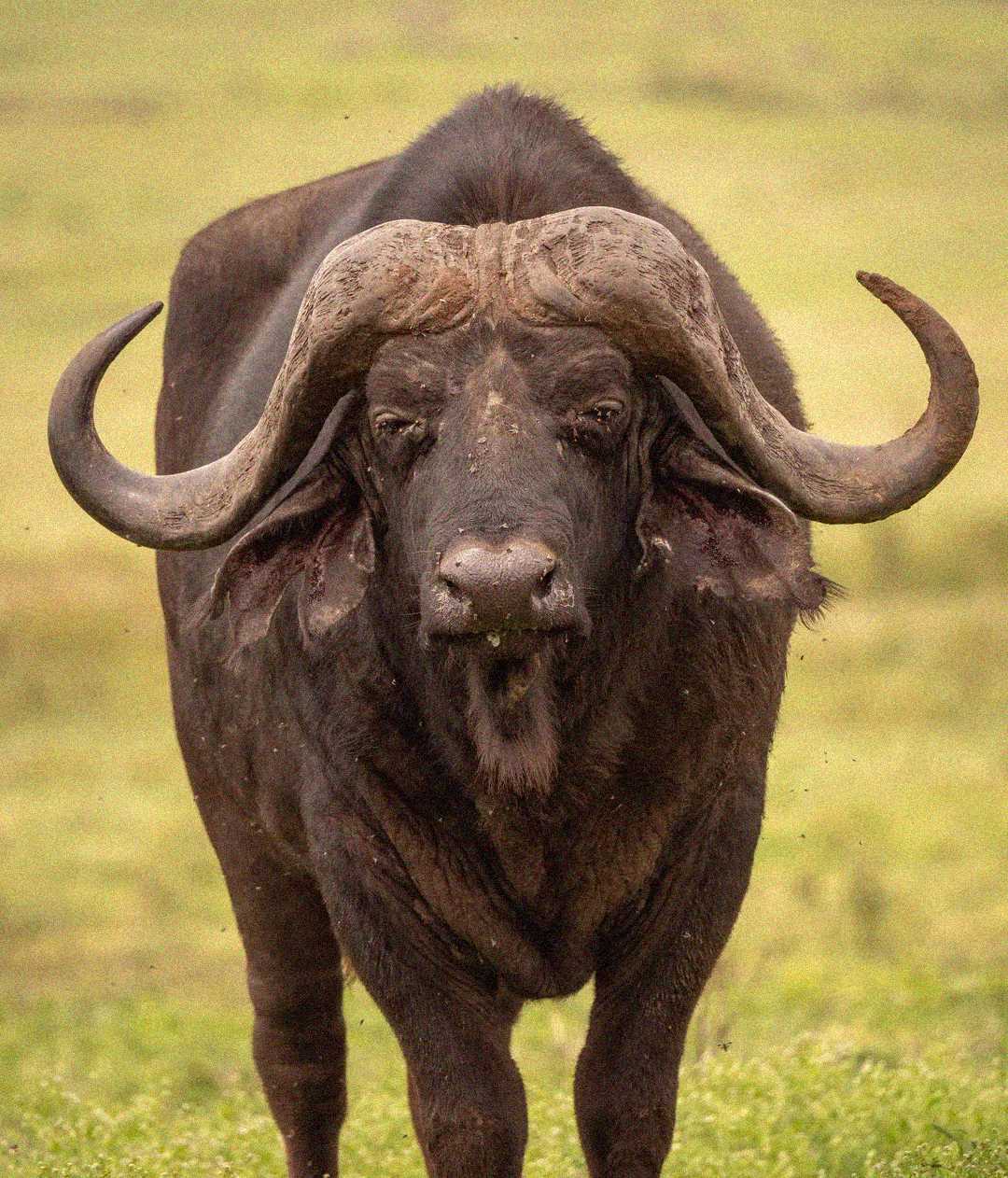
Although not a predator, the African Buffalo has earned a reputation for aggression. It is known for charging perceived threats and has injured or killed hunters, tourists, and even lions. Its powerful build and tendency to defend injured herd members contribute to its status as one of Africa’s most dangerous animals.
8. Polar Bear
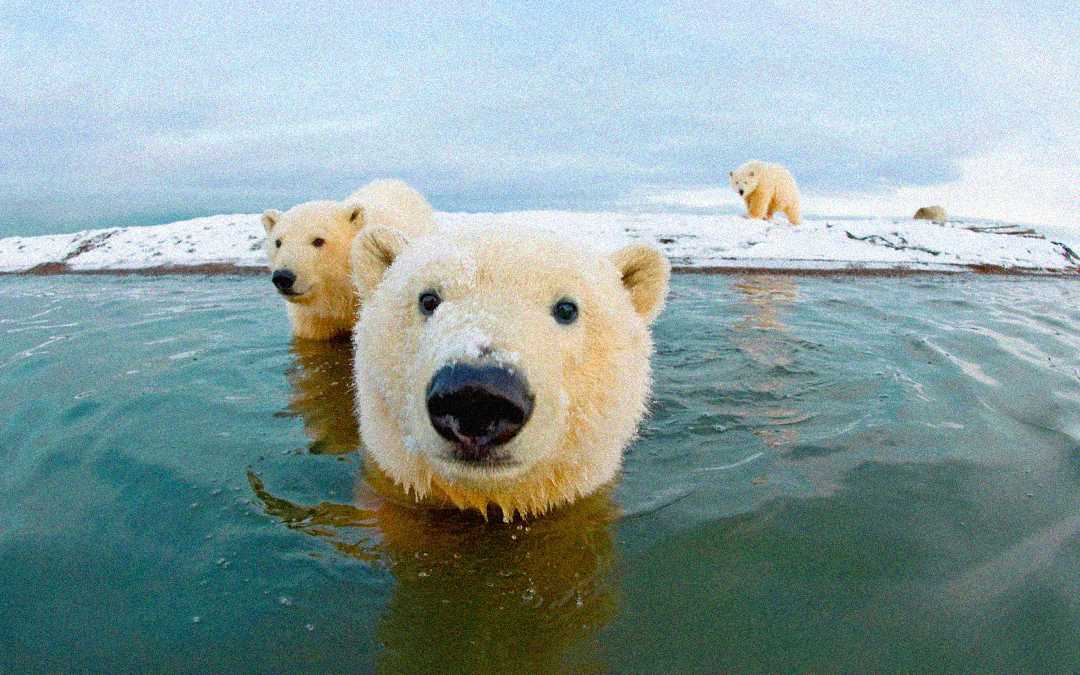
The Polar Bear is the largest land carnivore on Earth. Unlike many other bears, polar bears may actively view humans as potential prey. Attacks remain uncommon due to the remote locations where they live, but encounters can be particularly dangerous because of the bear’s size, speed, and hunting instincts.
Sign up for our newsletter
9. King Cobra
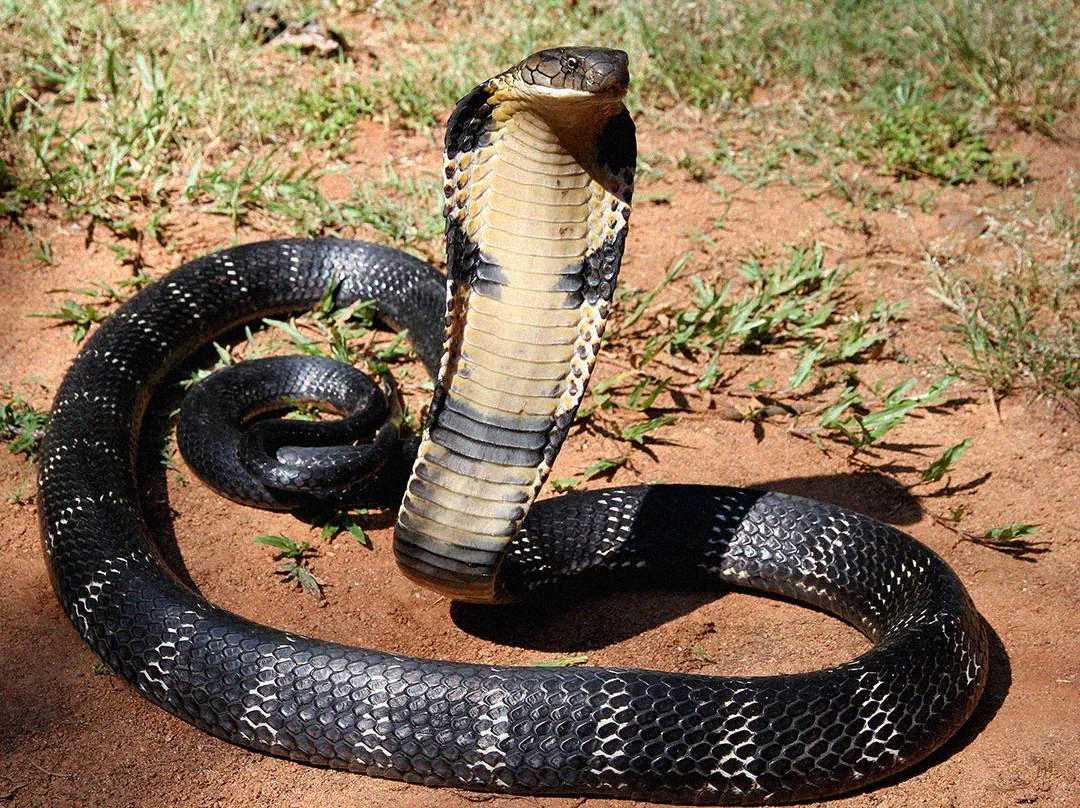
The King Cobra is the longest venomous snake on Earth, capable of reaching more than 18 feet (5.5 meters) in length. What makes the king cobra especially dangerous is not necessarily the potency of its venom; other snakes have more toxic venom, but the enormous quantity it can inject in a single bite. A large king cobra can deliver enough venom to kill an elephant or multiple humans.
10. Hippopotamus
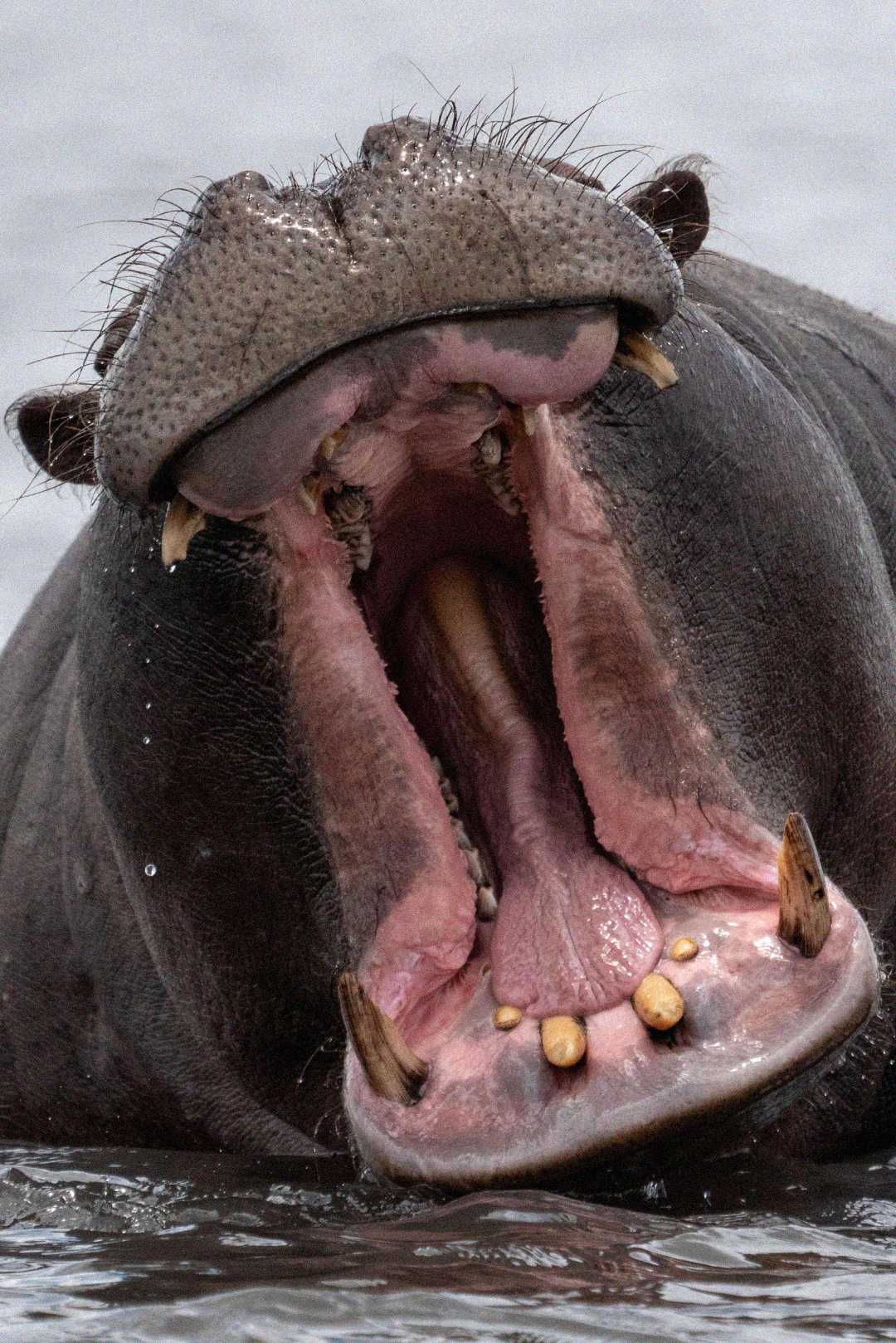
The Hippopotamus may appear slow and relaxed, but it is highly territorial. Hippos can run surprisingly fast and possess enormous jaws capable of inflicting devastating injuries. Experts estimate that hippos are responsible for hundreds of human deaths annually in Africa, making them far more dangerous than many large predators.
11. Komodo Dragon
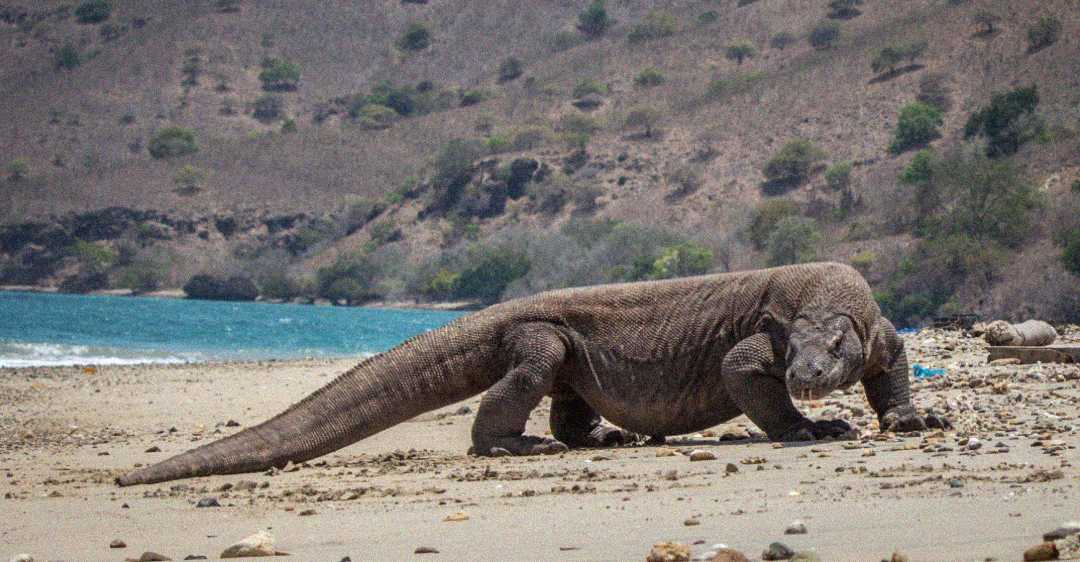
The Komodo Dragon is the world’s largest lizard. It combines powerful jaws, serrated teeth, and venom that contributes to shock and blood loss in prey. Several documented incidents have involved serious injuries and fatalities.
12. Great White Shark
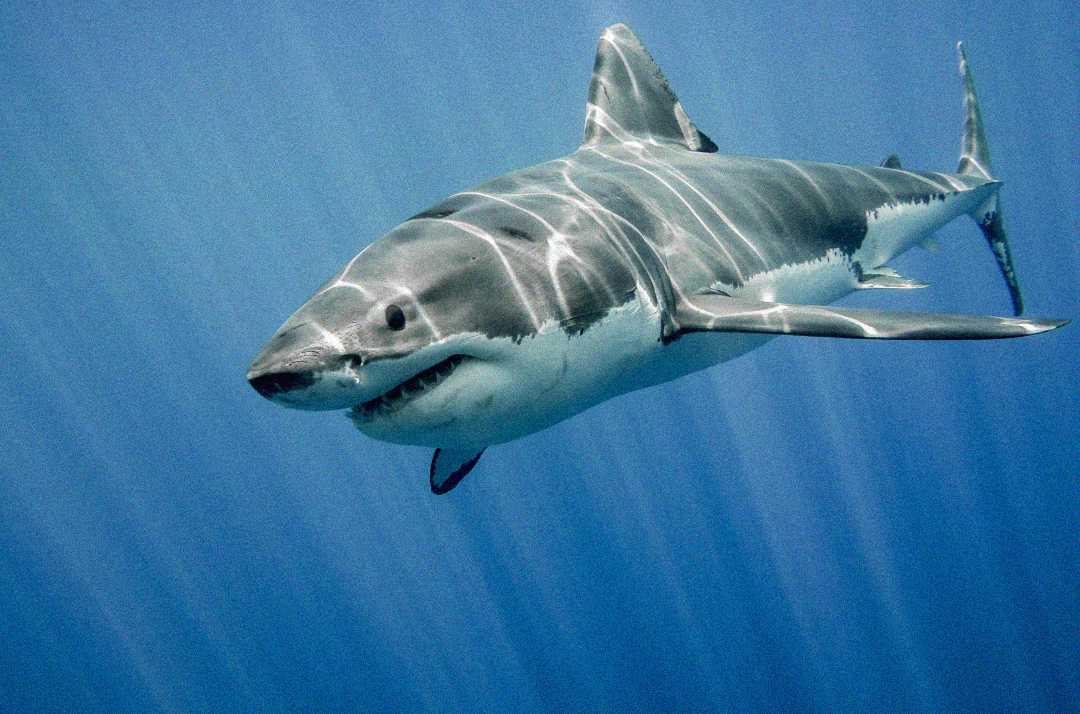
The Great White Shark is often portrayed as the ultimate marine killer. While shark attacks are uncommon, great whites account for a significant portion of unprovoked attacks on humans. Their powerful bite and size make any encounter potentially deadly, even though humans are not their preferred prey.
13. Lion
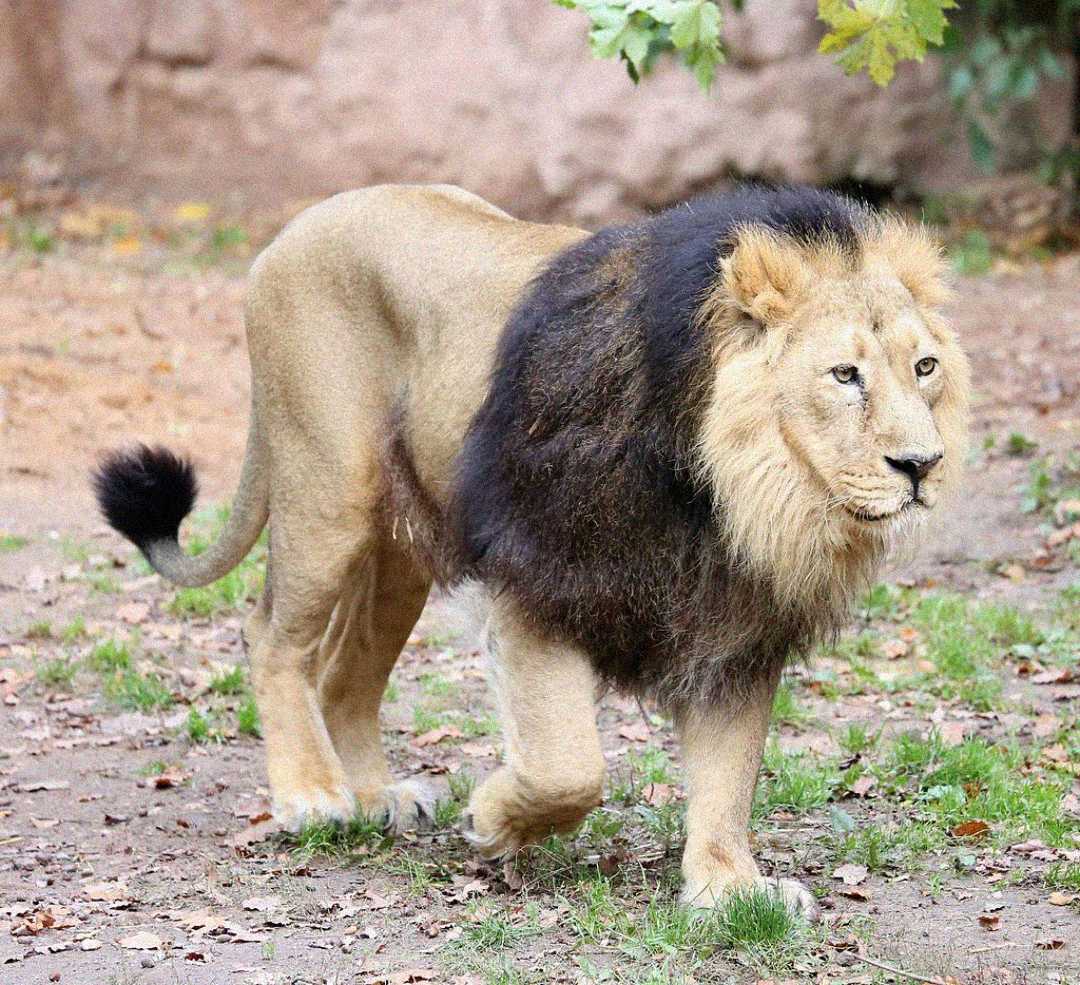
The Lion is one of the world’s most recognizable predators. Most attacks occur when lions defend territory, protect cubs, or become accustomed to human presence. Historical incidents, including the infamous Tsavo lions of Kenya, demonstrate how dangerous these powerful cats can be under certain conditions.
14. Elephant
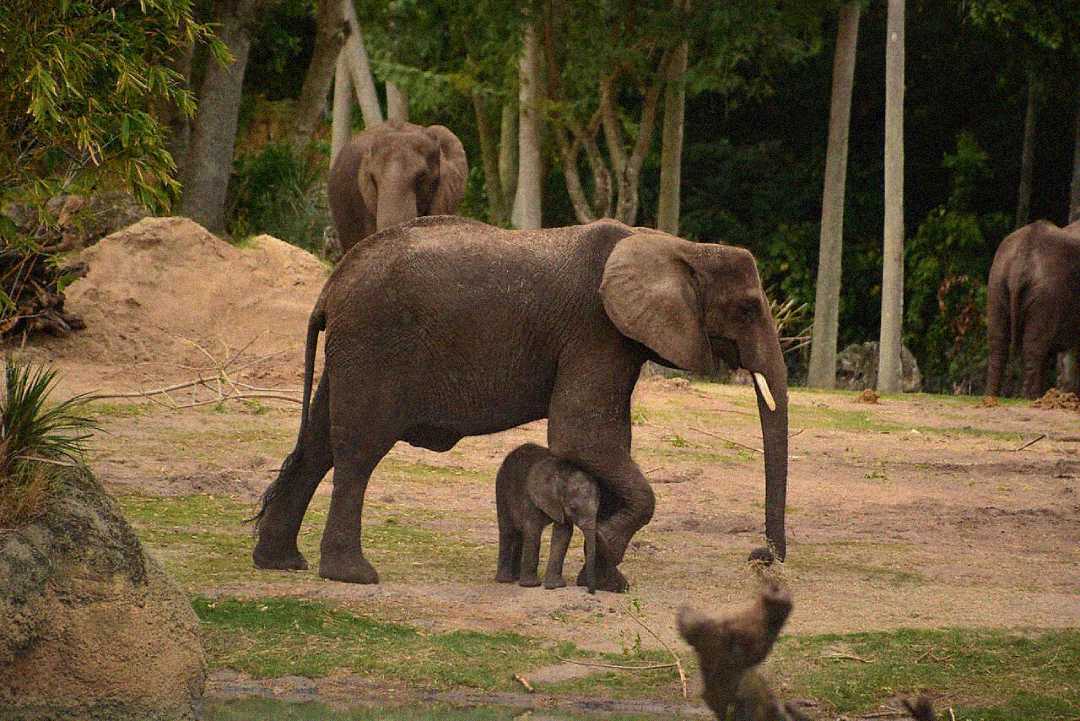
The African Elephant is often viewed as peaceful, but it can become extremely dangerous when threatened. Adult elephants can weigh several tons and are capable of charging at high speed. Fatal encounters typically occur when people accidentally enter their space or during periods of heightened aggression known as musth in males.
15. Saw-Scaled Viper
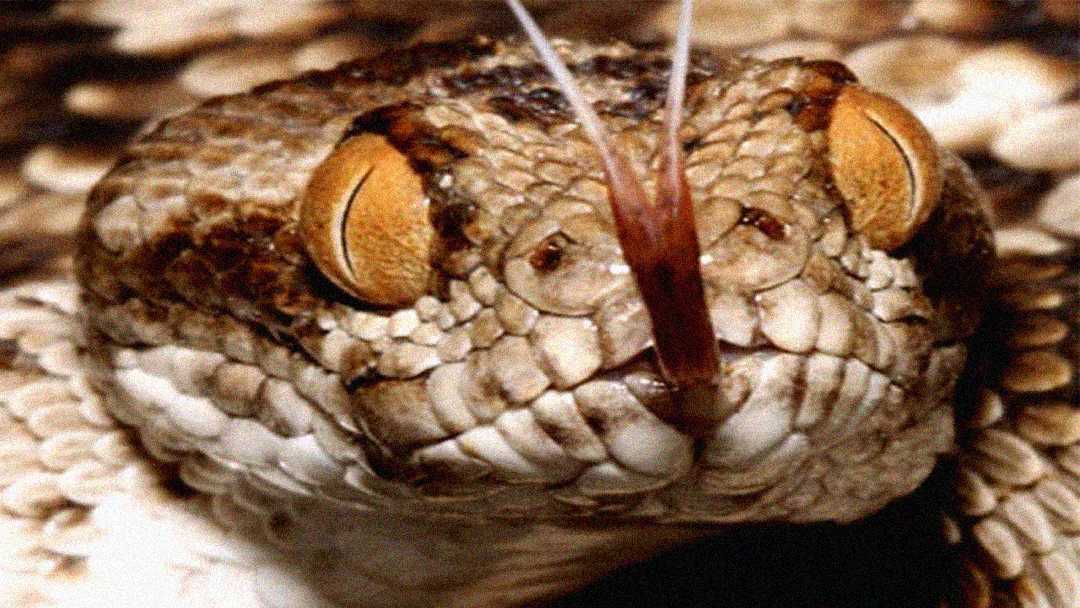
The Saw-Scaled Viper may not be the most venomous snake, but it is responsible for a large number of snakebite deaths due to its wide distribution and frequent contact with humans. Its aggressive nature and tendency to inhabit populated areas contribute to its deadly reputation.
16. Mosquito
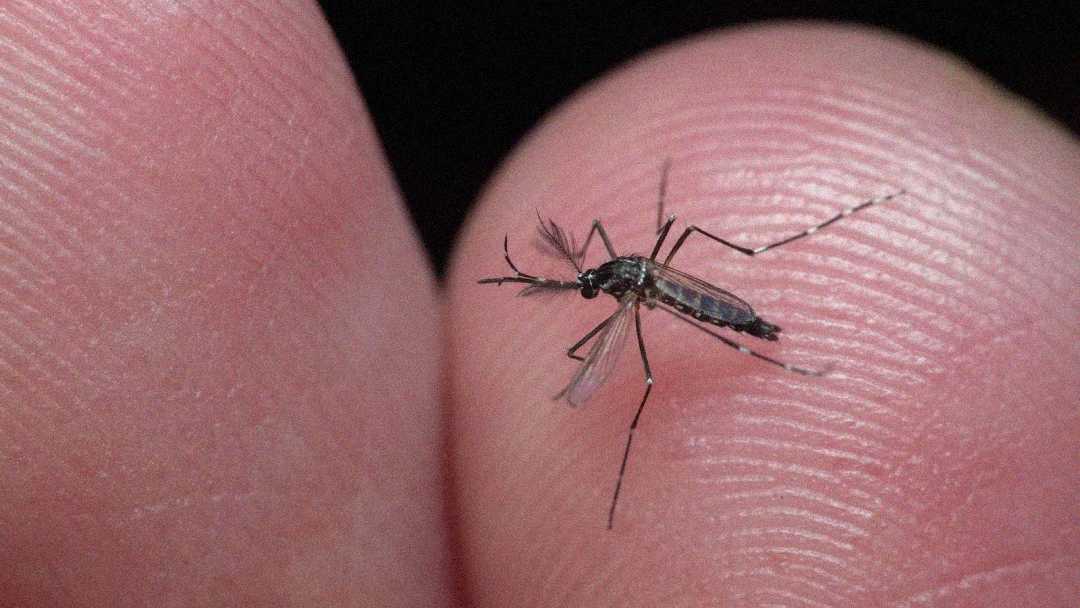
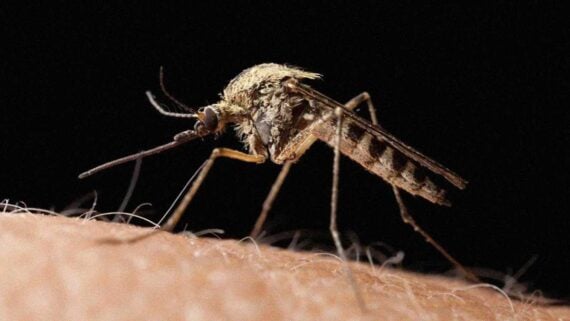
The Mosquito is responsible for more human deaths annually than any other animal. Rather than relying on strength or venom, mosquitoes spread diseases such as malaria, dengue fever, yellow fever, Zika virus, and West Nile virus. According to global health organizations, mosquito-borne illnesses cause hundreds of thousands of deaths every year. Despite their tiny size, mosquitoes are unquestionably the most dangerous animals on Earth.
17. Black Mamba
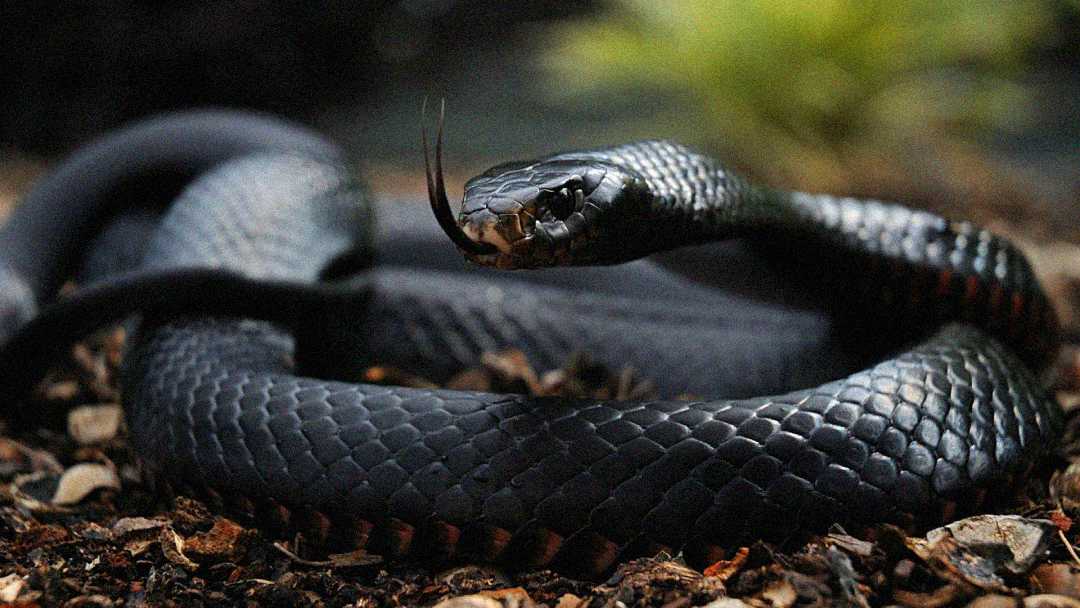
The Black Mamba is one of the most dangerous snakes in the world due to a combination of highly potent venom, speed, and defensive behavior. Found across sub-Saharan Africa, it can reach lengths of over 14 feet (4.3 meters), making it one of the longest venomous snakes on Earth. Unlike many snake species that prefer to retreat, black mambas may become highly defensive when cornered and can strike multiple times in quick succession.
We love learning about dangerous animals, and we love it even more when curious readers continue exploring the incredible stories nature has to offer. Keep reading to learn more about them.
What makes these animals so fascinating is that danger comes in many forms. A mosquito can be deadlier than a shark, a tiny octopus can carry enough venom to kill multiple people, and a massive elephant can become one of the most formidable creatures on land. Their abilities showcase the incredible diversity of defensive and offensive strategies found throughout the animal kingdom.
If you enjoyed this article and want to learn more about animals, whether they are dangerous, adorable, mysterious, or simply fascinating, be sure to check out some of our favorite wildlife features. The natural world is filled with incredible creatures, and there’s always something new to discover. You can start by reading our recommendations: 20 Animals Who Are Absolutely Judging Your Life Choices, 18 Animals That Live Longer Than Most Humans, and 15 Animals That Don’t Age the Way Humans Do.