Humans have reshaped landscapes for thousands of years, often with little thought about how wildlife might respond. While many of those changes came at an environmental cost, nature has an incredible ability to adapt, occasionally transforming abandoned or altered places into valuable habitats for certain species. These stories aren’t about humans improving entire ecosystems, but about unexpected situations where wildlife found opportunity in places people never intended. The result is a fascinating reminder that nature can sometimes write surprising endings to human projects.
1. Abandoned Mines Became Bat Roosts
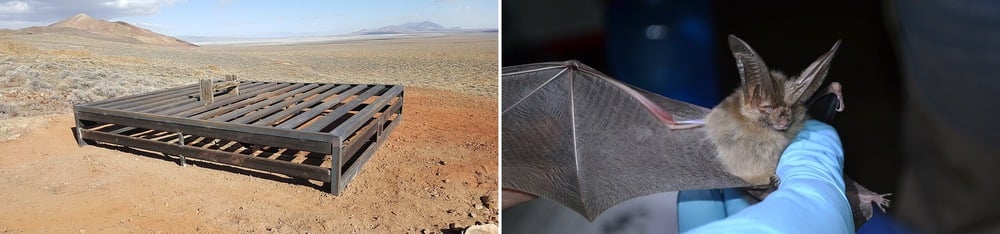
Abandoned mines were once symbols of extraction, but many have found an unexpected second life as homes for bats. The cool temperatures, darkness, and stable humidity inside unused tunnels closely resemble natural caves, making them ideal places for bats to hibernate, raise their young, and avoid predators. Conservation groups now protect some former mines because they shelter thousands of bats that help control insect populations. Isn’t it remarkable that a place dug to remove natural resources eventually became one of nature’s safest shelters?
2. Shipwrecks Became Artificial Reefs
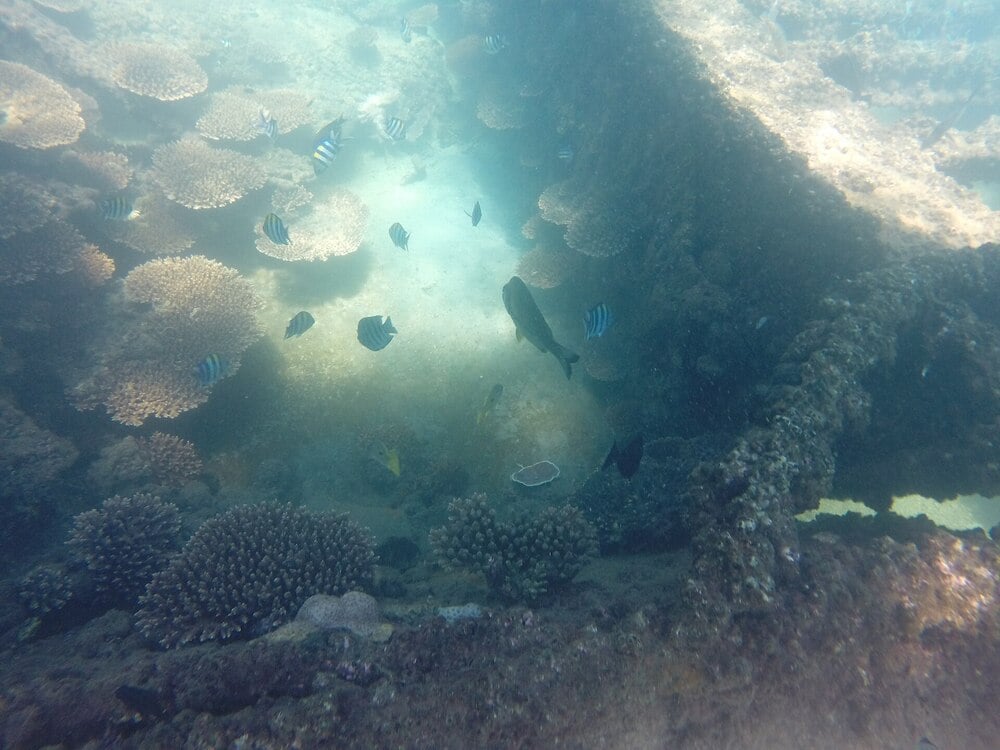
When a ship sinks, its story may not be over. Over time, the steel hull becomes covered with algae, corals, sponges, and other marine organisms, creating a thriving underwater ecosystem that attracts fish, sea turtles, crustaceans, and countless smaller creatures. Some famous wrecks now support more marine life than the surrounding seafloor, proving that even a maritime disaster can accidentally create valuable habitat. Could a tragic accident beneath the waves eventually become the foundation of an entire underwater neighborhood?
3. Brownfields Became Insect Refuges
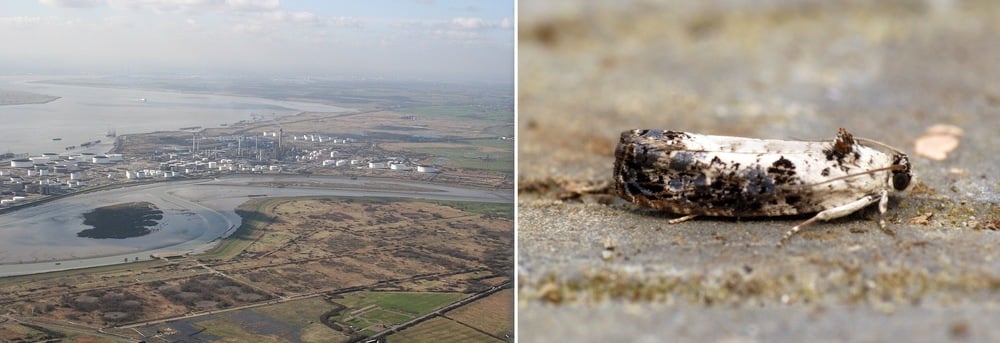
Brownfields, or abandoned industrial sites, often appear lifeless at first glance, but many gradually become surprisingly rich habitats for insects. Native grasses and wildflowers naturally reclaim the disturbed soil, providing nectar, shelter, and nesting areas for bees, butterflies, beetles, and other pollinators that struggle to survive in heavily manicured urban spaces. Scientists have found that some neglected lots support remarkable biodiversity simply because people stopped trying to control them. What if one of the least attractive places in a city turned out to be one of its most important refuges for pollinators?
4. Reservoirs Became Waterbird Habitat
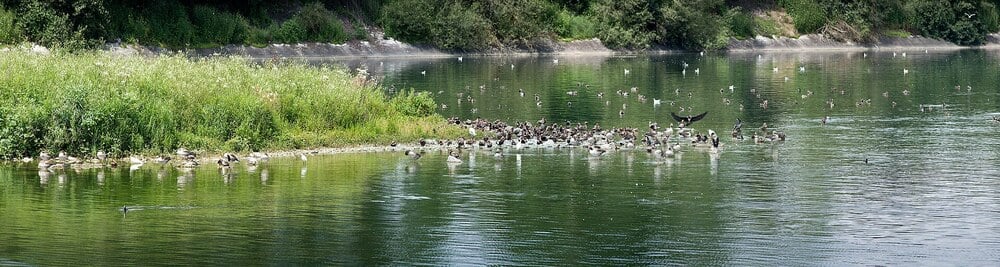
Reservoirs were built to store water, generate electricity, or prevent flooding, yet many eventually developed into important habitats for birds. As vegetation spreads along the shoreline, these artificial lakes begin supporting fish, insects, amphibians, and aquatic plants that attract ducks, herons, pelicans, geese, and countless migratory species looking for places to rest and feed. Infrastructure designed entirely for people unexpectedly became a reliable stopover for wildlife. How many birds flying overhead recognize a reservoir as simply another wetland?
5. Disused Railways Became Wildlife Corridors
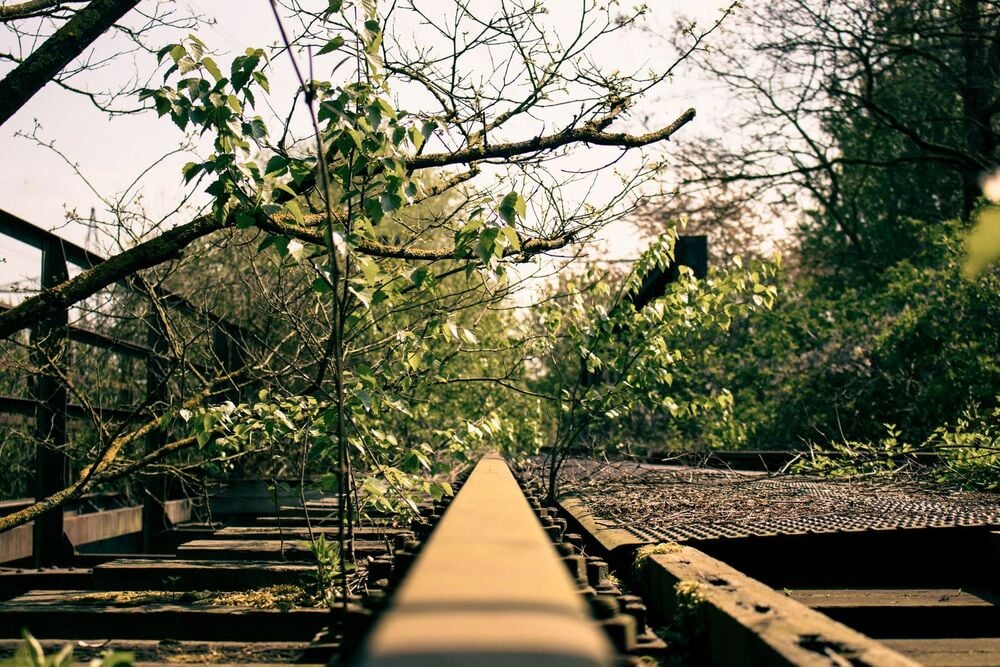
When railway lines fall into disuse, nature often begins reclaiming the tracks, creating long ribbons of vegetation that connect fragmented habitats across cities and rural landscapes. These green corridors allow foxes, deer, reptiles, birds, insects, and many smaller animals to travel, forage, and spread between areas that would otherwise remain isolated by roads or development. What once carried trains and cargo can quietly become a highway for wildlife, proving that even forgotten infrastructure can serve a completely different purpose.
Trending on The Scroller


6. Quarries Became Cliff-Nesting Habitat
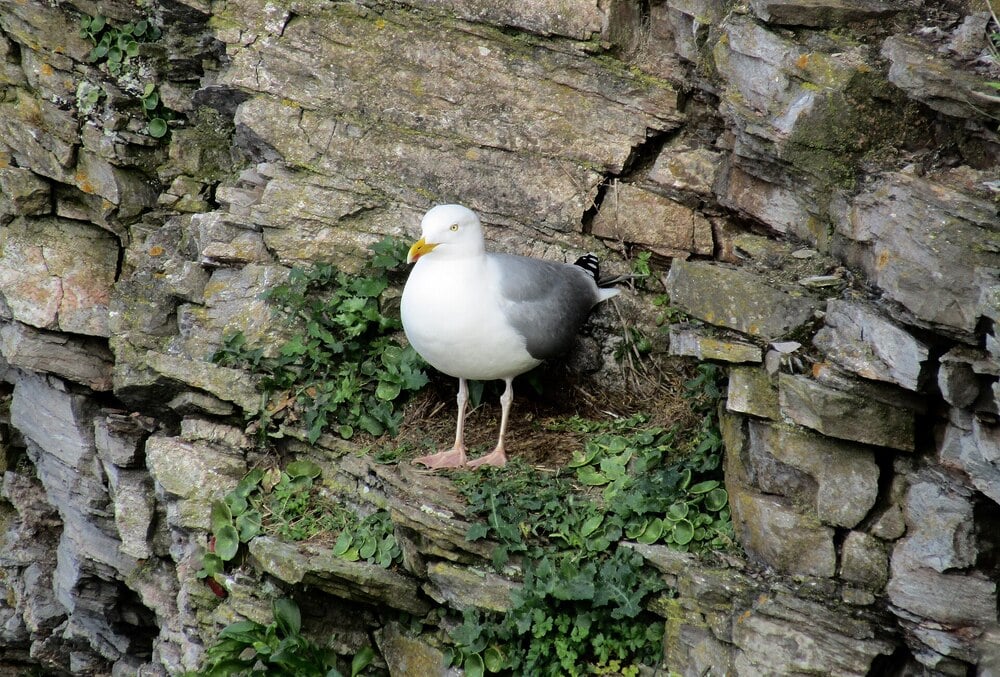
Quarries permanently reshape the landscape, but the steep rock walls left behind often resemble natural cliffs that some birds already depend on. Species such as peregrine falcons, swallows, and certain owls have been known to nest on these exposed rock faces, while hardy plants gradually establish themselves in the cracks. What started as a site for extracting stone sometimes ends up providing a substitute home for wildlife that naturally prefers rugged cliffs.
7. Old Airfields Preserved Open Grassland
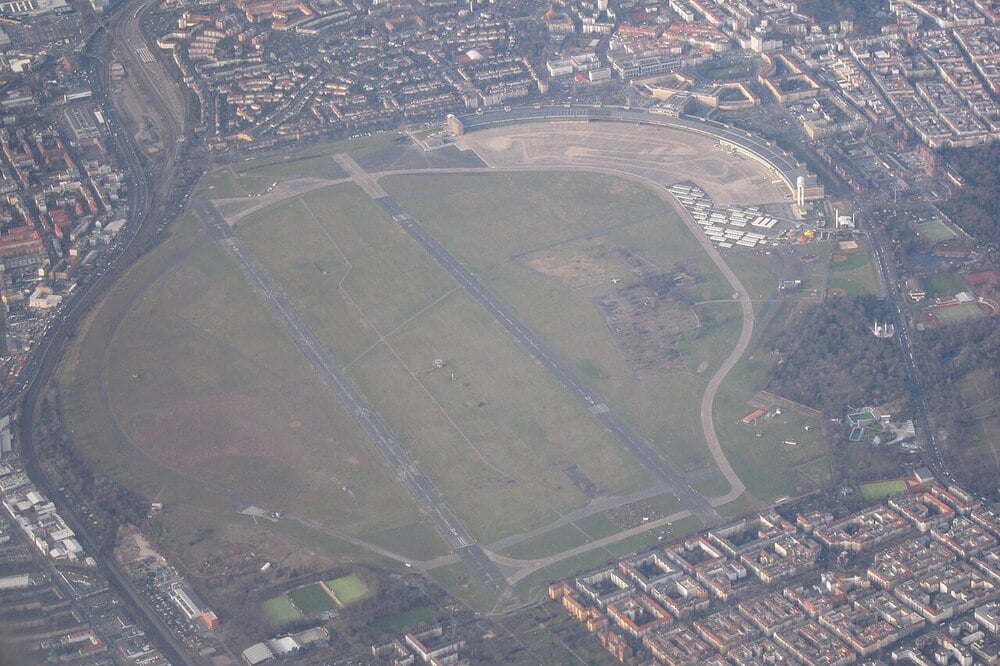
Many former airfields remained largely undeveloped after they closed, leaving behind vast stretches of open grassland that gradually became valuable habitats for birds, insects, and small mammals. Because these areas were protected from housing or commercial construction for decades, they preserved landscapes that had disappeared elsewhere. Could an abandoned runway actually become one of the few places where native grassland species still have room to survive?
8. Rice Fields Became Substitute Wetlands
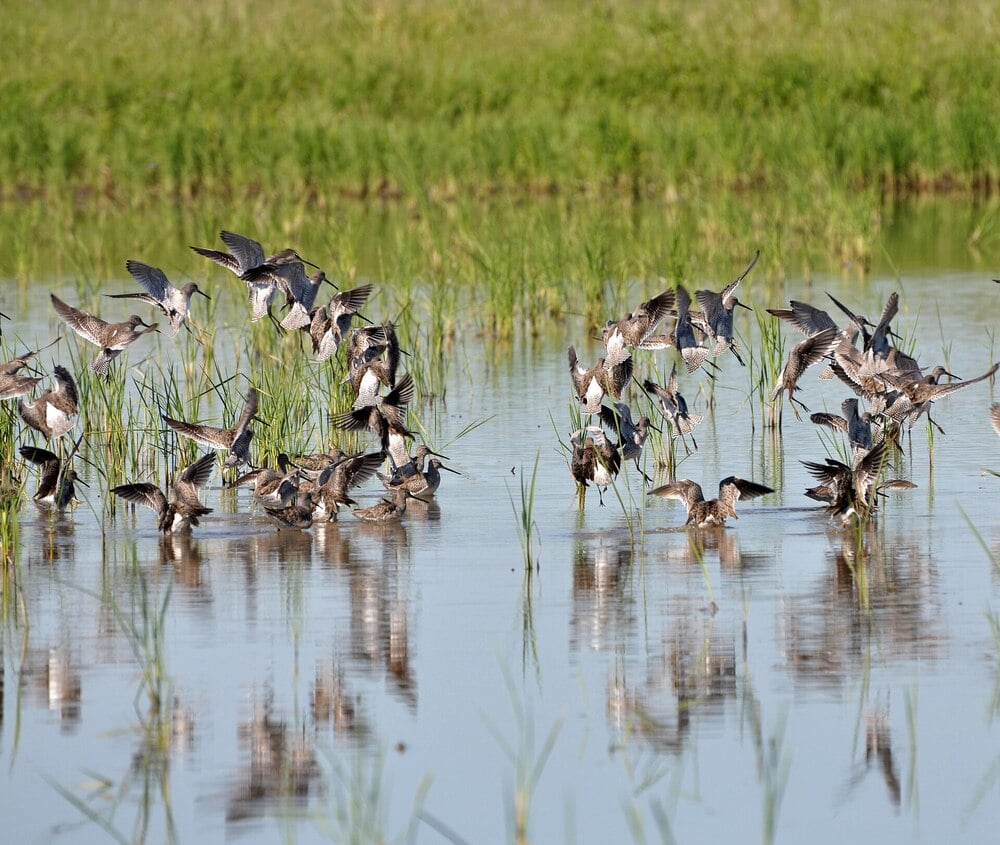
Rice farming was designed to produce food, yet flooded fields can temporarily mimic natural wetlands during parts of the growing season. Migratory birds often stop to feed and rest in these shallow waters, taking advantage of insects, seeds, and aquatic organisms before continuing their journeys. While rice fields can never fully replace natural marshes, isn’t it remarkable that an agricultural landscape can sometimes provide a temporary refuge for traveling wildlife?
Sign up for our newsletter
9. Urban Vacant Lots Became Pollinator Patches
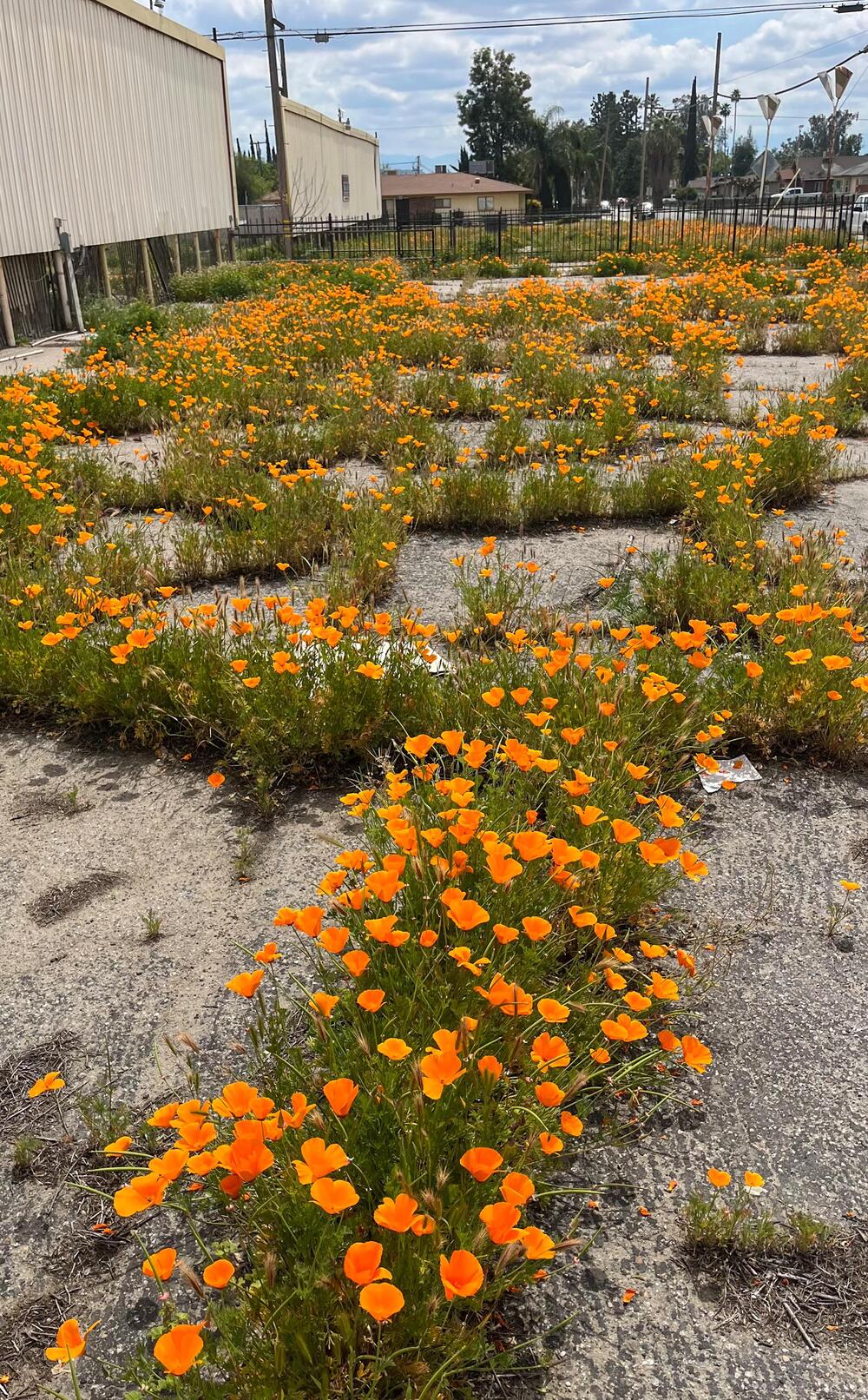
Empty city lots may look neglected, but many quietly transform into miniature ecosystems once wildflowers and native plants begin growing on their own. Bees, butterflies, moths, and other pollinators quickly discover these overlooked spaces, using them as feeding stations while moving through otherwise concrete-heavy neighborhoods. How many people walk past an abandoned lot without realizing it’s one of the busiest restaurants in town for insects?
10. Road Verges Became Wildflower Corridors
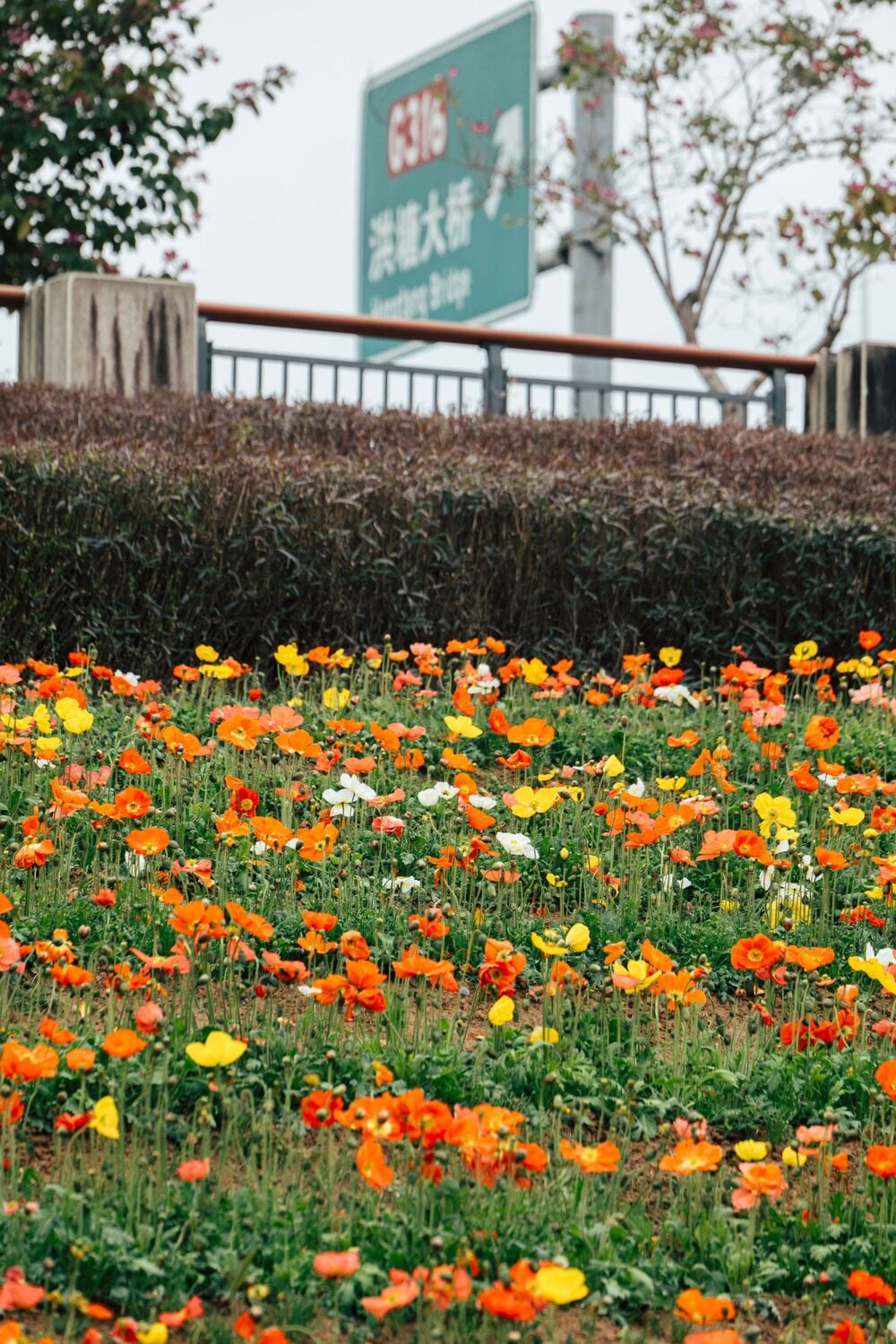
The narrow strips of land alongside highways and country roads are usually ignored, yet they can become surprisingly important habitats when mowing is reduced, and wildflowers are allowed to bloom. These roadside corridors provide nectar for bees and butterflies while also connecting fragmented populations of plants across large distances. Could the edge of a busy highway become one of the longest continuous wildflower gardens in an entire region?
11. Power-Line Corridors Preserved Open Habitat
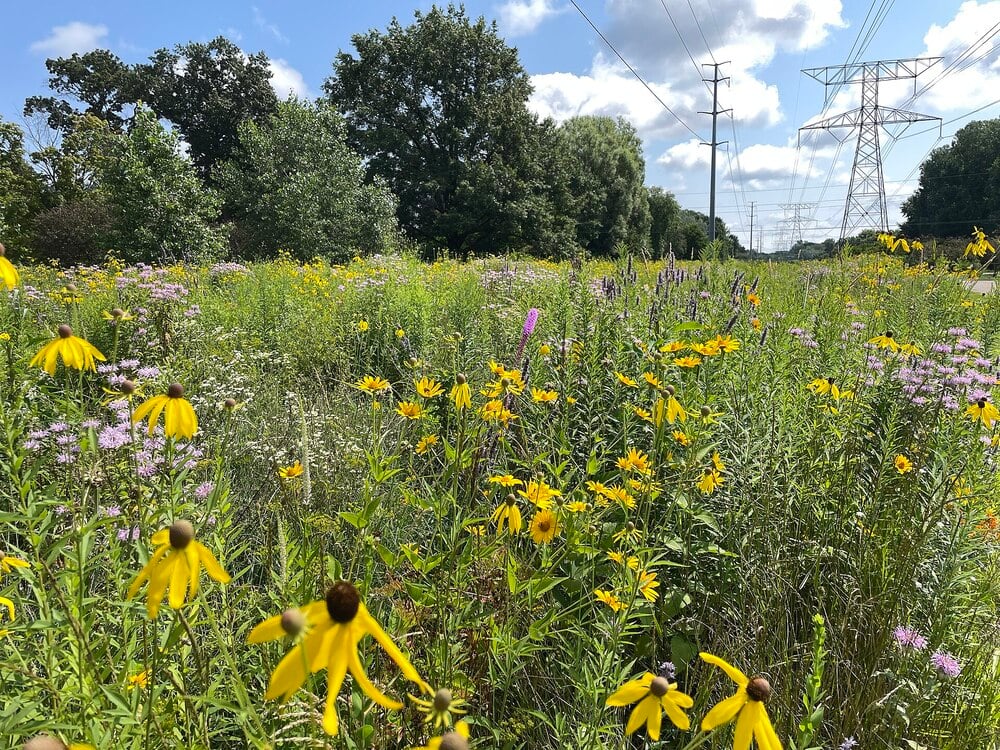
Power lines require regular maintenance to keep trees from interfering with electrical infrastructure, but that repeated clearing has unintentionally created long stretches of open habitat. These sunny corridors support grasses, shrubs, wildflowers, birds, insects, and other species that struggle in dense forests. Instead of allowing the landscape to close over completely, routine maintenance accidentally keeps a different kind of ecosystem alive.
12. Canals Became Aquatic Corridors
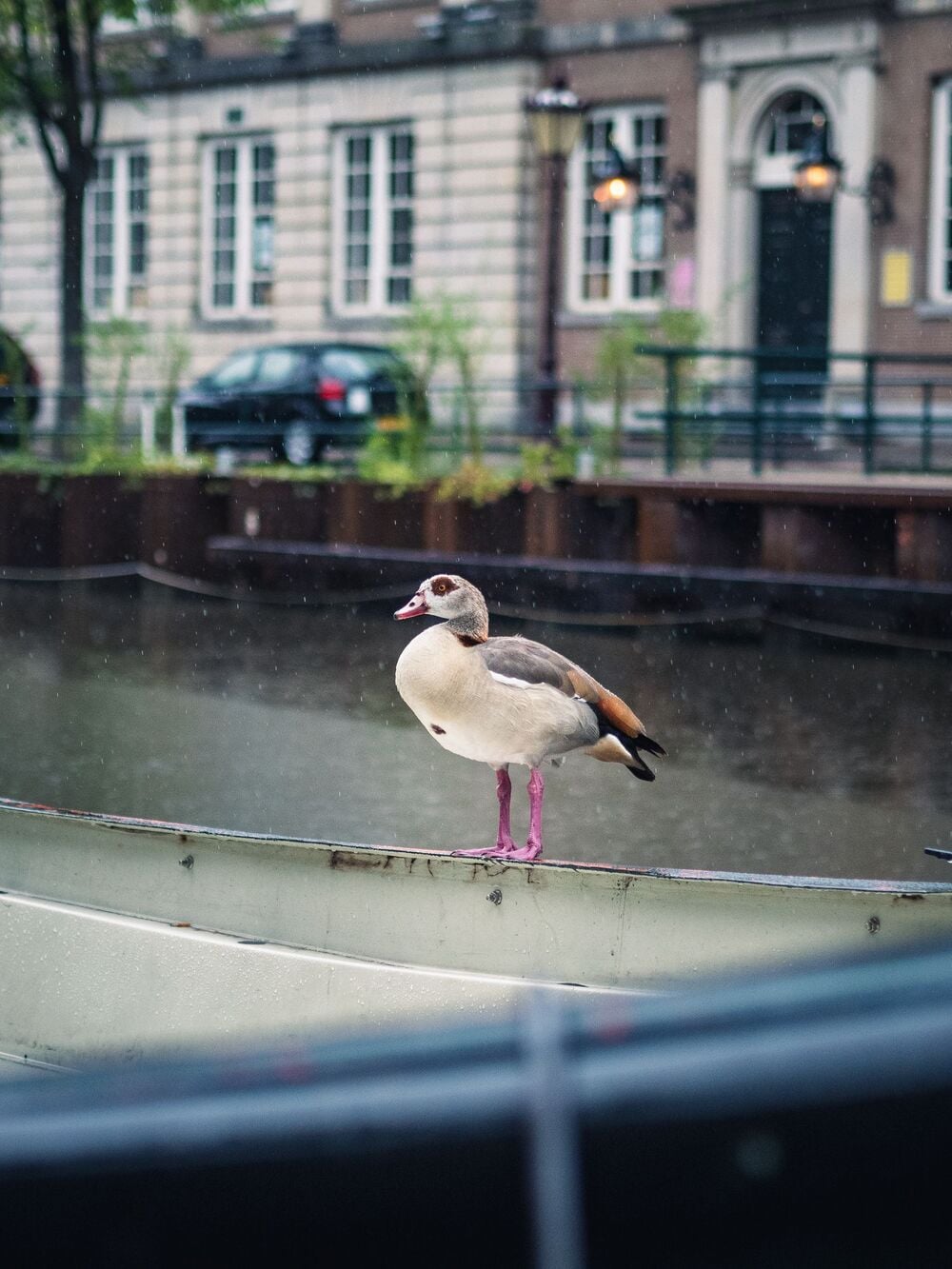
Canals were built to move water, goods, and people, yet many eventually became home to fish, aquatic plants, amphibians, birds, and countless smaller organisms. In heavily developed regions, these artificial waterways can even help wildlife move between otherwise isolated habitats. Who would’ve guessed that infrastructure designed for freight could end up connecting ecosystems instead?
13. Gravel Pits Turned Into Lakes
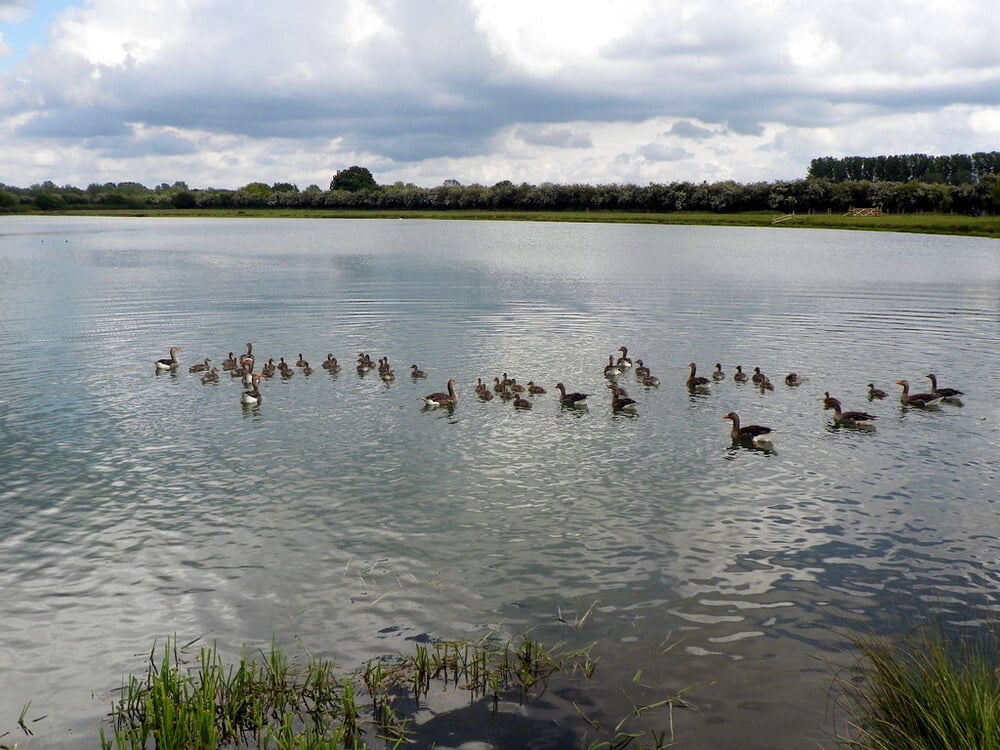
Once gravel extraction ends, many pits gradually fill with groundwater or rainwater, creating entirely new freshwater lakes. Over time, these unexpected bodies of water attract fish, amphibians, dragonflies, waterfowl, and shoreline vegetation, transforming former industrial sites into surprisingly rich habitats. It’s an unexpected reminder that nature rarely leaves an empty space unused for long.
14. Old Military Lands Became Refuges
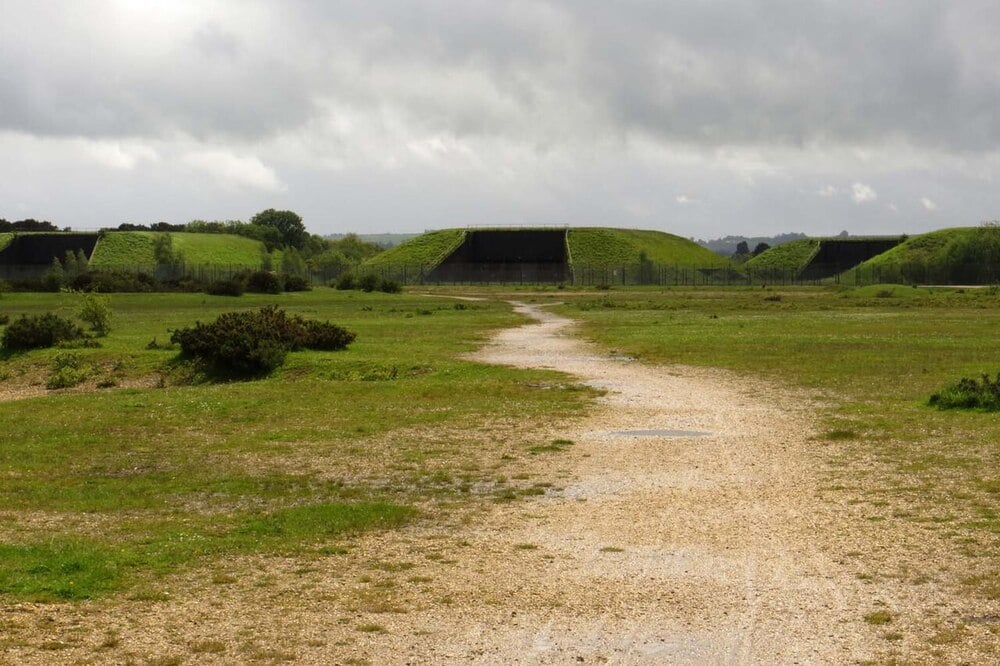
Military training areas may not sound like places where wildlife would flourish, yet restricted public access often kept large areas free from housing, agriculture, and urban development. As a result, some former military lands now protect surprisingly diverse habitats and species that disappeared from surrounding landscapes. Could keeping people out for one reason end up benefiting nature for an entirely different one?
15. Closed Landfills Became Wildlife Sites
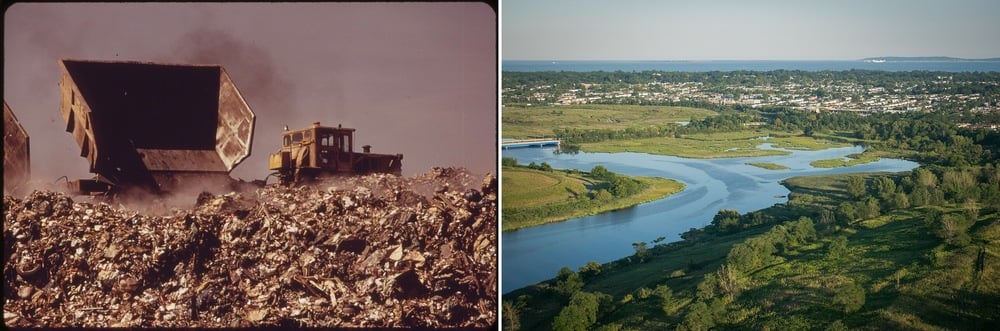
Landfills are hardly symbols of environmental success, but some restored sites have gradually developed into grasslands that support birds, insects, and small mammals after careful closure and rehabilitation. These places still require monitoring and don’t erase the environmental costs of waste disposal, yet they demonstrate how wildlife can sometimes take advantage of restored landscapes in unexpected ways.
16. Dry-Stone Walls Became Miniature Ecosystems
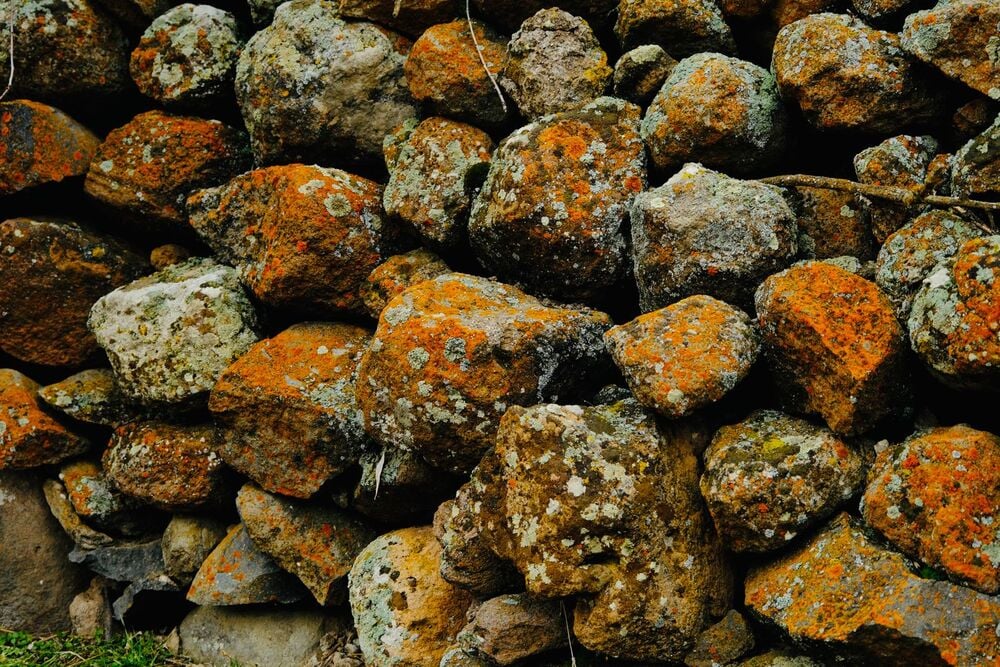
Dry-stone walls were built to divide fields and mark property lines, yet the countless cracks and gaps between the stones gradually became tiny habitats of their own. Mosses, lichens, wildflowers, insects, reptiles, and even small mammals use these sheltered spaces for food, protection, or nesting. What looks like a simple pile of rocks is actually a bustling apartment complex where dozens of species can quietly coexist.
17. Farm Ponds Became Amphibian Refuges
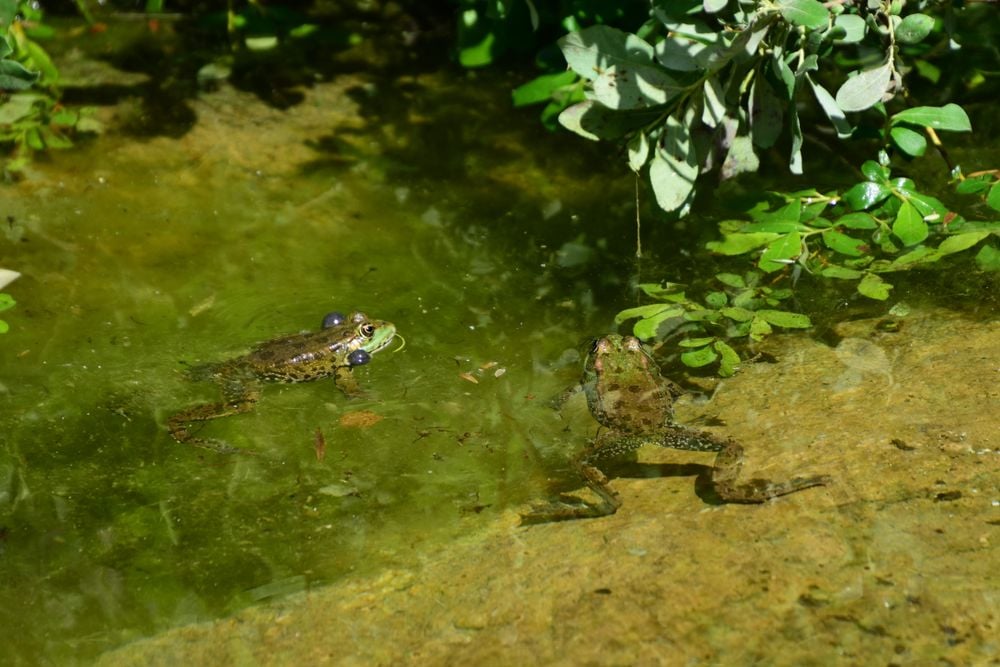
Small ponds created to water livestock or irrigate crops have unexpectedly become important breeding sites for frogs, toads, salamanders, and countless aquatic insects. In areas where natural wetlands have disappeared, these modest bodies of water can provide safe places for amphibians to reproduce and complete their life cycles. Sometimes a pond built for agriculture ends up becoming one of the neighborhood’s busiest nurseries.
18. Post-Industrial Land Became a Novel Ecosystem
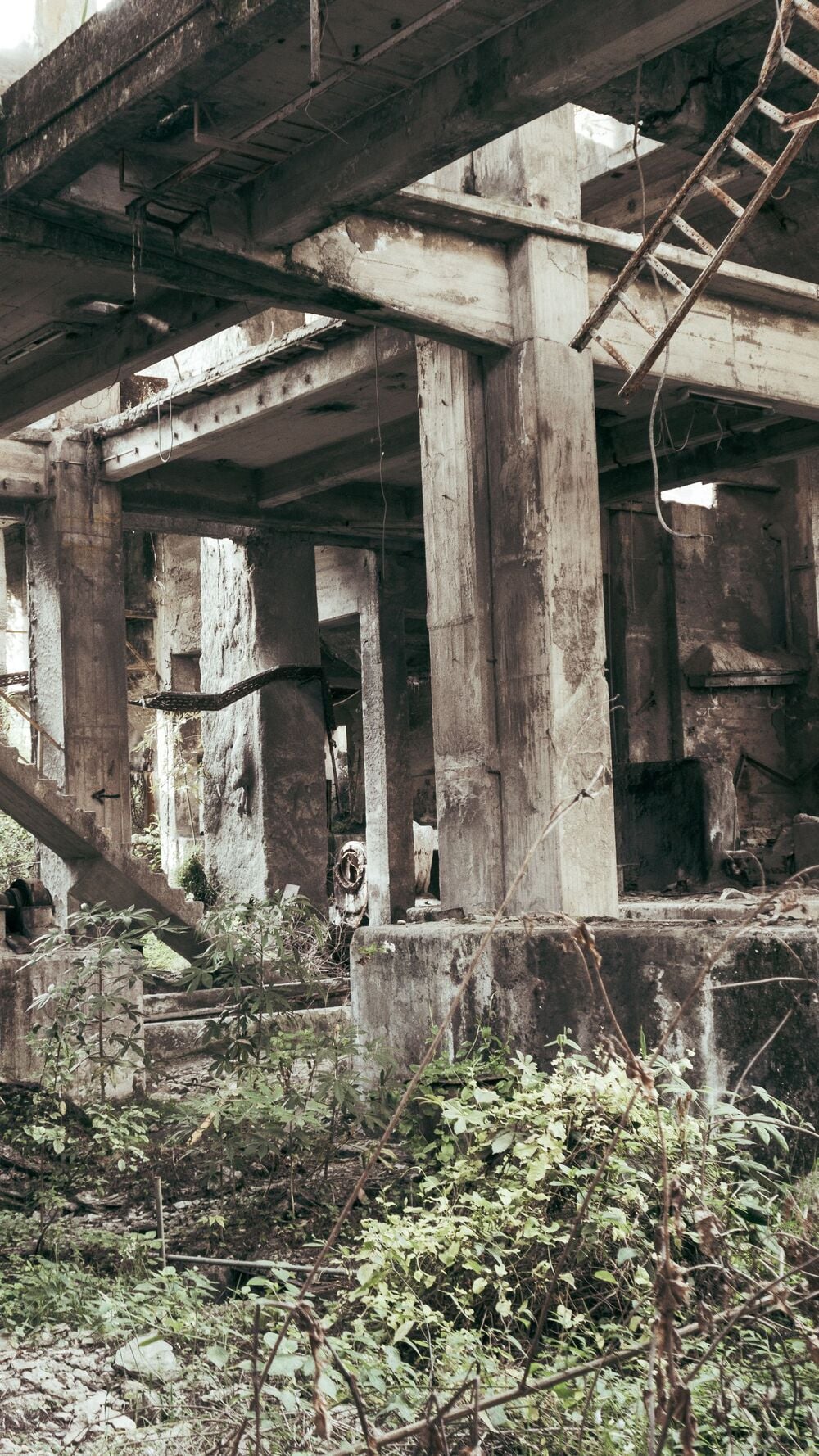
When factories close and industrial sites are abandoned, nature rarely waits for a restoration plan before getting to work. Plants begin colonizing bare ground, insects arrive, birds follow, and over time entirely new ecological communities can emerge from landscapes that once seemed beyond recovery. These places don’t erase the environmental damage that came before, but they remind us that nature is remarkably adaptable, often finding opportunities in the most unexpected places humans leave behind.
The relationship between humans and nature is rarely simple. Many of the places in this list exist because landscapes were altered for mining, transportation, agriculture, or industry, not because anyone intended to create wildlife habitats. Yet these examples show that nature has an extraordinary ability to adapt, reclaim, and sometimes find opportunity where we least expect it. That doesn’t erase the broader environmental costs, but it does reveal how resilient the natural world can be when given even the smallest chance.
Keep Exploring The Scroller
Nature is full of surprising stories, especially where science, history, and human activity unexpectedly intersect. Keep exploring The Scroller for more fascinating discoveries about wildlife, forgotten places, and the remarkable ways our world continues to adapt and evolve:
Nature Always Wins: 25 Pics Of Nature Overtaking Human Civilization
20 Eerie Photos Of Nature Reclaiming What Rightfully Belongs To It