The deep ocean remains one of the most hostile and mysterious environments on Earth, characterized by pitch-black darkness, freezing temperatures, and crushing water pressure. Beneath the sunlit surface layer lies an alien world where extraordinary creatures have evolved mind-boggling biological adaptations to stay alive. From living lanterns that illuminate the abyss to soft bodies built to withstand immense pressure, life in the deep sea defies conventional biology.
Discovering how these abyssal creatures hunt, communicate, and reproduce in extreme depths reveals the incredible resilience of marine life. Specialized organs, bizarre feeding mechanisms, and unique chemical reactions allow these organisms to thrive thousands of feet below the surface. Here are sixteen fascinating facts about deep-sea organisms and the extraordinary survival traits that set them apart.
1. Anglerfish
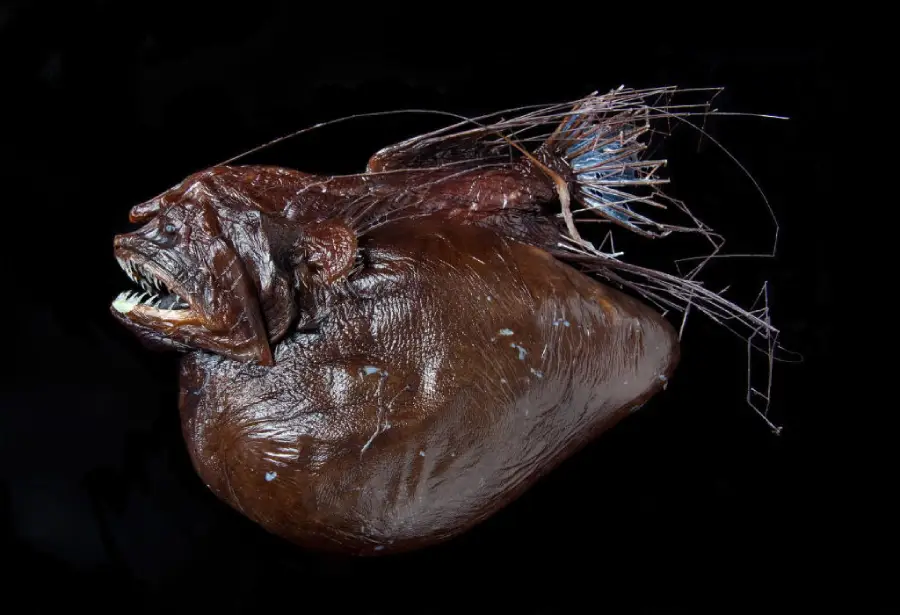
Female anglerfish possess a glowing lure called an esca that extends from their heads, packed with bioluminescent bacteria to attract unsuspecting prey. Mating is equally extreme, as the tiny male permanently fuses his body onto the female, losing his eyes and internal organs to become a lifelong sperm supplier.
2. Vampire squid
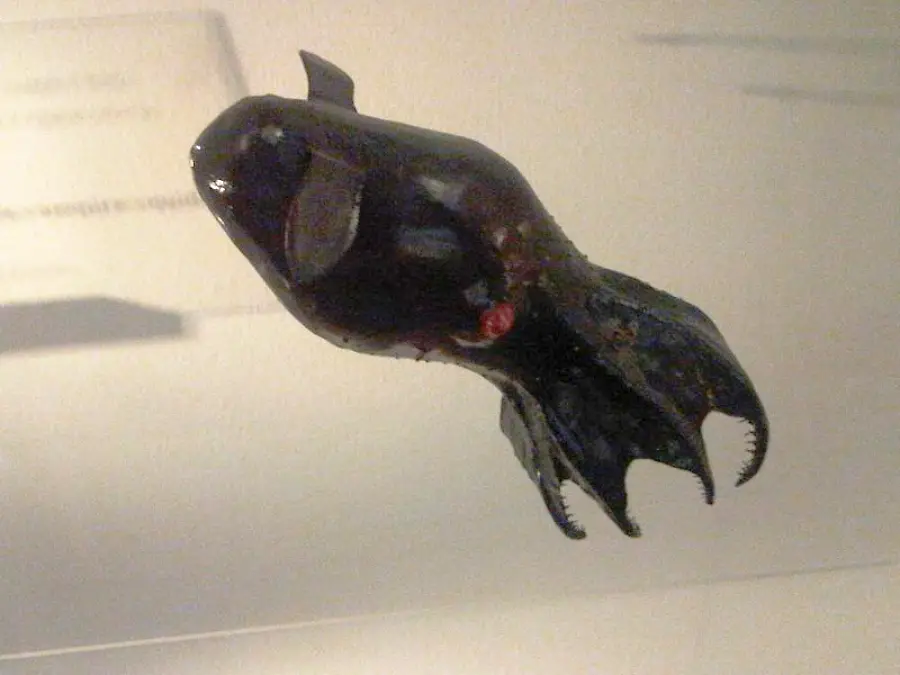
Despite its terrifying name, this small cephalopod does not suck blood and instead feeds on organic debris known as marine snow using sticky, retractable filaments. When threatened in the pitch-black depths, it turns itself inside out to expose spiky cirri and ejects a cloud of glowing bioluminescent mucus.
3. Barreleye fish
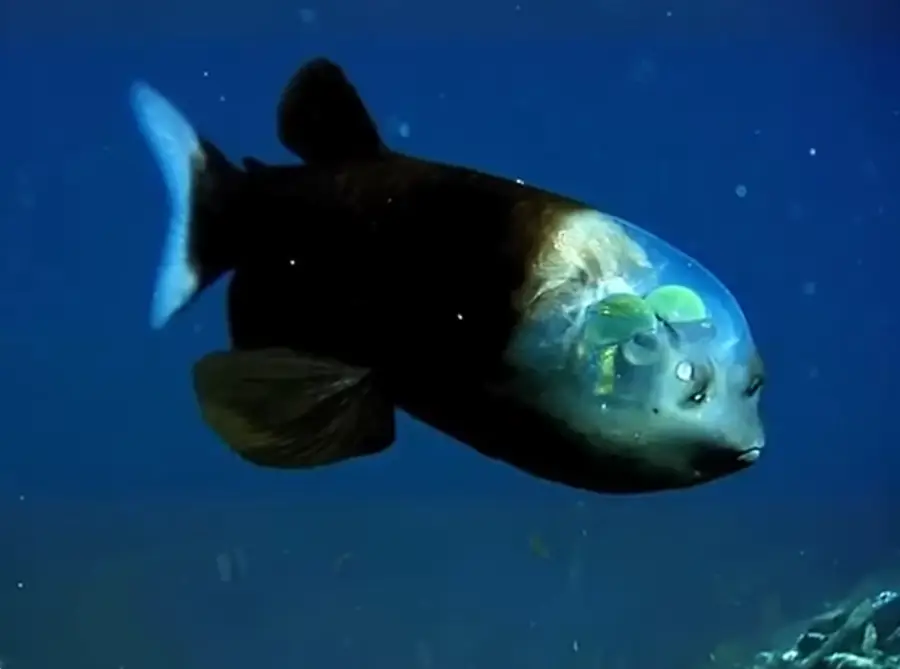
This eerie fish features a completely transparent, fluid-filled dome on its head that houses glowing green, barrel-shaped eyes inside its skull. Its eyes can rotate upward to spot the silhouettes of prey swimming overhead through its see-through head.
4. Gulper eel
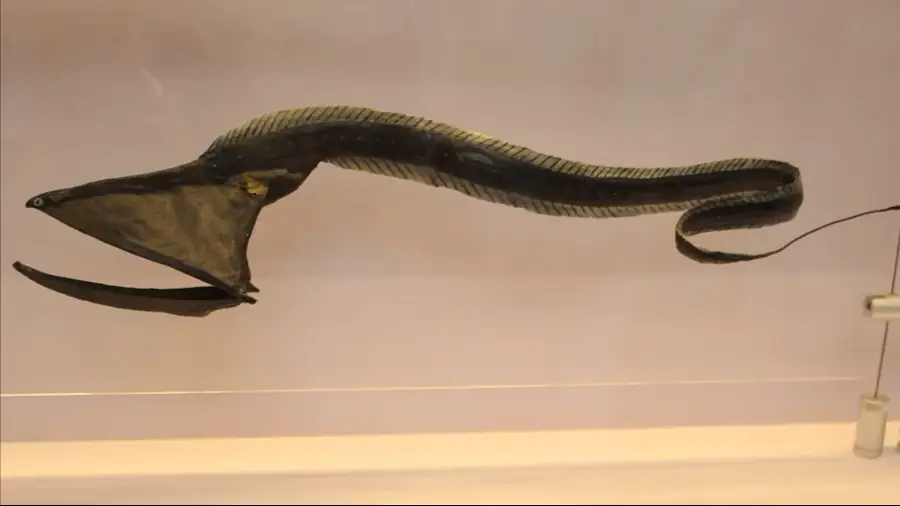
Also known as the pelican eel, this creature possesses a loosely hinged jaw that can expand to enormous proportions, allowing it to swallow prey much larger than itself. Its whip-like tail ends in a luminous organ that glows pink or red to lure curious animals straight into its giant mouth.
5. Giant isopod
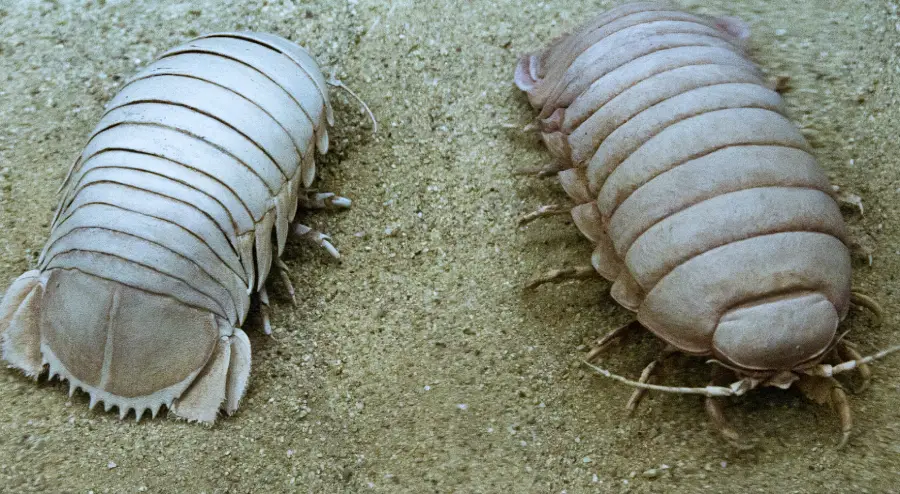
Resembling a massive, armored pill bug, this deep-sea scavenger can grow up to sixteen inches long due to a phenomenon known as deep-sea gigantism. Because food is scarce on the ocean floor, giant isopods have extremely slow metabolisms and can survive for several years without eating a single meal.
Trending on The Scroller


6. Goblin shark
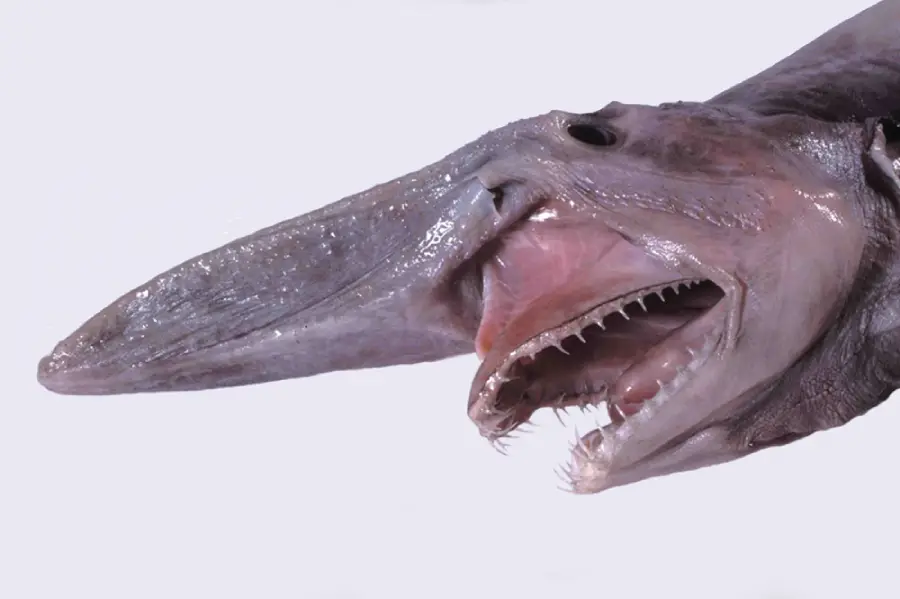
This rare, bottom-dwelling shark is instantly recognizable by its elongated, blade-like snout packed with electroreceptive sensors. When hunting, its jaw can rapidly shoot forward out of its mouth like a spring-loaded trap to snag fish with needle-sharp teeth.
7. Hydrothermal vent tube worms
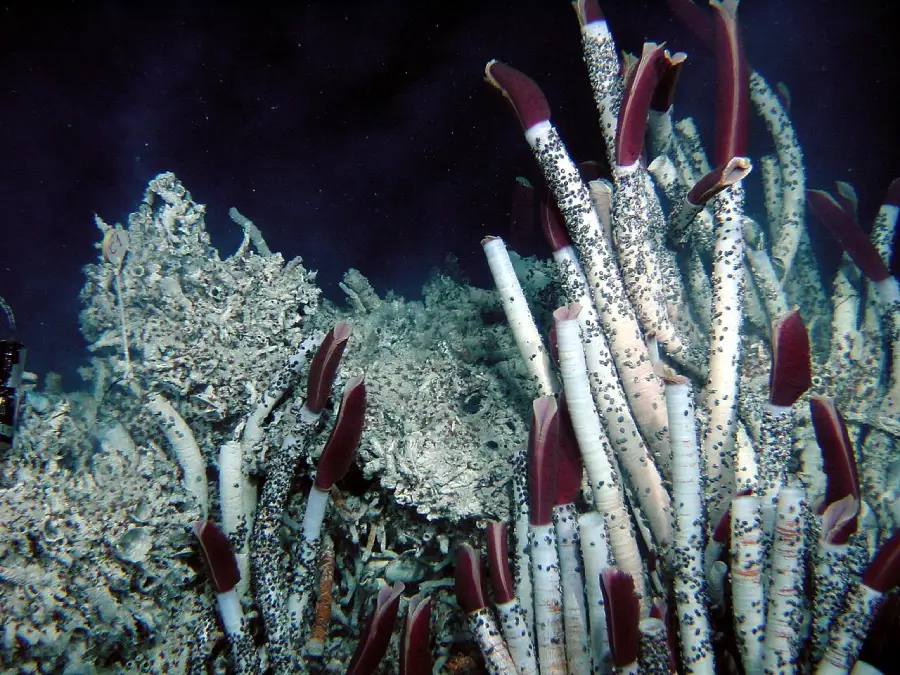
Living thousands of feet down along volcanic rifts, giant tube worms lack a mouth, gut, or digestive tract entirely. Instead, they rely on a symbiotic relationship with internal bacteria that convert toxic hydrogen sulfide gas from vent fluid into pure energy.
8. Fangtooth fish
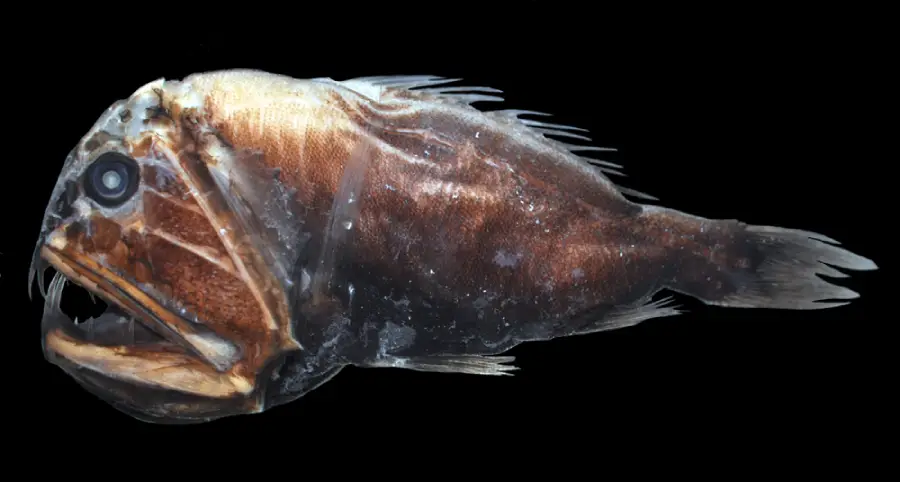
Relative to its body length of just six inches, the fangtooth has the largest teeth of any fish in the entire ocean. The lower teeth are so disproportionately massive that the fish developed special socket pockets inside its upper brain cavity so it can close its mouth.
Sign up for our newsletter
9. Dumbo octopus
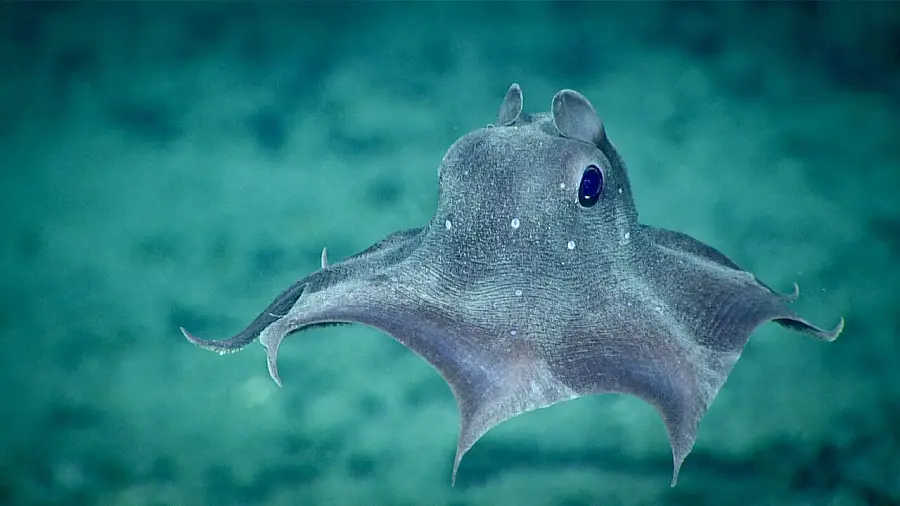
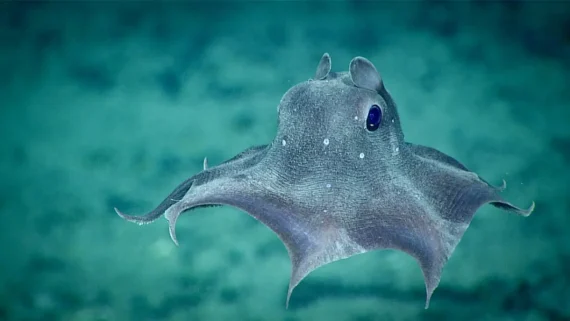
Named for the ear-like fins on its mantle that resemble Disney’s famous elephant, this gentle cephalopod lives at extreme depths down to thirteen thousand feet. To conserve energy in the freezing water, it flaps its ear fins and uses its webbed tentacles like an umbrella to float gracefully through the water.
10. Black swallower
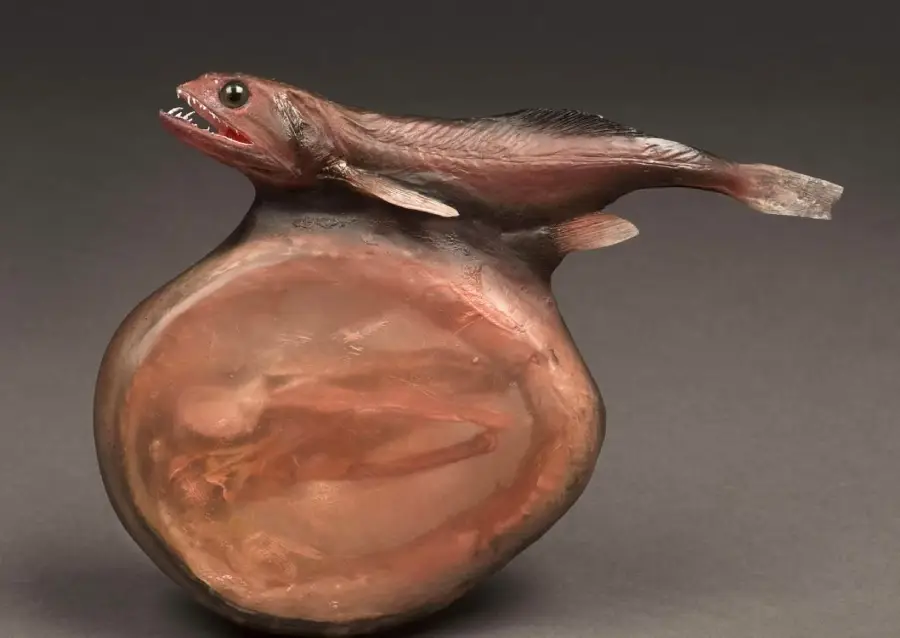
This small, dark fish possesses an elastic stomach capable of expanding to hold prey up to two times its own length and ten times its own weight. Occasionally, a black swallower consumes a fish so massive that the prey begins decomposing before it can be digested, causing gas to float the predator to the surface.
11. Dragonfish
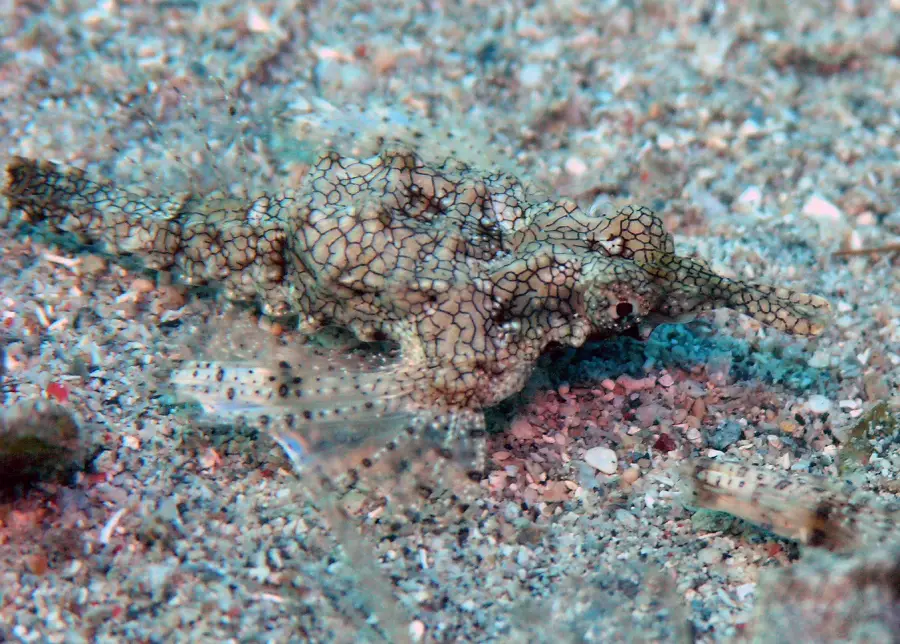
The deep-sea dragonfish produces a rare red light from a special gland under its eye, a wavelength that most marine life cannot perceive. This allows the predator to illuminate its surroundings with an invisible flashlight and hunt prey without alerting nearby predators.
12. Flapjack octopus
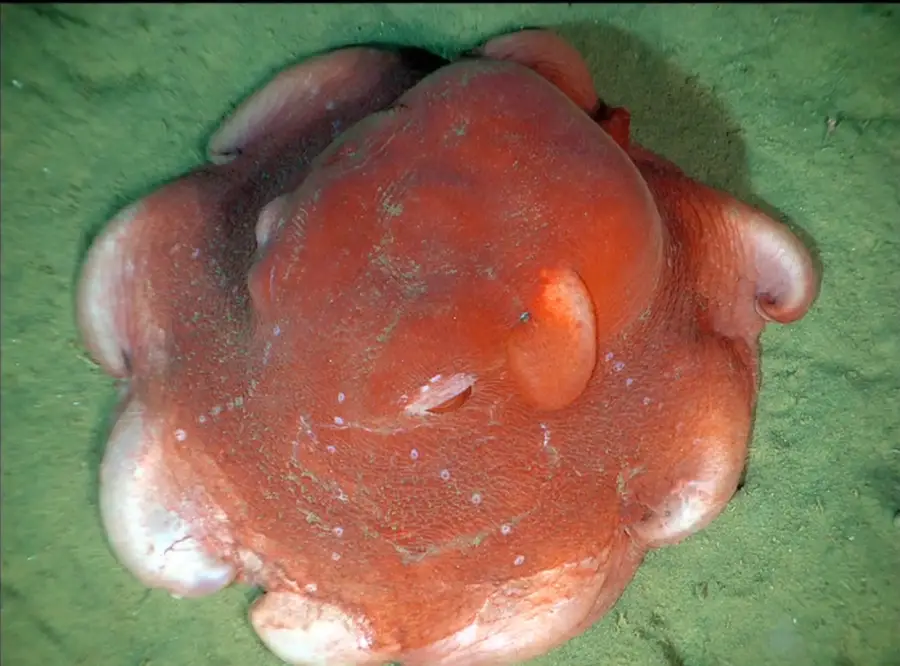
Living along the ocean floor, this cute, compressed octopus moves by flapping its webbed arms and rippling its body like a pancake. Its soft, jelly-like body structure allows it to withstand extreme hydrostatic pressure that would instantly crush land mammals.
13. Grenadier fish
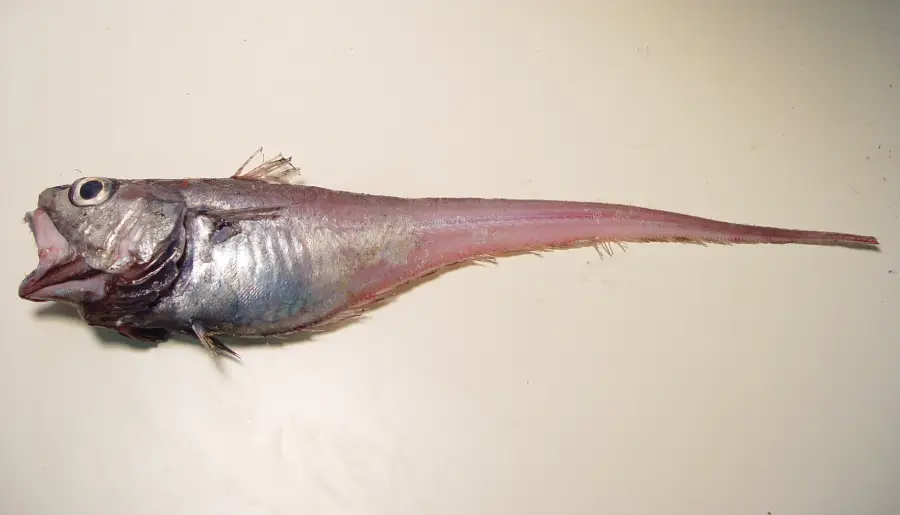
Also called rattails, these abundant deep-ocean predators navigate the dark seafloor using acute senses of smell and lateral line systems that detect water vibrations. They possess specialized swim bladders lined with gas glands that allow them to hover effortlessly over abyssal plains.
14. Yeti crab
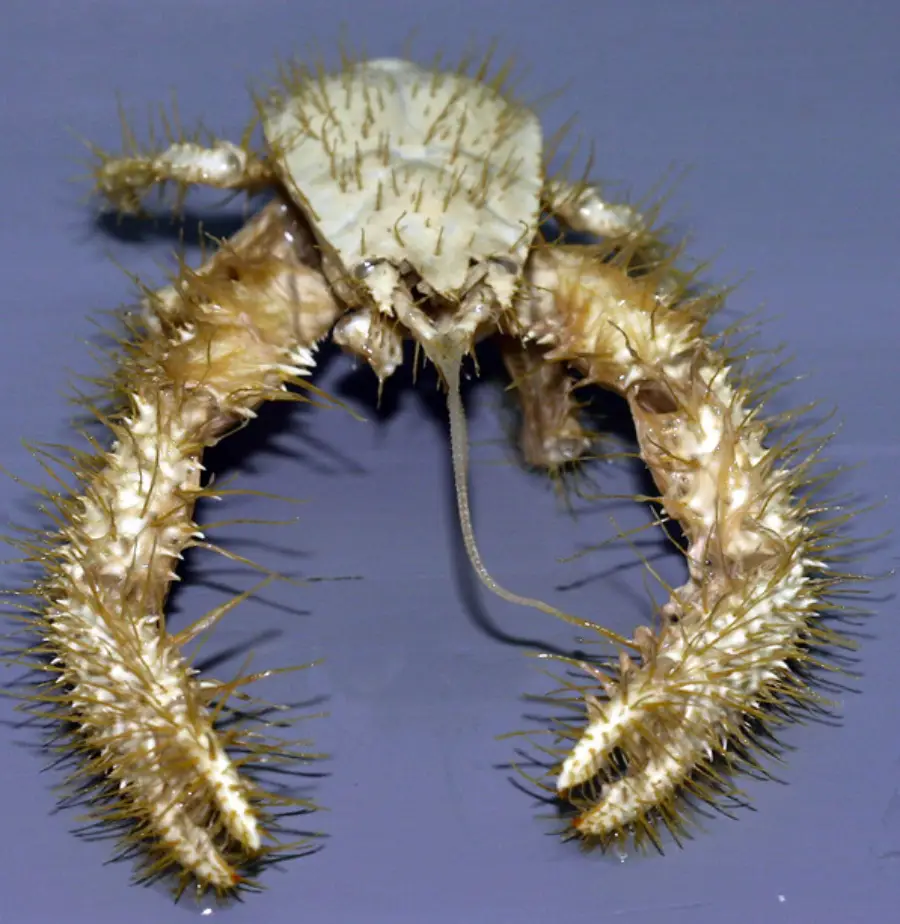
Discovered near hydrothermal vents in the Pacific Ocean, this blind crustacean gets its nickname from the dense mat of yellowish hair covering its claws. The crab intentionally cultivates vast colonies of filamentous bacteria on its hairy limbs, which it then scrapes off and eats as a primary food source.
15. Blobfish
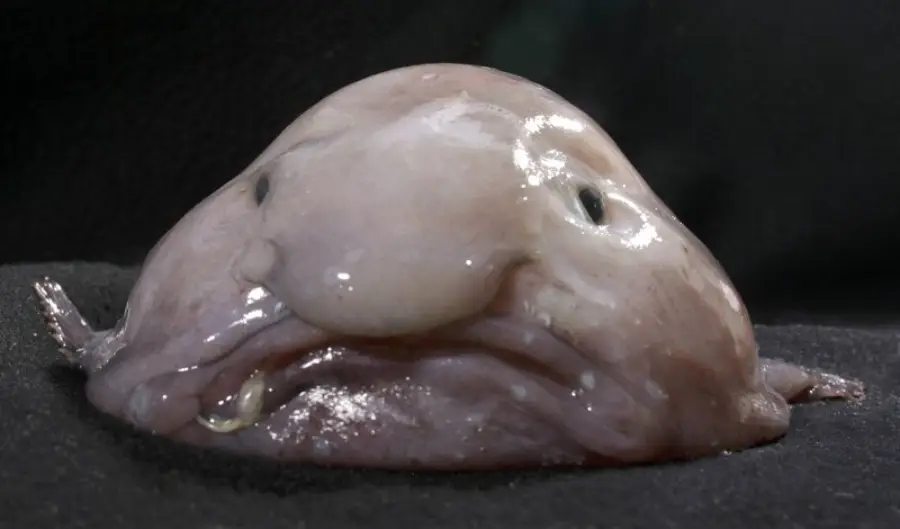
While famous for its droopy, melted appearance when pulled to the surface, the blobfish looks like a normal fish in its natural habitat thousands of feet deep. Its flesh is a gelatinous mass with a density slightly less than water, allowing it to float effortlessly above the sea floor without spending energy swimming.
16. Telescope octopus
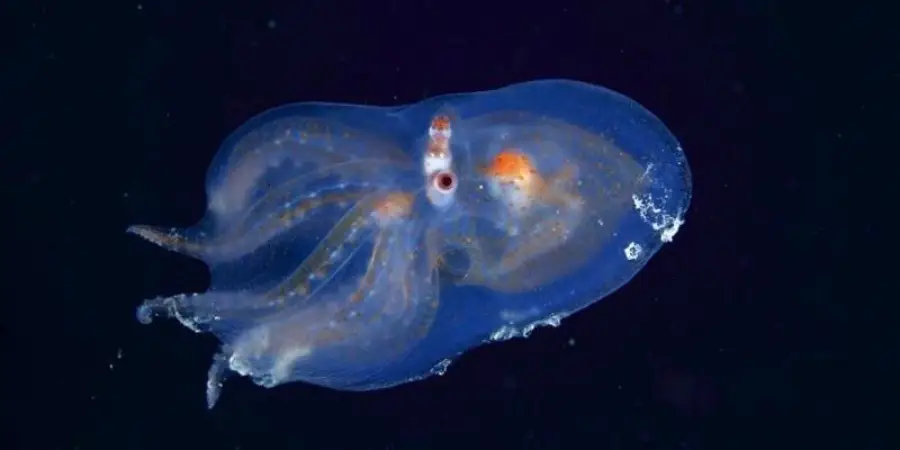
This almost completely transparent octopus floats through the open midwater depths using two tubular, rotating eyes that sit on long stalks. These unique eyes can move independently, providing a full three-hundred-and-sixty-degree field of vision to spot predators and prey in the dark.
Want more fascinating animal facts?
Exploring the bizarre physical traits and extreme adaptations of these abyssal organisms highlights the incredible diversity of life on our planet. The combination of bioluminescence, expandable jaws, and pressure-resistant bodies proves that nature always finds a way to adapt and survive. If you love discovering surprising animal facts, marine biology mysteries, and scientific deep dives, be sure to check out these 16 Fascinating Ocean Creatures Science Found Recently, or 18 Deep Ocean Creatures That Look From Another Planet. You may also like these 20 Stunning Albino Animals That Look Truly One of a Kind.