Some animals are not just living in groups, they are managing friendships, grudges, alliances, babysitting duties, family politics, and awkward power struggles. A few of them even seem to keep track of who helped whom, who outranks whom, and who is worth avoiding at lunch, if lunch involved raw fish or termites.
Their social worlds can look surprisingly familiar, just with more feathers, tusks, fins, or fur. These are the animals whose daily lives come with enough drama to fill a group chat.
1. Elephants
NATURE / REDDIT
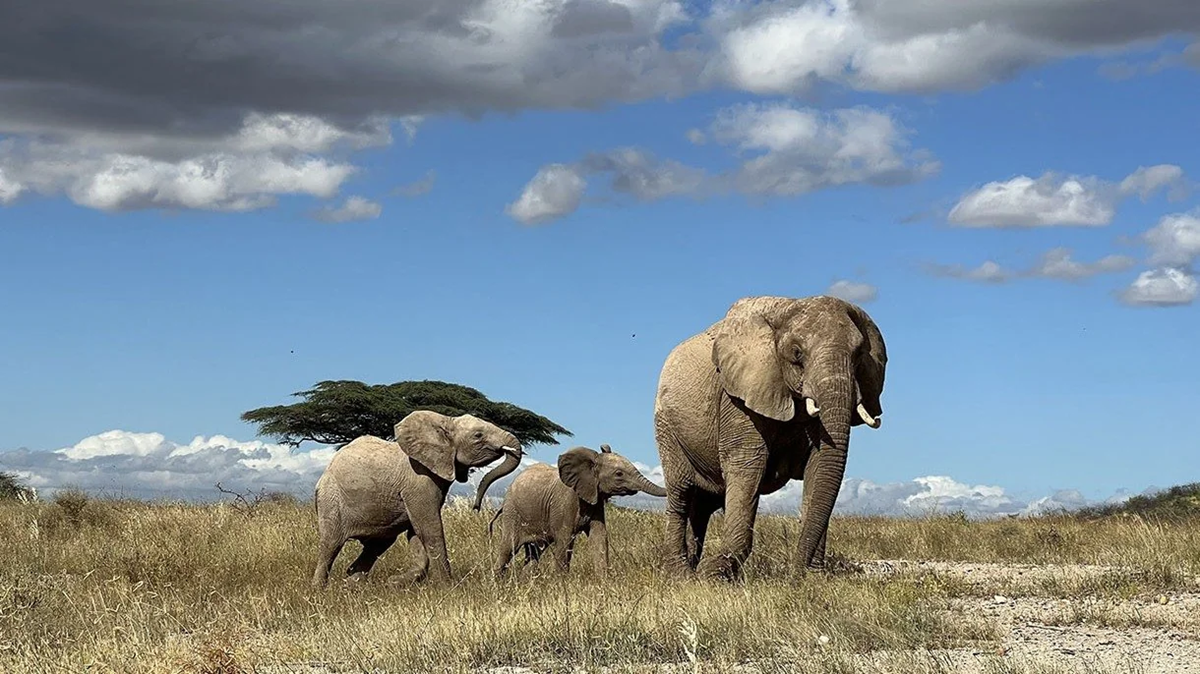
Elephant society is built around memory, family, and a lot of quiet social intelligence. Herds are usually led by older females, whose experience can matter when water is scarce, predators are nearby, or younger elephants need to learn how to behave. Calves are not raised by one mother alone, either, since sisters, aunts, and cousins often step in like an entire childcare committee. Elephants also recognize long-lost companions, show distress around the bones of dead elephants, and seem to understand that family history is not just background information, it is survival equipment.
2. Orcas
GALAPAGOS / REDDIT
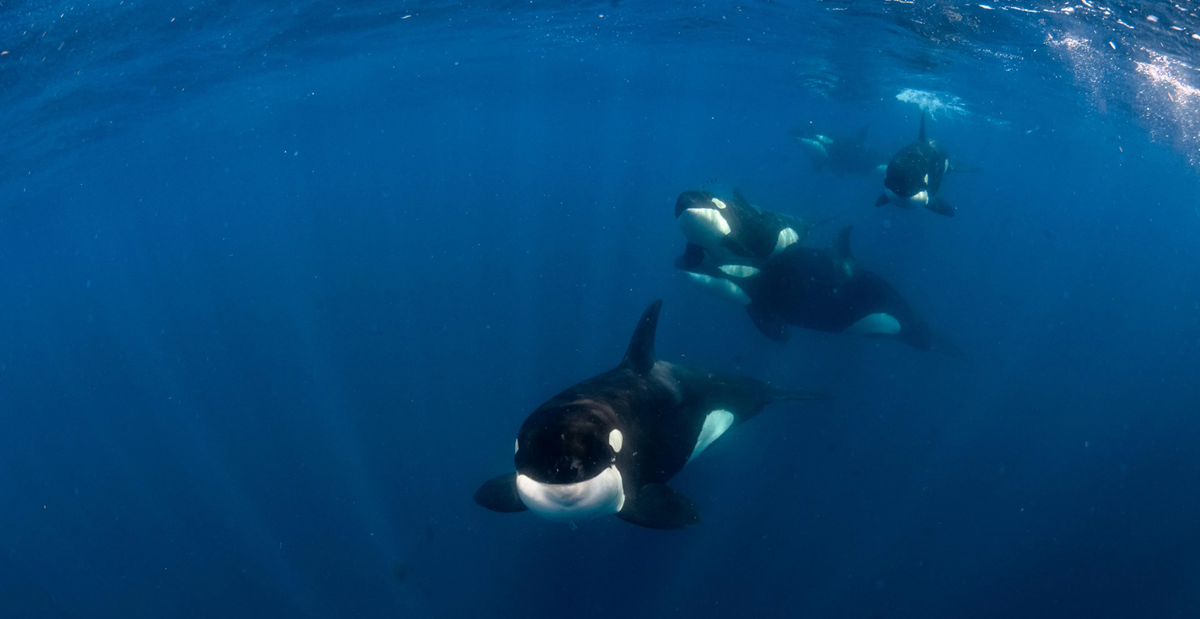
Orcas make most human family trees look easy to follow. Many populations live in matrilineal groups, meaning sons and daughters may stay close to their mothers for life, even after they are fully grown hunters. Older females can become living libraries of migration routes, salmon runs, hunting habits, and social rules, which is one reason scientists pay so much attention to post-reproductive orca grandmothers. In some pods, your mother’s experience may be the difference between finding food and wandering the ocean with a hungry family behind you.
3. Spotted Hyenas
SOMALIA / REDDIT
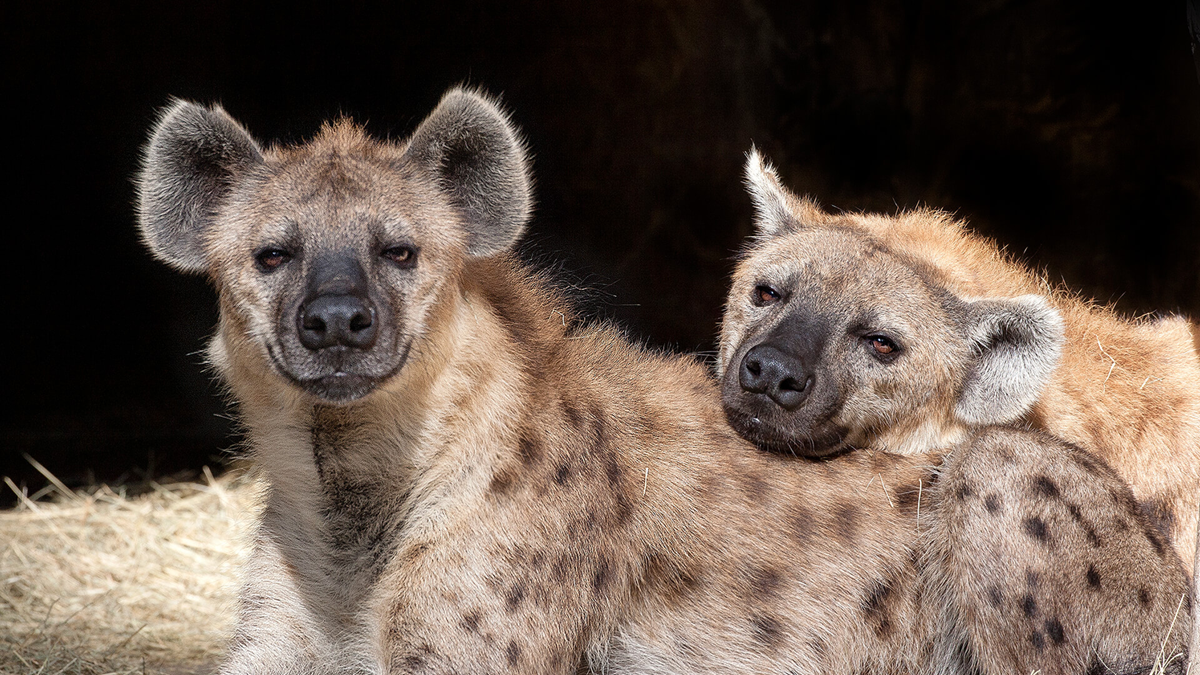
The spotted hyena’s reputation has never really recovered from cartoons, which is unfair, because their social lives are far more sophisticated than the “laughing scavenger” image suggests. Clans can include dozens of individuals, with female hyenas often outranking males and passing status down through family lines. A cub born to a high-ranking mother gets a very different start from one born lower in the clan, and everyone seems to know it. Even their famous giggles can carry information about identity, rank, and emotional state, which makes a hyena clan feel less like chaos and more like a very noisy political system.
4. Bonobos
INFOBAE
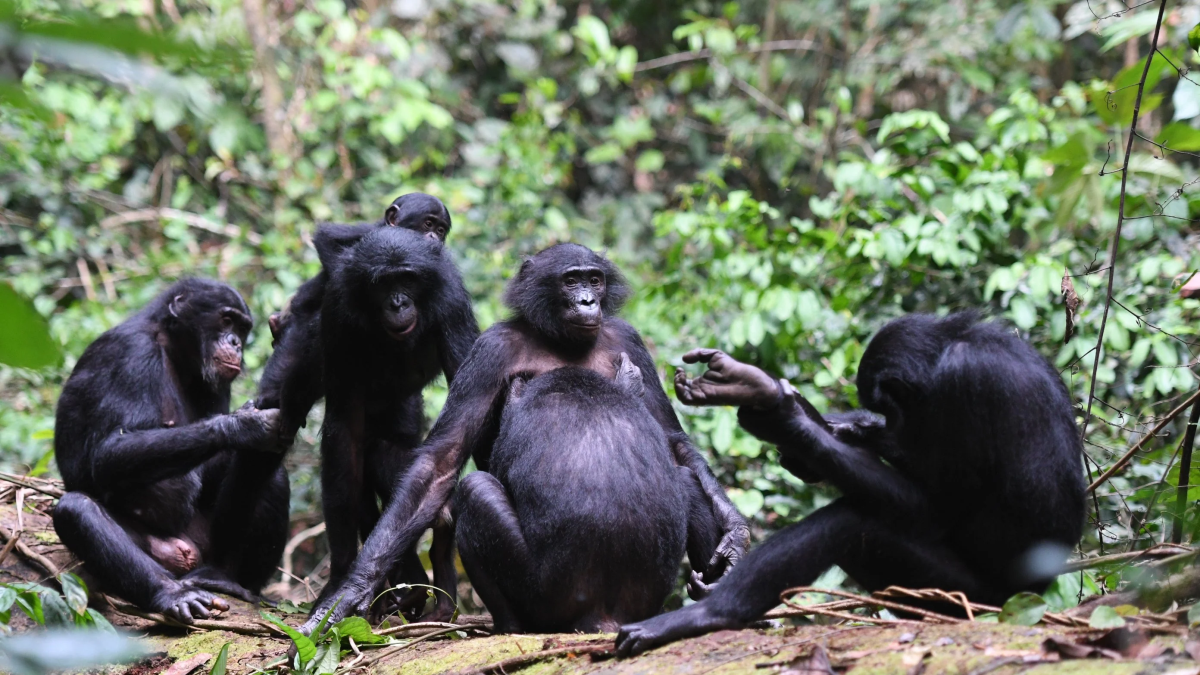
Bonobos have a social style that can feel almost suspiciously modern. They are famous for using affection, touch, grooming, play, and sex to ease tension and maintain bonds, especially among females. Instead of every conflict turning into a contest of brute force, many bonobo groups lean heavily on relationship management. That does not mean life is peaceful all the time, but it does mean social skill can be just as useful as muscle.
5. Chimpanzees
SMITHSONIAN MAGAZINE
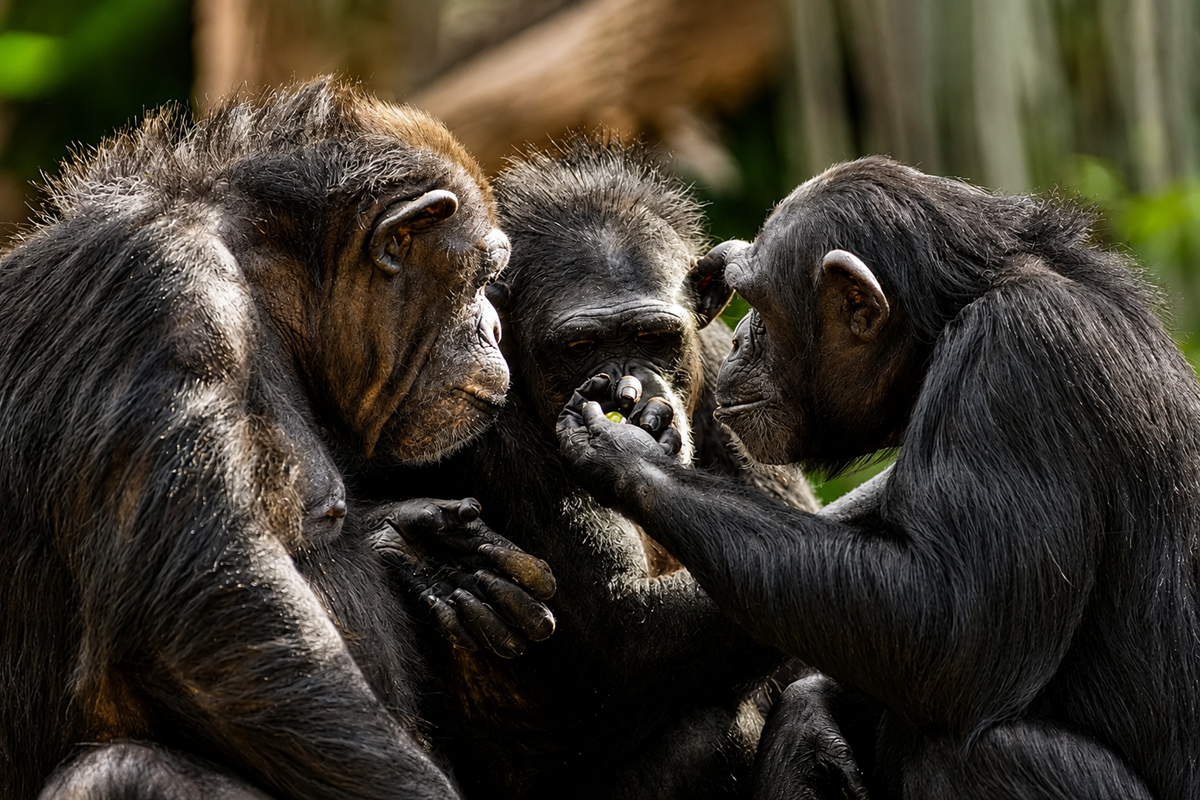
Chimpanzee politics can be intense enough to make an office power struggle look polite. Males form coalitions, break alliances, groom strategically, and sometimes support a rival only until a better opportunity appears. A strong chimp is not always the one who rises highest, since social backing can matter just as much as physical strength. Researchers have watched chimp leaders hold power through a mix of intimidation, favors, patience, and the kind of timing that feels uncomfortably familiar.
Trending on The Scroller
6. Dolphins
OCEAN / REDDIT
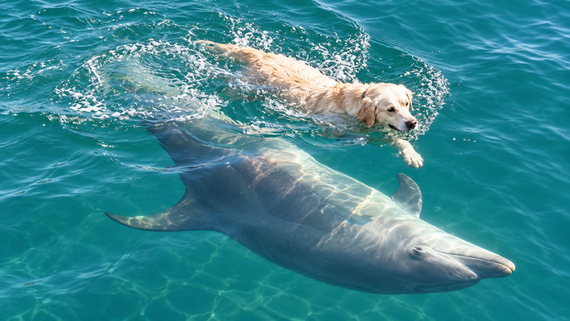
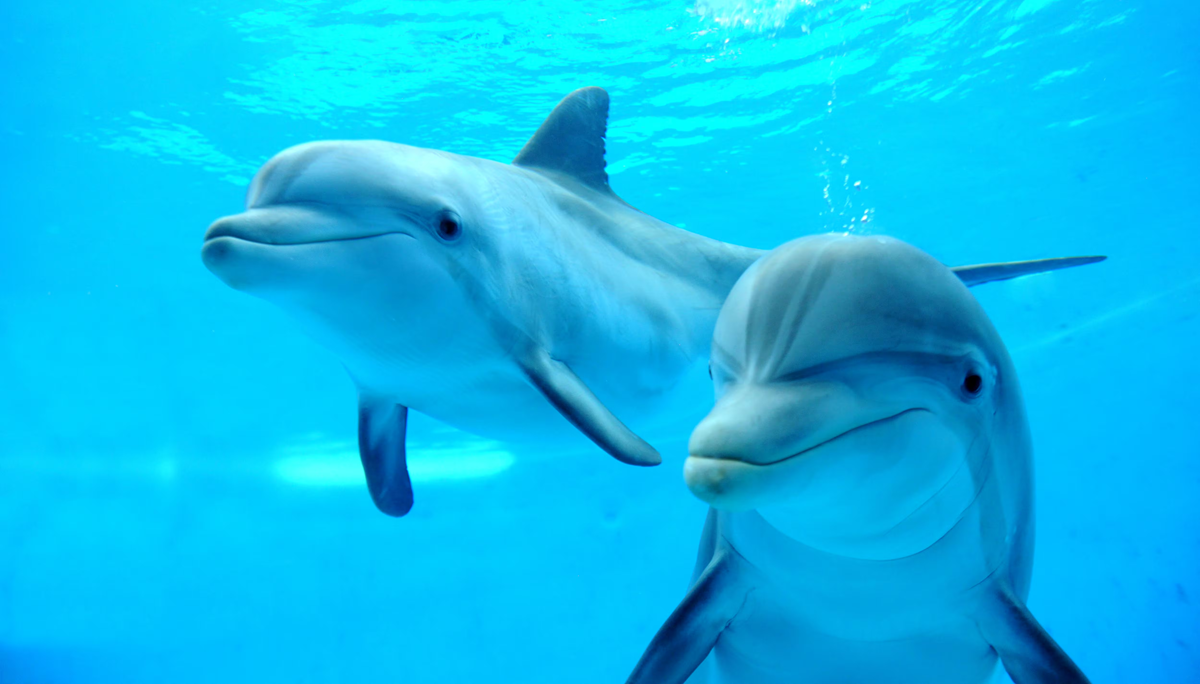
Dolphins are not just sleek animals doing graceful jumps for documentaries. In some populations, males form long-term alliances, and those alliances can link up with other alliances in layered social networks. That means a dolphin may need to remember not only its friends, but its friends’ friends, useful partners, rivals, and past behavior. Add signature whistles, coordinated hunting, and social learning, and the ocean starts to look a lot less empty.
7. Meerkats

TODAYILEARNED / REDDIT
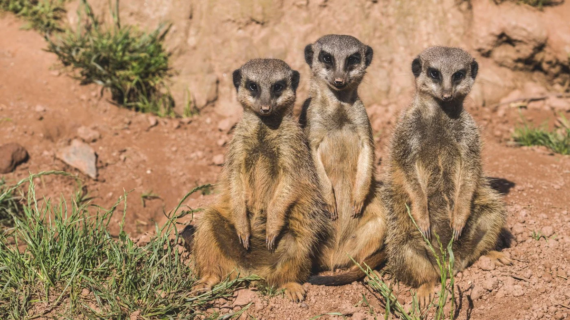
A meerkat mob looks cute until you realize how much pressure is packed into that tiny desert society. There are sentries, babysitters, dominant breeders, helpers, and the occasional eviction when reproductive competition gets too tense. Young meerkats also learn hunting skills through guided practice, which includes adults bringing them prey in stages. It is adorable, but it is also a strict little neighborhood with rules.
8. Crows
WILDLIFEPHOTOGRAPHY / REDDIT
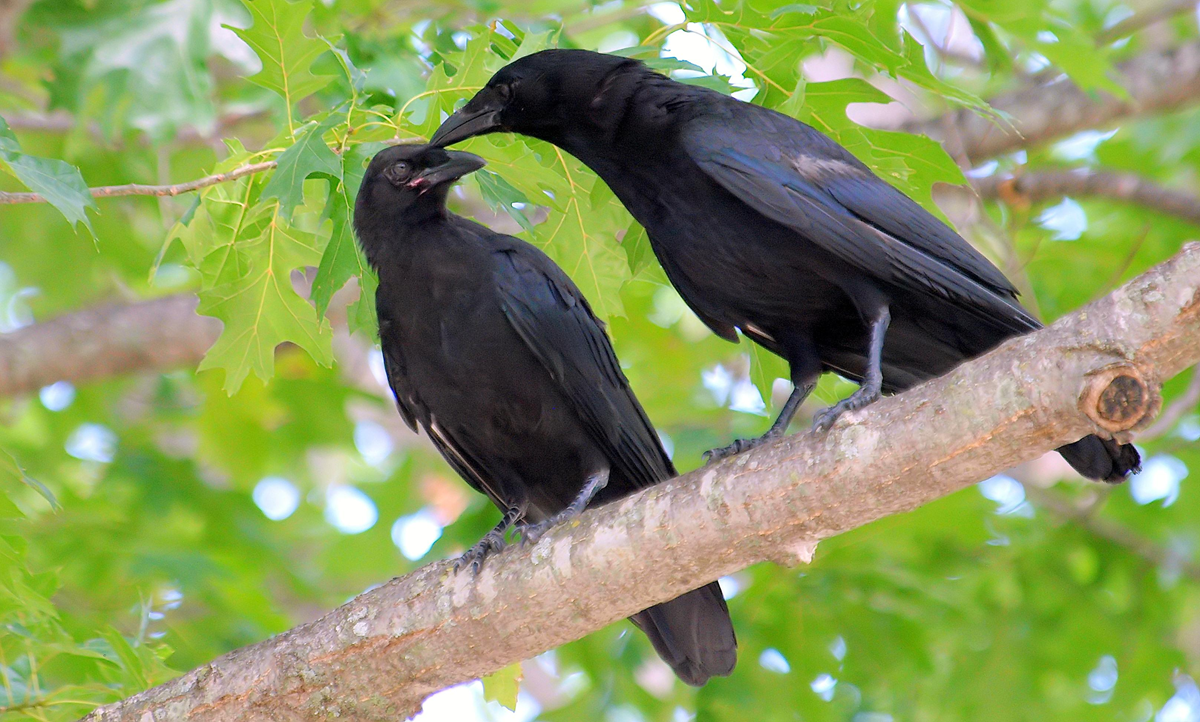
Crows remember faces, hold grudges, warn relatives, and pass information around in ways that make them feel almost urban. A crow that has had a bad experience with a person can recognize that person later, and other crows may learn to react as well. Their gatherings can involve feeding, roosting, alarm calls, and social learning, not just random bird noise. Basically, crows are paying more attention than most people realize.
Sign up for our newsletter
9. Wolves
KOLLYWOOD / REDDIT
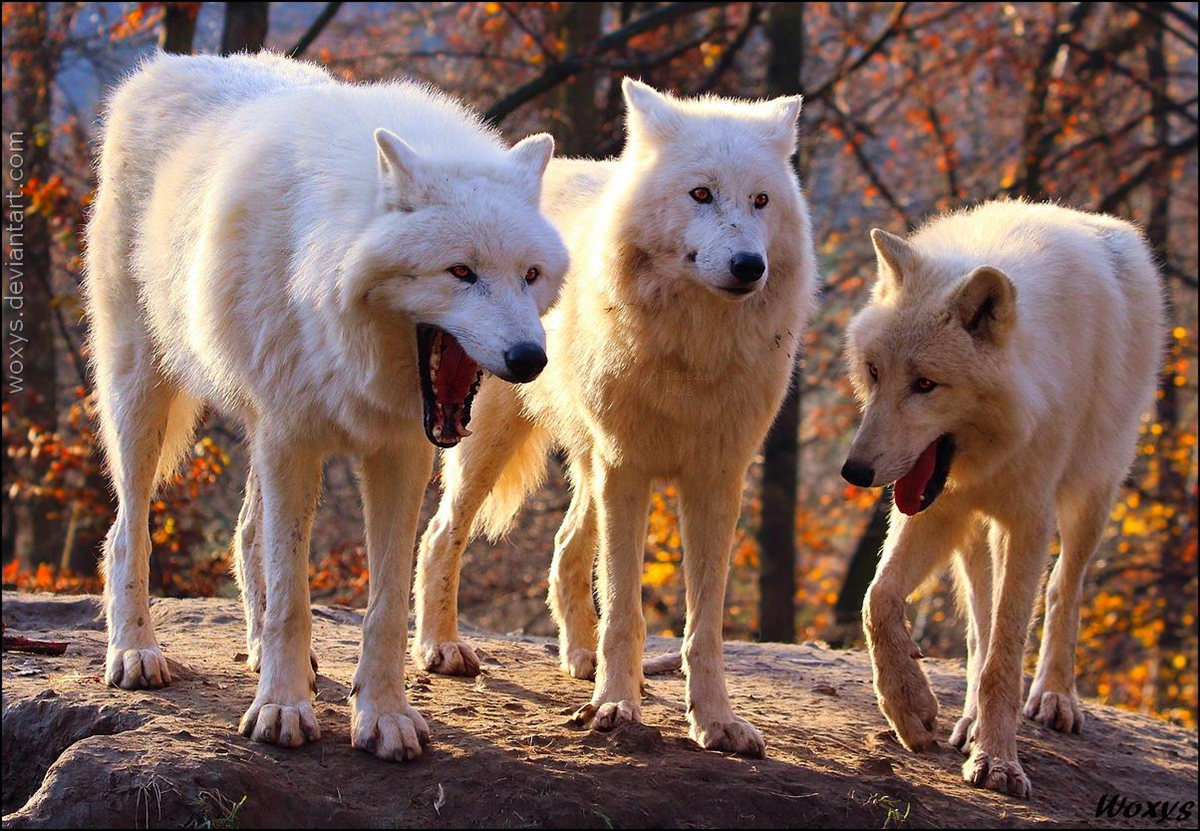
The old “alpha wolf” idea has been oversold for years, especially when people use it to describe wild packs. In nature, many wolf packs are family groups, with parents leading offspring through hunting, territory defense, and pup care. The social structure still matters deeply, but it is often less like a constant brawl for power and more like a cooperative household with teeth. Everyone has a role when survival depends on moving together.
10. Naked Mole-Rats
TODAYILEARNED / REDDIT
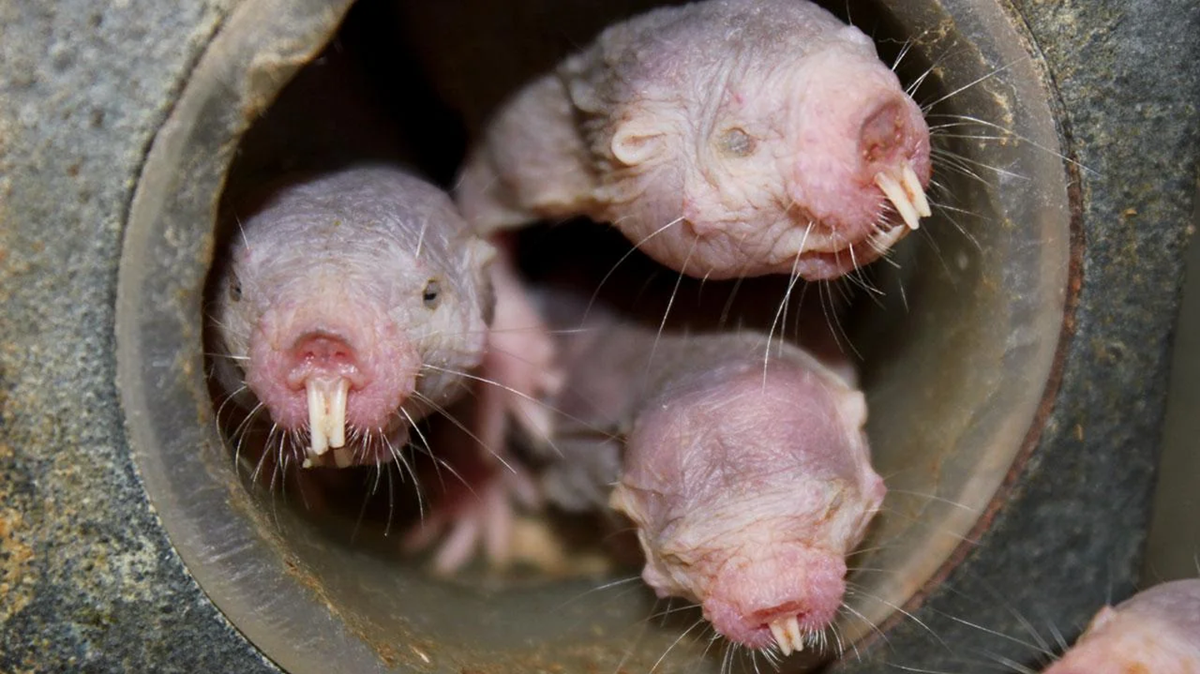
Naked mole-rats live underground in colonies that can feel more like insect societies than mammal families. One breeding queen dominates reproduction, while other colony members dig tunnels, gather food, defend the burrow, or help care for pups. Their world is dark, crowded, and highly organized, with a social structure built around cooperation and control. They may not be pretty, but they are running a very serious operation down there.
11. African Wild Dogs
NATUREISMETAL / REDDIT
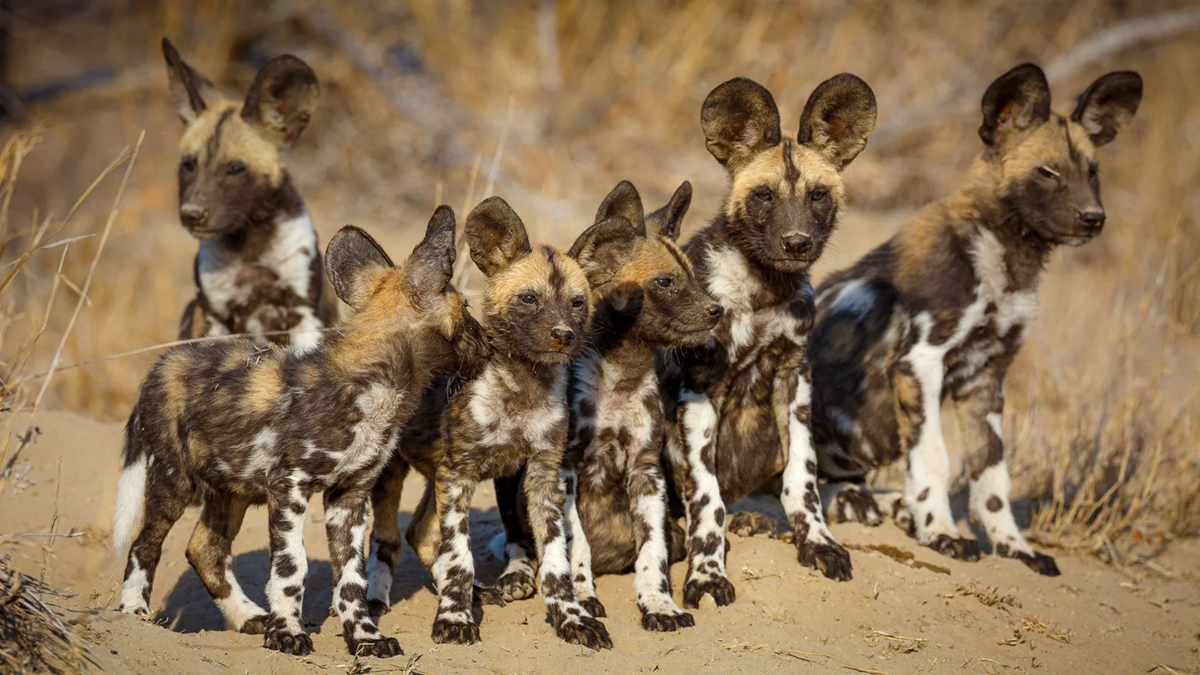
African wild dogs are some of the most cooperative hunters on land, but the teamwork does not stop when the chase ends. Pack members feed pups, assist injured or weaker adults, and use social rituals before heading out to hunt. Their painted coats make them easy to recognize, but their group coordination is the real story. In a wild dog pack, survival is very much a shared project.
12. Vampire Bats
AWWDUCATIONAL / REDDIT
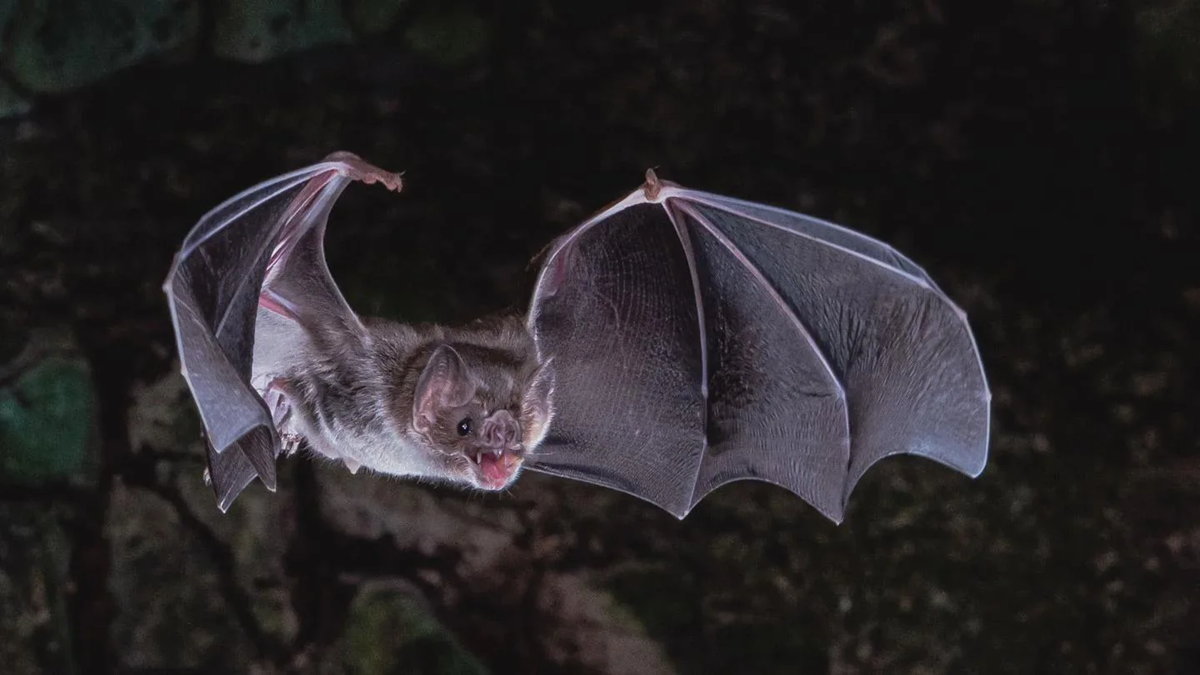
Vampire bats have one of the strangest friendship systems in nature. They feed on blood, which is dramatic enough, but the more interesting part is that successful bats may share meals with hungry roostmates. These food-sharing relationships are not random acts of kindness, since bats seem to build trust over time through grooming and repeated help. Miss too many meals, and having the right social bonds can become a matter of life and death.
13. Parrots
WIKIMEDIA COMMONS
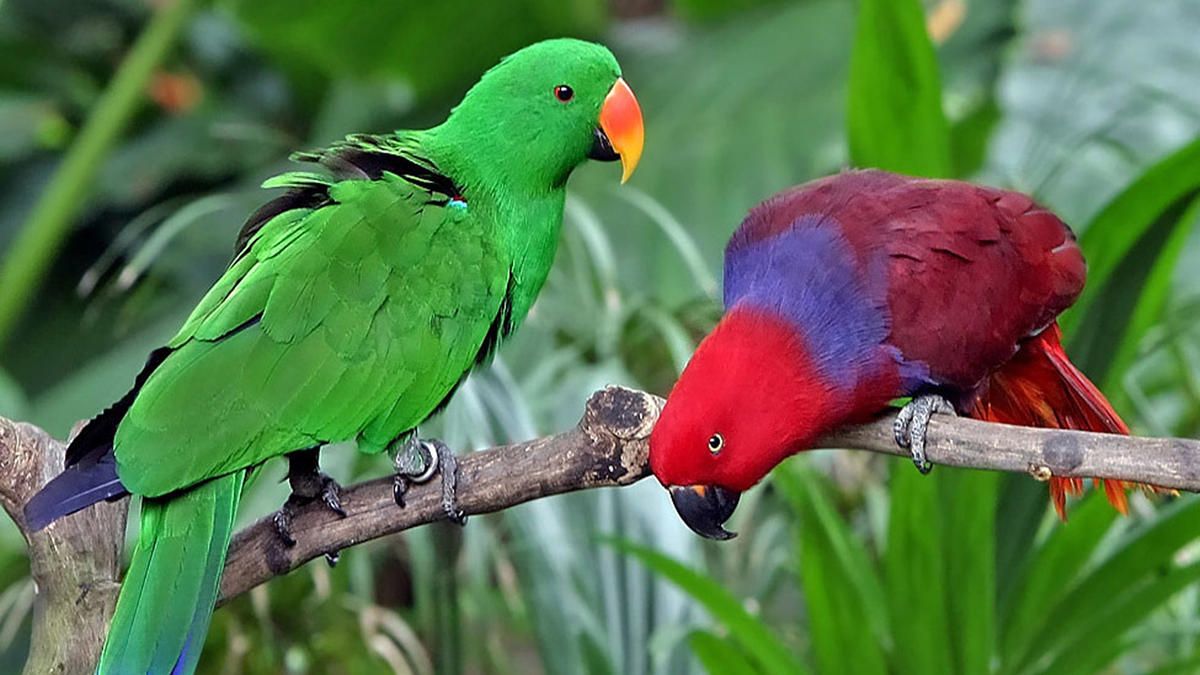
Parrots are built for noise, memory, and social trouble. Many species form strong pair bonds, keep track of flockmates, learn calls from one another, and use vocal skill as part of everyday group life. Anyone who has lived with a parrot knows they are not just repeating sounds like a broken machine. They are social creatures with preferences, routines, moods, and a strong sense of when they are being ignored.
14. Ants
INVASIVESPECIES / REDDIT
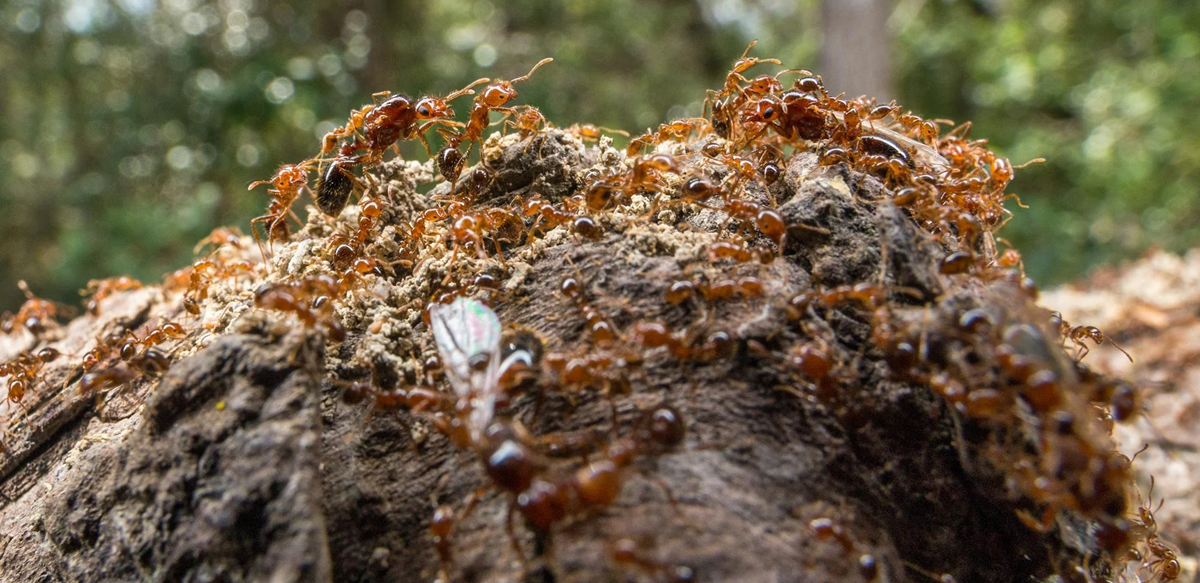
An ant colony is not a democracy, but it is not simple either. Workers divide labor, follow chemical trails, respond to threats, farm fungi in some species, herd aphids in others, and build living systems that can change quickly when conditions shift. No single ant understands the whole operation, yet the colony can behave like a flexible superorganism. It is a society made from tiny decisions, repeated millions of times.
15. Baboons
PLANETZOO / REDDIT
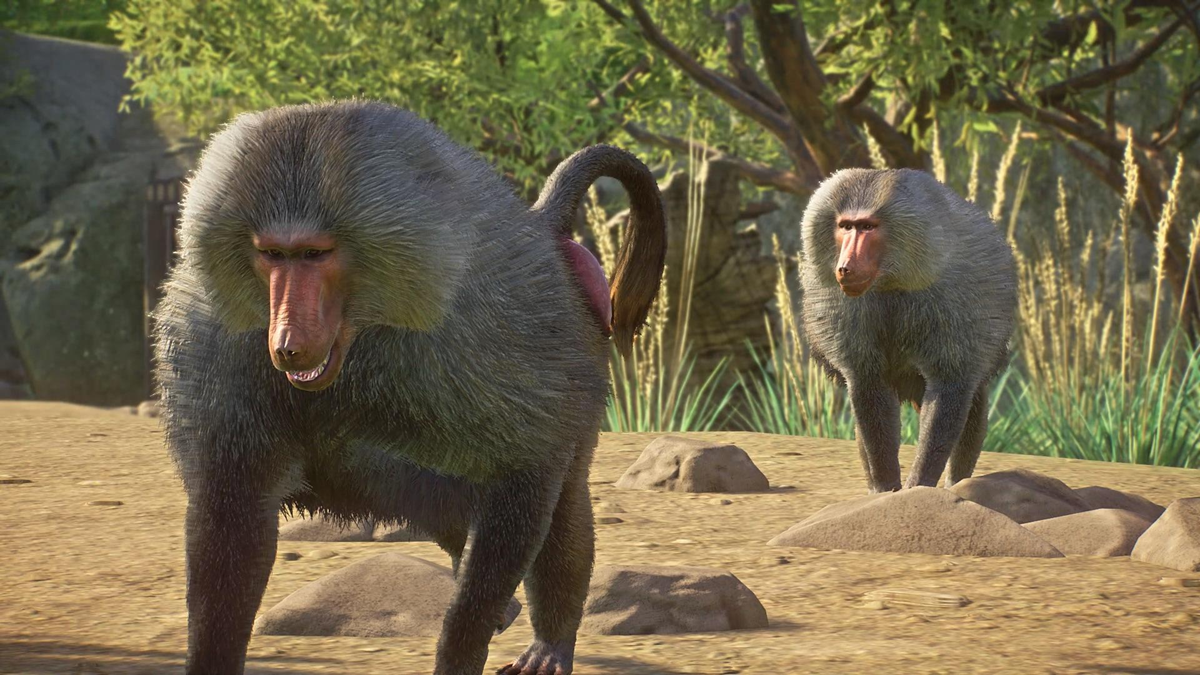
Baboons live in social worlds where rank, friendship, grooming, and family ties all matter. Females often inherit status through maternal lines, while males may compete, migrate, or form temporary bonds that help them survive group life. Grooming is not just hygiene, since it can reinforce alliances and calm tension after conflict. Watch a baboon troop long enough and it starts to feel like a neighborhood where everyone knows who has power, who needs support, and who should not be bothered today.
In the mood for more?
Check out 17 Hilarious-Looking Animals in the World, or take a look at 17 of the Most Dangerous Animals on Earth. If you want to see more stories from the natural world, you can check out 18 Animals That Live Longer Than Most Humans
Images source: Reddit.com