Long before our modern meteorological satellites could accurately predict weather patterns, the animal kingdom relied on a highly sophisticated internal radar to survive the shifting seasons. When the temperatures begin to drop, or the heavy rains approach, wildlife undergoes a series of bizarre physical and behavioral transformations that go far beyond a simple southern migration. These incredible creatures possess an almost supernatural ability to sense atmospheric changes weeks before they actually happen.
Rather than just growing a thicker coat of fur or stockpiling a few extra acorns, many species engage in highly unusual rituals to prepare for harsh climates. From intentionally freezing their own blood to literally shrinking their internal organs, nature has developed some truly shocking survival strategies. Examining these strange biological preparations reveals just how extreme life in the wild can really be. Here are twelve incredibly bizarre things animals do just before the weather officially changes.
1. The Eurasian shrew skull shrinkage
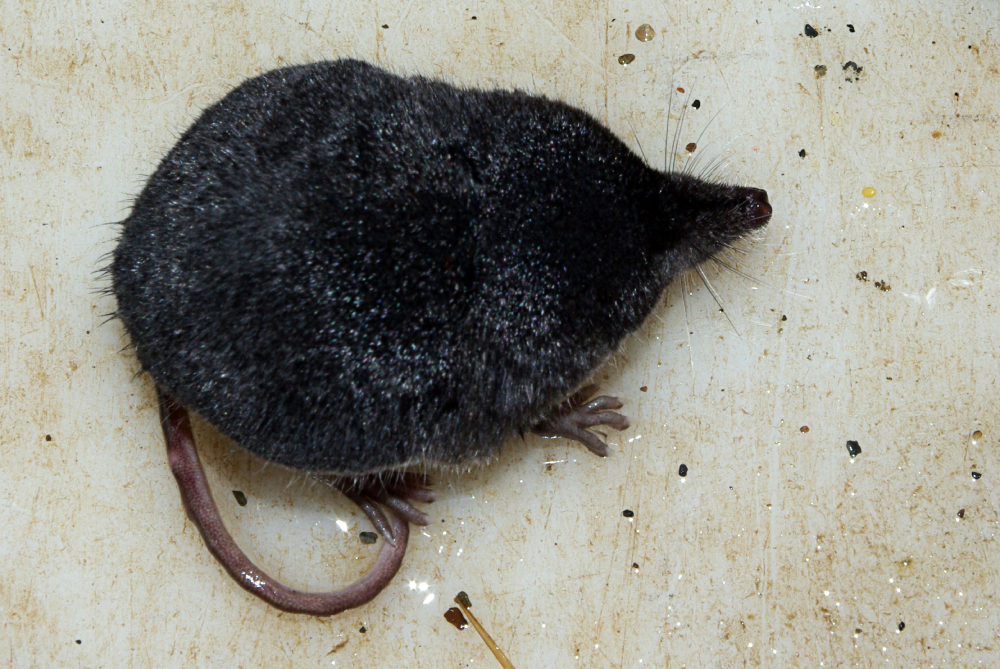
In 1949, Polish zoologist August Dehnel made the terrifying discovery that these tiny mammals literally shrink their own skulls and brain mass just before winter arrives. By reducing their physical size by nearly twenty percent, the shrews successfully lower their daily caloric needs to survive the brutal freezing months.
2. The Alaskan wood frog deep freeze
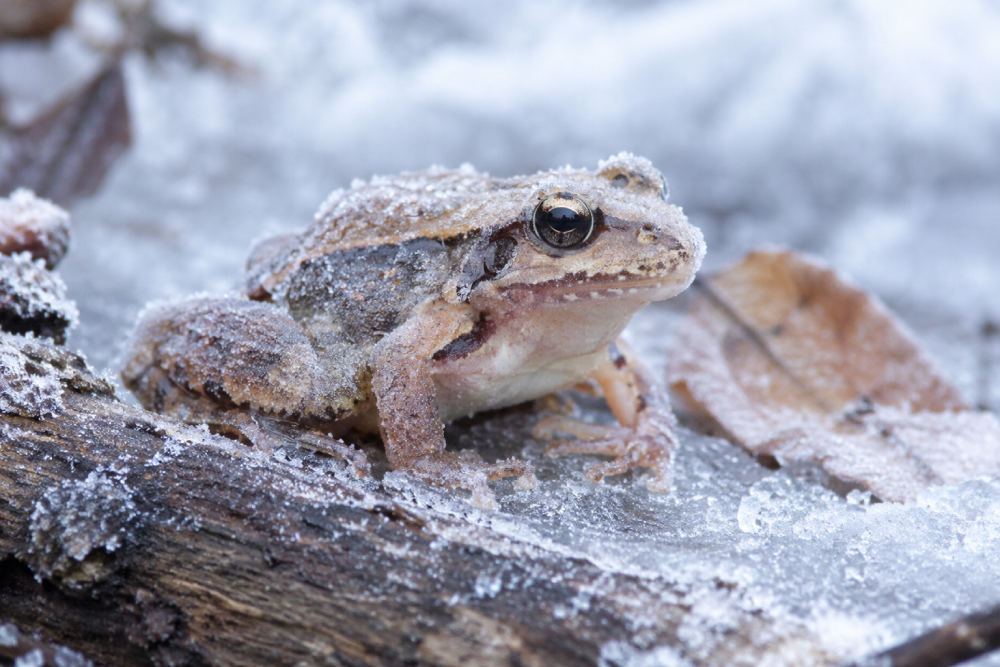
Just before the bitter Arctic winter sets in, these incredible amphibians actively pump massive amounts of protective glucose directly into their bloodstream. This biological antifreeze allows them to freeze completely solid like an ice cube for up to seven months without suffering any permanent tissue damage.
3. The African lungfish mucus cocoon
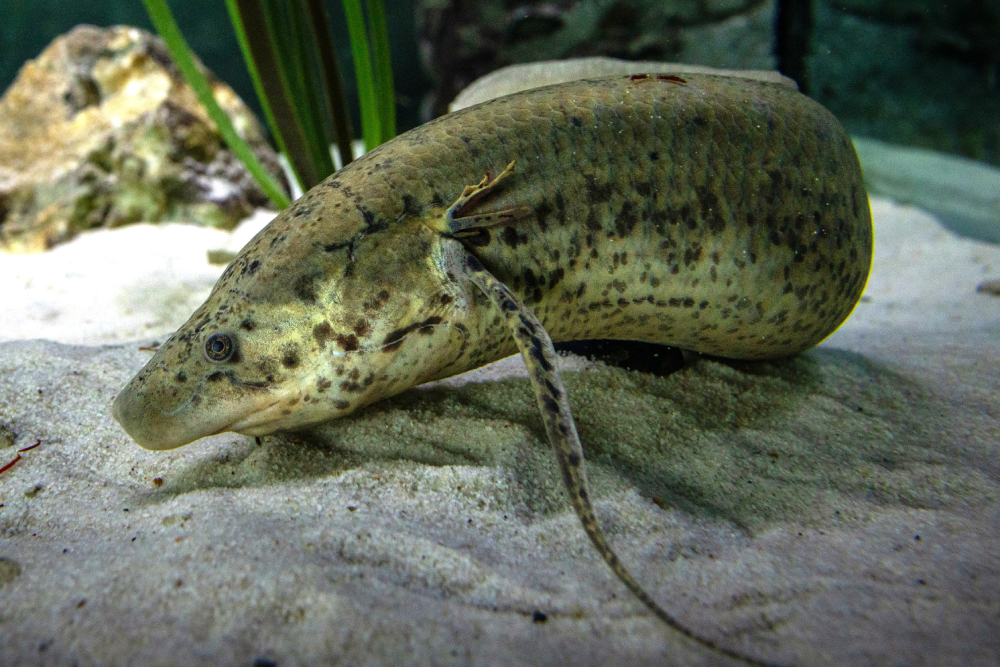
When the brutal dry season approaches across the African plains, this prehistoric creature burrows deep into the muddy riverbed to avoid deadly dehydration. It quickly secretes a thick layer of slimy mucus that hardens into a protective waterproof shell, allowing the fish to sleep underground for years if necessary.
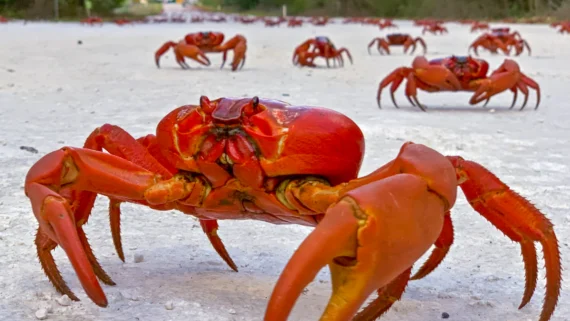
4. The Christmas Island red crab march
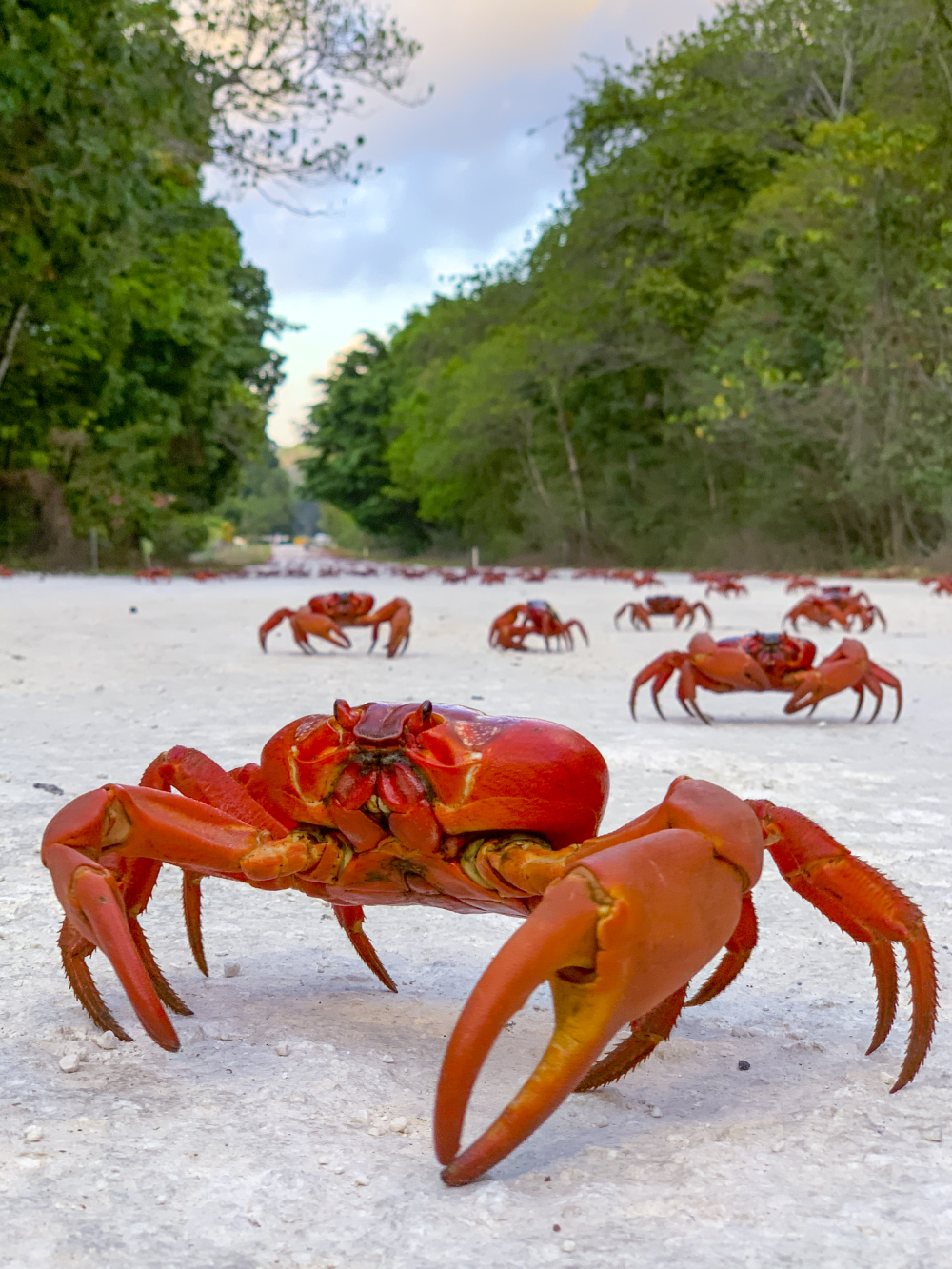
Millions of these brightly colored crustaceans perfectly synchronize their massive migration to the Indian Ocean just before the heavy tropical wet season begins. Guided strictly by the lunar cycle and shifting barometric pressure, their sudden coordinated movement literally shuts down local highways and covers the entire island in a moving red carpet.
5. The bar-tailed godwit organ reduction
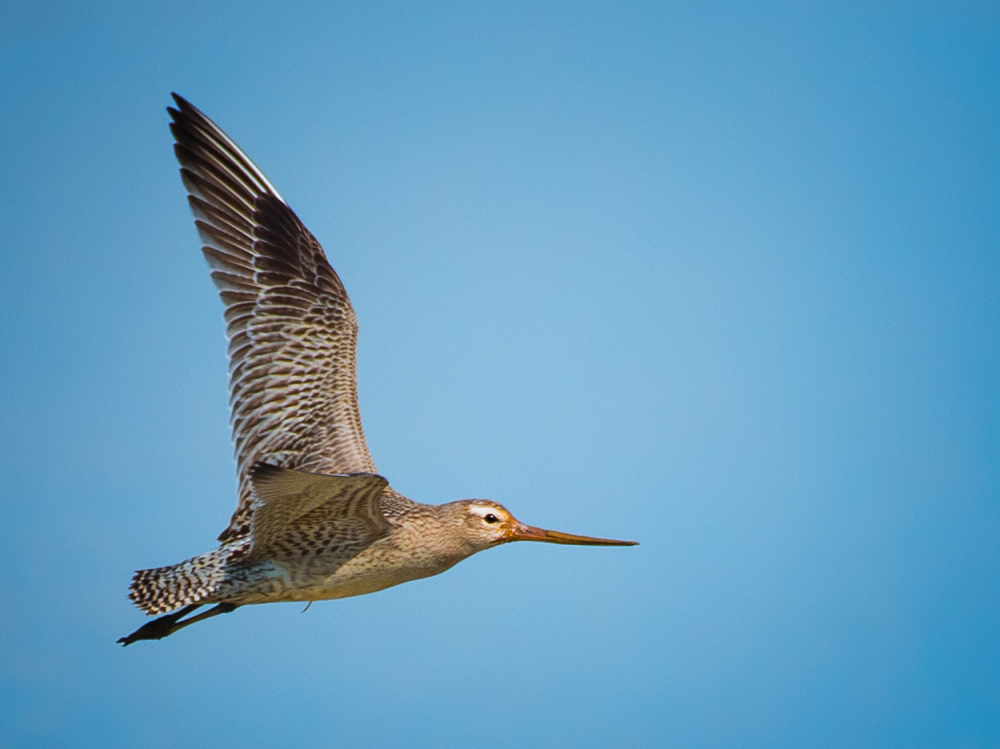
Before departing on a grueling autumn flight from Alaska to New Zealand, these incredible shorebirds actively consume their own internal organs. To make room for massive fat reserves and reduce flight weight, they temporarily shrink their intestines and gizzard to successfully complete an eight-day non-stop journey over the Pacific Ocean.
Trending on The Scroller
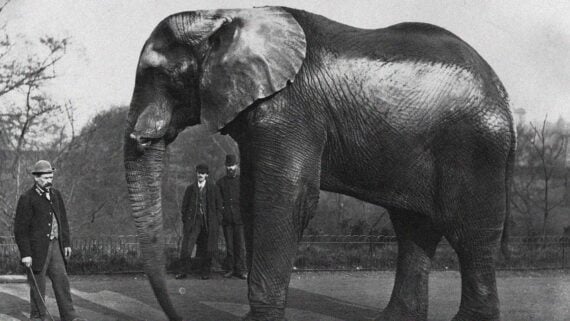

6. The Yellowstone grizzly bear fecal plug
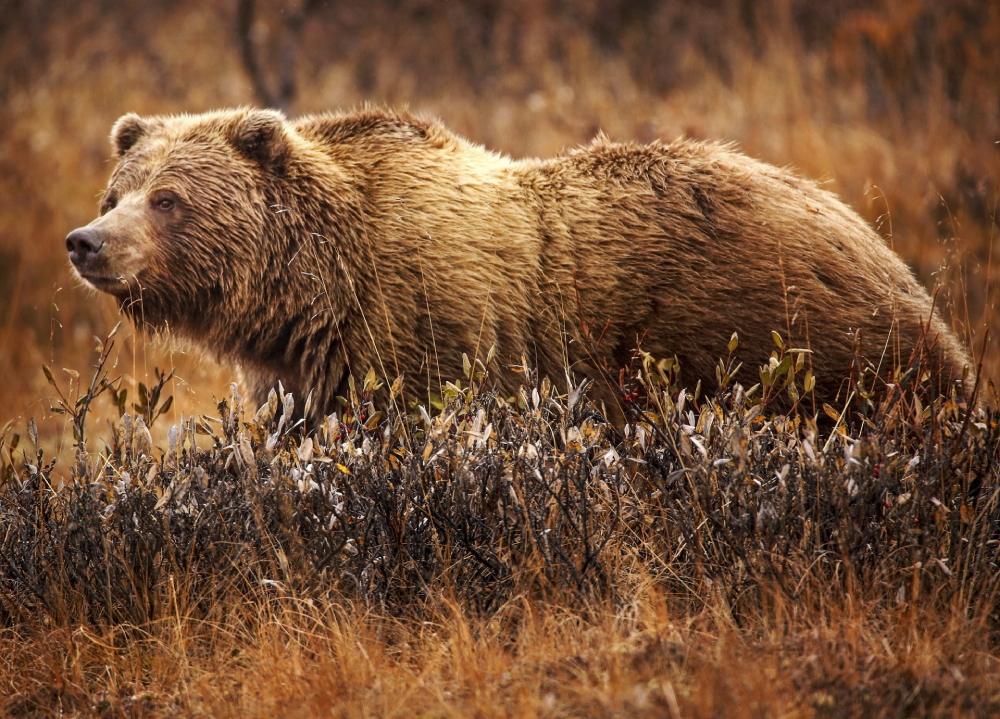
Right before retreating into their dens for a long winter hibernation, these massive predators deliberately change their rich autumn diet to include pine needles, tree bark, and their own shed hair. This bizarre digestive mixture successfully creates a dense biological plug in their lower intestines, preventing them from needing a bathroom break for nearly five months.
7. The monarch butterfly Mexican gathering
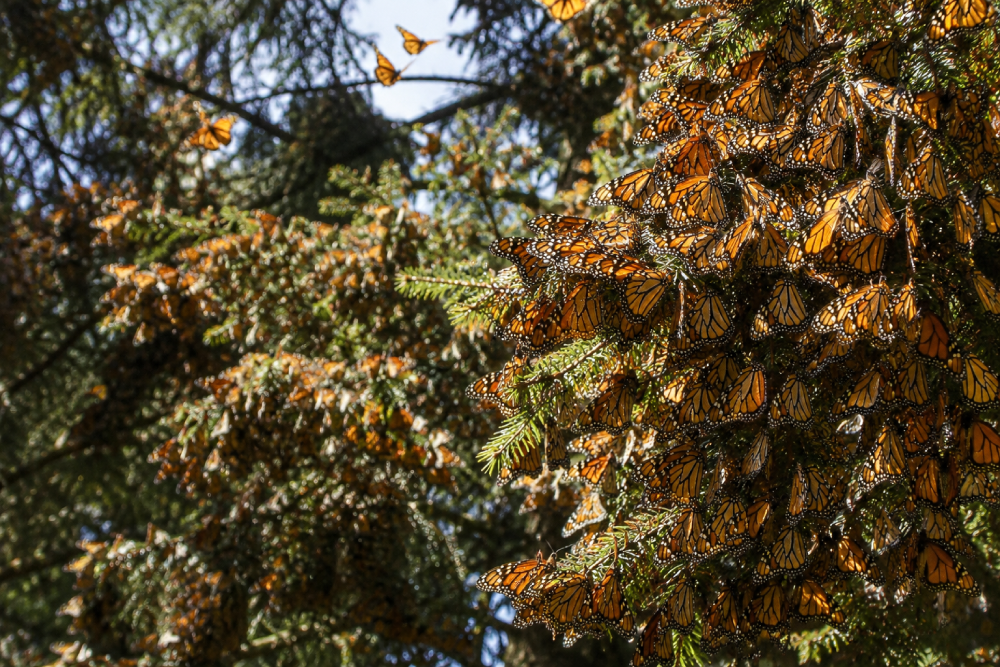
Following decades of intense tracking, Canadian zoologist Fred Urquhart finally discovered in 1975 that millions of these delicate insects instinctively fly to the exact same volcanic mountains in Michoacán before winter. They completely cover the branches of specific Oyamel fir trees in massive orange clusters, creating a microclimate that keeps them perfectly insulated from freezing temperatures.
8. The convergent ladybug swarm
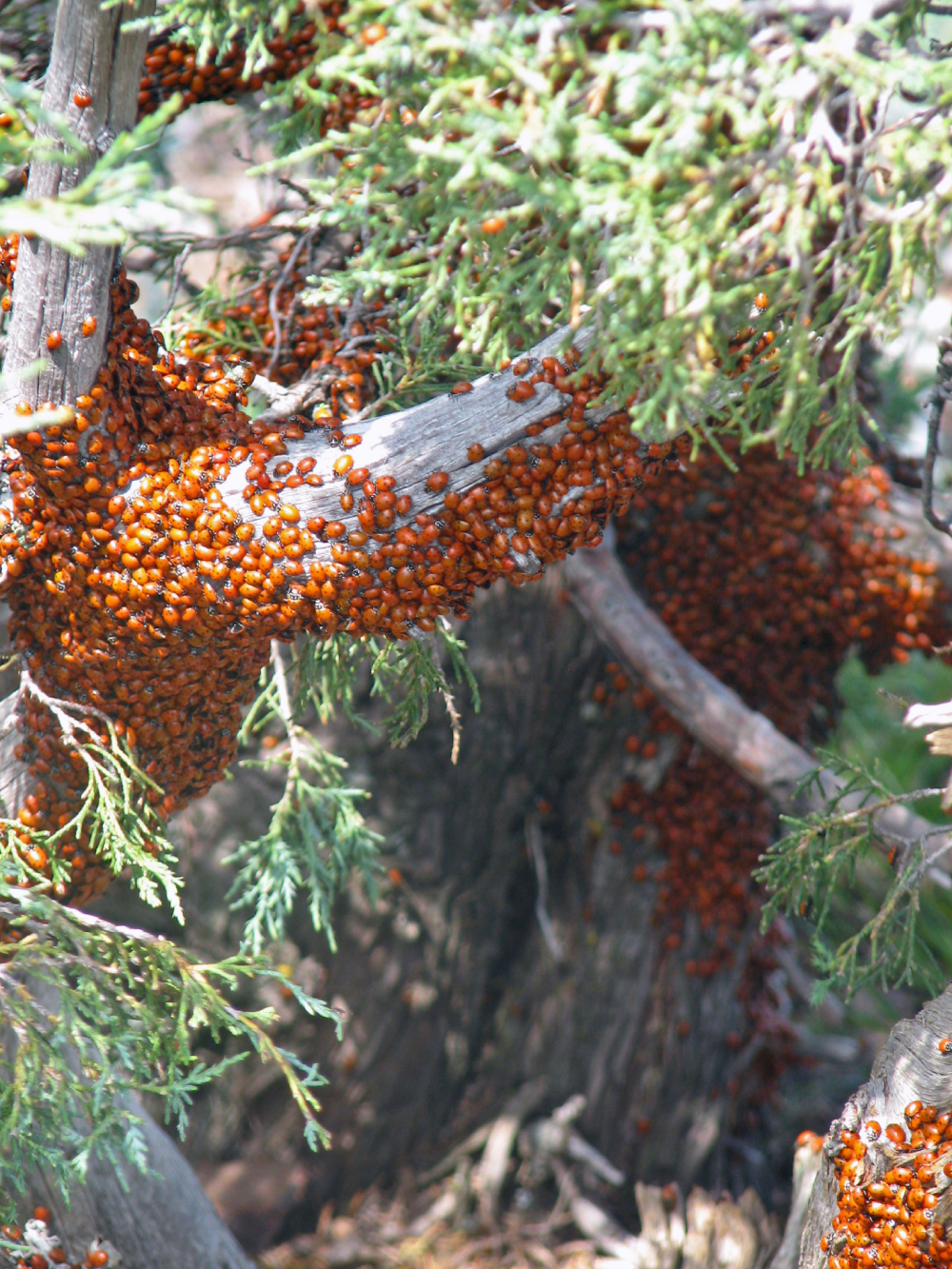
When the cold autumn air hits the California valleys, millions of these spotted insects instinctively fly up into the higher elevations of the Sierra Nevada mountains. They gather in massive, vibrating red clusters on specific wooden fence posts and rocky outcrops, sharing vital body heat to survive the impending winter freeze.
Sign up for our newsletter
9. The moose velvet shedding
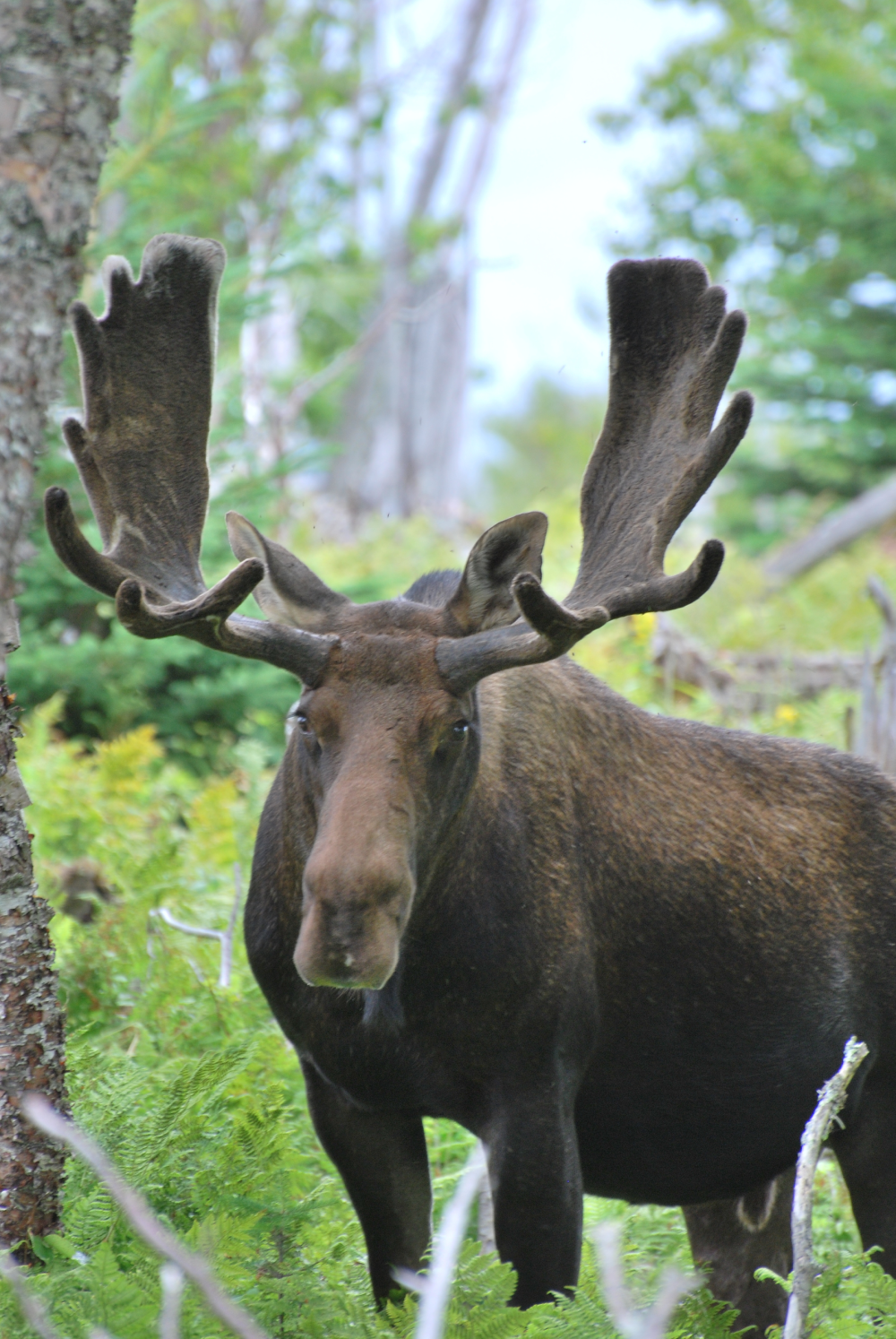
Just before the competitive autumn mating season begins, massive bull moose violently scrape their antlers against nearby birch and willow trees to remove the soft summer velvet. This highly aggressive behavioral shift leaves the animals with temporary bloody strips hanging from their horns, creating an absolutely terrifying visual spectacle in the northern woods.
10. The American beaver underwater pantry
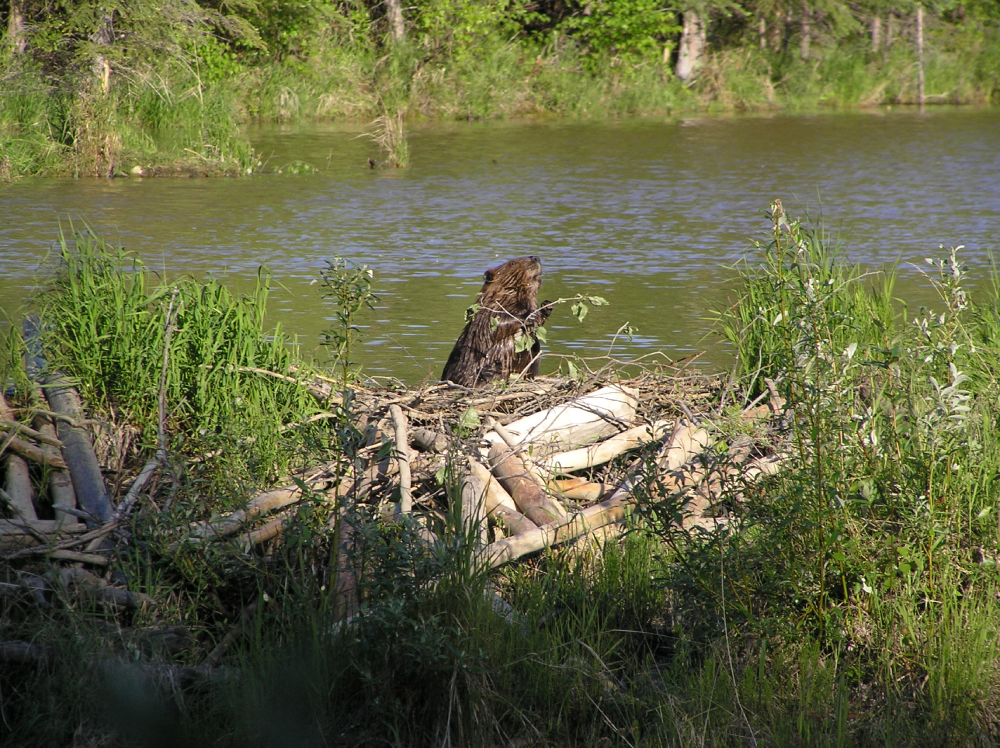
To guarantee a fresh food supply after the autumn freeze, these industrious rodents actively shove hundreds of fresh aspen and willow branches deep into the muddy floor of their local ponds. When the surface water finally turns to solid ice, the beavers simply swim out of their underwater lodge entrances to retrieve their perfectly refrigerated snacks.
11. The Narcisse snake pit gathering
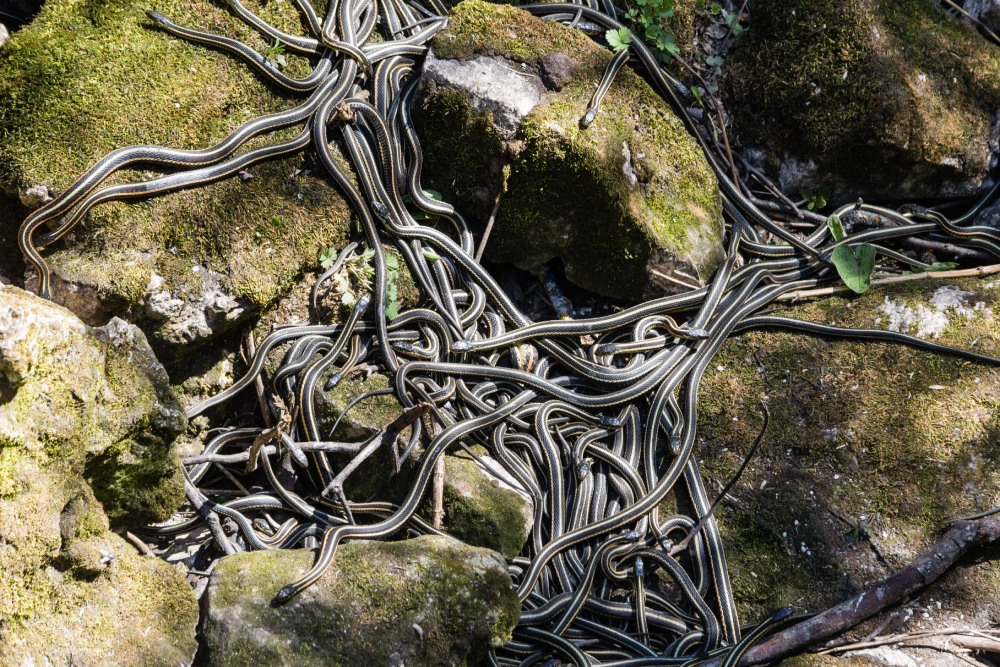
Every single autumn in Manitoba, Canada, tens of thousands of red-sided garter snakes slither furiously toward a highly specific series of ancient limestone sinkholes. They form massive, writhing biological knots deep inside these underground caves, utilizing the combined thermal energy of the massive group to survive the deadly Canadian winter.
12. The Arctic ground squirrel supercooling
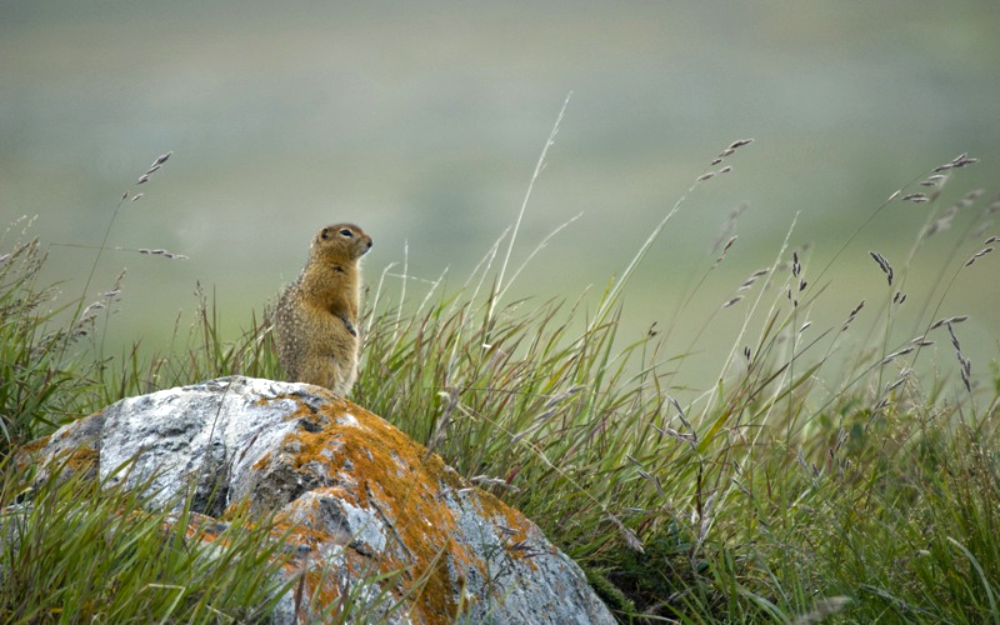
Researchers at the University of Alaska Fairbanks discovered that these incredible rodents prepare for winter by actively dropping their core body temperature below the freezing point of water. By constantly shivering their muscles in highly specific bursts, they successfully prevent their blood from crystallizing into ice while sleeping in the frozen tundra.
Want to know more amazing facts about animals and nature?
Discovering these extreme survival tactics proves that the animal kingdom is vastly more complex and resilient than we ever imagined. While humans simply turn up the thermostat or buy a heavier coat, wildlife undergoes shocking physical transformations just to survive another year. If you love exploring animal phenomena and fascinating nature mysteries, make sure to check out these Nature’s Clues: 12 Times Animals Solved Scientific Mysteries or these Masters of Disguise: 15 Animals That Change Their Appearance. You can also take a look at these 15 Plants and Animals in Fascinating Natural Partnerships.