Pets might seem deeply familiar to us, but some of their biological quirks are just as strange as anything you would find in the wild. If you spend enough time looking at a dog, cat, or hamster, you will start to notice everyday behaviors that do not make immediate sense.
From cats that cannot physically taste sugar to rodents with built-in, expandable food-storage pockets, the animals we keep at home have some truly bizarre physical traits. These 12 documented facts highlight the unexpected science behind the animals sleeping on your sofa, offering a solid lineup of conversation starters for the next time someone brings up their favorite pet.
1. Cats cannot taste sweetness
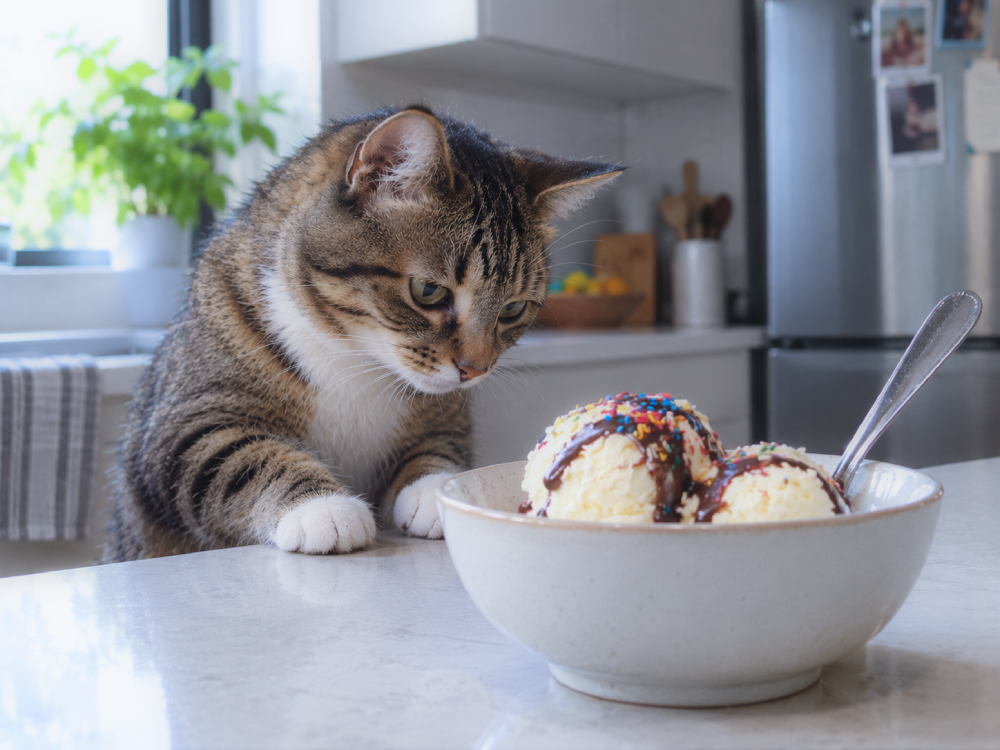
Your cat might look incredibly interested in your bowl of ice cream, but it actually has no idea how sweet it tastes. Researchers discovered that domestic cats carry a nonfunctional gene that prevents them from producing a working sweet-taste receptor. Because of this, they are essentially unable to detect sweetness in any food. Studies have shown that this exact same genetic difference exists in big cats like tigers and cheetahs, suggesting the quirk is deeply tied to their strict meat-eating ancestry.
2. A dog’s nose has a unique pattern, just like a fingerprint
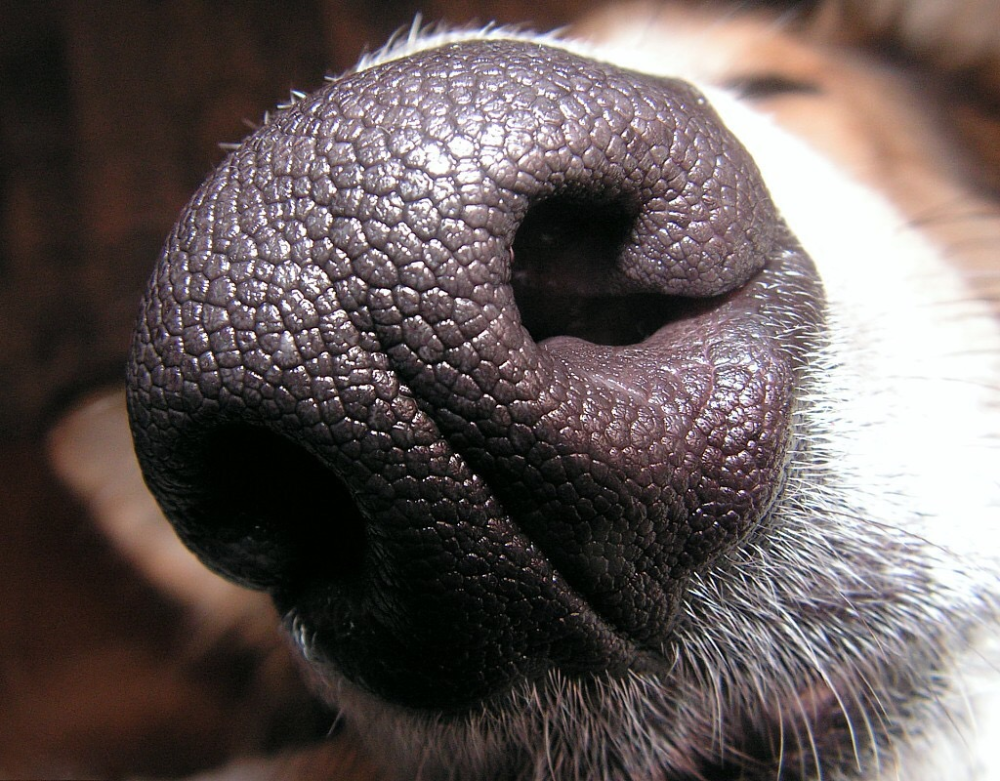
Every dog has a highly distinctive pattern of ridges and grooves covering its nose, making nose prints functionally comparable to human fingerprints. According to the American Kennel Club, absolutely no two dogs have identical nose patterns. That means the wet nose constantly investigating your groceries or nudging your hand has a physical pattern unique to that specific animal.
3. Rabbits eat a special kind of their own poop
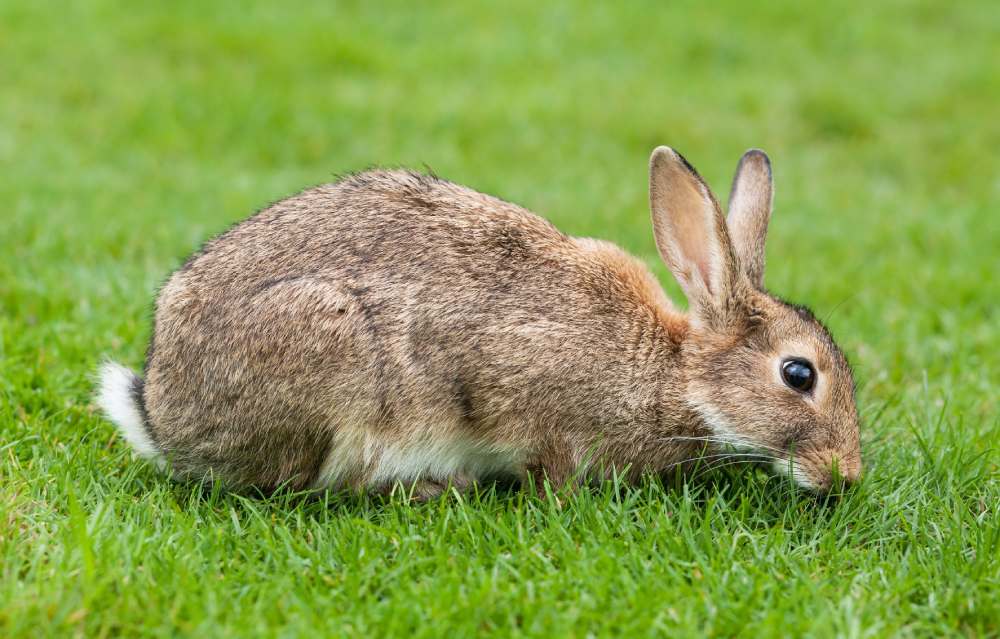
One of the strangest parts of a rabbit’s digestion involves producing special droppings called cecotropes and then immediately eating them. These are entirely different from ordinary dry rabbit pellets. The softer droppings contain highly valuable nutrients, including high amounts of protein and vitamins B and K. Rabbits usually consume them directly from the source, often late at night, which explains why many owners never notice this perfectly normal, healthy behavior.
4. Guinea pigs can get scurvy, just like humans
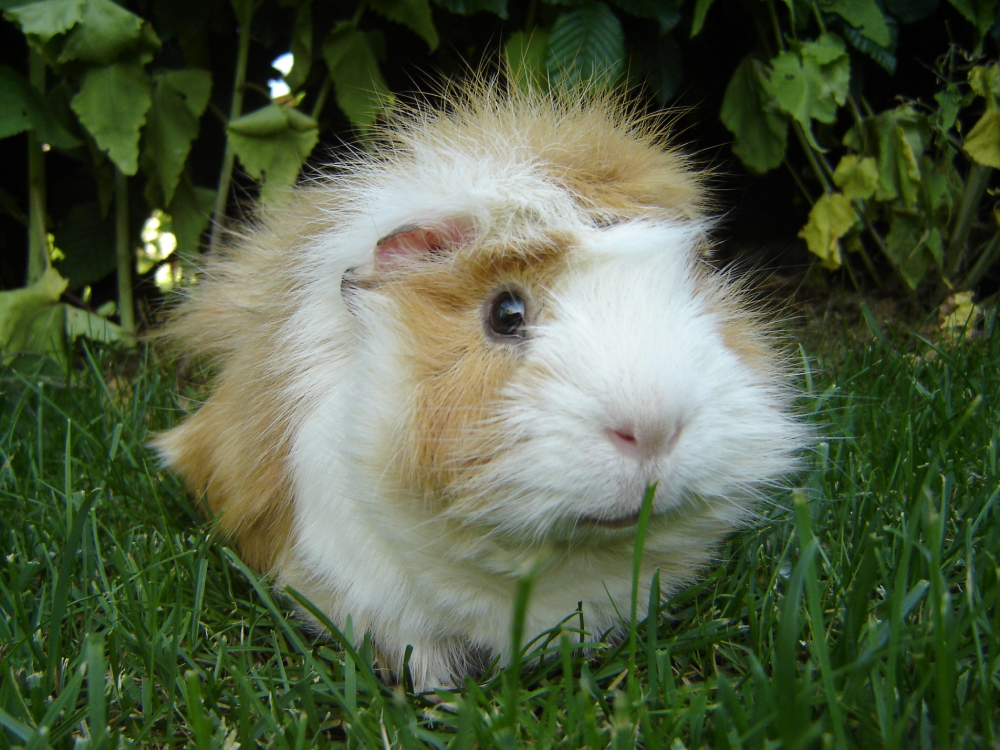
Most mammals are perfectly capable of producing their own vitamin C, but guinea pigs are among the rare exceptions. Just like humans, they must obtain it from their food because they completely lack the functional enzyme required to manufacture it internally. The Merck Veterinary Manual notes that without enough vitamin C, a guinea pig can actually develop scurvy. They experience swollen joints, bleeding, weakness, and severe dental problems, making their dietary needs surprisingly similar to ours.
5. Chinchillas can grow 60 hairs from a single follicle
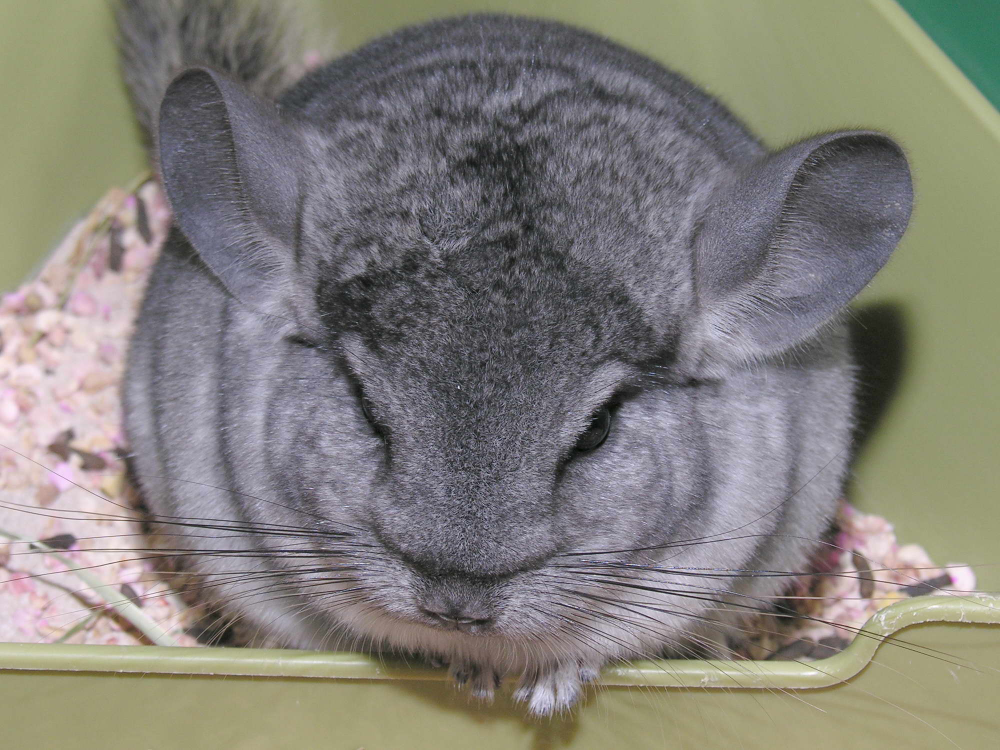
A chinchilla’s famously soft coat is far denser than most people realize. These small animals can grow as many as 60 individual hairs from a single follicle, compared with approximately one to three hairs sprouting from a human follicle. Their exceptionally thick fur helps protect them from bitter cold, but it also means chinchillas must take frequent dust baths rather than conventional water baths to properly maintain their dense coats.
Trending on The Scroller

6. Ferrets can sleep for 18 hours a day
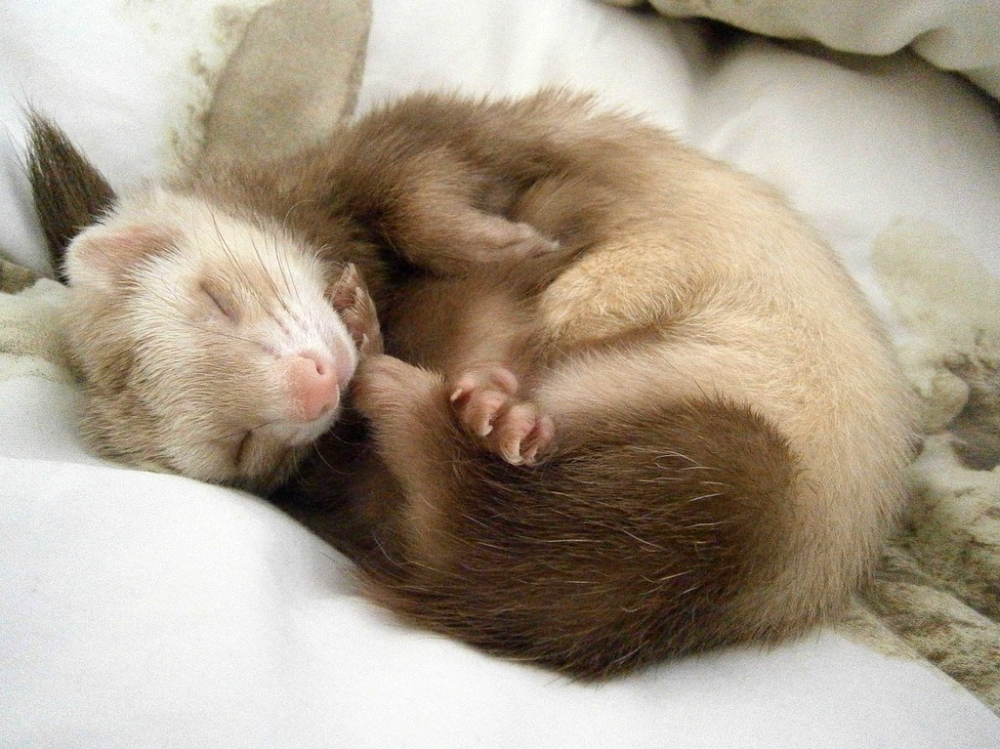
When they are awake, ferrets seem like tiny bundles of endless, chaotic energy, but they actually spend a massive portion of their lives asleep. These playful animals typically sleep between 12 and 18 hours every single day, frequently curling up inside blankets, hammocks, or enclosed hiding places. Their extreme sleep schedule makes their sudden bursts of frantic, bouncing activity even funnier when you realize how much rest fuels those brief moments.
7. Hamsters have food pockets that extend to their shoulders
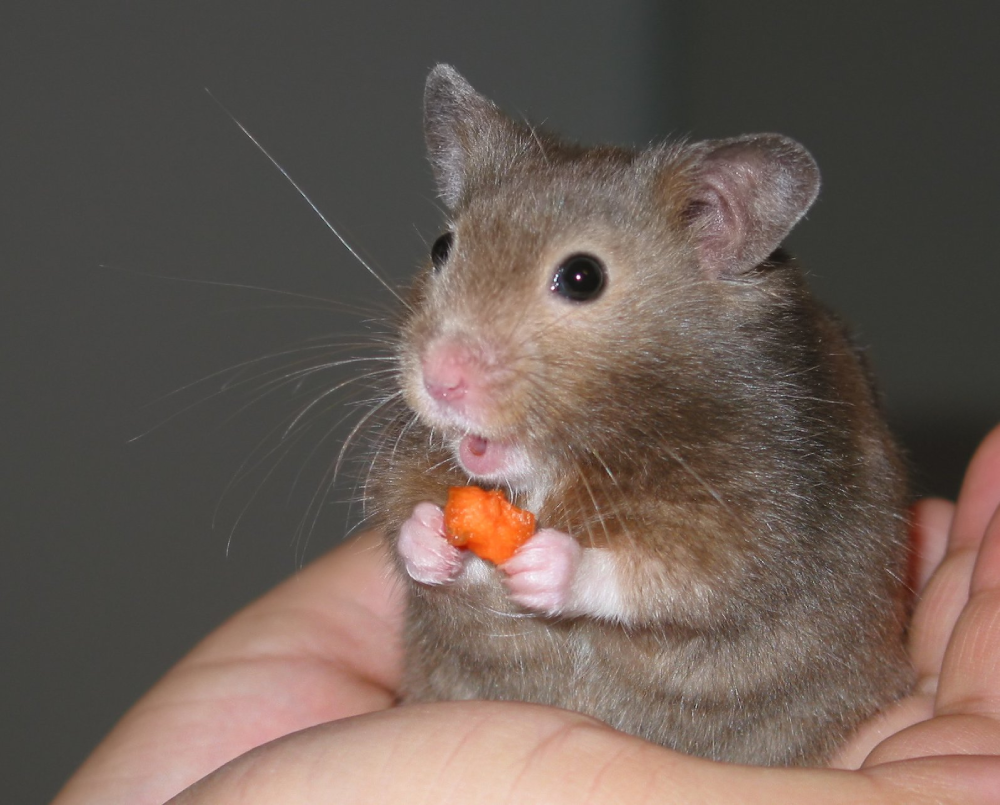
Those enormous hamster cheeks are not just adorable physical features. They are highly expandable storage pouches that can literally stretch all the way back toward the animal’s shoulders, allowing a tiny hamster to carry massive amounts of food at once. They can even transport bedding materials or occasionally their own babies inside these massive pockets, using their front paws to manually push the stored items back out when they reach their destination.
8. Some pet geckos clean their eyeballs with their tongues
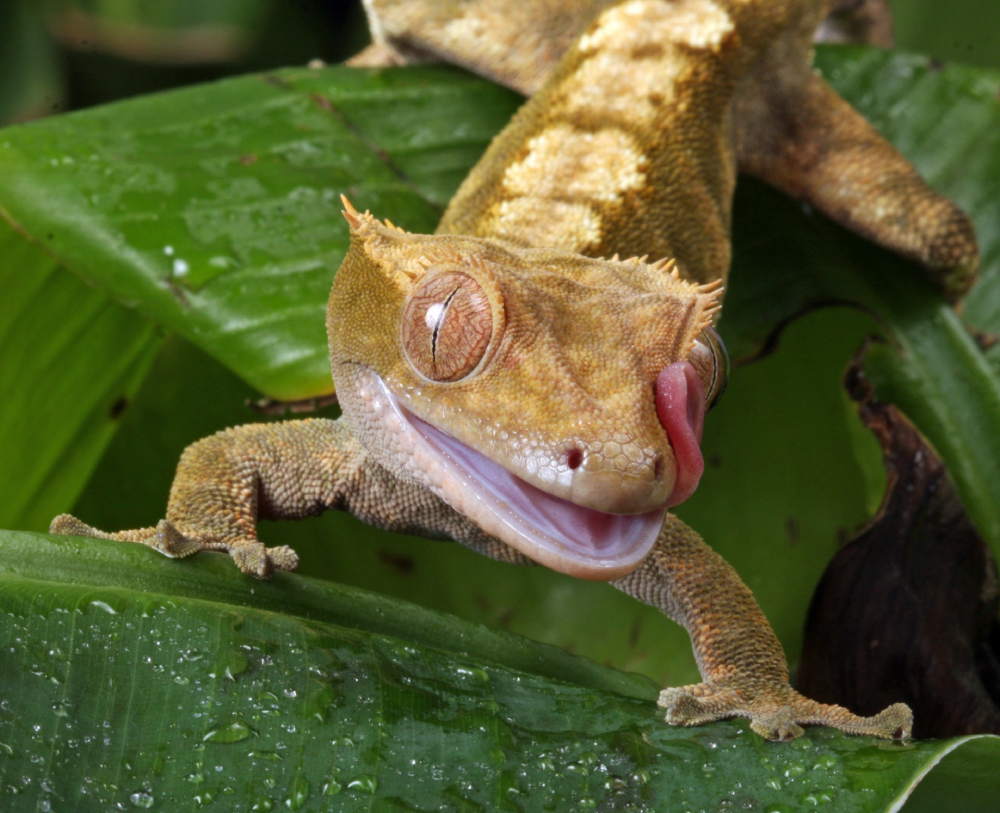
Crested geckos have a daily grooming habit that looks almost impossible to anyone unfamiliar with reptiles: they casually lick their own eyeballs. Unlike humans and many other animals, these geckos completely lack movable eyelids. Instead, they must use their tongues to clean and moisten their eyes. Watching a gecko slowly sweep its tongue across an eyeball is a quick reminder that reptile anatomy works very differently from ours.
Sign up for our newsletter
9. There’s a dog breed that yodels instead of barking
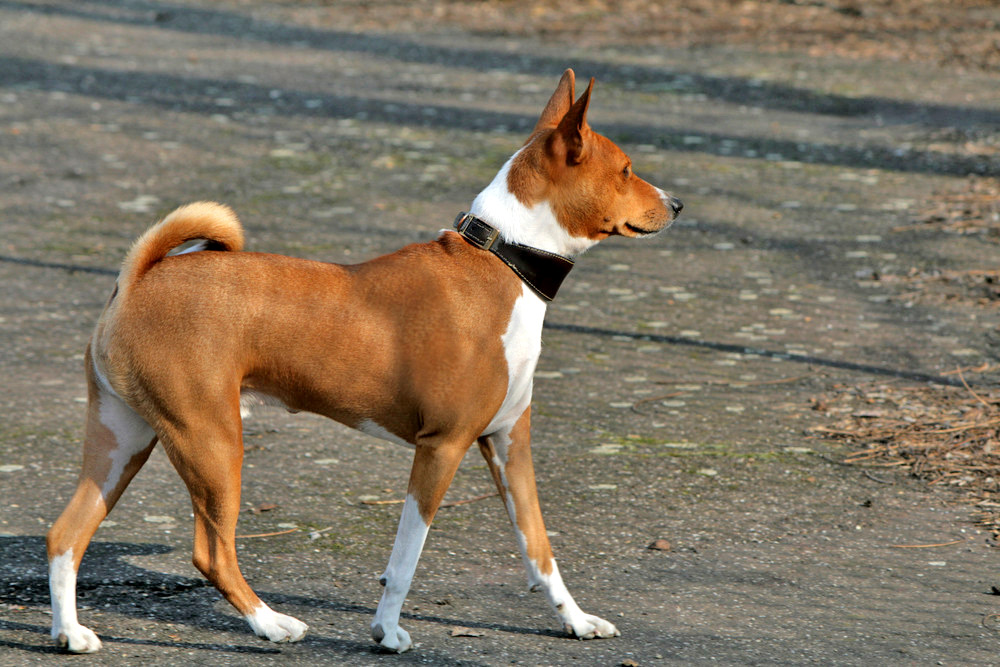
The Basenji has earned the popular nickname “barkless dog,” but that absolutely does not mean the animal is silent. Instead of producing the familiar, sharp bark associated with almost every other dog breed, Basenjis make highly distinctive vocalizations that are most often described as yodels. The breed originated in Central Africa, and its highly unusual voice is just one of the many characteristics that make it act unlike a typical household pet.
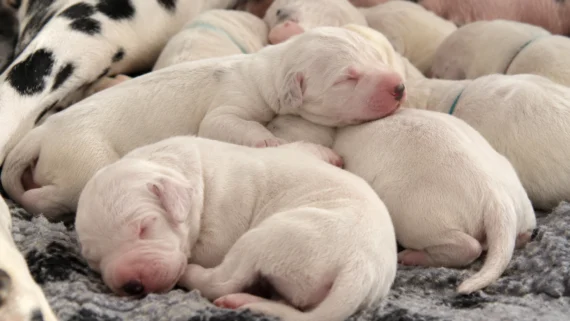
10. Dalmatian puppies are born without their famous spots
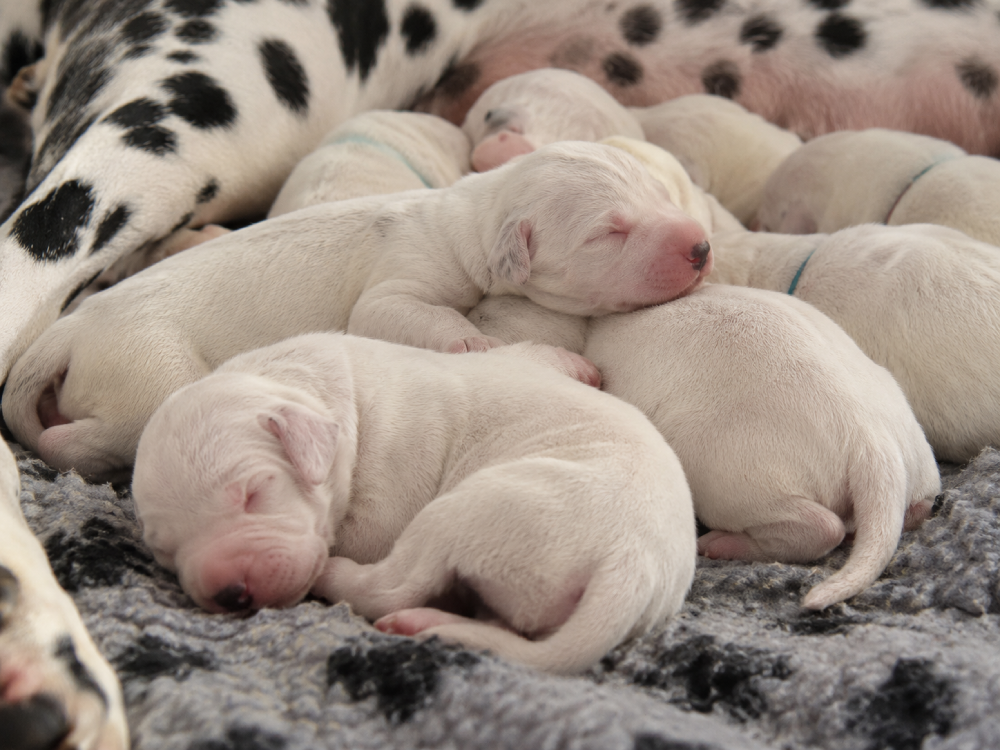
Those instantly recognizable black or liver-colored spots are completely invisible when most Dalmatian puppies are born. Their coats initially appear solid white, and the distinctive spots generally only begin emerging around two weeks later. The pattern continues developing and changing as the puppy grows, sometimes shifting for more than a year. This means one of the world’s most visually recognizable dog breeds actually changes its core appearance long after birth.
11. Dog whiskers can detect objects without touching them
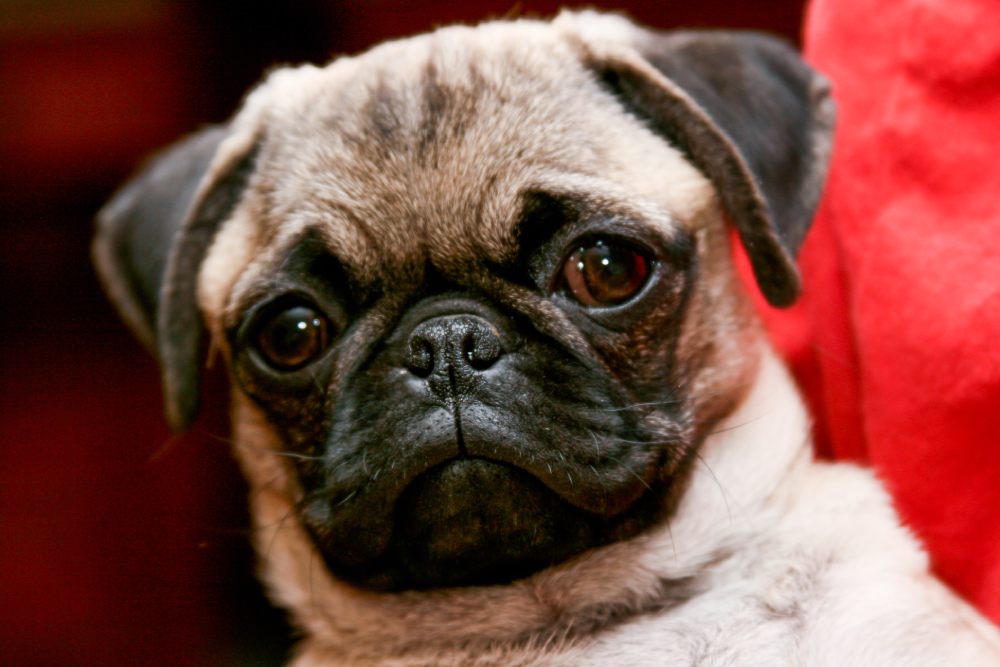
A dog’s whiskers do much more than just decorate its face. These highly specialized sensory hairs, called vibrissae, are sensitive enough to detect incredibly subtle changes in air currents as the animal approaches nearby surfaces. This biological feature allows a dog to sense obstacles before physically bumping into them, which becomes particularly useful when they are navigating tight spaces in dim lighting.
12. Rabbits are physically unable to vomit
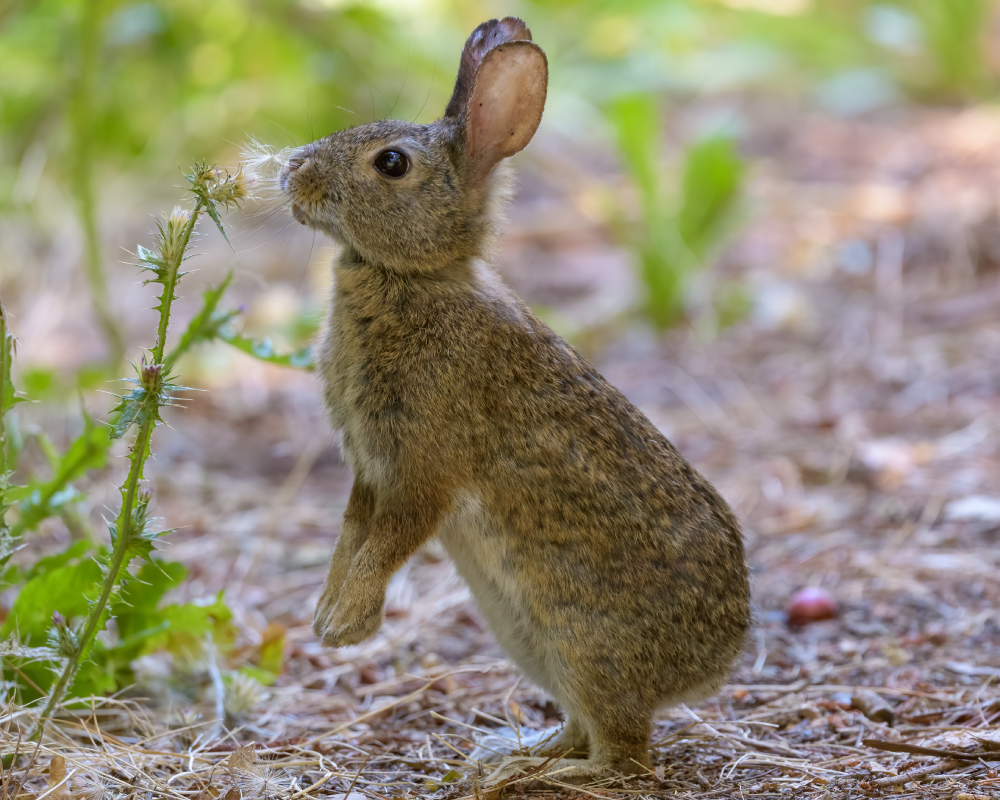
Unlike dogs, cats, and humans, rabbits physically cannot throw up, even when something is seriously wrong with their digestive systems. Their anatomy includes a particularly strong muscular barrier positioned between the stomach and esophagus that strictly prevents stomach contents from traveling backward. This highly unusual limitation helps explain why digestive blockages and other gastrointestinal problems can rapidly become especially dangerous for rabbits.
Explore more mind-blowing facts:
The animals sharing our homes have some remarkable biological surprises hiding beneath their familiar appearances. If you want more mind-blowing facts to lighten up a conversation, make sure to check out these: Nature’s Clues: 12 Times Animals Solved Scientific Mysteries or these 15 Animals With Abilities That Seem Like Superpowers. If you want more, take a look at these 14 Look-Alike Animals That Are Entirely Separate Species.