
The animal world looks quite different from the way it did 50 years ago. Some species that were barely hanging on have made remarkable recoveries, while others have lost huge portions of their populations. Not every change has followed the same pattern, either, with some animals recovering in one region while disappearing from another. From the return of wolves to Yellowstone to the uncertain future of the world’s rarest porpoise, these 15 examples show how dramatically wildlife populations have shifted within a few decades.
1. Wild Animal Populations Have Declined by an Average of 73%

Wildlife decline is often described in terms of individual species disappearing, but the bigger picture is considerably more complicated. WWF’s 2026 Living Planet Report found that monitored populations of vertebrate animals had declined by an average of 73% between 1970 and 2022. The analysis covered more than 35,000 population trends involving mammals, birds, fish, reptiles, and amphibians. That doesn’t mean 73% of all wild animals have vanished. The figure represents the average proportional change in the populations being monitored, and some of those populations actually increased. Freshwater wildlife was particularly affected, with an average decline of 85%.
2. Bald Eagles Have Made an Extraordinary Comeback in the United States
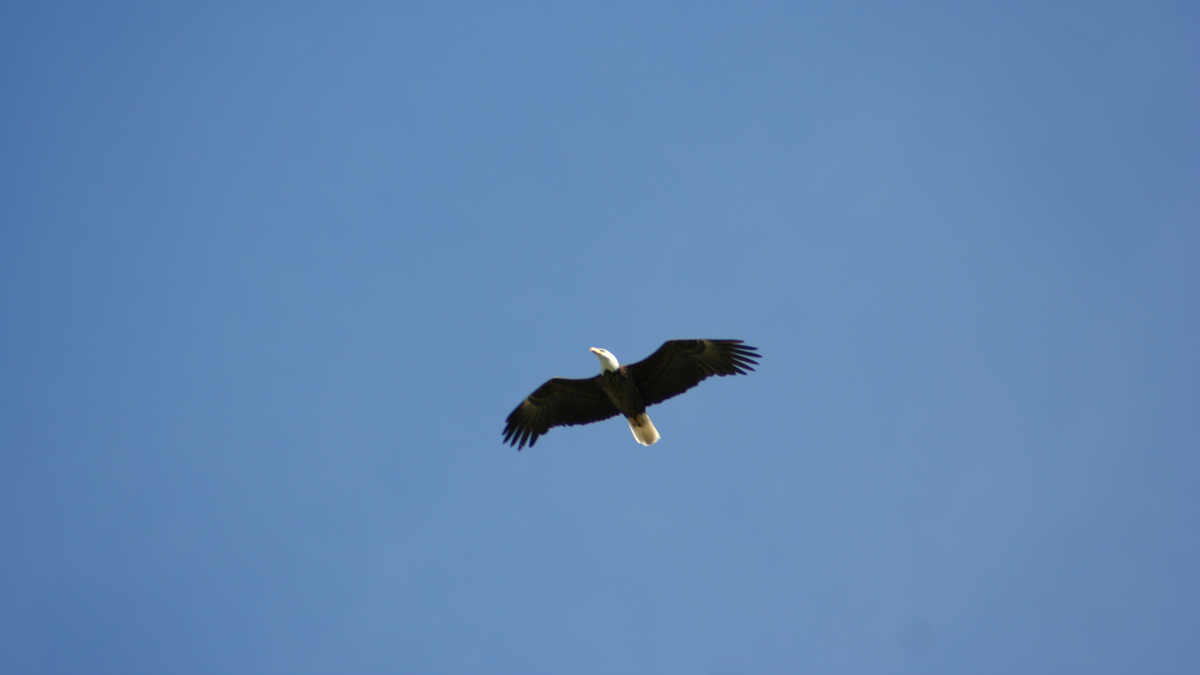
There was a time when spotting a bald eagle in much of the continental United States was relatively unusual. Pesticide contamination, hunting, and habitat destruction had pushed the species into serious trouble during the 20th century. In 1963, researchers recorded just 417 nesting pairs in the contiguous United States. By 2007, that number had climbed to nearly 9,800 pairs, allowing federal authorities to remove the species from the endangered species list. Surveys conducted in 2018 and 2019 produced an estimate of approximately 316,700 individual bald eagles across the lower 48 states. Restrictions on DDT and decades of habitat protection played major roles in the recovery.
3. Mountain Gorillas Have More Than Doubled Their Numbers Since the 1980s
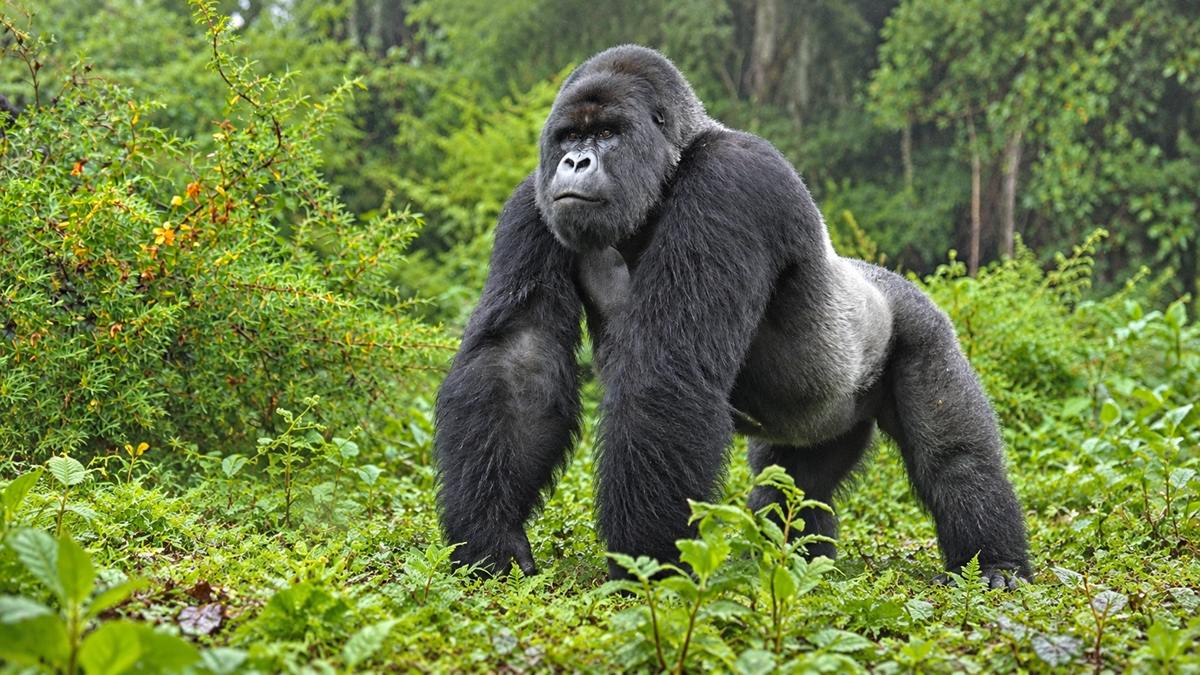
Mountain gorillas were once dangerously close to disappearing from the forests of central Africa. Fewer than 400 were estimated to remain in the early 1980s, living in isolated mountain habitats threatened by human activity. Conservation programs involving local communities, park authorities, and international organizations gradually improved their prospects. Census results released in 2019 brought the estimated wild population to 1,063 animals. That’s still a remarkably small number for an entire subspecies, but it represents a recovery that once seemed unlikely.
4. The Vaquita Has Almost Disappeared From the Gulf of California
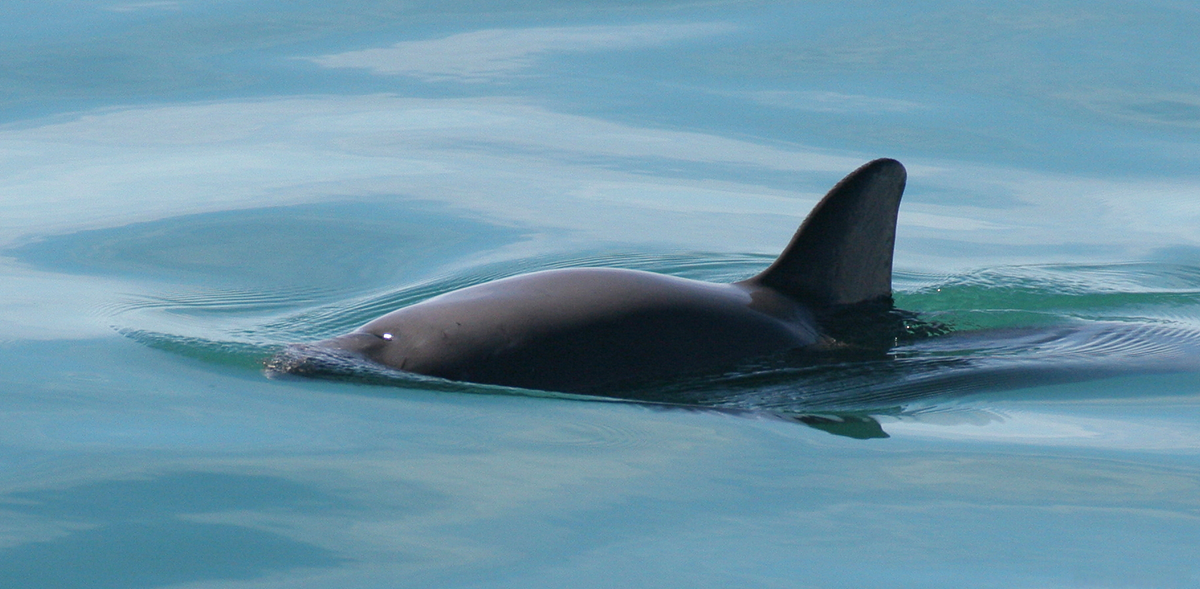
Few animals illustrate the dangers of accidental fishing deaths quite as clearly as the vaquita, a small porpoise found only in Mexico’s northern Gulf of California. A comprehensive survey in 1997 estimated approximately 567 individuals. Since then, entanglement in fishing nets, particularly illegal gillnets associated with the totoaba trade, has devastated the population. During monitoring in 2025, researchers observed an estimated seven to ten distinct vaquitas within the surveyed area, including at least one calf. Those sightings weren’t a complete population count, so the total number surviving remains uncertain. The discovery of young animals offers some encouragement, although the species is still critically endangered.
5. India’s Tiger Population Has More Than Doubled Since 2006

Tigers still face serious conservation problems across much of Asia, but India’s recent numbers tell a different story. A nationwide assessment estimated 1,411 tigers in 2006, compared with approximately 3,682 in 2022. The increase followed years of investment in protected reserves, anti-poaching operations, and wildlife monitoring. India now supports most of the world’s remaining wild tigers, although some individual habitats continue to experience declines.
Trending on The Scroller

6. African Penguin Colonies Have Lost Nearly 80% of Their Breeding Pairs
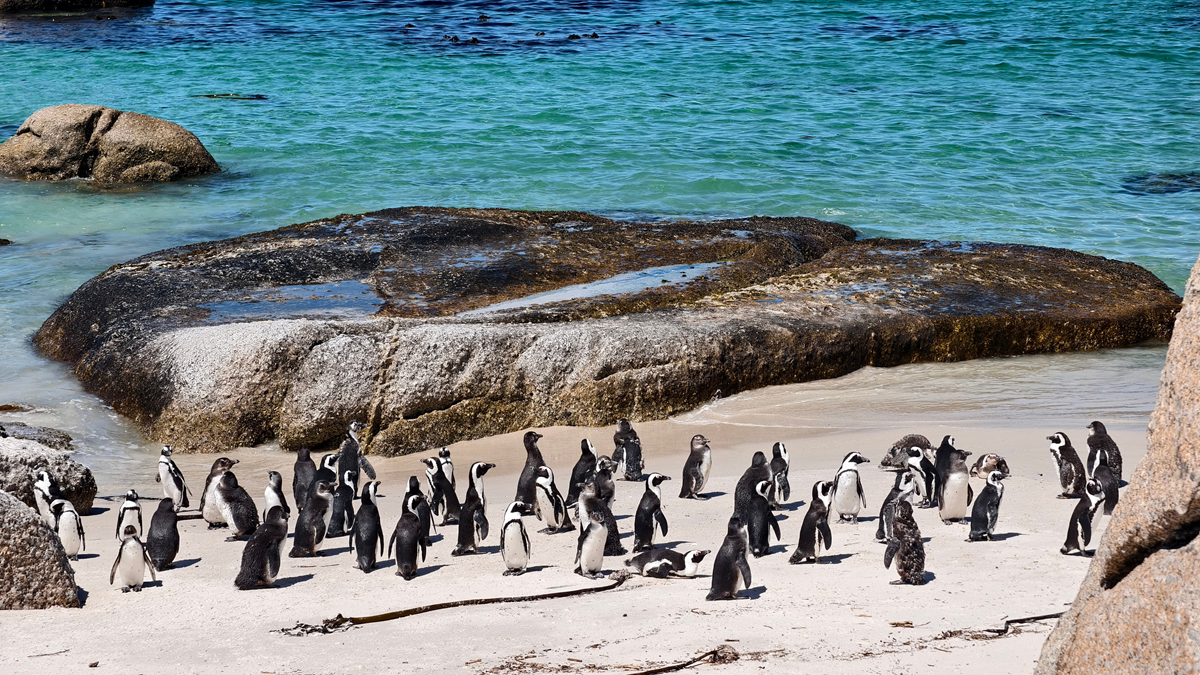
African penguins are unusual among penguins because they live along the relatively warm coasts of South Africa and Namibia. Their colonies were once enormous, with thousands of breeding pairs occupying islands and coastal areas. In 1993, researchers estimated approximately 44,300 breeding pairs across the species’ range. By 2023, that figure had dropped to roughly 10,000 pairs, a decline of about 78%. Changes in fish availability, competition with commercial fisheries, and environmental pressures have contributed to the losses. The species was classified as Critically Endangered globally in 2024.
7. Iberian Lynx Numbers Have Recovered From Near Extinction

At the beginning of the 2000s, the Iberian lynx was among the world’s most endangered wild cats. Its remaining population was concentrated in small areas of Spain, where the disappearance of rabbits, its main prey, had contributed to a serious decline. In 2001, researchers estimated just 62 mature animals. Conservation breeding, habitat restoration, and reintroductions gradually helped the cats recolonize parts of Spain and Portugal. By 2025, the total population, including juveniles, had reached 2,663 individuals, according to Spain’s environment ministry. The species was reclassified from Endangered to Vulnerable by the IUCN in 2024, although conservation efforts remain essential.
8. Borneo Lost an Estimated 148,500 Orangutans in Just 16 Years

Orangutans spend much of their lives high in the rainforest canopy, which makes tracking their populations particularly difficult. Researchers studying Borneo combined field surveys, habitat information, and population models to estimate how their numbers had changed. Their 2018 study estimated that approximately 148,500 Bornean orangutans had been lost between 1999 and 2015, although the figure carried substantial statistical uncertainty. Deforestation contributed to the decline, but hunting and other human pressures also affected animals living in forests that remained standing.
Sign up for our newsletter
9. California Condors Went From 23 Survivors to More Than 600 Birds
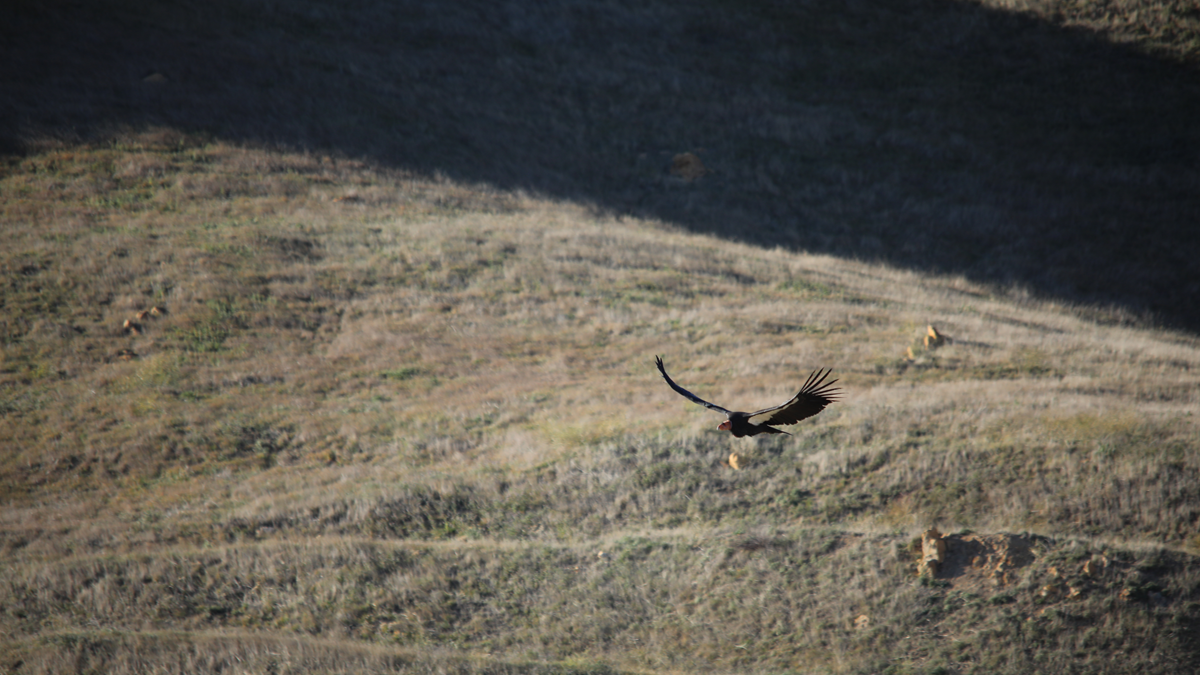
In 1982, only 23 California condors were known to survive anywhere in the world. Wildlife officials eventually made the difficult decision to bring all remaining wild condors into captivity, hoping a breeding program could keep the species alive. Releases back into the wild began in 1992. By the end of 2025, the global population had reached 607 birds, including those in captivity and those living free. Lead poisoning and other threats remain serious problems, but condors are once again flying over parts of the American West.
10. Saiga Antelopes Have Returned to Kazakhstan’s Grasslands in Huge Numbers
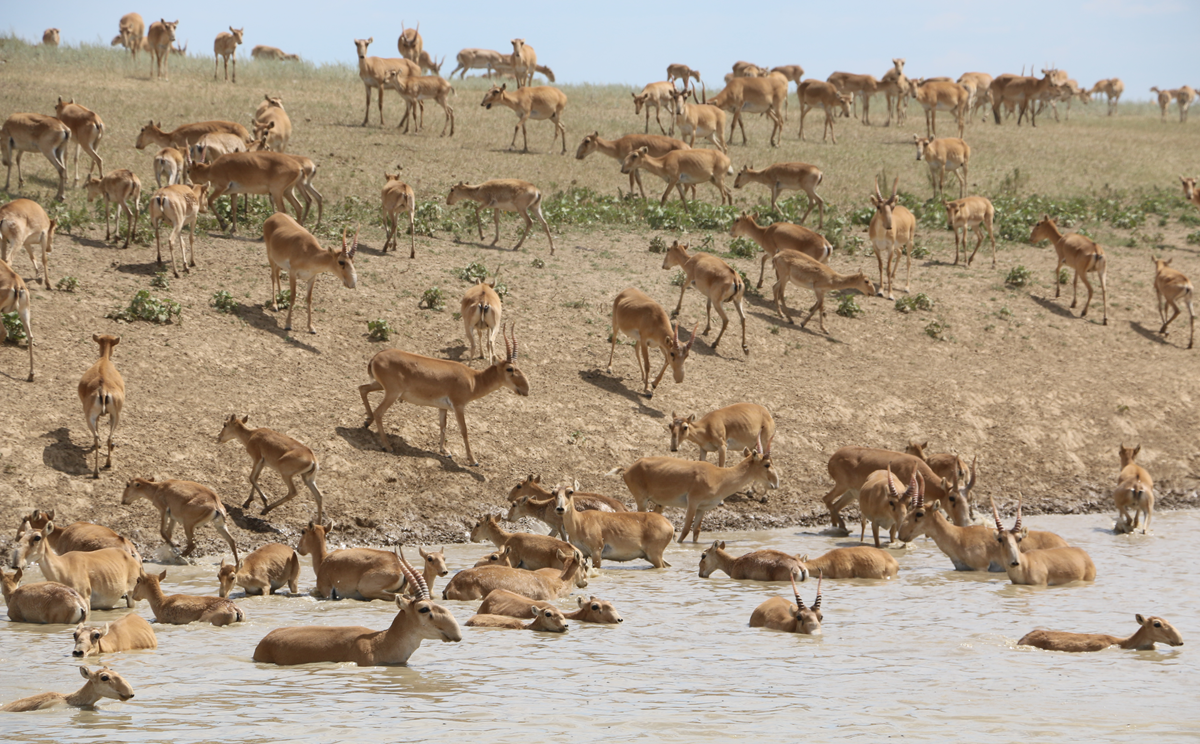
The saiga antelope looks almost prehistoric, with its unusual enlarged nose and a habit of gathering in enormous migrating herds. Its population suffered heavily from poaching, disease, and environmental pressures following the collapse of the Soviet Union. Kazakhstan’s saigas experienced another disaster in 2015, when a bacterial disease outbreak killed a large proportion of one population. Yet the animals subsequently rebounded. Official estimates placed Kazakhstan’s population at approximately 334,400 in 2019, rising to around 4.7 million by 2026. The recovery has been so substantial that authorities now face questions about managing enormous herds and their interactions with agricultural land.
11. Monarch Butterfly Migration Is Much Smaller Than It Was in the 1990s

Every autumn, millions of monarch butterflies travel south toward overwintering forests in Mexico. Scientists monitor the eastern migratory population by measuring how much forest the butterflies occupy during winter, rather than attempting to count them individually. During the winter of 1995-1996, monarchs covered nearly 45 acres of forest. In the winter of 2025-2026, that figure was approximately 7.24 acres, despite an improvement from the previous year. Habitat loss, reduced milkweed availability, pesticides, and changing weather conditions have complicated the future of this remarkable migration.
12. Giant Pandas Are No Longer Classified as Endangered

For decades, the giant panda served as a familiar symbol of animals approaching extinction. Extensive conservation efforts in China, including the protection and restoration of bamboo forests, helped improve its situation. A national survey covering 2011 to 2014 estimated approximately 1,864 wild pandas, reflecting a gradual population increase since the 1990s. In 2016, the IUCN changed the species’ classification from Endangered to Vulnerable. Pandas remain threatened by fragmented habitats, but their situation is considerably better than it was several decades ago.
13. North Atlantic Right Whales Have Lost Much of Their Earlier Recovery
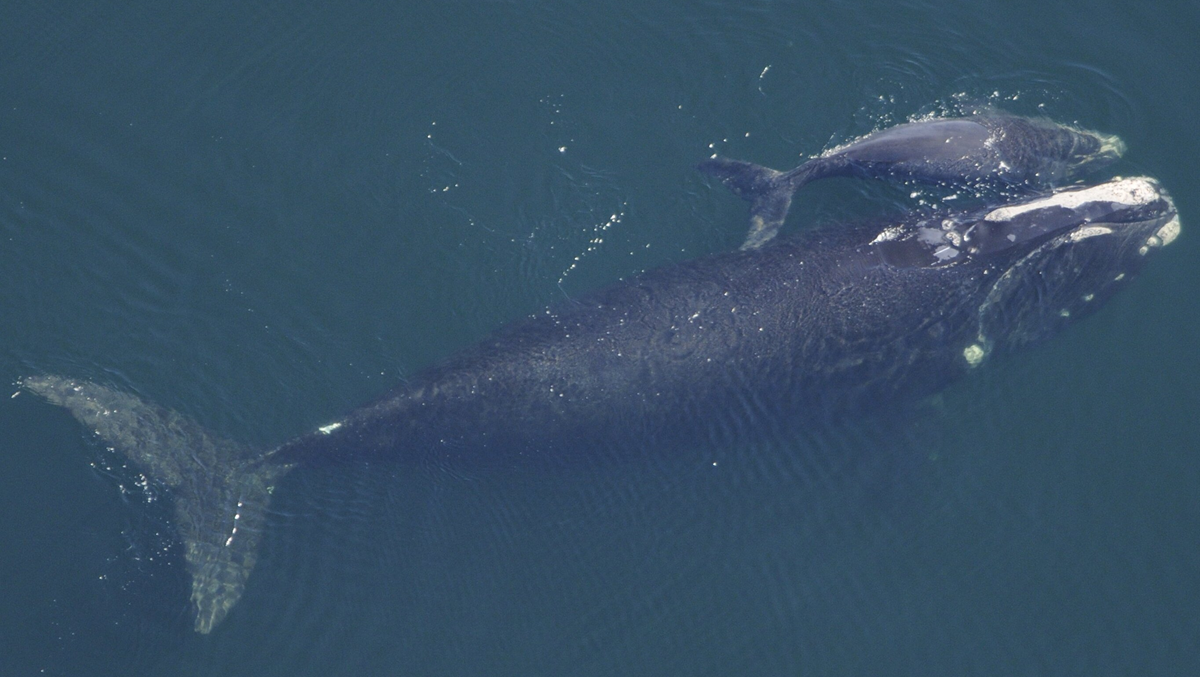
North Atlantic right whales survived centuries of commercial whaling, only to encounter new dangers from modern shipping and fishing. Their population recovered from an estimated 289 individuals in 1990 to approximately 476 in 2010. Unfortunately, that improvement did not last. Entanglements, vessel collisions, and changing feeding conditions contributed to another decline, with researchers estimating approximately 384 whales at the beginning of 2024. Recent estimates suggest that only about 70 reproductively active females remain. Although population numbers have shown modest improvement in recent years, the species is still far from secure.
14. Green Sea Turtles Are Nesting in Florida in Far Greater Numbers
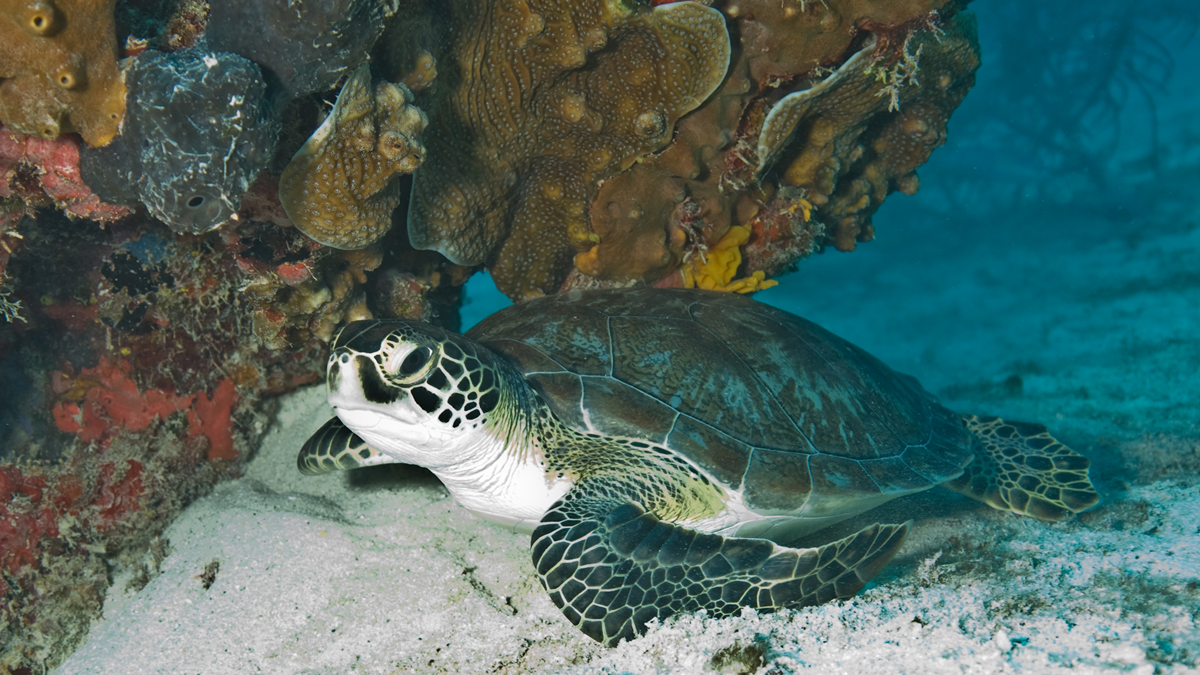
Florida’s beaches have witnessed a remarkable change in green sea turtle nesting over the past few decades. When standardized monitoring began in 1989, the numbers were relatively small. Counts at the state’s 27 core index beaches have since increased dramatically, reaching a record 61,023 nests in 2023. Turtle nesting varies considerably between years, partly because females don’t necessarily breed every season. In 2025, researchers recorded nearly 50,000 nests at those same beaches. The long-term increase offers encouraging evidence that protections for nesting beaches and sea turtles can produce substantial results.
15. Wolves Have Returned to Yellowstone After a 70-Year Absence
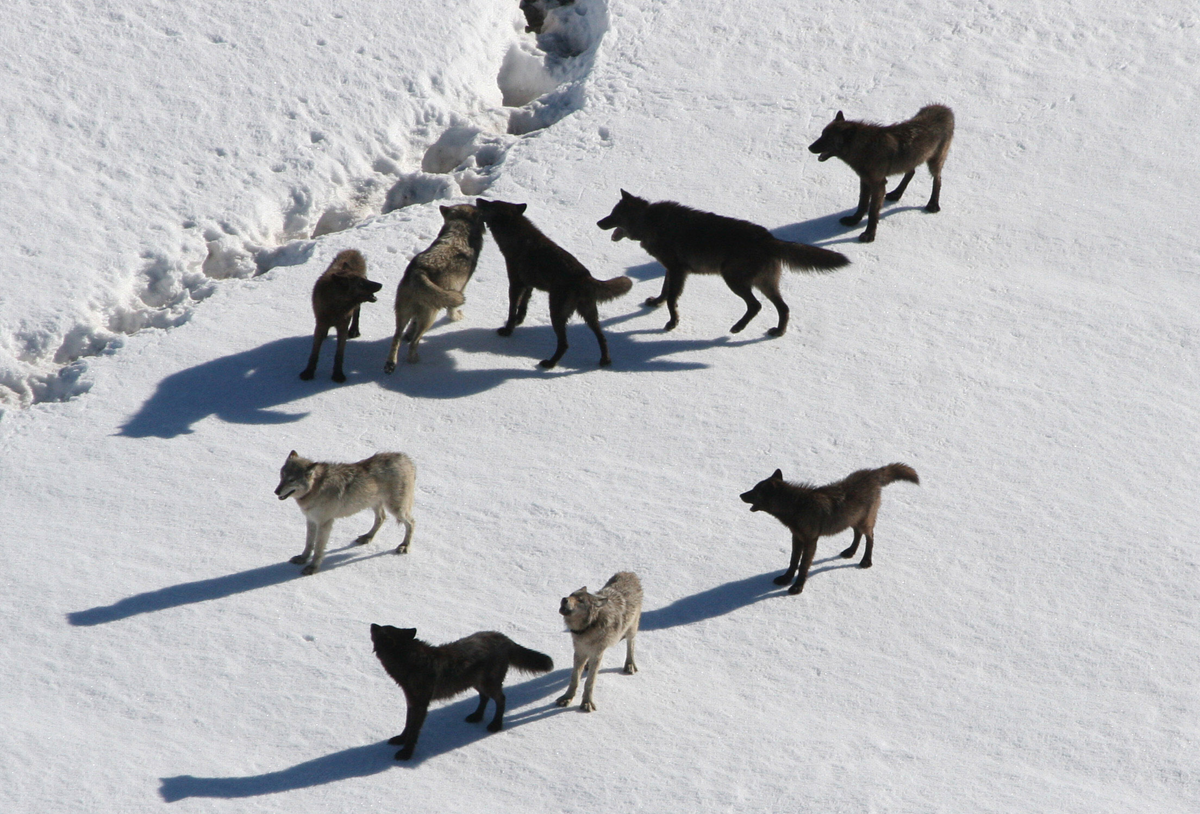
Wolves were eliminated from Yellowstone National Park during the early 20th century, leaving the region without one of its major native predators for decades. In 1995 and 1996, wildlife authorities brought 31 gray wolves from Canada to begin restoring the population. The animals established packs, reproduced, and eventually spread across the wider Greater Yellowstone Ecosystem. In 2024, at least 108 wolves lived primarily within the park, distributed among nine packs. Their return became one of North America’s best-known wildlife restoration projects, although wolf management remains controversial in surrounding areas.
In the mood for more?
Check out 15 Animals That Could Soon Disappear Forever, or take a look at 15 Surprising Ways Wild Animals Are Adapting to City Life. If you want to see more wildlife stories, you can check out 15 Animals With Superpowers That Seem Straight Out of Science Fiction.