Some animals can survive being frozen, others can change their appearance in seconds, and a few have senses that humans can barely imagine. These abilities might sound like something from science fiction, but researchers have observed them in creatures living in forests, oceans, deserts, and even ordinary backyards. Many developed over millions of years as ways to find food, escape predators, or survive difficult conditions. Here are 15 animals whose unusual talents show just how far evolution can go.
1. Axolotl: The Salamander That Can Regrow Entire Limbs
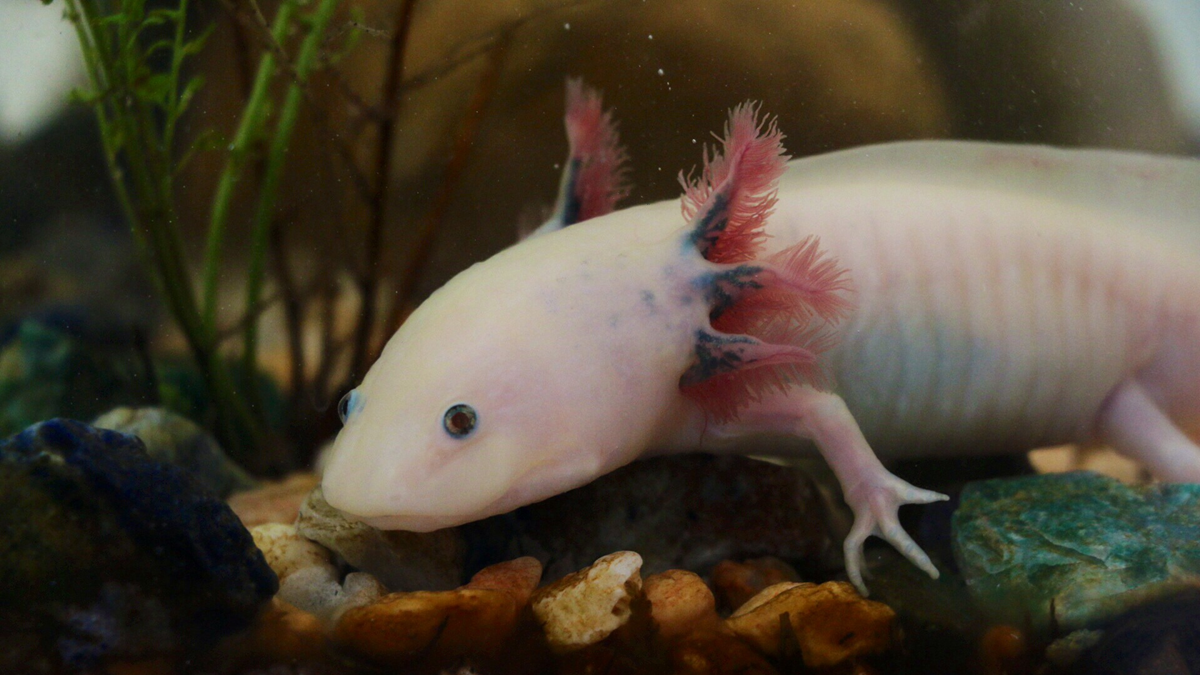
Losing a leg would be a permanent injury for most animals, but an axolotl can grow another one. This unusual Mexican salamander can regenerate limbs, parts of its spinal cord, and even certain tissues in its heart and brain. The replacement limb develops bones, muscles, nerves, and blood vessels rather than simply forming a scar. Scientists have studied axolotls for decades to understand how their cells coordinate such extensive repairs. Despite their biological resilience, wild axolotls are critically endangered, surviving mainly in the waterways around Xochimilco in Mexico City.
2. Mantis Shrimp: The Crustacean With an Extraordinary Punch
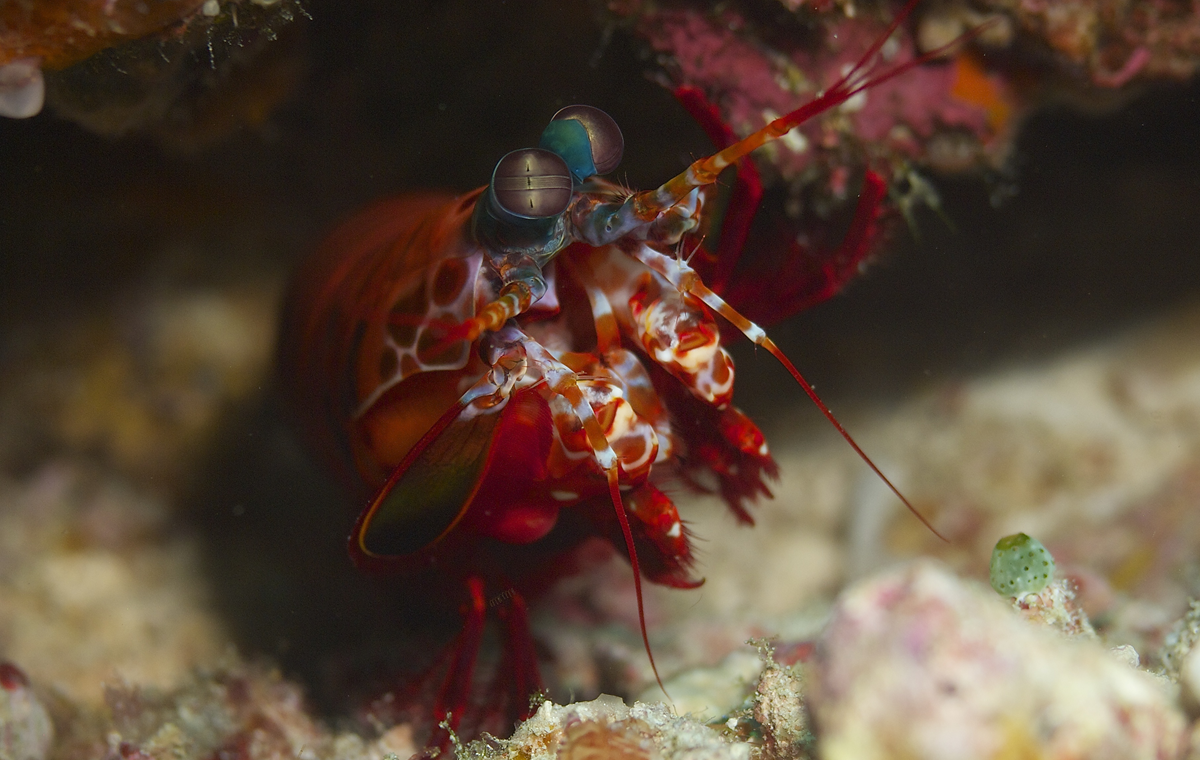
A mantis shrimp might fit comfortably in a person’s hand, but some species deliver strikes powerful enough to crack the shells of crabs and snails. Their club-shaped appendages accelerate so quickly that the surrounding water forms collapsing vapor bubbles, a phenomenon called cavitation. These bubbles can generate additional force and even brief flashes of light. Mantis shrimp also possess unusually complex eyes capable of detecting ultraviolet and polarized light. Their impressive visual equipment doesn’t necessarily mean they distinguish colors better than humans, but it gives them access to information our eyes cannot detect.
3. Wood Frog: The Amphibian That Freezes and Comes Back to Life
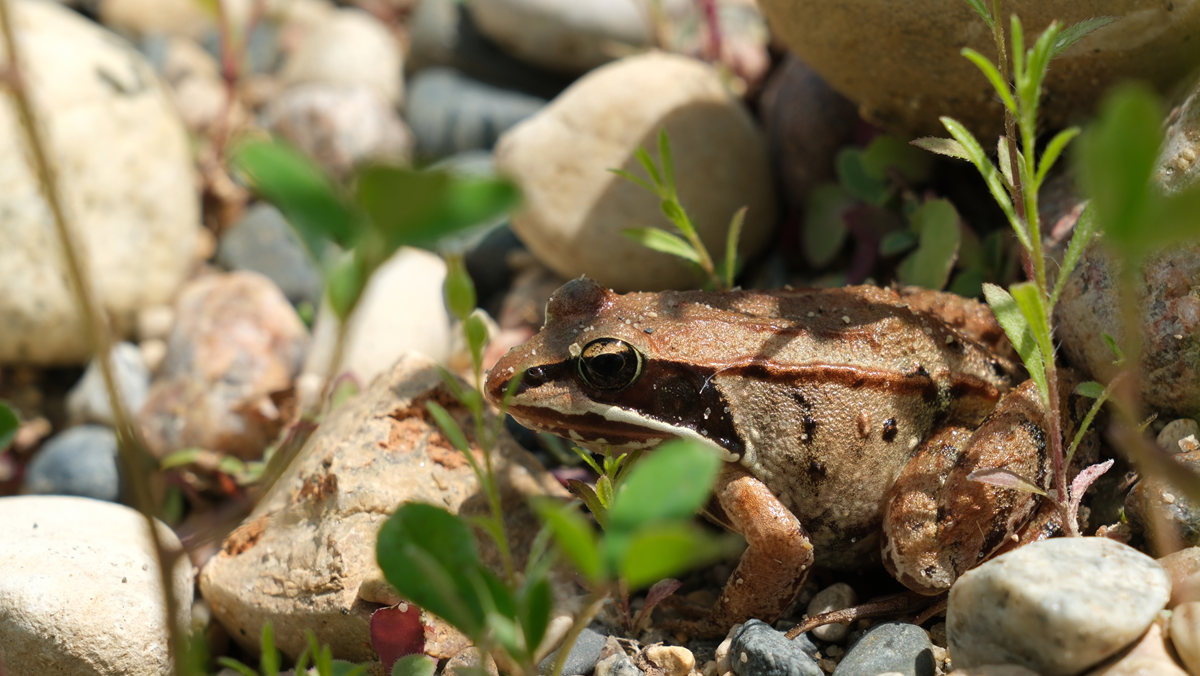
Winter temperatures in Alaska can fall far below what most amphibians could survive. The wood frog handles the cold by allowing much of the water in its body to freeze, while high concentrations of glucose and other protective substances help prevent damage to its cells. Its heartbeat and breathing stop during this frozen state. When warmer weather returns, the frog thaws, resumes normal activity, and eventually begins breeding. It is one of the few vertebrates capable of surviving such extensive freezing.
4. Octopus: The Master of Changing Color and Texture
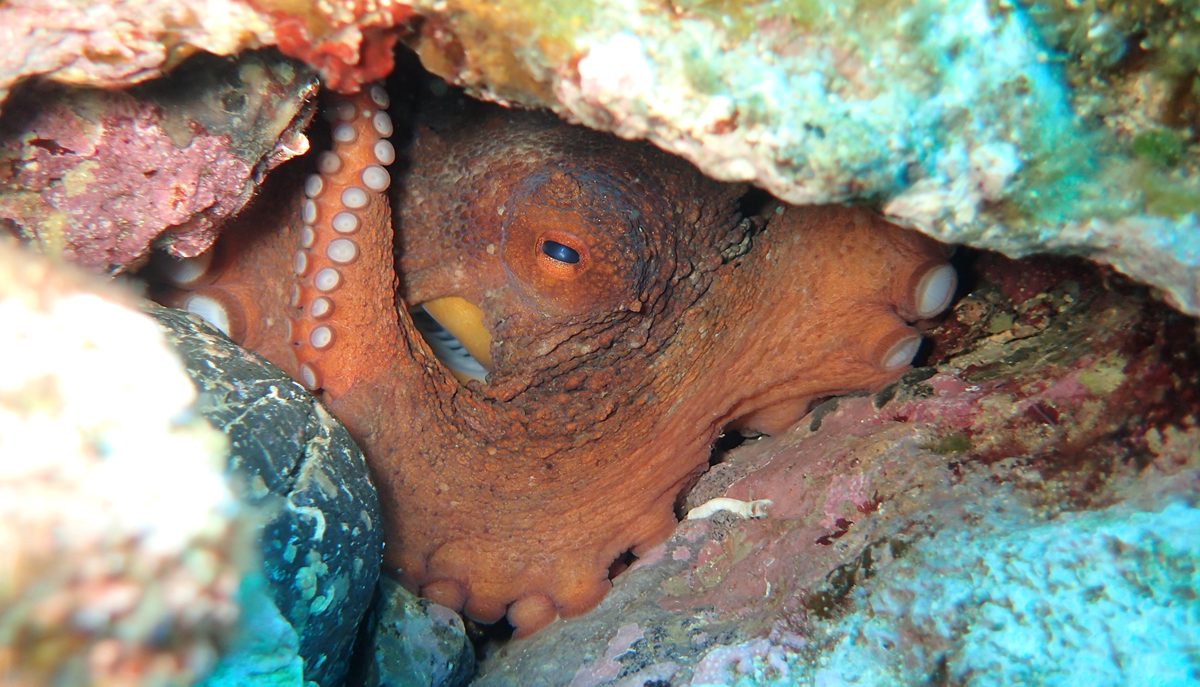
An octopus resting on a rocky seabed can become almost impossible to spot within seconds. Special pigment cells called chromatophores allow it to alter its coloration, while muscular structures in its skin create bumps and projections that resemble rocks, coral, or surrounding vegetation. Some species can transform their appearance so thoroughly that a smooth-bodied animal suddenly looks rough and irregular. The process is controlled by a sophisticated nervous system and happens without the octopus needing to physically move into a hiding place. It can even change its appearance while swimming away from danger.
5. Archerfish: The Fish That Shoots Down Insects
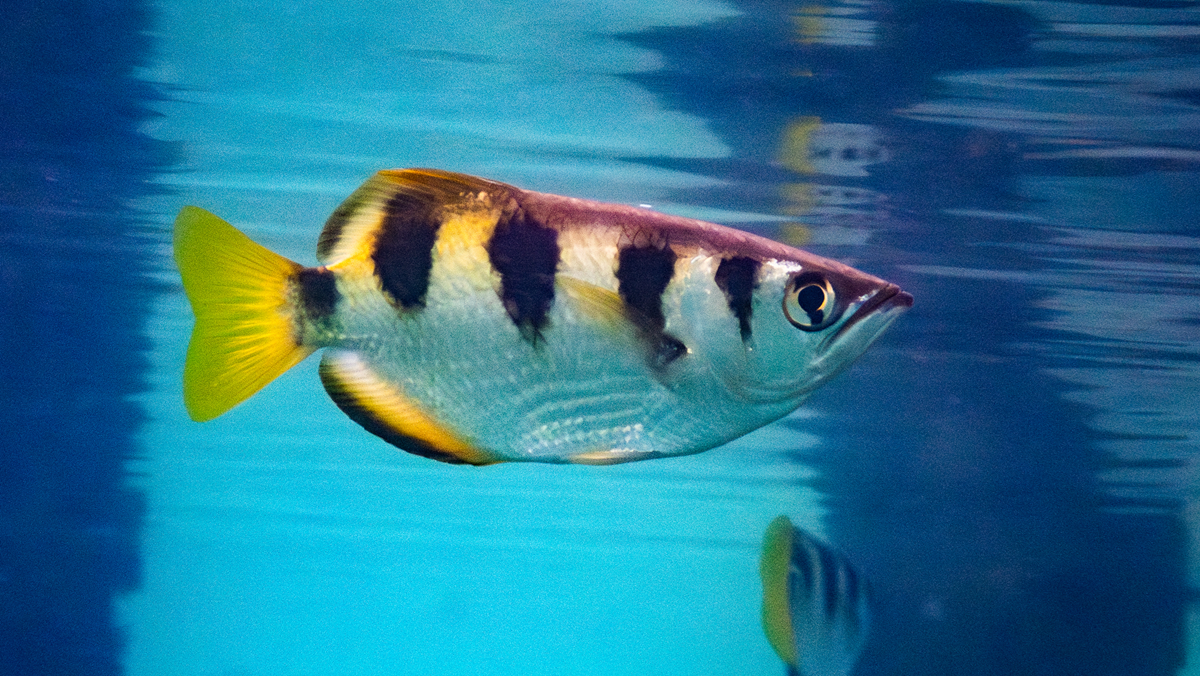
Instead of jumping out of the water to catch insects, archerfish shoot concentrated jets of water from their mouths. By adjusting the shape of their mouths and the timing of the jet, they can knock prey from branches and leaves above the surface. Their accuracy is particularly impressive because light bends when passing between air and water, making the target appear displaced. Laboratory experiments have also shown that archerfish can learn to distinguish images of human faces, an ability researchers once associated mainly with animals possessing more complex brains.
Trending on The Scroller

6. Dung Beetle: The Insect That Navigates by the Milky Way
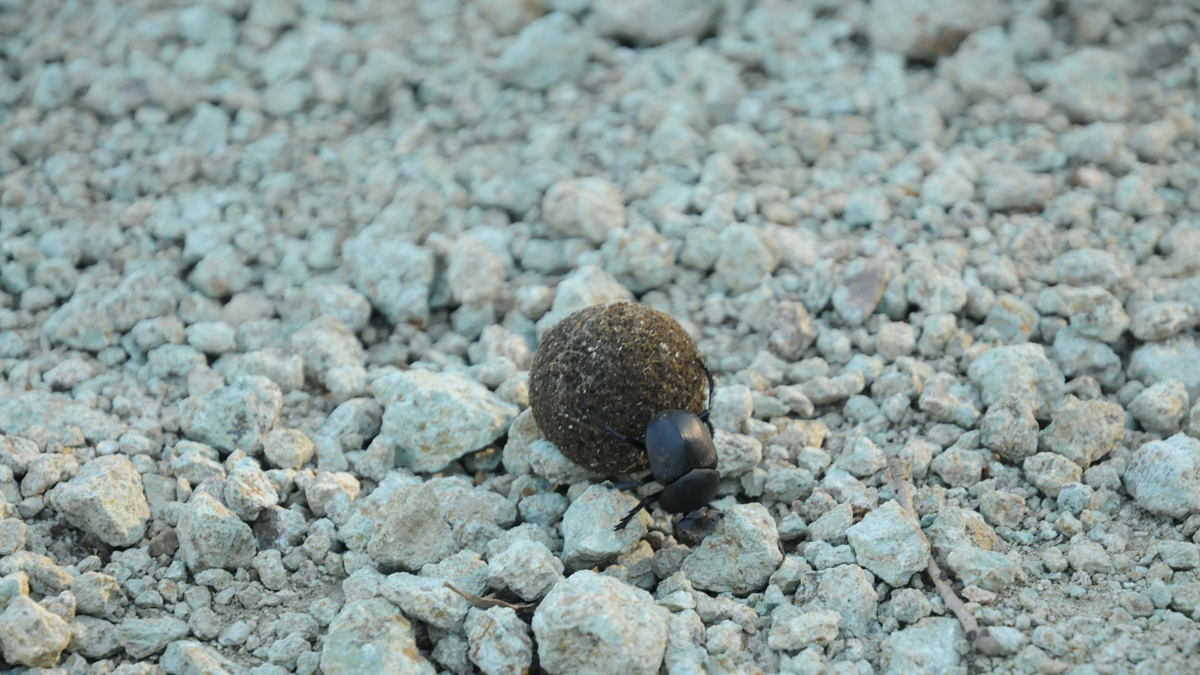
Rolling a ball of dung across open ground requires surprisingly careful navigation. Some African dung beetles use the sun, moon, and patterns of polarized light to maintain a straight course, while the nocturnal species Scarabaeus satyrus can even orient itself using the Milky Way. Researchers demonstrated this ability in experiments conducted under natural skies and inside a planetarium. The beetles aren’t recognizing individual stars. Instead, they appear to use the broad brightness pattern of our galaxy to keep moving in the right direction.
7. Electric Eel: The Fish That Generates Powerful Electric Shocks
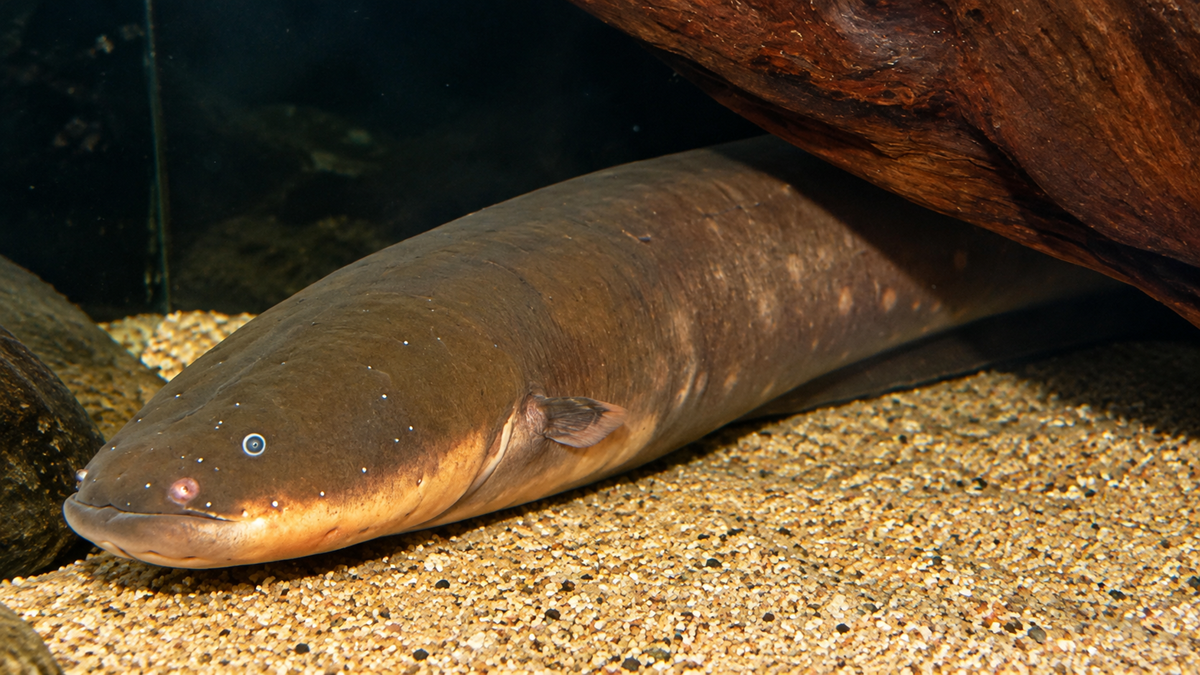
Electric eels are actually a type of knifefish, and their bodies contain specialized cells that function like biological batteries. By activating thousands of these cells together, they generate electrical discharges powerful enough to stun prey or discourage predators. The strongest documented species, Electrophorus voltai, has produced discharges measuring 860 volts under experimental conditions. Electric eels also use weaker electrical signals to detect their surroundings and communicate. They are even capable of leaping partly out of the water to deliver defensive shocks against potential threats.
8. Tardigrade: The Tiny Animal That Can Survive Space
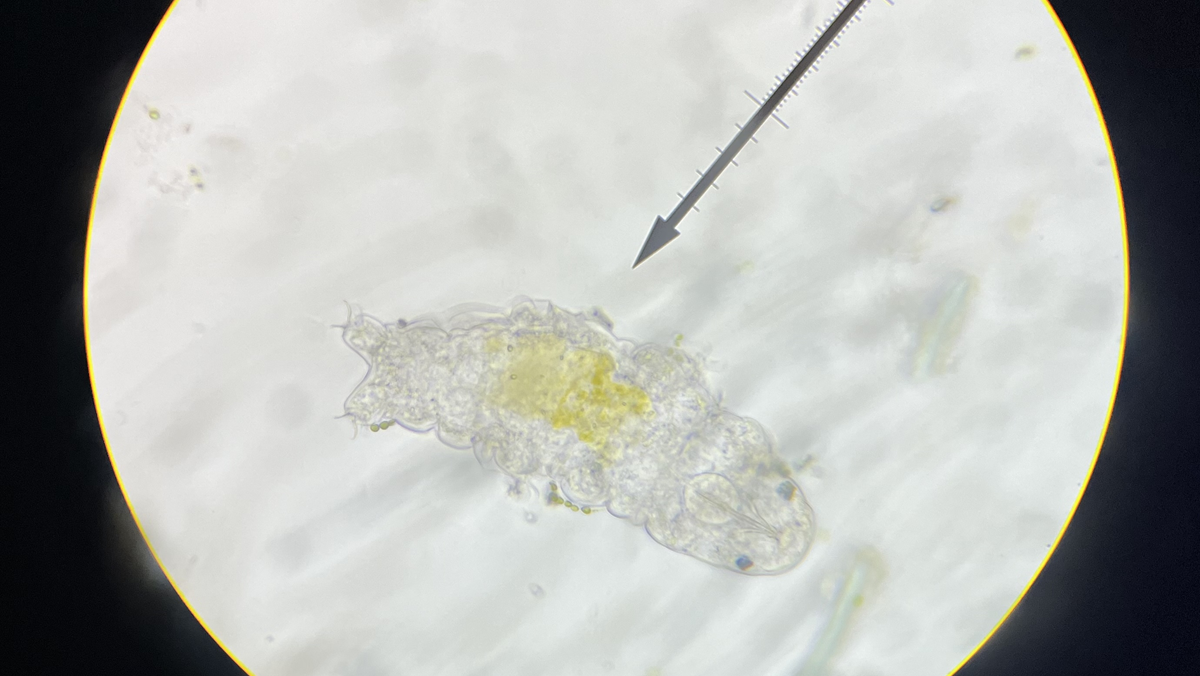
Tardigrades, commonly called water bears, are microscopic animals that live in moss, soil, and freshwater habitats. When conditions become dangerously dry, many species can enter a nearly dormant state in which their metabolism drops dramatically. In this condition, some have survived extreme temperatures, intense radiation, and exposure to the vacuum of space. During a European Space Agency experiment in 2007, certain tardigrades survived exposure to space and revived after returning to Earth, although survival was much lower among those exposed to direct solar radiation. Their resistance varies considerably between species and environmental conditions.
Sign up for our newsletter
9. Bombardier Beetle: The Insect That Fires Boiling Chemicals
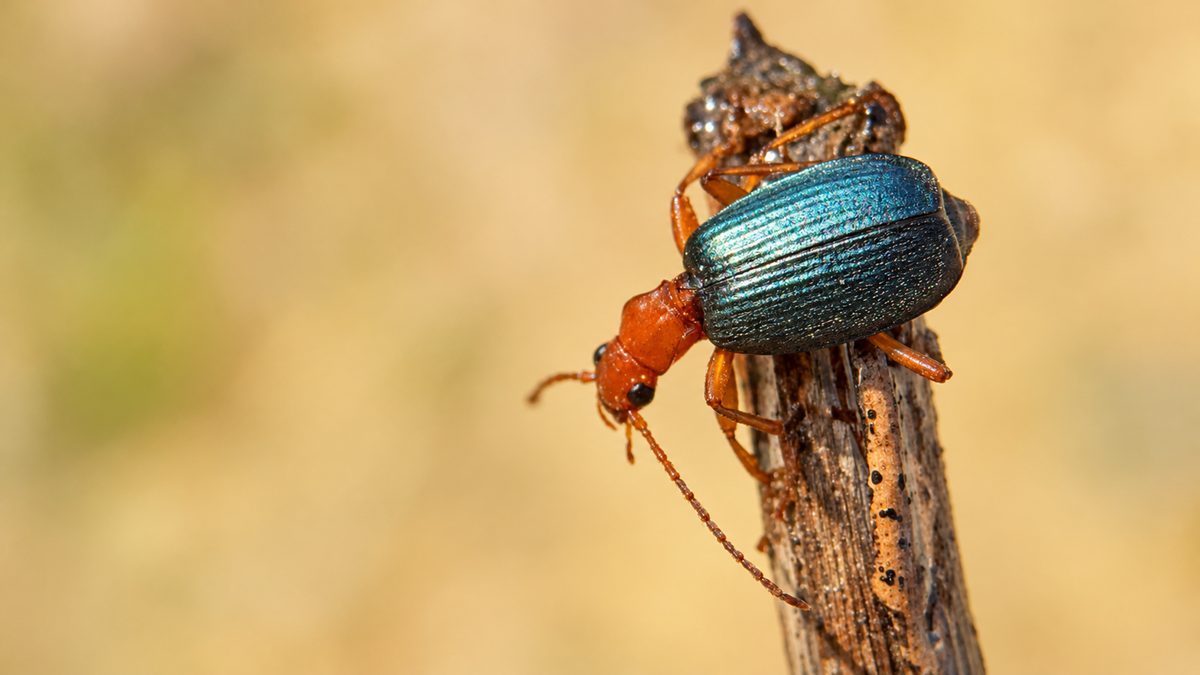
The bombardier beetle has a defensive weapon that sounds more like a miniature chemical reactor than something found in nature. When threatened, it mixes chemicals inside a specialized chamber in its abdomen, triggering a reaction that produces heat, pressure, and an irritating spray. In certain species, the liquid can reach temperatures close to 100°C (212°F) before being expelled toward predators in rapid pulses. High-speed X-ray studies have revealed how an internal valve helps control these bursts, preventing the reaction from damaging the beetle itself. It’s an unusually sophisticated defense system for an insect barely a few centimeters long.
10. Platypus: The Mammal That Detects Electrical Signals Underwater
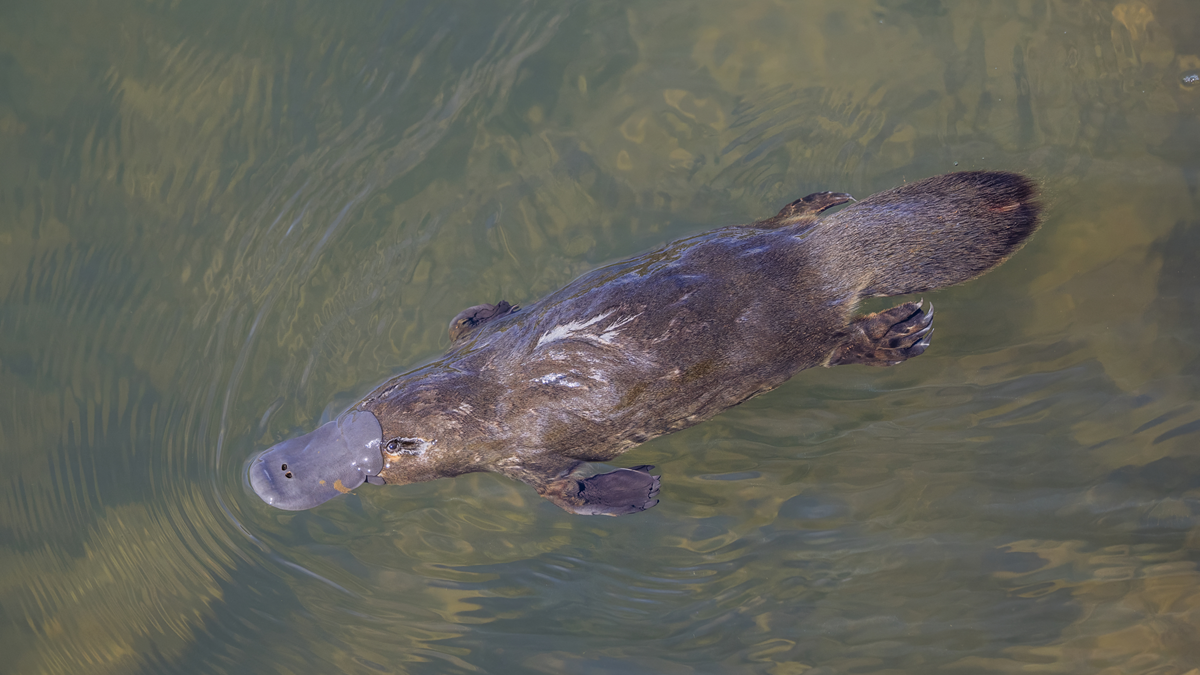
The platypus already looks unusual, with its duck-like bill, webbed feet, and broad tail. Its hunting technique is stranger still. When diving, it closes its eyes, ears, and nostrils, then uses specialized receptors in its bill to detect weak electrical signals generated by the muscles of underwater prey. Those signals help it locate insect larvae, worms, and small crustaceans hidden along riverbeds. The platypus is one of the few mammals known to rely heavily on electroreception while hunting.
11. Bar-Tailed Godwit: The Bird That Flies for 11 Days Without Stopping
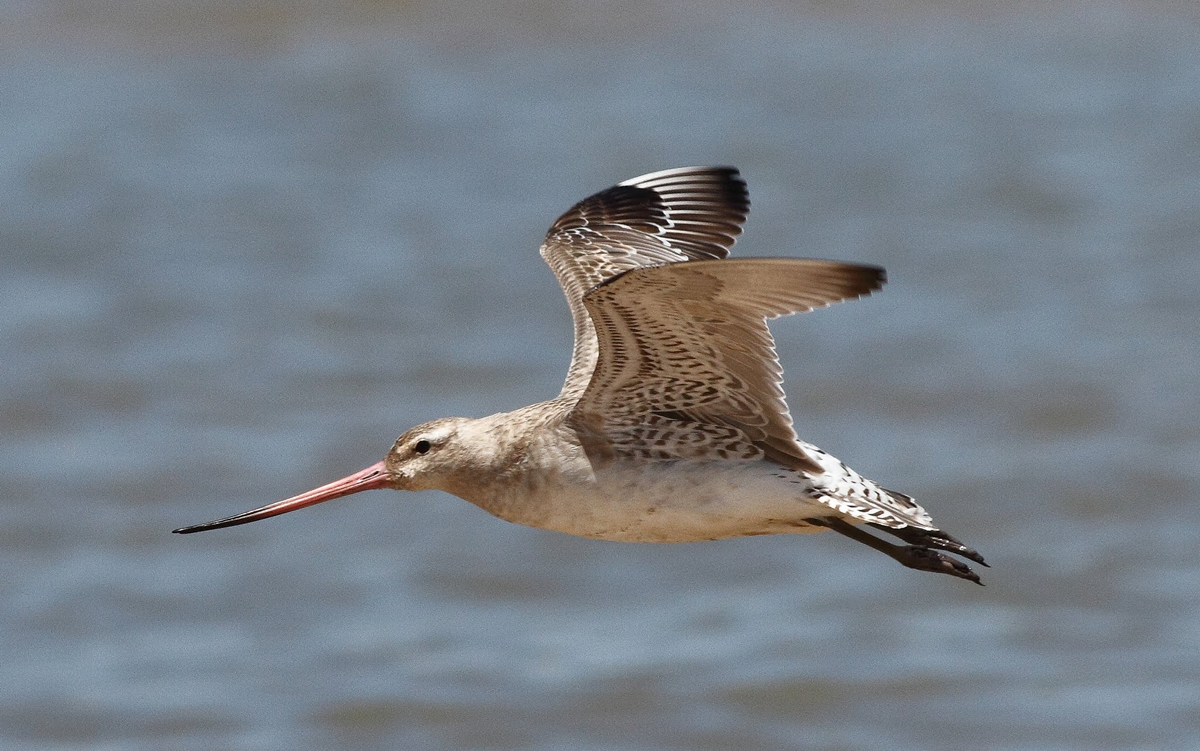
In October 2022, a young bar-tailed godwit fitted with a satellite tracker traveled approximately 8,425 miles from Alaska to Tasmania without stopping for food or rest. The journey lasted 11 days and established a documented long-distance flight record. These shorebirds prepare for migration by accumulating substantial fat reserves, and their bodies can adjust the size of certain internal organs to accommodate the demands of flight. For an animal weighing only a few hundred grams, crossing much of the Pacific Ocean in one continuous journey is an enormous physical undertaking.
12. Pistol Shrimp: The Small Crustacean That Creates a Shock Wave
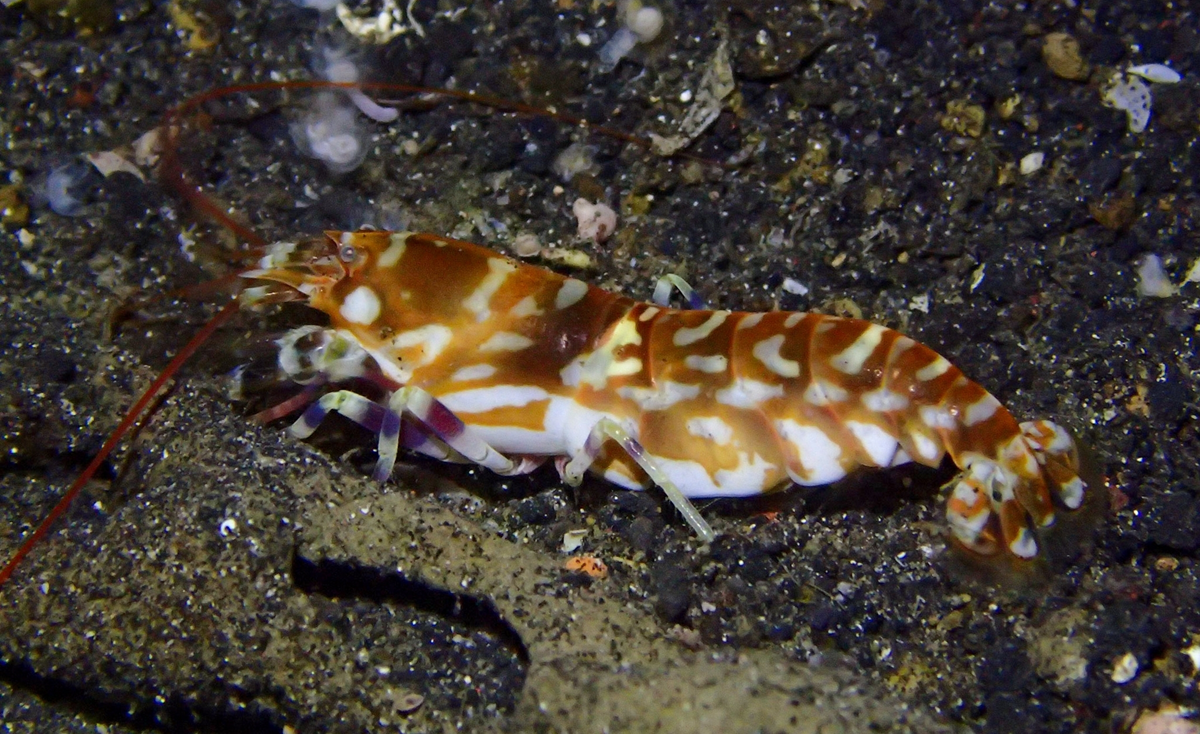
A pistol shrimp doesn’t need a large body to produce an astonishing amount of force. It uses an oversized claw to shoot a high-speed jet of water that creates a vapor bubble. When that bubble collapses, it produces a sharp snapping sound and a powerful local shock wave capable of stunning small prey. The collapse also generates extremely high temperatures for a tiny fraction of a second, although the surrounding water quickly absorbs the heat. Much of the noise associated with certain shallow marine environments comes from colonies of these surprisingly loud animals.
13. Horned Lizard: The Reptile That Shoots Blood From Its Eyes
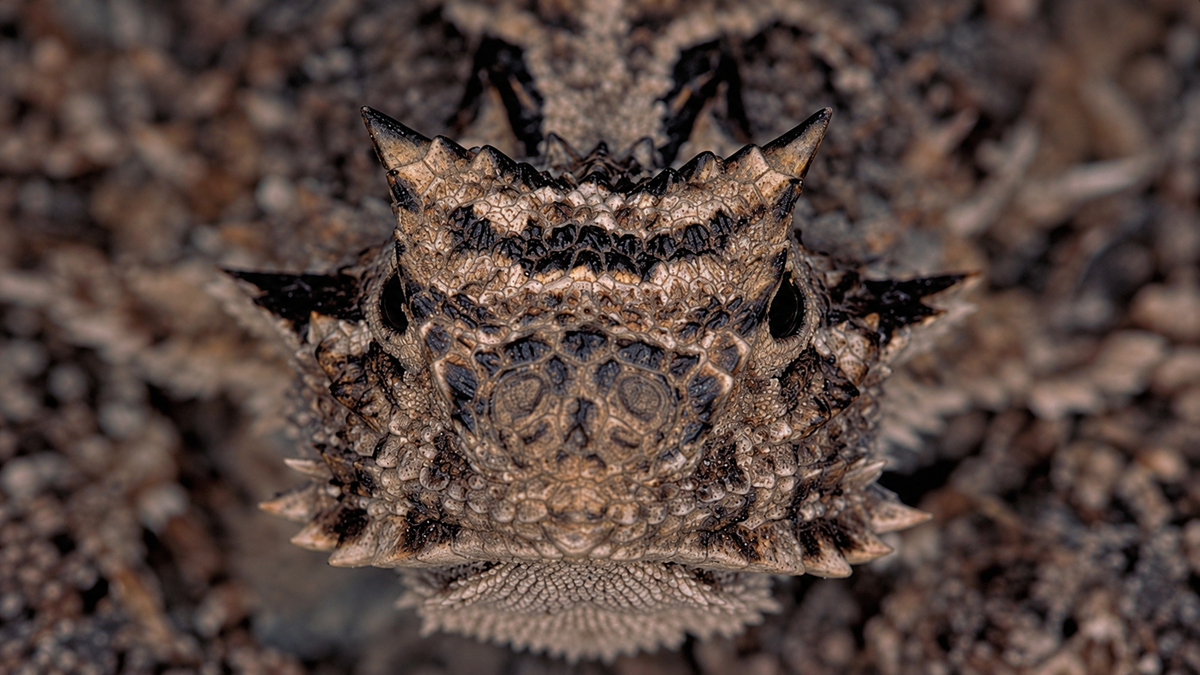
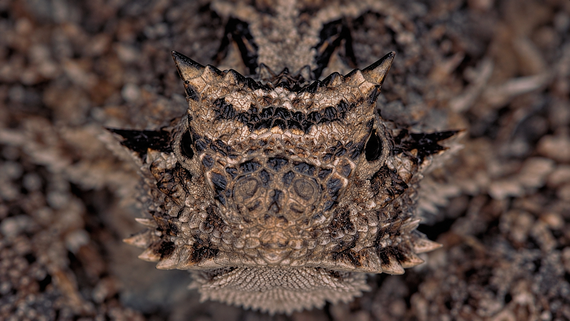
The Texas horned lizard has a defensive ability that sounds like something invented for a comic book. When threatened by predators, particularly coyotes and foxes, it can increase the blood pressure in vessels around its eyes until they rupture, releasing a directed stream of blood. The spray can travel nearly three feet, and chemicals in the blood make it especially unpleasant to canine predators. This unusual weapon is generally a last resort, used when camouflage, body inflation, and other defensive tactics fail. The lizard’s spiky appearance is intimidating enough, but its ability to fire blood from its eyes is considerably stranger.
14. Lyrebird: The Bird That Can Mimic Other Animals With Remarkable Accuracy
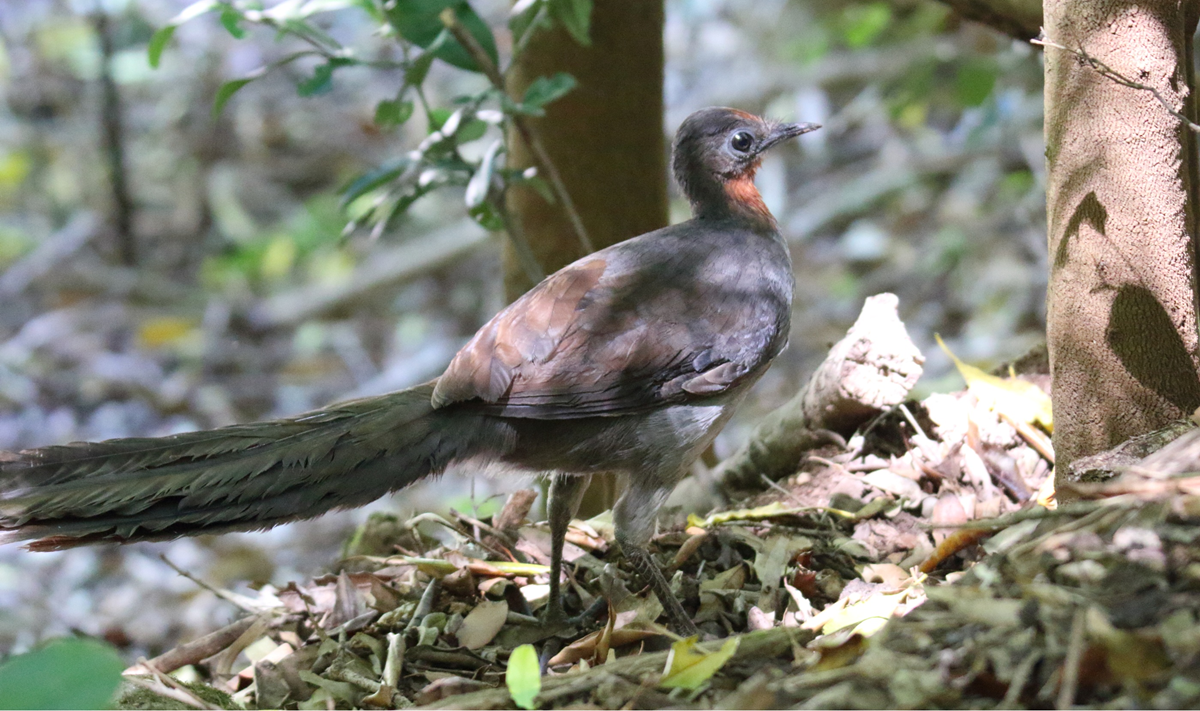
Deep in Australia’s forests, a male lyrebird may produce a series of sounds that seem to come from several different animals. These birds are accomplished vocal mimics, capable of reproducing the calls of other bird species with considerable accuracy. Some captive individuals have also learned to imitate artificial sounds, including camera shutters, emergency sirens, and chainsaws. In the wild, their elaborate vocal performances are closely connected to courtship, when males combine mimicry with their own calls and displays. Researchers have even documented males imitating the alarm calls of entire groups of birds during mating displays.
15. Cuttlefish: The Animal That Can Display Two Different Patterns at Once
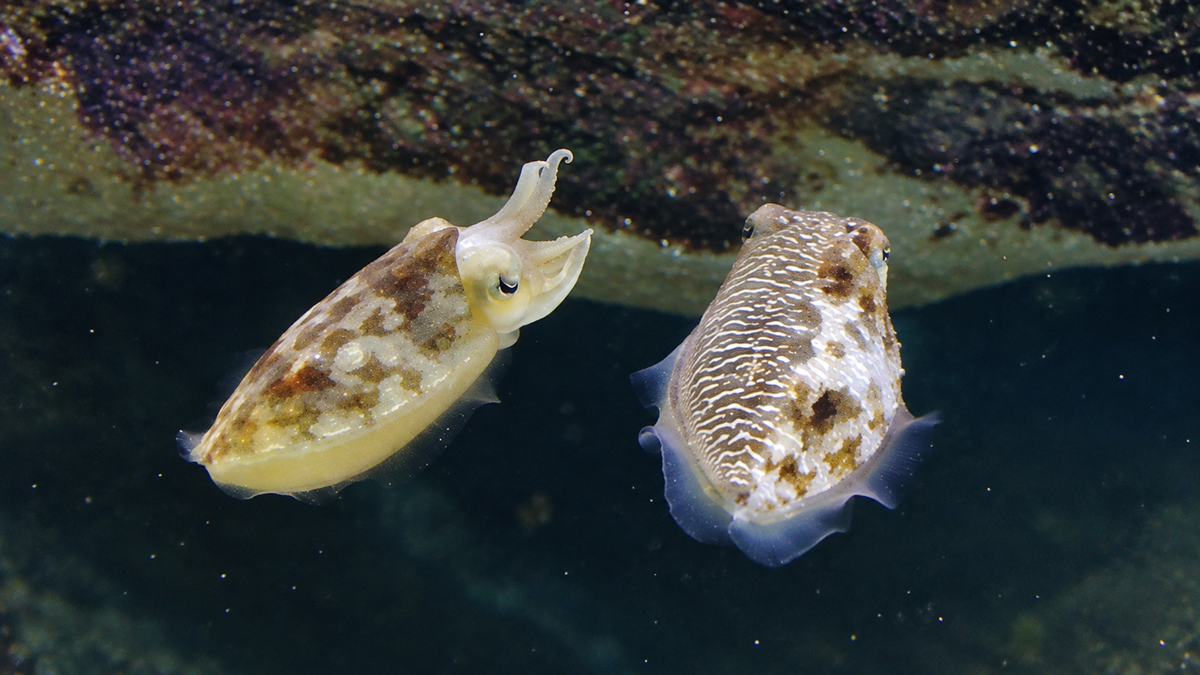
Cuttlefish communicate and hide using rapidly changing patterns that move across their bodies. Their skin contains chromatophores and reflective structures that produce shifting bands, spots, and contrasting colors, sometimes creating the appearance of waves traveling over the animal. During courtship, males of the mourning cuttlefish species Sepia plangon can display different patterns on opposite sides of their bodies. A smaller male may direct courtship coloration toward a female while showing a female-like pattern to a larger rival, reducing the chance of confrontation. Researchers have documented this deceptive behavior in specific social situations, revealing just how sophisticated cuttlefish visual communication can be.
In the mood for more?
Check out 15 Extreme Animals That Survive Where Life Should Struggle, or take a look at 15 Predators That Became Villains but Aren’t That Dangerous. If you want to see more remarkable wildlife, you can check out 15 Animals That Could Soon Disappear Forever.