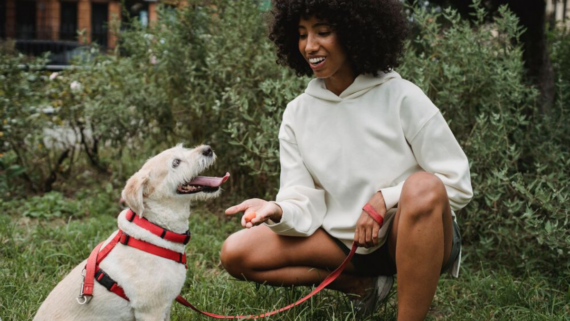
Owning a dog has always come with muddy paws, wagging tails, and the occasional chewed-up shoe, but almost everything else has changed since the 1980s. The way we feed, train, travel with, and even think about our four-legged companions has evolved so much that many longtime dog owners would hardly recognize today’s pet culture.
These days, dogs have GPS trackers, birthday parties, daycare, and sometimes even larger social media followings than their humans. They’re no longer just pets waiting in the backyard. For millions of families, they’re roommates, adventure buddies, couch hogs, and beloved members of the household. Looking back at how owning a dog has changed is both nostalgic and surprisingly heartwarming.
1. Dogs Became Full-Fledged Family Members

Owning a dog in the 1980s often meant having a loyal pet that lived alongside the family. Today, for many people, dogs are the family. They celebrate birthdays, appear in holiday photos, have nicknames that somehow multiply every year, and sometimes get more attention than the humans in the house. When did “the dog” become “our fur baby”? And is it really surprising that many owners now plan vacations, daily routines, and even furniture choices around their four-legged companion? The biggest change isn’t where dogs live. It’s where they belong, and that’s in the hearts of the people who love them.
2. Veterinary Care Became Far More Sophisticated
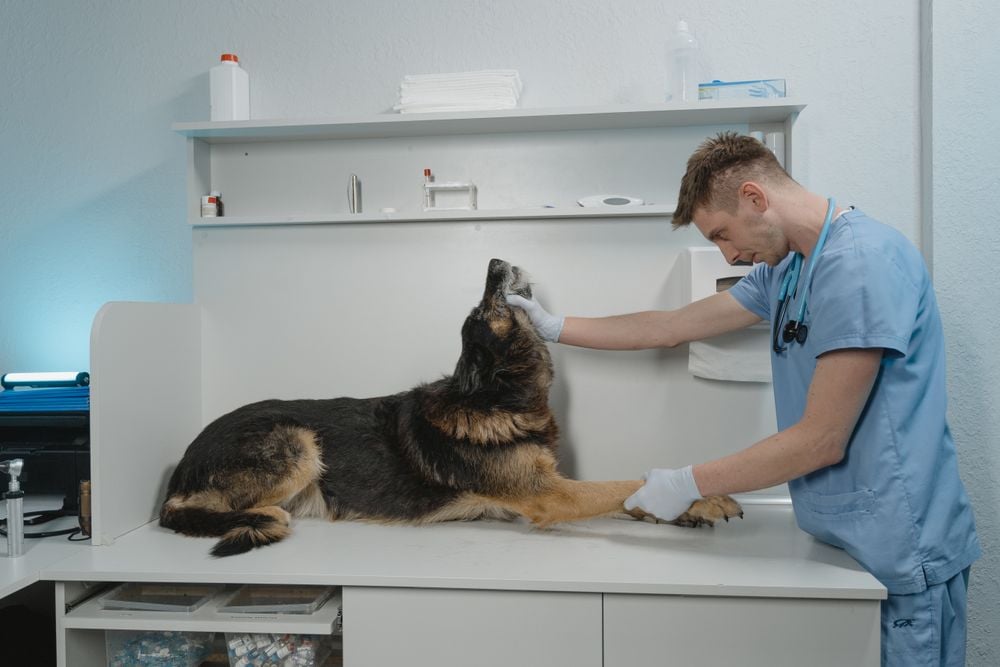
A routine visit to the vet looks very different today than it did a few decades ago. Modern clinics can offer advanced imaging, specialized surgeries, cancer treatments, emergency hospitals, and specialists for everything from cardiology to neurology, giving dogs medical care that once seemed impossible. Would dog owners in the 1980s have imagined MRI scans or chemotherapy for their pets? And how many beloved companions are living longer today because those options now exist? Veterinary medicine has evolved alongside human healthcare, giving families more ways than ever to care for the dogs they love.
3. Dogs Moved From the Yard Into the Bed
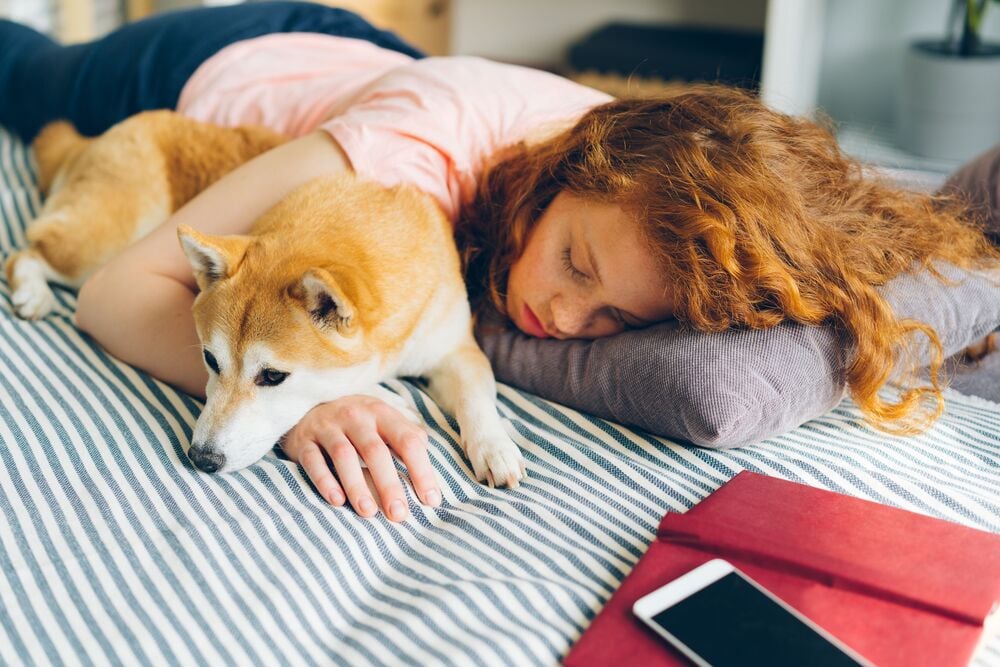
Not long ago, it was perfectly normal for dogs to spend most of their lives outside or sleeping in a kennel. Today, many have claimed the couch, the bedroom, and if we’re being honest, the best spot on the bed. Who actually owns the mattress once a seventy-pound Labrador decides it’s bedtime? And how many people quietly wake up clinging to the edge because they don’t want to disturb a sleeping dog? As owning a dog has changed, sharing living spaces has become one of the clearest signs that dogs are now treated less like backyard pets and more like family members.
4. Pet Insurance Became a Real Category
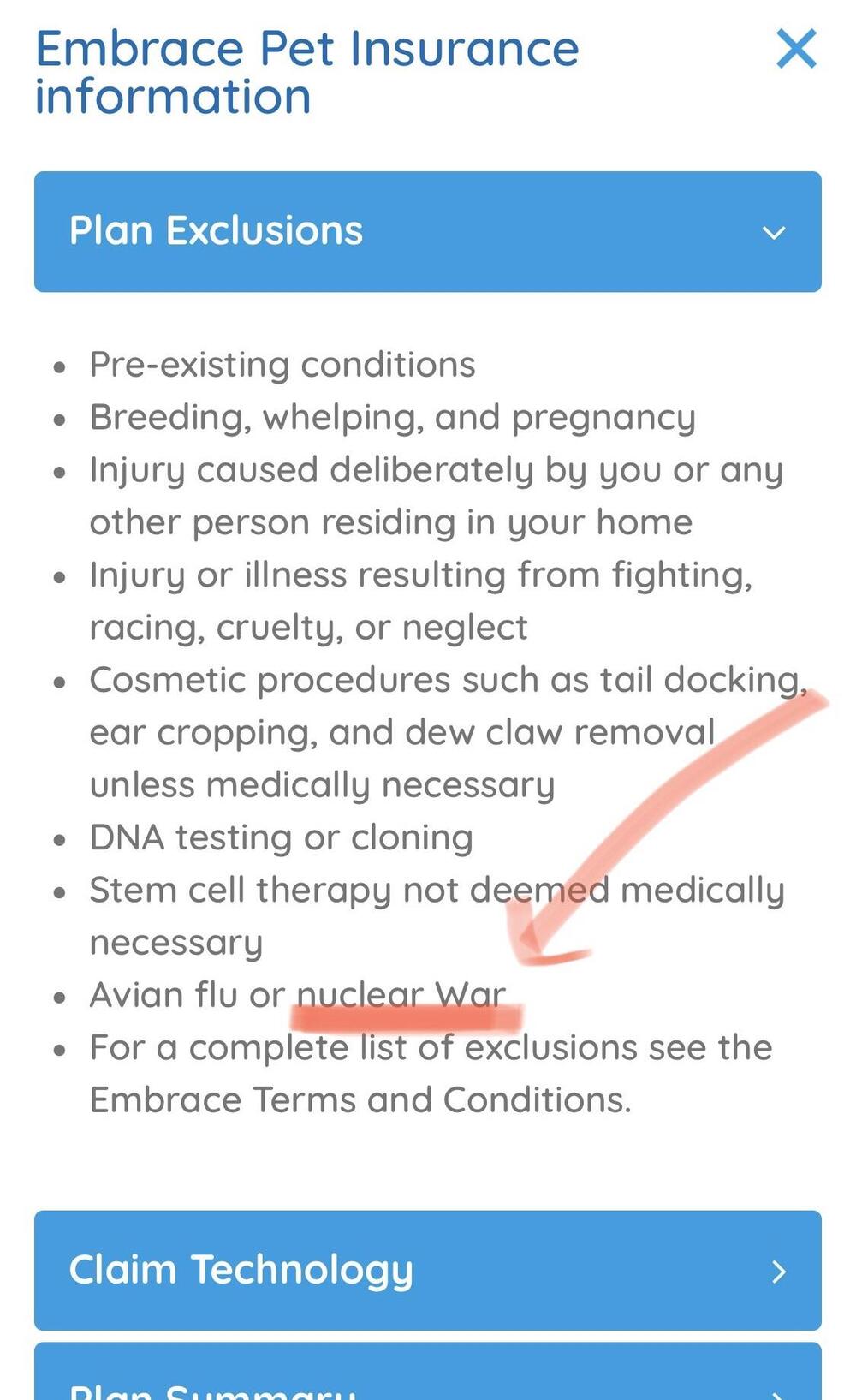
Unexpected veterinary bills used to be something owners simply paid if they could. Today, pet insurance has become a growing industry, helping families prepare for emergencies instead of facing every surprise expense alone. Would previous generations have believed people would pay monthly insurance premiums for their dogs? And doesn’t that say something about how much our relationship with pets has changed? As medical care expanded, so did the need for new ways to afford it, turning pet insurance into a normal part of owning a dog for many households.
5. Dog Food Became Hyper-Specialized

Walking down the pet food aisle today can feel like browsing a gourmet grocery store. Instead of choosing between just a handful of options, owners now find recipes based on age, breed, allergies, activity level, sensitive stomachs, weight management, and even fresh meals delivered straight to the front door. Would someone from the 1980s believe dogs could have personalized meal plans? And how long would it take them to choose from shelves filled with dozens of different formulas? Kibble hasn’t disappeared, but owning a dog now often comes with far more choices than anyone could have imagined a few decades ago.
Trending on The Scroller
6. Microchips Changed What “Lost Dog” Means
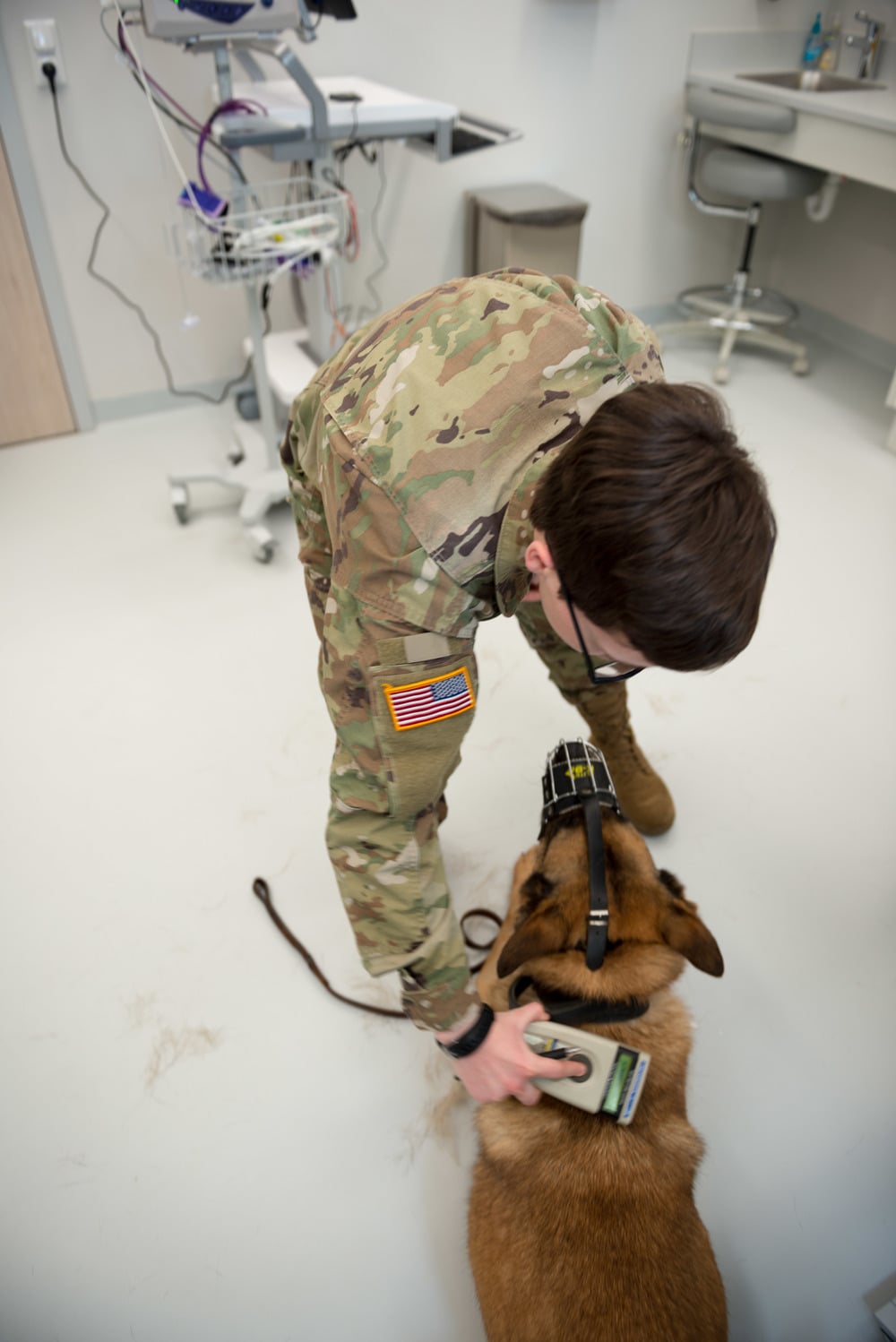
Losing a dog used to mean hanging flyers on telephone poles, calling local shelters, and hoping someone recognized the name on a collar tag. Today, a tiny microchip can reunite families with their pets in a matter of hours, even if the collar is missing. Can you imagine how many heartbreaking stories have had happier endings because of something no bigger than a grain of rice? And isn’t it amazing that one tiny chip can carry something as important as the way home? Owning a dog has become a little less stressful thanks to technology quietly working behind the scenes.
7. Training Shifted Toward Reward-Based Methods
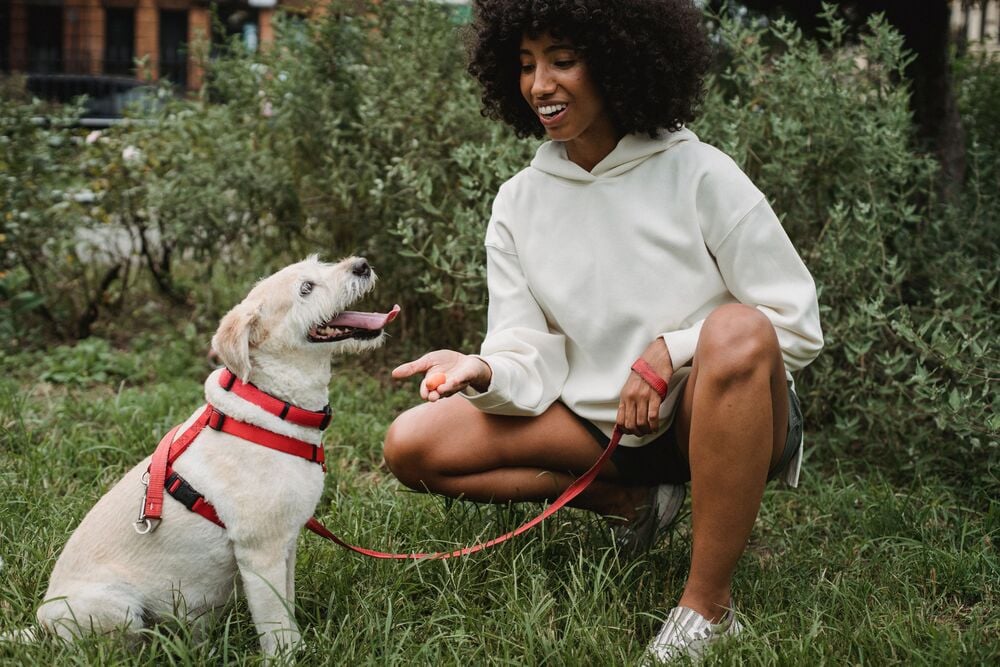
Dog training has come a long way from the days when many people believed being the “alpha” was the answer to every behavior problem. Today, positive reinforcement, treats, toys, and understanding how dogs actually learn have become the foundation of modern training for countless owners. Would your dog rather earn a snack than hear another stern lecture? And isn’t learning together a lot more enjoyable when everyone is having fun? As owning a dog has evolved, the focus has shifted from controlling behavior to building trust and communication.
8. Dog Daycare Became Normal
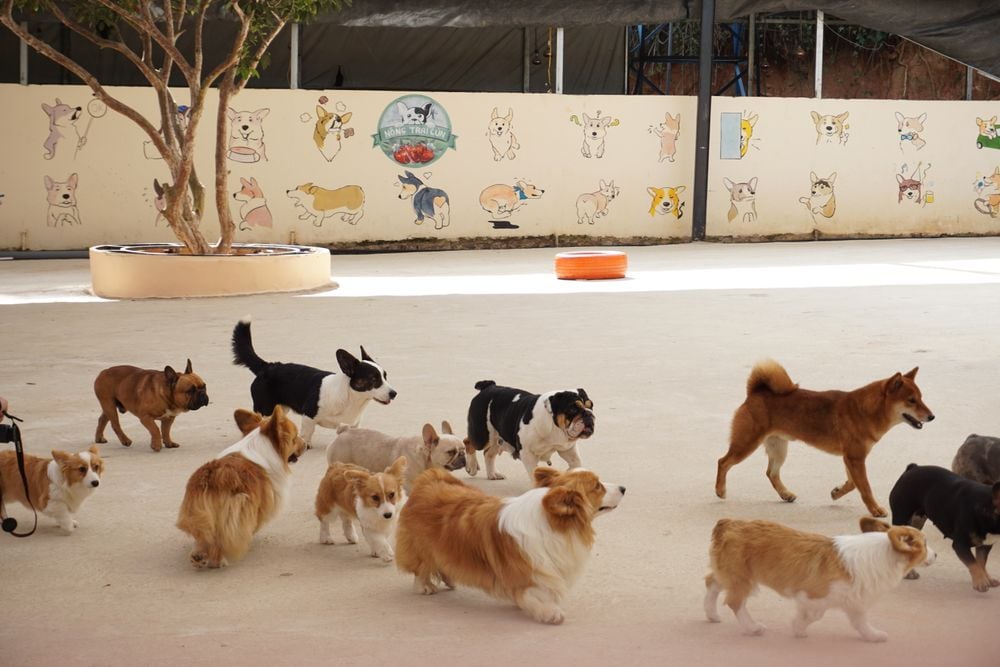
There was a time when the idea of dropping your dog off at daycare would have sounded downright ridiculous. Now it’s a normal part of life for many busy owners, giving dogs a chance to play, socialize, and burn off energy while their humans are at work. Who would have guessed dogs would one day have busier social calendars than some people? And how many owners secretly enjoy scrolling through daycare photos of their pup having the time of their life? For many families, daycare has become another way of making sure their dog is happy, healthy, and never bored.
Sign up for our newsletter
9. Dental Care Became Routine Health Care
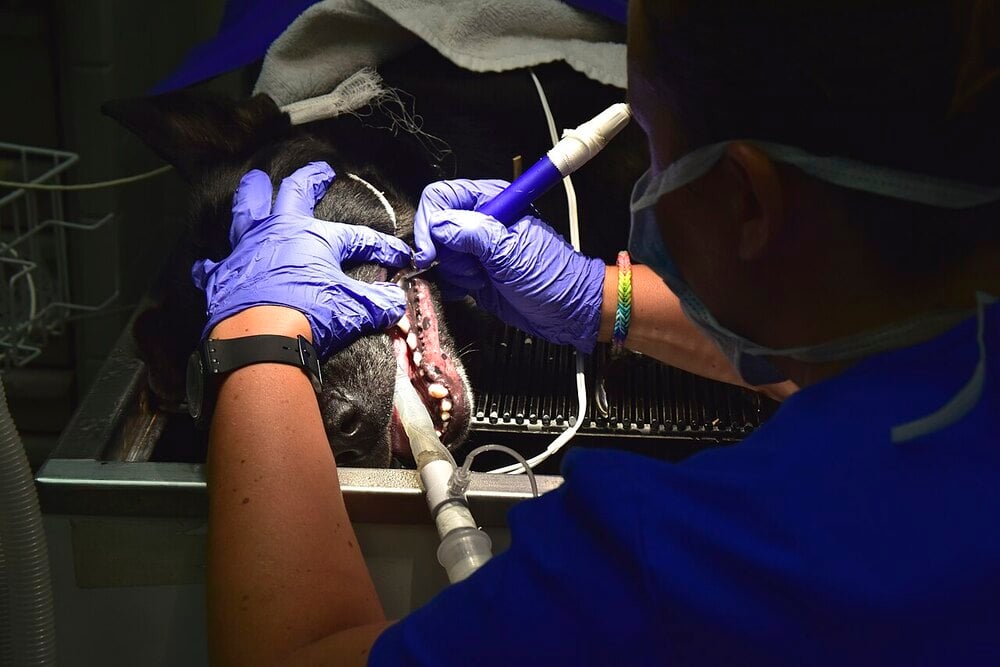
For years, bad dog breath was often treated as nothing more than part of having a pet. Today, veterinarians know that healthy teeth and gums play an important role in a dog’s overall well-being, making brushing, dental treats, and professional cleanings much more common. Would your childhood dog have owned its own toothbrush? And how many owners now celebrate after hearing, “His teeth look great,” during a checkup? It turns out that caring for a dog’s smile can help protect much more than fresh breath.
10. Dog Parks Became Urban Infrastructure

A few decades ago, dogs usually got their exercise on neighborhood walks or in the backyard. Today, dedicated dog parks have become gathering places where both pets and owners can make new friends, burn off energy, and enjoy a little freedom without a leash. Is it really a trip to the dog park if your dog doesn’t sprint toward its favorite playmate before even noticing you left? And how many friendships, both canine and human, have started inside those fenced areas? Modern cities have made space not just for people, but for the communities that grow around owning a dog.
11. GPS Collars Let Owners Track Dogs Live
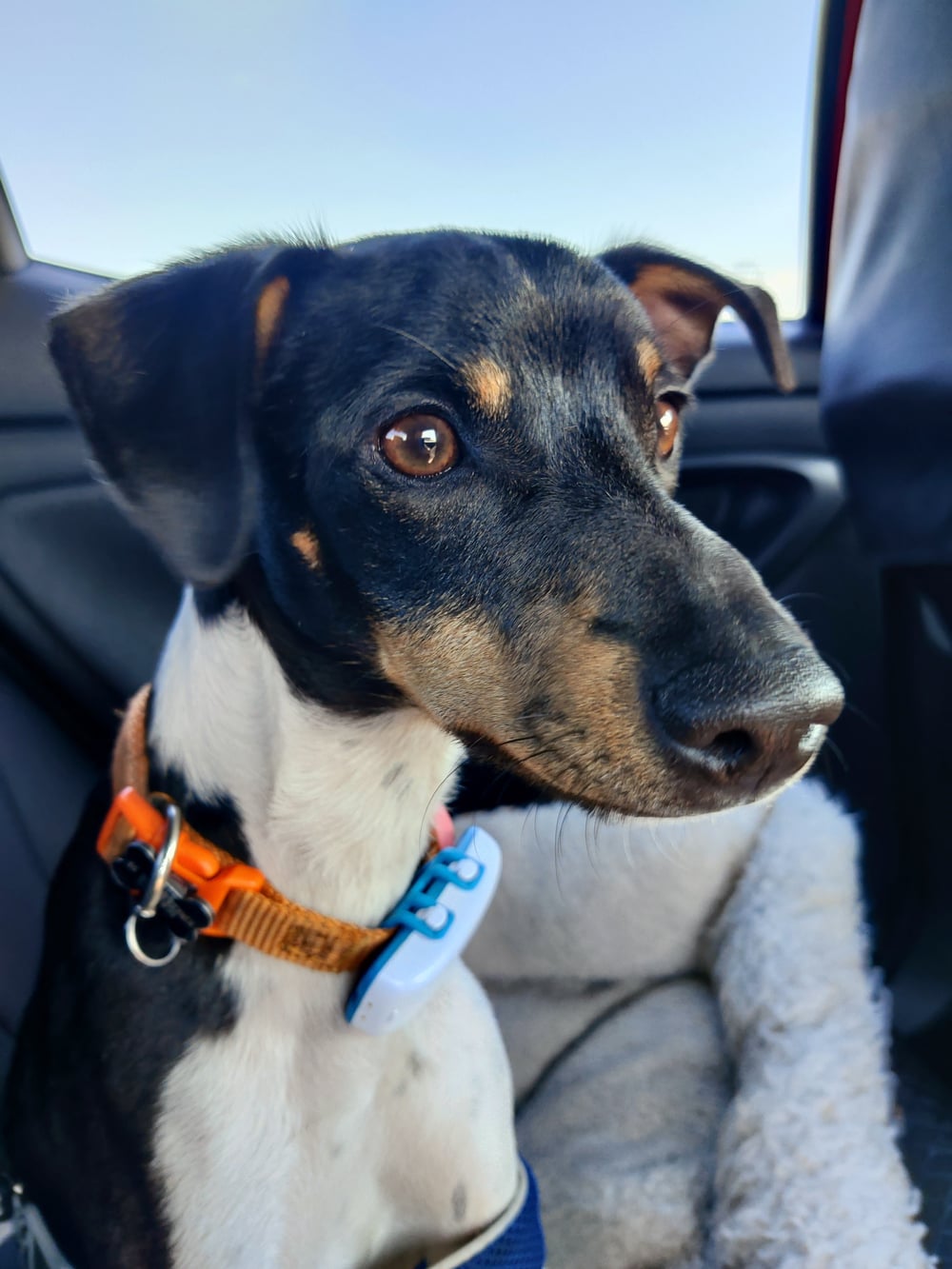
Not long ago, if a dog slipped out through an open gate, owners had little choice but to search the neighborhood and hope for the best. Today, GPS collars can show a dog’s location in real time, turning a frantic search into a quick glance at a smartphone. Would someone in the 1980s have believed they could track their dog’s morning adventure from across town? And how many escape artists have been caught red-pawed thanks to a tiny device attached to their collar? Technology has transformed one of every dog owner’s biggest fears into something far more manageable.
12. Rescue and Adoption Culture Became More Visible
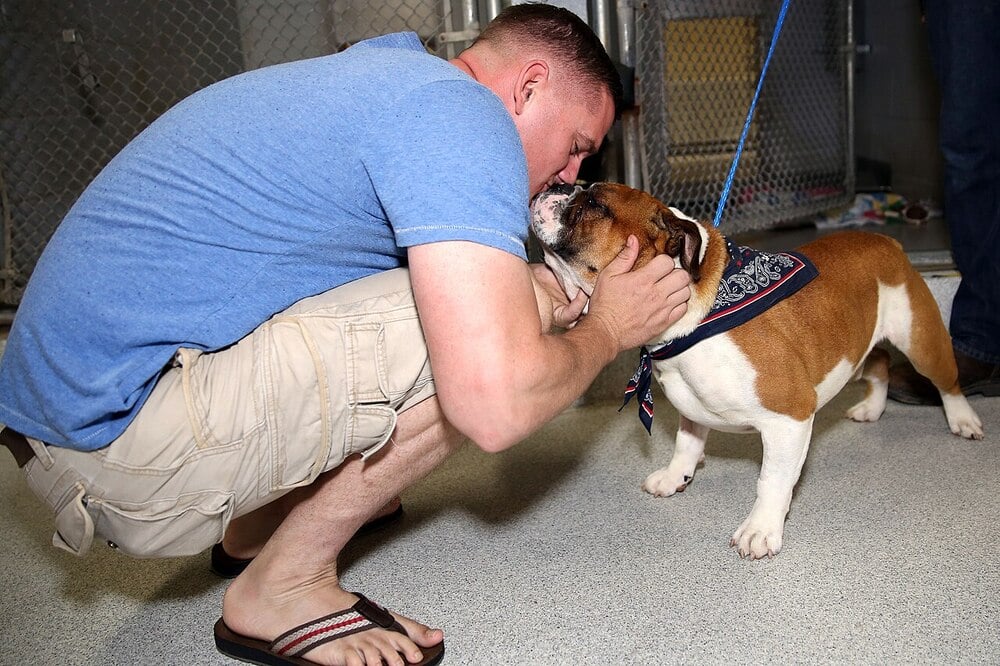
Finding a dog once often meant visiting a pet store, answering a newspaper ad, or hearing that a neighbor had puppies to give away. Today, shelters, rescue organizations, and adoption events play a much bigger role, helping countless dogs find loving homes while encouraging people to adopt first. How many amazing companions have found their families because someone chose adoption over shopping? And isn’t it remarkable how a simple slogan like “Adopt, don’t shop” helped change the conversation around owning a dog? Rescue has become more than an option. For many families, it’s a source of pride.
13. Grooming Became a Major Service Industry
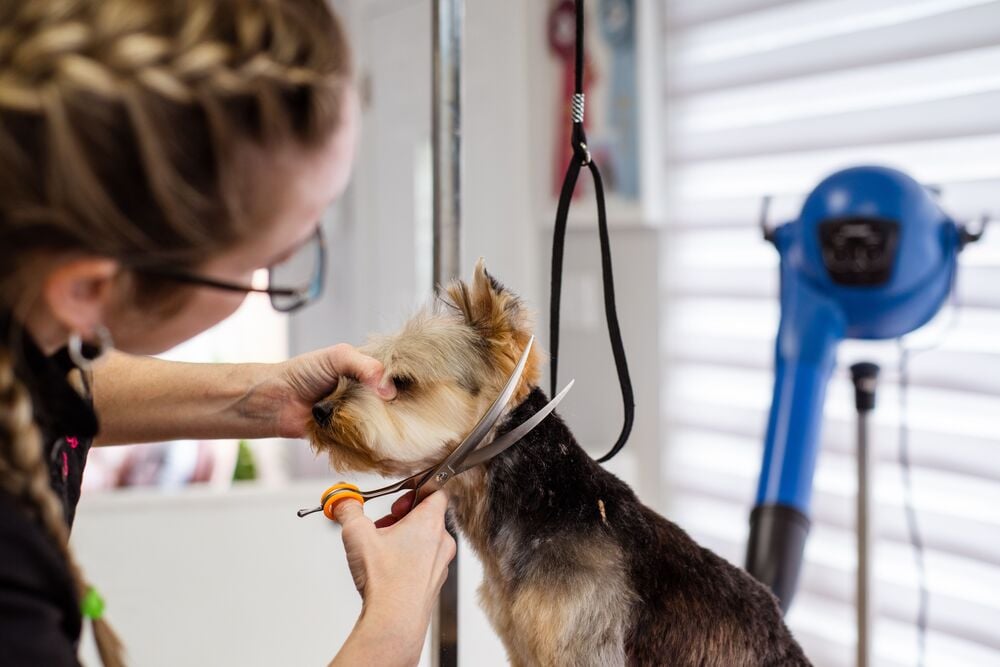
Bath time used to mean a garden hose, a bottle of shampoo, and hoping your dog didn’t decide to sprint through the house while still soaking wet. Today, professional groomers offer everything from breed-specific cuts and de-shedding treatments to paw care, skin treatments, and even spa packages. Would your childhood dog have ever booked an appointment with a groomer? And who would’ve guessed that “See you in six weeks” would one day apply to a golden retriever? Grooming has grown into an essential part of modern dog care for millions of owners.
14. Travel Became More Dog-Friendly
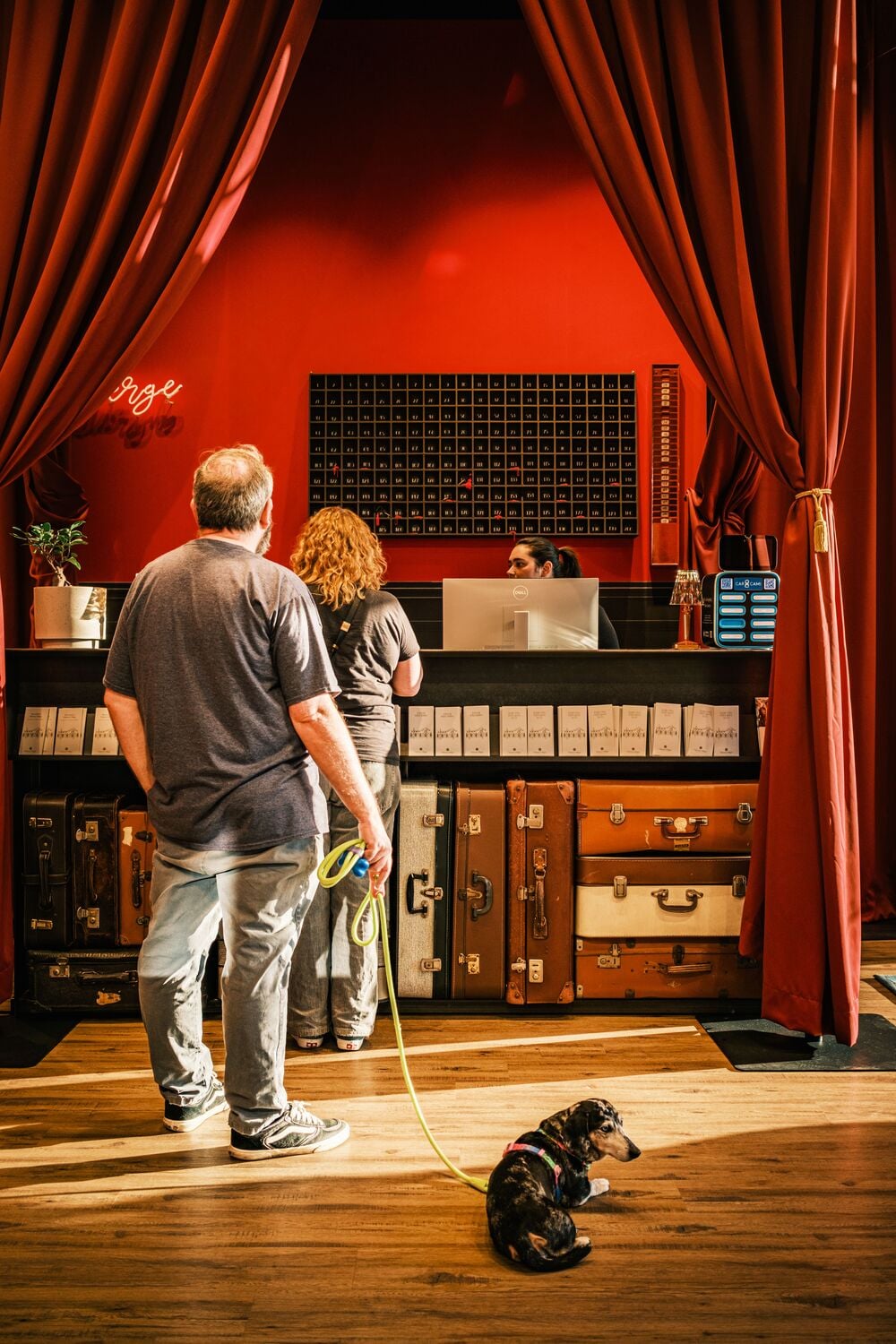
Going on vacation once often meant asking a neighbor for help or leaving your dog at a kennel because bringing pets along simply wasn’t practical. Today, dog-friendly hotels, cafés, hiking trails, airlines, and even vacation rentals make it much easier to include four-legged family members in the adventure. Would your dog rather stay home or ride shotgun on a weekend getaway? And how many vacations are now planned with the question, “Can the dog come too?” Owning a dog has become much easier for people who don’t want to leave their best friend behind.
15. Behavior Became a Welfare and Medical Issue
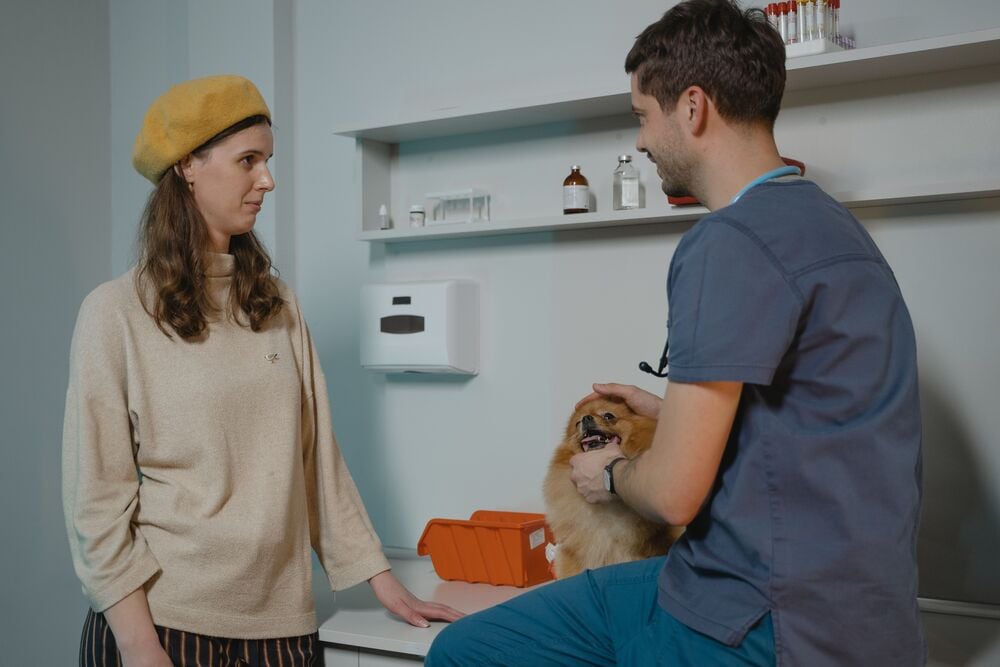
Behaviors that were once dismissed as stubbornness or a “bad dog” are now more likely to be understood through the lens of health, stress, fear, or anxiety. Trainers and veterinarians increasingly work together to help dogs overcome behavioral challenges using science-based methods, environmental changes, and, in some cases, medical treatment. What if your dog isn’t being difficult but simply trying to communicate something? And how many problems become easier to solve once we stop asking, “What’s wrong with my dog?” and start asking, “What is my dog trying to tell me?” Understanding behavior has become one of the biggest changes in owning a dog.
16. Dog Gear Became Its Own Consumer Universe
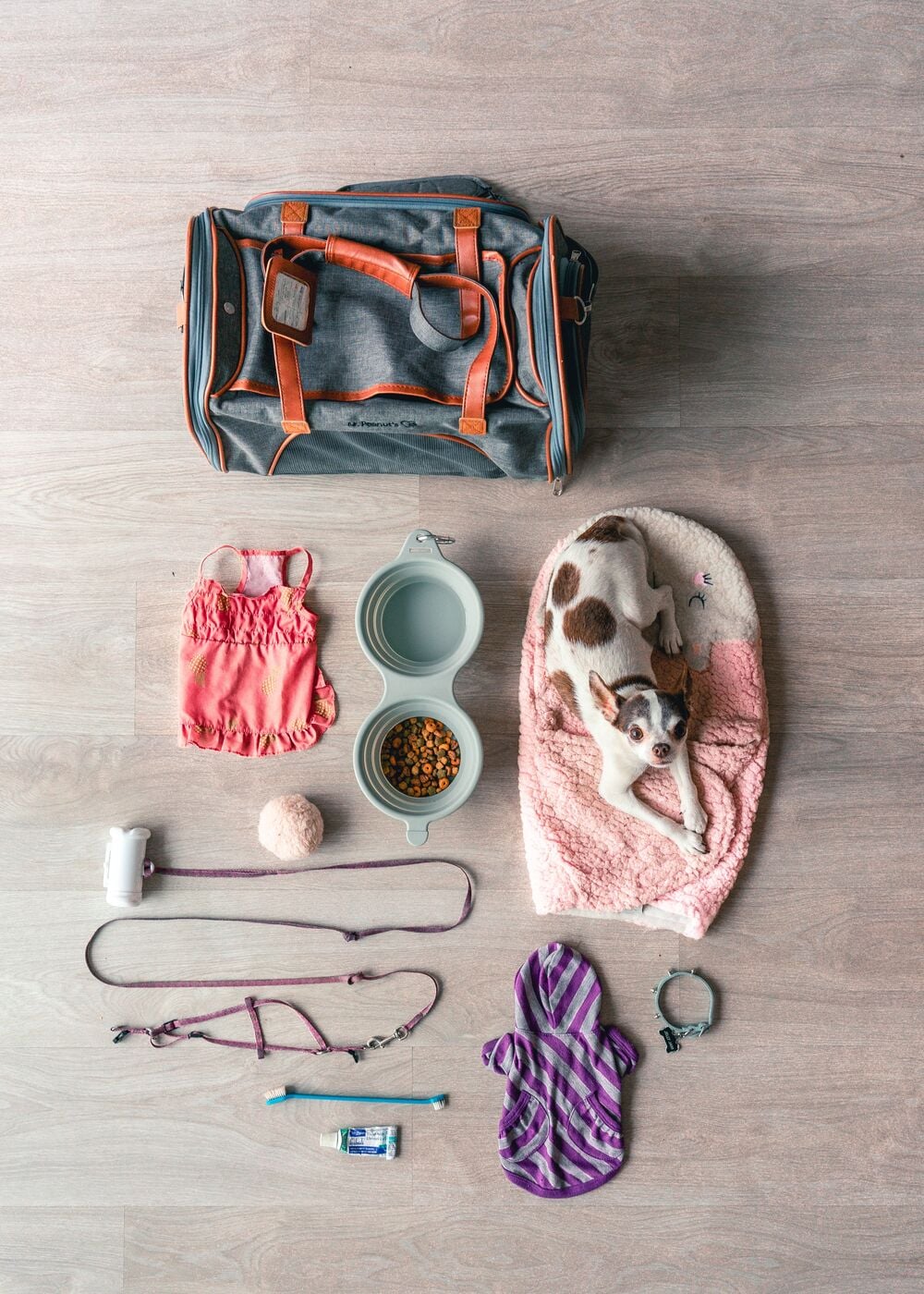
A leash and a food bowl used to cover most of a dog’s shopping list. Today, owners can choose from cooling vests, orthopedic beds, hiking backpacks, GPS trackers, automatic feeders, puzzle toys, strollers, raincoats, boots, and gadgets that would’ve looked like science fiction just a few decades ago. Does your dog really need a stroller, or is that secretly more for the human pushing it? And when did shopping for a dog start feeling like shopping for a toddler? Owning a dog now comes with an entire universe of gear designed to make life safer, easier, and sometimes just a little more fun.
17. Dogs Got Social-Media Careers
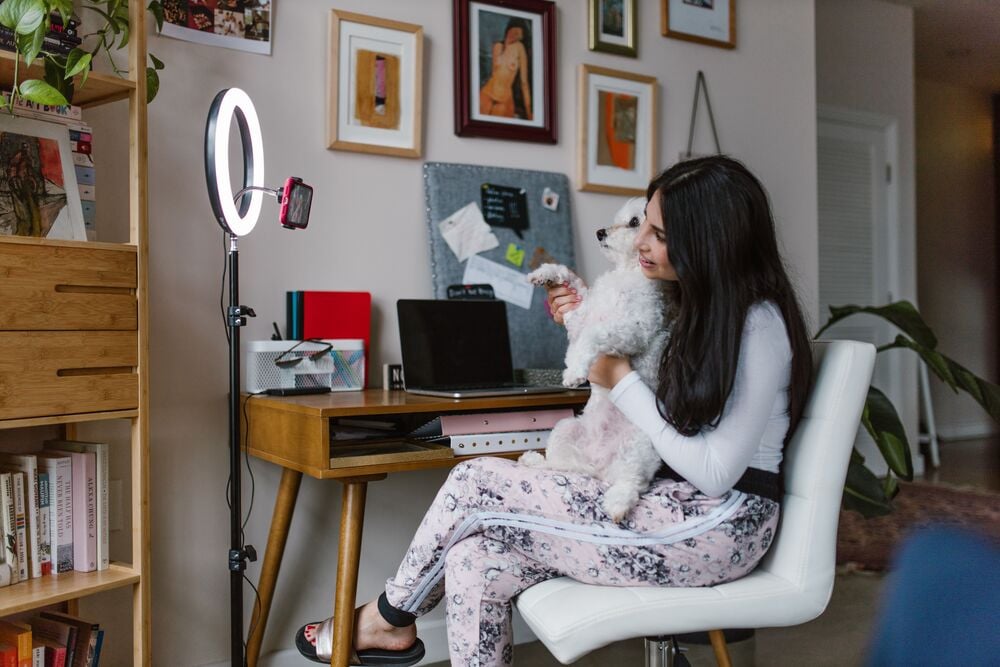
Not every dog is happy chasing squirrels anymore. Some are busy posing for brand deals, starring in viral videos, and entertaining millions of followers online. From fashion shoots to sponsored treats, social media has turned countless pets into internet celebrities with fan bases larger than many actors or athletes. Would anyone in the 1980s have believed a golden retriever could become an influencer? And how many dogs today are technically bringing home the bacon, even if they’d rather eat it? Fame isn’t just for humans anymore, and some canine careers are surprisingly impressive.
18. The Cost of “Normal” Dog Care Changed
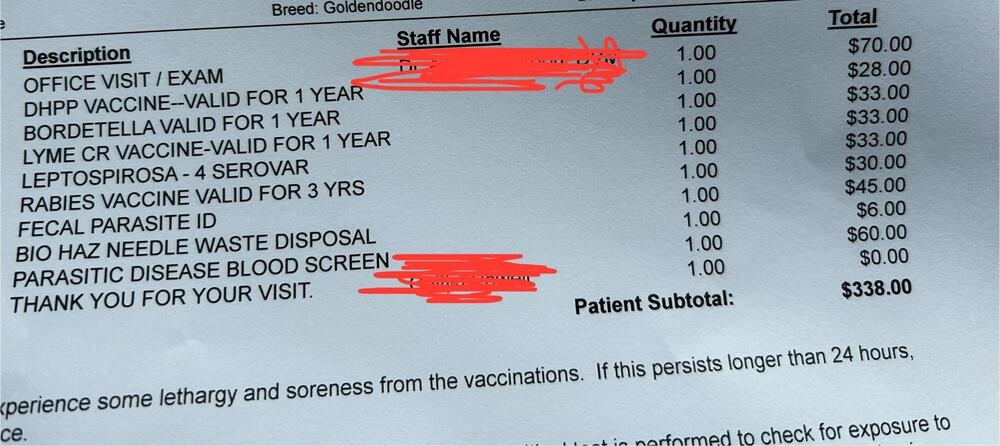
Owning a dog today often means budgeting for much more than food and annual checkups. Premium diets, preventive healthcare, grooming, daycare, training classes, insurance, boarding, and modern accessories have all raised the cost of what many people now consider standard care. Has owning a dog become more expensive, or have our expectations simply grown alongside our love for them? And isn’t it interesting that so many owners happily spend more than ever because they see their dogs as family? While caring for a dog may cost more than it did in the 1980s, most owners would probably agree that every wagging tail is worth the investment.
Owning a dog has changed in ways that go far beyond new gadgets or expensive accessories. Over the past few decades, advances in medicine, technology, training, and everyday culture have transformed the relationship between people and their dogs into something closer, more connected, and more thoughtful than ever before. While every generation has loved its dogs in its own way, today’s owners have more tools, knowledge, and opportunities to help their four-legged companions live happier and healthier lives.
Keep Exploring The Scroller
Dogs may be our oldest companions, but the way we care for them is constantly evolving. Keep exploring The Scroller for more fascinating stories about pets, everyday life, and the surprising ways modern culture continues to reshape the relationships we cherish most:
19 Dogs Who Were Told To Stay Off The Furniture And Made A Full Counter-Argument
15 Service Dogs Who Did A Great Job (And We’ll Never Forget)