

Dogs have been our loyal companions for thousands of years, and it’s no surprise that people are still fascinated by them today. Whether they are making us laugh, offering comfort, or surprising us with their intelligence, dogs have a way of turning even ordinary moments into something special. Behind their wagging tails and playful personalities are all kinds of interesting traits that most people never think about.
This list shares facts about dogs that highlight just how unique they really are. From quirky behaviors to surprising abilities, each fact offers a deeper look into the animals we love with all our hearts. Let’s dive into 15 fun facts about dogs.
1. Dogs can understand around 100-1000 words

Dogs are far better at interpreting human language than most people realize. Many breeds can recognize words and even sentence patterns with repetition. Some exceptionally smart breeds can learn hundreds or even thousands of terms for toys or actions. This ability explains why dogs often respond before we even finish speaking. Their brains are wired to pay close attention to human connections.
2. A dog’s sense of smell is 10,000-100,000 times stronger than ours

A dog’s nose contains up to 300 million scent receptors, compared to our 6 million. This incredible advantage lets our furry friends detect smells we don’t even know exist. It’s why dogs excel at tasks like tracking missing people or identifying medical conditions like cancer. Their world is built on scent maps so detailed we can’t even imagine them. For dogs, every breeze carries a story.
3. Dogs can sniff out diseases like cancer and diabetes

Many dogs have shown the ability to identify certain illnesses through scent alone. They can detect changes in human breath, sweat, and even tiny chemical markers in the body. Hospitals and researchers increasingly use dogs as diagnostic helpers because their accuracy is often astonishingly high, even with complex conditions. It’s a remarkable example of nature at work.
4. Dogs dream just like humans

Have you ever seen your dog twitching and whining while they were sleeping? That’s because dogs experience REM sleep, the same stage in which humans dream. You might notice them twitching, kicking, or making noises during this time. Scientists believe dogs dream about their daily activities, like playing or exploring. Younger puppies dream more often because they’re constantly learning.
5. Puppies are born blind, deaf, and toothless

Newborn puppies are extremely vulnerable in their first few weeks. Their senses slowly develop as they grow, and their eyes and ears open a couple of weeks after birth. Because they rely entirely on their mother, early care is crucial, and leaving them with their mother for at least 6 weeks is necessary for proper development. Once they begin to explore, their personalities emerge quickly. It’s a rapid transformation from helpless to balls of energy.
Trending on The Scroller


6. Dogs don’t sweat
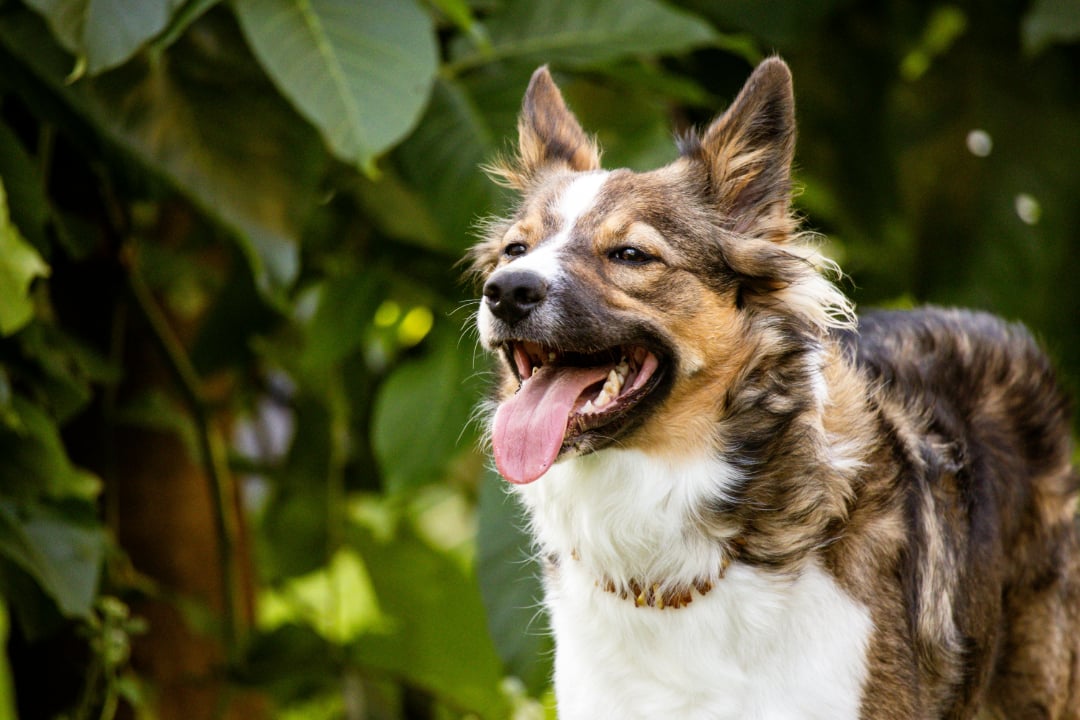
Unlike humans, dogs don’t rely on sweating to cool down, though they do release small amounts of moisture through their paw pads. Panting does most of the cooling work because it moves cool air into their bodies. It’s an efficient system designed for the most active animals.
7. Dogs can be left or right pawed

Just like humans have dominant hands, many dogs favor one paw over the other. You can often tell which paw is dominant by watching which paw they use first when playing or giving a paw. This preference relates to certain personality traits, and some studies even suggest it could affect how they respond to stress. It’s a subtle but interesting detail in our dog’s behavior.
8. Dogs have three eyelids

In addition to upper and lower eyelids, dogs have a third one called the “nictitating membrane.” This thin layer helps keep their eyes protected and lubricated. It can move quickly across the eye to remove debris and protect their eyes. While it’s usually hard to see, it becomes very noticeable when dogs are tired or asleep. This eyelid supports their extremely active lifestyle.
Sign up for our newsletter
9. Dogs have a sense of time

Dogs have a sense of time that is based on routine and biological rhythms. This is why my dog whines at me at 5:55 when her feeding time is at 6:00 sharp. This sense helps them anticipate when it’s time for walks, meals, or when their owner is supposed to be home. Their “internal clock” may be linked to circadian rhythms and their acute senses. They may not be able to read watches, but they’re excellent timekeepers.
10. Dogs can hear ultrasonic sounds

Dogs can hear much higher frequencies than humans, up to 65,000 Hz. That’s why they respond to dog whistles, which are silent to us. Their sensitive ears help them detect distant movements or approaching animals, which has been crucial for hunting and protection throughout history. Essentially, their world is filled with sounds we can’t even imagine.
11. Many dogs have “night vision”

Dogs can see much better than humans in dim light thanks to a reflective layer behind their eyes called the tapetum lucidum. This enhances low-light vision, giving them an obvious advantage at night. It’s one of the reasons that dogs are excellent hunters and protectors after dark. Combined with motion detection, they can navigate nearly invisible terrain. Their eyes are perfectly adapted for activity beyond our visual limits.
12. Dogs have facial expressions

Believe it or not, dogs can make facial expressions that resemble human smiles. Often, this involves lifting their lips or showing relaxed teeth while their eyes soften. Dogs use this expression to show friendliness or appeasement, and it’s a subtle but powerful way of communicating emotion. Just as dogs can make happy faces, they can make angry faces as well, which are obviously easier to read.
13. Dogs can read human faces
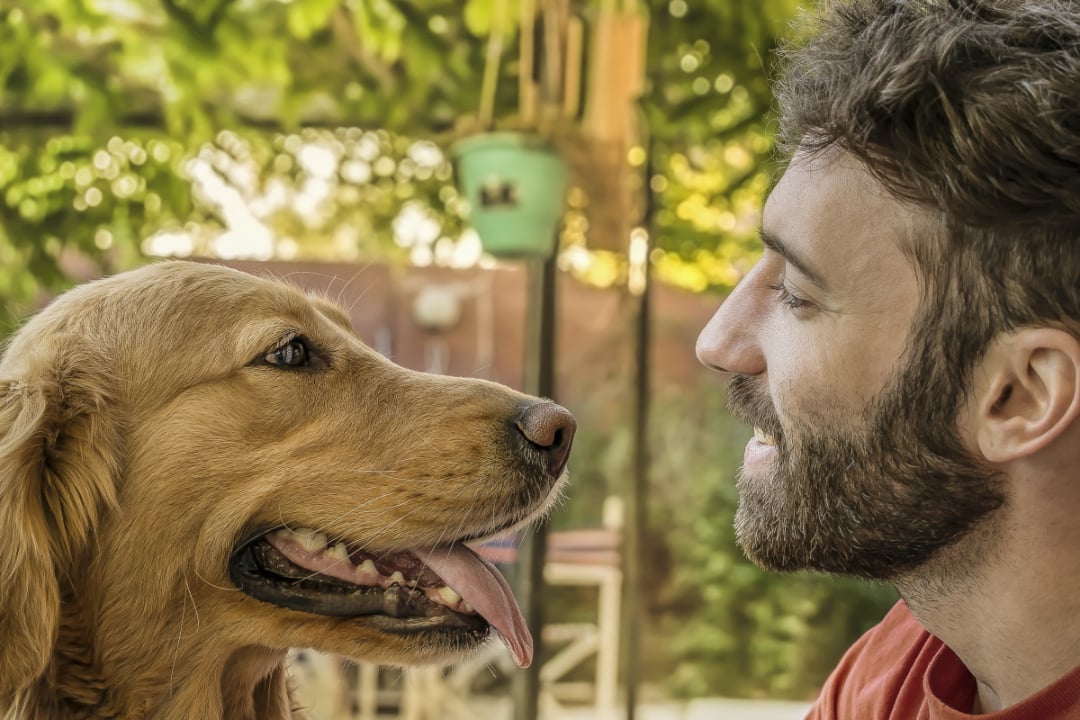
Studies have shown that dogs are great at interpreting human facial expressions, including happiness, anger, and sadness. Even puppies pick up cues without any training. This skill strengthens their bond with humans and guides their behavior in social situations. Some studies suggest dogs are even better at reading faces than chimpanzees, which means they truly understand more than we give them credit for.
14. Dogs can detect fear

Dogs pick up changes in breathing, heart rate, and scents that signal fear. They often respond with protective or submissive behavior when they sense someone is scared. This ability shows their deep social awareness of humans. They act as silent emotional monitors, often before we even recognize our own feelings. This is why dogs make great companions as service animals.
15. Dogs have ancient lineages

Some breeds of dogs trace back tens of thousands of years, like the saluki or akita. Ancient breeds retain instincts and abilities that modern mixed breeds might not show as clearly. Knowing a breed’s history adds context to their behaviors and quirks. Dogs are living links to our shared past.
Want to see more fun facts?
Check out 20 Fun Facts To Brighten Your Day, or take a look at 18 Fun Facts On How To Avoid Stress. Finally, if you want to see fun facts about movie stars, check out 25 Fun Facts About Famous Movie Stars You’ll Want to Tell Everyone.