Animals are some of the most fascinating creatures on Earth, and their survival strategies can be just as extraordinary as their appearances. Across ecosystems, species have evolved highly specialized ways to protect themselves from predators, often pushing the limits of what seems biologically possible. These mechanisms are the result of millions of years of adaptation, shaped by constant threats and the need to endure in competitive environments.
What makes these animals especially intriguing is how bizarre their defenses can be. Some release toxic chemicals, others mimic dead bodies, and a few even sacrifice parts of themselves to survive. These behaviors can seem shocking or even unnatural at first glance, but every single one serves a precise evolutionary purpose. Nature doesn’t create randomness; each adaptation exists because it increases the chances of survival, even if it looks strange to us. In fact, the more we learn about these animals, the more we realize how creative evolution can be. They remind us that survival isn’t always about strength or speed; it’s often about strategy, timing, and sometimes, sheer weirdness.
1. Horned Lizard (North America)
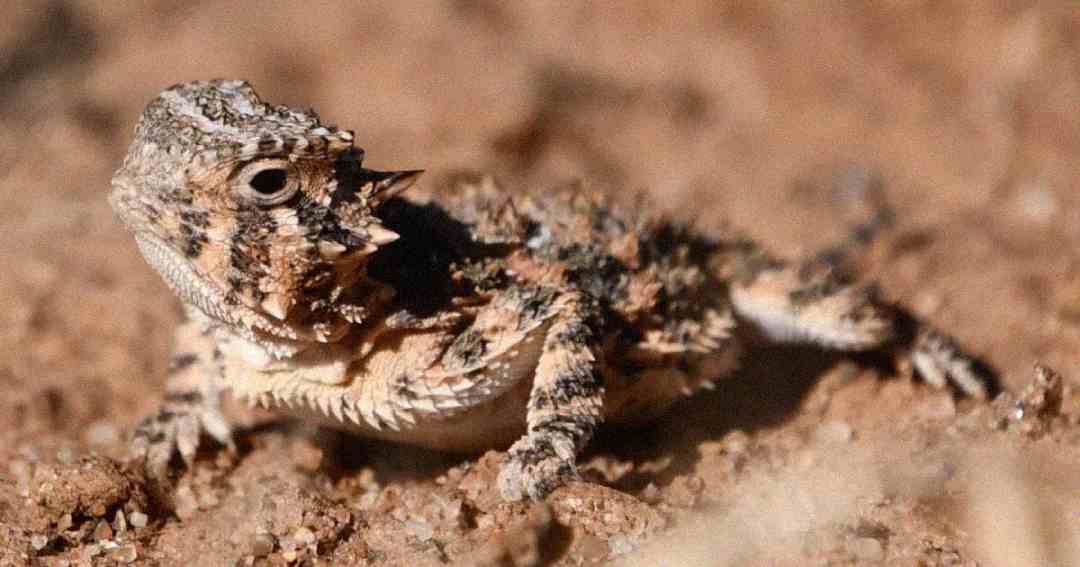
The horned lizard has one of the most shocking defenses: it can shoot blood from the corners of its eyes. How extraordinary is that? This behavior targets predators like canines, and the blood contains chemicals that taste foul to them. The mechanism works by increasing blood pressure in the head until small vessels rupture. Scientists believe this evolved specifically to deter predators with strong senses of taste.
2. Bombardier Beetle (Africa, Europe, Asia)
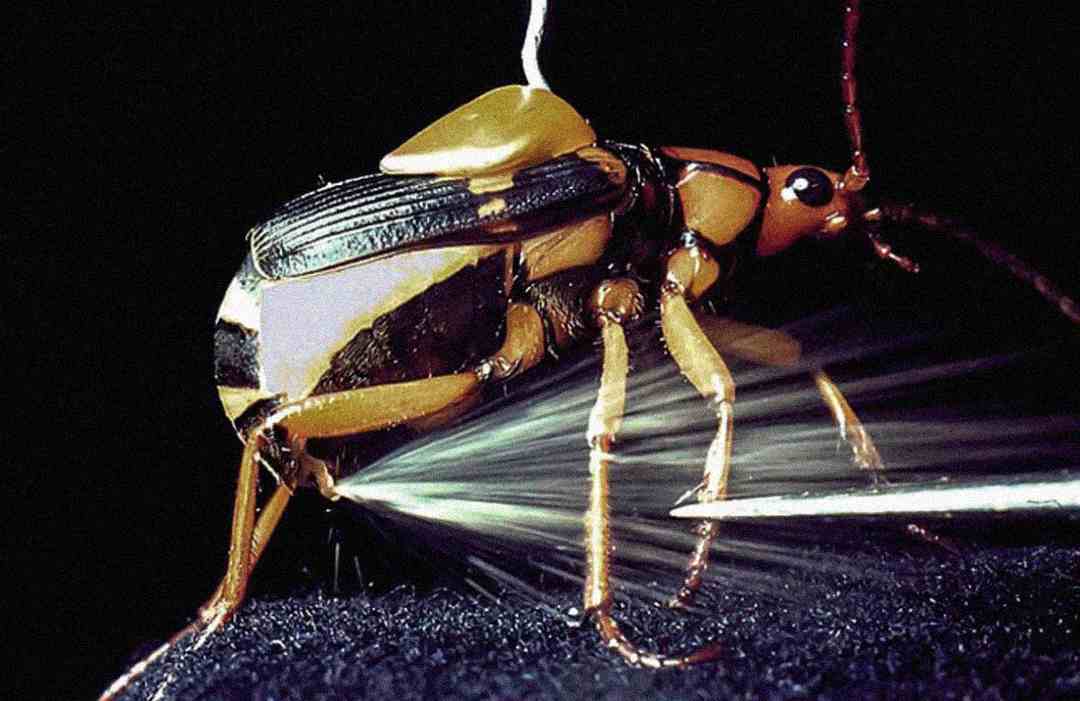
This beetle defends itself by spraying a boiling chemical mixture from its abdomen. The reaction combines hydroquinone and hydrogen peroxide, producing a hot, noxious burst. The spray can reach temperatures close to 100°C and is directed with precision. This defense is well-documented and explained through controlled chemical reactions within specialized glands.
3. Opossum (Americas)
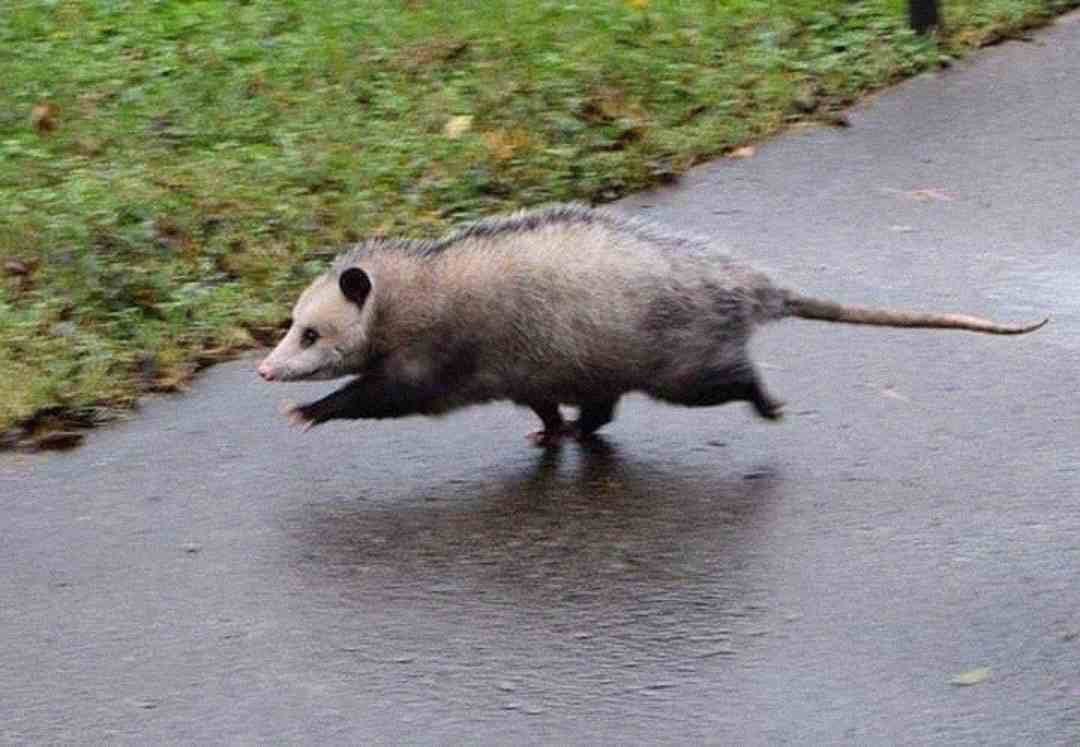
Opossums are famous for “playing dead.” When threatened, they enter an involuntary catatonic state that can last for hours. Their bodies release a foul-smelling fluid that mimics decay. This discourages predators that prefer fresh prey. Scientists classify this as thanatosis, a behavior observed in multiple species.
4. Hagfish (Oceans worldwide)
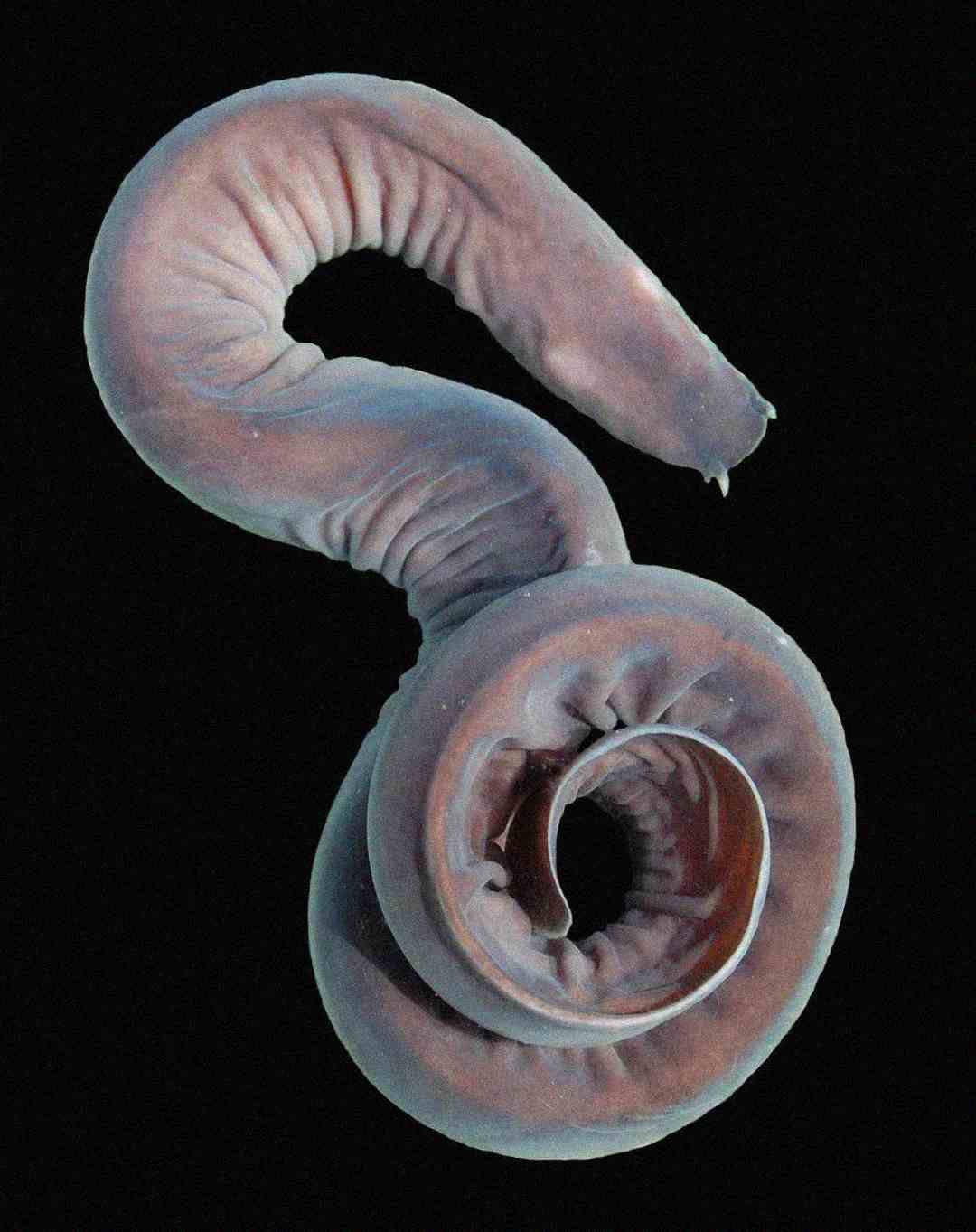
Hagfish produce massive amounts of slime when attacked, clogging the gills of predators. The slime expands rapidly in water, turning a small secretion into a suffocating cloud. This mechanism is effective against fish and has been studied for its unique protein structure. It’s considered one of the most efficient anti-predator defenses in marine environments.
5. Sea Cucumber (Oceans worldwide)
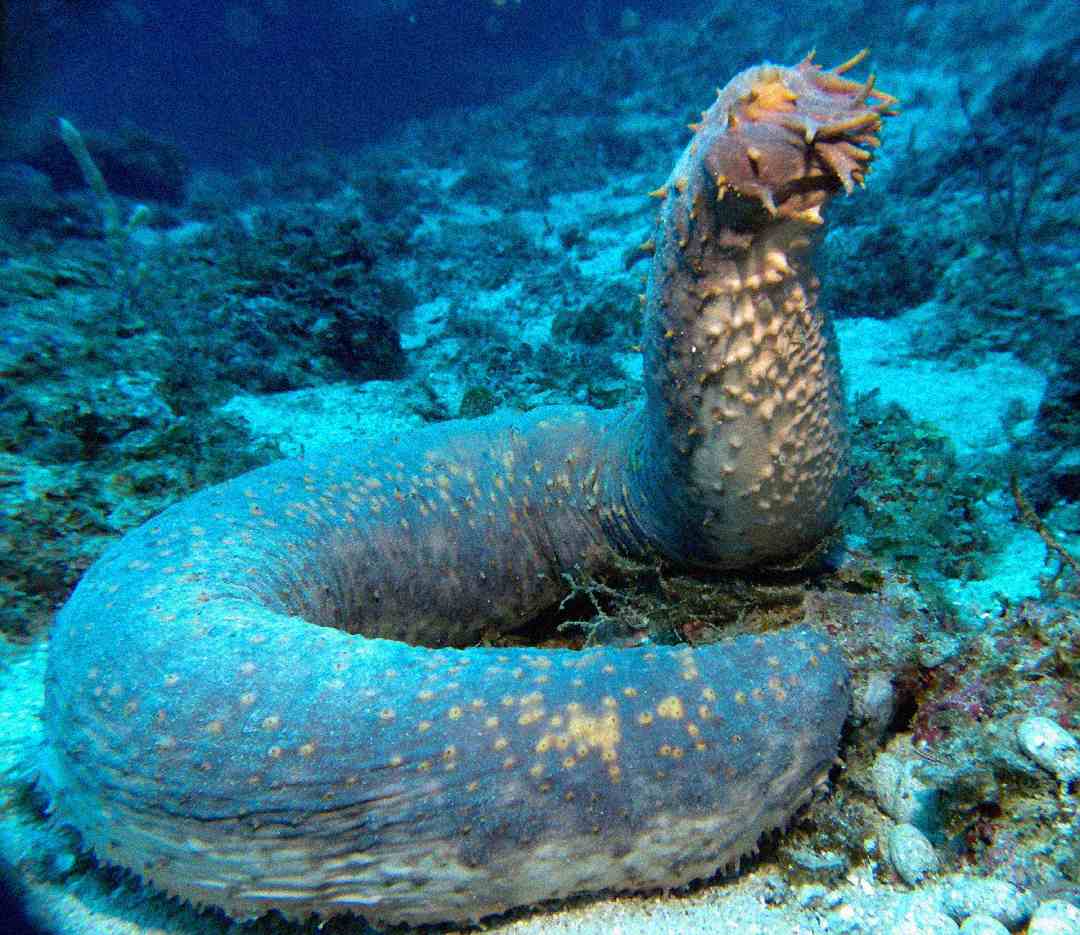
Some sea cucumbers expel their internal organs through their anus when threatened. These sticky, sometimes toxic structures entangle predators. The animal later regenerates the lost organs. This extreme defense highlights their remarkable regenerative abilities.
Trending on The Scroller
6. Turkey Vulture (Americas)
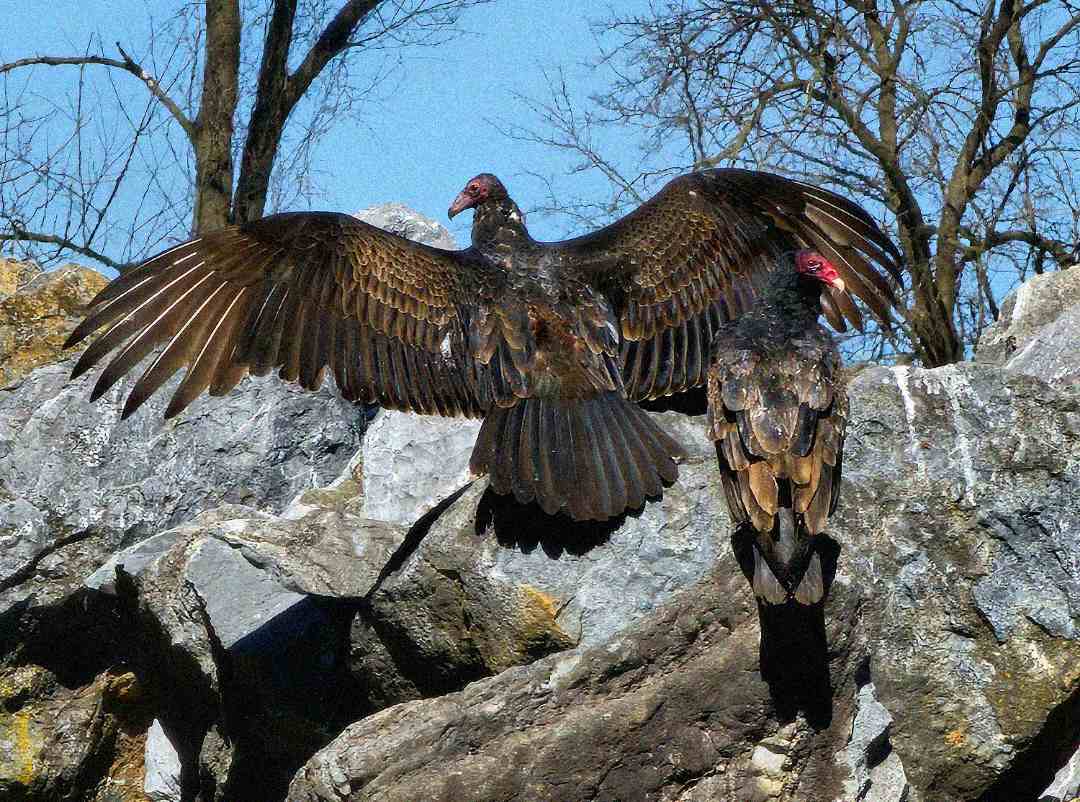
The turkey vulture defends itself by vomiting partially digested food toward predators. This foul-smelling substance can deter attackers and also makes the bird lighter, allowing for a quicker escape. The smell mimics decay, which many predators avoid. This behavior is well-documented and serves both as a chemical deterrent and an emergency survival tactic.
7. Pufferfish (Tropical oceans)
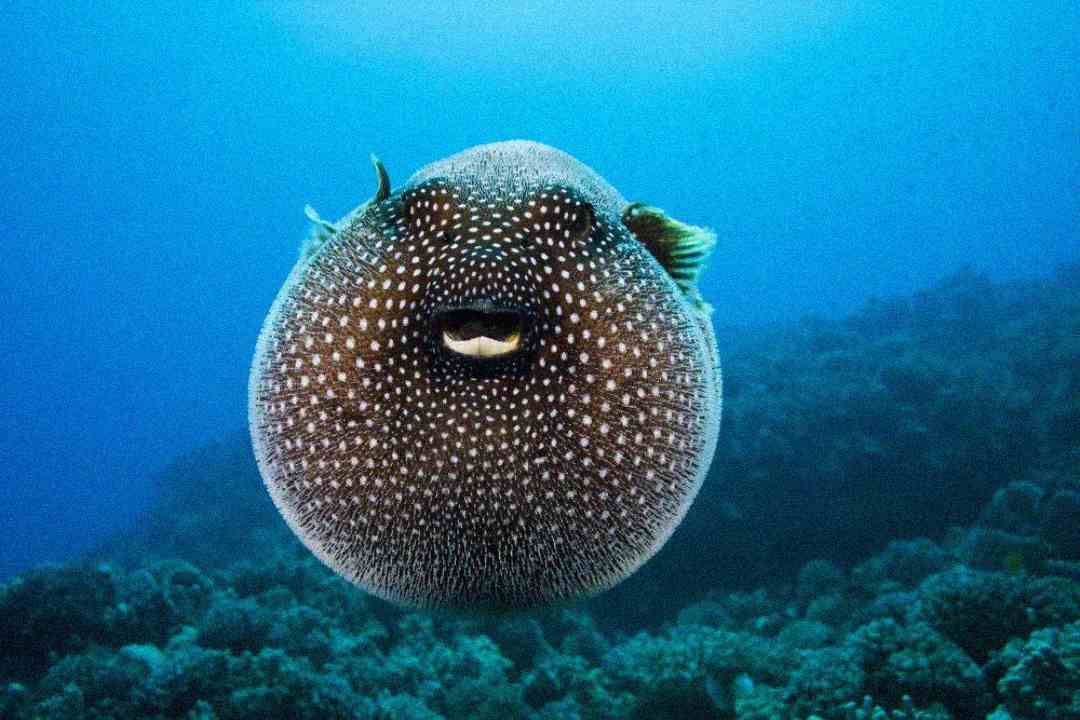
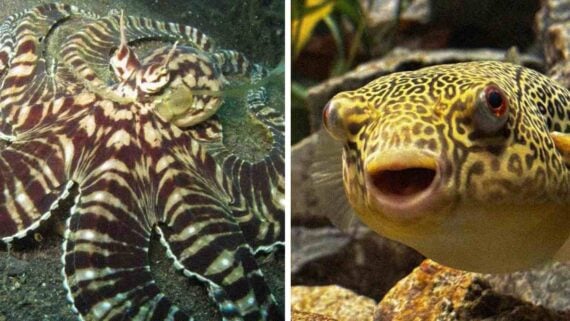
One of the most famous defense mechanisms. Pufferfish inflate their bodies by ingesting water or air, making themselves difficult to swallow. Many species also contain tetrodotoxin, a potent neurotoxin. This combination of physical and chemical defense makes them highly effective at deterring predators. The toxin is produced by symbiotic bacteria, not the fish itself.
8. Mimic Octopus (Indonesia)
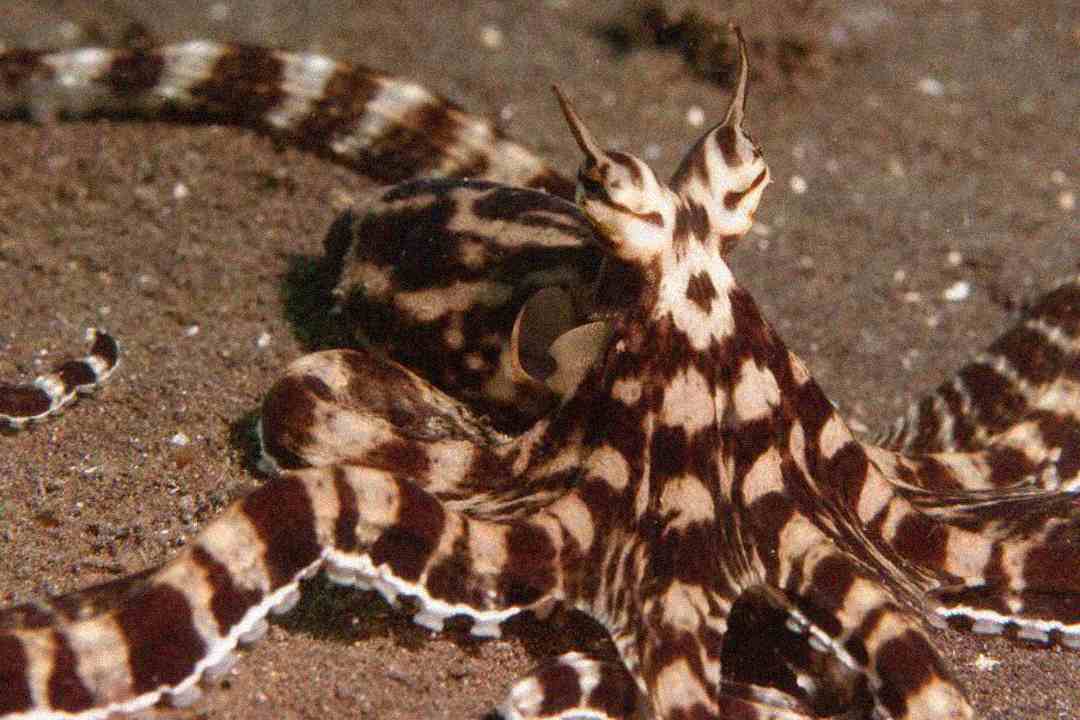
The mimic octopus can impersonate multiple dangerous animals, including lionfish and sea snakes. It alters both shape and behavior depending on the threat. This advanced mimicry is rare and has been extensively documented. Scientists believe it relies on visual recognition of predators to choose the best disguise.
Sign up for our newsletter
9. African Spiny Mouse (Africa)
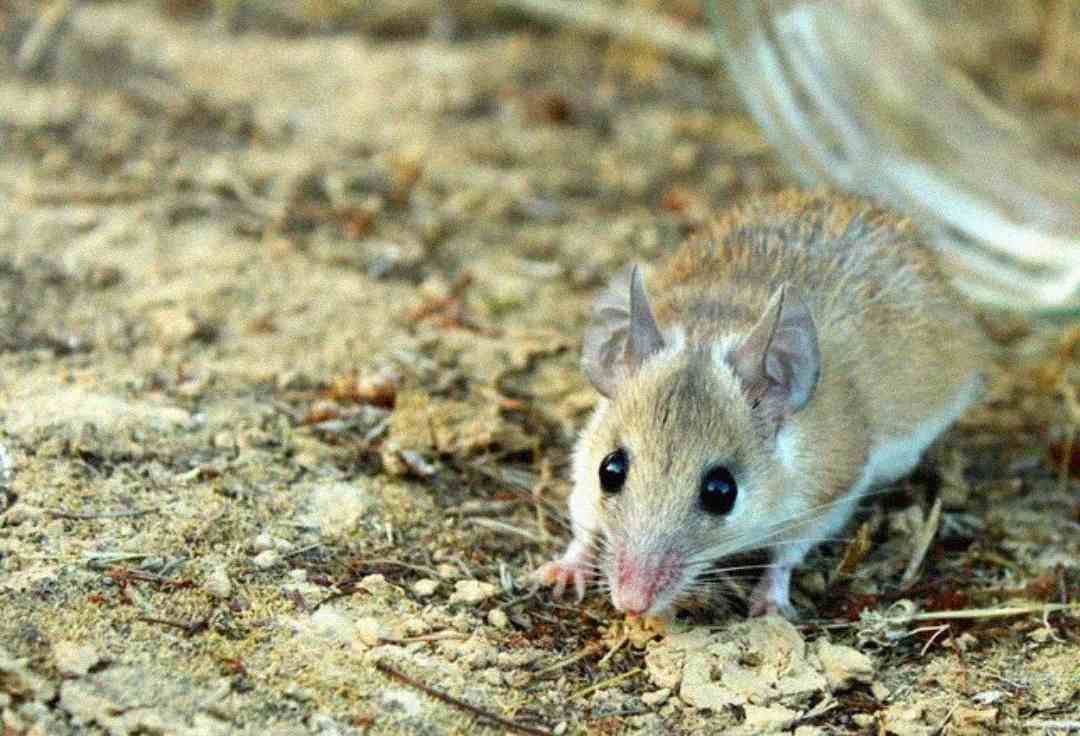
This rodent can shed patches of its skin when grabbed by a predator. The skin tears easily, allowing escape, and later regenerates without scarring. This ability is rare among mammals and has attracted interest for its potential in regenerative medicine research.
10. Wood Frog (North America)
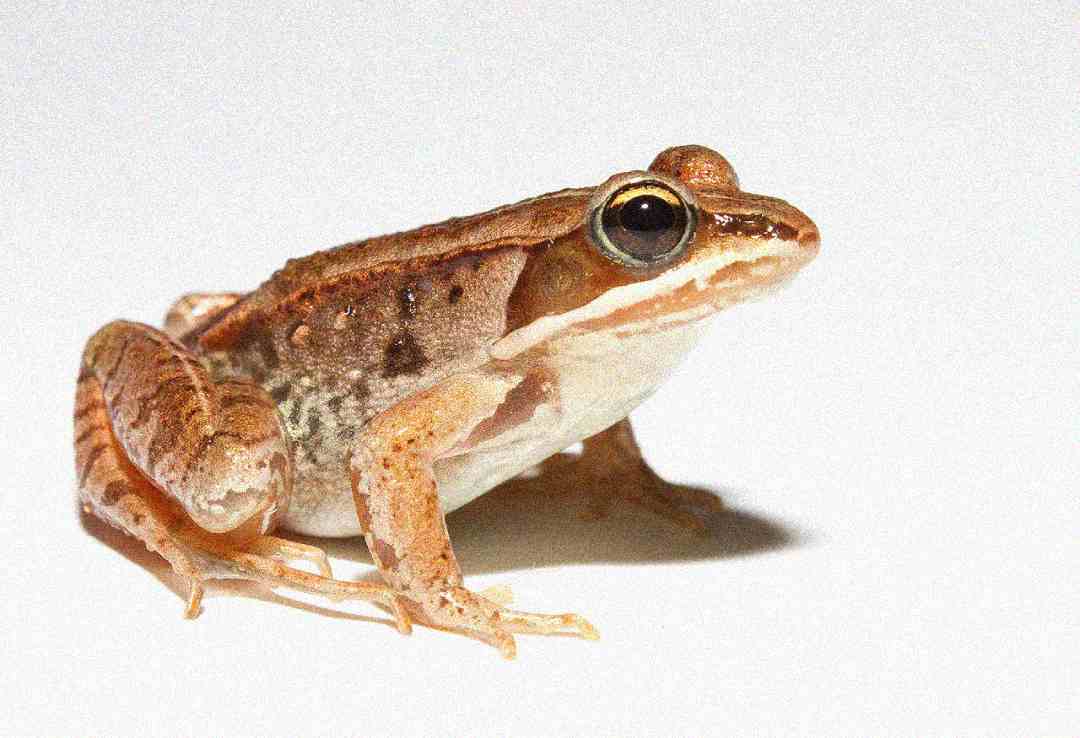
Wood frogs can survive being frozen solid during winter. Their bodies produce glucose that acts as a cryoprotectant, preventing cell damage. When temperatures rise, they thaw and resume normal activity. This represents a unique form of defense against environmental threats.
11. Malaysian Exploding Ant (Southeast Asia)
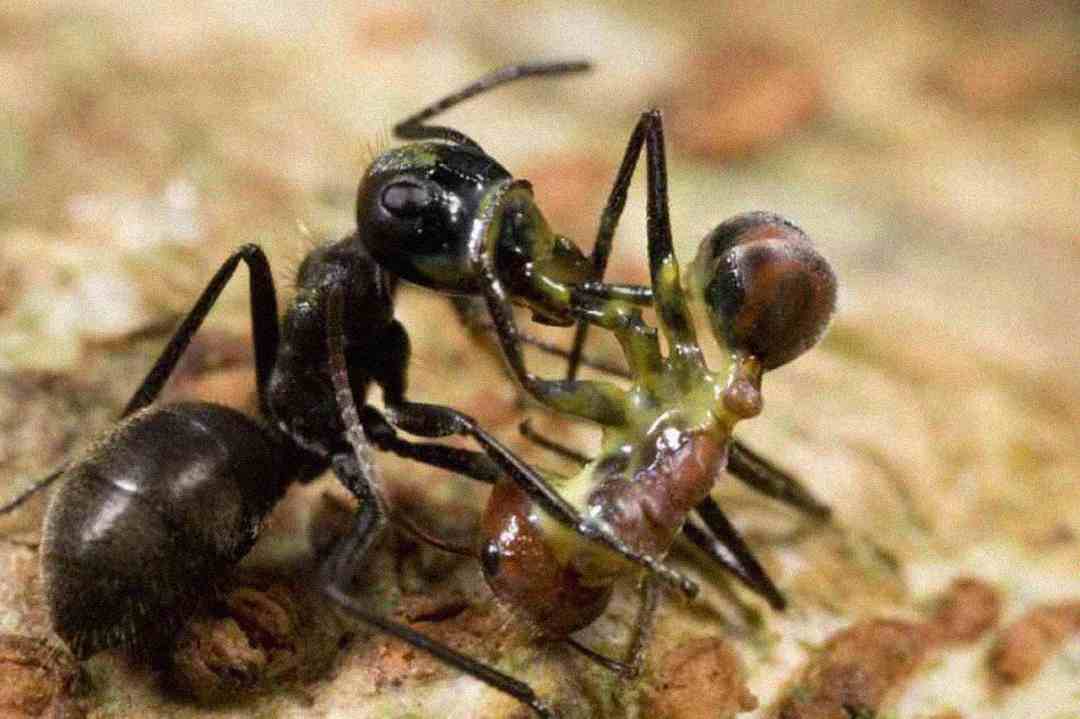
These ants can rupture their own bodies to release a sticky, toxic substance. This suicidal defense immobilizes predators and protects the colony. The mechanism involves enlarged glands that burst under pressure. It is considered one of the most extreme forms of altruistic defense in insects.
12. Skunk (Americas)
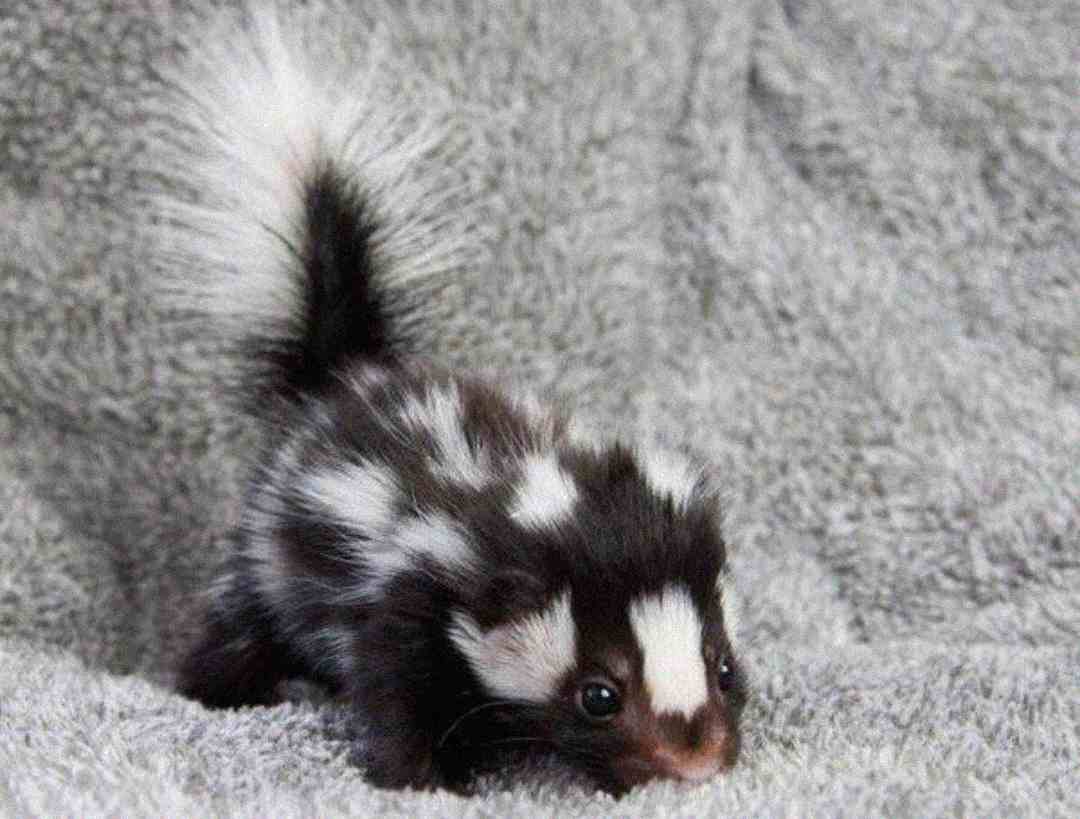
Skunks spray a sulfur-based liquid from their anal glands, producing an extremely strong odor. The spray can reach several meters and causes irritation and temporary blindness. The chemical composition has been analyzed extensively, confirming its effectiveness as a deterrent.
13. Hairy Frog (Central Africa)
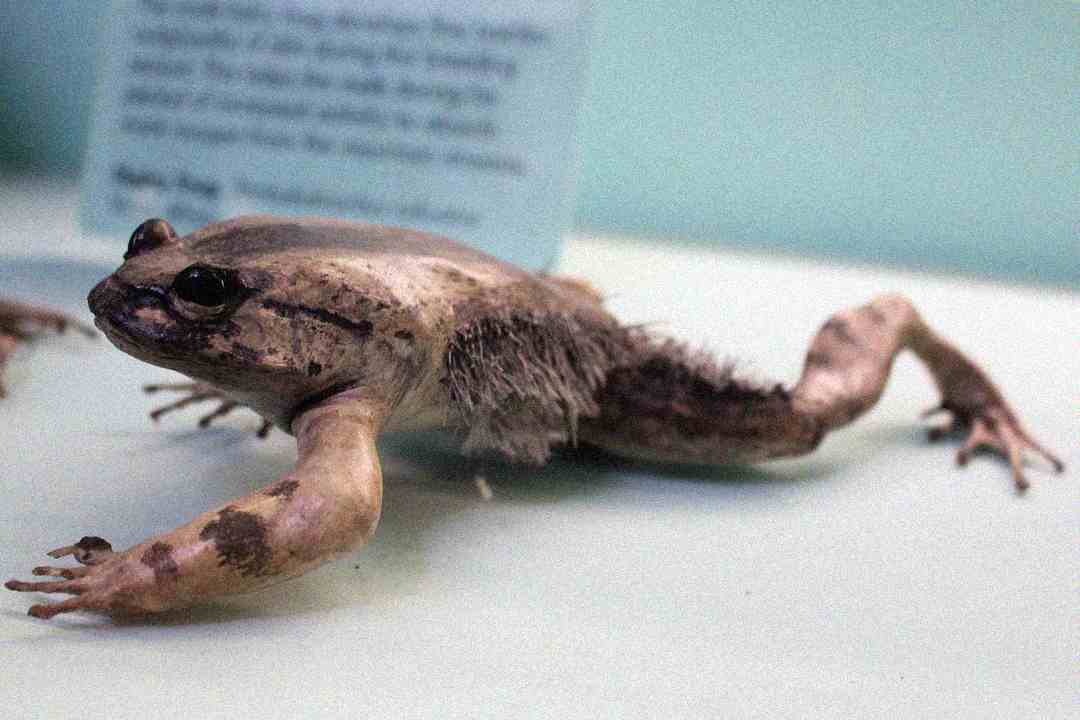
Known as the “horror frog,” it breaks its own bones to push them through its skin, forming claws. These claws are used for defense against predators. The bones retract later, and the tissue heals. This rare mechanism is one of the few known examples of vertebrates weaponizing their own skeletons.
14. Peacock Mantis Shrimp (Indo-Pacific)
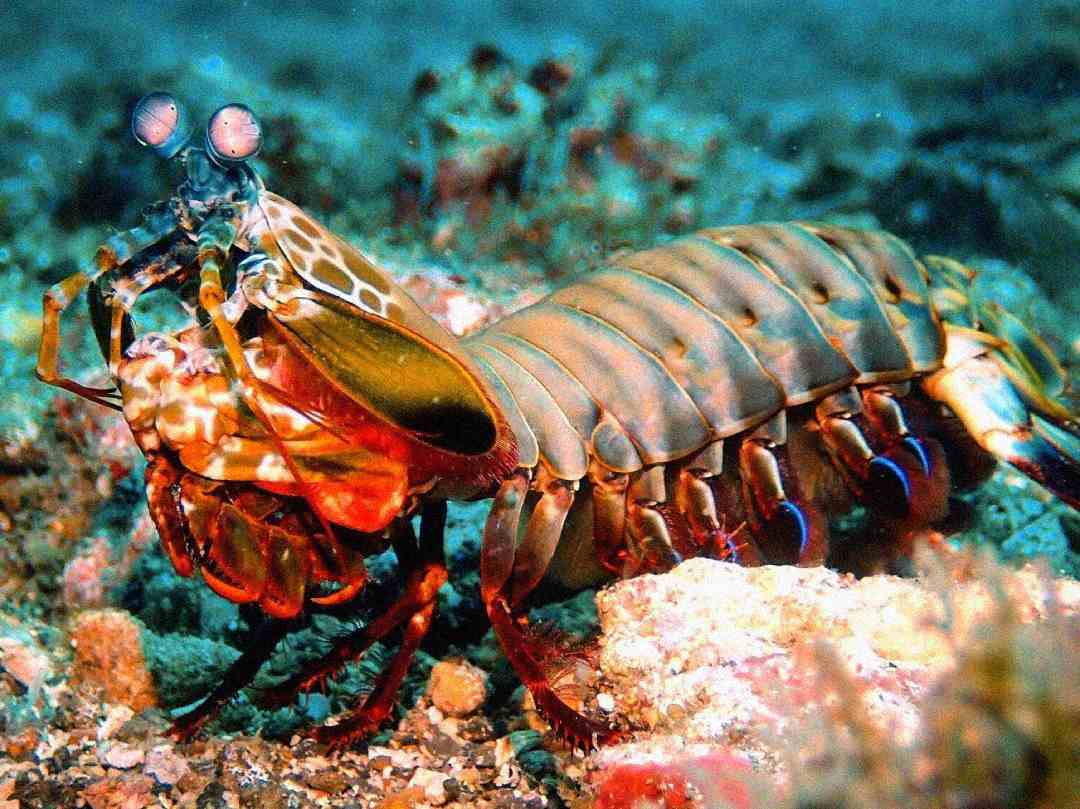
This marine crustacean uses powerful punches to defend itself, capable of breaking shells and even aquarium glass. The strike generates cavitation bubbles that add a secondary shockwave. Scientists have studied this for its biomechanical efficiency and force generation.
15. Cuttlefish (Oceans worldwide)
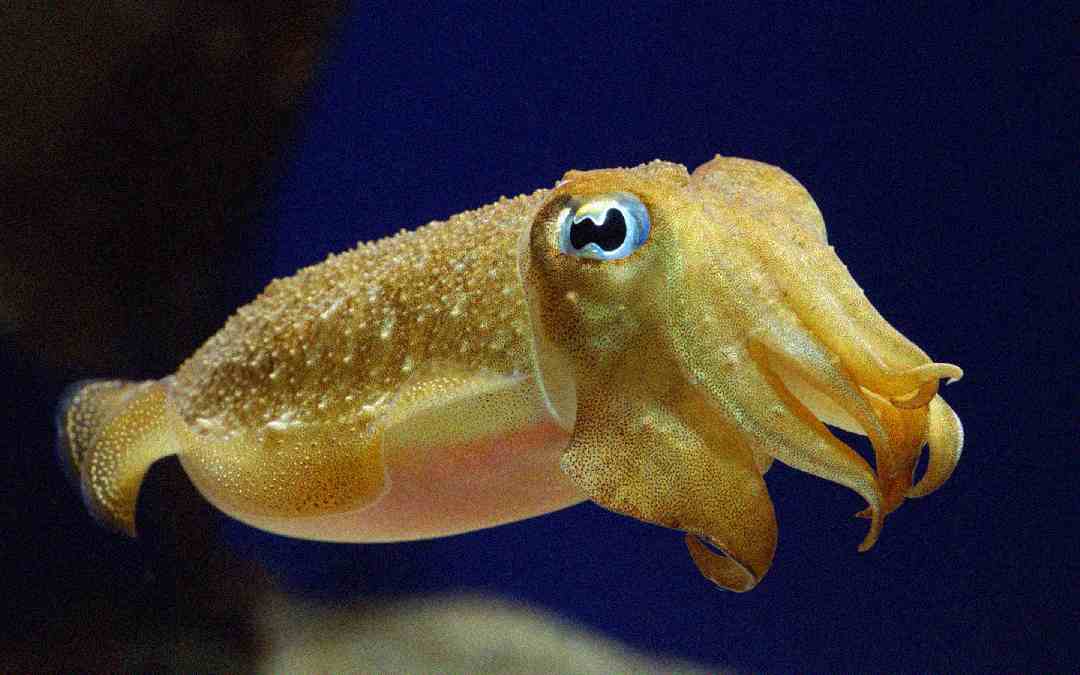
Cuttlefish release ink clouds to confuse predators, but they also change color and texture instantly. Their skin contains specialized cells called chromatophores. This allows them to blend into their surroundings or create deceptive displays. The mechanism is well understood and widely studied in neuroscience and biology.
Animals continue to amaze us with the incredible and unusual ways they survive in the wild. Keep reading to discover more about them.
Learning about these species goes far beyond simple curiosity; it reveals the depth of adaptation and resilience present in life on Earth. Each of these animals demonstrates how far evolution can go to ensure survival, whether through chemical defenses, physical transformations, or even self-sacrifice. Understanding these mechanisms helps us appreciate not only their uniqueness but also the complexity of the ecosystems they inhabit.
If you enjoyed this type of content about animals, there’s so much more to explore. Nature is full of surprises, and there’s always something new to discover. We recommend checking out more of our articles to keep learning about animals and their incredible characteristics: 20 Animals That Prove Cryptozoology Isn’t All Hype, 15 Animals That Look Cute But Are Surprisingly Dangerous, and 15 Animals That Were Extinct and Then Weren’t.