You may have seen strange facts online, but how many of them are actually true? Some of the most unbelievable things in our universe are backed by real research. Get ready to be amazed, curious, and a little puzzled. Here are twenty bizarre facts that sound impossible but are completely supported by science.
1. Water can boil and freeze at the same time

This happens at a specific temperature and pressure called the triple point. It’s a strange quirk of physics that shows just how bizarre our everyday substances can behave under the right conditions.
2. Sharks existed before trees
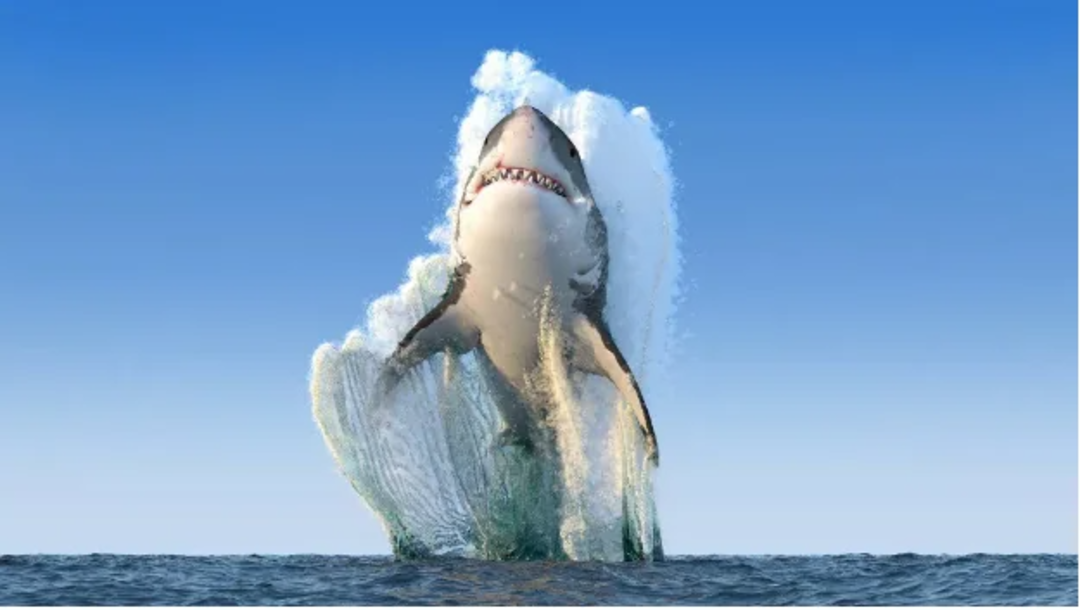
Sharks have been around for more than 400 million years, while trees appeared around 350 million years ago. Imagine these ancient predators swimming through oceans before there was even a forest on land.
3. There’s a fungus that can zombify bugs
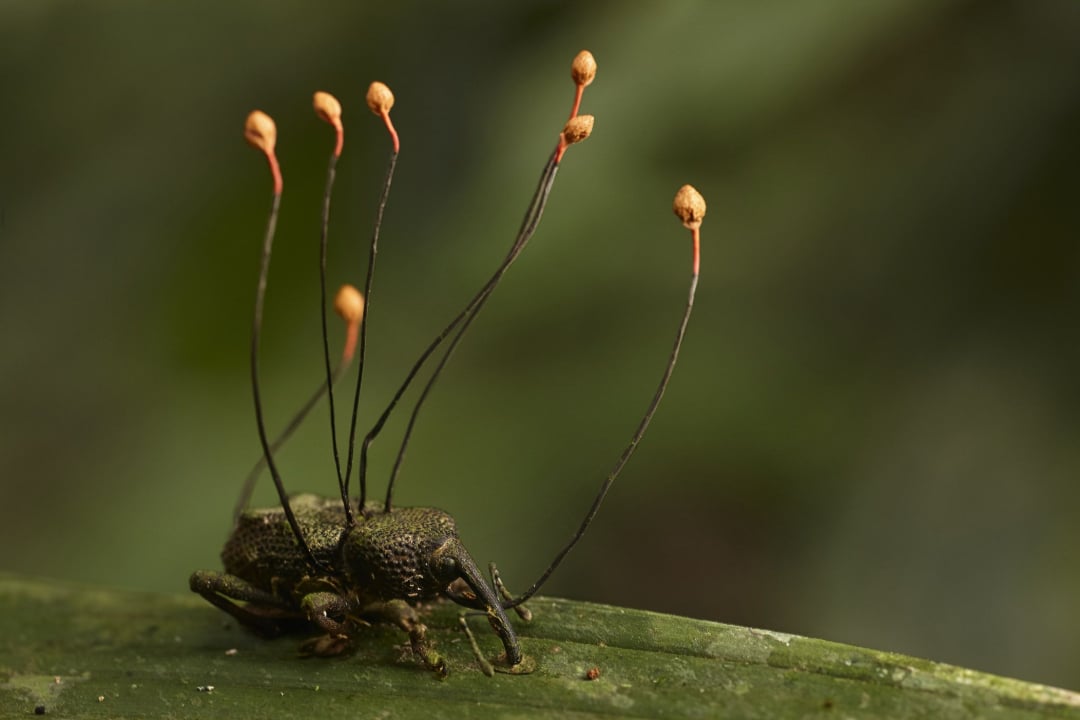
Ophiocordyceps is a fungus that infects ants and other insects, controlling their behavior to spread its spores. It’s nature’s own real-life horror story, demonstrating the creepy ways that all forms of life evolve.
4. Tardigrades can survive in space, and when frozen

These microscopic creatures, also known as water bears, can endure extreme radiation, dehydration, and even the vacuum of space. They are tiny, nearly indestructible superheroes of the natural world.
5. Some fish can walk on land

Mudskippers use their fins to move across mud and even climb trees in tidal areas. It’s a bizarre reminder that the line between land and sea isn’t always clear-cut in evolution.
Trending on The Scroller

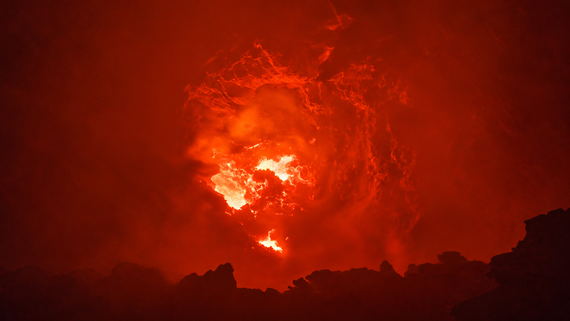
6. There’s a sound in space
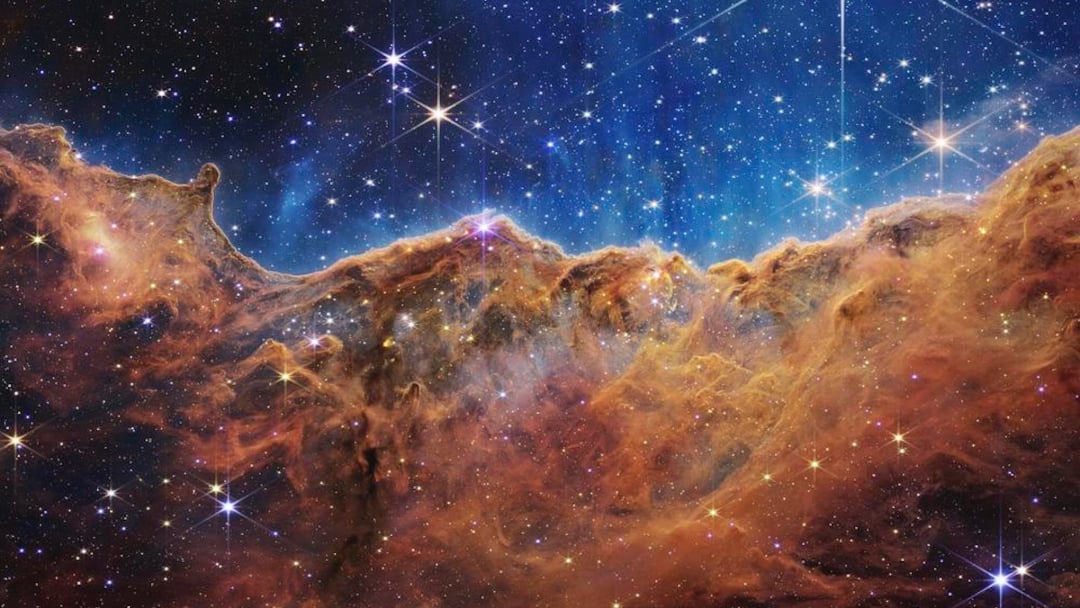
While space is mostly a vacuum, electromagnetic vibrations in plasma clouds can be converted into audio frequencies. So technically, the universe has its own eerie soundtrack. Check out what space sounds like here!
7. Pineapples take two years to grow
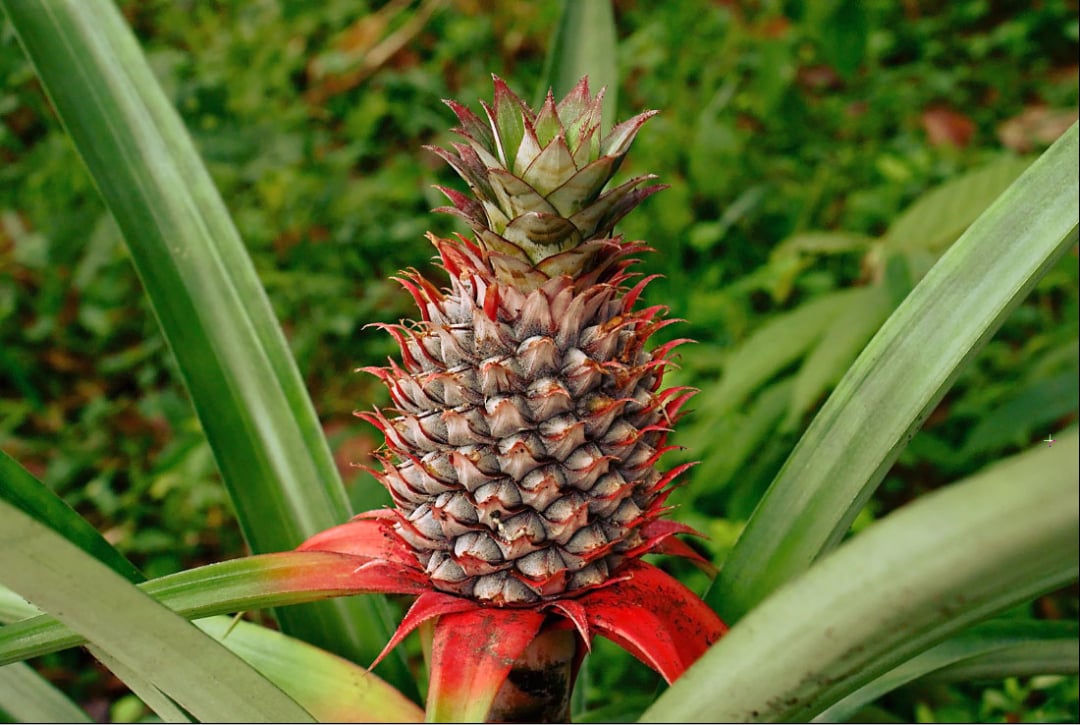
Despite being a common fruit, they are slow-growing compared to most other fruits. Next time you bite into a juicy pineapple, remember it’s the product of years of patient growth.
8. Sharks can detect electric fields
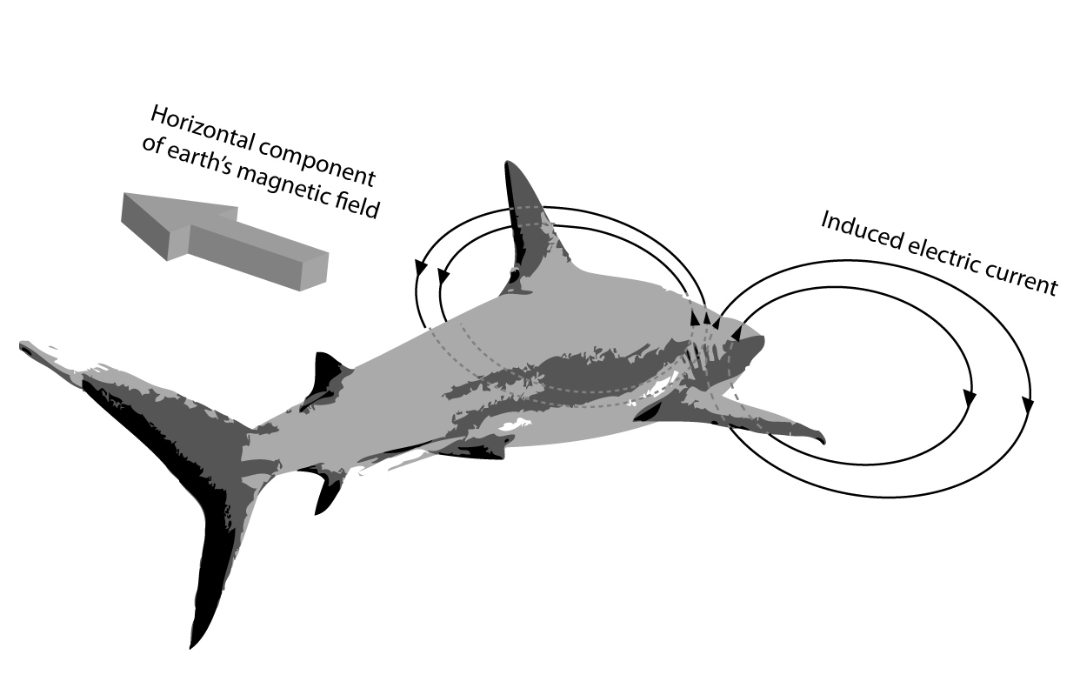
Certain sharks have special organs called ampullae of Lorenzini that allow them to sense the electric signals produced by other animals.
Sign up for our newsletter
9. There’s a species of shrimp that can punch faster than a bullet

The mantis shrimp’s claw strikes at about 50 mph, creating cavitation bubbles that can stun prey. An even crazier statistic is that their punch is so fast that the temperature created by it reaches up to 7.950 degrees Fahrenheit, or even hotter.
10. Some birds can sleep while flying
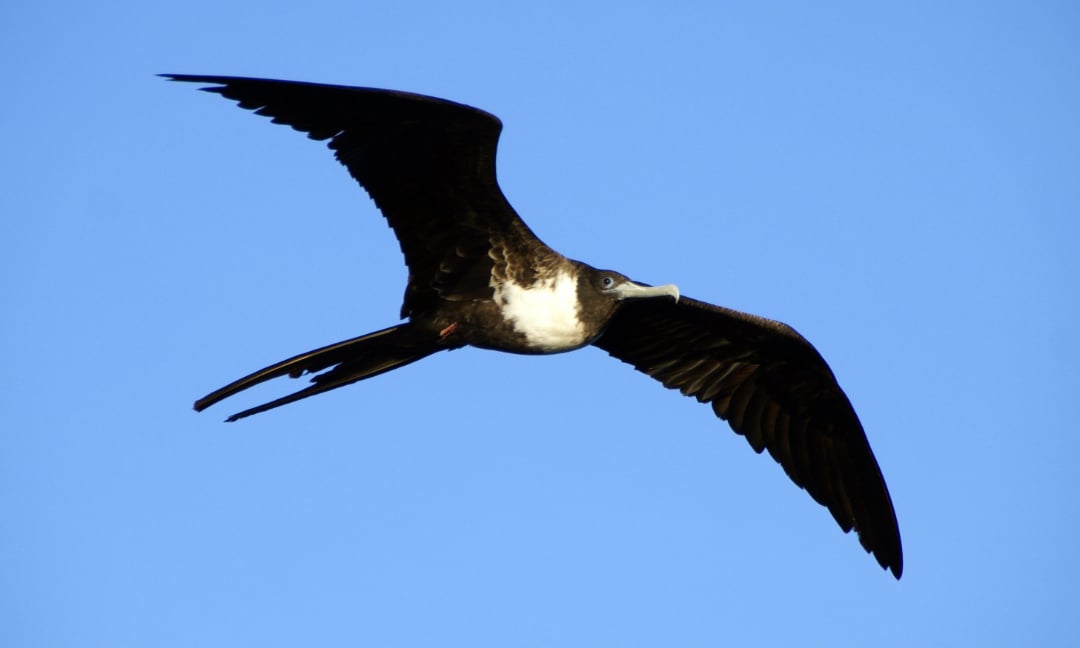
Frigate birds can rest one half of their brain at a time during long flights over the ocean.
11. The human body glows in the dark

Biophotons emitted by our cells are invisible to the naked eye but can be measured with sensitive cameras.
12. Some mushrooms can “talk” to each other

Mycelium networks can transmit chemical signals to warn other mushrooms of threats. Some trees even use these networks called mycorrhizal networks to tell if there’s a resource they can share.
13. Octopuses have memory like humans
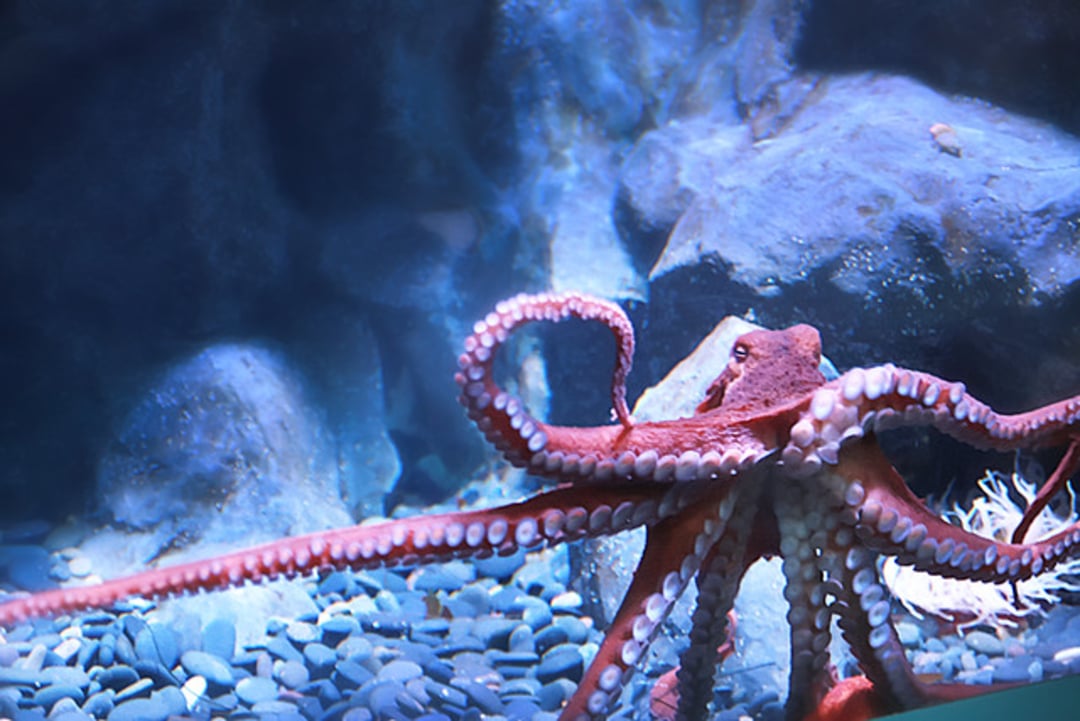
Octopuses have short-term and long-term memory, similar to humans, but the evolutionary path of how both species got their memory is much different.
14. Greenland sharks can live up to 500 years

The Greenland shark is the longest-living vertebrate known on Earth. These ancient fish have witnessed centuries of change in the deep, slow-moving oceans, and only come to the surface when it’s their time to leave this earth.
15. There are rocks in Death Valley that seem to move on their own

Known as “sailing stones,” these rocks leave long trails across the dry lake bed. Scientists discovered that thin ice sheets, strong winds, and slippery mud combine to make the perfect conditions to move these heavy rocks hundreds of feet.
16. Crows can recognize human faces
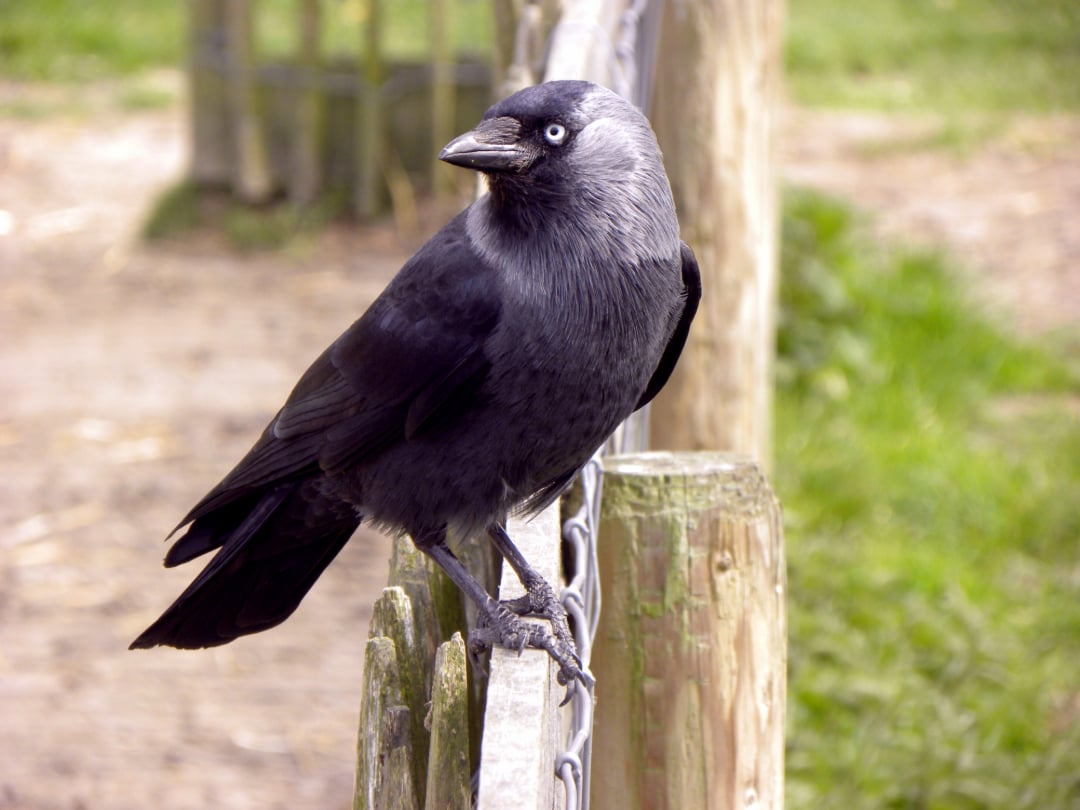
These highly intelligent birds can remember people who threaten them and people who show them kindness. They can even warn other crows whether or not to trust someone. It’s a remarkable sign of their social intelligence.
17. Elephants have best friends
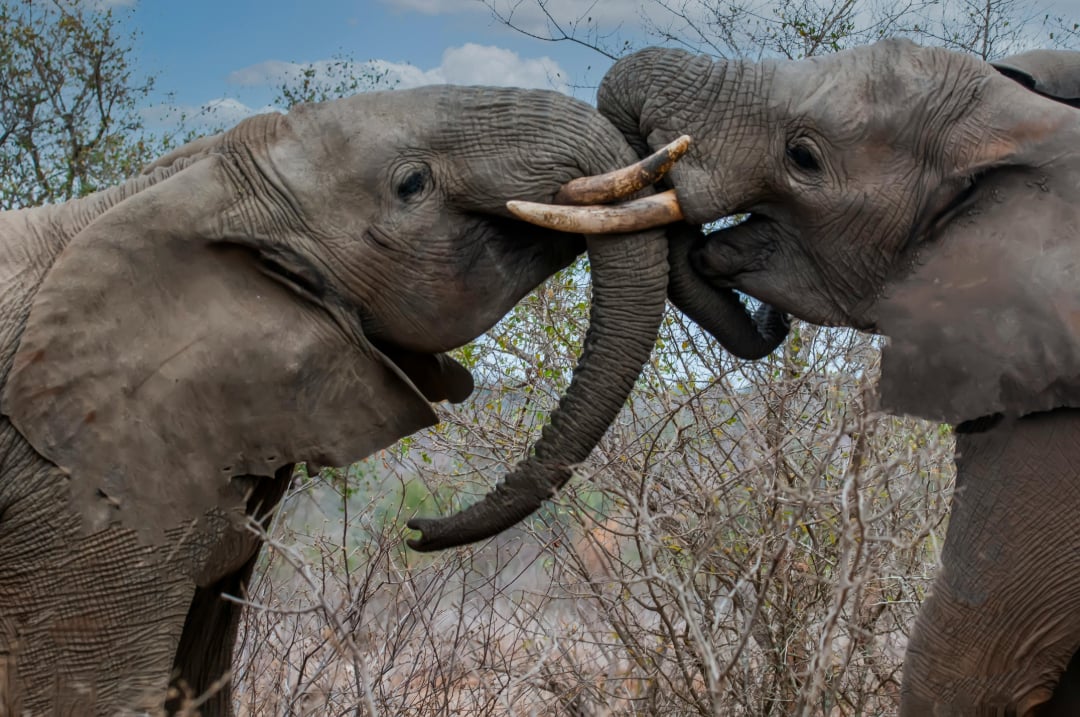
Elephants, like most herd animals, form highly emotional bonds with other members of their herds. It has nothing to do with sexual attraction and everything to do with having a best friend.
18. There’s a type of plant that can walk

Socratea exorrhiza, a type of palm, slowly grows new roots in the direction of sunlight, effectively moving over decades. They’ll move to get to better soil or to get more sunlight.
19. Some fish shoot water to knock prey into the water
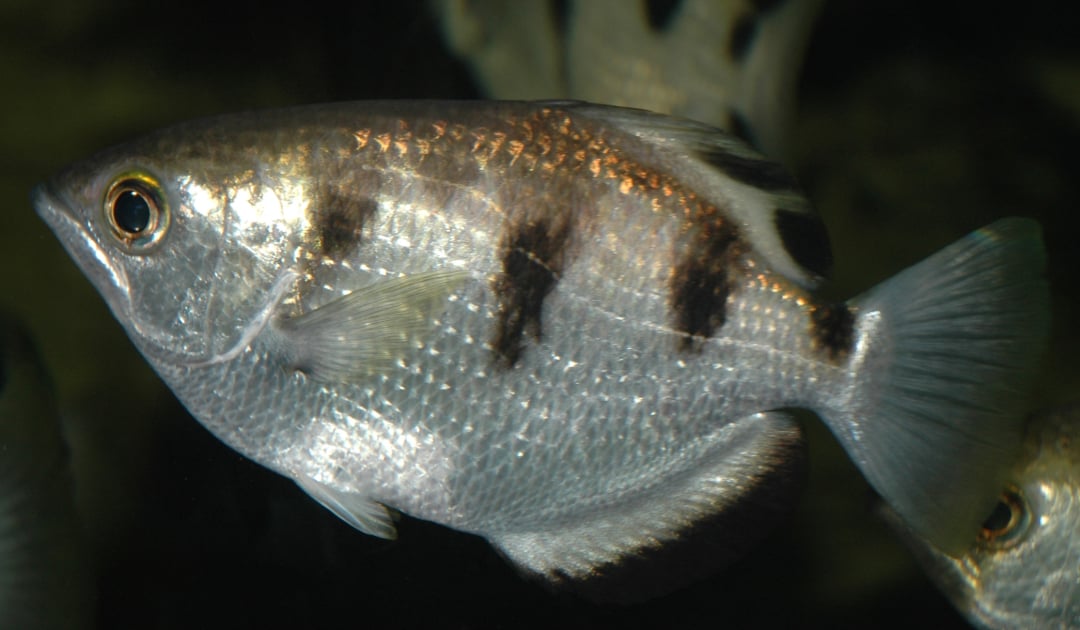
Archerfish aim jets of water with extreme accuracy at insects that hang in branches above the water. It’s incredible to see, and you can see it here.
20. Some snakes can glide through the air

As if snakes weren’t terrifying enough, there’s one that can glide from tree to tree in tropical forests. Flying snakes flatten their bodies and glide to prey, looking like living ribbons flying through the sky. The craziest part, they can glide over 300 feet.
Want to see more bizarre facts?
Check out 20 Lesser-Known Facts Most People Don’t Know, or take a look at 24 Little-Known Facts About Classic Movies Everyone Loves. Finally, if you want to hear some crazy facts about WWI, take a look at 20 Photos and Facts From WWI.