Most of us like to think we know a little bit about everything, but the world is packed with details that slip under the radar. Hidden in history, science, and everyday life are unusual facts that rarely get mentioned, and they are often the ones that make people stop and say, “I had no idea!”
Some of these discoveries are funny, some are strange, and a few might even shift how you see the world around you. Whether you are looking for something to spark conversation or simply enjoy collecting bits of knowledge, these 20 little-known facts are sure to surprise you and maybe even stick with you. Let’s dive into 20 facts most people don’t know.
1. Carrots were originally purple

Orange carrots became popular in the 17th century, partly due to Dutch cultivation and symbolism with the royal family.
2. The heart of a blue whale is the size of a small car

It can weigh around 400 pounds and beat so powerfully that it can be heard from over two miles away. Blue whales are the largest animals ever to live on Earth, and their massive organs reflect that scale. Even their blood vessels are so wide that a small child could crawl through them.
3. The dot over the letters i and j has a name

It’s called a tittle, a word that dates back to the Middle Ages. The term originally referred to any small mark or stroke in writing. Today, it survives mainly as a fun trivia tidbit about handwriting and typography.
4. A shrimp’s heart is in its head
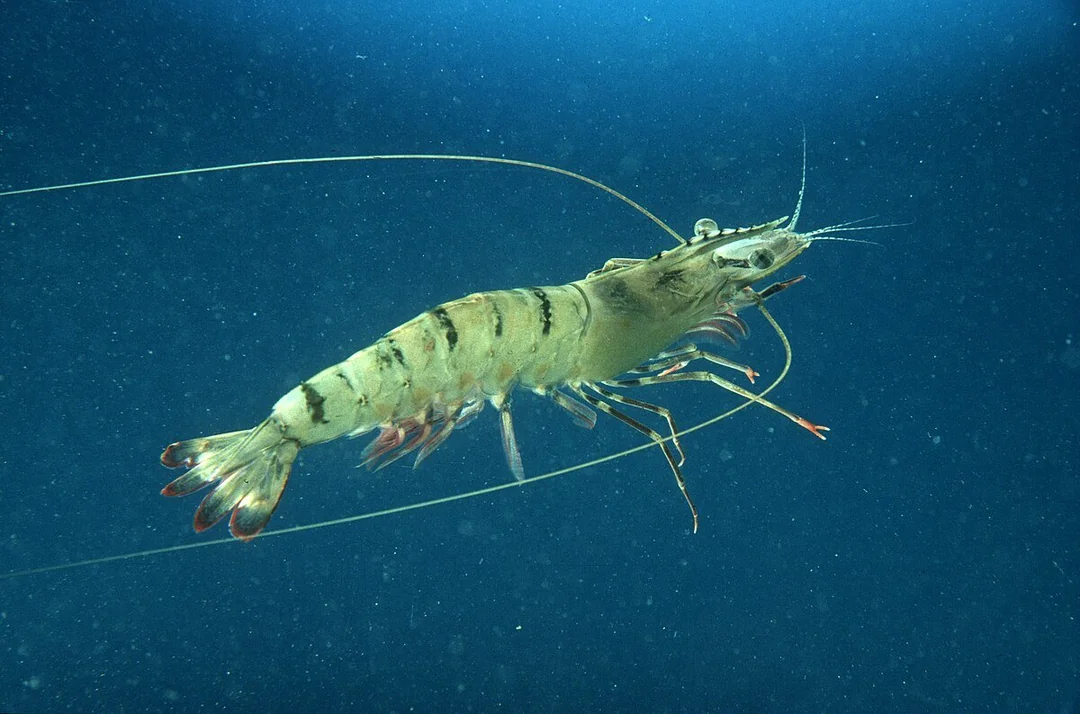
Specifically, it is located in the thorax, right behind the head, not in its chest. This unusual placement makes sense given their compact body structure. Many crustaceans have similarly unexpected anatomy.
5. The unicorn is the national animal of Scotland
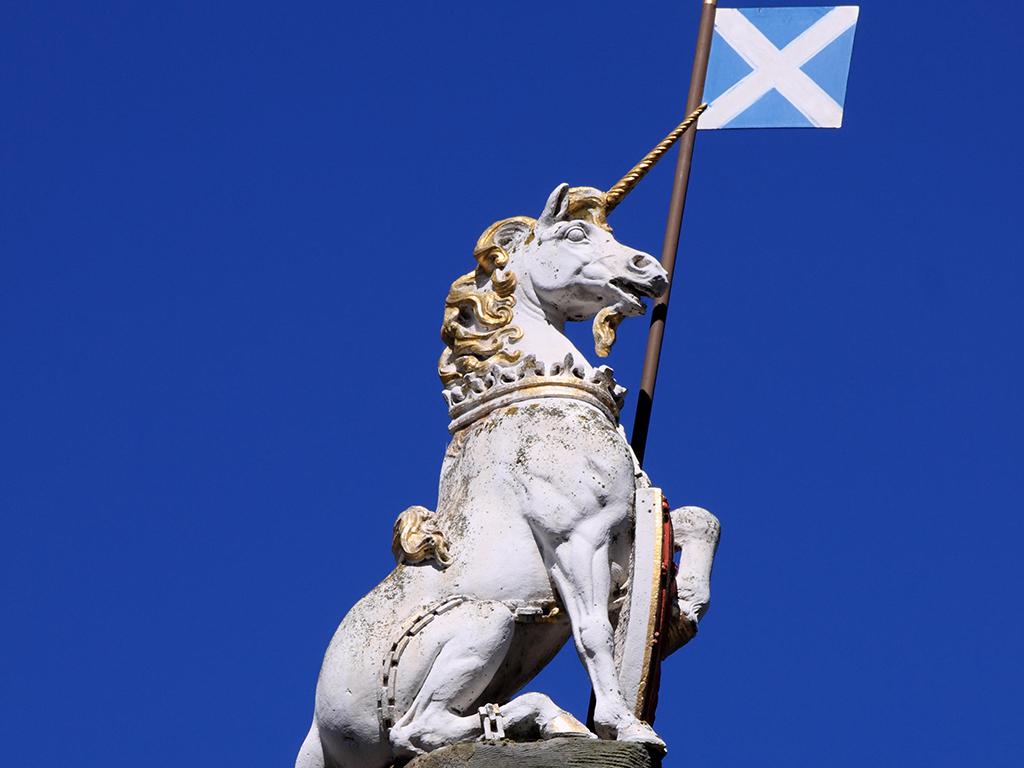
It was chosen for its association with purity, power, and untamed nature. Scots in the Middle Ages saw the unicorn as a proud and noble creature. Even today, this mythical animal appears on Scotland’s coat of arms.
Trending on The Scroller

6. A cloud can weigh more than a million pounds
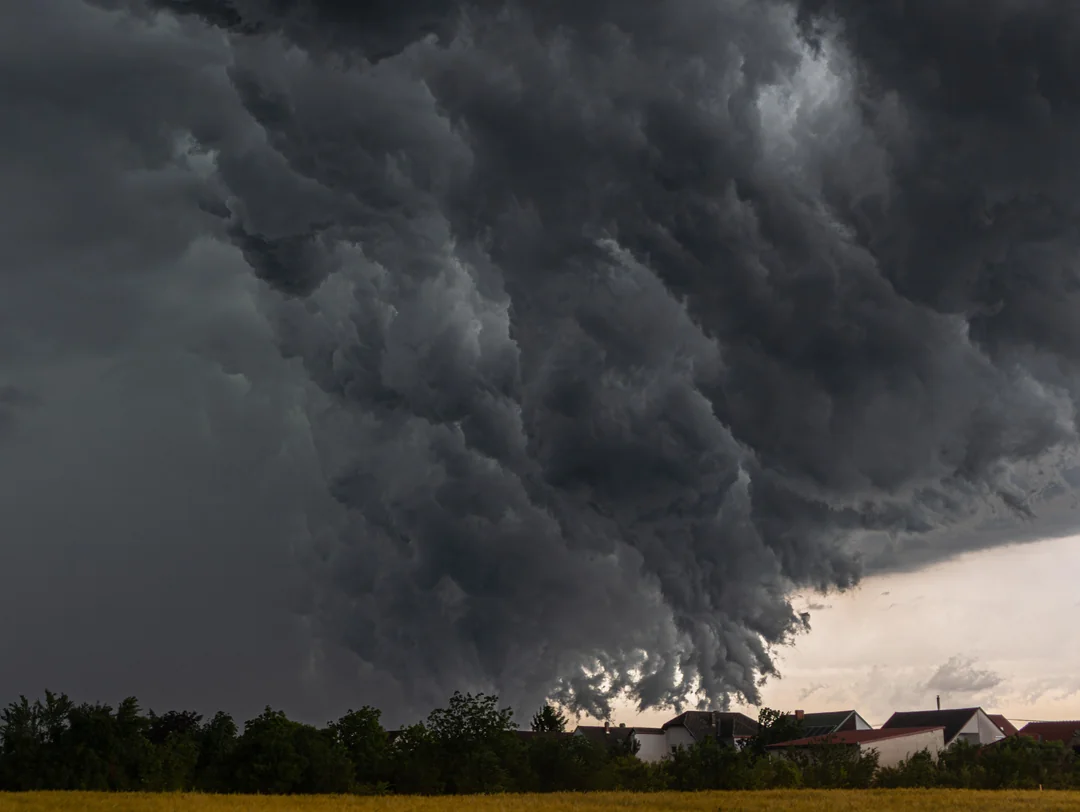
Despite looking fluffy and light, clouds are packed with water droplets that add up in weight. A typical cumulus cloud can contain over 1 million pounds of water. Luckily, the droplets are so spread out that the cloud floats gently in the sky.
7. Humans share about 60% of their DNA with bananas

This doesn’t mean we’re half fruit. It just shows how all life is deeply connected. Many basic cellular processes are shared across living things. It’s a reminder of the surprising unity of biology.
8. Your fingernails grow faster on your dominant hand

They also tend to grow faster in summer than in winter. Scientists believe this is due to increased blood circulation and activity. Even small details like this show how our bodies respond to the environment and lifestyle.
Sign up for our newsletter
9. The first alarm clock could only ring at 4 a.m.

Invented in 1787 by Levi Hutchins, it wasn’t adjustable until years later. Hutchins designed it for his own schedule, not for widespread use. The modern snooze-friendly alarm clock took decades to develop.
10. Polar bear fur isn’t white
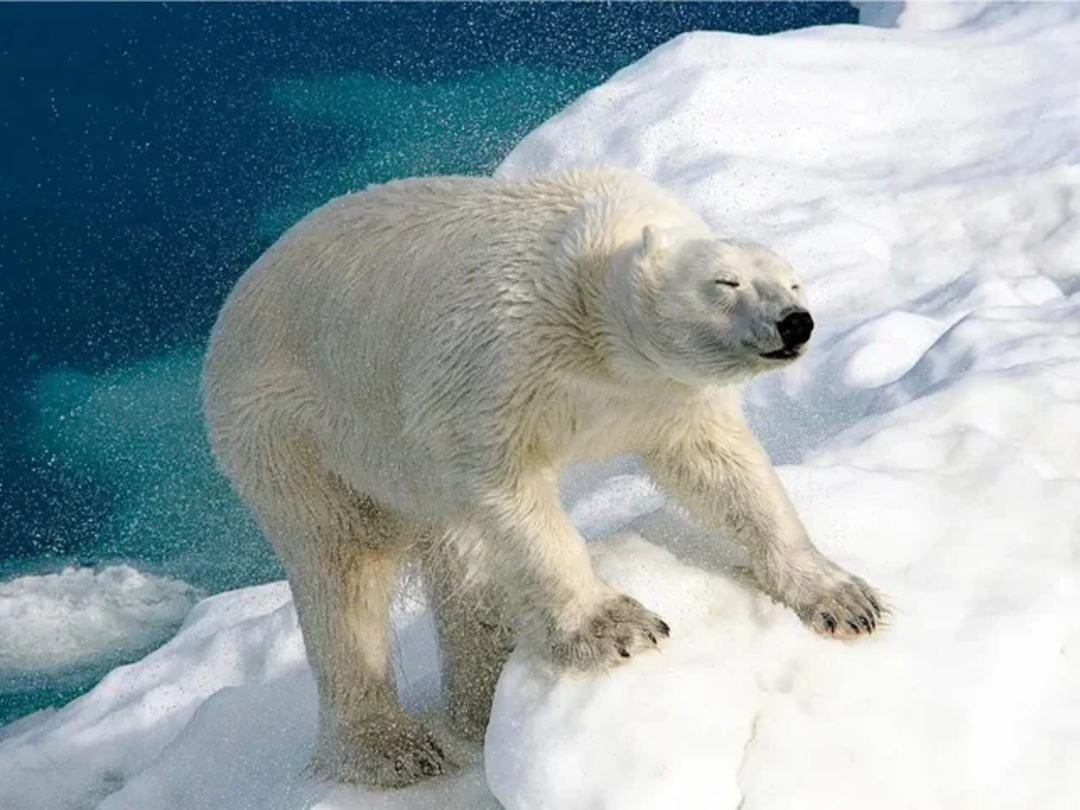
Each strand is actually transparent and hollow, reflecting light to appear white. Beneath their fur, their skin is jet black to absorb heat. This adaptation helps them survive in freezing Arctic conditions.
11. A bolt of lightning is five times hotter than the sun
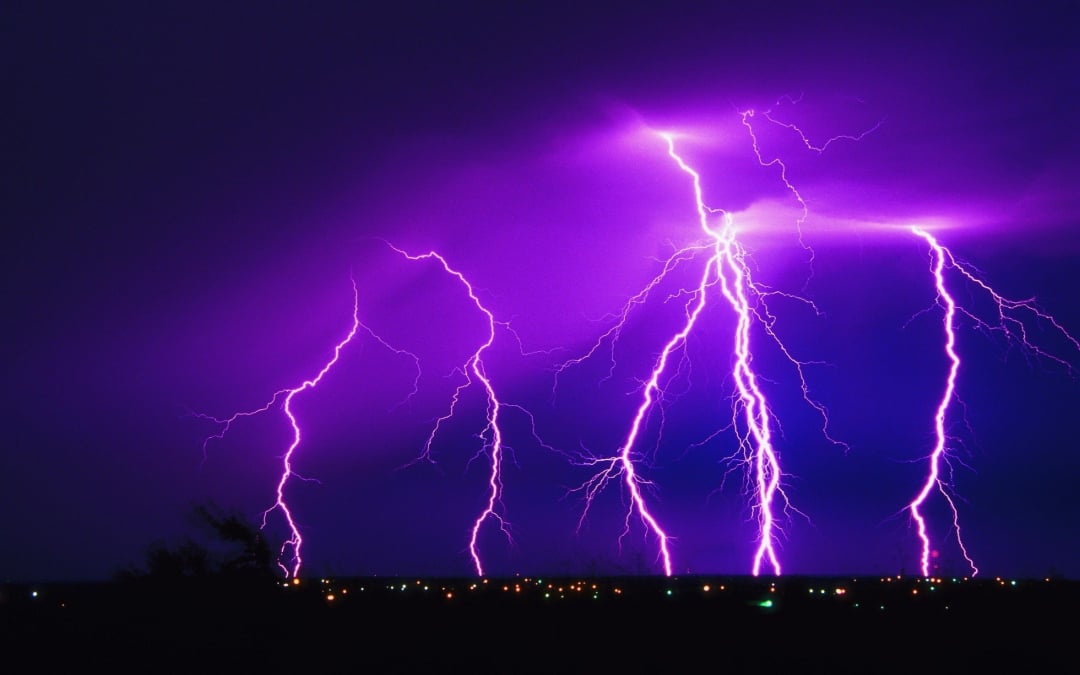
It can reach temperatures of around 50,000 degrees Fahrenheit. That’s why a strike can cause trees to explode or sand to fuse into glass. Despite the danger, lightning is also vital for producing nitrogen compounds that enrich soil.
12. Saturn could float in water

Its density is so low that, in theory, the planet would float if you had a big enough bathtub. Of course, no ocean exists that could contain it, but the idea illustrates just how unusual gas giants are. Saturn is primarily composed of hydrogen and helium, making it remarkably light for its size.
13. A snail can sleep for three years

During extreme weather, some snails go into a deep hibernation called estivation. They retreat into their shells and seal themselves off until conditions improve. This helps them survive in harsh environments.
14. The first computer mouse was made of wood
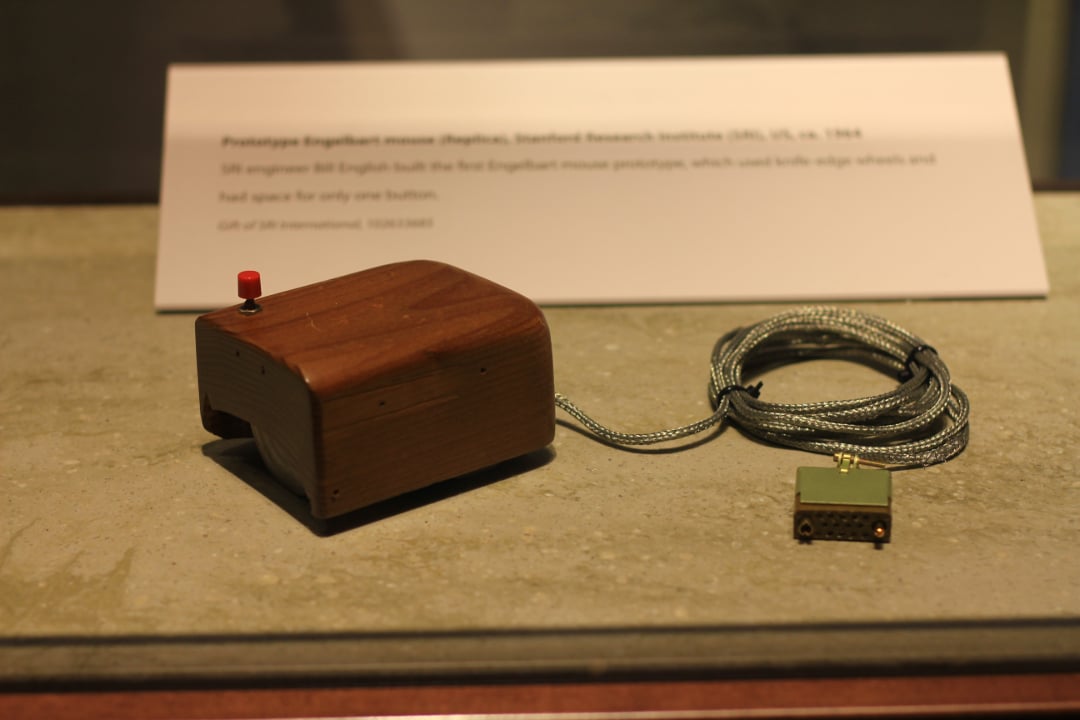
Invented in 1964 by Douglas Engelbart, it looked very different from today’s sleek designs. The wooden block had two wheels to track movement. It was the first step toward the modern computer interface we use daily.
15. Butterflies once lived in Antarctica

Fossil evidence shows butterflies existed there over 40 million years ago, when the continent had a warmer climate. This discovery proves Antarctica wasn’t always the icy desert we know today. In fact, it once supported lush forests and diverse wildlife.
16. Wombats have backward-facing pouches
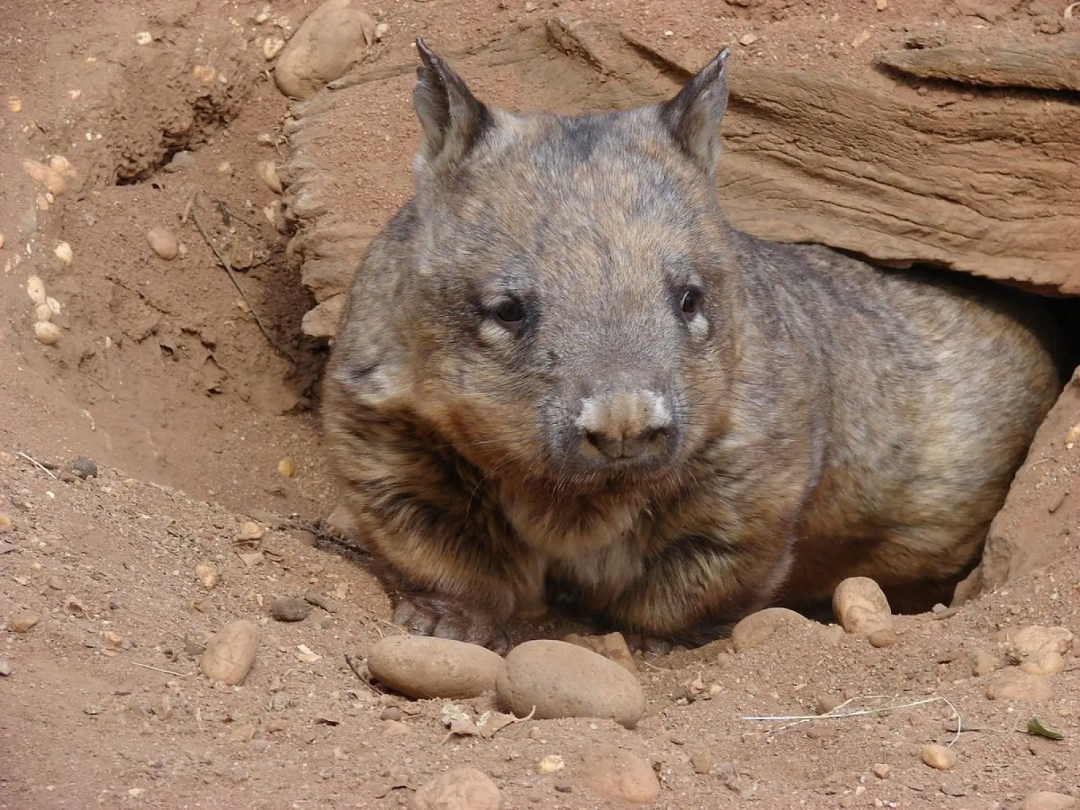
Unlike kangaroos, wombats’ pouches open toward the rear. This prevents dirt from getting in while they dig tunnels underground. It’s a unique adaptation in the marsupial world.
17. The shortest commercial flight in the world lasts under a minute
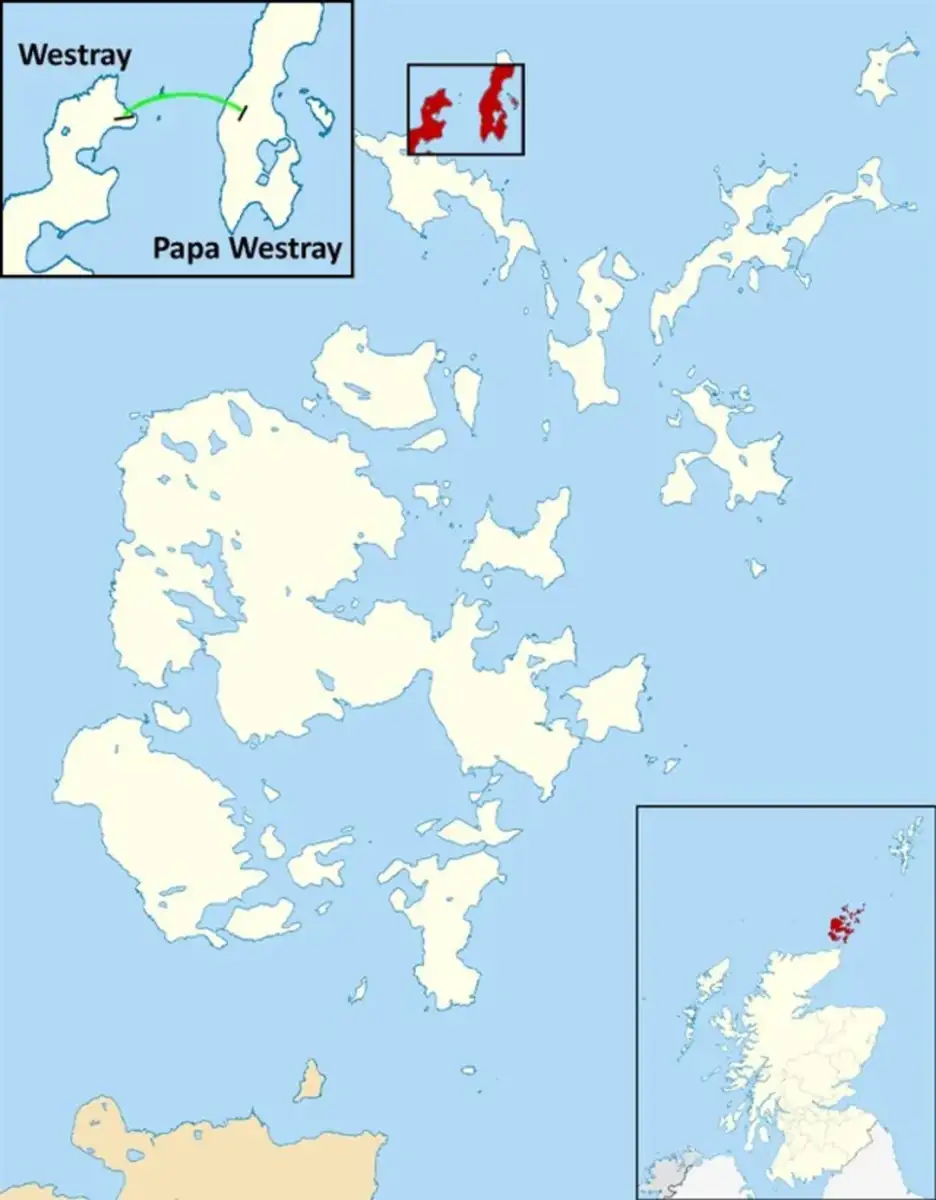
Between Westray and Papa Westray in Scotland, the flight is just 1.7 miles. On a good day, passengers can barely buckle their seatbelts before landing.
18. There’s a species of ant that can explode

The Colobopsis saundersi ant sacrifices itself by rupturing its body to release a sticky toxin. This extreme defense tactic helps protect the colony from invaders. Nature can be both inventive and brutal.
19. Some frogs can freeze completely and come back to life

Wood frogs can survive being frozen solid during winter. They thaw out in spring and resume normal activity. Their bodies produce natural antifreeze chemicals to protect vital organs.
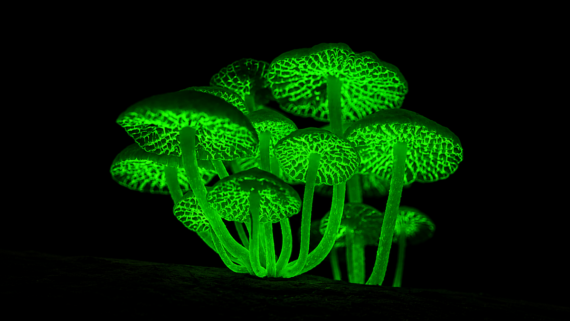
20. There’s a species of fungus that glows in the dark

Called foxfire or bioluminescent fungi, it emits a faint green light. Scientists believe the glow may attract insects that help spread spores. It’s like nature’s tiny nightlight in the forest.
Want to read more fun facts?
Check out 20 Photos and Facts From WWI, or if you’re into classic movies, take a look at 24 Little-Known Facts About Classic Movies Everyone Loves. Finally, if you want to see random historical facts, check out 23 Random Historical Facts So Bizarre They Sound Made Up.