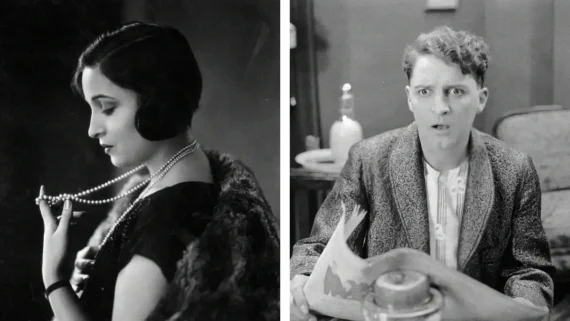
The cultural landscape of 1920 represented the absolute dawn of modern celebrity, an era when the sprawling movie palaces of old Hollywood manufactured larger-than-life myths out of black-and-white celluloid. The premier screen icons of this golden age possessed a level of fame that modern actors can scarcely comprehend, commanding the undivided attention of a global audience that hung on every single physical gesture, tilt of a hat, or expressive look. Because cinema operated without vocal tracks, these individuals were celebrated as ultimate masters of a universal language, allowing their projects to be distributed internationally with minimal cultural friction. To the millions of fans who packed movie houses each week, these legendary performers looked like permanent structural fixtures of the entertainment world who were completely immune to the passing of time.
However, the rapid mechanism of Hollywood commercial progress proved to be incredibly brutal, completely erasing these massive media empires in less than a decade. As the industry advanced toward the 1930s, a volatile combination of high-profile studio scandals, shifting audience tastes, the catastrophic Wall Street Crash, and the violent introduction of synchronized audio completely dismantled the silent establishment. Terrified studio executives aggressively shredded long-term contracts, rapidly pivoting their immense financial backing toward theater-trained voices who could navigate the primitive microphone rigs. Within a matter of mere years, the very stars who defined the cultural fabric of 1920 found themselves entirely pushed out of the studio gates, transitioning from household deities into forgotten ghosts of a bygone era. Let’s explore fourteen unforgettable silent film icons who ruled the world in 1920, only to be completely unknown by 1930.
1. Mary Miles Minter
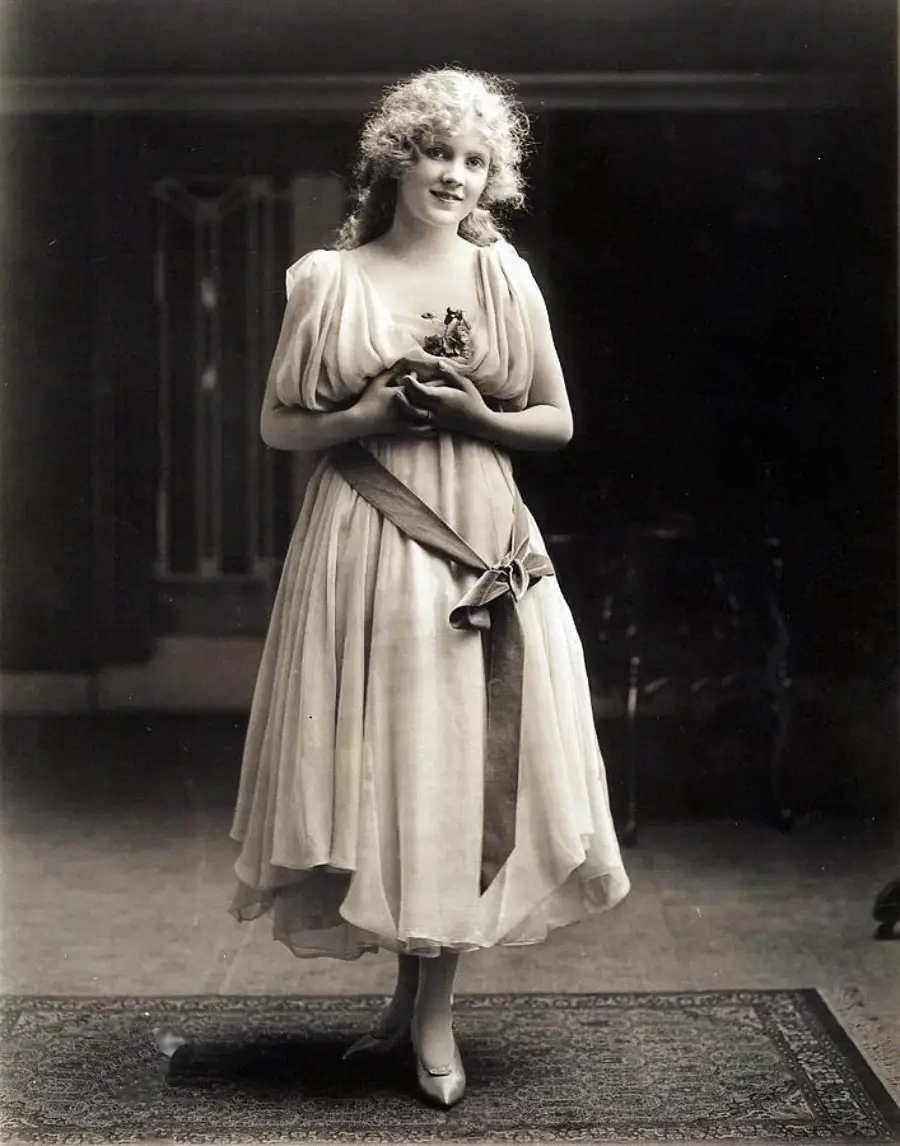
In 1920, Mary Miles Minter was locked in a fierce, high-stakes battle with Mary Pickford for the title of America’s definitive screen sweetheart, commanding a massive studio salary of $1,300,000. Her pale blue eyes, golden curls, and angelic screen persona turned her into an absolute box-office juggernaut for Realart Pictures. Her glittering media empire came to a sudden, catastrophic halt in 1922 when prominent Hollywood director William Desmond Taylor was mysteriously murdered inside his bungalow. Investigators uncovered a stash of passionate, handwritten love letters written by Minter inside the victim’s home, triggering a massive public relations nightmare that permanently ruined her wholesome reputation. By 1930, the studio system had completely blacklisted her from the industry, forcing her into early retirement before she could ever attempt a talking picture transition.
2. Agnes Ayres
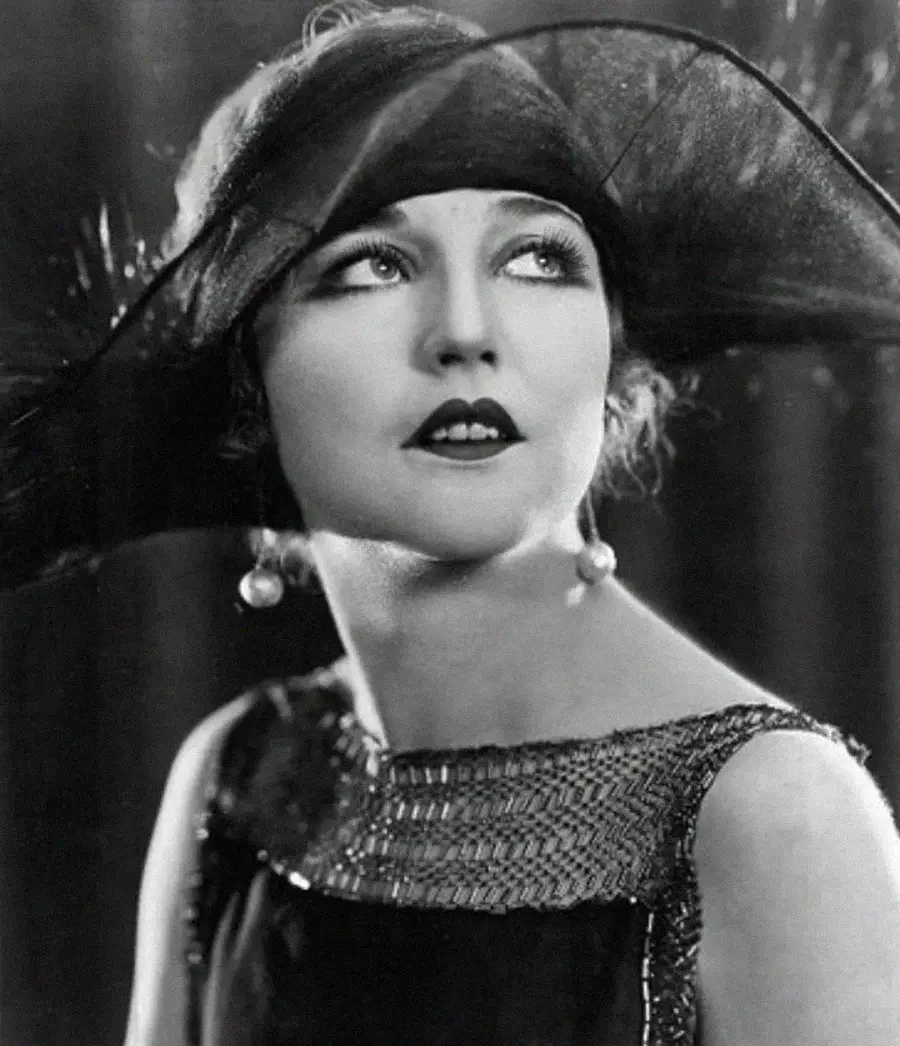
Agnes Ayres achieved absolute, career-defining global celebrity when she was cast as the elegant Lady Diana Mayo opposite Rudolph Valentino in the landmark 1921 romantic epic The Sheik. She was a premier leading lady for Paramount Pictures, routinely working alongside the biggest directors of the era and accumulating a massive personal fortune in Southern California real estate. Her professional momentum fractured heavily following a bitter, high-profile legal dispute with director Cecil B. DeMille regarding her contract options and alleged studio weight fluctuations. The devastating Wall Street Crash of 1929 subsequently wiped out every single dollar of her real estate investments and personal wealth. Stripped of her assets and unable to secure talking roles, she spent 1930 traveling across the country on the grueling vaudeville circuit just to pay her basic bills.
3. William S. Hart
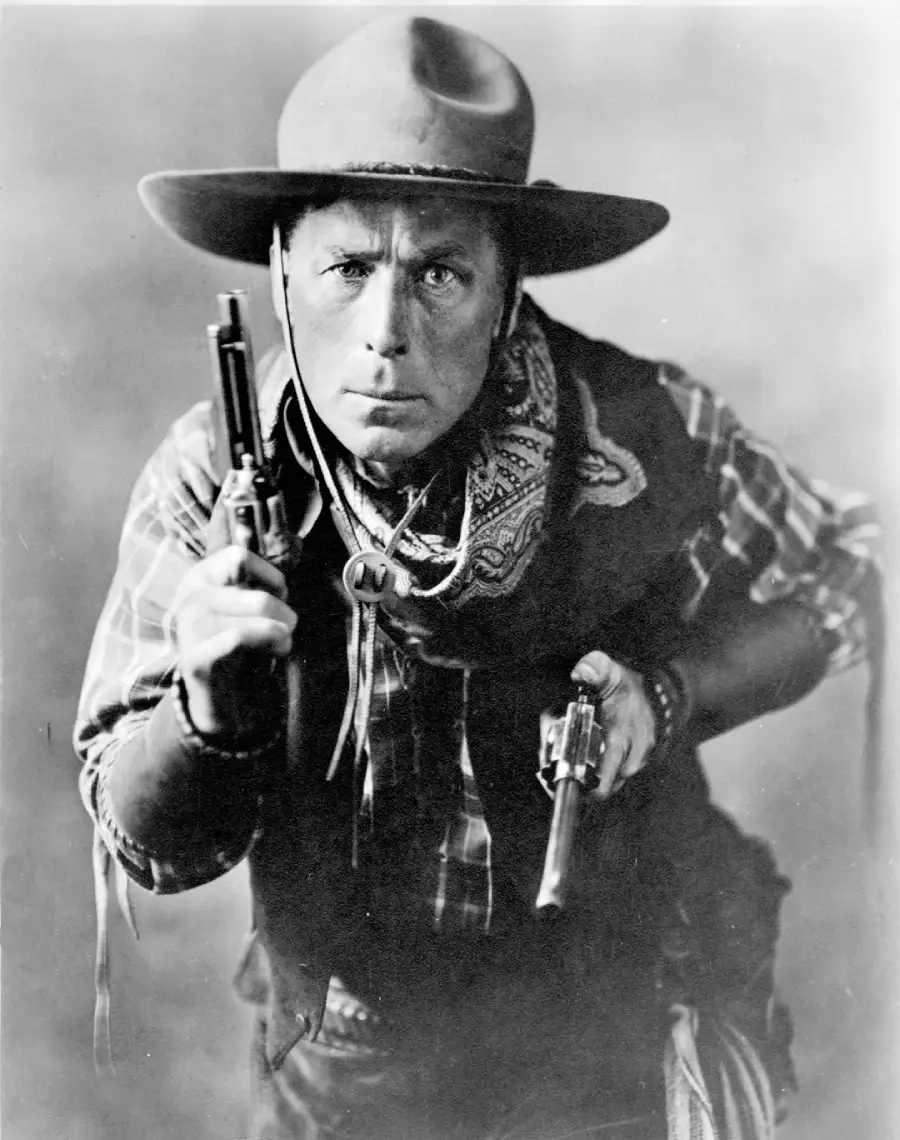
William S. Hart was the absolute, undisputed king of the early cinematic Western, consistently ranking as one of the most popular and profitable male movie stars on the planet. Unlike the flashy showmen who followed him, Hart insisted on total historical realism, imbuing his rugged, dusty cowboy characters with strict codes of honor and gritty western authenticity. By the mid-1920s, major studio executives grew deeply tired of his stark, non-glamorous approach to historical storytelling, demanding that he incorporate modern, over-the-top action stunts to compete with younger actors. Hart courageously refused to compromise his artistic vision, utilizing his immense wealth to self-fund his final silent masterpiece, Tumbleweeds, in 1925. The movie faced severe distribution sabotage from the studios, forcing Hart to walk away from Hollywood completely to spend the 1930s living in absolute isolation on his ranch.
4. Texas Guinan
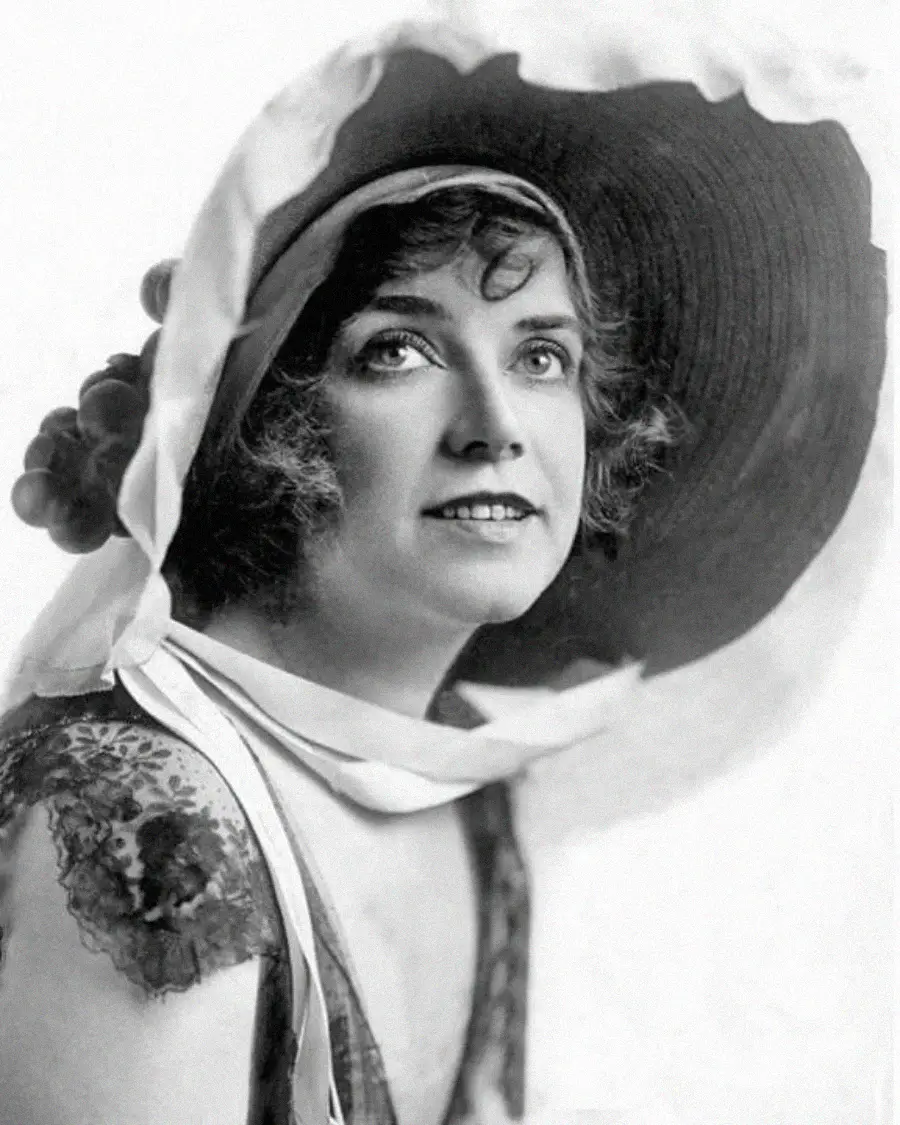
Mary Louise “Texas” Guinan was a pioneering force in the early film industry, amassing a massive fan base by starring as a fierce, gun-toting heroine in dozens of silent Western shorts long before the 1920s roared. She subsequently utilized her immense charisma and sharp wit to transition into the definitive queen of New York City’s illegal Prohibition-era speakeasies. She famously greeted wealthy club patrons with the iconic, cynical catchphrase “Hello, Suckers,” turning her nightlife venues into elite playgrounds for mobsters and millionaires alike. When the movie industry rapidly shifted to synchronized sound, Warner Brothers attempted to capitalize on her cultural notoriety by casting her in early musical talkies. Audiences found that her high-energy, live-performance cabaret style felt incredibly stiff and unnatural when filtered through primitive audio technology, causing her film career to dissolve completely by 1930.
5. George Walsh
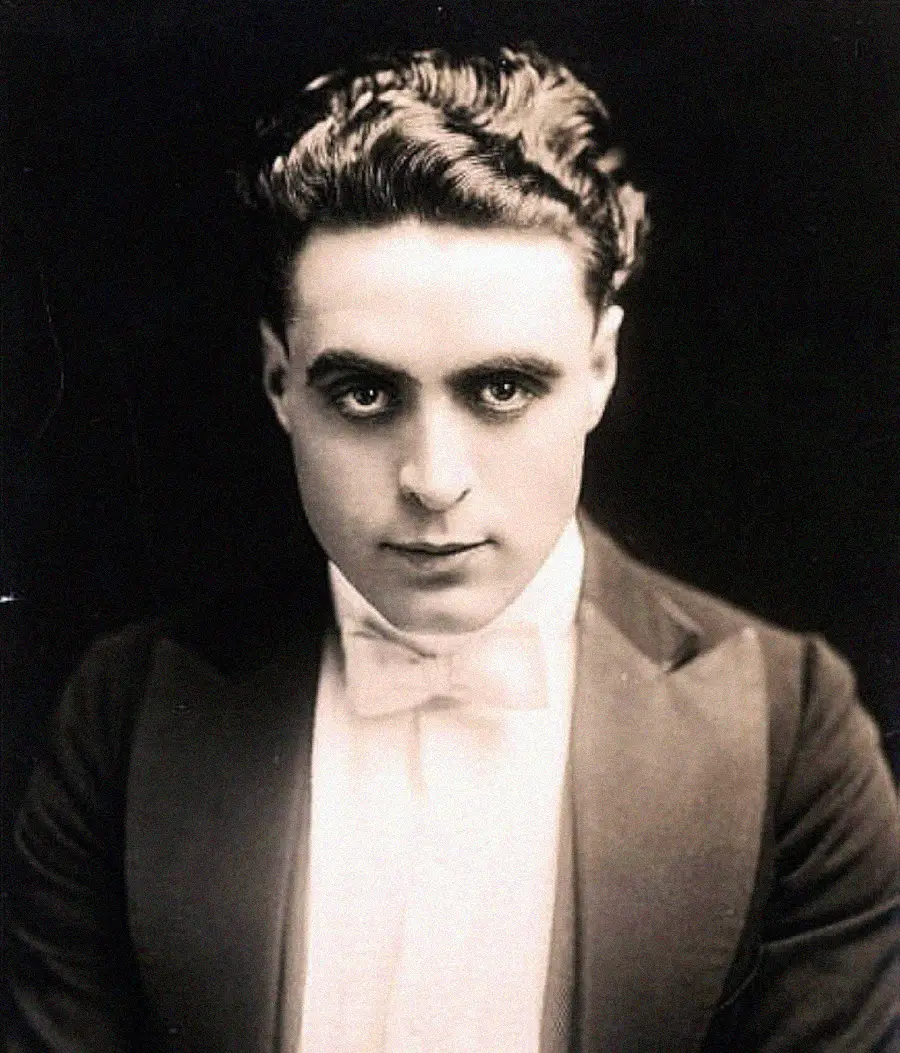
George Walsh was a premier athletic superstar of the silent era, celebrated across global entertainment magazines for his spectacular physique, daring stunt execution, and charming leading-man status. His massive popularity in high-octane adventure films positioned him as Fox Film Corporation’s primary rival to Douglas Fairbanks. His Hollywood trajectory looked completely unstoppable when legendary director Fred Niblo officially cast him as the titular lead in the multi-million-dollar historical epic Ben-Hur. Production delays plagued the overseas shoot in Italy, prompting incoming studio executives to ruthlessly recast the entire film with actor Ramon Novarro to secure a fresh face. Walsh never recovered from the devastating psychological blow of the public firing, watching his career dry up so completely that he spent the 1930s working in total obscurity as a horse trainer.
Trending on The Scroller
6. Alice Joyce
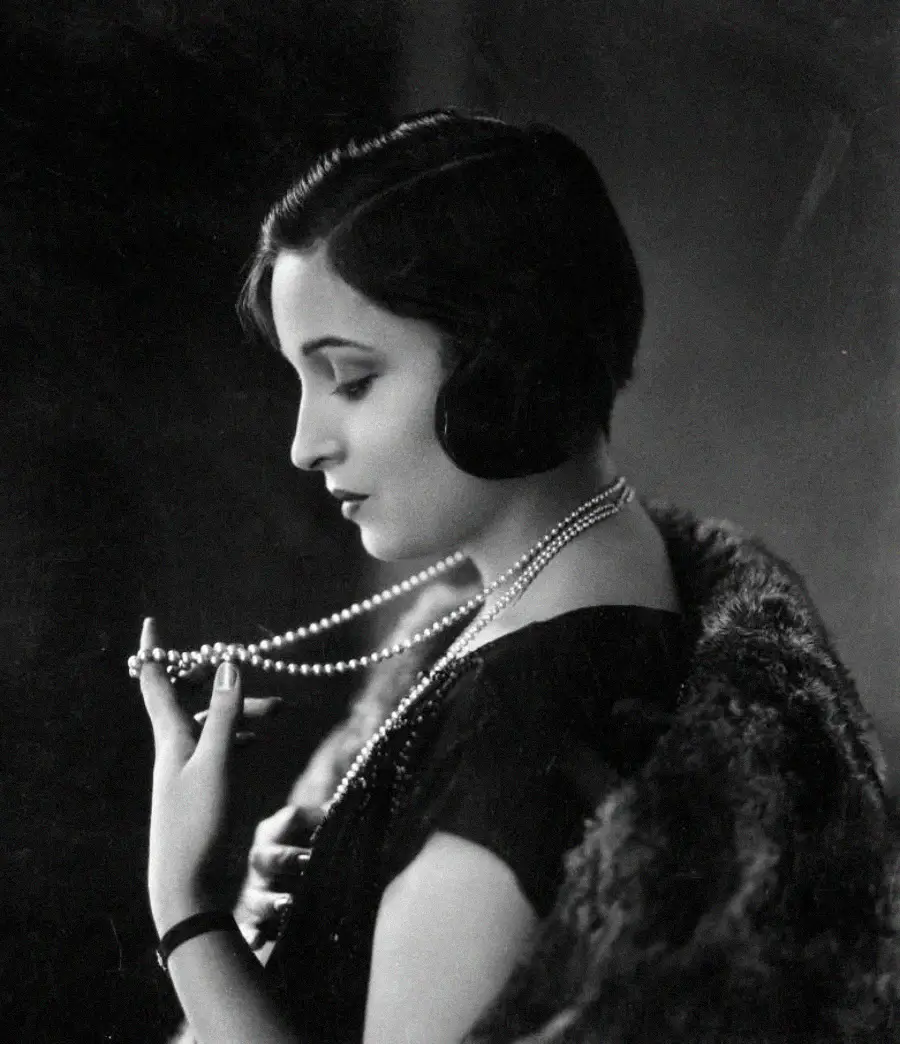
Alice Joyce was universally revered by critics as “The Madonna of the Screen,” capturing the hearts of millions through her breathtakingly elegant features and sophisticated dramatic restraint. She was one of the most consistently profitable actresses of the 1910s and early 1920s, anchoring massive social dramas for Vitagraph and Paramount Studios. As the decade advanced, Joyce grew increasingly vocal regarding her deep dissatisfaction with the low creative quality of the scripts being generated by the corporate studio system. When synchronized audio recording setups arrived on sets, she made the highly calculated choice to step away from the cameras rather than deal with the rigid technical limitations of microphones. By 1930, she had completely abandoned the entertainment industry, choosing to live a quiet civilian life while the public completely forgot her historic contributions to the medium.
7. King Baggot
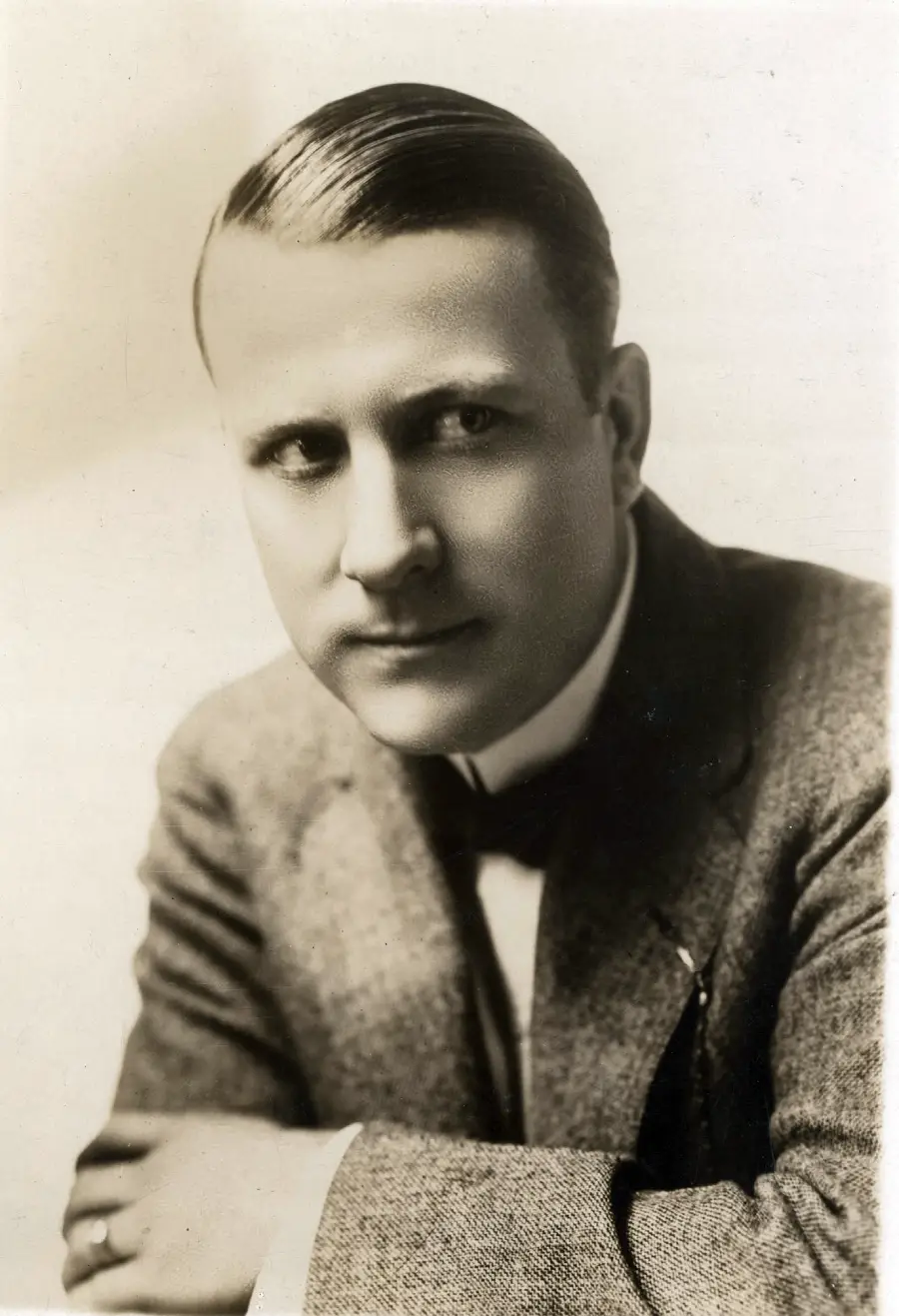
King Baggot was officially recognized as the very first true “King of the Movies,” an absolute household name who starred in over three hundred silent films and generated massive global fan hysteria. He was so completely influential in 1920 that he smoothly transitioned into a highly successful director, calling the shots on major Universal Pictures like The Tumbleweeds. His professional downslide was incredibly swift, driven by a series of intense creative disputes with studio heads and a severe battle with chronic alcoholism that eroded his reliability. When talking pictures reorganized the corporate layout of Hollywood, Baggot found himself completely locked out of directorial roles and stripped of his past status. He spent the entire decade of the 1930s working as a minimum-wage, uncredited background extra, routinely standing in crowded mob scenes where younger actors had no idea he once ruled the industry.
8. Priscilla Dean
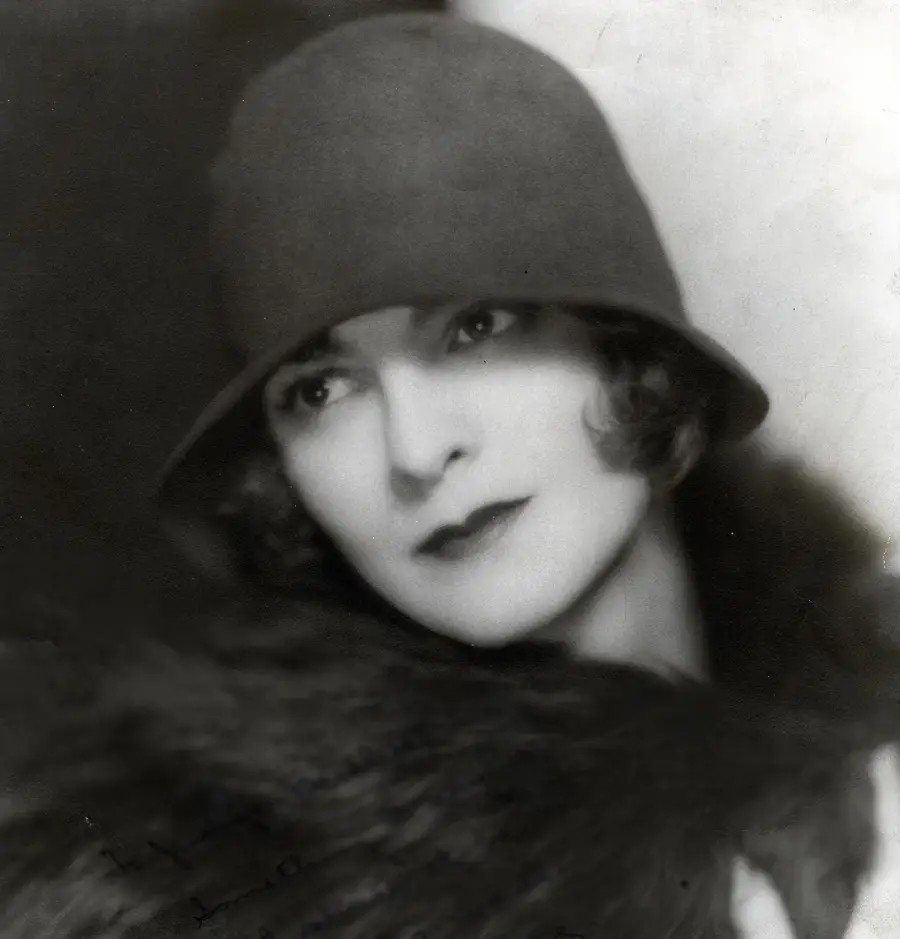
Priscilla Dean was the definitive tough-talking, high-energy queen of silent crime melodramas, routinely portraying sharp-witted underworld vamps, jewel thieves, and fierce heroines for Universal Pictures. Her incredible physical stamina and intense facial expressions allowed her to dominate major blockbusters like Outside the Law, turning her into a premier box-office draw. Her unique, aggressive style of physical acting proved completely incompatible with the structural demands of early talking pictures, which required slow, deliberate movements around hidden microphones. Audiences grew increasingly disconnected from her theatrical style, and a series of low-budget independent talkies failed to generate any commercial traction. By 1930, Dean had been completely dropped by the major production lots, spent a brief stint traveling with minor theatrical troupes, and permanently retired into absolute domestic privacy.
Sign up for our newsletter
9. Bryant Washburn
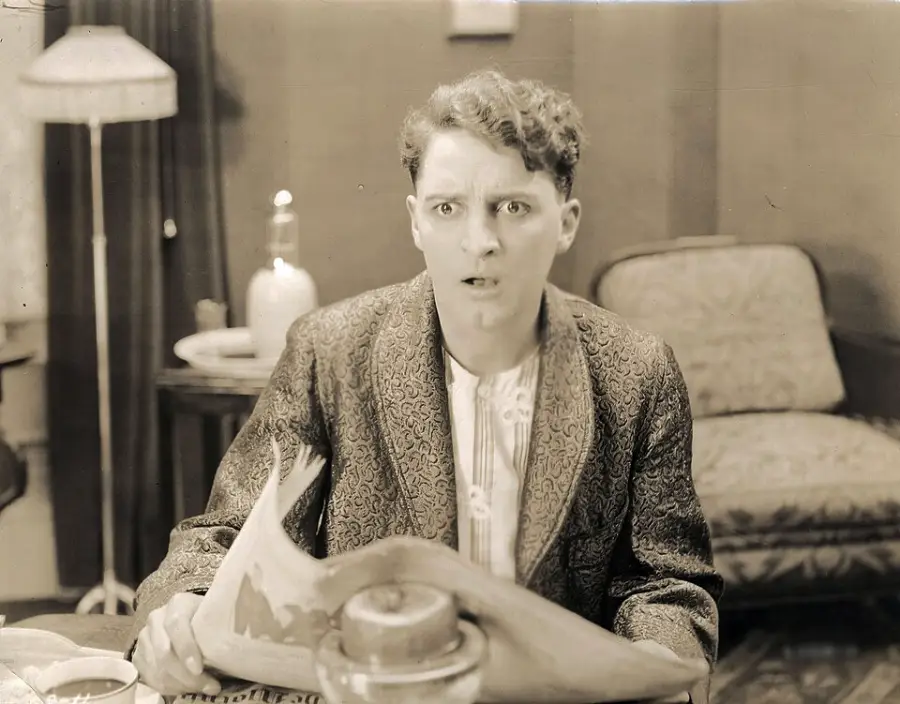
Bryant Washburn achieved massive commercial popularity throughout the World War I era and the early 1920s by perfecting the highly sophisticated archetype of the clean-cut, suave American gentleman. He starred in a non-stop stream of successful romantic comedies for Paramount, earning a colossal fortune and constructing a beautiful estate inside the elite neighborhoods of Los Angeles. His highly polished, breezy comedic style fell completely out of fashion as the decade progressed, replaced by the darker, more cynical cinematic tone demanded by post-war youth audiences. The arrival of sound permanently sealed his professional downgrade, as studio casting directors relegated him to minor, low-paying character parts. By 1930, the former multi-millionaire leading man was forced to accept uncredited bit roles just to maintain his union healthcare benefits.
10. Hope Hampton
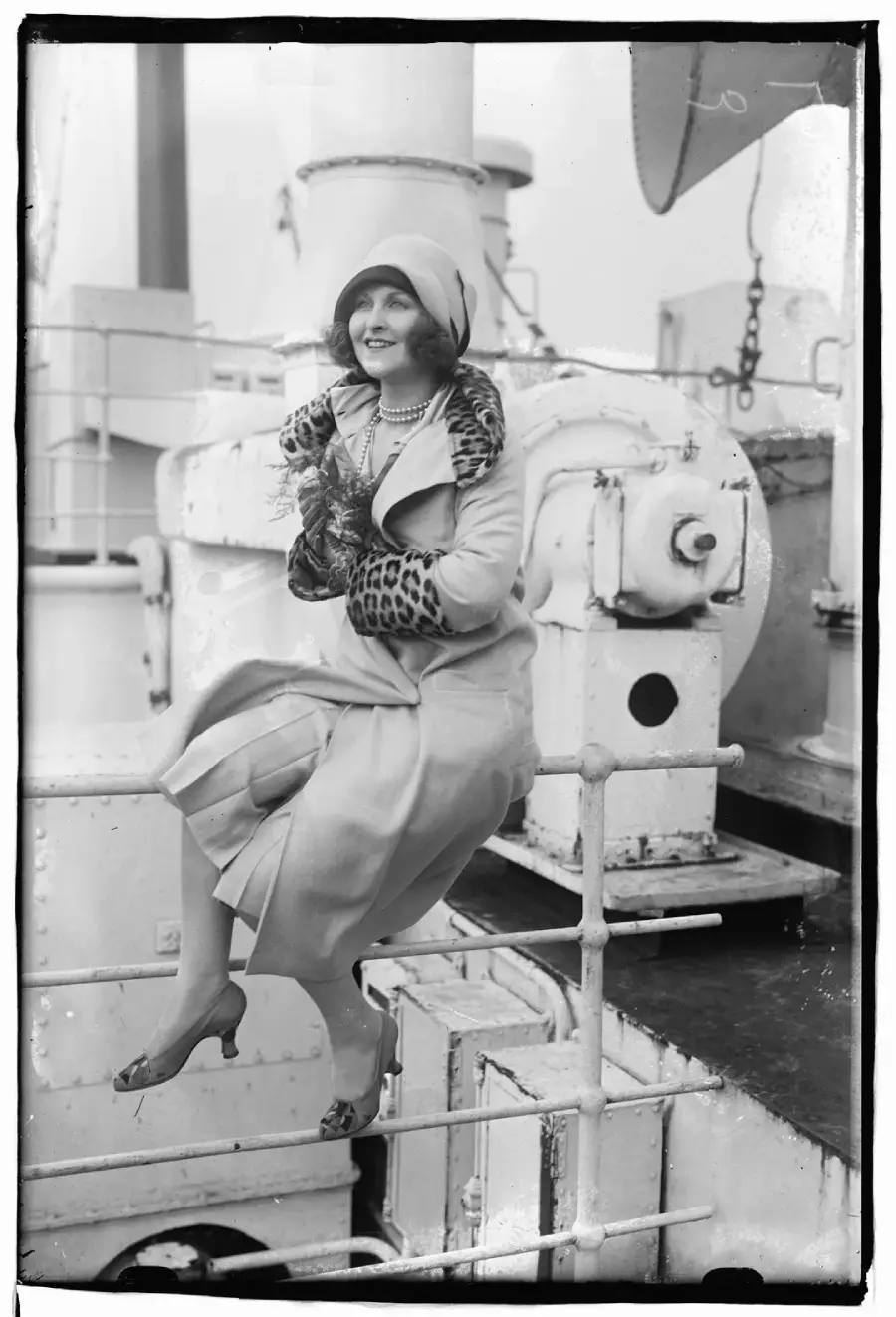
Hope Hampton was an absolute household name in 1920, celebrated across the country as a dazzling fashion icon and a prolific dramatic actress for independent production companies. Her lavish cinematic career was heavily backed by her multi-millionaire husband, co-founder of the Eastman Kodak company Jules Brulatour, who used his immense financial leverage to ensure her face decorated every major theater lobby. Despite the massive promotional campaigns, modern audiences grew increasingly critical of her performances, viewing her as a product of wealthy nepotism rather than raw artistic merit. When talking pictures arrived, Hampton recognized that her screen career lacked genuine longevity and chose to pivot her immense focus toward the demanding world of professional opera. By 1930, she had completely vanished from Hollywood screens, re-engineering her public persona as a high-society New York opera patron.
11. Carlyle Blackwell
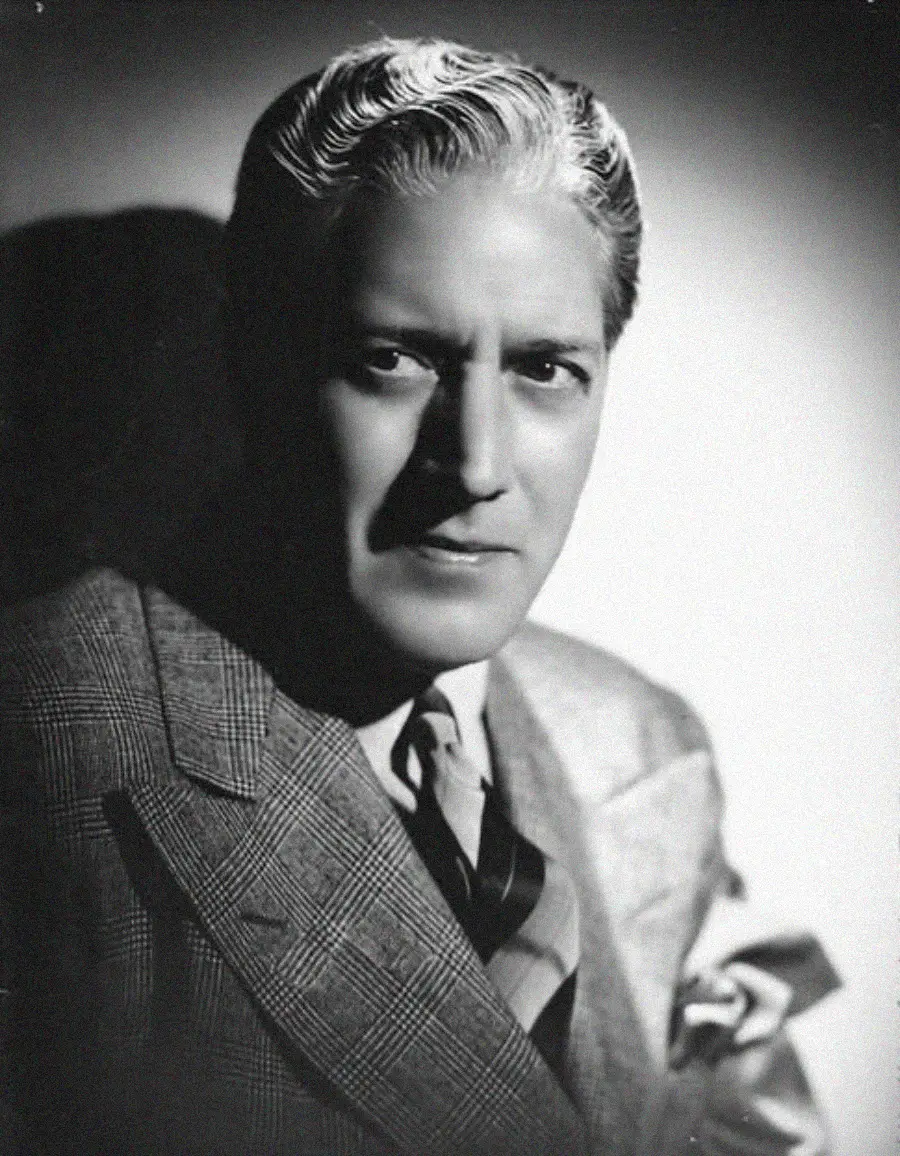
Carlyle Blackwell was the absolute definitive embodiment of the dashing, aristocratic romantic hero during the infancy of the Hollywood studio system. He was an absolute titan for Favorite Players-Lasky, amassing a massive global fan base of devoted admirers who collected his stylized portrait postcards by the thousands. Blackwell grew increasingly frustrated with the low financial returns of American contracts, making the bold decision to relocate his entire professional operations to the thriving British film industry during the mid-1920s. This geographic transition proved fatal to his global star power, as American audiences rapidly moved on to fresh domestic faces like Rudolph Valentino. By the time sound transformed the global market in 1930, Blackwell had retired from the screen completely, spending his remaining wealth operating an elite network of European horse-breeding stables.
12. Wanda Hawley
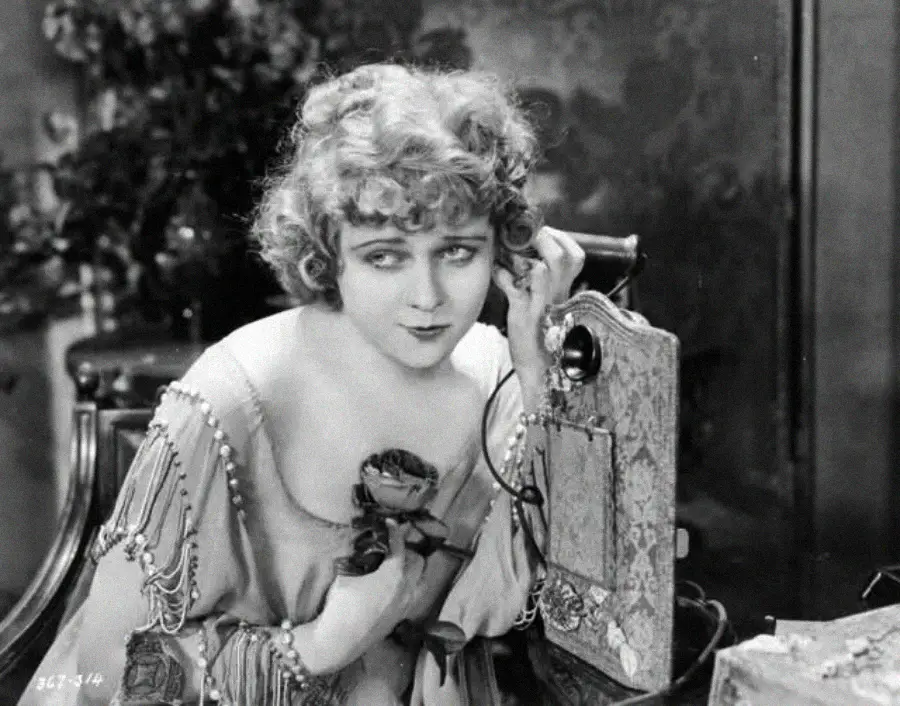
Wanda Hawley won the absolute adoration of silent-era moviegoers by portraying sweet, ethereal heroines in major historical spectacles directed by Cecil B. DeMille. Her delicate blonde features and profound capability to project absolute innocence on screen turned her into a highly sought-after leading lady for Realart Pictures. As her studio contract wound down, she traveled to Great Britain to star in a series of independent international dramas, a move that inadvertently distanced her from the rapidly evolving Hollywood social circle. When she returned to California to audition for the newly invented talking pictures, early audio recording technicians found her voice lacked the necessary resonance to project clearly. Her career dried up with absolute velocity, forcing her to transition from a household celebrity into a low-paid industrial clerk by 1930.
13. Elliot Dexter
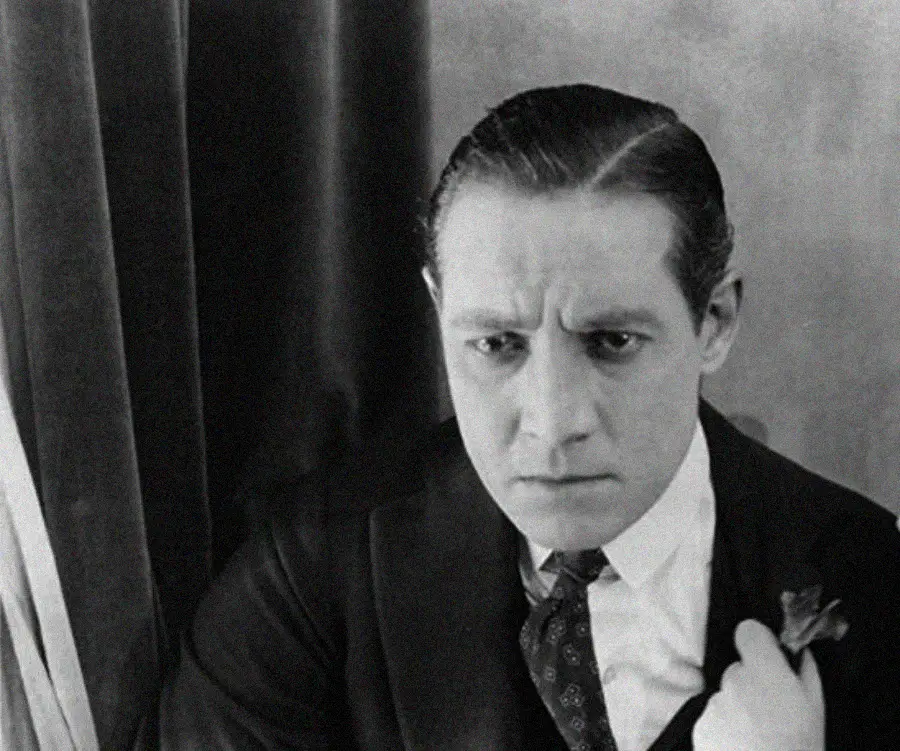
Elliott Dexter was a highly respected, exceptionally popular leading man of the early silent screen, routinely cast as the mature, honorable protagonist in high-society marital dramas. He served as a premier masculine muse for Cecil B. DeMille, delivering powerhouse performances in landmark silent blockbusters like Don’t Change Your Wife and Old Wives for New. His cinematic career encountered a devastating setback when he suffered a severe, physically debilitating stroke that forced him into a lengthy medical hiatus from the studio lots. Although he displayed immense personal resilience by returning to act in minor supporting roles, the sudden introduction of synchronized audio gear completely transformed the industry’s pacing. Unable to navigate the intense physical demands of early sound stages, Dexter retired completely from the screen by 1930, passing away in relative obscurity.
14. Pearl White
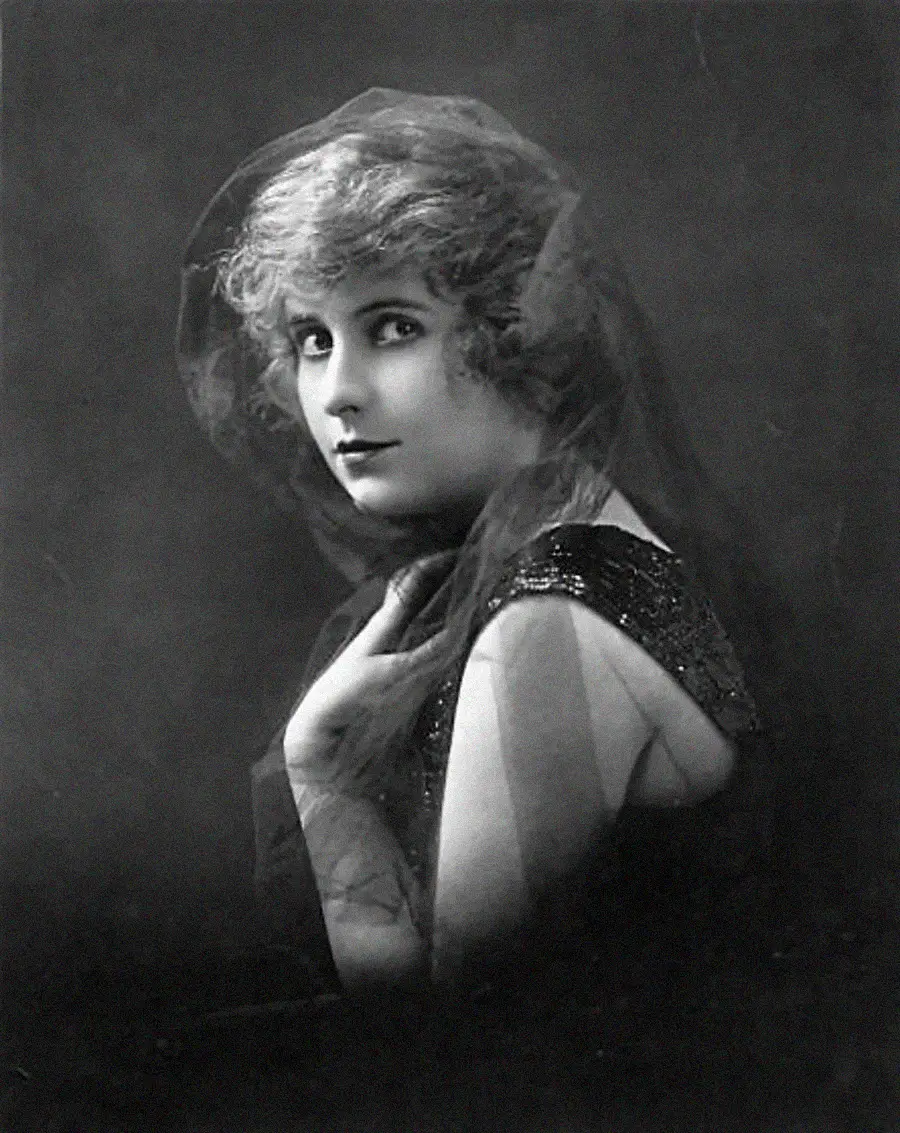
Pearl White achieved absolute immortality across global pop culture by starring as the ultimate, death-defying heroine in the legendary silent serial franchise The Perils of Pauline. She single-handedly revolutionized the role of women in action cinema, performing terrifying stunts on moving trains and hanging from open cliff faces without a stunt double. Her immense popularity turned her into a multi-millionaire icon, with entire towns gathering weekly just to watch her latest episodic survival. Having suffered severe, chronic spinal injuries due to years of brutal physical stunt work, White made the conscious choice to permanently flee the Hollywood factory in the mid-1920s. She relocated to Paris, spent her immense fortune on luxury casinos and thoroughbred racehorses, and was completely unknown to the new generation of 1930s talkie viewers.
Explore more stories about the exciting world of Old Hollywood:
The breathtaking speed with which these early cinematic titans transitioned from universal deities into complete strangers serves as a powerful testament to the volatile nature of technological progress. The silent era created a beautifully unique visual language that was completely wiped out by the arrival of the microphone, proving that even the most massive entertainment empires can dissolve in a single decade. If you enjoyed this nostalgic and deeply illuminating look back at the forgotten pioneers of old Hollywood, make sure to explore these 15 Hollywood Starlets Whose Stories Ended in Tragedy, or 20 Rare Candid Photos of Old Hollywood Stars. You can also take a look at these 15 Stunning Photos That Capture the Magic of Old Hollywood.