The sophisticated framework of contemporary global culture often encourages us to view the historical world with a sense of intellectual superiority. Walking into a modern office building, clinical research facility, or automated manufacturing plant reveals a landscape strictly governed by scientific proofs, logical data analysis, and highly regulated operating blueprints. However, looking back at the daily habits of our ancestors reveals an environment heavily influenced by superstitions, spiritual warnings, and protective rituals designed to ward off impending doom. Early communities developed these protective behaviors as a practical framework to navigate a world where infectious diseases, erratic weather shifts, and accidental physical trauma possessed no clear medical or scientific explanations.
The fascinating reality of these enduring folklore traditions is that their unusual origins almost always reveal a hidden core of highly logical, real-world utility. The truth is that when we choose to unpack the cultural roots of historical superstitions, we discover that these strange fears were usually engineered to prevent costly household accidents, preserve valuable agricultural resources, or enforce strict social etiquette. Before modern public education and consumer safety boards standardized public safety regulations, communities relied on terrifying supernatural campfire stories to keep children away from dangerous construction equipment and toxic household tools. Let’s look at fourteen legendary assumptions that dictated the daily routines of past generations, revealing the fascinating ancient logic hidden behind our favorite eerie beliefs.
1. Breaking a mirror brings 7 years of bad luck
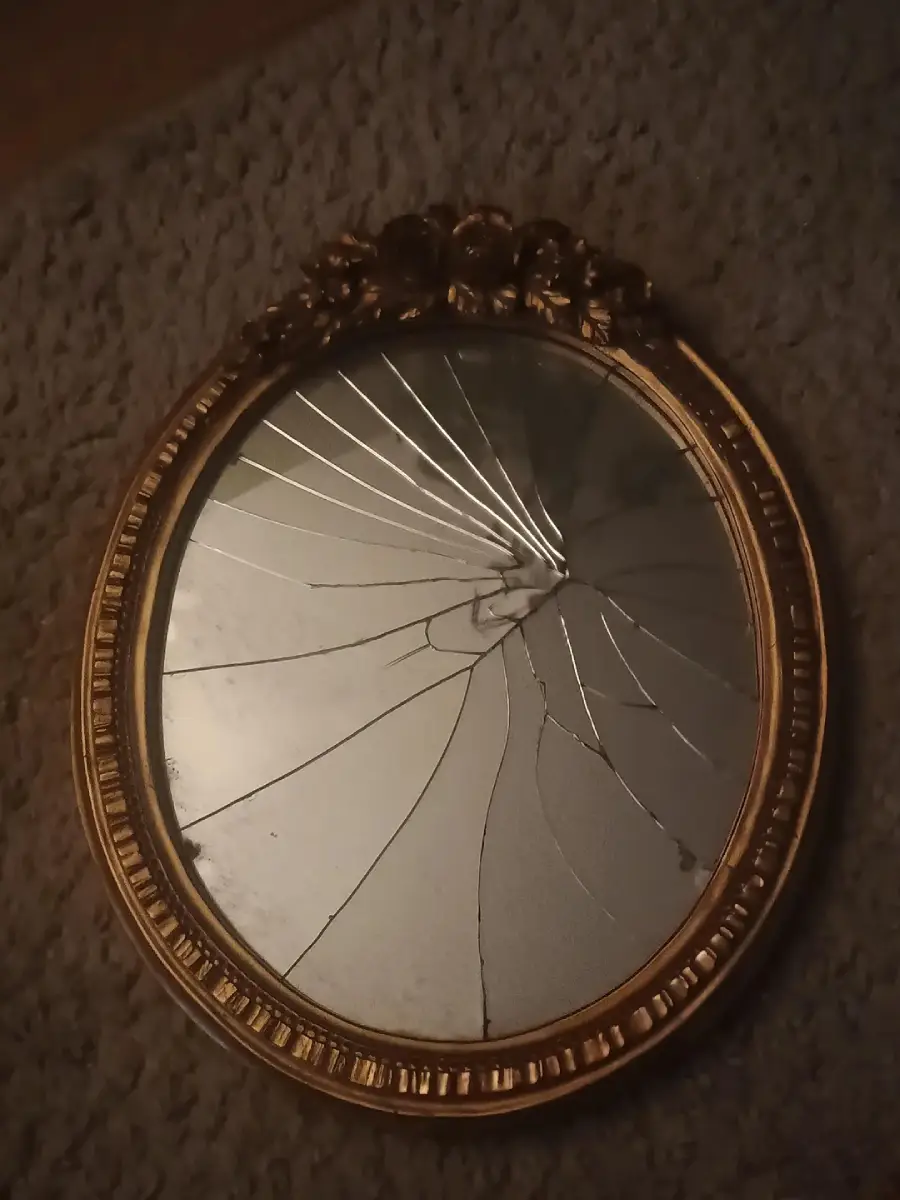
The foundational origin of this famous household anxiety traces directly back to the ancient Romans, who firmly believed that a person’s living soul resided entirely inside their reflecting image. Physically fracturing the polished glass surface meant dealing direct spiritual damage to the soul, while the specific penalty duration of seven long years was dictated by the traditional Roman biological calendar, which dictated that the human physical body naturally underwent a total cellular renewal cycle every seven years.
2. Opening an umbrella indoors invites misfortune
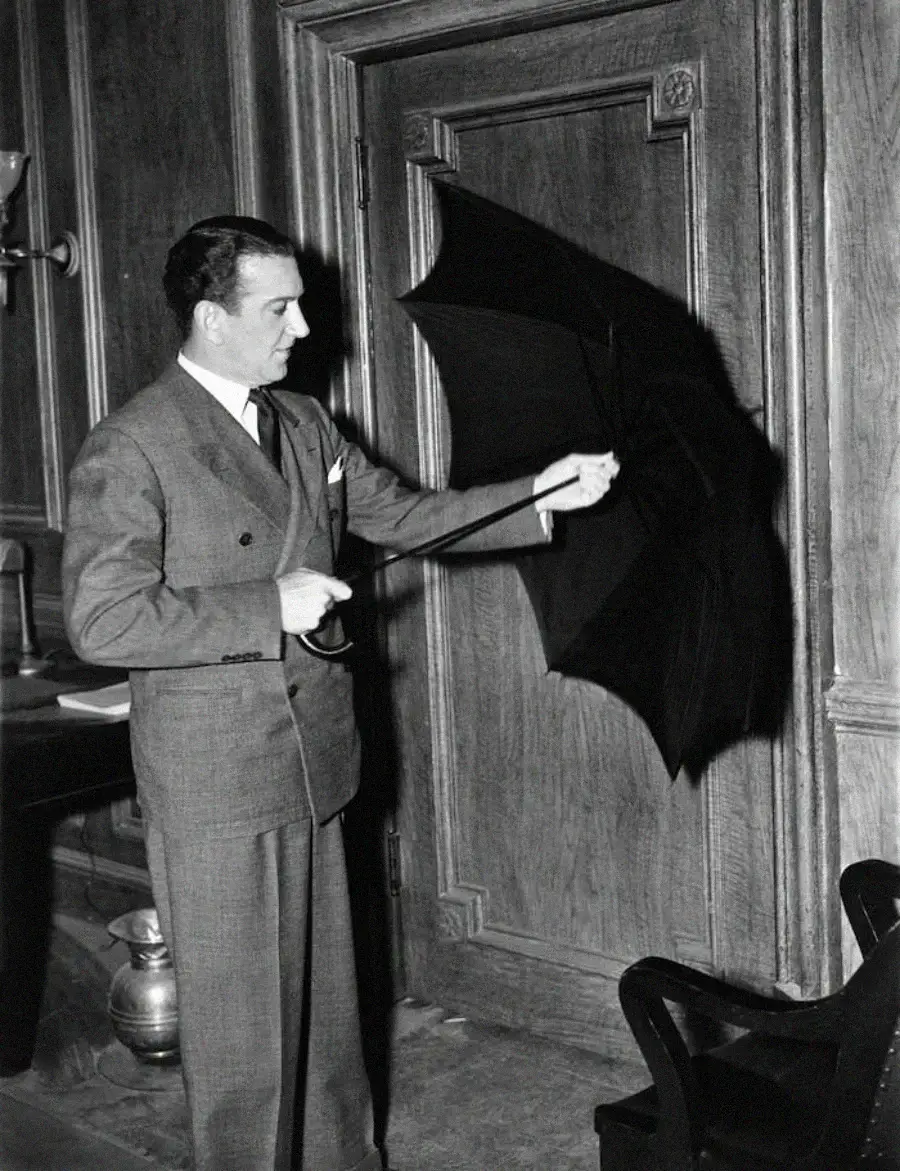
The initial push behind this heavy domestic warning was actually a highly practical method to prevent painful household injuries disguised as a supernatural curse. The very first metal-ribbed, spring-loaded rain canopies introduced to the consumer market in Victorian England were notoriously volatile and clumsy to operate, meaning that popping them open inside a cramped parlor room routinely resulted in shattered glass windows, damaged furniture, or severe facial punctures.
3. Walking under a ladder causes immediate curse lines
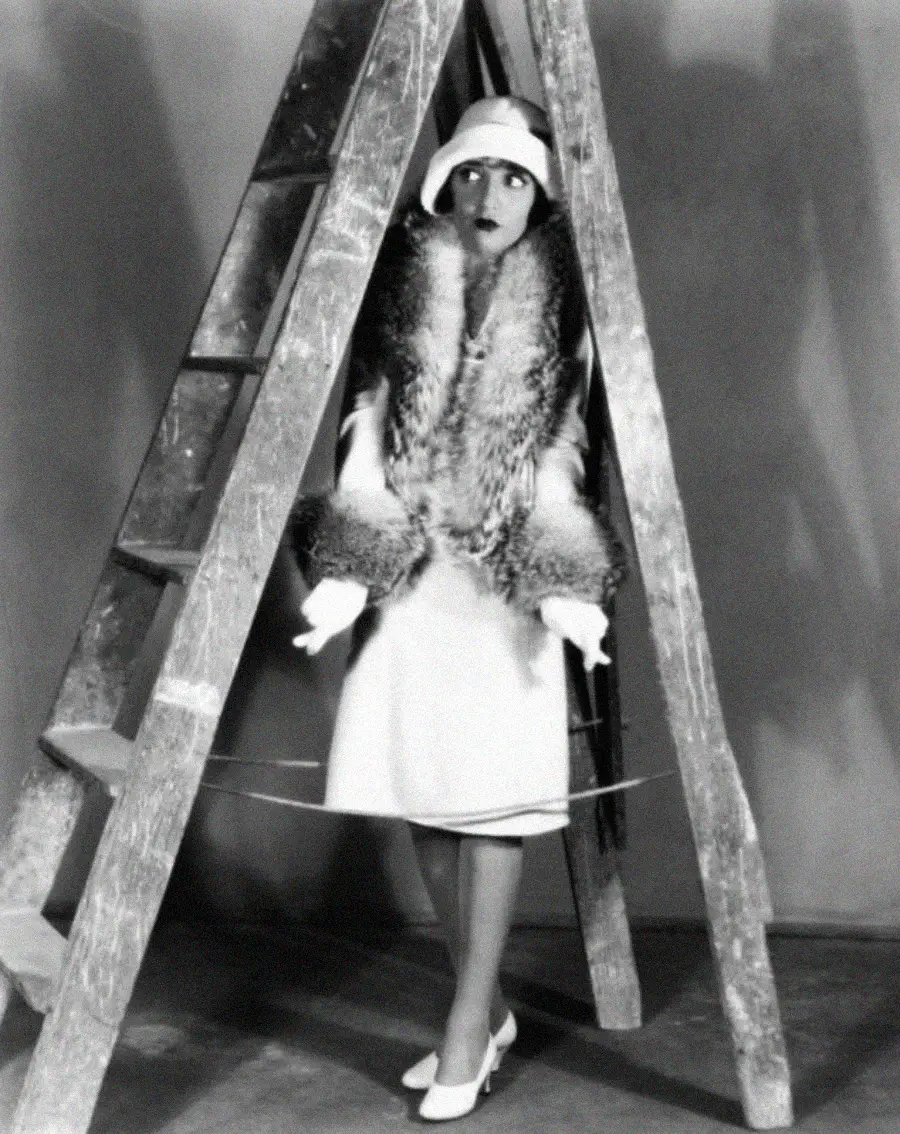
The absolute root of this architectural taboo stems directly from early Christian theological symbolism rather than a simple fear of dropping construction tools. A physical ladder leaning flat against a stone wall naturally forms a distinct triangle, a geometric shape that was treated as highly sacred due to its representation of the Holy Trinity. Physically walking directly through this triangular space was viewed as a severe act of visual blasphemy that deliberately violated and disrespected the holy space.
4. The extreme terror of the number 13

This globally recognized numerical phobia traces its cultural lineage back to two highly prominent legendary banquet gatherings that concluded in historic tragedy. Within Christian scripture, the Last Supper famously featured exactly thirteen dining participants, with the thirteenth individual to take his seat identified as the traitor Judas Iscariot, while Norse mythological lore records that a grand feast of thirteen gods directly resulted in the tragic death of the beloved deity Baldr.
5. Spilling salt requires throwing a handful over your left shoulder

Because refined salt functioned as an incredibly expensive luxury commodity used for preservation and currency in antiquity, accidentally tipping over a container was viewed as a highly negligent financial waste. To neutralize the mistake, a person had to toss a pinch of the valuable mineral directly over their left shoulder, which ancient citizens identified as the specific spiritual spot where the devil perched, effectively blinding the evil presence before it could exploit the family’s bad luck.
Trending on The Scroller


6. A black cat crossing your path signals looming ruin
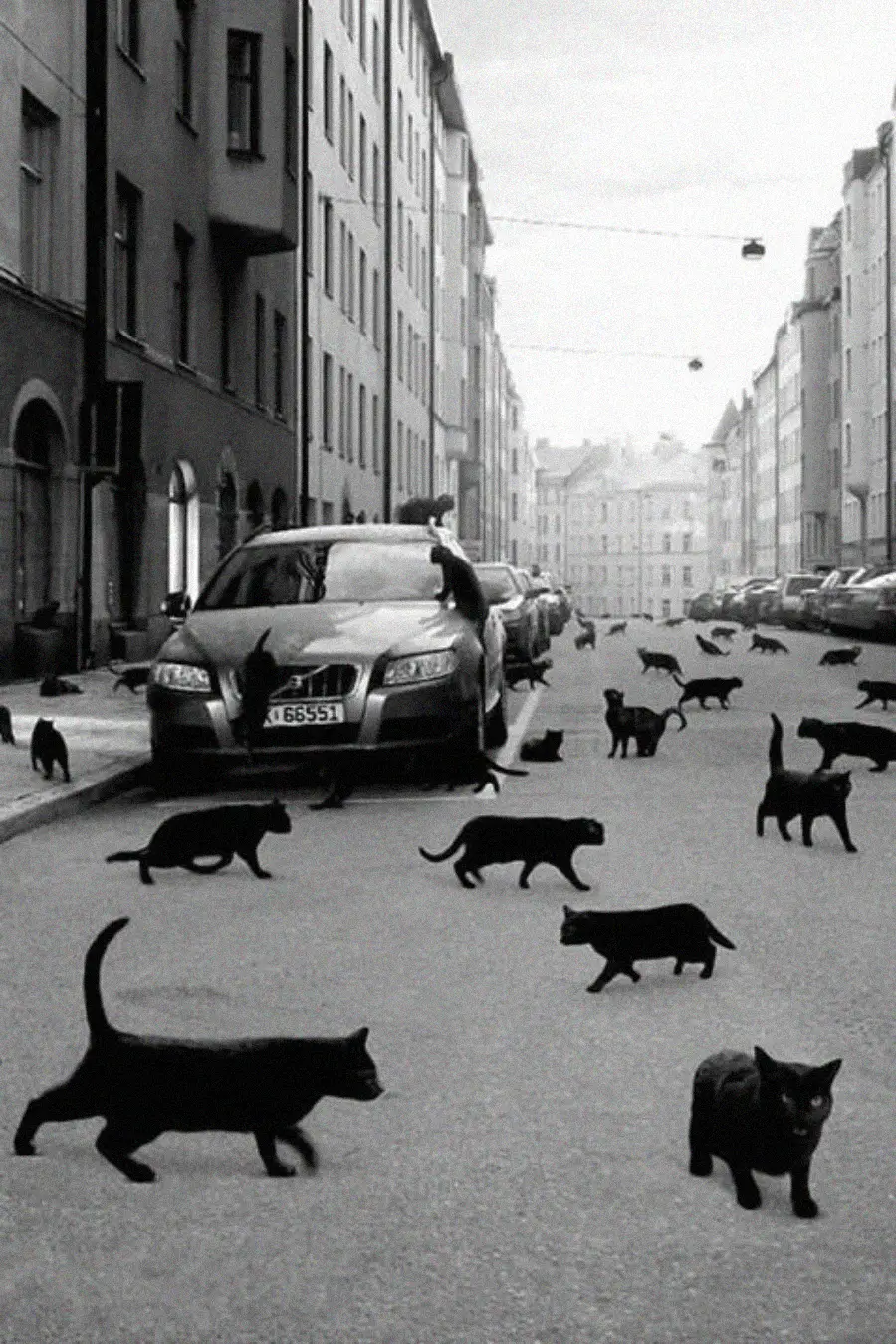
During the dark, chaotic landscape of medieval Europe, dark-furred felines became explicitly linked to satanic forces and the underground practice of black magic. Because vulnerable, isolated women who were routinely accused of witchcraft frequently kept independent stray alley cats as companions, public paranoia permanently solidified the animals as demonic familiars capable of derailing a traveler’s destiny.
7. Knocking on wood to ward off accidental evils

Long before contemporary industrial logging practices shifted how we view timber, ancient pre-Christian pagan groups treated old forest trees as the physical homes of protective nature spirits. Physically striking the thick bark of a living oak or pine tree was a literal, urgent call to invoke the immediate protective shell of the resident deity to shield the speaker from unseen malignant forces.
8. Spotting a gathering of ravens foreshadows imminent death

The grim cultural association between these large black birds and human mortality was born out of cold, empirical observation rather than imaginative folklore. Because ravens operate purely as highly intelligent scavenging carnivores, massive flocks routinely trailed moving military armies and swarmed over European battlefields to feed the moment the violence concluded, teaching ancient travelers that where birds gathered, human corpses were guaranteed to follow.
Sign up for our newsletter
9. Sneezing requires an instant verbal blessing

Ancient medical theorists firmly believed that the sheer kinetic velocity of a human sneeze created a dangerous physical vacuum that could allow the human soul to completely escape through the nasal passages. Barking out an immediate statement of protection like “Bless You” functioned as an urgent spiritual shield, effectively preventing roaming malevolent spirits from seizing control of the body during that brief split-second of vulnerability.
10. Driving a knife directly into a loaf of bread curses the kitchen
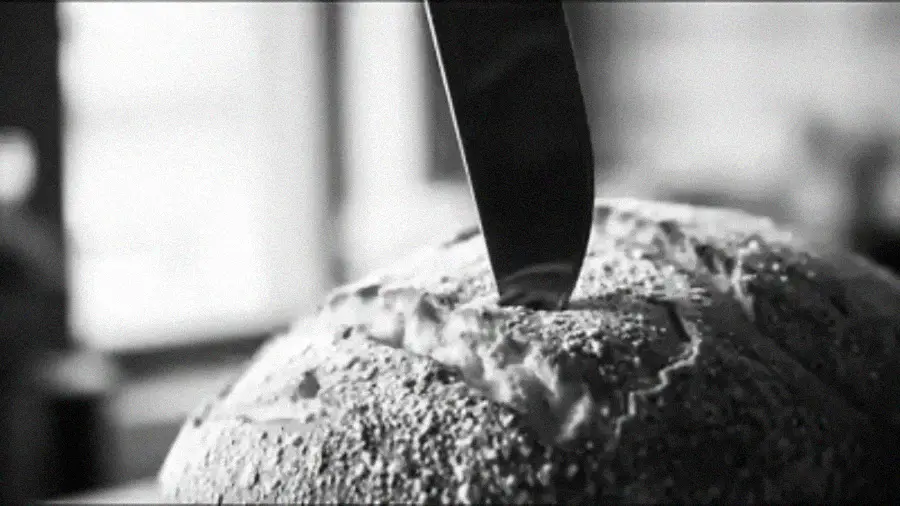
Within the strict confines of medieval Christian society, standard table bread operated as a profound symbolic representation of the physical body of Christ. Driving a sharp iron blade vertically into a fresh loaf was viewed as an act of violent, sacrilegious assault against the Savior, prompting local bakers to declare that the practice would completely ruin the entire commercial production batch for the remainder of the week.
11. Hanging an iron horseshoe over the front entryway secures good fortune

Throughout early European folklore, traditional forged iron stood as the single metallurgical substance that malicious fairy creatures and wandering demons were physically incapable of touching or crossing. Nailing a heavy horseshoe above a residential door frame created an impenetrable defensive barrier, while the strict rule to position the opening facing directly upward ensured the curved metal would safely accumulate and store incoming positive energy.
12. Twitching eyes predict sudden joyful crying on intense mourning

This ancient anatomical belief functioned as a tool for emotional management, allowing superstitious citizens to mentally prepare for sudden swings in their personal fortunes. The biological breakdown was strictly split along classic linguistic lines, where the left eye was linked to tragic weeping because the left side was historically associated with malicious forces, from the Latin sinister, while the right side was tied to joyful tears due to its connection to the sacred.
13. Whistling indoors banishes good luck from the household

This domestic prohibition stems from old maritime traditions where whistling aboard a wooden ship was explicitly used by watchmen to summon high winds, meaning that executing the sound on dry land was viewed as inviting a devastating storm onto the house. Furthermore, early theatrical stagehands utilized distinct whistles as a complex communication code to safely coordinate heavy hanging set pieces, and a random whistle outside that context could cause a heavy curtain frame to accidentally drop directly onto an actor’s head.
14. Spotting a solitary raven in the morning ruins the rest of your day

Because ravens are highly monogamous creatures that naturally hunt, fly, and nest in permanent, lifelong pairs, encountering a completely solitary bird scanning the landscape was a highly unusual ecological sight. Ancient observers deduced that a lone raven was a grieving widow whose companion had recently perished, causing them to view the isolated animal as a living symbol of sudden death that would quickly spread to human households nearby.
Explore more interesting facts:
Revisiting these fascinating ancient rules reminds us of the unique, complex, and highly creative systems that our ancestors engineered to establish a sense of personal security within an unpredictable world. Looking back over these broken-looking glasses, defensive horseshoe frames, and raven flight patterns proves that while contemporary scientific research and modern digital platforms change completely across the generations, the basic human desire to decode the unknown remains entirely constant. When we choose to look past the superficial silliness of these vintage habits to appreciate the raw protective logic built directly into their formulas, we gain a much deeper understanding of cultural history. If you enjoyed taking this historical look back at the curious traditions that governed past generations, make sure to explore The Logical Reasons Behind 14 Famous Old Superstitions or 15 Old Wives’ Tales From The Early 1900s. You can also check out these 14 Uncanny Historical Coincidences That Defy All Logic.