
When we look back at the bizarre rituals and unexplained anxieties that governed the daily routines of our ancestors, we naturally dismiss them as the products of pure ignorance or primitive imagination. We view contemporary society as completely evolved beyond these old habits, laughing at the idea that a broken glass or a wandering animal could alter a person’s geopolitical destiny. Over the generations, traditional history textbooks and popular media have conditioned the general public to view ancient belief systems through a highly critical lens. This modern perspective frames our understanding of cultural evolution, leaving audiences to assume that historic superstitions lacked any logical foundation or real-world utility.
However, a closer analysis of historical public health records, primitive economic structures, and medieval architectural designs reveals a remarkably practical reality. The fascinating truth of academic research proves that several of the single most famous superstitions in human civilization were originally engineered as clever psychological solutions to very real physical dangers. Instead of emerging from random folklore, these rules functioned as hidden safety protocols designed to prevent expensive domestic accidents, contain deadly biological plagues, or enforce social order before the advent of modern science. Let’s step back into the mysterious corridors of global history as we explore fourteen legendary beliefs and the completely logical reasons why people once trusted them implicitly.
1. Walking under a ladder brings immediate bad luck
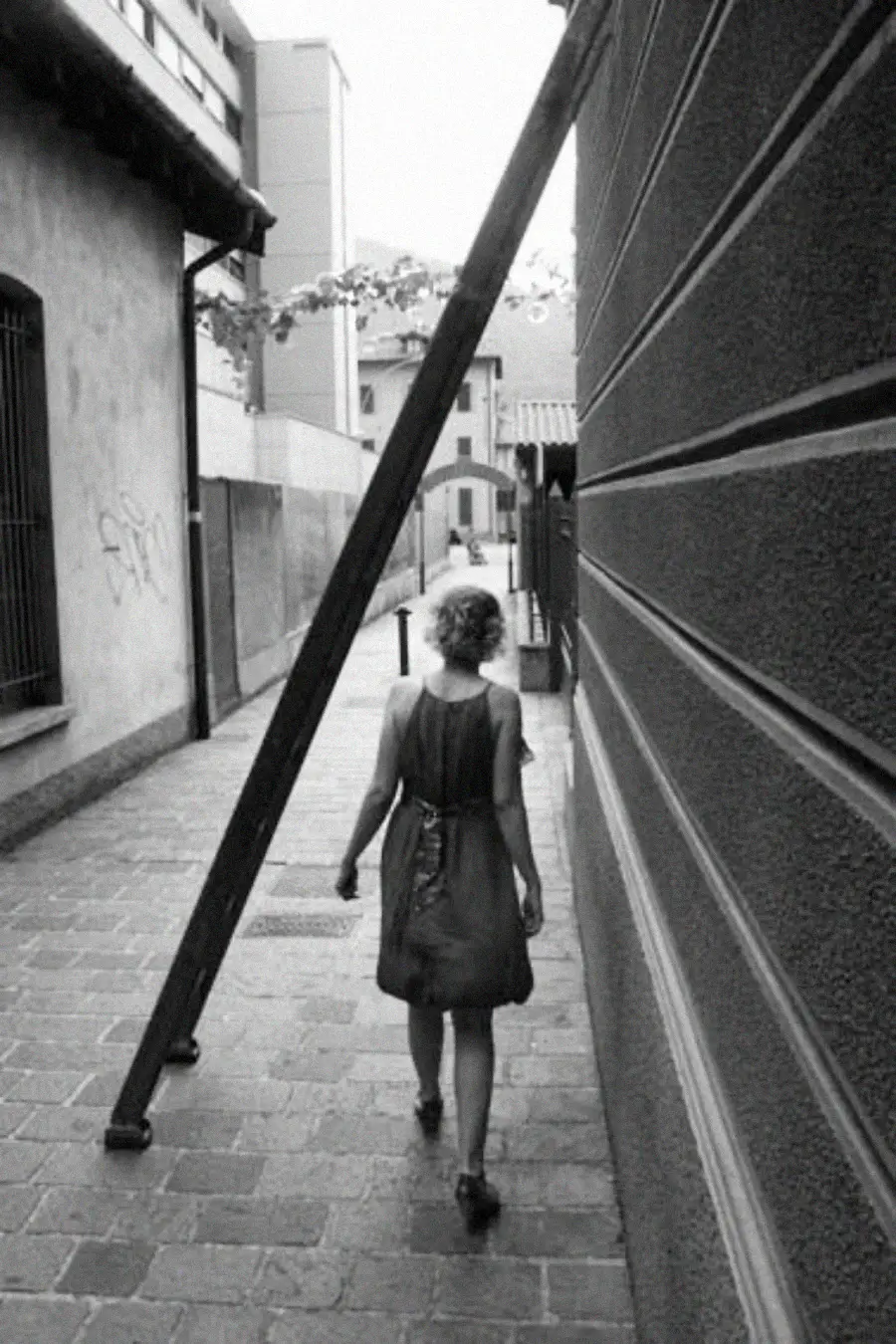
This classic street caution is universally recognized today as a quick warning to avoid physical injury from falling construction tools, but its historical roots run much deeper into early religious architecture. In medieval Europe, a ladder leaning against a vertical wall naturally creates a distinct triangular shape, a geometric form that ancient theological communities viewed as a sacred physical manifestation of the Holy Trinity. Entering this structural space was aggressively condemned as an act of absolute spiritual betrayal, signaling that a person was actively violating holy boundaries and welcoming demonic entities. A fascinating historical fact reveals that early judicial systems eventually reinforced this belief by forcing condemned prisoners to walk under a ladder on their explicit path to the public gallows.
2. Breaking a mirror triggers seven years of severe misfortune

While modern consumers view a cracked reflective surface as a simple household inconvenience, ancient societies believed that a mirror captured a physical projection of an individual’s actual living soul. The specific timeline of seven years was deliberately co-opted from early Roman medical doctrines, which asserted that the human physical body underwent a complete biological regeneration cycle every seven years. Consequently, damaging your reflection meant fracturing your spiritual health, requiring an entire seven-year physical transition period to successfully heal the underlying soul matrix. Beyond the spiritual narrative, mirrors during the Renaissance were manufactured using incredibly rare, toxic chemical amalgams and were so expensive that wealthy households invented this terrifying narrative simply to terrify clumsy domestic staff into handling the fragile goods with absolute care.
3. Spilling salt requires tossing a pinch over your left shoulder

The deep-seated anxiety surrounding a knocked-over container of salt remains a common kitchen ritual, but in the ancient Mediterranean world, this seasoning was an incredibly valuable economic currency. Salt was so critical for preserving meat supplies and preventing mass starvation that Roman soldiers routinely received their regular financial wages paid directly in pure salt blocks, a transaction that birthed our modern word salary. Spilling this precious life-saving mineral was viewed as an absolute act of reckless financial waste that would instantly invite dark financial ruin into the household. To counter this bad omen, people began throwing a tiny bit over their left shoulder because medieval theological traditions maintained that personal temptation, devils systematically gathered directly behind a person’s left side, waiting to be blinded by the mineral.
4. Opening an umbrella inside a closed space invites disasters
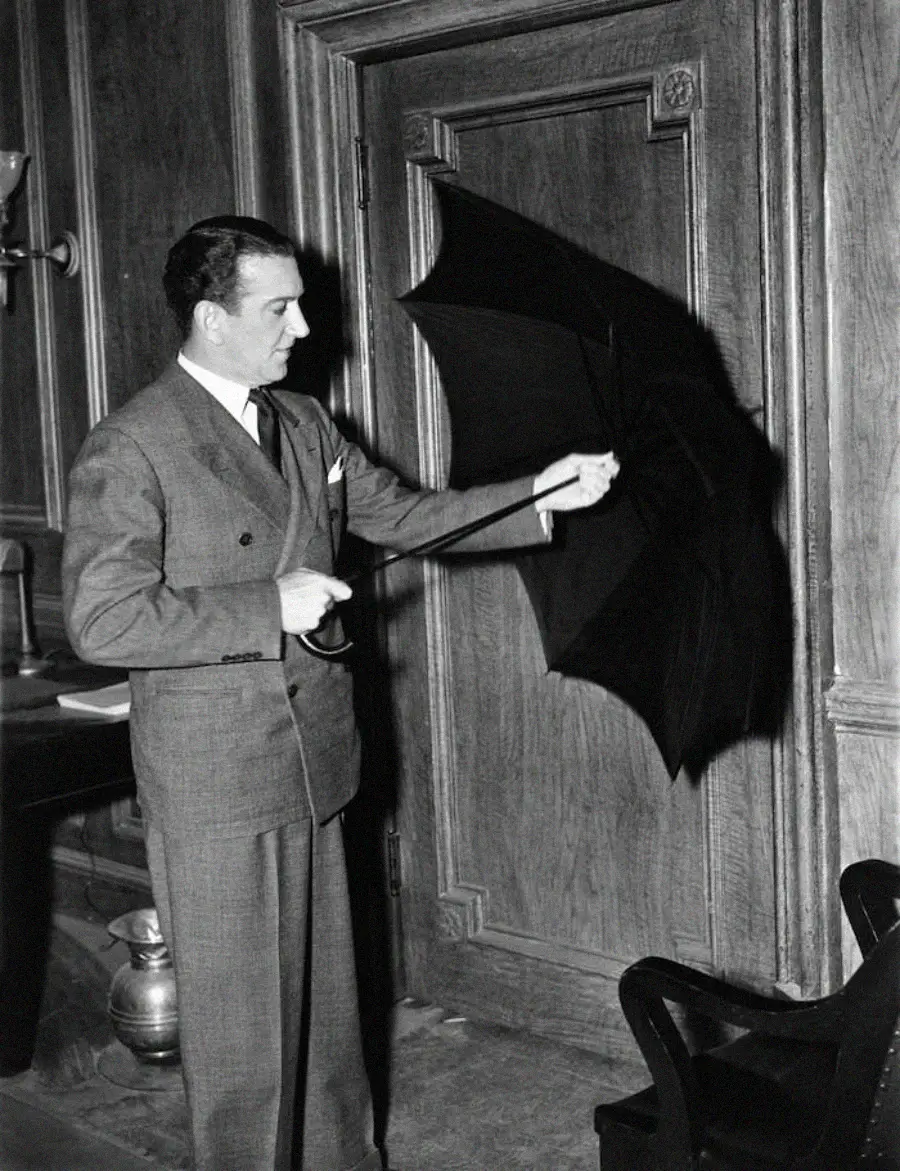
This specific domestic caution gained massive traction during the height of the Victorian era, a period marked by a rapid expansion of mechanical household inventions. The very first generation of consumer umbrellas utilized heavy, high-tension steel spring mechanisms that opened with sudden, violent velocity inside tight spaces. Opening one of these unpolished contraptions inside a narrow parlor room routinely resulted in shattered glass mirrors, serious eye injuries, and torn decorative fabrics. Because manufacturers wanted to avoid legal liabilities and public relations backlash, the public rapidly established a supernatural narrative to ensure people exclusively opened the hardware outdoors. This brilliant psychological rule effectively humanized a basic industrial design flaw into a mandatory cultural safety deployment.
5. A black cat crossing your path signals imminent failure
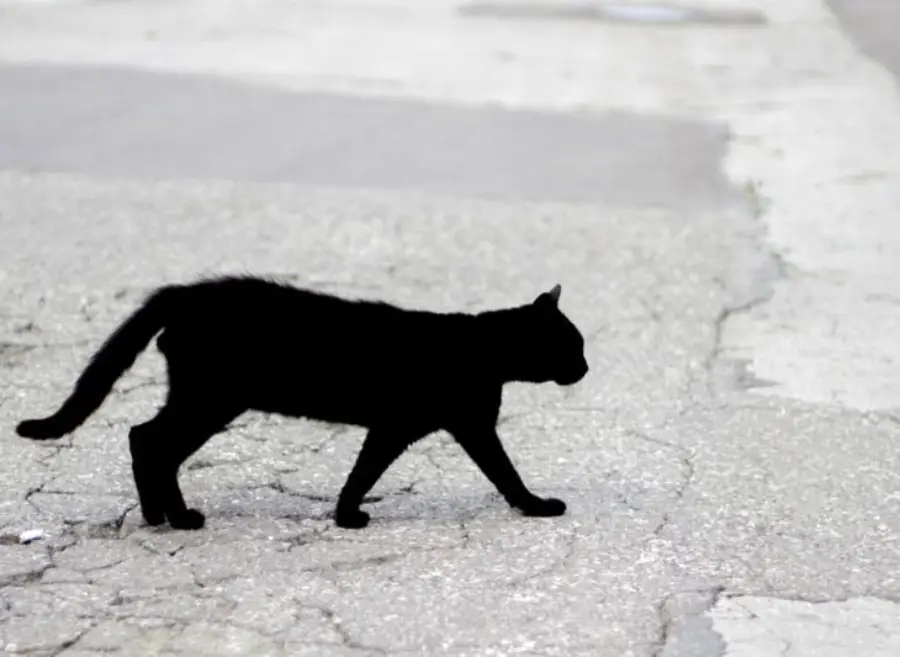
The elegant black feline has endured centuries of unfair public relations fallout, but during the early Middle Ages, these stealthy animals were actually celebrated as premier rodent hunters. The cultural narrative shifted catastrophically during the fourteenth century when prominent religious figures published official bulls associating black felines directly with dark witchcraft and midnight rituals. This historical hysteria prompted frightened populations to systematically eliminate local cat populations across major urban centers, a public health mistake that backfired horribly. Without the natural protection of these agile predators, infected rat populations multiplied completely unchecked, dramatically accelerating the rapid spread of the devastating Black Death plague across the continent.
Trending on The Scroller


6. Tucking your thumbs inside your fist when walking past a cemetery
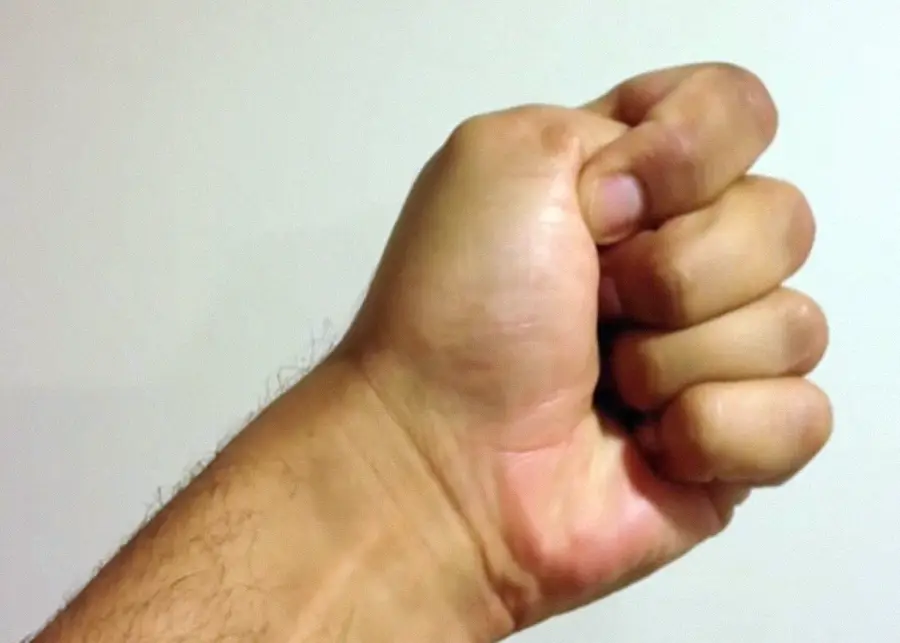
This unique physical habit remains highly popular across various regional Asian cultures, particularly within historical Japanese communities navigating early spiritual transitions. The traditional etymological term for thumb translates directly to parent-finger, leading the public to believe that this specific digit acted as a spiritual gateway connected directly to the lifeforce of your ancestors. Walking past an open burial ground or an active funeral procession required tightly folding the thumb inside your hand to physically seal the channel from outside influence. People maintained an absolute conviction that wandering, untethered spirits lingering near fresh graves would try to enter the parent-gate to drain the living family’s generational health.
7. Placing shoes on top of a kitchen table brings death

This highly specific domestic taboo remains intensely active across working-class neighborhoods in the United Kingdom, tracing its origins back to the dangerous history of coal mining. When a local miner suffered a fatal operational accident deep inside the subterranean shafts, their private work boots were traditionally returned to the grieving family as a formal token of remembrance. Because the household was in immediate mourning chaos, the tragic footwear was routinely placed directly onto the central dining table for incoming neighbors to observe. Over the generations, community members developed a profound psychological aversion to seeing any shoes resting on a table, viewing the visual alignment as an immediate omen that a fatal mining disaster was about to strike the household.
8. Lighting three separate cigarettes with a single match coordinates tragedies
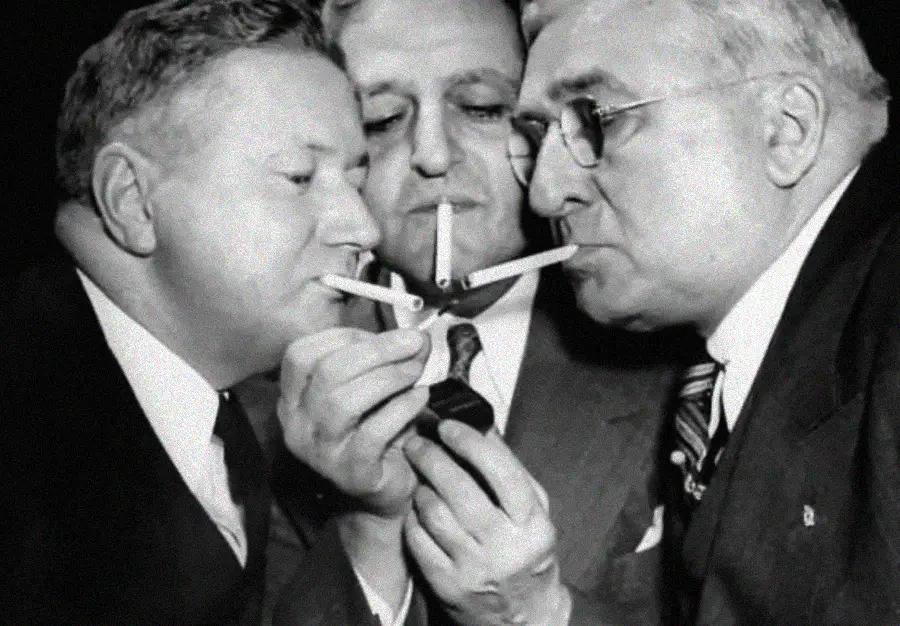
This distinct wartime anxiety was forged in the grueling, low-visibility trenches of the Crimean War and World War I, where survival depended entirely on avoiding enemy snipers. When a soldier struck a single match in the dark, the initial bright flash immediately caught the attention of hidden enemy spotters across the field. As the match remained lit to ignite a secondary cigarette, the sniper successfully adjusted their mechanical rifle scope and calculated the exact spatial distance of the glowing point. By the time the third soldier leaned forward to catch the dying flame, the enemy marksman pulled the trigger with absolute precision. This logical tactical timeline was subsequently humanized into a permanent supernatural warning to keep young recruits from giving away their strategic positions during night shifts.
Sign up for our newsletter
9. Saying the literal title of Shakespeare’s Macbeth inside a theater invites absolute ruin

The theatrical community is intensely protective of this historic ritual, referring to the legendary production exclusively as The Scottish Play to avoid catastrophic operational bad luck. The true origins of this performance anxiety stem from the sheer mechanical and physical complexity of the script itself, which features an unprecedented amount of high-velocity stage combat, dark lighting sequences, and heavy special effects. Historically, theatrical companies facing imminent financial bankruptcy would rush to produce this popular play as a final, desperate attempt to draw massive crowds and fill their empty corporate vaults. Because these struggling companies cut corners on safety rehearsals and hired low-cost prop directors, the productions were routinely plagued by real-world injuries, falling set pieces, and wardrobe malfunctions.
10. Hanging a metal horseshoe over your main entrance defends the household

This globally recognized symbol of protective luck dates back to early European metallurgy and the unique mythology surrounding a tenth-century blacksmith named Dunstan. Iron was viewed by early civilizations as an absolute magical substance because it could withstand intense volcanic heat and was used to forge the modern weapons that conquered continents. Folklore maintained that malevolent forest entities and mischievous fairies possessed an absolute biological allergy to the touch of pure iron, forcing them to flee any structure guarded by the mineral. Furthermore, the traditional crescent shape of the horseshoe perfectly mirrored the contours of the ancient pagan crescent moon, providing an extra layer of visual spiritual protection to keep malicious energies far away from the family sleeping quarters.
11. An intense itch in your right palm predicts receiving unexpected money
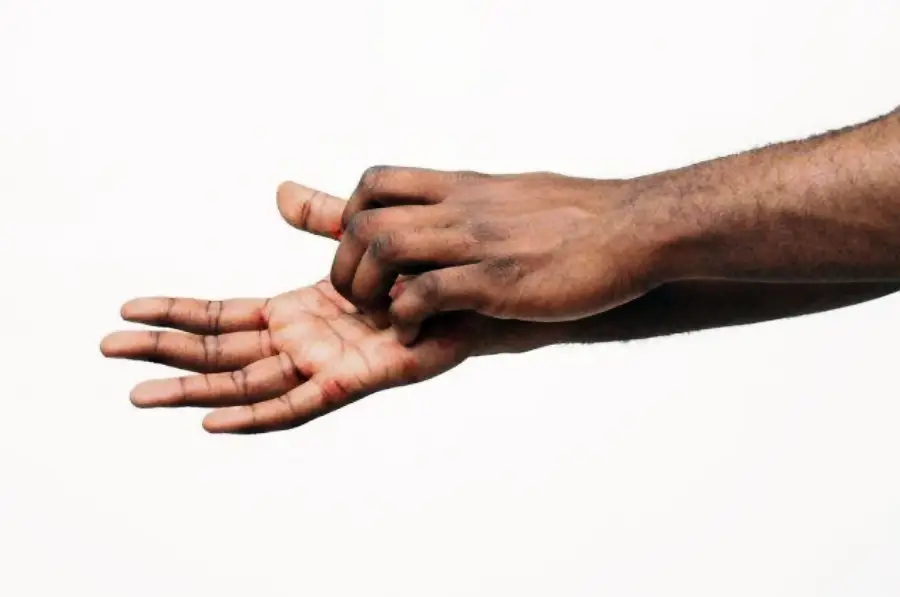
This comforting financial omen has brought hope to working-class families for centuries, but its historical roots are connected to the administrative logistics of early tax collection systems. In medieval marketplace operations, local merchants and regional citizens who were eager to secure trading permits would suttle bribes directly into the right hands of public officials. The phrase having an itching palm was originally coined as a sharp piece of political satire to describe a corrupt bureaucrat who was constantly awaiting a secret cash exchange. Over the generations, the public desaturated the original anti-corruption meaning of the idiom, transforming a critique of political greed into a lighthearted biological signal that unexpected wealth was about to enter the household.
12. Carrying a dead man’s hand card guarantees bad omens

In the high-stakes, volatile gambling saloons of the American Old West, holding a poker hand consisting of two black aces and two black eights was permanently branded as the ultimate curse. This specific superstition was forged on a hot August afternoon in 1876 when legendary lawman Wild Bill Hickok was violently shot in the back of the head during a card game in Deadwood, South Dakota. The cards he was holding at the exact millisecond of his tragic assassination were precisely those black pairs, which fell directly onto the blood-stained saloon floorboards. The dramatic news story spread like wildfire across the frontier infrastructure, prompting superstitious card players to instantly throw down their cards and flee the table if they ever dealt that exact numerical alignment.
13. Knocking firmly on raw wood protects existing successes

The near-universal human habit of physically tapping a wooden surface after speaking about a positive future outcome traces its origins back to ancient Celtic spiritual traditions. Early European forest communities practiced a profound animistic faith, believing that majestic tree species like oak, ash, and hawthorn served as the sacred physical homes of benevolent nature spirits. If a person needed to express deep gratitude for a successful harvest or protect a private plan from being overheard by malicious entities, they would knock firmly on the tree bark. The physical vibration was intended to simultaneously awaken the indwelling spirits for protection and create a loud acoustic barrier to confuse any listening demons.
14. Crossing your fingers creates a temporary spiritual shield
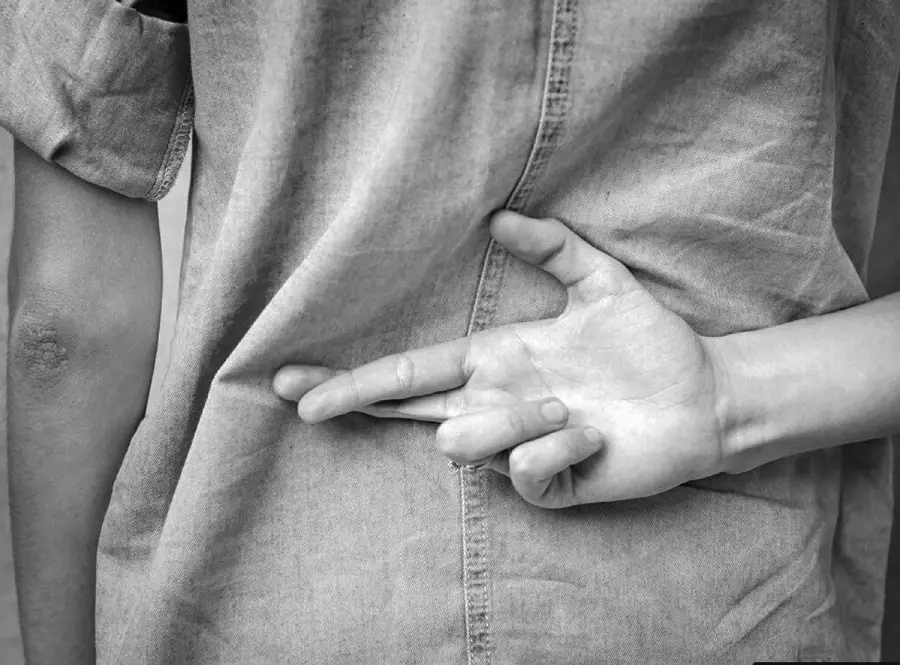
This simple hand gesture is deployed globally by children and adults alike to protect a minor lie or wish for good fortune, but its origins are rooted in the underground history of early Christianity. During the height of the brutal Roman persecutions, practicing the faith was a capital offense, forcing believers to engineer secret, low-profile non-verbal signs to safely identify each other without drawing imperial focus. Two individuals would slide their index fingers together to create a temporary, highly stylized manifestation of the Christian cross, building a private perimeter of shared spiritual protection. Over the centuries, this high-stakes security handshake evolved into a singular, one-handed gesture that modern citizens deploy casually to invite good luck before a major event.
In the mood for more interesting facts?
Delving into the practical, multi-layered historical inheritance hidden behind our most common cultural anxieties serves as a powerful reminder that human nature remains remarkably consistent across the boundaries of time. Watching these old traditions, street cautions, and protective gestures successfully transition from high-stakes survival maneuvers to lighthearted contemporary habits proves that the human mind will always seek structural order amidst a chaotic world. When we choose to view our everyday cultural habits through the refined lens of industrial and economic history, we gain a profound appreciation for the immense grit, creative psychological adaptation, and operational craftsmanship required to build a shared societal vocabulary. If you enjoyed this eye-opening, deeply analytical journey looking back at the hidden blueprints of our shared ancestral folklore, make sure to explore these 15 Old Wives Tales From The Early 1900s, or 14 Uncanny Historical Coincidences That Defy All Logic. You can also check out these 15 Human Body Facts That Sound Impossible But Are Real.