Take a quick look around any modern living room, kitchen, or bathroom, and you will find an array of everyday objects that seem entirely ordinary. From microwave ovens and wire coat hangers to sticky notes and aluminum foil, these functional everyday items are taken for granted as permanent fixtures of domestic life. However, long before they became mass-produced home essentials, their initial creation relied on accidental laboratory discoveries, wartime industrial innovations, and resourceful adaptations of military technology.
Exploring the historical origins of these ubiquitous domestic tools reveals how much human error and unexpected ingenuity shaped the modern home. Many daily conveniences were never originally intended for home domestic use at all, serving instead as radar components, industrial lubricants, or specialized medical dressings. Uncovering the surprising origins behind these essential items offers a fascinating perspective on how military necessity and serendipitous accidents built the modern domestic environment. Here are sixteen remarkable facts about the origins of everyday household items.
1. Microwave ovens
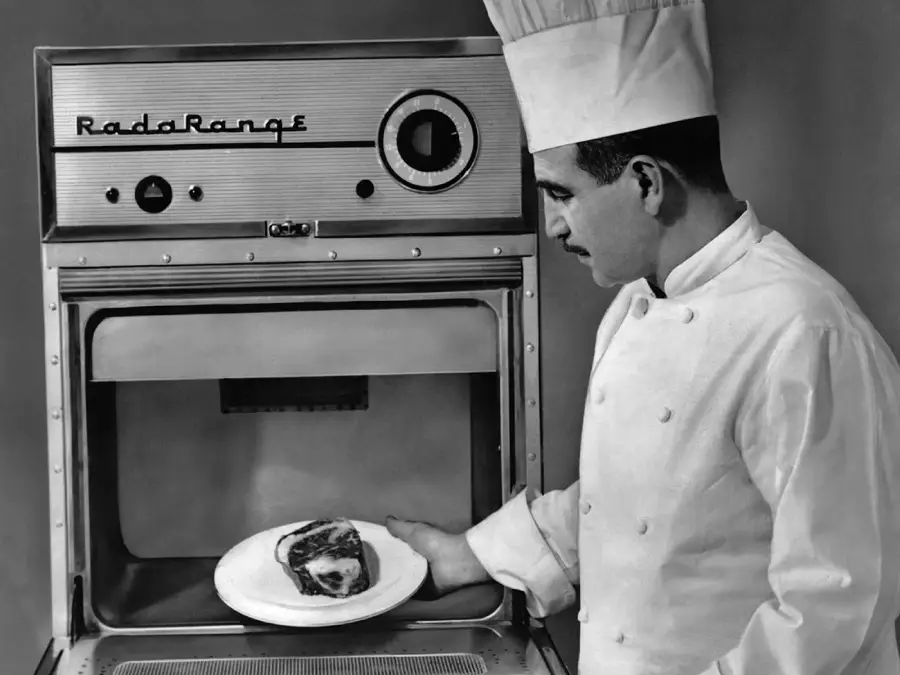
In 1945, Raytheon engineer Percy Spencer was working on active military radar magnetrons when he noticed a peanut butter candy bar in his pocket had melted completely. Realizing that low-power microwave beams could cook food rapidly, he built a metal box to trap the energy and successfully popped the world’s first microwave popcorn.
2. Bubble wrap
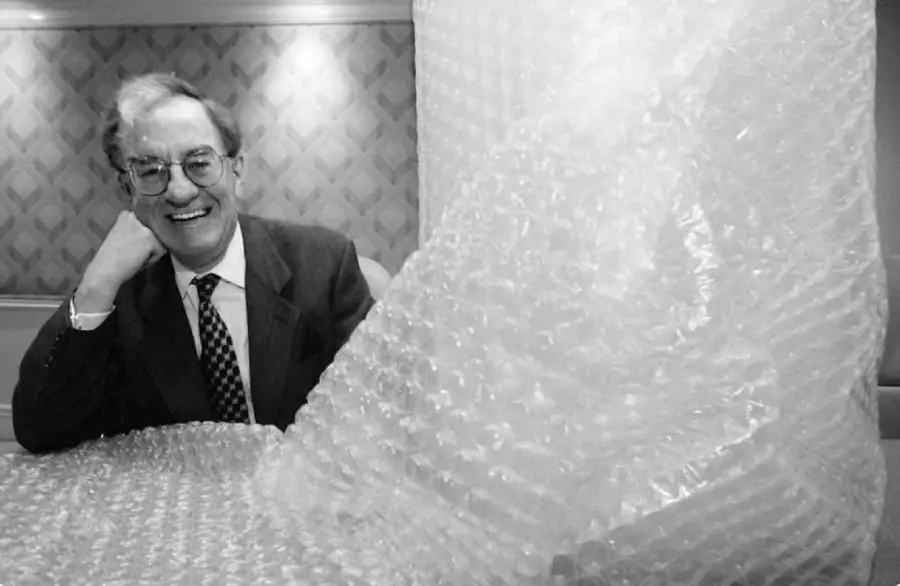
Engineers Alfred Fielding and Marc Chavannes created Bubble Wrap in 1957 by sealing two shower curtains together, attempting to sell it as a textured, easy-to-clean 3D wallpaper. When home decor sales failed, they marketed it as greenhouse insulation before IBM realized the air-cushioned plastic was the ultimate packaging material for shipping fragile computers.
3. Post-it notes
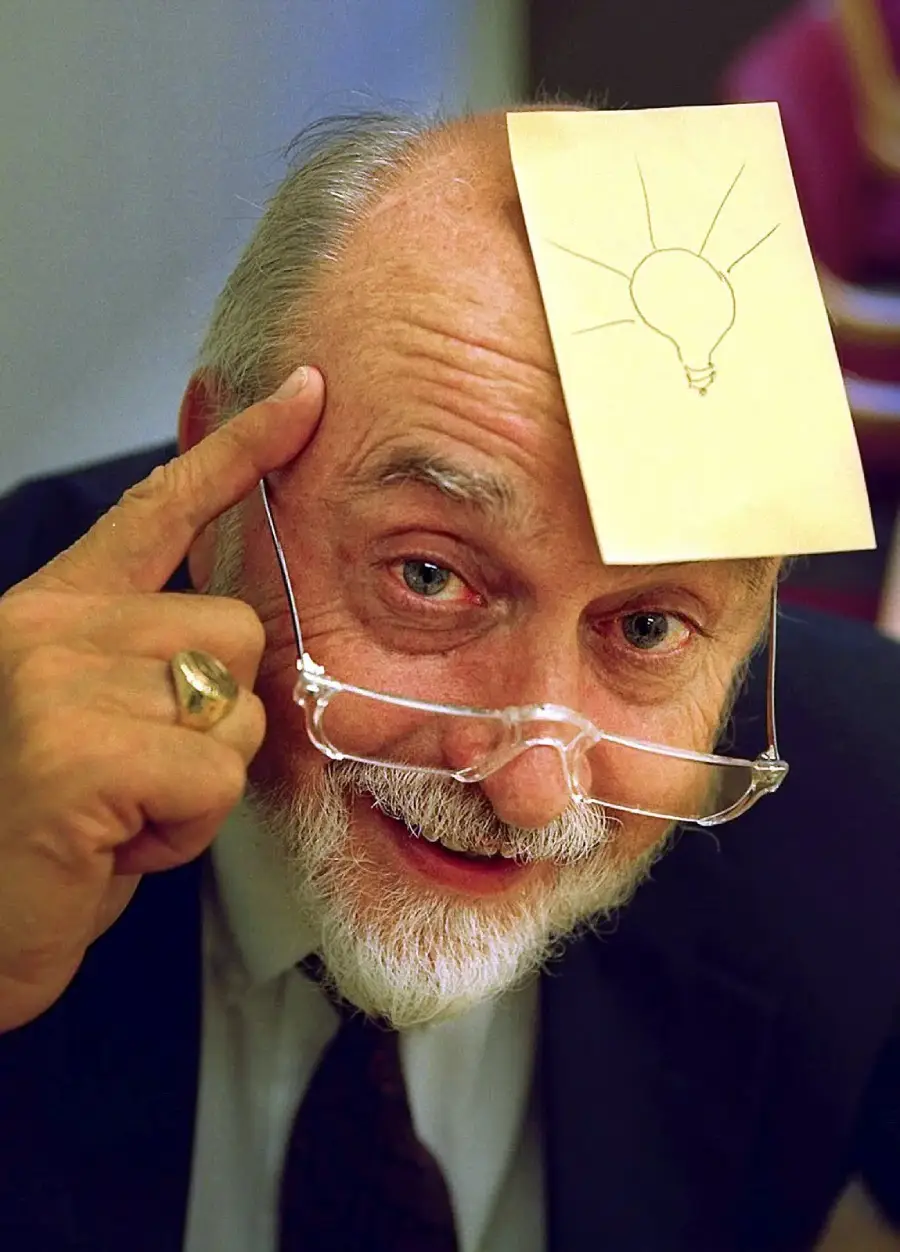
3M scientist Spencer Silver was attempting to formulate an ultra-strong aircraft adhesive in 1968, but instead created a weak, reusable pressure-sensitive glue that left no residue behind. Years later, his colleague Art Fry used the weak adhesive to hold paper bookmarks inside his church hymnal, inventing the iconic yellow sticky note.
4. Play-Doh
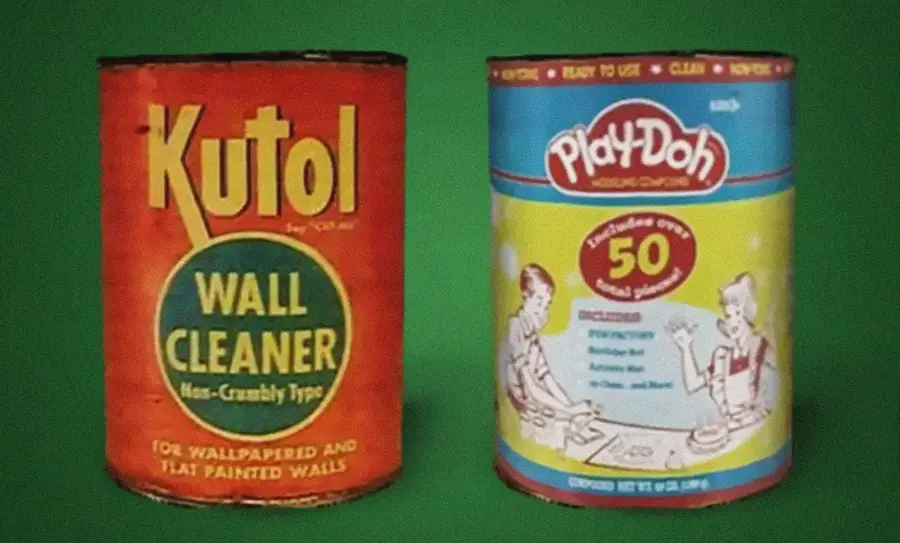
Kutol Products manufactured Play-Doh in the 1930s as a pliable dough designed specifically to wipe dark coal soot residue off living room wallpaper. As natural gas heating replaced coal furnaces in American homes, the company added bright food coloring and almond scent to remarket the soot cleaner as a non-toxic children’s modeling clay.
5. Kleenex
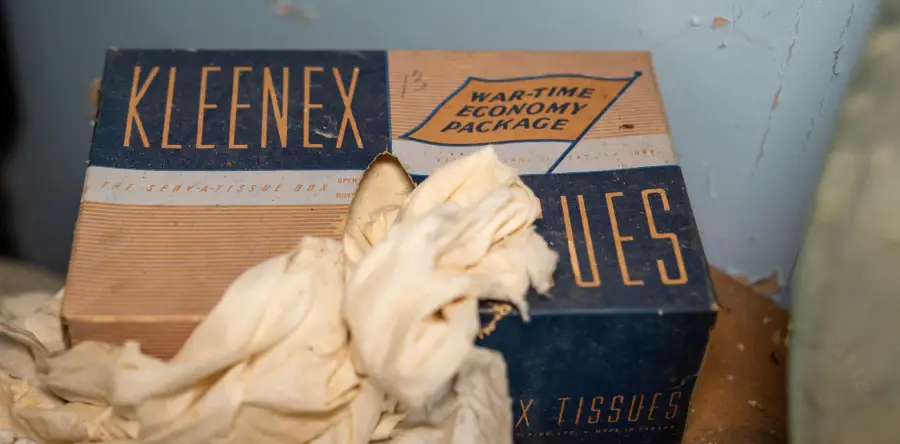
Kimberly-Clark developed Cellucotton during World War I as a highly absorbent, creped cotton substitute used for surgical field dressings and gas mask filters. After the war ended, the company flattened the material to create cold-cream removal tissues, which consumers quickly adopted as disposable handkerchiefs.
Trending on The Scroller

6. WD-40
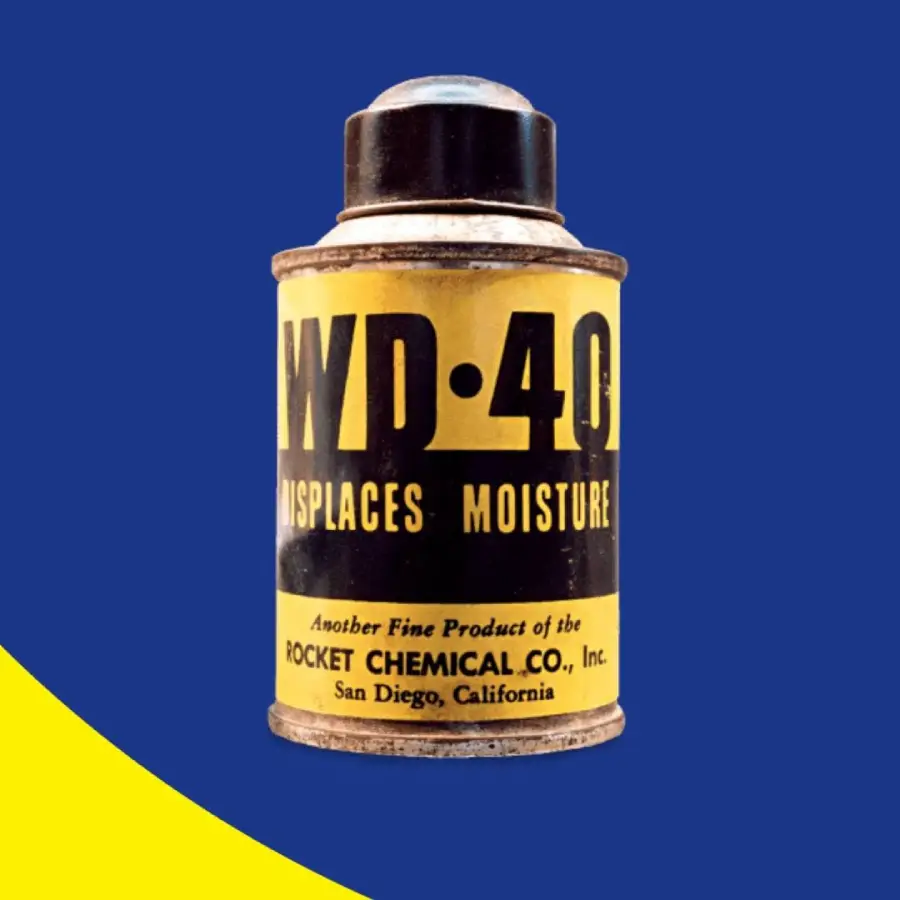
Chemist Norman Larsen formulated WD-40 in 1953 on his 40th attempt to create a “Water Displacement” chemical blend that would prevent rust and corrosion on outer metal skins of Atlas nuclear missiles. Employees secretly snuck cans of the industrial spray home to fix squeaky doors and rust, prompting the company to market it directly to consumers in 1958.
7. Teflon
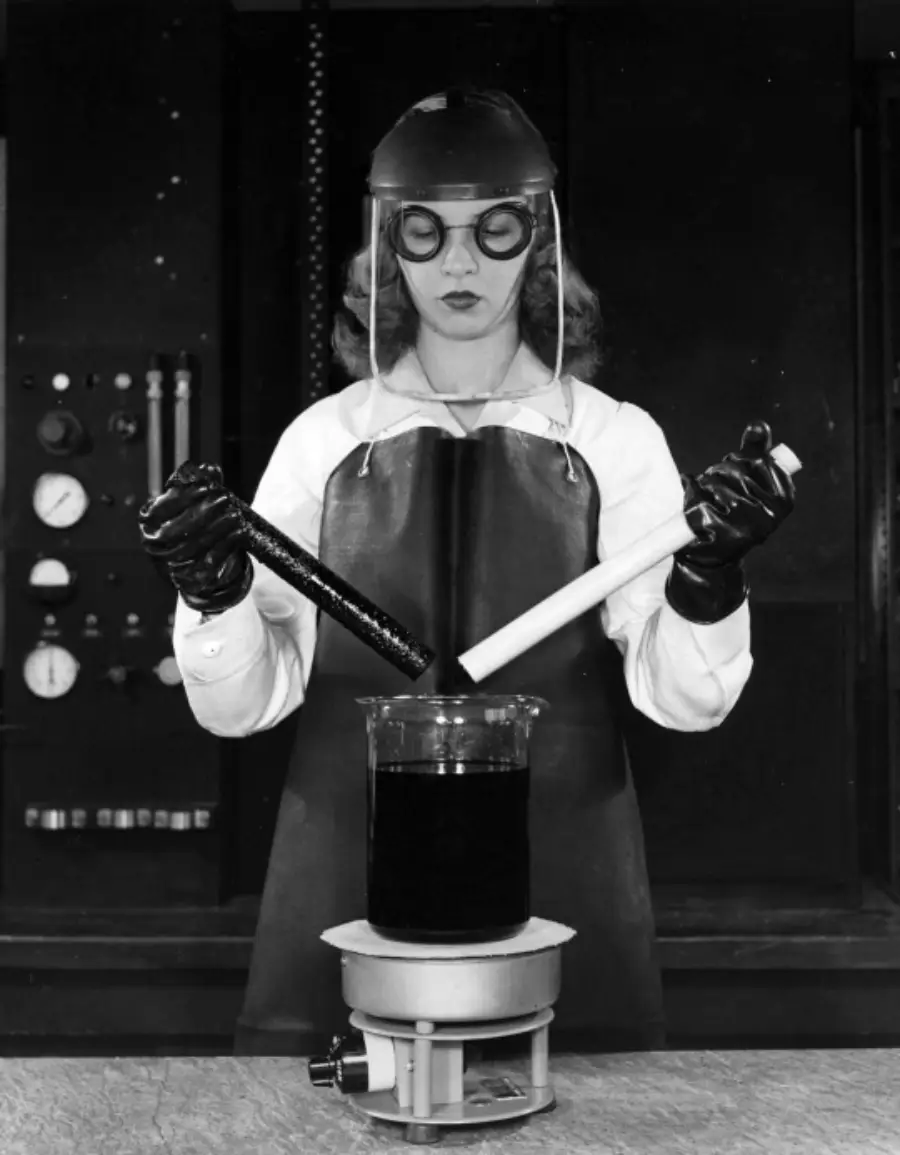
While researching non-toxic refrigerants for Kinetic Chemicals in 1938, chemist Roy J. Plunkett stored tetrafluoroethylene gas in small frozen cylinders. Upon opening a valve, the gas was gone, leaving behind a slippery, heat-resistant white powder that was later used to coat Manhattan Project uranium valves before entering home kitchens as non-stick frying pans.
8. Stainless steel
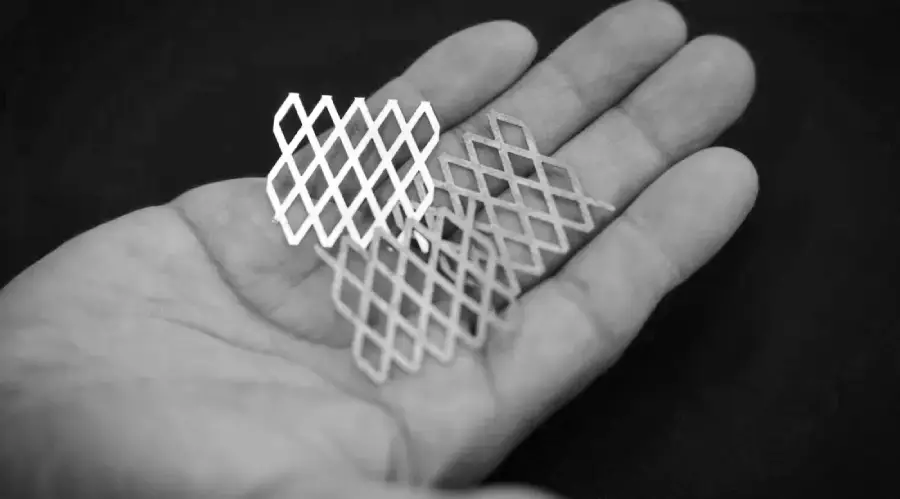
English metallurgist Harry Brearley was attempting to invent a heat-resistant steel alloy for British military rifle barrels in 1913 when he noticed a discarded scrap pile was not rusting. By adding 12.8 percent chromium to iron, he created the world’s first stainless steel, which revolutionized home cutlery and kitchen appliances.
Sign up for our newsletter
9. Listerine
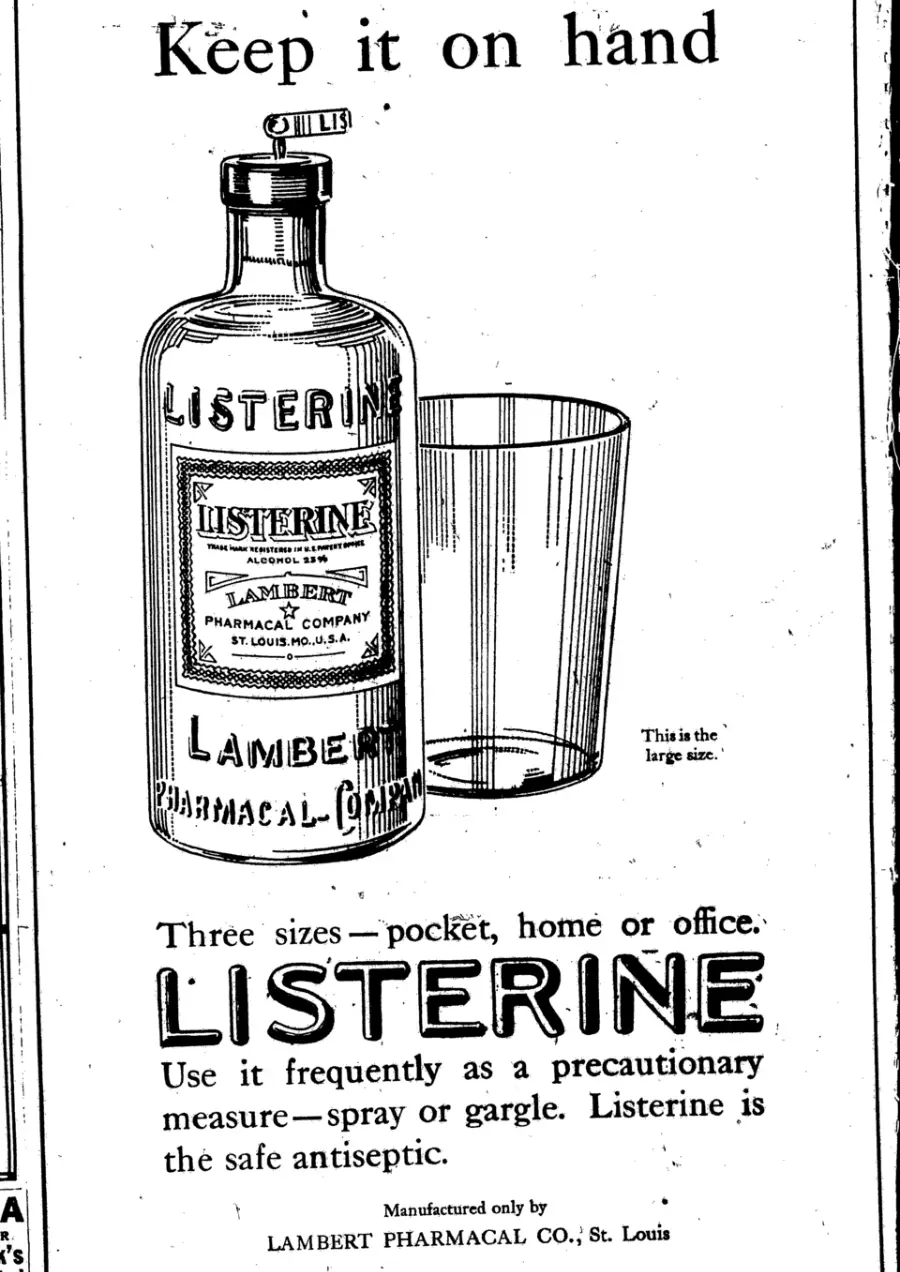
Formulated in 1879 by Dr. Joseph Lawrence as a powerful surgical antiseptic, Listerine was used to clean hospital wounds and even marketed as a floor cleaner and gonorrhea cure. In the 1920s, the company turned its fortunes around by pitching the harsh liquid as a solution for “chronic halitosis,” turning bad breath into a social taboo.
10. Aluminum foil
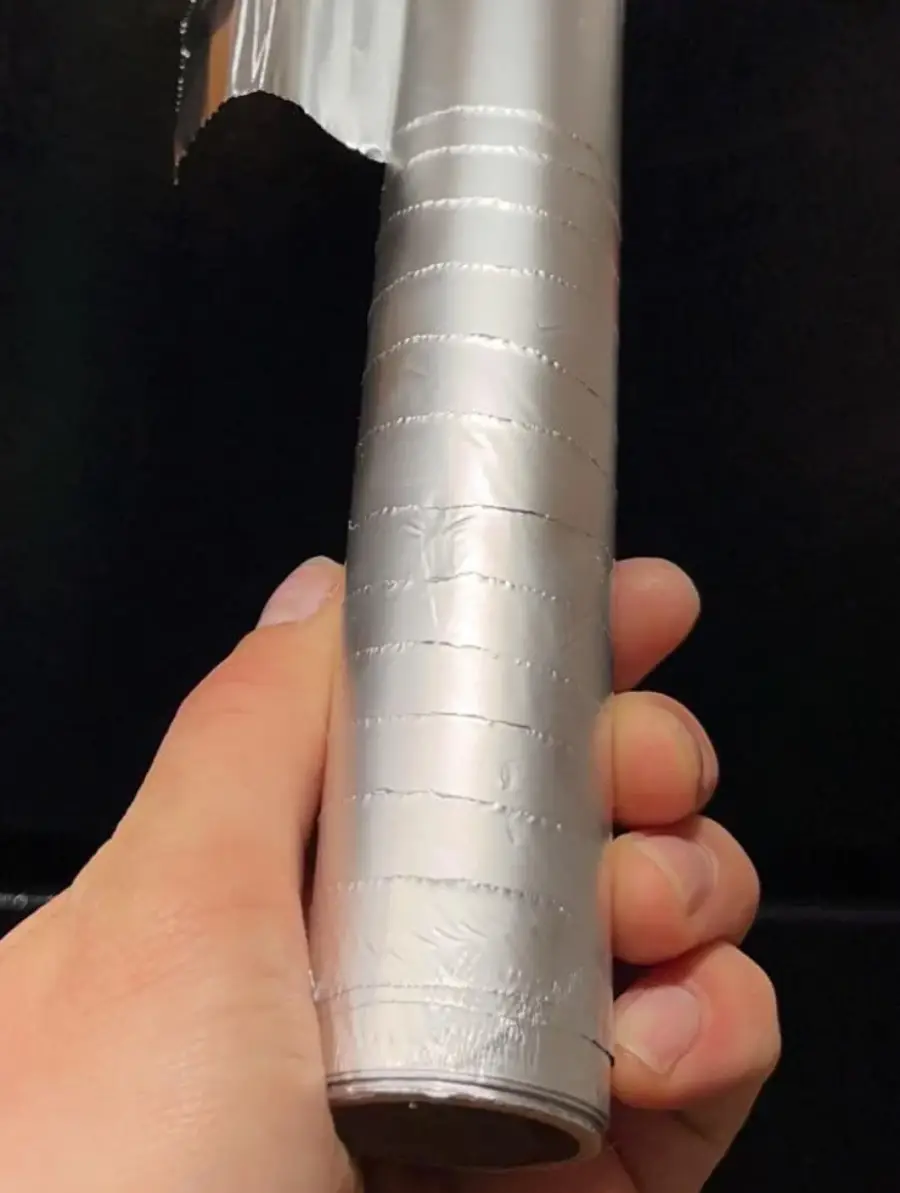
Before aluminum processing became cheap, home kitchens used tin foil, which left an unpleasant metallic taste on food. In 1910, a Swiss aluminum rolling plant discovered that thin aluminum sheets provided a completely airtight, taste-free barrier, leading chocolate maker Tobler to use it for wrapping Toblerone bars before it became a cooking staple.
11. Super glue
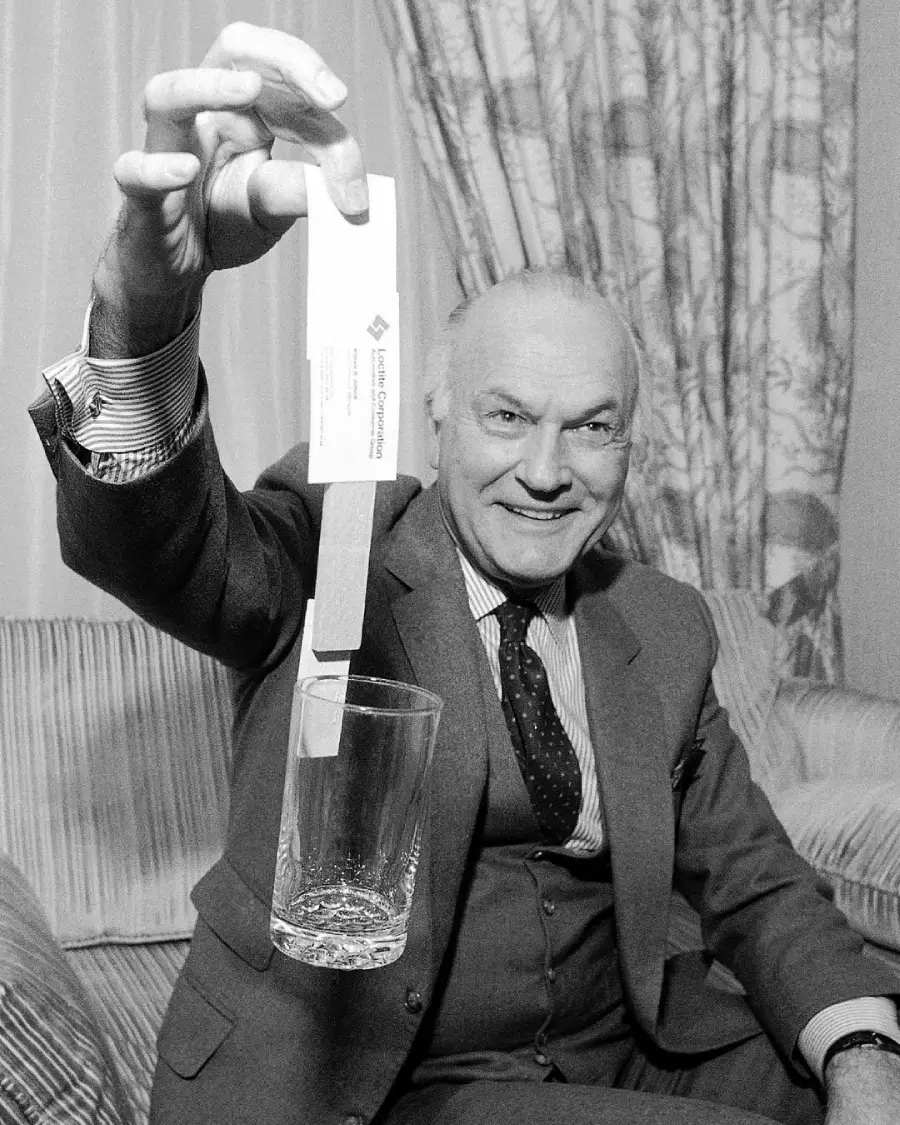
Dr. Harry Coover accidentally discovered cyanoacrylates in 1942 while attempting to create clear plastic gun sights for Allied soldiers during World War II. He discarded the chemical because it stuck to everything it touched, only realizing its commercial potential six years later when he used it to bond jet canopy glass.
12. Vaseline
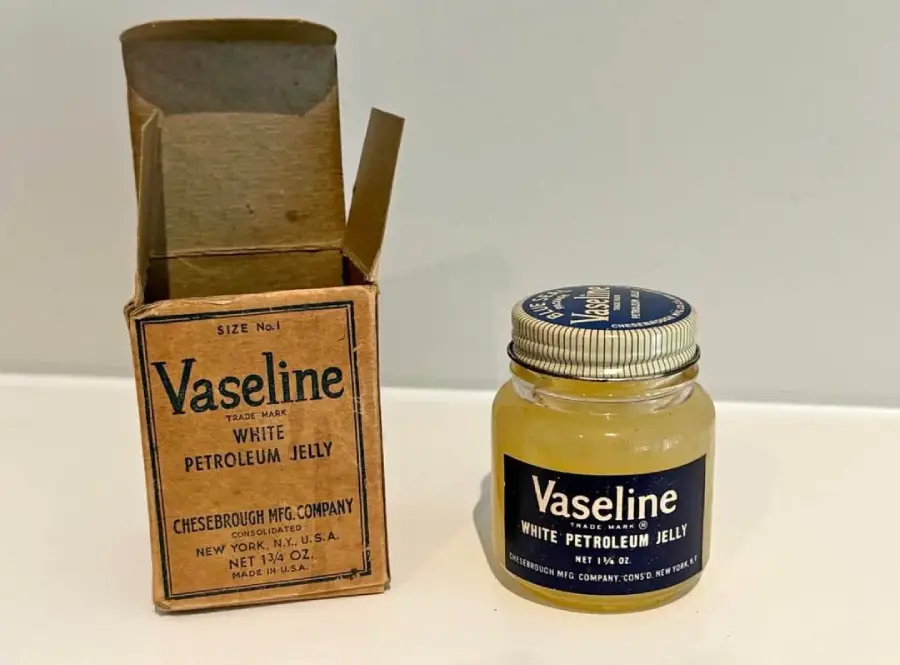
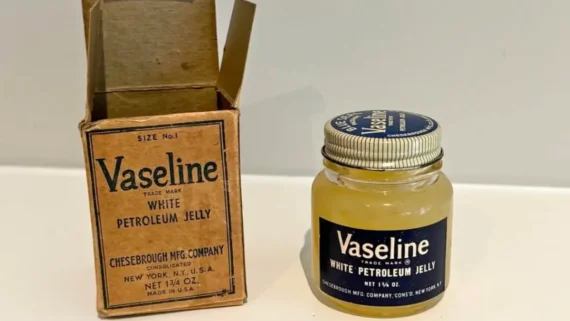
In 1859, chemist Robert Chesebrough visited Pennsylvania oil fields and noticed drillers scraping a thick black wax off oil rig pumps to heal cuts and burns. Chesebrough spent months refining the heavy rod wax into a clear, odorless jelly, famously demonstrating its healing power by burning his own skin with open flames in front of audiences.
13. Slinky
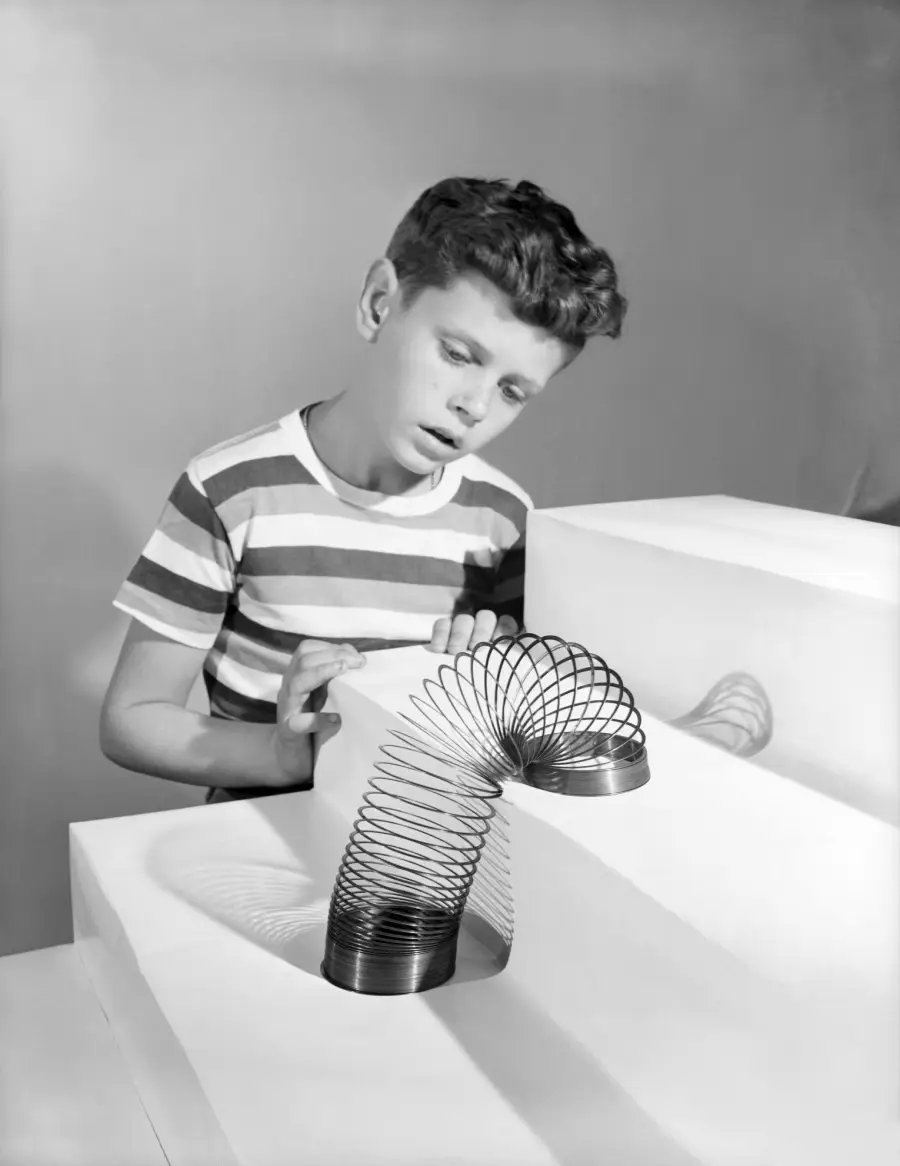
Naval engineer Richard James was designing sensitive tension springs in 1943 to stabilize delicate instruments aboard battleships in rough seas. After knocking a spring off a high shelf, he watched it step smoothly down a stack of books to the floor, prompting his wife Betty to name the bouncing steel coil a “Slinky.”
14. Matches
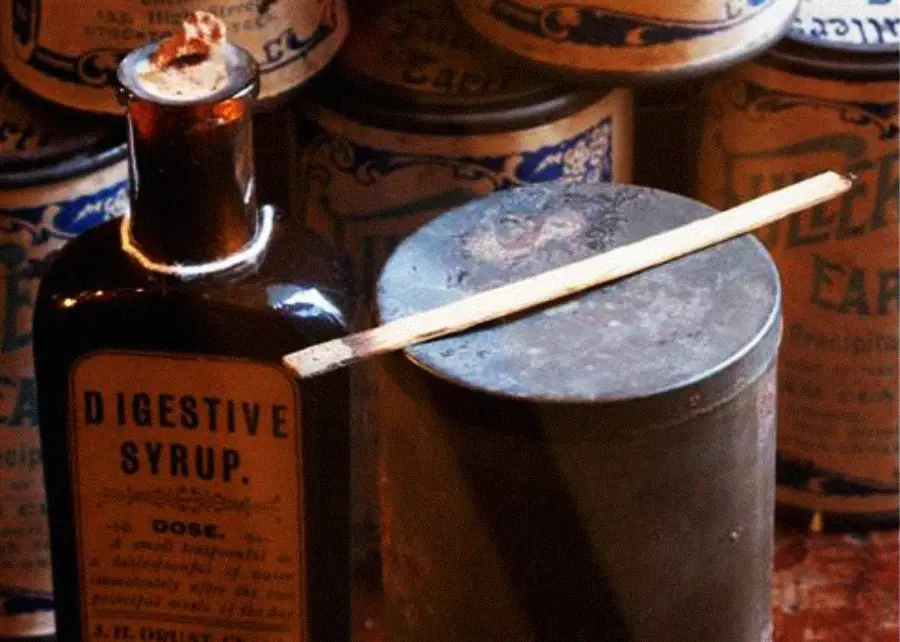
English pharmacist John Walker was scraping a wooden mixing stick against his stone hearth in 1826 after stirring a mixture of antimony sulfide and potassium chlorate. The stick suddenly burst into flame from friction, inspiring him to sell the world’s first friction matches wrapped in sandpaper blocks.
15. Tupperware
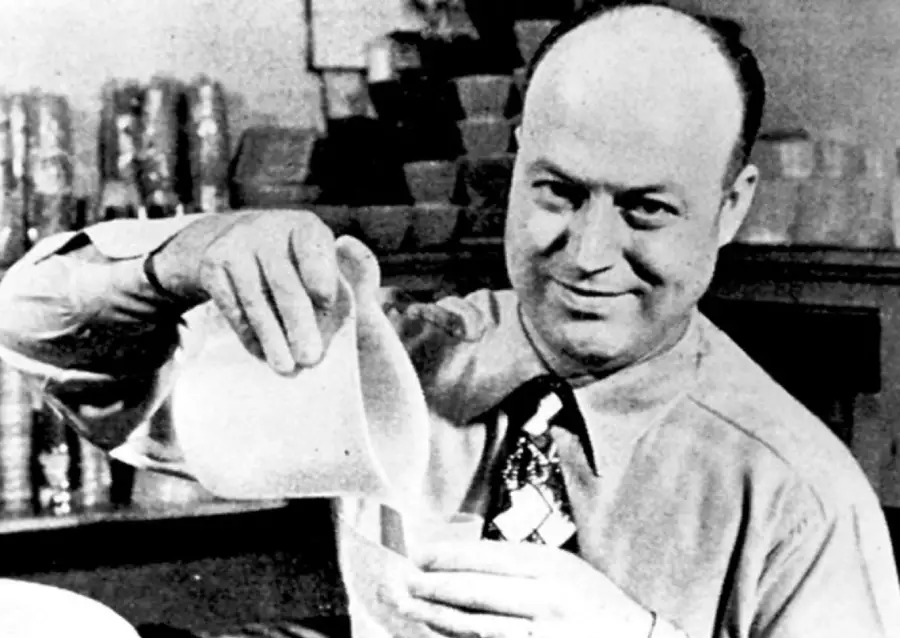
Earl Tupper developed his flexible, airtight plastic containers in 1946 by purifying a black, smelly slag byproduct left over from crude oil refining processes. He engineered a flexible double-lipped lid modeled after an inverted paint can cap, but the product only took off when Brownie Wise organized social home sales parties to demonstrate the airtight “burp” seal.
16. Wire coat hangers
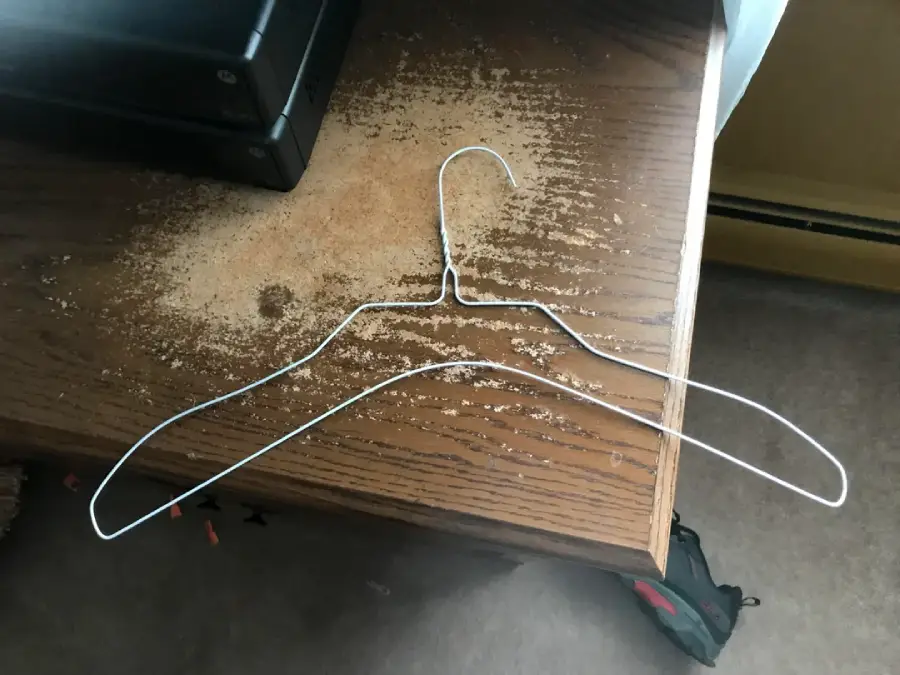
Albert Parkhouse invented the modern wire coat hanger in 1903 while working at a wire novelty manufacturing company in Michigan. Frustrated that all the coat hooks in the office cloakroom were constantly full, he bent a piece of heavy iron wire into two oval loops and twisted the ends into a hook to hang his heavy winter jacket.
In the mood for more interesting facts?
Exploring the unexpected history behind these everyday objects provides an incredible look at how accidental discoveries, industrial waste, and wartime necessity built our modern home environment. Seeing how wallpaper soot cleaner turned into modeling clay and nuclear missile coating became frying pan lining proves that genuine innovation often comes from total coincidence. If you love discovering trade history and retro technology, take a look at these 14 Ridiculous Real Inventions That People Actually Patented, or 15 Mid-Century Inventions That Failed to Change the World. You may also like these 15 Fascinating Vintage Inventions That Never Took Off.