Think about how many daily inventions we take for granted, assuming they were born out of absolute necessity or brilliant design meetings. We live in a highly streamlined world where every consumer product undergoes strict testing and market validation before reaching our shelves. Yet, a quick browse through the official databases of international patent offices reveals that the human imagination has a highly chaotic, wildly unpredictable side. Inventors have spent centuries dreaming up odd contraptions that solve highly specific, sometimes completely non-existent problems.
The most fascinating part is that these bizarre designs were not just idle daydreams sketched on a cocktail napkin. They were formally filed, thoroughly reviewed, and officially approved by government patent examiners who deemed these strange inventions worthy of legal protection. From motorized eating utensils to protective animal accessories, these designs show how far people are willing to go in the name of innovation. Let’s take a look at fourteen of the most bizarre, real-world patents ever granted, proving that the line between genius and absolute madness is incredibly thin.
1. The baby cage
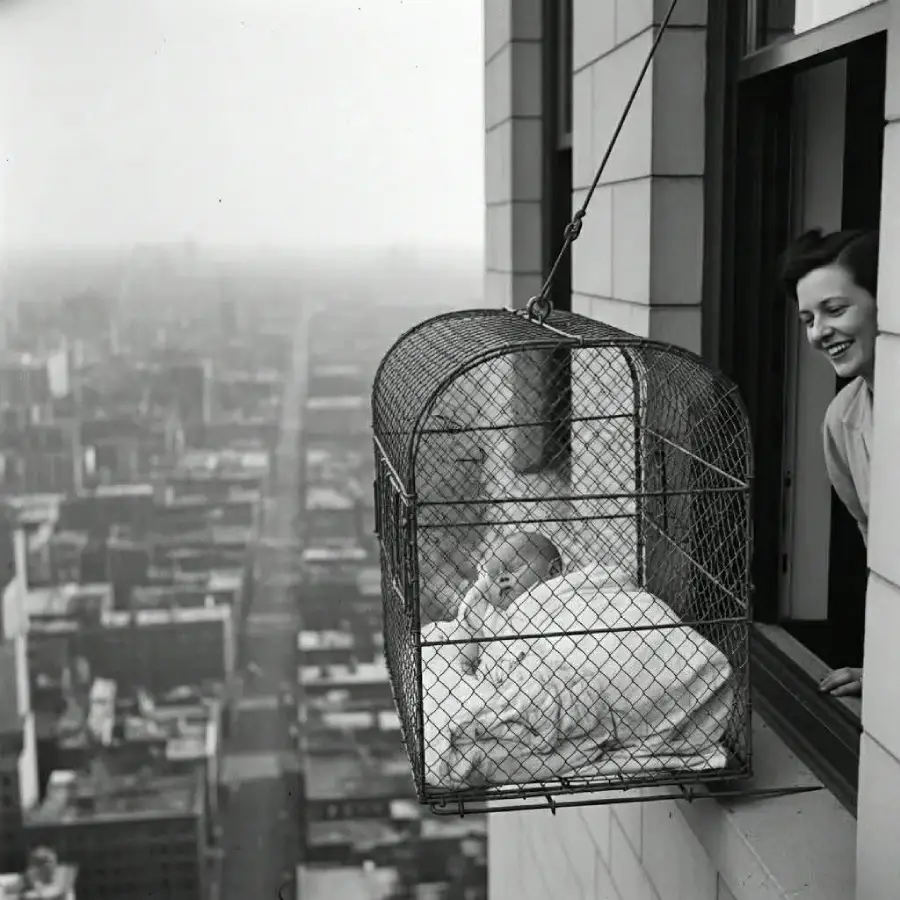
Patented in 1922 by Emma Read, this wire basket hung precariously out of high-rise apartment windows to give city infants fresh air and sunlight. The invention was actually distributed by the Chelsea Baby Club in London during the 1930s before safety concerns finally put an end to the terrifying trend.
2. The motorized ice cream cone

Awarded to Richard B. Hartman in 1999, this battery-powered plastic cone holder automatically rotates a scoop of ice cream against the user’s tongue to eliminate the manual labor of licking. The device was actually manufactured and sold on Amazon for over a decade before disappearing into nostalgic obscurity.
3. The toilet snorkel
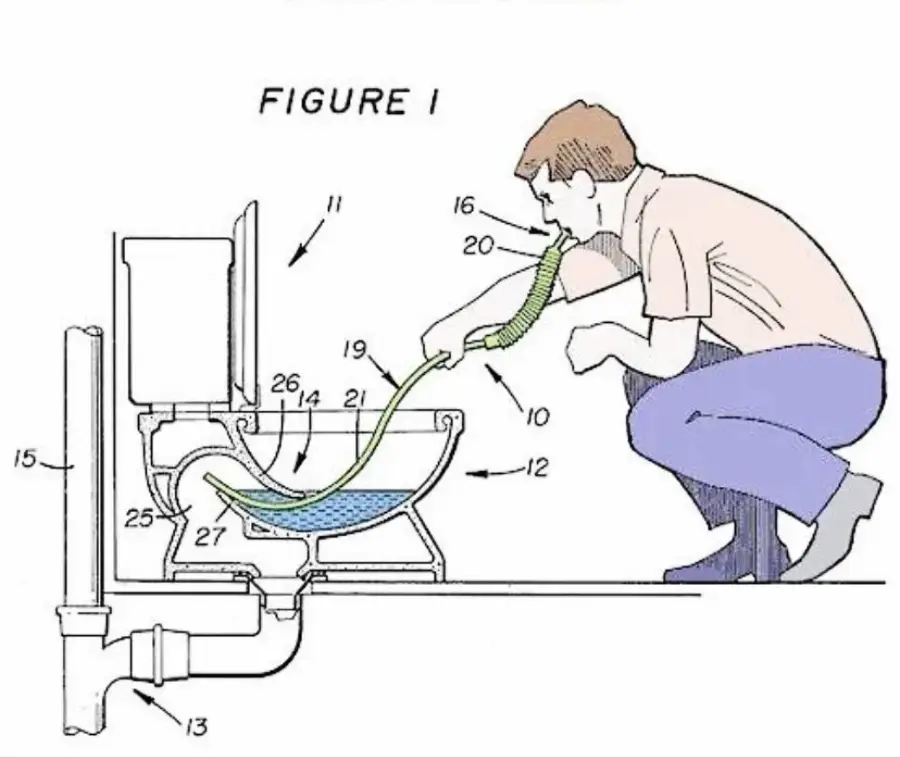
Invented by William O. Holmes in 1978, this breathing apparatus was designed to help hotel guests survive room fires by inserting a tube through the toilet trap to inhale fresh air from the sewer line. The patent includes incredibly detailed diagrams explaining how the water in the bowl naturally filters out toxic room smoke.
4. The High-Five Simulator
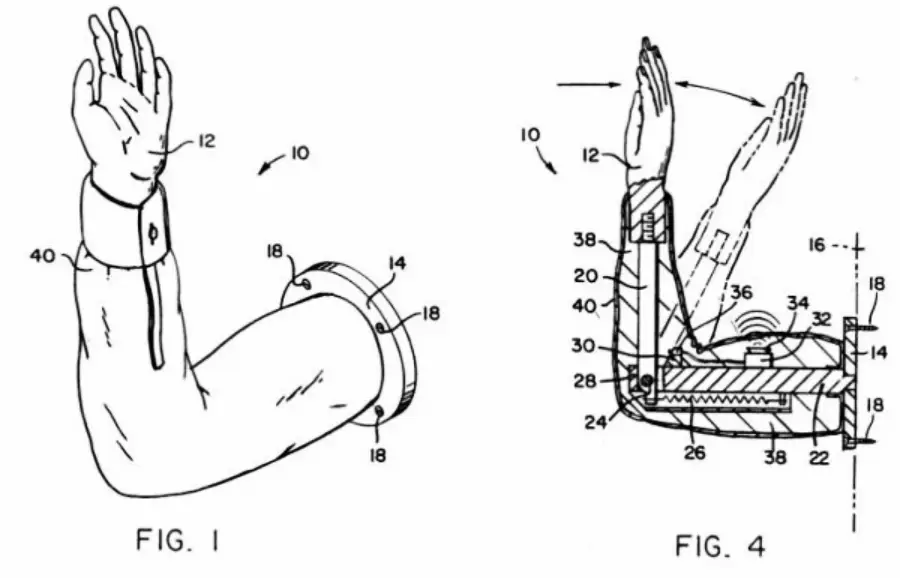
Patented by Albert Cohen in 1994, this spring-biased mechanical arm was designed to help solitary sports fans celebrate positive moments on television without needing a real friend nearby. The background of the patent formally notes that a lack of a partner prevents solitary fans from expressing joy, a problem this plastic hand aimed to solve.
5. The revolver mousetrap
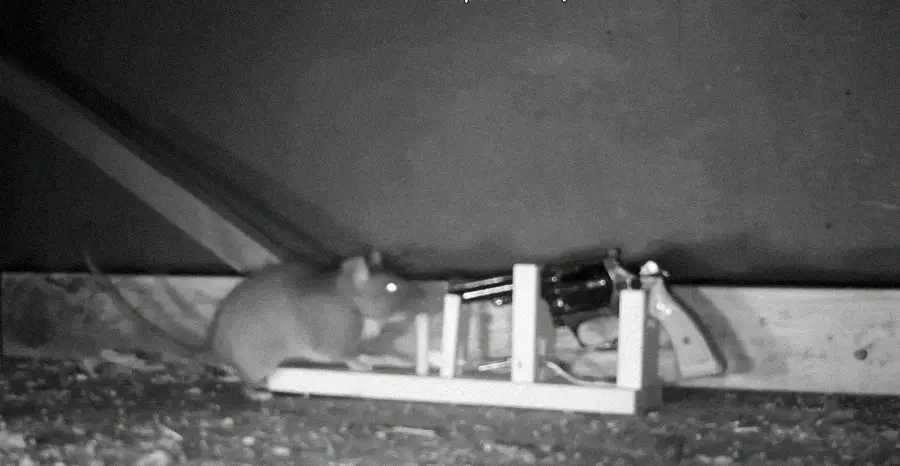
Invented by James A. Williams in 1882, this aggressive pest control system rigged a loaded revolver to a pedal trigger so a rodent would literally shoot itself upon taking the bait. Unsurprisingly, the heavy-handed patent was never mass-produced due to the obvious danger of homeowners accidentally shooting their own toes in the middle of the night.
Trending on The Scroller


6. The Gerbil Vest
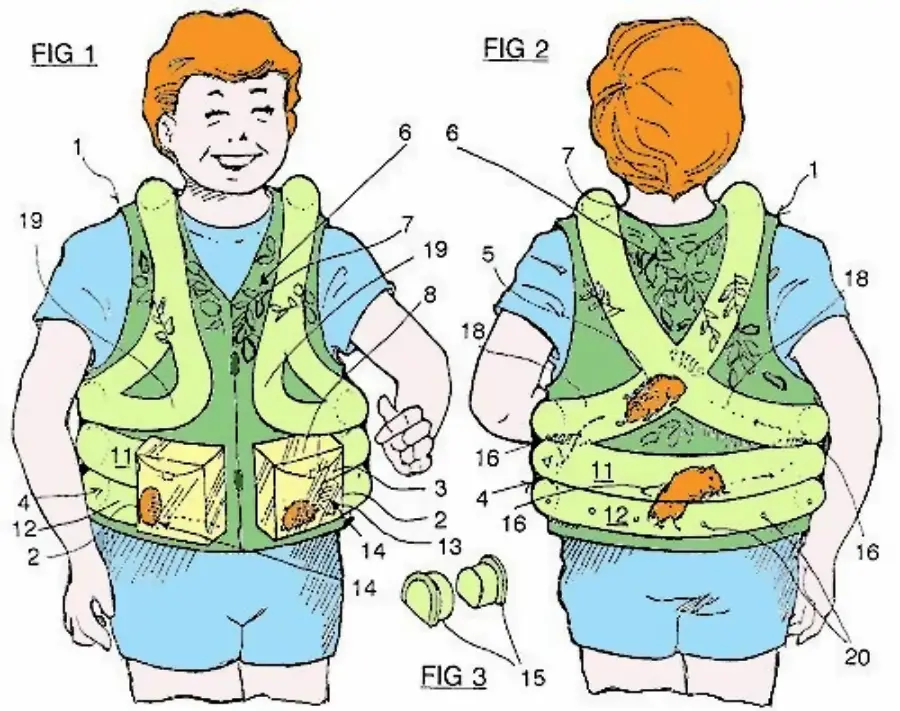
Patented in 1993, this wearable habitat allows small pet rodents to run through transparent plastic tubes wrapped snugly around a human’s torso. The inventor designed the vest to facilitate close-up companionship between owners and their pocket pets while going about their daily household routines.
7. The wearable face-shield greenhouse
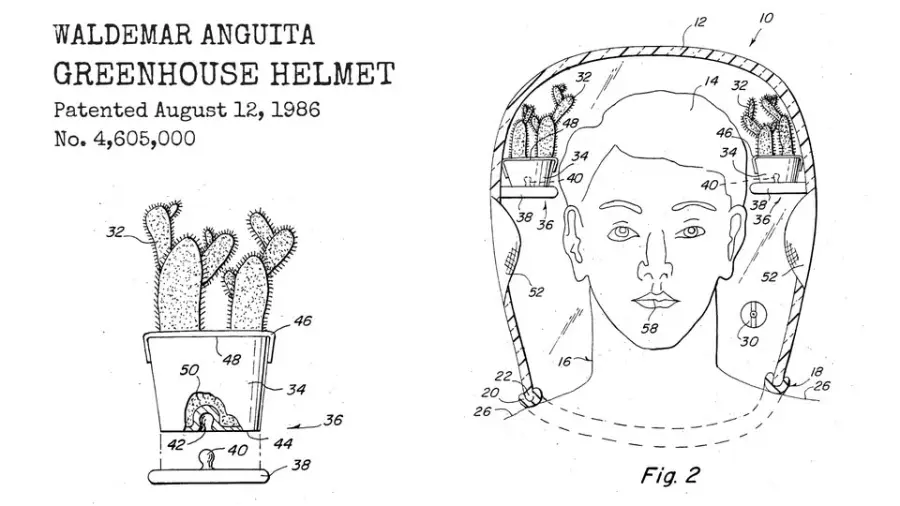
Patented in 1986, this helmet-like dome was designed to let users breathe purified air directly filtered by living house plants growing inside the headpiece. The design required the wearer to walk around with a miniature botanical garden strapped directly to their face.
8. The cheek dimple maker
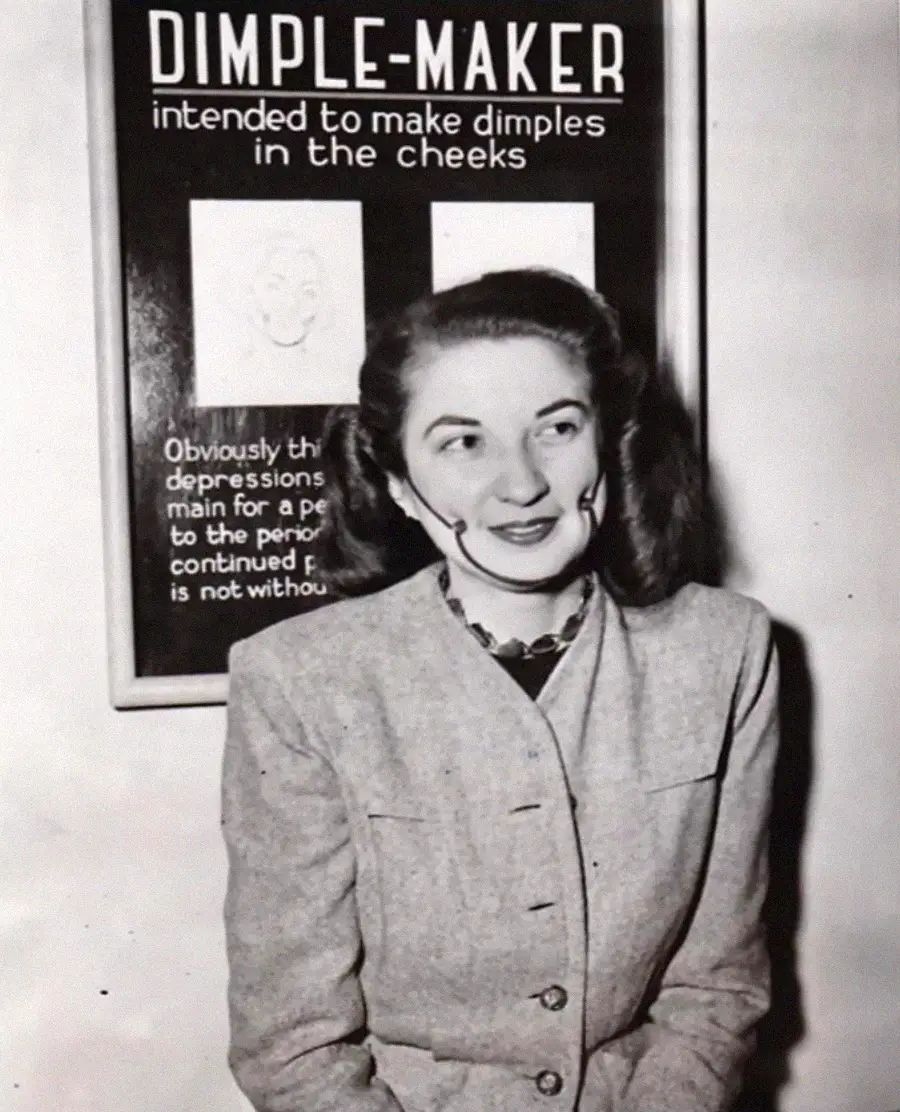
Invented by Evangeline Gilbert in 1920, this metal face brace pressed two hard, rounded studs directly into the user’s cheeks to artificially create dimples over time. The painful cosmetic device was marketed heavily to self-conscious women before medical experts warned it could cause permanent facial nerve damage.
Sign up for our newsletter
9. The clockwork wake-up bed
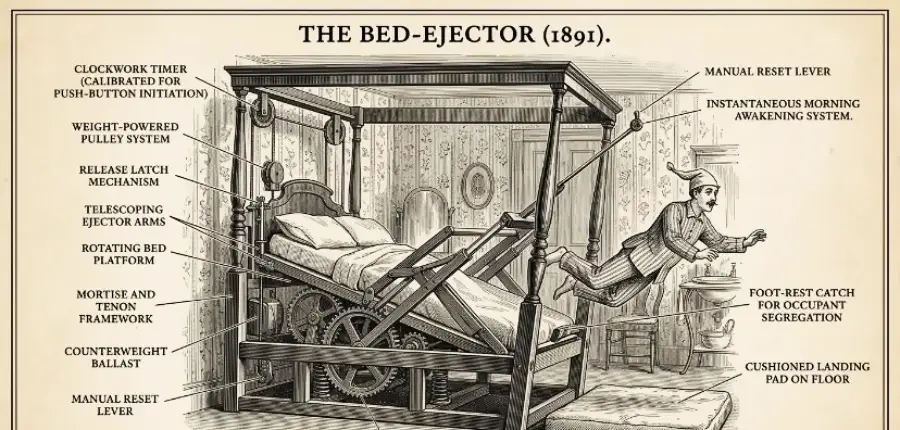
Patented by Orlando Herbert in 1892, this heavy wooden frame utilized an integrated mechanical clock to physically tilt the mattress at a predetermined hour, dumping the sleeping occupant onto the floor. The aggressive design aimed to eliminate the possibility of hitting a snooze button by leaving the user lying on the cold hardwood.
10. The bird diaper
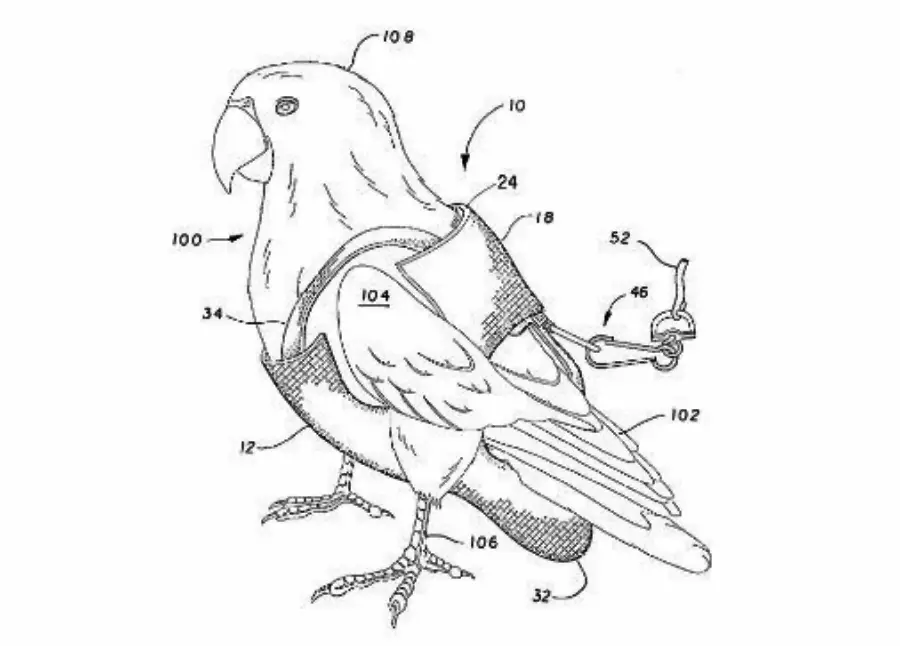
Awarded in 1999, this form-fitting fabric harness solves the messy problem of free-roaming pet birds relieving themselves all over domestic furniture and expensive carpets. Complete with a disposable pouch, this bird apparel remains one of the few bizarre patents on this list that actually found a dedicated niche market of buyers.
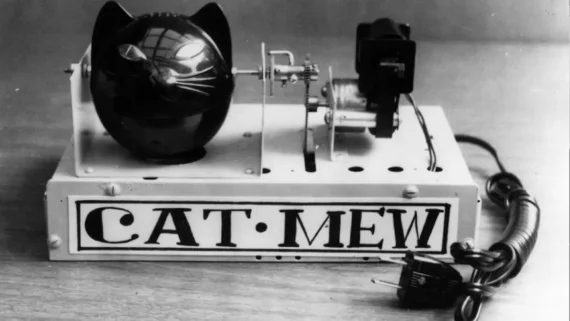
11. The Cat-Mew machine
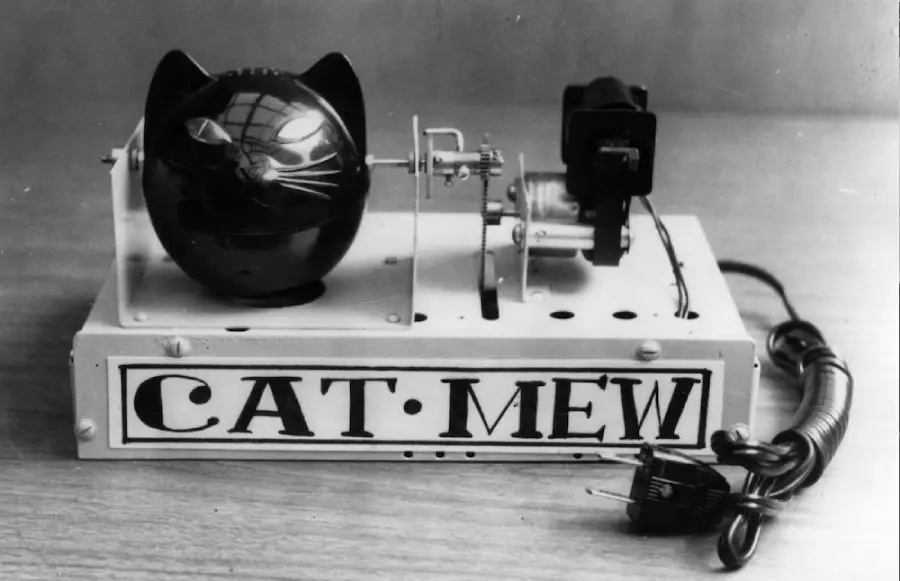
Patented in Japan in 1963, this mechanical feline was designed to deter neighborhood rats by automatically meowing exactly ten times every minute while its eyes glowed. The battery-powered device relied on a miniature internal record player to produce the automated deterrent sounds.
12. The dog ear protectors
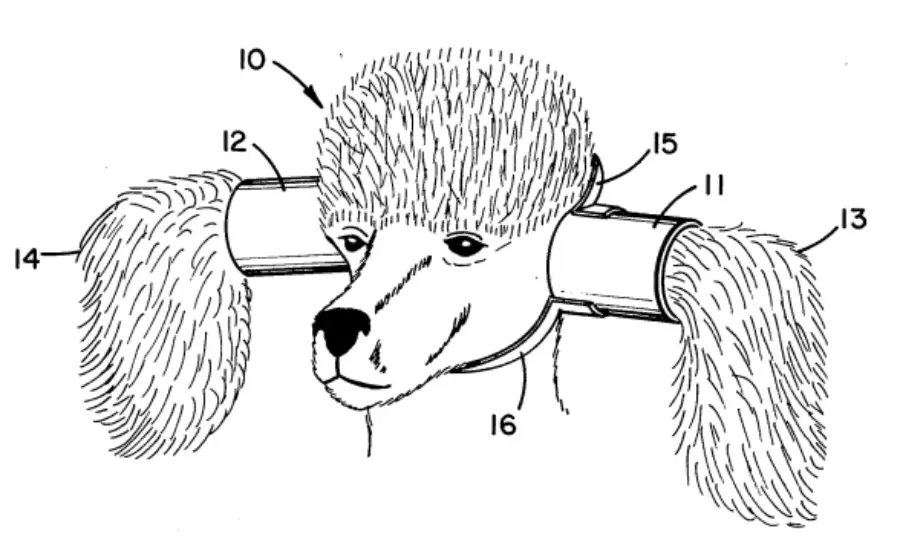
Patented in 1980, this specialized plastic hood was engineered to keep the long, floppy ears of certain dog breeds from dipping into wet food or dirty puddles. The invention effectively forced dogs to dine while wearing a highly restrictive, bonnet-like headpiece.
13. The beer umbrella
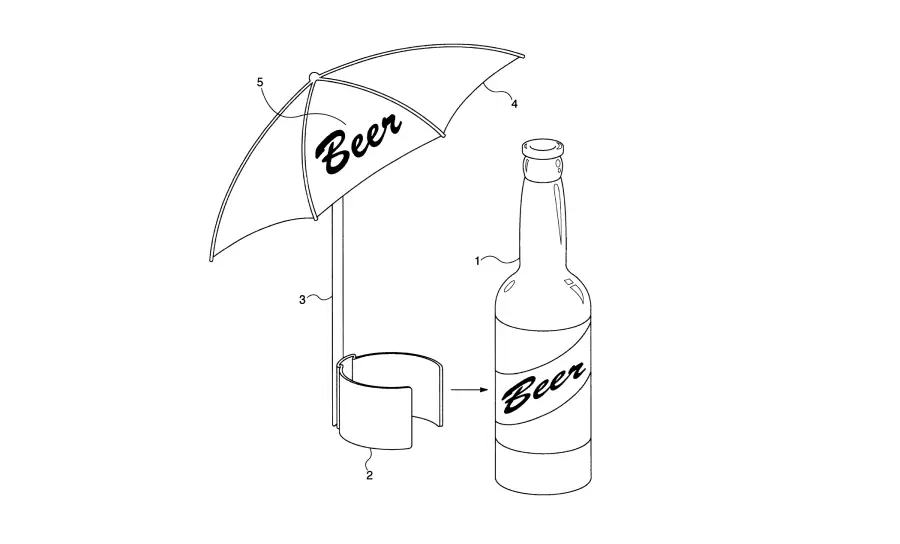
Awarded in 2003, this tiny, fully functional umbrella clips directly onto the neck of a beverage bottle to shade the liquid from direct sunlight. The inventor argued that protecting the drink from solar rays would prevent warm beer, though the product was ultimately relegated to a novelty gag gift.
14. The escape coffin
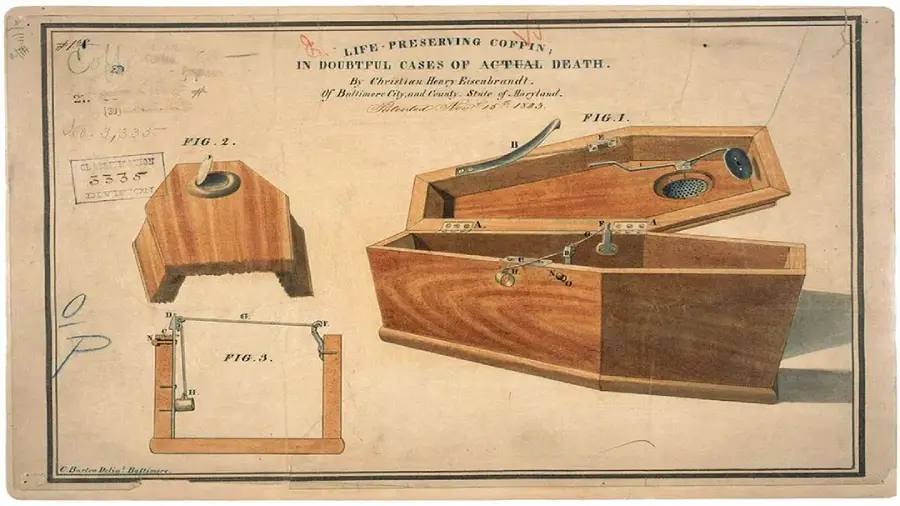
Patented by Franz Vester in 1868, this complex safety casket featured an air pipe, a ladder, and a bell pull to save people who were accidentally buried alive. The design was a serious response to Victorian-era anxieties regarding premature burial, giving panic-stricken occupants a mechanical lifeline to the surface.
Explore more weird inventions:
Revisiting these historical patents reminds us of the unique, completely unpredictable pathways that human creativity can take when left entirely to its own devices. Looking back at these motorized ice cream cones, escape caskets, and high-five simulators proves that while technology and safety standards change completely across the generations, the human drive to experiment remains entirely constant. When we choose to look past the modern convenience of our current sleek gadgets to appreciate the messy, hilarious history of early inventors, we gain a much deeper understanding of technology history. If you enjoyed taking this fascinating journey back through the stranger corners of human ingenuity, make sure to check out these 18 Modern Inventions That Nobody Actually Asked For or 15 Mid-Century Inventions That Failed to Change the World. You can also enjoy these 19 Eccentric Inventions People Actually Tried to Sell.