Gaming has always had a soft spot for bad ideas with good marketing. Every few years, something shows up that gets pitched like the future, then immediately makes people ask who exactly signed off on it. Not every flop is interesting, but some are so oddly conceived, or so badly timed, that they stick around in memory longer than better products do. These are the ones that really feel like somebody in the room should have just said, no, we’re not doing this.
The Virtual Boy
r/nintendo
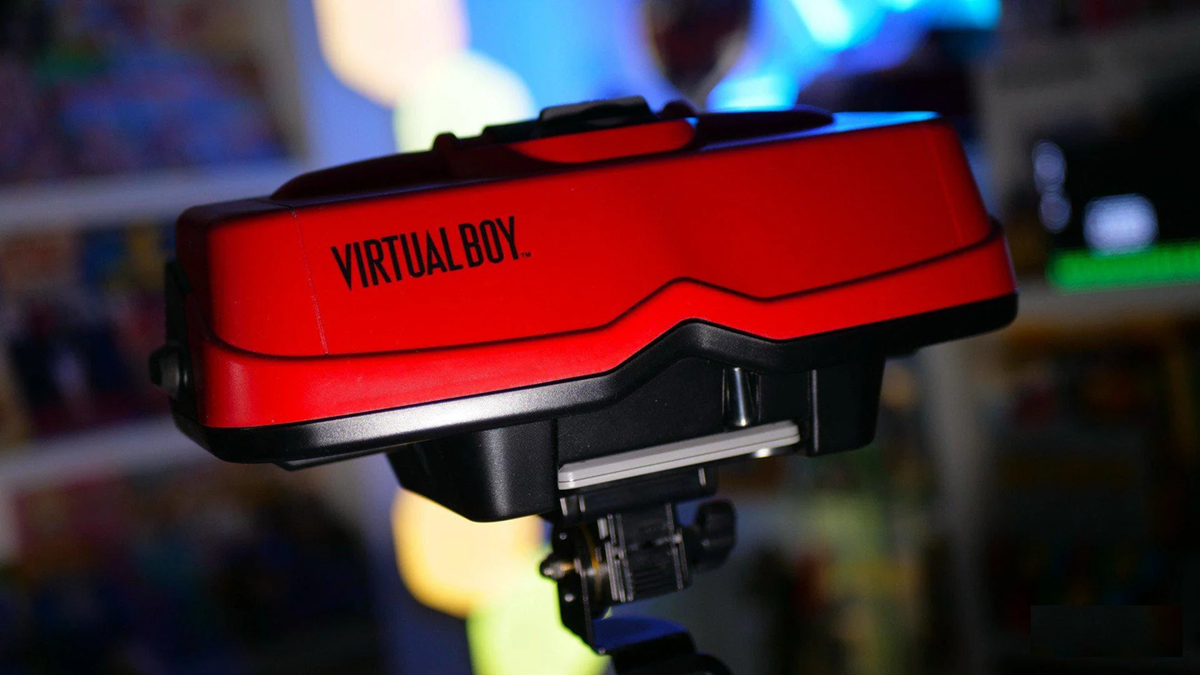
The Virtual Boy is still one of the strangest things Nintendo ever put its name on. It came out in 1995 looking less like a game system and more like a dentist’s tool, and the experience was not much friendlier. You had to lean into it, lock yourself into that posture, and stare at harsh red visuals that turned a short play session into a minor endurance test. The funny part is that the sales pitch, portable-ish 3D gaming, was not totally absurd. The actual machine was.
The Nokia N-Gage
r/todayilearned
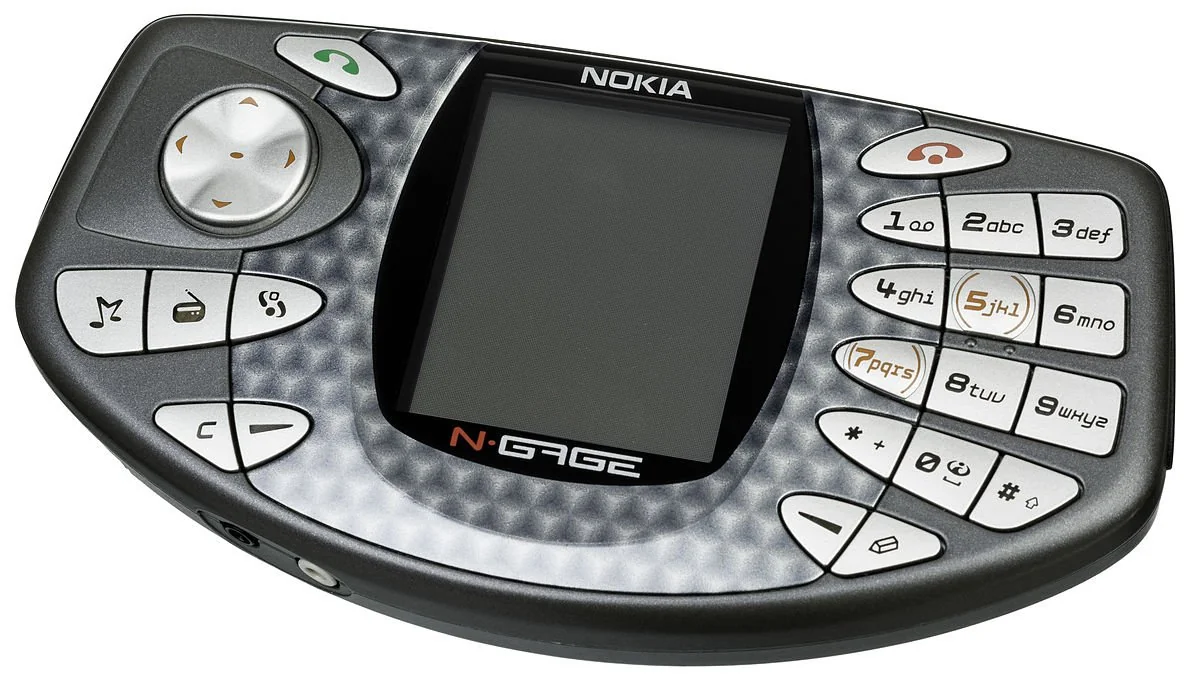
There was a point when a phone-console hybrid sounded like the kind of thing every big electronics company would eventually try. Nokia actually did it, and the result was the N-Gage, a device that never seemed comfortable being either one. As a gaming handheld, it felt awkward in the hands. As a phone, it became famous for forcing people to hold it sideways against their face, which pretty much killed any hope of looking cool in public. The original model even made swapping games more annoying than it needed to be, since the slot sat under the battery. That alone should have set off alarms somewhere.
The Power Glove
r/gamecollecting
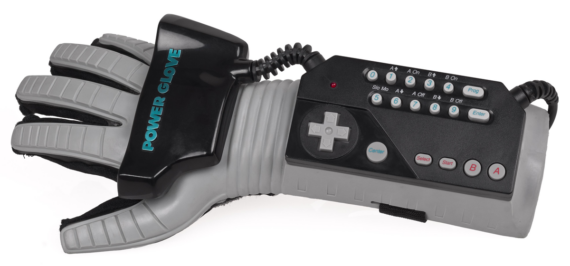
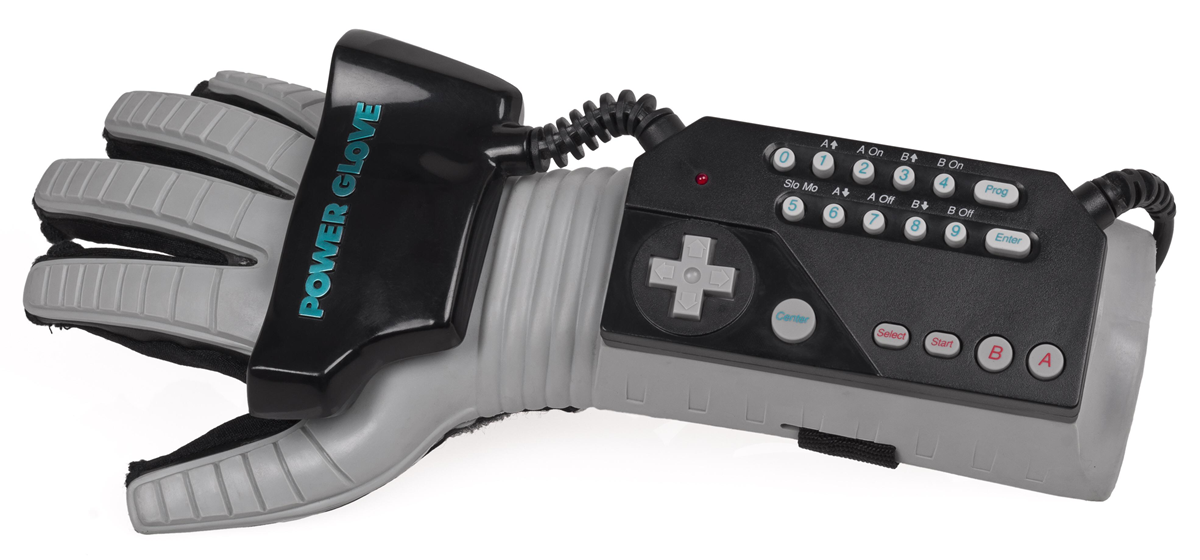
The Power Glove is one of those products that survived on image alone. In ads, it looked incredible. In living rooms, it mostly felt like wearing a plastic misunderstanding. Mattel released it for the NES in 1989, well before motion controls had any real chance of feeling smooth, and kids found that out the hard way. People still remember it fondly, but usually for what it promised, not for what it actually did.
Ouya
r/videogames
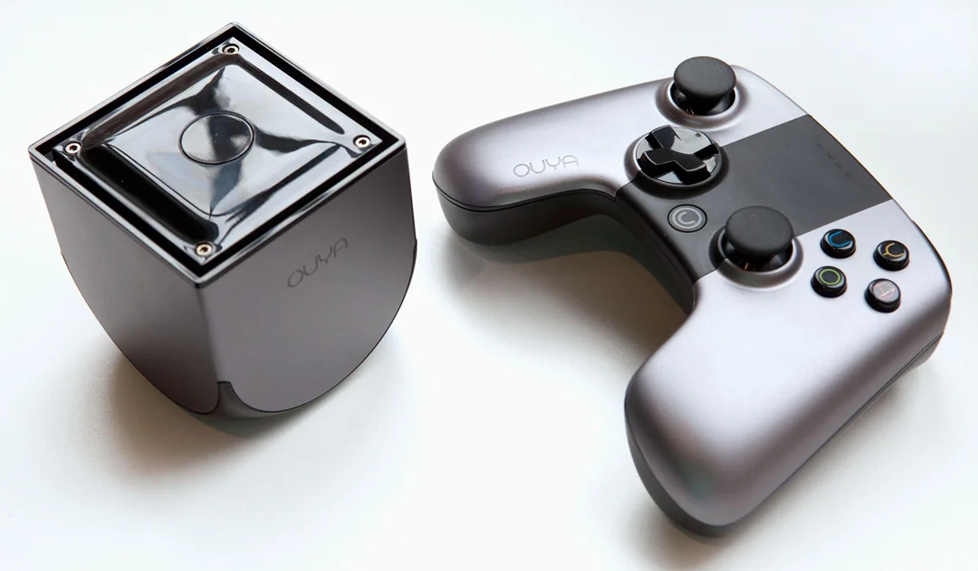
Ouya made a lot of sense when people were only talking about it online. A cheap, open console with Android roots and a friendlier path for indie developers, that was a pitch built for 2012. The Kickstarter hype was real, and for a minute it felt like it had found the exact weak point in the traditional console business. Then the thing launched, and most of the excitement drained out fast. The hardware felt cheap, the controller never inspired much confidence, and too much of the library had the vibe of games that were only there because they had nowhere else to be.
The Atari Jaguar
Wikimedia Commons
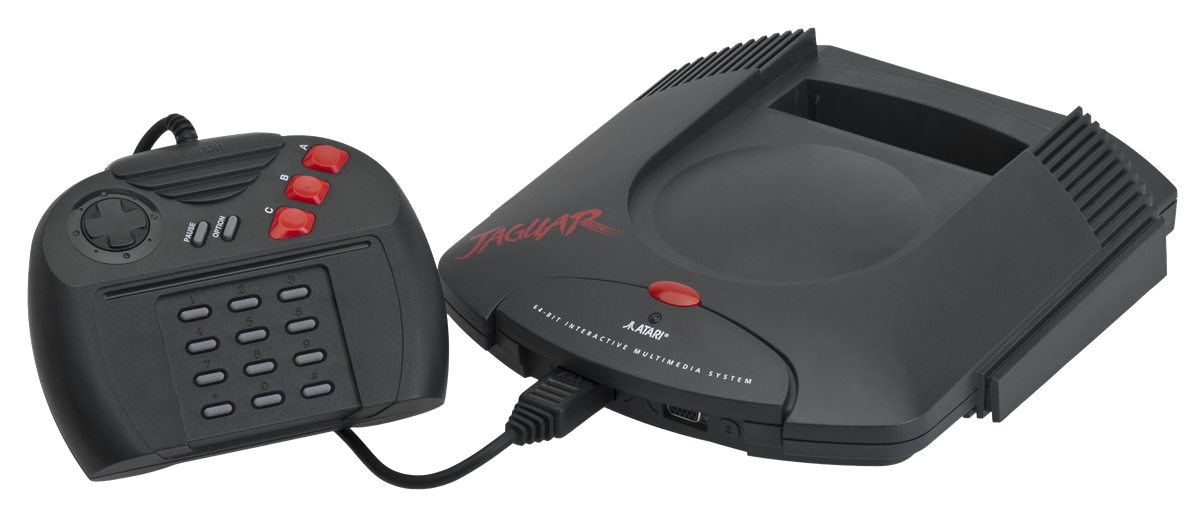
Atari sold the Jaguar on power, mostly by repeating the 64-bit point until people were supposed to stop asking harder questions. The trouble was that developers had plenty of harder questions, because the machine was notoriously awkward to work with and never seemed built to make anyone’s life easier. Then there was that controller, a slab of buttons that looked like it belonged to an answering machine from some alternate universe. The Jaguar did not just feel clunky. It felt hostile.
Trending on The Scroller


The Sega Activator
Museo del Videojuego
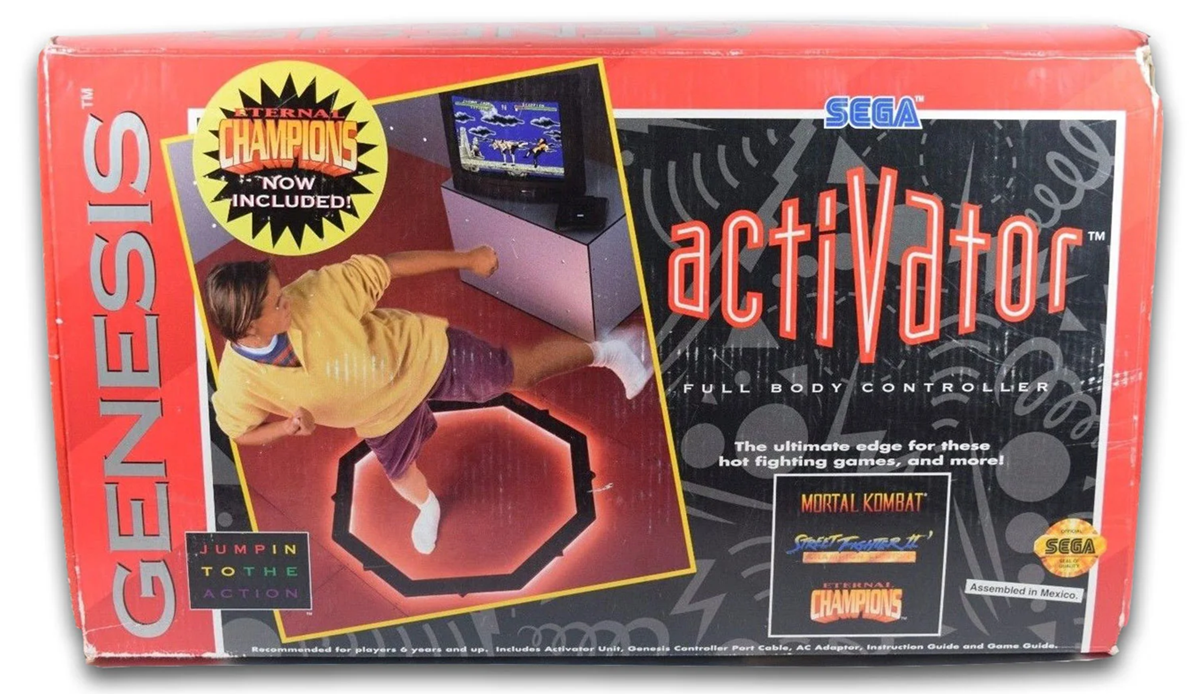
The Sega Activator looked like the sort of thing you would only believe after seeing it. Sega released it in 1993 as a motion controller for the Genesis, a plastic ring you stood inside while sensors tried to read kicks, punches, and movement. On paper, maybe that sounded futuristic. In practice, it mostly turned ordinary games into an argument between your body and a piece of plastic on the floor.
Game.com
r/tigergamecom
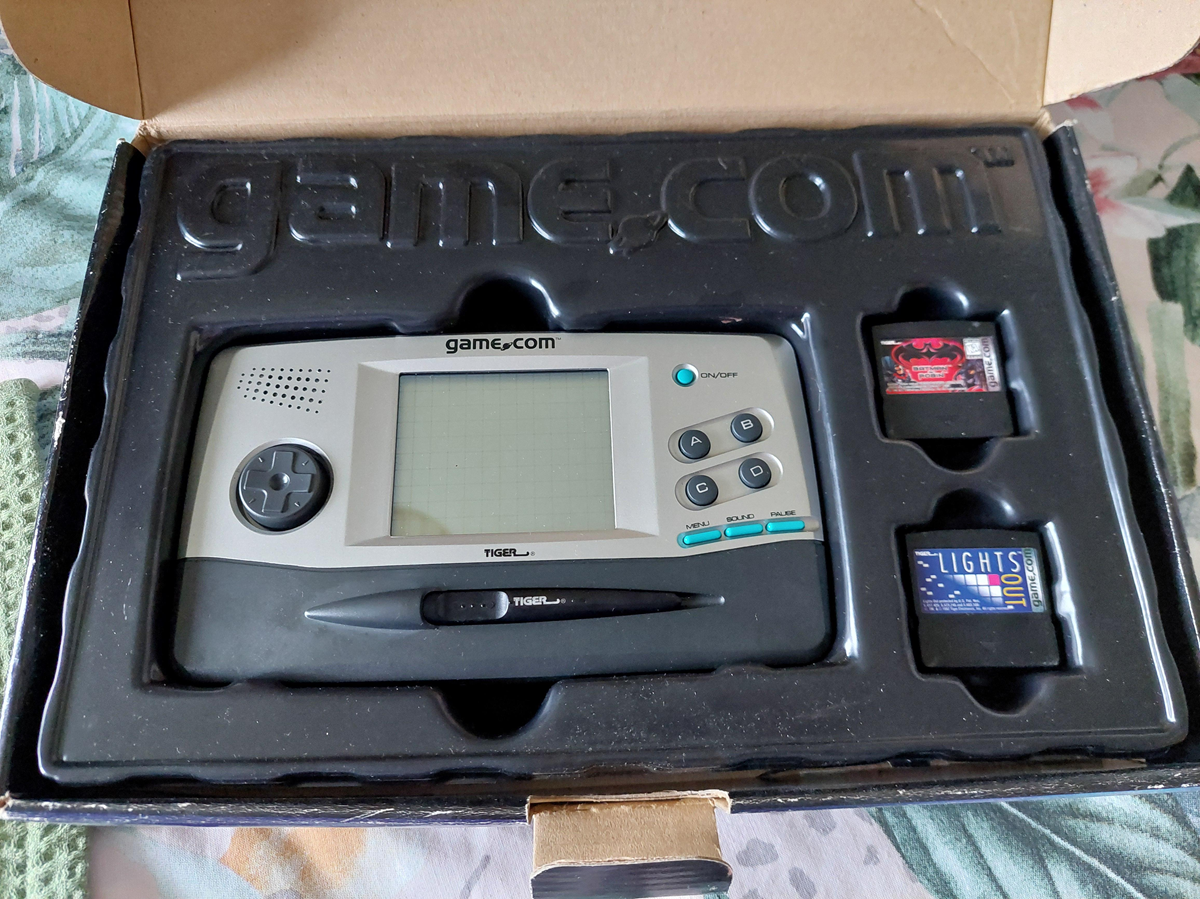
Tiger Electronics going after the handheld market was already a strange development. The Game.com tried to stand out with a touchscreen and internet-related features, which sounds much better now than it did once people actually had the system in their hands. It was slow, the screen looked rough, and everything about using it felt a little drained of fun. The oddest part was the licensing. Seeing names like Resident Evil 2 attached to that hardware only made the whole thing feel more off.
The Razer Zephyr
r/esports
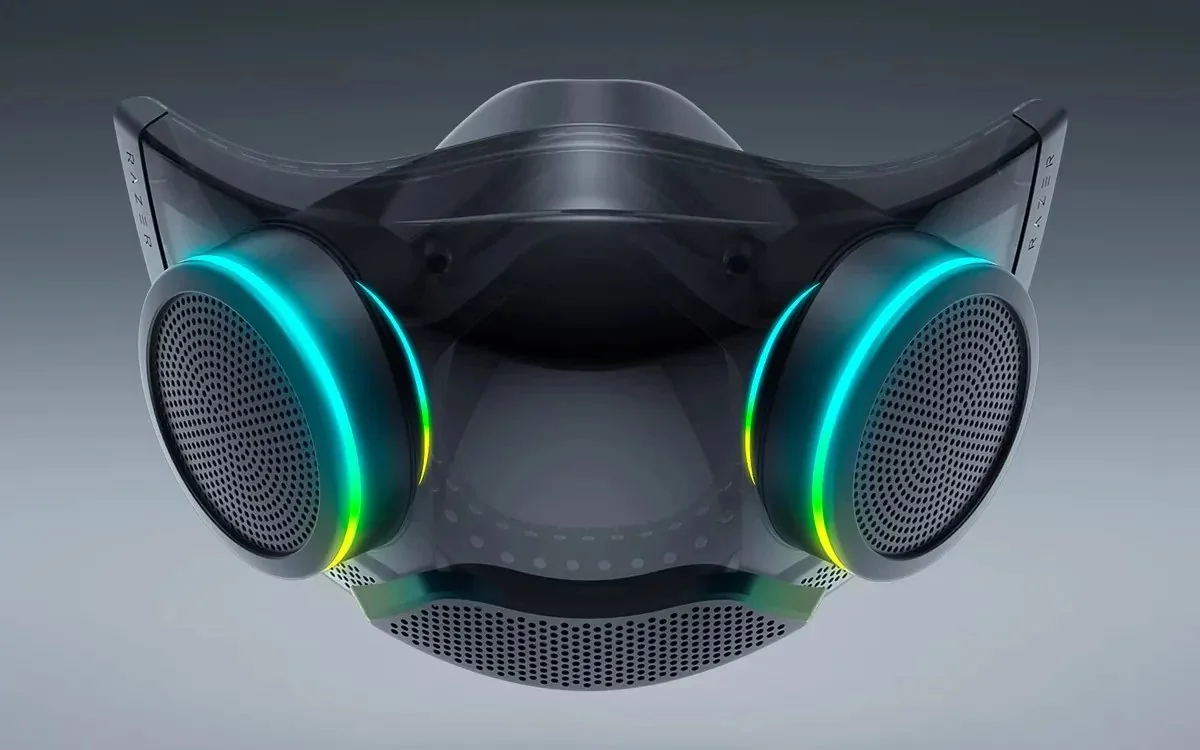
Not all bad gaming products are built for games. The Razer Zephyr landed in 2021 as an RGB face mask that looked exactly like something a gaming brand would make once nobody in the room said stop. The bigger problem was not even the look; it was the way it got marketed, which left too much room for buyers to think they were getting a serious protective mask rather than a flashy wearable with much murkier claims. It was one of those cases where brand style ran way ahead of common sense.
Sign up for our newsletter
The Gizmondo
r/gamecollecting
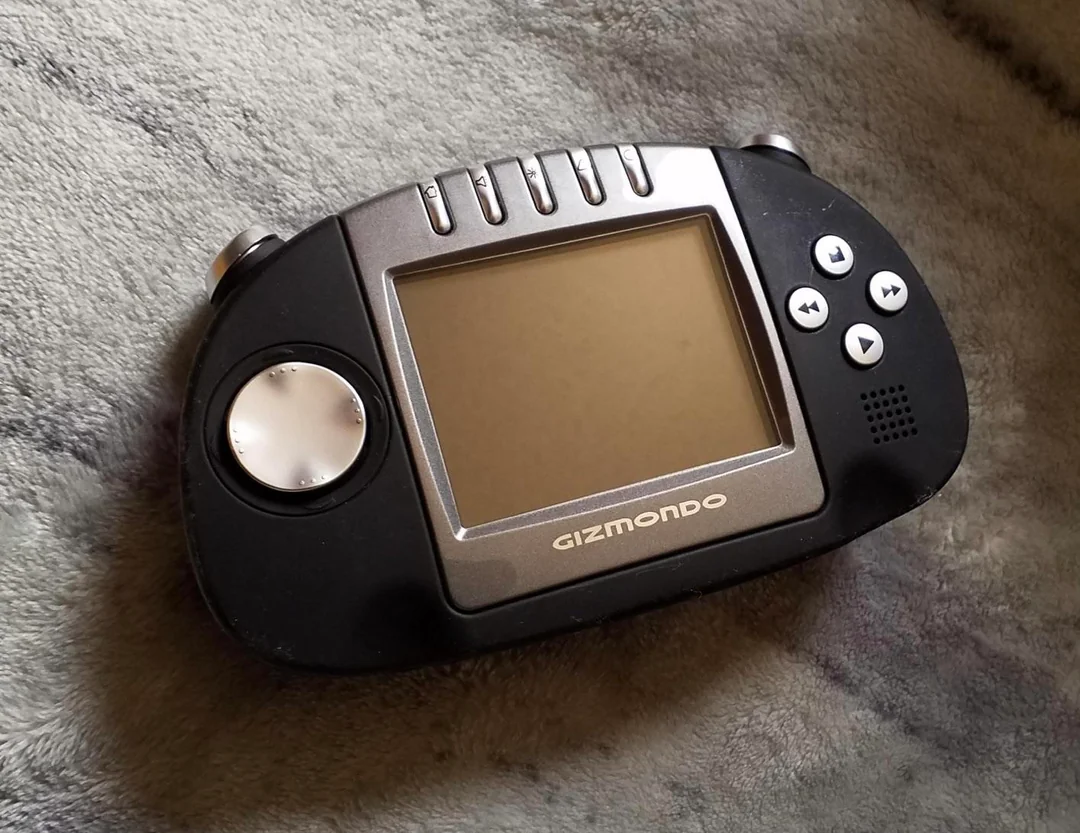
The Gizmondo story has always felt a little too weird to be real. It launched in 2005 with a pile of features, GPS, messaging, media playback, camera support, all the usual signs of a device trying to be everything at once. The software side was weak, the strategy was messy, and the people behind it somehow managed to make the whole thing even harder to take seriously. Plenty of failed handhelds disappear quietly. This one crashed loudly, in every sense.
The Atari 5200 Controller
r/sbcgaming
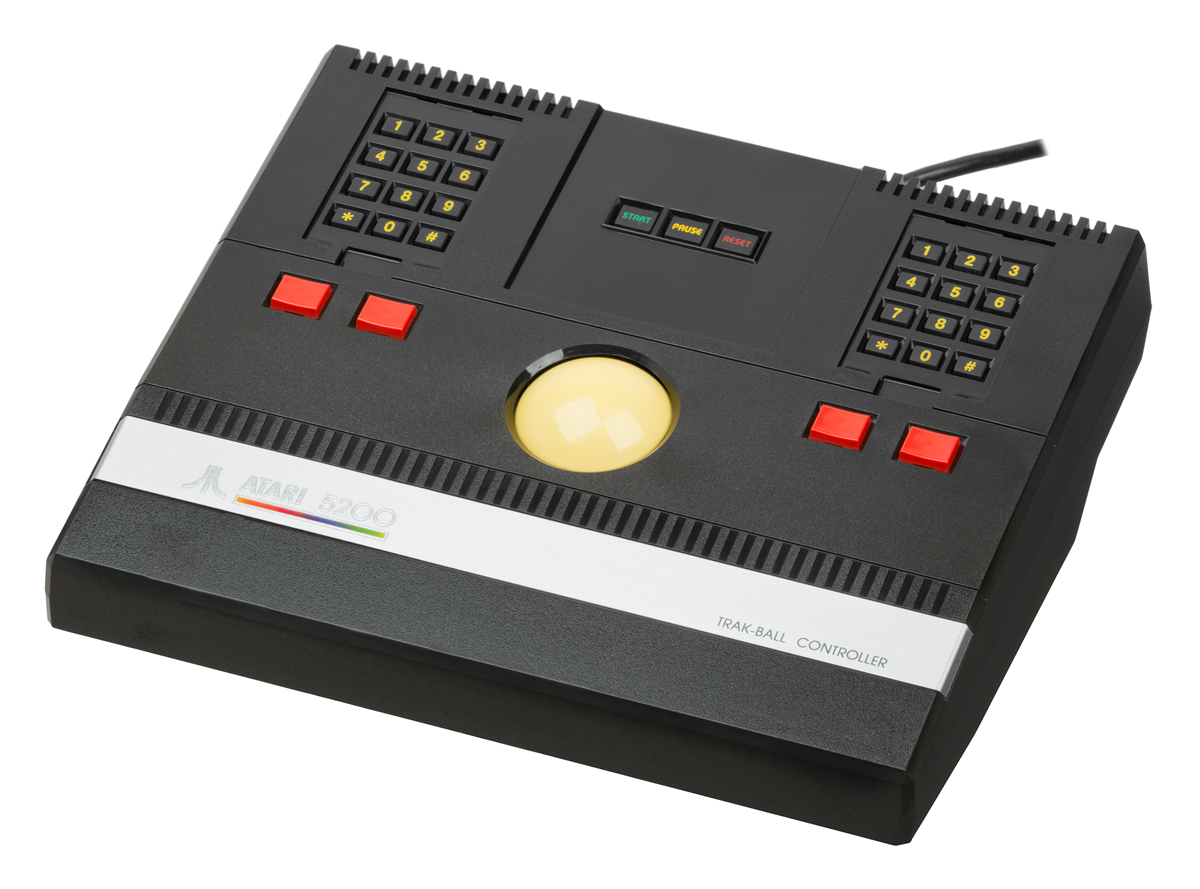
Some bad products are summed up in one part. The Atari 5200 controller is one of them. The analog stick did not self-center properly, the keypad made everything feel more complicated, and the whole shape of the thing gave off the impression that nobody had tested it for long enough to become annoyed. It is still the kind of controller people mention with a tired look, which is usually the clearest review possible.
The Wii U’s Messaging

The Gamer
The Wii U is here less because of what it was than because of how badly it was explained. The system launched in 2012, and a surprising number of people were still unsure whether they were looking at a brand-new console or just some kind of Wii add-on. That confusion hung over it from the start and never really left. Hardware can recover from a rough first impression sometimes. A product identity problem is harder to shake.
The Steam Controller
r/steamdeck
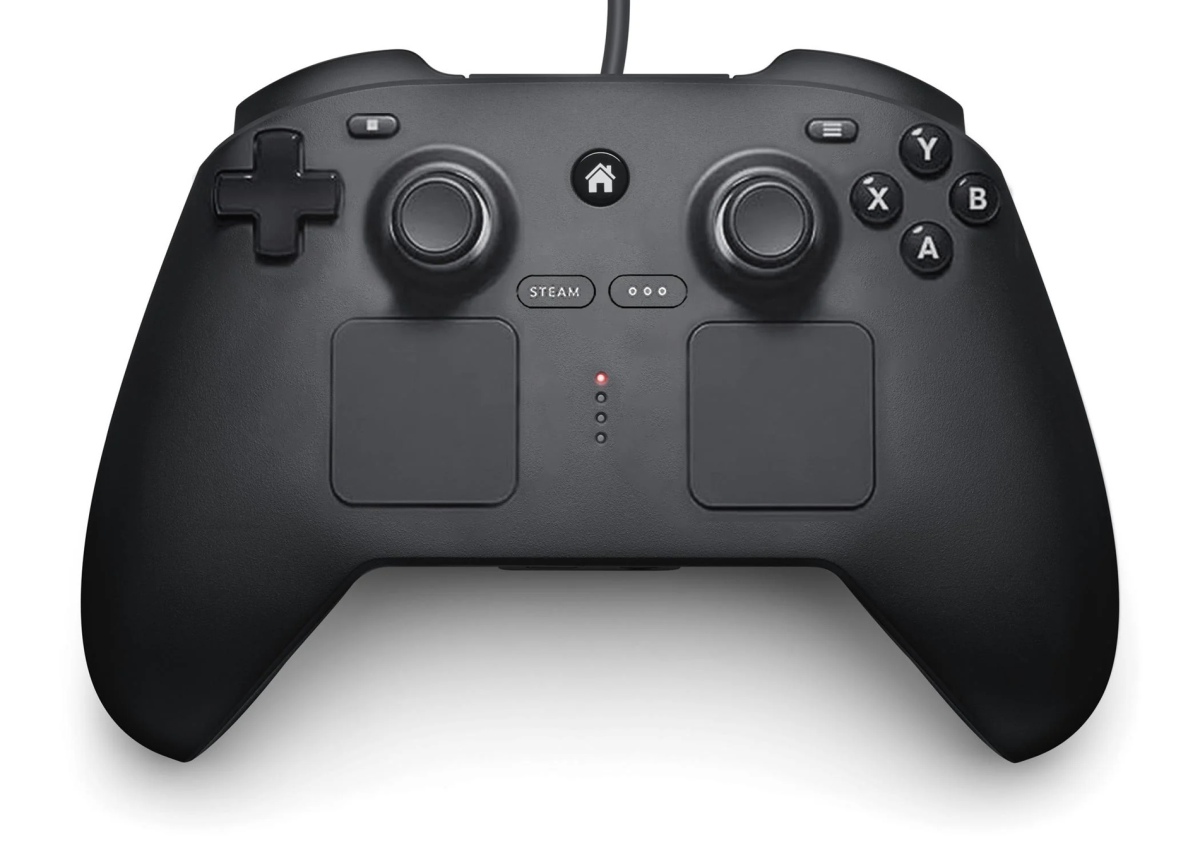
The Steam Controller had real ideas behind it, which almost makes its failure more interesting. Valve was clearly trying to solve something, especially for PC players who wanted a better couch setup without giving up too much flexibility. But the trackpads, the layout, and the overall feel made it seem like a controller designed for people who enjoyed adjusting settings more than most people enjoy playing. A small group loved it. Most everyone else looked at it for a minute and decided life was too short.
The Sega Pico
r/gaming
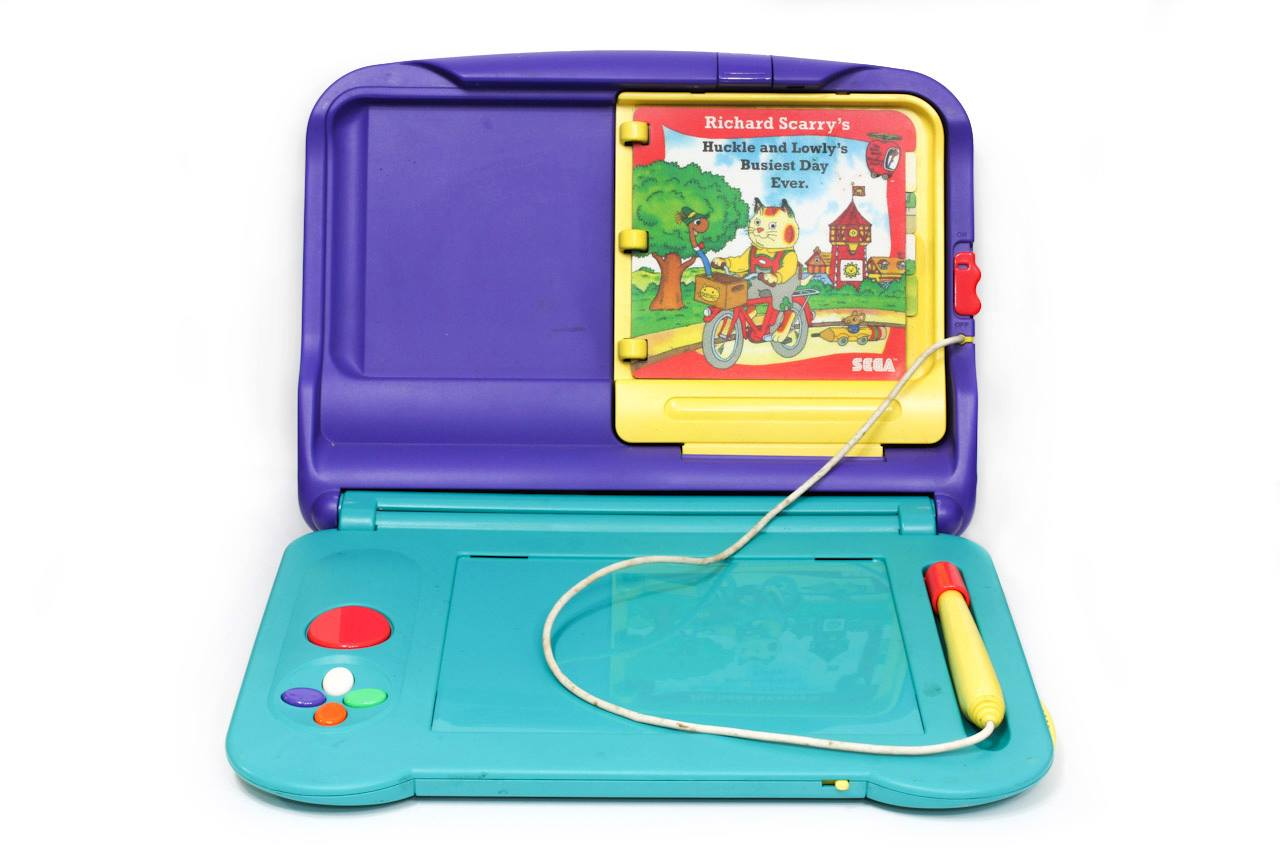
The Sega Pico never had the same disaster aura as some of the others here, but it still carried a strong why are we doing this feeling. It leaned into the educational toy space, used picture-book style software, and looked more like something from a preschool activity corner than from a company that had built its name on arcade energy and home console swagger. There probably was a market for it. It just never felt like a product anybody was asking Sega to make.
The Intellivision Amico
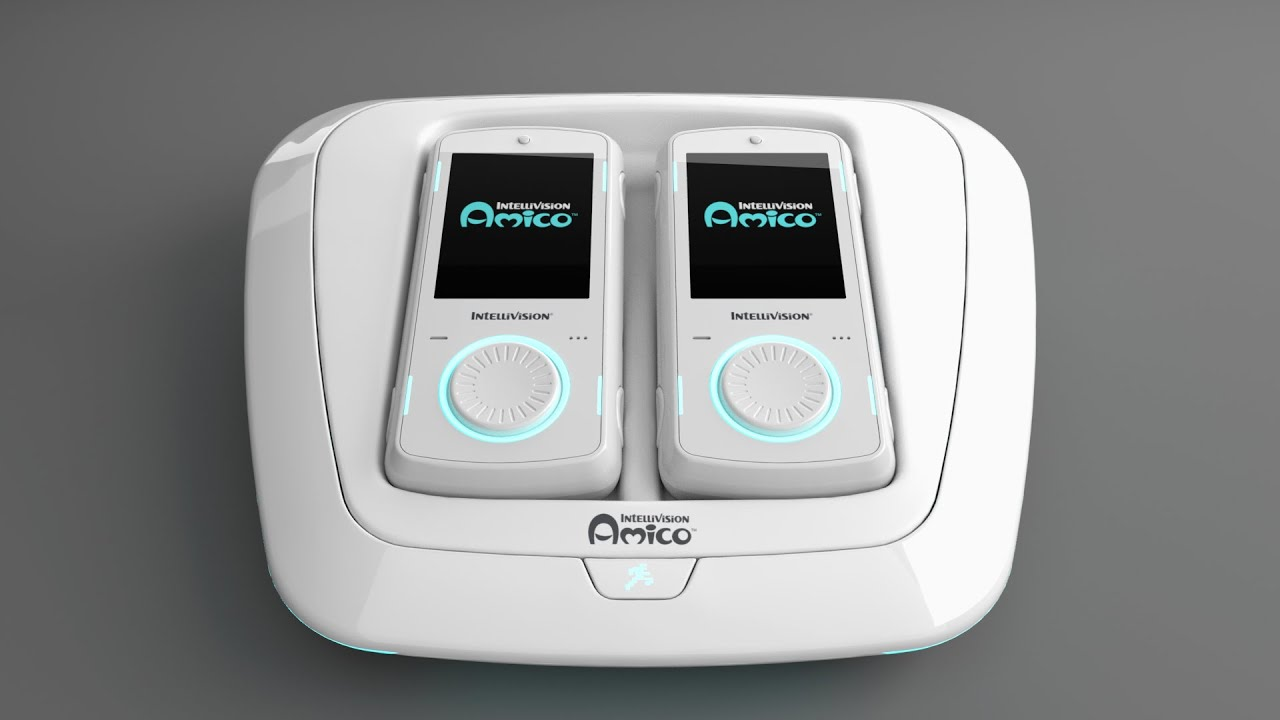
r/games
By the end, the Amico felt less like a console launch and more like a very long online thread that nobody knew how to exit. The concept itself, a family-friendly machine built around simple local multiplayer games, was not ridiculous. But the delays kept piling up, the messaging got stranger, and the whole thing started to drift into that territory where a product no longer feels late; it feels imaginary. Once a launch spends that long surviving on promises, the room has already gone quiet for a reason.
A lot of these products came from ideas that were not completely hopeless. That is usually what makes them memorable. They were close enough to a trend, or a real need, or a genuinely decent pitch that somebody convinced themselves they were worth pushing through. Then they came out, and the gap between the idea and the object was impossible to ignore.
In the mood for more?
You can Travel Back to 1996 With This Vintage Toys R Us Insert, or check out these Everyday Products with Surprising Hidden Features. If you want to dive into fictional products and brands, you can check out 14 Fake Brands From Movies That Fans Still Remember.