Technology has a funny way of aging fast. Gadgets that once looked futuristic now turn up in garage sales, thrift stores, basements, and grandparents’ attics, often buried under cables nobody remembers saving. Some were expensive status symbols, while others briefly seemed like things every household would eventually need. These 15 devices were once considered cutting-edge, even if they now look like relics from another era.
1. Portable CD Players
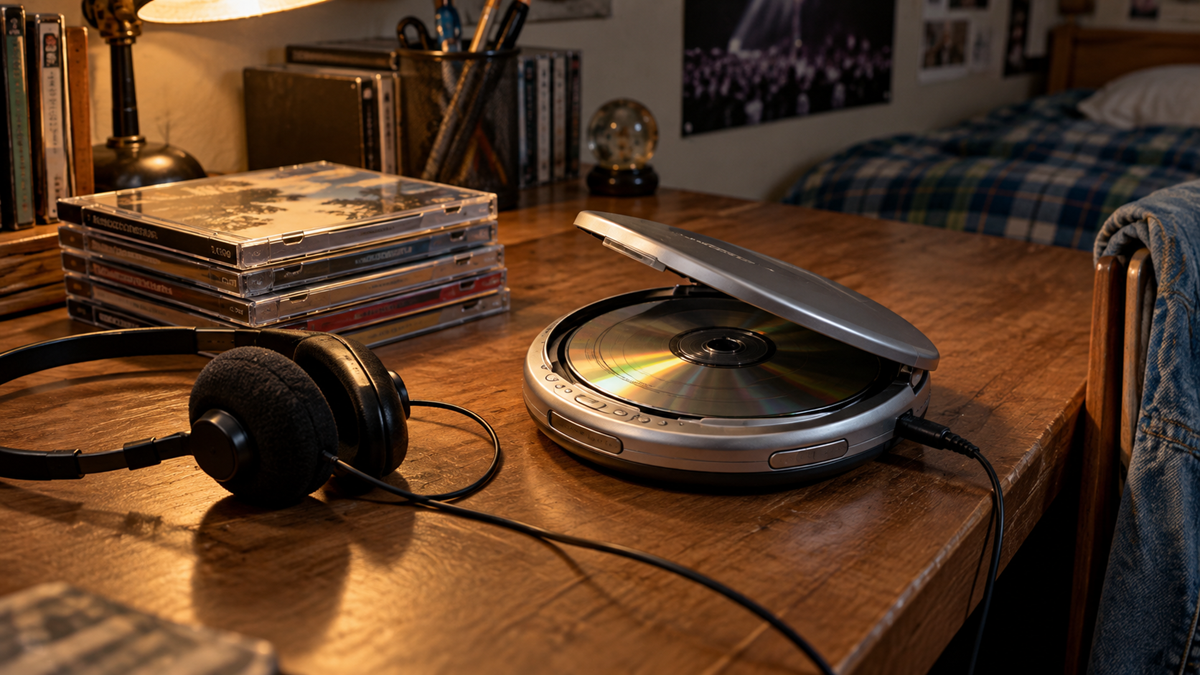
Carrying music around used to involve a little planning. A portable CD player was only part of the setup, because most people also needed a wallet full of discs and some patience whenever the player skipped. Sony’s Discman became the best-known version of the idea, and later models added anti-skip systems that helped, but never completely solved the problem. Once MP3 players arrived, carrying ten or twenty albums suddenly felt like far too much work.
2. VHS Camcorders
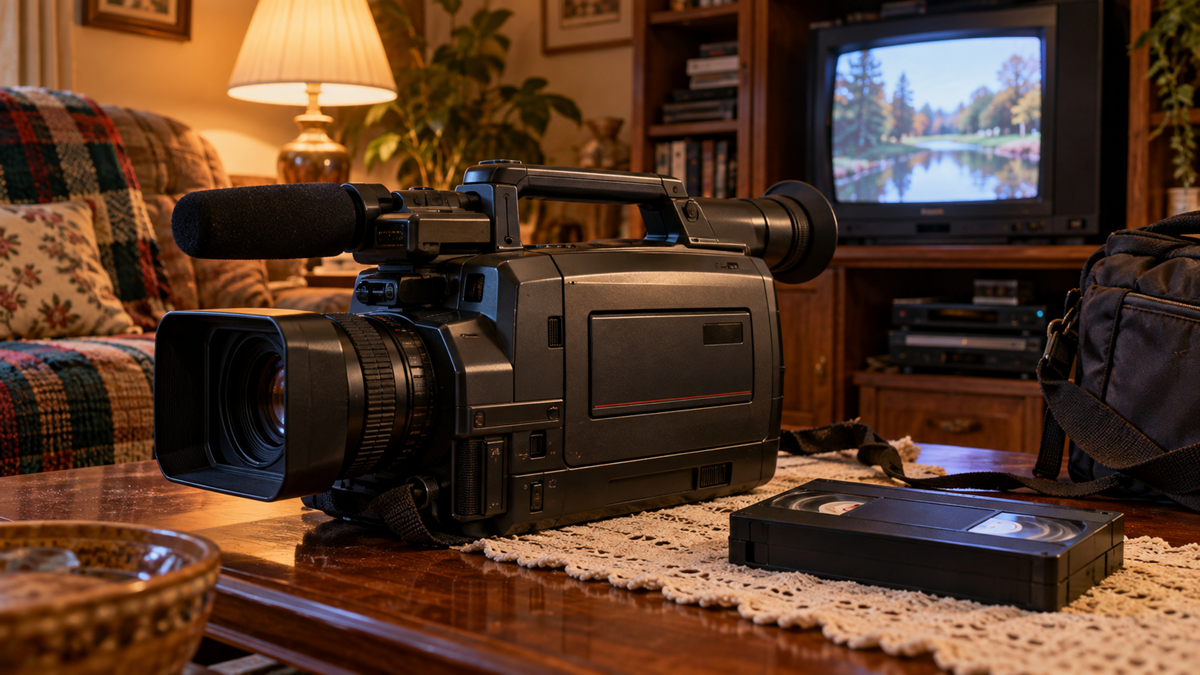
Home videos once came with some serious hardware. Full-size VHS camcorders were bulky enough to sit on a shoulder, while smaller VHS-C models were easier to carry but still far from pocket-sized. They showed up at birthdays, vacations, school events, and just about any family occasion someone thought was worth saving. The tapes usually ended up in a cabinet somewhere, often with handwritten labels that made sense only to the person who recorded them.
3. Palm Pilots
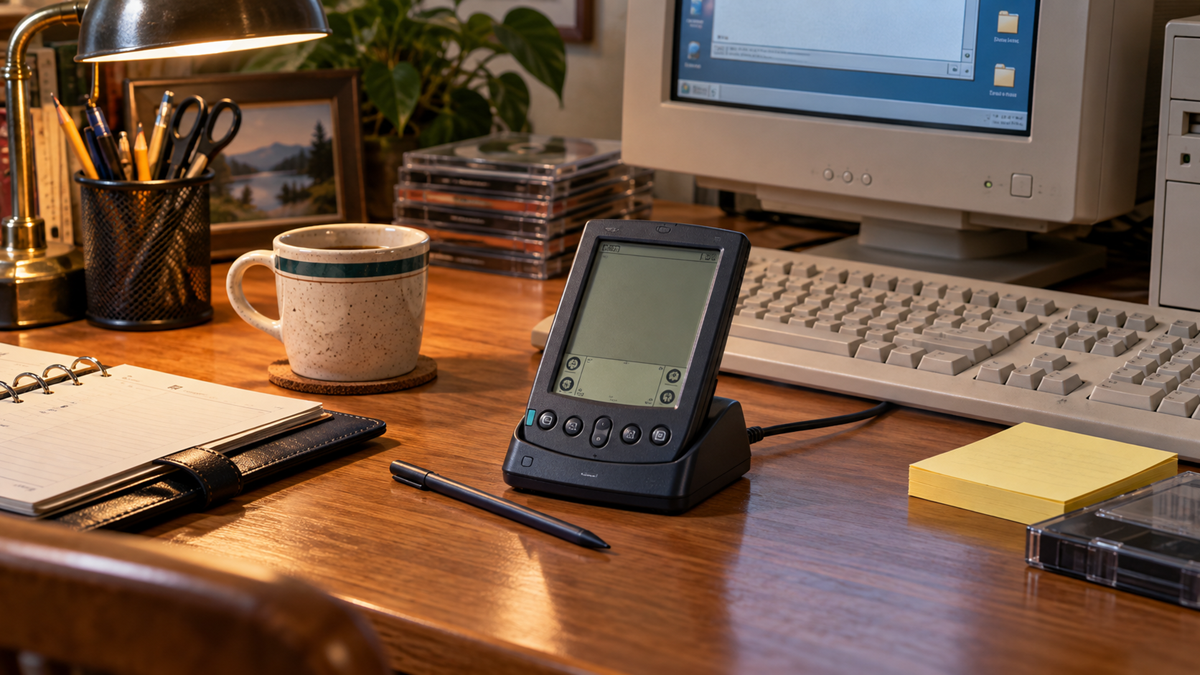
Before smartphones swallowed half the contents of a briefcase, PalmPilots handled the practical stuff: contacts, calendars, notes, and reminders. The stylus was part of the appeal, especially with Palm’s Graffiti handwriting system, which let users enter text directly on the screen. In the late 1990s, pulling one out during a meeting could make someone look unusually organized. Now it mostly looks like a tiny computer from a very specific moment in tech history.
4. Answering Machines
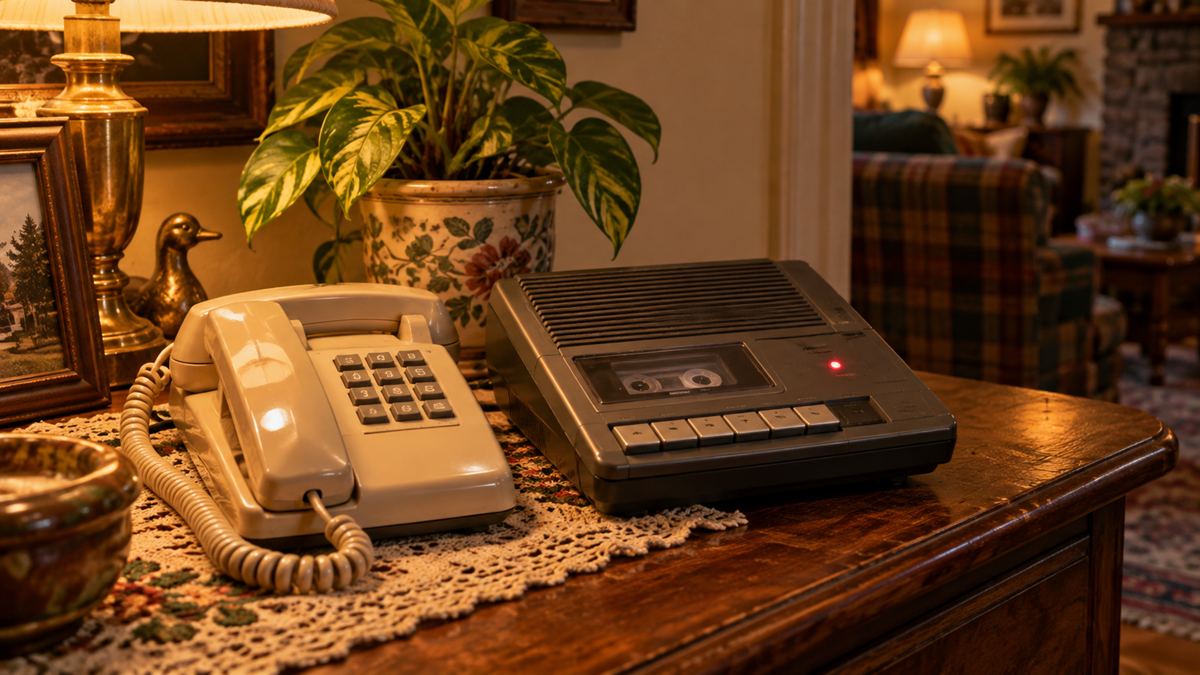
Coming home used to mean checking whether the answering machine was blinking. Earlier models recorded messages on tiny cassettes, while later ones stored them digitally, but the routine stayed basically the same. Someone called, left a message, and whoever got home first usually heard it before everyone else. Built-in voicemail eventually made the separate machine feel unnecessary.
5. Portable Cassette Players
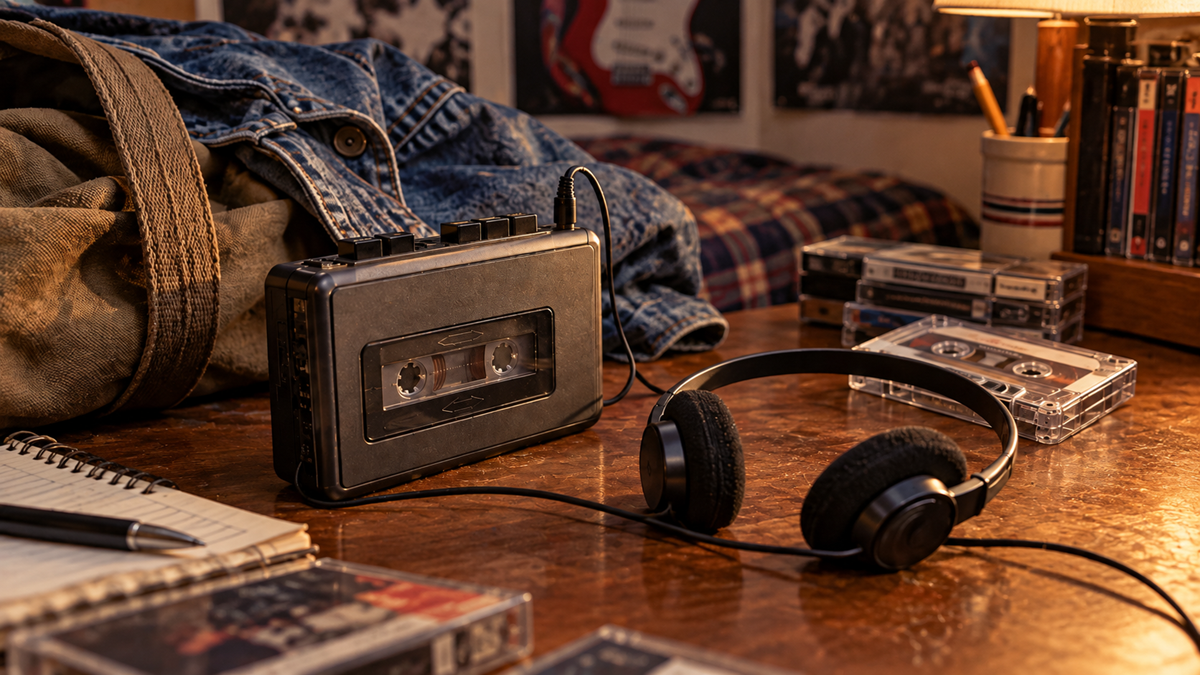
The Walkman made music feel much more personal. Instead of listening to whatever was on the radio, people could carry a favorite tape on the bus, on a walk, or just around the house. Later cassette players added auto-reverse, radio tuners, and slimmer designs, but they still came with the occasional chewed tape or worn-out belt. That was simply part of owning one.
Trending on The Scroller

6. Fax Machines
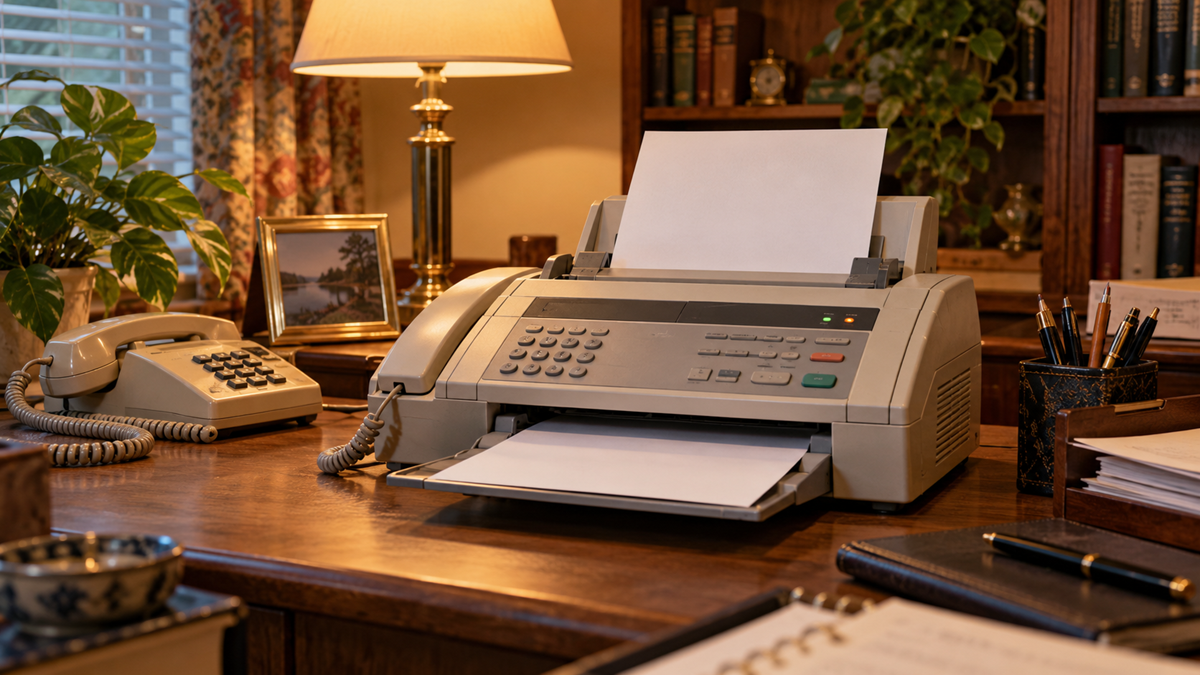
For years, the fax machine was one of those office tools people simply expected to see. Feed in a document, dial a number, wait through the electronic squeals, and a copy appeared somewhere else. It was fast enough to feel impressive at the time, even if the process now seems oddly cumbersome. Email and digital documents gradually pushed the machine to the edge of everyday office life.
7. CRT Computer Monitors
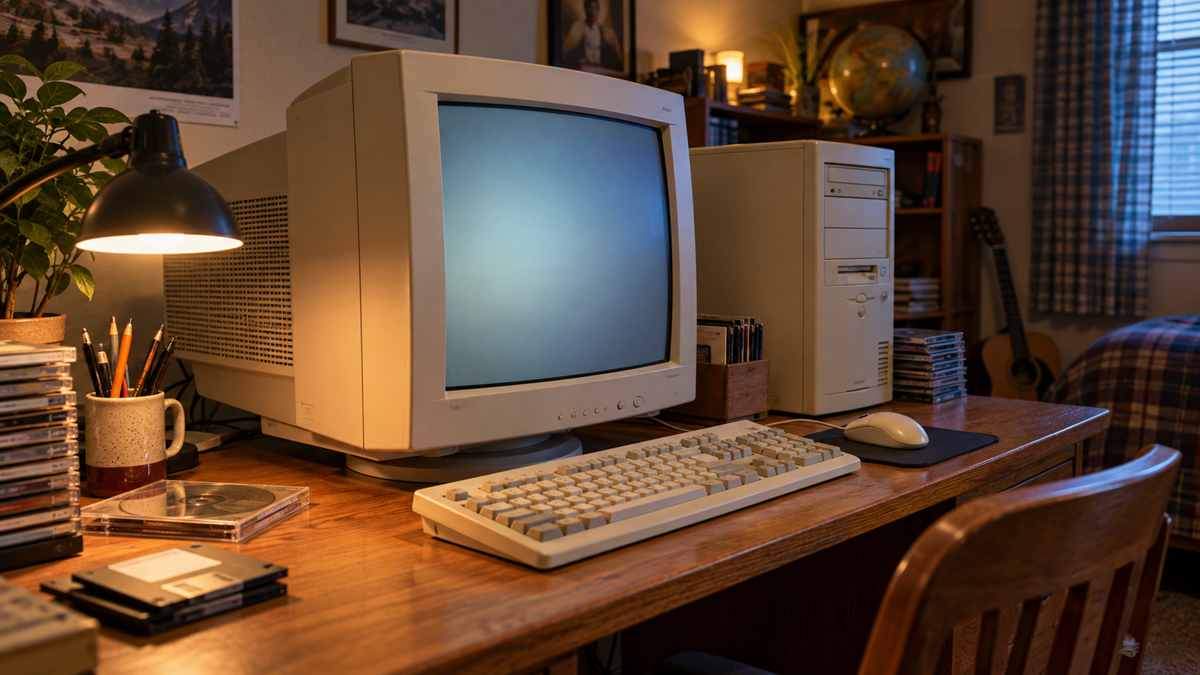
Old computer desks were basically built around the monitor. CRT screens were deep, heavy, and awkward enough that moving one usually meant clearing space first and using both hands. Some higher-end models still had excellent image quality, but convenience was never their strong point. Once flat-panel displays became affordable, those enormous beige boxes started disappearing fast.
8. Electronic Personal Organizers
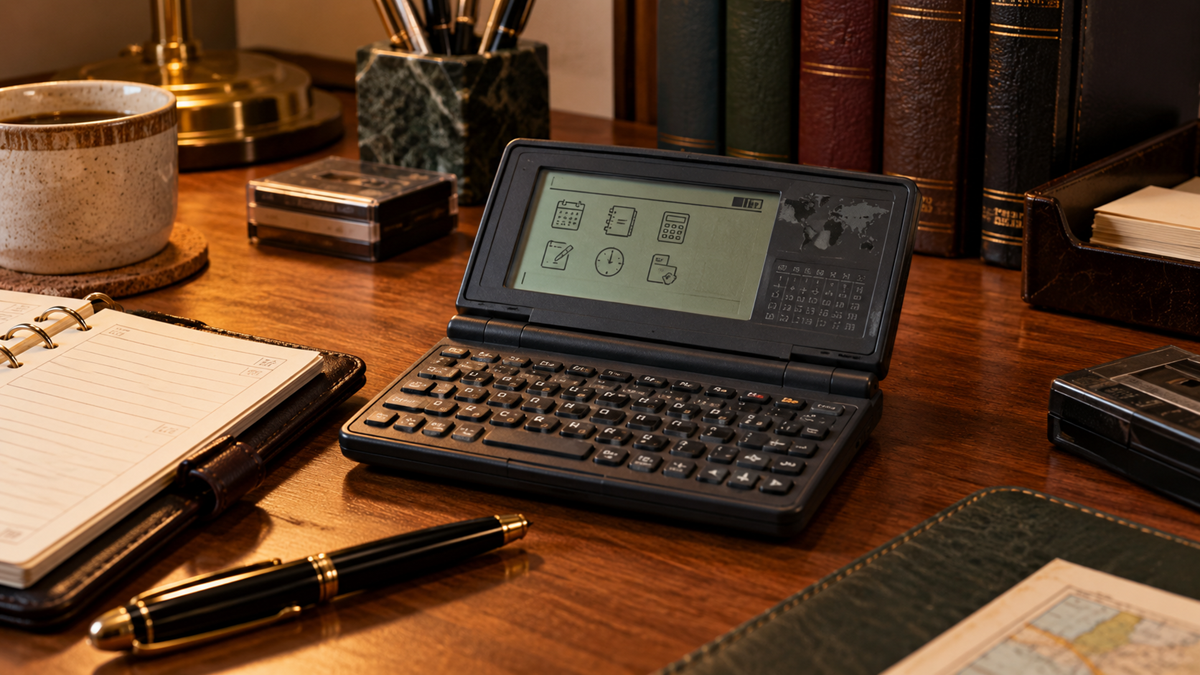
Before phones took over nearly every small daily task, electronic organizers had a much narrower job. Models from Casio, Sharp, and others stored contacts, appointments, notes, and calculations behind tiny keyboards and monochrome screens. Some squeezed in extras like dictionaries and world clocks, which felt surprisingly advanced for something that could fit in a jacket pocket. They were useful, but they also looked unmistakably like work.
Sign up for our newsletter
9. Portable Television Sets
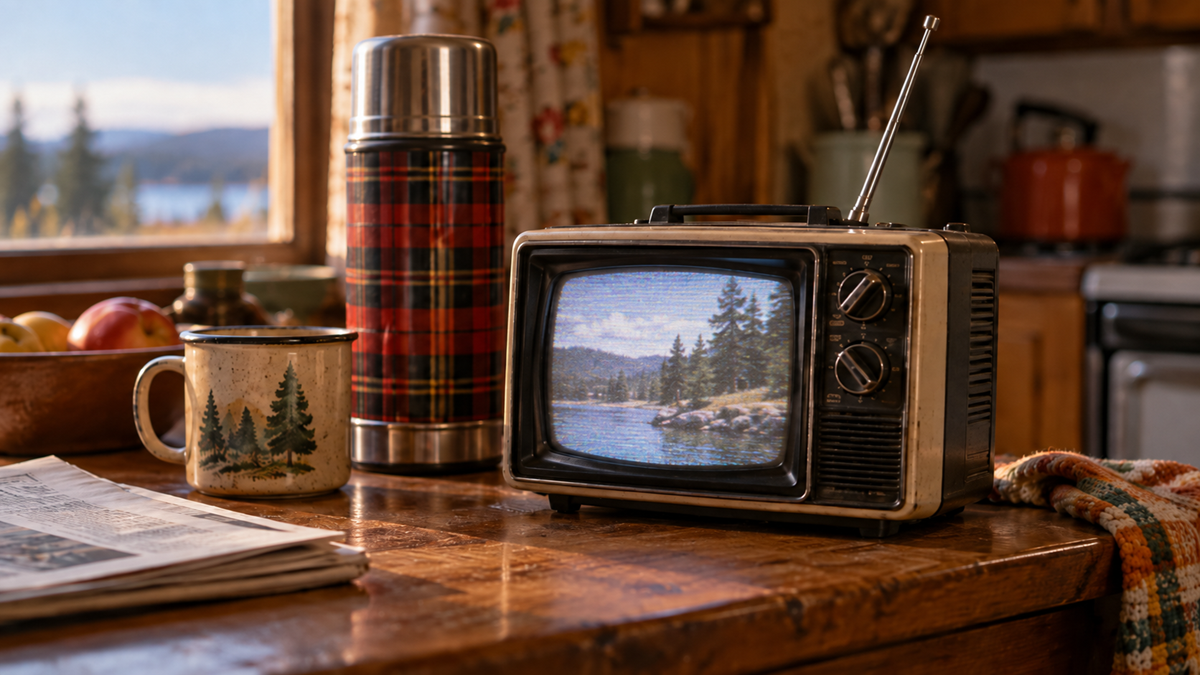
A tiny television with an antenna once felt genuinely useful. People brought them into kitchens, workshops, campers, and anywhere else a full-size set would have been impractical. Reception could be temperamental, and getting a clear picture sometimes meant adjusting the antenna over and over. Even so, having live TV in a box small enough to carry around was a pretty good trick for the time.
10. Handheld Cassette Recorders
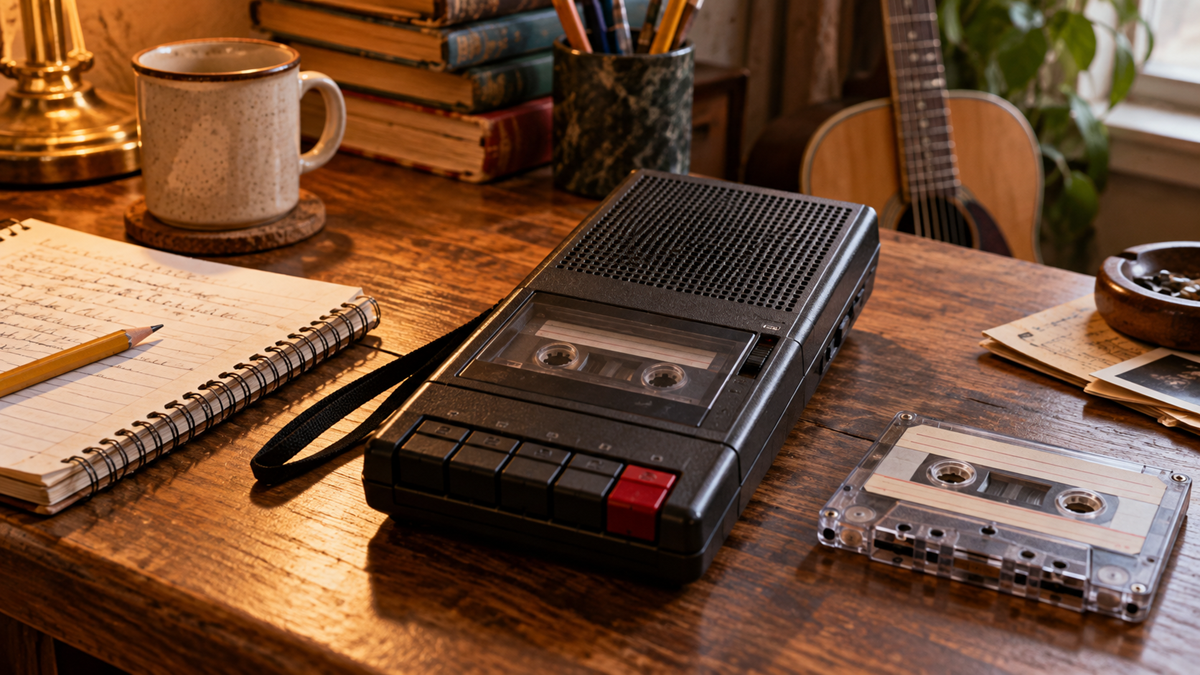
Small cassette recorders were everywhere from classrooms to newsrooms. Students taped lectures, journalists captured interviews, and musicians used them for quick ideas before they disappeared. Most were simple enough to operate without much thought: insert a tape, press record, and keep an eye on the batteries. There was not much elegance to it, but it worked.
11. GPS Navigation Units
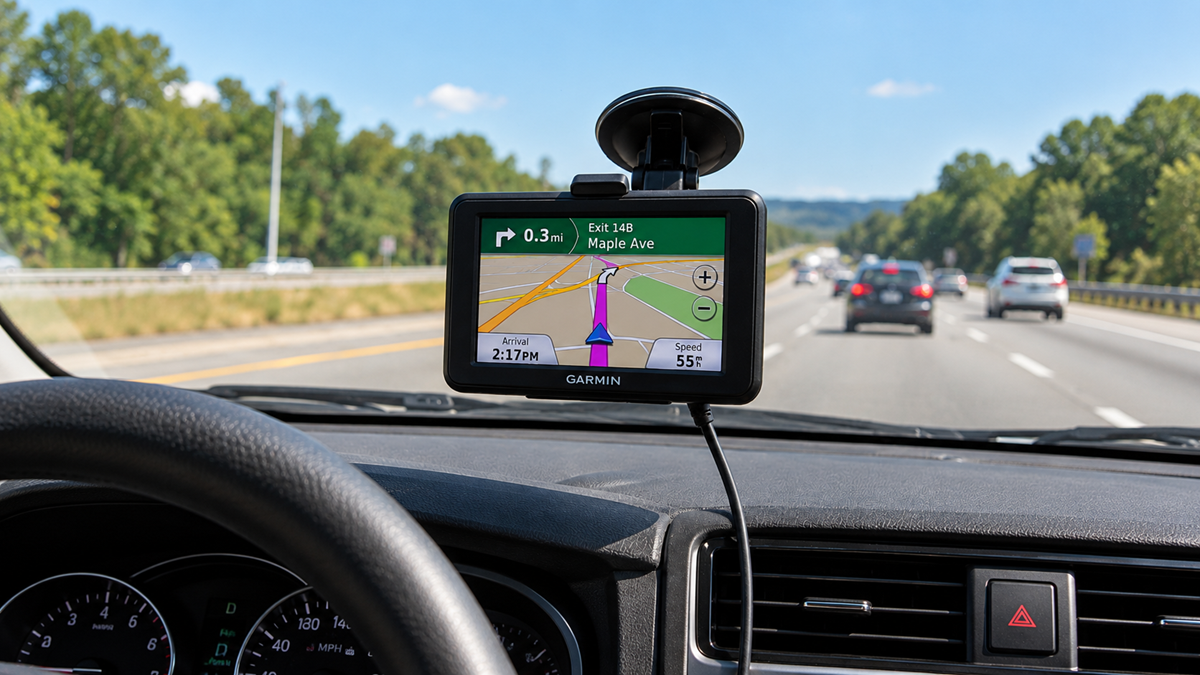
A separate GPS on the windshield used to feel like a serious car upgrade. Garmin, TomTom, and similar devices gave turn-by-turn directions without forcing drivers to unfold a paper map at a stoplight. The annoying part came later, when maps needed updating, and the device had to be connected to a computer. For a few years, though, having a little screen tell you exactly where to turn felt pretty sophisticated.
12. MiniDisc Players
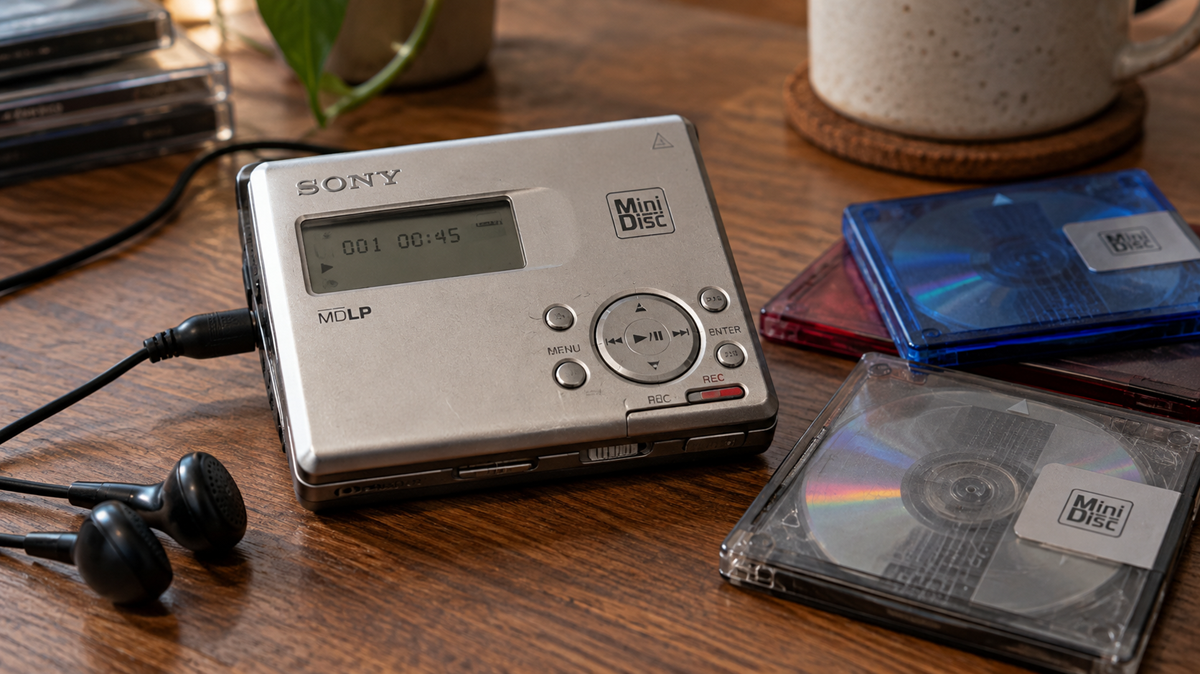
MiniDisc looked like a format that had figured out several problems at once. The discs were small, reusable, and protected inside a plastic shell, which made them easy to carry without worrying much about scratches. Sony pushed the format hard, and it found fans among music listeners, journalists, and audio professionals. It never became the everyday standard its supporters expected, but the hardware still has a devoted following.
13. Digital Photo Frames
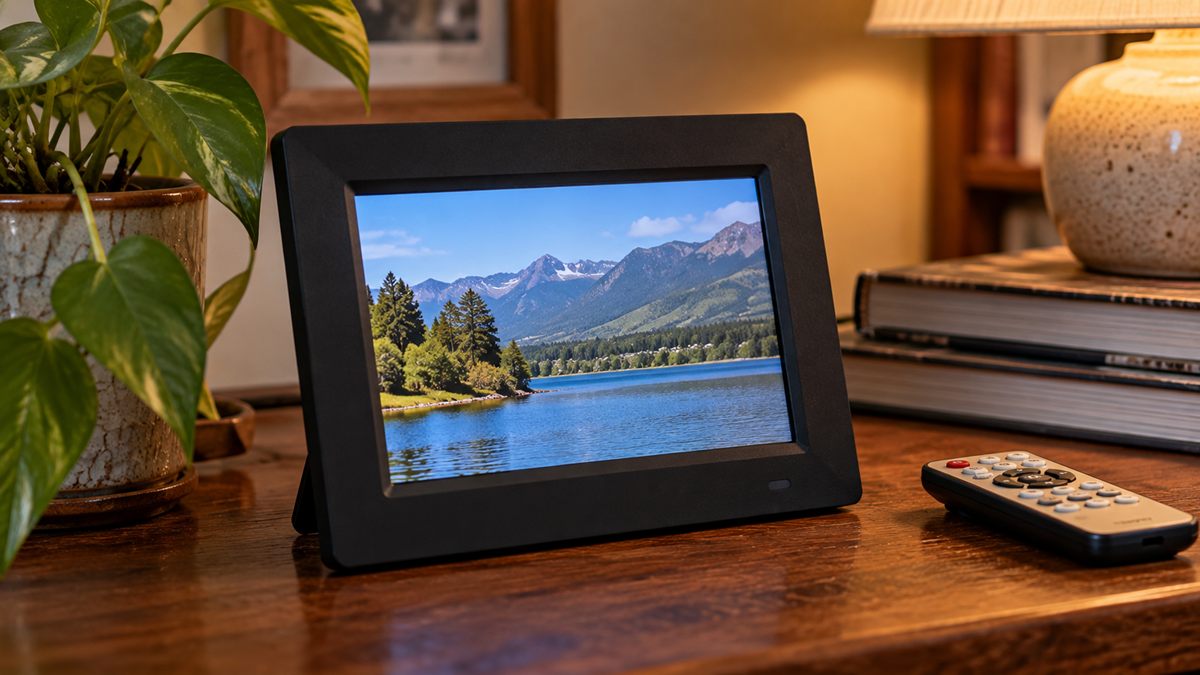
Digital photo frames were everywhere for a while, especially around the holidays. Load a memory card, set one on a shelf, and it would cycle through family photos all day without anyone touching it. They were simple, useful, and just novel enough to make a decent gift. Then phones, tablets, and smart displays started doing the same thing with a lot less fuss.
14. Pocket Electronic Translators
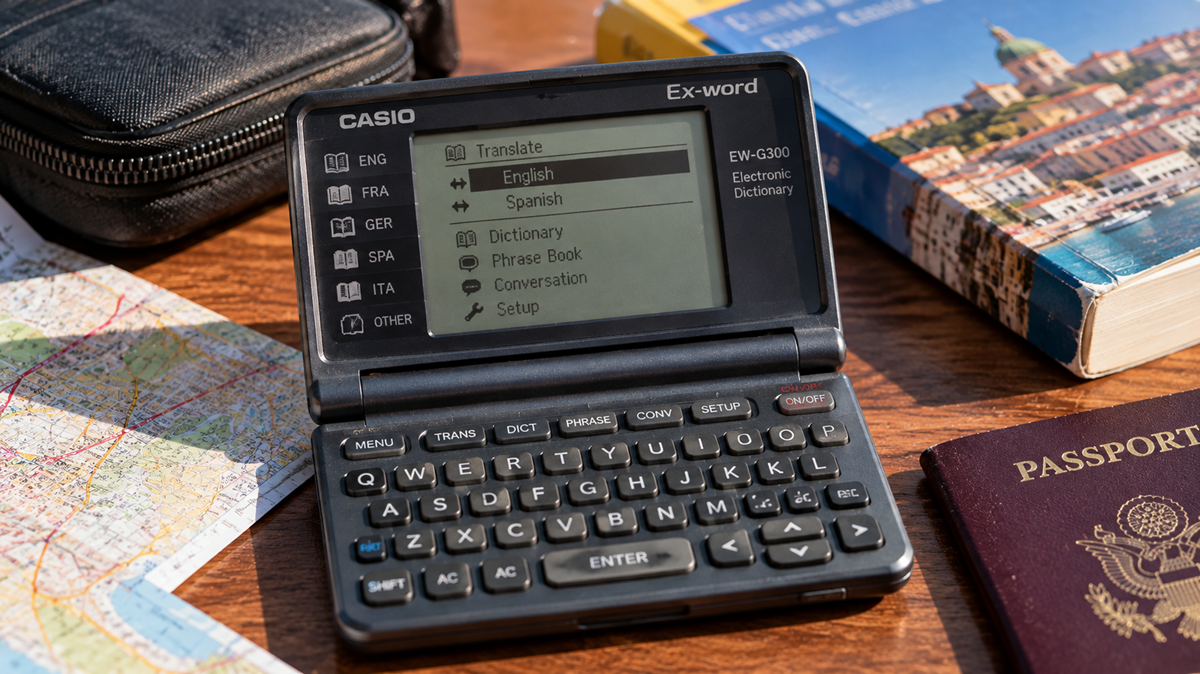
Pocket translators were handy little travel gadgets before translation apps became standard. Most had a small screen, a cramped keyboard, and built-in dictionaries or phrase lists for a handful of languages. They could help with basic words and common expressions, although using one in a real conversation was not always graceful. Still, carrying an electronic translator once felt a lot more advanced than flipping through a phrasebook.
15. Video Cassette Rewinders
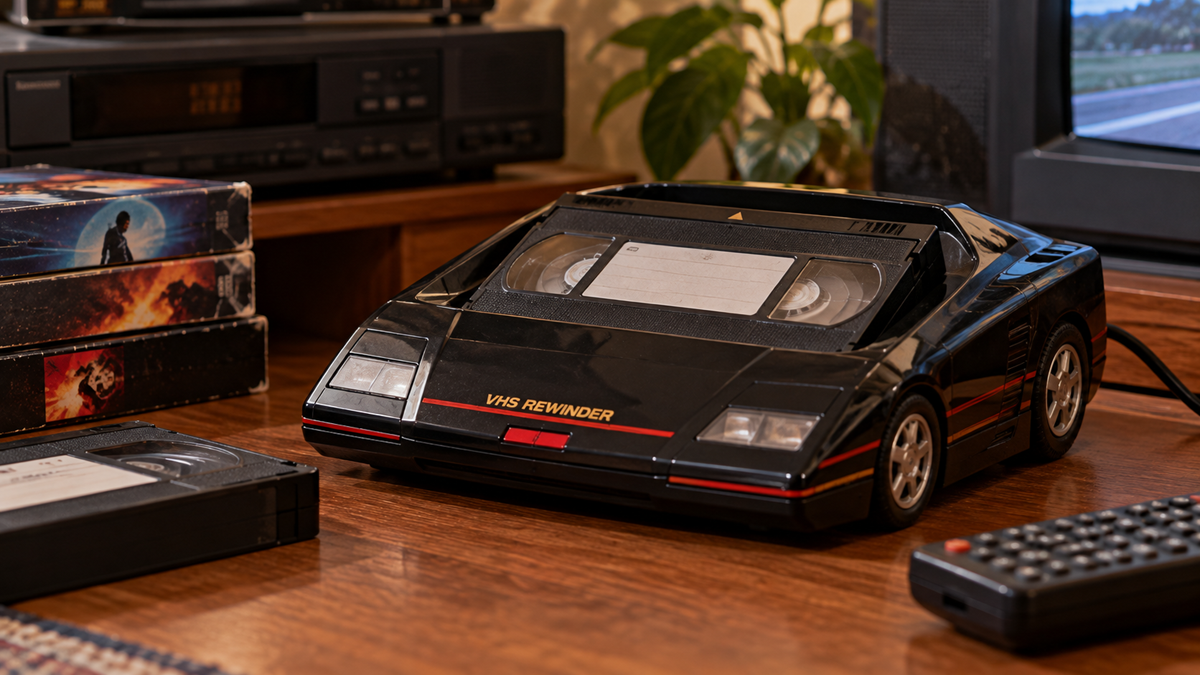
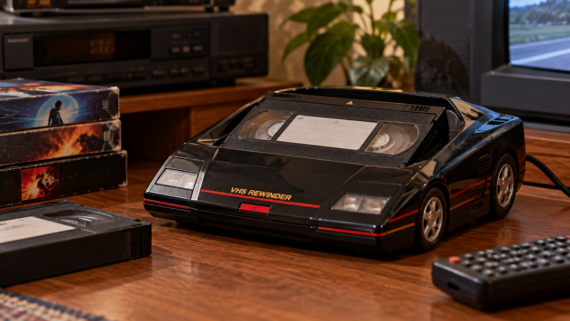
VHS rewinders solved a problem that barely exists in memory now. Instead of tying up the VCR while a tape rewound, people could drop it into a separate machine and keep watching something else. Some manufacturers even sold novelty versions shaped like sports cars and other toys. It was a whole product category built around waiting for tape to spool backward.
In the mood for more?
Check out 16 Tech Gadgets From the 2000s That Felt Futuristic and Are Now Laughable, or take a look at 14 Gadgets That the Smartphone Quietly Replaced. If you want to see more retro technology, you can check out 25 Tech Gadgets Everyone Wanted in the 1990s.