The 2000s had a thing for gadgets that looked like they belonged in the future, even when they were really just awkward answers to problems that disappeared a few years later. If you were around for that stretch, you probably remember how easy it was to get sold on the idea that one more device would make your desk cleaner, your commute easier, or your room feel a little more high-tech. Some of that stuff genuinely felt exciting at the time. Some of it now looks faintly ridiculous, in a way that is hard not to enjoy.
BlackBerry phones
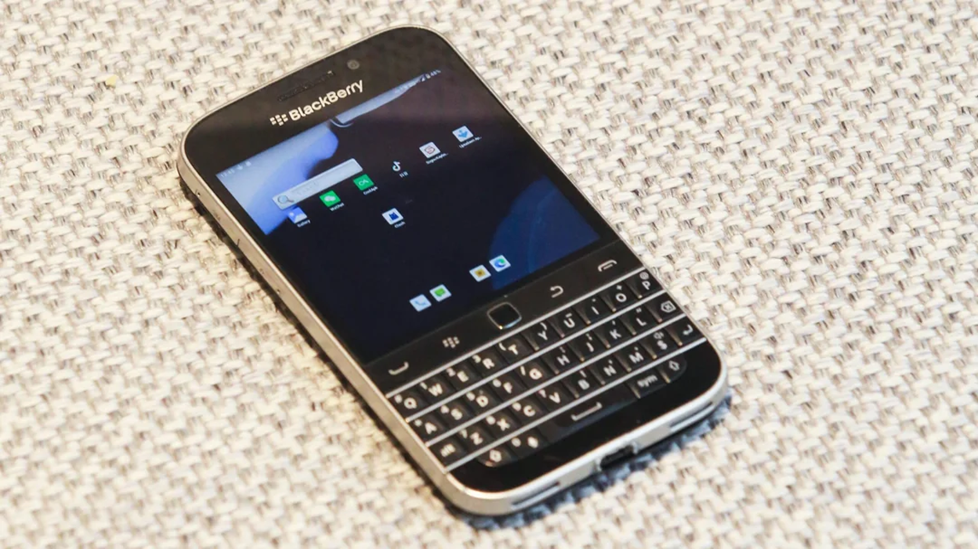
There was a point when a BlackBerry made you look busy even if you were just standing around replying “ok” to somebody. The keyboard was the whole identity: fast typing, constant messages, email anywhere, and that tiny little trackball that made the phone feel more advanced than it probably was. Once full touchscreens and app-heavy phones took over, the old BlackBerry style aged fast. It stopped looking sharp and started looking like a device built for a world that had already moved on.
Portable DVD players
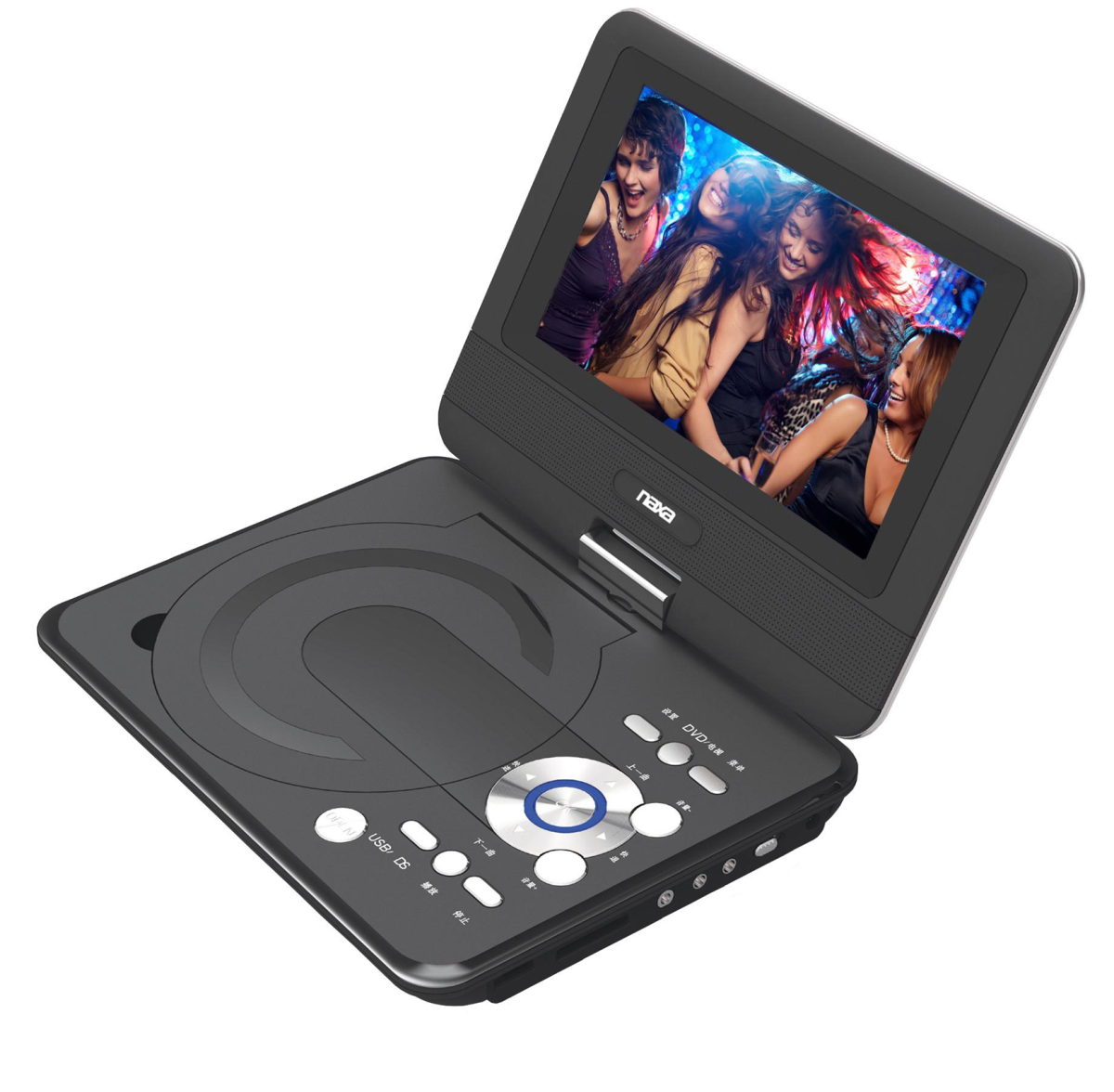
These were road-trip gear, plain and simple. Somebody always had one wedged between the front seats, running off a car adapter, while a wallet full of DVDs slid around on the floor. At the time it felt practical and a little futuristic, like bringing your own private movie screen on the highway. Now it mostly feels like an incredible amount of plastic and effort just to watch one scratched copy of Shrek 2.
MiniDisc players
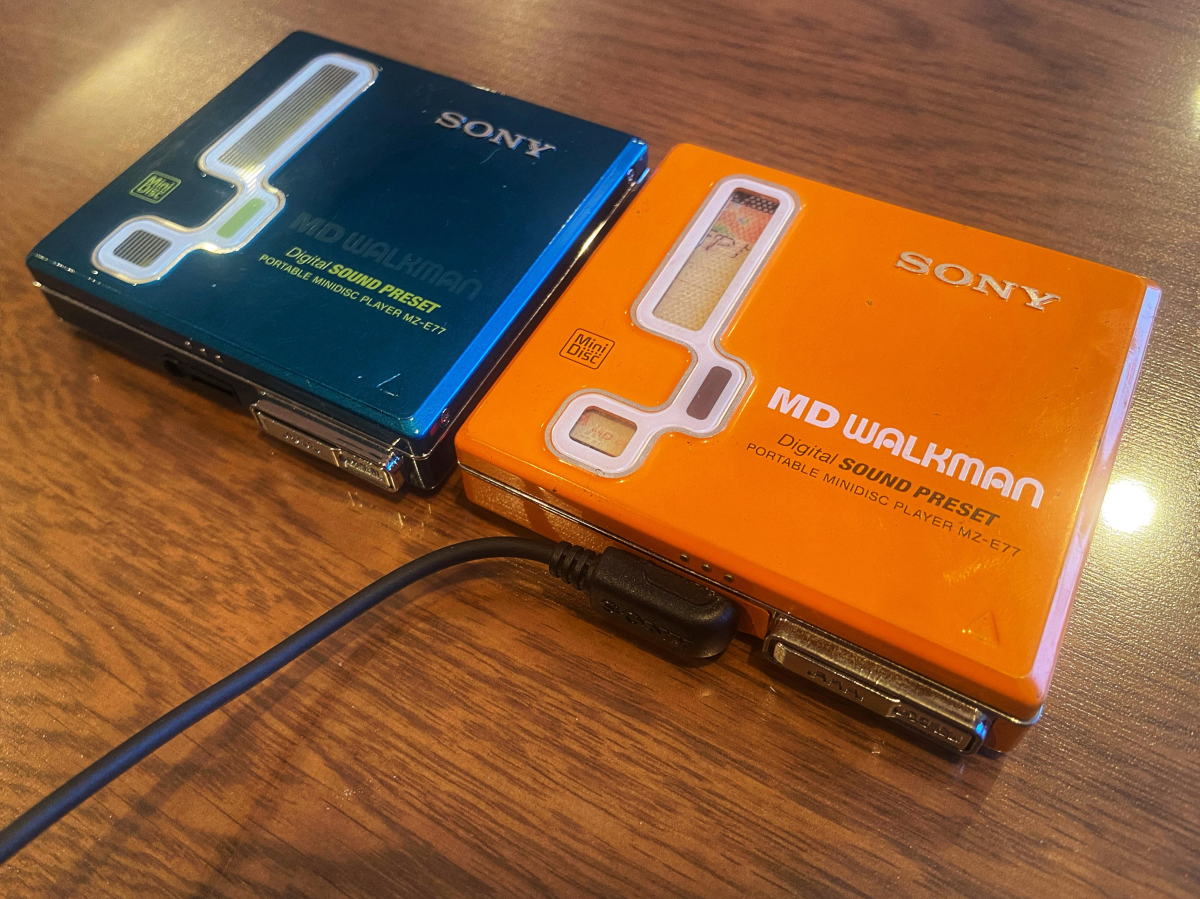
MiniDisc had real believers. The discs looked cool, the players felt compact in a satisfying way, and there was something about the whole format that made music feel more deliberate. It never fully broke through, though. It got stuck in that bad spot where CDs were still around, and MP3 players were about to make everything else look dated.
Palm Pilots and PDAs
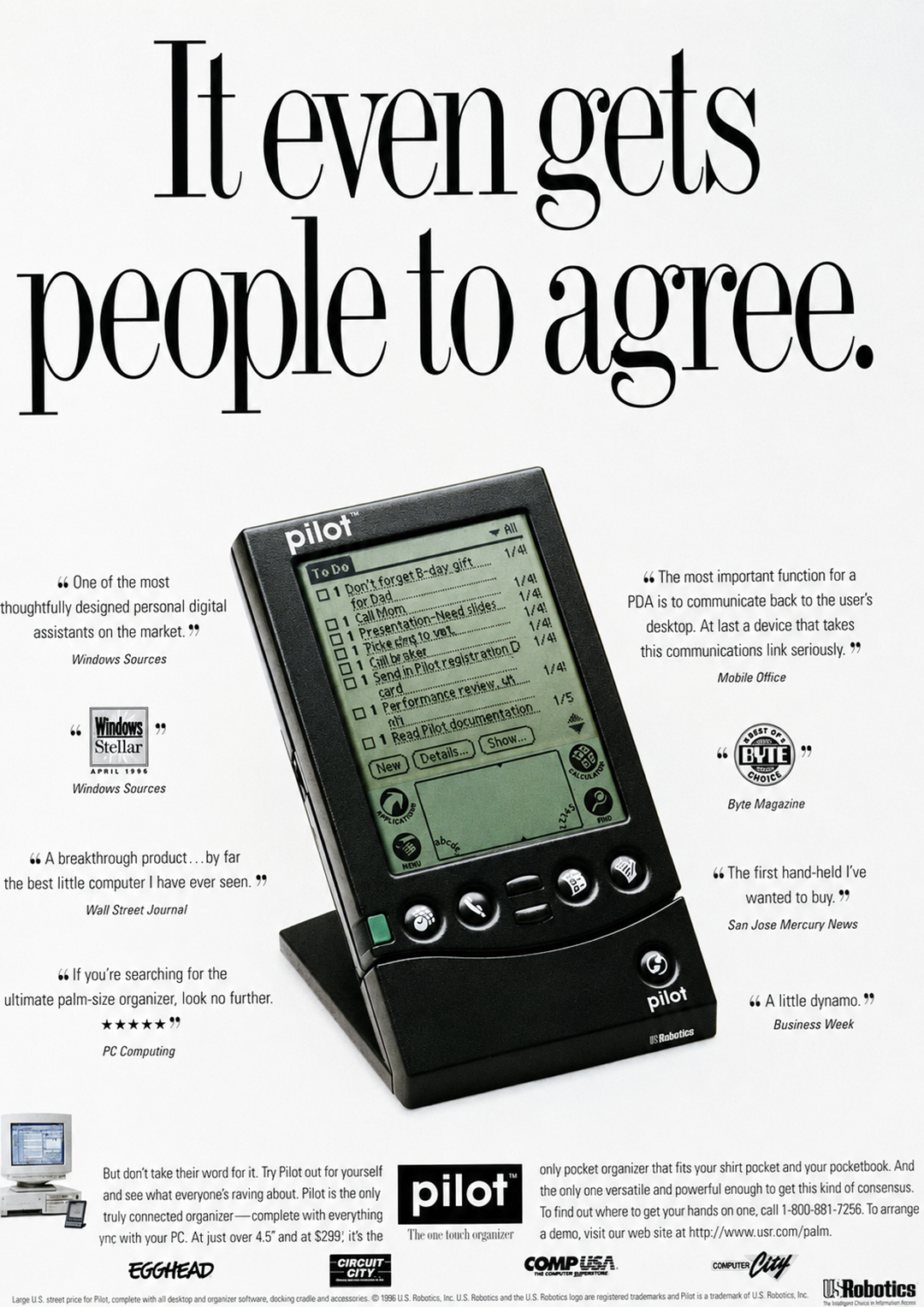
Before one phone became the place for everything, people carried separate devices just to keep track of their lives. A Palm Pilot could hold your appointments, contacts, notes, and a few little tools that made you feel organized in a serious way. That seemed pretty slick at the time. Now the whole category feels like a half-finished version of what a smartphone would soon do without breaking a sweat.
The iPod Hi-Fi
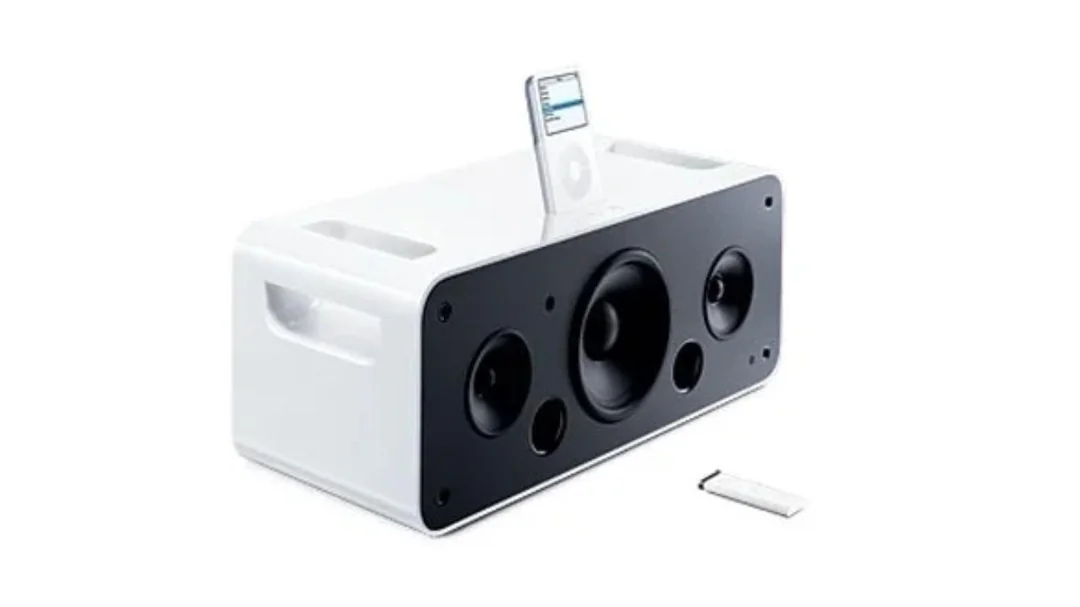
This was a very mid-2000s kind of confidence move, a large white speaker dock built around the assumption that your iPod was important enough to anchor the room. And honestly, for a minute, it was. But once wireless speakers got good, and nobody wanted their audio setup tied to one old connector, the iPod Hi-Fi started to feel weirdly specific, like a product from a timeline that lasted about eighteen months.
Trending on The Scroller
Microsoft Zune
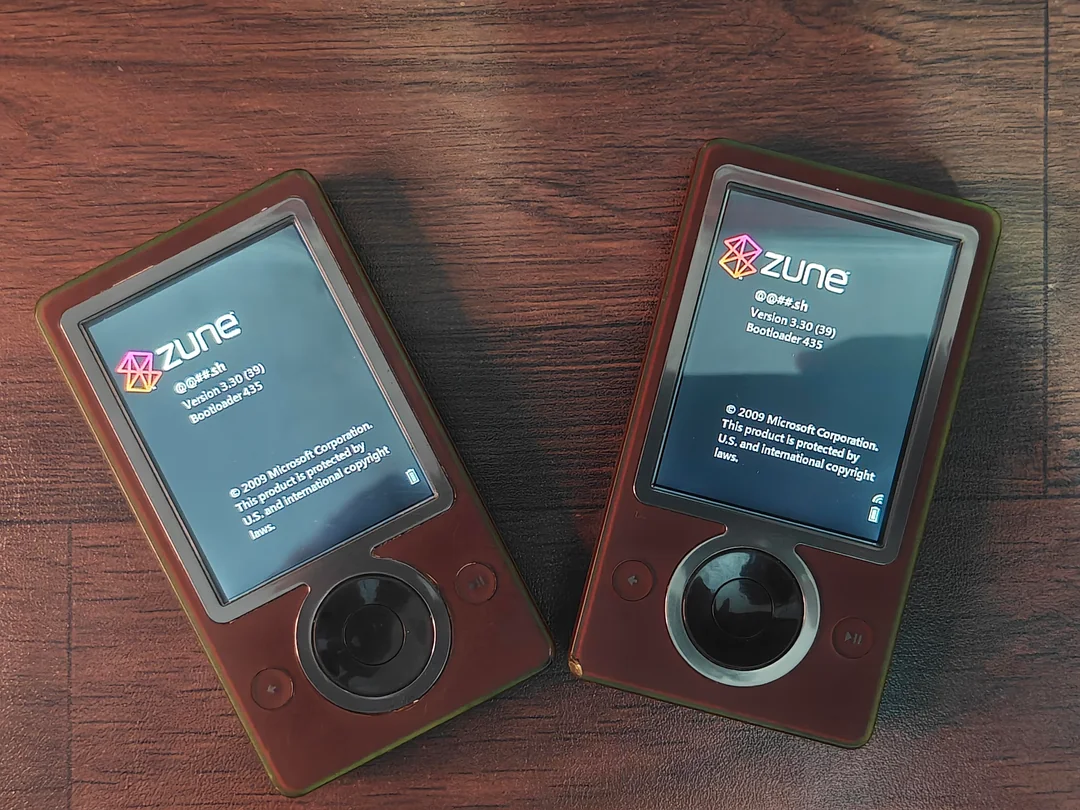
The Zune gets roasted so often that people sometimes forget it was a serious attempt. It just had the bad luck of showing up in a market where “pretty decent” was nowhere near enough. The whole thing felt like Microsoft had understood the category a little too late and a little too literally. Not a disaster, just unmistakably off.
Flip video cameras
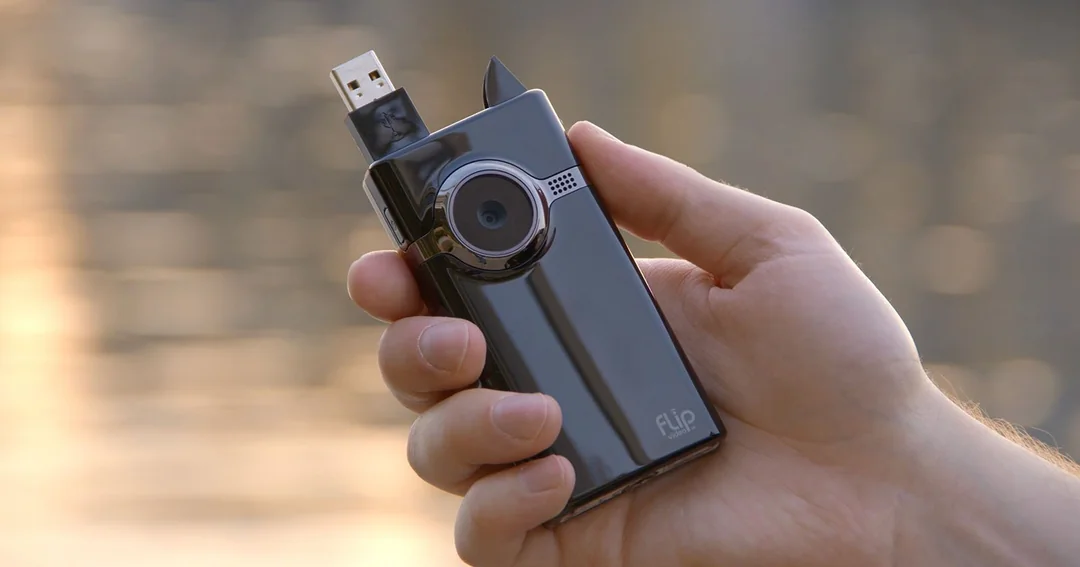
For a while, these were the easiest way to record something without thinking too much about it. You pulled one out, hit record, and that was basically the whole user experience. That simplicity was the appeal. Then phone cameras improved at a speed that killed entire product categories, and the Flip went from useful to unnecessary before it could really defend itself.
3D televisions
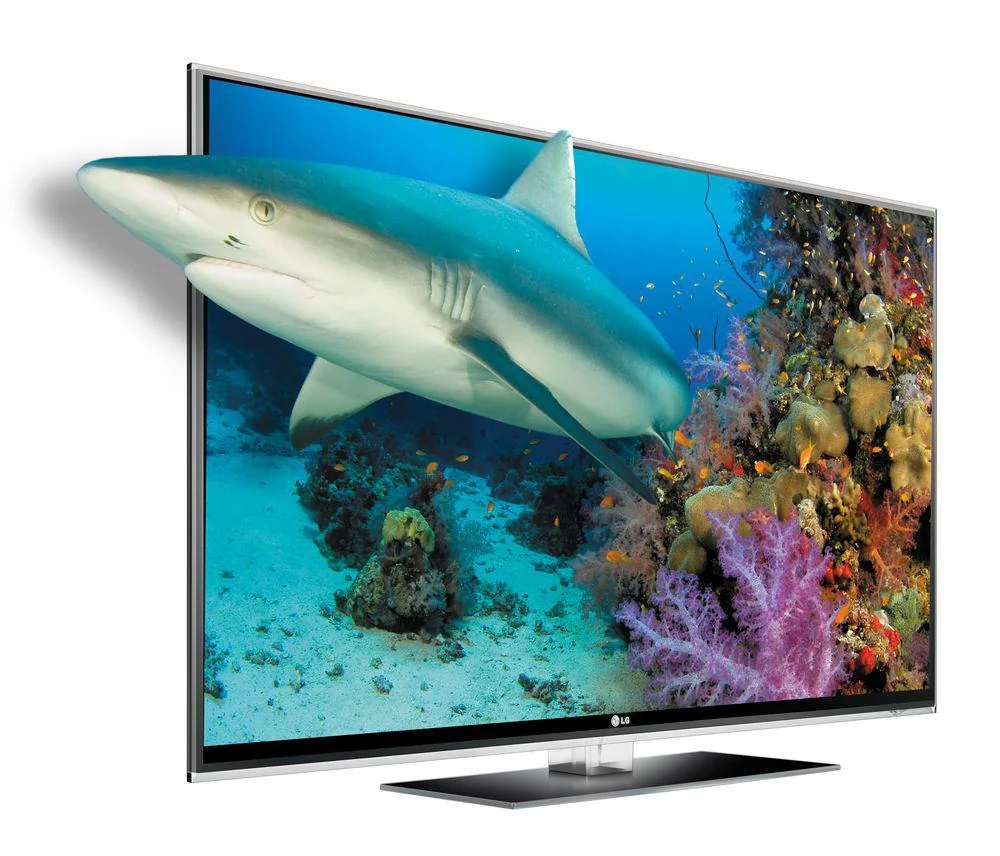
This one had real hype behind it. Stores demoed them like they were showing off the next phase of civilization, and there was always someone claiming sports would never look the same again. But most people did not actually want to sit on their couch wearing glasses for a gimmick that stopped being interesting halfway through the demo. It was one of those ideas that sounded bigger than it felt.
Sign up for our newsletter
HD DVD players
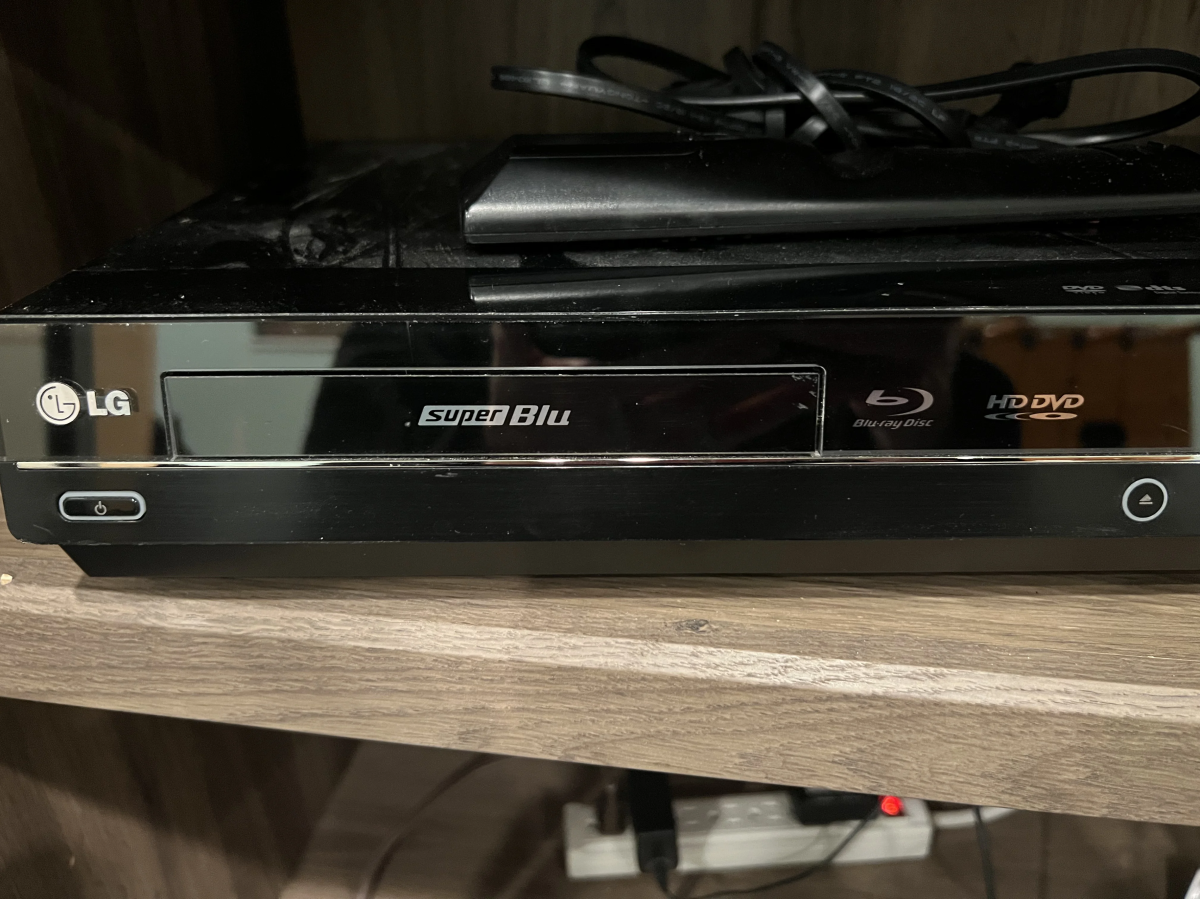
The HD DVD and Blu-ray fight had the same kind of pointless intensity as old console wars. People argued about formats, studios, specs, and release windows like any of it was going to matter to normal human beings trying to watch a movie on a Friday night. Once Blu-ray won, HD DVD players immediately took on that very specific loser energy that only dead formats have.
USB novelty gadgets
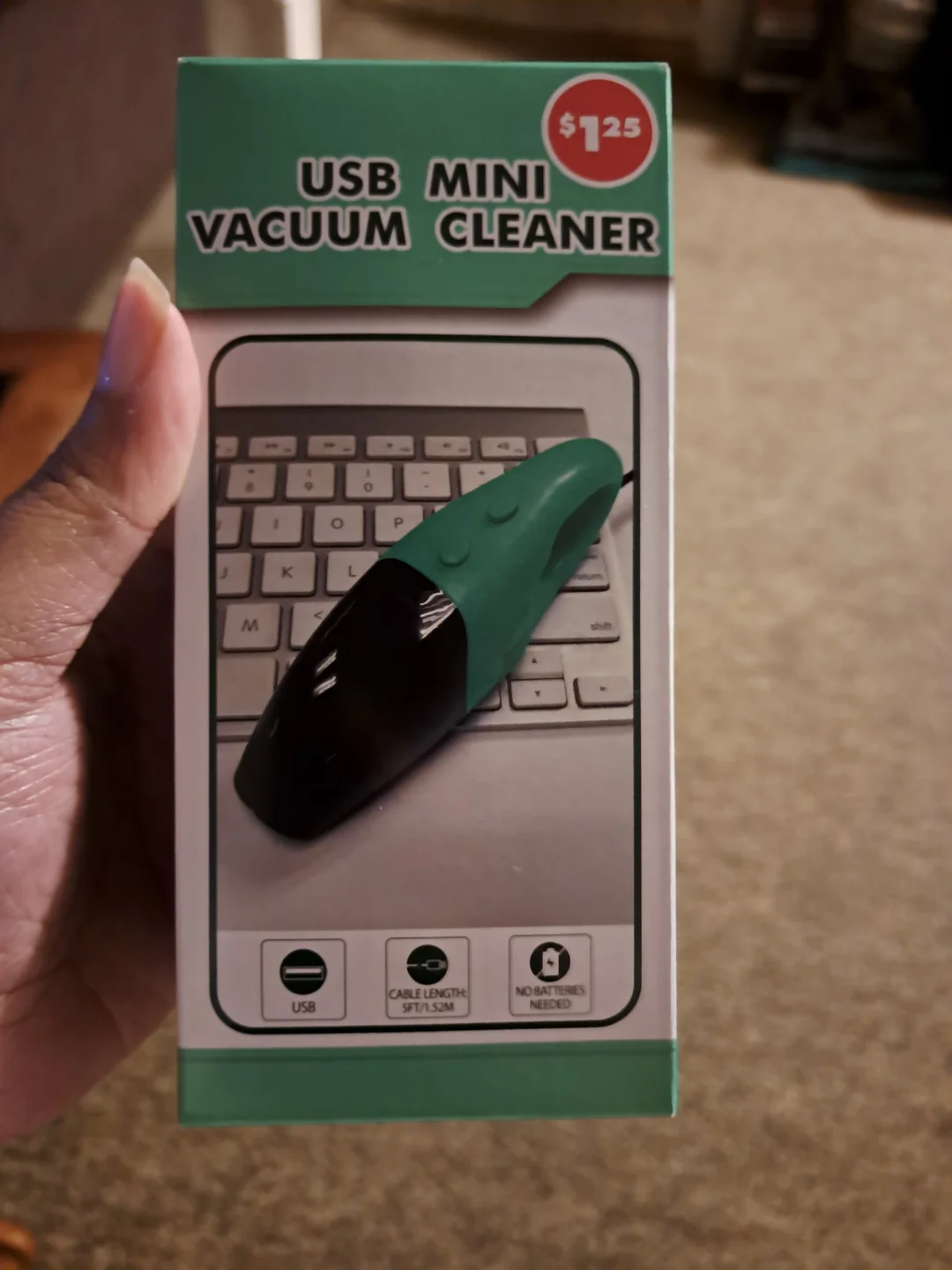
The 2000s were obsessed with the idea that anything became better if it plugged into a USB port. Cup warmers, tiny fans, desk vacuums, toy rocket launchers, weird glowing pets, all of it lived in that strange area between office joke and actual product category. None of it really needed to exist. That did not stop people from buying it for each other.
Digital photo keychains
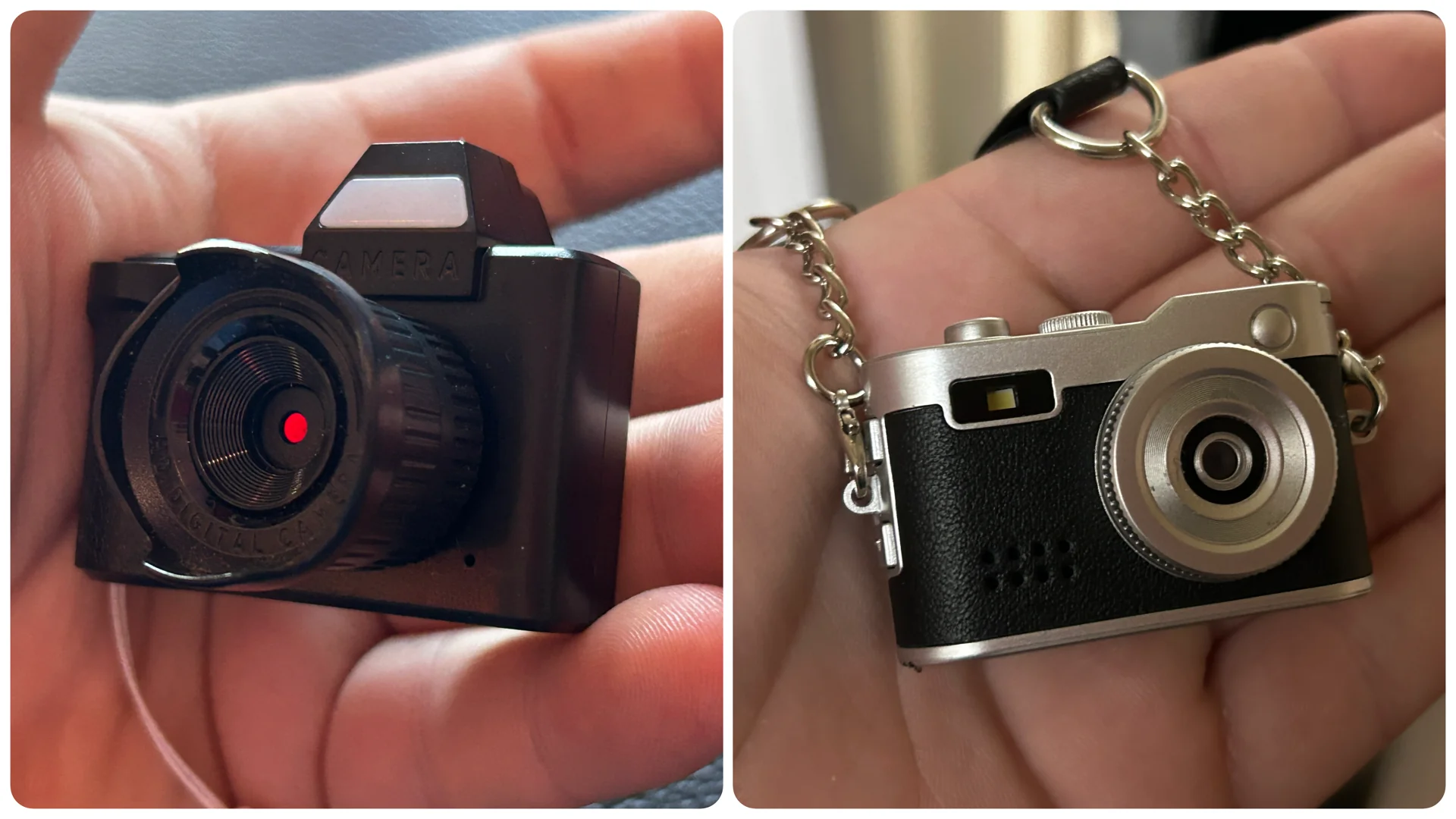
A little screen on your keyring that cycled through photos sounded clever back then, mostly because digital displays still had some novelty left in them. In practice, these things were usually clunky, dim, and kind of sad-looking. Once phones got better screens, better storage, and better everything else, the photo keychain had nowhere to go.
Sony PSP Go
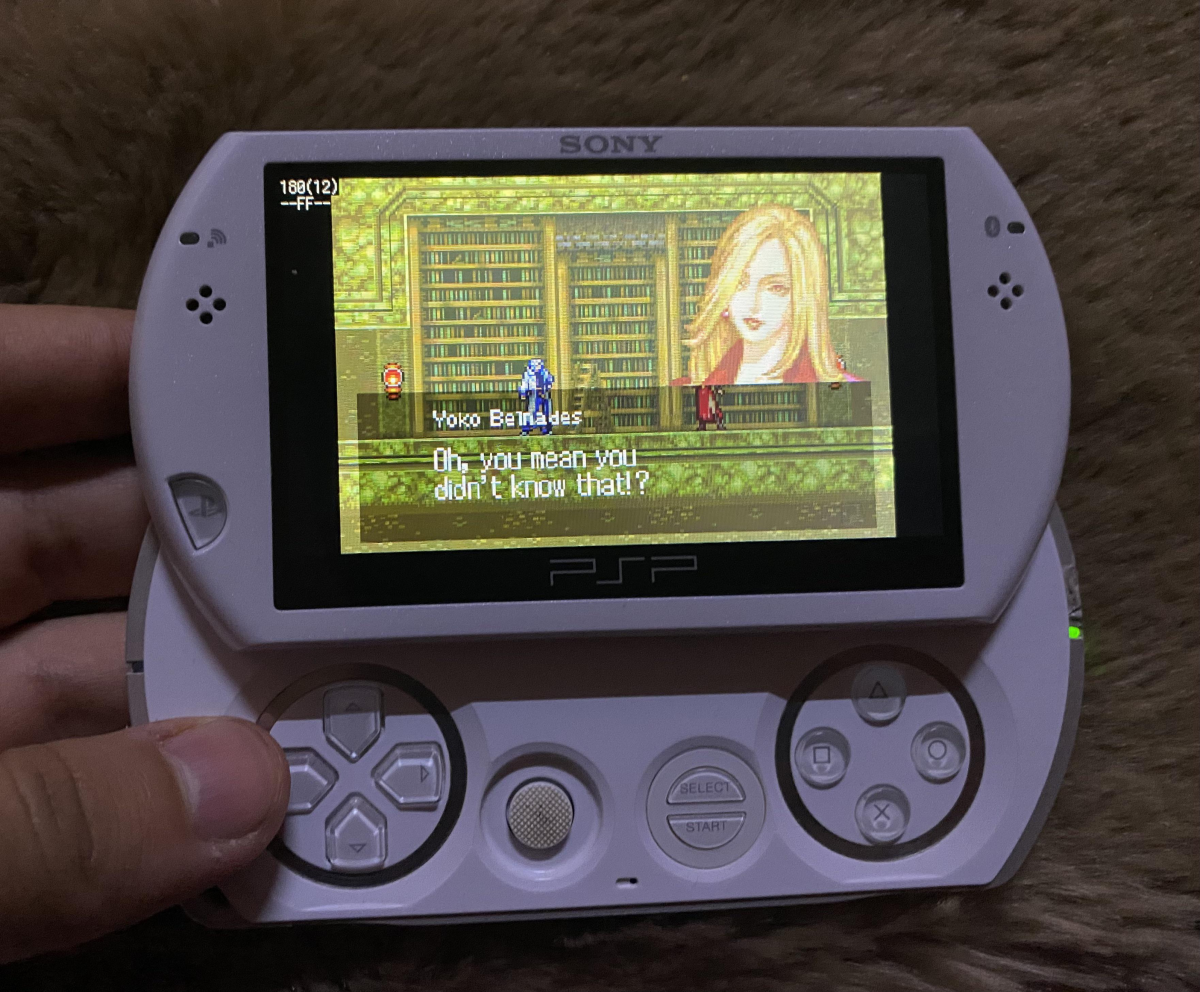
The PSP Go always felt like a machine from slightly ahead of its time, which is not always a compliment when you are trying to sell hardware right now. Sony leaned into digital in a way that made sense later, but at launch it mostly confused people who still wanted physical games and more room to store things. It looked slick, though. Very 2009 in that polished, maybe-this-will-work sort of way.
Dedicated MP3 sunglasses
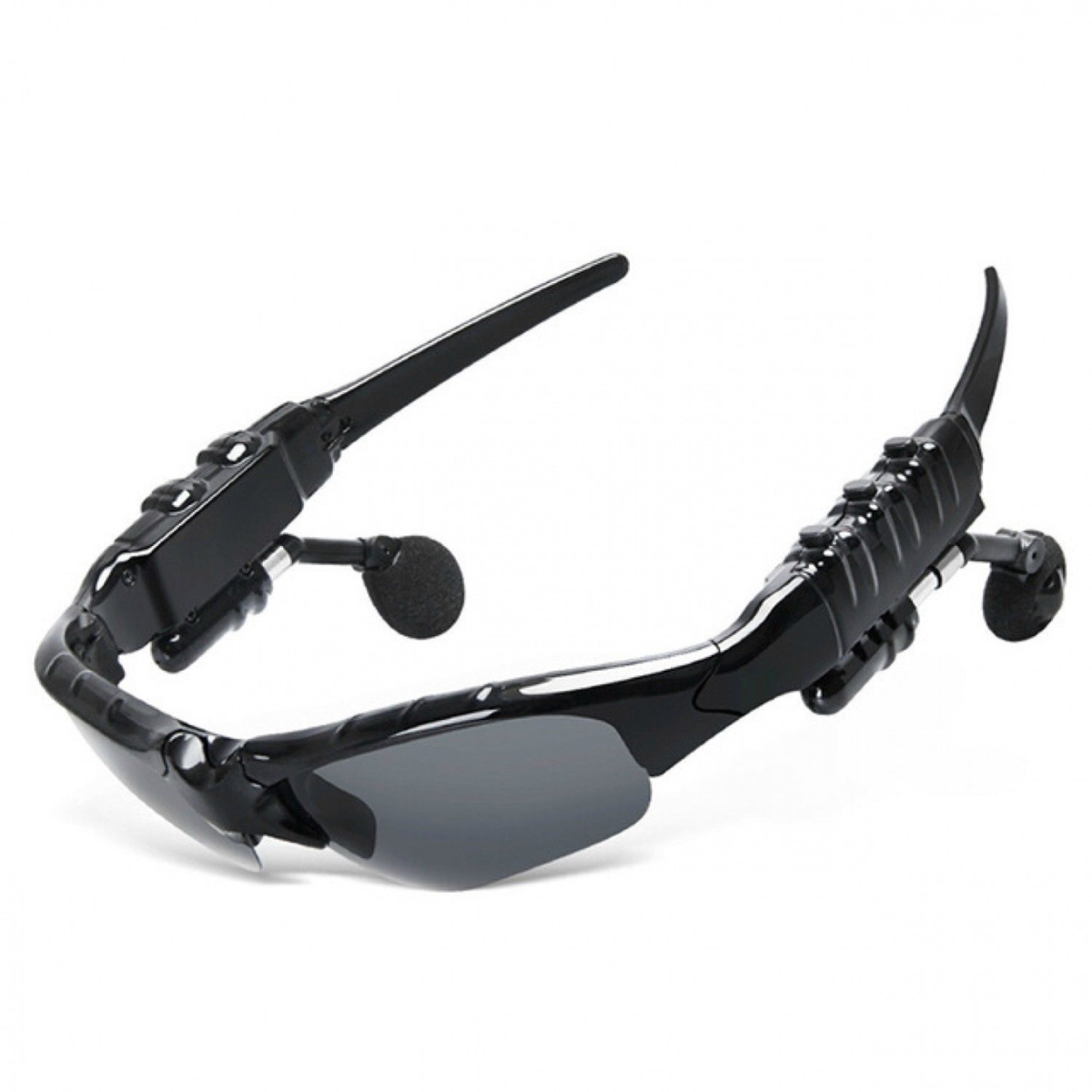
There was a phase when companies looked at everyday objects and decided the obvious missing feature was music playback. Sunglasses were not spared. MP3 shades had the kind of pitch that probably sounded amazing in a meeting room and much less amazing once a real person actually put them on. They belong to a very crowded shelf of gadgets that confused novelty with progress.
Netbooks
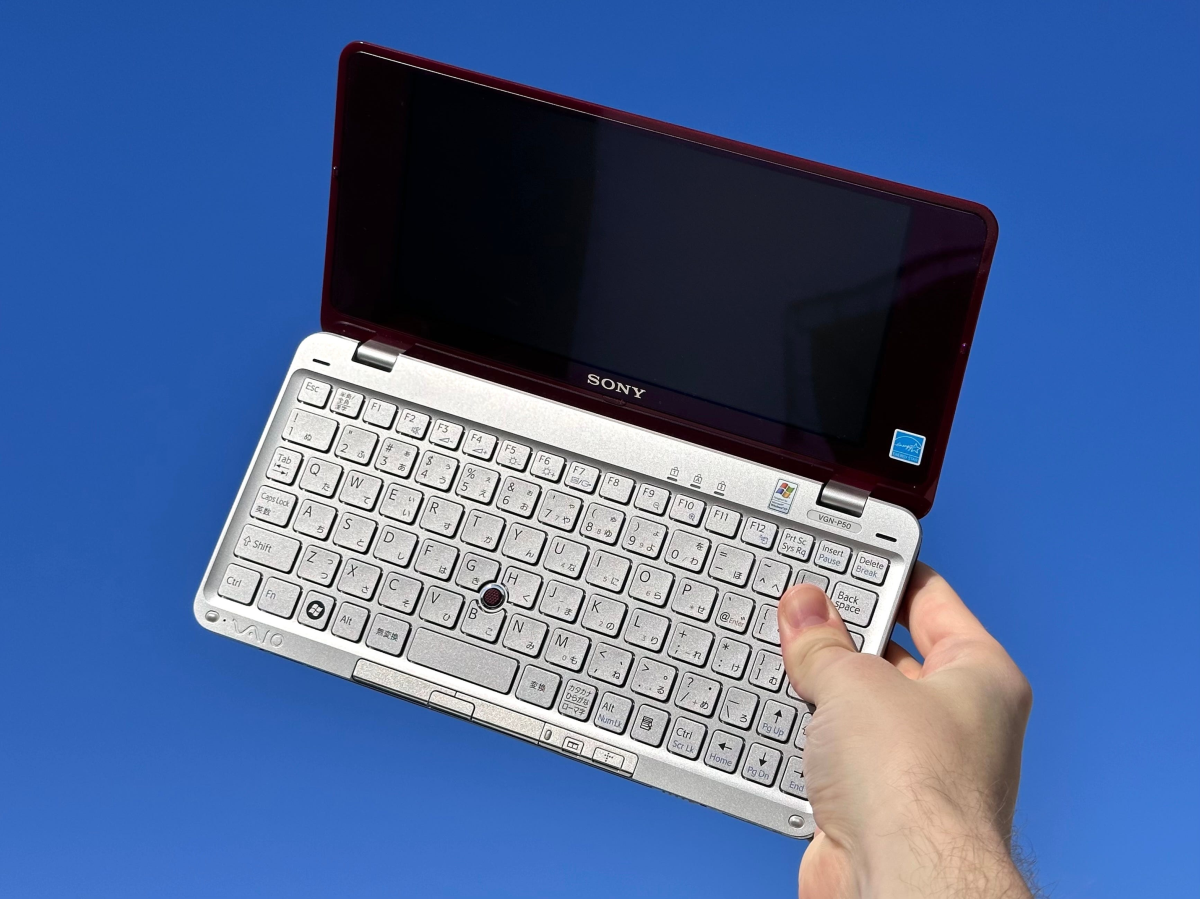
Netbooks were sold as the sensible little computer, cheap, portable, enough for browsing, chat, and basic tasks. Plenty of people bought that idea because, on paper, it sounded fine. Then you tried using one for more than a few minutes and ran into the tiny keyboard, sluggish performance, and general feeling that the machine was asking for patience you did not have. They made sense right up until you had to live with one.
Camera phones with sliding lenses and rotating modules
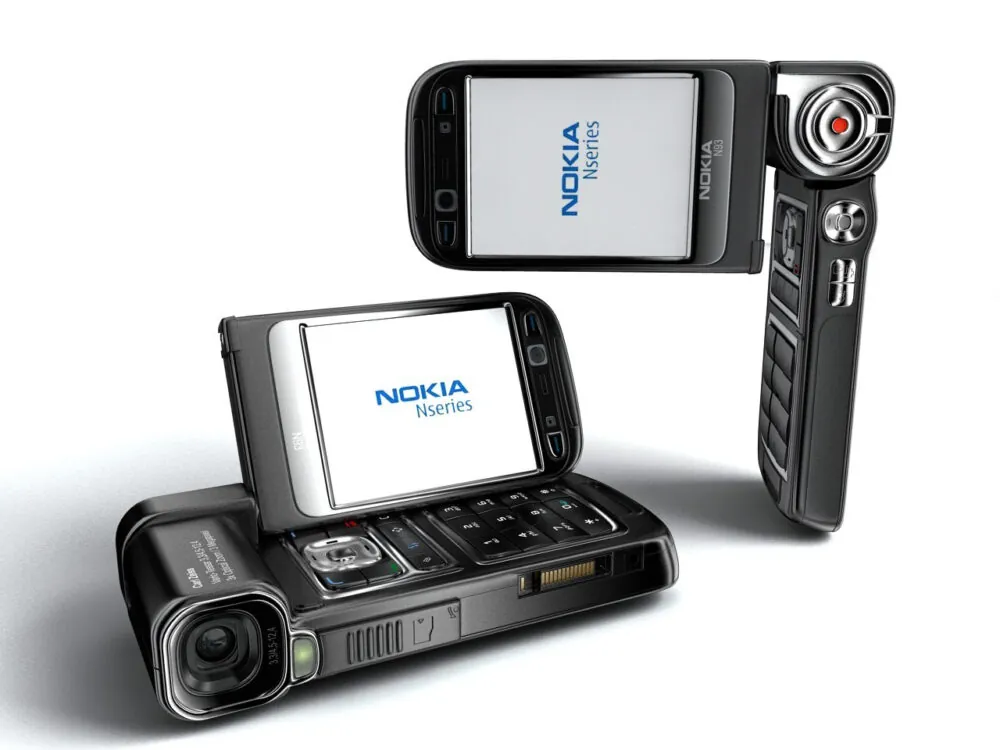
Phone makers were experimenting wildly before the modern smartphone shape took over and flattened everything into a clean rectangle. That gave us some very strange camera phones, swiveling parts, sliding lens covers, odd hybrids that looked like two product teams had been forced to compromise. At the time they seemed inventive. Now they mostly look like prototypes that accidentally made it to retail.
Portable media players that were not iPods
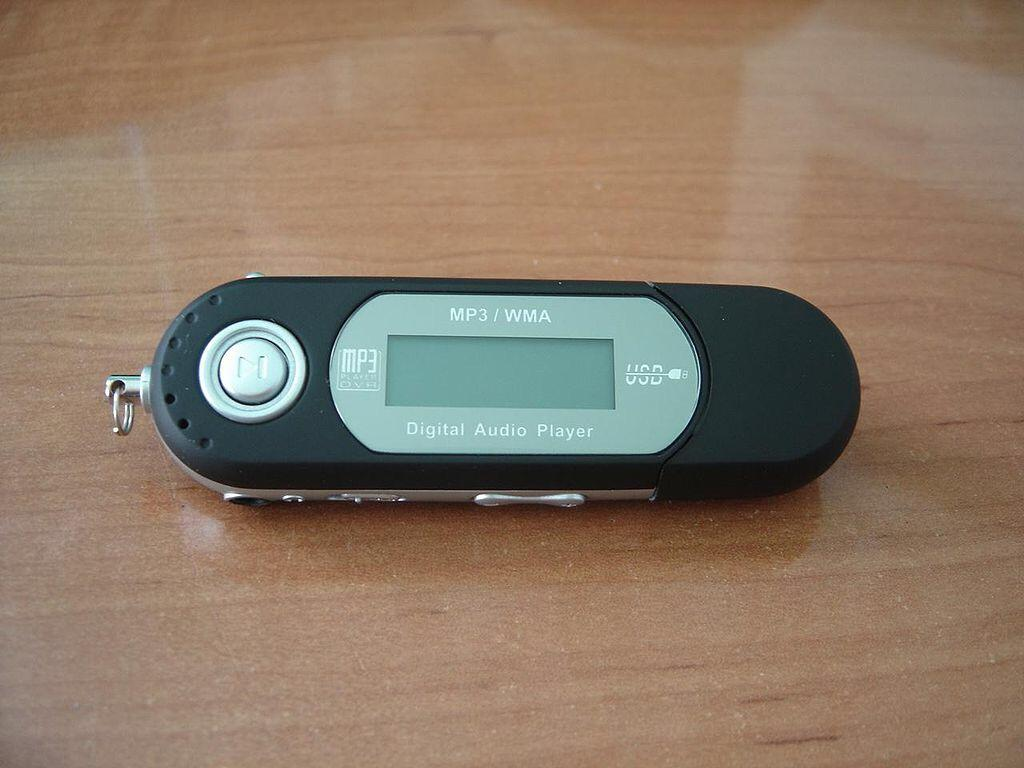
There were a lot of them, and some were actually quite good. Creative, iRiver, Archos, Cowon, different companies had their own angles, better format support, more customization, niche enthusiast appeal. But most of them now survive only in memory, old drawers, and forum posts from people who still insist theirs sounded better. Maybe some of them did. It did not save the category.
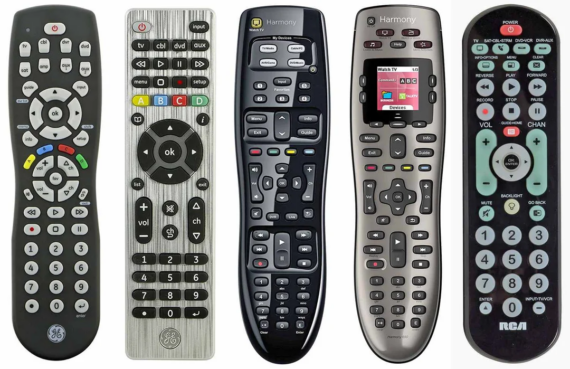
Universal remote systems
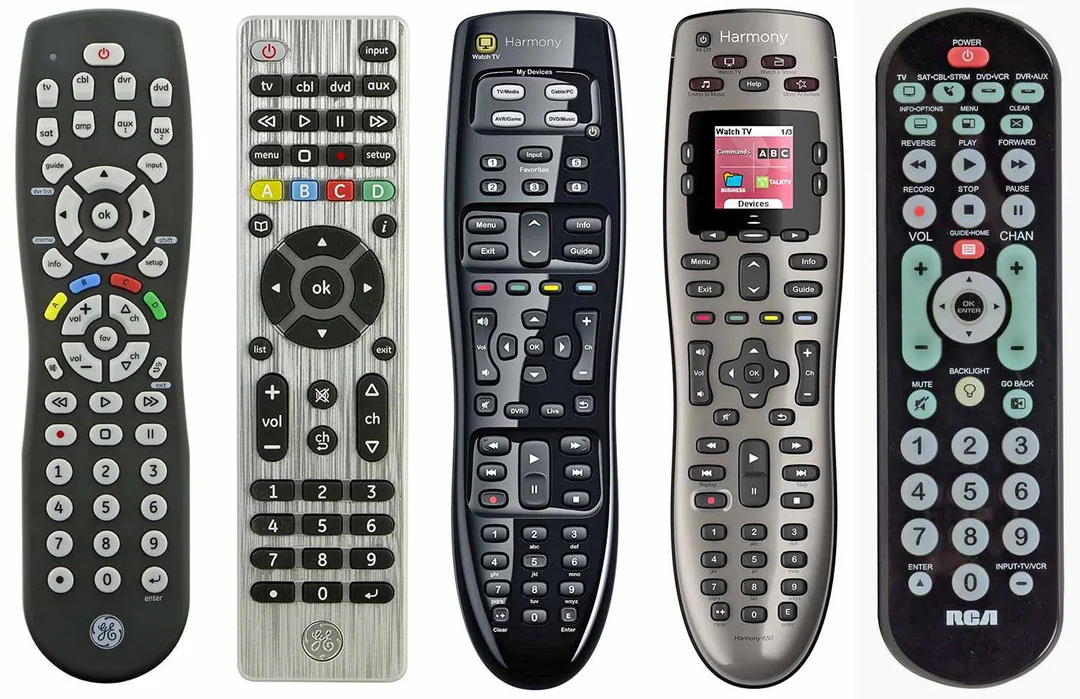
These looked great in a very particular kind of living room, the kind with a TV, surround sound, a cable box, a DVD player, and at least one console all fighting for space. The promise was simple enough: one system to run everything without the usual pile of remotes and setup confusion. Sometimes it even worked well. But they also came with programming headaches, finicky compatibility, and the creeping realization that the “all-in-one” fix was often just another layer of tech to manage.
A lot of these were not bad products so much as products built for habits that vanished. That is what makes them fun to look back on. They came from a period when tech kept promising that the future was already here; it just needed another dock, another cable, another oddly shaped accessory. Some of it really did feel exciting then. It just does not look that way anymore.
In the mood for more?
You can check out 16 Tech Gadgets From the 2000s That Felt Like the Future, or 16 Pieces of 90s Technology That Defined Everyday Life. If you’re curious about what the future looked like years ago, you can check out 15 Sci-Fi Technologies That Seemed Impossible in the 90s and Are Now Completely Real.