History is often shaped by conflict, but some of the most profound impacts of wartime research extend far beyond the battlefield. When nations pour massive funding into military development, scientists are pushed to innovate at breakneck speeds. These intense periods of high-stakes engineering usually yield incredible technological breakthroughs originally designed to save soldiers or defeat enemies.
Once the treaties are signed and troops return home, these specialized military tools often quietly integrate into our everyday domestic routines. From the hidden components in your kitchen appliances to the life-saving medical supplies in your bathroom cabinet, you interact with declassified military technology almost every single day. Exploring the origins of these common products reveals a fascinating pipeline between global conflict and household convenience. Here are fourteen incredible innovations that started in the trenches before revolutionizing civilian life.
1. Super glue
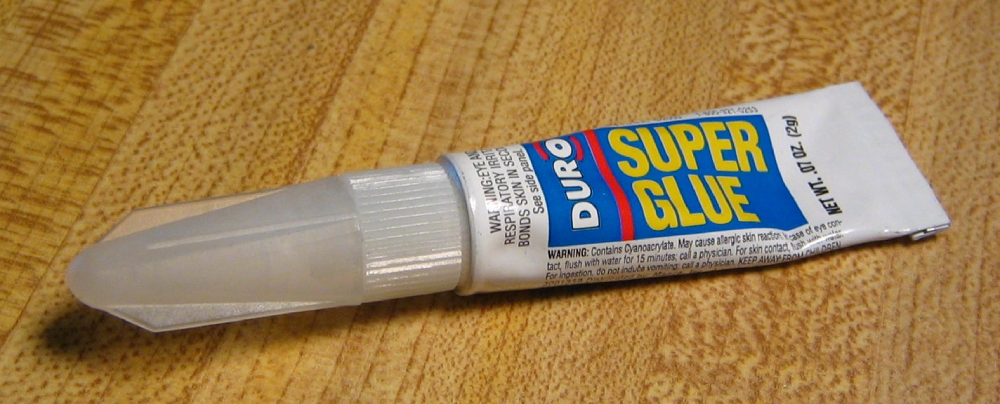
Discovered by accident in 1942 by Dr. Harry Coover at Eastman Kodak, cyanoacrylates were originally intended to create clear plastic gun sights for Allied soldiers. The substance was initially discarded for being far too sticky, but it was later repurposed during the Vietnam War as an emergency aerosol spray to instantly seal open combat wounds.
2. Duct tape
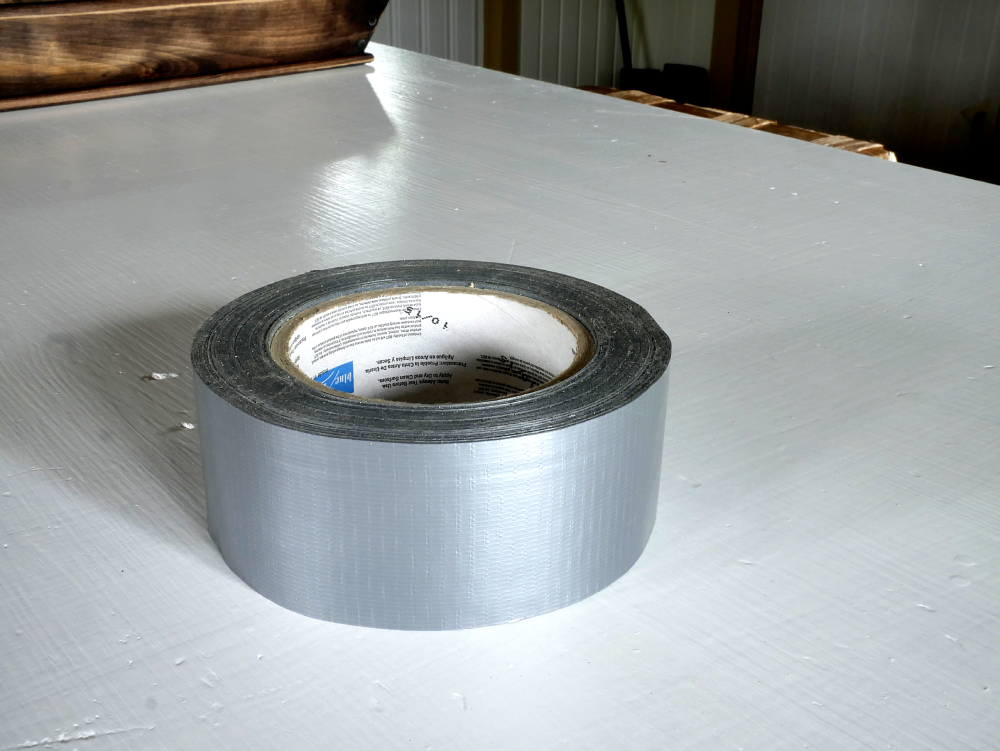
In 1943, a creative ordnance plant worker named Vesta Stoudt wrote a letter to President Franklin D. Roosevelt suggesting a waterproof cloth tape to seal ammunition boxes. Johnson & Johnson subsequently manufactured the olive green adhesive applied to durable duck cloth, which soldiers quickly realized could fix everything from cracked jeep windows to broken boots.
3. Microwave ovens
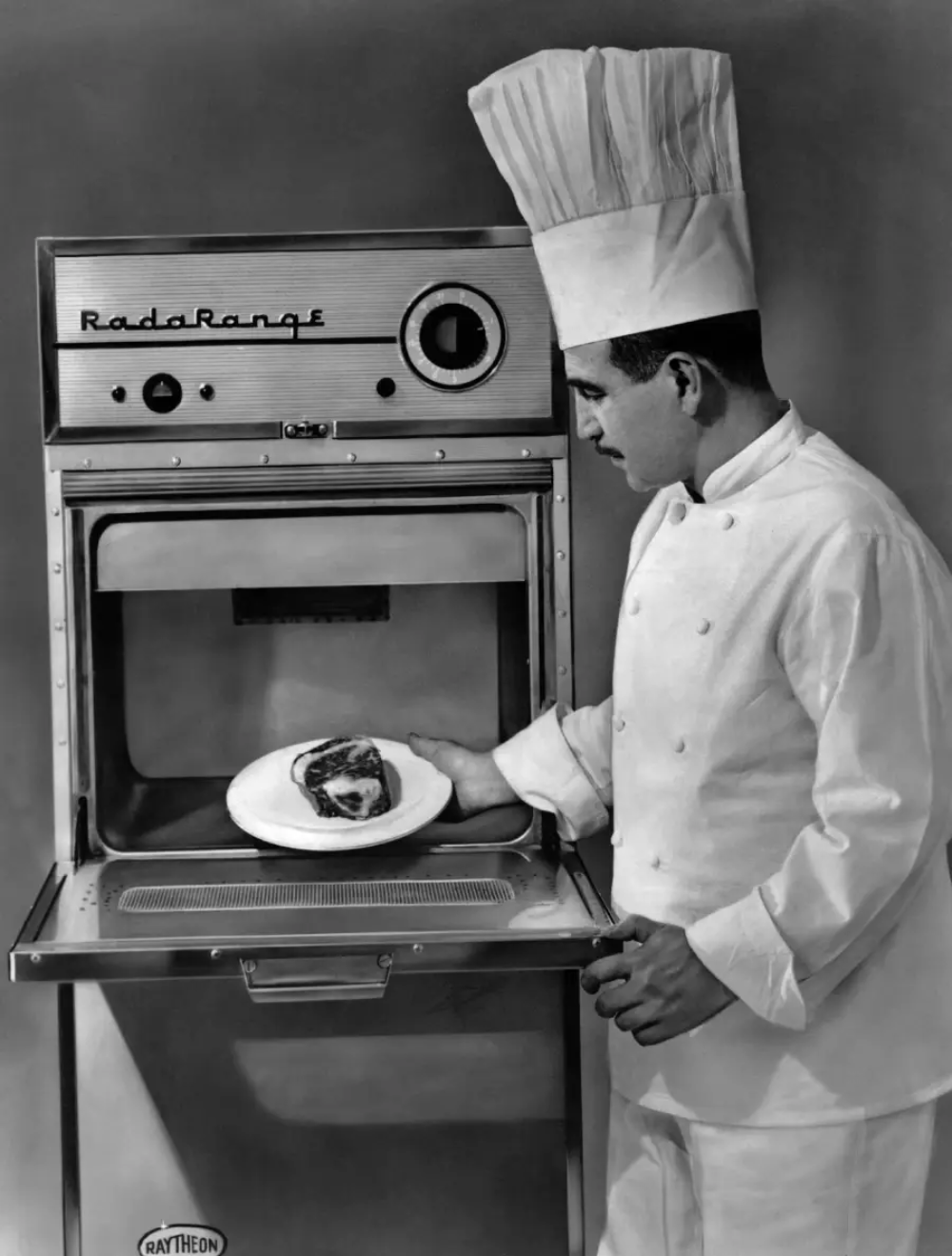
During a 1945 experiment with active radar technology, Raytheon engineer Percy Spencer noticed that the combat-grade magnetron tube he was testing completely melted a peanut cluster bar in his pocket. Recognizing its incredible culinary potential, the company rapidly developed the massive 1947 Radarange, successfully converting military defense systems into a revolutionary kitchen appliance.
4. EpiPens
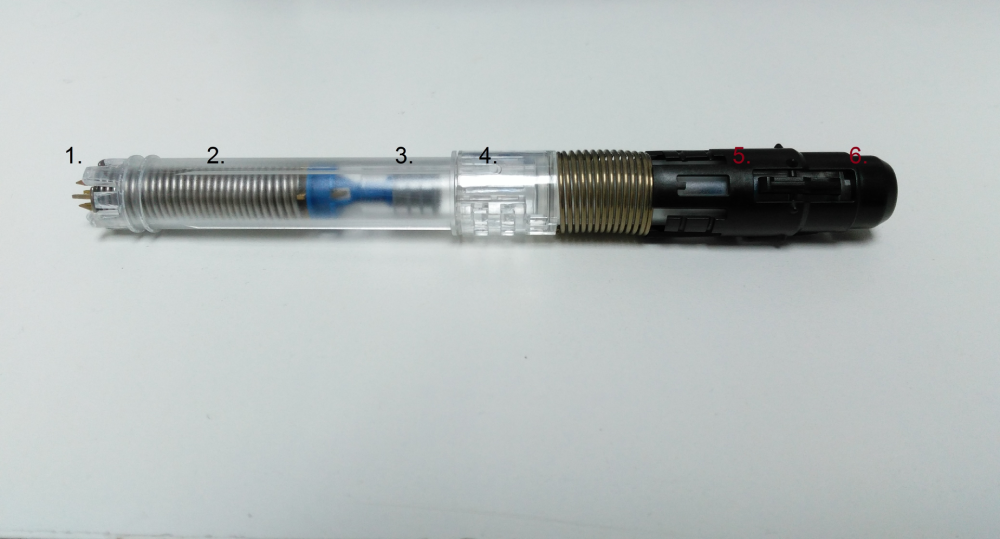
The auto-injector technology we rely on for severe allergic reactions was originally pioneered in the 1970s by Sheldon Kaplan for the United States Department of Defense. It was specifically designed as a rapid nerve gas antidote delivery system called the ComboPen, allowing soldiers in chemical warfare environments to instantly inject themselves through thick protective combat gear.
5. Silly putty
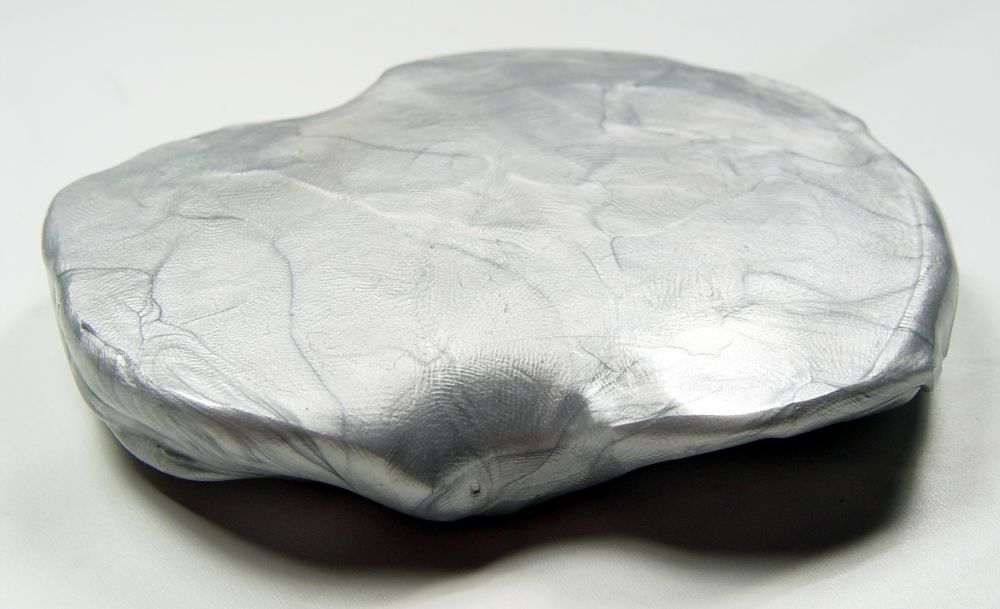
Facing a severe rubber shortage after Japan invaded major Asian manufacturing hubs during World War II, the United States government tasked scientists with creating a synthetic alternative for jeep tires. In 1943, engineer James Wright accidentally combined boric acid with silicone oil to create a bouncy, gooey substance that failed as a tire replacement but became a massive post-war toy sensation.
Trending on The Scroller
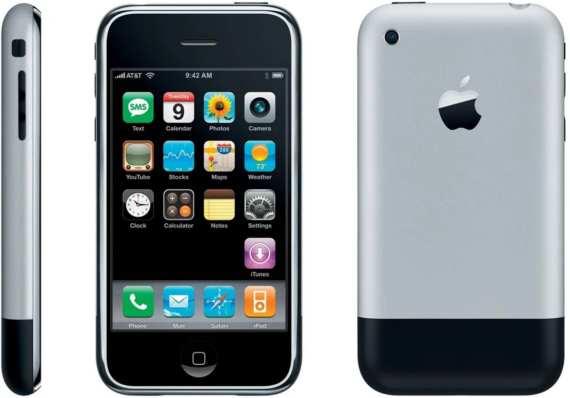

6. Aviator sunglasses
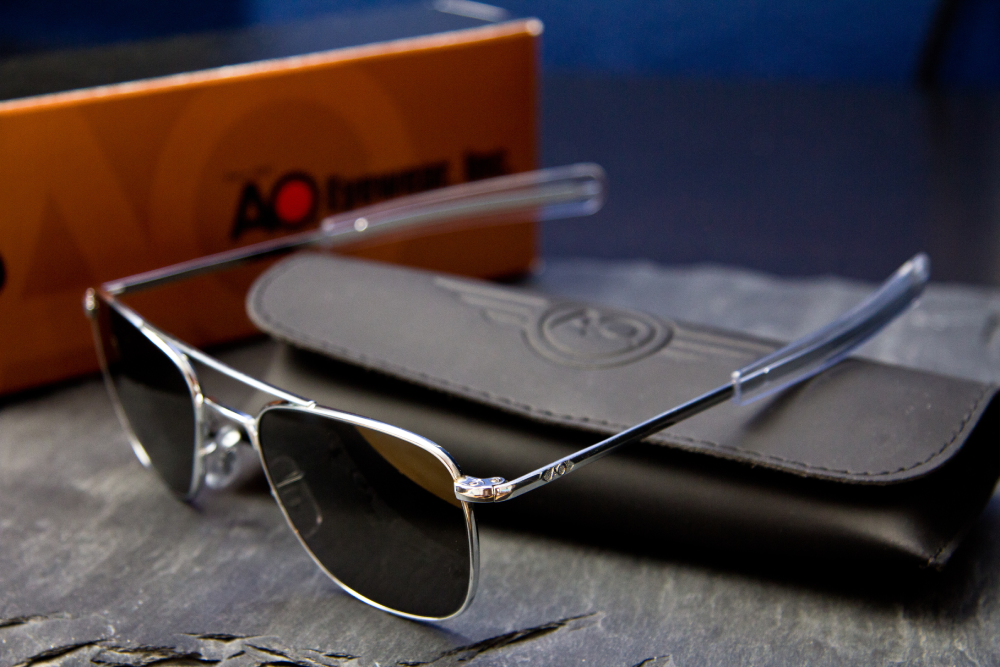
In the 1930s, the US military commissioned Bausch & Lomb to design specialized protective eyewear to prevent altitude sickness and intense glare for their high-altitude test pilots. The resulting teardrop-shaped glasses featured dark green lenses that specifically blocked ultraviolet light, becoming wildly iconic when General Douglas MacArthur was photographed wearing them while landing in the Philippines in 1944.
7. Sanitary pads
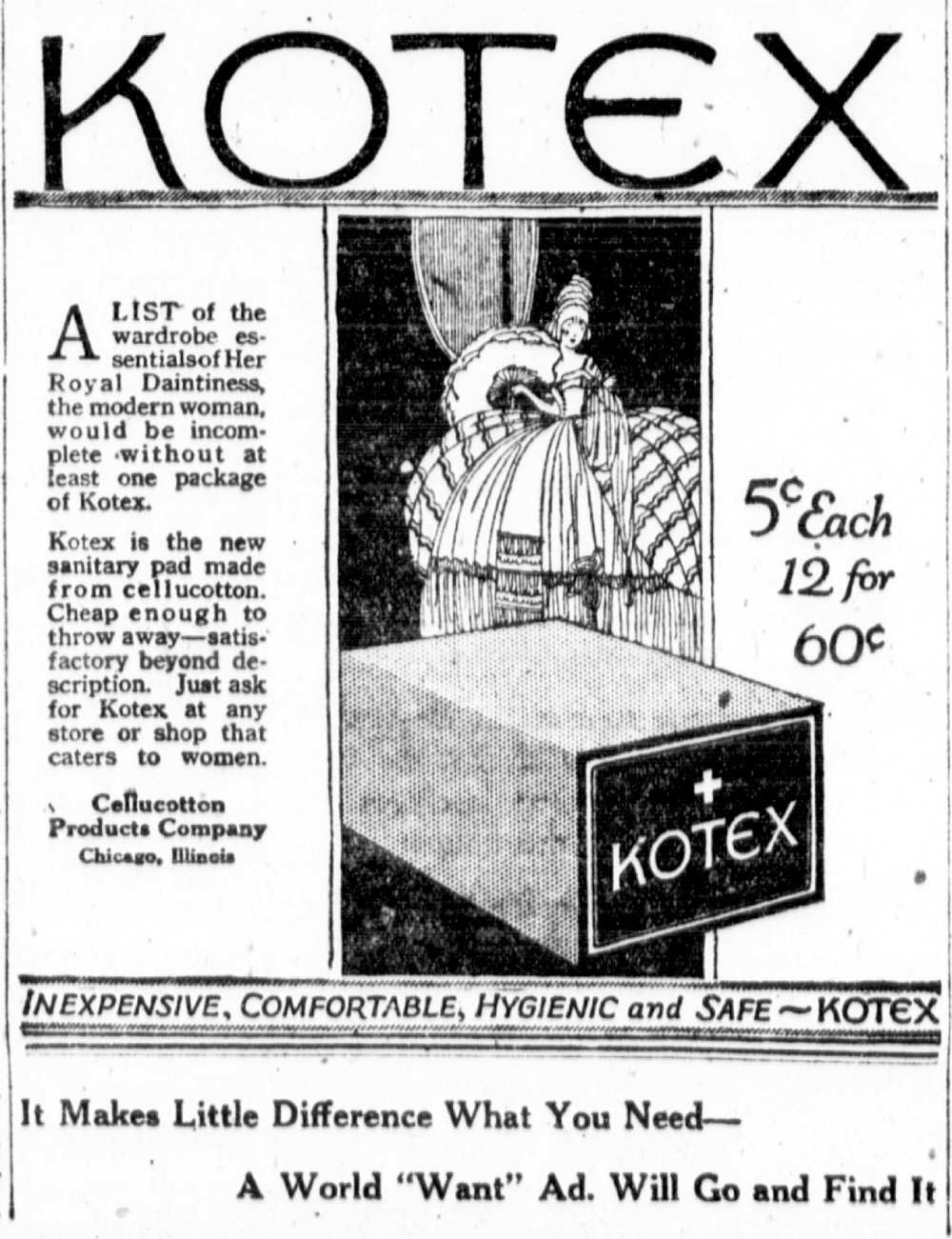
During World War I, the Kimberly-Clark corporation developed Cellucotton, a highly absorbent wood pulp bandage material meant to treat severe battlefield trauma. French nurses on the front lines quickly discovered that these cheap, disposable surgical dressings worked exceptionally well for feminine hygiene, leading to the creation of Kotex immediately after the armistice.
8. Canned aerosol spray
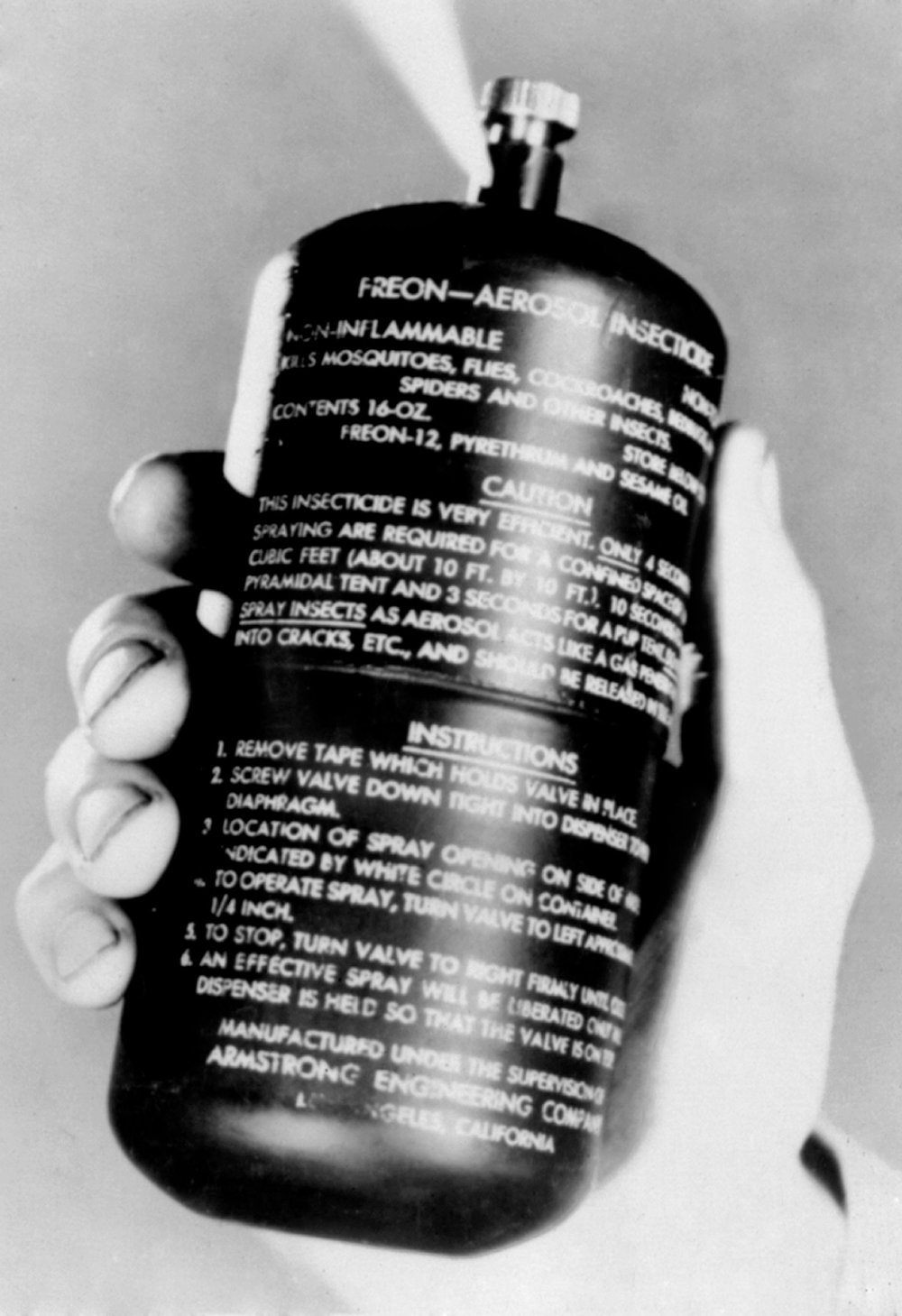
In 1941, the United States military partnered with Department of Agriculture researchers Lyle Goodhue and William Sullivan to find a solution to severe malaria outbreaks in the Pacific theater. They successfully developed the “bug bomb,” a portable pressurized steel cylinder that allowed soldiers to rapidly disperse aerosolized insecticide inside their canvas tents to kill disease-carrying mosquitoes.
Sign up for our newsletter
9. The slinky
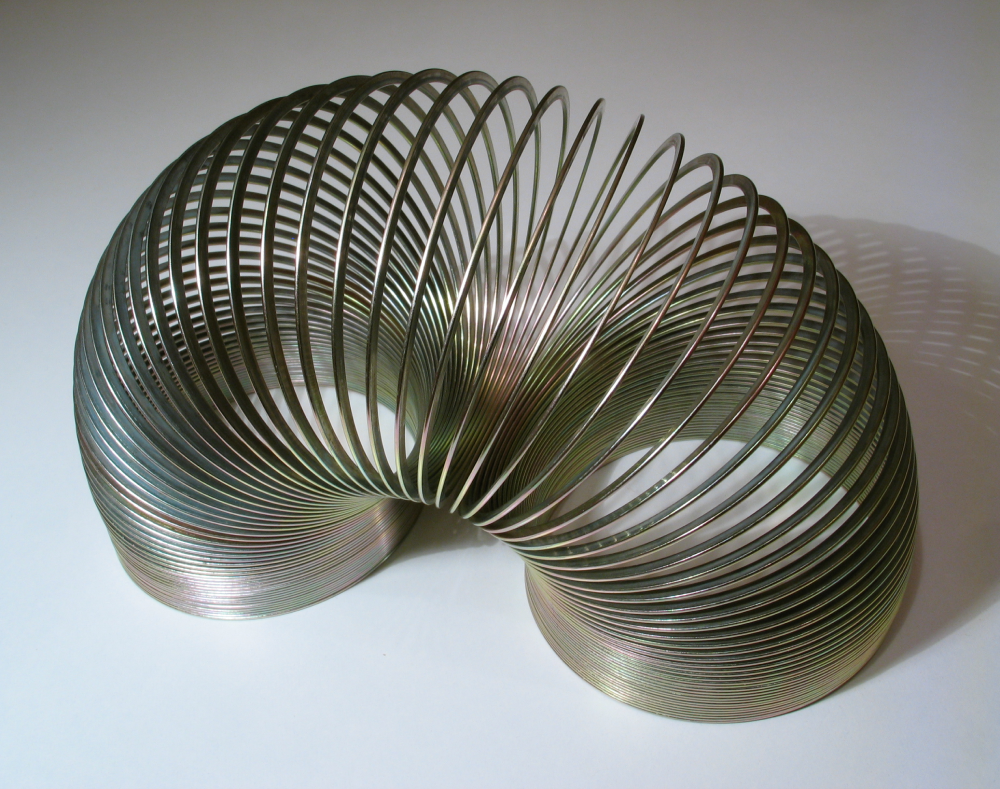
Naval engineer Richard James was attempting to develop specialized tension springs in 1943 to keep sensitive ship equipment stabilized during rough storms at sea. When he accidentally knocked one of his prototype metal coils off a shelf, he watched in amazement as it gracefully walked down a stack of books, instantly realizing it would make a perfect children’s toy.
10. Synthetic nylon
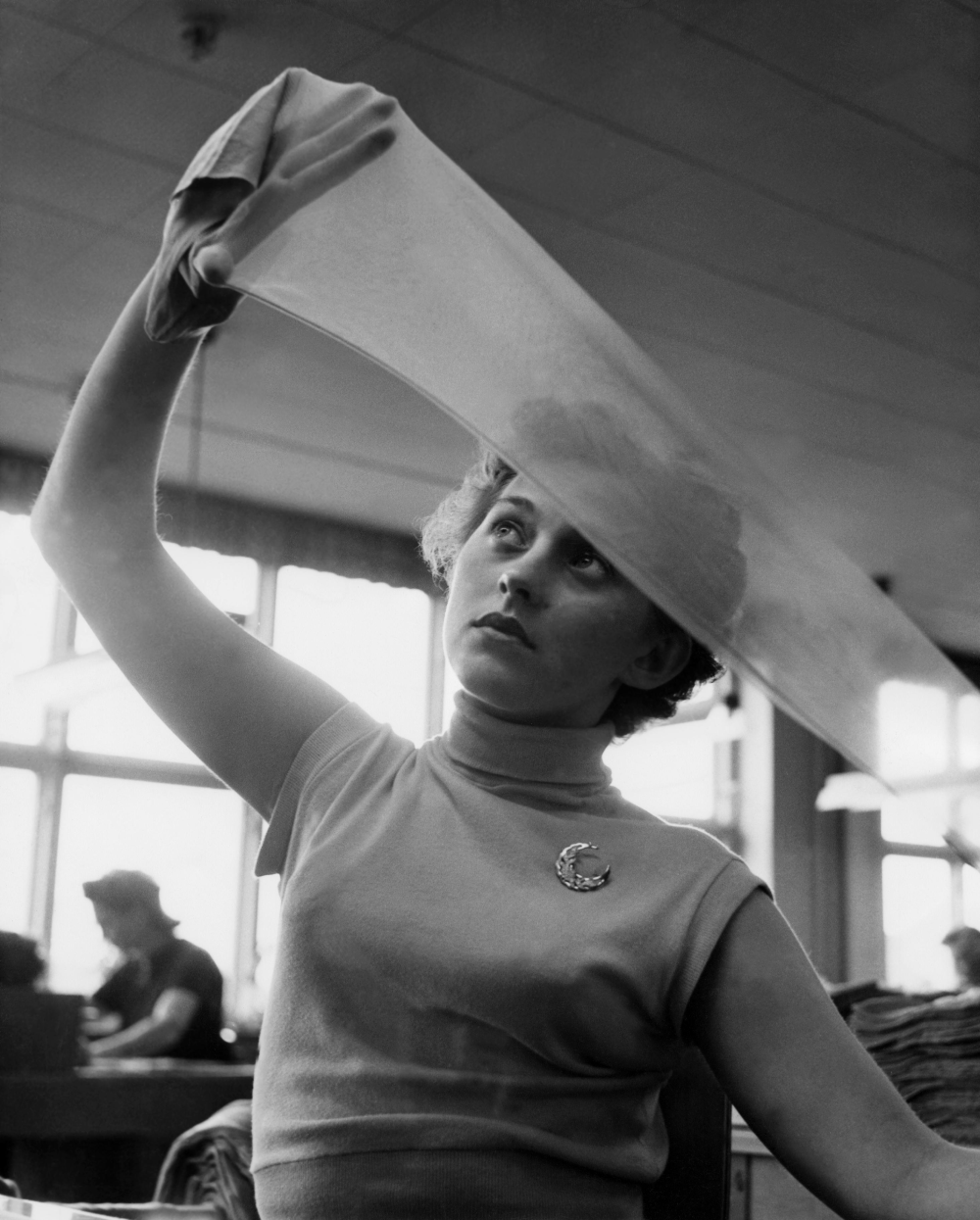
When Asian silk supply routes were completely cut off during the 1940s, the Allied forces desperately needed a durable material to manufacture life-saving parachutes and heavy glider tow ropes. DuPont shifted its entire hosiery production to strictly manufacture nylon for the military, and post-war women actually rioted outside department stores when the highly coveted stockings finally returned to civilian shelves.
11. The jeep
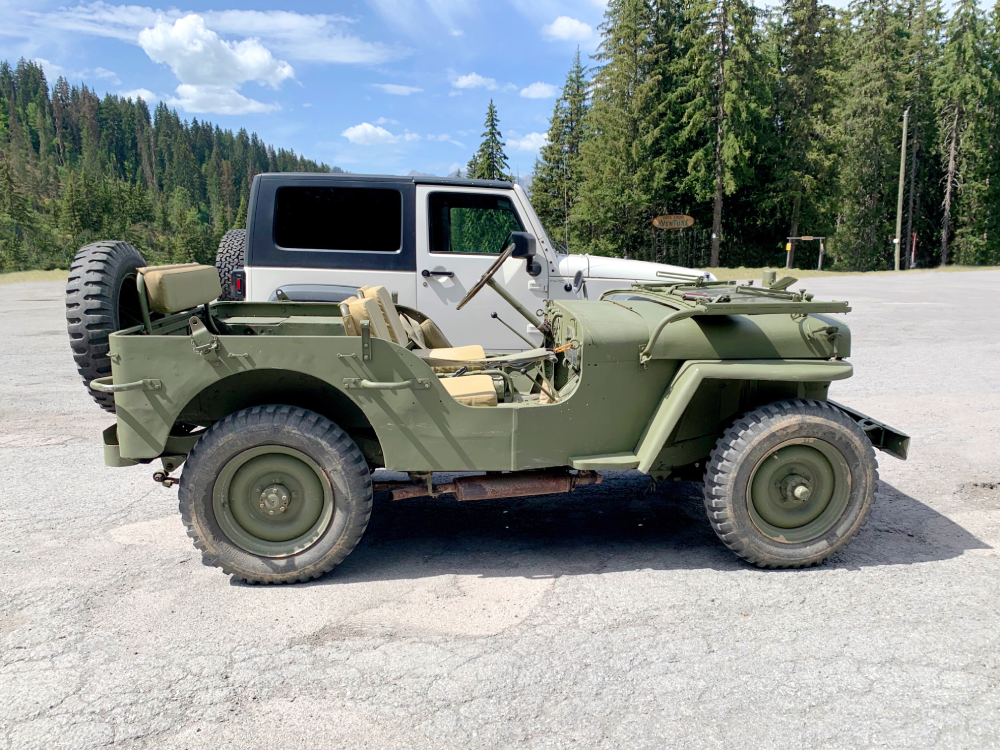
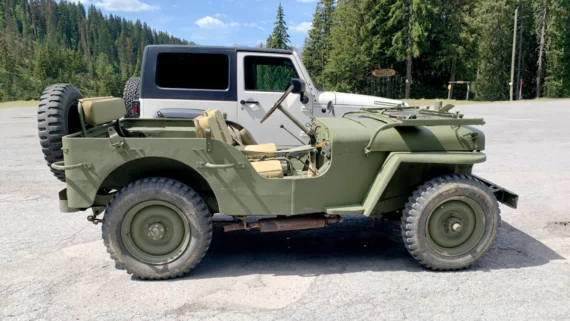
In 1940, the US Army requested bids for a lightweight, four-wheel-drive reconnaissance vehicle that could handle brutal unpaved terrain. The Willys-Overland company delivered the iconic, rugged prototype that General George C. Marshall called America’s greatest contribution to modern warfare, and returning soldiers loved it so much they demanded civilian versions for farming and off-roading.
12. Penicillin mass production
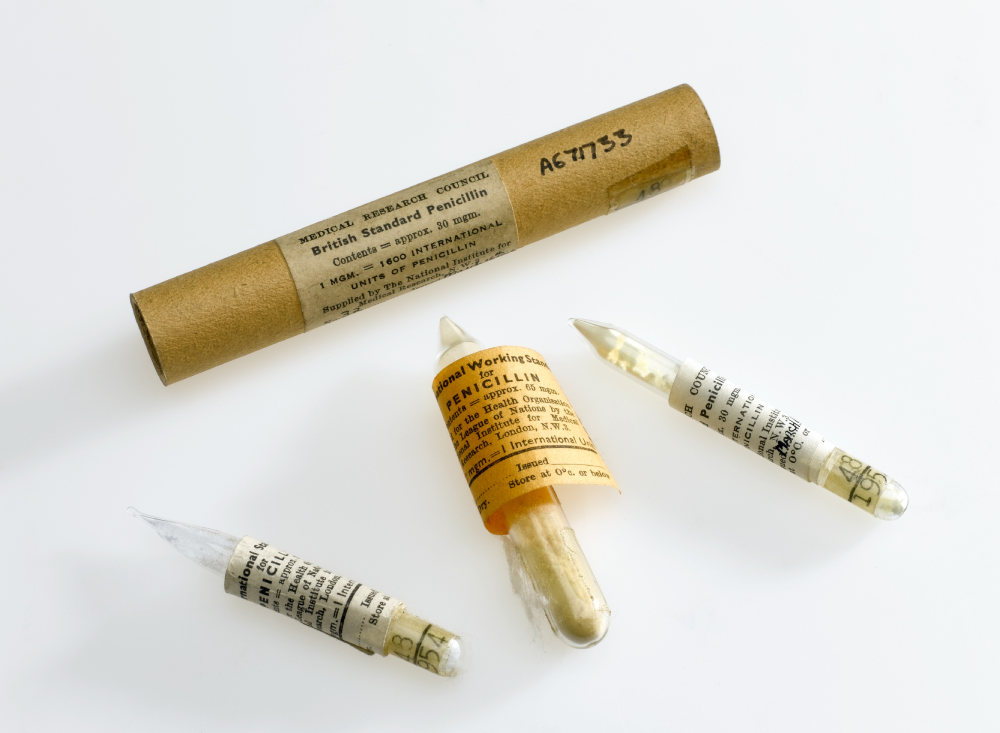
While Alexander Fleming discovered the mold in 1928, it was the massive outbreak of World War II that forced scientists to finally figure out how to mass-produce the antibiotic. The United States War Production Board funded massive deep-tank fermentation facilities in 1943, ensuring that millions of Allied soldiers survived deep shrapnel infections that would have previously been fatal.
13. Weather radar
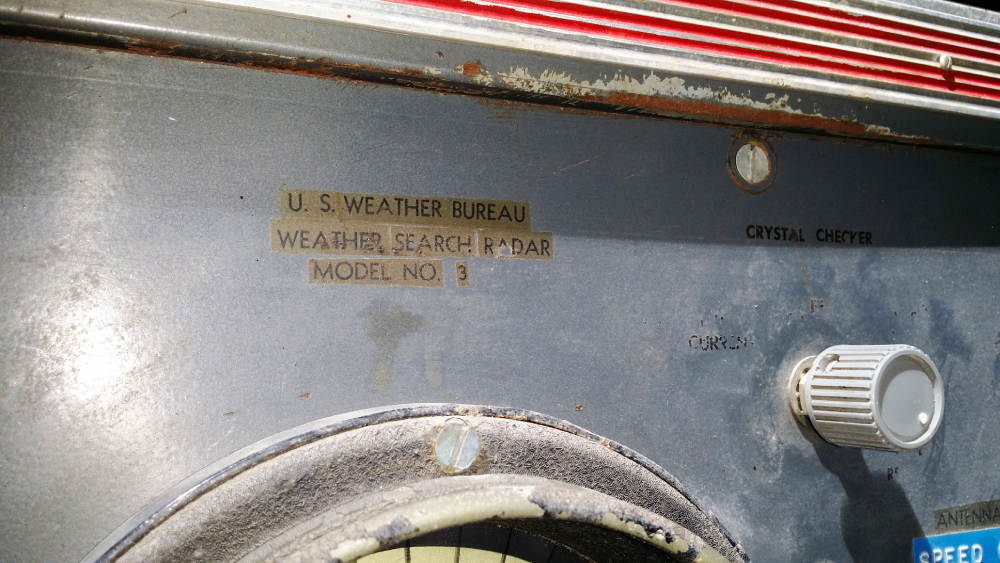
Allied meteorologists tracking enemy aircraft during the early 1940s frequently complained that incoming rain and snow storms were constantly producing confusing echoes on their tracking screens. After the conflict ended, scientists reverse-engineered these annoying weather echoes, intentionally modifying the surplus military equipment to successfully track severe civilian storm systems and incoming hurricanes.
14. Jerrycans
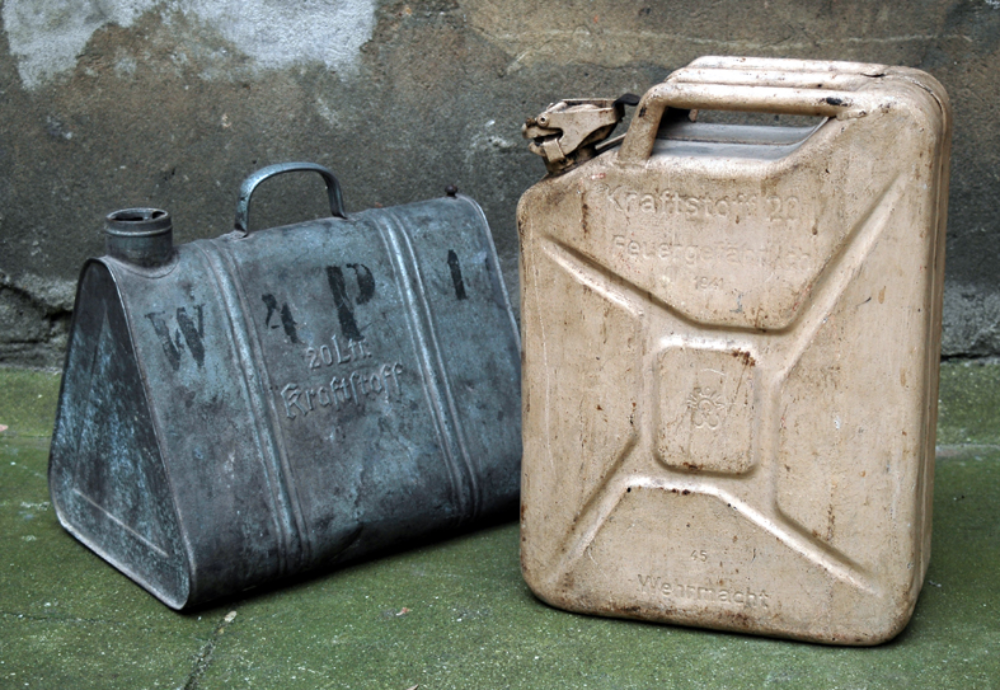
The German military secretly engineered these incredibly durable pressed steel fuel containers in the 1930s to efficiently supply their rapidly advancing mechanized Panzer divisions. An American engineer named Paul Pleiss managed to smuggle three of these distinctively shaped cans out of Berlin in 1939, allowing the Allies to reverse-engineer the brilliant interlocking design to fuel their own massive European invasion.
Check out more outstanding inventions:
It is truly remarkable to think that the harmless toys in our closets or the handy medical devices in our first aid kits were born out of intense global conflict. Understanding the complicated origins of these everyday objects gives us a much deeper appreciation for the complex history hiding right inside our homes. If you love uncovering the surprising stories behind everyday items, be sure to explore these 14 Visionary Inventions Ahead of Their Time or these 20 Forgotten Inventions That Were Way Ahead of Their Time. You can also check out these 12 Unusual Vehicles Built for Snow and Ice.