The 2000s were a strange little bridge between analog habits and the always-online world. People still burned CDs, carried digital cameras, printed MapQuest directions, and argued over text message limits, but suddenly the gadgets in our bags and living rooms started acting smarter. Some looked sleek, some looked ridiculous, and a few were probably more exciting in theory than in daily use. Still, these were the devices that made the future feel like something you could charge overnight.
Apple iPod
APPLE / VIA REDDIT.COM
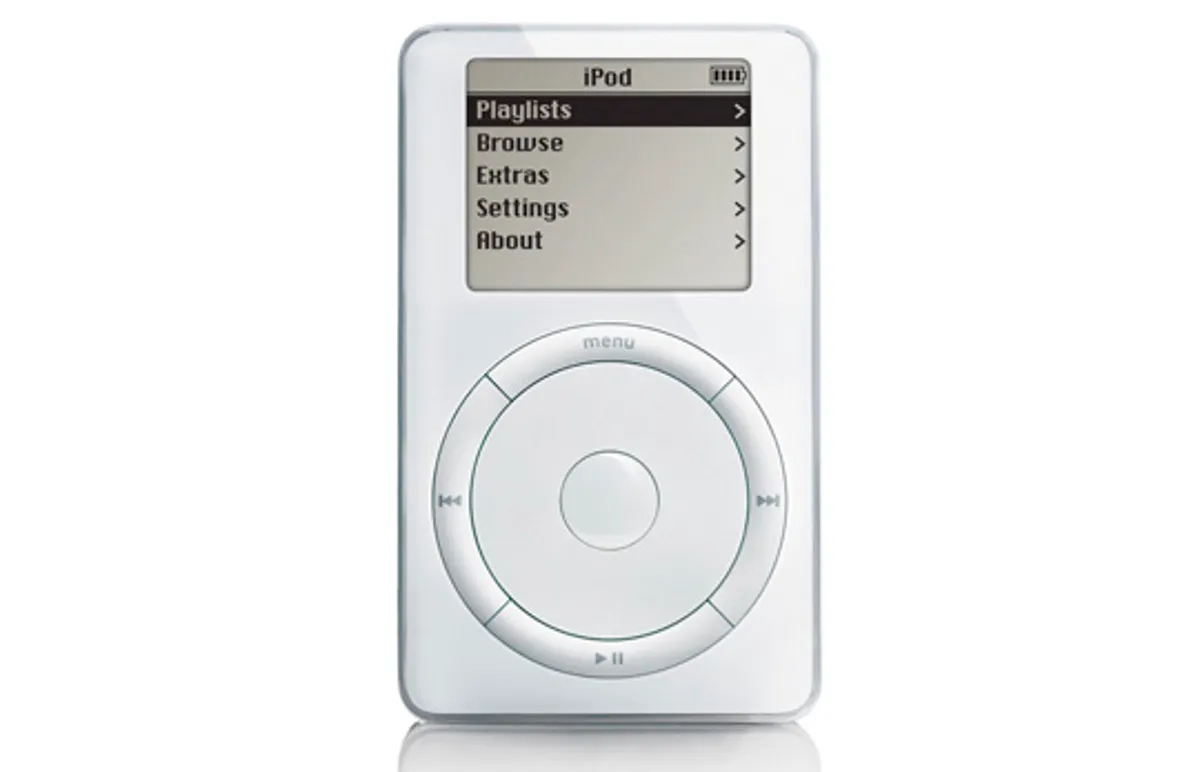
Before the iPod, carrying a serious music library usually meant juggling CDs, a portable player, and maybe a little wallet full of discs that always scratched at the worst possible time. Apple’s white little rectangle made digital music feel clean, personal, and strangely luxurious, especially with that click wheel and the white earbuds that seemed to announce you had entered a new era. By the middle of the decade, the iPod was not just a gadget; it was part of the way people walked through cities, studied, commuted, and quietly ignored everyone around them.
Motorola Razr V3
NOSTALGIA / VIA REDDIT.COM
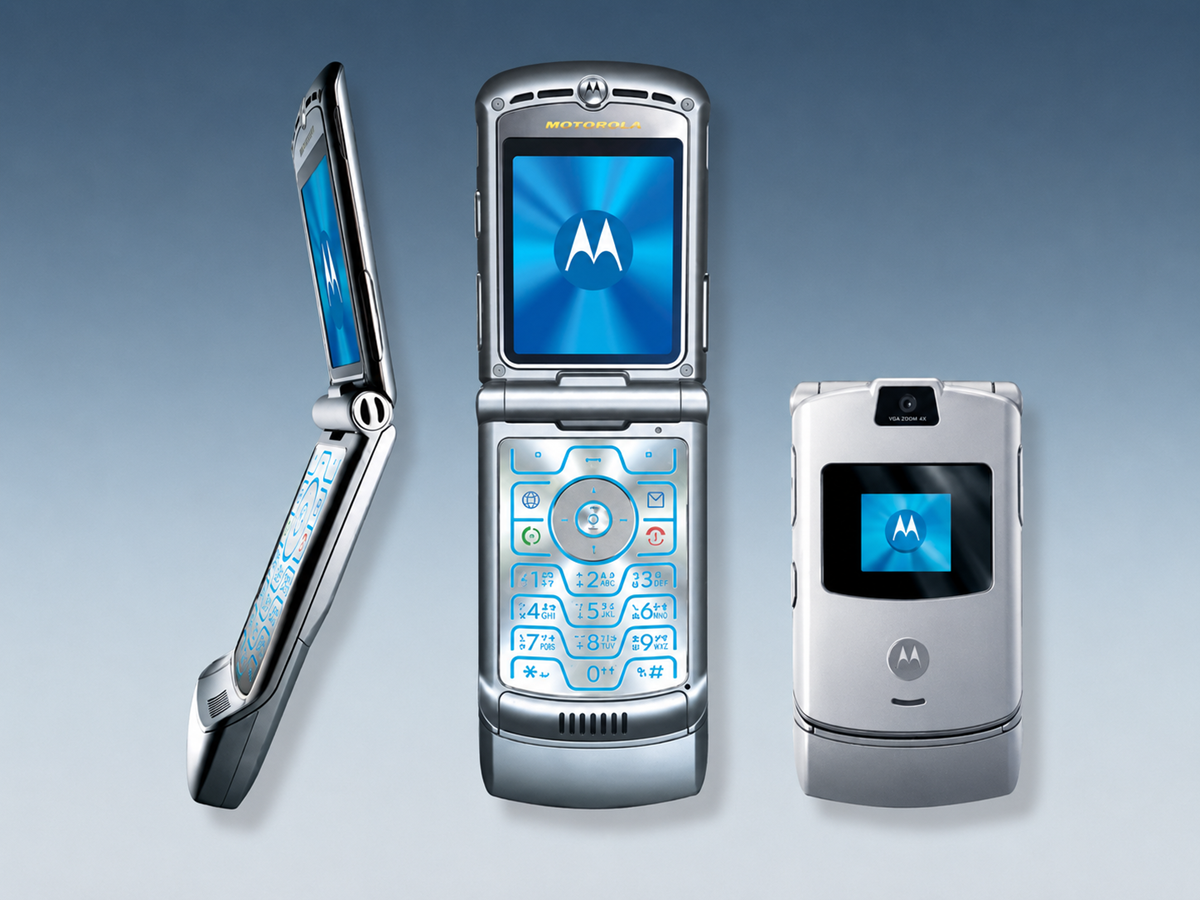
The Razr looked less like a phone and more like a prop from a movie about wealthy people with dangerous secrets. It was impossibly thin for its time, with a metallic body, glowing keypad, and a snap-shut motion that made ending a call feel more dramatic than it needed to be. Plenty of phones could make calls and send texts, but the Razr made the phone itself feel like an accessory.
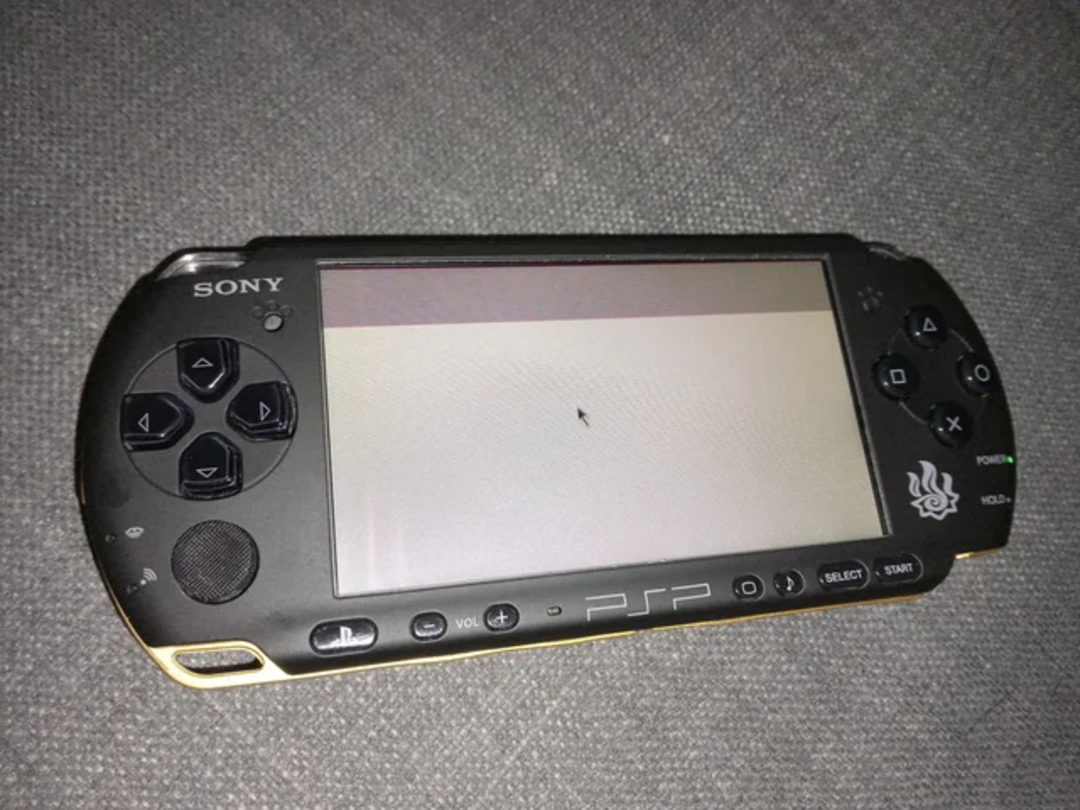
Sony PlayStation Portable
SBCGAMING / VIA REDDIT.COM
The PSP made handheld gaming look unusually grown-up. Its glossy black body, wide screen, and ability to play music, videos, and UMD movies gave it the mood of a tiny entertainment system from some near-future airport lounge. It was not always the most practical device, especially once those little discs started rattling around in bags, but seeing console-style games in your hands in 2005 felt genuinely impressive.
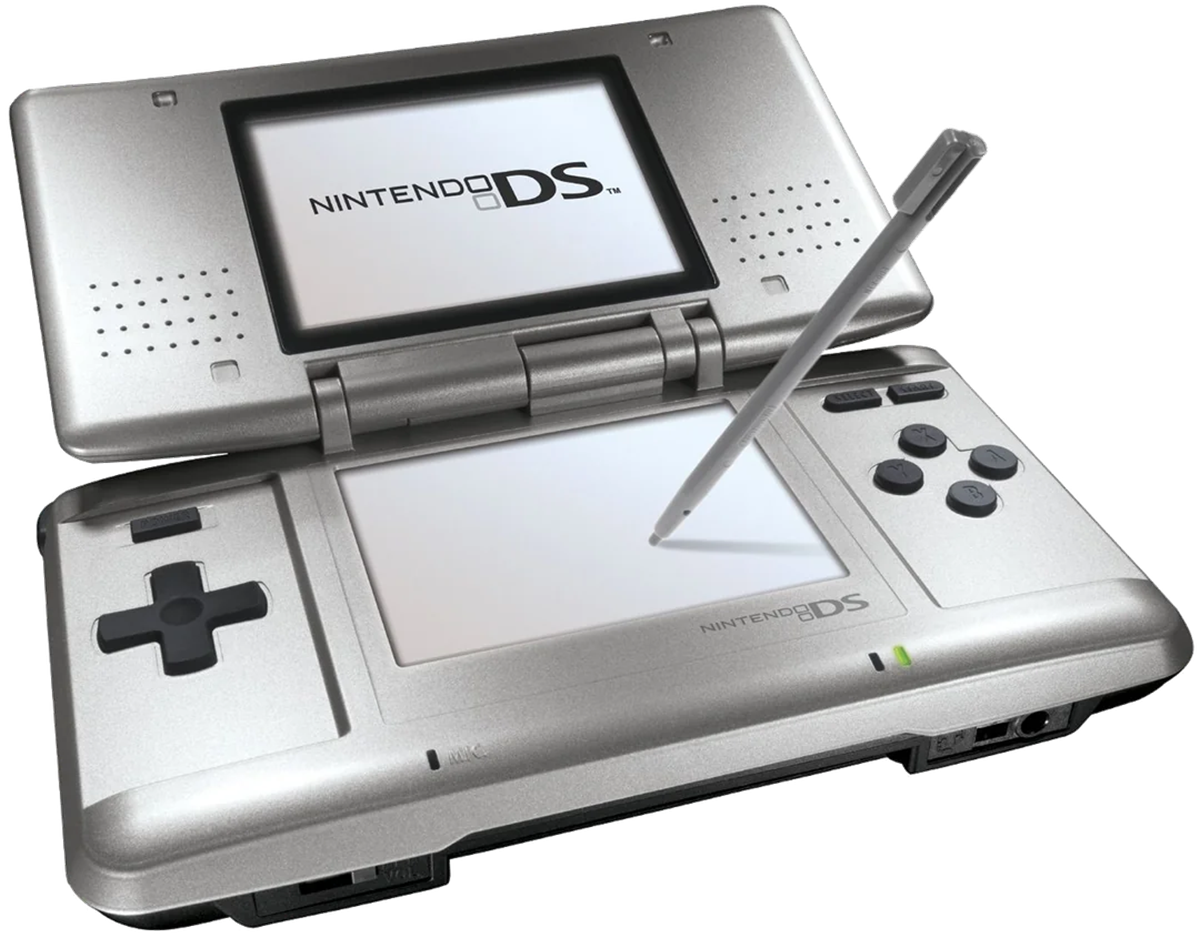
Nintendo DS
TWOBESTFRIENDSPLAY / VIA REDDIT.COM
The Nintendo DS did not try to look sleek in the same way as the PSP, and that was part of its charm. Two screens, a stylus, a microphone, and weird little experiments like Nintendogs made it feel playful rather than futuristic in a cold way. It suggested that the future of games might not just be better graphics, but stranger ways to interact.
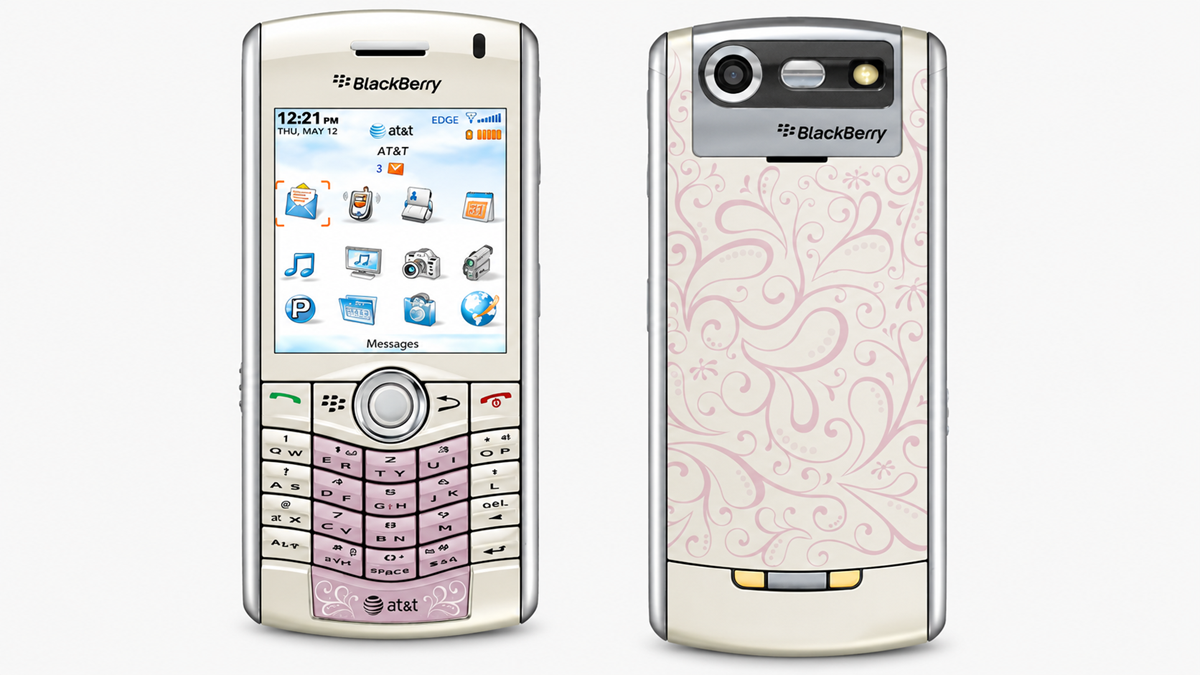
BlackBerry Pearl
XENIALS / VIA REDDIT.COM
For a while, a BlackBerry meant you were either very important or wanted people to think you were. The Pearl made that business-phone energy feel smaller, glossier, and more personal, with its tiny trackball and compact keyboard layout. It turned email into something you checked everywhere, which was exciting before it became exhausting.
Trending on The Scroller


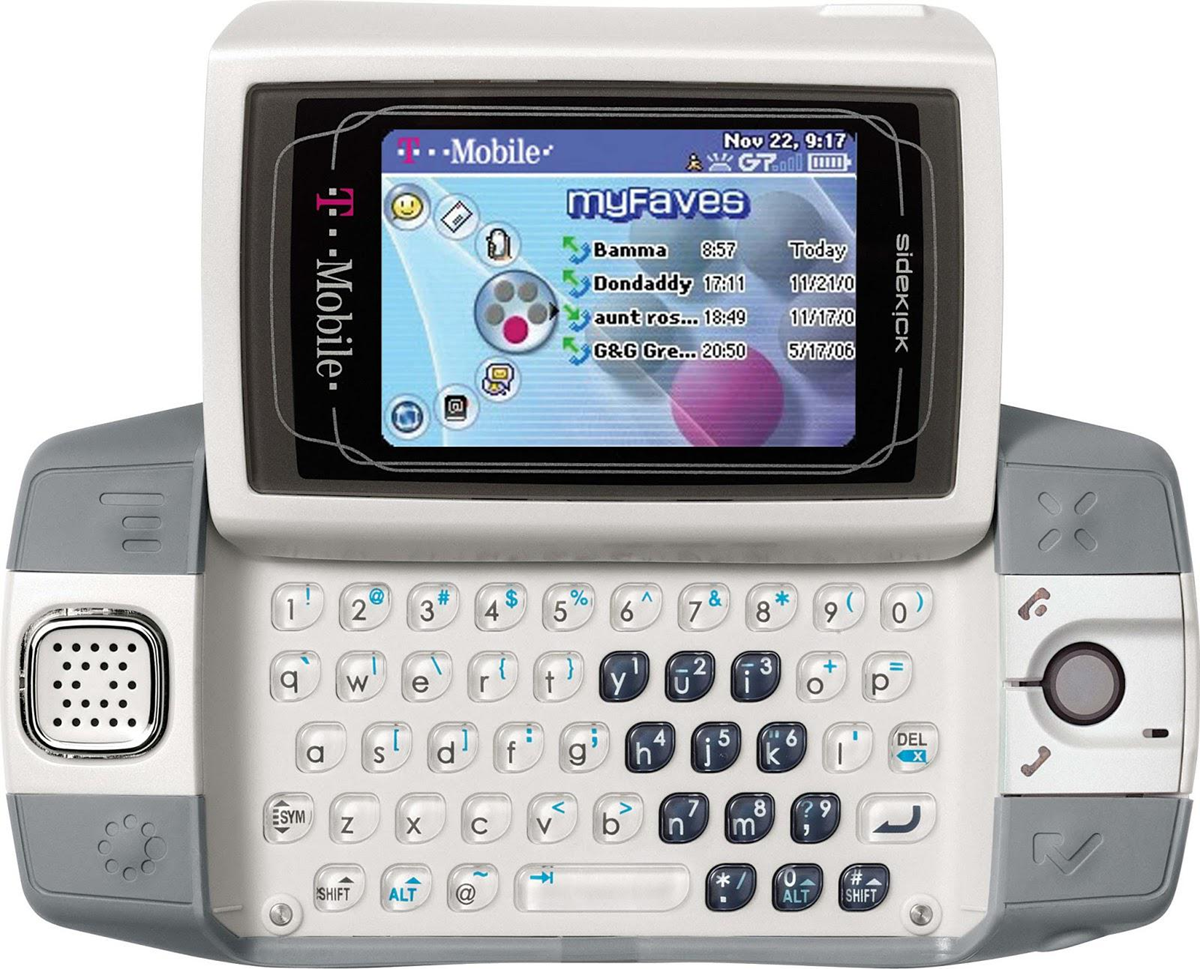
T-Mobile Sidekick
NOSTALGIA / VIA REDDIT.COM
The Sidekick had one of the most satisfying reveals in tech history: that screen flipping open to expose the keyboard underneath. It was a phone built for messaging, screen names, away messages, and the feeling that your social life could live inside one chunky little device. Before smartphones flattened everything into glass rectangles, the Sidekick had personality.
TiVo DVR
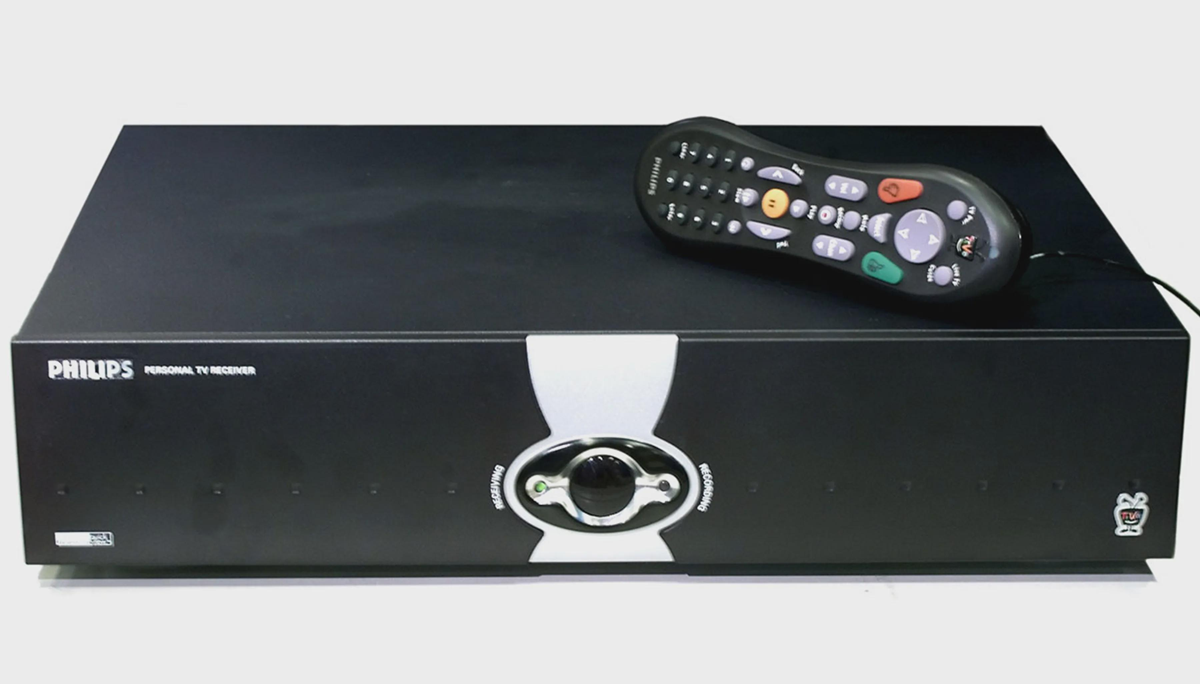
NOSTALGIA / VIA REDDIT.COM
TiVo made television feel obedient. Instead of rushing home for a show or setting a VCR with the patience of a repair technician, you could record programs, pause live TV, and skip around with a freedom that felt almost suspicious. The little peanut-shaped remote became part of the experience, and so did the idea that TV should wait for you, not the other way around.
Roomba
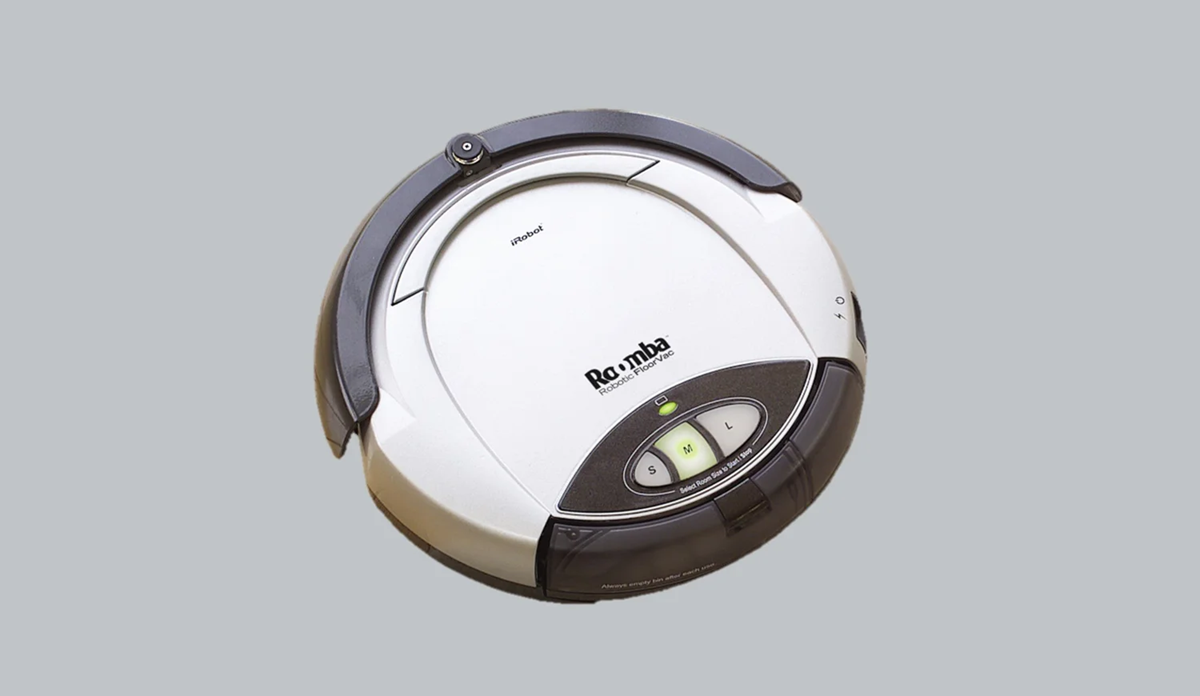
ROOMBA / VIA REDDIT.COM
A robot vacuum wandering around the living room sounded like science fiction, even if the early versions sometimes got trapped under furniture or bumped into chair legs with great confidence. The Roomba arrived in 2002 and made domestic robotics feel oddly normal. It was not Rosie from The Jetsons, but it was a small machine cleaning the floor while people stood around watching it like a pet.
Sign up for our newsletter
Flip Video Camera
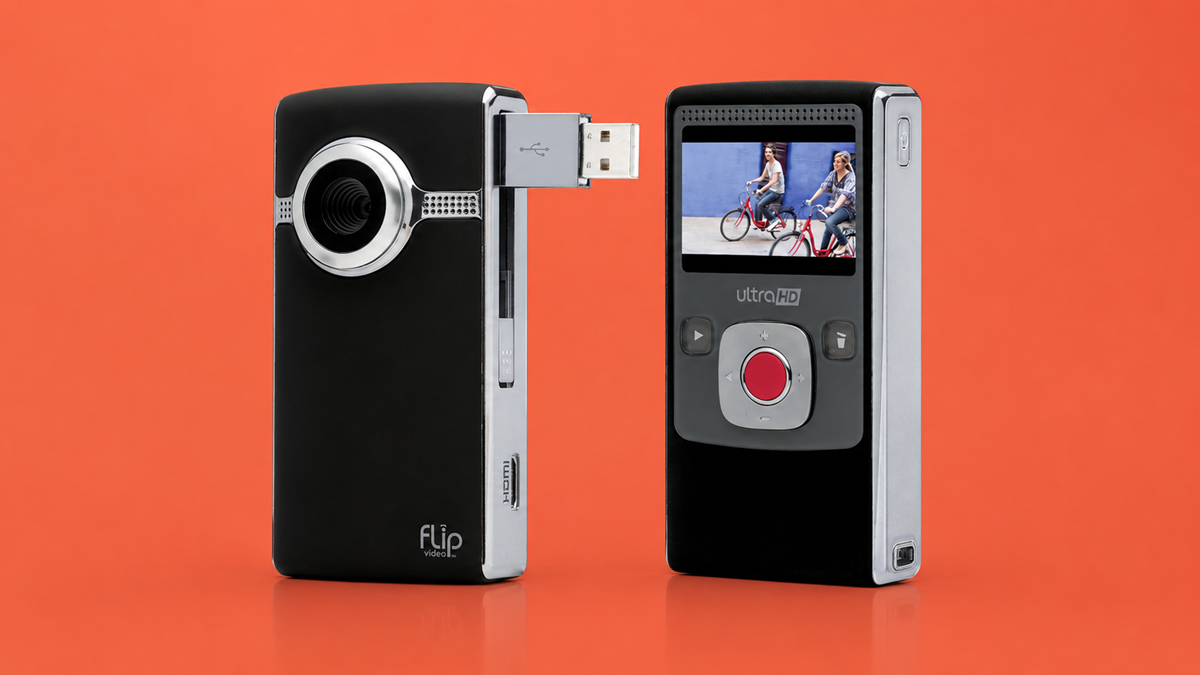
NOSTALGIA / VIA REDDIT.COM
The Flip camera made video feel casual before phone cameras completely took over. You could pull it out, press one big red button, and plug it straight into a computer with the built-in USB arm. It was simple in a way that now feels almost shocking, a gadget made for birthday parties, school projects, vacations, and the early YouTube years.
Apple iPhone
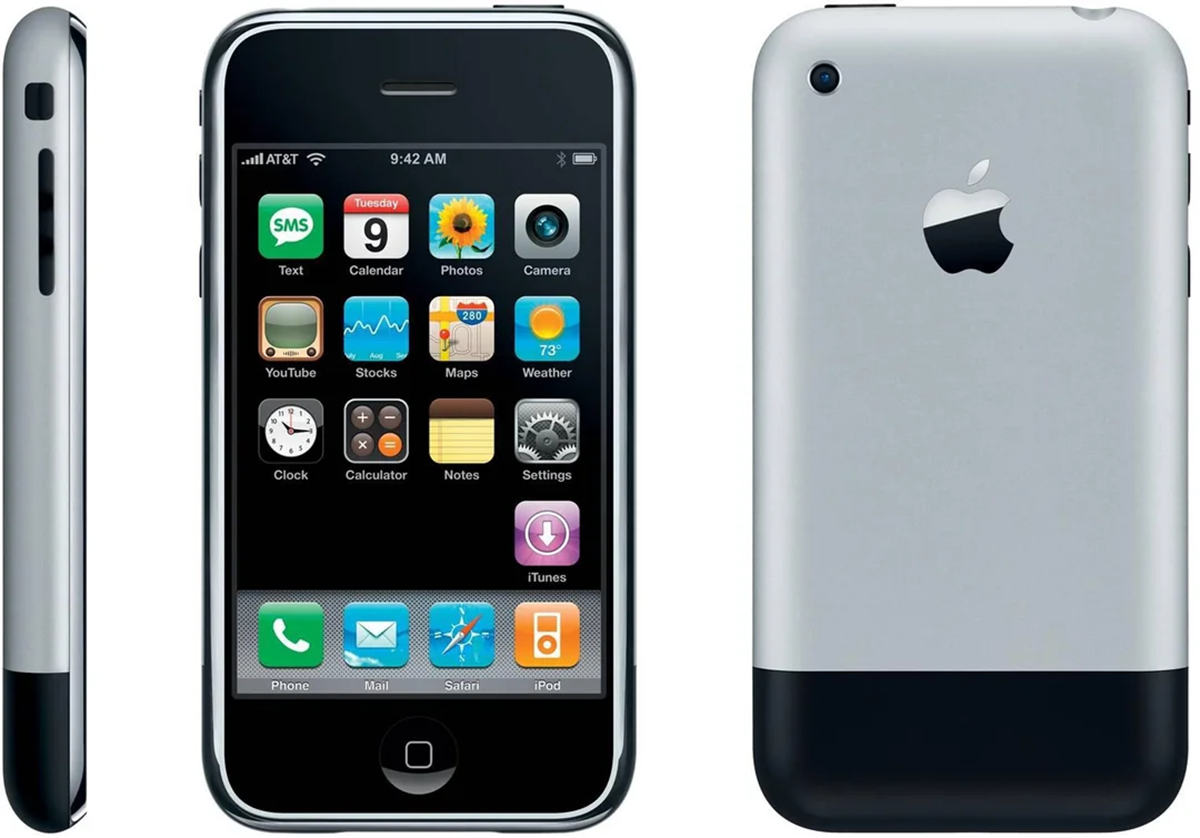
GENZ / VIA REDDIT.COM
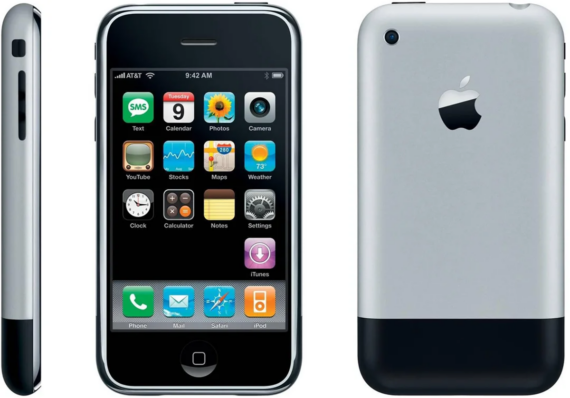
When the iPhone arrived in 2007, it made a lot of other gadgets suddenly look older than they were. The big touchscreen, visual voicemail, mobile browser, and pinch-to-zoom gestures felt like small bits of magic at a time when many phones still had plastic keyboards and tiny web pages that barely worked. It was expensive, limited in some early ways, and still unmistakably a glimpse of where everything was heading.
Amazon Kindle
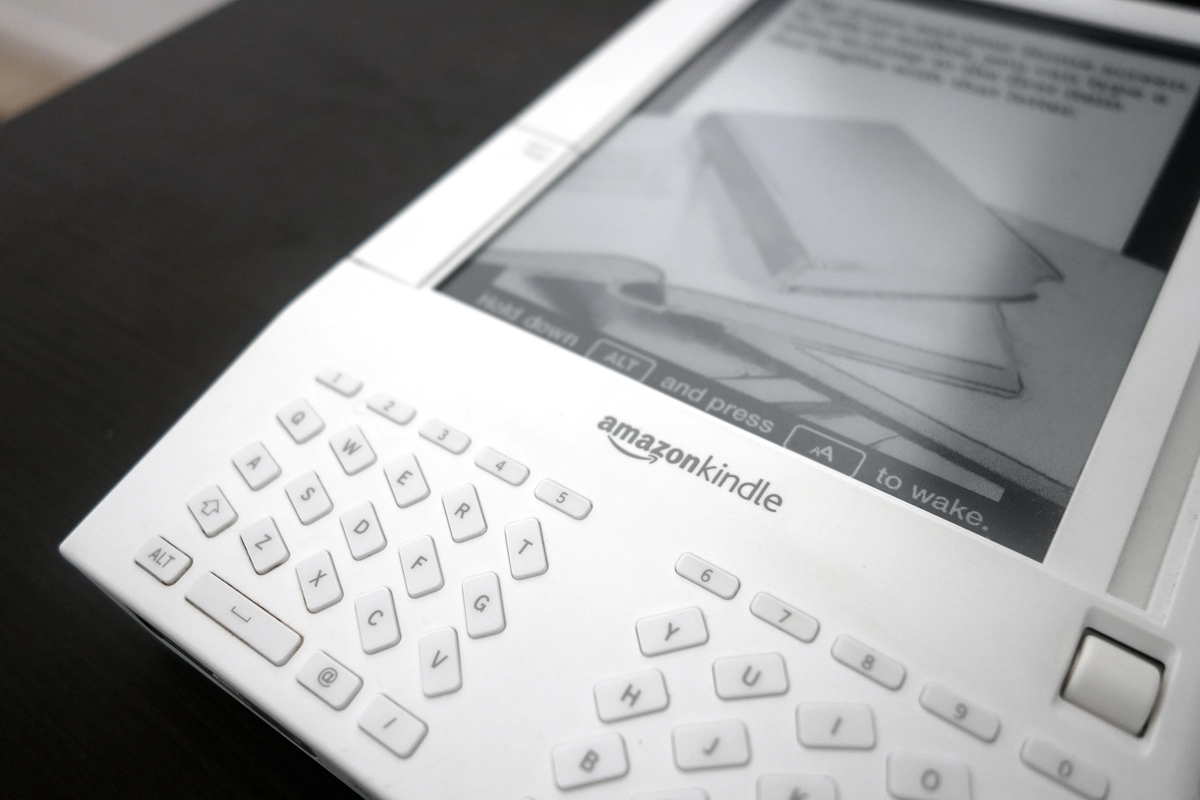
KINDLE / VIA REDDIT.COM
The first Kindle was not exactly beautiful, with its wedge shape and busy keyboard, but the idea behind it felt bold. A small device could hold a personal library, download books wirelessly, and let people read on an electronic paper screen that did not look like a laptop display. For readers used to carrying paperbacks on trips, it felt a little like cheating.
Slingbox
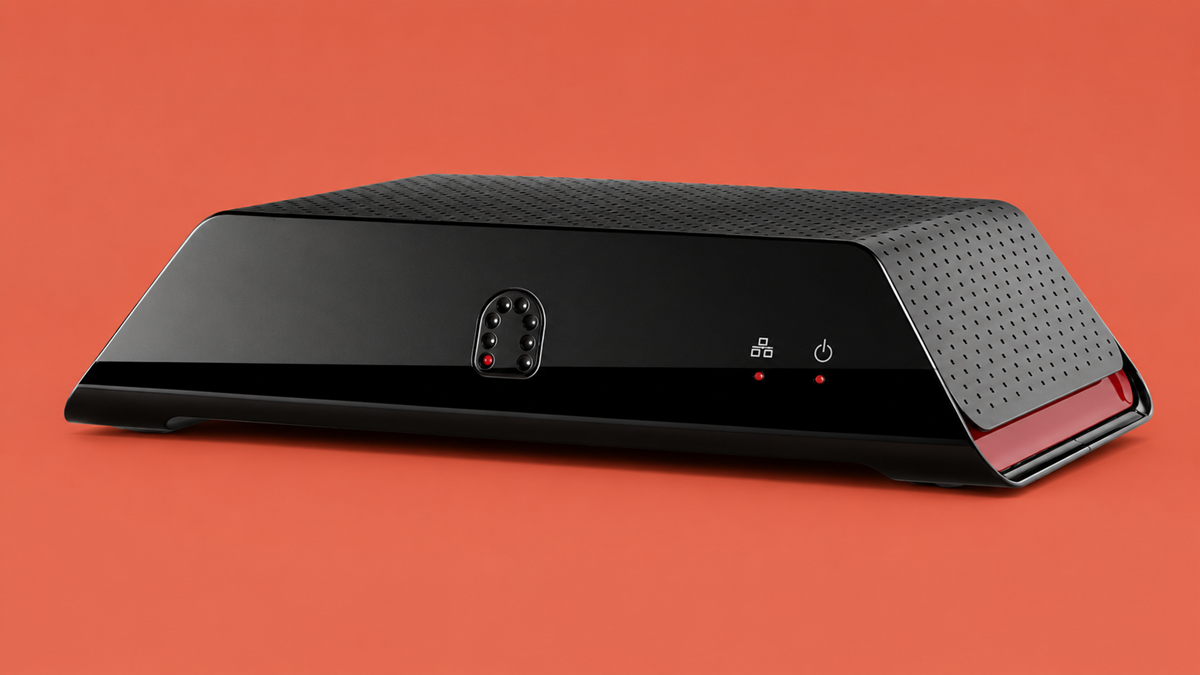
SLINGBOX / VIA REDDIT.COM
Slingbox was the kind of gadget that sounded slightly unbelievable when someone explained it. You connected it to your home TV setup, then watched your own television from another computer somewhere else. Before streaming apps became ordinary, that idea had a wonderfully strange quality, like your living room had been stretched across the internet.
TomTom GPS Navigator
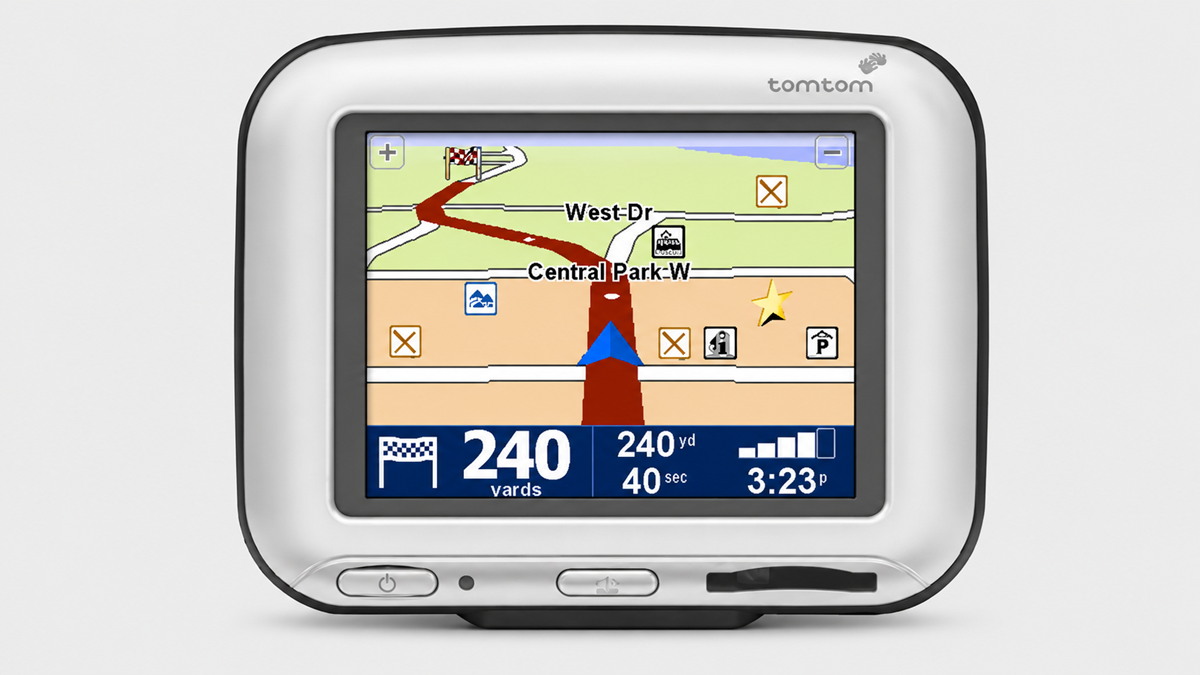
NOSTALGIA / VIA REDDIT.COM
Standalone GPS units had a real moment before phones absorbed the job. A TomTom suction-cupped to the windshield could talk you through turns, reroute you after mistakes, and remove some of the anxiety from driving somewhere unfamiliar. It also made the car feel more advanced, even if the voice occasionally led people into baffling little detours.
ASUS Eee PC
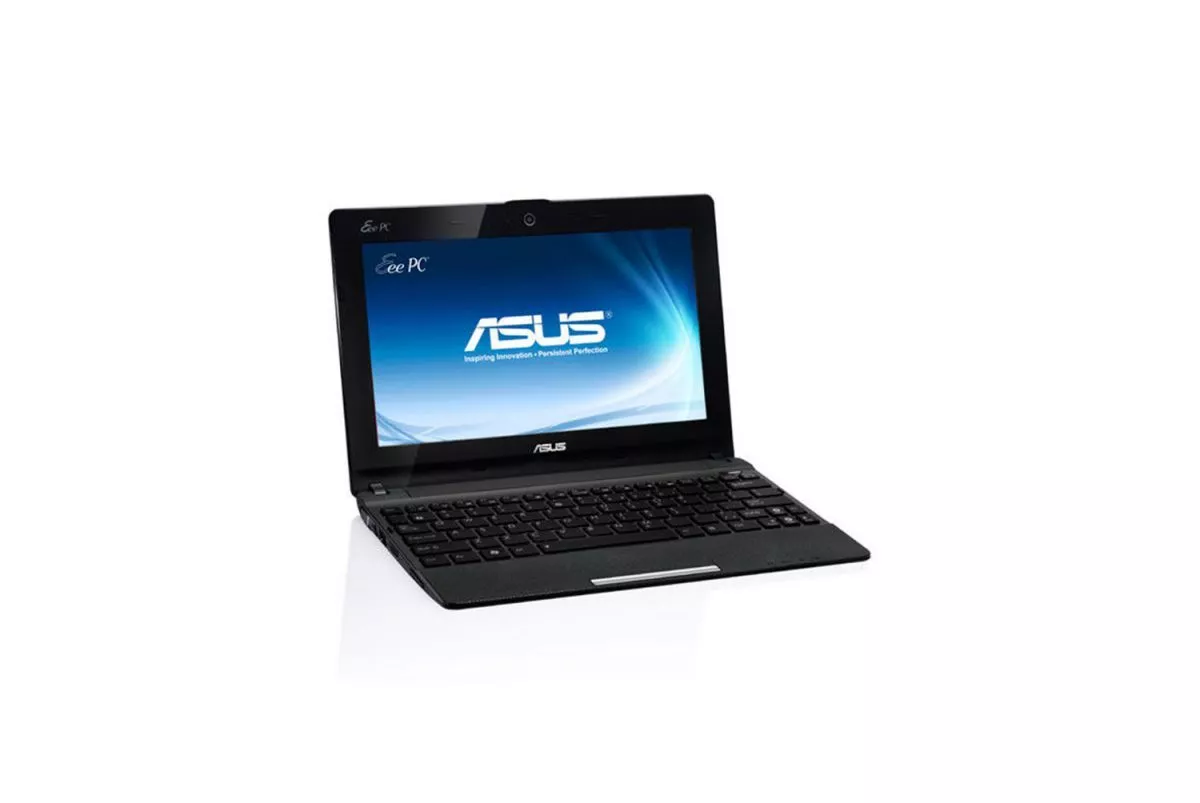
RETROBATTLESTATIONS / VIA REDDIT.COM
The Eee PC captured a very specific late-2000s dream, a tiny affordable laptop you could toss into a bag and use almost anywhere. Its screen was small, its keyboard could feel cramped, and nobody was editing a feature film on it, but that was not really the point. It made lightweight mobile computing seem reachable before tablets and ultrabooks cleaned up the idea.
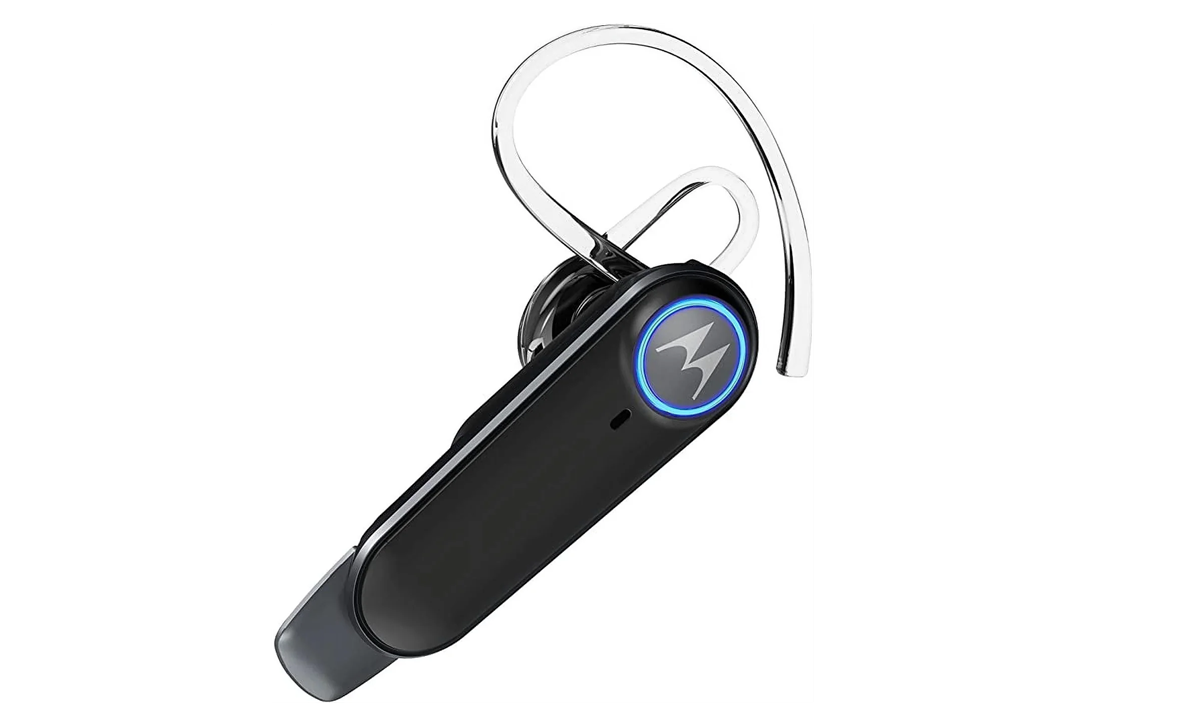
Bluetooth Headset
2000NOSTALGIA / VIAREDDIT.COM
For a few years, the Bluetooth headset was the unofficial symbol of someone doing business in a parking lot. People walked around with a little blinking device on one ear, talking to invisible callers and looking either extremely efficient or mildly confusing. It promised hands-free communication, and even when it looked awkward, it made everyday life feel a bit more wireless.
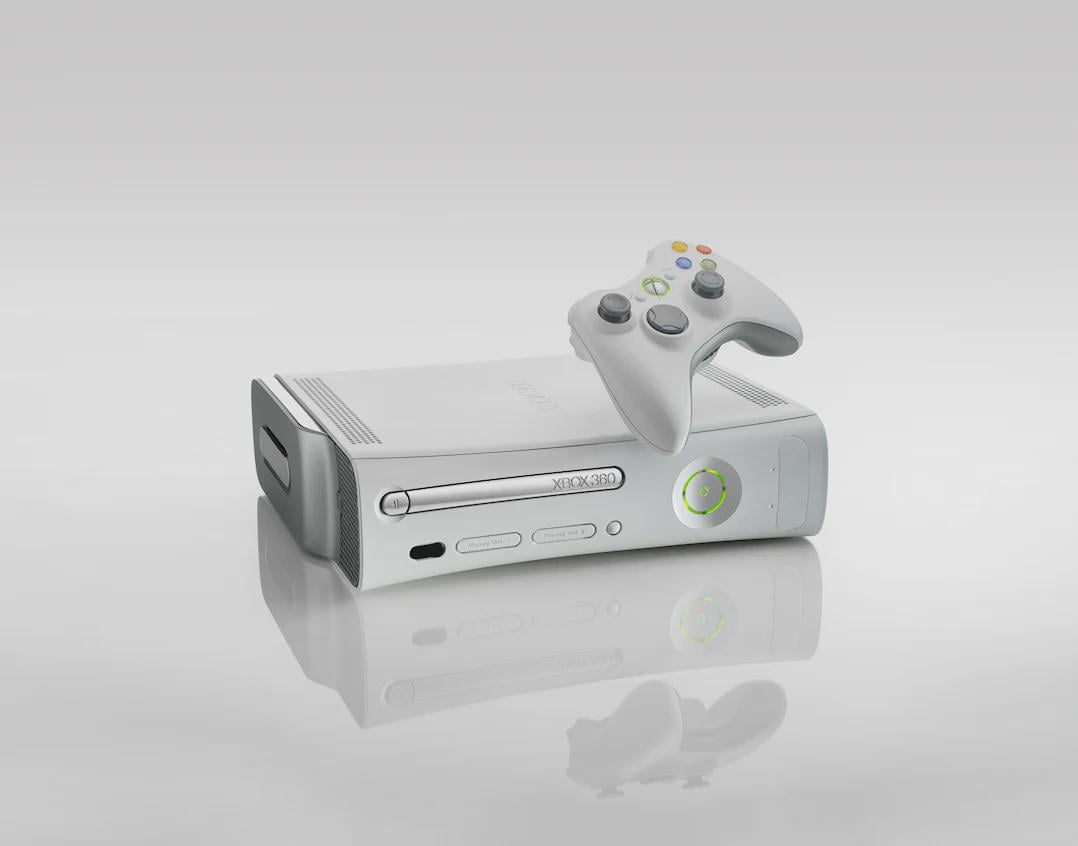
Microsoft Xbox 360
ORIGINALXBOX / VIA REDDIT.COM
The Xbox 360 made the living room feel more connected than consoles had before. Xbox Live turned online gaming into a regular social space, complete with friends lists, voice chat, downloadable demos, and the slightly chaotic energy of hearing strangers through a headset. Even with the red ring problem hanging over its reputation, the machine captured a very 2000s version of the future, glossy, online, and always asking you to sign in.
In the mood for more?
Check out 25 Tech Gadgets Everyone Wanted in the 1990s, or take a look at 20 Early 2000s Gadgets That Were Way Ahead of Their Time. If you want to see more gadget history, you can check out 20 Early 2000s Gadgets That Were Way Ahead of Their Time.