Before the massive suburban retail booms of the mid-twentieth century, a simple errand run was a highly active, multi-stop journey. Daily life required navigating bustling city centers, keeping track of separate business hours, and braving whatever weather the season threw at you just to check off your basic household checklist. Families structured their entire week around these highly specialized trips, stepping onto busy downtown streets with a clear, practical plan for shopping for their goods. It was a lifestyle built on local connection, physical footwork, and a highly personal relationship with neighborhood merchants.
The rapid rise of the fully enclosed, climate-controlled shopping center completely rewrote these decades-old routines, transforming the act of buying into a full-day leisure experience. The truth is that the introduction of these massive suburban retail hubs systematically altered our collective shopping habits, turning what used to be a series of separate chores into a centralized, highly social form of entertainment. Suddenly, consumers no longer had to rush to catch the last trolley or worry about carrying heavy bags down rainy streets. Let’s take a look at fourteen classic consumer habits that completely changed once malls took over our communities.
1. Visiting multiple individual main street shops
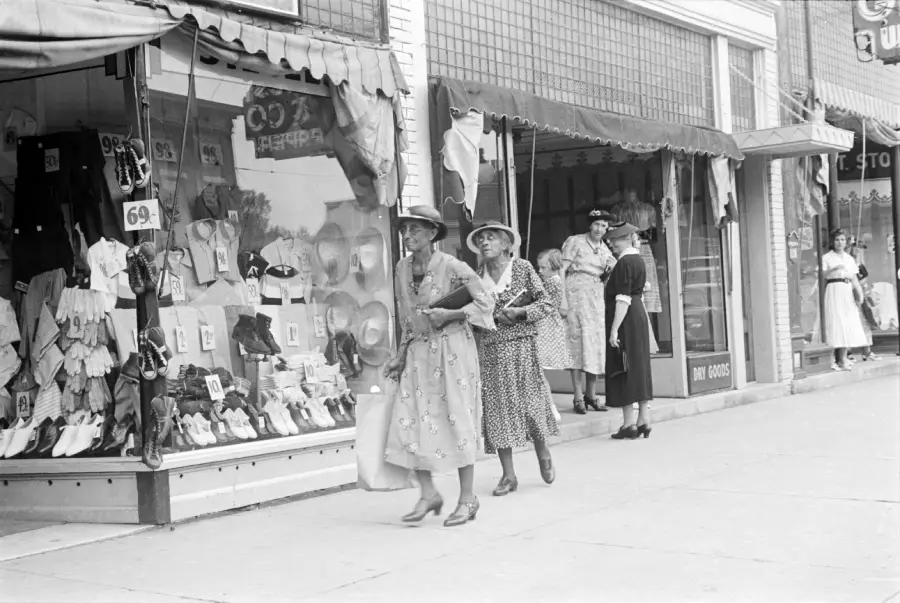
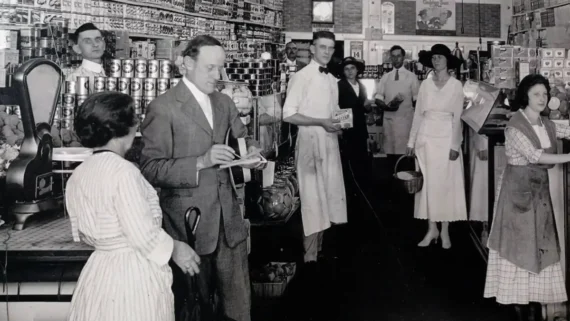
Before the convenient era of the suburban department store anchor, families had to physically walk to separate specialty storefronts, visiting the local butcher, the baker, and the dry goods merchant at different physical addresses. This decentralized routine meant that completing the weekly chores required hitting multiple city blocks rather than walking under a single, massive roof.
2. Buying fabric to make clothes at home
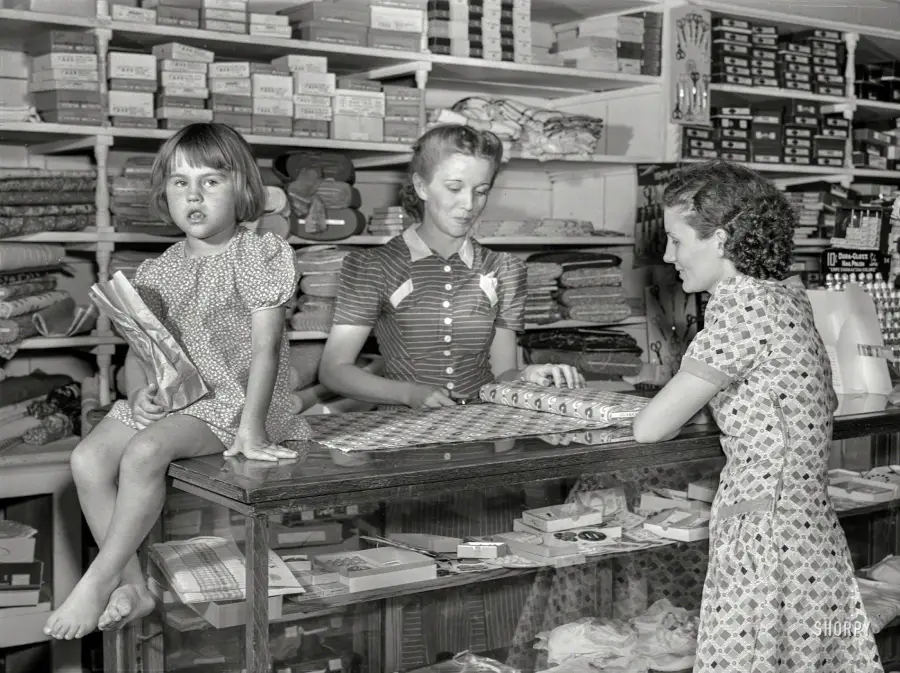
Historically, updating your seasonal wardrobe meant purchasing raw yards of textiles at a local dry goods merchant to sew garments at home or take to a neighborhood seamstress. Malls completely popularized mass-produced, ready-to-wear fashion boutiques, making the intricate, centuries-old art of custom home-dressmaking practically obsolete for the average consumer.
3. Riding streetcars and buses downtown for major purchases
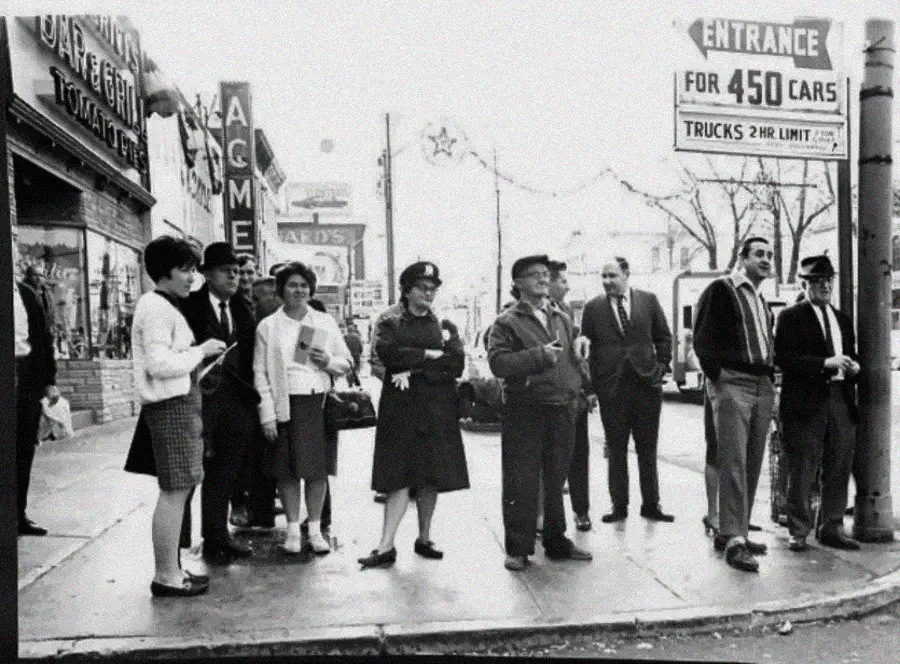
Securing high-end household items, fancy Sunday dresses, or special holiday gifts once required taking public transit directly into the heart of the city center. The rise of suburban shopping centers completely flipped this transit pattern, shifting commerce outward and requiring massive, sprawling concrete parking lots to accommodate the post-war explosion of family automobiles.
4. Chatting with business owners by name
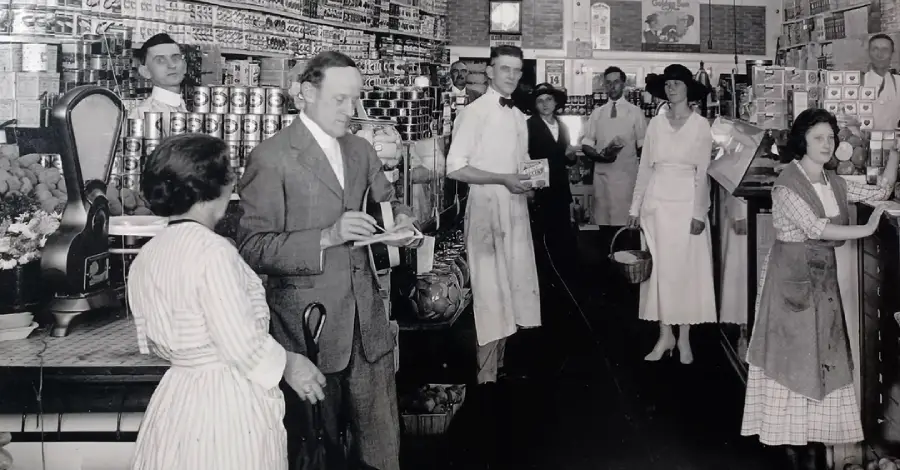
Traditional retail was highly personal, built on years of direct interactions with local shopkeepers who knew your family, your specific tastes, and your credit history. The transition to corporate mall chains replaced this cozy, familiar neighborhood dynamic with standardized, high-volume customer service managed by young, rotating shift workers.
5. Racing the strict 5:00 pm main street closing bell
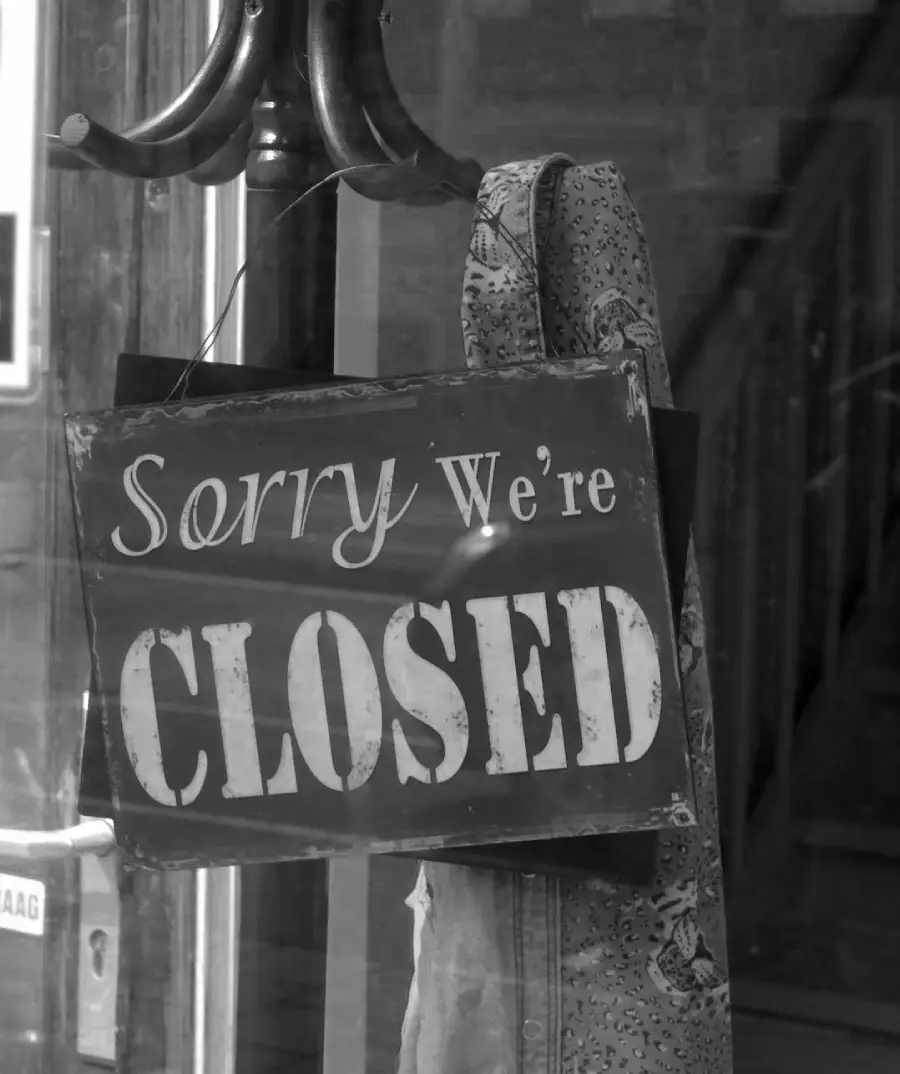
Downtown merchants traditionally closed their doors early in the evening, forcing working families to rush through their errands before the streets went dark. Malls revolutionized modern scheduling by introducing late-night hours, staying open well past dinner to transform evening browsing into a legitimate social activity.
Trending on The Scroller

6. Withdrawing cash at the bank before buying anything
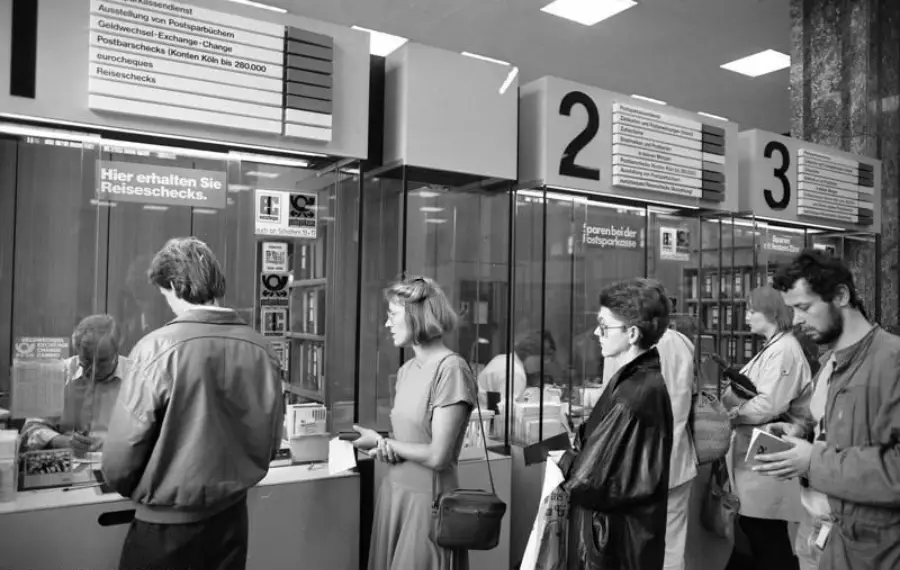
Before the widespread adoption of modern credit cards and automated mall banking kiosks, consumers had to make a dedicated trip to their local bank branch during strict morning hours to withdraw physical cash. Without those green paper bills in your wallet, making an impulse purchase on a whim was virtually impossible.
7. Waiting for a clerk to fetch items
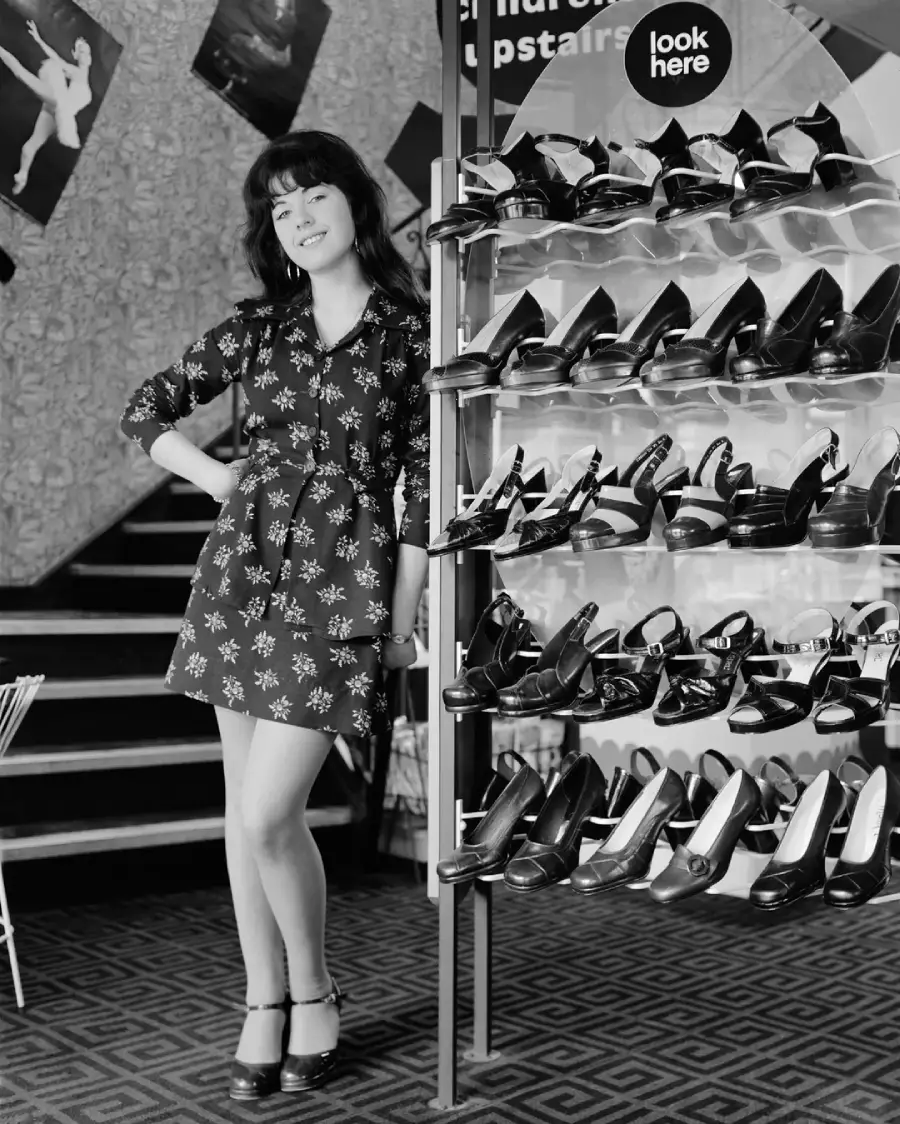
In the early days of retail, customers did not roam free to browse open shelves; instead, they had to wait patiently at a wooden counter for a clerk to retrieve items from drawers or glass displays. Malls perfected the concept of self-service open displays, actively encouraging shoppers to touch, hold, and try on products without any immediate staff supervision.
8. Sticking strictly to a handwritten list without browsing
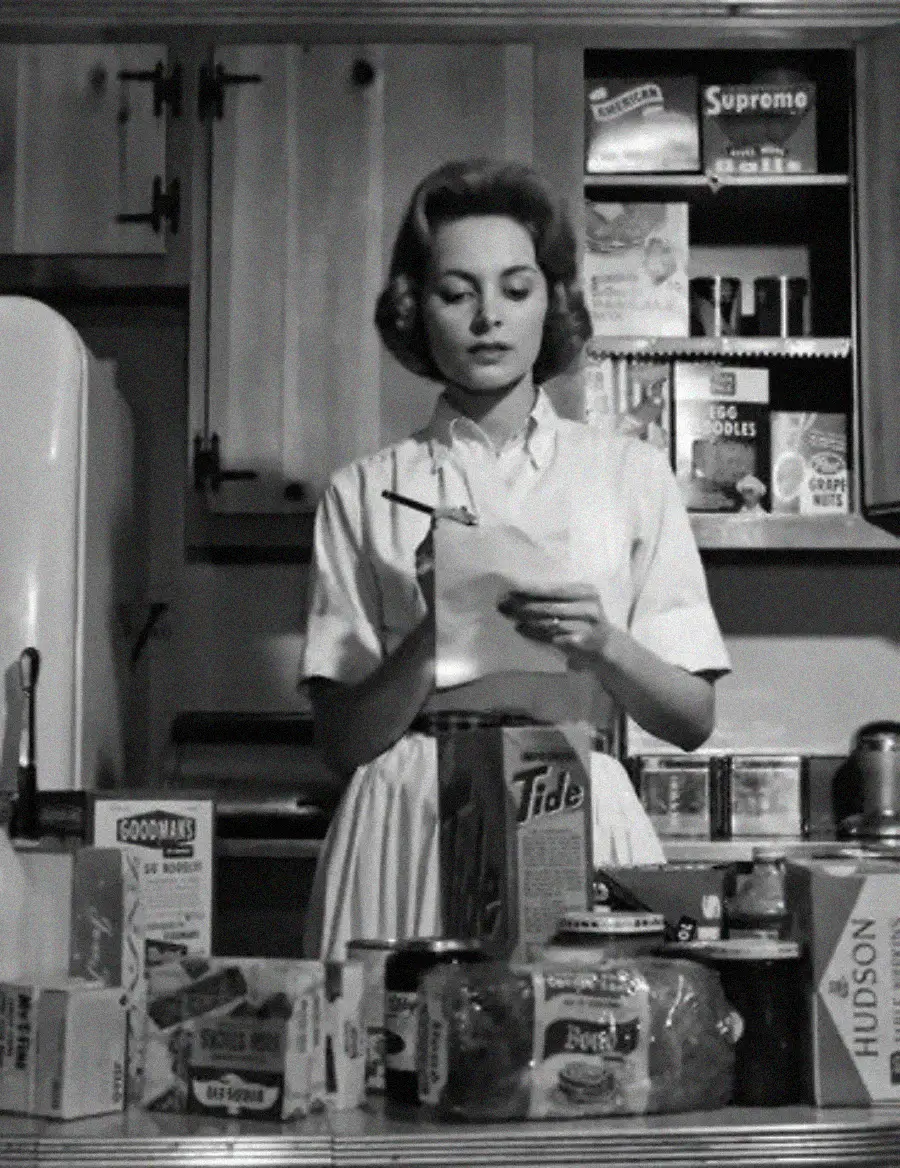
Shopping trips were once treated as highly targeted, efficient missions where you bought exactly what was written on your paper list and immediately went home. The clever architectural layout of the modern mall was explicitly engineered to encourage aimless wandering, introducing sensory distractions that turned casual window shopping into a massive, multi-million dollar industry.
Sign up for our newsletter
9. Relying on the local store tab credit
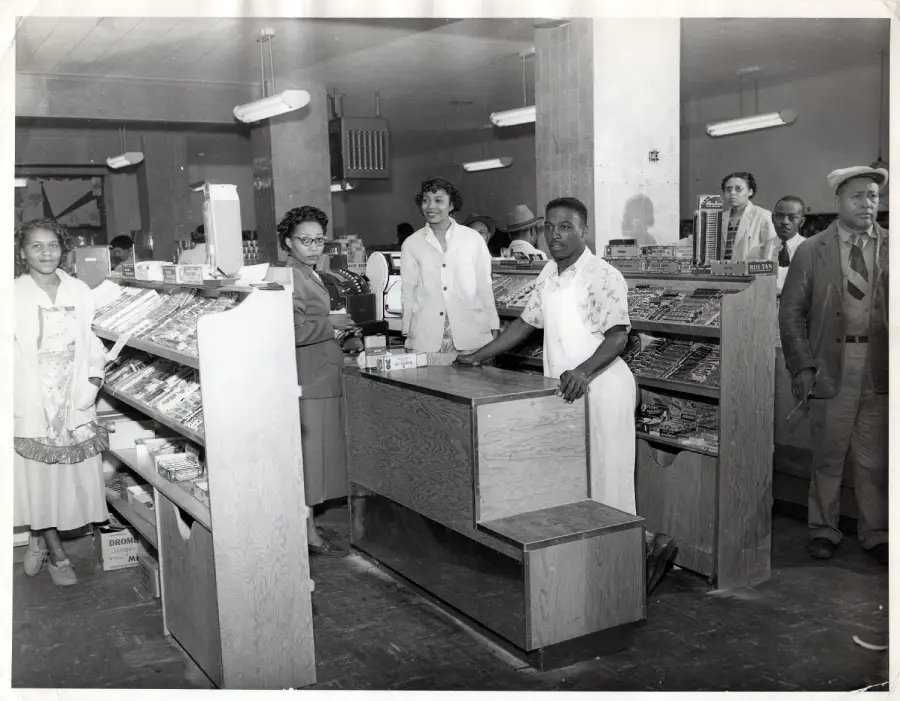
Before corporate credit cards dominated the global economy, local neighborhood grocers kept paper ledger books where they quietly marked down your purchases, allowing families to buy goods on trust and settle the tab at the end of the month. Corporate mall retailers eliminated this informal, honor-system credit, requiring immediate payment at the cash register.
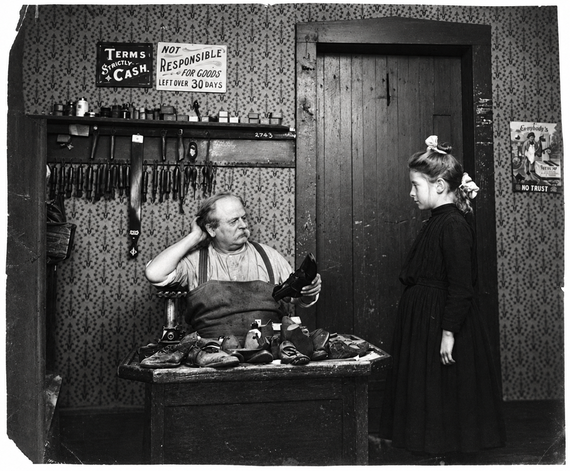
10. Taking worn shoes to the neighborhood cobbler
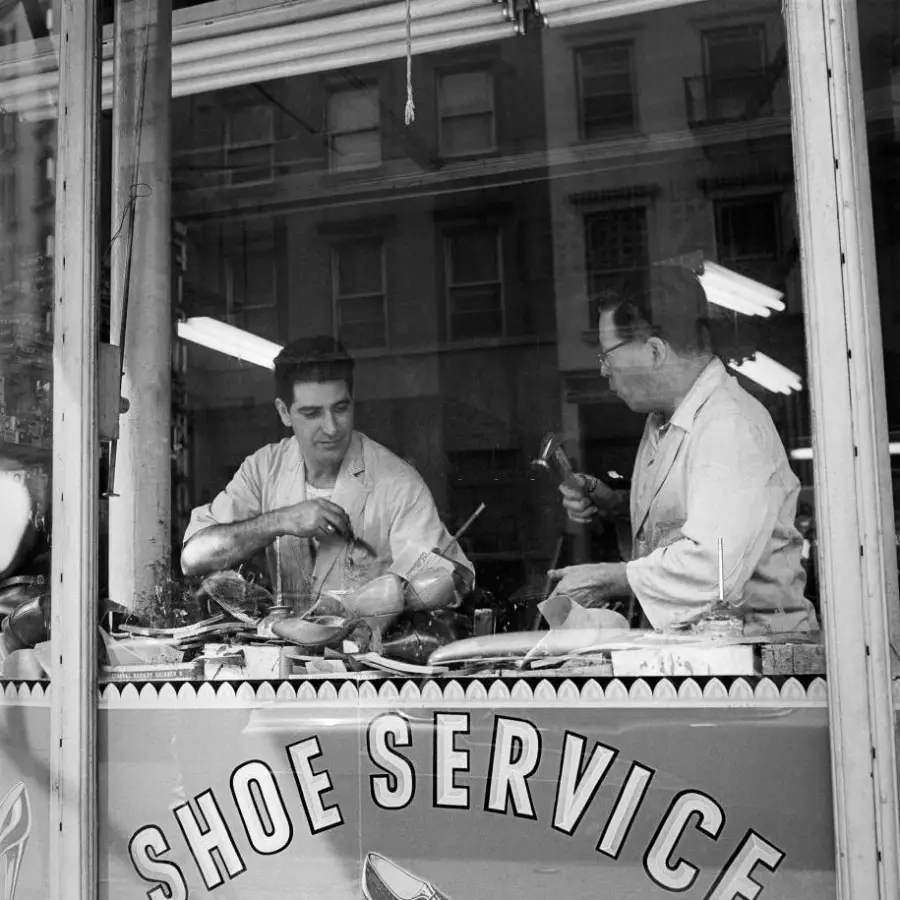
When a heel wore down or a leather seam split, the automatic response was to take the pair to a local shoemaker to extend their life for another few years. The availability of cheap, mass-produced footwear at mall department stores made replacing shoes far more convenient and affordable than getting them repaired.
11. Placing holiday orders via mail-order catalogs
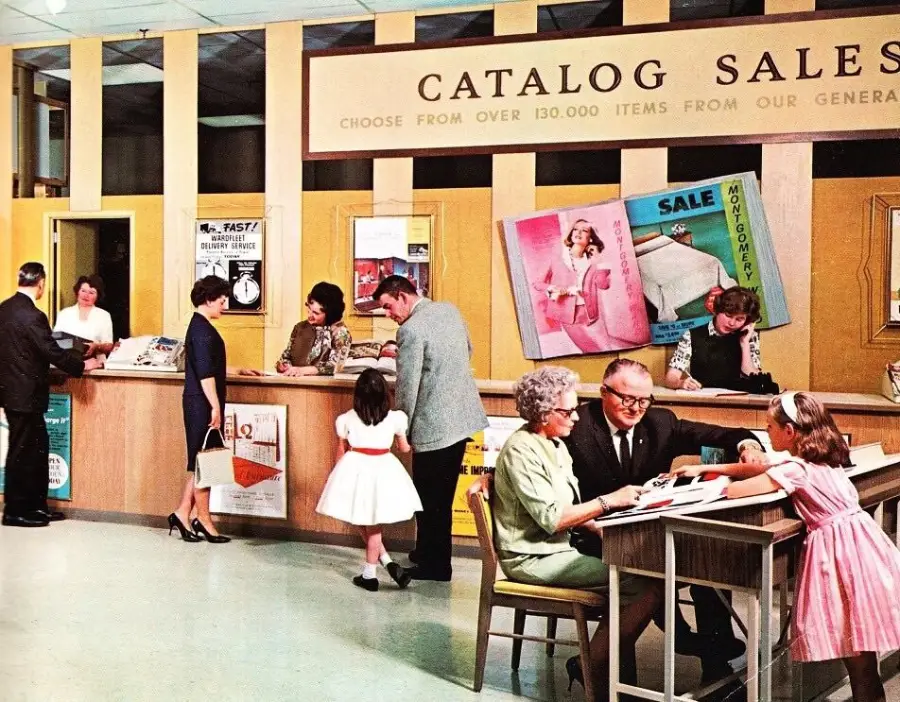
For generations of rural and suburban families, winter holiday preparation meant sitting around the living room circling toys in the massive Sears or Montgomery Ward catalogs. Enclosed shopping malls turned holiday gift acquisition into a physical, sensory event, complete with elaborate window displays and a central stage for photos with Santa Claus.
12. Shopping strictly on Saturday afternoons
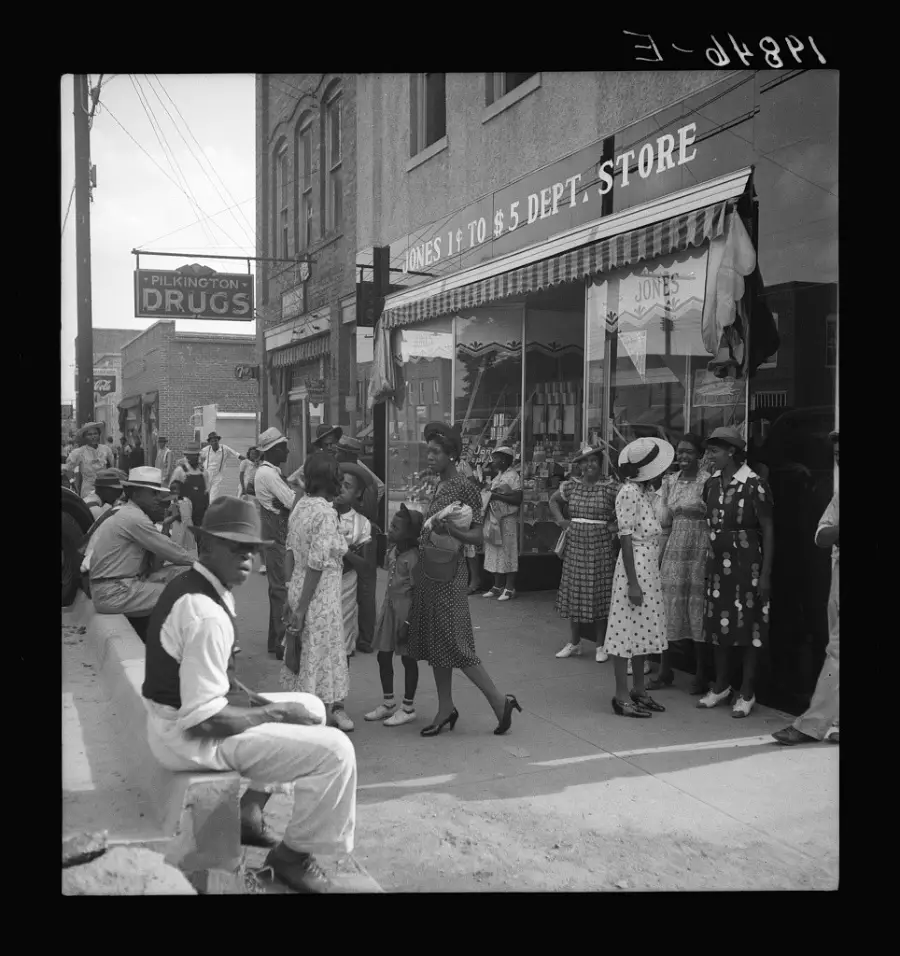
Because Sunday was traditionally reserved for church, family rest, and closed business laws, Saturday was the single, chaotic window of the week where the entire town swarmed the downtown district. Enclosed malls eventually successfully lobbied to overturn local blue laws, opening up Sunday trading and spreading retail foot traffic across the entire weekend.
13. Carrying heavy paper bags long distances to transit
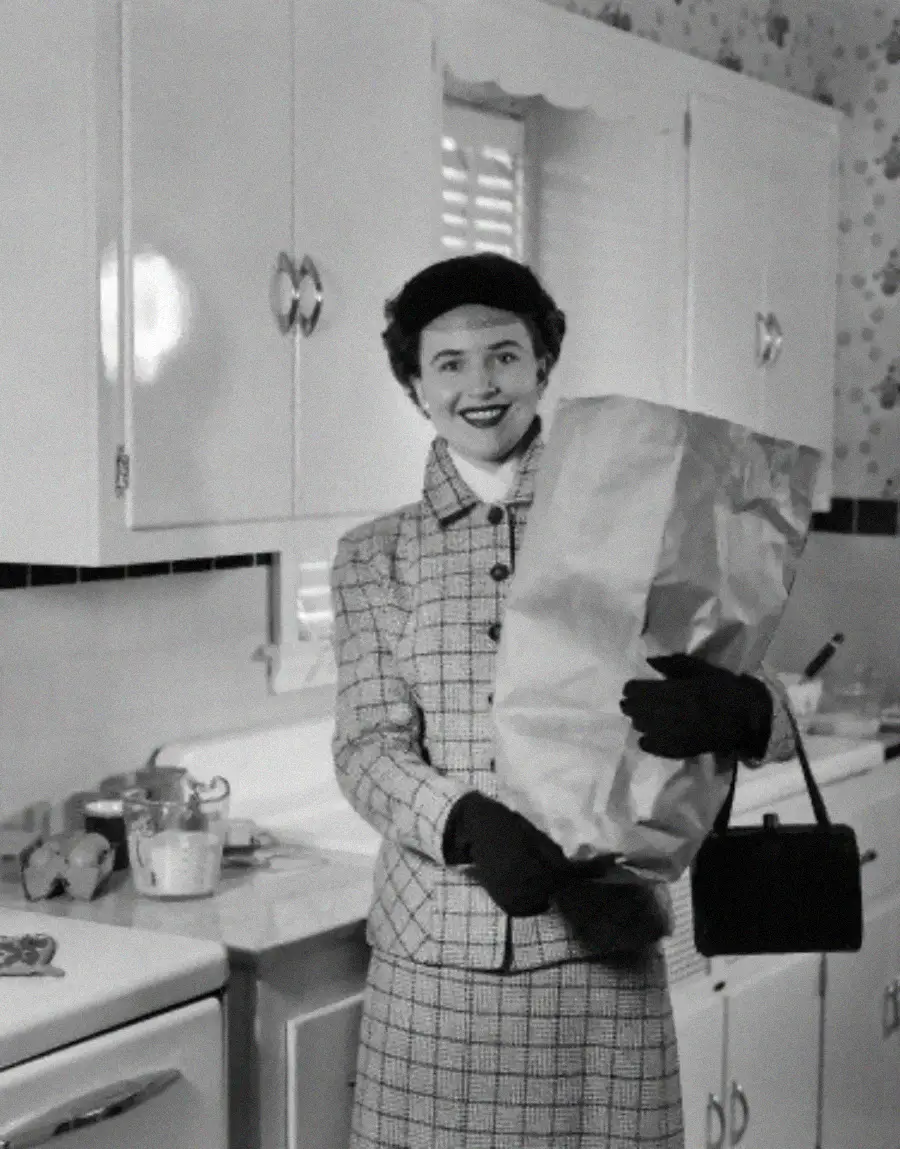
Completing a major retail run in the pre-mall era meant physically carrying heavy paper bags across several city blocks, onto crowded streetcars, and all the way back to your house. Malls solved this logistical headache by introducing centralized cart systems and designing concentric rings of parking spaces so you were always a short walk away from your trunk.
14. Setting aside a full day of errands
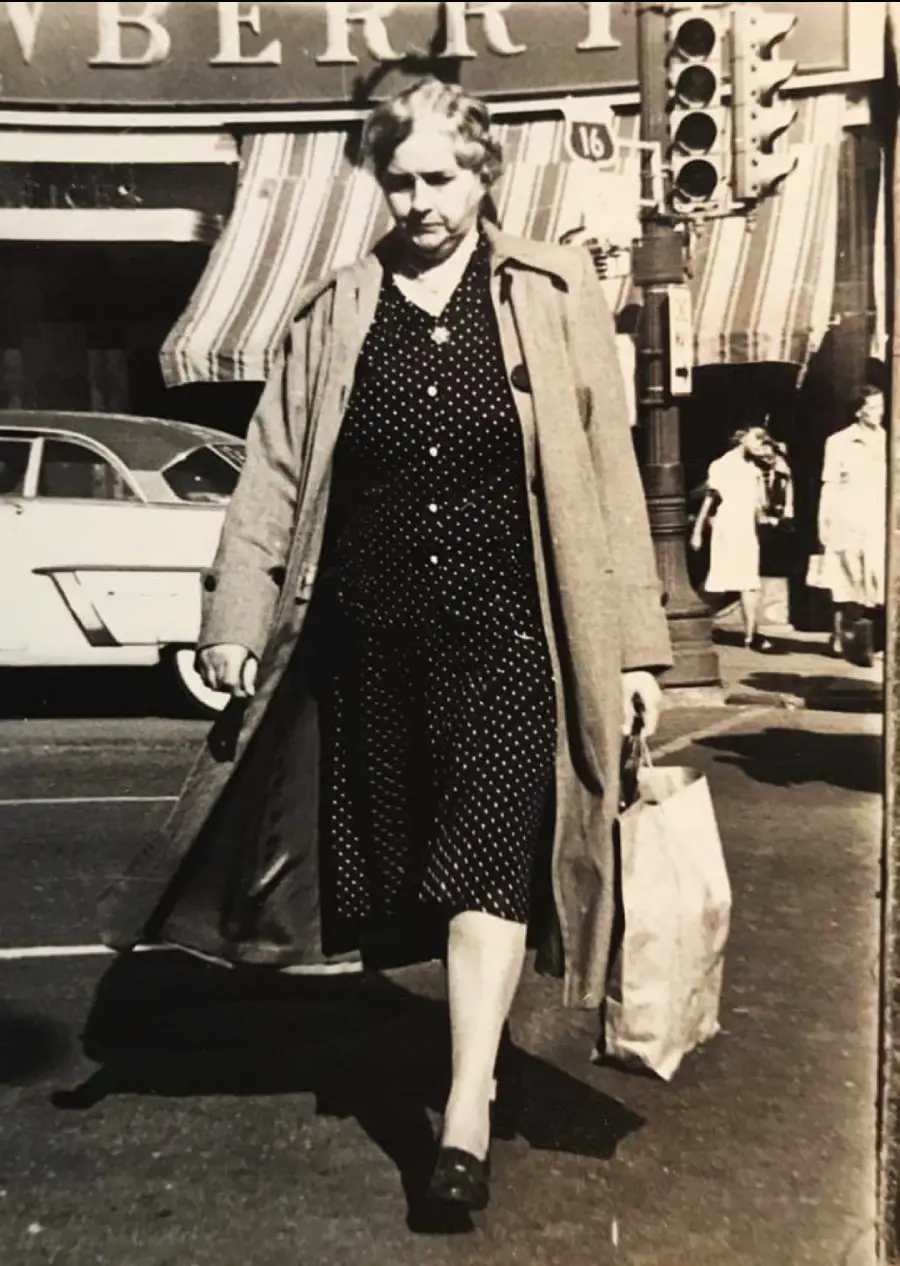
Because the local cobbler, the apothecary, and the clothier were scattered across different parts of the city landscape, completing a comprehensive shopping list was an exhausting, all-day endeavor. Enclosed retail environments condensed this sprawling urban layout into a highly efficient, climate-controlled corridor, allowing consumers to complete a month’s worth of diverse errands in a single afternoon.
Check out more vintage stories:
Revisiting these classic shopping habits from the pre-mall era serves as an excellent reminder of just how dramatically our daily lifestyles, community spaces, and definitions of convenience have shifted over the generations. Looking back at these streetcar rides, custom fabric purchases, and personal shopkeeper tabs proves that while our modern commercial spaces change completely across the decades, our baseline desire to gather, browse, and connect remains entirely constant. When we choose to look past the modern speed of contemporary retail to appreciate the charming, hands-on history of our consumer past, we gain a much deeper appreciation for cultural history. If you loved taking this nostalgic trip back to the era of classic retail, make sure to explore these 14 Forgotten Shopping Habits of Mid-Century Families or 15 Nostalgic Black Friday and Holiday Shopping Photos. You can also check out these 14 Habits From the 1970s That Seem Impossible Today.