Examining the vintage commercial blueprints of late twentieth-century suburban life brings us face-to-face with a highly physical, yet beautifully social, frontier of domestic management. We view the historic shopping rituals of past generations through a modern lens of instant digital deliveries, routinely forgetting that managing a household budget once required absolute real-world presence and tactical planning. Suburban families spent their Saturday mornings transforming ordinary retail excursions into major weekly events, utilizing printed circulars, physical coupons, and local brick-and-mortar networks to secure a comfortable baseline of daily life. This familiar weekend routine frames our collective memory of the pre-digital community, leaving younger generations to assume that acquiring household goods has always involved tapping a glass screen from the comfort of the living room sofa.
In contrast to modern virtual convenience, a deep dive into genuine retail history reveals a remarkably active and hands-on reality of how suburban households managed their routine shopping. The fascinating truth of lifestyle history proves that long before automated digital algorithms conquered consumer commerce, the collective public relied on structured shopping habits that fundamentally pulled the family unit out into local malls, downtown districts, and regional wholesale outlets. Instead of browsing isolated digital catalogs in total silence, citizens systematically flipped through massive paper directories, waited in physical checkout lines to clip cents-off paper vouchers, and turned seasonal wardrobe updates into collaborative neighborhood social outings. Let’s wind back the clock of commercial history as we explore fourteen legendary habits that beautifully capture the tangible magic of a classic family shopping excursion.
1. Planning the week around the Sunday newspaper circular
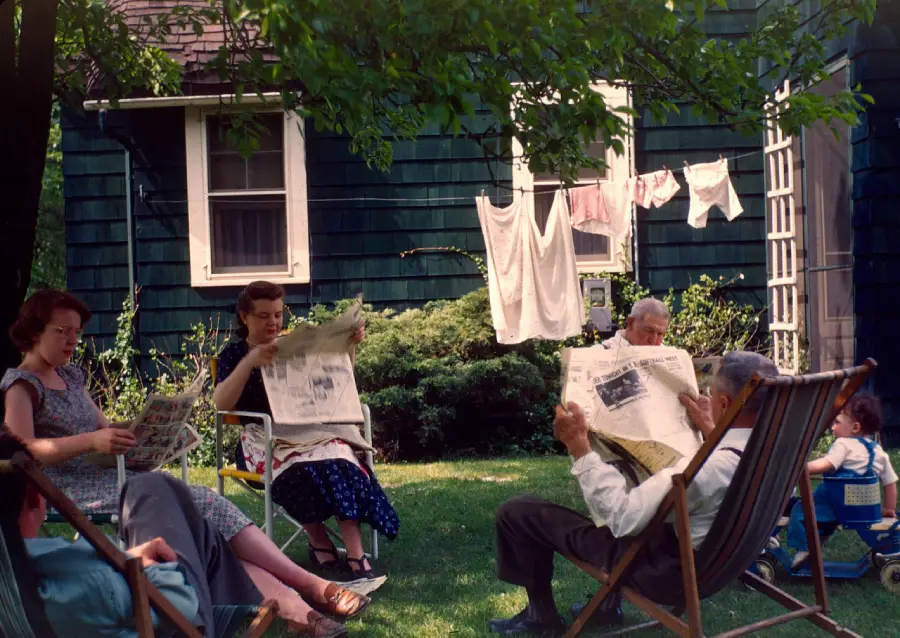
Before digital discount alerts populated our mobile screens, families spent their Sunday mornings scanning thick stacks of printed grocery inserts to map out their weekly provisions. Parents systematically circled local supermarket doorbusters with red pens to ensure they hit the best retail deals in town.
2. Clipping and organizing physical paper coupons
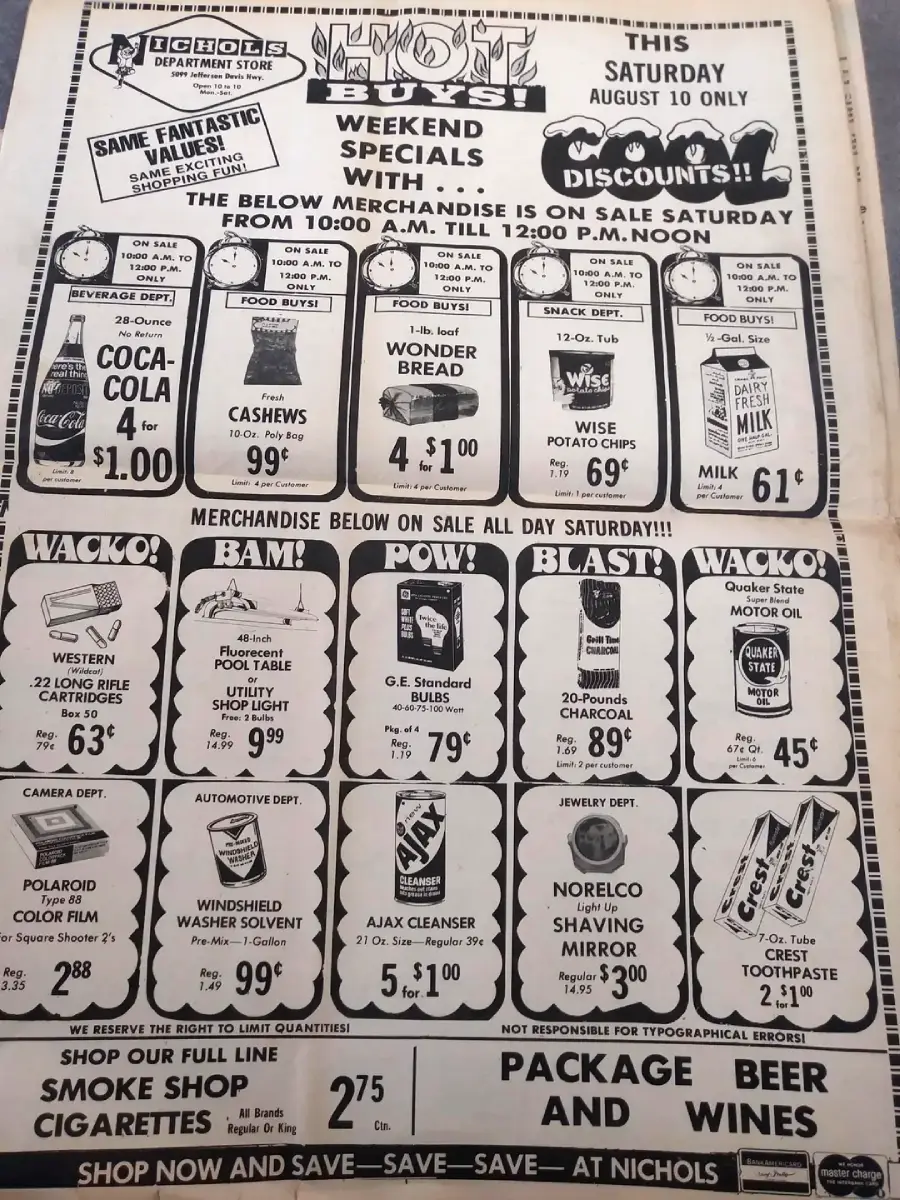
Managing the family budget required an immense level of patience as parents meticulously sliced out paper vouchers from weekly mailers. These tiny slips of paper were systematically sorted by product category into small plastic accordion files before anyone set foot inside a store.
3. The grand seasonal excursion for school wardrobes
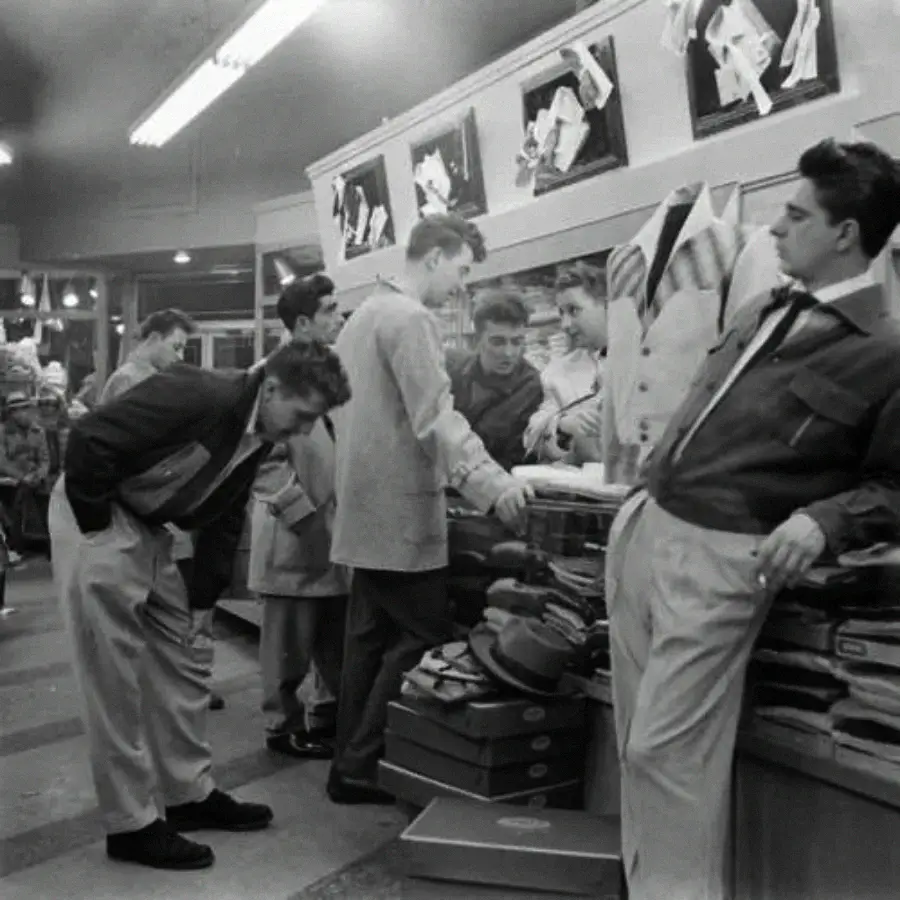
Upgrading a growing child’s wardrobe was a major annual retail event that traditionally took place over a single frantic weekend in August. Families spent hours moving from one department store to another, trying on stiff denim jeans and heavy winter coats under bright fluorescent lights.
4. Writing out a detailed physical grocery list on scrap paper
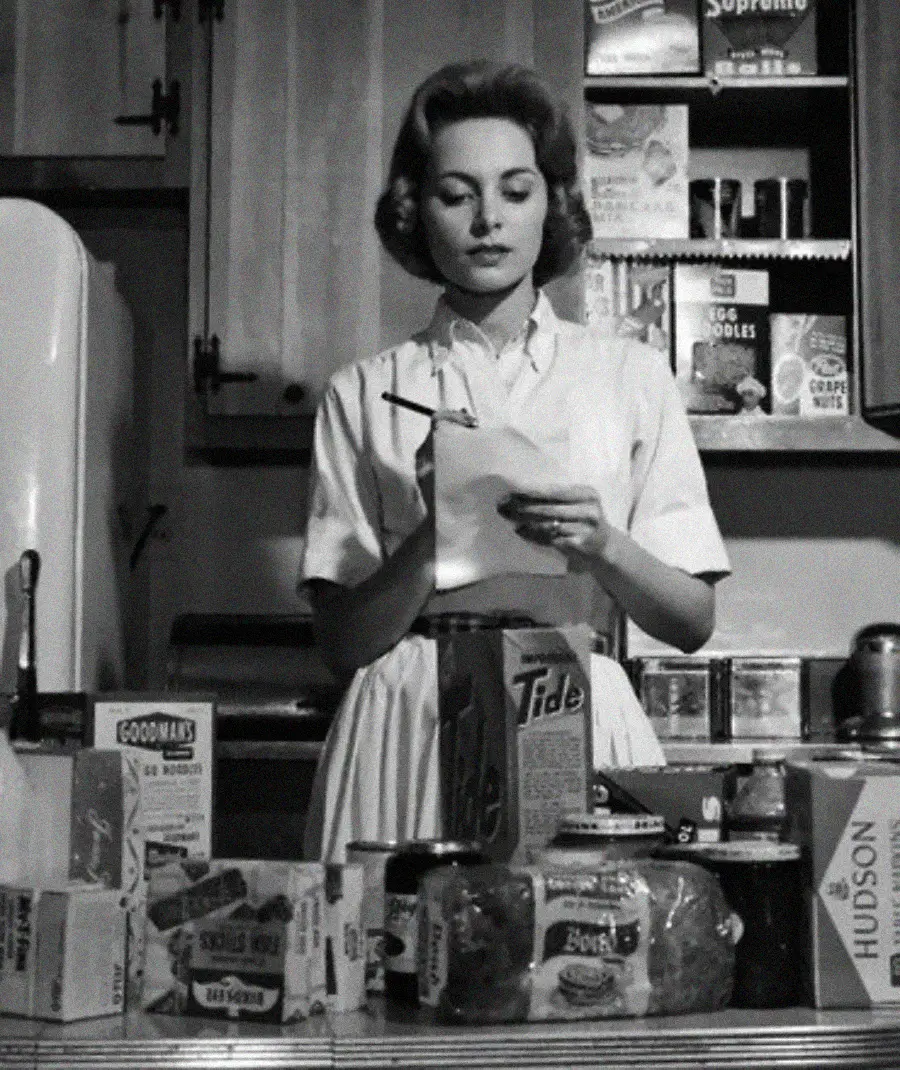
Navigating the supermarket aisles without digital notes meant relying entirely on a handwritten inventory scribbled on the back of an old envelope or a magnetic notepad. Straying from the written list was strictly discouraged, as forgetting a single ingredient meant making a secondary trip later in the week.
5. Returning glass soda bottles for the cash deposit
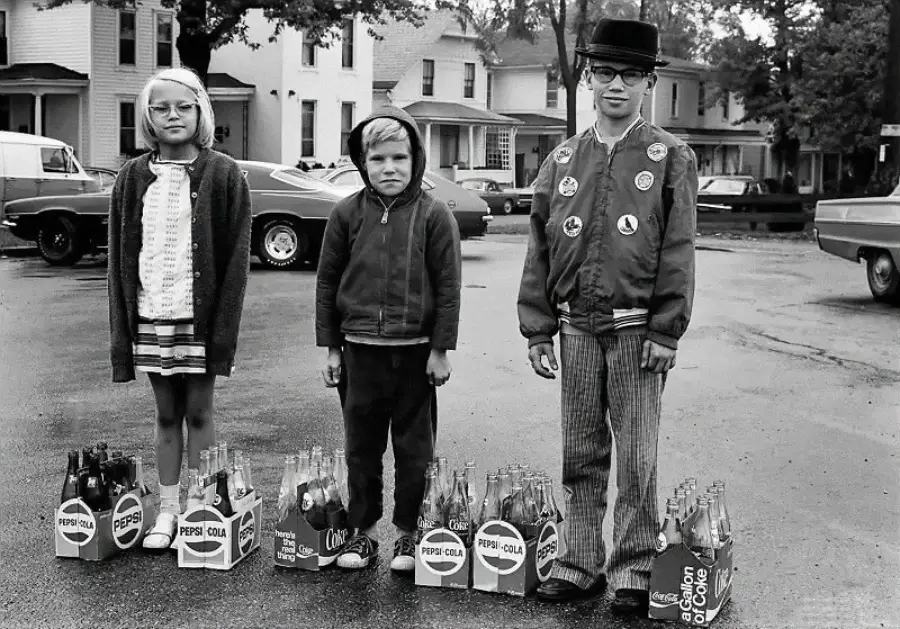
Before curbside recycling programs became a universal household baseline, saving empty glass beverage containers was a highly profitable domestic habit. Children eagerly helped load heavy wooden crates of empty bottles into the trunk to collect the pocket change waiting at the storefront return desk.
Trending on The Scroller


6. Browsing the massive holiday toy catalogs for hours
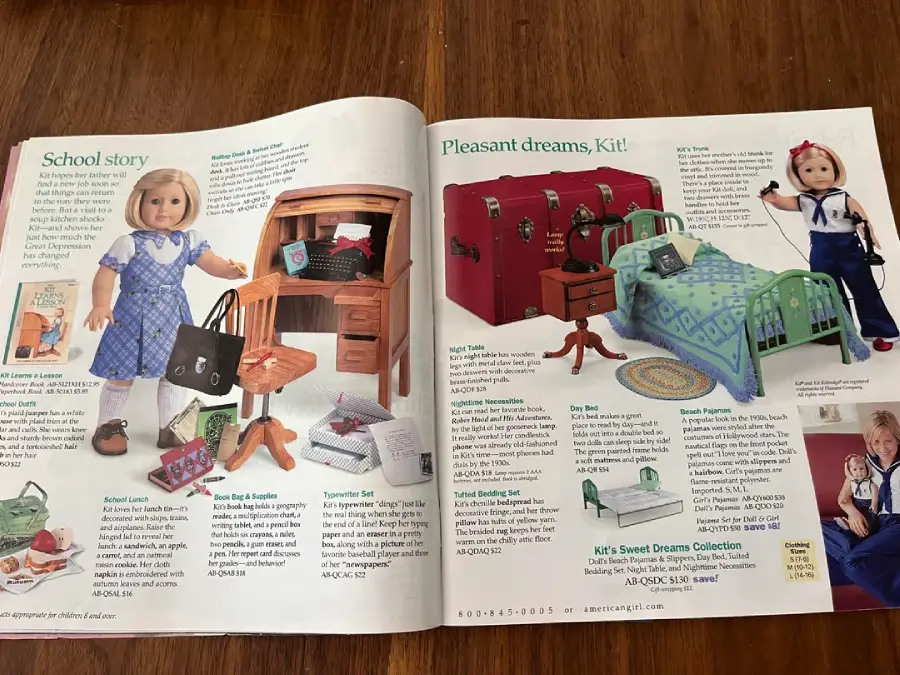
The arrival of the thick seasonal mail-order catalog transformed ordinary afternoons into hours of intense dreaming for young minds. Children spent days folding down the corners of the glossy pages and circling desired board games or action figures to construct their ultimate holiday wish lists.
7. Waiting for the semi-annual department store clearance events
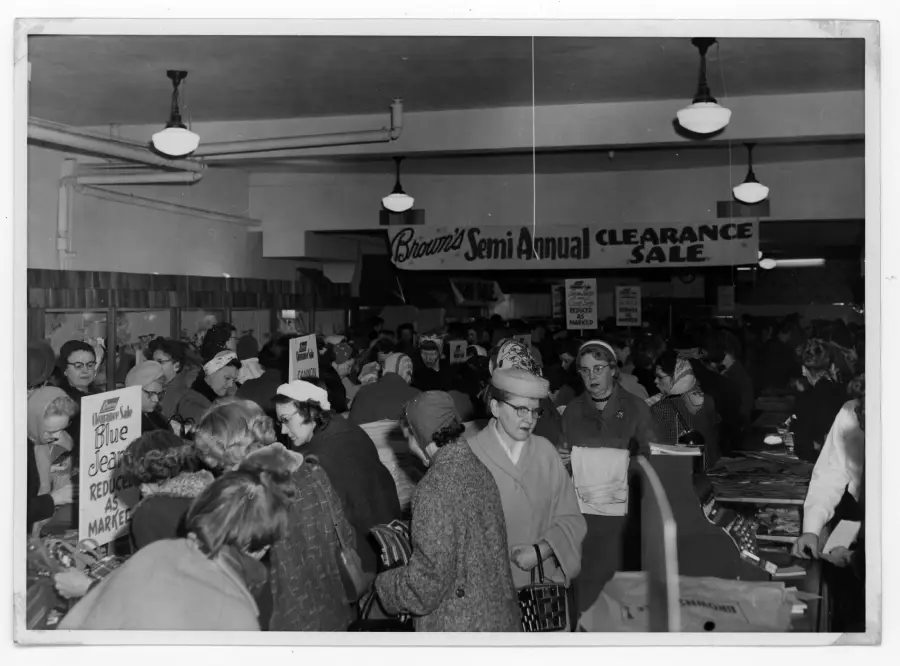
Securing high-quality linens, formal footwear, or heavy winter bedding required waiting patiently for the legendary white sales and seasonal clearances. Savvy spenders knew exactly which months offered the deepest price cuts, refusing to pay full retail price during the rest of the year.
8. Making bi-weekly trips to the regional wholesale club
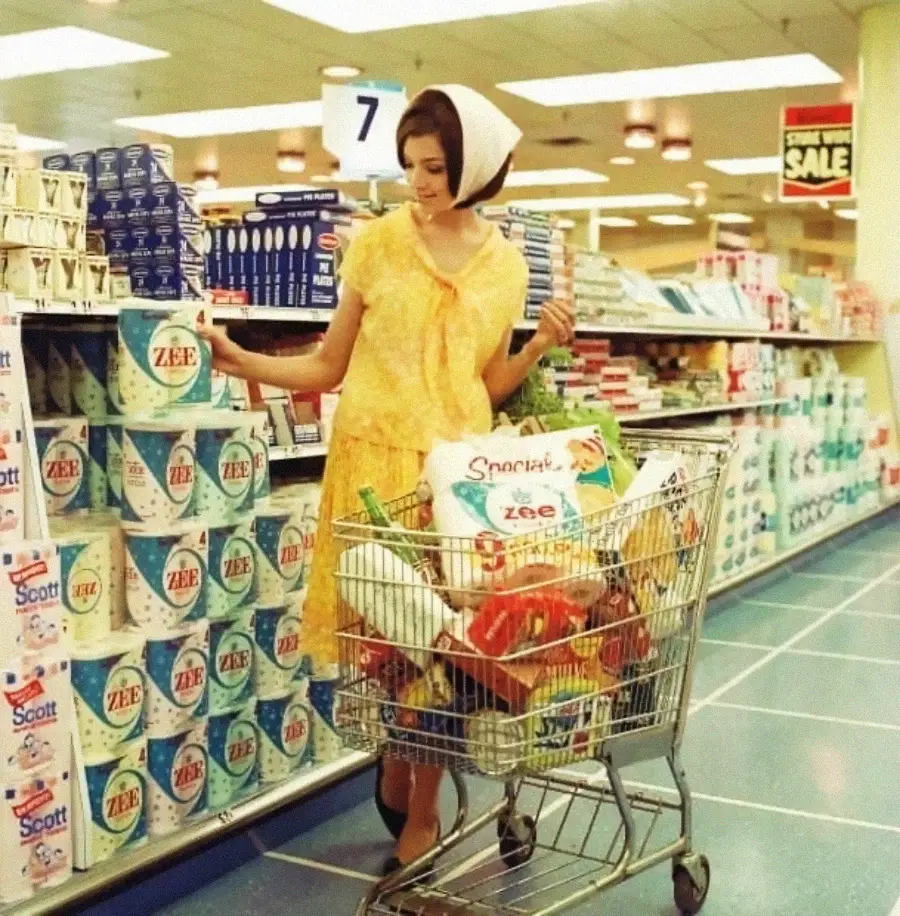
The rise of large-scale warehouse clubs turned bulk buying into a specialized weekend ritual for large suburban households. Families loaded up massive flatbed carts with giant boxes of cereal, industrial-sized laundry detergents, and endless rolls of paper goods to minimize their retail trips.
Sign up for our newsletter
9. Buying holiday gifts via the Layaway program
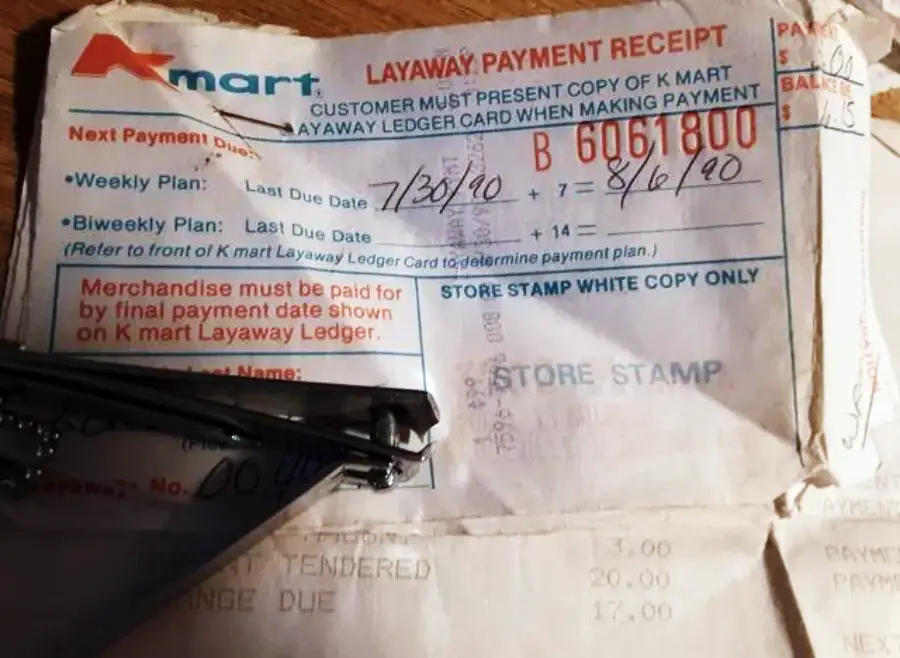
Securing expensive electronics or premium winter clothing for the family often involved utilizing a store’s interest-free layaway system. Parents made regular cash payments at a special back-counter desk over several months, ensuring the items were fully paid off before bringing them home.
10. Spending Friday nights loitering at the suburban shopping mall
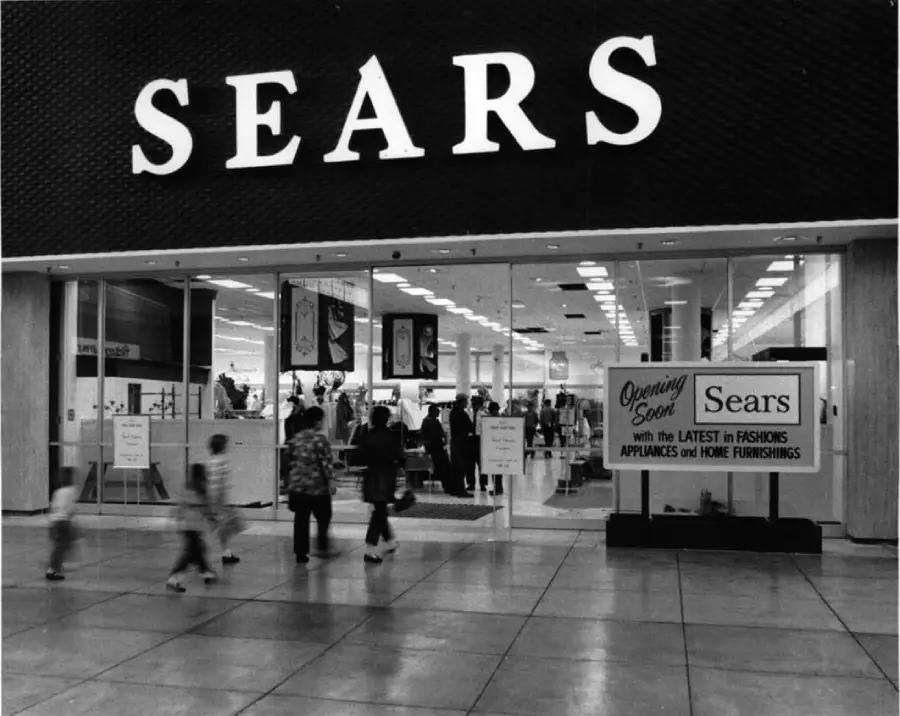
The local climate-controlled shopping center operated as the absolute social and commercial anchor for every generation during the weekend. While parents focused on securing necessary household hardware, teenagers gathered around the food court and record stores to socialize.
11. Checking the local price matches by making phone calls

Before instant online price comparisons existed, finding the best deal on a new television or kitchen appliance required manual investigative work. Consumers systematically called different local electronics dealers to ask sales representatives for their current showroom quotes.
12. Collecting and pasting trading stamps into saving booklets
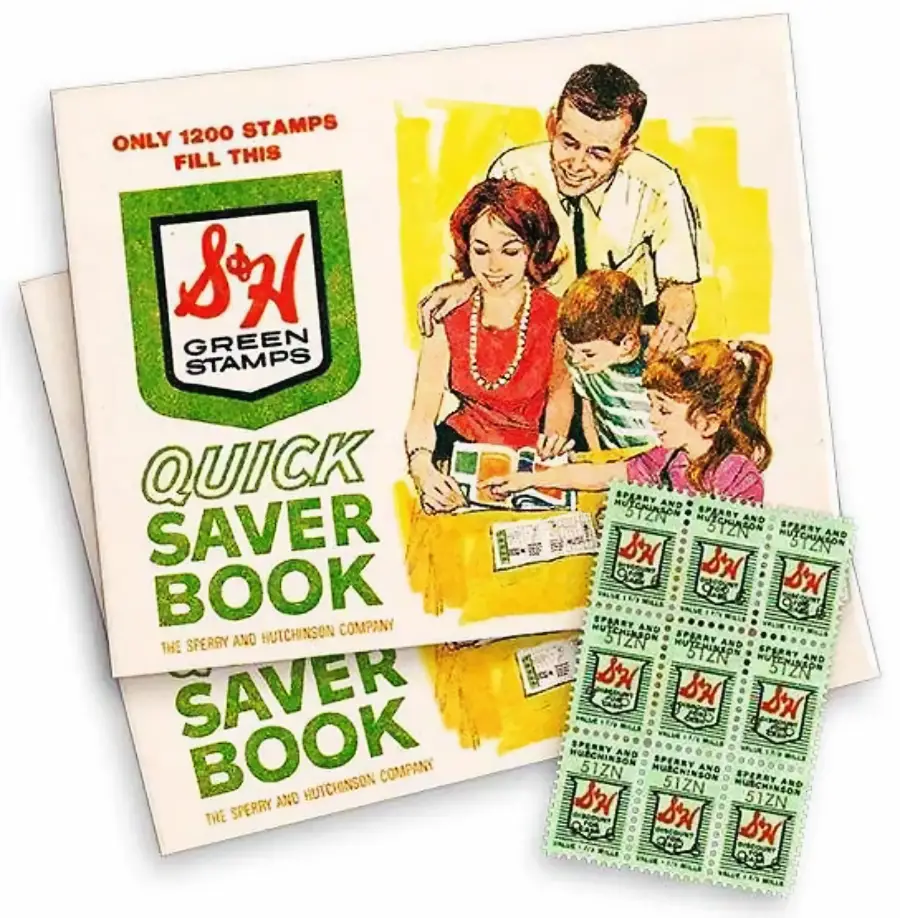
Many regional supermarkets and gas stations rewarded customer loyalty by distributing small gummed paper stamps with every transaction. Families spent their evening hours carefully pasting these stamps into specialized booklets to later redeem them for household appliances.
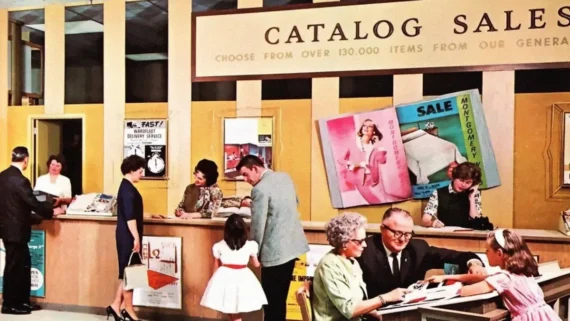
13. Ordering specialty items from the mail-order desk
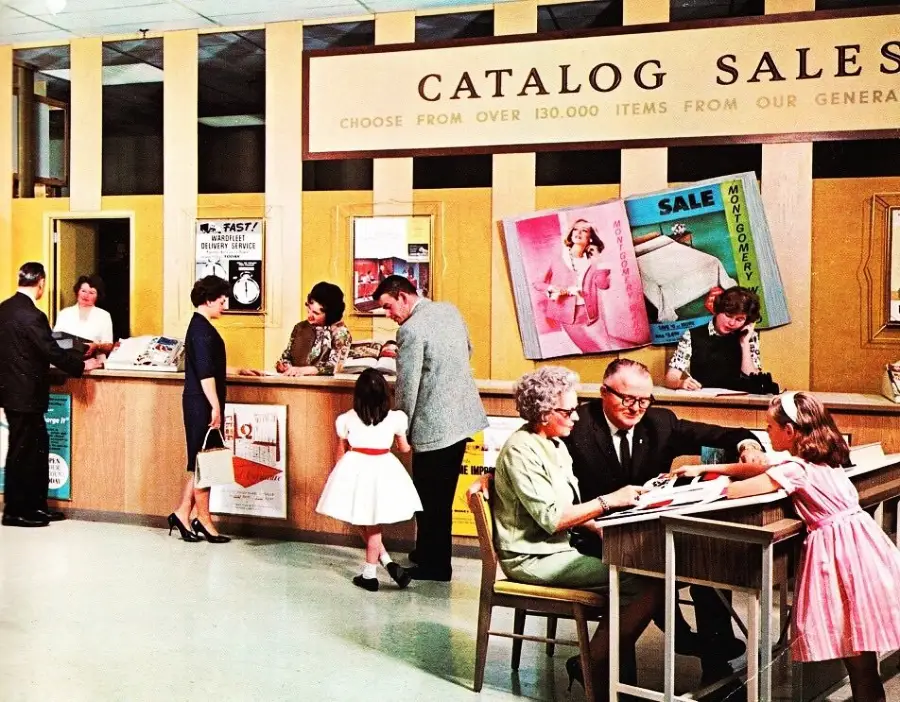
When a desired product could not be found on local store shelves, consumers consulted thick merchant registries to place a specialized mail order. You had to physically fill out a paper form, enclose a personal check, and wait several weeks for the parcel to arrive.
14. Buying fresh-baked goods directly from the neighborhood delivery truck
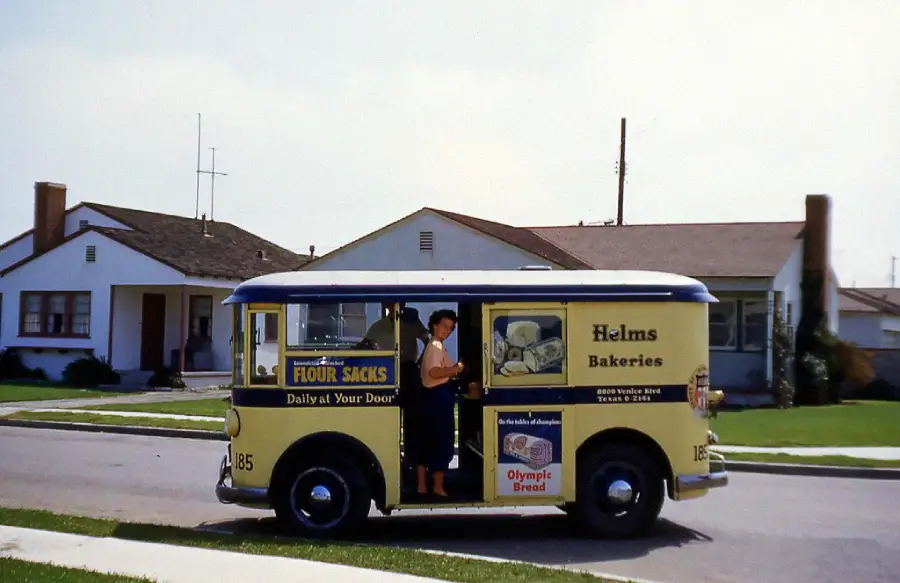
Concluding our historical retail countdown is the charming domestic habit of purchasing fresh bread and specialty pastries right at the curbside. Local independent bakeries operated specialized delivery vans that hummed down suburban streets, bringing sweet treats straight to the doorstep.
Explore more middle-class vintage habits:
These forgotten commercial archives expose a powerful truth about how the enduring essence of family life continuously bridges the gap between different eras. Shifting our focus to these unforgettable instances of old-school retail evolution proves that while transactional formats, wardrobe aesthetics, and background consumer technologies fluctuate wildly across the timelines of history, the raw human need for strategic household management remains entirely static. When we choose to look past the initial nostalgic charm of these vintage habits to study the authentic human resourcefulness preserved inside the routine, we gain a profound appreciation for the shared memories that shape our modern lifestyle history. If you enjoyed this beautifully detailed, lighthearted journey looking back at the consumer relics of yesterday, make sure to explore these 15 Routines That Defined Middle-Class Moms in the 1960s, or 16 Habits of 1970s Parents That Would Shock Modern Families. You may also like these 14 Everyday Expenses That Are Much Higher Since the 2000s.